
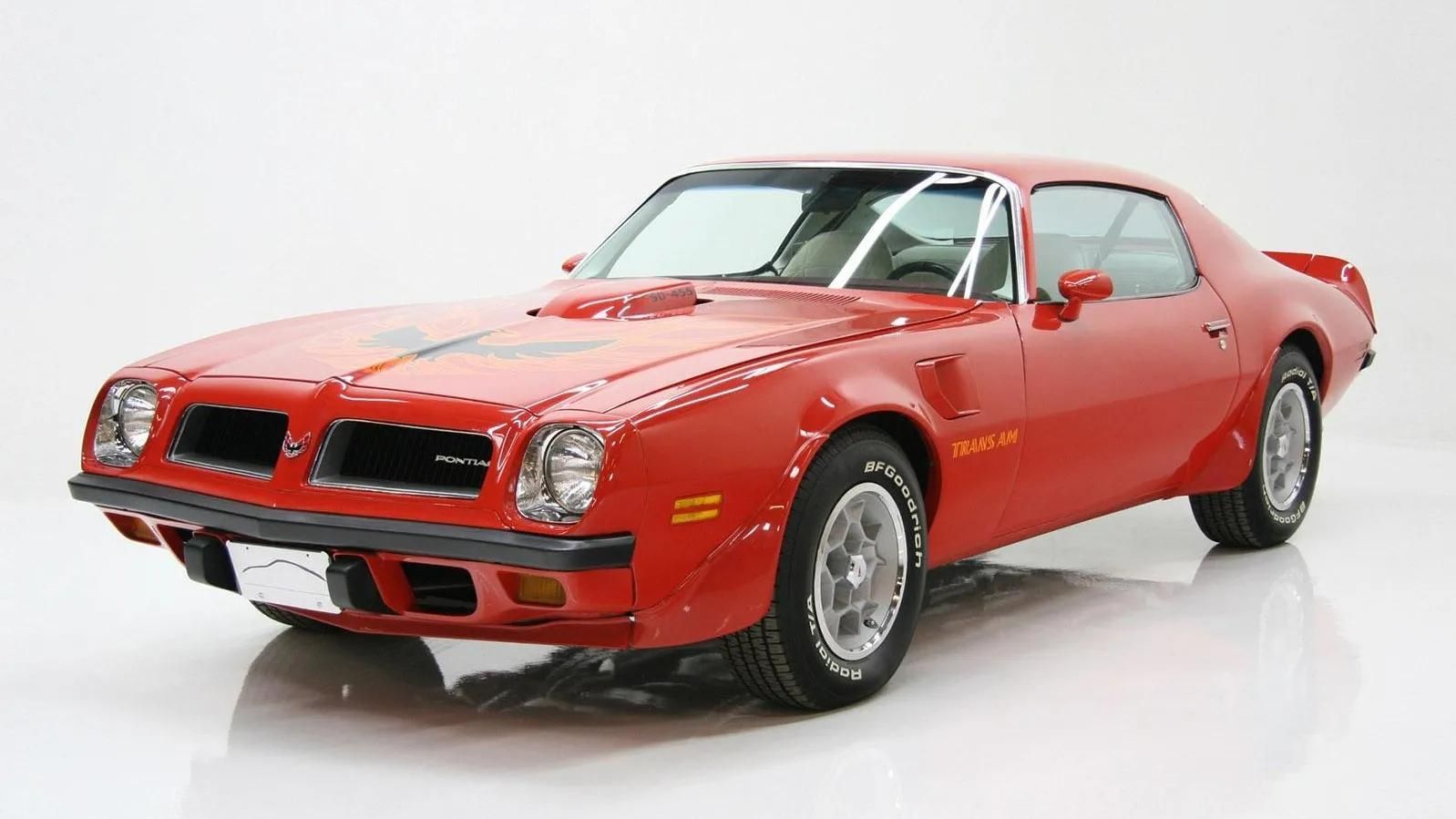
Every automotive nameplate carries a story, but few are as steeped in real history as Pontiac. The GM brand did not invent a marketing myth from thin air.
It borrowed the name and image of a genuine 18th-century Native American leader, one of the most formidable war chiefs the Great Lakes region ever produced. Chief Pontiac led a sweeping, multi-tribal resistance against British rule in 1763.
That uprising, later called Pontiac’s War, shook British colonial confidence for years. Decades later, a small Michigan town would take his name. That town eventually gave its name to a buggy works, then an automaker, and finally one of America’s most recognizable car brands. This piece traces that full arc.
It moves from the historical chief himself, through the founding of Pontiac, Michigan, and into the creation of the Pontiac Motor Division. Along the way, it separates documented fact from popular legend.
The goal is a clear, well-researched account, written in short, digestible sections, of how an Ottawa war chief’s name ended up on millions of American dashboards.
Who Was Chief Pontiac?
Pontiac was born around 1720, likely near the Maumee River in present-day Ohio. His father was Ottawa, and his mother was Chippewa, giving him ties across two allied nations.
By 1755, historical records place him as a recognized war chief. He had already built a reputation as a skilled orator and a shrewd military strategist.
During the French and Indian War, Pontiac allied with French forces against the British. He is credited with helping defeat British troops near Fort Duquesne in 1755.
That French alliance shaped his worldview for the rest of his life. When France ceded its North American territories to Britain in 1763, Pontiac saw the danger clearly.
British policy toward Native nations differed sharply from French practice. The British curtailed gift-giving customs, restricted trade, and showed open disregard for existing treaties and tribal land rights.
Pontiac responded by organizing a coalition that historians call pan-Indian resistance. He drew together Ottawa, Ojibwe, Potawatomi, and several other Great Lakes nations under a shared cause.
In May 1763, Pontiac led roughly 300 warriors in an attempted surprise capture of Fort Detroit. The plan was discovered before it could succeed. Undeterred, Pontiac shifted tactics and laid siege to the fort instead. That siege stretched on for nearly six months, drawing in more than 900 warriors from half a dozen allied tribes.
This conflict became known as Pontiac’s War, running from 1763 to 1766. It remains one of the most significant Native uprisings against British colonial power in North American history.
Historians have long debated how much of the broader war Pontiac personally directed. Nineteenth-century writers cast him as the uprising’s mastermind and single commanding general.
Later scholarship offers a more measured view. Many modern historians describe him as an important regional leader whose influence, while real, was smaller than the legend suggests.
British officials, regardless of the historical nuance, treated Pontiac as the face of the resistance. They pursued direct negotiations with him specifically to end the fighting.
That attention inflated his perceived authority among other Native leaders. Some accounts suggest this created friction, since Pontiac began asserting more regional power than he actually held.
With French support gone and British military pressure mounting, Pontiac eventually signed a peace treaty in 1766. The formal uprising wound down, though tensions in the region persisted.
Pontiac’s story ended violently a few years later. On April 20, 1769, he was killed in the French village of Cahokia, present-day Illinois, by a member of the Peoria tribe.
Some accounts suggest the killing was retaliation for an earlier attack Pontiac had carried out. His death sparked further inter-tribal conflict, and the Peoria nation suffered heavily afterward.
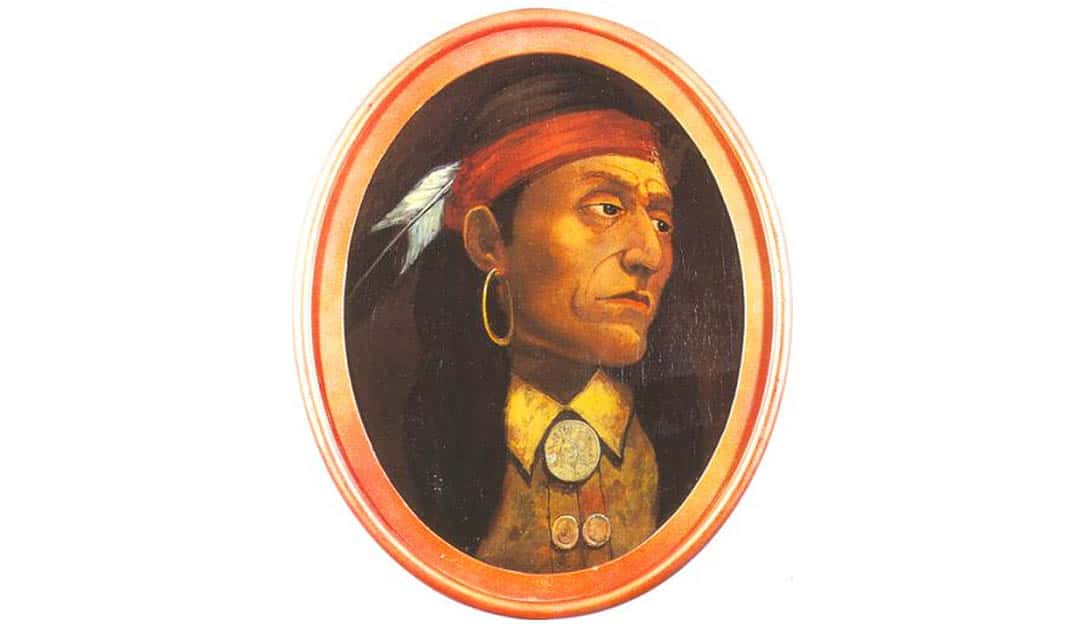
No authentic portrait of Pontiac survives today. The widely circulated image used in later reproductions is an artistic interpretation painted well after his death by John Mix Stanley.
Despite the uncertainty around exact details, Pontiac’s name endured. It became shorthand in American memory for organized Native resistance against colonial expansion in the Great Lakes.
The City, the Company, and the Car
Pontiac’s legacy first became geography before it became a car brand. A town in southeastern Michigan was named directly in his honor. That settlement grew into Pontiac, Michigan, located in what became Oakland County. The town’s name preserved the chief’s memory long after the fighting he led had ended.
Commercial use of the name began in the carriage industry. In 1893, Edward Murphy founded the Pontiac Buggy Company in that same town. Murphy’s operation built horse-drawn carriages successfully for over a decade. As automobiles began overtaking carriages in popularity, Murphy recognized the shift and moved to adapt.
In 1907, Murphy founded a new venture called the Oakland Motor Car Company. He chose the county name rather than the city name for a specific reason.
A local rival, the Pontiac Spring and Wagon Works, was already producing a motor wagon under the Pontiac name. Murphy avoided direct naming conflict by going with Oakland instead.
The two companies merged in 1908 under the Oakland banner. Production consolidated in Pontiac, Michigan, where the Oakland-built Cartercar also took shape.
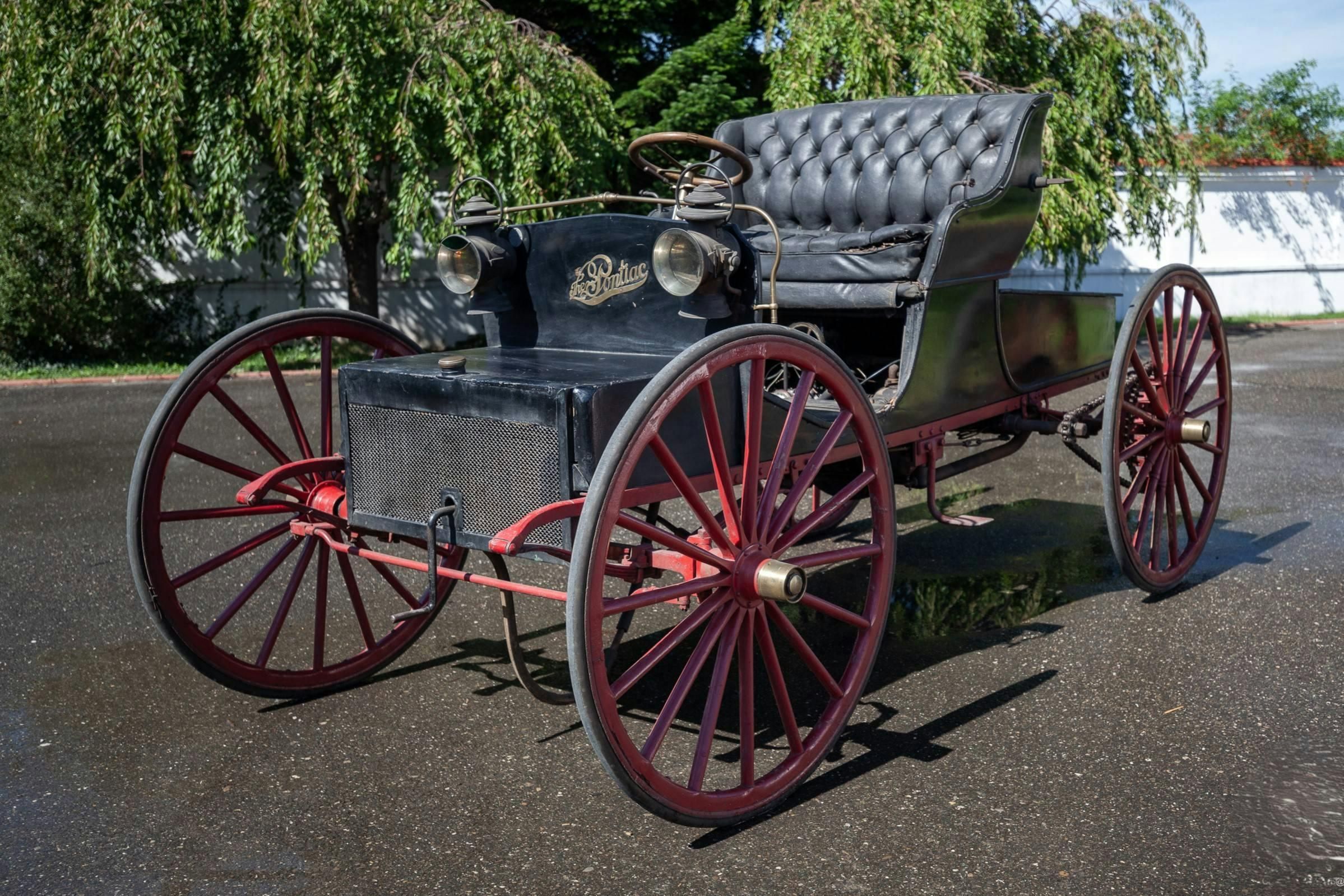
General Motors entered the picture in 1909. Founder William Durant acquired Oakland, folding it into the rapidly growing GM conglomerate alongside Buick, Cadillac, and Oldsmobile.
Oakland’s early lineup included the Oakland Four, introduced around 1909. That model gave way to the Oakland Six by 1916, as engineering and market demands evolved.
The pivotal moment for the Pontiac name arrived in 1926. GM introduced a new companion vehicle to Oakland, positioned as an affordable option beneath the main Oakland line.
This new car was officially named the Pontiac Series 6-27. It featured a six-cylinder engine at a time when many competitors still relied on four-cylinder designs.
GM marketed the debut model with the nickname “Chief of the Sixes.” The name deliberately invoked Pontiac’s identity as a powerful Native leader and warrior.
Early advertising leaned heavily into that imagery. The first Pontiac emblem depicted a Native American warrior wearing a traditional headdress, directly referencing the historical chief.
Sales results validated the strategy almost immediately. Pontiac ranked as America’s thirteenth best-selling automaker in its debut year, moving 76,742 units in 1926 alone.
Within months, Pontiac was outselling its own parent brand, Oakland. That reversal was unusual for a companion marque, which typically existed to support, not surpass, its senior line.
GM’s broader companion-make strategy paired several divisions this way during the 1920s. Buick had Marquette, Oldsmobile had Viking, and Cadillac had LaSalle as lower-priced sister brands.
Pontiac proved to be the only companion make that outlived its parent company. When the Great Depression hit, Oakland’s higher price point made it vulnerable.
Oakland was discontinued in 1931, unable to sustain sales during the economic downturn. Pontiac, priced lower and already outperforming Oakland, absorbed its operations and became its own full GM division.
From that point forward, Pontiac operated as an independent brand within General Motors. It carried the Ottawa chief’s name and imagery forward into a new era of American car culture.
Legacy of the Pontiac Name
Pontiac’s Native American branding did not disappear after the 1920s. GM continued referencing Chief Pontiac visually for decades across multiple design elements.
Through the 1930s and 1940s, an Indian-head figure appeared on Pontiac hoods, grilles, steering wheel horn buttons, and hubcaps. This imagery reinforced the brand’s namesake at every turn.
Even model names carried the theme forward into mid-century America. The Chieftain and Star Chief nameplates, both introduced in that era, directly echoed Pontiac’s tribal leadership origins.
Those references faded by the 1950s as Pontiac shifted its brand identity. The Indian-head emblem was phased out, replaced eventually by the arrowhead-shaped logo more associated with later decades.
Pontiac’s image transformed again in the following years. What began as a somewhat staid, older-driver’s brand pivoted hard toward performance and youth appeal by the 1960s.
Models like the GTO helped redefine Pontiac as GM’s muscle car division. The brand built a reputation for speed and aggressive styling that lasted for decades afterward.
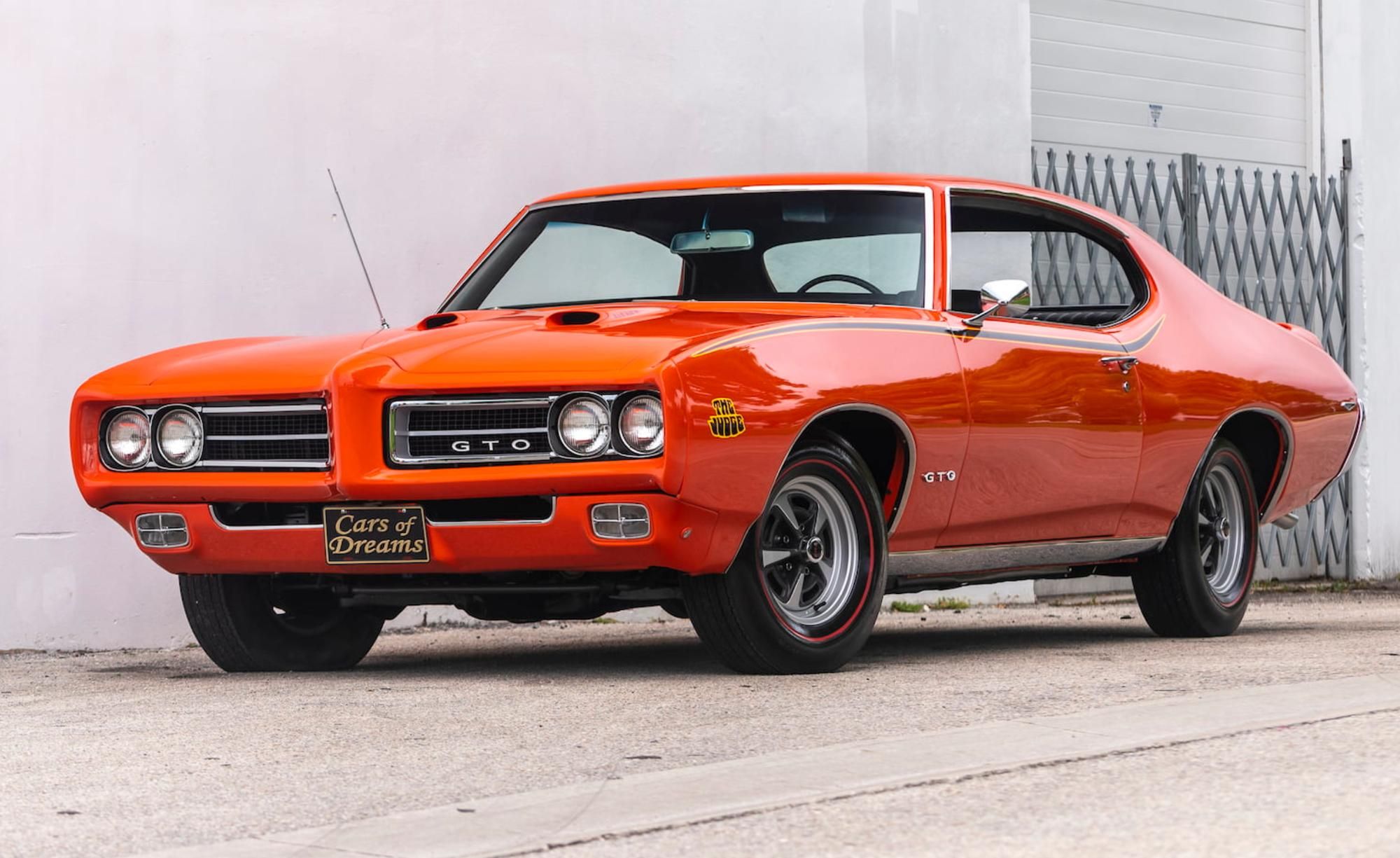
Despite these stylistic shifts, the underlying name connection to Chief Pontiac never changed. Every Pontiac badge sold, regardless of era, still carried the Ottawa leader’s name.
The city of Pontiac, Michigan, also remained central to this story throughout. It served as headquarters and manufacturing hub for the brand for much of its history.
General Motors’ broader corporate struggles eventually caught up with the division. During GM’s 2008–2009 restructuring and bankruptcy proceedings, several brands faced elimination to cut costs.
Pontiac was among the divisions GM chose to discontinue. Production wound down through 2009, with the final Pontiac models officially built as 2010 model-year vehicles.
After more than eight decades, the Pontiac nameplate went out of production. It had outlasted every other companion make GM ever created, a distinction traceable back to its strong 1926 debut.
Historical figures, for better or worse, often become commercial symbols long after their lifetimes end. Pontiac’s journey from battlefield leader to car nameplate is one of the clearest examples of that pattern in U.S. industrial history.
