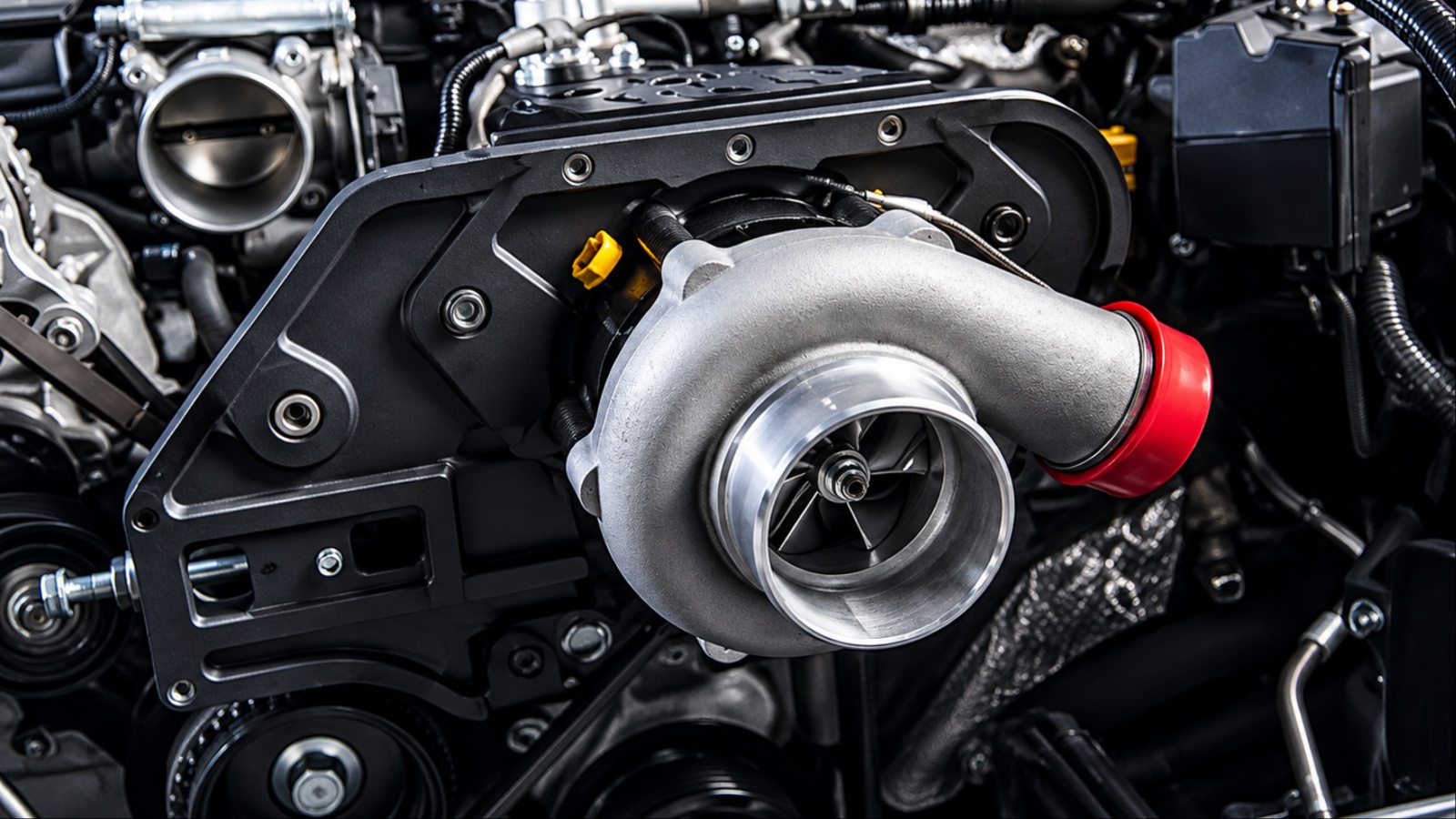
Turbochargers are built to handle extreme conditions. They can spin beyond 150,000 RPM while facing exhaust temperatures above 900°C, yet many continue working reliably for years. In most cases, the turbo itself is not the weak point. The real difference comes down to how the vehicle is driven and maintained.
Most premature turbo failures trace back to oil starvation, thermal shock, or excessive mechanical stress, and nearly all of these are caused by everyday driving behavior rather than manufacturing defects. Below are ten common habits that quietly wear down a turbocharger, often long before the rest of the engine shows any signs of trouble.
1. Flooring It From a Cold Start
A turbocharger relies on a steady supply of engine oil to keep its central shaft separated from the surrounding metal surfaces. The oil creates a thin protective film that prevents damaging friction.
Right after startup, however, the oil has not yet reached full pressure or circulated completely through the turbocharger’s bearing housing. Cold temperatures can make the oil even thicker and slower to flow, leaving the turbo with less lubrication during those first moments.

Flooring the accelerator within the first few seconds forces the turbo shaft to spin at extremely high speed before adequate lubrication exists, causing metal-to-metal contact at a microscopic level. This happens in milliseconds, but the damage accumulates. Each cold-start hard launch scores the bearings slightly, increases shaft play, and shortens the component’s effective lifespan.
After months or years of repeated cold starts, the resulting wear can eventually show up through symptoms such as whining, shaft movement, or oil leaking past damaged seals and entering the intake or exhaust. Avoiding this kind of stress is simple and costs nothing. Give the engine about 30 to 60 seconds to warm up before asking for strong acceleration.
This gives the oil pump time to build pressure and circulate lubricant throughout the turbocharger. The habit becomes even more important during winter, when thicker oil takes longer to move through the engine. Those first moments after a cold start can be among the most demanding conditions for a turbocharger.
2. Shutting the Engine Off Immediately After Hard Driving
This is the single most notorious turbo killer, and for good reason. After sustained high-load driving highway runs, towing, spirited acceleration the turbine housing can be glowing hot, easily exceeding 900–1,000°C internally.
The turbo shaft and bearings are cooled and lubricated by circulating oil, but the moment the engine shuts off, that oil flow stops instantly while residual heat keeps radiating into the housing. Oil trapped in the bearing area gets cooked, breaking down into hard, varnish-like carbon deposits called coking.

These deposits clog the tiny oil passages that feed the bearings, gradually starving them of lubrication on every subsequent start. Repeated coking events are one of the leading causes of turbo bearing failure in daily-driven vehicles.
A short cool-down period can help protect the turbocharger after demanding drives. Letting the engine idle for 30 to 60 seconds after highway driving gives excess heat time to dissipate while the oil continues circulating through the system. After towing or track use, allowing additional idle time can help carry heat away from the turbocharger’s hottest components.
Many modern turbocharged vehicles include water-cooled turbo housings and after-run coolant pumps specifically to combat this problem, but they don’t eliminate the benefit of a manual cool-down, especially in older or budget-oriented turbo applications without those safeguards.
3. Skipping or Delaying Oil Changes
A turbocharger is arguably the most oil-dependent component in the entire engine, relying on clean, properly viscous oil far more heavily than pistons or valvetrain components do. As oil ages, it loses viscosity stability, accumulates combustion byproducts, and, critically for turbos, starts forming microscopic abrasive particles from oxidation and thermal breakdown.
These particles pass directly through the turbo’s oil feed line and into the ultra-tight clearances around the shaft bearings, which are often measured in mere microns. Even minor contamination acts like fine sandpaper against these clearances every time the shaft spins at operating speed.
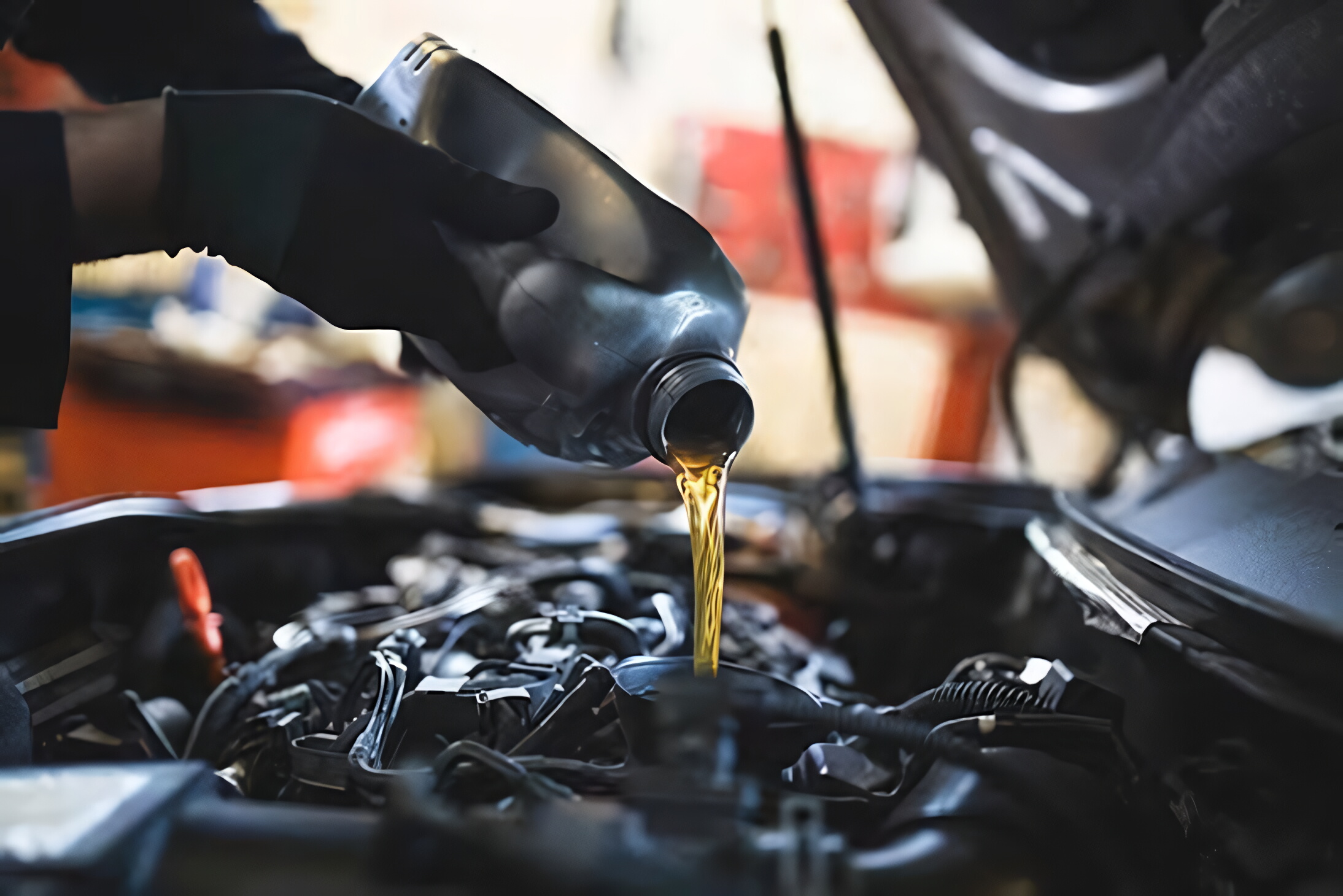
Delayed oil changes compound the problem because degraded oil also loses its ability to resist coking at high temperatures, making heat-related bearing damage worse at the same time particulate damage is occurring.
Many manufacturers specifically require shorter oil change intervals for turbocharged engines compared to naturally aspirated versions, and using anything other than the specified oil grade only accelerates the issue.
Cheap or off-spec oil that doesn’t meet the manufacturer’s thermal and shear-stability standards can break down under turbo-specific heat loads far faster than under a conventional engine’s demands, turning what should be a scheduled maintenance item into a slow-motion mechanical failure.
4. Prolonged Idling Before Driving
Where habit #1 is about rushing too soon, this is the overcorrection many drivers believe extended idling “warms up” a turbo and protects it, when in reality prolonged idling does very little for the turbocharger and can introduce its own problems.
At idle, oil pressure is at its lowest operating point, and exhaust gas flow is minimal, meaning the turbine spins slowly and generates little of the heat or stress it’s actually designed to handle.
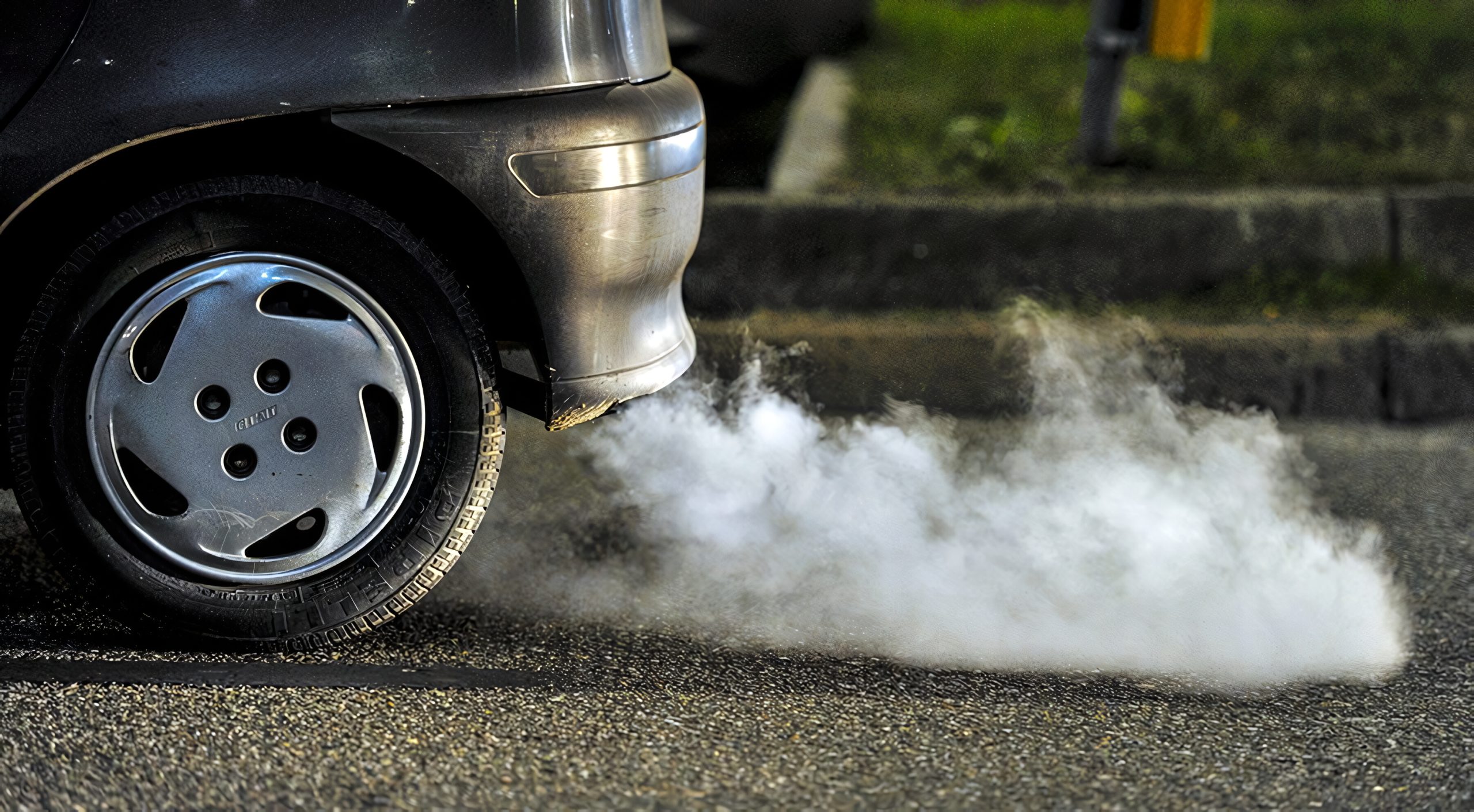
What idling does accomplish is allowing unburned fuel and moisture to accumulate in the combustion chamber and exhaust path, which can wash oil off cylinder walls and contribute to carbon buildup that eventually affects turbo performance downstream.
A turbocharger benefits far more from a gradual, moderate-load warm-up, gentle acceleration, and normal-range RPM driving than from sitting stationary for minutes at a time.
This gradual approach brings oil to full operating temperature and viscosity while also bringing the turbo’s components up to a stable thermal state evenly, rather than leaving it cold and underworked before suddenly being subjected to full boost pressure. The practical takeaway is balance: skip both extremes, avoid full-throttle demands in the first minute, but also avoid treating idling as a substitute for genuine warm-up driving.
5. Constant High-Boost, Aggressive Driving
Turbochargers are engineered with a duty cycle in mind, and constantly operating at or near maximum boost pressure, hard acceleration, repeated redline pulls, and aggressive merging pushes every component past its comfortable operating envelope on a routine basis rather than occasionally.
Sustained big boost means sustained high exhaust gas temperatures, sustained high shaft speeds, and sustained mechanical loading on the turbine and compressor wheels, which are typically cast from lightweight alloys designed for performance rather than indefinite abuse.

Over time, this repeated stress can lead to turbine wheel fatigue cracking, compressor wheel erosion, and accelerated wear on the bearing system that supports the shaft. It also dramatically increases average operating temperatures throughout a drive, which shortens oil life faster and increases the risk of coking described earlier. This doesn’t mean a turbocharged engine can’t be driven enthusiastically turbos are built to make power, but treating every commute like a performance run, rather than reserving hard acceleration for appropriate moments, compounds thermal and mechanical fatigue far beyond what the component was designed to absorb as routine, daily behavior. Enthusiast driving on a well-warmed engine with quality oil is very different from consistently redlining a cold or poorly maintained turbo system.
6. Using Low-Quality or Incorrect Fuel
Fuel quality directly affects combustion temperature, knock behavior, and the cleanliness of the intake and exhaust tracts that a turbocharger sits directly within. Using a lower octane rating than the manufacturer specifies increases the likelihood of engine knock, and modern engine control units often respond to detected knock by retarding ignition timing, which raises exhaust gas temperatures significantly.
Since turbochargers sit directly in the exhaust stream and are driven by that heat energy, elevated exhaust gas temperatures translate directly into a hotter-running turbine housing, accelerating thermal fatigue on the turbine wheel and housing material.

Low-quality fuel with poor detergent packages also contributes to carbon deposit buildup on intake valves and within the intake tract, which can eventually restrict airflow and force the turbo to work harder to deliver the same boost pressure.
In some cases, contaminated or watered-down fuel introduces particulates that can affect fuel injectors and combustion consistency, indirectly stressing the turbo through irregular combustion pulses.
The solution is simple. Follow the exact octane rating recommended in the owner’s manual, buy fuel from reputable stations, and avoid using lower-grade gasoline just to cut costs. In a turbocharged engine, the potential expense of replacing a damaged turbocharger can easily outweigh any savings from using cheaper fuel.
7. Ignoring Boost-Related Warning Signs
Whining sounds, whistling during acceleration, blue exhaust smoke, or a noticeable drop in power should never be dismissed as minor annoyances. These symptoms can indicate that the turbocharger is developing bearing wear, failing seals, or consuming engine oil.
A high-pitched whine that changes with engine speed often indicates worn shaft bearings allowing excess play, while blue smoke under acceleration typically means oil is leaking past worn seals into the intake or exhaust and being burned during combustion.
Drivers who dismiss these symptoms as normal turbo character or simply get used to them allow a survivable, repairable issue to escalate into catastrophic failure, since a leaking seal often means oil starvation is beginning simultaneously with oil loss elsewhere in the system.
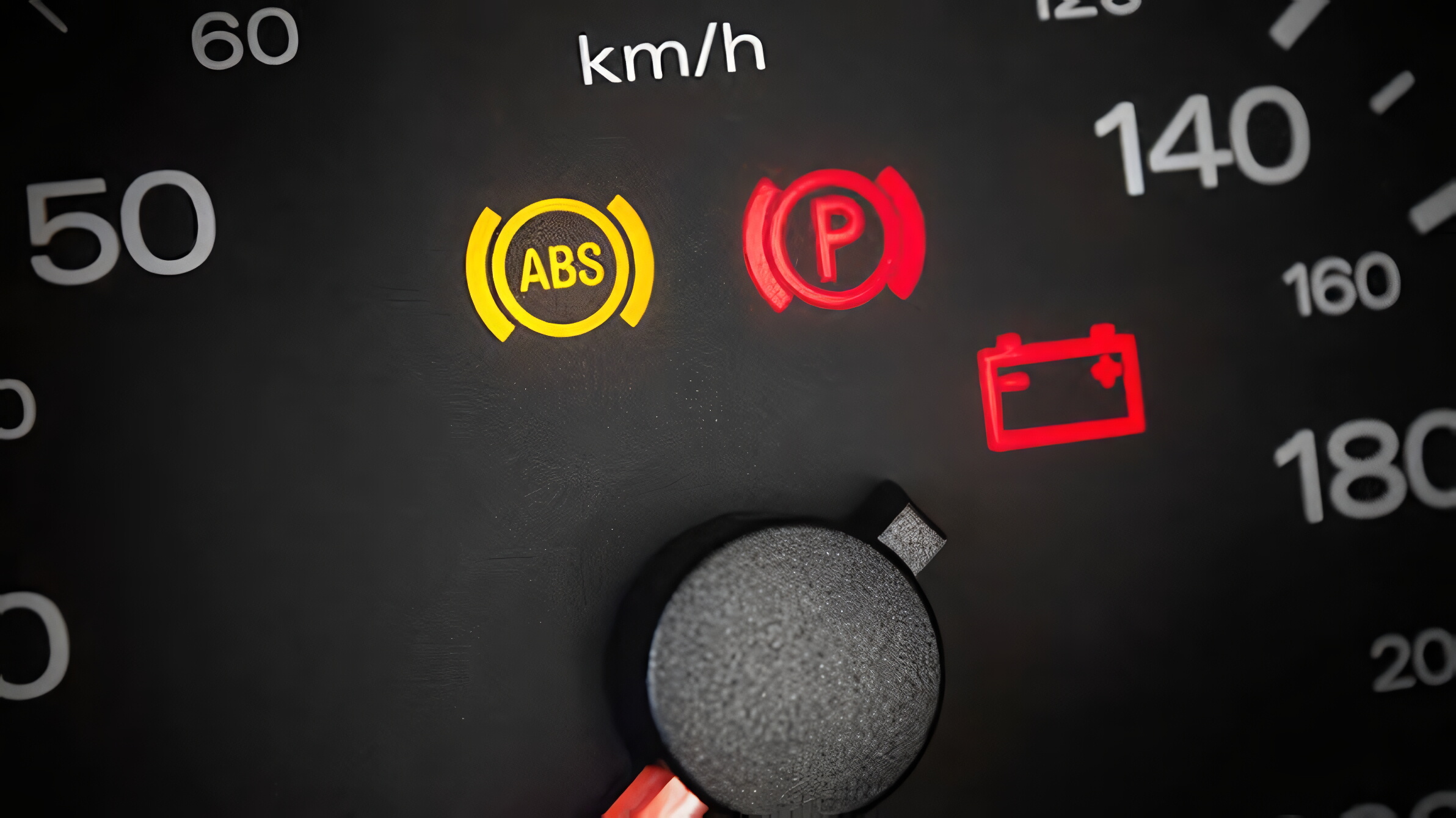
Continuing to drive normally, and especially continuing to apply full boost, while these symptoms are present dramatically accelerates the failure timeline, sometimes turning a bearing repair into a full turbo replacement within a matter of weeks.
Any change in turbocharger sound, exhaust smoke color, or boost delivery should be checked promptly rather than ignored. Turbochargers typically do not fail without warning. Wear develops gradually, and catching the problem early is usually the best way to limit repair costs and prevent more serious damage.
8. Neglecting the Air Filter and Intake System
A turbocharger’s compressor wheel spins at extraordinarily high speed while ingesting whatever air the intake system delivers to it, and a clogged, dirty, or damaged air filter changes that equation in ways that directly stress the unit.
A restricted filter forces the compressor to work harder to draw in the same volume of air, increasing mechanical load and heat generation for a given boost target. Worse, a torn or improperly seated filter allows unfiltered air carrying dust, grit, and debris directly into the compressor housing, where it strikes the spinning wheel at extremely high velocity.
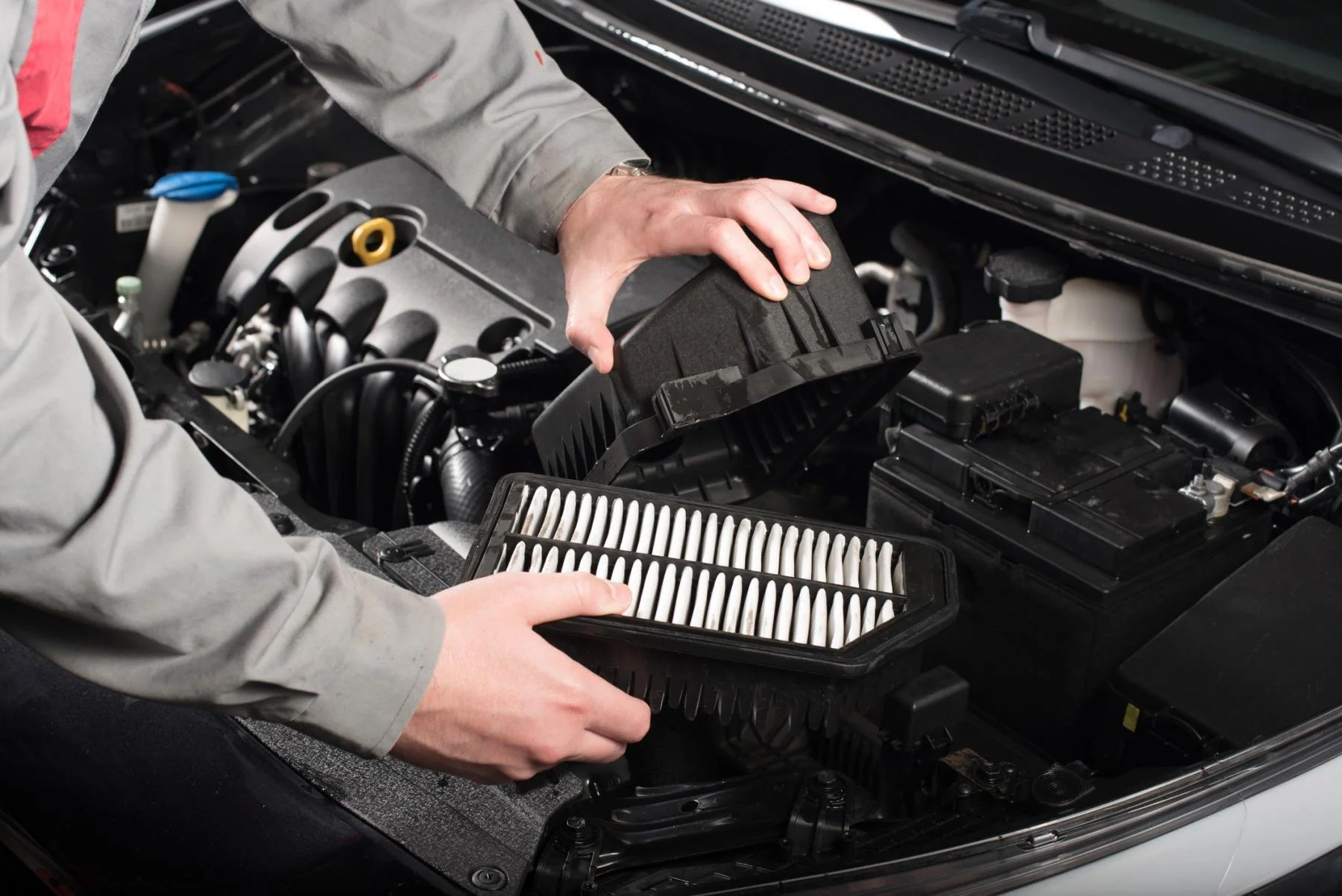
Even small particles can cause pitting, imbalance, or outright damage to compressor wheel blades over time, and a single piece of debris large enough can bend or destroy blades in one pass. Aftermarket intake modifications performed without attention to proper filtration or sealing are a common source of this kind of ingested-debris damage.
Routine air filter inspection and replacement according to the manufacturer’s schedule is one of the cheapest and most overlooked forms of turbo protection available, since it directly guards the single most exposed and delicate component in the entire forced-induction system from external contamination.
9. Towing or Hauling Beyond Rated Capacity
Exceeding a vehicle’s rated towing or payload capacity places sustained, elevated demand on the engine and, by extension, the turbocharger, forcing it to produce higher boost pressure for longer durations than its duty cycle anticipates.
Under heavy load, the engine works harder to maintain speed, particularly on inclines, which keeps exhaust gas temperatures elevated for extended periods rather than the brief peaks seen in normal driving.

This sustained thermal load accelerates turbine wheel fatigue and increases the risk of coking, since oil temperatures rise in tandem with the rest of the system and stay elevated for longer stretches.
Overloading also frequently coincides with reduced airflow to the radiator and intercooler, since the engine bay may already be working near its thermal limits, further compounding the problem by allowing intake air temperatures to climb and reducing the intercooler’s ability to keep charge air dense and cool.
Drivers who regularly tow near or beyond rated limits, especially in hot weather or mountainous terrain, subject their turbo to a punishing combination of sustained heat and sustained mechanical demand that far exceeds normal driving stress.
Respecting posted towing and payload limits, and supplementing with an aftermarket gauge to monitor exhaust gas temperature during heavy-load situations, meaningfully protects the turbo from this cumulative, high-stress failure mode.
10. Poor Maintenance of the Cooling and Intercooler System
Modern turbochargers frequently rely on both oil and coolant circulation to manage the extreme heat generated at the turbine housing, and neglecting either system directly threatens turbo longevity.
A cooling system with degraded coolant, a failing water pump, or a partially clogged radiator can’t dissipate heat efficiently, allowing engine and turbo operating temperatures to creep upward during normal driving, let alone under load.
The intercooler can also lose its ability to cool compressed air effectively when its fins become clogged with debris or when internal leaks develop. Either problem can raise intake temperatures and reduce air density before the charge reaches the combustion chamber, which can hurt engine performance and efficiency.
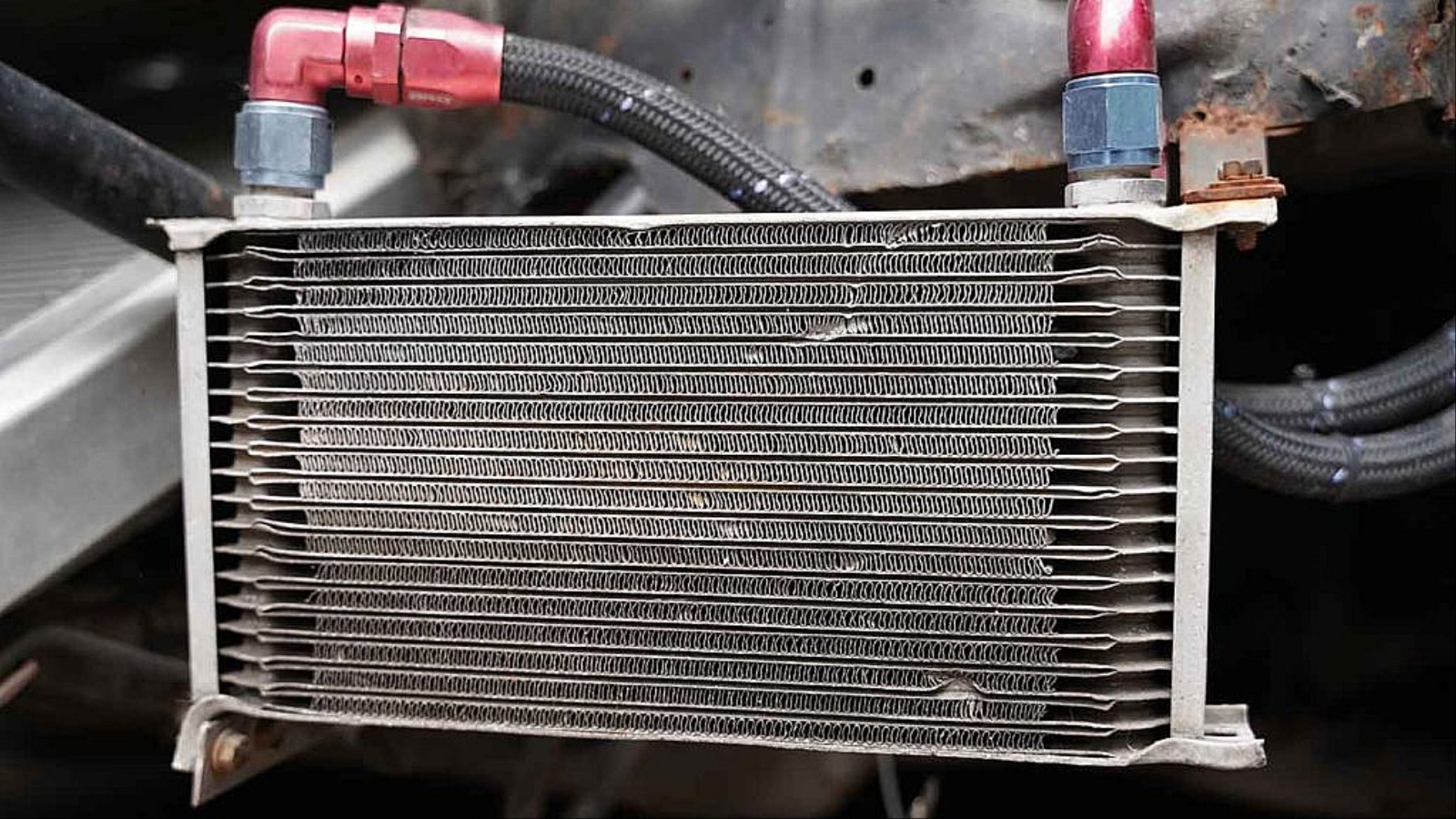
Hotter intake air increases the likelihood of knock and elevated exhaust gas temperatures, creating the same downstream thermal stress on the turbine described in earlier habits.
Many drivers treat the cooling system as engine-only maintenance and overlook its direct relationship to turbo health, skipping coolant flushes or ignoring minor intercooler leaks because engine temperature gauges still read normal.
Regular inspection of coolant condition, hose integrity, and intercooler piping for boost leaks or oil residue is a low-cost habit that keeps the entire thermal management system working as designed, protecting the turbocharger from the compounding heat stress that so many of the other habits on this list ultimately trace back to.