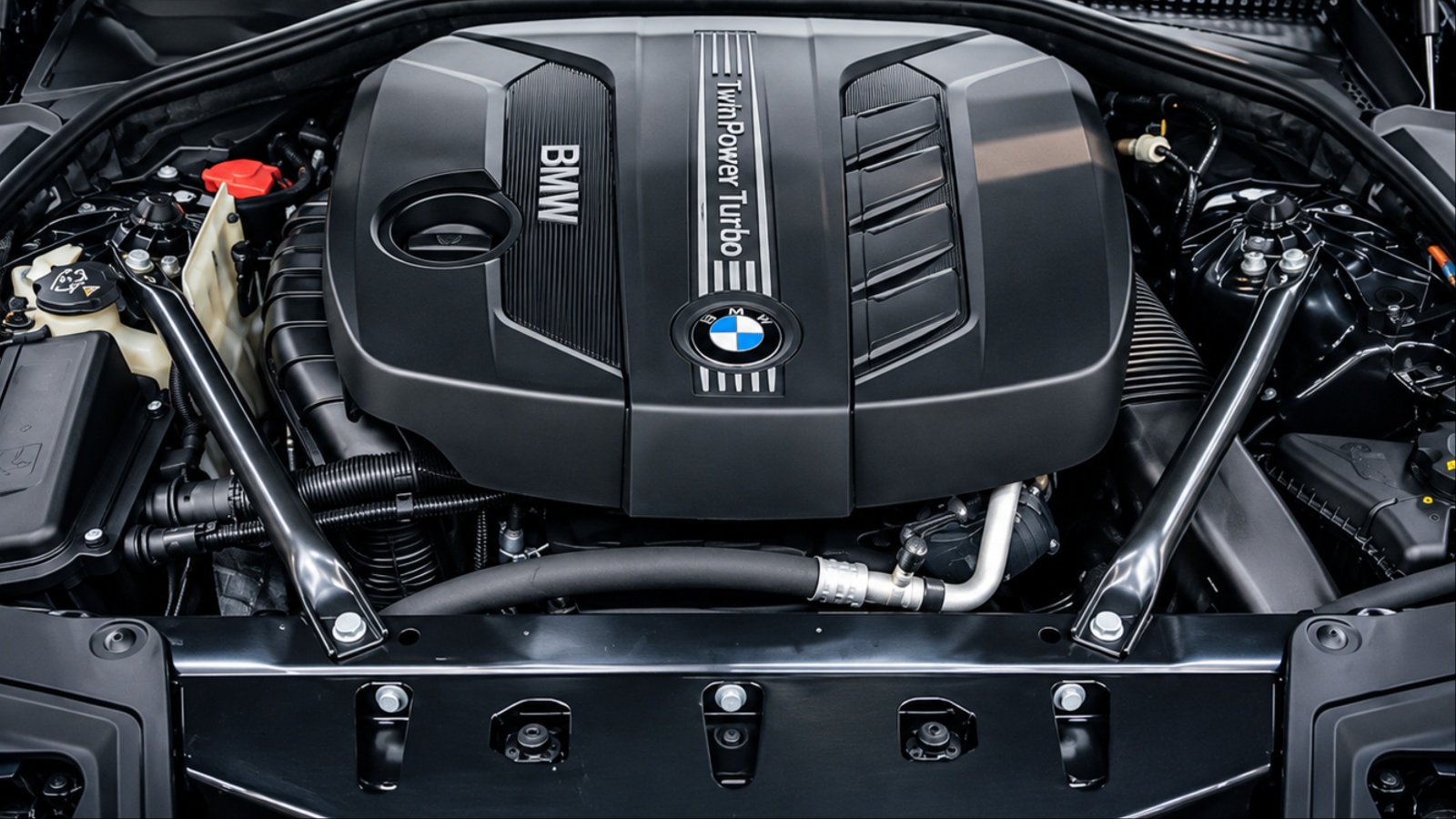
Every engine goes through its most vulnerable moments in the first sixty seconds after ignition. When a car sits overnight, oil drains down into the pan, leaving pistons, camshafts, and bearings essentially dry. It takes a few seconds, sometimes longer in cold weather, for the oil pump to rebuild pressure and send lubrication back up through the system.
During that brief window, metal is closer to metal than at any other point in the engine’s operating cycle, and whatever the driver does right then has an outsized effect on long-term wear.
Most people never think twice about how they start their car. They turn the key, back out of the driveway, and go about their day. But small, repeated habits during this fragile startup phase compound over years of ownership, quietly shaving life off components that are expensive and time-consuming to replace. Below are ten of the most common cold start habits that do lasting damage, along with why each one matters and what to do instead.
1. Flooring the Throttle Right After Startup
Stomping on the accelerator within seconds of turning the key is one of the fastest ways to age an engine prematurely. At this point, oil pressure is still building, and many internal surfaces are running on nothing more than a thin residual film left over from the last time the car was driven.
Demanding high RPM under these conditions forces components like piston rings, cylinder walls, and rod bearings to work under load without adequate protection. The friction generated in these early seconds is dramatically higher than it would be with a fully lubricated system, and that friction translates directly into accelerated wear.
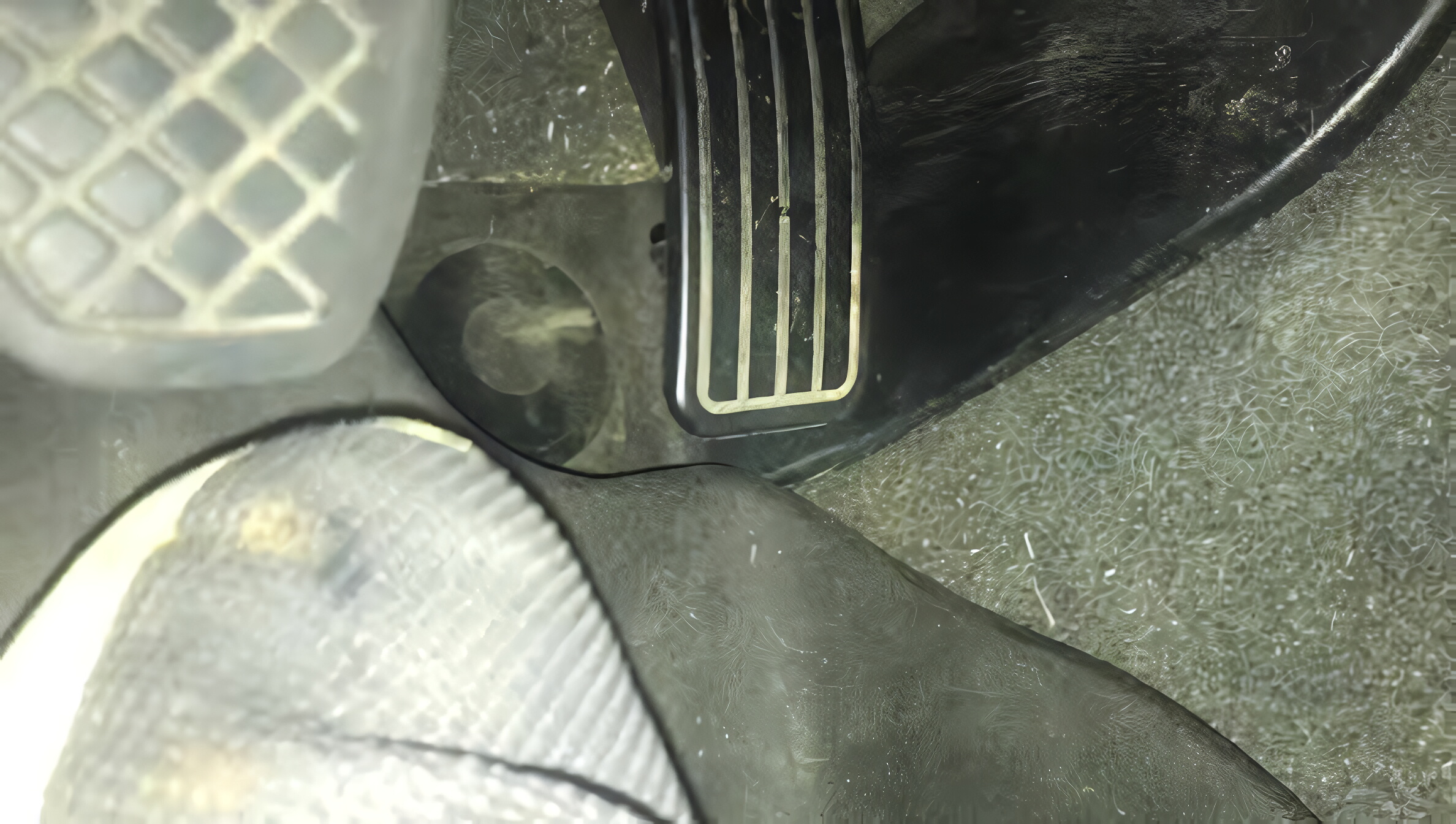
This habit is especially damaging in turbocharged engines, where the turbo bearings rely on oil pressure to stay cool and properly lubricated. Spooling a turbo before oil has reached it can lead to premature bearing failure, a repair that is rarely cheap.
Even in naturally aspirated engines, sudden high-load acceleration on a cold engine increases blow-by, contaminates the oil faster, and stresses the timing chain or belt before it has had a chance to settle into its normal operating tension.
The solution is simple. Let the engine idle for a few seconds before driving away, then keep acceleration gentle for the first mile or two. Avoid heavy throttle until the temperature gauge indicates that the engine has begun to warm up. This small investment of time can help protect components that are far more expensive to repair.
2. Revving the Engine to “Warm It Up” Faster
Many drivers assume that revving the engine in park or neutral will help it warm up faster. In reality, it can increase wear without significantly reducing warm-up time. Raising the RPM without any engine load causes internal components to spin faster while the oil is still thick and has not fully reached every critical area. This added movement can increase friction during the first few moments after startup, when proper lubrication is especially important.
There’s also a thermal mismatch problem. Revving heats up the combustion chamber and exhaust components quickly, but the oil and other mechanical parts lag behind, warming much more slowly.
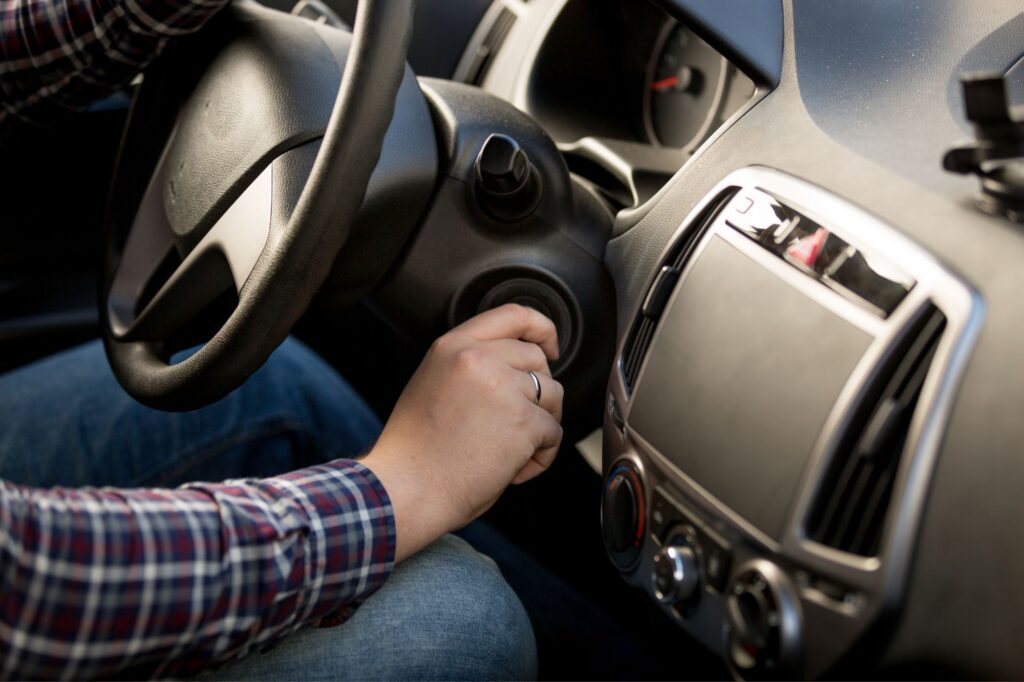
This uneven heating creates thermal stress between parts that expand at different rates, which over time can contribute to micro-fractures, gasket wear, and seal degradation. It’s a habit rooted in old carbureted-engine folklore, from an era when idling alone genuinely wasn’t enough to stabilize a cold engine’s fuel mixture.
Modern fuel-injected engines don’t need this kind of encouragement. The best approach is to let the car idle for a short period, no revving, and then drive it gently, since driving at low, steady RPM warms the engine, transmission, and drivetrain far more evenly and efficiently than sitting still with the throttle blipped repeatedly.
3. Letting the Car Idle for Long Stretches in Cold Weather
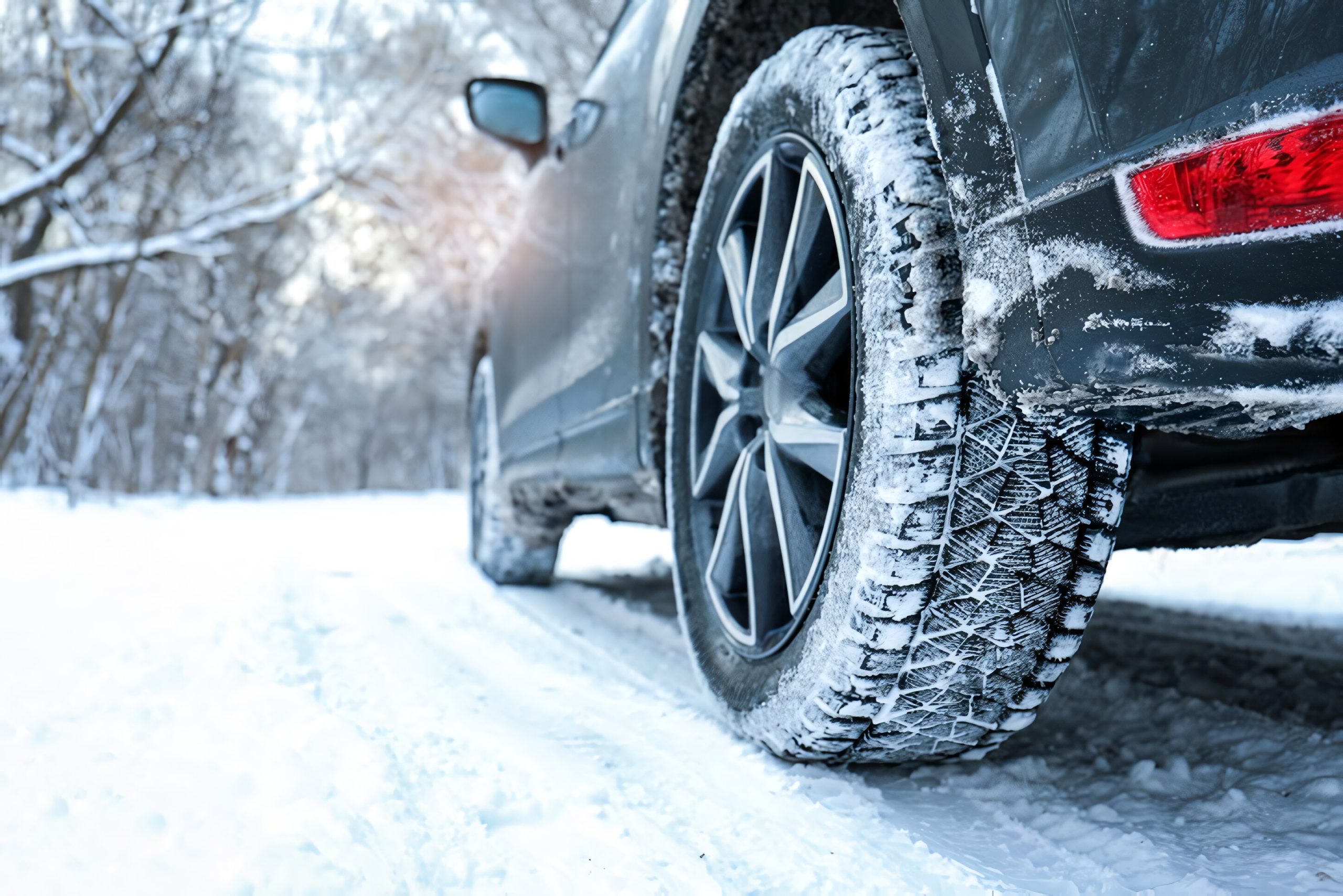
It feels intuitive to let a car idle for five or ten minutes on a freezing morning before driving off, but extended idling is one of the more misunderstood cold start habits. Idling does raise coolant temperature slowly, but it does very little to warm the transmission, suspension components, tires, or wheel bearings parts that only reach proper operating temperature through actual movement and load.
Meanwhile, prolonged idling on a cold engine causes incomplete combustion, since the engine runs on a richer fuel mixture at startup to compensate for lower temperatures.
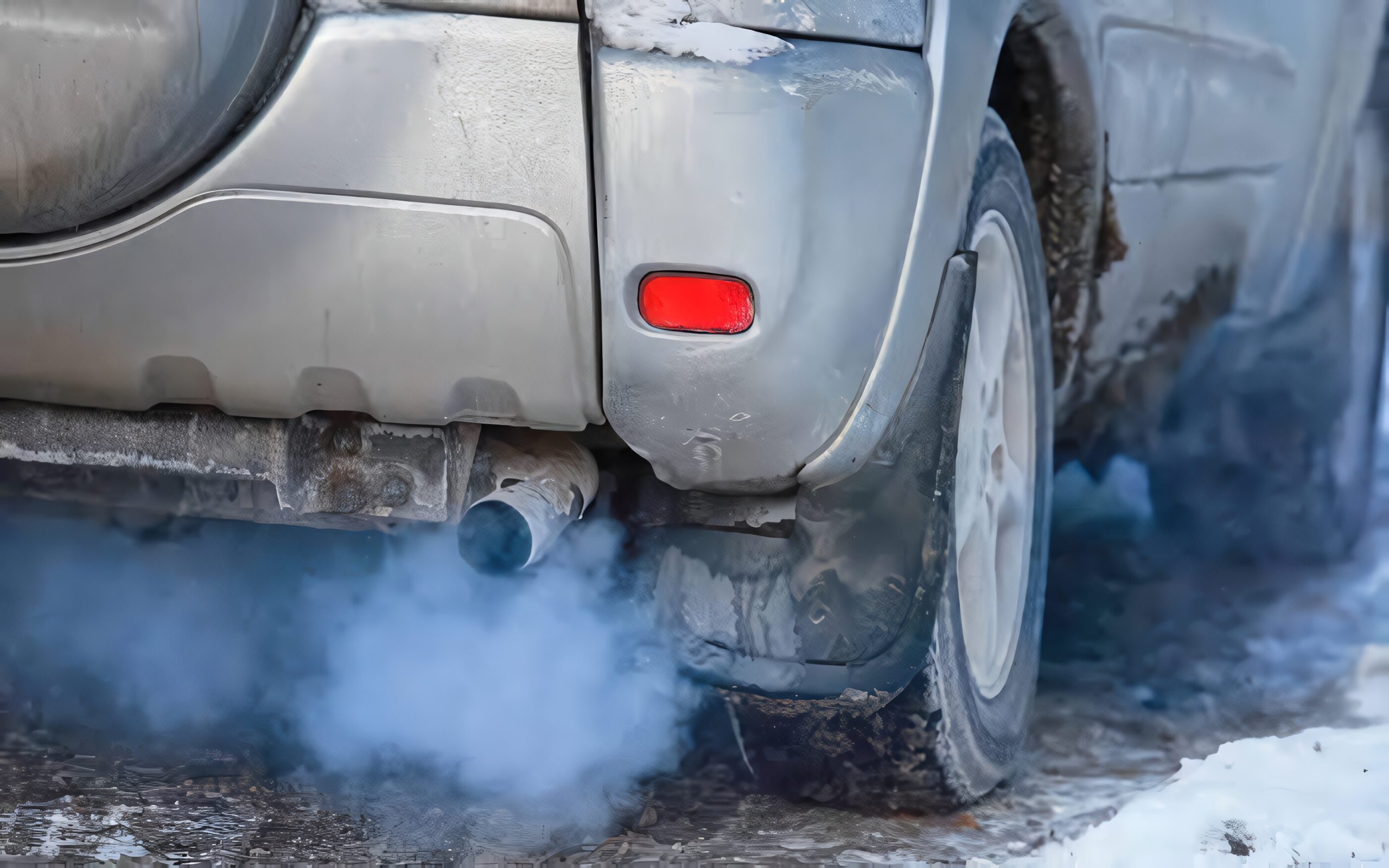
That richer mixture means more unburned fuel finds its way past the piston rings and into the oil, diluting it and reducing its lubricating properties over time.
Extended idling also promotes carbon buildup on intake valves and spark plugs, since the engine isn’t operating under the load conditions that help keep combustion byproducts from accumulating. In older or higher-mileage engines, this can eventually contribute to rough idling, reduced fuel efficiency, and harder starts.
A better approach is to idle only long enough for oil pressure to stabilize and the engine to stop sounding rough, typically 20 to 30 seconds, then begin driving gently. Actual driving warms every system in the car far more evenly and quickly than idling ever will, while avoiding the fuel dilution and carbon buildup that come with sitting still and running.
4. Driving Off Immediately With Zero Warm-Up Time
On the opposite end of the spectrum from excessive idling is the habit of starting the car and pulling away instantly, treating the ignition and the accelerator as a single motion. This is common among drivers trying to save time, but it removes even the brief buffer needed for oil pressure to build before the engine takes on load.
The first few seconds of oil flow are critical, and skipping them entirely means the engine’s most vulnerable components bearings, cylinder walls, and valve train parts absorb load essentially dry.

This habit is particularly hard on engines with variable valve timing systems, which rely on oil pressure to actuate solenoids and adjust cam timing. Insufficient oil pressure at startup can cause these systems to behave erratically, sometimes producing a rattling noise as components attempt to function without adequate lubrication.
Over time, repeated stress in this window contributes to premature wear in the timing chain, tensioners, and VVT actuators, all of which are more expensive to service than most routine maintenance items.
The solution doesn’t require a long wait just enough time for the oil light to go out and the idle to smooth out, usually a matter of seconds. Once that happens, driving off gently, without demanding full power immediately, allows the rest of the warm-up to happen naturally and safely while the car is already in motion.
5. Using the Wrong Oil Viscosity for Cold Climates
Oil viscosity has a dramatic effect on how quickly and effectively lubrication reaches critical engine components during a cold start. Using an oil that’s too thick for the ambient temperature means it flows sluggishly through narrow oil passages, delaying full lubrication to the top of the engine, including the camshaft and valve train.
This delay extends the window of vulnerability every single time the car is started in cold weather, compounding wear over months and years of ownership.
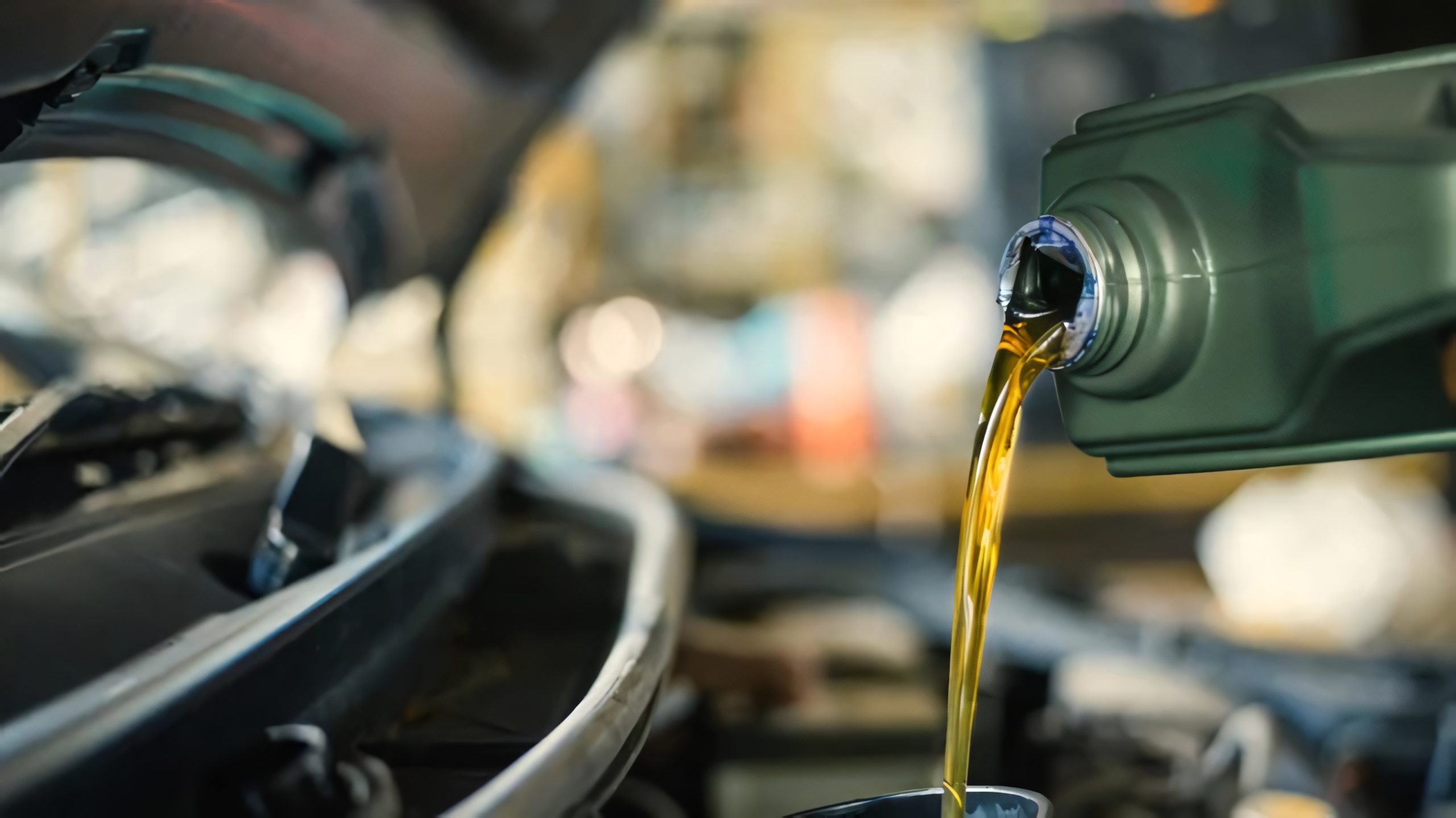
Manufacturers specify oil viscosity ranges such as 0W-20 or 5W-30 precisely because the first number represents how the oil behaves in cold conditions. A lower first number means the oil remains more fluid at low temperatures, reaching moving parts faster.
Drivers who overlook this issue, whether by habitually choosing heavier oil or failing to account for seasonal temperature changes in areas with harsh winters, can unknowingly prolong the period when the engine operates with limited lubrication after startup. Over time, that added stress can accelerate bearing wear and contribute to a shorter engine lifespan.
Checking the owner’s manual for the manufacturer’s recommended viscosity and adjusting for extreme cold when appropriate is one of the simplest, lowest-cost ways to protect an engine.
Synthetic oils, in particular, tend to maintain better flow characteristics in cold weather compared to conventional oils, offering an additional layer of protection during those first critical seconds.
6. Ignoring Unusual Noises During Cold Start
A knocking, tapping, or rattling sound during the first few seconds after startup is one of the clearest early warning signs an engine can give, yet it’s routinely dismissed as normal or ignored altogether.
These noises often indicate that oil isn’t reaching certain components quickly enough, whether due to a failing oil pump, a clogged oil pickup screen, worn bearings, or a timing chain tensioner that’s lost its ability to maintain proper tension.
A noise that lasts only a second or two and then disappears might seem harmless, but its presence at every cold start is a sign that something in the lubrication path isn’t functioning as designed.
Drivers who get used to these sounds and mentally file them away as “just how the car starts” often miss the window where a low-cost fix, such as replacing a tensioner or addressing a failing oil pump, could have prevented a much larger repair.
Left unaddressed, chronic under-lubrication at startup accelerates wear on the exact components that make the noise in the first place, creating a cycle where the problem worsens with every cold start until it results in serious, sometimes catastrophic, engine damage.
Treating cold start noise as a diagnostic signal rather than background noise is one of the most valuable habits a driver can develop. Any new or worsening noise during startup is worth having inspected promptly, since catching a lubrication issue early is almost always far cheaper than repairing the damage it eventually causes.
7. Relying on Frequent Short Trips
Short trips driving a mile or two to a store, dropping off a child at school, or making a quick errand are especially hard on an engine because they rarely give it enough time to reach full operating temperature.
An engine typically needs ten to twenty minutes of driving to fully warm the oil, coolant, and exhaust system. A trip that ends before that point means the engine spends its entire run in a partially warmed state, where fuel dilution in the oil, condensation buildup, and incomplete combustion are all more pronounced.

Over time, frequent short trips lead to a buildup of moisture and unburned fuel in the oil, both of which degrade its lubricating properties faster than normal. This is particularly problematic for the exhaust system as well, since a cold engine produces more condensation inside the exhaust, and if the pipes never get hot enough to burn off that moisture, it contributes to internal rust and premature exhaust component failure.
Short-trip driving is one of the main reasons why some low-mileage vehicles still show significant wear-related issues despite having relatively few miles on the odometer.
Where possible, combining errands into a single longer trip, or occasionally taking a longer drive to let the engine fully warm up and burn off accumulated moisture, helps offset the effects of habitual short-distance driving. This single adjustment can meaningfully extend the practical lifespan of an engine that otherwise never gets the chance to run at its intended operating temperature.
8. Riding the Clutch or Shifting Aggressively Before Warm-Up
In manual transmission vehicles, cold starts pose a risk not just to the engine but to the drivetrain as well. Riding the clutch, engaging gears abruptly, or shifting hard before the transmission fluid has warmed up puts unnecessary strain on the clutch assembly and gearbox synchronizers.
Cold transmission fluid is thicker and doesn’t flow as efficiently, meaning that components meant to be cushioned by fluid are instead operating with reduced protection during those first few minutes of driving.

This habit also indirectly affects the engine. Aggressive shifting at low RPM before the engine has warmed places uneven loads on the crankshaft and connecting rods, particularly during downshifts or quick gear changes performed while the car is still cold.
Combined with oil that hasn’t fully circulated, this kind of mechanical stress compounds the vulnerability already present during the cold start window, increasing wear on both the drivetrain and the engine’s internal components simultaneously.
Easing into gear changes, avoiding high-RPM shifts, and driving smoothly for the first several minutes allows both the engine oil and transmission fluid to reach a more protective operating temperature before they’re asked to handle real mechanical stress. This is a habit that costs nothing beyond a slightly more patient driving style, but it protects two expensive systems at once rather than just one.
9. Turning On All Accessories Immediately After Starting
Switching on the air conditioning, heated seats, defrosters, and infotainment system all at once right after a cold start places an immediate electrical and mechanical load on a system that hasn’t stabilized yet.
The alternator has to work harder to meet this sudden demand while the engine itself is still running at a fast idle to compensate for cold temperatures, and the battery, already working harder in cold weather, experiences additional strain during a period when its own chemical efficiency is reduced by low temperatures.

The air conditioning compressor in particular adds mechanical load to the engine through the accessory belt system, and engaging it before the engine has stabilized can contribute to added wear on the belt, tensioner, and compressor clutch over time.
While this single instance rarely causes dramatic damage, doing it as a daily routine across years of cold starts adds cumulative wear to the charging system, belt-driven accessories, and battery, all of which are already under more stress simply due to the cold.
A better habit is to let the engine settle into a stable idle for a few moments before switching on non-essential accessories, and to bring them online gradually rather than all at once. Modern vehicles are more resilient to this than older ones, but easing the electrical and mechanical load during the first moments after startup remains a low-effort way to protect the battery, alternator, and accessory drive system.
10. Neglecting Oil Changes and Letting Old Oil Sit
Perhaps the most consequential habit on this list isn’t something that happens during the start itself, but in the maintenance leading up to it. Oil that has gone too long between changes loses viscosity stability, accumulates contaminants, and becomes less effective at forming a protective film on engine surfaces exactly the film that’s supposed to provide a buffer during those critical first seconds of a cold start.
Old, degraded oil flows more sluggishly in cold temperatures and offers less protection precisely when the engine needs it most.
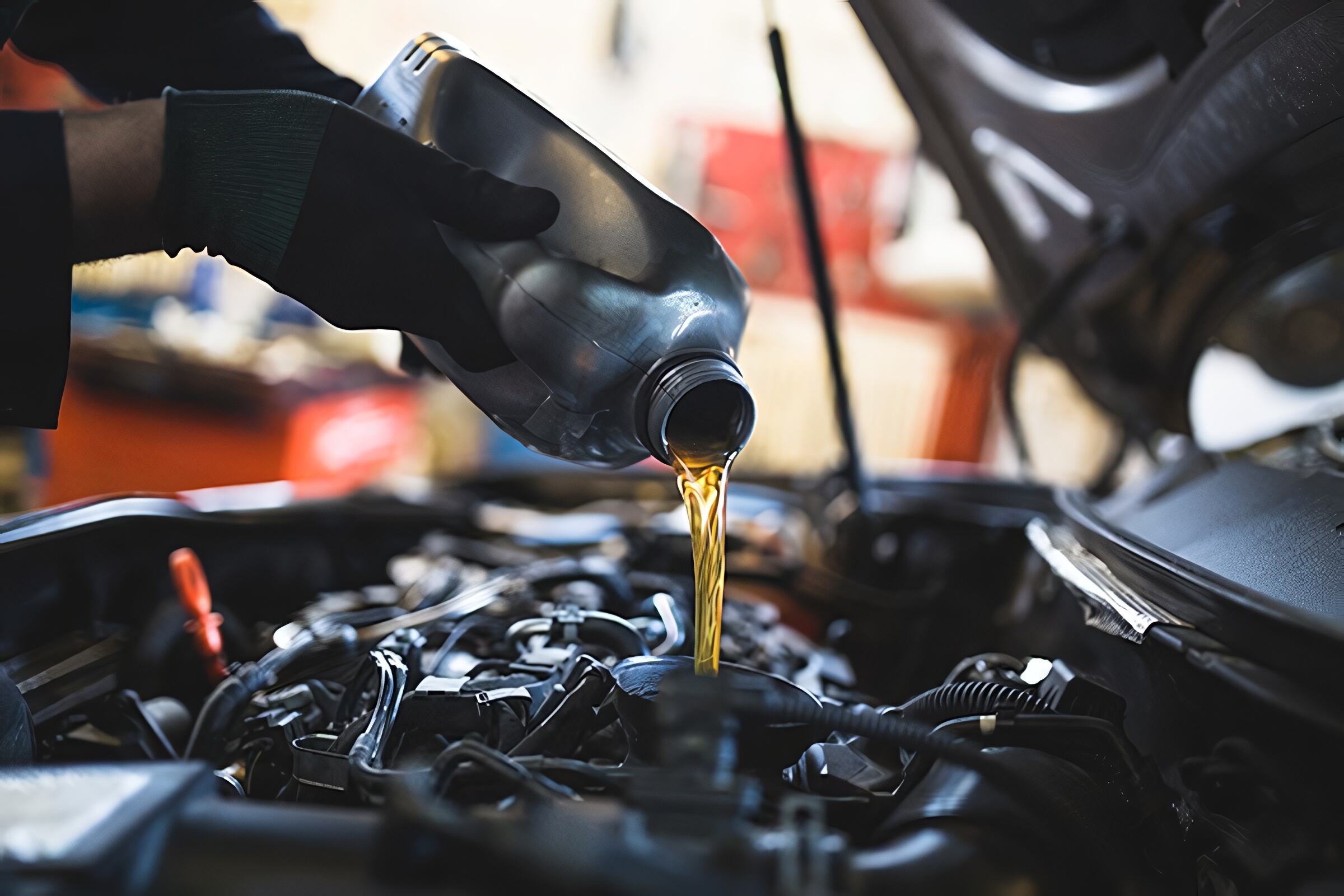
Vehicles that remain parked for long periods can develop another problem. As the engine sits, oil drains away from upper components, while accumulated moisture has more time to mix with the oil and affect its condition. When this is combined with infrequent oil changes, the risk increases further. Each cold start can place additional stress on the engine compared with starting on fresh, properly maintained oil.
Sticking to the manufacturer’s recommended oil change interval and adjusting more frequently for vehicles that see mostly short trips or extended idle time ensures that the oil protecting the engine during every cold start is doing its job as effectively as possible. Of all the habits on this list, this is the one with the most direct, measurable impact on long-term engine longevity.