Plumbing and electrical contractors need more than transportation between job sites. Their vans often become mobile workshops, carrying everything from copper pipe and conduit to power tools, ladders, fittings, and diagnostic equipment.
A good contractor van therefore needs usable cargo space, practical loading access, strong payload capacity, and enough power for daily commercial use. Configuration matters too, since a one-person electrical business may have very different requirements from a plumbing company with several technicians.
The following vans are ranked for U.S. contractors using measurable factors such as cargo volume, payload, towing capacity, dimensions, and powertrain output. Each offers a different approach to organizing and carrying essential job-site equipment.
1. Ford Transit
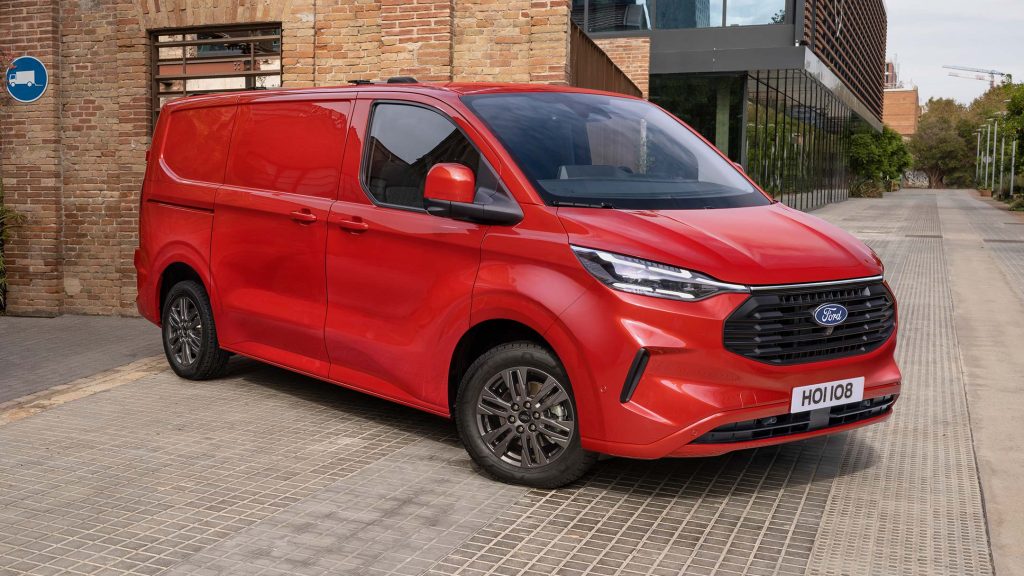
The Ford Transit stands out because it can be configured around the business instead of forcing every contractor into the same van layout. That matters when an electrician needs shelving and drawers for hundreds of small components, or when a plumber needs enough uninterrupted floor space for pipe, fittings, and larger equipment.
For 2025, the Transit offers a 3.5-liter PFDI V6 as well as a 3.5-liter EcoBoost V6. The EcoBoost produces 310 horsepower and 400 lb-ft of torque, giving the van useful reserve power when loaded with equipment. Ford also offers rear-wheel drive and all-wheel drive, allowing contractors in areas with frequent snow or difficult weather to choose additional traction.
Cargo capacity is where the Transit becomes especially interesting. Depending on length and roof configuration, the 2025 Cargo Van provides substantial space, with the high-roof extended configuration offering hundreds of cubic feet of usable cargo room.
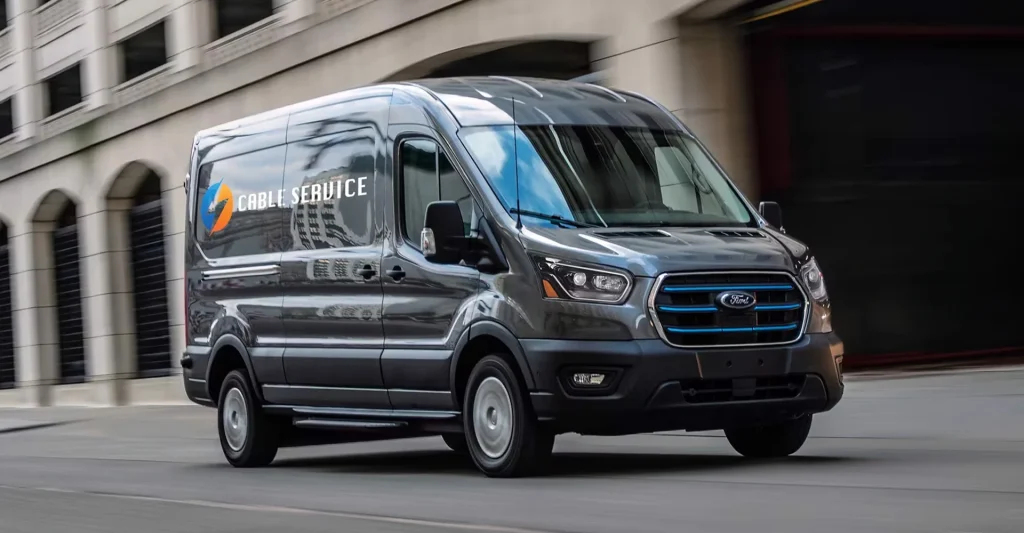
Ford’s technical specifications also show multiple wheelbase and roof combinations, allowing contractors to prioritize maneuverability, standing height, or maximum storage.
The Transit can also tow up to 4,400 pounds with the EcoBoost engine in a properly configured rear-wheel-drive low-roof model. That is enough for many utility trailers carrying equipment that cannot fit inside the van.
For electricians and plumbers, the real attraction is the van’s adaptability. Shelving, partitions, ladder racks, and specialized trade interiors can transform the cargo area into a rolling workshop.
2. Ram ProMaster
The Ram ProMaster takes a different approach to contractor work. Its front-wheel-drive layout, low load floor, and unusually wide cargo area make it particularly appealing when technicians are constantly loading and unloading heavy equipment throughout the day.
The 2025 ProMaster uses a 3.6-liter Pentastar V6 producing 276 horsepower and 250 lb-ft of torque, paired with a nine-speed automatic transmission.
Ram offers several cargo configurations, including different wheelbases, roof heights, and body lengths. Depending on configuration, maximum payload ranges from 3,800 to 4,820 pounds, while maximum towing capacity reaches 6,910 pounds.
For a plumbing contractor, the cargo dimensions can be more important than the horsepower figure. Ram lists cargo widths of up to 75.6 inches at the beltline and 56 inches between the wheel wells. The available Super High Roof configuration provides an 86-inch maximum cargo height, while maximum cargo volume reaches 524 cubic feet.
That interior height changes how a technician can work inside the van. Instead of constantly crouching while searching through tool cases or parts bins, a high-roof model provides enough room to move around more naturally. Electricians can also take advantage of the large vertical space for conduit, cable reels, and ladder storage.
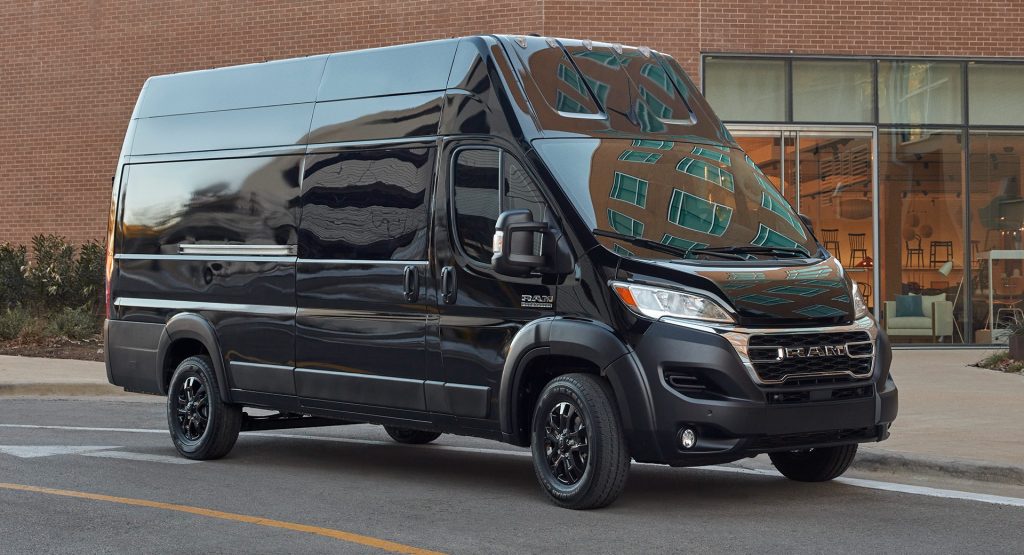
The 21-inch load floor is another useful detail. Lowering the height that equipment must be lifted can make repeated loading easier, especially when the van carries heavy compressors, generators, or boxes of fittings.
For contractors working in dense urban areas, the ProMaster’s front-wheel-drive packaging and available shorter configurations make it an especially practical mobile workshop.
3. Mercedes-Benz Sprinter
When a contractor’s van needs to function more like a mobile workshop than a simple cargo carrier, the Mercedes-Benz Sprinter becomes particularly compelling. Its combination of tall-roof configurations, substantial cargo capacity, and available diesel power makes it well suited to businesses carrying large inventories of tools and materials.
The 2025 Sprinter 2500 Cargo Van is available with a 2.0-liter four-cylinder diesel producing 170 horsepower and 295 lb-ft of torque. Depending on configuration, Mercedes-Benz also offers higher-output powertrains, giving contractors more flexibility when choosing between efficiency and performance.
A 170-inch-wheelbase 2500 cargo van can provide up to 532.6 cubic feet of cargo capacity, according to U.S. specifications.
That enormous interior can be valuable to an electrical contractor carrying conduit, cable reels, breaker panels, ladders, and extensive tool storage. A plumbing company can use the same space for pipes, fittings, water heaters, drain equipment, and service tools.
The Sprinter also offers configurations that make it possible to work inside the vehicle. High-roof versions provide substantial interior height, reducing the need for technicians to repeatedly bend down while locating equipment.
The 144-inch-wheelbase version measures 233.5 inches long and has a maximum payload rating of 3,858 pounds in one U.S. specification.
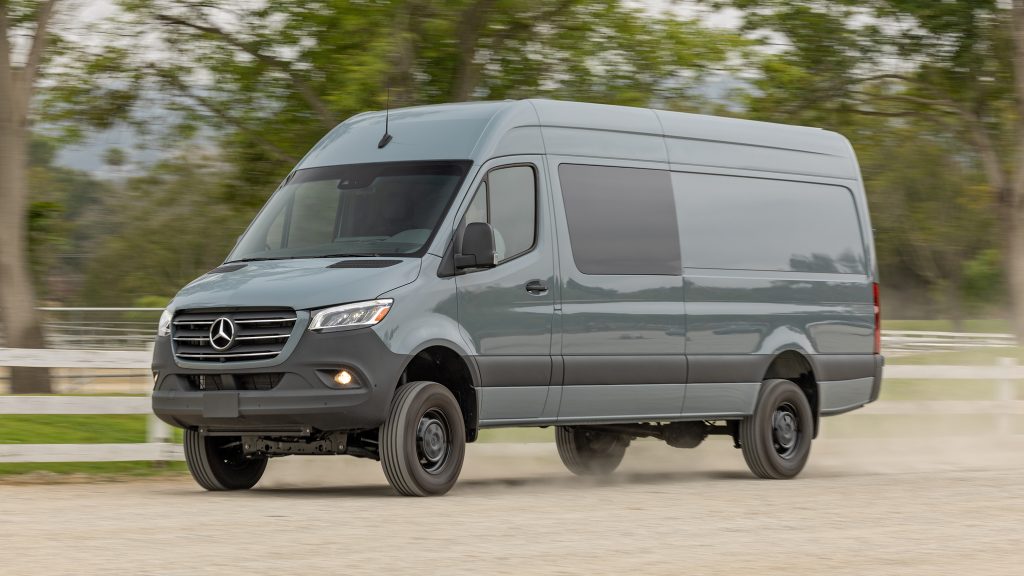
Maximum towing capacity reaches 5,000 pounds on these configurations. That gives contractors the option of pulling a trailer for equipment that does not belong inside the van.
The Sprinter’s size can be its greatest advantage and its greatest compromise. A 170-inch-wheelbase model stretches to 290 inches, so it demands more attention in tight parking lots and narrow residential streets. For a larger contracting operation, though, the extra capacity can reduce the need for additional trips between the shop and job site.
4. Chevrolet Express Cargo Van
The Chevrolet Express Cargo Van represents a more traditional approach to contractor transportation. Instead of relying on an exceptionally tall European-style body, it combines a conventional full-size van layout with a proven body-on-frame design and two gasoline V8 choices.
For 2025, the Express Cargo Van is available with a 4.3-liter V6 producing 276 horsepower and 298 lb-ft of torque, while the available 6.6-liter V8 develops 401 horsepower and 464 lb-ft.
The larger engine is particularly relevant to contractors who regularly tow equipment trailers, since the Express can be configured for up to 10,000 pounds of towing capacity.
Cargo capacity depends on the wheelbase and configuration. The Chevrolet lists up to 284.4 cubic feet of cargo volume, giving contractors substantial room for shelving, bins, and larger equipment. The van also has a maximum available payload of 4,280 pounds, although the exact rating depends on configuration.
That payload rating can matter when a plumbing company installs heavy shelving throughout the cargo area. Racks, drawers, compressors, pipe fittings, power tools, and replacement parts all add weight before the technician even arrives at a job site.
The Express also offers both 135-inch and 155-inch wheelbases. The longer version provides more room for equipment, while the shorter van is easier to maneuver around residential properties and crowded commercial areas.
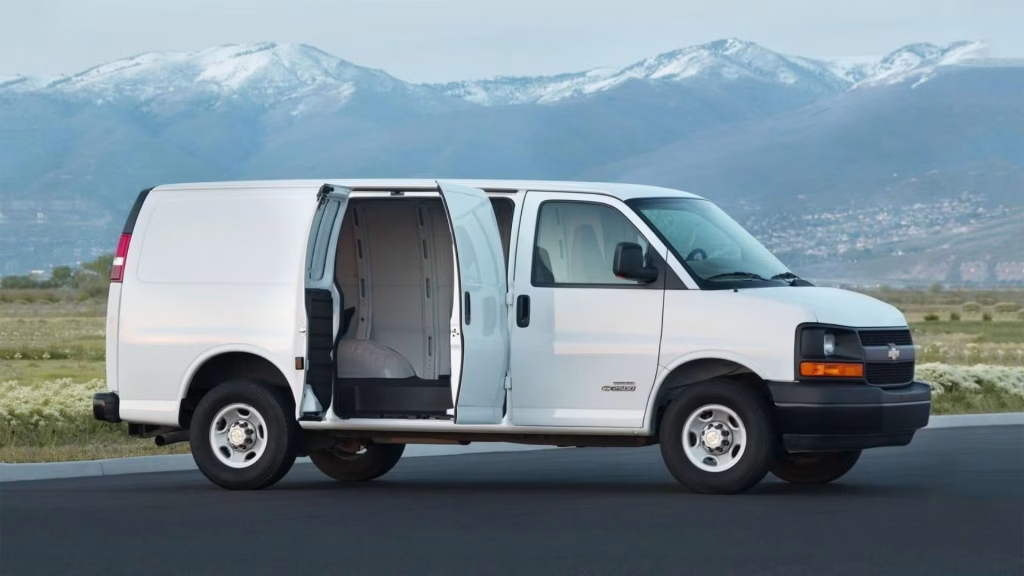
Exterior length reaches approximately 224.1 inches for the 135-inch-wheelbase model and 244.1 inches for the extended configuration.
Its conventional construction and strong V8 option make the Express particularly appealing to contractors who prioritize straightforward utility and towing ability over maximum interior height. It is not the newest design in this category, but its combination of cargo room, payload, and towing capacity remains useful for tradespeople.
5. GMC Savana Cargo Van
For contractors who value straightforward utility over flashy technology, the GMC Savana Cargo Van remains a compelling choice. Its traditional full-size van design gives plumbers and electricians a familiar platform for shelving, partitions, ladder racks, and other aftermarket equipment that can turn the cargo area into a dedicated mobile workshop.
The 2025 Savana Cargo Van uses a 4.3-liter V6 producing 276 horsepower and 298 lb-ft of torque, paired with an eight-speed automatic transmission. GMC offers both 2500 and 3500 models, with regular and extended wheelbases. The 2500 regular-wheelbase version can tow up to 7,400 pounds and has a maximum payload rating of 3,496 pounds.
That payload figure gives the Savana an important advantage for tradespeople. A fully outfitted service van can become heavy very quickly once shelving, drawers, toolboxes, compressors, generators, pipe fittings, and electrical components are installed.
Having several thousand pounds of available payload provides more room for equipment than a smaller commercial van.
Cargo volume reaches 239.4 cubic feet in the regular-wheelbase configuration and 283.6 cubic feet in the extended-wheelbase version. The extended van also stretches the cargo-floor length to 173.65 inches, providing considerably more room for long materials.
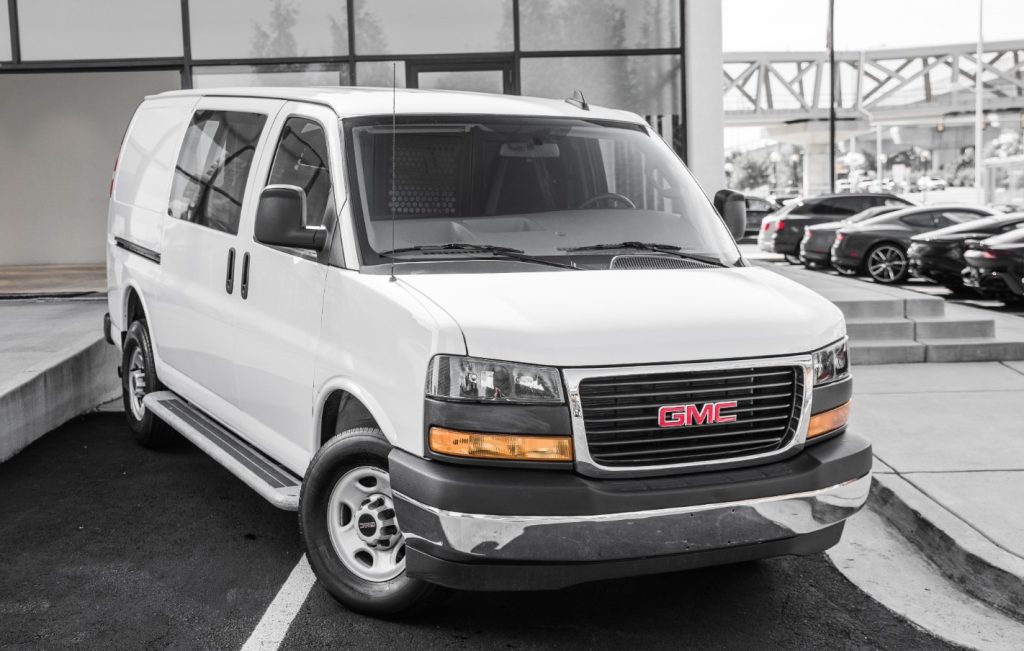
The Savana’s dimensions are also relatively straightforward. The regular-wheelbase model measures 224.05 inches long and 79.25 inches wide without mirrors. The extended version reaches 244.05 inches.
For an electrical contractor carrying organized bins of components or a plumber transporting bulky service equipment, the Savana’s conventional design can be an advantage. It is not trying to reinvent the work van.
Instead, it provides a substantial cargo box, useful payload capacity, and a familiar gasoline powertrain that fits easily into a traditional commercial fleet.
6. Ford E-Transit
Electric power can make particular sense for contractors whose vans return to the same shop or home base every evening. The Ford E-Transit turns that predictable operating pattern into an opportunity to eliminate gasoline stops while retaining the basic cargo-van format familiar to tradespeople.
The 2025 E-Transit uses a 400-volt battery system and a single electric motor producing 266 horsepower and 317 lb-ft of torque. Ford offers three roof heights, three body lengths, and multiple configurations, including cargo vans and cutaway models. Maximum payload reaches 3,880 pounds in the high-roof extended-length configuration.
Cargo capacity is one of the E-Transit’s strongest points because the electric powertrain does not require a conventional gasoline engine under the hood. Ford’s high-roof extended-length configuration provides up to 487.3 cubic feet of cargo volume. That gives electricians plenty of room for organized tool storage, cable reels, conduit, and electrical equipment.
The E-Transit is particularly interesting for urban service work. Electric motors produce their maximum torque immediately, which makes frequent stop-and-go driving and repeated acceleration between residential and commercial jobs straightforward.
A contractor who drives dozens of short distances each day can potentially benefit more from an EV than someone who spends most of the day towing a heavy trailer between distant job sites.
Ford also offers the E-Transit in low-, medium-, and high-roof forms, so a contractor does not have to choose maximum height simply to obtain electric power. The different wheelbase and body combinations allow businesses to balance maneuverability against cargo capacity.
There is a practical limitation to consider. Range and charging requirements need to match the company’s daily routes. A plumber covering a large rural territory may be better served by a gasoline or diesel van, while an electrician working within a predictable metropolitan service area could find the E-Transit much easier to incorporate into daily operations.
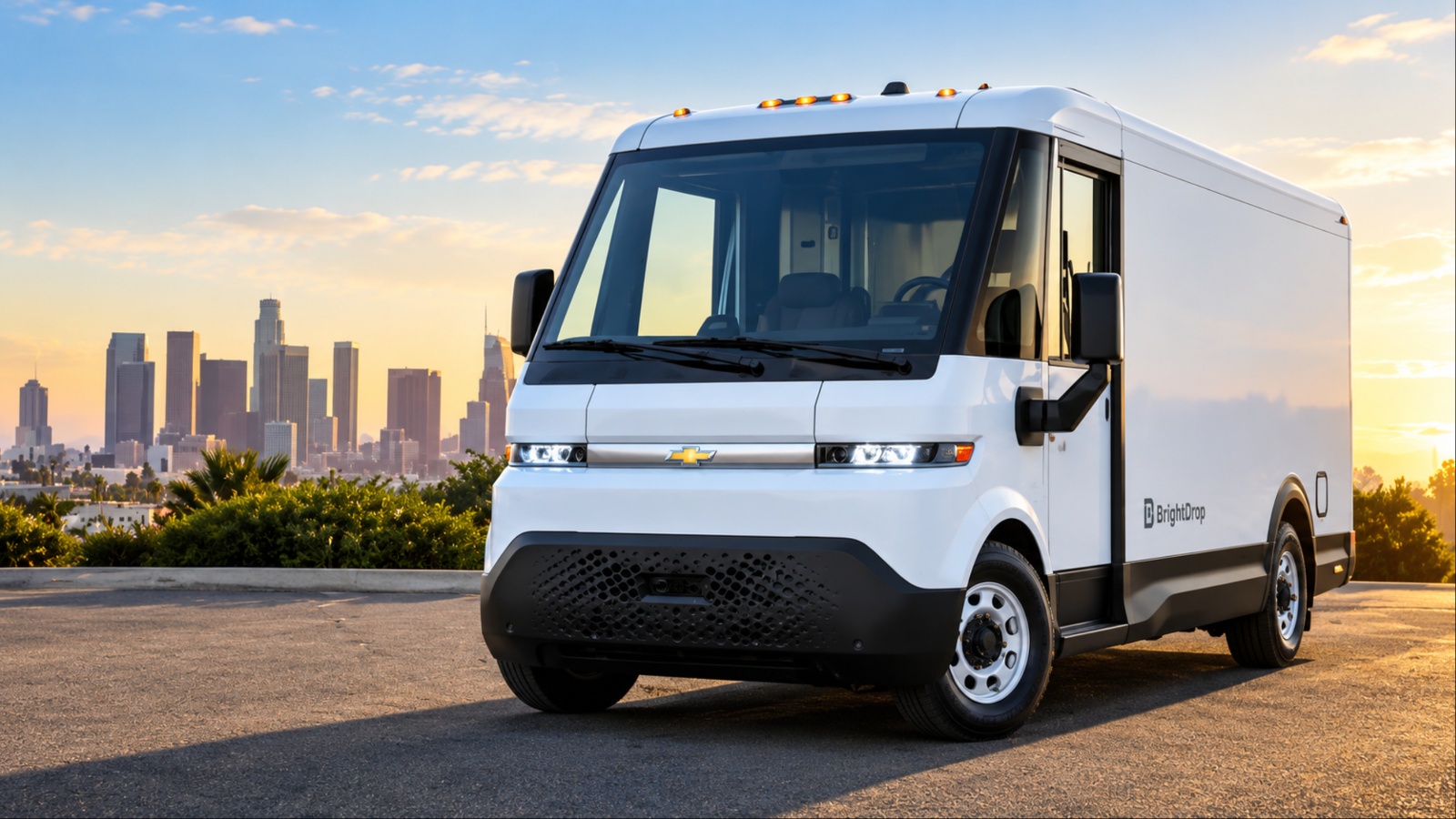
7. Chevrolet BrightDrop Zevo 600
For contractors whose work is concentrated within a predictable local area, an electric van can make more sense than it initially appears. The Chevrolet BrightDrop Zevo 600 is designed specifically around commercial cargo use, and its enormous interior gives plumbers and electricians plenty of room to build a highly organized mobile workshop.
The Zevo 600 offers up to 614.7 cubic feet of cargo volume and a maximum available payload of 3,350 pounds. Chevrolet also lists an 11,000-pound maximum GVWR. That combination gives the van enough capacity for extensive shelving, tool storage, pipe fittings, cable, ladders, and heavier equipment without requiring a larger truck.
Its electric powertrain is particularly useful in stop-and-go service work. The van is available with front-wheel drive or all-wheel drive, and Chevrolet lists GM-estimated range figures reaching up to 303 miles in city driving and 234 miles on the highway for the Zevo 600 AWD Max Range configuration. DC fast charging can add energy at a rate of up to 160 miles of range per hour under suitable conditions.
That makes the Zevo 600 worth considering for contractors whose daily routes keep them within a manageable operating radius and who can charge at their shop overnight.
A technician making numerous short trips between residential calls may benefit from the EV’s operating characteristics more than a contractor spending entire days on long-distance highway routes.
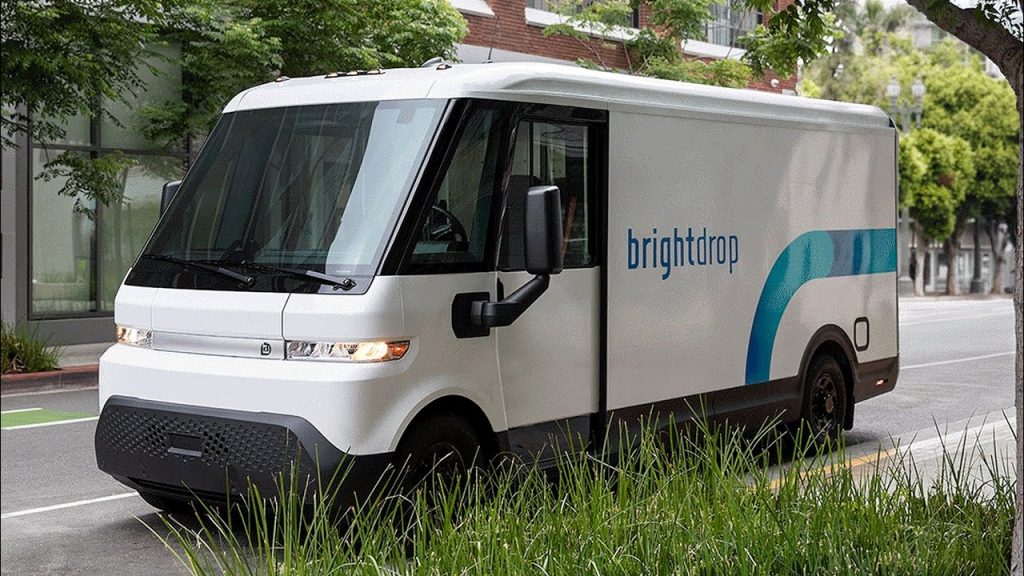
The large cargo box is perhaps its biggest selling point. Electricians can dedicate one side to organized electrical components and the other to power tools, while plumbers can create specialized storage for fittings, drain equipment, and replacement parts.
The Zevo 600 is not the right answer for every contractor, especially where charging infrastructure or long-distance operation is difficult. For the right local service business, however, its combination of massive cargo volume, useful payload, and electric operation makes it an unusually interesting commercial van.
8. Ram ProMaster EV
A plumber or electrician who spends most of the day moving between nearby job sites has a compelling reason to consider the Ram ProMaster EV.
Rather than simply adapting an electric drivetrain to an existing van, Ram built this version around the same practical qualities that made the ProMaster popular with commercial operators, including its low loading height and wide cargo area.
The 2025 ProMaster EV uses a 200-kilowatt electric drive module mounted on the front axle. Ram lists 268 maximum horsepower and 302 lb-ft of maximum torque, with front-wheel drive. The 110-kWh battery provides a targeted combined driving range of up to 164 miles for the cargo van when loaded with 50% of its payload.
Range is clearly the factor contractors need to evaluate carefully. A residential electrician working within a metropolitan area may find 164 miles of targeted combined range sufficient for a full day’s calls, particularly if the van returns to a charging location each evening.
A plumber covering a large rural territory may find a gasoline-powered alternative more convenient.
The ProMaster EV does have several qualities that work exceptionally well for trades. Ram lists a maximum payload of up to 3,170 pounds for the 159-inch-wheelbase high-roof cargo van. The cargo floor sits just 21 inches above the ground, reducing the lifting height for heavy toolboxes, equipment cases, and boxes of fittings.
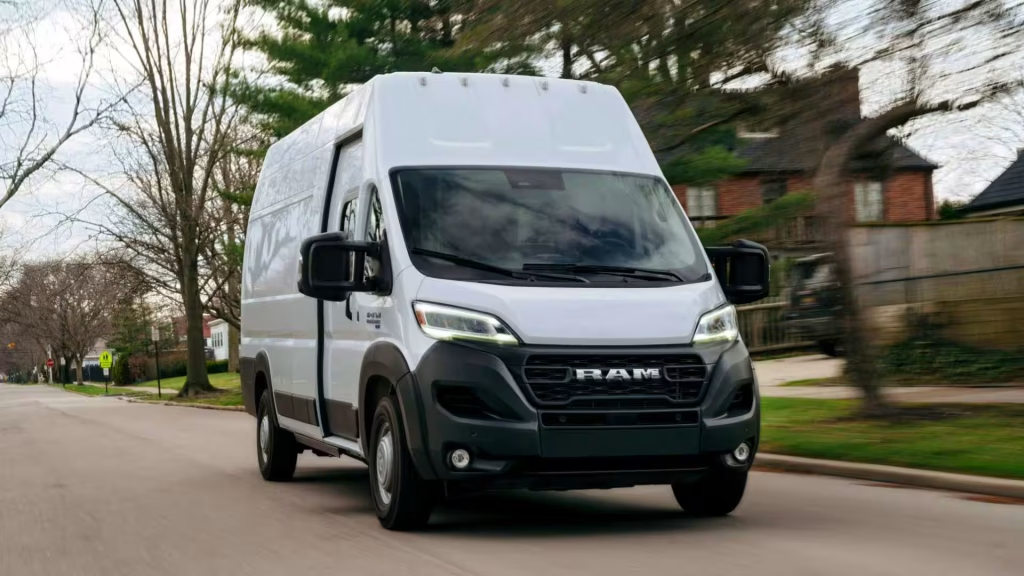
The cargo area is also 77 inches high, while the maximum cargo width reaches 6 feet 3 inches, and the width between the wheel wells is 4 feet 8 inches. That broad, squared-off interior makes it easier to arrange shelving without sacrificing the center aisle.
For contractors with predictable daily routes, the ProMaster EV offers a practical blend of electric operation and genuine commercial-van utility.
9. Mercedes-Benz eSprinter
For an electrical contractor operating within a defined service area, the Mercedes-Benz eSprinter offers an interesting alternative to a conventional gasoline or diesel work van. Its biggest advantage is not simply the absence of an engine.
The electric platform can provide substantial cargo capacity while eliminating gasoline stops for businesses that can charge consistently between shifts.
The 2025 eSprinter Cargo Van is offered with a 144-inch wheelbase and standard or high roof, as well as a 170-inch wheelbase high-roof configuration. Mercedes-Benz lists a maximum payload of 3,516 pounds for the 2500 model.
That is enough capacity for substantial shelving, tool storage, cable, conduit, and other electrical equipment.
The van’s usefulness becomes clearer when considering how an electrical contractor actually works. A well-organized eSprinter can dedicate individual shelving sections to breakers, outlets, switches, wire, connectors, and power tools, while larger floor areas can accommodate ladders and bulky equipment.
Mercedes-Benz offers standard-output and high-output electric motors. The company also provides different battery configurations depending on model year and configuration, so contractors should select the battery and body combination based on their daily route rather than simply choosing the largest possible van.
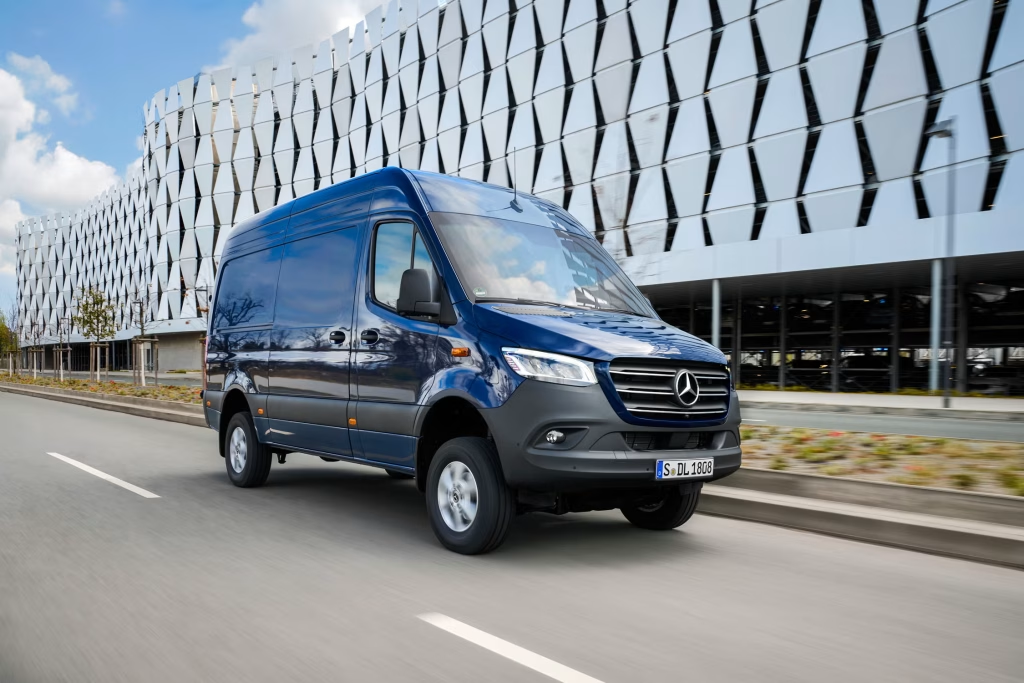
The 144-inch-wheelbase model is particularly interesting for businesses that need substantial cargo room without going to the longest body. A high-roof configuration also gives technicians considerably more vertical room for organizing equipment and accessing shelving.
There is, however, a clear operating consideration. An electric commercial van works best when its daily mileage and charging schedule are predictable. An electrician making numerous local calls and returning to a central shop each night has a much easier use case than a plumber regularly traveling hundreds of miles between distant service areas.
For the right business, the eSprinter can turn overnight charging into part of the normal work routine while retaining the payload and cargo capacity expected from a serious commercial van.
10. Nissan NV Cargo
The Nissan NV Cargo takes a more traditional approach to the contractor-van formula, using a truck-like body and a conventional gasoline powertrain. Although Nissan discontinued the NV Cargo, used examples can still be attractive to plumbing and electrical contractors because of their substantial cargo capacity, payload capability, and strong towing potential.
The NV Cargo was available with either a 4.0-liter V6 or a 5.6-liter V8. The V6 produced 261 horsepower and 281 lb-ft of torque, while the V8 developed 375 horsepower and 387 lb-ft of torque. Both engines were paired with a five-speed automatic transmission.
Cargo space is one of NV’s biggest advantages. Nissan offered 234.1 cubic feet of cargo volume with the standard roof and as much as 323.1 cubic feet with the high-roof version. The high-roof model also provided up to 76.9 inches of cargo height, giving technicians considerably more room to organize shelving and equipment.
For a plumber, the NV Cargo can accommodate bulky equipment and materials, while electricians can use its large interior for tool cabinets, cable, conduit, and electrical components. Nissan specifically offered work-oriented accessories and upfits for trades, including plumbing and electrical work.
Payload capacity varied by engine and configuration, with the 2021 NV Cargo reaching up to 3,710 pounds in certain standard-roof V8 configurations. Nissan also rated properly equipped NV Cargo models to tow as much as 9,400 pounds, giving contractors considerable flexibility when a trailer is required.
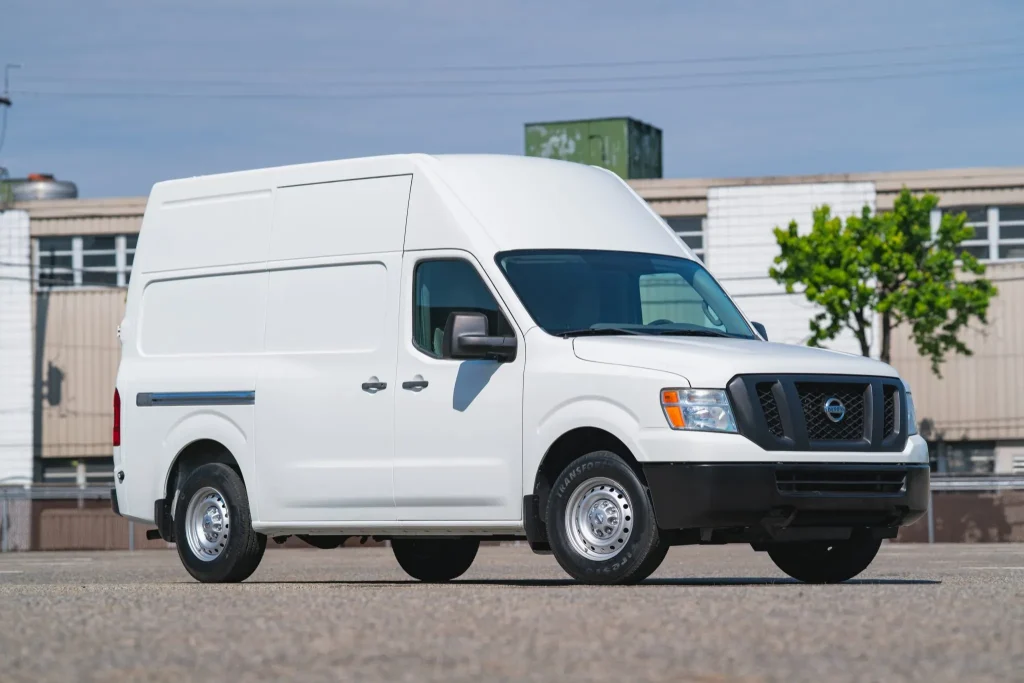
The NV’s design is particularly useful for contractors who prefer a straightforward work vehicle. Its flat cargo floor, wide rear doors, and generous interior dimensions make it relatively easy to install shelving, drawers, partitions, and ladder-storage systems. Nissan also noted that the cargo area could accommodate 4-by-8-foot sheets and 10-foot piping.
There is one important consideration. The NV Cargo is no longer in production, so buyers are limited to used examples. That makes condition, mileage, maintenance records, and previous commercial use especially important. A former fleet van that spent years carrying heavy loads can be in very different condition from a lightly used contractor vehicle.
For plumbers and electricians who prioritize cargo capacity, towing strength, and conventional mechanics over having the newest commercial-van platform, the Nissan NV Cargo remains an interesting used-market option.