
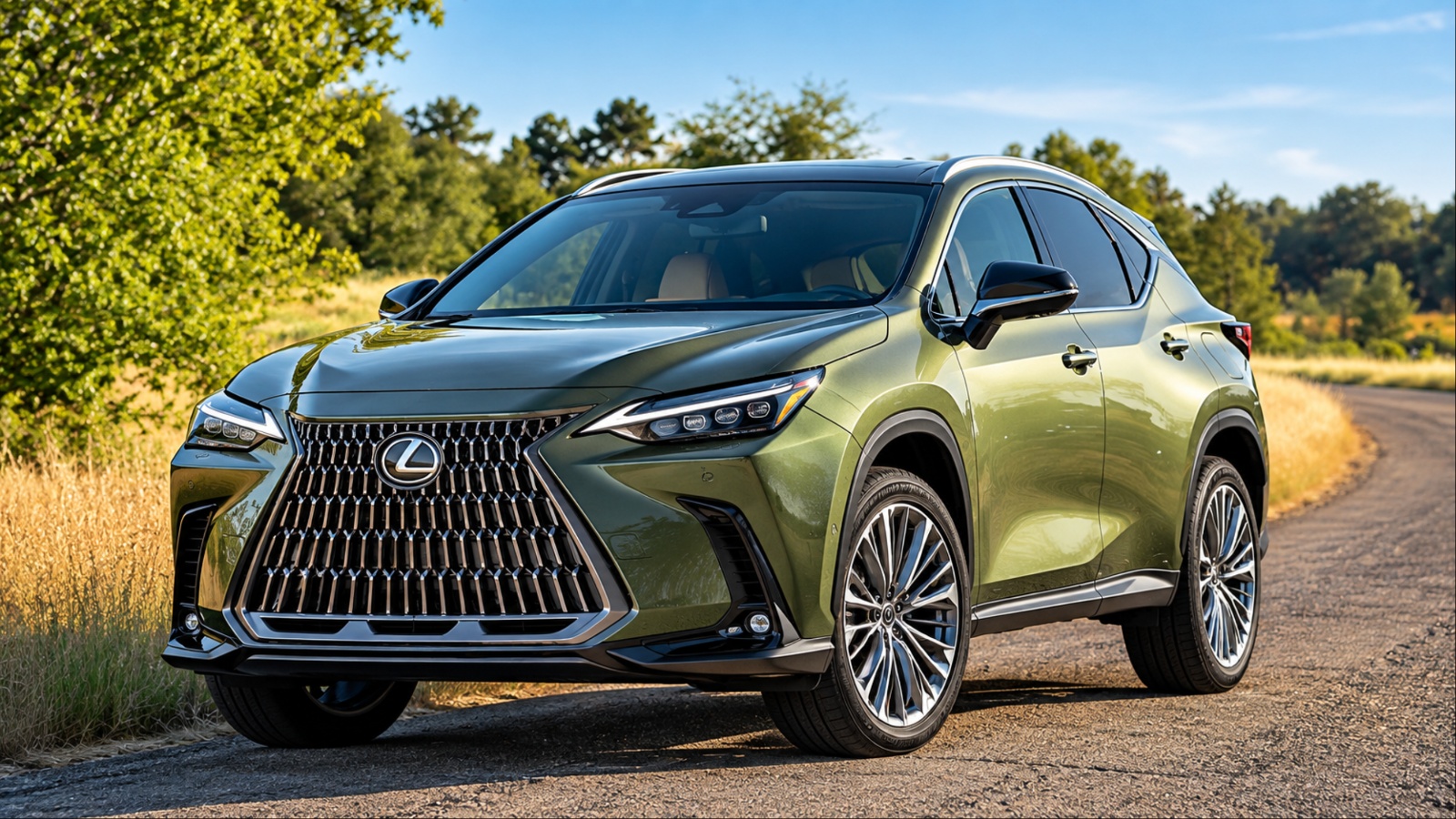
Hybrid cars are often praised for saving money at the gas pump, but one expensive electronic component can change that calculation very quickly. The hybrid inverter is responsible for managing high-voltage electrical power between the battery, electric motors, and other parts of the hybrid system.
When the assembly fails, replacement can involve several thousand dollars in parts alone. Current U.S. parts listings show that some hybrid inverters are priced around or above $4,000 before labor, taxes, and related services.
The cars below show how dramatically repair costs can vary and why a hybrid warning light deserves proper diagnosis rather than guesswork.
1. 2025 Toyota Prius Plug-in Hybrid
The Prius has spent years building a reputation for inexpensive operation, so an inverter priced at thousands of dollars feels almost contradictory. Yet the newest plug-in version demonstrates how sophisticated the electrical side of a hybrid can become.
Toyota changed the name from Prius Prime to Prius Plug-in Hybrid for 2025, while retaining the same basic fifth-generation hybrid architecture introduced for the previous generation. Toyota says the system produces 220 net combined horsepower and uses a 2.0-liter four-cylinder engine with two motor-generators.
The expensive component is not merely a conventional electronic control module. The inverter is part of the high-voltage power-control system and works with the traction battery and electric motors. A current U.S.
The Toyota parts listing for the related Prius plug-in application shows inverter assembly G92A0-47201 with an MSRP of $4,772.17. One dealer-linked parts source currently lists the assembly at about $3,793.90, demonstrating why an owner can encounter a bill near or above the $4,000 mark depending on the supplier, labor, and dealership pricing.
That distinction matters when comparing repair estimates. A $4,000-plus invoice does not necessarily mean the inverter itself costs exactly $4,000. Labor, diagnostic time, coolant service, and other shop charges can push the final figure higher.
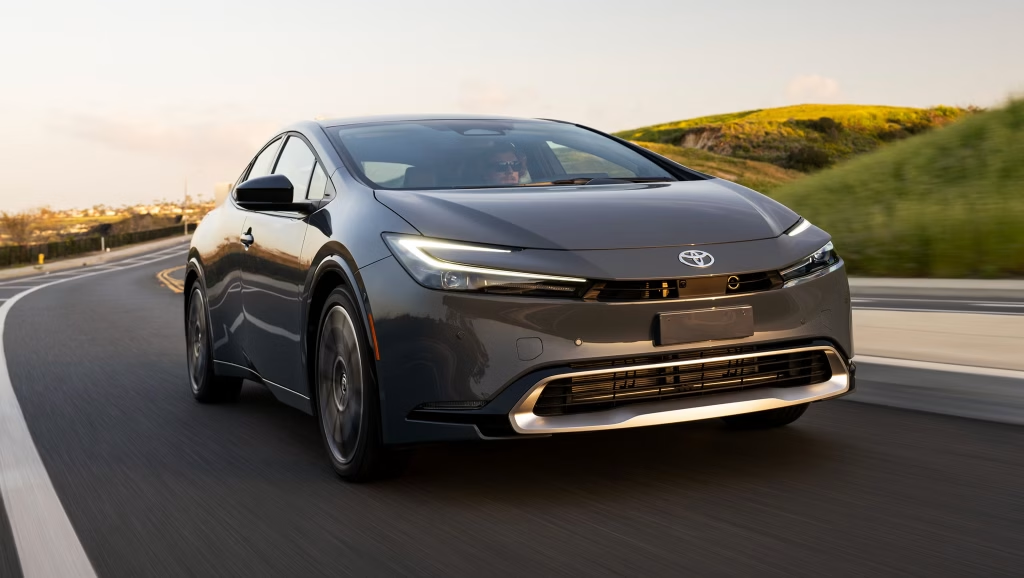
The Prius Plug-in Hybrid is highly efficient in its own right. Toyota rates the SE at up to 52 mpg combined in hybrid mode, along with up to 44 miles of electric range. That makes the potential cost of an inverter replacement especially notable. Even a vehicle designed for maximum efficiency can rely on expensive electronic components.
Toyota’s U.S. specifications list the Prius Plug-in Hybrid at 181.1 inches long and up to 70.2 inches wide, with curb weights ranging from 3,461 to 3,571 pounds depending on trim.
2. 2024 Lexus ES 300h
A luxury sedan brings a different perspective to the $4,000 inverter problem. The Lexus ES 300h is designed to deliver quiet, refined transportation while using Toyota’s established hybrid technology underneath.
For 2024, Lexus combined a 2.5-liter four-cylinder Atkinson-cycle engine with an electric motor and hybrid transaxle, producing 215 net combined horsepower. The EPA rating is 43 mpg city, 44 mpg highway, and 44 mpg combined.
The inverter is one of the places where the price of that technology becomes obvious. U.S. Lexus parts listings for the 2024 ES 300h show the inverter assembly with converter, part number G92A0-33033, at a current listed price of $5,091.52, with an MSRP of $6,057.48.
In other words, the component alone can comfortably exceed the $4,000 threshold before installation.
That price should not be interpreted as a prediction that every ES 300h owner will eventually spend $5,000 on an inverter. A parts catalog price and a completed repair invoice are different things.
A technician first needs to establish that the inverter is actually responsible for the fault. Hybrid warning messages can involve several components, and replacing an expensive assembly without confirming the diagnosis can turn a manageable electrical problem into an unnecessary major expense.
The ES 300h’s design also helps explain why the inverter matters so much. The electric motor is integrated into a system that continuously balances gasoline-engine output and electric propulsion. Lexus places the lithium-ion battery beneath the rear seat, helping preserve trunk space while maintaining the sedan’s intended balance.

For buyers of used ES 300h models, this is a useful reminder that excellent fuel economy does not eliminate high-dollar hybrid-system repairs. It simply moves some of the vehicle’s complexity away from traditional mechanical components and into specialized electronics.
Lexus lists the 2024 ES 300h at 195.9 inches long and 73.4 inches wide with the mirrors folded.
3. 2019-2022 Toyota Avalon Hybrid
The Toyota Avalon Hybrid is an interesting case because its inverter is shared across more than one Toyota application, yet the replacement assembly can still carry a surprisingly high price.
ToyotaPartsNow currently lists inverter assembly G92A0-33033 at $4,815.73, with a manufacturer-suggested retail price of $6,057.48. The catalog identifies the assembly as fitting 2019-2022 Avalon Hybrid models, including XLE, Limited, XSE, and related trims.
That price changes the way an owner should look at a hybrid warning. An illuminated hybrid-system message does not automatically mean the entire inverter has failed.
A technician needs to identify the stored diagnostic trouble codes and determine whether the problem originates inside the inverter, in its cooling system, wiring, sensors, or another high-voltage component. Spending thousands on an inverter without confirming the fault would be a particularly expensive mistake.
The Avalon Hybrid used Toyota’s 2.5-liter four-cylinder hybrid powertrain and was rated at 215 net combined horsepower. Its appeal came from combining a large, comfortable sedan body with hybrid efficiency rather than making the car feel like a small economy vehicle.
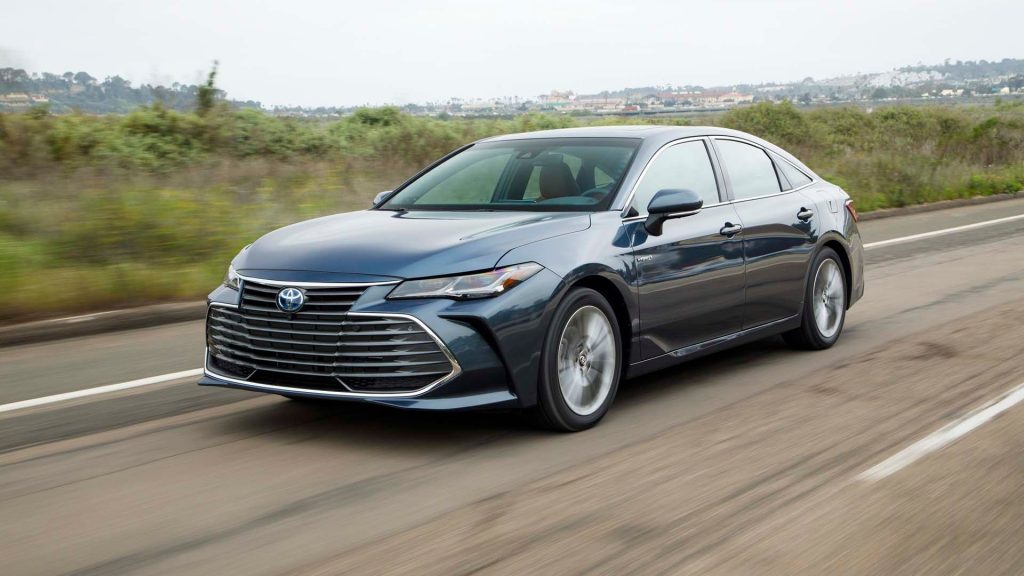
There is another important consideration for used-car buyers. A high-priced inverter does not mean failure is inevitable. Toyota’s hybrid systems have millions of vehicles on American roads, and many operate for years without inverter replacement. The expensive part becomes relevant when an out-of-warranty vehicle actually develops a confirmed inverter fault.
That makes the Avalon a good example of hidden repair exposure. Its fuel economy can reduce everyday operating costs, but a single high-voltage electronic assembly can cost several thousand dollars if it eventually requires replacement.
4. 2025 Lexus RX 350h
The Lexus RX 350h takes the $4,000 inverter issue into the luxury SUV market. This is not a small hybrid crossover with a modest electrical system.
The 2025 RX 350h combines a 2.5-liter four-cylinder engine with Lexus Hybrid Electric Drive and standard all-wheel drive, producing 246 net combined horsepower. Lexus lists fuel economy at 37 mpg city, 34 mpg highway, and 36 mpg combined.
The replacement component can be considerably more expensive than its fuel-saving mission might suggest. A current U.S. Lexus parts catalog lists inverter assembly G92A0-48384 at $5,290.64, against an MSRP of $6,401.07. The listing identifies the unit as an inverter assembly that includes the DC converter.
That distinction is important because the component does more than simply send electricity toward the drive motor.
The hybrid inverter manages electrical power within the high-voltage propulsion system, while the converter portion handles the conversion needed for the vehicle’s conventional electrical network. Consequently, a fault involving the assembly can have effects beyond electric propulsion alone.
The RX 350h also demonstrates why repair estimates should never be judged from the component price alone. A dealer quote may include diagnosis, high-voltage safety procedures, coolant-related work, installation, testing, and other charges. Conversely, independent hybrid specialists or used-parts suppliers may offer different solutions.
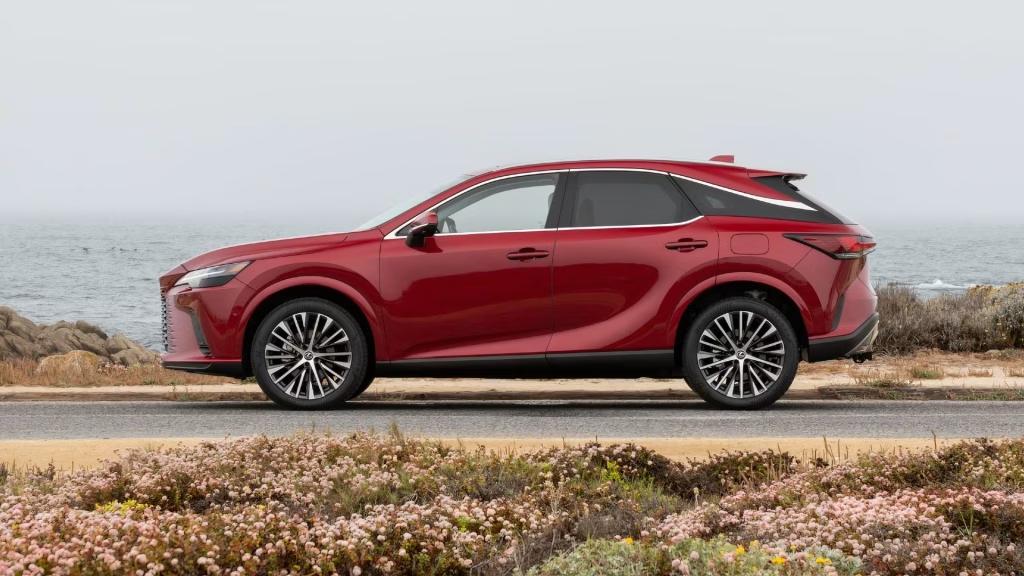
With a starting MSRP of $51,425 for the 2025 RX 350h, a $5,000-plus inverter is significant but not remotely comparable to the entire vehicle’s value. For an older used example, however, the same repair could represent a much larger percentage of the vehicle’s market value. The RX 350h measures 192.5 inches long and 75.6 inches wide without mirrors.
5. 2021-2024 Toyota Venza
The Toyota Venza is a particularly clear example of how an expensive hybrid repair can hide beneath an otherwise sensible midsize crossover.
Toyota brought the Venza back to the U.S. for 2021 with a 2.5-liter four-cylinder hybrid powertrain and standard all-wheel drive. Its hybrid system uses an inverter assembly with an integrated converter, and current U.S. parts listings put that assembly firmly above the $4,000 threshold.
For 2021 models built between July 2020 and July 2021, ToyotaPartsDeal lists inverter assembly G92A0-48310 at $4,599.44. Later production uses G92A0-48311, listed at $4,606.36. The 2023 Venza uses the same G92A0-48311 for certain production periods, while G92A0-48312 is listed for vehicles built from August 2022 onward, also at $4,606.36.
A Toyota dealer parts listing gives another useful reference. Longo Toyota lists G92A0-48311 with an MSRP of $5,898.83 and a discounted price of $5,371.35. These figures are for the component itself, so installation and other charges can increase the final repair bill.
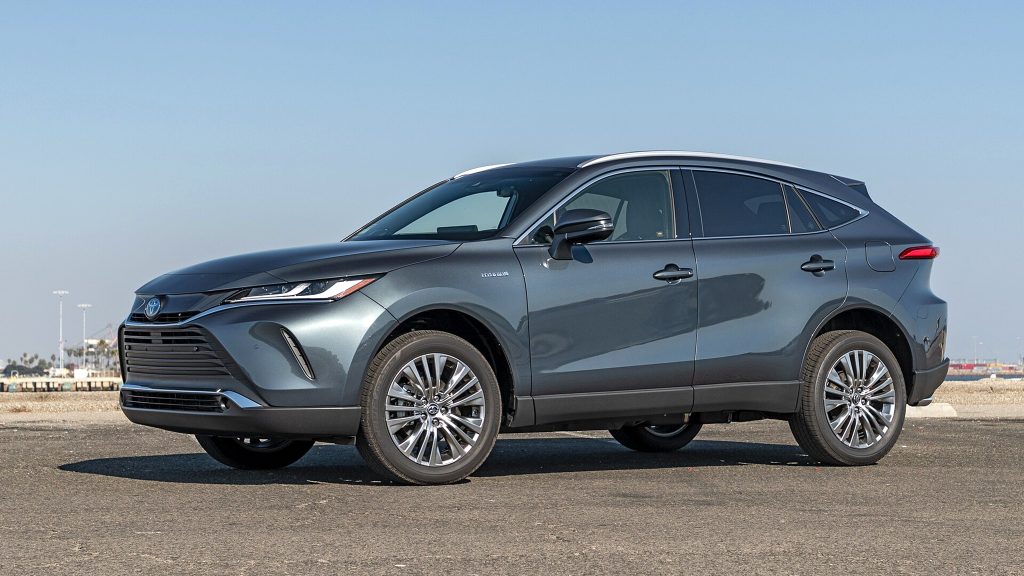
The Venza’s system produces 219 combined horsepower and was designed primarily around efficiency and smooth operation rather than outright performance. That makes the inverter’s price even more striking. A component costing more than $4,500 can represent a substantial percentage of an older Venza’s value.
This is also why hybrid diagnosis matters. A warning message should lead to testing and code analysis rather than automatically replacing the inverter. The expensive assembly may be innocent if the underlying problem is elsewhere in the high-voltage system.
6. 2021-2024 Toyota Highlander Hybrid
A three-row SUV makes the financial impact of an expensive inverter even more interesting. The Toyota Highlander Hybrid combines a 2.5-liter four-cylinder gasoline engine with Toyota’s hybrid system and was offered with all-wheel drive, giving families a practical alternative to a conventional V6-powered SUV.
The inverter assembly is one of the more expensive pieces of the system. U.S. Toyota parts catalogs list several versions depending on production date and drivetrain configuration. For example, G92A0-48210 is listed at $4,959.39, while G92A0-48220 is listed at $4,228.01. Later revisions can also exceed $4,000.
A Toyota dealer parts listing provides another data point for the FWD application. G92A0-48221 is listed at $4,523.98, compared with an MSRP of $5,427.49. The listing identifies the part as a traction inverter that converts DC electricity from the hybrid battery into AC electricity used by the electric motor and includes the DC converter.
That description explains why this is not a minor electronic module. The inverter sits directly in the vehicle’s propulsion energy pathway. It has to handle substantial electrical loads while coordinating the electric drive system.

The Highlander Hybrid’s size also makes its efficiency meaningful. It gives buyers three-row utility without relying exclusively on a large gasoline engine, but the sophisticated hybrid hardware introduces expensive components that a conventional SUV may not have.
For owners, the lesson is not that Highlander hybrids are poor purchases. It is that a used hybrid SUV should be evaluated with its high-voltage system in mind. A clean service history and a proper diagnostic inspection can be much more valuable than simply checking whether the gasoline engine runs smoothly.
7. 2021-2024 Toyota RAV4 Hybrid
The Toyota RAV4 Hybrid is one of the more surprising vehicles on this list because it is not positioned as a luxury model, yet its hybrid inverter can still cross the $4,000 mark.
For the 2024 model year, Toyota’s U.S. specifications show a 2.5-liter four-cylinder engine working with front and rear electric-drive motors, electronic all-wheel drive, and 219 net combined horsepower. Fuel economy reaches 41 mpg city and 38 mpg highway.
Toyota parts catalogs show why a major electrical repair can become expensive. Inverter assembly G92A0-42072, listed for 2019-2024 RAV4 Hybrid applications without the plug-in system, carries an MSRP of $5,204.85.
A current Toyota dealer parts listing shows it at $4,010.28, while another Toyota parts source lists the same assembly at about $4,083.20.
Some earlier RAV4 Hybrid configurations can be even more expensive. ToyotaPartsDeal lists G92A0-42070 at $5,204.85 MSRP and about $4,061.32 through its online pricing. Certain Japan-built RAV4 Hybrid applications use different assemblies, with G92A0-33031 and G92A0-33032 listed above $4,650.
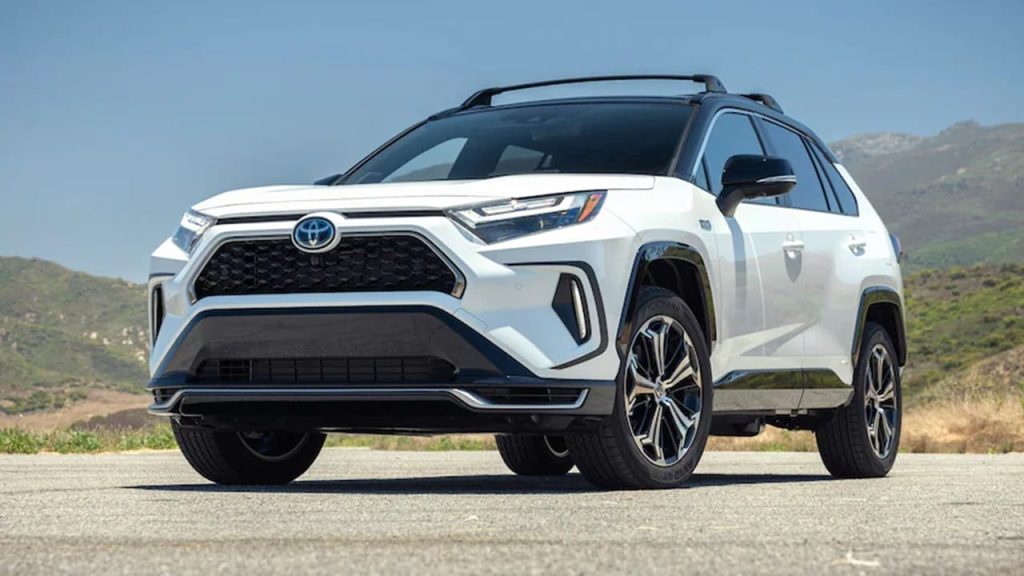
That variation is important. Owners should not assume every RAV4 Hybrid uses exactly the same inverter or that every replacement will cost the same amount. Production date, drivetrain configuration, and vehicle specification can affect the correct part number.
The RAV4 Hybrid itself is hardly an exotic machine. It is a practical five-seat crossover with an 8.1-inch ground clearance and a powertrain engineered to combine everyday utility with strong fuel economy.
Yet its inverter demonstrates how a mainstream vehicle can contain highly expensive high-voltage hardware. The 2024 RAV4 Hybrid measures 180.9 inches long and 73.0 inches wide without mirrors.
8. 2021-2024 Toyota Sienna Hybrid
The Toyota Sienna presents an unusual version of the inverter problem because the vehicle itself is a family minivan rather than a premium sedan or SUV. Starting with the 2021 redesign, Toyota made the Sienna exclusively hybrid in the U.S.
The new powertrain paired a 2.5-liter four-cylinder gasoline engine with Toyota Hybrid System II, producing 245 total horsepower. Toyota also rated the front-wheel-drive version at 36 mpg combined, an impressive figure for a three-row minivan.
Then there is the inverter. ToyotaPartsDeal lists inverter assembly G92A0-45070 for Sienna AWD applications at $6,451.97 MSRP and about $5,034.44 through its online pricing. The FWD assembly, G92A0-45080, carries a $5,497.54 MSRP and is listed at about $4,289.71.
A Toyota dealer parts store provides similar numbers. G92A0-45071 is listed for Sienna AWD applications at $6,451.97 MSRP and $4,948.58, while G92A0-45081 for FWD applications is listed at $5,497.54 MSRP and $4,216.55.
This is a useful reminder that drivetrain choice can affect repair exposure. The Sienna’s AWD system adds an electric motor to the rear axle, so the electrical architecture differs from the front-wheel-drive version. Consequently, owners need the exact vehicle identification information before pricing an inverter.
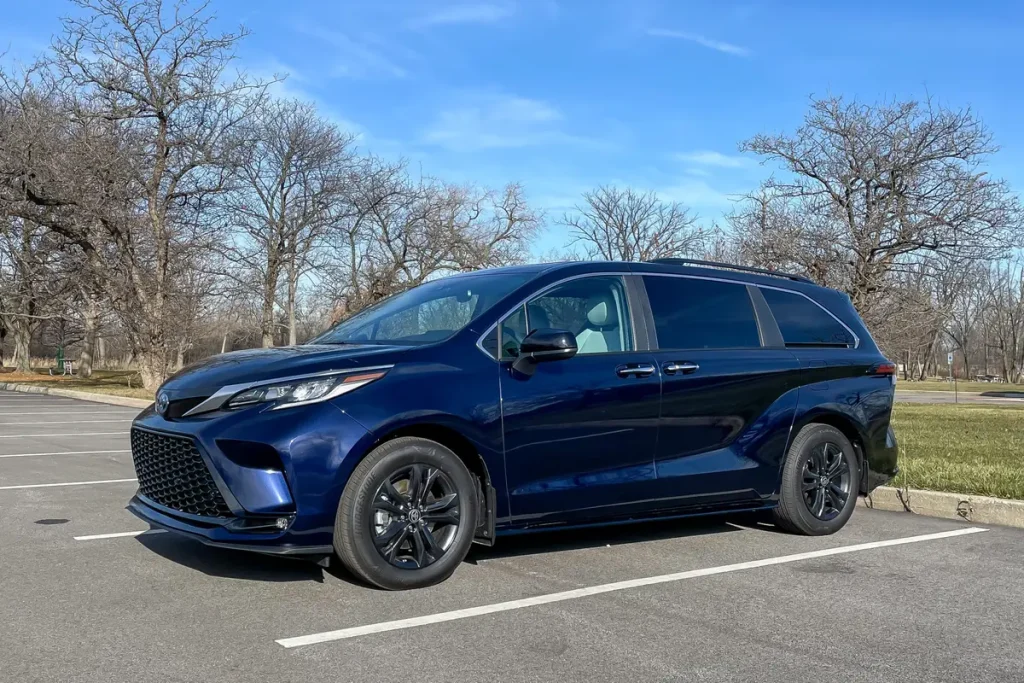
The numbers become more striking when the Sienna’s mission is considered. Toyota designed this vehicle to carry families efficiently, and its 2021 specifications show a 203.7-inch body, 78.5-inch width, and seating for up to eight people. It can also tow up to 3,500 pounds when properly equipped.
A hybrid minivan therefore offers excellent fuel economy without escaping the possibility of an expensive high-voltage repair. Toyota’s 2021 U.S. specifications list 203.7 inches of length and 78.5 inches of width.
9. 2022-2024 Toyota Camry Hybrid
The Toyota Camry Hybrid is perhaps the easiest car on this list to underestimate. It looks like a conventional midsize sedan, and its 2.5-liter hybrid powertrain is designed around efficiency rather than performance. Yet the electronic hardware controlling that system can cost more than some used cars are worth.
Toyota’s current U.S. parts listings show inverter assembly G92A0-33033 for the Camry Hybrid at $6,057.48 MSRP. Toyota of Des Moines currently lists the same assembly at $5,091.52, while ToyotaPartsDeal lists it at $4,726.62. That places the genuine replacement component comfortably above the $4,000 threshold even before installation.
The pricing also changed with production dates. ToyotaPartsDeal lists G92A0-33032 for Camry Hybrids produced from July 2021 through April 2022 at $5,969.93 MSRP and $4,658.31 online. Vehicles produced from May 2022 use G92A0-33033, with a $6,057.48 MSRP and $4,726.62 online price.
That makes the Camry a good example of why an owner should provide the vehicle identification number when requesting an inverter quote. Two cars that appear almost identical can require different assemblies based on production date.
There is also no reason to assume a hybrid warning automatically condemns the inverter. Proper diagnostic work remains essential because the hybrid system contains numerous high-voltage components, control units, and electrical connections.
Replacing a $4,000-plus component without establishing the actual failure would be an unnecessarily expensive gamble.
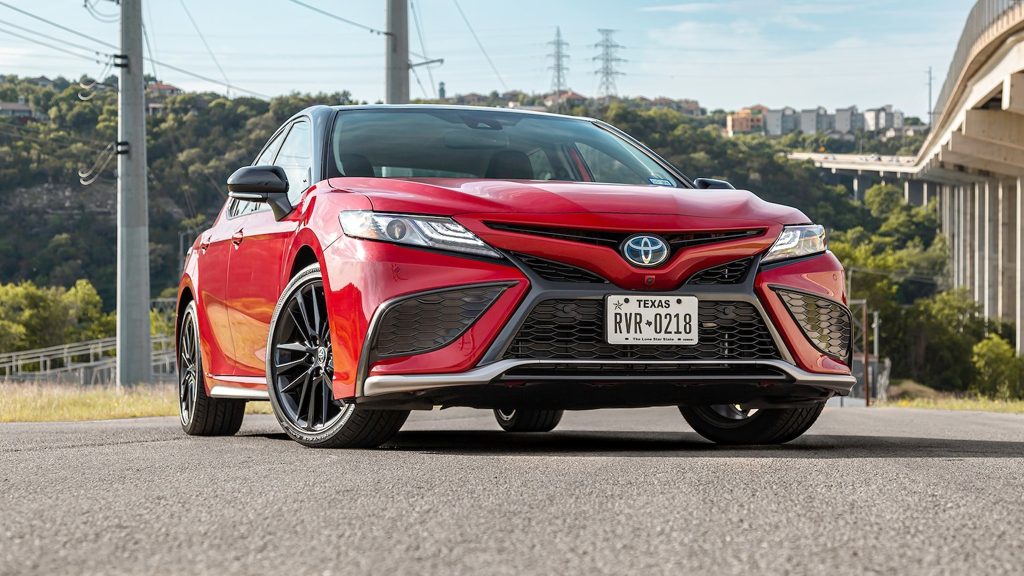
The Camry Hybrid’s impressive efficiency makes the contrast even sharper. Toyota’s hybrid system can dramatically reduce gasoline consumption during daily driving, but the sophisticated electronics responsible for that efficiency carry a very different price structure from ordinary engine components.
The 2024 Camry Hybrid uses a 2.5-liter four-cylinder hybrid powertrain and is available in LE, SE, and XLE trims in the U.S.
10. 2022-2025 Lexus NX 350h
The Lexus NX 350h provides one of the clearest examples of an inverter that can cost substantially more than $4,000. It is a compact luxury SUV, but its hybrid system uses sophisticated high-voltage power electronics that carry a price normally associated with major mechanical repairs.
Lexus parts catalogs list several inverter assemblies for the NX 350h depending on production period and vehicle configuration. For certain 2022-2024 vehicles, G92A0-42111 is listed at $7,190.07 MSRP and $6,043.50 through LexusPartsNow. The catalog identifies it as an inverter assembly for hybrid motor control.
Later NX 350h applications use G92A0-78092. Lexus’ parts information lists that assembly at $7,406.25 MSRP, while Lexus of Stevens Creek currently lists it at $6,328.96. The catalog specifically identifies it as the inverter assembly for NX 350h vehicles produced from July 2022 onward.
Those numbers make the NX 350h one of the strongest examples in this article. A genuine replacement inverter can exceed $6,000 before labor, making the repair substantially more expensive than the $4,000 benchmark.
The reason for such a high price is the inverter’s role in the propulsion system. Toyota describes its hybrid motor-control inverter as a high-voltage power-electronics component that regulates electrical flow between the hybrid battery and motor systems.

For an NX 350h owner, the important point is that a high inverter price should not automatically be interpreted as a reason to avoid the vehicle. Hybrid components can operate for many years without replacement.
However, anyone purchasing a used NX 350h should understand that its sophisticated hybrid system creates repair possibilities that do not exist on a conventional gasoline-only SUV.
A diagnostic scan and inspection by a technician familiar with Lexus hybrid systems can therefore be particularly valuable before purchasing an older example.
