
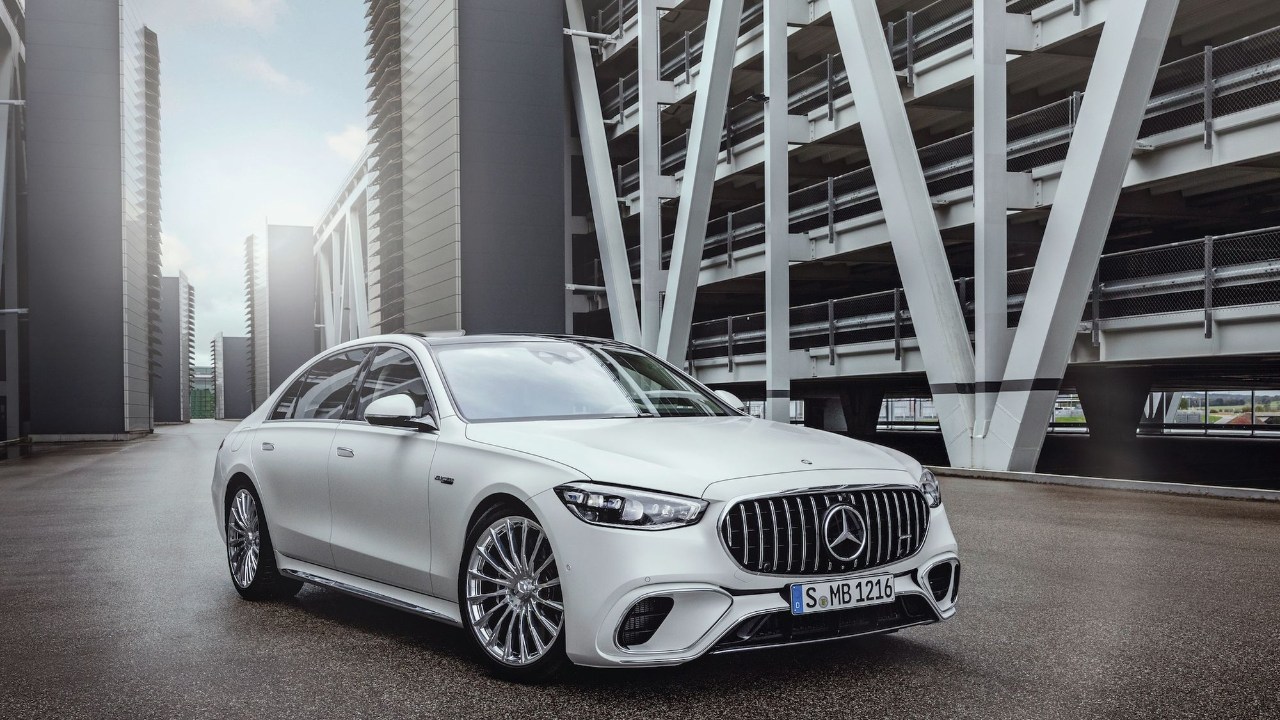
An 80,000-mile odometer reading can look intimidating, but mileage alone does not determine whether a used car is a smart purchase. Some vehicles reach this point with plenty of dependable service remaining, especially when their engines, transmissions, and major components have been properly maintained.
Others can become expensive propositions because wear-sensitive systems begin demanding attention around this stage of their lives.
The key is understanding what the mileage represents for a particular model rather than treating 80,000 miles as an automatic cutoff. This comparison separates five cars that can make sense at 80,000 miles from five that deserve considerably more caution.
5 Cars Worth Buying at 80,000 Miles
1. Toyota Camry
The Toyota Camry is one of the strongest candidates for a used-car buyer who encounters an example with roughly 80,000 miles.
Its reputation is supported by a long production history and a mechanical package that has generally emphasized durability rather than extreme performance. For a buyer seeking inexpensive transportation, that matters more than having the newest technology.
The Camry’s four-cylinder engines in particular have been widely used across Toyota’s lineup, giving the company extensive experience refining and supporting these powertrains.
Many versions also use conventional automatic transmissions rather than more complicated performance-oriented gearboxes. That does not make them maintenance-free, but it can make long-term ownership easier to understand.
At 80,000 miles, the condition of the individual vehicle becomes more important than the model’s reputation. Buyers should check for evidence of neglected fluid services, worn suspension components, leaking gaskets, and overdue maintenance. A complete service history is a major advantage.
There is also a financial reason to consider the Camry at this mileage. Much of the steepest depreciation has already occurred, meaning the buyer can potentially acquire a mature vehicle without paying for the newest-model premium. If the previous owner maintained it properly, the remaining useful life can justify the purchase.
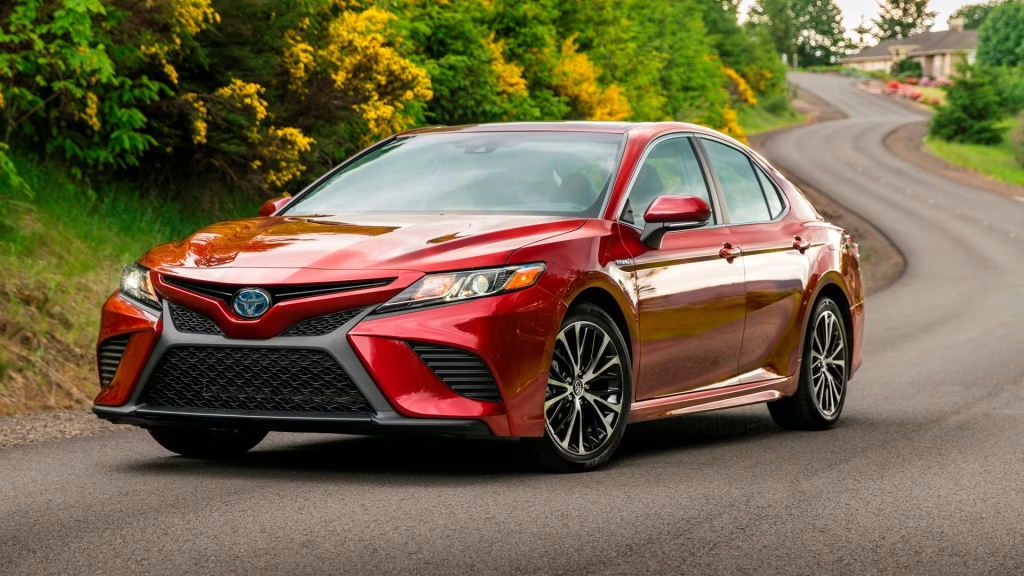
The Camry belongs on this list because 80,000 miles is not an especially alarming figure for a well-maintained example. Its appeal comes from predictable engineering, abundant service familiarity, and strong parts availability.
It is exactly the kind of car where condition and maintenance history can matter more than the number displayed on the dashboard.
2. Honda Accord
The Honda Accord makes sense at 80,000 miles because its long-running reputation has been built around engines and drivetrains capable of accumulating substantial mileage when owners follow the recommended maintenance schedule.
It also benefits from being one of the most established midsize cars in the market, which makes finding technicians and replacement parts relatively straightforward.
One of the Accord’s biggest advantages as a used purchase is the breadth of mechanical knowledge surrounding it. Mechanics have worked on generations of these cars for decades, and common maintenance requirements are well understood. That can reduce the uncertainty associated with owning an older vehicle.
An 80,000-mile Accord should still receive a thorough inspection. Depending on model year and engine, buyers should verify that scheduled services have been completed and investigate any warning lights, oil consumption, cooling-system concerns, or transmission behavior.
Tires, brakes, and suspension components also deserve attention because mileage-related wear does not appear on an engine specification sheet.
The timing of major maintenance can also influence the purchase decision. Certain Accord generations have maintenance schedules involving items such as timing belts, while others use timing chains.
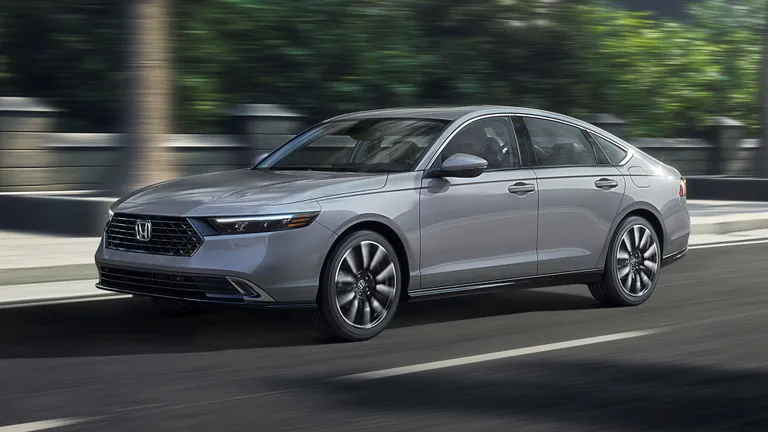
The exact engine and model year therefore matter, and a buyer should verify the service requirements for the specific vehicle rather than applying one rule to every Accord.
The reason for choosing the Accord is its ability to combine relatively strong long-term mechanical prospects with everyday practicality. It does not need to be driven gently like a fragile older luxury car, nor does it require exotic servicing to remain useful.
At 80,000 miles, a documented Accord with sensible previous ownership can therefore be an attractive proposition. The mileage is high enough to reduce the purchase price while still leaving substantial potential service life.
3. Lexus ES
The Lexus ES is an interesting choice at 80,000 miles because it combines the durability associated with Toyota engineering with the comfort and refinement expected from a luxury sedan.
A buyer looking at a used ES should not automatically reject one simply because the odometer has crossed this milestone. In fact, a well-maintained example can represent an appealing way to obtain a premium car without paying anything close to its original price.
Many ES generations share engines, transmissions, or underlying components with other Toyota and Lexus products. That commonality is valuable once a vehicle gets older. Parts and technical knowledge are generally easier to find than they would be for a low-volume luxury model with a highly specialized powertrain.
The ES also tends to prioritize relaxed transportation rather than aggressive driving. That matters because repeated hard launches, track use, or highly demanding driving can accelerate wear on numerous components.
A car that has spent its life on ordinary commutes may arrive at 80,000 miles in considerably better condition than its mileage suggests.
There are still areas that deserve scrutiny. Luxury equipment can become expensive when it ages, and buyers should test the air conditioning, power seats, electronics, suspension, and other convenience systems. A quiet test drive can also reveal noises from wheel bearings, bushings, or other components that may require attention.
Service records are particularly valuable here. An ES that has received regular oil changes and other scheduled maintenance offers a very different ownership proposition from one that has simply been driven until something breaks.
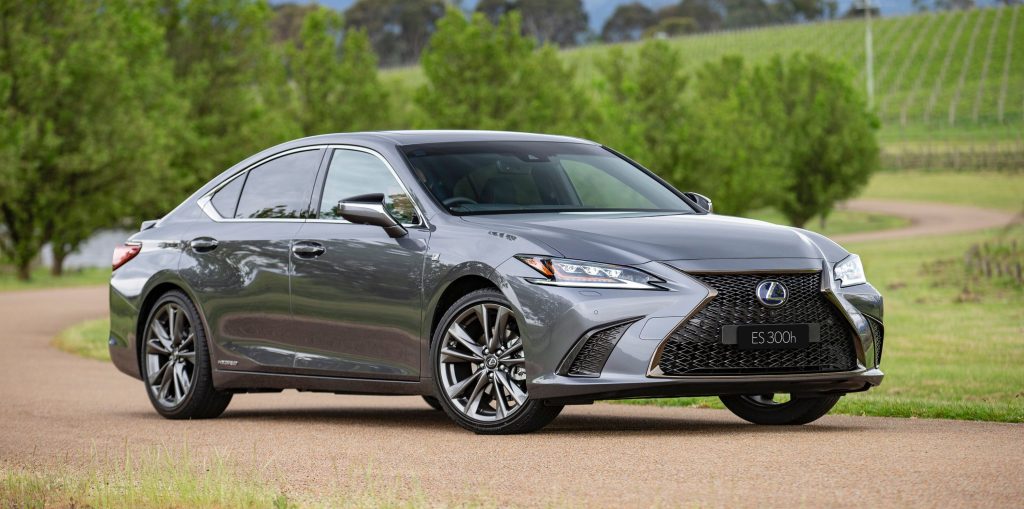
The ES earns its place because its 80,000-mile point can represent a sweet spot between depreciation and remaining usability. Buyers get a mature, comfortable sedan without necessarily inheriting the mechanical complexity and repair exposure associated with some higher-performance European luxury cars.
4. Mazda MX-5 Miata
The Mazda MX-5 Miata is a different kind of 80,000-mile purchase. Instead of being selected because it is a large practical sedan with a conservative mission, it earns consideration because its relatively simple, lightweight sports-car formula can remain enjoyable long after the odometer has moved well beyond this figure.
The Miata’s compact dimensions and modest weight place less demand on many components than a much heavier performance vehicle.
Its engines are not enormous, and the car’s handling philosophy has historically centered on balance rather than massive power output. That can be beneficial for long-term ownership when the car has been maintained properly.
Condition becomes especially important with a used sports car, though. A Miata may have accumulated its mileage through relaxed commuting, or it may have spent years being driven enthusiastically. The odometer cannot tell you which.
Buyers should therefore inspect the clutch, transmission, suspension, brakes, tires, and underbody rather than assuming the car’s reputation guarantees an easy purchase.
Rust deserves particular attention on older examples. Depending on generation and climate, corrosion can become more important than engine mileage. A clean underside and evidence of sensible ownership can dramatically change the value proposition.
The car’s relatively straightforward construction is another reason it works at this mileage. There are fewer luxury systems than in a high-end grand tourer, and many owners value the Miata precisely because it concentrates on the basic elements of driving.
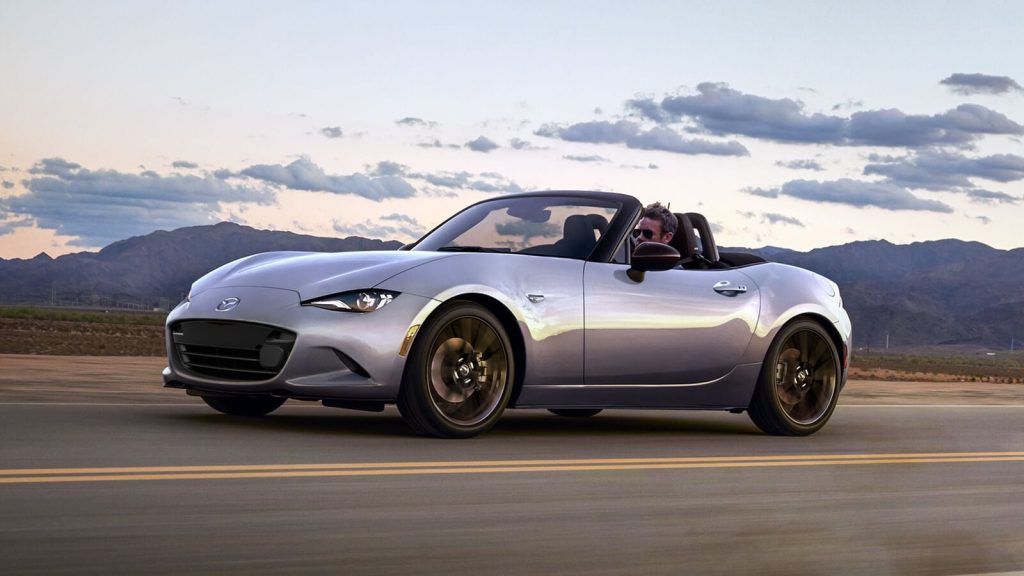
At 80,000 miles, an MX-5 can therefore make sense for the right buyer. It will not offer the practicality of a Camry or Accord, but someone looking for an affordable enthusiast car should not regard the mileage alone as a deal breaker.
A mechanically sound, rust-free example with a convincing maintenance history can still have plenty of enjoyable driving ahead.
5. Toyota Avalon
The Toyota Avalon is one of the more sensible choices for a buyer considering a sedan with around 80,000 miles. It was positioned above the Camry in Toyota’s lineup, offering a larger cabin, a quieter ride, and more equipment, while retaining a mechanical philosophy that generally emphasized comfortable long-distance transportation rather than high-performance complexity.
That makes an 80,000-mile Avalon particularly interesting on the used market. A vehicle at this mileage has already absorbed much of its initial depreciation, yet a properly maintained example can still have substantial useful life remaining. The key is finding one that has been serviced consistently rather than simply choosing the cheapest listing.
The Avalon has used Toyota V6 engines across multiple generations, and those engines have accumulated extensive real-world mileage in several Toyota and Lexus applications. That broad mechanical footprint can be helpful when repairs eventually become necessary because technicians are familiar with the underlying powertrain.
An inspection should still cover the basics. Buyers need to examine the cooling system, suspension, brakes, tires, steering components, and transmission operation. Oil leaks and neglected maintenance should never be dismissed simply because the car carries a Toyota badge.
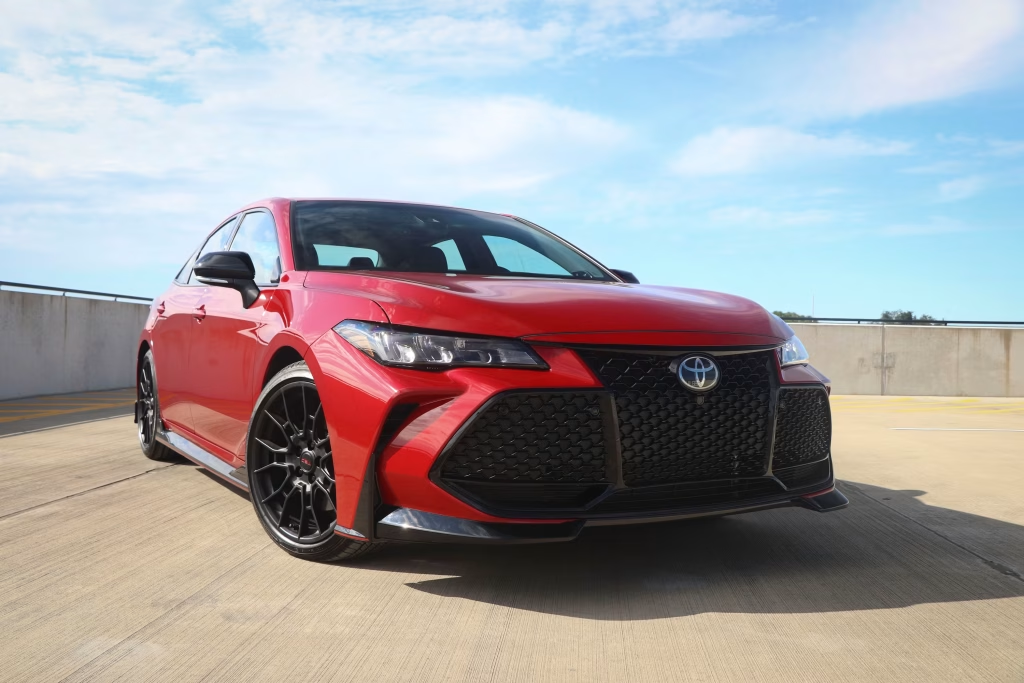
Age can also matter more than mileage on an older Avalon. Rubber components, seals, hoses, and suspension bushings deteriorate with time regardless of how carefully the vehicle was driven. Service records can reveal whether those items have already been addressed.
The Avalon belongs on the buying side because its 80,000-mile figure does not automatically signal the beginning of expensive ownership. Its durable powertrain, straightforward purpose, and mature engineering make a well-maintained example worth serious consideration.
For buyers who value comfort but want to avoid the maintenance exposure associated with many depreciated luxury sedans, it can be a particularly strong used-car proposition.
5 Cars That Are Not
1. BMW 7 Series
An 80,000-mile BMW 7 Series can be tempting because depreciation transforms an expensive luxury sedan into something that appears surprisingly affordable. The problem is that the cost of maintaining a 7 Series does not fall at the same speed as its market value.
Buyers can acquire the car cheaply while still facing repair bills associated with a highly sophisticated flagship sedan.
The 7 Series has historically offered powerful engines, advanced transmissions, electronically controlled suspension systems, and extensive cabin technology. Those features create an impressive driving experience when everything works correctly. They also mean there are more systems that can develop age-related faults.
At 80,000 miles, suspension components deserve particular attention. Depending on generation and specification, the car may use sophisticated air or electronically controlled suspension hardware. Replacing individual components can become expensive, particularly when multiple worn parts appear at the same time.
The cooling system is another area worth investigating on older BMWs. Hoses, pumps, thermostats, and other components can age even when the engine itself remains healthy. Turbocharged engines add further hardware that deserves inspection for leaks, wear, and proper operation.
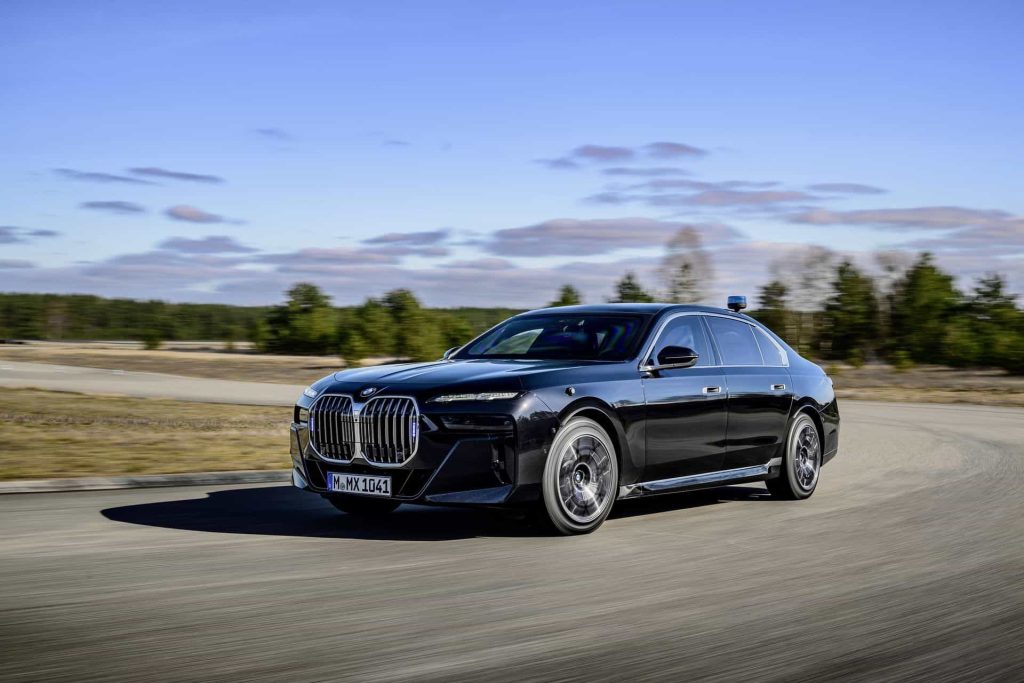
Then there is the interior technology. A malfunctioning screen or convenience feature may not prevent the vehicle from moving, but repairing sophisticated electronics can still be expensive.
That combination makes the 7 Series a risky choice at this mileage for a buyer whose priority is inexpensive ownership. A carefully maintained car with a strong service history can certainly be worthwhile, but an apparently cheap 80,000-mile example can quickly become expensive.
The purchase should therefore be based on documented condition rather than the attractiveness of the used-car price.
2. Audi A8
The Audi A8 presents a similar calculation, although its particular engineering approach gives buyers different areas to investigate. It is a technologically sophisticated luxury sedan designed to deliver exceptional refinement, and that complexity can become more consequential as mileage accumulates.
One major concern is the suspension system. Many A8 configurations use sophisticated air suspension technology designed to provide a smooth ride and maintain vehicle height. It is an impressive system when functioning correctly, but aging compressors, air springs, valves, or related components can create expensive repair requirements.
The A8’s extensive electronics also deserve careful testing. Luxury flagships contain far more control modules and electrically operated functions than basic family sedans. At 80,000 miles, even relatively minor faults can become financially meaningful if they require specialized diagnosis.
Powertrain choice changes the risk profile as well. Different A8 generations have used various engines and transmissions, meaning no single reliability judgment applies to every model year. Buyers should identify the exact engine, gearbox, and production generation before deciding whether a particular car makes financial sense.
Service history is therefore more important than the badge itself. Evidence of regular fluid changes, cooling-system maintenance, and timely repairs can separate a sensible purchase from a potential money pit.
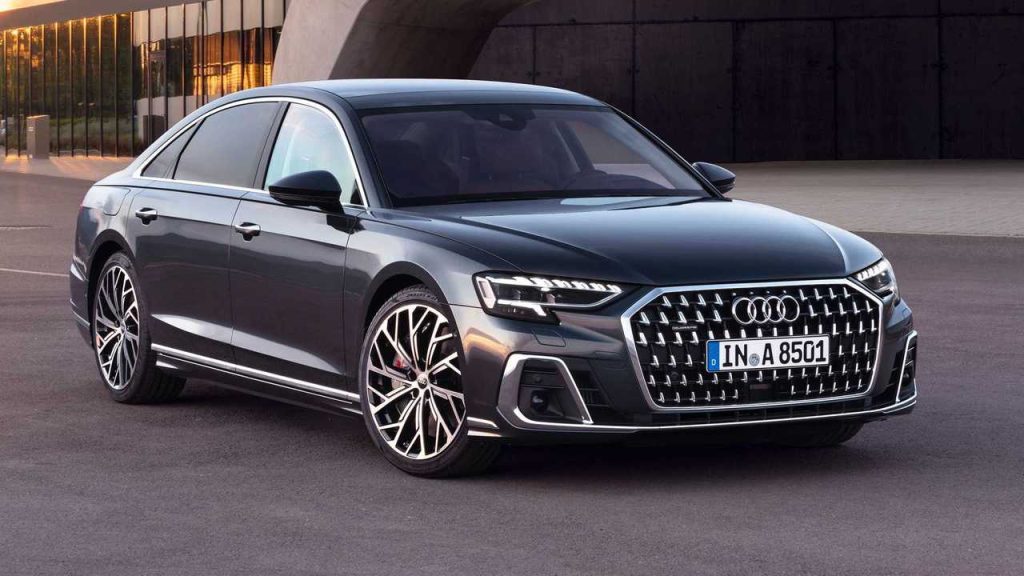
The A8 is included because its used price can create a misleading impression of affordability. A luxury flagship that originally cost many times more than an ordinary sedan still contains flagship-level components after depreciation.
At 80,000 miles, the buyer is assuming responsibility for systems that were expensive when new and can remain expensive years later.
For someone specifically seeking low-cost, predictable transportation, there are safer choices. The A8 makes more sense only when the buyer has budgeted for premium-car maintenance and is prepared to inspect the vehicle thoroughly before purchasing.
3. Mercedes-Benz S-Class
An 80,000-mile Mercedes-Benz S-Class can look like an extraordinary bargain on the used market. A car that originally carried a six-figure price can sometimes be purchased for a fraction of that amount once it has accumulated substantial mileage.
The problem is that depreciation affects the vehicle’s market value, not the cost of keeping its sophisticated systems functioning.
The S-Class has historically been packed with technology. Depending on the generation, buyers can encounter air suspension, electronically controlled dampers, complex climate-control equipment, extensive driver-assistance systems, and numerous electronic modules.
Each feature contributes to the car’s impressive refinement when new, but age gives more components an opportunity to require attention.
Suspension repairs are particularly important to investigate. An air suspension system that has begun losing pressure can turn an otherwise attractive purchase into an expensive project. The same applies to electrical faults that may require specialist diagnostic equipment rather than a simple replacement part.
Engine choice also matters considerably. Mercedes has offered numerous engines across different S-Class generations, including turbocharged gasoline and diesel units. Maintenance requirements and known problem areas vary, so buyers should research the exact powertrain rather than relying on the general reputation of the model.
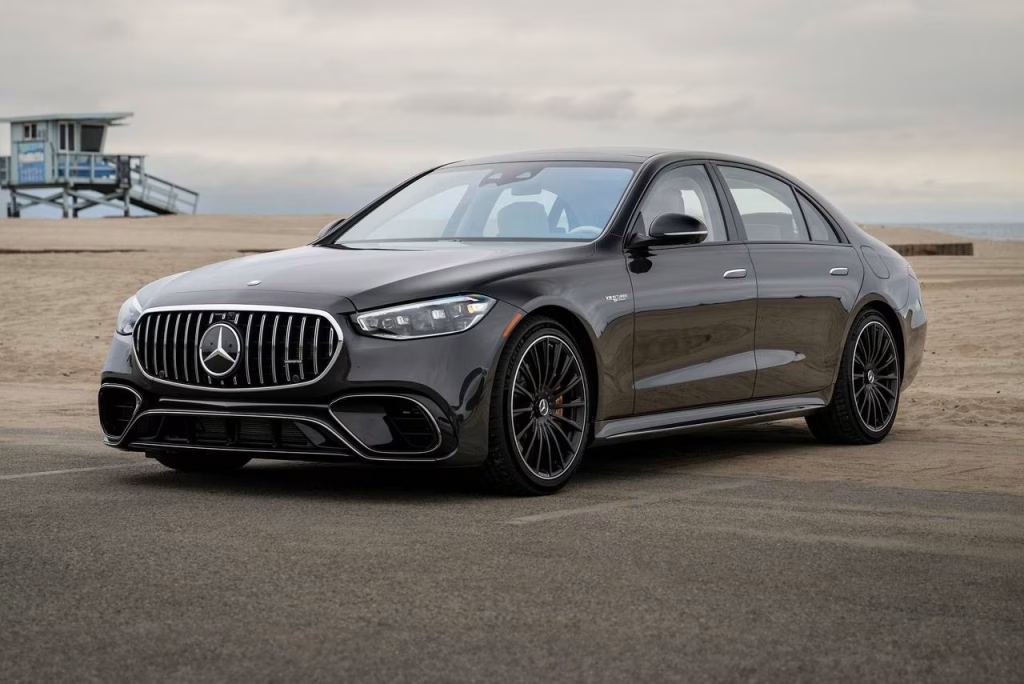
The reason this car appears on the cautionary side is therefore financial rather than simply mechanical. A meticulously maintained S-Class can travel far beyond 80,000 miles, but buying one without substantial maintenance records can be risky. The low purchase price can create false confidence.
For someone prepared to budget for specialist servicing, an 80,000-mile S-Class may still be appealing. For an owner seeking predictable running costs, however, its combination of luxury technology and aging mechanical systems makes it a considerably harder recommendation.
4. Range Rover
A Range Rover at 80,000 miles can be extremely attractive because it offers luxury, commanding road presence and genuine off-road capability for substantially less money than it originally commanded. Unfortunately, that dramatic depreciation can hide the financial reality of maintaining an aging premium SUV.
The Range Rover’s engineering has traditionally combined sophisticated suspension, four-wheel-drive hardware, powerful engines, and extensive electronic equipment. These systems make the vehicle capable and comfortable, but they also create multiple areas where age and mileage can produce expensive repairs.
Air suspension deserves particular attention during an inspection. The system provides the adjustable ride height that helps give the Range Rover both its comfortable road manners and useful ground clearance. Problems involving air springs, compressors, valves, or associated components can become costly if several parts have deteriorated.
Cooling systems and drivetrain components should also be checked carefully. A used luxury SUV can accumulate significant wear without obvious symptoms during a short test drive. A professional inspection is therefore considerably more valuable than simply checking whether the engine starts smoothly.
Previous ownership is another important consideration when a Range Rover reaches 80,000 miles. A vehicle that has been consistently serviced and repaired when needed can be in much better condition than one whose owner regularly delayed routine maintenance and necessary repairs.
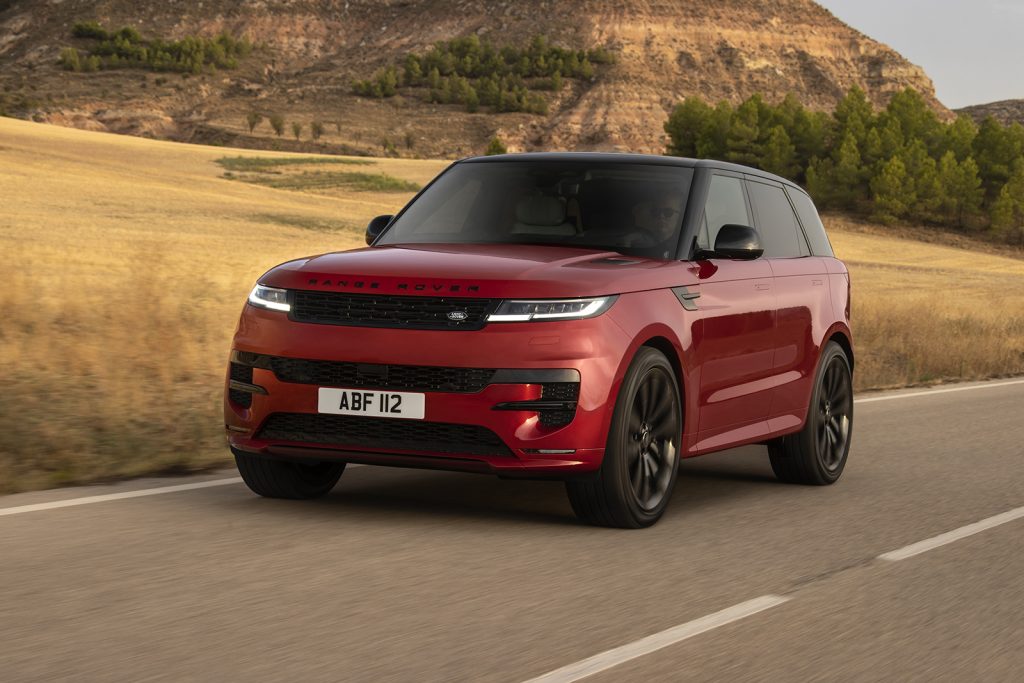
That is why the model belongs in the group that deserves caution. The Range Rover itself is not automatically a bad vehicle at this mileage. Its problem is that an inexpensive purchase price can make buyers underestimate the cost of preserving its sophisticated systems.
Someone who has deliberately budgeted for premium-SUV maintenance may find a good example worthwhile. A buyer searching for simple, inexpensive transportation should look elsewhere, because one major suspension, electrical, or drivetrain repair can quickly consume the apparent savings created by depreciation.
5. Maserati Ghibli
The Maserati Ghibli is perhaps the most tempting car in this group for buyers attracted by depreciation. Its Italian styling, premium cabin, and performance-focused character can make an 80,000-mile example appear far more exotic than its used price suggests. That same combination, however, makes careful financial planning essential.
The Ghibli was never designed around the low-cost ownership philosophy of a basic family sedan. Its engines, transmission, suspension, and electronic systems were developed to provide a substantially more performance-oriented experience.
As mileage accumulates, maintaining those systems can require specialized knowledge and higher-quality replacement components.
The twin-turbocharged V6 used in many Ghibli models is a particularly important reason to investigate the vehicle carefully. Turbocharged engines generate additional heat and pressure compared with naturally aspirated designs, making cooling-system condition, oil quality, and service history especially relevant.
The automatic transmission also deserves a close inspection. Smooth engagement during both cold and warm operation should be verified, while any hesitation, harsh shifting, or unexplained noises warrant further investigation before purchase.
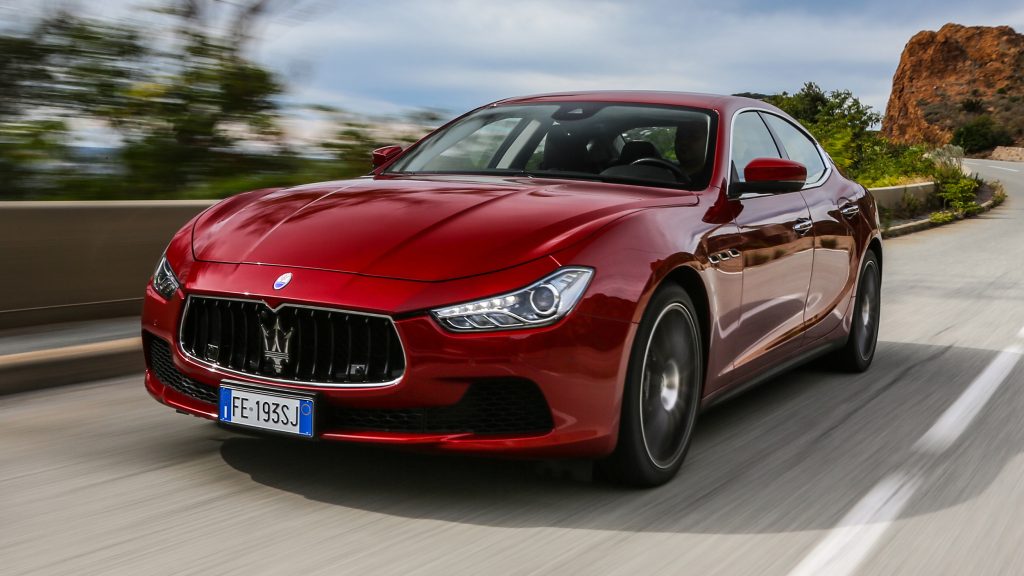
Then there is the electronics. Luxury performance cars typically contain numerous convenience and control systems, and diagnosing an intermittent electronic fault can be much more complicated than repairing a conventional mechanical component.
The Ghibli’s 80,000-mile appeal therefore comes with a significant qualification. A documented example that has been serviced properly may continue to deliver strong performance, but an inexpensive car with missing records is a very different proposition.
This is why it lands on the “not recommended” side for buyers prioritizing predictable ownership costs. The purchase price can be enticing, yet the financial commitment does not end when the car changes hands. Anyone considering one should reserve a meaningful repair budget and obtain a specialist inspection before committing.
