
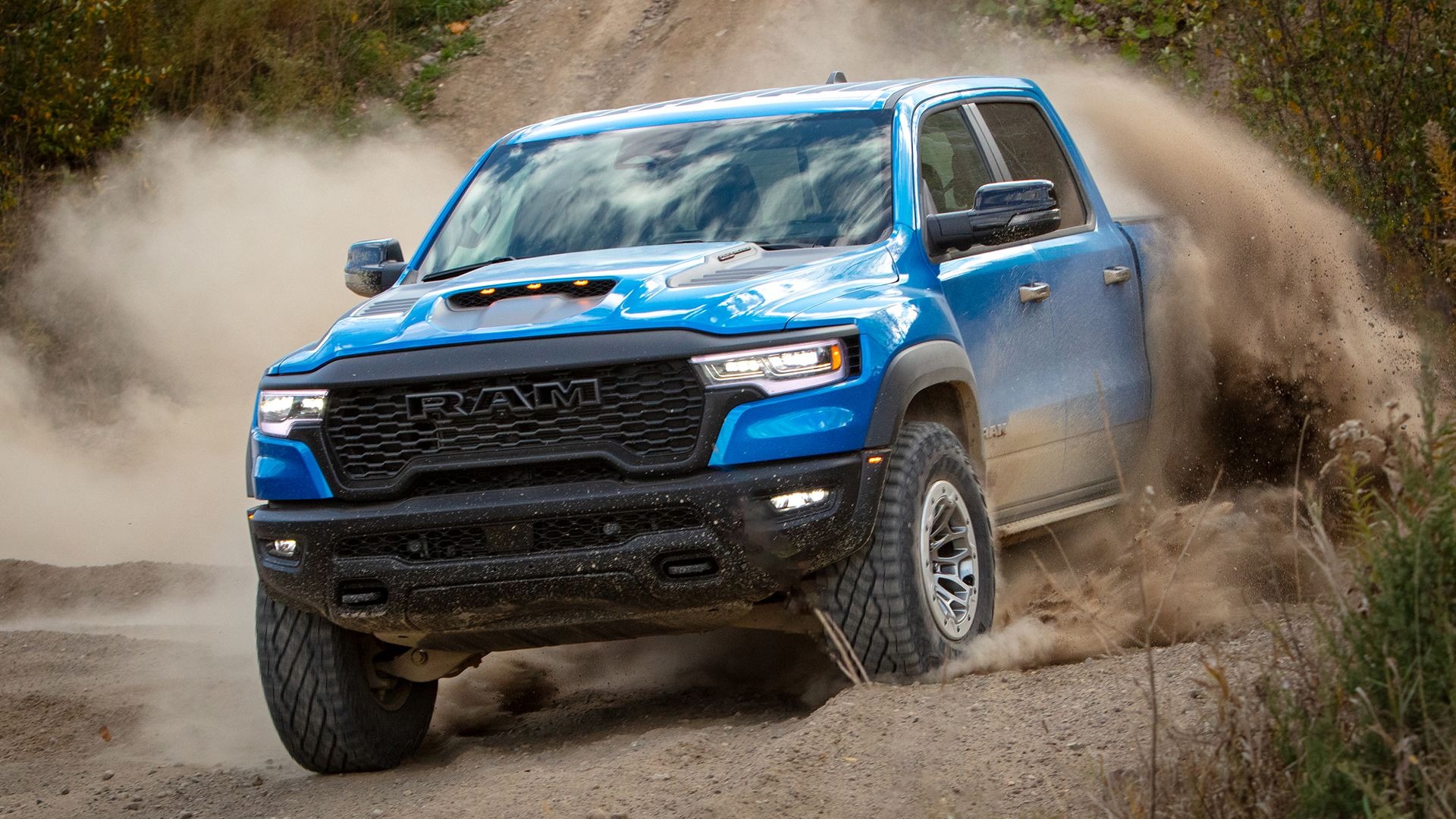
Summer in Phoenix pushes both drivers and vehicles to their limits. With pavement temperatures soaring and triple-digit heat lasting for weeks, a truck has to endure far more than routine commuting. Under those conditions, weaknesses that might remain unnoticed in milder climates can quickly become serious problems, making durability especially important for anyone relying on a truck through the desert heat.
This list rounds up eight trucks and SUVs built to handle extreme desert heat, dust, and long stretches of sun exposure without flinching. Whether you’re hauling gear, commuting across the valley, or just trying to survive a road trip through open desert, these picks are worth a serious look.
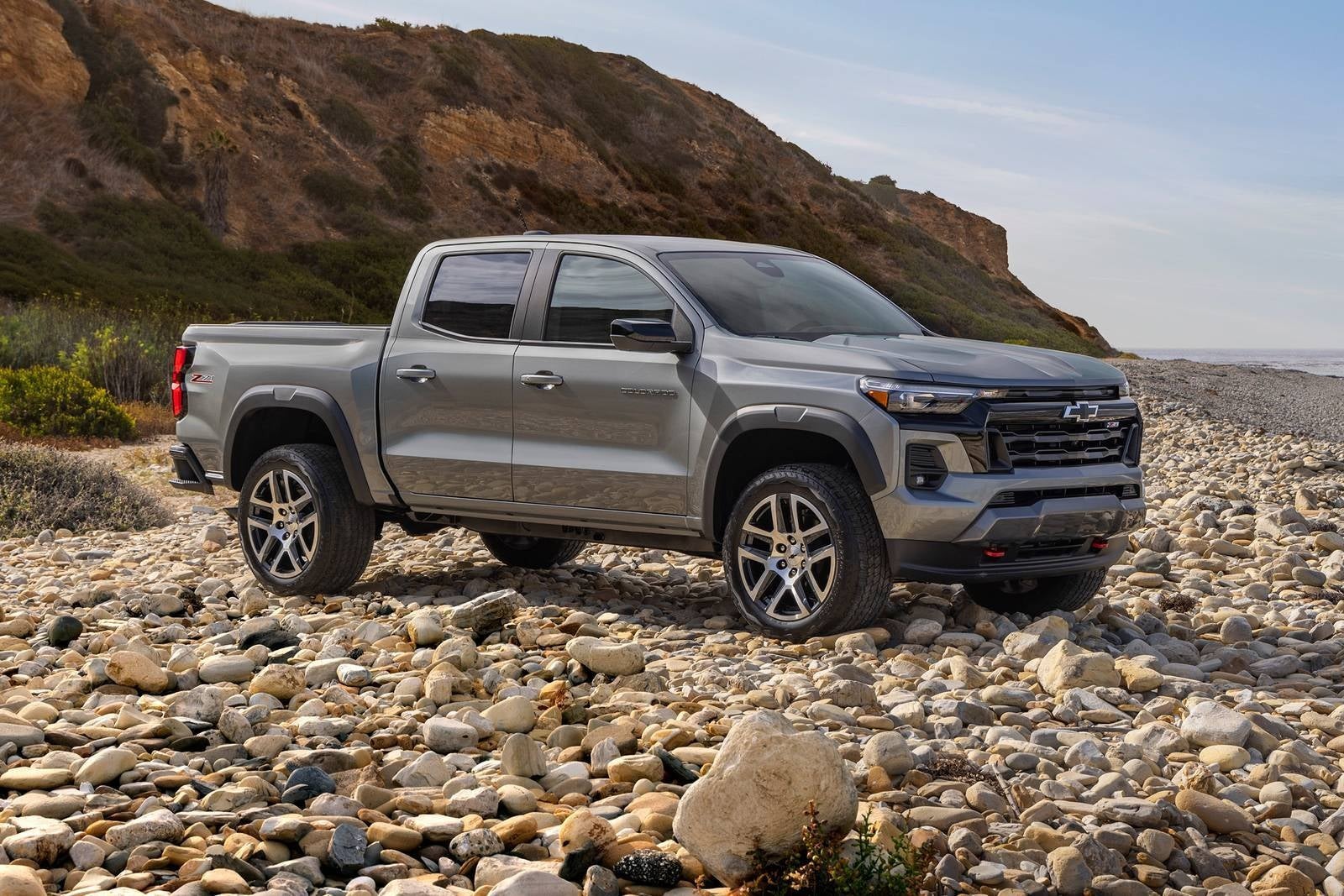
1. Chevrolet Colorado (2026)
Desert conditions punish vehicles in ways that cooler climates simply don’t, and the Chevrolet Colorado was built with exactly that punishment in mind. This midsize truck earns its spot at the top of the list because of how thoroughly it’s engineered for climate durability rather than just raw power or towing numbers.
What sets it apart? The cooling system does more than keep the engine from overheating during long highway stretches under triple-digit temperatures.
Protective construction around sensitive electronics and suspension components shields them from both heat stress and the fine desert dust that works its way into everything given enough time.
That combination matters in a region where sand and grit are as much of a threat as the sun itself. Powertrain components are built to handle sustained heat exposure without the performance drop-off that plagues less carefully engineered trucks.
Drivers pushing through highway miles in July won’t notice the same power loss or overheating warnings that older or less climate-focused trucks tend to develop after repeated exposure to extreme temperatures.
Should commuters and weekend adventurers alike consider this truck? Given how well it balances daily drivability with genuine resistance to heat and dust, the Colorado earns its place as a first choice for anyone facing a full Phoenix summer behind the wheel.
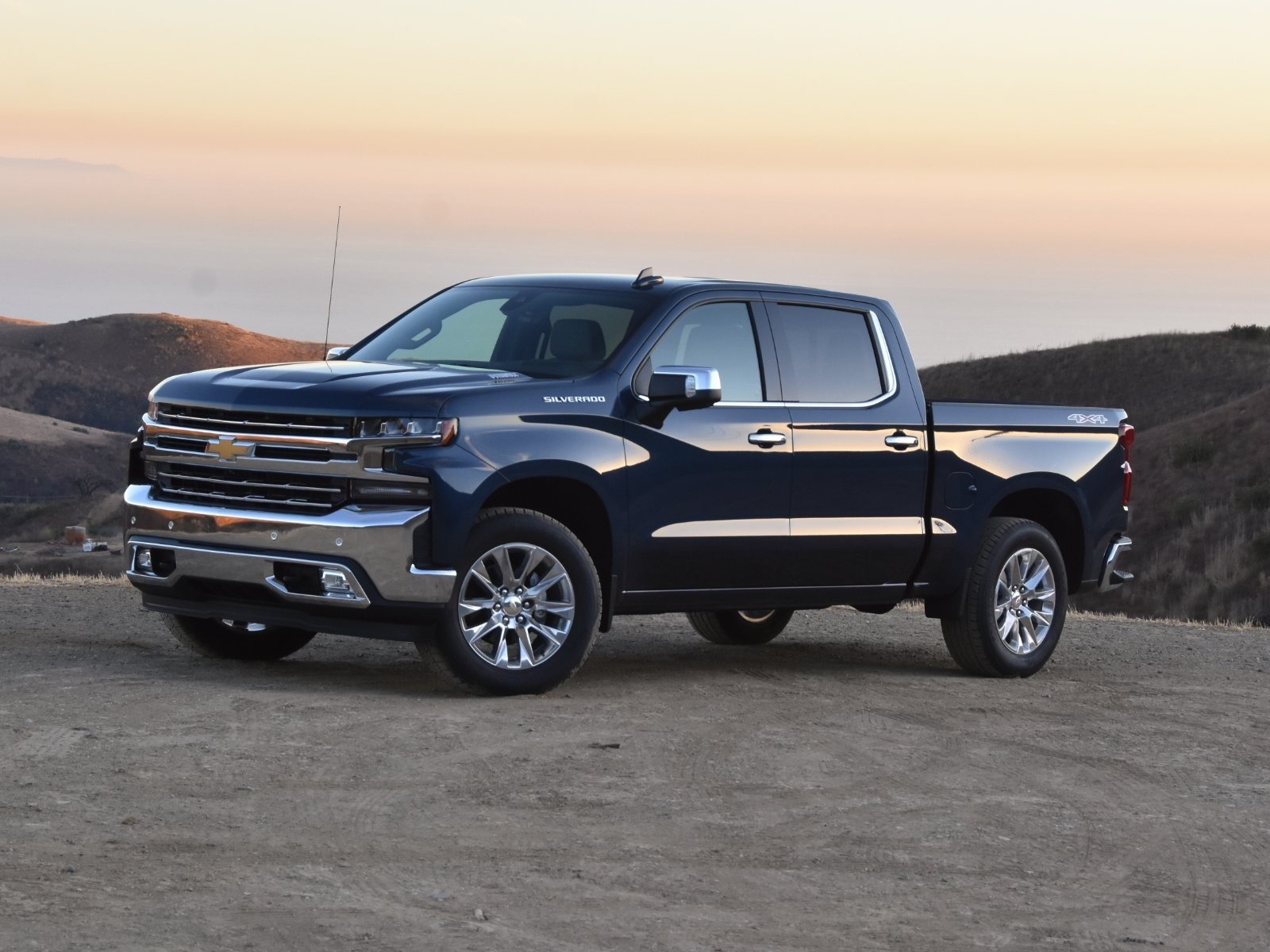
2. Chevrolet Silverado (2021)
The Chevrolet Silverado has earned a long-standing reputation as a full-size pickup built for demanding jobs, and that matters when summer temperatures climb.
A Silverado can be configured for towing, hauling, commuting, and recreational use, giving owners plenty of flexibility. Its larger size also provides room for passengers and cargo, which can be useful when a truck serves as both a work vehicle and a family vehicle.
High temperatures place extra demands on an engine, transmission, battery, and cooling system. Towing adds another layer of stress because the powertrain has to move more weight while shedding heat.
Silverado buyers should pay close attention to service records and make sure coolant, transmission fluid, belts, hoses, and filters are in good condition before a hot-weather trip.
The 2021 Silverado is also available with several engine choices, so capability varies by configuration. Buyers who expect frequent towing should select a powertrain and cooling setup suited to the trailer they intend to pull. Good tires matter as well, since hot pavement can expose weak or aging rubber.
For people who need a traditional pickup with serious cargo and towing ability, the Silverado remains an appealing option. Its broad range of configurations makes it easier to find a version that matches a demanding summer workload.
A healthy battery is particularly useful in Phoenix, where extreme temperatures can be hard on battery life. Owners should also avoid treating the truck’s cooling system as a maintenance item that can wait until a warning appears.
Preventive inspections are much easier than dealing with an overheating problem during a long, hot drive.
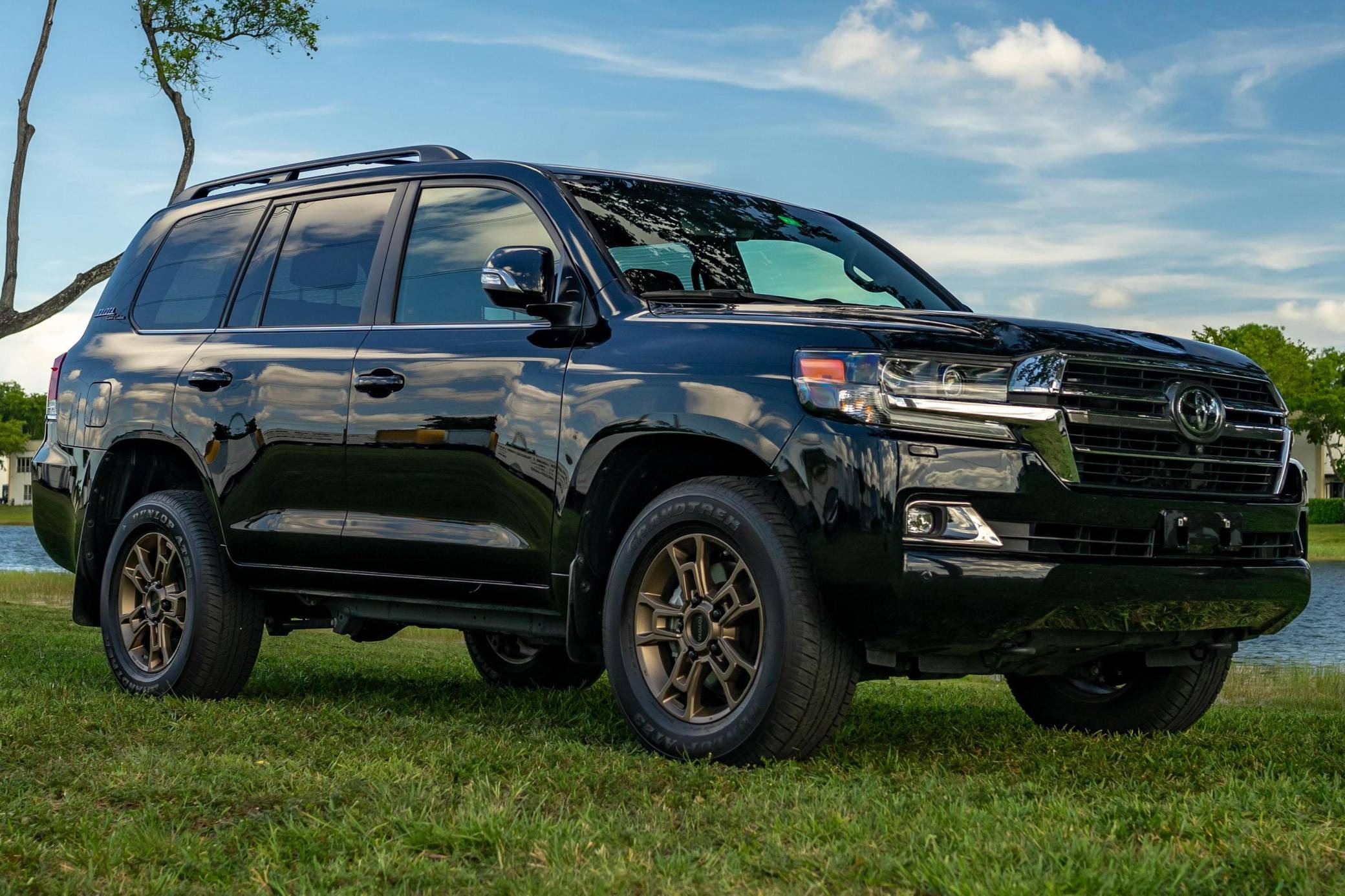
3. Toyota Land Cruiser (2021)
Reliability ratings exist for a reason, and few vehicles score as consistently well as the Toyota Land Cruiser when it comes to holding up under sustained stress.
Combining genuine off-road capability with a level of comfort, this SUV manages to feel like a luxury vehicle without sacrificing the toughness needed for actual desert driving.
Heat stress affects different vehicles in different ways, but the Land Cruiser has built a reputation over generations for shrugging off exactly the kind of punishment Phoenix summers dish out.
Components that typically wear down faster under sustained high temperatures are engineered with extra durability here, translating into fewer breakdowns and a longer service life for owners who keep their vehicles for years rather than trading up every few seasons.
Reliability becomes especially important in a climate like Phoenix. Breaking down on the roadside when temperatures reach 115 degrees is more than an inconvenience. Extreme heat can turn a routine vehicle failure into a serious safety concern, making dependable transportation a necessity rather than a luxury.
A vehicle known for consistent performance under stress removes a real safety risk that lower-reliability options can’t match. Buyers looking for a do-it-all vehicle, capable of daily driving, weekend off-road trips, and long-distance travel through open desert, will find the Land Cruiser checks nearly every box.
It costs more than some alternatives on this list, but the reliability record justifies that price for many drivers.
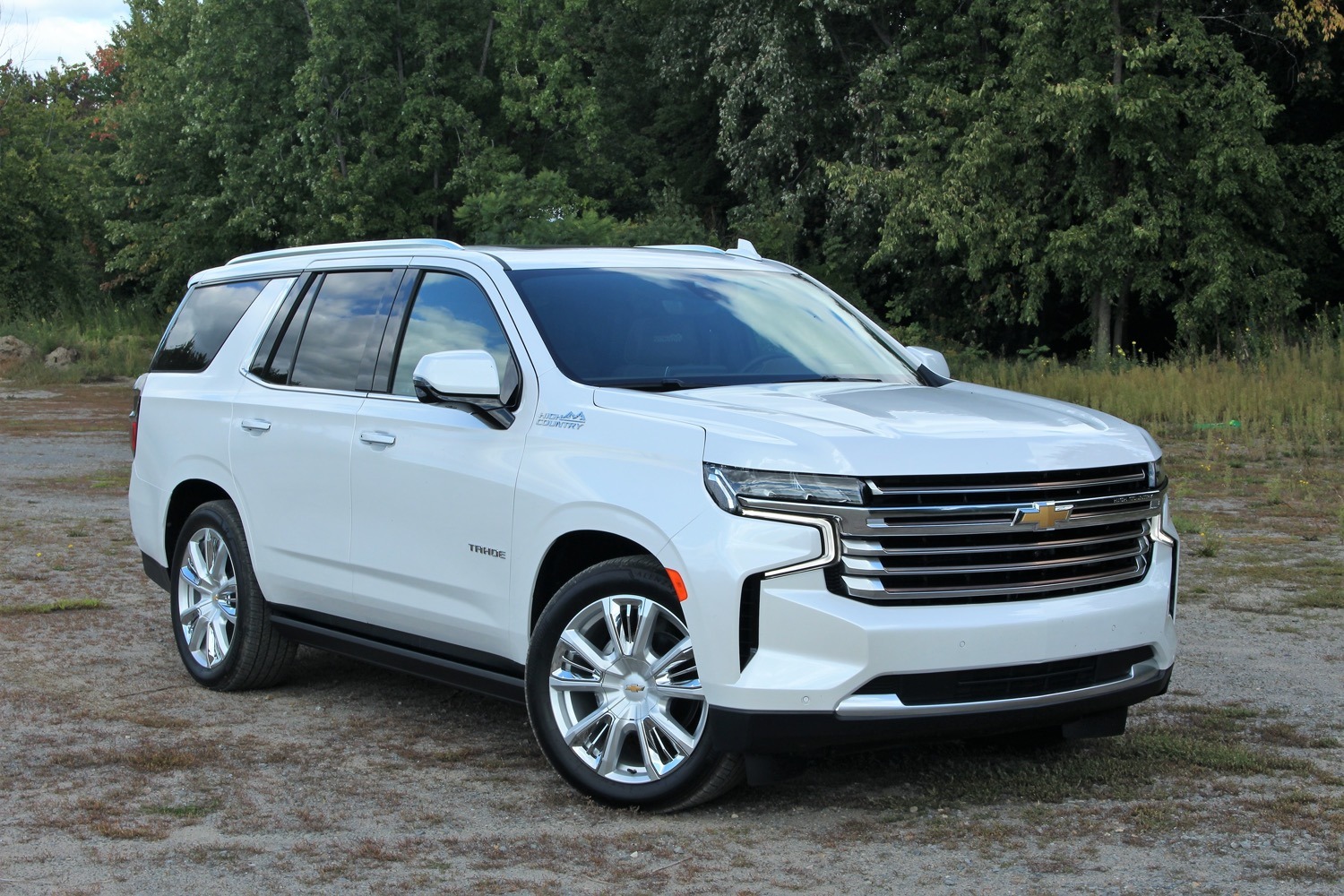
4. Chevrolet Tahoe (2021)
The 2021 Chevrolet Tahoe offers an advantage that many pickups cannot match, combining generous passenger space with the durability and capability of a truck-based platform.
Built on a body-on-frame platform, the Tahoe has the strength needed for towing and hauling while providing three rows of seating for families or groups.
That combination can work well in Phoenix, where a vehicle may spend weekdays carrying passengers and weekends handling trailers, camping gear, or outdoor equipment.
A strong climate-control system is especially valuable when the cabin has a large volume of air to cool. Good ventilation and properly functioning air conditioning can make a major difference during long summer trips.
The Tahoe’s size does come with trade-offs. A large SUV can be harder to park than a midsize vehicle, and heavy use in extreme heat can place extra demand on brakes, tires, cooling components, and the transmission. Regular inspections are a smart habit, especially before towing.
Used buyers should also check the condition of the cooling system, battery, tires, suspension, and air conditioning rather than assuming a tough vehicle needs little attention.
Heat can expose neglected maintenance quickly. For families that want truck-based strength with generous seating and cargo room, the Tahoe is a well-rounded choice.
It makes particular sense for drivers who need one vehicle to handle daily transportation, road trips, and occasional heavy-duty duties. Its enclosed cabin also keeps passengers protected from blowing dust and intense sunlight.
When buying a used Tahoe, checking the air-conditioning system during a proper test drive is especially worthwhile. A system that struggles to cool the cabin should be investigated before purchase rather than accepted as normal.
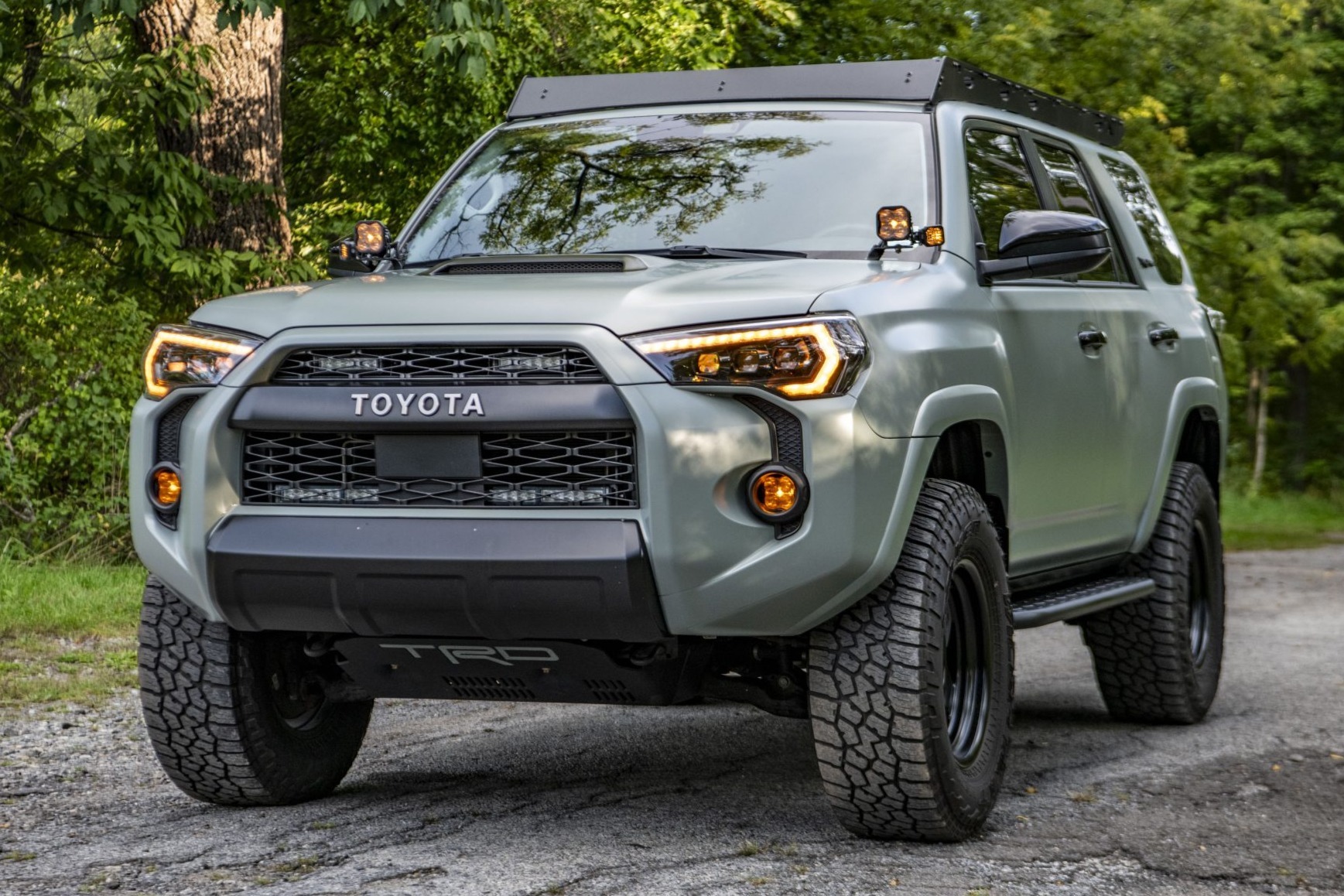
5. Toyota 4Runner or Land Rover Defender (2021)
The Toyota 4Runner and Land Rover Defender approach desert driving from different directions, yet both can appeal to drivers who want strong off-road ability.
The 4Runner has a reputation for rugged construction and straightforward utility, while the Defender brings a more upscale cabin and advanced off-road technology.
For Phoenix-area driving, the 4Runner can be attractive to owners who want durability without moving into a luxury price bracket. Its body-on-frame design, available four-wheel drive, and useful ground clearance make it suitable for rough roads and recreational trips.
The Defender offers a more premium experience, with sophisticated suspension and technology that can help when road conditions become difficult. Neither vehicle should be treated as immune to extreme heat.
Cooling performance, tire condition, battery health, fluid levels, and air conditioning all deserve regular attention. Owners who spend time on dusty roads should also stay on top of filter inspections and cleaning.
The choice between them often comes down to priorities. The 4Runner suits someone who values proven utility and a simpler ownership proposition. The Defender makes more sense for a buyer who wants luxury and advanced capability and is comfortable with higher purchase and maintenance costs.
For hot-weather adventures, both provide useful ground clearance, sturdy construction, and off-road ability, giving drivers more freedom beyond paved city streets. The 4Runner may appeal to buyers focused on long-term practicality, while the Defender speaks more directly to those seeking premium comfort.
Either choice benefits from careful tire checks. High pavement temperatures can increase tire stress, making proper inflation and good tread condition important during summer travel.
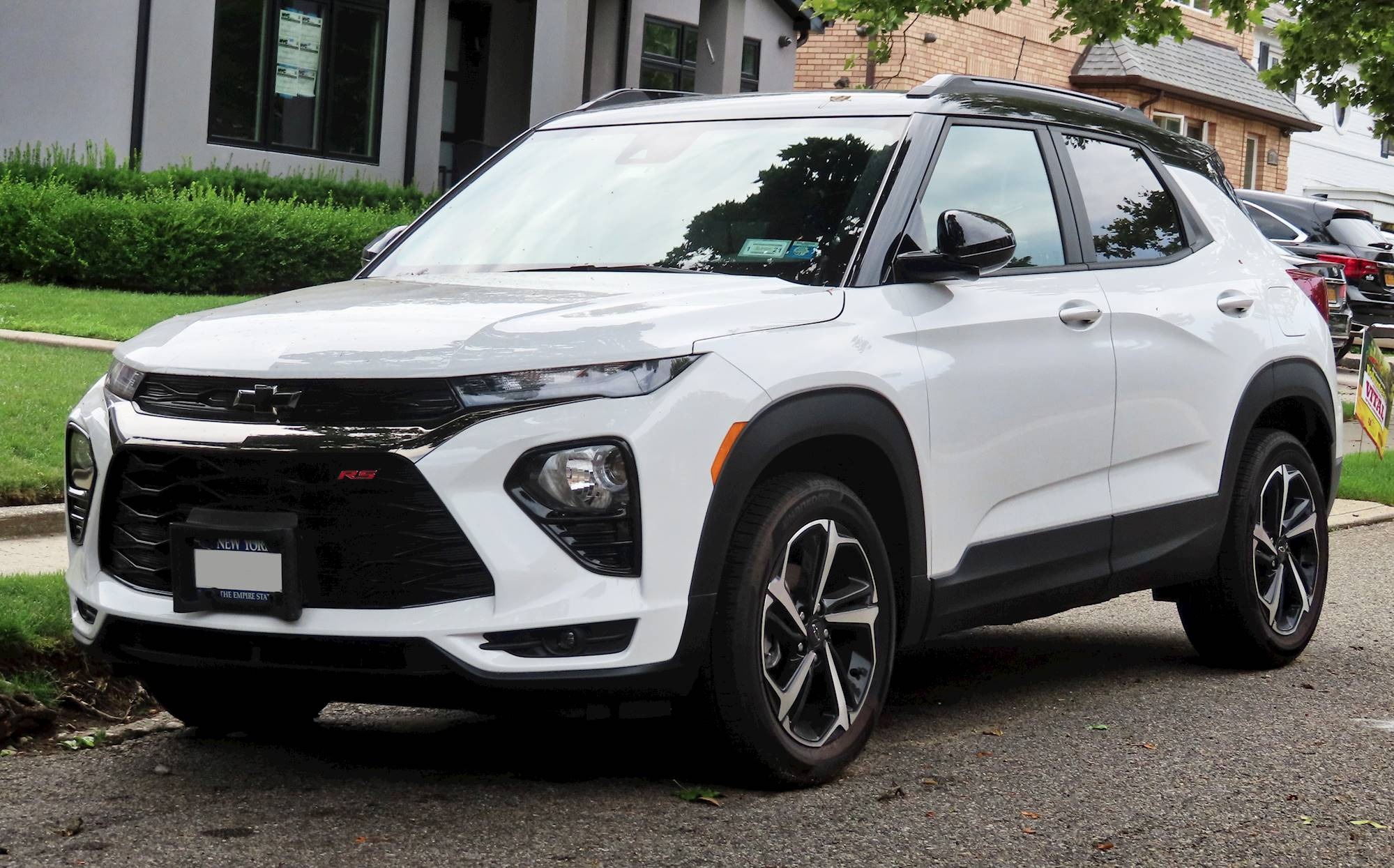
6. Chevrolet Trailblazer (2021)
Not everyone needs a massive truck to handle a Phoenix summer, and the Chevrolet Trailblazer proves that smaller SUVs can hold their own in extreme heat.
Designed with both off-road capability and urban commuting in mind, this compact option brings genuine versatility to drivers who split time between city errands and weekend adventures.
All-wheel drive gives the Trailblazer an edge when road conditions turn unpredictable, whether that means sudden monsoon flooding or loose gravel on the way to a desert campsite.
Dust-resistant features built into the vehicle help maintain consistent performance even after repeated exposure to the fine sand and grit that Phoenix summers kick up in abundance.
Fuel efficiency tends to run better in smaller SUVs like this one compared to full-size trucks, a detail worth considering for daily commuters who care more about gas costs than towing capacity.
That efficiency doesn’t come at the expense of durability, though, since the Trailblazer still holds up well under sustained heat exposure during long summer stretches.
For buyers who want a smaller footprint without sacrificing genuine capability, the Trailblazer offers a practical middle ground. It won’t out-tow a full-size truck, but for city driving punctuated by occasional desert excursions, it handles the heat just fine.
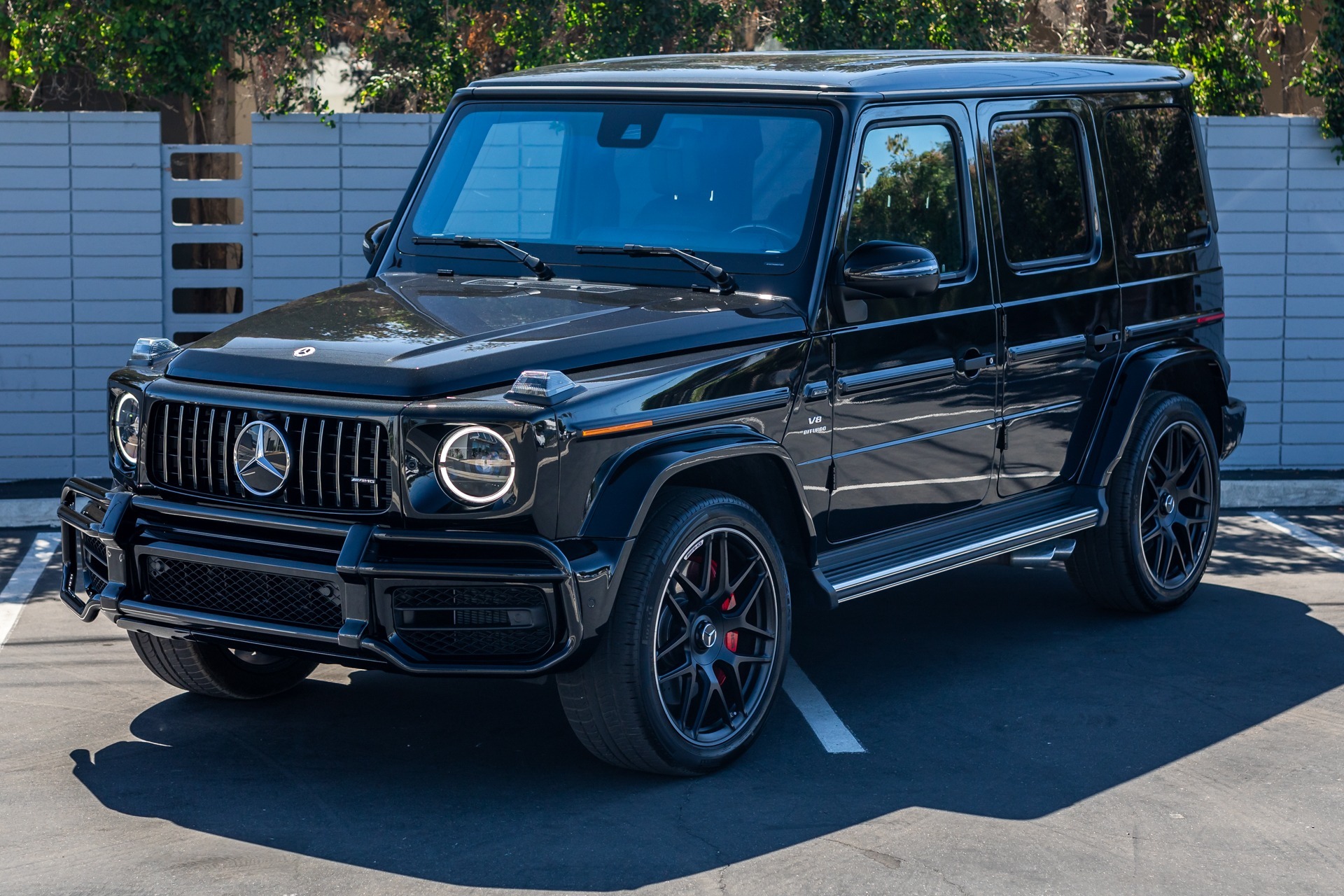
7. Mercedes G-Class (2021)
The Mercedes-Benz G-Class is a very different proposition from the mainstream trucks and SUVs on this list. It combines a rugged body-on-frame design with luxury appointments, strong off-road ability, and a distinctive presence.
For a driver who wants serious capability without giving up a high-end cabin, the G-Class offers an unusual combination. Desert heat is demanding on every vehicle, and the G-Class is not exempt.
Its sophisticated systems and premium components need proper servicing, especially when the vehicle is used frequently in high temperatures or on dusty roads. Battery condition, cooling performance, tire health, fluid levels, and air conditioning should all receive attention.
The G-Class is particularly appealing to owners who plan long trips away from paved roads. Its four-wheel-drive hardware and high ground clearance provide useful ability when roads become rough. That capability can be valuable in remote areas where reliability and controlled traction matter.
The biggest drawback is the cost of ownership. Maintenance and repairs can be expensive, while replacement parts may carry a higher price than those for a mainstream SUV. Fuel economy can also be less favorable, particularly with certain engine and drivetrain configurations.
For buyers who have the budget and want a luxury vehicle that can handle demanding conditions, the G-Class is a compelling choice. It offers a level of refinement that few rugged vehicles can match while retaining genuine off-road credentials. Its cabin can provide a welcome refuge from the heat after time spent outside.
Potential owners should budget for professional servicing rather than expecting low-cost maintenance. A well-maintained example is a much better proposition for hot-weather use than one purchased solely because it looks rugged.
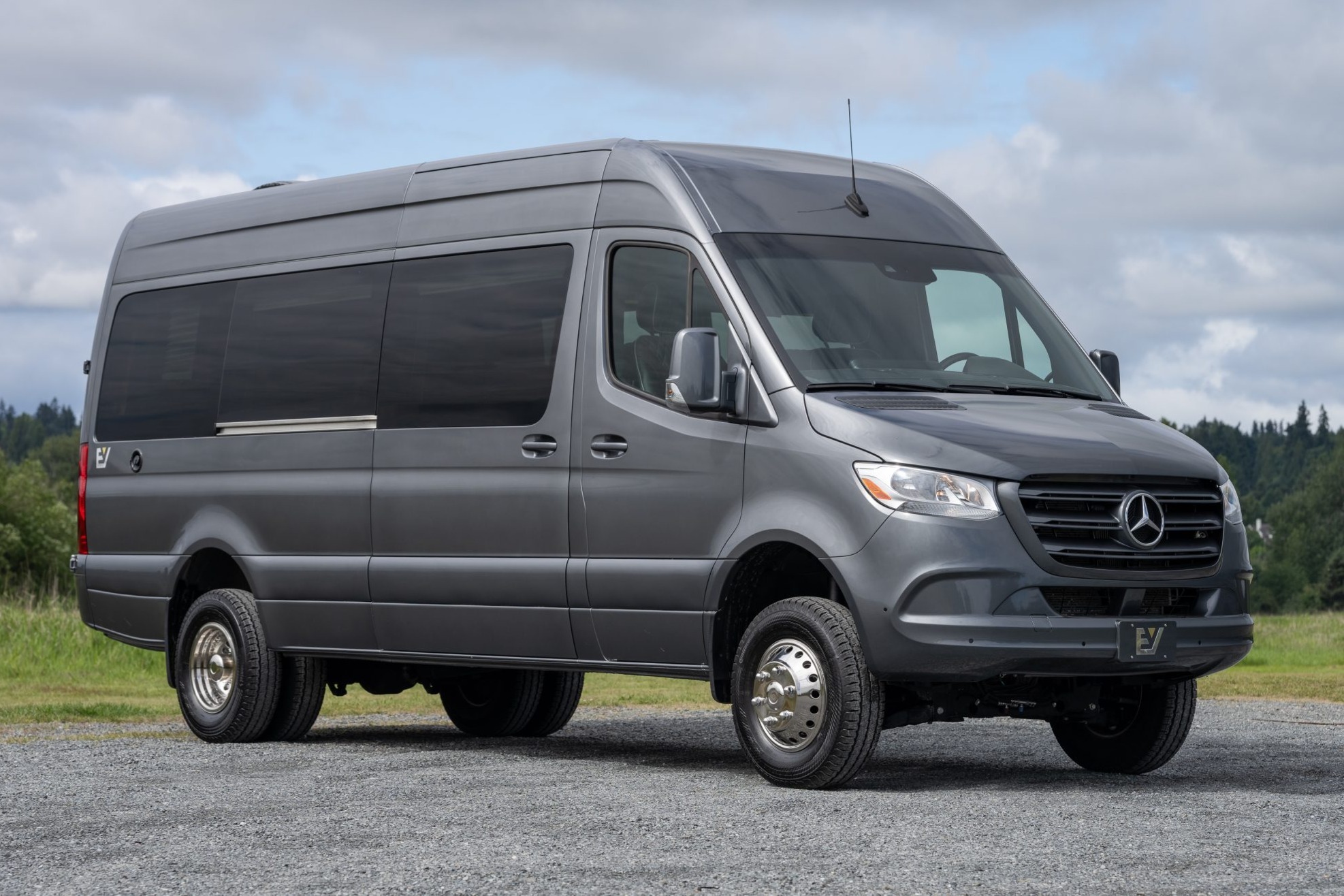
8. Mercedes-Benz Sprinter Van (2021)
The Mercedes-Benz Sprinter Van is not a pickup, yet its ability to carry people, equipment, and cargo makes it useful for many of the same jobs. For businesses, contractors, adventure travelers, and large families, the Sprinter can provide the space that a conventional truck cannot.
Phoenix heat makes cabin cooling particularly important in a large van because there is much more interior air to cool. Buyers should pay close attention to air conditioning performance and consider how the vehicle will be used before choosing a configuration.
A van carrying heavy cargo every day will place different demands on its powertrain than one used mostly for light passenger travel. The Sprinter’s tall body provides excellent cargo capacity, while its commercial design is intended for substantial mileage.
That does not mean maintenance can be ignored. Engine fluids, cooling components, filters, tires, brakes, and the battery should be checked regularly, with extra care before long summer journeys.
For buyers who need a mobile workshop, delivery van, camper conversion, or passenger carrier, the Sprinter’s biggest advantage is its generous interior space. Its wide range of configurations also makes it highly adaptable, allowing owners to tailor the van’s layout and equipment to the demands of a specific job or purpose.
Its size can make urban parking less convenient, and purchase and service costs may exceed those of smaller vehicles. Still, for heavy-use transportation in hot conditions, the Sprinter offers impressive versatility and practical capacity.
Its large cargo area also makes it useful for professional users who need to transport equipment without relying on a trailer. For Phoenix summer duty, preparation remains essential.
Checking coolant, tires, brakes, battery condition, and climate control before a long trip can help reduce the chance of an avoidable problem when temperatures are at their highest.
