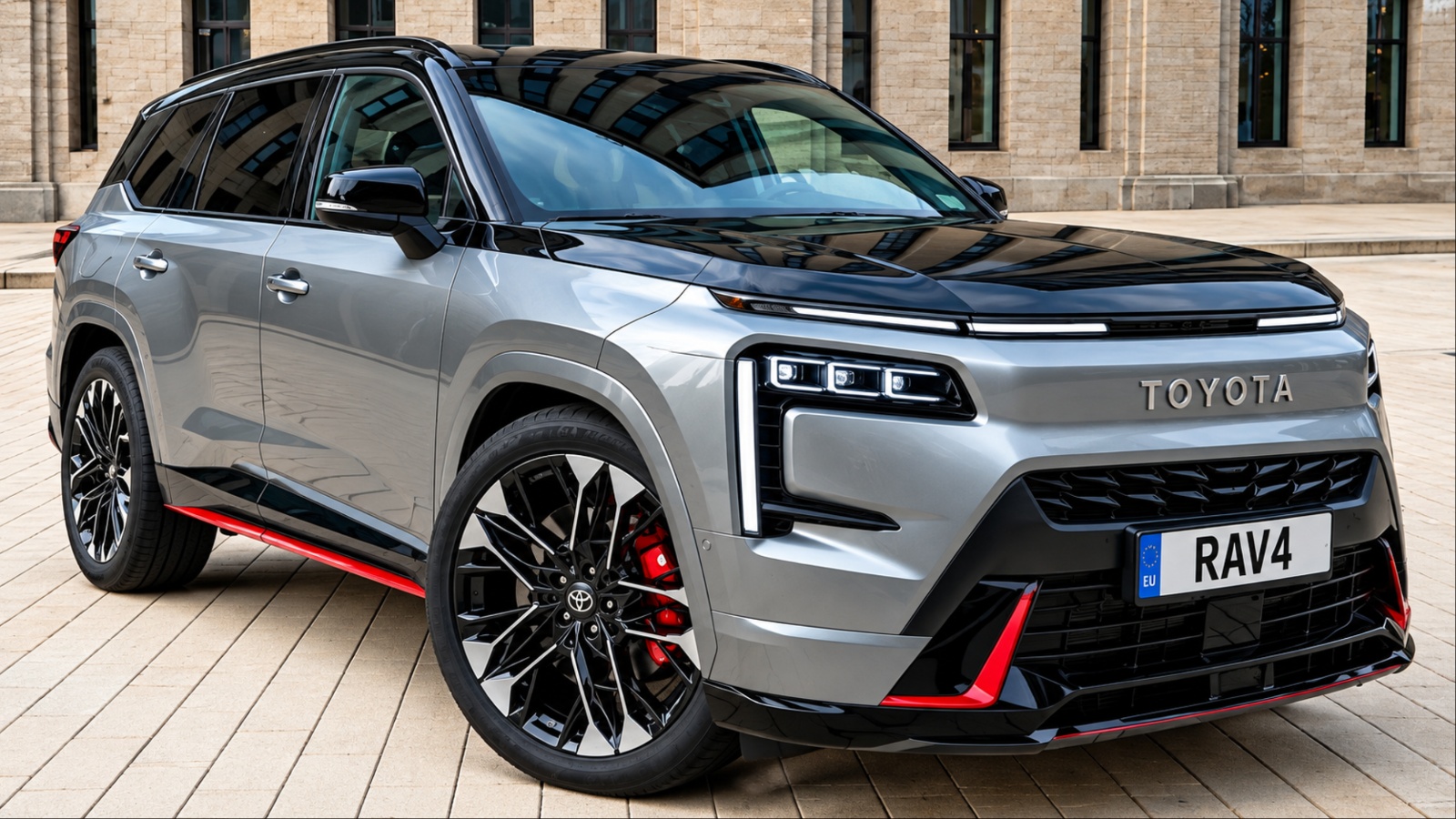
For nearly three decades, the Toyota RAV4 has been the vehicle other compact crossovers get measured against. It practically invented the segment back in 1996, and it has spent the years since fending off wave after wave of imitators while remaining one of the best-selling vehicles in America.
So when Toyota reworks the RAV4, people pay attention. The current generation only just went through a full redesign for the 2026 model year, which makes the 2028 version less of a ground-up overhaul and more of a checkpoint a chance for Toyota to fine-tune what it just built, quietly retire a few leftovers from the outgoing era, and set the stage for where the nameplate is headed next. Here’s a breakdown of what the 2028 RAV4 is expected to add, and what it’s leaving behind.
Why the 2028 RAV4 Builds on the Major 2026 Redesign Instead of Starting Over
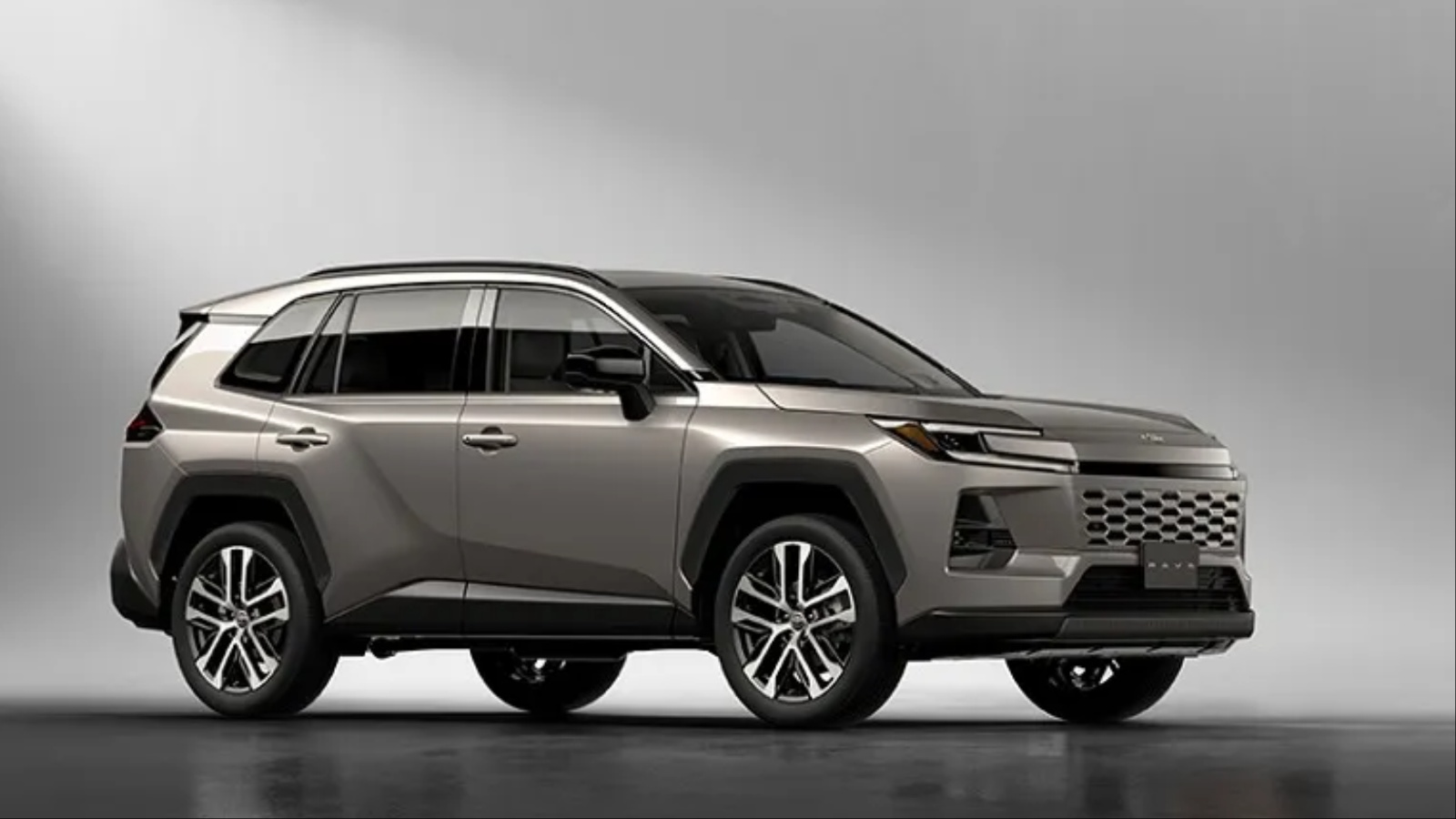
To understand the 2028 RAV4, it helps to remember how recent the current design actually is. Toyota fully redesigned the RAV4 for 2026, and that redesign was a big one. The redesigned RAV4 is offered strictly as a hybrid and a plug-in hybrid, introducing new trim levels and stepping up its game for comfort, convenience, and safety.
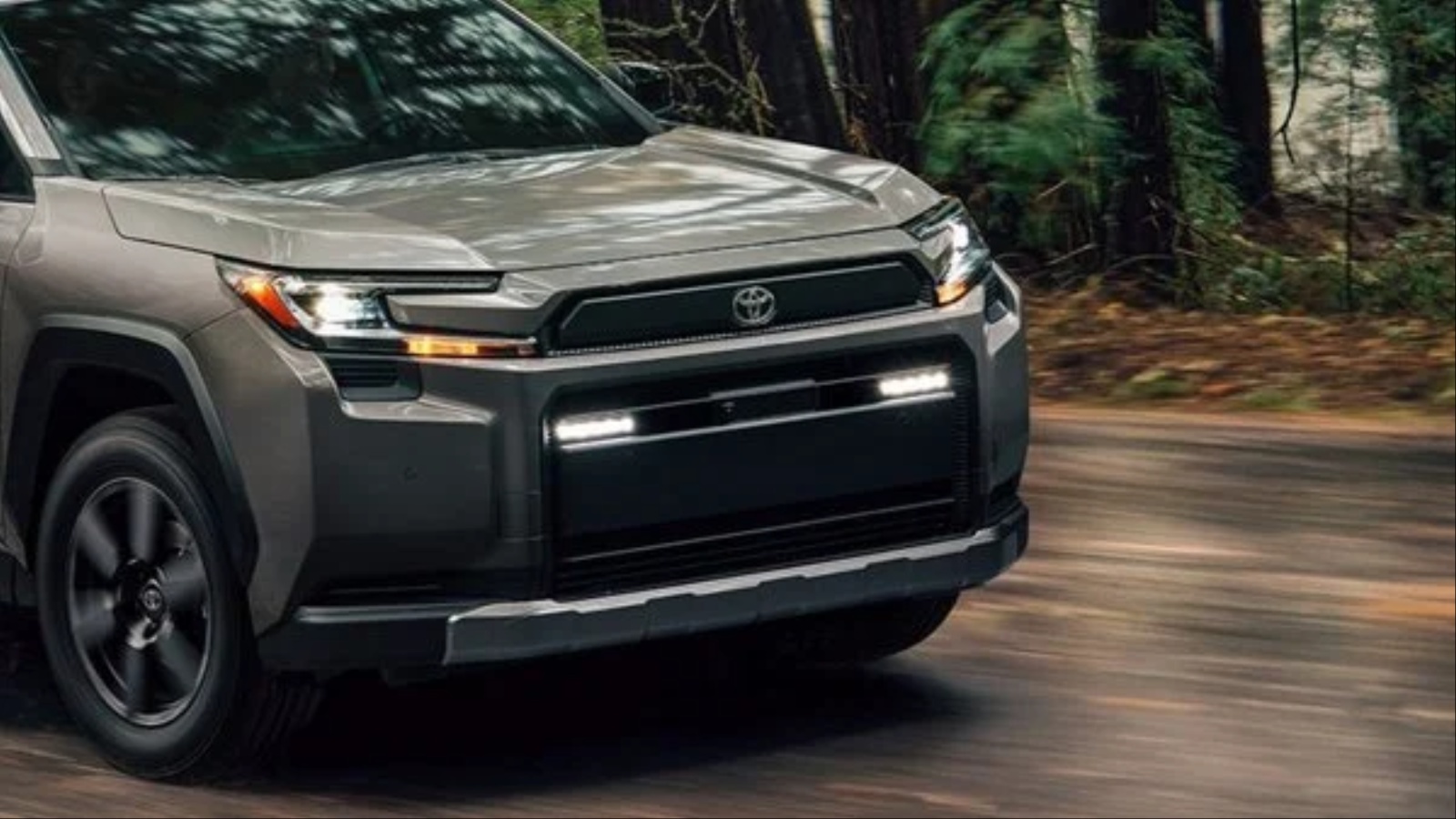
The regular four-cylinder engine was cast aside, leaving the 2.5-liter hybrid as the base powertrain, now producing 23 more horsepower than the previous base engine for 226 combined horsepower a jump that, for the first time, came paired with front-wheel drive as well as all-wheel drive.
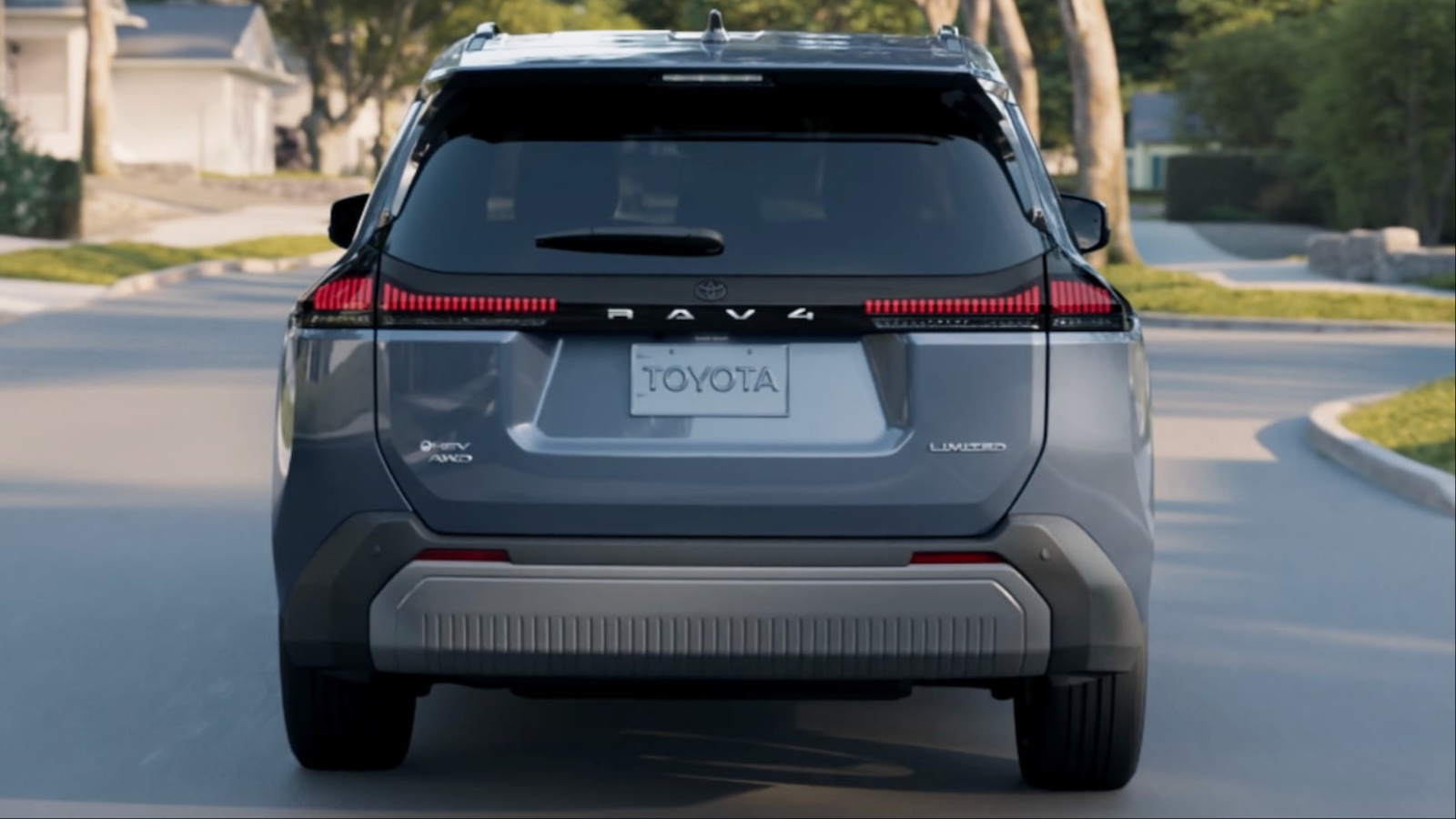
Because that redesign is still so fresh, industry watchers expect the model years immediately following it to largely carry over the same design and mechanical layout without major changes. That expectation matters for the 2028 model, since it means most of what’s “new” for that year is refinement rather than reinvention plus a couple of genuinely new additions to the broader RAV4 family that go beyond the traditional SUV.
Smarter Tech, Smoother Ride, And A Rumored Pickup Define The 2028 RAV4 Update
A dedicated software platform baked deeper into the car. The current-generation RAV4 introduced Arene, Toyota’s all-new software development platform created by Woven by Toyota, marking the company’s first step toward fully software-defined vehicles.
By 2028, expect that platform to be doing more of the heavy lifting, powering infotainment, safety systems, and connectivity features that can be updated and expanded well after the car leaves the dealer lot, rather than staying frozen at the spec sheet from day one.
A more capable, more customizable instrument cluster and heads-up display. The new 12.3-inch combination meter, enhanced by Arene, offers a variety of display options, including navigation, safety and driver assistance features, and an ECO view showing fuel economy and power consumption data for the current trip as well as history.
PHEV models also gain a dedicated charge indicator, along with full-screen animations when switching drive modes and a modernized startup display. The head-up display receives an even more significant upgrade.
Available on higher trims, the new HUD uses a tilted projection area to keep key information within the driver’s line of sight. It is also more than twice the size of the previous system, providing considerably more space for displaying driving information.
Smarter, more predictive safety tech. Toyota has been steadily expanding what its driver-assistance suite can anticipate rather than just react to. Front Cross Traffic Alert is one of the newer safety features being folded into the lineup, adding to a Safety Sense suite that already covers forward collision warning, automatic emergency braking with pedestrian and cyclist detection, adaptive cruise control, and lane departure and lane-keeping assistance.
A noticeably quieter, smoother ride. Toyota has focused real engineering effort on refinement for this generation.
Changes to the suspension mounting points and A-pillar construction, combined with high-damping adhesive in the footwells, underfloor, and rear wheel arch, are designed to cut down on vibration, while new sliding parts in the shock absorbers smooth out low-speed ride quality and softer suspension bushings reduce road-surface vibration further.
Wind noise gets attention too, with reshaped door mirrors, a revised A-pillar profile, and improved door sealing.
New chassis and braking technology. For the first time, the RAV4 line uses an electronically controlled braking system that delivers a more natural, easier-to-use feel with improved stopping distance, alongside Vehicle Braking Posture Control, which uses per-wheel braking inputs to minimize body roll and yaw and sharpen turn-in response.
There’s also a new Cooperative Steering Driving Force Control system that synchronizes body pitch and roll to improve cornering behavior.
A geo-fencing feature also adds useful functionality for plug-in hybrid owners. RAV4 PHEV buyers can use the system to preserve enough electric range for upcoming low-emission or EV-only zones.
By automatically switching between hybrid and electric modes, the system can maintain the appropriate battery charge level for the route ahead. It is a relatively small feature, but one that could become increasingly valuable as cities introduce stricter emissions regulations.
A possible new family member, and it isn’t a crossover. The biggest wildcard for 2028 isn’t a trim level or a screen size; it’s an entirely new body style riding on RAV4 bones.
Toyota is reportedly developing a unibody compact pickup built on the TNGA-K platform, aimed squarely at the Ford Maverick, Hyundai Santa Cruz, and similar small trucks, with a possible debut in the 2028 model year, though Toyota hasn’t confirmed anything officially. Whether it lands under a revived name or simply joins the family as another RAV4 variant is still unsettled, but the timing lines up with the 2028 model year update.
2028 RAV4 Stays Hybrid-Only, Refining 2026’s Redesign Instead Of Reinventing It
The plain gas-only engine is gone for good. It is arguably the biggest change of the current RAV4 era, and one that the 2028 model carries forward rather than introduces.
The naturally aspirated four-cylinder that once served as the base engine has been retired, leaving the hybrid as the standard powertrain across the lineup. Buyers hoping for a simple, non-hybrid RAV4 will be disappointed, as Toyota has committed to hybrid and plug-in hybrid powertrains.
The lineup has also lost some of its older off-road-focused gas trims. Toyota had already phased out the Adventure and TRD Off-Road models ahead of the redesign, and there is no indication that either nameplate will return for 2028. Their off-road role has effectively been taken over by the Woodland trim, reducing the need for separate gas-only variants.
Old-generation multimedia hardware. The prior-generation infotainment setup, including its dated graphics and more limited connectivity, has already given way to the newer, Arene-enabled system, and 2028 should simply build on that rather than resurrect anything from before.
That newer system comes standard with wireless Apple CarPlay and Android Auto compatibility and simultaneous dual Bluetooth phone connectivity, features that make the older single-device Bluetooth pairing setup feel like ancient history by comparison.
Uncertainty for traditional sedans and slow-moving nameplates, but not the RAV4 itself. As Toyota reallocates engineering resources toward electrification across its North American lineup, some slower-selling nameplates are seeing extended product cycles or delayed refreshes.
The Crown Signia, for instance, is expected to go without a facelift until 2028, while the 4Runner and Land Cruiser are scheduled for a mid-year refresh that same year.
The RAV4 isn’t being deprioritized, but it is worth noting that Toyota’s broader 2028 plan places heavy emphasis on expanding its electric SUV lineup, headlined by a next-generation Highlander EV, with some reports pointing to a redesigned, more electrified version of the RAV4 as part of that push, though that detail remains speculative until Toyota confirms specifics.
Don’t expect the 2028 Toyota RAV4 to look radically different in the showroom. The heavy lifting already happened with the 2026 redesign, which killed off the plain gas engine, introduced the Arene software platform, and reworked the ride quality from the ground up.
What 2028 brings is a more refined version of the existing formula, with sharper safety technology, a larger head-up display, smarter braking and chassis behavior, and software designed to improve over time. The more intriguing story, however, may not be the RAV4 SUV itself, but the possibility that the RAV4 name could expand beyond the crossover.
A compact pickup variant could potentially join the family around the same time. Toyota has yet to provide many official details, and some reports remain informed speculation rather than confirmed product plans. Still, the broader direction appears clear. Toyota seems more interested in building on the RAV4’s recent and highly successful redesign than starting from scratch.