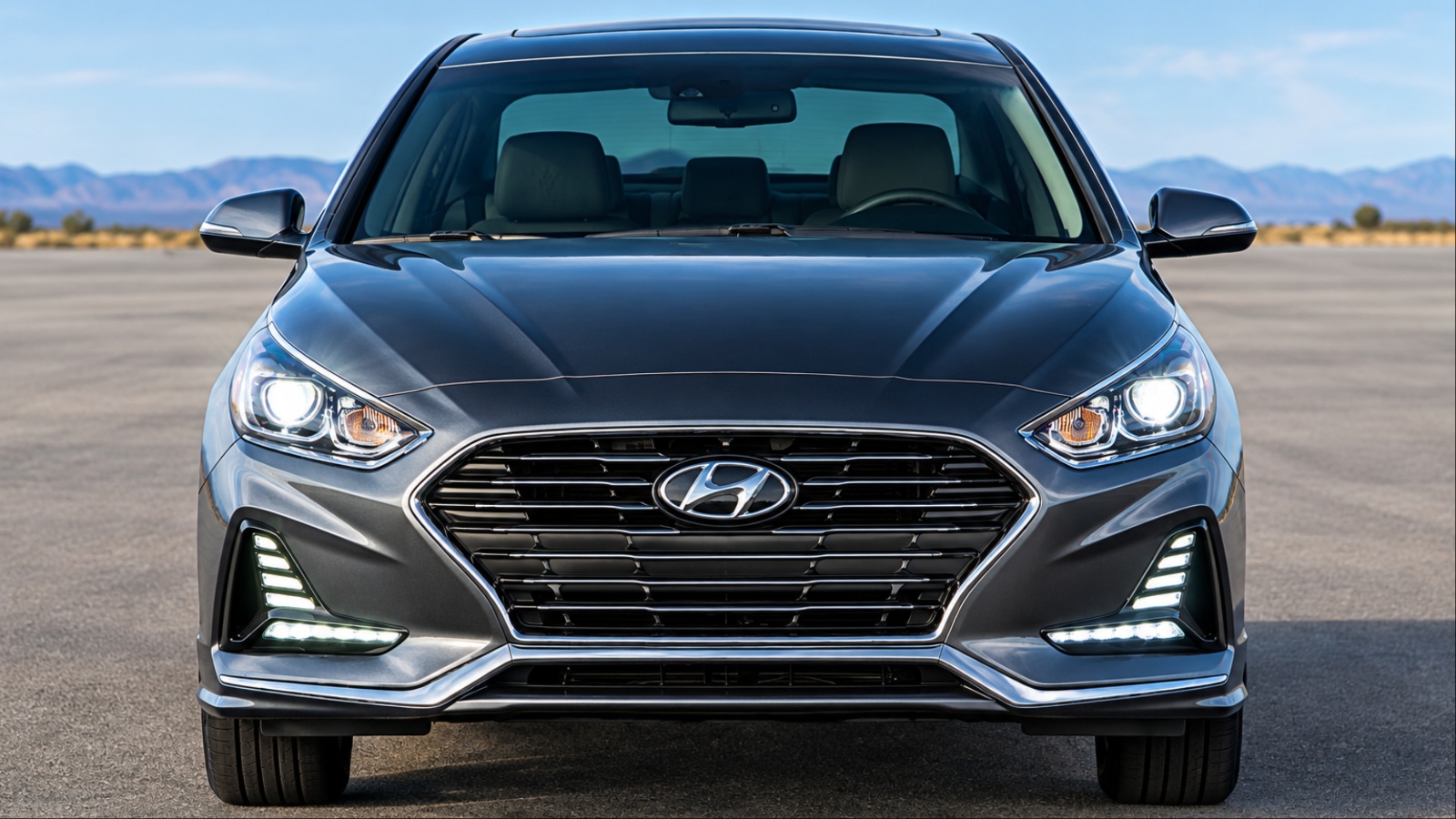
Few Hyundai nameplates have changed as much as the Sonata. What started in the 1980s as a relatively straightforward family sedan gradually became one of the company’s most important global models.
Over eight generations, the Sonata moved from rear-wheel drive to front-wheel drive, gained increasingly sophisticated engines and technology, experimented with hybrid power, and eventually became one of Hyundai’s boldest design statements. Each generation reflects not only changes to the car itself but also Hyundai’s rapid rise as an automaker.
Putting all eight generations in order is not simply a matter of picking the newest car as the best. Some Sonatas were important because they established the nameplate, while others transformed Hyundai’s reputation or introduced features that changed expectations in the midsize-sedan class.
Looking at styling, engineering, technology, value, significance, and how well each car fit its era, here is every generation of the Hyundai Sonata ranked from eighth to first.
8. First Generation (1985–1988)
The first Sonata was never going to win this competition on refinement, but it deserves credit for having the courage to enter the fight.
Hyundai introduced the Sonata in 1985 as a larger sedan positioned above the company’s smaller models. At this stage, Hyundai was still developing its identity as an international automaker, and the Sonata showed plenty of evidence of the company’s technical relationship with Mitsubishi. The car was based closely on the Stellar and used Mitsubishi-related engines and mechanical components.
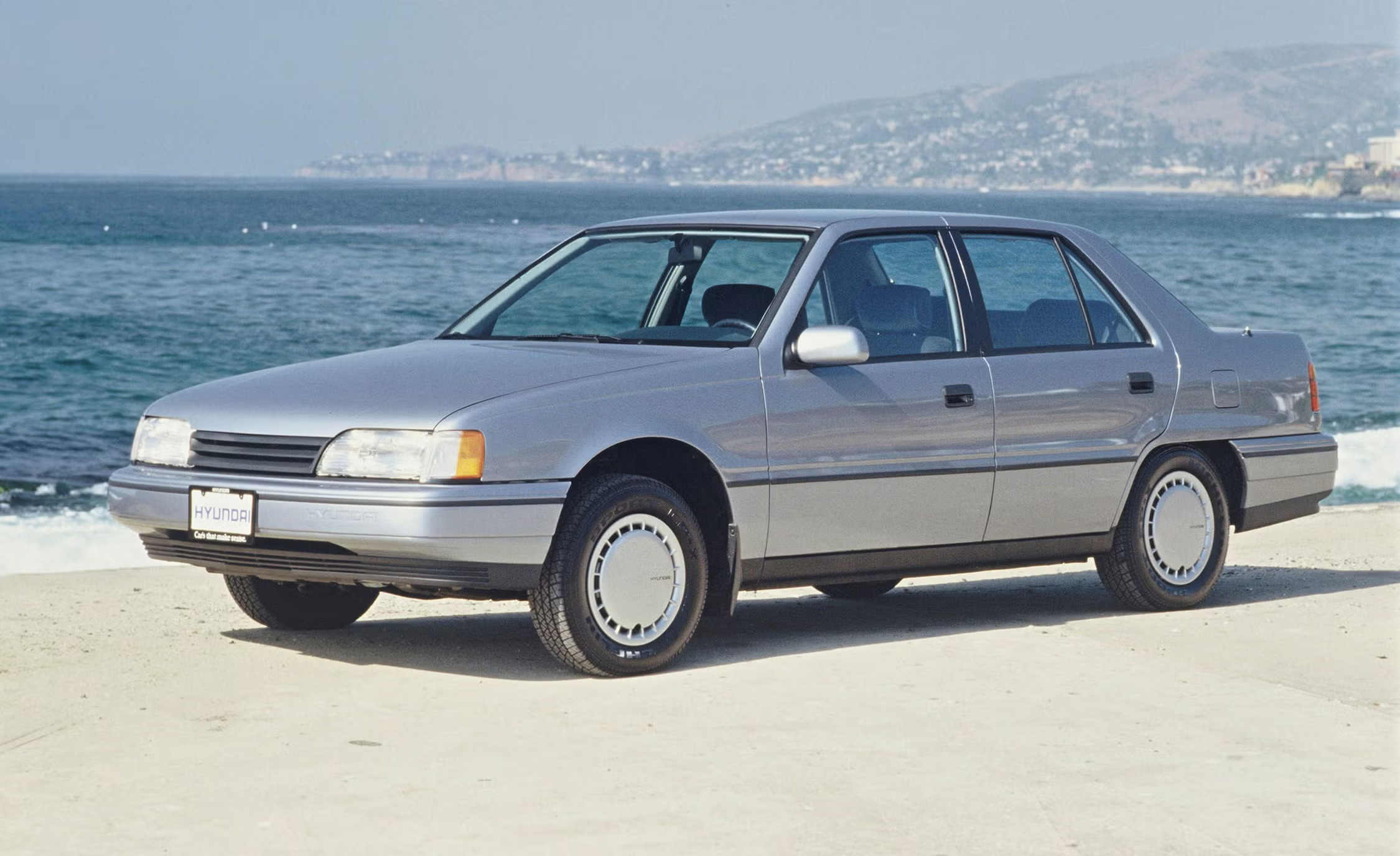
Its rear-wheel-drive configuration immediately dates it compared with later Sonatas. By the late 1980s, front-wheel drive was becoming increasingly attractive for mainstream family sedans because it allowed manufacturers to package more passenger space into a relatively compact footprint. The Sonata’s traditional layout wasn’t necessarily bad, but it represented an older approach.
The biggest advantage was price. Hyundai could offer buyers a larger sedan without demanding the money associated with established Japanese competitors. Equipment levels were also competitive for the time.
The problem was that affordability alone could not hide the gaps in refinement. Hyundai’s reputation for engineering quality and durability was still developing, and the Sonata lacked the polish that would eventually become a hallmark of the brand.
The first generation may have lacked refinement, but its historical importance is difficult to overlook. Hyundai needed a car that could establish a foothold in the midsize sedan market, and the Sonata gave the company exactly that. More than a finished product, it served as the starting point for Hyundai’s transformation into a stronger global automaker.
7. Second Generation (1988–1993)
The second-generation Sonata feels like Hyundai pressing the reset button.
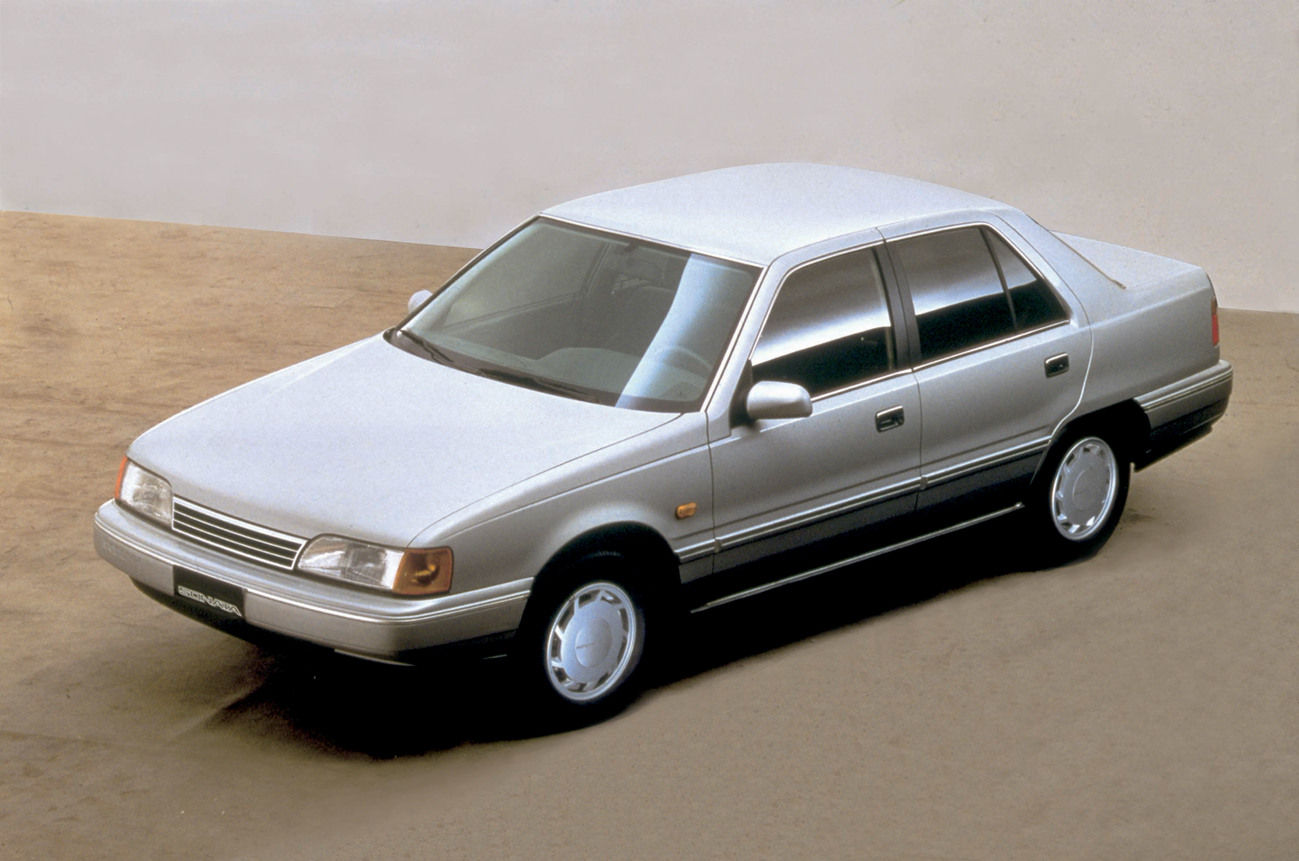
The biggest change was beneath the skin. Hyundai moved the Sonata from rear-wheel drive to a front-wheel-drive platform, immediately making it more appropriate for the direction the mainstream sedan market was taking. The new architecture also helped Hyundai create a more spacious and practical family car.
Styling became smoother as well. The boxy appearance of many 1980s cars was beginning to disappear, replaced by more aerodynamic shapes. The Sonata followed that trend without becoming particularly adventurous.
Hyundai’s strategy was simple. Instead of competing with established rivals on prestige, the Sonata focused on giving buyers a practical sedan with generous space and useful features at a price that was easier to justify.
Despite the progress, the Sonata still had ground to cover before it could match the segment’s strongest competitors. Ride comfort, steering response, cabin materials, and refinement remained noticeable weaknesses. Reliability concerns and Hyundai’s developing reputation also made some buyers hesitant to make the switch.
The second generation marked a meaningful step forward for Hyundai. The company was becoming more capable of developing front-wheel-drive midsize sedans while also learning how to adapt its vehicles for buyers beyond the South Korean market.
This generation is easy to overlook because later Sonatas became dramatically more interesting. But its importance lies in the groundwork it laid. The front-wheel-drive formula would remain central to the Sonata for decades, and Hyundai was becoming increasingly comfortable competing in the international family-car market.
It may not be a fan favorite, but it was an important step forward.
6. Third Generation (1993–1998)
The third-generation Sonata is where the nameplate begins to feel like a genuinely mature Hyundai product.
Gone was much of the awkwardness associated with the company’s earliest efforts. The styling became smoother and more contemporary, giving the Sonata a shape that could sit comfortably among the midsize sedans of the 1990s. It wasn’t revolutionary, but it looked increasingly appropriate for its segment.
Hyundai also continued broadening the Sonata’s mechanical lineup. Four-cylinder engines remained important, while V6 availability gave the sedan a more substantial performance option in certain markets. That was significant for Hyundai because it demonstrated that the company was no longer interested in competing solely on low purchase price.
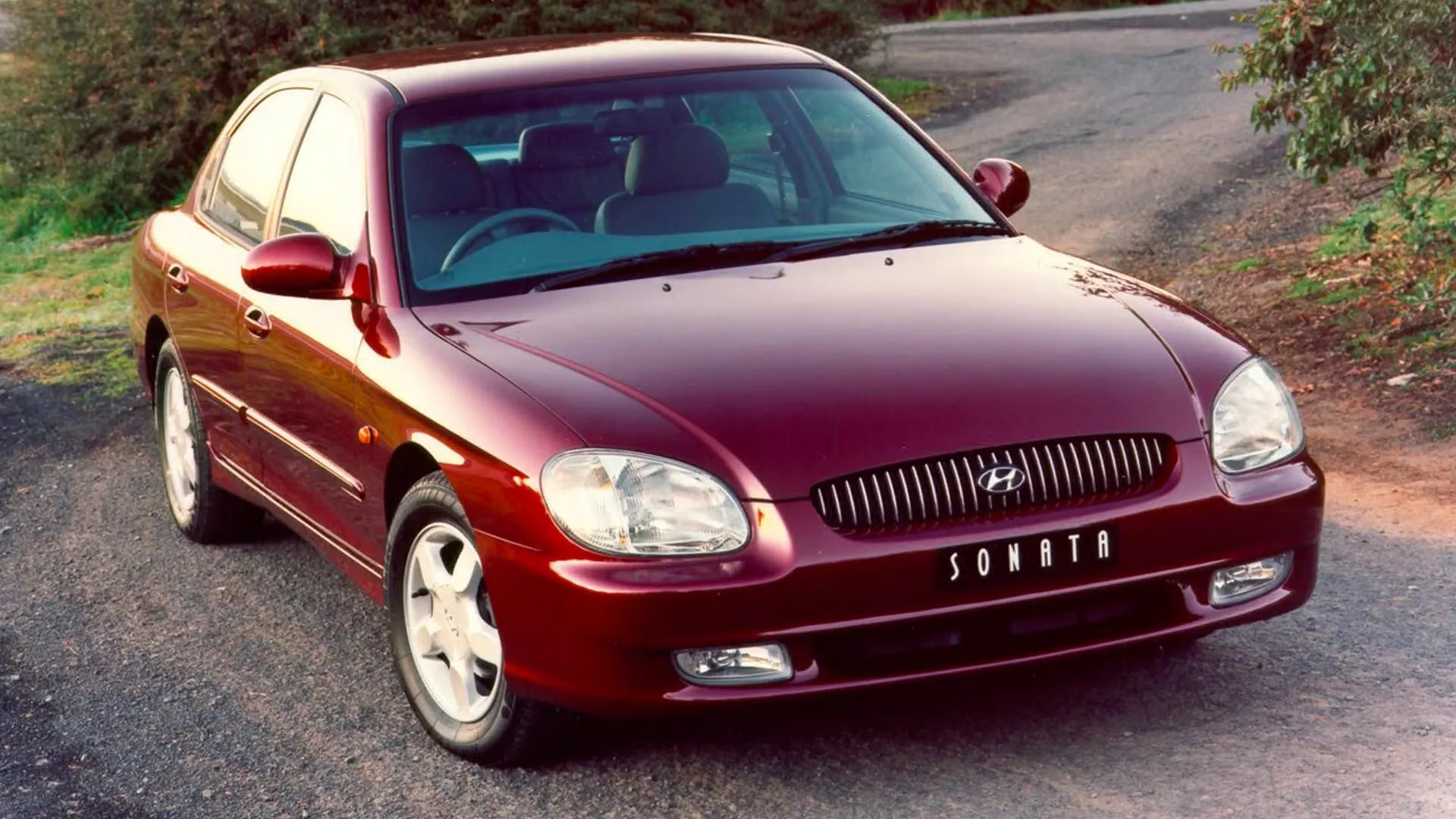
Comfort was another strength. The Sonata was designed primarily as a family sedan, and its spacious interior and relatively comfortable ride suited that mission. Buyers looking for a practical daily driver had increasingly fewer reasons to dismiss the Korean newcomer.
But there was still a ceiling to the experience. Established Japanese competitors generally offered superior refinement and stronger reputations for durability. The Sonata could compete aggressively on equipment and price, but it had not yet reached the point where buyers would necessarily choose it over a Honda or Toyota without considering the savings.
That distinction matters when ranking the generations.
The third-generation Sonata was better than its predecessors in almost every meaningful way, but it was still part of Hyundai’s learning period. The company was improving steadily rather than transforming overnight.
That places this generation in sixth place. It was a capable and important step in the Sonata’s development, but Hyundai’s most significant breakthroughs were still to come.
5. Fourth Generation (1998–2005)
Some cars transform an automaker’s reputation almost overnight. The fourth-generation Sonata took a different path. Its impact was quieter, but it played a crucial role in helping Hyundai become a more capable and competitive automaker.
Arriving in the late 1990s, the fourth-generation Sonata appeared during a major transition for Hyundai. The company acquired Kia and began operating on a much larger scale, while its products increasingly reflected a stronger emphasis on quality and competitiveness.
The Sonata itself remained fairly conservative in appearance. There was nothing particularly wild about its styling, and that was probably intentional. Hyundai needed to appeal to ordinary families who wanted a sensible midsize sedan rather than make a statement.
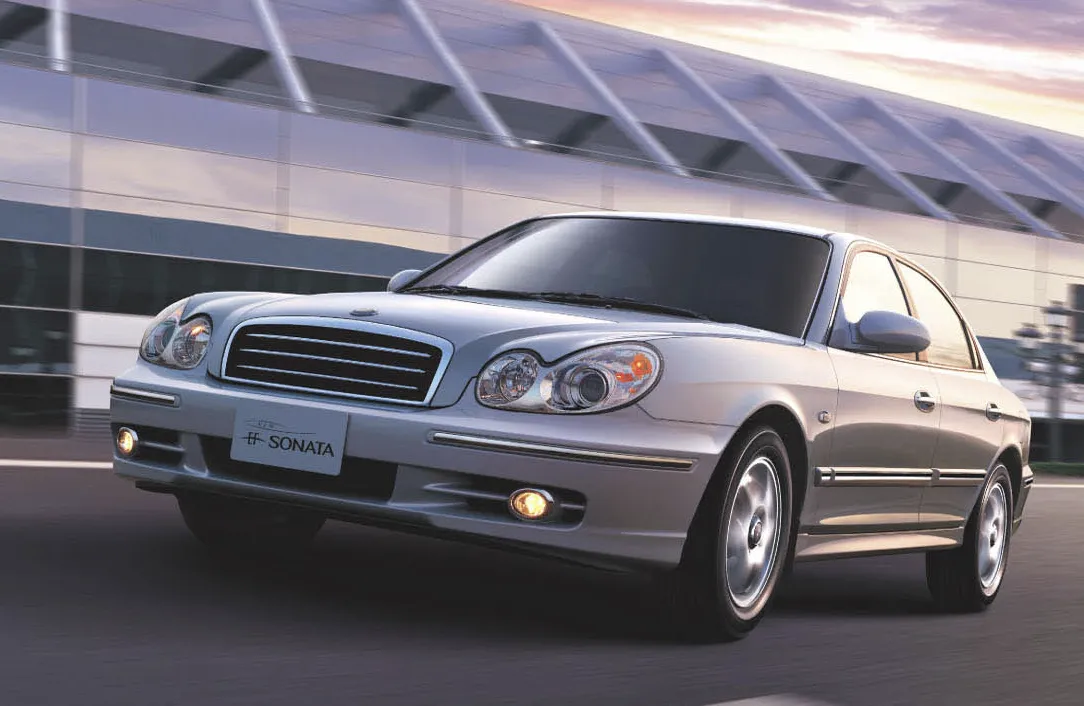
The improvements were easier to appreciate once you got behind the wheel. The car offered more space, better comfort, stronger equipment levels, and available V6 power. It was becoming a more convincing all-around package.
This generation also helped demonstrate Hyundai’s shift away from the idea that its vehicles were simply cheap alternatives. Value was still central, but the definition of value was changing. A car could be inexpensive while also offering respectable quality and useful equipment.
The fourth generation therefore deserves recognition as a bridge between two very different eras. The early Sonatas had primarily been about getting Hyundai into the market. The next generation would be about proving that Hyundai could compete seriously once it got there.
This Sonata doesn’t have the dramatic styling of the generations that followed, nor does it have the historical impact of the sixth generation. But it quietly helped establish the foundation for Hyundai’s modern product strategy.
That makes it a respectable fifth-place entry.
4. Fifth Generation (2005–2010)
This is the Sonata that made it considerably harder to use the phrase “cheap Hyundai” as an insult.
The fifth-generation Sonata arrived in the mid-2000s with a much more mature approach to the midsize-sedan formula. It was larger, more refined, better equipped, and clearly designed to compete directly with established names in the segment.
Hyundai chose a more subtle way to signal the Sonata’s transformation. Rather than relying on bold styling, the company kept the design familiar and conservative, allowing it to blend in as a traditional family sedan. The bigger story was happening underneath, where improvements to engineering, refinement, and build quality made the real difference.
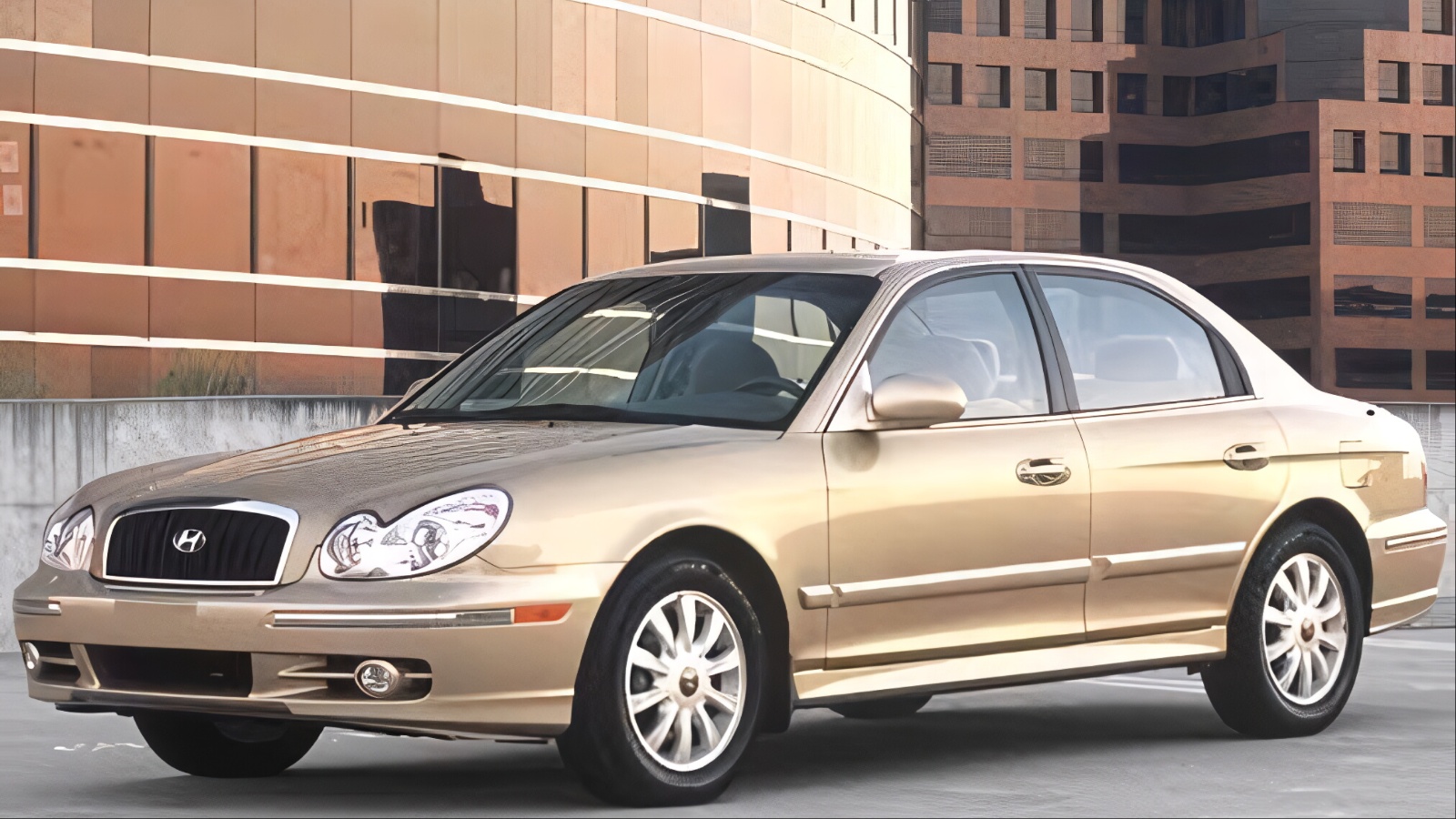
Four-cylinder and V6 engines gave buyers different performance and efficiency choices. The cabin was roomy, the ride was comfortable, and the equipment list was competitive. Safety also became a more prominent part of the product’s appeal.
The Sonata’s growing importance in the American market was another major development. Hyundai’s U.S. manufacturing operation in Alabama became an important part of the company’s North American strategy, and the Sonata was one of the key models produced there.
By the time this generation arrived, Hyundai was no longer an unknown quantity. Years of improvements had strengthened the brand’s reputation and given buyers more confidence in choosing a Sonata.
A buyer considering a Sonata in 2005 could reasonably look beyond the price tag and ask whether the car itself was good enough. Increasingly, the answer was yes.
The fifth-generation Sonata was still not the most exciting sedan in its class. It lacked the emotional impact that would arrive with the next generation. But it accomplished something more fundamental.
It established credibility.
For that reason, it deserves a place near the top half of this ranking and remains one of the most important Sonatas ever produced.
3. Seventh Generation (2014–2019)
Not every successful car needs to reinvent itself. Sometimes the smartest move is to refine what already works.
That largely describes the seventh-generation Sonata. After the dramatic sixth-generation model, Hyundai toned down the styling and produced a sedan that was more mature and restrained. The result wasn’t as visually shocking, but it delivered a well-rounded ownership proposition.
The seventh generation offered a broad range of powertrains depending on the market, including naturally aspirated four-cylinder engines, turbocharged options, and hybrid technology. That variety allowed Hyundai to target buyers with very different priorities.
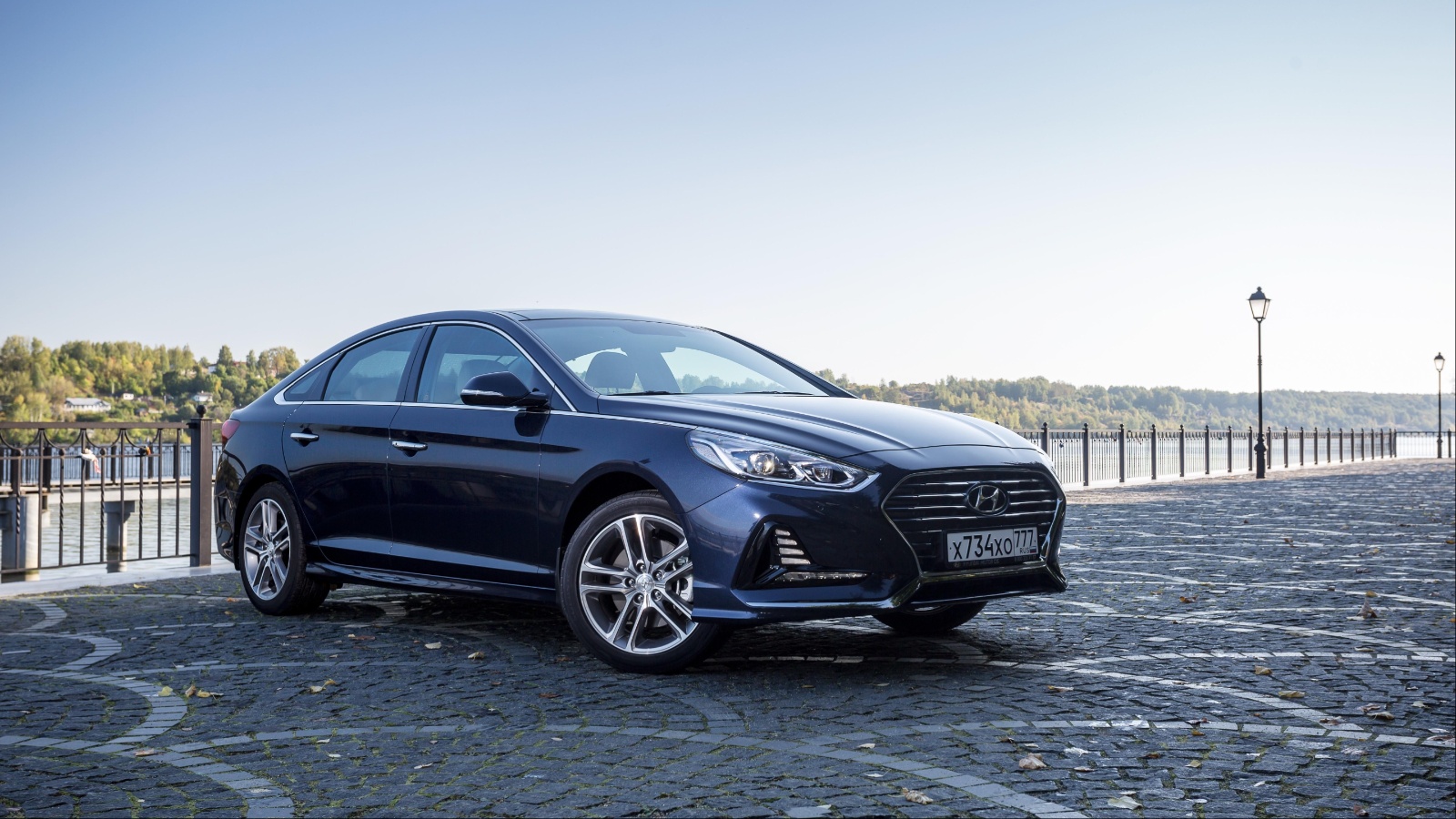
Someone shopping for a comfortable commuter could find what they needed. Someone wanting more performance could move toward a turbocharged version. Buyers focused on fuel economy could consider the hybrid.
Inside, Hyundai continued its gradual improvement in materials, technology, and ergonomics. Infotainment became increasingly important, while driver-assistance features helped keep the Sonata competitive as the decade progressed.
What makes this generation particularly impressive is how little it tried to be something it wasn’t. The Sonata was not transformed into a sports sedan or luxury car. Instead, Hyundai concentrated on making it a comfortable, practical, feature-rich family vehicle.
The challenge had little to do with the car itself. The market around it was changing.
Crossovers and SUVs were becoming increasingly popular, taking customers away from traditional midsize sedans. Even a good Sonata could not completely escape that trend.
Still, judged purely as an automobile, the seventh generation is difficult to criticize. It was balanced, versatile, comfortable, and technologically competitive.
It ranks third because it represents the mature version of Hyundai’s traditional Sonata formula. It may not be the most memorable generation, but it is one of the most complete.
2. Eighth Generation (2019–Present)
The eighth-generation Sonata looks like Hyundai decided that playing it safe was no longer an option.
Its arrival brought one of the most dramatic styling changes in the nameplate’s history. The body became lower and more sculpted, the roofline adopted a fastback-inspired shape, and the front lighting incorporated an unusual design that made the car instantly recognizable.
It was also controversial.
Some buyers loved the new appearance, while others thought Hyundai had gone too far. But controversy is often preferable to anonymity, particularly in a shrinking sedan market. The Sonata had a visual identity, and Hyundai was clearly willing to take risks to keep the model relevant.
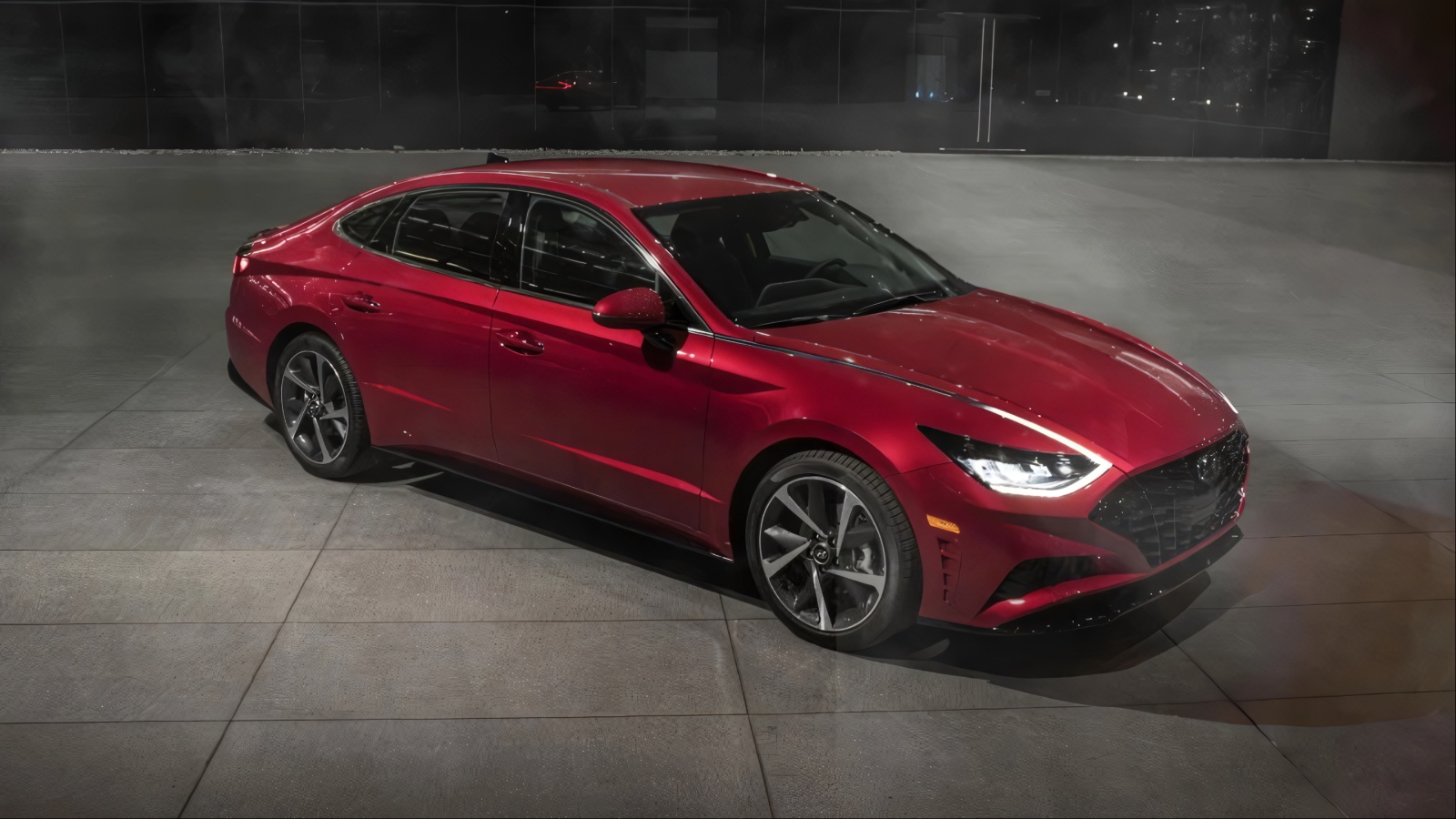
Underneath that striking exterior was a thoroughly modern midsize sedan. Four-cylinder powertrains emphasized efficiency, while hybrid technology remained part of the lineup. Technology became a major selling point as well, with sophisticated infotainment and driver-assistance systems helping the Sonata compete with newer rivals.
The interior carried the same design philosophy as the exterior, combining a modern appearance with a technology-focused layout that gave the Sonata a distinctly Hyundai character.
Perhaps the most impressive achievement of this generation is its willingness to continue developing a sedan while consumers were rapidly moving toward SUVs. Hyundai could easily have allowed the Sonata to become anonymous or simply fade into the background. Instead, it gave the car a stronger personality.
That doesn’t mean the eighth generation is flawless. Styling remains subjective, and some buyers may prefer the more conventional appearance of earlier models. The Sonata also operates in a market where traditional sedans face enormous pressure from crossovers.
But as an expression of Hyundai’s modern design confidence, this generation is difficult to ignore.
It takes second place because it combines technology, efficiency, practicality, and unmistakable styling better than almost any previous Sonata.
1. Sixth Generation (2010–2014)
The sixth-generation Sonata didn’t merely improve the formula. It changed what people expected from Hyundai.
When the new Sonata arrived for the 2011 model year, its design immediately became the headline. Hyundai’s “Fluidic Sculpture” styling language gave the sedan sweeping body lines, a dramatic profile, and a distinctive front end. Compared with the conservative Sonata that came before it, the new car looked almost like it belonged to a different manufacturer.
That visual transformation would have meant little if the rest of the car had remained mediocre. Fortunately for Hyundai, the sixth-generation Sonata arrived after years of investment in engineering, quality, and product development.
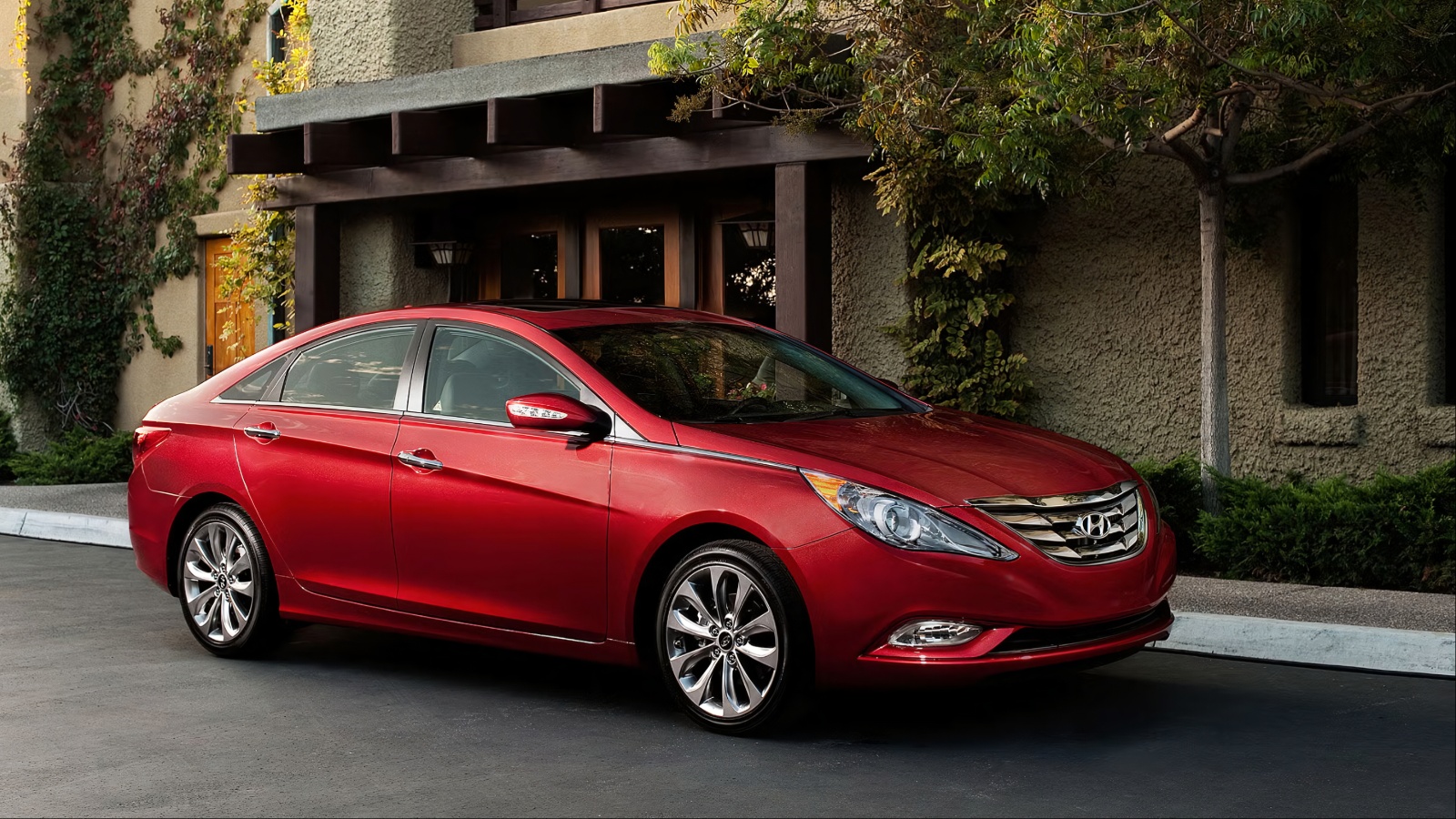
The powertrain lineup emphasized four-cylinder engines, with turbocharged and hybrid versions expanding the model’s appeal. This was an important change from the traditional midsize-sedan formula because Hyundai could offer performance and efficiency without relying solely on a large-displacement engine.
The cabin also benefited from the company’s progress. The Sonata offered generous space, modern technology, and a strong equipment list, reinforcing Hyundai’s increasingly powerful value proposition.
More importantly, the car changed consumer perception.
A Sonata was no longer something a shopper necessarily considered only after comparing prices. People could walk into a dealership because they genuinely liked the design, wanted the available features, or were attracted to the combination of performance and fuel economy.
The generation wasn’t perfect. Certain engines experienced serious problems, and recalls affected some vehicles. Anyone buying one today should pay close attention to maintenance history, engine condition, and recall status.
But historical significance matters.
The sixth-generation Sonata arrived at precisely the right moment in Hyundai’s development. It combined the company’s improved engineering with a design bold enough to attract attention. It demonstrated that an affordable Hyundai could be desirable rather than merely sensible.
That is why the sixth generation remains the benchmark against which the rest of the Sonata family is measured.