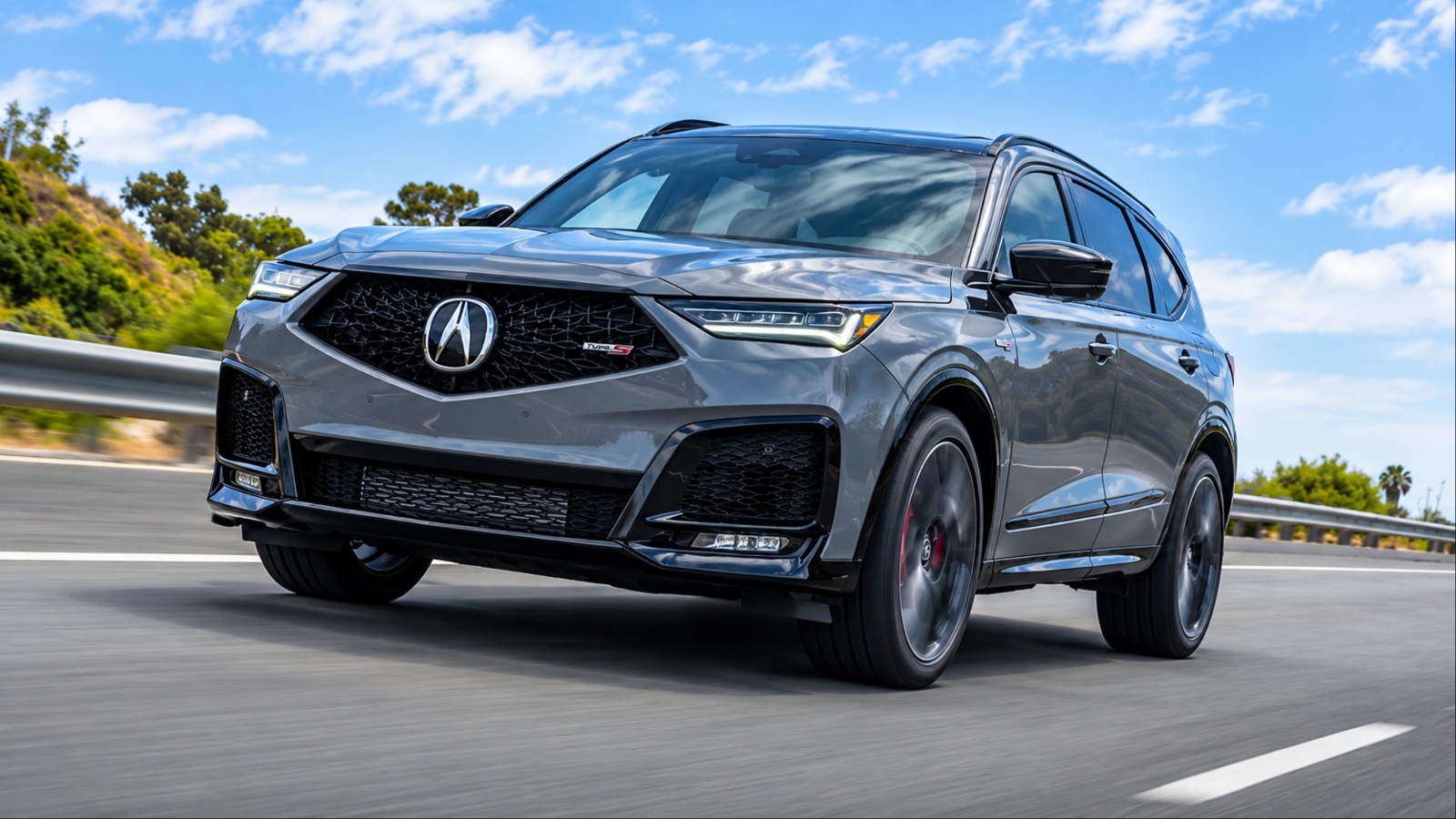
Buying a luxury SUV used is one of the smartest moves in the car market, since these vehicles depreciate faster than almost any other segment. A model that was stickered for $70,000 new can often be had for half that price after four or five years, letting the original owner absorb the steepest part of the depreciation curve.
But not every luxury SUV ages gracefully. Some brands build vehicles engineered for long-term durability, while others prioritize cutting-edge tech and plush interiors at the expense of components that fail expensively once the factory warranty runs out.
The difference between a smart used luxury SUV purchase and a financial headache often comes down to complexity. Air suspension, twin-turbo engines, and sophisticated electronics can quickly turn an attractive bargain into a steady stream of expensive repair bills.
Here are five used luxury SUVs that tend to offer a strong combination of reliability and value, followed by five models that can become costly ownership propositions once the odometer passes 60,000 miles.
5 Worth Buying Used
1. Lexus GX
The Lexus GX is essentially a Toyota Land Cruiser Prado wearing a nicer suit, and that lineage is exactly why it belongs at the top of this list.
Built on a rugged body-on-frame platform shared with proven Toyota off-roaders, the GX skips the fragile air suspension and over-engineered electronics that plague many rivals in favor of a simple, durable V8 (or later, a twin-turbo V6) and conventional coil or air suspension that holds up far better than European systems.
Owners frequently report GX models reaching beyond 200,000 miles with little more than routine oil changes, brake work, and scheduled timing belt service. The cabin may lack the visual flair of a Range Rover, while the ride feels firmer and more truck-like than most crossover-based luxury SUVs.
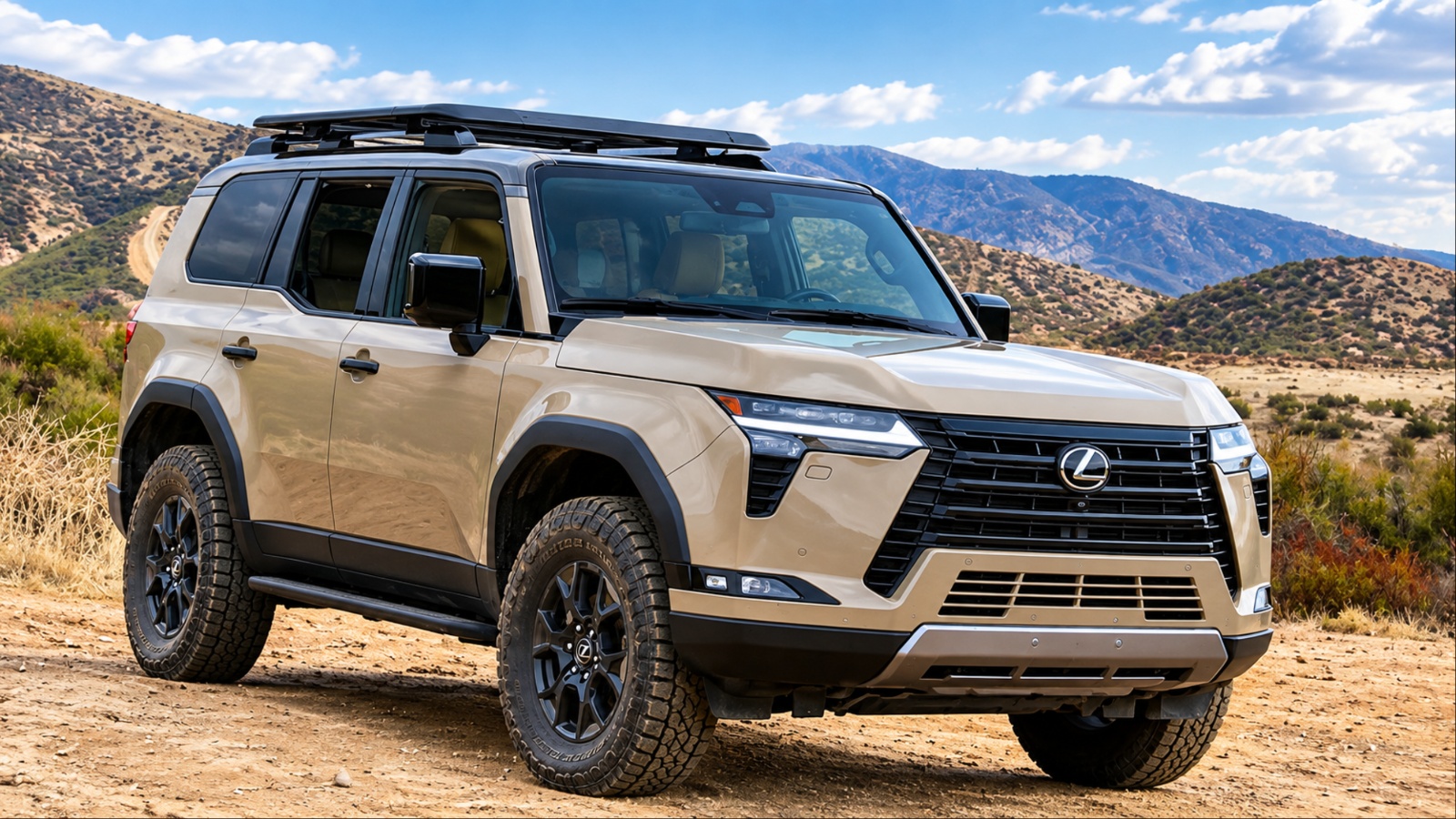
However, those compromises are part of what makes the GX so dependable. Its simpler mechanical and comfort systems leave fewer components vulnerable to costly failures.
Resale value stays remarkably strong because mechanics and enthusiasts alike know its reputation, and parts availability is excellent thanks to shared components with the 4Runner and Land Cruiser. It’s also genuinely capable off-road, with a two-speed transfer case and locking differential on many trims, making it a rare luxury SUV that can actually handle rough terrain without drama.
For buyers who want three-row-adjacent luxury (some GX trims offer a small third row) with the reliability of a Toyota underneath, a used GX from almost any model year represents one of the safest bets in the entire used luxury market.
2. Lexus RX
The Lexus RX practically invented the modern luxury crossover category back in the late 1990s, and decades later it remains one of the most dependable vehicles you can buy at any price point, let alone in the luxury segment.
Its formula has remained remarkably consistent. The recipe combines a smooth, torque-rich V6 or a well-tuned hybrid powertrain with a continuously variable or conventional automatic transmission known for durability. Inside, the cabin uses materials designed to withstand years of daily use without excessive rattles, premature wear, or fading.
Unlike German competitors that chase performance benchmarks with turbocharged, high-strung engines, the RX’s powertrains are tuned for longevity and low stress, which translates directly into lower repair frequency and cheaper maintenance bills over time.
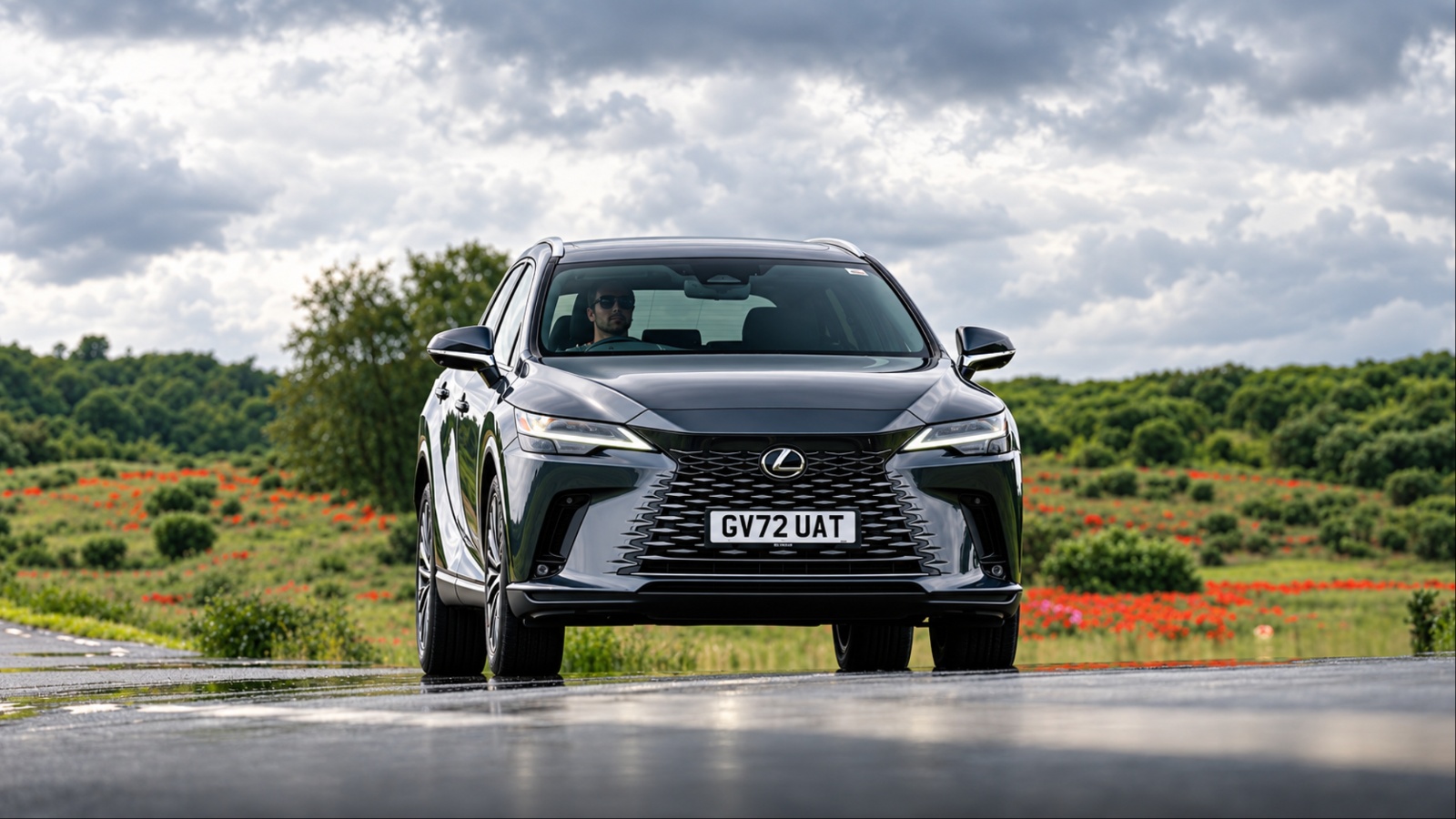
Owner satisfaction surveys and long-term reliability studies consistently place the RX near the top of the luxury SUV segment, often outperforming vehicles costing thousands more. Its hybrid variants, in particular, have proven exceptionally durable, with many taxi and rideshare fleets running RX hybrids well past 250,000 miles.
Because so many were sold new, the used market is flush with well-documented examples across every generation, giving buyers plenty of leverage to find a clean, well-maintained unit.
Parts are also comparatively affordable and widely available at independent shops, avoiding the dealer-only service dependency common with European luxury brands. For someone who wants a quiet, comfortable, genuinely luxurious ride without gambling on unpredictable repair costs, a used RX is about as close to a sure thing as this segment offers.
3. Acura MDX
The Acura MDX has spent over two decades proving that three-row luxury doesn’t have to come with the reliability headaches so common among European rivals.
Built on Honda engineering with a genuinely upscale cabin layered on top, the MDX offers leather upholstery, strong infotainment systems, and confident V6 power while avoiding the turbocharged complexity and failure-prone air suspension setups that plague many competitors.
Its naturally aspirated V6 engines are well understood by independent mechanics, timing belt and chain service intervals are reasonable, and the SH-AWD all-wheel-drive system, while sophisticated, has proven far more durable over time than comparable systems from German brands.
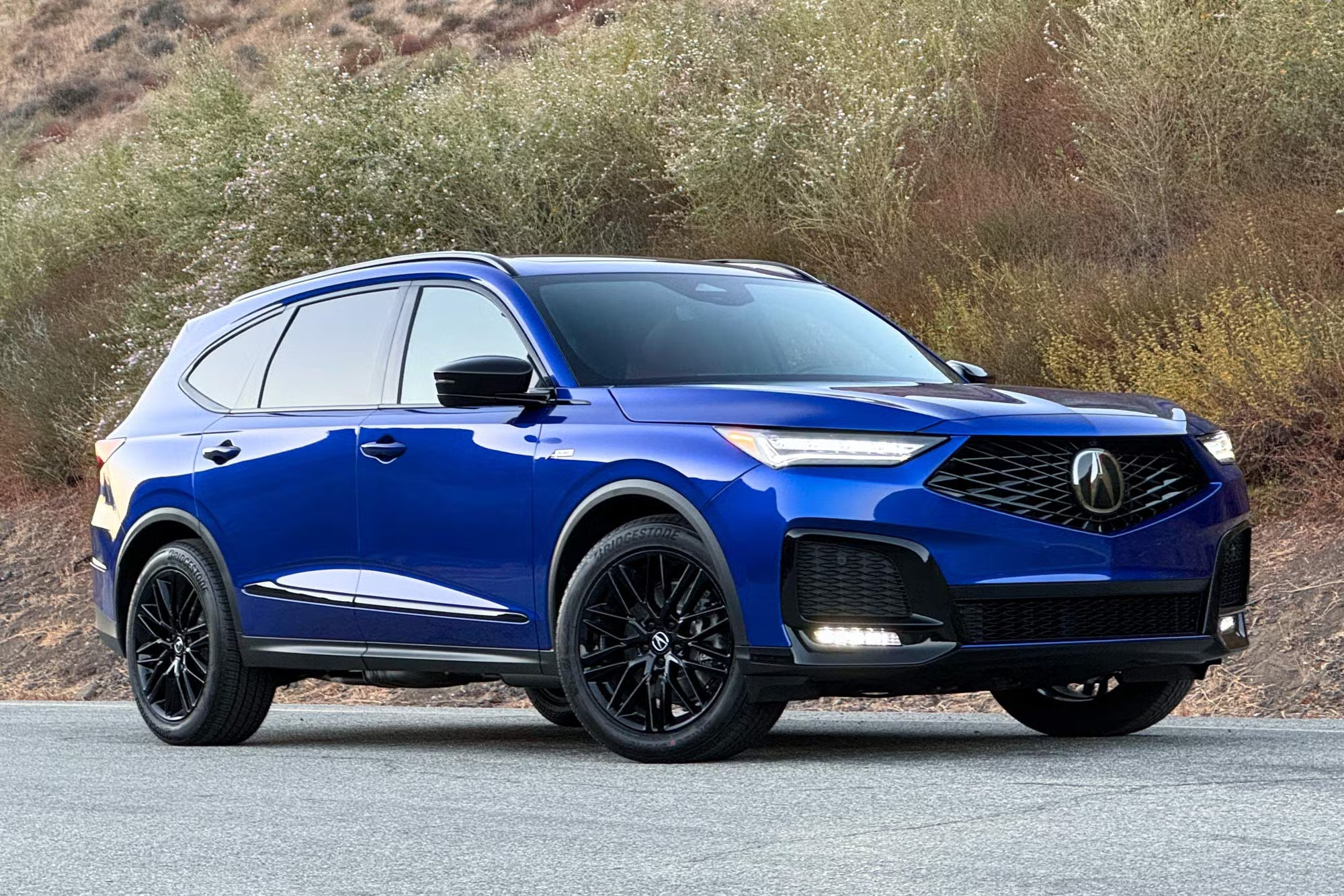
Reliability surveys from J.D. Power and Consumer Reports consistently rank the MDX above the BMW X5, Mercedes GLE, and Audi Q7 in long-term dependability, often by a wide margin.
Because it’s mechanically related to the Honda Pilot, parts are plentiful and inexpensive, and virtually any independent shop can service one competently a major advantage over brands that essentially require dealership-level diagnostic equipment.
The interior also tends to age well, with durable materials that resist the cracking dashboards and peeling trim seen in some luxury competitors after a decade of sun exposure.
Used MDX values remain reasonable across the used market, offering strong feature content, heated and ventilated seats, adaptive cruise, and blind-spot monitoring on later trims, without the premium price tag or premium repair bills.
For families wanting genuine luxury amenities and three-row practicality without constantly worrying about the next shop visit, the MDX remains one of the smartest used purchases in the segment.
4. Infiniti QX60 (2019 and later)
Early Infiniti QX60 models earned a rocky reputation thanks to CVT transmission problems inherited from its Nissan Pathfinder platform-mate, but Infiniti spent years refining the drivetrain, and models from 2019 onward represent a genuinely solid used luxury buy.
The improved CVT is far more resistant to overheating and premature failure than its predecessors, and the V6 engine underneath has proven to be a fundamentally sound, low-drama unit.
The QX60’s appeal on the used market comes largely from the gap between its original luxury positioning and its depreciated price. Buyers can get a well-equipped cabin with available captain’s chairs, a comfortable third row, soft-touch materials, and a smooth, quiet ride, all for considerably less than comparable Lexus or Acura models.
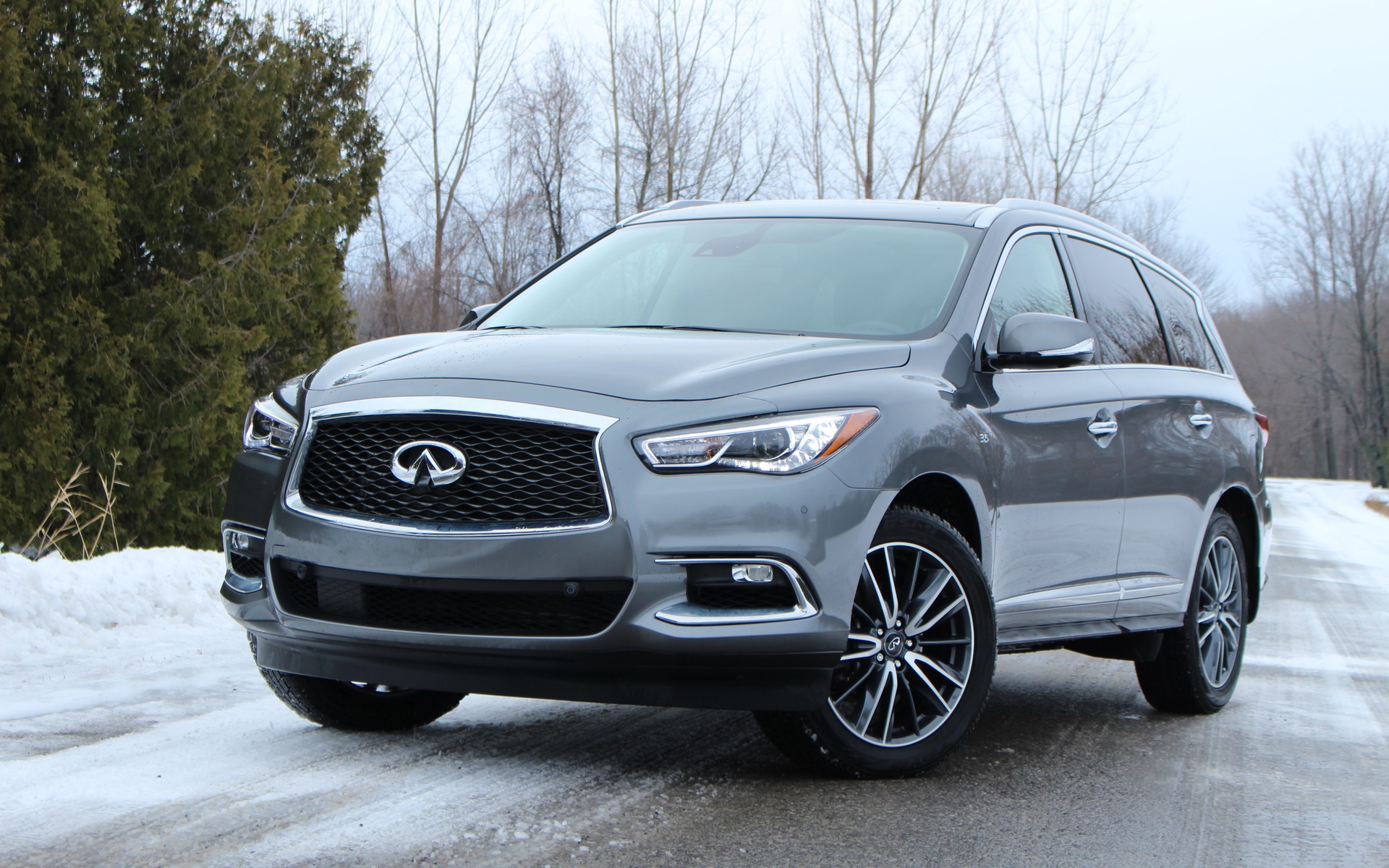
Complaints on later models are relatively minor compared to the transmission failures and electronic gremlins that plague European three-row SUVs, and independent mechanics report straightforward diagnostics and repairs.
The interior technology, while not class-leading, is reliable and free of the software glitches that generate expensive dealer visits on some competitors. Because the QX60 doesn’t carry quite the brand cachet of Lexus or Acura, used prices tend to be softer, meaning buyers can find well-equipped, low-mileage examples at a genuine discount.
For budget-conscious shoppers considering a three-row luxury SUV, the post-2019 QX60 is worth serious consideration. It offers a stronger ownership proposition for buyers who want to minimize unexpected time in the repair shop. However, earlier model years should be approached with caution, particularly those most affected by transmission problems.
5. Volvo XC90 (2016 and later)
The second-generation Volvo XC90, launched for the 2016 model year, transformed the nameplate from a slightly aging family hauler into one of the most genuinely upscale three-row SUVs on the market, and it has aged into a solid used-buying proposition.
Volvo’s turbocharged and supercharged four-cylinder engines aren’t as smooth as a V6, but they’ve proven mechanically sound over time, and the brand’s long-standing reputation for safety engineering carries through in top-tier crash test results across nearly every model year.
The cabin, with its Scandinavian minimalist design, real wood and metal trim, and portrait-oriented touchscreen, has held up well against sun fading and material wear better than many rivals.
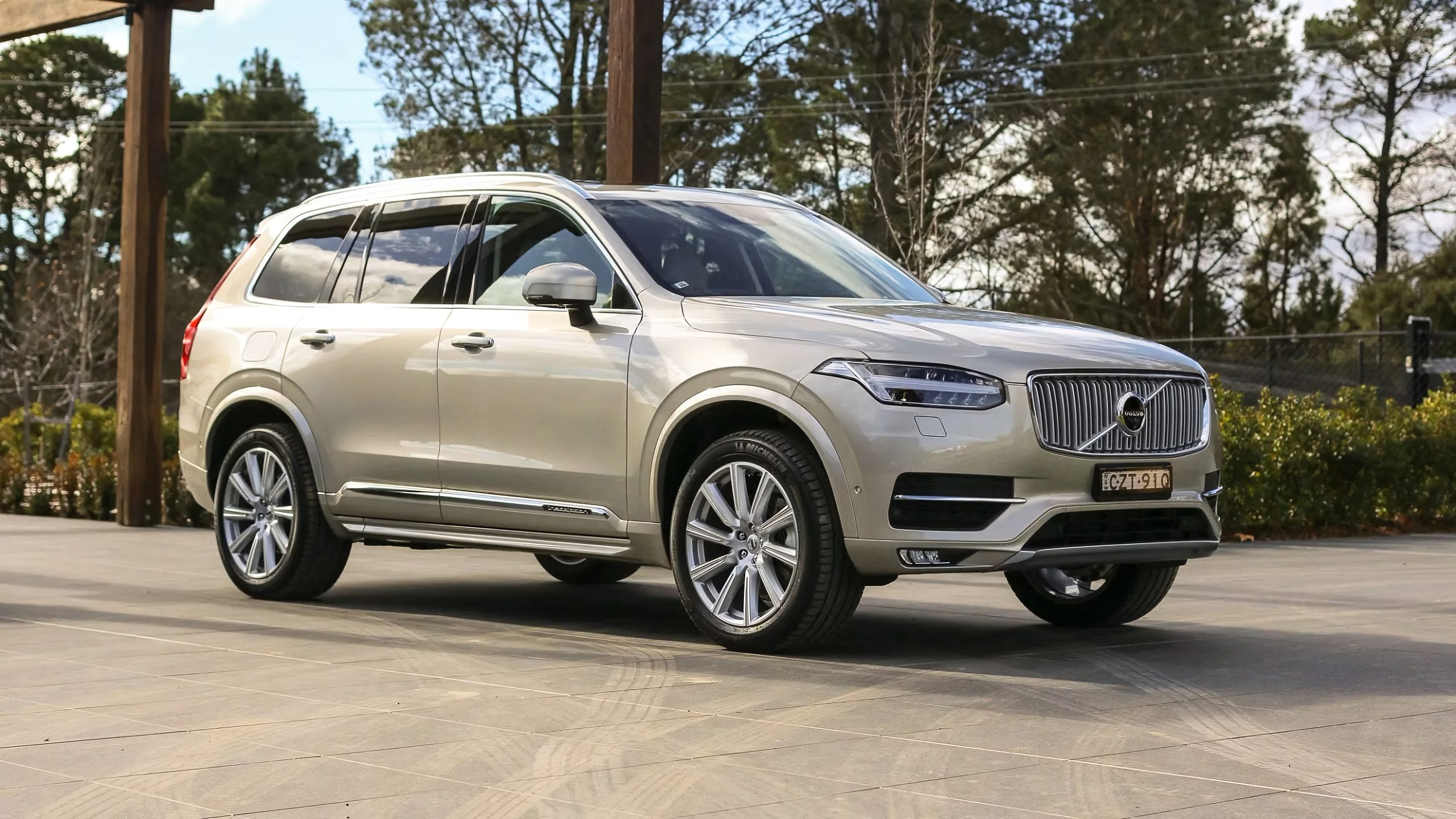
While the XC90 isn’t entirely free of electronic quirks, infotainment freezes, and minor sensor faults do occur, these issues tend to be inexpensive software fixes rather than the catastrophic mechanical failures associated with air suspension or complex all-wheel-drive systems in other luxury three-rows.
Independent reliability studies give the XC90 a respectable long-term track record, with the Volvo outperforming German competitors such as the Audi Q7 and BMW X5 for dependability. While it falls short of the near-bulletproof reputation enjoyed by Lexus, the XC90 remains a compelling choice for buyers seeking a more dependable luxury three-row SUV.
Used values have softened considerably since Volvo isn’t perceived as a status symbol the way German brands are, meaning shoppers can find loaded, low-mileage T6 or T8 hybrid models for meaningfully less money than comparable competitors. For buyers who prioritize safety and comfort over outright brand prestige, a well-maintained post-2016 XC90 is a genuinely smart used purchase.
5 Not Worth Buying Used
1. Land Rover Range Rover
Few vehicles combine desirability and dread quite like the Range Rover. It remains one of the most visually striking and capable luxury SUVs ever made, with genuine off-road prowess and an interior that still feels special even in used examples.
The Range Rover’s luxury credentials come with a significant downside, namely a reputation for expensive and recurring reliability problems. Its air suspension is one of the biggest concerns, with failures capable of occurring multiple times during ownership. Replacing a single suspension corner can easily push the repair bill beyond $1,000 once parts and labor are included.
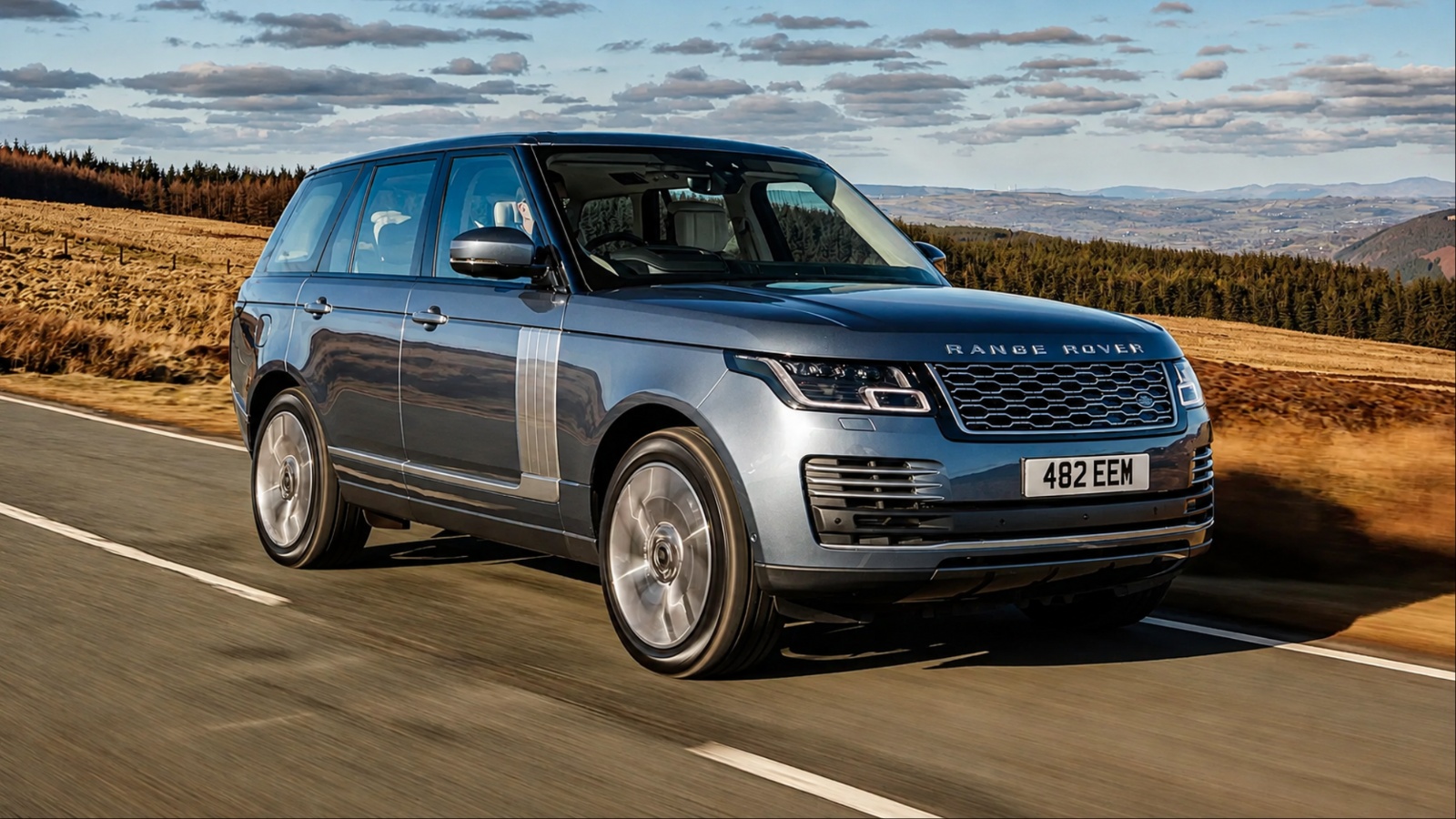
Electrical faults add another layer of frustration. Owners can encounter frozen infotainment screens, unexplained warning lights, malfunctioning door handles, and failing window regulators. None of these issues is necessarily catastrophic on its own, but together they can make an aging Range Rover an increasingly expensive vehicle to keep on the road.
Complex features like adjustable air suspension, advanced all-wheel-drive systems, and turbocharged or supercharged engines add layers of expensive-to-diagnose complexity that few independent mechanics are equipped to handle, often forcing owners back to dealership service departments that charge premium labor rates.
Timing chain guide failures on certain V8 engines have led to catastrophic engine damage in some cases, and transmission issues aren’t uncommon either. The steep depreciation that makes a used Range Rover look like a bargain is, in reality, the market pricing in exactly these risks.
Many owners find themselves spending more on repairs within a few years of ownership than they saved on the purchase price itself. Unless a buyer has a trusted independent Land Rover specialist and a healthy repair budget set aside, a used Range Rover is one of the riskiest luxury SUV purchases available.
2. Audi Q7 (first and early second generation)
The first-generation Audi Q7, and even early examples of its second-generation successor, look tempting on the used market thanks to steep depreciation and a genuinely upscale, tech-forward cabin. But that discount exists for good reason.
Early Q7s are plagued by air suspension failures that can cost well over a thousand dollars per corner to fix, along with timing chain tensioner problems on certain V6 and V8 engines that, if left unaddressed, can lead to catastrophic engine damage requiring a full rebuild or replacement.
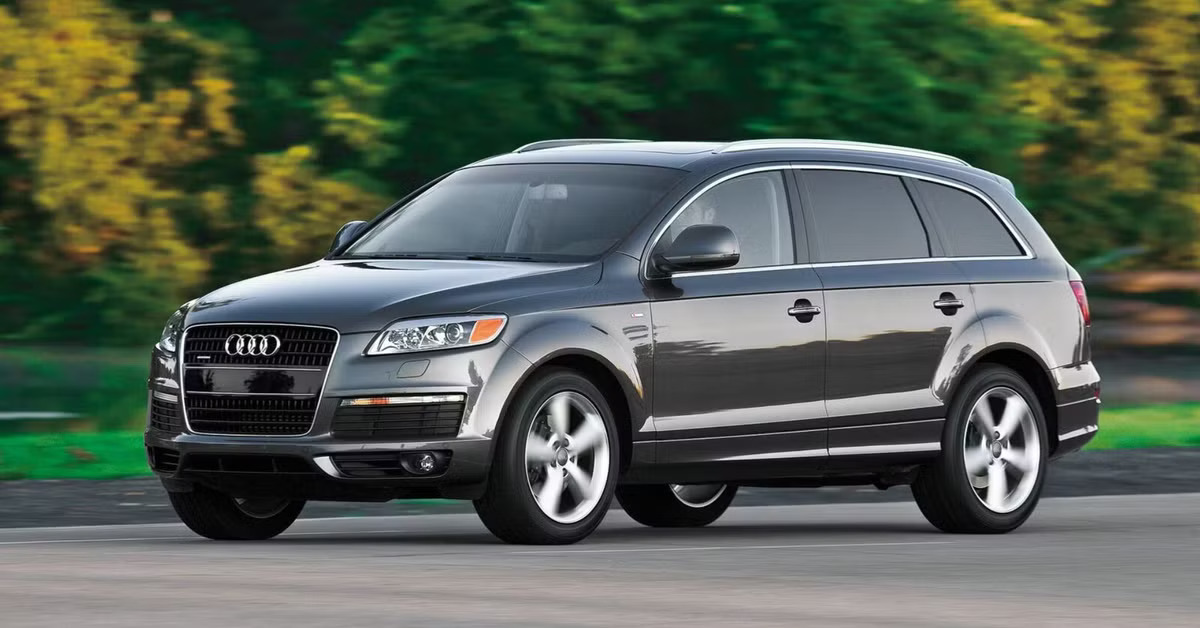
The complex Quattro all-wheel-drive system, while excellent when functioning properly, adds another layer of expensive components that can fail as the vehicle ages.
Electronic issues are common too, from malfunctioning MMI infotainment units to failing sensors that trigger a cascade of dashboard warning lights, often requiring specialized diagnostic equipment that only Audi dealerships or well-equipped independent European specialists possess.
Routine maintenance costs are also notably higher than mainstream or even other luxury brands, with oil changes, brake jobs, and routine servicing often costing significantly more due to the vehicle’s engineering complexity and premium parts pricing.
Many independent long-term reliability studies place the Q7 near the bottom of the luxury three-row segment, well behind Lexus, Acura, and even Volvo.
What looks like an incredible deal a loaded, tech-laden luxury SUV for a fraction of its original price frequently turns into a cautionary tale once air suspension, transmission, or electrical repairs start piling up. Buyers considering an early Q7 should budget aggressively for repairs or simply look elsewhere.
3. Mercedes-Benz GL-Class / GLS (pre-2020)
Older Mercedes-Benz GL-Class and early GLS models promise three-row German luxury at a used-market discount that can seem almost too good to pass up, and that’s exactly the trap. These large SUVs are notorious for air suspension failures, with the Airmatic system frequently needing expensive repairs as seals and compressors wear out, often leaving the vehicle sitting unevenly or refusing to raise at all.
Transmission hiccups, including rough shifting and occasional failures in higher-mileage examples, add another significant repair risk. The complex V6, V8, and even diesel powertrains offered across different model years each carry their own set of known issues, from turbocharger failures to costly fuel system problems, and diagnosing them typically requires dealership-level equipment that most independent shops simply don’t have.
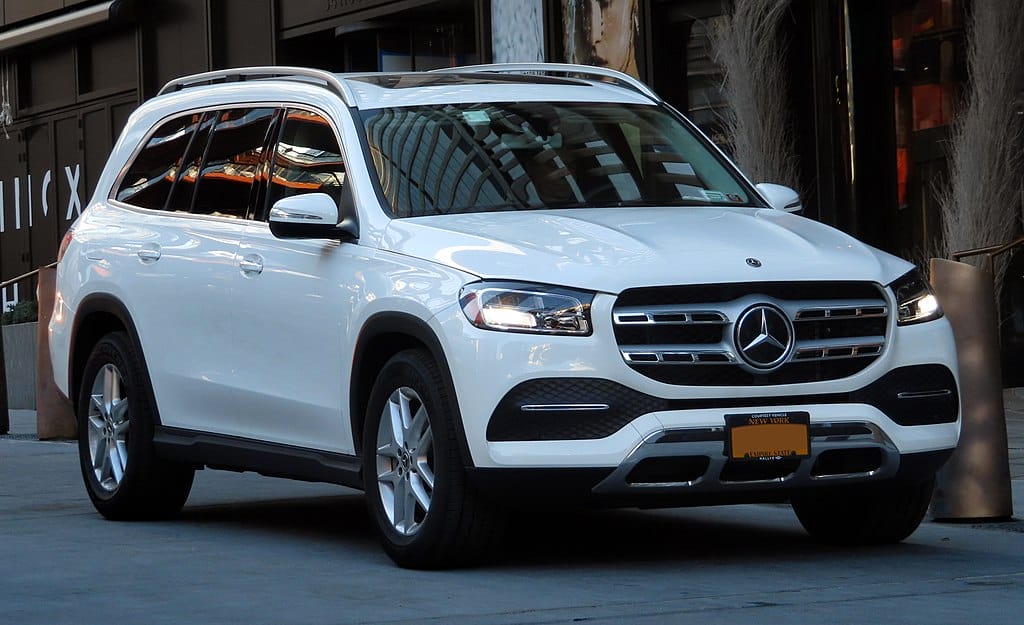
Routine maintenance alone is far pricier than owners expect, with basic services like brake jobs and fluid changes costing considerably more than comparable services on a Lexus or Acura, thanks to specialized parts and labor-intensive designs.
Electrical issues are also common, ranging from malfunctioning power liftgates to erratic climate control systems and infotainment glitches that can be maddeningly difficult to pin down. Because these vehicles were expensive when new, replacement parts remain expensive used, meaning even minor repairs can carry luxury-brand price tags.
The steep depreciation that makes a used GL or GLS look like a steal is the market’s way of pricing in years of accumulated repair risk money that buyers typically end up spending anyway, just after the purchase rather than before it.
4. BMW X5 (E70 and F15 generations)
The BMW X5 remains one of the best-driving SUVs ever built, with sharp handling and strong turbocharged power that few rivals can match, but that performance comes bundled with a reliability reputation that scares away savvy used-car shoppers for good reason.
Cooling system failures are extremely common on both the E70 (2007–2013) and F15 (2014–2018) generations, with plastic water pumps, thermostats, and radiator components prone to cracking or failing well before 100,000 miles, sometimes leading to overheating and expensive secondary engine damage if ignored.
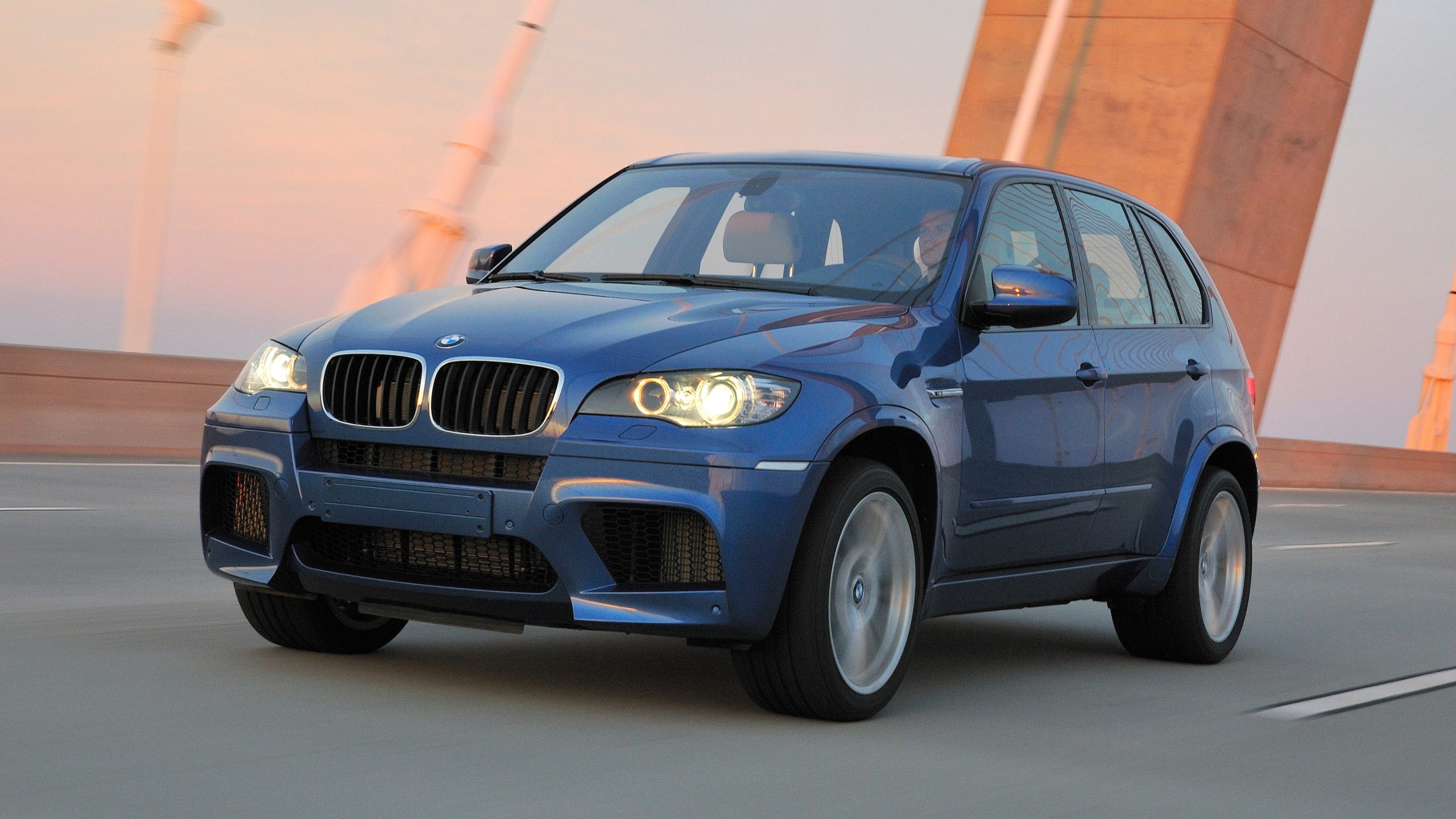
The available air suspension is another potential source of expensive repairs. Like similar systems used throughout the luxury SUV market, its compressors and air struts can wear out with age, and replacing either component can easily cost more than $1,000.
Oil leaks are another common concern, particularly around the valve cover and oil filter housing gaskets. Repairing these leaks properly can require substantial labor, adding considerably to the ownership costs of an aging vehicle.
Electrical gremlins are common as well, from malfunctioning iDrive infotainment systems to failing sensors that illuminate a rotating cast of dashboard warning lights.
Independent mechanics frequently flag the X5 as one of the most expensive used luxury SUVs to maintain once it clears the 80,000-mile mark, with routine services costing noticeably more than mainstream competitors due to BMW’s use of specialized parts and labor-intensive designs.
While a fastidiously maintained example with full service records can be a reasonably safe bet, the sheer number of known problem areas means most used X5 purchases eventually turn into a string of costly repair bills that erode any savings gained from its steep depreciation.
5. Cadillac Escalade (pre-2021 generations)
The Cadillac Escalade has long been the ultimate status symbol among full-size luxury SUVs, commanding strong resale value and serious road presence, but older generations carry a reliability record that undercuts much of that appeal once you dig into ownership costs.
Air ride suspension, a signature comfort feature, is also a signature failure point: compressors, air struts, and height sensors wear out with regularity, and full system repairs can easily run into the thousands of dollars.
Electrical issues are widespread too, including malfunctioning infotainment systems, faulty magnetic ride control dampers, and various sensor failures that trigger persistent dashboard warnings without an obvious root cause.
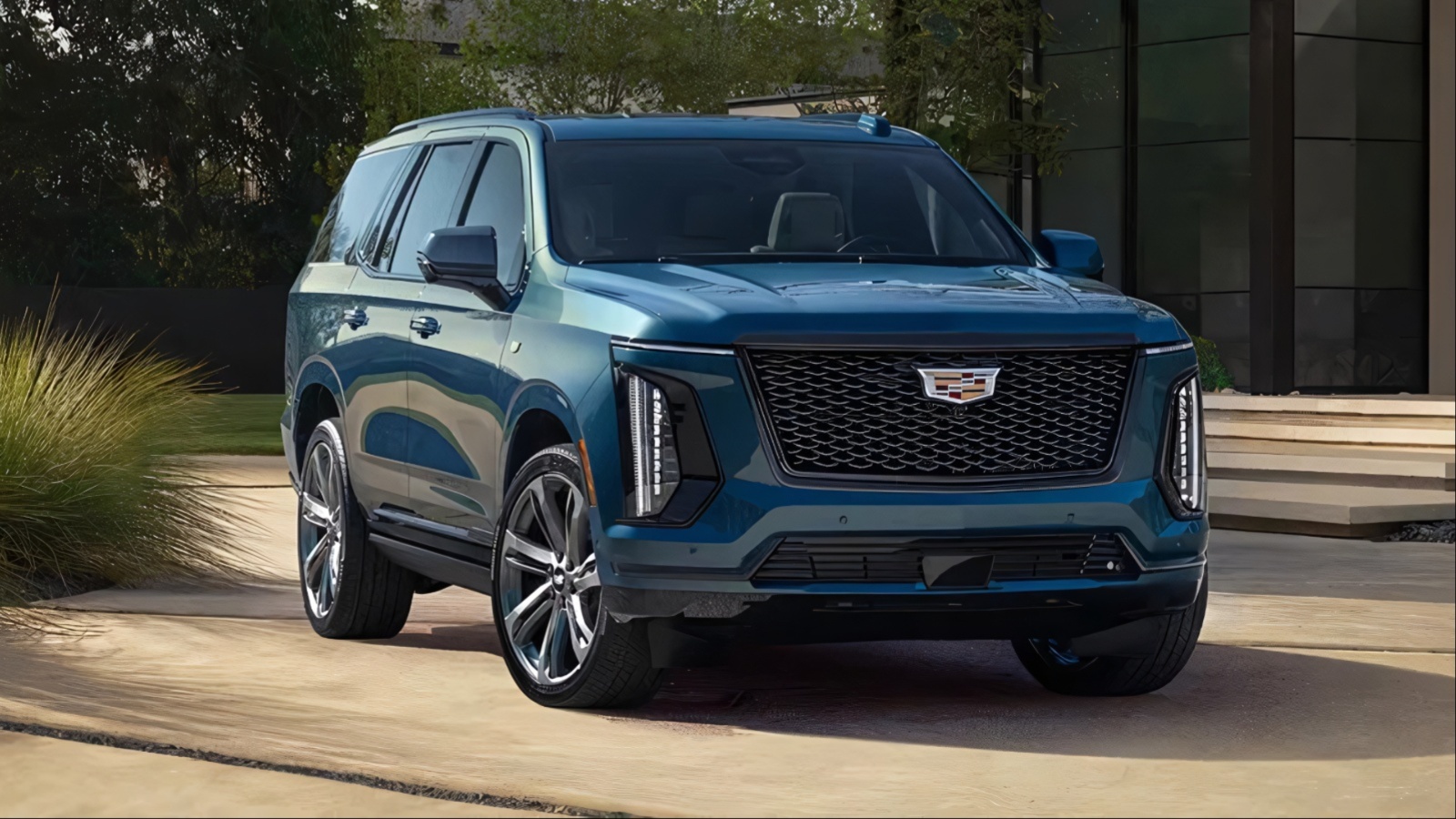
Transmission problems, particularly rough or delayed shifting in higher-mileage examples, have also been a recurring complaint, and repairs or replacements on GM’s larger transmissions aren’t cheap.
Because the Escalade shares its underlying platform with other GM trucks and SUVs, some parts are more affordable than European luxury competitors, but labor-intensive repairs on air suspension and electronic systems still add up quickly.
Fuel economy on the V8-powered models is also poor by modern standards, adding to long-term ownership costs beyond just repairs. While a low-mileage, well-documented example can be a reasonably safe purchase, the used market is flooded with higher-mileage Escalades whose steep discounts reflect genuine accumulated wear on exactly the systems most expensive to fix.
Buyers drawn in by the imposing size and prestige badge often find themselves facing a steady stream of repair bills that make the vehicle’s used-market bargain price look far less attractive within just a year or two of ownership.