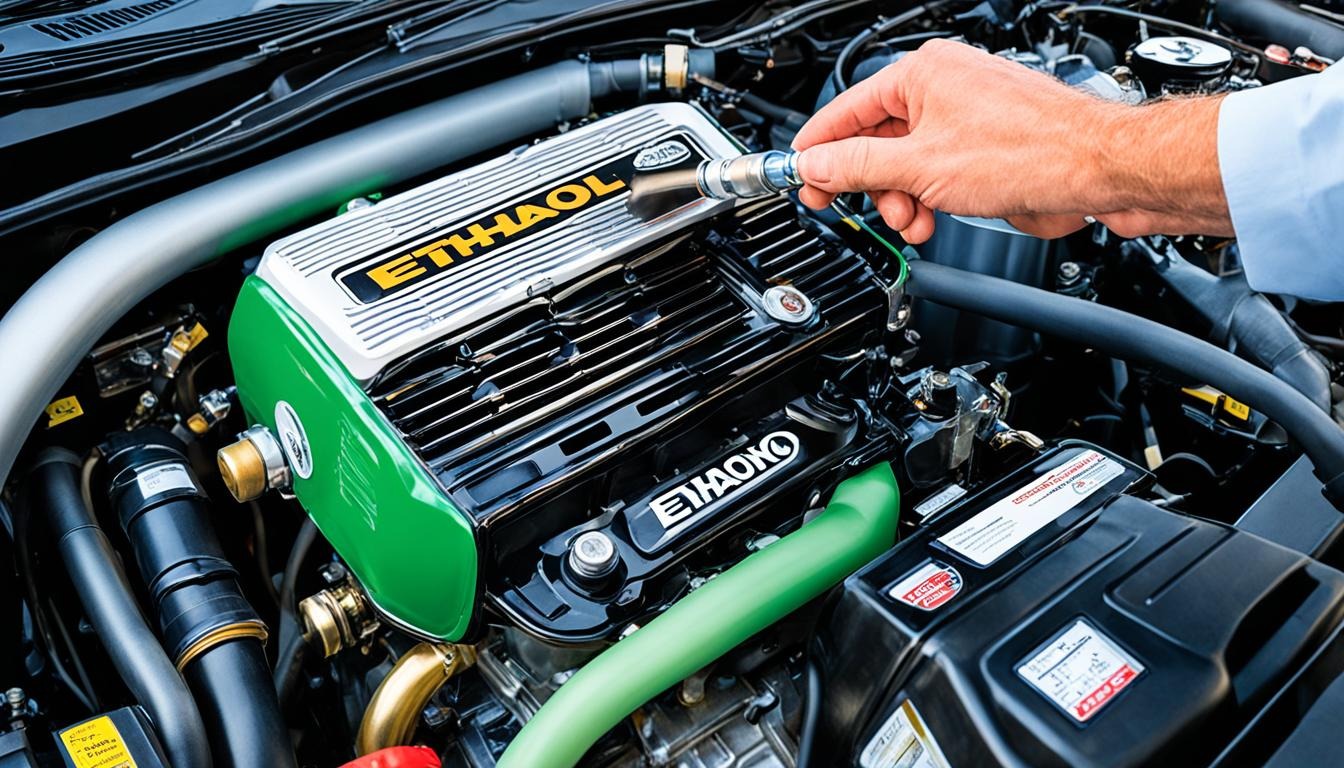
Ethanol-blended gasoline is common at fuel stations, and most modern cars are designed to handle the blends approved for their engines. However, older vehicles and cars with incompatible fuel-system materials can experience problems when exposed to the wrong fuel. The age of a vehicle matters, but so does the amount of ethanol in the fuel and the condition of its components.
Ethanol can affect certain rubber compounds, plastics, metals, and other materials. Water contamination and deposits in an aging fuel system can create additional trouble. This article looks at ten car parts that may suffer damage or malfunction when ethanol-blended fuel is incompatible with the vehicle.
1. Fuel Hoses and Pipes
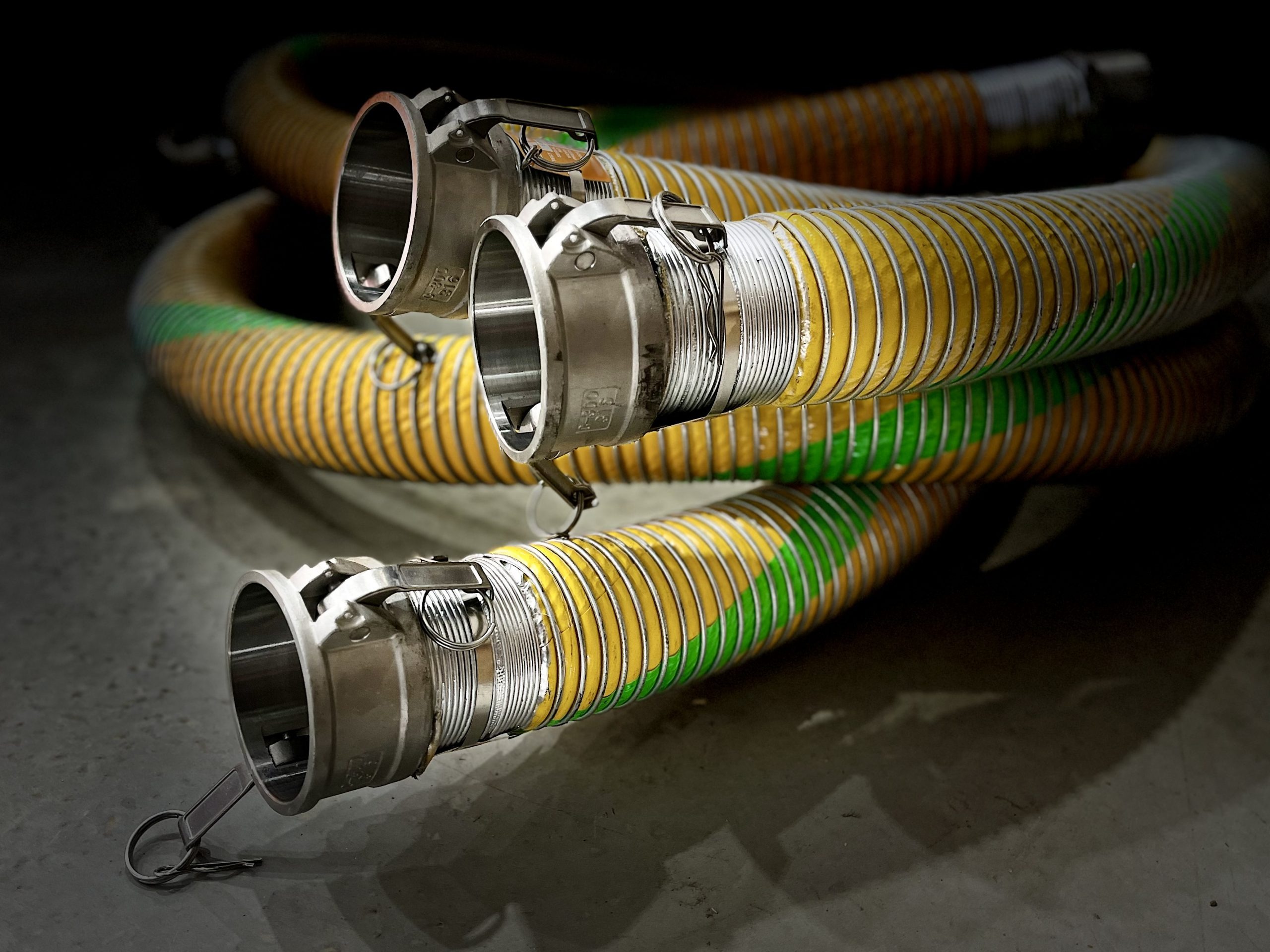
Rubber and ethanol have never gotten along particularly well, and that tension shows up first in your fuel lines. Older hoses were manufactured using compounds designed for straight gasoline, materials that simply weren’t built to withstand ethanol’s more aggressive chemical nature.
Over months and years of exposure, those rubber compounds begin drying out from the inside, losing the flexibility that once let them bend and flex without issue every time the engine ran.
What starts as minor stiffness eventually turns into visible cracking along the hose surface, and cracks in a pressurized fuel line are never a small concern.
Small fissures allow fuel vapor to escape, which creates both a fire hazard and a source of frustrating, hard-to-diagnose performance problems.
Drivers sometimes notice a faint gasoline smell near the engine bay long before any warning light appears on the dashboard, and that smell is worth taking seriously rather than ignoring.
Plastic fuel lines aren’t immune either, since ethanol’s solvent properties can dissolve certain polymer blends found in older vehicles built before manufacturers updated their materials to handle modern fuel formulations.
Once that degradation reaches a critical point, leaks become almost inevitable, and a leaking fuel line under the hood represents one of the more serious risks a vehicle owner can face.
Replacing these lines with ethanol-compatible materials solves the problem permanently, and most modern replacement hoses are built specifically with this resistance in mind.
For owners of classic cars or anything built before the early 2000s, having a mechanic inspect these lines regularly isn’t excessive caution. It’s simply smart maintenance that prevents a much bigger headache down the road.
2. Fuel Pump
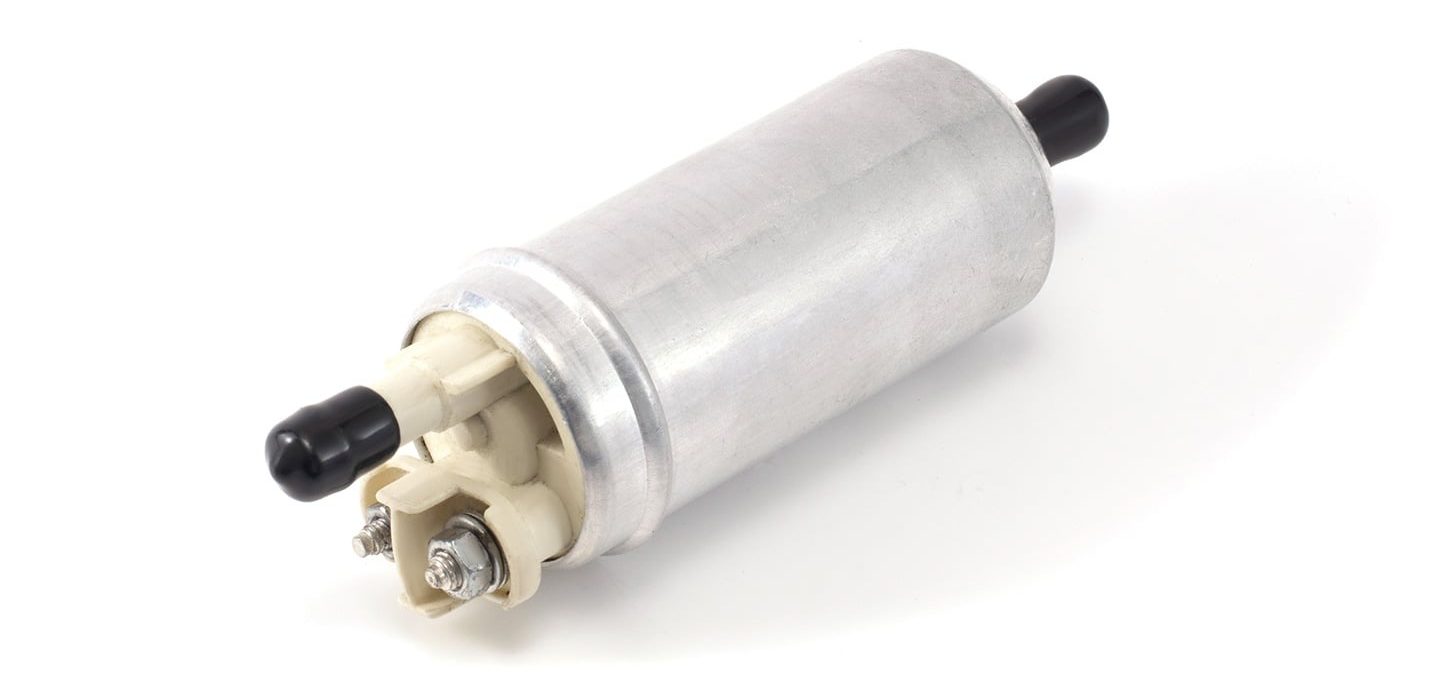
The fuel pump delivers gasoline from the tank to the engine. Its motor, seals, wiring, and other internal parts must work with the fuel passing through the assembly.
Ethanol compatibility is especially important because the fuel pump is in constant contact with gasoline in many modern vehicles. The original claim that ethanol automatically causes fuel pumps to burn out is too broad.
A properly designed pump should handle the ethanol blend approved for the vehicle. However, an incompatible pump or deteriorated fuel-system material may develop problems when exposed to a higher ethanol concentration than it was designed to tolerate.
Water contamination can create additional trouble. Ethanol can absorb water, and contaminated fuel may contribute to corrosion or other fuel-system problems. In older vehicles, deposits or damaged materials can also affect fuel delivery.
These issues may place extra demands on the pump, but they do not mean every ethanol blend will cause immediate failure. A failing fuel pump may produce hard starting, stalling, loss of power, or a humming sound from the tank.
Those symptoms have many possible causes, so a technician should check fuel pressure and the electrical supply before replacing the pump. Using the fuel recommended by the vehicle manufacturer is a more reliable way to protect the system than avoiding ethanol based on the pump’s age alone.
3. Fuel Injectors
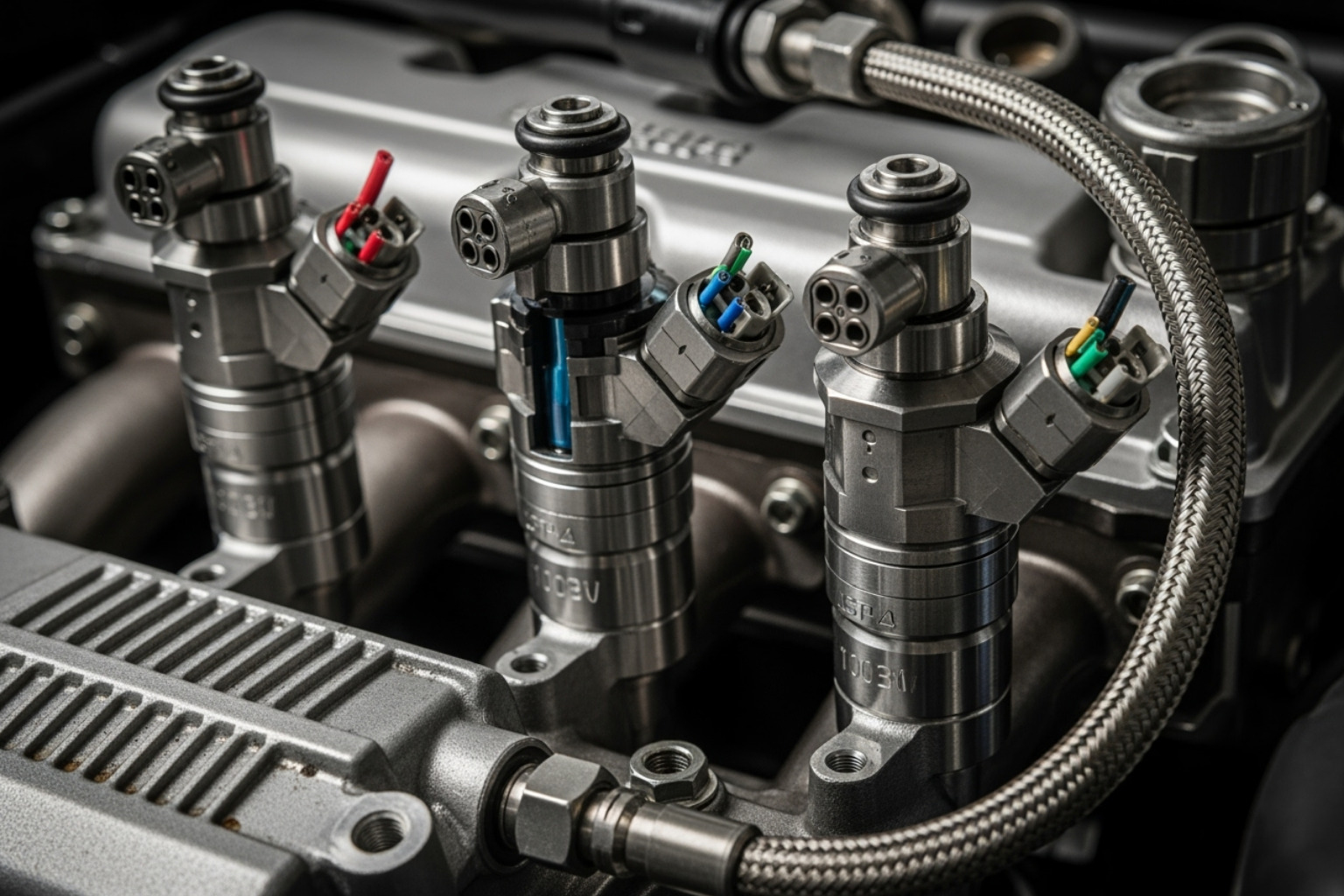
Fuel injectors spray gasoline into the engine in carefully controlled amounts. Their small openings and moving parts require clean fuel and proper pressure.
When ethanol-blended gasoline is used in a compatible vehicle, the injectors are designed to work with that fuel. Problems are more likely when the blend exceeds the vehicle’s approved limit or when contamination affects the fuel system.
Deposits, rust particles, and other debris can interfere with an injector’s operation. In an older vehicle, fuel-system deterioration may release material into the gasoline.
Ethanol can also mobilize deposits in some systems, particularly when higher blends are used in equipment that was not designed for them. The resulting contamination may restrict fuel flow or affect spray quality.
A dirty or damaged injector may cause rough idling, hesitation, misfires, or poor acceleration. These symptoms do not prove that ethanol caused the problem.
A technician can inspect fuel pressure, injector operation, and engine fault codes to identify the actual source. Modern fuel injection systems are engineered for their approved fuel blends, and flex-fuel vehicles have specially designed components and engine calibration for high-ethanol fuel.
If a vehicle is not approved for E85, using it can create problems that are unrelated to normal E10 operation. Always follow the fuel requirements in the owner’s manual.
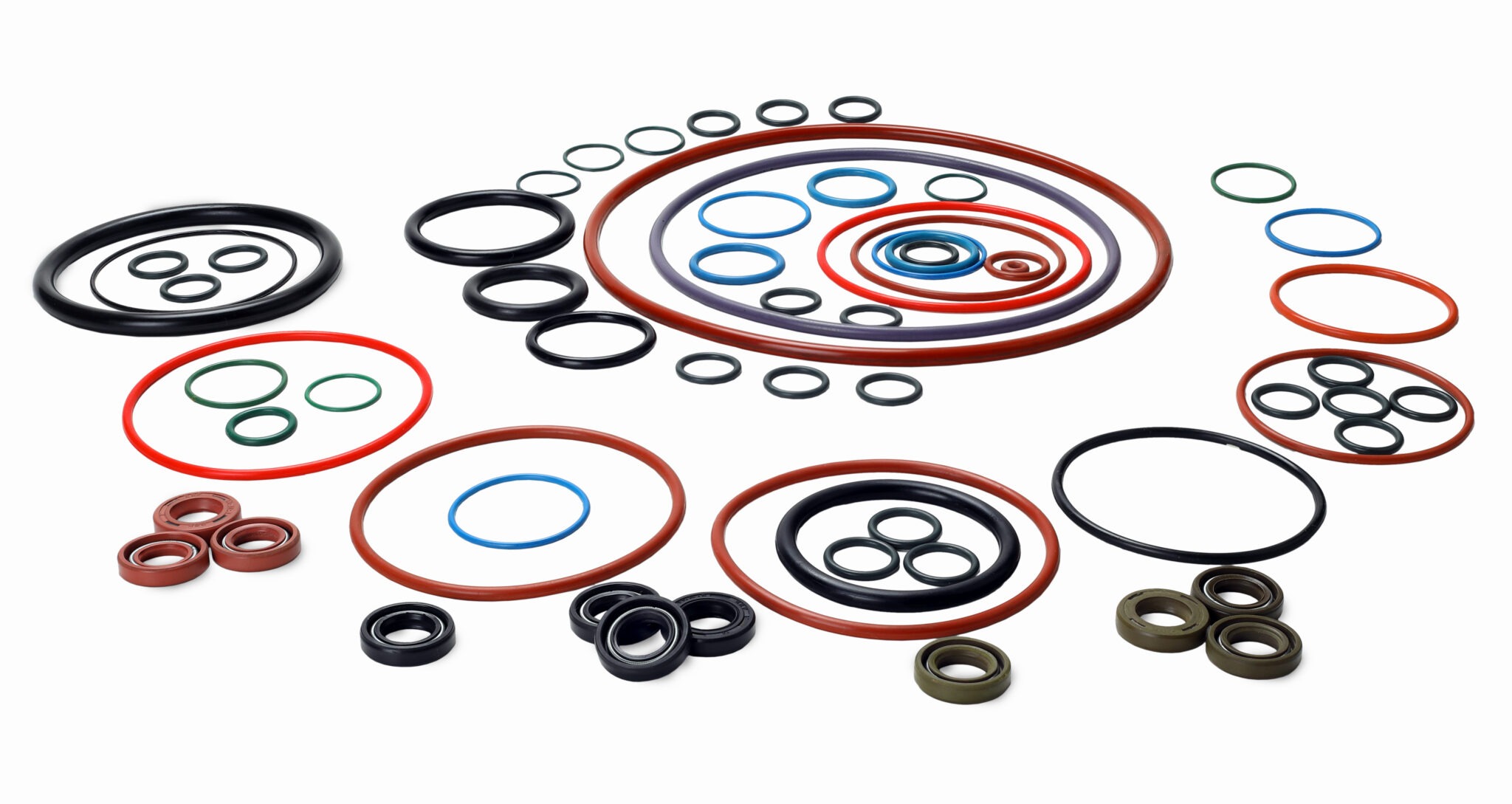
4. Rubber Seals, O-Rings, and Gaskets
Small seals may not receive much attention during routine maintenance, but they are essential for keeping gasoline inside the fuel system. O-rings, gaskets, and other sealing materials appear in fuel pumps, injectors, fuel lines, and tank connections.
Their ability to resist ethanol depends on their chemical composition and the concentration of ethanol in the fuel. Some older rubber materials can swell, soften, or lose strength when exposed to alcohol fuels.
A seal that no longer fits correctly may allow fuel to escape or air to enter a system that depends on a tight connection. Ethanol-compatible materials are designed to reduce these risks, but no seal lasts forever.
A leaking seal can cause a gasoline smell, a wet fuel connection, or an engine that runs poorly. In some situations, a damaged O-ring may allow air into the fuel system or interfere with fuel pressure. The location of the leak determines how serious the problem becomes.
Drivers should not replace every rubber seal simply because their car uses E10. Most modern gasoline vehicles are designed for that blend. The better approach is to inspect any suspect seal and use a replacement that meets the vehicle manufacturer’s fuel compatibility requirements.
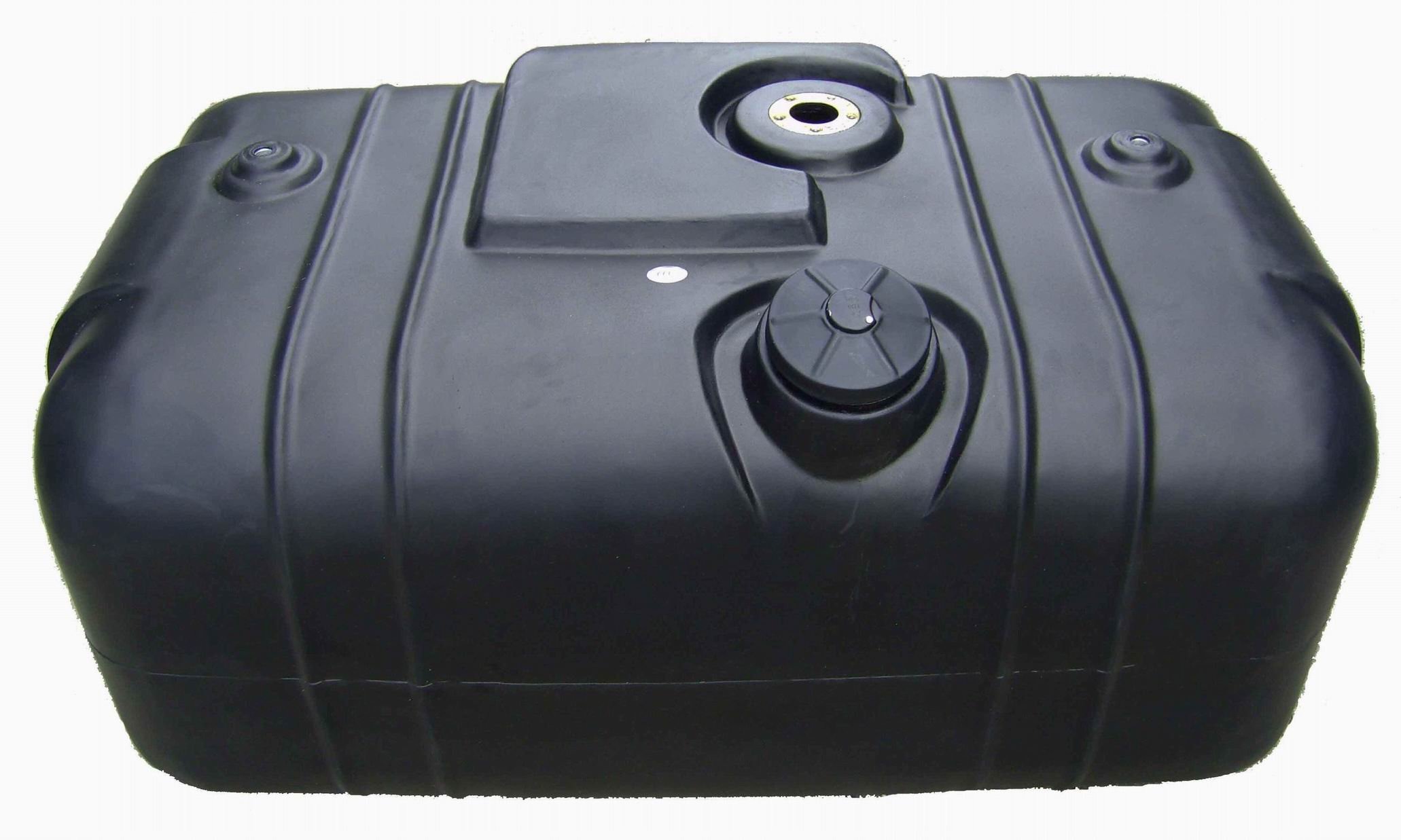
5. Fuel Tank
Water and ethanol share a chemical relationship that spells trouble for anything storing fuel long-term. Ethanol is hygroscopic, meaning it naturally draws moisture from surrounding air, and that absorbed water accumulates gradually inside the tank with every fill-up.
Once water content crosses roughly half a percent of the total fuel volume, something called phase separation kicks in, and this is where the real damage begins.
During phase separation, the ethanol and water bond together and drop out of suspension, settling as a distinct layer at the very bottom of the tank, right where the fuel pickup typically sits.
This corrosive water-alcohol mixture doesn’t just float there harmlessly. It actively attacks the metal surfaces it touches, and steel tanks are particularly vulnerable to rust forming from the inside out, exactly the kind of damage that’s difficult to spot until fuel delivery problems start showing up.
Vehicles built with early fiberglass tanks face a different but equally frustrating fate. Rather than rusting, these tanks can experience structural weakening as the resin binding the fiberglass together slowly degrades under sustained chemical exposure.
That weakening compromises the tank’s ability to hold pressure safely, raising real concerns for anyone still driving a classic vehicle equipped with this older tank construction.
Vehicles that sit unused for extended periods face the highest risk, since stagnant fuel gives water more time to separate and settle. Regular driving, combined with periodic fuel system inspections, helps minimize this risk considerably and catches tank corrosion before it becomes a costly full replacement.
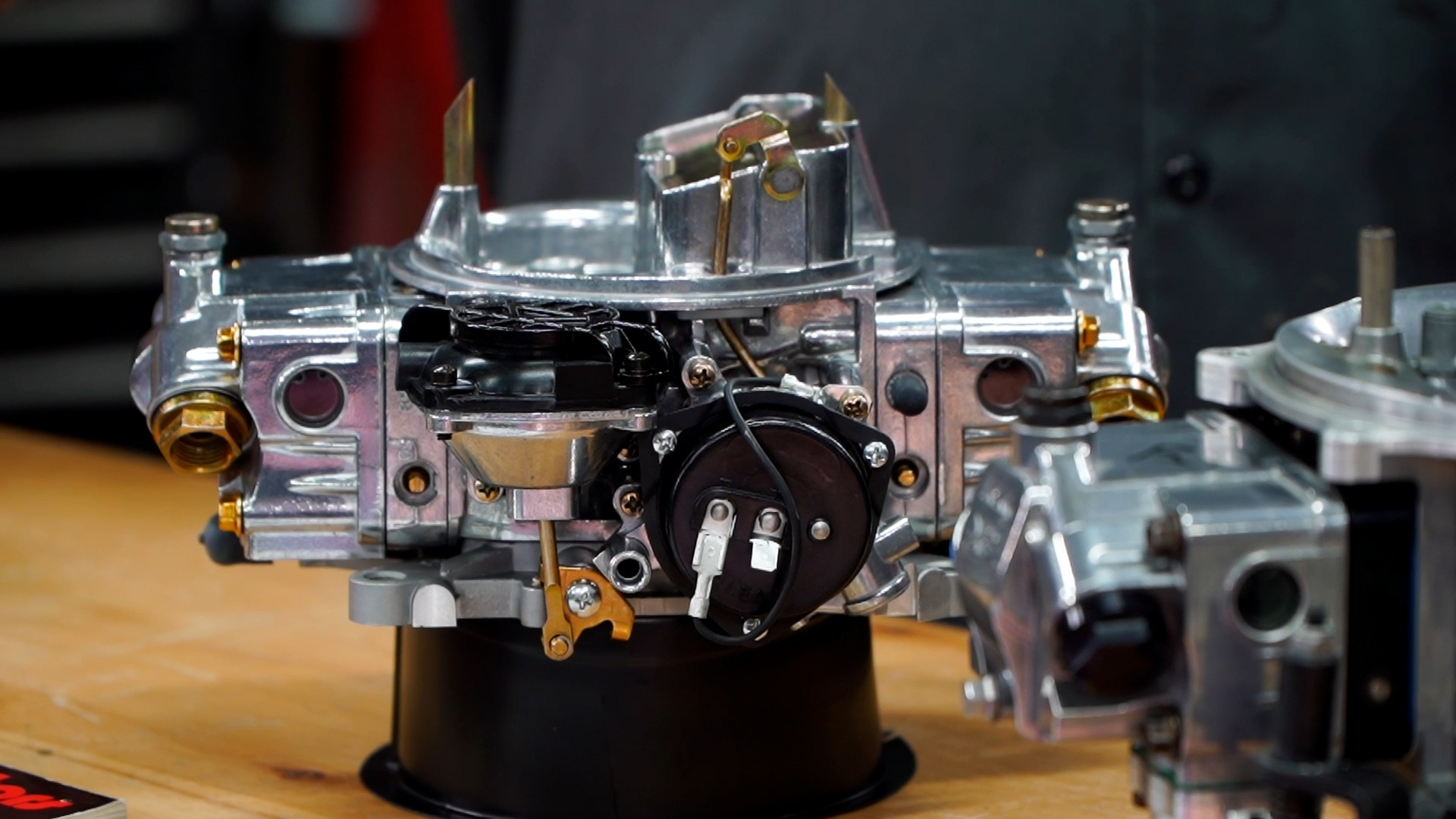
6. Carburetor (In Older/Classic Cars)
Carburetors mix gasoline with air before the mixture enters the engine. They are common on older vehicles and use small passages, jets, floats, and valves to control fuel delivery.
Some classic cars contain materials that are less compatible with higher ethanol blends than the materials used in newer fuel systems. Ethanol can affect certain metals, rubber parts, and other materials in carburetors.
Corrosion or deteriorated components may interfere with the float needle or fuel passages. Deposits can also cause a carburetor to deliver too much or too little fuel. These issues may produce hard starting, stalling, poor acceleration, or flooding.
It is not accurate to say that every carburetor fails when exposed to E10. Some carbureted vehicles are compatible with that blend, while others need different materials or fuel recommendations.
The vehicle’s age and original design are important, but the manufacturer’s fuel requirements should guide the decision. Owners of classic cars should check the fuel system before switching to a higher ethanol blend.
If the vehicle develops a fuel smell, rough running, or a leaking carburetor, a qualified technician can inspect the components and determine whether the problem involves fuel compatibility, contamination, or ordinary wear.
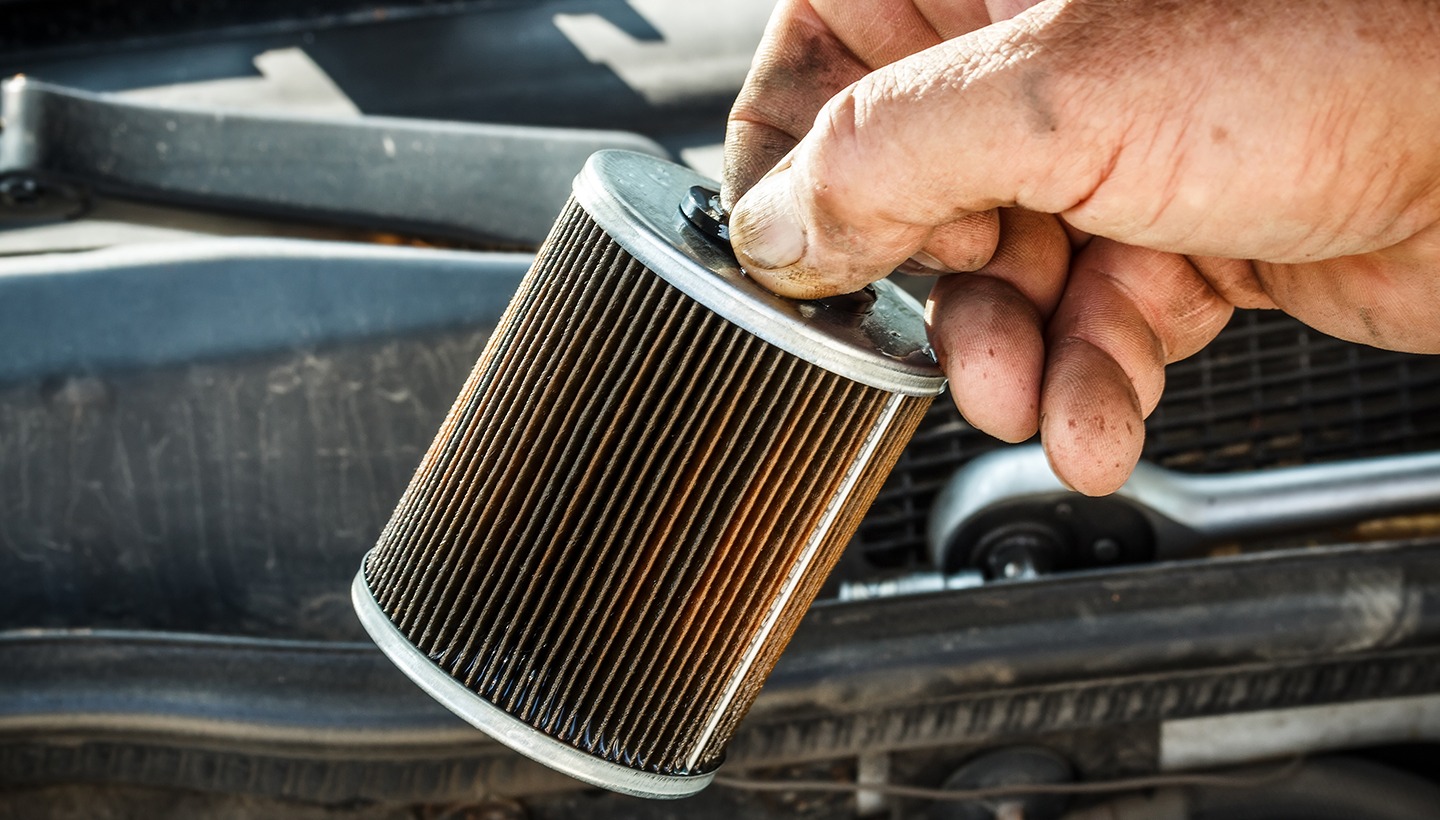
7. Fuel Filters
There’s an odd irony hiding inside this particular failure point. Ethanol’s solvent properties, the same ones causing headaches throughout the rest of the fuel system, actually work like a pressure washer against decades of built-up varnish and rust sitting along tank walls.
In theory, that cleaning action sounds beneficial. In practice, it creates an entirely new problem that catches plenty of drivers off guard.
All that loosened debris has to go somewhere, and its first stop is typically the fuel filter positioned to catch exactly this kind of contamination before it reaches sensitive engine components.
Filters designed for typical driving conditions suddenly face a flood of dislodged particles they weren’t built to handle in such concentrated quantities, particularly during the first several tanks of ethanol-blended fuel run through an older vehicle.
Clogging happens faster than most owners expect, sometimes within just a few thousand miles rather than the extended intervals filters typically last.
A clogged filter restricts fuel flow, starving the engine of the pressure it needs to run smoothly, and that starvation manifests as hesitation during acceleration or a noticeable loss of power when climbing hills or merging onto highways.
The good news here involves a fairly straightforward fix. Replacing the fuel filter more frequently during the initial switch to ethanol-blended fuel, then settling back into normal replacement intervals once the tank and lines have been thoroughly cleaned out, typically resolves this issue within a reasonably short window.
It’s a small cost compared to the alternative of driving with restricted fuel flow indefinitely.
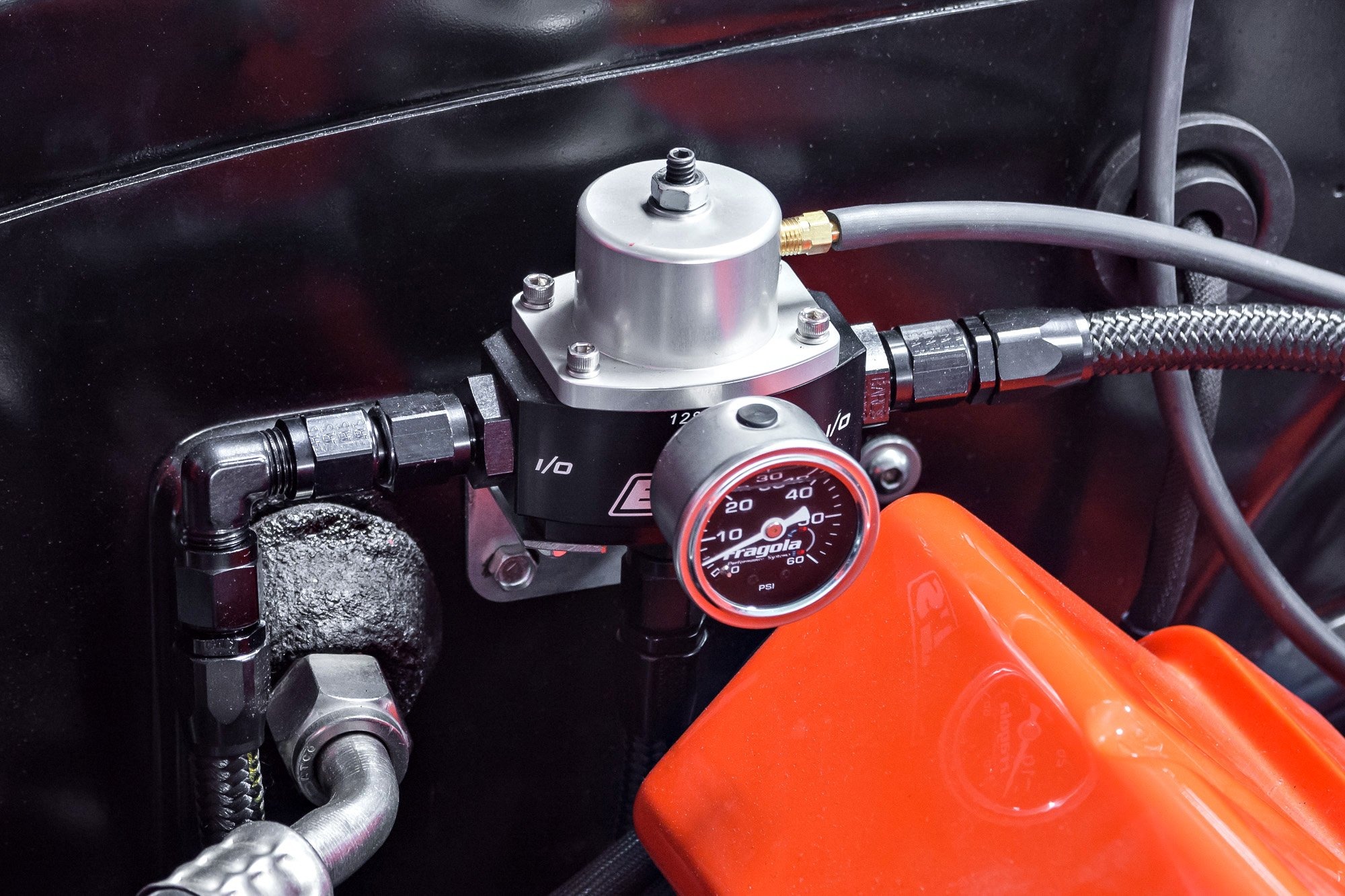
8. Fuel Pressure Regulator
Maintaining consistent fuel pressure sounds like a minor technical detail until you consider how much an engine’s performance depends on getting that pressure exactly right.
The fuel pressure regulator handles this job, and its accuracy depends heavily on a diaphragm inside the unit that flexes constantly to adjust pressure based on engine demand.
Ethanol’s corrosive nature targets this diaphragm directly, particularly in regulators manufactured before ethanol-blended fuel became the industry standard.
Deterioration happens gradually at first, with the diaphragm slowly losing the elasticity it needs to respond accurately to changing pressure requirements.
Eventually, sustained exposure causes the material to rupture outright, and once that happens, the regulator loses its ability to maintain correct pressure levels within the fuel system entirely.
The consequences of a ruptured diaphragm show up as either a rich or lean running condition, depending on which direction the pressure imbalance leans.
Running rich means the engine receives too much fuel relative to air, leading to poor fuel economy, sluggish acceleration, and a noticeable increase in exhaust smell.
Running lean creates the opposite problem, starving the engine of adequate fuel and risking engine damage from excessive heat if left unaddressed.
Diagnosing a failing regulator isn’t always straightforward, since symptoms often overlap with other fuel system issues discussed throughout this list.
Mechanics typically test fuel pressure directly using a gauge to confirm whether the regulator is holding steady or fluctuating outside normal parameters. Replacement parts built with ethanol-resistant diaphragms are now widely available, offering a permanent solution rather than a temporary patch.
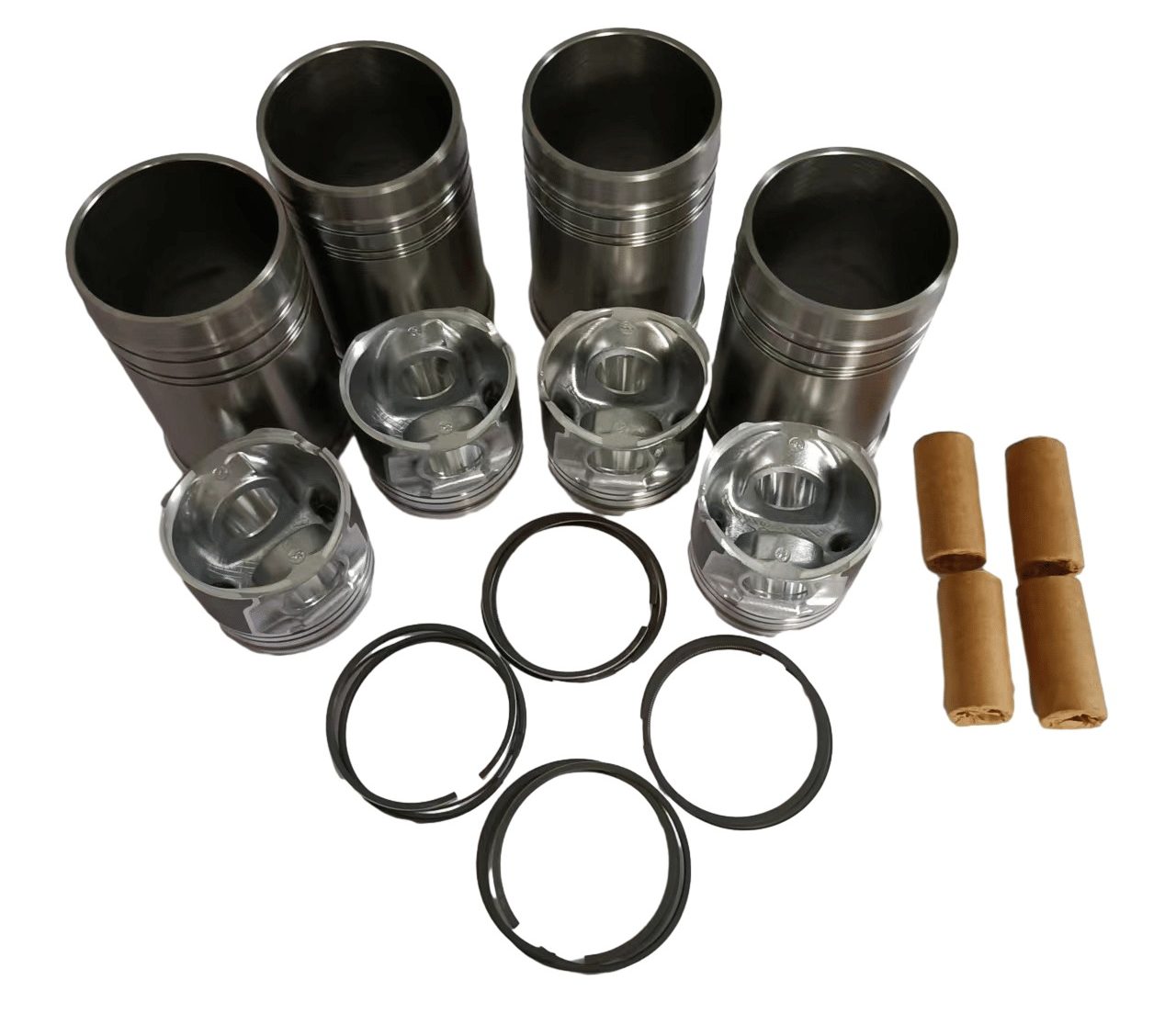
9. Piston Rings and Cylinder Liners
Combustion characteristics change when ethanol enters the equation, and those changes reach all the way down into the engine’s core mechanical components.
Ethanol burns hotter and leaner compared to pure gasoline, altering the thermal environment inside each cylinder in ways that weren’t necessarily accounted for in engines designed decades earlier around gasoline-only combustion profiles.
That elevated heat creates a secondary problem involving the protective oil film that normally coats cylinder walls during operation. This thin layer of oil exists specifically to reduce friction between the piston rings and the cylinder surface, and ethanol’s hotter combustion can strip away that protective film more aggressively than standard gasoline ever would under comparable conditions.
Without adequate oil protection, metal-on-metal contact increases between the piston rings and cylinder walls, and that increased contact accelerates wear far beyond what manufacturers originally anticipated.
The second piston ring, along with the uppermost portion of the cylinder bore, tends to absorb the brunt of this accelerated wear pattern, since these areas experience the most direct exposure to combustion heat and pressure.
Damage accumulates slowly across extended periods of driving rather than appearing suddenly, which makes it particularly difficult for owners to notice until compression testing reveals a genuine problem.
Reduced compression eventually translates into noticeable power loss, increased oil consumption, and lower fuel economy. Regular oil changes using formulations designed to maintain film strength under higher combustion temperatures can help offset some of this risk, particularly in vehicles that weren’t originally engineered with ethanol combustion in mind.
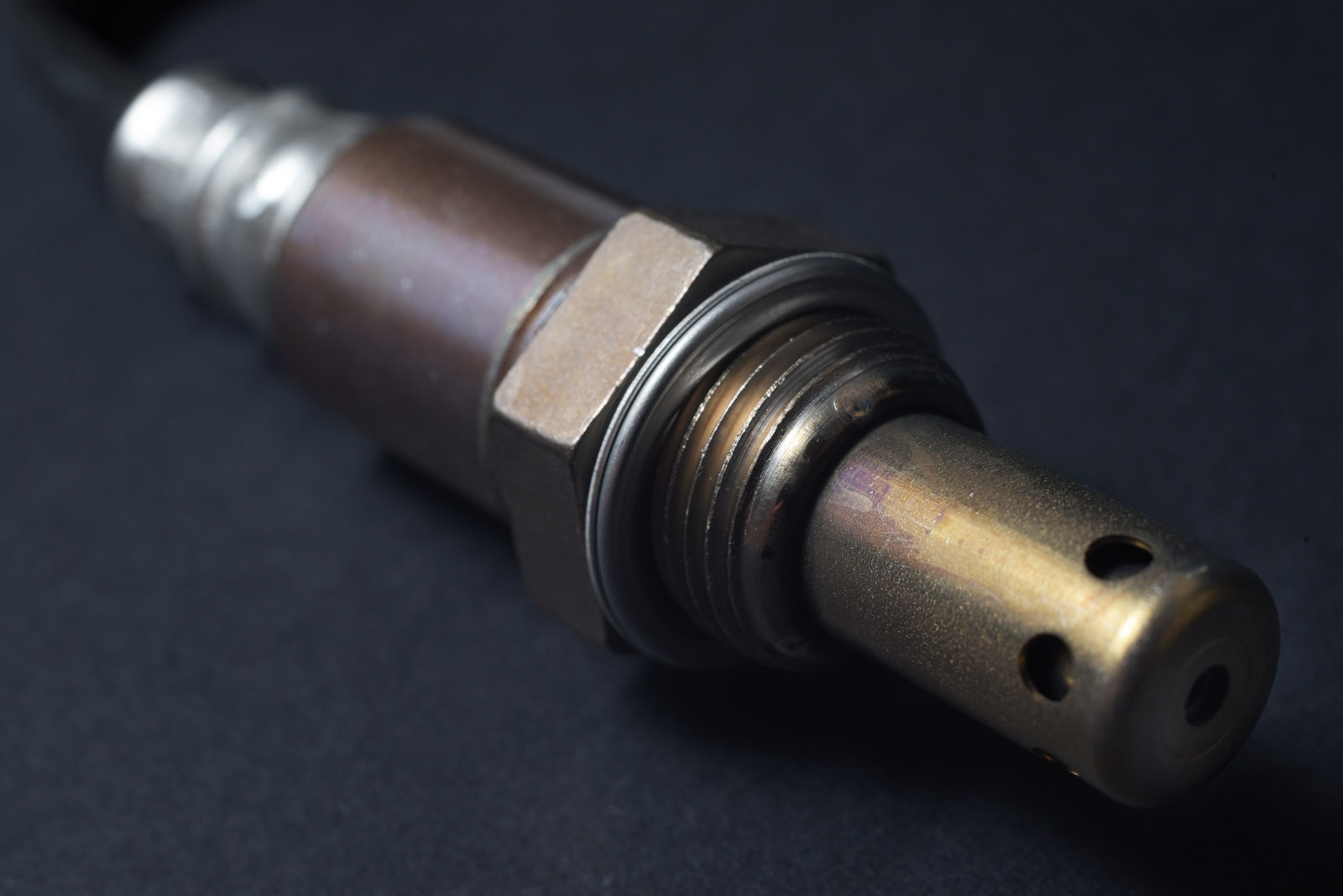
10. Oxygen (O2) Sensors
Oxygen sensors measure the oxygen content of exhaust gases so the engine computer can adjust the fuel mixture. They are part of the emissions control system and are designed to work with the fuel and engine calibration specified by the manufacturer.
The original claim that ethanol routinely leaves white crusty deposits on oxygen sensors is not supported by the official fuel compatibility guidance.
Ethanol can affect engine operation when an incompatible blend is used, but that does not mean it directly causes a characteristic white coating on every sensor.
A faulty oxygen sensor may trigger a check engine light, cause poor fuel economy, or affect engine performance. Yet those symptoms can also result from exhaust leaks, wiring faults, or problems with fuel delivery. A diagnostic scan and sensor testing are needed to identify the cause.
The safest way to protect oxygen sensors is to use the fuel approved for the vehicle and maintain the engine according to the manufacturer’s schedule. If a warning light appears after refueling, have the vehicle checked rather than replacing the sensor without a diagnosis.