
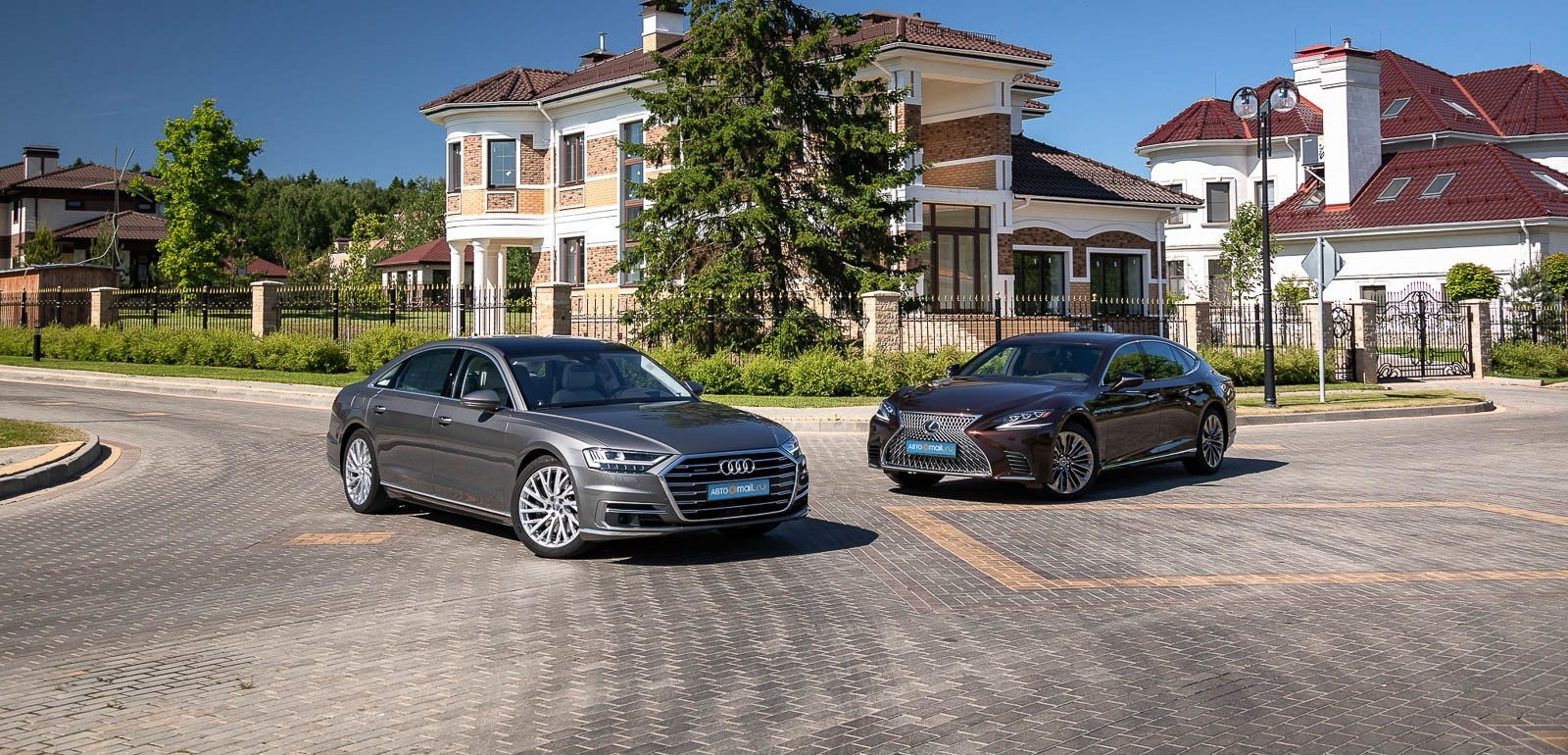
Buying a sedan with 120,000 miles on the odometer can feel like a gamble, but mileage alone does not tell the whole story. Some cars reach that point with plenty of useful life remaining, while others may be approaching expensive repairs. The difference often comes down to the engine, transmission, maintenance history, previous driving conditions, and how well the owner cared for the vehicle.
A 120,000-mile Toyota or Honda with complete service records may be a smarter purchase than a neglected car with half the mileage. The same rule applies to luxury sedans, though repair bills can be much higher. If you are shopping at this mileage, these five sedans deserve consideration, while five others require much more caution.
5 Sedans Worth Buying at 120,000 Miles
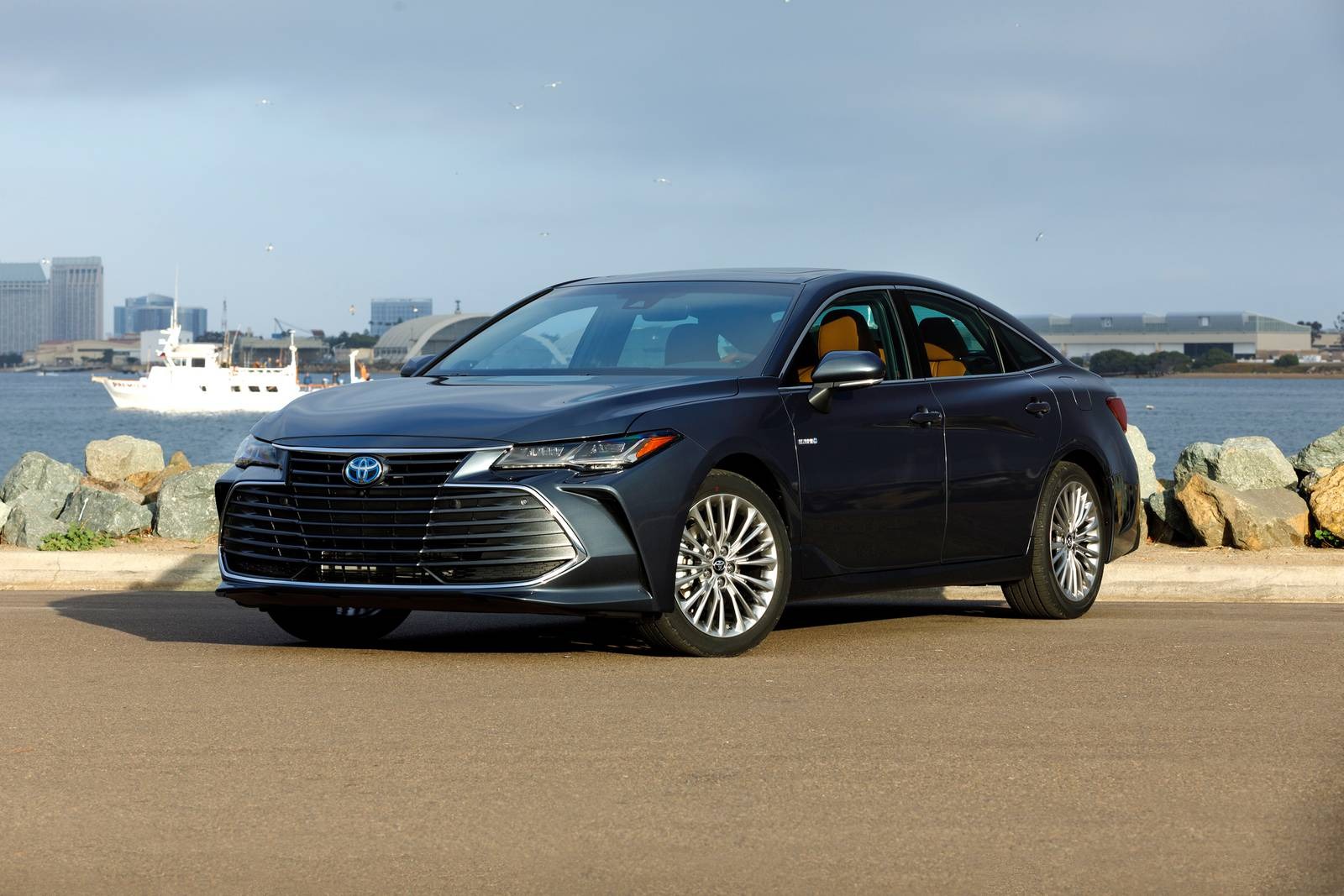
1. Toyota Avalon
The Toyota Avalon is one of the more reassuring choices for buyers considering a sedan with around 120,000 miles. Its reputation comes from a combination of comfortable road manners, a roomy cabin, and powertrains that have generally proven durable when properly maintained.
Many Avalon models use naturally aspirated V6 engines rather than highly stressed turbocharged units. That does not make them immune to problems, but it can make ownership easier when the vehicle has received regular oil changes, cooling-system service, and other scheduled maintenance.
The transmission also deserves attention during a pre-purchase inspection, since a durable powertrain can still develop problems when servicing has been ignored.
The Avalon also makes sense at this mileage because it was designed as a comfortable long-distance sedan. Many examples have spent much of their lives carrying passengers on highways rather than making frequent short trips, which can be easier on certain vehicle components.
Still, do not buy one based on the Toyota badge alone. Check for oil leaks, worn suspension parts, neglected fluids, brake wear, rust, and evidence of previous accidents. Service records are especially useful because they show whether the previous owner followed the manufacturer’s maintenance schedule.
A clean, well-maintained Avalon at 120,000 miles can offer a comfortable daily-driving experience without requiring the repair budget associated with many high-mileage luxury sedans.
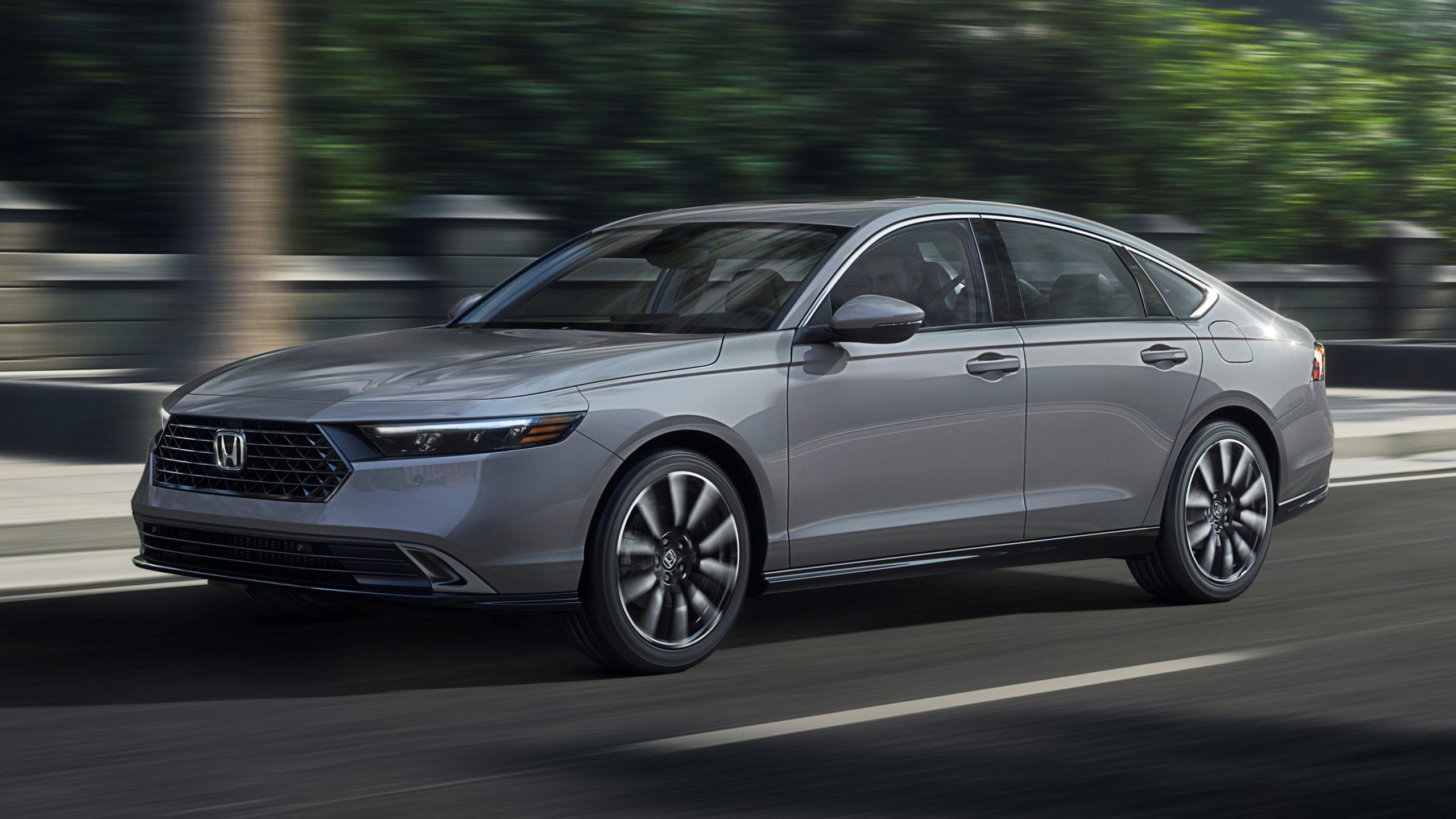
2. Honda Accord
Few sedans have built a reputation for longevity quite like the Honda Accord, and that reputation holds up well once you’re evaluating a 120,000-mile example.
Accords with a documented maintenance history routinely accumulate substantial additional mileage without developing major mechanical problems, a track record that spans multiple generations of this model.
There is another detail buyers should consider. Not every engine and transmission combination holds up equally well over time.
Certain model years and specific powertrain pairings have stronger reputations than others, so doing a little research into which exact configuration you’re considering matters more with the Accord than with some simpler alternatives on this list.
Why does that variation exist within a single model name? Honda has offered multiple engine choices across different Accord generations, from four-cylinder options to V6 variants, and transmission choices have included both traditional automatics and continuously variable transmissions. Each combination carries its own maintenance quirks and longevity track record.
Buyers serious about a high-mileage Accord should look specifically at service records covering transmission fluid changes, since this component tends to determine long-term reliability more than almost anything else on the car.
A well-maintained example, regardless of which specific engine sits under the hood, generally rewards owners with dependable performance for years beyond the point most other sedans would start demanding expensive repairs.
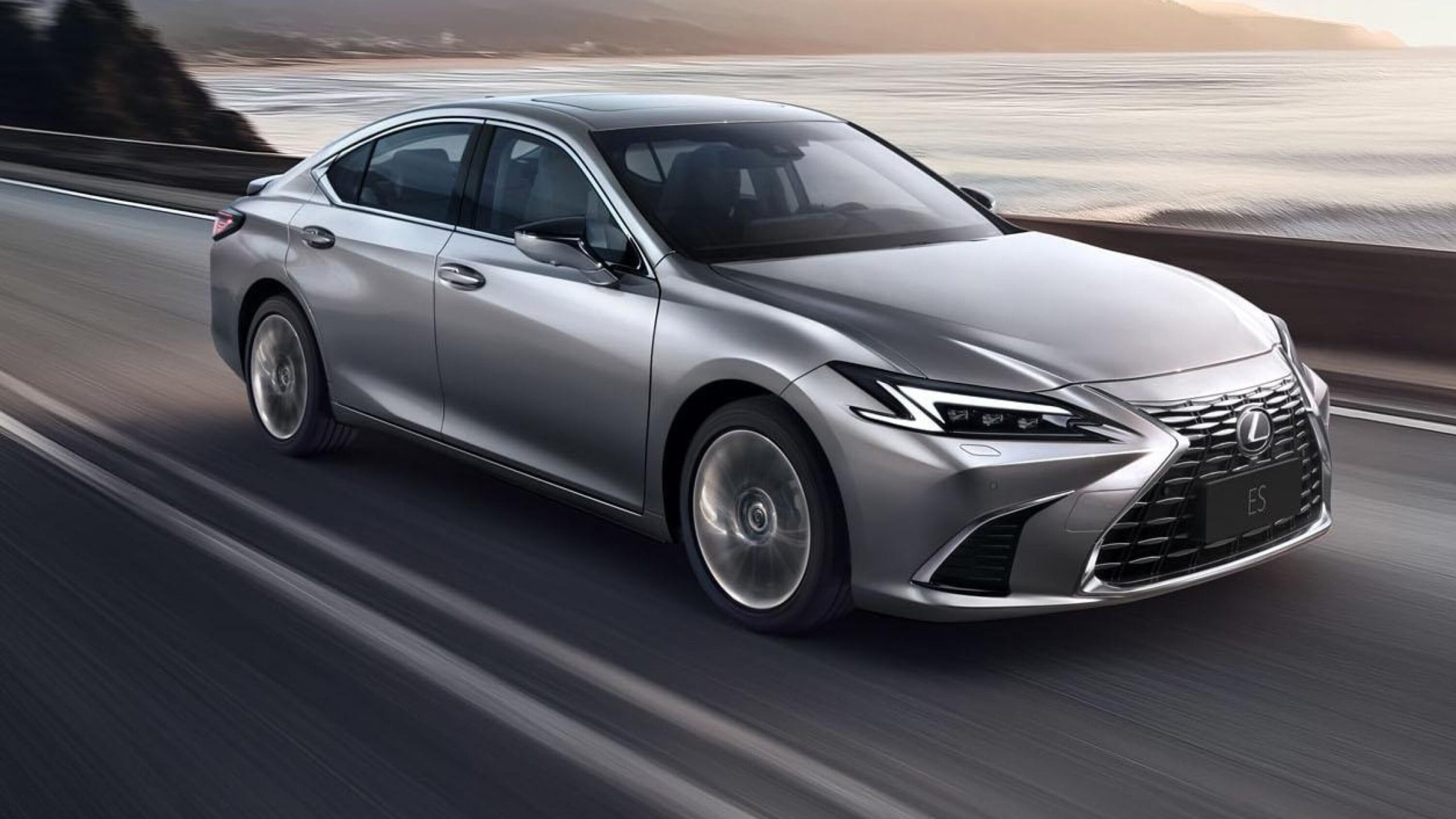
3. Lexus ES
The Lexus ES offers an appealing combination of comfort and durability for buyers who want something more upscale without immediately accepting the ownership risks associated with older European luxury sedans.
Much of the ES’s appeal comes from its relationship with Toyota engineering. Depending on the generation, the sedan has shared various mechanical components and engineering principles with Toyota models.
That gives the ES a useful advantage when it reaches higher mileage. At 120,000 miles, the maintenance record deserves close attention. Look for evidence that fluids were replaced according to the manufacturer’s recommendations and that wear items were addressed when needed.
Suspension components, brakes, tires, belts, hoses, and other service items can all require attention at this age. The ES also rewards buyers who care about comfort.
Its suspension is tuned more toward a smooth ride than aggressive handling, making it a pleasant choice for commuting and longer trips. The cabin tends to remain attractive even when the odometer has climbed well past six figures, provided the previous owner treated it properly.
There is a catch, though. Lexus does not mean every repair will be inexpensive. Luxury equipment, electronics, climate-control systems, and other features can cost more to repair than those in a basic sedan.
That is why a pre-purchase inspection remains essential. If the car has complete records, a healthy powertrain, a clean interior, and no major warning signs, a 120,000-mile ES can still be a very appealing used sedan.
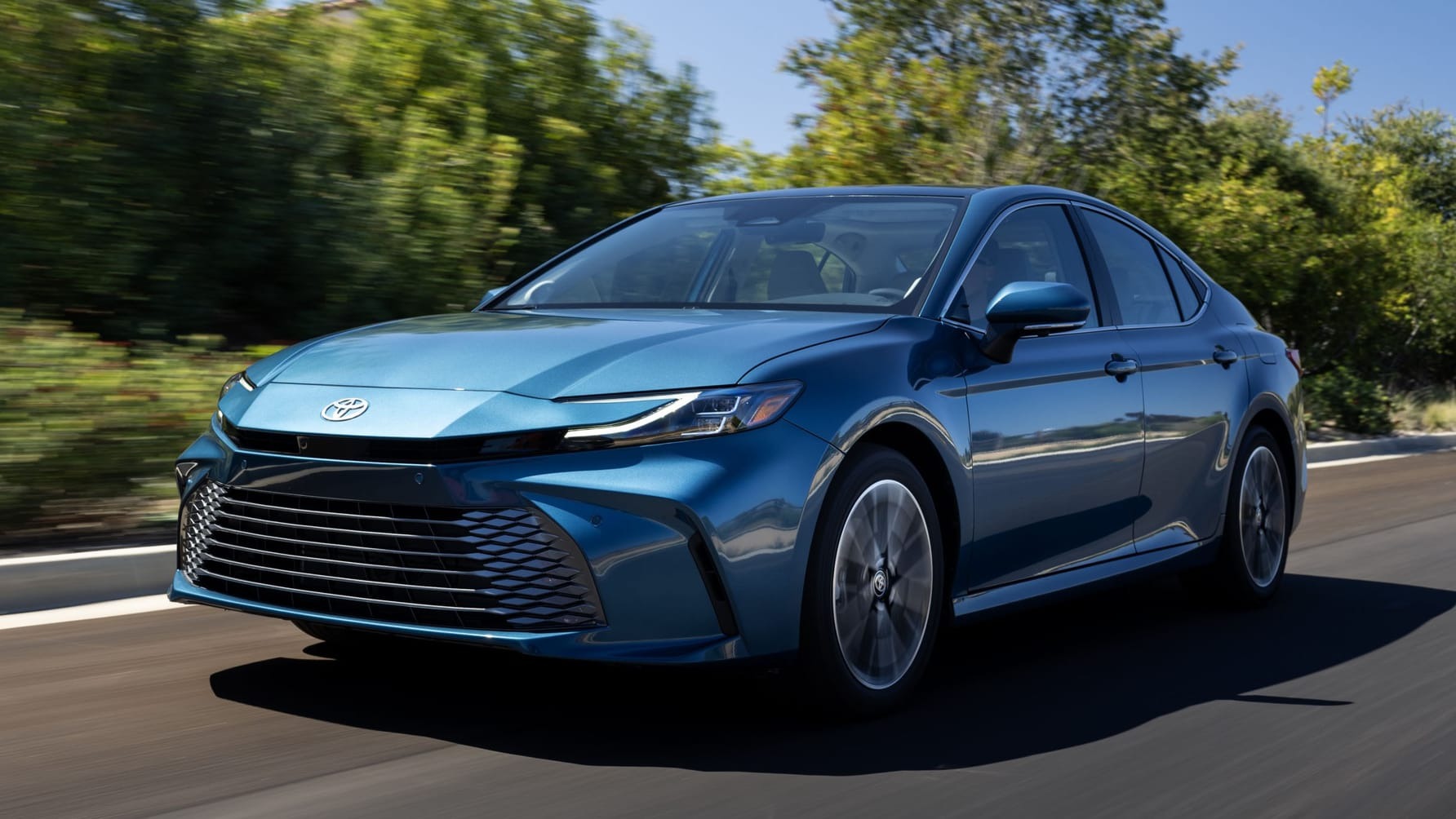
4. Toyota Camry
Dependability has become almost synonymous with the Toyota Camry name, and that reputation carries real weight once you’re shopping for a car with 120,000 miles already on the clock.
Properly maintained examples routinely serve as daily drivers well beyond that mileage threshold, a track record built across decades of consistent engineering.
What makes this possible? Toyota’s approach to Camry powertrains has historically prioritized proven, durable designs over cutting-edge complication, an engineering philosophy that pays real dividends once a car starts accumulating serious mileage.
Predictable maintenance schedules mean owners generally know what to expect and when, rather than facing surprises that tend to plague more mechanically ambitious competitors.
Parts availability deserves mention again here, just as it did with the Avalon. Since the Camry ranks among the best-selling sedans in the country, replacement parts remain widely available and reasonably priced, whether you’re buying from a dealer, an independent mechanic, or sourcing parts yourself for a driveway repair.
Should every high-mileage Camry get an automatic thumbs-up, though? Not quite. Buyers still need to verify maintenance history before committing to a purchase, since even the most reliable design can develop problems when previous owners skipped routine service.
A Camry with documented care and reasonable expectations about upcoming maintenance needs represents one of the safer bets available anywhere in the used sedan market at this specific mileage range.
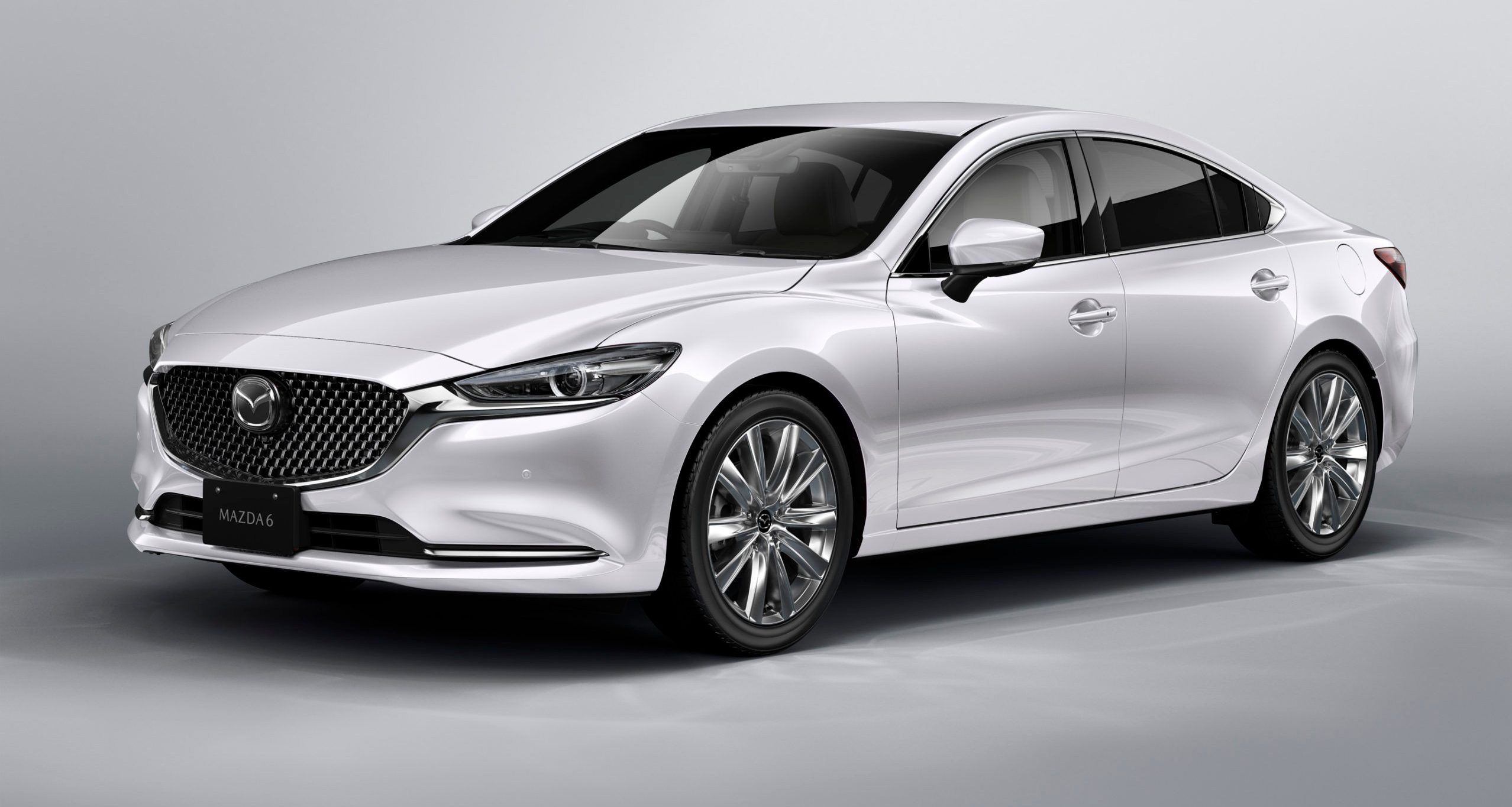
5. Mazda6
The Mazda6 deserves consideration from buyers who want something more engaging to drive than a typical commuter sedan. It combines a comfortable cabin with responsive handling, giving it an appealing personality without requiring a luxury-car budget.
At 120,000 miles, condition becomes more important than the model’s reputation. A Mazda6 that has received regular oil changes and timely repairs can remain enjoyable for years, while a neglected example can quickly become expensive.
The engine should be inspected for leaks, unusual noises, and other warning signs. Buyers should also check the transmission carefully during a test drive. Smooth gear changes are a good sign, while hesitation, harsh engagement, slipping, or unusual noises deserve professional attention.
Suspension components deserve a close look as well. A car that has spent years on rough roads may have worn shocks, bushings, links, or other components. Uneven tire wear can provide another clue that alignment or suspension work may be needed.
Rust is also worth checking, particularly on older examples and vehicles that have spent considerable time in areas where road salt is used. Examine the underside, wheel arches, suspension mounting points, and other exposed areas.
The Mazda6 is not the first car that comes to mind when many people think about high-mileage sedans, but that does not mean it should be dismissed. A well-documented example with a healthy powertrain and clean inspection can offer an enjoyable alternative to more conservative choices.
5 Sedans Not Worth Buying at $120,000 Miles
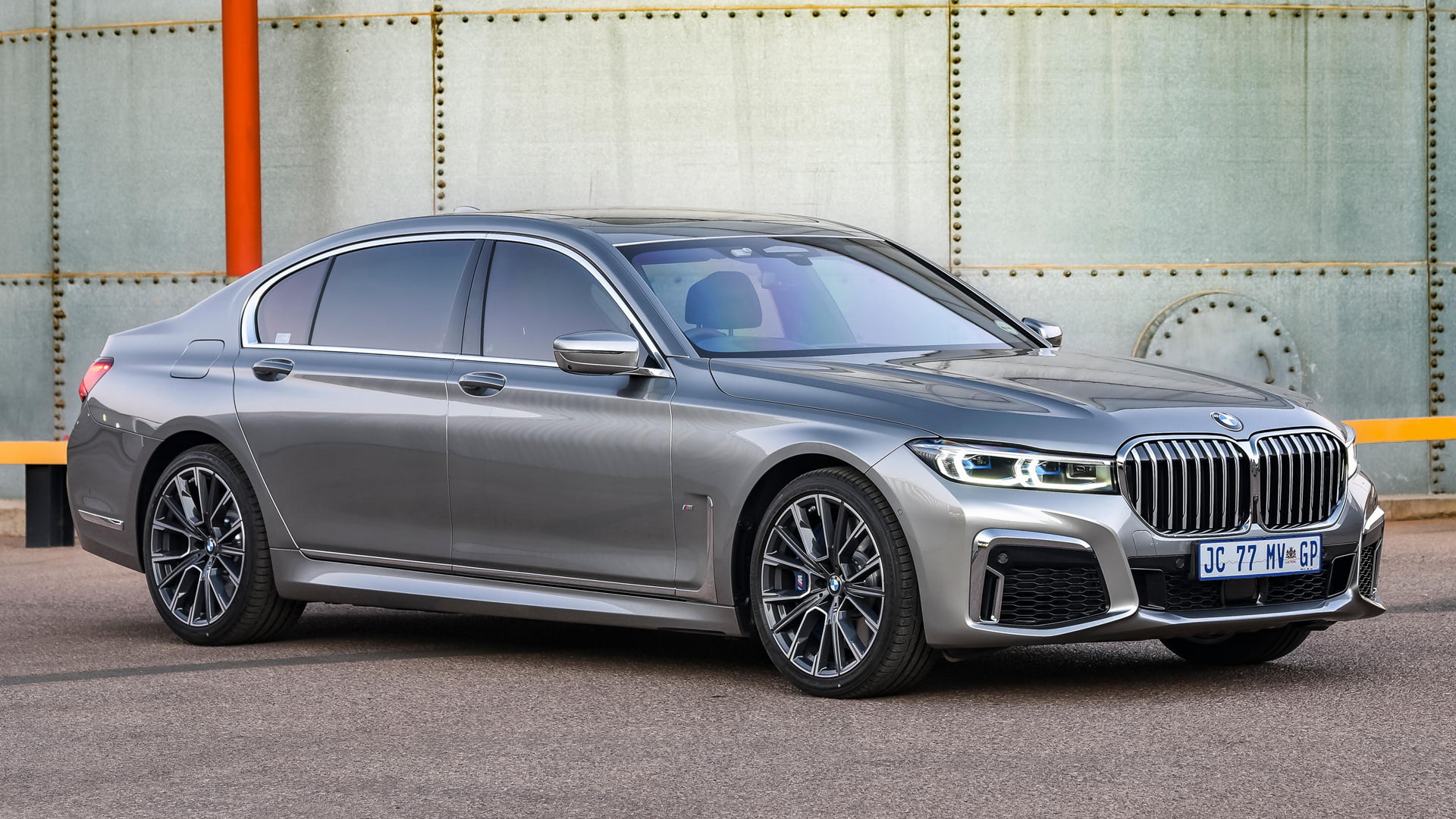
1. BMW 7 Series
The BMW 7 Series is a remarkable luxury sedan when properly maintained, but buying one with 120,000 miles requires a very different mindset from buying a high-mileage Toyota or Honda.
The concern is not that every 7 Series becomes unreliable at this mileage. Rather, the car contains many systems that can become expensive as they age.
Sophisticated electronics, air suspension components, powerful engines, advanced climate systems, and numerous comfort features can all add to repair costs.
A cheap purchase price can therefore be misleading. Someone might find a high-mileage 7 Series selling for a fraction of its original price and assume they are getting an incredible bargain.
The initial savings can disappear quickly if the vehicle needs suspension work, cooling-system repairs, electronic diagnosis, or engine-related service.
Maintenance records are especially important here. Look for documentation showing regular fluid services and repairs performed by qualified technicians. A seller who cannot provide basic service information should give a buyer reason to pause.
The inspection should also be much more thorough than a quick test drive. Scan the vehicle for stored fault codes, inspect the suspension, check for fluid leaks, examine the cooling system, and test the electrical equipment.
For an enthusiast who understands the costs and has money set aside for repairs, a 120,000-mile 7 Series may still be appealing. For someone simply seeking inexpensive transportation, there are safer choices.
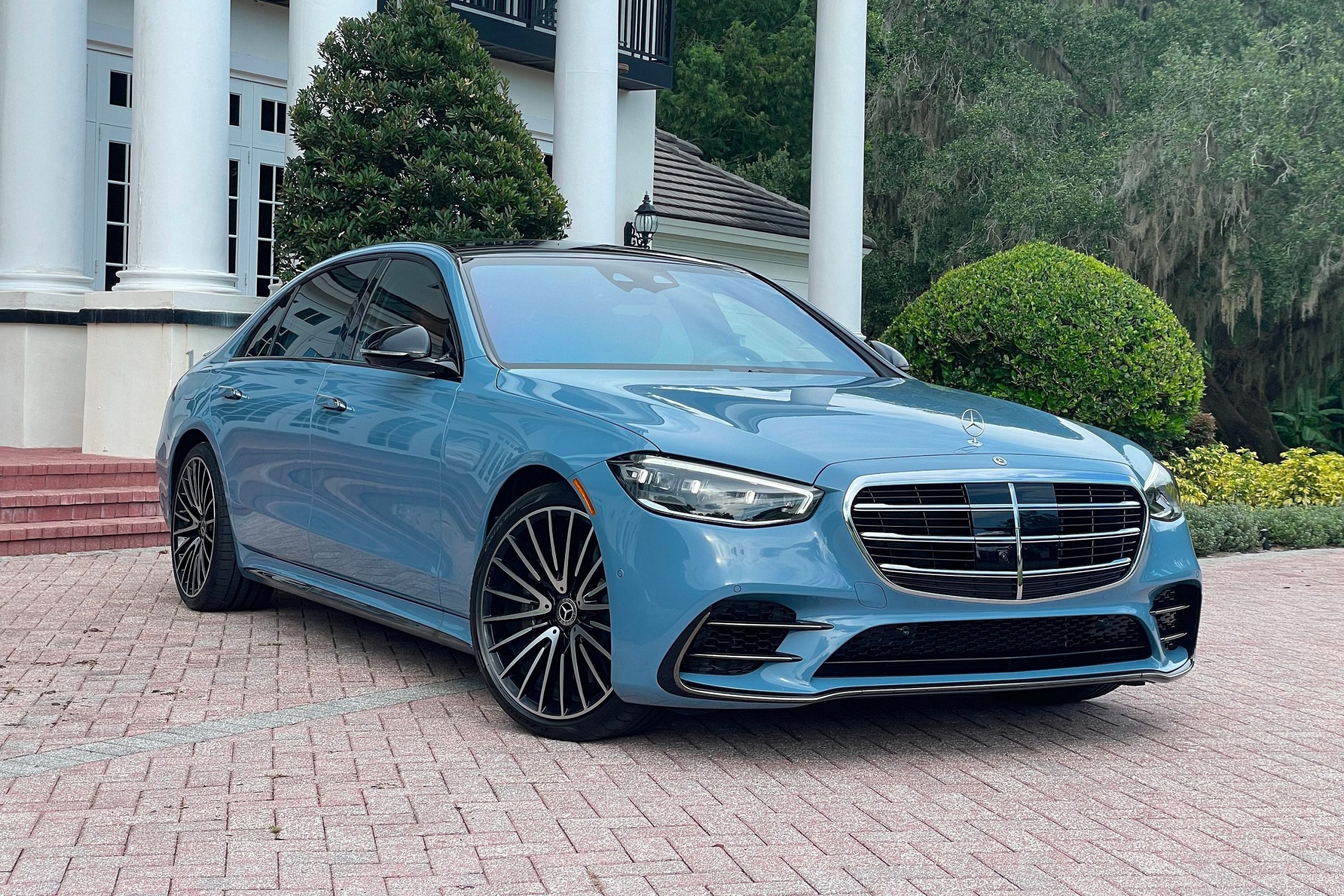
2. Mercedes-Benz S-Class
Few cars deliver luxury quite like a Mercedes-Benz S-Class when it rolls off the showroom floor, but that same sophistication becomes a genuine liability once the odometer crosses 120,000 miles.
Air suspension systems, extensive electronics, and complicated drivetrain components that felt impressive when new can turn into a parade of expensive repair bills for owners of neglected examples.
Why does neglect matter so much more with this particular car compared to something like a Toyota Camry? The S-Class was engineered with far less margin for deferred maintenance.
Skip a service interval on a Camry, and you might get lucky. Skip the same interval on an S-Class, and you’re often looking at cascading failures across multiple interconnected systems that were designed to work together precisely, not independently.
Air suspension failures alone can cost several thousand dollars to properly diagnose and repair, and this system tends to show its age specifically around the mileage range this article focuses on.
Electronic components throughout the cabin, from adaptive cruise control sensors to elaborate climate control systems, add additional failure points that simply don’t exist on simpler, less luxurious sedans.
Buyers who still want to pursue a high-mileage S-Class should insist on comprehensive service records and a thorough pre-purchase inspection from a mechanic specifically experienced with this model.
Without that documentation, the financial risk involved makes this purchase considerably more dangerous than the attractive used price might initially suggest.
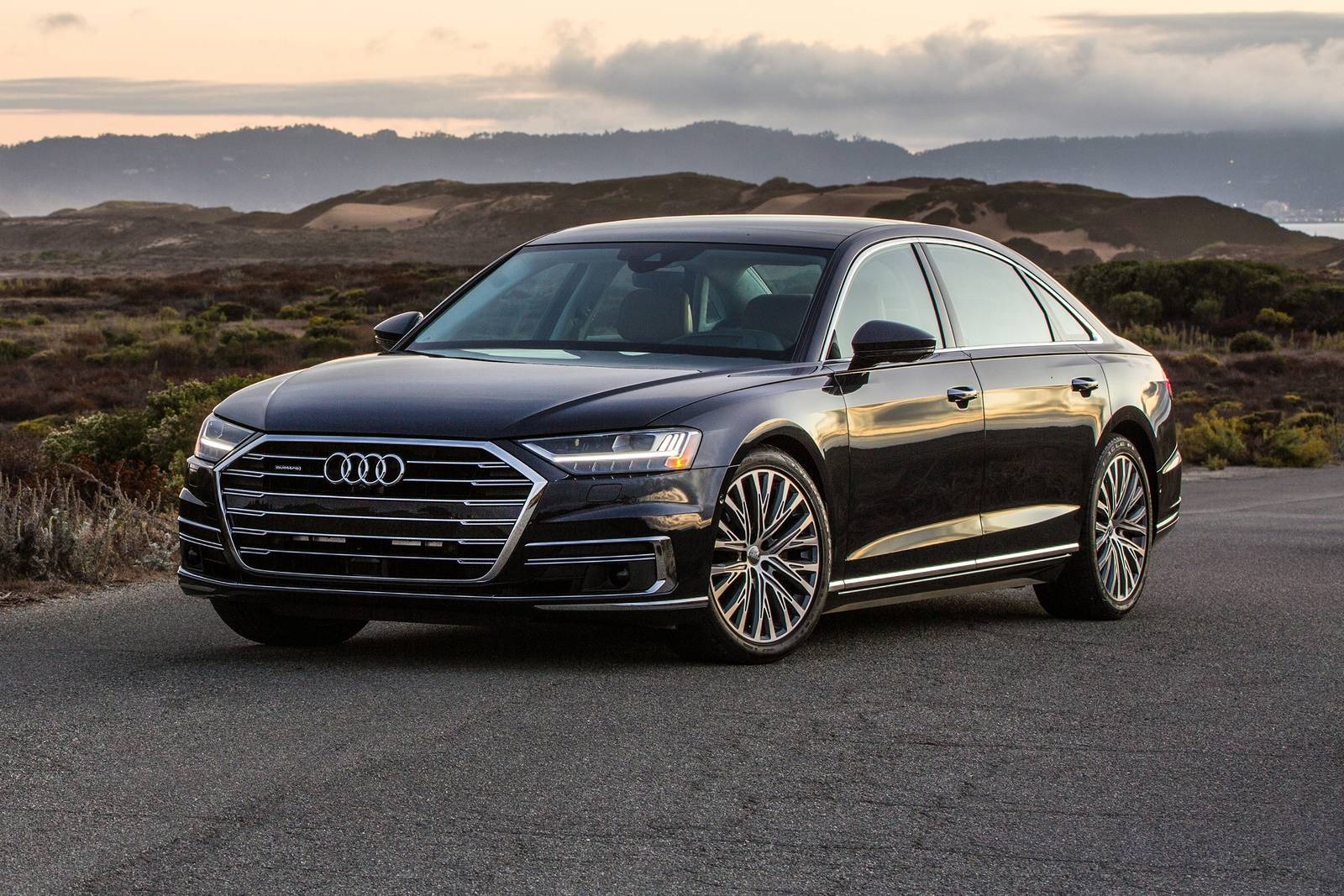
3. Audi A8
The Audi A8 brings premium materials, strong performance, advanced technology, and a refined driving experience to the full-size sedan class. Those qualities make it attractive when new, but they also create concerns for anyone considering an example with 120,000 miles.
The A8 has been offered with sophisticated engines, all-wheel-drive systems, advanced transmissions, electronic features, and highly engineered suspension systems.
These components provide an impressive driving experience, but age and mileage can increase the chance that one or more will need expensive attention.
A buyer should begin by requesting complete maintenance documentation. Missing records make it much harder to determine whether essential services were performed on schedule.
The inspection should cover the engine, transmission, suspension, drivetrain, cooling system, electronics, and underbody. A diagnostic scan is particularly useful.
Some faults may not be obvious during a short drive, especially when they involve electronic systems or intermittent issues. Pay attention to how the car starts and behaves from cold.
Strange noises, warning messages, rough operation, fluid leaks, or unusual transmission behavior should not be ignored. The vehicle should also be checked for accident repairs and previous modifications.
None of this means every A8 with 120,000 miles is a bad car. A carefully maintained example can still provide a high level of comfort and performance.
The concern is financial exposure. If the goal is low-cost transportation, the A8 is difficult to recommend at this mileage. Buyers need a repair fund and a willingness to maintain the car properly.
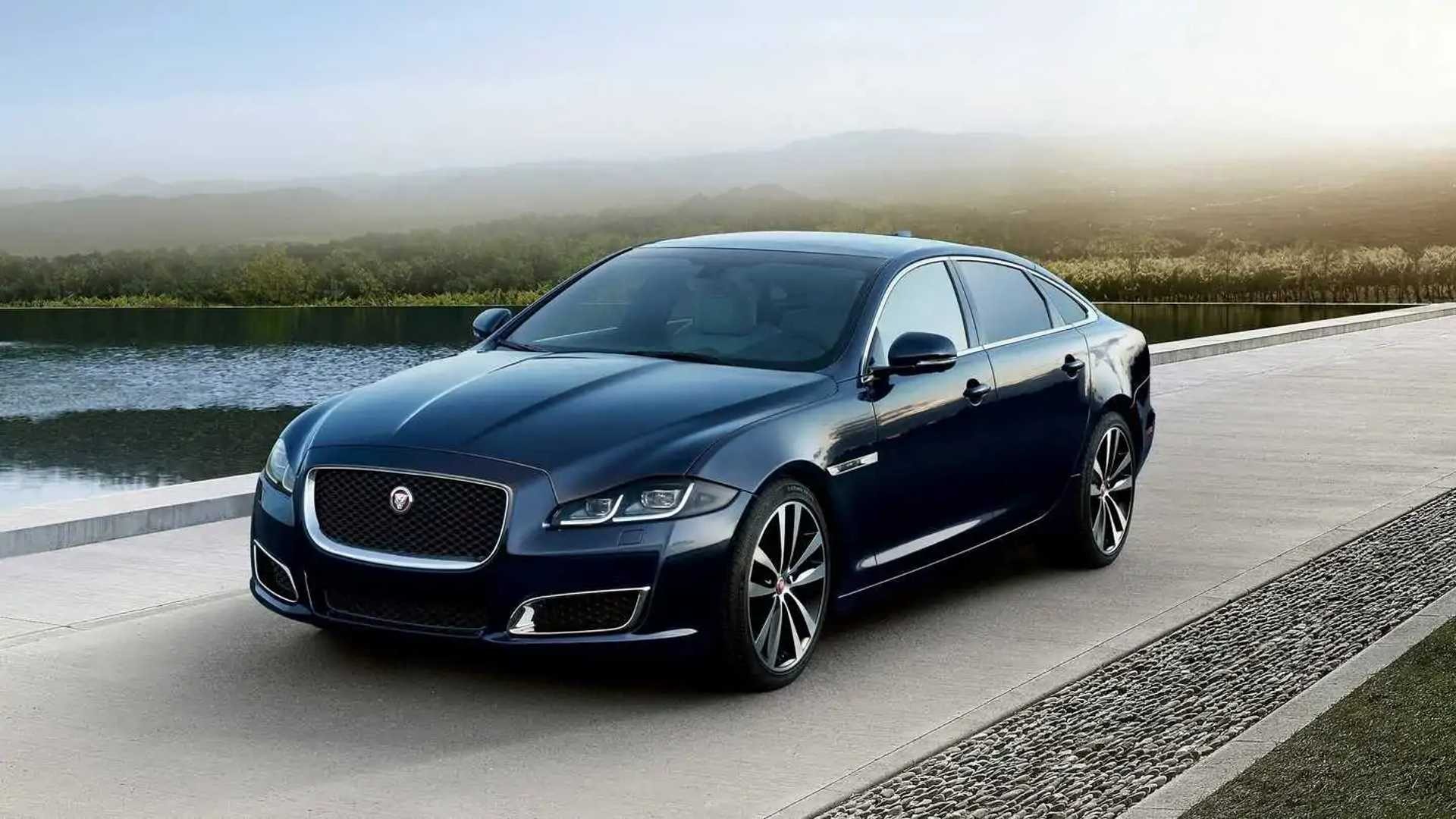
4. Jaguar XJ
British luxury has always carried a certain undeniable charm, and the Jaguar XJ delivers a driving experience that feels genuinely distinctive compared to German competitors.
That distinctiveness comes at a real cost once you’re evaluating a high-mileage example, though, since electrical gremlins, suspension issues, cooling-system problems, and drivetrain repairs can all become expensive realities for buyers who don’t do their homework first.
Electrical problems deserve particular attention here, since Jaguar has historically struggled with this specific area more than some competitors.
Intermittent electrical faults can prove maddeningly difficult to diagnose, sometimes requiring multiple visits to a specialist before a technician finally identifies the root cause, racking up diagnostic fees along the way even before actual repair costs enter the picture.
Suspension components on the XJ, much like other luxury sedans on this list, tend to show their age by the time a car reaches 120,000 miles.
Cooling-system failures represent another common concern, and neglecting this area can cascade into much more serious engine damage if problems go unaddressed for too long.
Maintenance history becomes especially critical for anyone seriously considering an XJ at this mileage point. A car with meticulous service records from an owner who addressed problems promptly represents a dramatically different purchase than one where maintenance was deferred or ignored.
Given the potential repair costs involved, that documentation is more than helpful information. It provides important protection against making a purchase decision that could become costly within months.
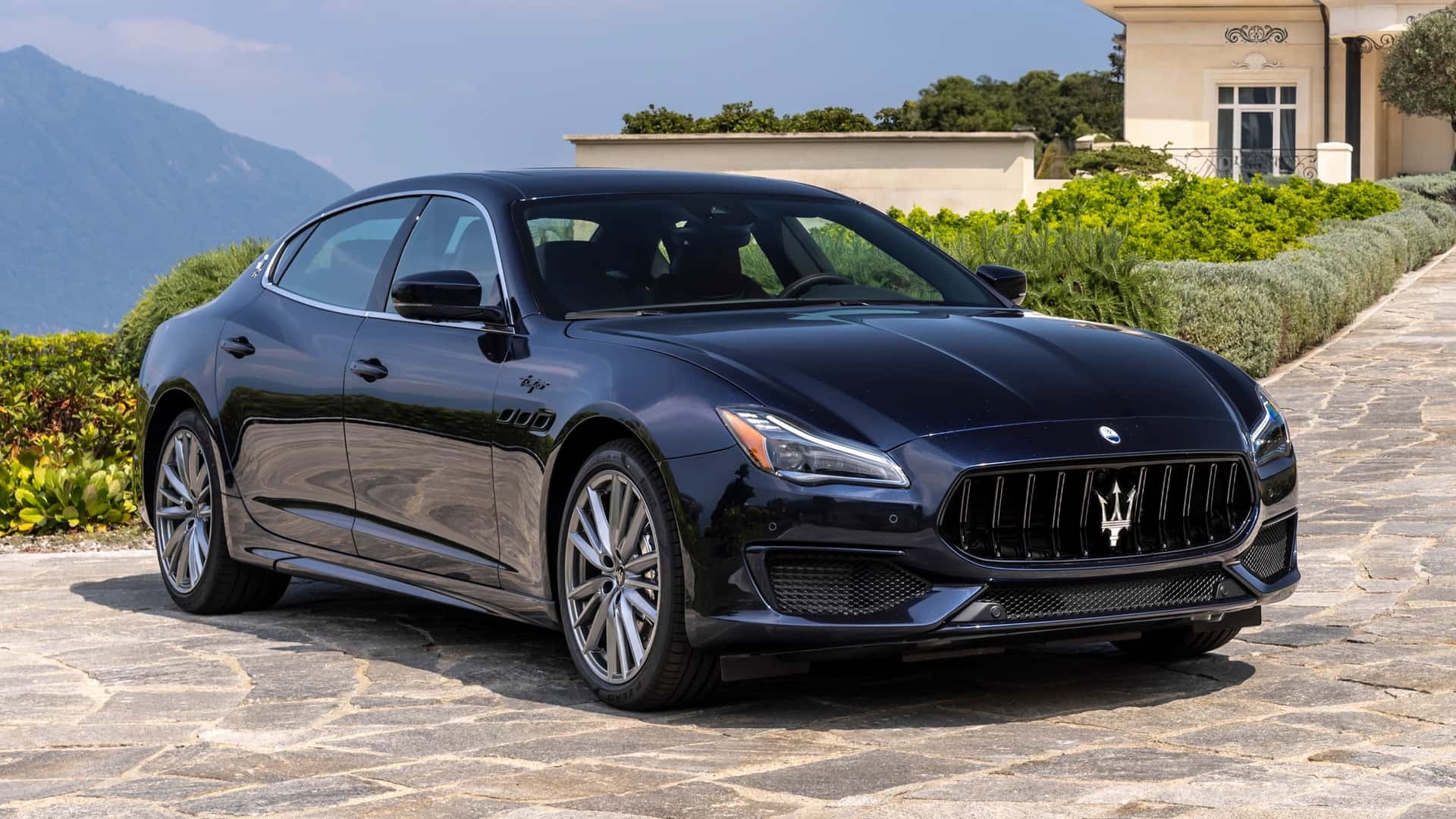
5. Maserati Quattroporte
The Maserati Quattroporte is perhaps the clearest example of why a low used-car price does not automatically make a high-mileage luxury sedan a bargain.
The Quattroporte delivers an exotic appearance, strong performance, and an unmistakable character, but those qualities can come with high ownership costs.
At 120,000 miles, the buyer needs to think beyond the asking price. Engine maintenance, transmission service, suspension components, brakes, electrical systems, and other specialized equipment can require substantial spending.
Parts and labor may also cost more than they would for a mainstream sedan. Service history should be treated as a requirement rather than a bonus.
A seller should be able to provide documentation showing that the car was maintained properly. If the records are incomplete, the buyer has less information about how the vehicle was treated during its earlier years.
A professional inspection is essential. The technician should examine the powertrain, suspension, brakes, cooling system, electronics, tires, and underbody.
Any warning light or unexplained noise deserves investigation before money changes hands. There is a reason these cars can become inexpensive on the used market.
Depreciation can make an expensive performance sedan accessible to buyers who could never afford it new. Maintenance costs, however, do not always fall at the same rate as the vehicle’s market value.
For an enthusiast with a healthy repair budget, a well-maintained Quattroporte can still be tempting. For a buyer who wants dependable transportation with predictable expenses, a 120,000-mile example is a risky proposition.
