
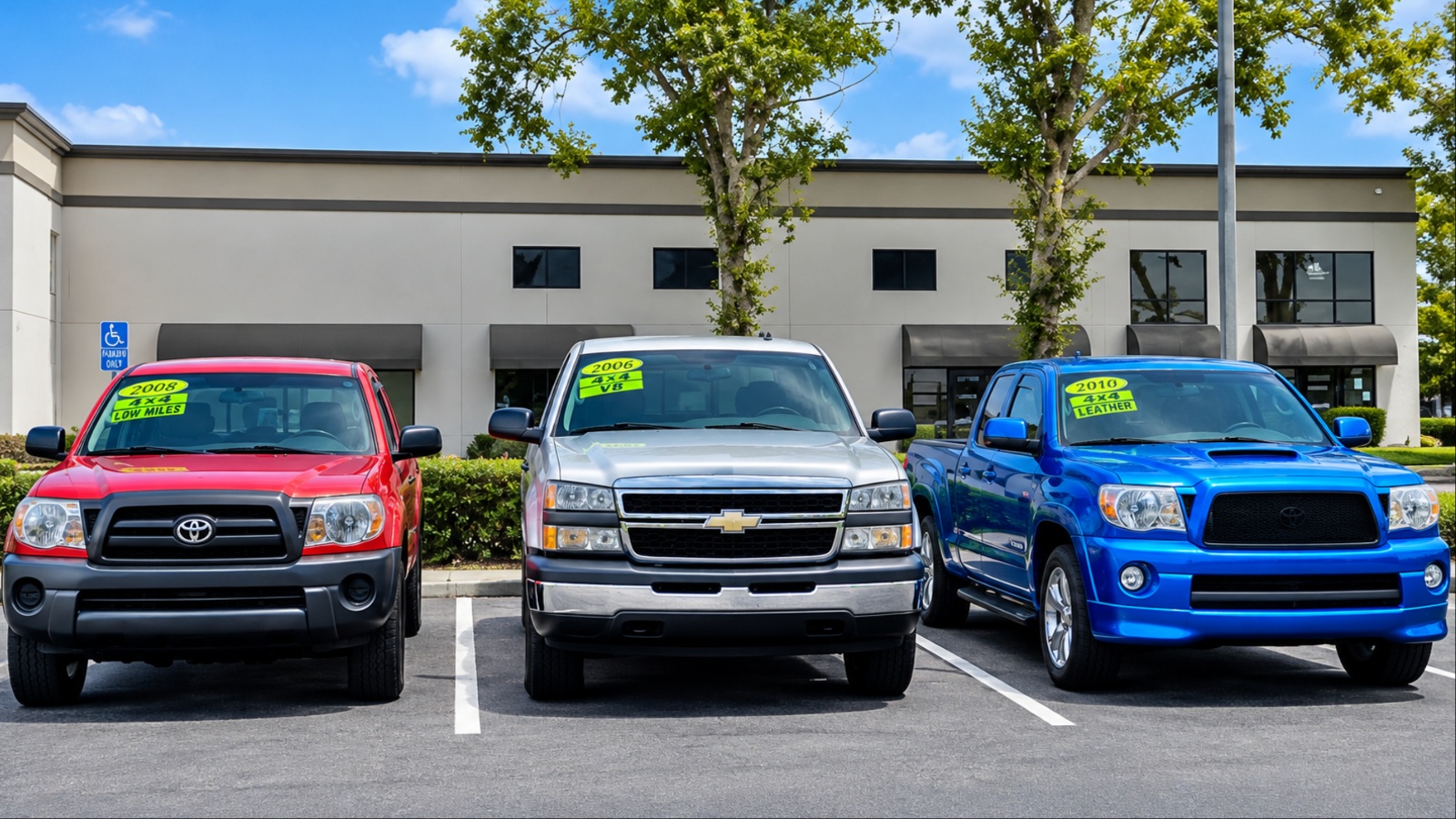
Finding a reliable used truck under $18,000 takes patience. The market has shifted hard over the past several years. But solid options still exist if you know where to look. Older full-size trucks and midsize models fit this budget well.
The key is balancing mileage, drivetrain history, and known failure points. Some trucks age gracefully past 150,000 miles with basic maintenance. Others develop expensive transmission or frame issues much earlier. Buyers need to weigh purchase price against long-term ownership costs.
This list focuses on trucks with strong reliability records. Each one has documented strengths and known weak points worth understanding. We looked at powertrain durability, corrosion resistance, and repair frequency. Real-world ownership data matters more than badge reputation alone.
Regional factors also play a role in which truck makes sense. Snow-belt buyers should weigh rust resistance more heavily than others. Southern and western buyers can often prioritize mileage and drivetrain history instead. Either way, a pre-purchase inspection remains essential regardless of the model chosen.
Financing terms and insurance costs also shift depending on the truck. Full-size trucks generally cost more to insure than midsize alternatives. Below are eight used trucks that consistently deliver value under $18,000. Each entry breaks down what to expect and what to watch for.
1. Toyota Tacoma
The Tacoma holds its value better than almost any midsize truck. That reputation comes from a genuinely tough drivetrain design. The 4.0-liter V6 paired with a 5-speed automatic proves remarkably durable. Owners regularly report these engines lasting past 250,000 miles with basic care.
Frame rust was a serious problem on earlier Tacoma generations. Toyota extended warranty coverage and replaced thousands of affected frames. Most trucks in this price bracket already went through that replacement program. Buyers should still have a mechanic inspect the frame before purchasing.
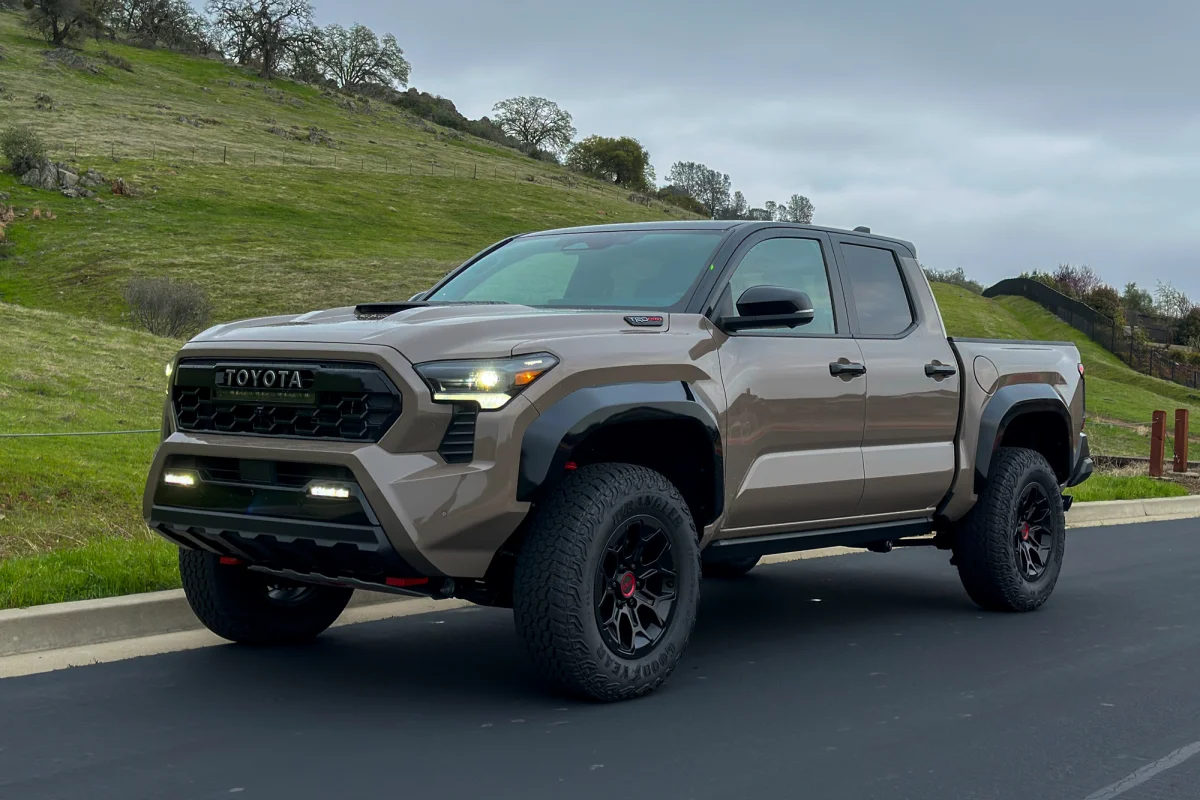
Rust tends to concentrate near the rear leaf spring hangers. Look for flaking or bubbling paint in that specific area. The interior wears well compared to competitors from the same era. Seat fabric and dashboard plastics hold up better than expected.
Fuel economy sits around 18 mpg combined, which is average for the class. That’s a reasonable tradeoff given the drivetrain’s proven longevity. Resale value stays unusually high even at higher mileage. This makes the Tacoma a smart long-term ownership choice.
Expect to pay between $14,000 and $17,500 for a clean example. Double-cab models with lower mileage sit at the higher end. Maintenance costs run slightly above average due to parts pricing. Toyota dealer parts cost more than domestic truck equivalents.
Still, fewer major repairs offset that difference over time. Independent surveys consistently rank this truck among the most dependable ever made.
Timing chain issues are rare but worth checking on higher-mileage examples. A pre-purchase inspection should include a listen for chain rattle at startup.
Manual transmission versions are harder to find but often command a premium. Enthusiast buyers sometimes seek these out specifically for that reason.
2. Chevrolet Silverado 1500
This generation introduced Chevrolet’s EcoTec3 V8 engine lineup. The 5.3-liter version balances power and efficiency reasonably well. Cylinder deactivation technology helps fuel economy during highway cruising. Some owners report lifter failures tied to this system around 100,000 miles.
That repair can cost between $1,500 and $3,000 depending on parts needed. It’s worth budgeting for as a potential future expense. The transmission in these trucks is generally solid and dependable. Six-speed automatics rarely present major issues before 150,000 miles.
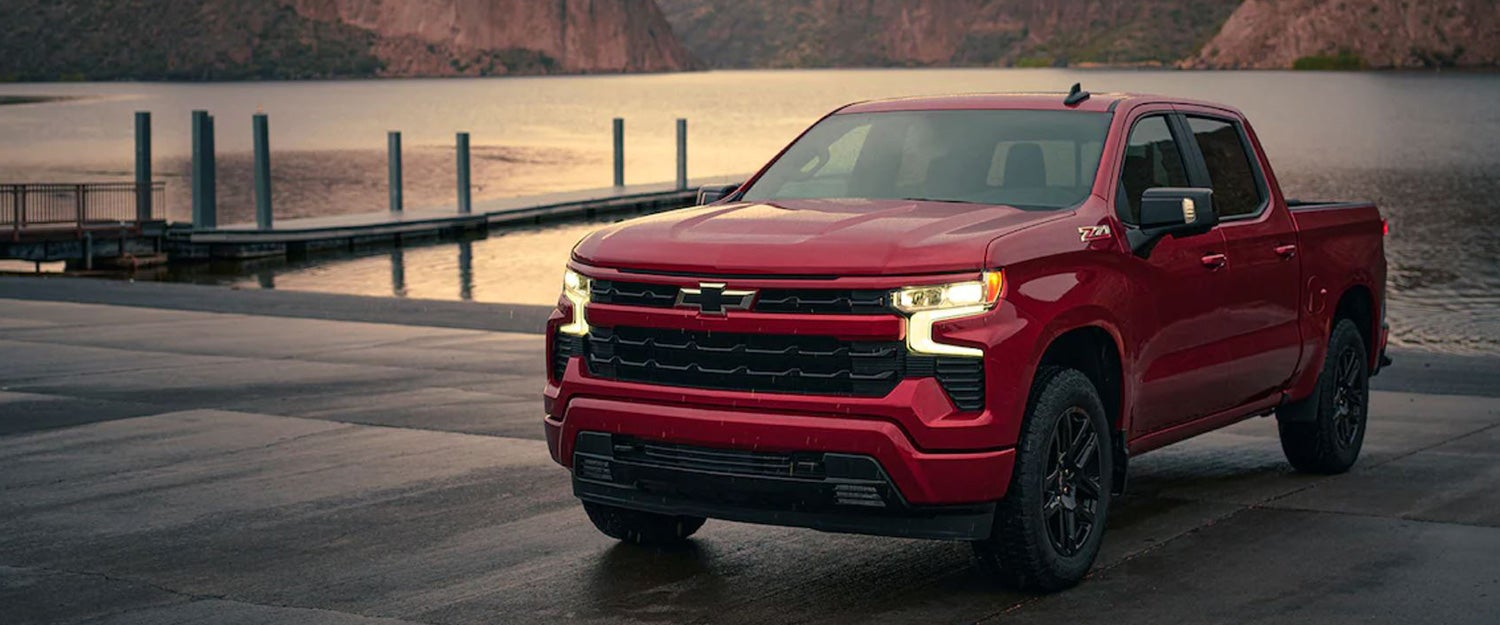
Interior build quality improved noticeably compared to the previous generation. Cabin noise insulation and seat comfort both saw real upgrades. Payload and towing capacity remain strong for a half-ton truck. Properly equipped models tow over 11,000 pounds when configured correctly.
Rust resistance is decent but not exceptional in northern climates. Rear wheel wells and rocker panels deserve close inspection before buying. Prices for these Silverados typically range from $15,000 to $18,000. Extended cab work trucks sit at the lower end of that range.
Crew cab LT trims with moderate mileage command the higher prices. Fuel economy averages around 16 mpg combined with the V8 engine. The 4.3-liter V6 base engine is less common but notably reliable. Buyers prioritizing fuel savings over towing power might consider that option.
Aftermarket parts support for this platform is extensive and affordable. This keeps long-term repair costs manageable compared to less common trucks. This generation offers strong capability at a reasonable price point. Just factor in potential lifter repair costs when budgeting long-term.
3. Honda Ridgeline
The Ridgeline takes a unibody approach unlike traditional body-on-frame trucks. That design choice improves ride comfort and handling noticeably.
Reliability data from this generation is consistently strong. The 3.5-liter V6 and 5-speed automatic rarely cause major problems. Owners report very few transmission or engine failures before 200,000 miles.
This makes it one of the more dependable choices in this price range. The in-bed trunk remains a genuinely useful, unique feature. It provides lockable, weatherproof storage that competitors still don’t offer.
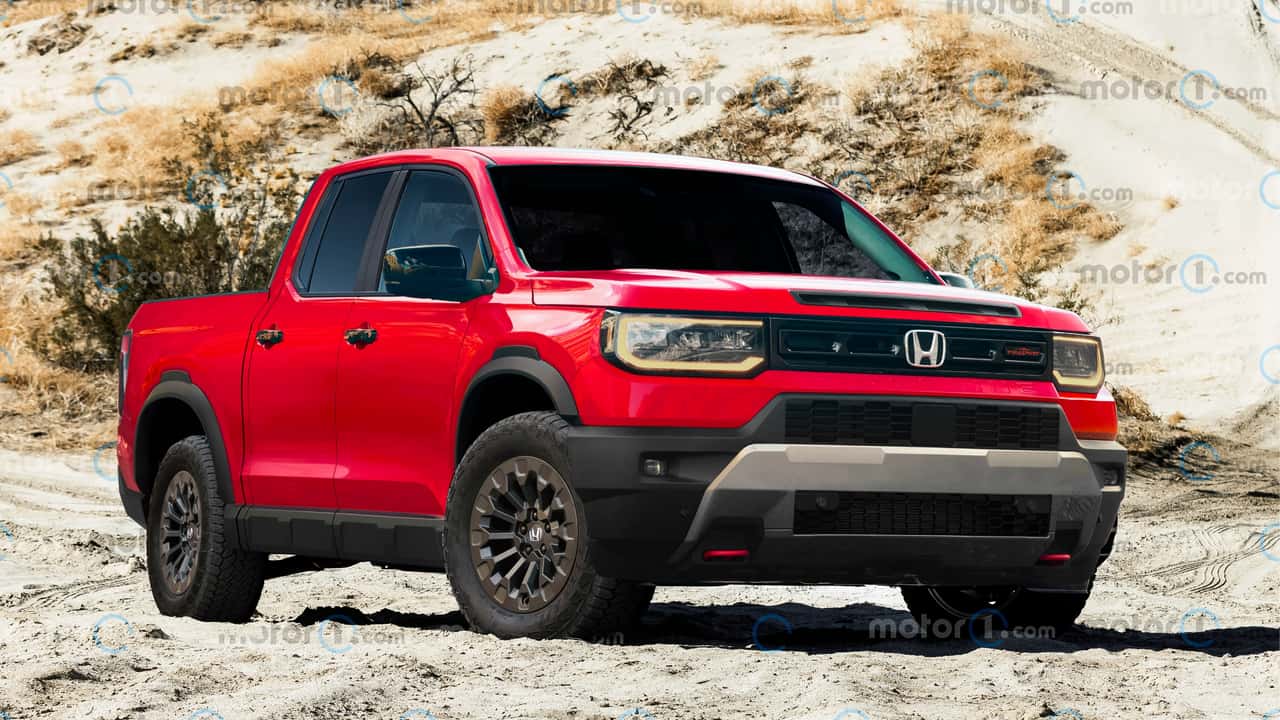
Towing capacity tops out around 5,000 pounds, which limits heavy-duty use. This truck suits light-duty owners more than serious work applications.
Rust isn’t a significant concern with this generation’s build quality. Unibody construction and better corrosion protection help longevity considerably.
Fuel economy is genuinely competitive at around 20 mpg combined. That’s noticeably better than most traditional midsize truck competitors. Interior comfort feels closer to a crossover than a work truck. Many owners cross-shop this model against SUVs for that reason.
Prices generally fall between $13,000 and $16,500 for well-kept examples. Higher trims with leather and navigation sit near the top. The main downside is limited off-road capability compared to rivals. Ground clearance and approach angles trail behind the Tacoma and Frontier.
Timing belt service intervals matter for long-term ownership planning. Skipping that maintenance can lead to costly engine damage down the road.
All-wheel drive versions handle light snow and rain noticeably better than two-wheel drive trims. Buyers in wetter climates often find the extra cost worthwhile. For buyers prioritizing comfort and reliability over towing muscle, this works well.
4. Ford F-150
This generation introduced Ford’s EcoBoost turbocharged V6 lineup. The 3.5-liter EcoBoost delivers strong power with reasonable fuel economy. Turbocharger reliability has improved significantly since early production issues. Later trucks in this price range address most early teething problems.
The 5.0-liter V8 option offers a simpler, more traditional alternative. Many buyers prefer it for reduced long-term complexity and repair costs. Six-speed automatic transmissions in these trucks are generally well-regarded. Failures before 150,000 miles remain relatively uncommon according to owner reports.
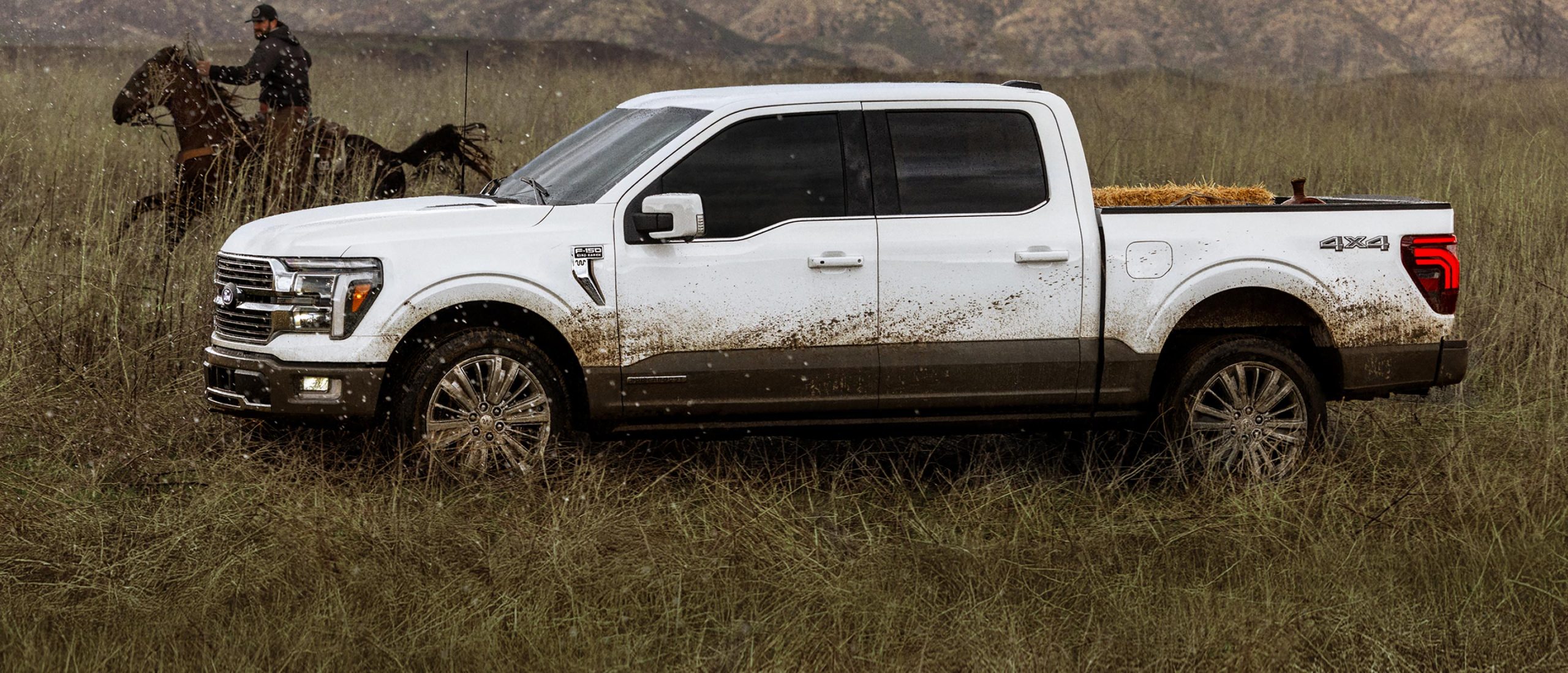
These trucks predate the aluminum body panels that came later. That means repair costs stay lower than newer F-150 generations. Rust can appear around wheel wells and tailgate hinges over time. Northern climate trucks deserve careful inspection in those specific spots.
Interior materials feel dated compared to newer competitors now. Infotainment systems from this era lack modern smartphone integration features.
Payload and towing figures remain competitive within the half-ton segment. Properly equipped V8 models tow up to 11,300 pounds. Prices typically range from $14,500 to $18,000 depending on trim and mileage. SuperCrew models with lower mileage command prices near the top.
Parts availability is excellent given how common this platform remains. Independent mechanics can service these trucks without specialized dealer equipment.
Spark plug replacement on EcoBoost engines can be labor-intensive and costly. Buyers should ask for service records confirming this maintenance was completed. This generation represents a sweet spot between capability and affordability.
5. Nissan Frontier
The Frontier uses a proven 4.0-liter V6 engine architecture. This powertrain changed very little across more than a decade of production. That consistency translates into predictable reliability and parts availability. Mechanics familiar with older Frontiers can diagnose issues quickly and affordably.
The 5-speed automatic transmission is dated but generally trouble-free. It lacks the fuel efficiency of newer six- and eight-speed units. Combined fuel economy sits around 17 mpg, which trails most competitors. This is the tradeoff for the engine’s mechanical simplicity and durability.
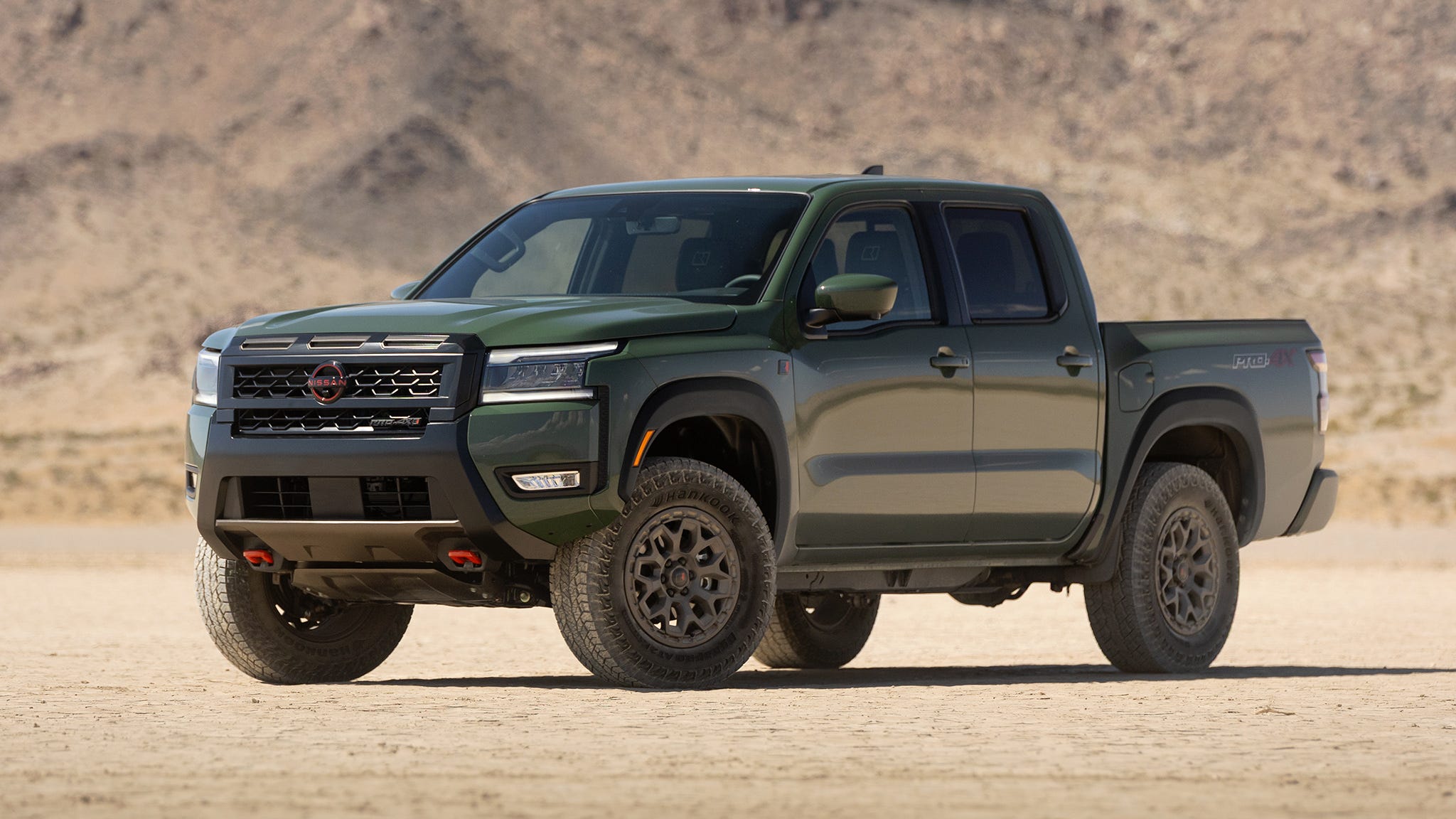
Interior technology feels noticeably behind rivals from the same period. Buyers prioritizing infotainment features may find this truck frustrating. Frame and body rust resistance is average for the segment. Undercarriage inspection remains important for trucks from snow-belt states.
Off-road capability is genuinely strong, particularly in PRO-4X trim. Locking rear differentials and skid plates come standard on that package. Resale value stays reasonably stable, though below Tacoma levels. This creates a pricing advantage for budget-conscious midsize truck buyers.
Prices generally range from $12,500 to $16,000 for clean examples. PRO-4X models with desirable options push toward the upper range. Bed liner quality and towing hardware tend to hold up well. Owners report fewer bed-related complaints than some full-size competitors.
Radiator and cooling system components occasionally need attention at higher mileage. Budgeting a few hundred dollars for preventive cooling maintenance is wise. For buyers wanting proven simplicity over modern features, this truck delivers.
6. GMC Sierra 1500
Mechanically, the Sierra shares its platform with the Chevrolet Silverado. Trim differences and interior refinement separate the two nameplates. The available 5.3-liter V8 provides similar performance and known lifter concerns. Budgeting for potential lifter replacement remains wise around 100,000 miles.
GMC trucks typically carry slightly higher trim levels than base Silverados. This often means better interior materials and additional standard features.
The six-speed automatic transmission performs reliably across most examples. Reports of major transmission failure remain uncommon before 150,000 miles.
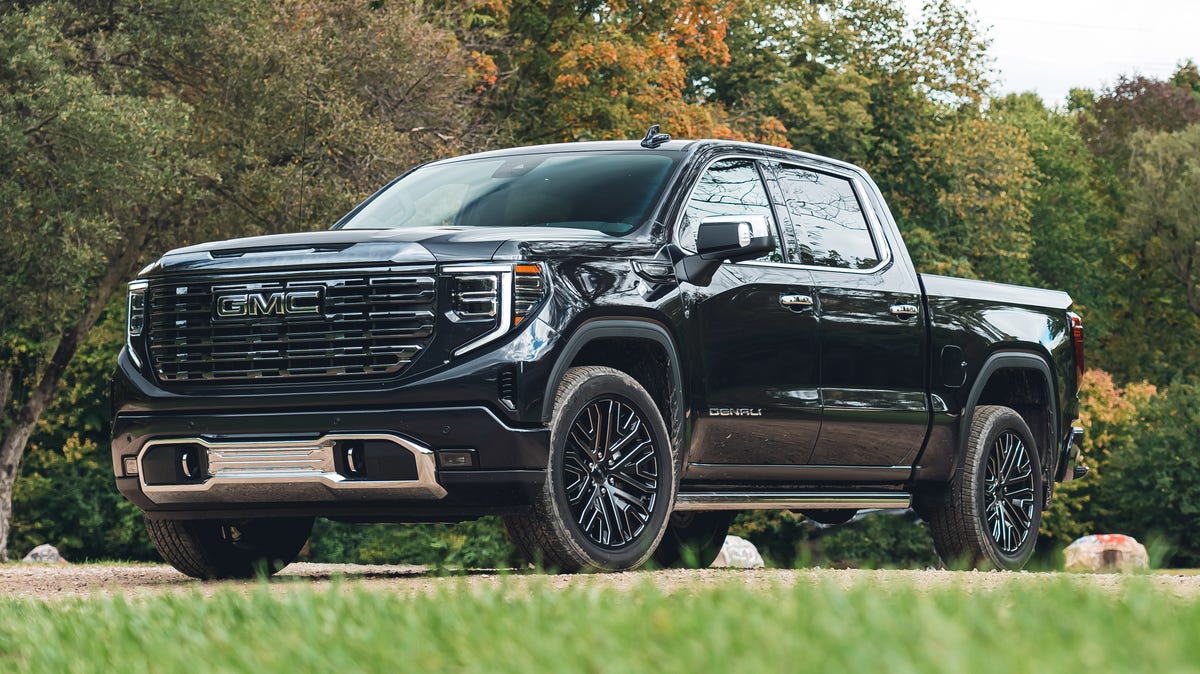
Payload capacity and towing figures match the Silverado’s strong numbers closely. Properly configured models handle over 11,000 pounds of trailer weight.
Rust resistance is roughly comparable to other GM trucks from this era. Rocker panels and wheel arches need periodic inspection in wet climates. Ride quality benefits from GM’s magnetic ride control on higher trims. That feature significantly smooths out highway driving compared to base suspensions.
Resale value runs slightly higher than equivalent Silverado trims. GMC’s positioning as a slightly upscale brand supports that pricing gap. Prices typically fall between $15,500 and $18,000 for well-equipped SLE models. Denali trims rarely appear under $18,000 given their premium positioning.
Fuel economy mirrors the Silverado at roughly 16 mpg combined. This remains average for a half-ton truck with V8 power. Buyers should check for active fuel management history in service records.
This confirms whether the lifter-related recalls or updates were addressed properly. This generation offers refined comfort with proven mechanical underpinnings.
7. Ram 1500
The Ram’s standout feature during this generation was its available air suspension. That system dramatically improves ride quality compared to leaf-spring competitors.
The 5.7-liter Hemi V8 delivers strong power and reasonably good reliability. Owners report fewer major engine issues compared to earlier Hemi generations.
The eight-speed automatic transmission was relatively new to Ram trucks at the time. Early units occasionally showed shifting hesitation that software updates later addressed.
Buyers should verify the transmission software has been updated during ownership. Dealerships can confirm this through the vehicle’s service history record.
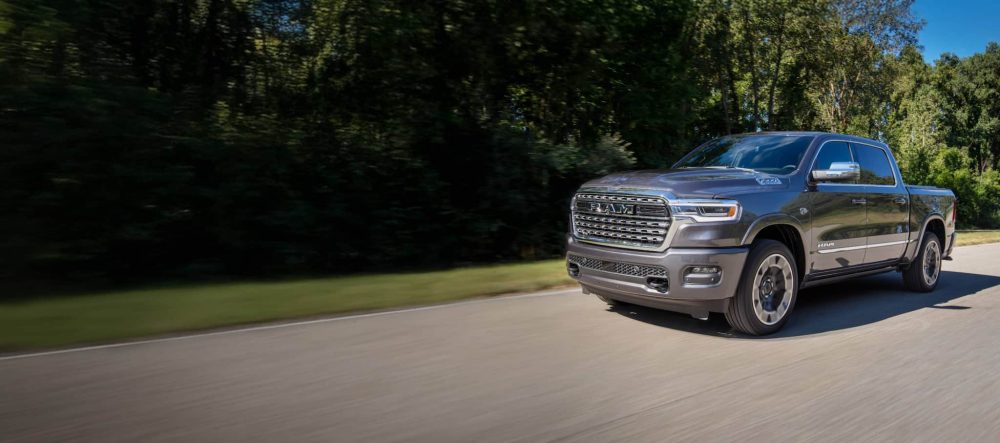
Interior quality was considered class-leading when this generation launched. Soft-touch materials and available leather set a higher bar than rivals.
Air suspension components can fail and become costly to repair. Trucks with coil-spring rear suspension avoid this specific concern entirely. Rust resistance is average, with attention needed around frame crossmembers. Undercoating history matters more with this generation than with some competitors.
Towing capacity is strong, with properly equipped models exceeding 10,000 pounds. Fuel economy with the Hemi V8 averages around 17 mpg combined.
Prices typically range from $15,000 to $18,000 depending on trim and options. Air suspension-equipped trucks command a premium despite the added repair risk.
Parts and service availability remain excellent given Ram’s continued production. Independent shops handle most repairs without needing specialized dealer tools.
The Multi-Displacement System on the Hemi can develop lifter tick over time. Listening for unusual valvetrain noise during a test drive is recommended. This generation rewards buyers who prioritize comfort and interior refinement.
8. Toyota Tundra
The Tundra’s 5.7-liter V8 is widely regarded as exceptionally durable. Many examples surpass 250,000 miles with only routine maintenance performed.
The six-speed automatic transmission pairs well with that engine’s power delivery. Transmission failures before 200,000 miles remain genuinely rare among owners.
Frame rust affected this truck similarly to the smaller Tacoma. Toyota’s frame replacement program covered many affected trucks already. Buyers should still request service records confirming any frame work completed. A pre-purchase inspection focused on the frame is strongly recommended.
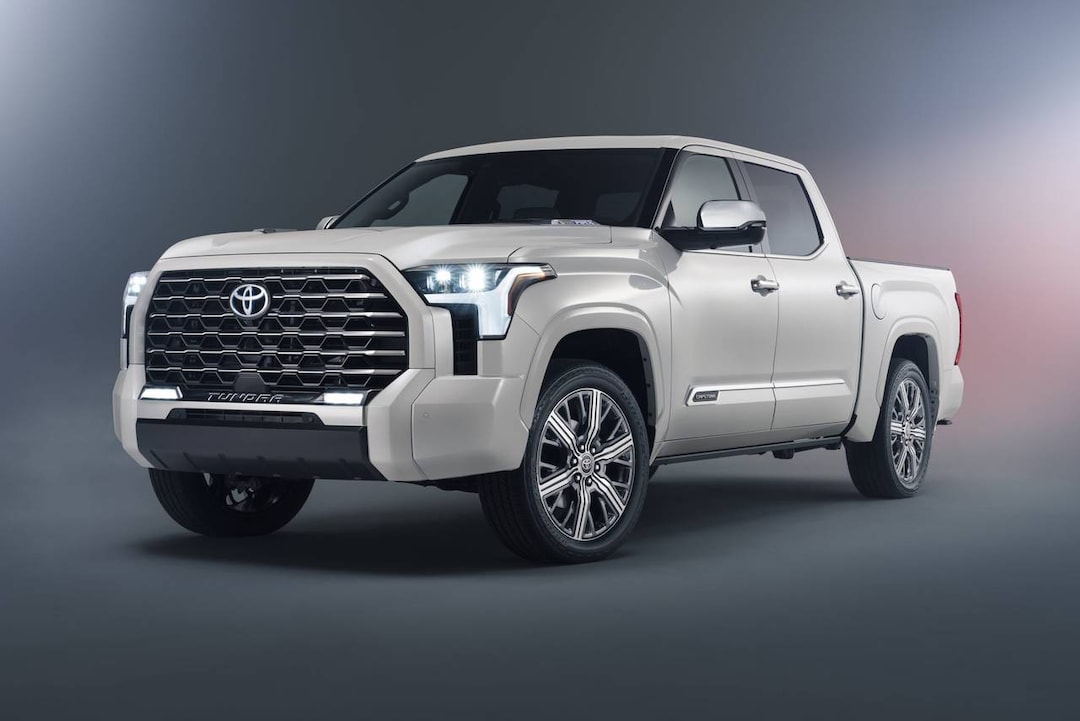
Fuel economy is a genuine weak point at around 15 mpg combined. The large V8 engine simply demands more fuel than smaller competitors. Interior space and comfort remain impressive for a truck this old. CrewMax models offer rear legroom that rivals full-size sedans.
Towing capacity reaches up to 10,800 pounds on properly equipped models. Payload capacity is solid but slightly behind some domestic competitors.
Resale value stays remarkably strong even at higher mileage figures. This reflects the drivetrain’s exceptional reputation among long-term truck owners.
Prices generally range from $14,000 to $17,500 for clean examples. CrewMax trims with lower mileage sit near the top of that range. Parts costs run higher than domestic alternatives due to Toyota pricing. That expense is often offset by fewer repairs needed.
The smaller 4.6-liter V8 option offers slightly better fuel economy. Buyers less focused on maximum towing capacity might prefer that configuration. For buyers prioritizing long-term durability above fuel economy, this remains a strong pick.
