
Selling a car is part science, part psychology. Buyers judge a listing within seconds. Small, fixable issues can knock thousands off your final offer. A few hours of prep work often adds real value back.
Mechanics and dealers consistently report that cosmetic neglect costs sellers more than the repair itself. A cracked windshield or worn tires signals deeper problems, even when the engine runs perfectly.
This guide covers the ten most impactful fixes before you list. Each one is chosen because it directly affects price or how fast the car sells. We’ll cover mechanical, cosmetic, and paperwork issues buyers actually check. None of this requires a full restoration or a dealership-sized budget.
Most of these improvements can be handled in a weekend or completed during a single trip to the mechanic. The idea is straightforward. You want your car to look well cared for and feel like it has been properly maintained. That first impression can make a real difference when it is time to negotiate. Here is a closer look at each fix.
1. Fix Dashboard Warning Lights
A lit check-engine light is the fastest way to scare off a serious buyer. Most people assume the worst, even when the actual fix is minor. Common triggers include a loose gas cap, a failing oxygen sensor, or a worn catalytic converter. Any auto parts store will read the code for free using an OBD-II scanner.
Once you know the code, you can judge whether it’s a cheap fix or something bigger. A loose gas cap costs nothing and clears the light instantly.
Sensor-related repairs typically run $100 to $400 depending on the part. Buyers tend to overestimate repair costs the moment they see a warning light.
That overestimation usually costs sellers more than the real repair would have. Get the code read, fix what you can, and confirm the light stays off.
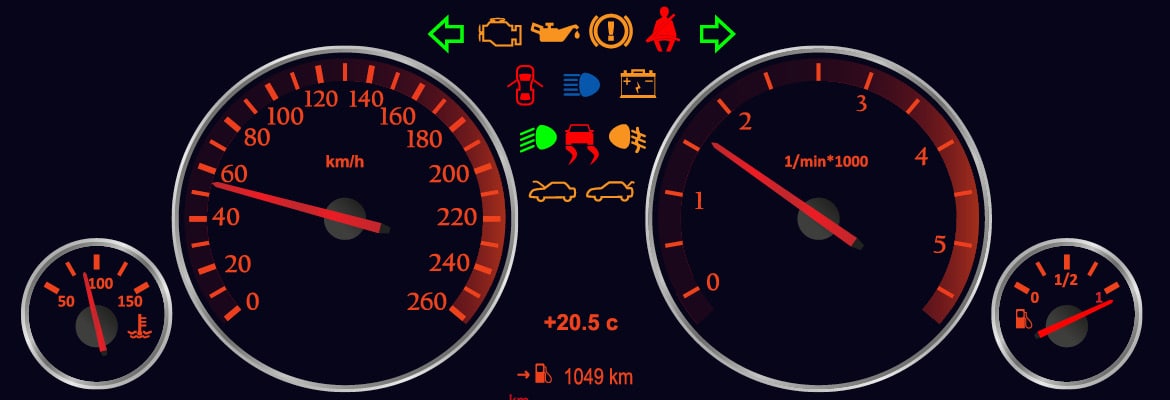
Even if you plan to disclose the issue anyway, an unexplained active light reads as concealment. Transparency paired with a resolved issue builds far more trust than silence.
A clean dashboard at test-drive time removes one of the biggest objections buyers raise early. It’s often the very first thing a cautious buyer checks after starting the engine.
2. Replace Worn Tires
Tires are one of the first things buyers physically inspect. Tread depth below 4/32 of an inch signals the tires are near end-of-life. Buyers use worn tires as a bargaining chip, often overestimating replacement costs. A full set of quality tires can run $600 to $1,200 depending on the vehicle.
Mismatched tire brands or visibly uneven wear also raise red flags. Uneven wear can indicate misaligned wheels, worn suspension parts, or inconsistent inflation history.
If your budget is tight, prioritize replacing the two worst tires first. A cheap tread-depth gauge from any auto parts store gives you exact numbers to work with.
Buyers respect sellers who can state tread depth confidently rather than guessing. Clean, evenly worn tires with visible tread also photograph noticeably better in listings.
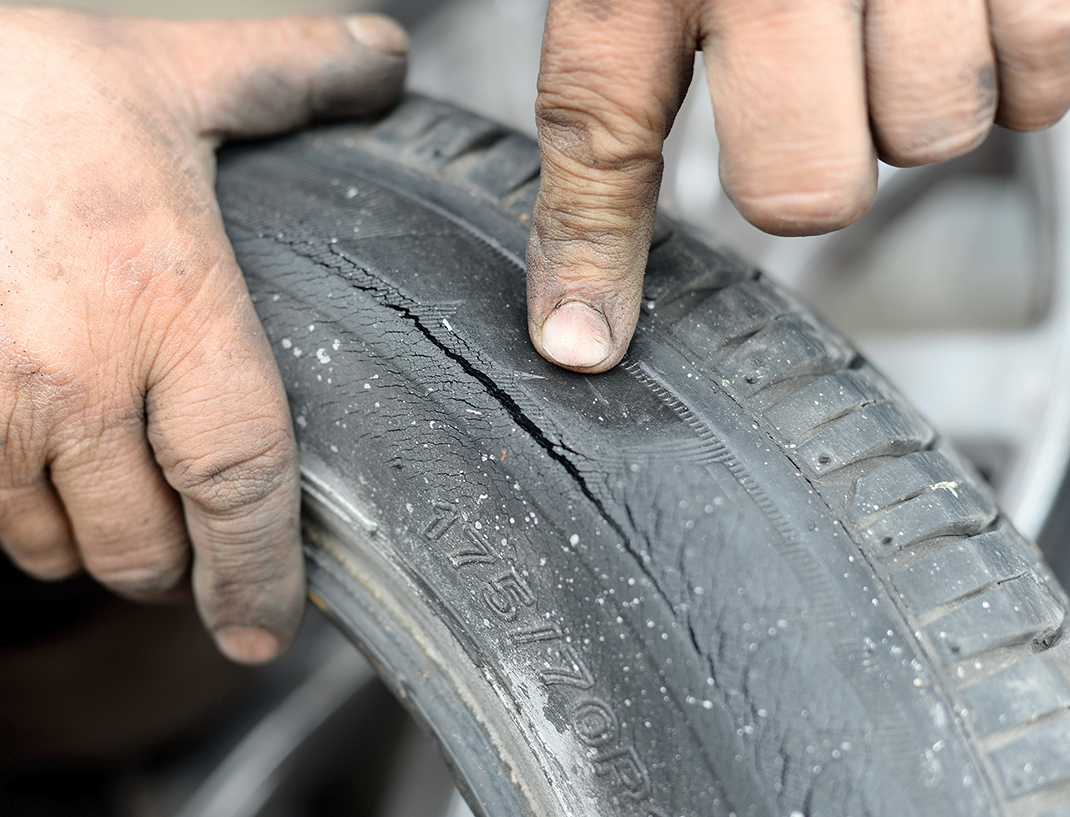
This detail alone can shift buyer perception from “used car” to “well-maintained car.” It’s a relatively small investment with an outsized effect on negotiation outcomes.
Don’t forget the spare tire either, since some buyers check it specifically. A flat or missing spare undercuts the impression of careful ownership.
3. Address Fluid Leaks
Any visible leak under the car is an immediate red flag during inspection. Oil, coolant, transmission fluid, and power steering fluid each have distinct colors and smells.
A mechanic can usually trace the source of a leak within an hour. Oil pan gaskets, valve cover gaskets, and hose connections are common, inexpensive culprits.
Ignoring a small leak lets it grow into a larger, costlier repair over time. Buyers who bring their own mechanic almost always check underneath the car first.
A driveway stain, even a small one, is often the first thing they look for. Clean the undercarriage thoroughly after any repair so no residual staining remains.
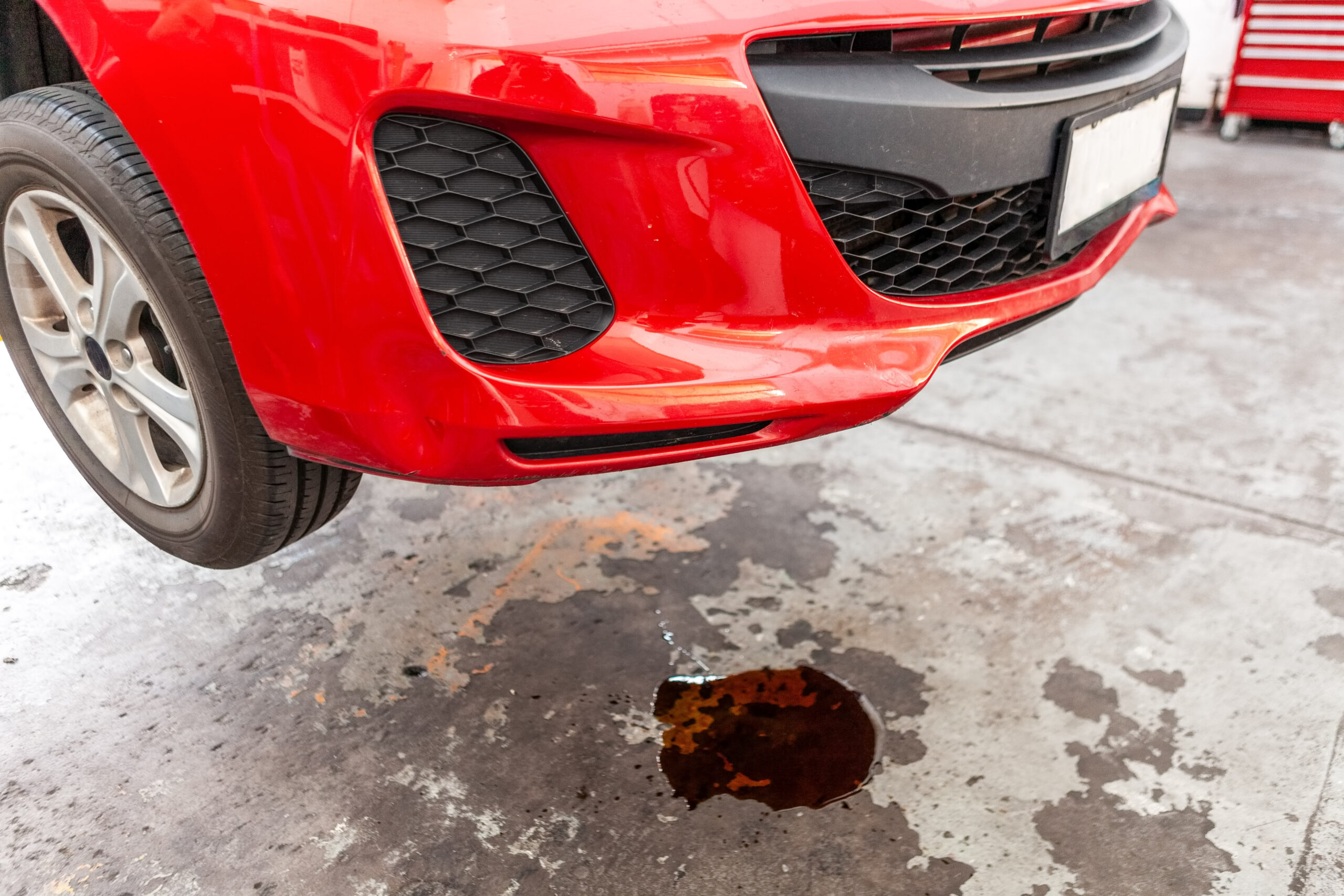
A degreaser and a pressure wash handle this task in under an hour. Fixing leaks also protects the engine and transmission from long-term wear you’d otherwise pass on.
That protection translates directly into a stronger negotiating position later. Buyers who see a dry, clean undercarriage tend to trust the rest of your claims more readily. It’s one of the highest-trust repairs you can make before listing the car.
4. Repair Minor Body Damage
Dents, scratches, and chipped paint make a car look older than it actually is. Paintless dent repair handles small dings without a full repaint, usually for $75 to $150 per dent.
Touch-up paint pens work well for small chips if applied carefully and cured properly. Buyers mentally multiply visible damage, assuming more problems exist that they simply haven’t found yet.
This is called anchoring, and it consistently works against sellers who skip cosmetic repairs. Even damage unrelated to mechanical function still shapes a buyer’s confidence in the car.
A scuffed rear bumper has nothing to do with engine health, technically speaking. Yet buyers subconsciously link the two, wondering what else might have been neglected.
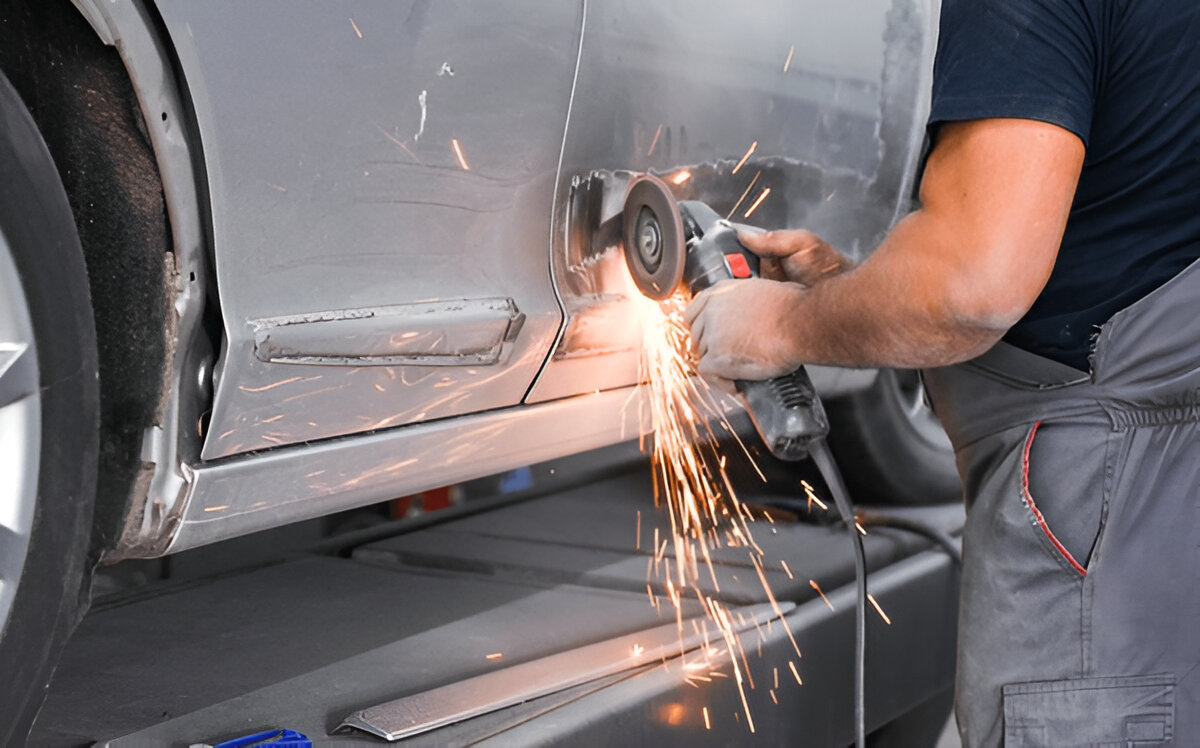
Get quotes from a local body shop for anything beyond DIY-level chips and dings. Compare that repair cost against the expected increase in your final sale price.
In most cases, minor bodywork pays for itself through a stronger negotiating position. Listing photos also perform better when panels are dent-free and consistently colored throughout. Buyers scroll past listings with visible damage far more often than clean ones.
5. Replace Worn Wiper Blades and Bulbs
This is a small fix, but buyers notice it immediately during a test drive. Streaky wipers or a burnt-out headlight suggest routine maintenance has been skipped.
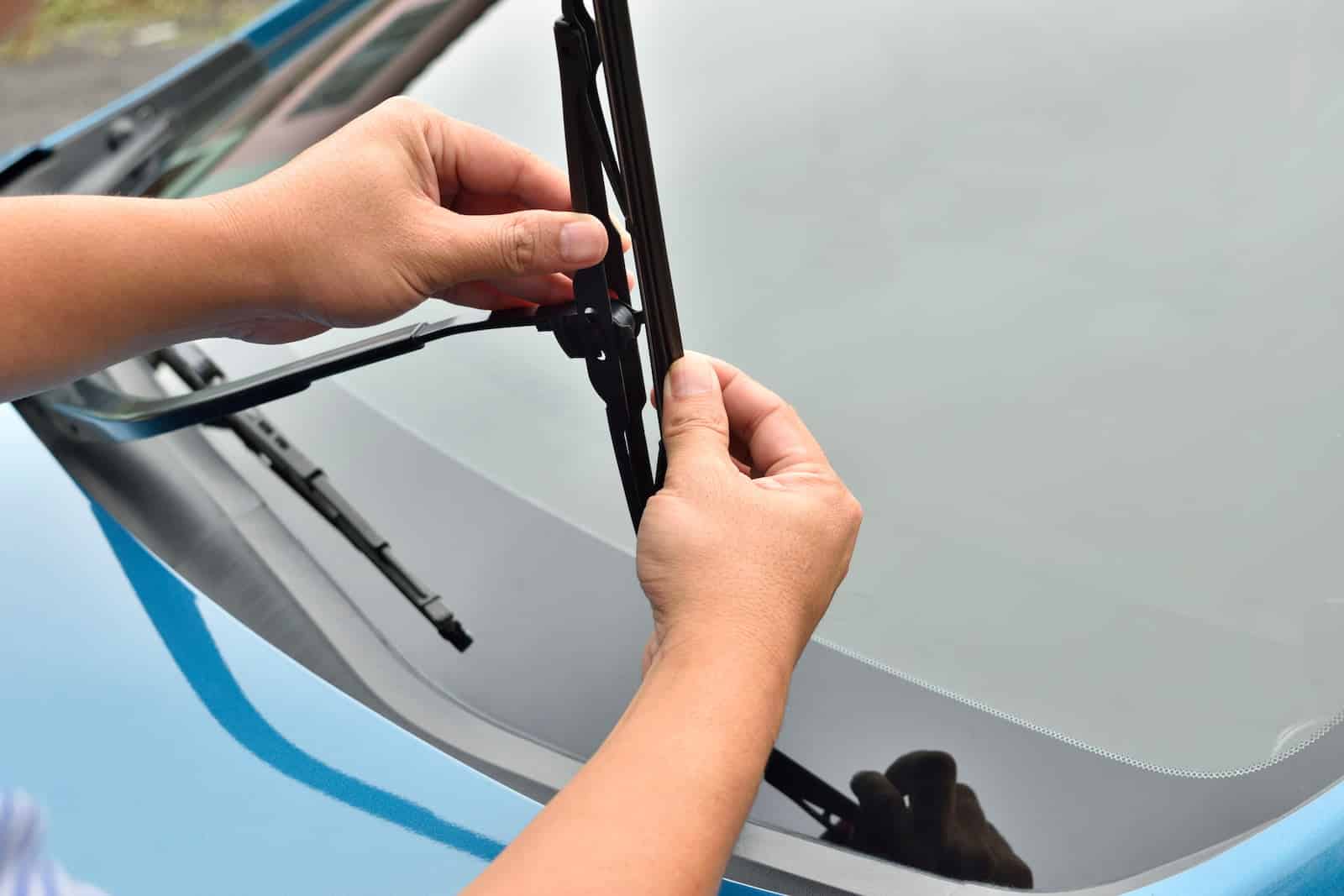
Wiper blades typically need replacement every six to twelve months, and many sellers forget entirely. A new set costs $15 to $40 and installs in minutes without tools.
Burnt-out bulbs, whether headlights, taillights, or turn signals, are equally cheap and quick to fix. Beyond first impressions, a dead bulb can actually fail a state safety inspection. That failure can delay a sale that was otherwise ready to close. Walk around the car with the engine running and test every exterior light carefully.
Check brake lights with help from a second person, or use a reflective surface nearby. These fixes cost under $50 total in most cases across the whole car.
Skipping them for a sale that could be worth thousands is simply a poor trade-off. It’s the cheapest item on this entire list relative to its impact on confidence.
6. Deep Clean the Interior
Smell and cleanliness shape a buyer’s gut reaction faster than almost anything mechanical. Pet hair, food stains, and lingering odors are common deal-breakers, even in mechanically sound cars.
A professional detail typically costs $100 to $250 depending on the vehicle’s size and condition. Steam cleaning upholstery and carpets removes odors that air fresheners only temporarily mask.
Cigarette smoke smell is particularly stubborn and often requires ozone treatment for full removal. Buyers who smell smoke or pets often assume the seller minimized other issues too.
That assumption, fair or not, puts you on the defensive during price negotiation. Clean air vents, cup holders, and door pockets carefully, since buyers open every compartment.
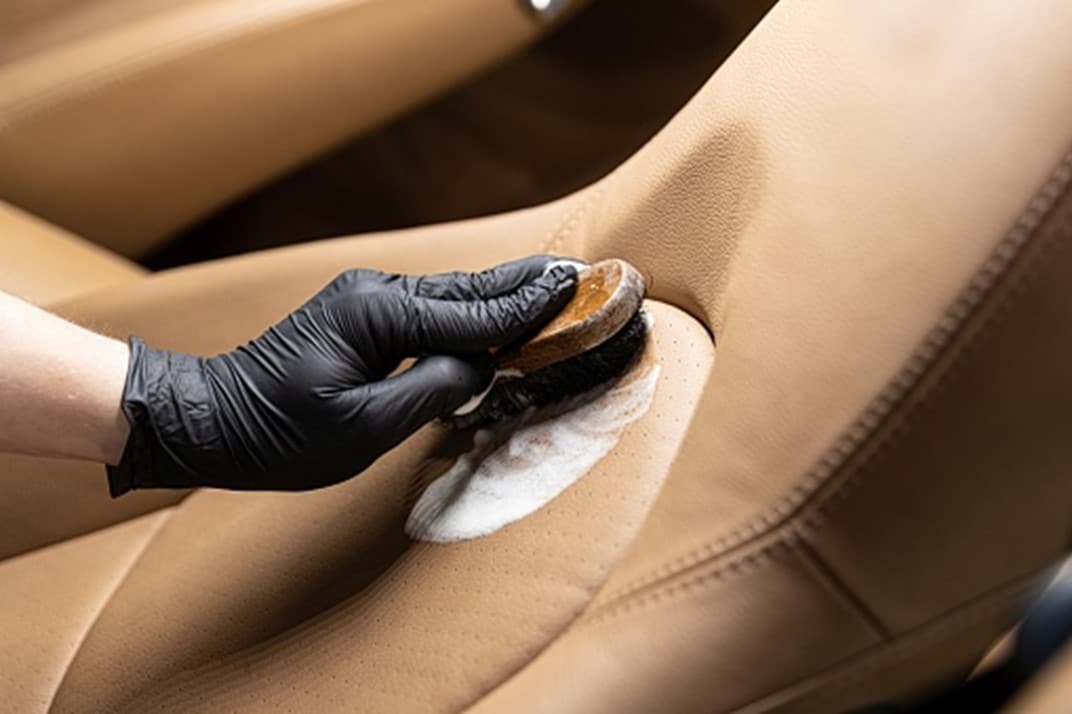
Wipe down the dashboard and console with proper interior cleaner, not household glass cleaner. Streaky or hazy surfaces look neglected in photos, even under good lighting conditions.
A genuinely clean interior signals a genuinely cared-for car, and buyers respond to that instinctively. This step is consistently ranked among the highest return-on-investment repairs before a sale.
7. Get a Pre-Sale Mechanical Inspection
A pre-sale inspection lets you find and fix problems before a buyer’s mechanic does. Most independent shops offer this for $100 to $200, covering brakes, suspension, belts, and fluids.
Finding an issue yourself means you control the timeline and the repair quote. Finding it during a buyer’s inspection means they control the negotiation from that point on.
Common findings include worn brake pads, an aging serpentine belt, or a weakening battery. Brake pads under 3mm typically need replacement, and this is an easy visual check.
A battery over three years old is worth replacing preemptively for around $150. These costs are minor compared to the leverage they hand a buyer if discovered later.
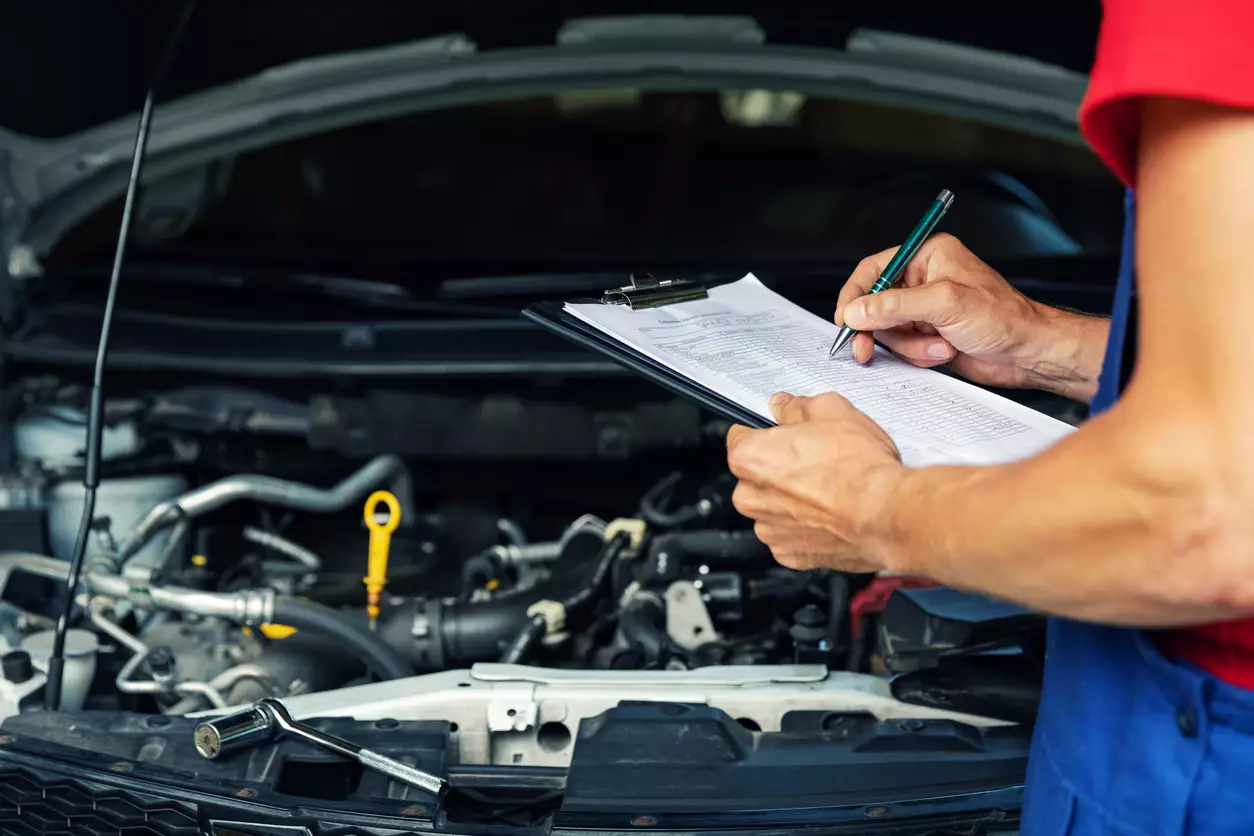
Ask the shop for a written inspection report you can share with potential buyers. This document builds credibility and can meaningfully shorten your negotiation process.
Buyers who see a clean, recent inspection report often skip their own entirely. It’s a small upfront cost that consistently strengthens your position at the table.
8. Organize Maintenance Records
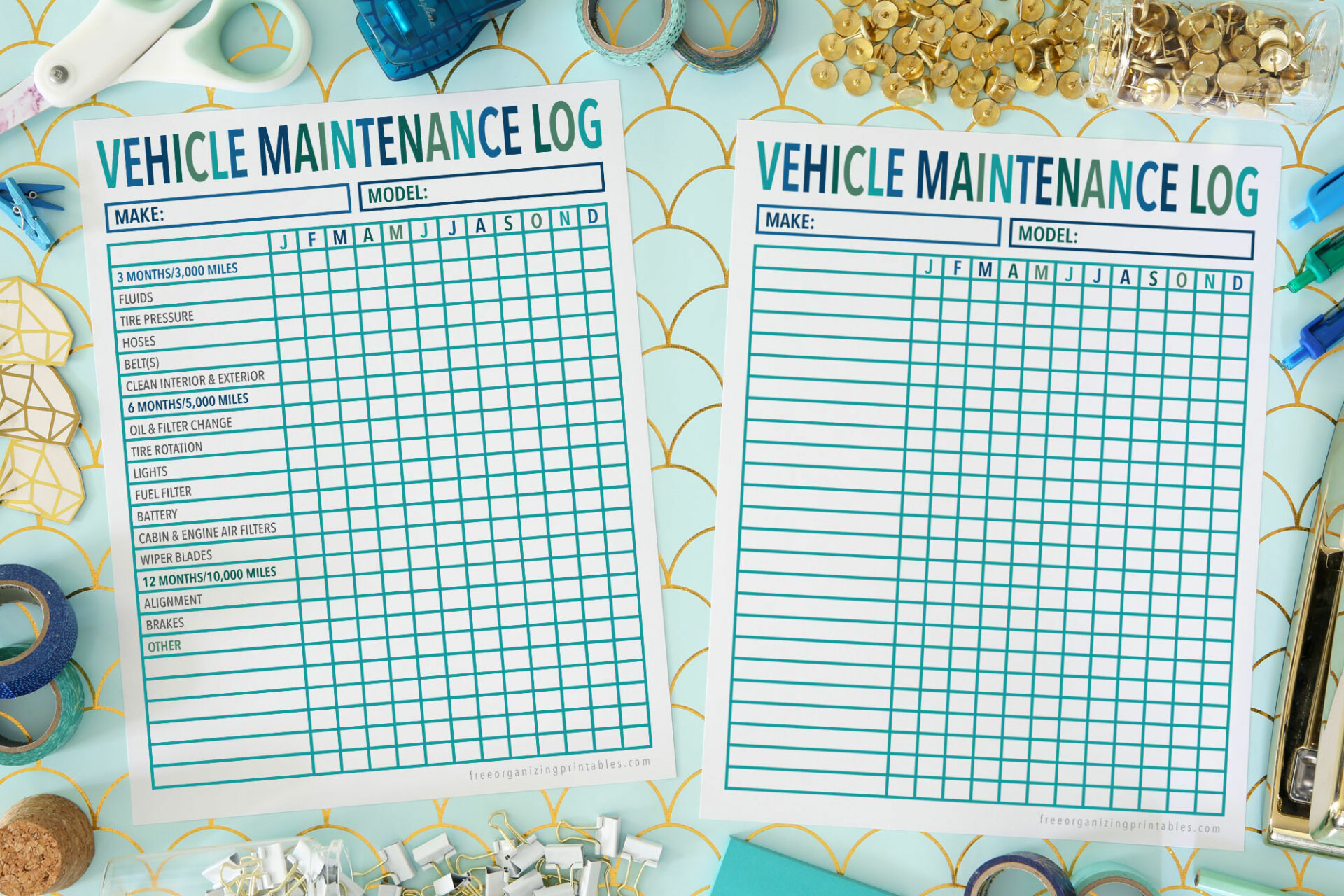
Buyers place real value on documented service history, even if they can’t fully explain why. A complete record of oil changes, timing belt service, and major repairs shows consistent care.
If you used a dealership or chain shop, request a printed service history. Independent shop customers should gather receipts and organize them clearly by date.
Digital records work too, but a printed folder feels more tangible during in-person sales. Studies on used car pricing consistently show documented maintenance correlates with higher resale value.
Buyers use gaps in service records as a bargaining tool, assuming missed maintenance means hidden problems. A timing belt replaced on schedule, for example, is worth calling out explicitly.
If records are incomplete, be upfront about which services you can and can’t confirm. Guessing or fabricating dates erodes trust the moment a buyer cross-checks anything you’ve claimed.
Complete, organized records shift the entire conversation from suspicion to confidence quickly. This single folder can be the difference between fast negotiation and prolonged buyer hesitation.
9. Sort Out Title and Ownership Paperwork
Nothing kills a sale faster than paperwork problems discovered at the final step. Confirm the title is in your name, free of liens, or clearly payable at sale.
If you’ve moved states since buying the car, check that your title matches current registration. Salvage or rebuilt titles must be disclosed upfront, not discovered by the buyer later.
Hiding a vehicle’s title status can create serious legal problems and quickly damage a buyer’s trust. Be upfront about any issues with the title and provide accurate information from the start. If the car still has an outstanding loan, speak with your lender to find out how the payoff and title transfer will be handled.
Some lenders require the transaction to go through their office or a bank directly. Knowing this before you have a buyer ready avoids an awkward, deal-killing delay.
Check your state’s specific requirements for a bill of sale and odometer disclosure. Missing or incorrect paperwork can void a sale even after money has changed hands.
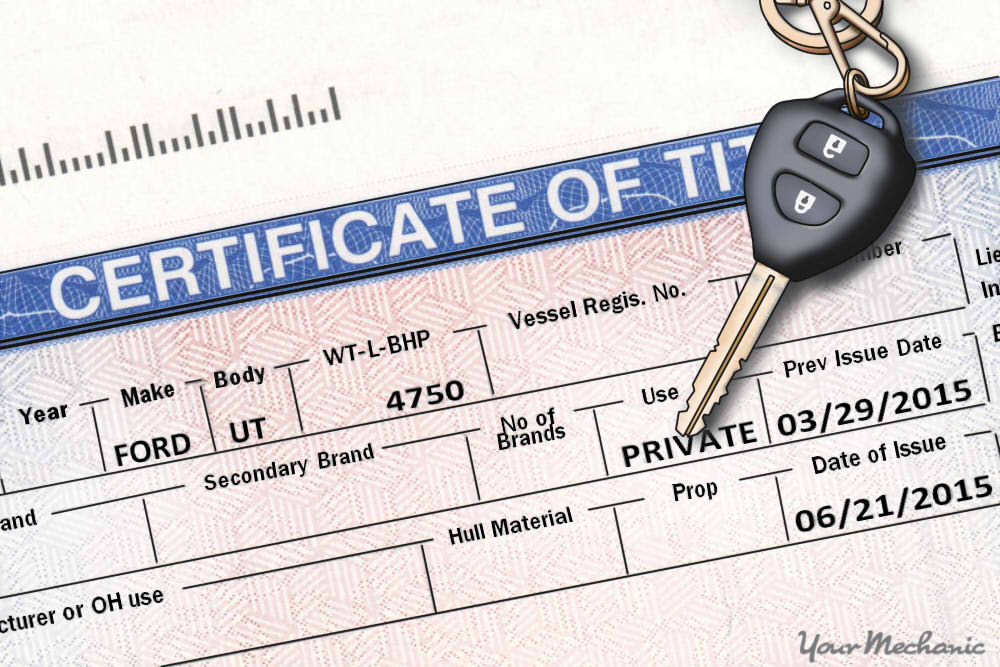
Handling this before listing means you can close quickly once a serious buyer appears. It also signals professionalism that experienced buyers notice and genuinely appreciate.
10. Replace the Cabin Air Filter and Check the AC
This is an overlooked item that experienced buyers specifically test during inspection. A clogged cabin air filter causes weak airflow and musty smells from the vents.
It’s a $15 to $30 part that most owners can replace themselves in minutes. Weak air conditioning, meanwhile, is a common complaint that scares off buyers fast. If the AC isn’t blowing cold, get it checked before listing rather than after. A simple recharge might fix it for $100 to $150 in many cases.
A failing compressor is a bigger repair, but you’ll want to know the real cost. Buyers often assume AC problems mean a $1,000-plus repair, even when the real fix is cheaper.
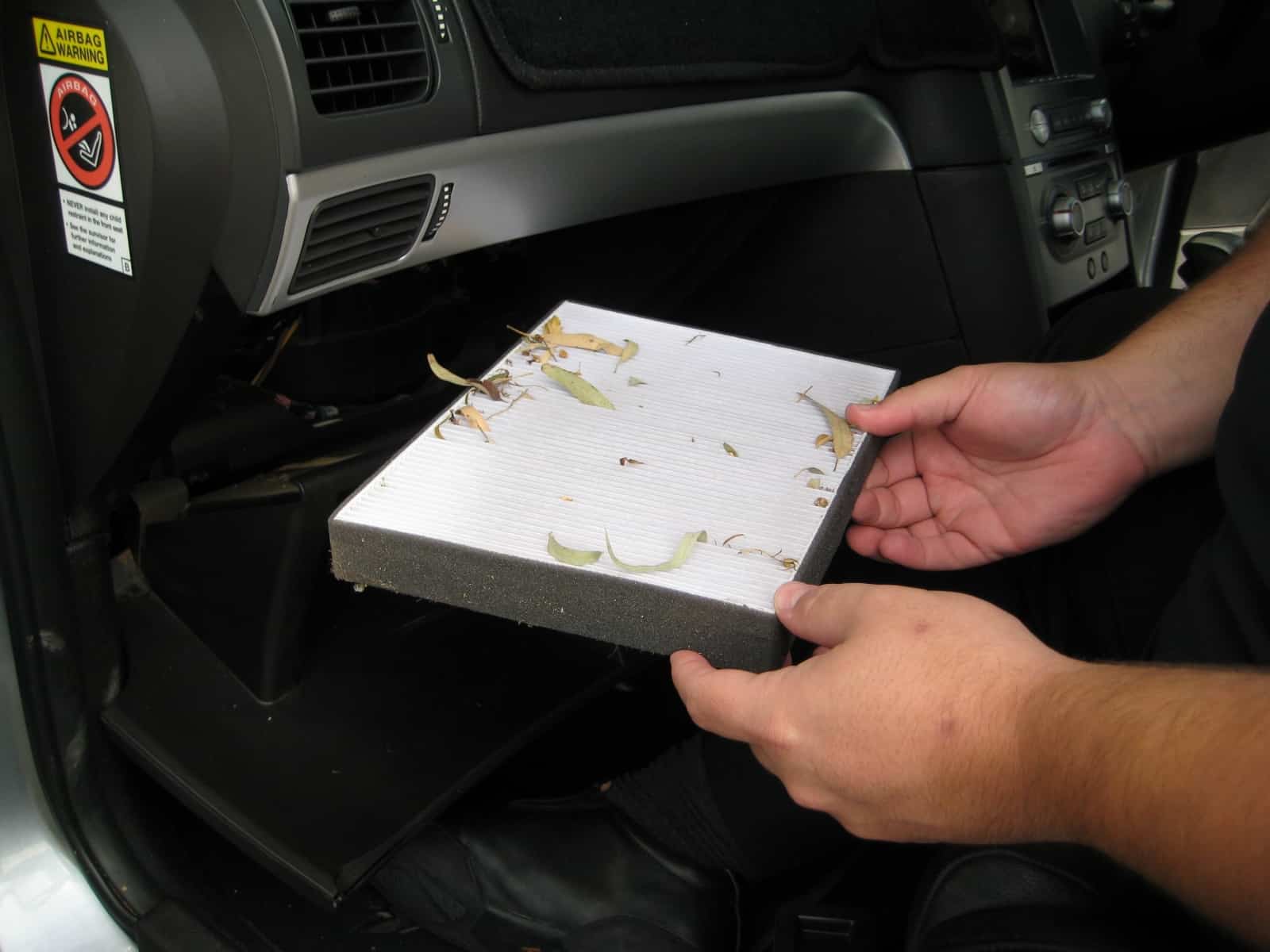
That gap between assumption and reality works entirely against you at the negotiating table. Test heating and cooling on all settings, including rear vents if equipped.
A car that blows cold air immediately reassures buyers about a system they can’t inspect visually. It’s a small fix that removes one of the most common test-drive objections.