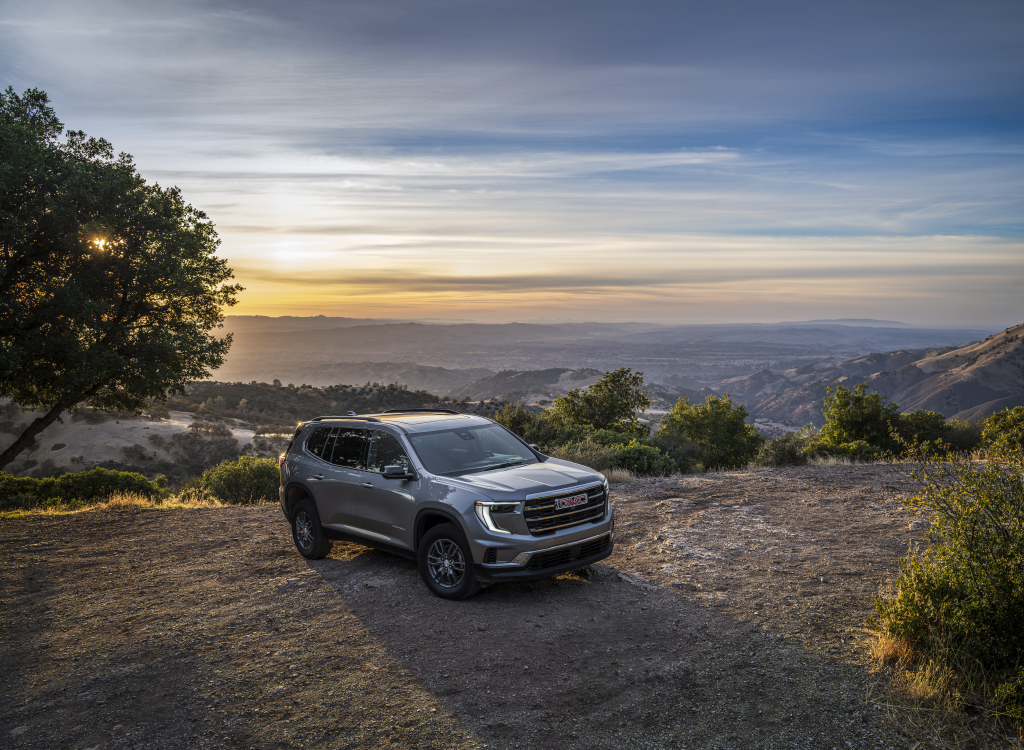
The GMC Acadia is a midsize SUV designed for drivers who want useful passenger space, modern technology, strong towing capability, and a comfortable ride without moving into a full-size vehicle. GMC offers the Acadia in several trims, with each version adding different features and equipment.
Choosing the right trim depends on your budget, priorities, and driving habits. The Elevation trim provides a solid starting point, while AT4 focuses on off-road capability and Denali brings premium features. For many shoppers, the best value comes from balancing useful equipment with purchase price rather than choosing the most expensive version.
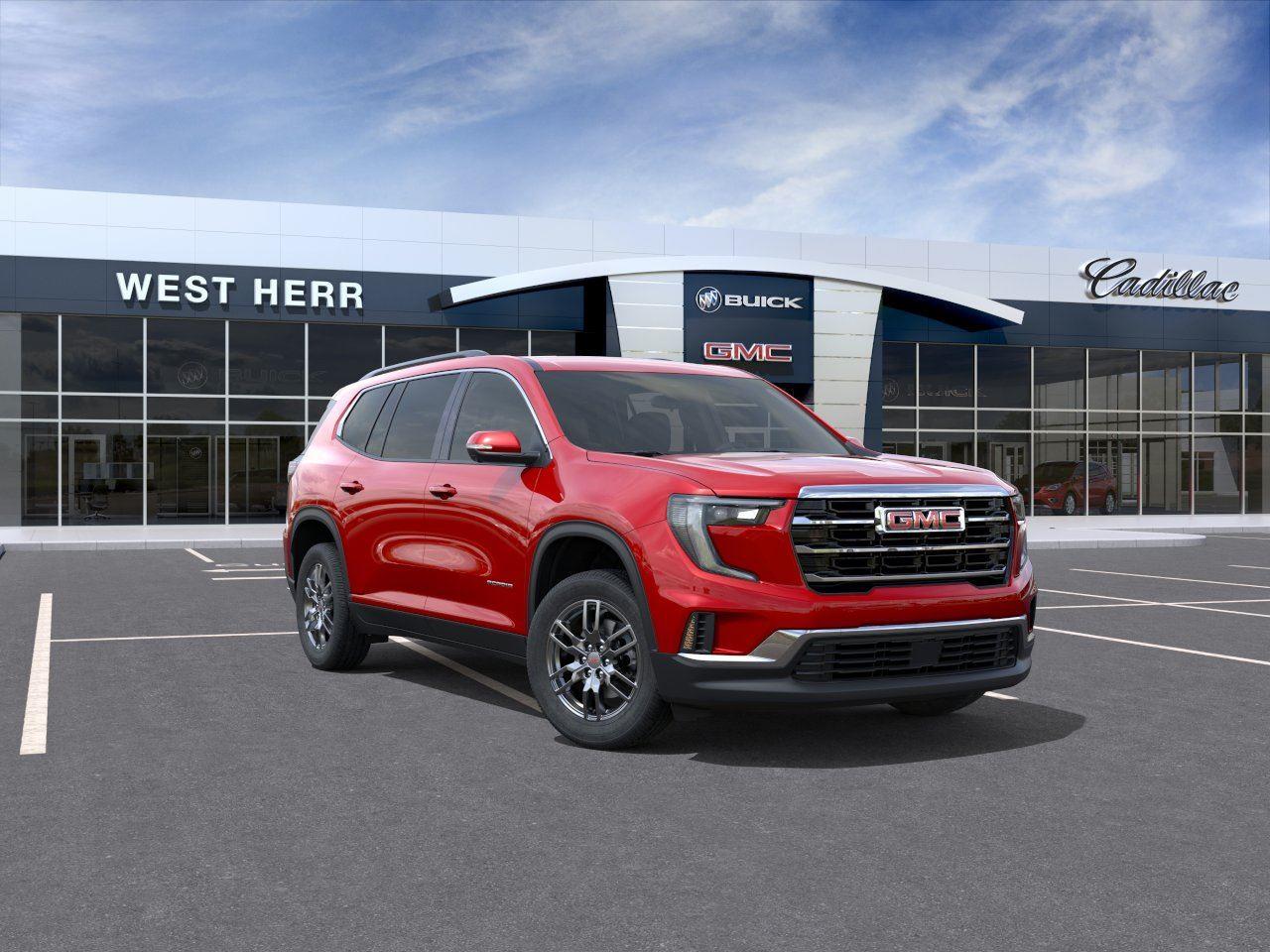
GMC Acadia Trim Levels Explained
The GMC Acadia lineup is built around distinct trim personalities. The Elevation serves as the practical entry point, offering the core features most families expect from a modern midsize SUV.
It provides a comfortable cabin, a large infotainment display, smartphone connectivity, and a useful selection of driver-assistance technology. For buyers who want a straightforward family vehicle without paying for luxury-oriented extras, this trim deserves serious consideration.
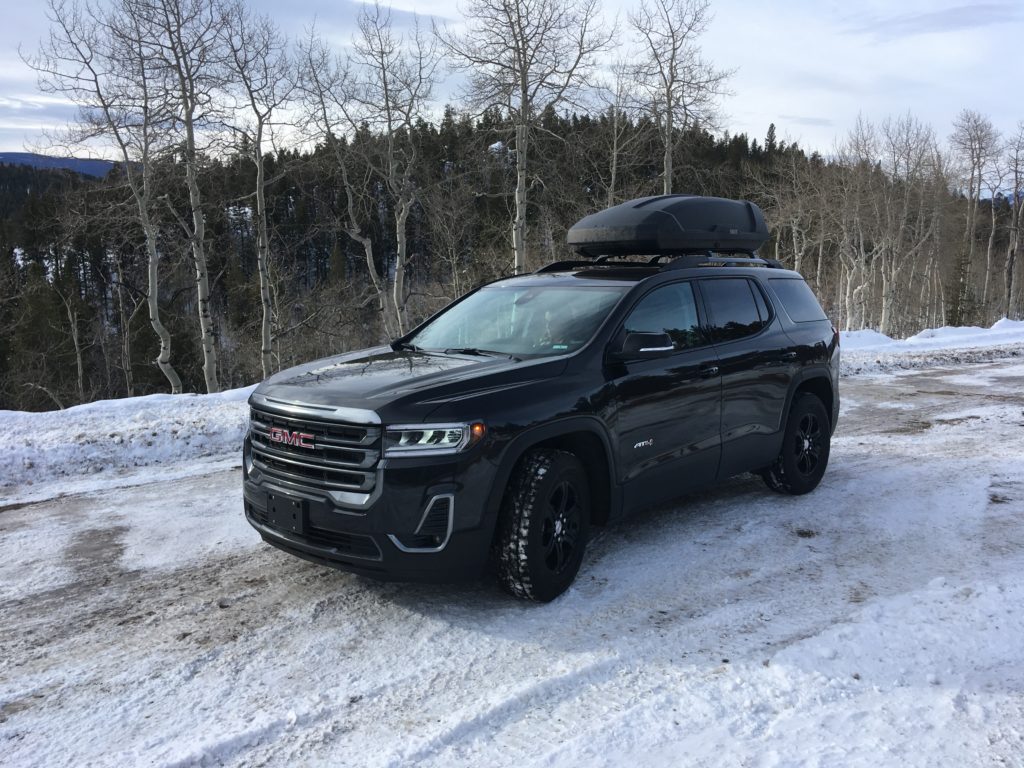
The AT4 takes the Acadia in a more rugged direction. It is aimed at drivers who spend time on rough roads, gravel trails, snowy routes, or other surfaces where additional capability can be helpful.
AT4 models receive equipment designed to support off-road driving, including a more adventurous exterior appearance and specialized chassis features. This trim makes more sense for buyers who will actually use its added capability rather than simply wanting an SUV that looks rugged.
The Denali occupies the premium end of the lineup. GMC uses the Denali name for vehicles with upscale styling, additional comfort features, premium materials, and enhanced technology.
The Acadia Denali is intended for shoppers who want a more refined experience and are willing to spend considerably more for it. Its appeal comes from a combination of design, cabin features, convenience equipment, and a more luxurious atmosphere.
Trim availability, standard equipment, and pricing can change between model years and markets, so shoppers should verify the exact specifications for the model they intend to purchase.
This is particularly important when comparing current inventory because optional packages can make two similarly named vehicles substantially different in price. A lower trim with carefully selected options may provide better value than a higher trim that includes features you rarely use.
The right Acadia trim therefore depends less on choosing the highest specification and more on identifying the features that matter to you. A family that mainly drives around town and takes occasional road trips may have little need for AT4-specific equipment.
Someone who regularly travels through rough terrain may find that the AT4’s additional hardware justifies its higher cost. Drivers who prioritize luxury and premium appointments may be happier with Denali.
Is the GMC Acadia Elevation Worth the Money?
For many buyers, the Elevation is the trim that deserves the closest look. It gives shoppers access to the fundamental Acadia experience without immediately pushing the purchase price toward the upper end of the range. Its equipment is designed to cover everyday needs, making it a sensible choice for families, commuters, and people who use their SUV primarily for regular road driving.
The cabin technology is a major part of the Elevation’s appeal. Modern SUV buyers increasingly expect a large infotainment screen, smartphone integration, useful connectivity, and easy access to vehicle information.
The Acadia provides a technology-focused interior, giving the base trim a much more contemporary feel than the phrase “entry-level” might suggest. Buyers who mainly want technology that works well rather than luxury decoration may find plenty to appreciate here.
The Elevation also makes financial sense for people who plan to keep their SUV for several years. Spending less at purchase leaves more room in the household budget for insurance, fuel, maintenance, accessories, or future expenses.
A lower initial price can also reduce the amount financed, potentially lowering monthly payments. The exact financial benefit depends on financing terms, but the principle remains useful when comparing trims.
There is a trade-off. Choosing Elevation means giving up some of the premium touches and specialized equipment available higher in the range.
Buyers who strongly value upscale materials, distinctive styling, or additional convenience features may eventually wish they had moved up the lineup. It is worth comparing the actual equipment list rather than assuming that a higher trim is automatically a better purchase.
For a typical family buyer, Elevation is arguably the strongest value starting point. It offers the essential characteristics that make the Acadia useful while avoiding the extra spending associated with specialty or luxury equipment.
If your driving consists mainly of commuting, school runs, shopping, highway trips, and family vacations, the Elevation should be high on your shortlist.
When Does the Acadia AT4 Make More Sense?
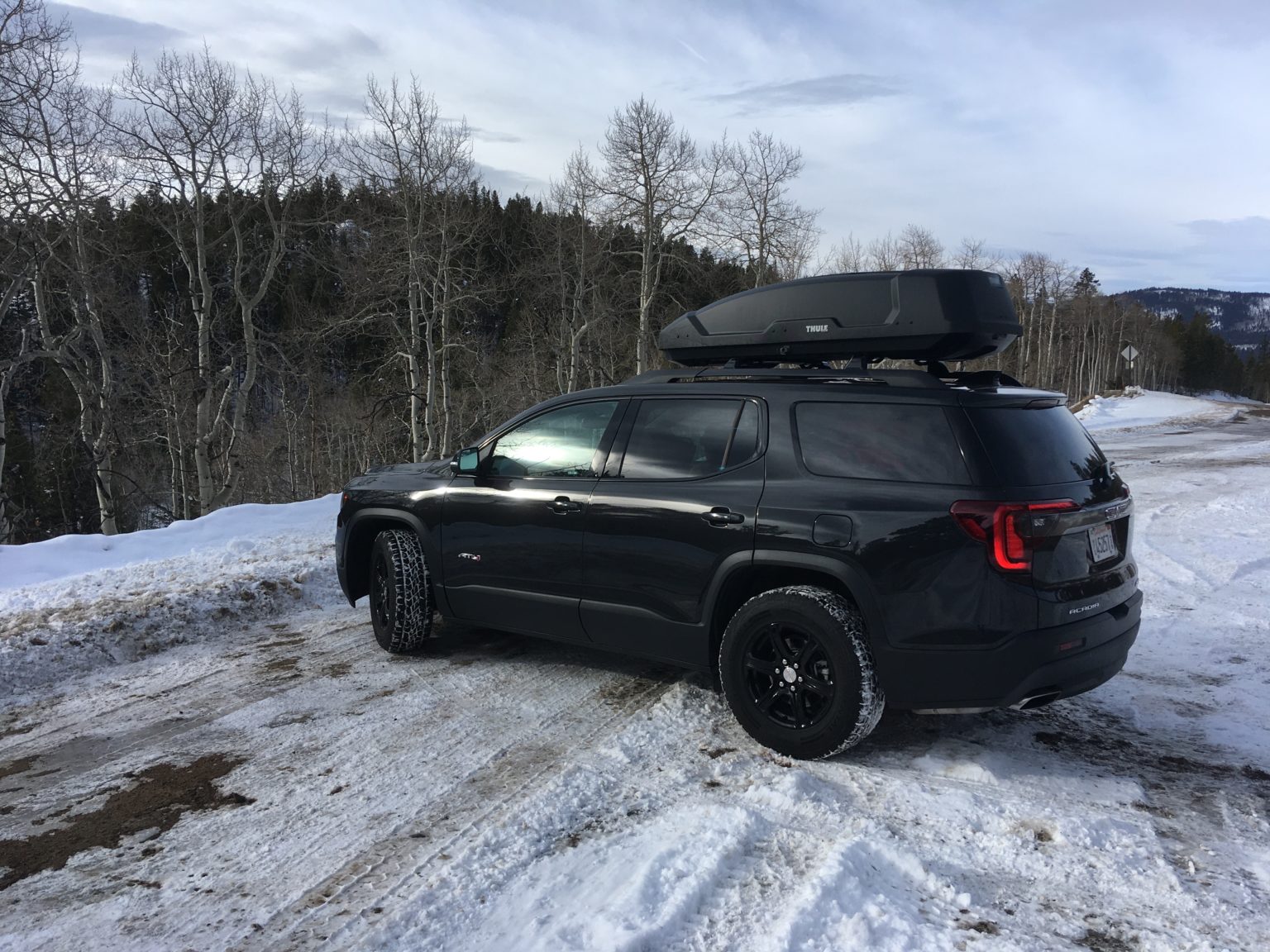
The Acadia AT4 is aimed at a very different buyer. Its purpose is not simply to provide additional cosmetic upgrades. GMC positions AT4 vehicles around adventure and off-road capability, making this trim particularly appealing to drivers who regularly encounter challenging roads.
If you live in an area with harsh winters, rough rural roads, steep access roads, or unpaved routes, AT4 equipment can have practical value.
The AT4’s appearance is also part of its appeal. It has a tougher visual character than the standard Acadia, with styling cues that distinguish it from more road-focused versions. For some shoppers, that design is worth paying for by itself.
Yet the strongest case for AT4 comes from drivers who will actually take advantage of its additional capability. Paying extra for specialized hardware makes less financial sense when the SUV will spend all its time virtually on paved streets.
All-wheel drive or comparable traction-oriented equipment can be valuable for drivers dealing with snow and slippery conditions. It is important to remember that no trim can eliminate the limitations created by poor tires, excessive speed, or dangerous road conditions.
Proper winter tires and sensible driving habits remain important. AT4 can provide useful mechanical advantages, but it should not be treated as a substitute for responsible driving.
Fuel economy, tire costs, ride characteristics, and maintenance should also be considered. Specialized equipment can affect the ownership experience, and larger or more aggressive tires can cost more to replace. If you rarely leave paved roads, these compromises may provide little benefit. A road-oriented trim could deliver a more appropriate balance for your needs.
AT4 becomes worth the money when its capability matches your lifestyle. Weekend campers, outdoor enthusiasts, rural drivers, and people who frequently travel over poor surfaces may appreciate its additional equipment.
For an urban commuter who simply likes the styling, the decision is more emotional than practical, and Elevation may provide better financial value.
Is the GMC Acadia Denali Worth the Extra Cost?
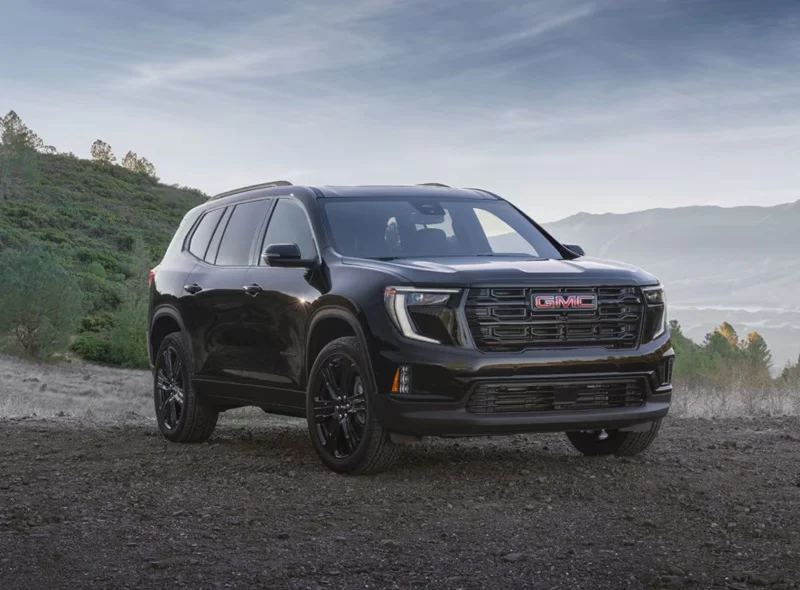
Denali is the trim to consider when comfort, appearance, and premium equipment rank above minimizing the purchase price. GMC has developed the Denali name into a recognizable premium designation, and Acadia Denali models receive a more upscale presentation.
The appeal starts with exterior details and continues into the cabin, where additional features can make daily driving feel more polished.
For someone who spends several hours a week behind the wheel, comfort can have meaningful value. Features such as upgraded seating, premium interior materials, additional convenience technology, and enhanced audio or climate functions can make frequent journeys more pleasant.
These benefits are subjective, but that does not make them insignificant. A vehicle is used repeatedly for years, so enjoying its interior can be a legitimate reason to spend more.
The financial question becomes harder when comparing Denali with a well-equipped lower trim. Some buyers may prefer having a premium cabin every day and will consider the additional cost worthwhile.
Others may look at the equipment and decide that the basic functions are already available in Elevation. The difference is especially important for buyers who are sensitive to monthly payments.
Resale value can enter the discussion, but it should not be the primary justification for buying a more expensive trim. A premium trim may appeal to future buyers, yet depreciation is influenced by many factors, including mileage, condition, market demand, model-year changes, and vehicle history.
Paying thousands more today simply to hope for a better resale outcome is difficult to justify without considering the complete ownership picture.
Denali is worth the money when you genuinely value its premium features and intend to enjoy them for years. If luxury appointments, upscale styling, and additional technology are high priorities, the extra expense can be reasonable.
If you simply need reliable transportation with useful space and modern features, the lower trims are likely to offer stronger value.
Which Acadia Trim Offers the Best Value?
For most buyers, the best value is likely to come from the Elevation trim, provided its standard equipment meets your needs. It keeps the Acadia’s key strengths while avoiding some of the additional cost associated with specialized or premium versions.
This makes it particularly attractive to practical buyers who want a family SUV rather than a status-oriented purchase.
AT4 is the better value for a specific group of drivers. If you frequently travel on rough terrain or want an SUV with additional adventure-focused equipment, its higher price can be justified. In that situation, paying more for capability you will actually use makes more sense than buying a lower trim and wishing it had equipment better suited to your driving conditions.
Denali offers a different form of value. Instead of focusing primarily on capability, it concentrates on comfort, appearance, and premium equipment. Buyers who spend a lot of time in their vehicles may appreciate these improvements every day. The key is making sure the additional features matter to you rather than paying for a badge.
Before deciding, compare the actual prices rather than relying only on advertised starting prices. Dealer-installed accessories, optional packages, destination charges, taxes, registration fees, and financing costs can affect the final amount.
Two vehicles that appear close on paper may have very different out-the-door prices. Getting written purchase figures for the trims you are considering is a smart way to make a meaningful comparison.
Elevation is the strongest choice for value-focused drivers, AT4 is the more appropriate option for people who need additional rugged capability, and Denali is best suited to buyers who place a premium on luxury and convenience. For the average shopper, starting with Elevation and moving higher only when a specific feature justifies the additional cost is the most sensible approach.