
A recall notice does not automatically mean a car is unsafe to drive, but an unrepaired recall should never be ignored. In the United States, manufacturers can issue recalls years after a vehicle reaches customers, and some affected cars remain on the road without receiving the free repair.
NHTSA reported that more than 29 million vehicles were recalled in 2025, showing how large the recall problem can become. The vehicles below are examples of widely driven models that have had significant U.S. safety recalls, including campaigns for which individual vehicles may still show an open repair. Owners should verify their specific VIN because recall status can change after a repair is completed.
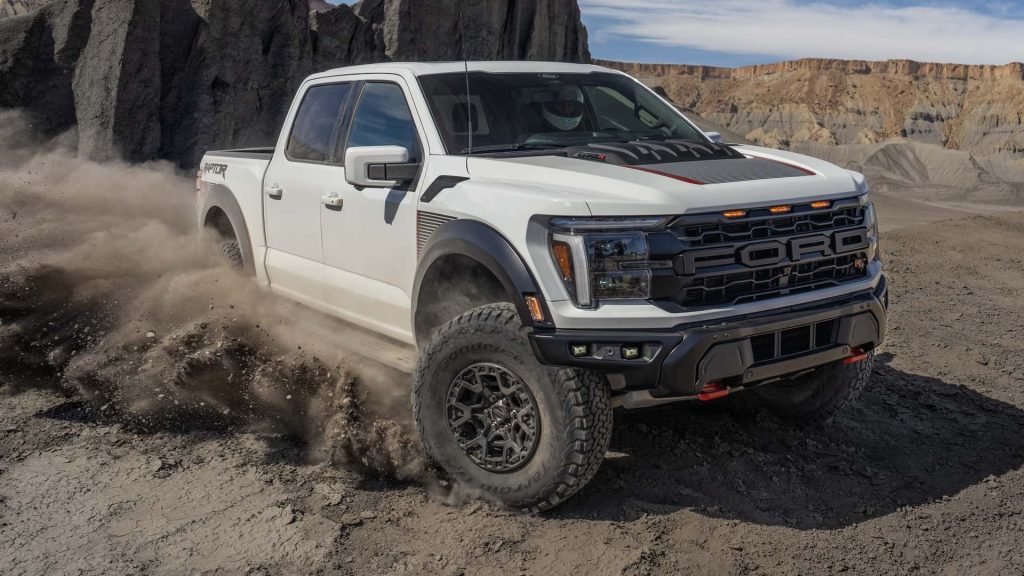
1. Ford F-150
The Ford F-150 is one of America’s most common pickups, which makes any unresolved safety campaign particularly important. One recall worth checking involves certain 2021 F-150s and the transmission control system. NHTSA recall 25V169 covered 567 vehicles built between August 14 and December 13, 2021.
Ford determined that these trucks had been incorrectly recorded as receiving the remedy for an earlier transmission software recall even though the correct Powertrain Control Module software had not actually been installed.
The underlying problem was not a cosmetic software error. The earlier condition could cause a transmission fluid pressure diagnostic code to activate falsely and potentially command the transmission into neutral. If that happened while the truck was moving, the vehicle could coast to a stop, creating a crash risk. Ford’s recall documentation specifically notes that the condition could occur at any speed.
Another F-150 recall illustrates why checking the exact VIN matters. NHTSA campaign 25V132 involved certain 2021 and 2022 F-150s whose required Integrated Trailer Relay Module software remedy had not been installed correctly. The campaign involved 10,627 vehicles, including 8,527 F-150s.
These campaigns do not mean every F-150 from those model years has an unresolved defect. Recall completion is tracked vehicle by vehicle, so a used truck may already have received the repair. Buyers should therefore check the VIN rather than relying on the model year alone.
NHTSA says recall repairs are free through the manufacturer’s dealership, making an open campaign something that should be addressed rather than negotiated around when buying a truck.
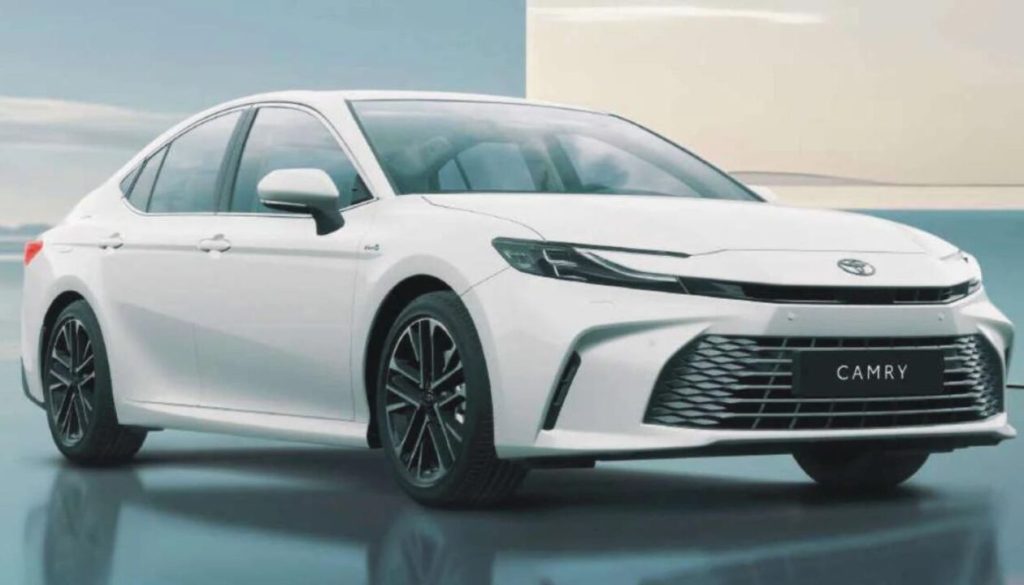
2. Toyota Camry Hybrid
The Toyota Camry has long been a familiar sight on American roads, and the newer hybrid version is no exception. Certain 2025 and 2026 Camry Hybrid vehicles were included in NHTSA campaign 25V869, a recall involving the inverter assembly. Toyota’s recall report identified 51,644 potentially affected 2025 and 2026 Camry Hybrid vehicles produced during specific manufacturing periods.
The problem involves a bolt associated with the inverter assembly. Toyota reported that the condition could depend on the exact installation and operating circumstances, meaning not every vehicle within the production population would necessarily develop the defect. The campaign is therefore a good example of why an owner should check the VIN rather than assume that a recall affects every car wearing the same badge.
There is another Camry campaign worth knowing about when shopping used. Toyota issued recall 25TA03 for certain 2025 Camry Hybrid vehicles because of potential seat-belt damage. Toyota’s technical instructions identify the campaign as an increased-risk-of-injury recall involving the seat-belt system.
These issues have nothing to do with the Camry Hybrid’s reputation for fuel efficiency or the reliability of its hybrid powertrain. They are specific safety campaigns affecting defined production populations. A vehicle that has already received the appropriate repair should not be treated the same way as one with an unresolved recall.
NHTSA recommends checking a vehicle’s VIN for open recalls, particularly when buying used. The agency also emphasizes that recall repairs are provided free of charge by the manufacturer. For a Camry Hybrid buyer, a VIN check is therefore one of the easiest ways to determine whether an apparently clean used car has unfinished safety work.
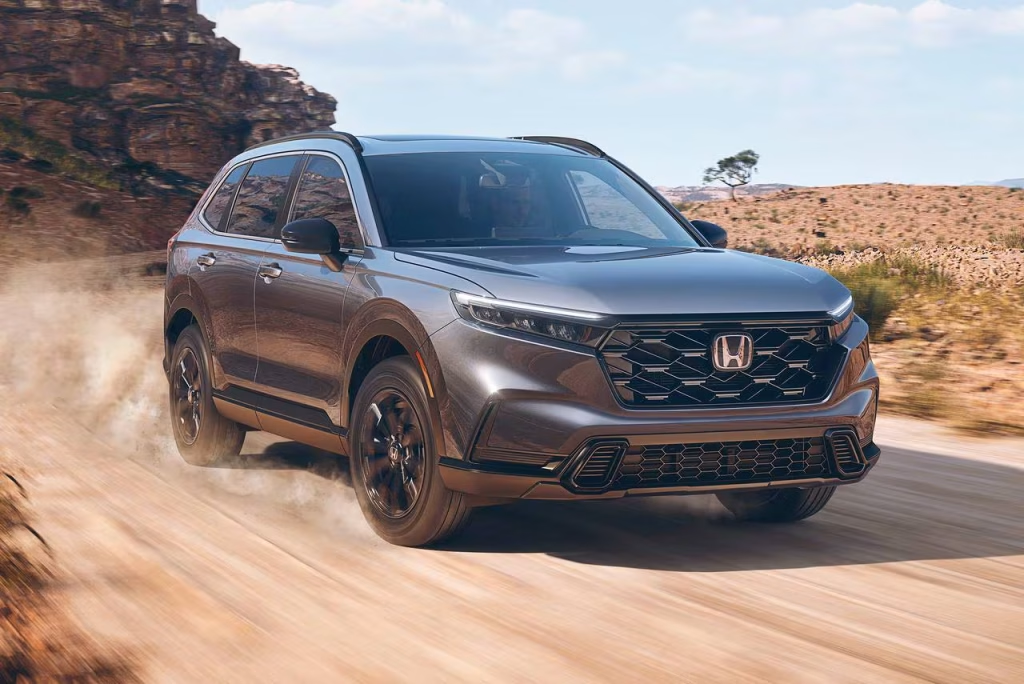
3. Honda CR-V
The Honda CR-V is another vehicle worth checking because several generations remain extremely common on American roads, and recent NHTSA campaigns have affected substantial numbers of CR-Vs. One particularly significant 2026 recall, NHTSA campaign 26V332, covers certain 2017 through 2022 CR-Vs along with several other Honda models.
The campaign concerns the front passenger occupant classification system, which determines whether the airbag system should deploy based on the detected occupant.
A malfunction in that system can cause the passenger airbag to deploy incorrectly during a crash. Because airbags are designed to work in coordination with occupant detection, an error in the classification system can increase the risk of injury. The recall is therefore more than a warning about an annoying dashboard light. It involves a component directly connected to the vehicle’s restraint system.
The affected population is broad enough that used-car shoppers should not assume a CR-V is unaffected simply because it is several years old. The recall specifically lists 2017 to 2022 CR-Vs, as well as 2020 to 2022 CR-V Hybrids.
Honda has also had other CR-V campaigns. For example, a 2026 NHTSA recall involving a large group of Honda vehicles included 2023 to 2026 CR-V Hybrids, although that particular campaign covered a specific manufacturing issue and not every vehicle from those model years. NHTSA’s report identified 744,530 CR-V hybrids in the potential population.
That is why checking the actual VIN is essential. NHTSA states that its VIN search identifies whether a specific vehicle has an unrepaired recall, while model-year searches provide general recall information.
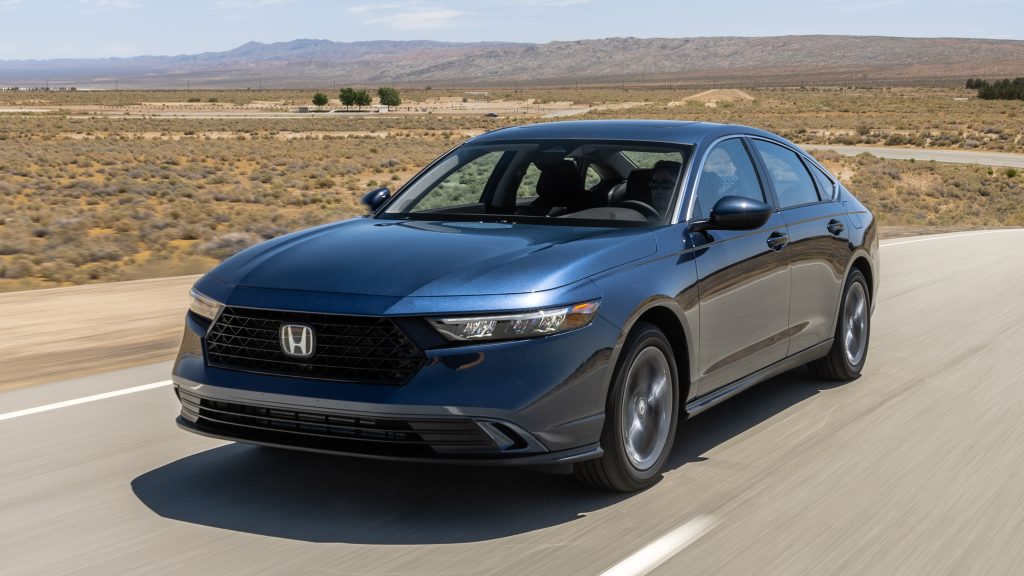
4. Honda Accord
The Honda Accord has been one of America’s most popular midsize sedans for decades, so a recall affecting multiple Accord generations can potentially involve a very large number of vehicles.
One significant 2026 campaign, NHTSA recall 26V332, includes certain 2016 through 2022 Accord models and 2017 through 2022 Accord Hybrids. The issue concerns the front passenger occupant classification system used by the airbag system.
The importance of this particular recall comes from what the system controls. The occupant classification system helps determine how the front passenger restraint system responds during a crash. If the system does not correctly identify the passenger’s condition, the airbag system may not operate as intended.
That creates a potential injury risk in an accident, which is why the issue was classified as a safety recall rather than a routine service campaign.
The affected model range makes this especially relevant to the used-car market. An Accord from the late 2010s or early 2020s can look mechanically sound, have relatively low mileage, and still have an unresolved safety campaign. A clean vehicle history report also should not be treated as proof that every recall has been completed.
There is an important distinction between an affected model and an affected vehicle. NHTSA’s VIN system is designed to identify unrepaired recalls associated with an individual vehicle, and the agency notes that a completed recall will not appear as an unrepaired campaign.
For anyone buying an Accord, checking the VIN before signing paperwork is a remarkably simple precaution. If an open recall appears, the manufacturer normally provides the safety remedy without charge. NHTSA specifically advises owners to follow any interim instructions provided by the manufacturer and contact a dealer for the free repair.
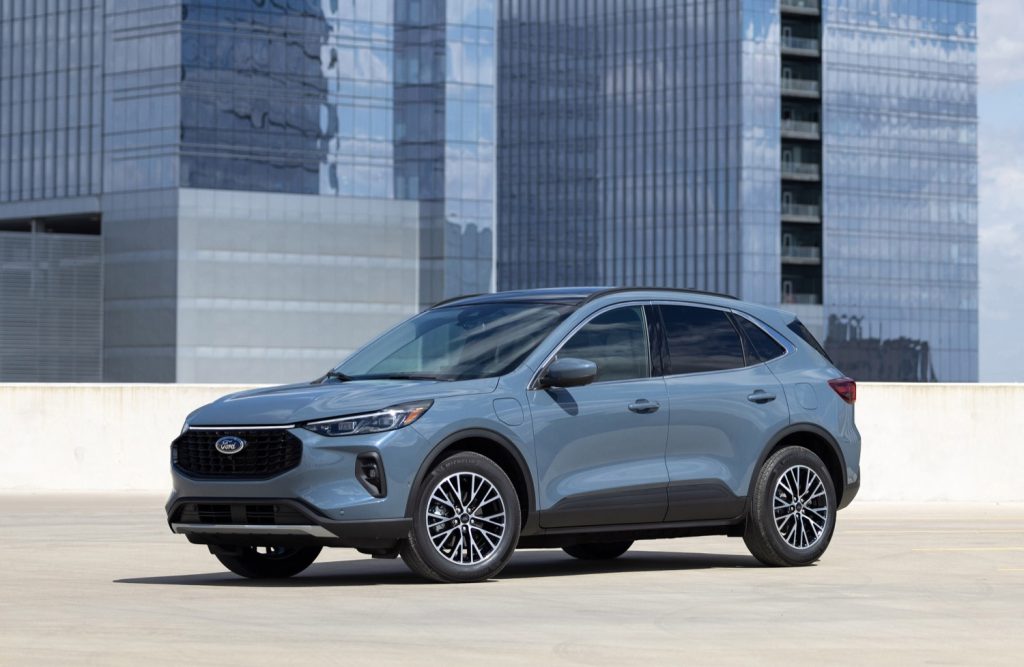
5. Ford Escape
The Ford Escape is another everyday vehicle that deserves a VIN check because recent U.S. recalls have affected multiple Escape generations and powertrain configurations. One 2026 campaign, NHTSA recall 26V091, covers certain 2023 through 2025 Ford Escape plug-in hybrids.
Ford identified 24,690 potentially affected vehicles. The issue involves a manufacturing defect in one or more high-voltage battery cells that can create an internal short circuit and cause battery failure.
This is a particularly important type of recall because the consequences go beyond a warning light or an inconvenience. According to the NHTSA filing, battery failure can result in a loss of drive power, increasing the risk of a crash. The defect can also increase the risk of a vehicle fire.
Ford’s campaign therefore includes specific instructions for affected owners rather than treating the problem as routine maintenance.
Another Escape recall from 2026 involved the vehicle’s center display. NHTSA recall 26V123 covers certain 2020 through 2022 vehicles. Escape models are equipped with a specific 8-inch display. Ford determined that an issue with the display’s touch integrated circuit could cause the rearview camera image to become inverted. The problem could prevent the vehicle from complying with federal rear-visibility requirements.
That second campaign demonstrates why owners should not assume a recall has to involve the engine, brakes, or airbags to matter. A rearview camera is a regulated safety feature, particularly important when reversing around pedestrians, children, and other vehicles.
For Escape owners, the best approach is simple. Check the vehicle’s recall status using its VIN. According to NHTSA, the VIN lookup shows any unrepaired recalls tied to that specific vehicle, while recalls that have already been completed will no longer appear as outstanding.
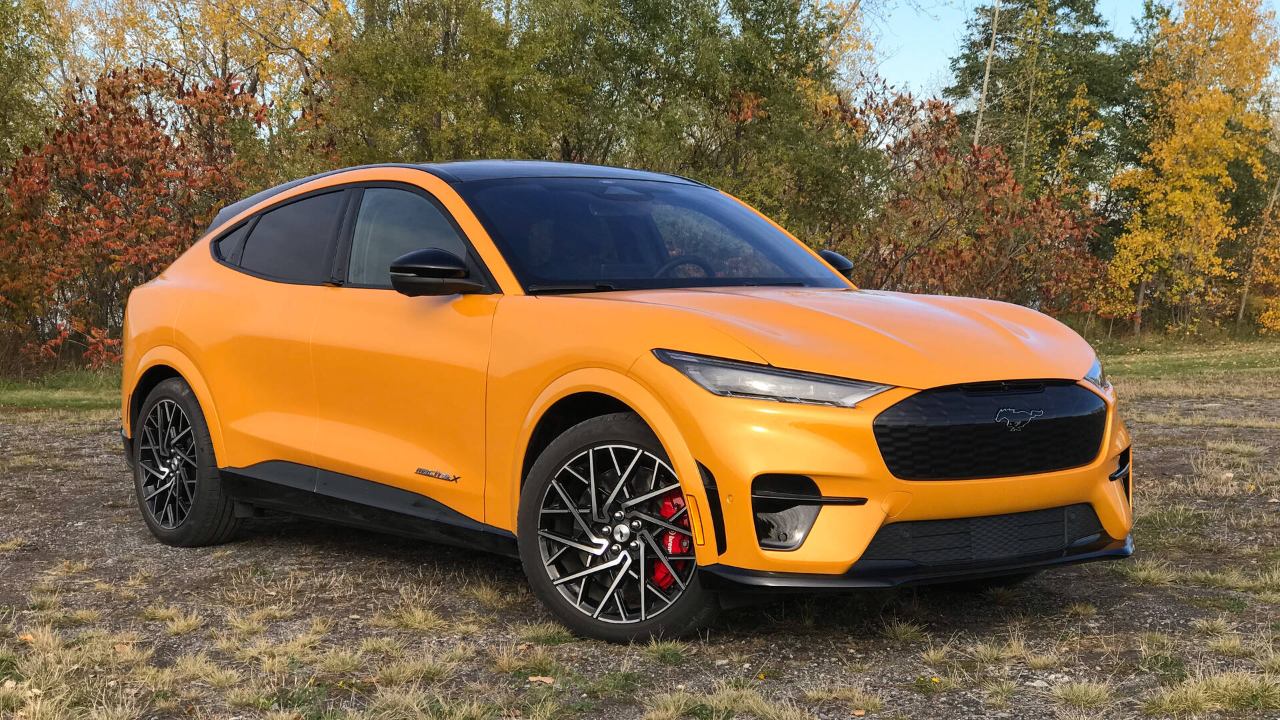
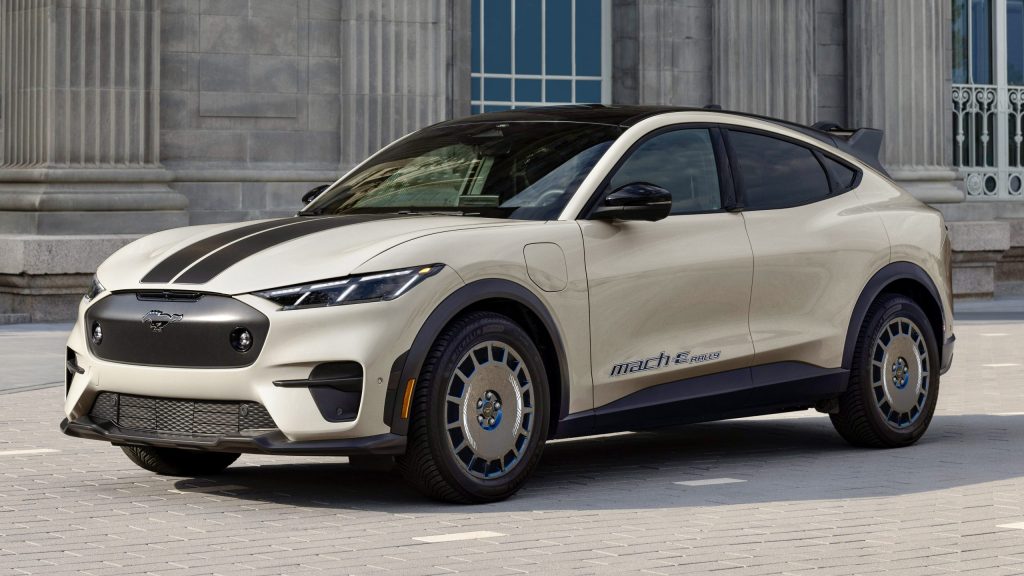
6. Ford Mustang Mach-E
The Ford Mustang Mach-E is one of the more important electric vehicles to check for open campaigns because several recalls have involved software and propulsion-related systems rather than conventional engine components.
One 2026 NHTSA campaign, recall 26V301, concerns certain Mach-E vehicles and addresses a condition involving the integrated power module and electric drive system. Ford’s filing describes a software remedy and identifies a “Do Not Drive” and “Park Outside” advisory for affected vehicles.
The technical nature of this campaign is worth understanding. The issue was associated with a generation of integrated power modules used in certain vehicles.
Ford’s investigation found a potential condition that could cause the module to bind. The company’s filing states that the remedy is secondary on-board diagnostic module software, with an over-the-air software option identified as part of the repair strategy.
The Mustang Mach-E demonstrates why electric vehicles should not be excluded from a recall checklist simply because they lack a conventional gasoline engine. Modern EVs rely heavily on software-controlled power electronics, battery systems, and electric drive components. A problem in one of those systems can affect propulsion just as an engine or transmission defect can affect a gasoline vehicle.
Ford’s recall documentation also shows that the investigation involved Mach-E vehicles produced with specific generations of the integrated power module. That means the entire Mach-E population should not automatically be considered defective. The actual VIN determines whether an individual vehicle is included.
For owners, the safest approach is to check the VIN through NHTSA and Ford, then follow the manufacturer’s instructions exactly if a campaign appears. NHTSA emphasizes that recall repairs are provided free through the manufacturer’s dealership. It also advises owners to follow any “do not drive” or “park outside” instructions issued for a specific campaign.
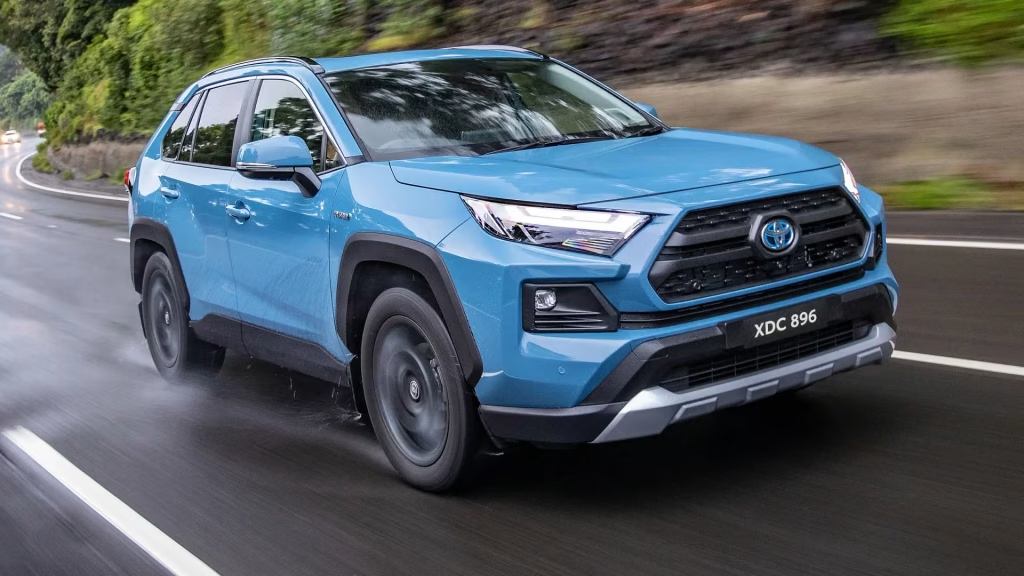
7. Toyota RAV4 Hybrid
The Toyota RAV4 Hybrid is another everyday SUV that deserves a VIN check, even though the specific recall population in this case is relatively small. The NHTSA recall 26V179 includes certain 2024 and 2025 RAV4 Hybrid vehicles because of an incorrect load-carrying capacity modification label. NHTSA’s filing identifies 40 potentially affected RAV4 hybrids within the relevant production period.
At first glance, a label problem may sound insignificant compared with recalls involving airbags or brakes. It is not. The label provides important information about the vehicle’s maximum added load. If the displayed value is incorrect and the vehicle is loaded according to the wrong figure, an owner could unintentionally exceed the vehicle’s intended capacity. NHTSA states that overloading can increase the risk of a crash.
Toyota’s remedy is relatively straightforward. Dealers are instructed to replace the incorrect load-carrying capacity modification label with the correct information, at no charge to the owner. The important point for someone shopping for a used RAV4 Hybrid is that the recall applies to specific vehicles, not automatically to every RAV4 Hybrid from those model years.
This is precisely why a general internet search for “RAV4 recalls” is not enough. NHTSA allows owners to search by VIN, and its recall system identifies unrepaired campaigns associated with an individual vehicle. The agency also says recalls do not expire, so an older unresolved campaign can remain relevant years after the original notification.
The RAV4 Hybrid itself remains one of the most common hybrid SUVs in the American market, making VIN verification a sensible step whenever one changes hands. A completed recall should not be treated as a reason to reject the vehicle. An open recall simply means the required remedy still needs to be completed.
8. Nissan Rogue
The Nissan Rogue is another high-volume SUV for which checking the VIN can reveal a recall that is easy to overlook. NHTSA recall 26V081 concerns certain 2024 Nissan Rogue vehicles and involves the electronic throttle control system.
Nissan’s investigation traced the problem to a fractured gear inside the throttle chamber assembly. The recall report states that 3,111 warranty claims were associated with the condition.
The problem developed from the way the throttle chamber performed an internal diagnostic test. According to Nissan’s recall documentation, an ECM software change at the beginning of 2024 Rogue production increased the duration of contact between a plastic gear and a mechanical stopper. Repeated loading could eventually stress the gear teeth and cause a tooth to fracture.
That makes this recall particularly interesting because the defect is buried inside an electronically controlled component rather than being an obvious mechanical failure that an owner would immediately see.
If a gear tooth breaks, the fragment can become lodged in the gear interface and interfere with normal throttle-valve movement. Nissan’s investigation found that affected vehicles could display a warning message and enter a reduced-power condition.
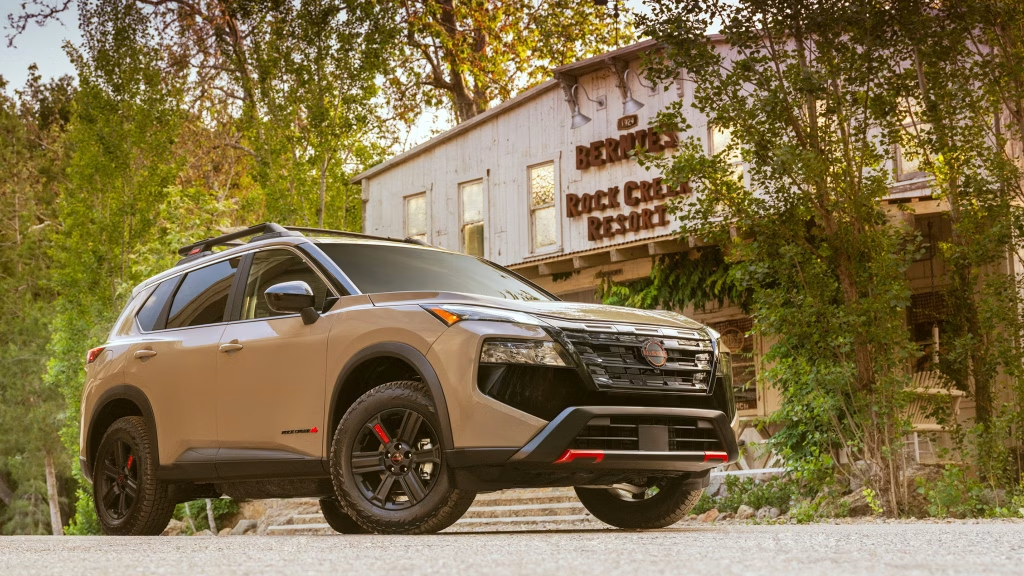
Nissan initially investigated the issue as a service campaign, but after continued discussions with NHTSA, the company decided in February 2026 to conduct a voluntary safety recall for potentially affected U.S. vehicles. Nissan reported that it was not aware of accidents or injuries related to the condition at the time of the recall filing.
For Rogue owners, the key point is that a vehicle can appear to run normally while still having an unresolved recall. That is why checking the VIN is more reliable than waiting for symptoms to appear. NHTSA recommends using the vehicle’s individual VIN to find out whether any unrepaired recalls are associated with it.
9. Chevrolet Equinox
The Chevrolet Equinox deserves special attention in a recall discussion because NHTSA issued a recent warning involving certain used vehicles that have received replacement airbag inflators after a previous crash. This is different from a normal manufacturer recall affecting every vehicle of a particular model year.
The agency reported on September 3, 2026, that a defective Chinese replacement inflator marked DTN60DB had been linked to 11 U.S. deaths, including a fatality involving a 2018 Chevrolet Equinox in Dallas.
The distinction is critical. NHTSA says these vehicles had their original frontal driver airbag inflators replaced after a crash, beginning in 2020, with a defective replacement component. The agency specifically warned owners of used vehicles that have previously been involved in a crash with airbag deployment to have the vehicle inspected.
That means an Equinox with a clean-looking interior and no warning light can still warrant investigation if it has a crash history. A conventional vehicle-history report can help identify previous accidents, but buyers should not stop there if the vehicle has had an airbag deployment.
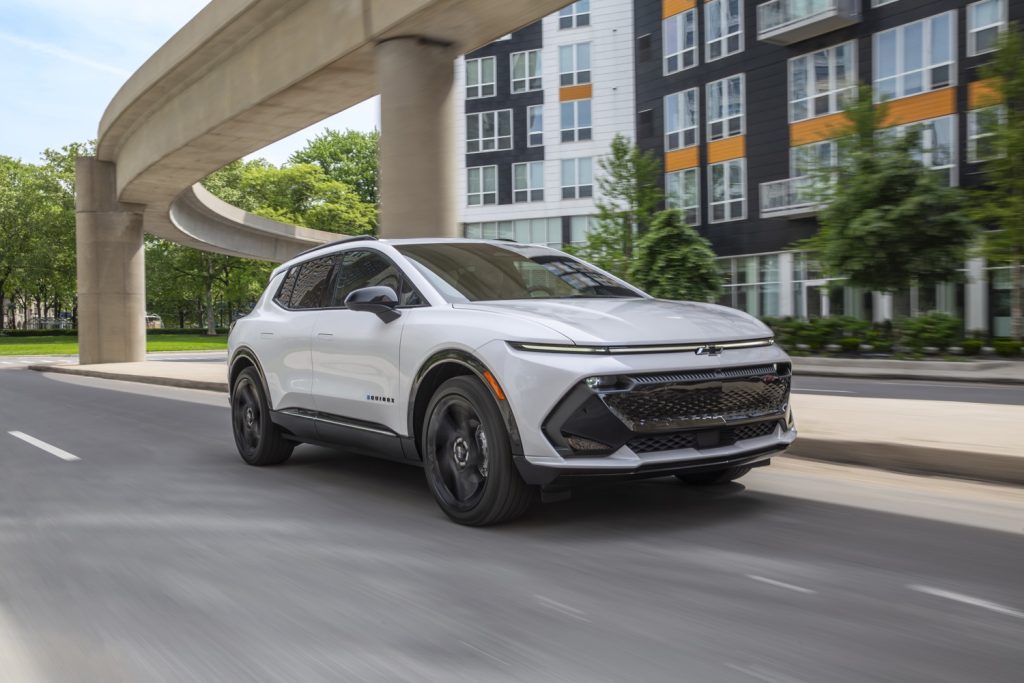
This situation also illustrates why “no open recall” and “no safety concern” are not always interchangeable statements. NHTSA maintains recall information by VIN and recommends using the VIN lookup to identify unrepaired recalls. However, the agency’s September warning concerns illegally imported replacement inflators installed after crashes, so checking the vehicle’s repair history becomes particularly important.
For an Equinox buyer, the sensible move is to ask whether the vehicle has ever had an airbag deployment and whether replacement parts were installed afterward. If the answer is yes, professional inspection of the airbag system is worthwhile before purchase.
10. Hyundai Sonata
The Hyundai Sonata closes this list for a reason that deserves more attention than a conventional model-year recall. NHTSA’s September 2026 consumer alert identified certain Chevrolet Malibu and Hyundai Sonata vehicles involved in crashes after their original driver airbags had been replaced with defective aftermarket inflators marked DTN60DB.
The agency said the previous 10 deaths associated with these inflators occurred in Chevrolet Malibu and Hyundai Sonata vehicles, before an additional fatality in a Chevrolet Equinox brought the U.S. total to 11.
The critical detail is that this is not simply a warning that every Sonata has a defective factory-installed airbag. NHTSA’s alert specifically concerns vehicles whose original frontal driver airbag inflators were replaced following a crash, beginning in 2020. The replacement inflator was defective and, according to NHTSA, likely illegally imported.
That makes accident history unusually important when evaluating a used Sonata. A car that has never experienced a crash is fundamentally different from one that suffered a major front-end collision and subsequently received an aftermarket airbag component.
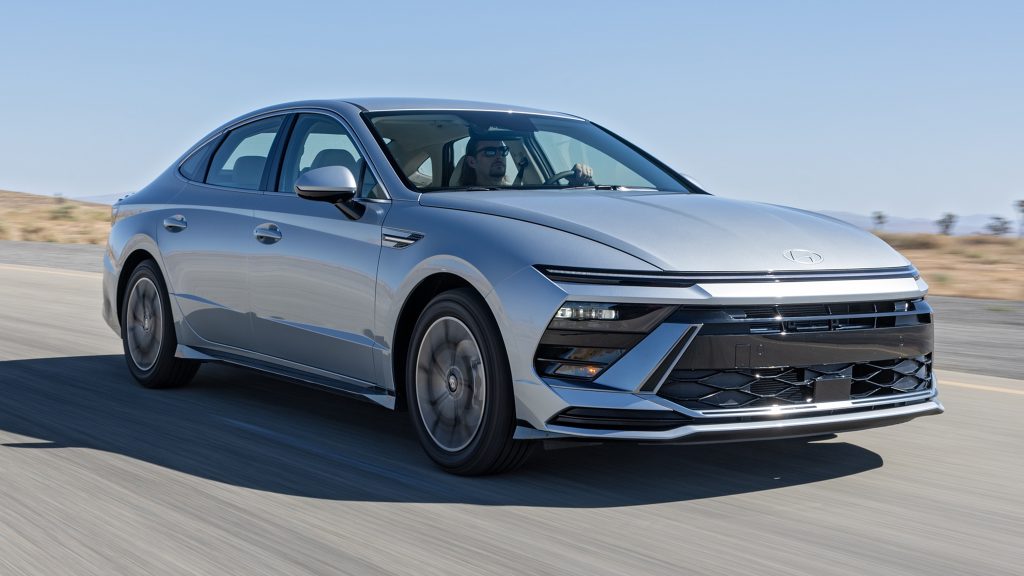
NHTSA describes the defective inflator as capable of rupturing during deployment, potentially sending metal fragments toward occupants. The agency said the incidents occurred in otherwise survivable crashes, which makes the warning particularly serious.
For owners and used-car shoppers, the lesson is broader than this single campaign. NHTSA’s recall database allows searches by VIN, while the agency also recommends checking the vehicle’s history when investigating safety issues. If a Sonata has been in a crash involving airbag deployment, the owner should have the restraint system professionally inspected rather than assuming that a previous repair was performed correctly.
The Sonata therefore earns its place here not because every example has an open defect, but because certain previously crashed examples may contain a potentially lethal replacement component that deserves immediate attention.
