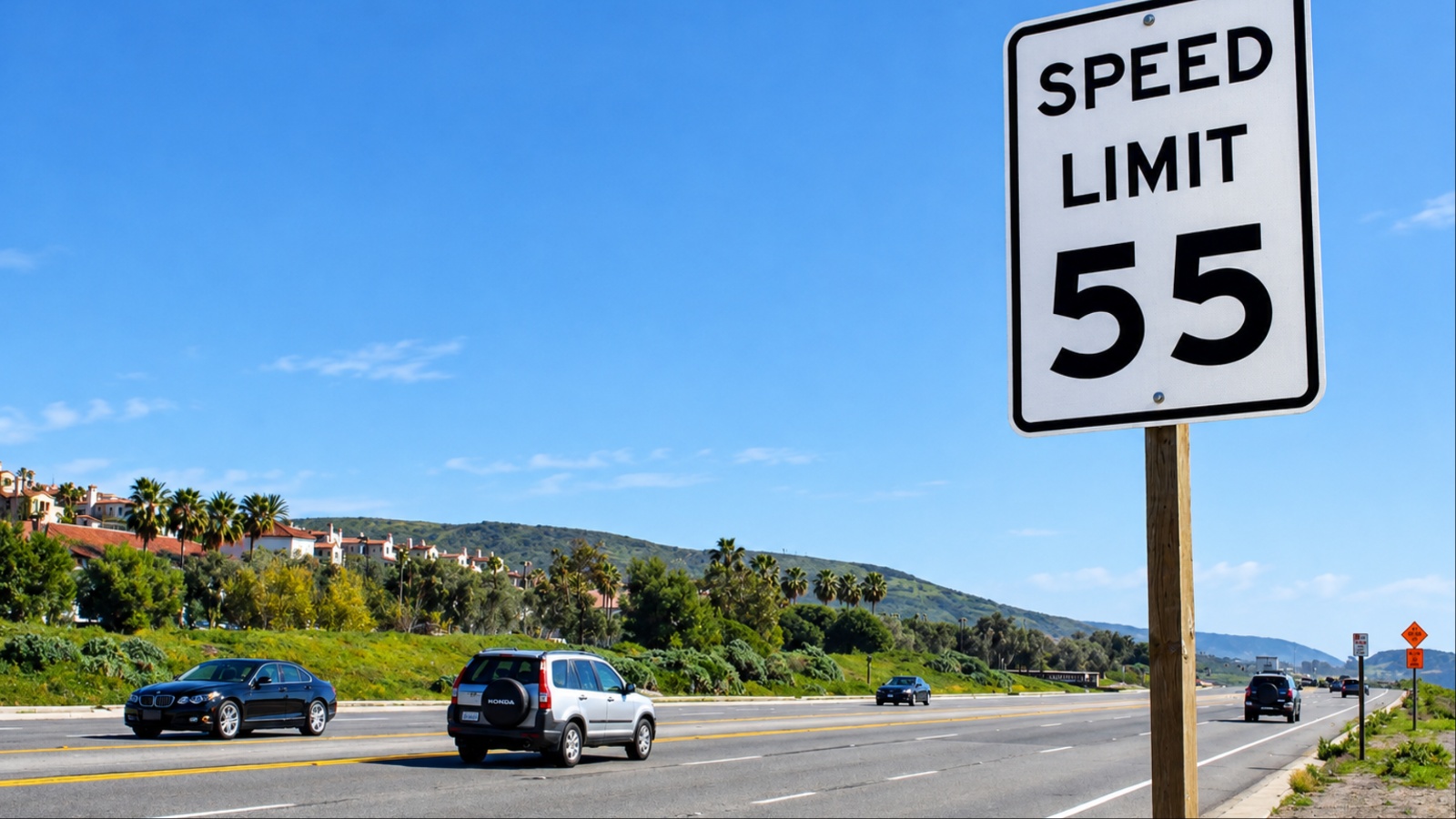
For twenty-one years, Americans had to keep their cars at or below 55 mph on most highways because the federal government wanted to save fuel. Today, that number sounds surprisingly low, especially when many drivers are used to cruising at 65, 70, or even 75 mph. Yet in 1974, the new rule became a major part of everyday driving.
Some motorists welcomed the idea of using less gasoline, while others saw it as an unnecessary restriction on personal freedom. The policy lasted far longer than many expected, and its history says a lot about how Americans respond when government tries to change familiar habits. So, why did the country adopt the 55 mph limit, and what happened when it finally went away?
The Oil Crisis That Changed American Driving
The story began with an energy emergency. In October 1973, Arab members of the Organization of Petroleum Exporting Countries placed an oil embargo on the United States and several other countries.
The decision followed American support for Israel during the Yom Kippur War. Oil prices rose sharply, and the United States faced serious concerns about fuel supplies.
At the time, the country depended heavily on petroleum for transportation. Cars, trucks, and buses consumed enormous quantities of gasoline and diesel every day. With oil supplies under pressure, reducing fuel consumption became a national priority.
President Richard Nixon signed the Emergency Highway Energy Conservation Act on January 2, 1974. The law required states to adopt a maximum speed limit of 55 mph on roads receiving federal highway funding. States that refused risked losing federal transportation money.
The policy was not simply about telling Americans to slow down. It was part of a broader response to the oil crisis, which also included calls for reduced energy use, fuel conservation, and greater attention to domestic energy production.
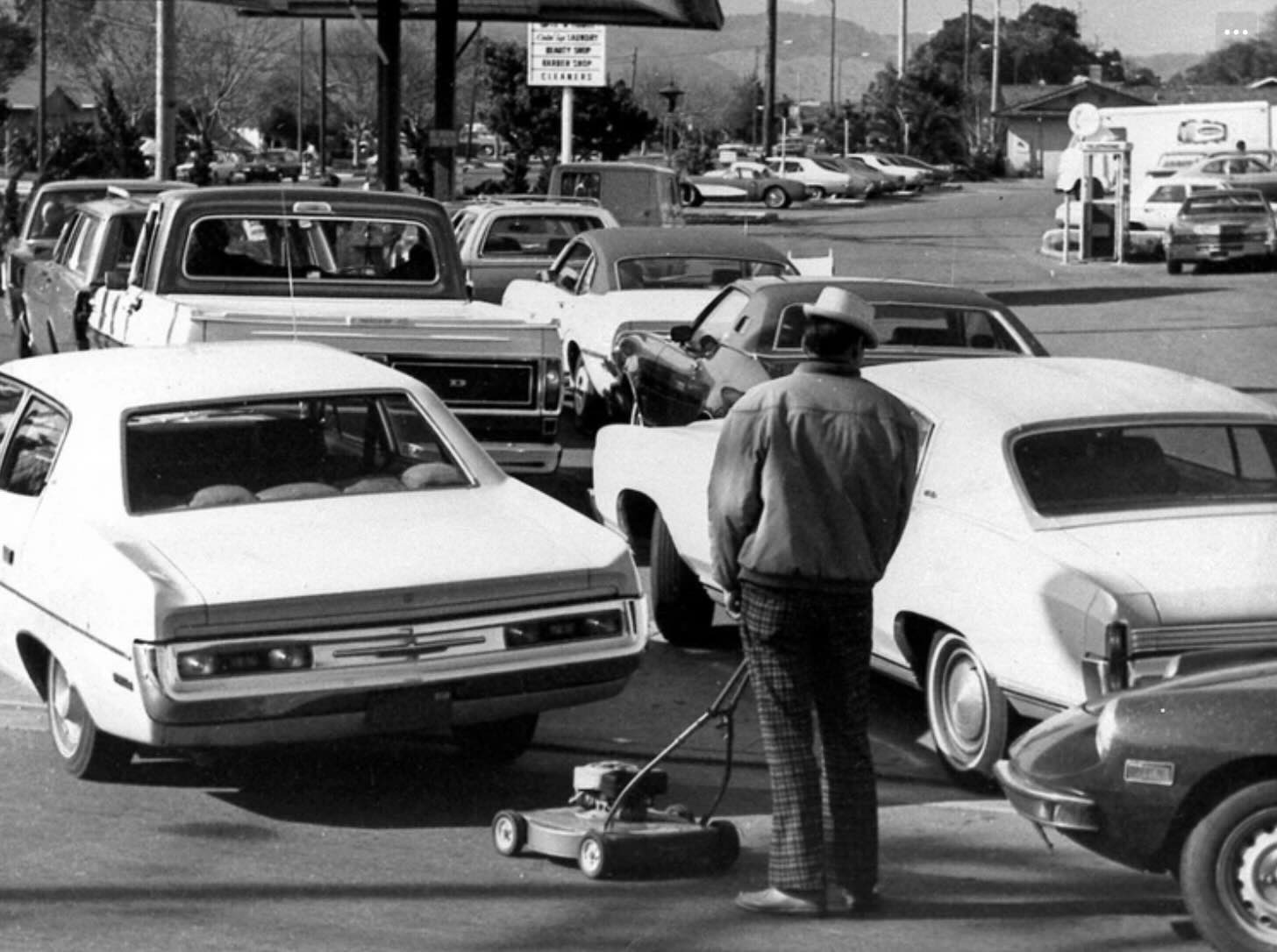
The 55 mph limit became a symbol of the era. It represented a government trying to conserve resources during a period when gasoline shortages and long lines at filling stations had become part of daily life.
Why 55 MPH Was Chosen
Why 55 mph instead of 60 or 50? The answer involved fuel efficiency, highway safety, and political practicality. Cars generally consume less fuel at moderate highway speeds than they do at faster speeds.
As a vehicle travels faster, air resistance increases, forcing the engine to work harder. A driver who reduces speed from 70 mph to 55 mph can often improve fuel economy, although the exact savings depend on the vehicle, road conditions, and driving habits.
Federal officials believed a nationwide 55 mph limit could reduce gasoline consumption. They also argued that slower highway speeds would lower the number of traffic deaths.
Setting the limit at 55 mph also offered a practical benefit because most passenger vehicles could travel at that speed without significantly affecting long distance journeys.
Drivers would still be able to cover substantial distances, but they would use less fuel than they would at higher speeds. The law did not require every road in the country to have a 55 mph limit.
It applied to federally funded highways, and states retained responsibility for setting and enforcing speed limits. Still, the federal funding requirement gave the policy considerable reach.
For motorists, the new rule meant that many familiar highway trips took longer. For policymakers, it was an attempt to balance transportation needs with the urgent demand for fuel conservation.

How Drivers Responded To The New Rule
The 55 mph limit quickly became one of the most debated transportation policies in American history. Many drivers disliked being told how fast they could travel on roads they had used for years.
Some motorists obeyed the rule carefully, especially where police enforcement was strong. Others continued driving faster, creating a gap between the posted limit and actual behavior.
Speedometers remained a common source of anxiety for drivers who wanted to avoid tickets. Truck drivers faced their own challenges.
A lower speed limit affected delivery schedules, operating costs, and the time required to transport goods between cities. Some trucking companies supported the policy because it could reduce fuel expenses, while others worried about slower deliveries.
The rule also produced a cultural reaction. Drivers who had grown accustomed to faster highway travel saw the 55 mph limit as an intrusion into personal freedom. Signs, bumper stickers, and public debates reflected the frustration.
Supporters pointed to fuel savings and safety. Critics argued that responsible adults should be allowed to choose their own driving speeds when road conditions permitted.
The debate was not purely political. It involved everyday questions about work, travel, convenience, and the role of government in private life. The speed limit became a topic that could bring people together or start an argument at the dinner table.
Did The Speed Limit Save Fuel?
The federal government expected the 55 mph limit to reduce fuel consumption, and research later found evidence that lower speeds can save gasoline. The actual national savings, however, depended on how closely drivers followed the rule.
A 1982 study published in the American Journal of Public Health examined the effects of the national speed limit on traffic fatalities. Researchers found that the policy was associated with a reduction in deaths, though the study could not prove that speed alone caused every change.
Fuel savings were harder to measure precisely. Drivers did not all obey the limit, and many factors affected gasoline consumption. Vehicle design, traffic conditions, weather, road grades, and driving style all mattered.
The oil crisis itself also changed behavior. People drove less, bought more fuel-efficient cars, and used gasoline more carefully. These changes made it difficult to separate the effects of the speed limit from the effects of the broader energy crisis.
The underlying engineering principle was straightforward. As vehicle speed increases, fuel consumption generally rises as well. By establishing 55 mph as the legal highway standard, the policy encouraged motorists to drive more slowly and use less gasoline.
The policy also helped keep fuel conservation in public discussion. Americans became more aware that driving habits could affect household expenses and national energy demand.
Why The 55 MPH Limit Finally Ended
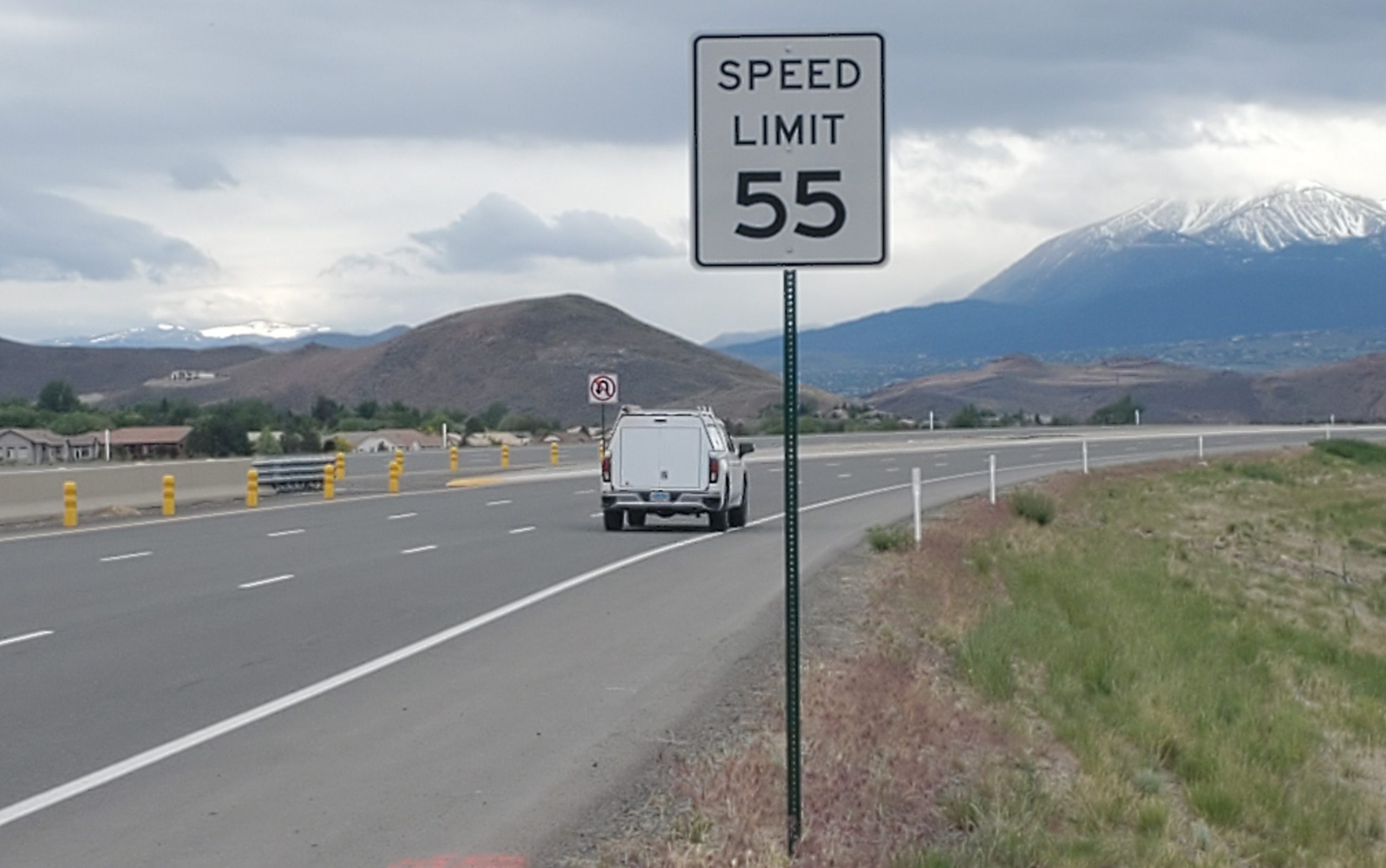
The national speed limit lasted from 1974 until 1995, though its reach changed during that period. Congress allowed states to raise speed limits on rural interstate highways in 1987, and many states did so.
The 55 mph rule continued to apply to certain roads, including some urban highways and other federally funded routes. By the 1990s, opposition to the policy had grown.
Many Americans believed that states should have more authority to decide highway speeds based on local conditions. Rural states, in particular, argued that long stretches of open interstate could safely accommodate faster travel.
Congress passed the National Highway System Designation Act in 1995, ending the federal requirement for a 55 mph maximum speed limit. President Bill Clinton signed the law on November 28, 1995.
States then became free to set their own highway speed limits. Many raised them to 65, 70, or 75 mph, while some western states adopted limits of 80 mph on selected roads.
The end of the federal rule did not mean that every road became faster. State transportation agencies still considered safety, traffic, road design, and local conditions when setting limits.
The twenty-one-year experiment remains an important example of how a national policy can affect millions of people. It began as an emergency response to an oil shortage, became a source of political disagreement, and ended when lawmakers decided that states should have more control over highway speeds.