
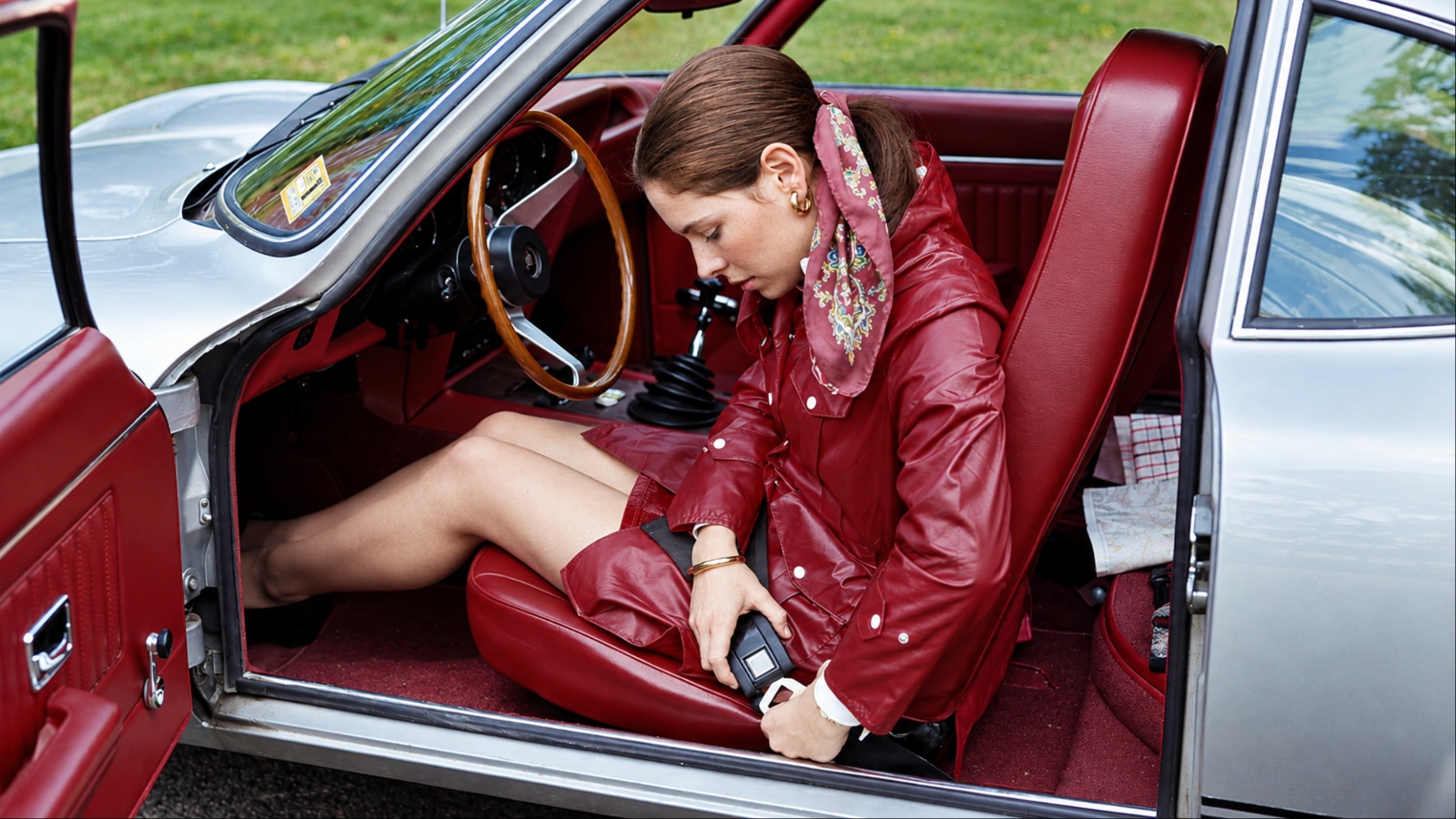
Imagine buying a brand-new car in the 1950s. It has a powerful engine, shiny chrome, and comfortable seats, but buckling up is not part of your daily routine. For millions of Americans, that was normal. Seat belts existed, yet many drivers and passengers rarely used them. The familiar safety feature took decades to become a standard part of driving.
In 1968, a federal regulation required new passenger cars to be equipped with seat belts, introducing an important shift in vehicle safety standards. However, there is an important distinction that is often overlooked.
The rule required manufacturers to install seat belts in new vehicles, but it did not require drivers or passengers to actually wear them. This difference is one reason the history of seat belt laws and their use is more complicated than it may initially seem.
Cars Before Seat Belts Became Standard
For much of the early automobile era, safety equipment was not a major selling point. Car companies focused on styling, performance, comfort, and affordability.
Buyers paid attention to engine power, exterior design, and how much room a vehicle offered. A seat belt was something a person might install later, if they wanted one.
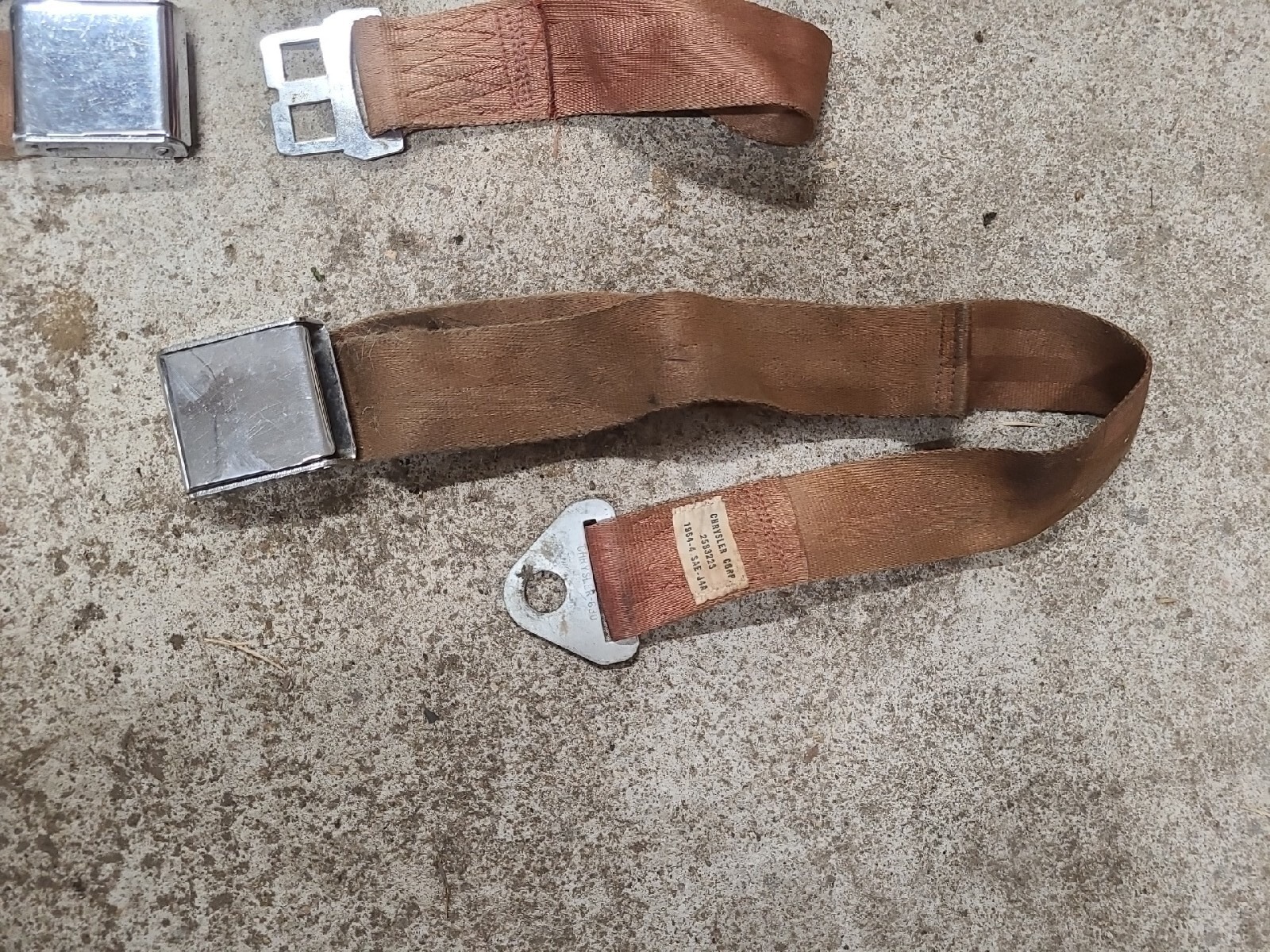
That does not mean safety belts were unknown. Inventors and automobile manufacturers had experimented with restraint systems for years. Some early cars offered lap belts, and a few drivers chose to use them.
However, the equipment was not yet a normal part of everyday driving. The National Academies records that front seat belts became standard equipment in new American cars in 1964.
This was an important step, but it did not mean every car on the road had belts, nor did it mean people were required to buckle up. Many older vehicles remained in service without modern restraint systems.
The situation reflected a broader attitude toward driving. Cars were often viewed as personal possessions, and safety decisions were left largely to individual judgment. A person could buy a vehicle, sit behind the wheel, and travel without fastening a belt.
That freedom came with a cost. When crashes happened, occupants had fewer protections than drivers expect today. The absence of a restraint could turn a serious collision into a fatal one.
The 1966 Law That Changed Automobile Safety
The federal government took a major step toward safer vehicles in 1966. President Lyndon B. Johnson signed the National Traffic and Motor Vehicle Safety Act on September 9 of that year.
The law gave the federal government authority to establish safety standards for motor vehicles sold in the United States. This legislation led to the creation of federal motor vehicle safety standards, including rules covering seat belts.
One of the earliest standards, known as FMVSS 208, required new passenger cars to have occupant protection equipment beginning January 1, 1968.
The rule required lap belts in designated seating positions and lap-and-shoulder belts in the front outboard seats. It was a major development because manufacturers could no longer treat seat belts as an optional extra on new passenger cars.
The National Highway Traffic Safety Administration explains that the requirement applied to new passenger cars, while other vehicle types received their own requirements later. The law also established a foundation for future improvements to restraint systems.
There was a practical reason for federal action. Automobile safety standards had previously varied from state to state, making it difficult to establish consistent requirements for vehicles sold across the country.
A national rule gave manufacturers one broad set of standards to follow. The new law did not instantly make American roads safe. It did, however, create a system that could improve vehicle protection through engineering, testing, and government regulation.
Why Americans Did Not Buckle Up
Having a seat belt inside a car and wearing it were two different matters. In the years following the 1968 equipment requirement, many drivers and passengers continued to travel without buckling up.
The reasons varied. Some people found belts uncomfortable or believed they restricted movement. Others considered them unnecessary for short trips or thought careful driving was enough to prevent a crash.
There were also motorists who simply did not like being told what to do inside their own cars. The National Highway Traffic Safety Administration has documented how low seat belt use was during this period.
Observational surveys of drivers in vehicles from the late 1960s and early 1970s recorded lap belt use at roughly 9% to 16%, while combined lap-and-shoulder belt use was much lower.
Those figures show that installing safety equipment was only the first part of the problem. The next challenge was persuading people to use it.
Automakers tried different approaches. Some vehicles included warning systems that reminded drivers to fasten their belts. Advertising campaigns also encouraged motorists to take safety more seriously.
Yet public acceptance did not happen immediately. Seat belts were competing with established habits, personal preferences, and a widespread belief that serious crashes happened to other people.
The debate was not simply about comfort. It also raised questions about personal responsibility and government authority. Should a driver be free to decide whether to wear a belt, or should the law require it?
When Wearing Seat Belts Became Mandatory
The federal government required manufacturers to install seat belts, but it did not immediately require drivers to use them. That second part of the story came later, as states began adopting mandatory seat belt laws.
New York became the first state to require occupants to wear seat belts in 1984. Other states followed, creating a patchwork of rules that differed depending on location, age, seating position, and enforcement practices.
The change reflected growing public awareness of crash injuries and the benefits of restraint use. Safety officials had spent years encouraging people to buckle up, but education alone had not produced the level of compliance they wanted.
Research also helped strengthen the case for seat belt laws. The National Highway Traffic Safety Administration reports that mandatory use laws increase belt use and are associated with reductions in traffic deaths.
The arrival of these laws changed the daily experience of driving. Buckling up became a legal responsibility rather than a personal choice. Police could issue citations under state rules, and public campaigns reinforced the message.
Not every state adopted the same approach. Some laws allowed officers to issue a ticket only when another traffic violation had occurred, while others permitted a stop for a seat belt violation alone.
The differences remain important today. Even though seat belts are widely accepted, the laws governing their use still vary across the United States.
How Seat Belts Became Part Of Everyday Life
The seat belt has become so familiar that it is easy to forget how recently it became a routine part of driving. Today, many people enter a car, reach for the belt, and fasten it without giving the action much thought.
That change came through years of engineering improvements, public education, safety campaigns, and state laws. The three-point belt, which secures the upper body and hips, became an important part of modern vehicle safety because it offers protection during sudden stops and crashes.
Manufacturers also introduced better belt designs, stronger anchorage systems, improved buckles, and warning features that encouraged people to use them. The National Highway Traffic Safety Administration says seat belt use increased greatly after the early 1980s.
In a national survey conducted in 1982, only 11% of drivers and front-seat passengers were observed wearing seat belts. By 2012, the national use rate had reached 86%. That dramatic change shows how public behavior can develop when safety practices become widely accepted.
Seat belts moved from being an unusual accessory to an expected part of everyday vehicle travel. Their history also shows that creating a safety feature is only one part of the job. People must understand its value and develop the habit of using it.
The 1968 law did not force every American to buckle up. Instead, it required new passenger cars to carry seat belts and other safety equipment. That distinction matters when looking at how seat belts became a normal part of everyday driving.
