Buying a used car is exciting, but the handshake with the seller or the drive off the dealer lot is really just the beginning. What you do in the first week determines whether your new-to-you vehicle becomes a reliable daily driver or a source of constant headaches.
Many used car owners make the mistake of assuming that because the car passed a test drive and looked good on paper, everything is fine, only to discover hidden issues weeks or months later when problems are harder and more expensive to fix.
This guide walks through ten essential tasks to complete during your first week of ownership. From verifying paperwork and insurance to inspecting fluids and scheduling a mechanic’s checkup, these steps will help you catch potential problems early, protect yourself legally and financially, and get to know your vehicle before you’re relying on it for daily life. Taking a proactive approach now saves time, money, and stress down the road.
1. Verify and Transfer the Title Properly
The single most important task in your first week is making sure the title transfer is handled correctly. Before you even finish celebrating your purchase, confirm that the seller has signed over the title to you and that all required fields are filled out accurately, including the odometer disclosure statement. Errors or omissions here can create major headaches later, including delays at the DMV or even questions about legal ownership.
Check your state’s specific requirements, since title transfer rules vary widely. Some states require notarization, while others need a bill of sale as a companion document. Make copies of everything before you submit original paperwork anywhere, and keep digital backups in cloud storage as well as physical copies in a safe place at home.
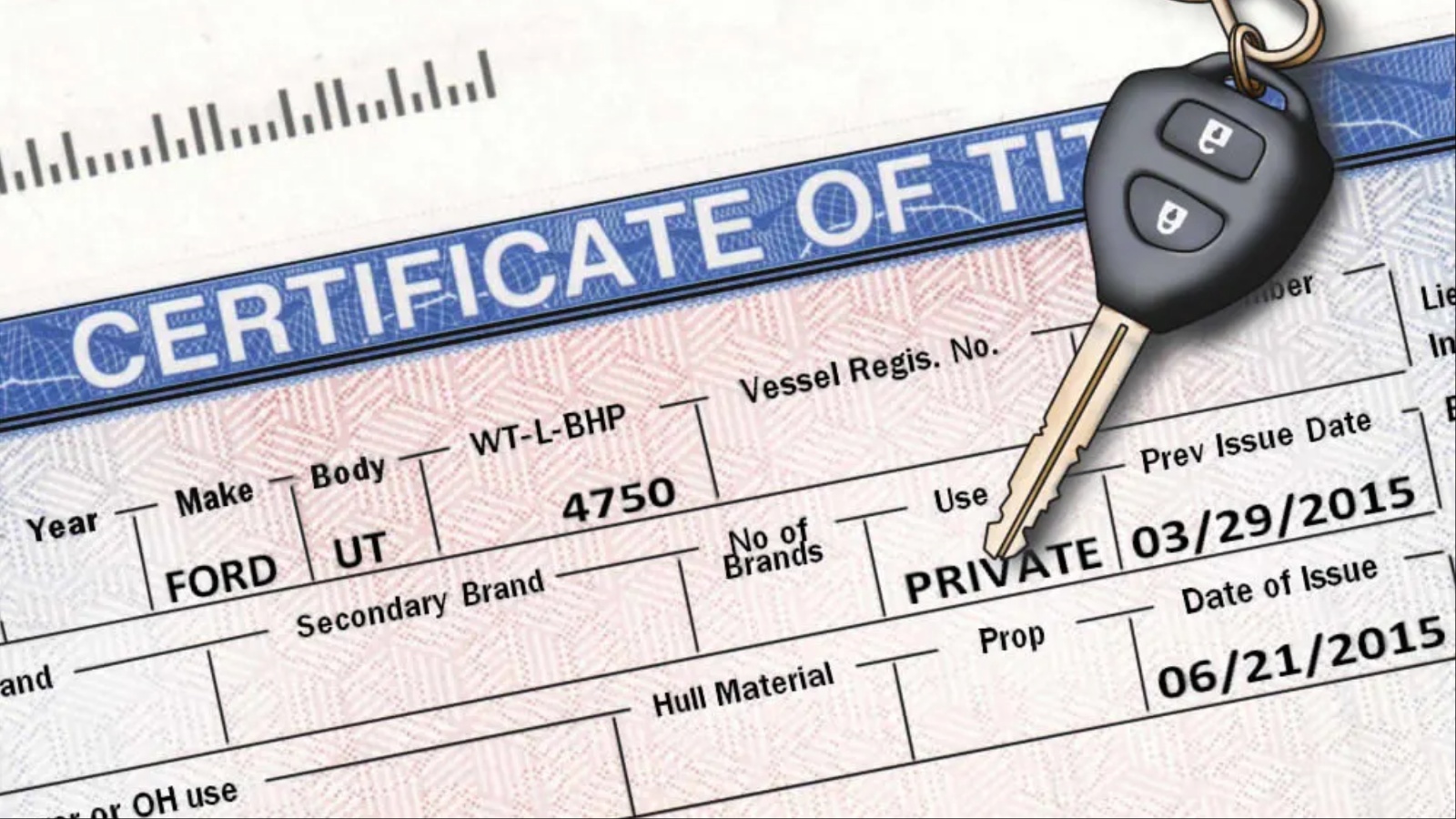
If you financed the vehicle, the lender will typically handle placing a lien on the title, but you should still confirm this process is underway and understand the timeline. If you bought from a private seller, pay extra attention, since there’s no dealership staff to guide you through the paperwork correctly.
Visit your local DMV or equivalent agency within the legally required window, which is often 10 to 30 days depending on your location, to formally register the vehicle in your name. Missing this deadline can result in fines or penalties, and driving an unregistered vehicle can lead to tickets or even impoundment. Set a calendar reminder immediately so this critical deadline doesn’t slip through the cracks during a busy first week of ownership.
2. Set Up or Transfer Insurance Coverage
Never drive your newly purchased used car without proper insurance coverage in place, even for a short trip home. Most states legally require at least liability coverage, and lenders financing your purchase will mandate comprehensive and collision coverage as well. Before you even pick up the car, it’s wise to have a policy ready to activate the moment you take possession.
Start by contacting your current insurance provider to see if they can simply add the new vehicle to an existing policy or transfer coverage from a car you’re replacing. This is often the fastest and easiest route, and many insurers allow same-day changes over the phone or through a mobile app.
If you’re insuring a vehicle for the first time, shop around for quotes from at least three providers, since rates can vary substantially based on the car’s make, model, age, and your driving history.
When setting up your policy, provide accurate information about the vehicle, including the VIN, mileage, and any modifications. Underreporting mileage or misrepresenting how the car will be used, such as claiming personal use when you’ll actually use it for rideshare driving, can void your coverage exactly when you need it most.
Review your coverage limits and deductibles carefully rather than simply accepting default options. A used car, especially an older one, may not warrant the same level of comprehensive coverage as a brand-new vehicle, and adjusting your deductible could meaningfully lower your premium. Keep proof of insurance in the glove compartment and saved on your phone, since you’ll need to show it during any traffic stop or accident.
3. Get a Thorough Independent Inspection
Even if the used car passed a pre-purchase inspection or came with a clean vehicle history report, it’s worth scheduling a comprehensive checkup with a trusted independent mechanic within your first week of ownership. A history report only shows reported accidents and title issues; it says nothing about the current mechanical condition of critical components like brakes, suspension, and the engine.
Choose a mechanic who has no relationship with the seller or dealership to ensure an unbiased assessment. Ask specifically for a multi-point inspection covering the brake pads and rotors, tire tread and alignment, suspension components, belts and hoses, battery health, and any fluid leaks.
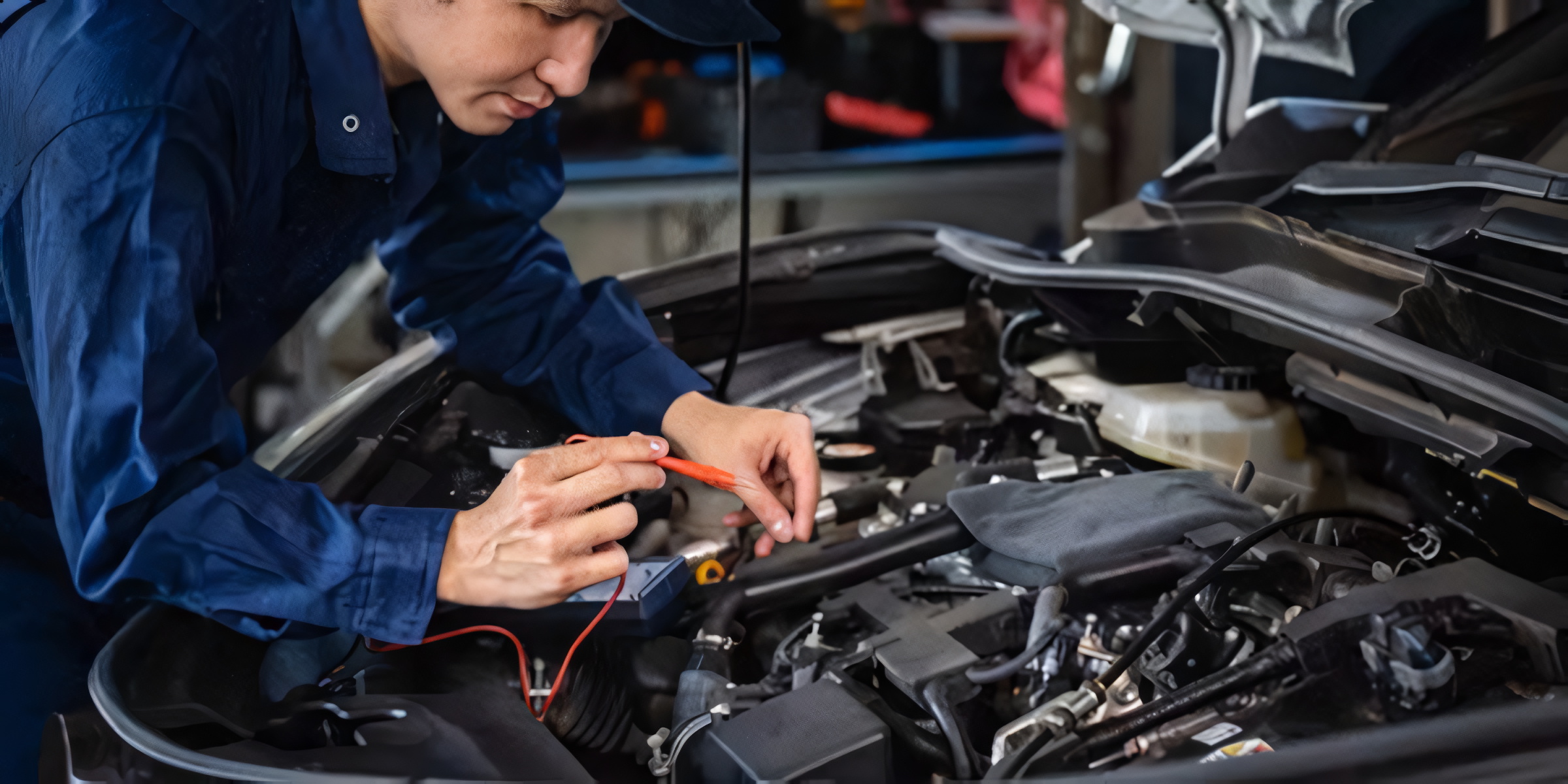
This inspection typically costs between $100 and $200 but can reveal issues that would cost thousands to repair if left unaddressed, giving you crucial information about what maintenance to prioritize.
If the mechanic identifies problems, don’t panic immediately. Ask for a breakdown of what’s urgent versus what can wait, since not every finding demands immediate attention. Urgent safety issues like worn brakes or bald tires should be addressed right away, while cosmetic or minor issues can often be scheduled for later.
This inspection also establishes a baseline for the car’s condition at the start of your ownership, which is valuable for tracking wear over time and for any future warranty or dispute situations. Keep the written inspection report filed away with your other important vehicle documents, as it may prove useful if problems arise that you later want to dispute with the seller.
4. Check and Top Off All Fluids
Fluid levels tell you a lot about how well a used car was maintained by its previous owner, and checking them yourself in the first week helps you catch problems early while getting hands-on familiarity with your vehicle. Start with the engine oil, checking both the level and the color and consistency. Oil that appears dark, gritty, or has a burnt smell may indicate the car is overdue for a change, even if the seller claimed otherwise.
Next, check the coolant level in the overflow reservoir, making sure it falls between the minimum and maximum lines. Low coolant can signal a leak somewhere in the system, which is worth having a mechanic investigate before it leads to overheating. Similarly, check the brake fluid reservoir, transmission fluid if accessible, and power steering fluid if your vehicle uses a separate reservoir for it.
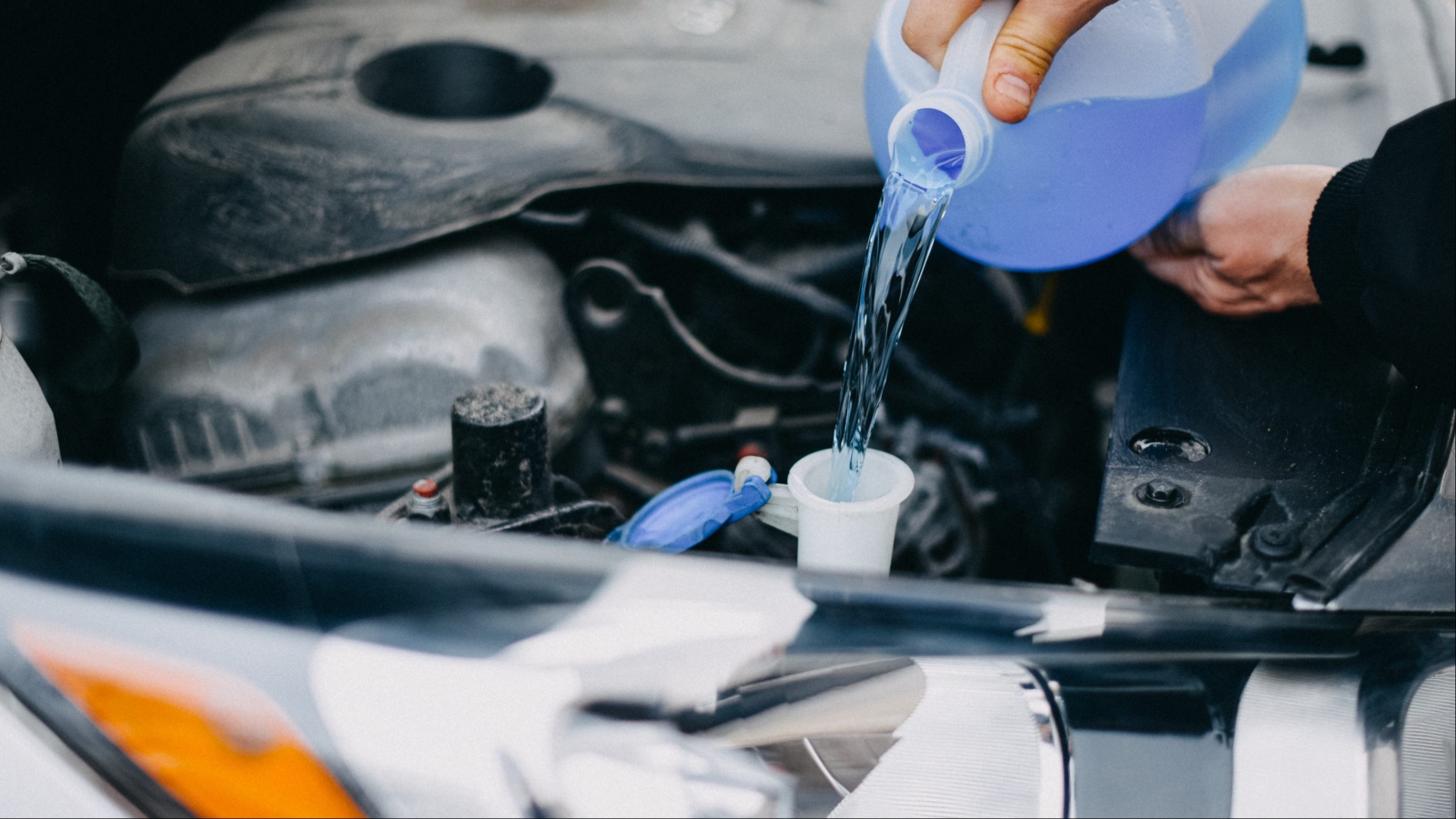
Don’t forget windshield washer fluid, which is a simple but often overlooked item that makes a real difference for visibility and safety. Top it off with a proper washer fluid rather than plain water, especially if you live somewhere with cold winters, since plain water can freeze in the lines.
If any fluid level appears low, don’t simply top it off and forget about it. Low fluid levels can indicate a leak or wear elsewhere in the system. Keep track of how quickly the level drops over the following weeks. If any fluid level falls noticeably or repeatedly, have the vehicle inspected by a professional rather than continuing to top it off.
5. Test All Electronics and Features
Modern used cars come packed with electronic systems, from power windows and locks to infotainment screens, backup cameras, and driver assistance features. During your first week, systematically test every single feature the car offers rather than assuming everything works simply because the test drive went smoothly. Problems with electronics are common in used vehicles and can be expensive or complicated to diagnose and repair.
Start with the basics: roll down and up every window, test all door locks including remote key fob functionality, and check that both power seats adjust properly if equipped. Test the air conditioning and heating system thoroughly, running each on full blast for several minutes to make sure they reach appropriate temperatures and that there are no strange smells or noises.
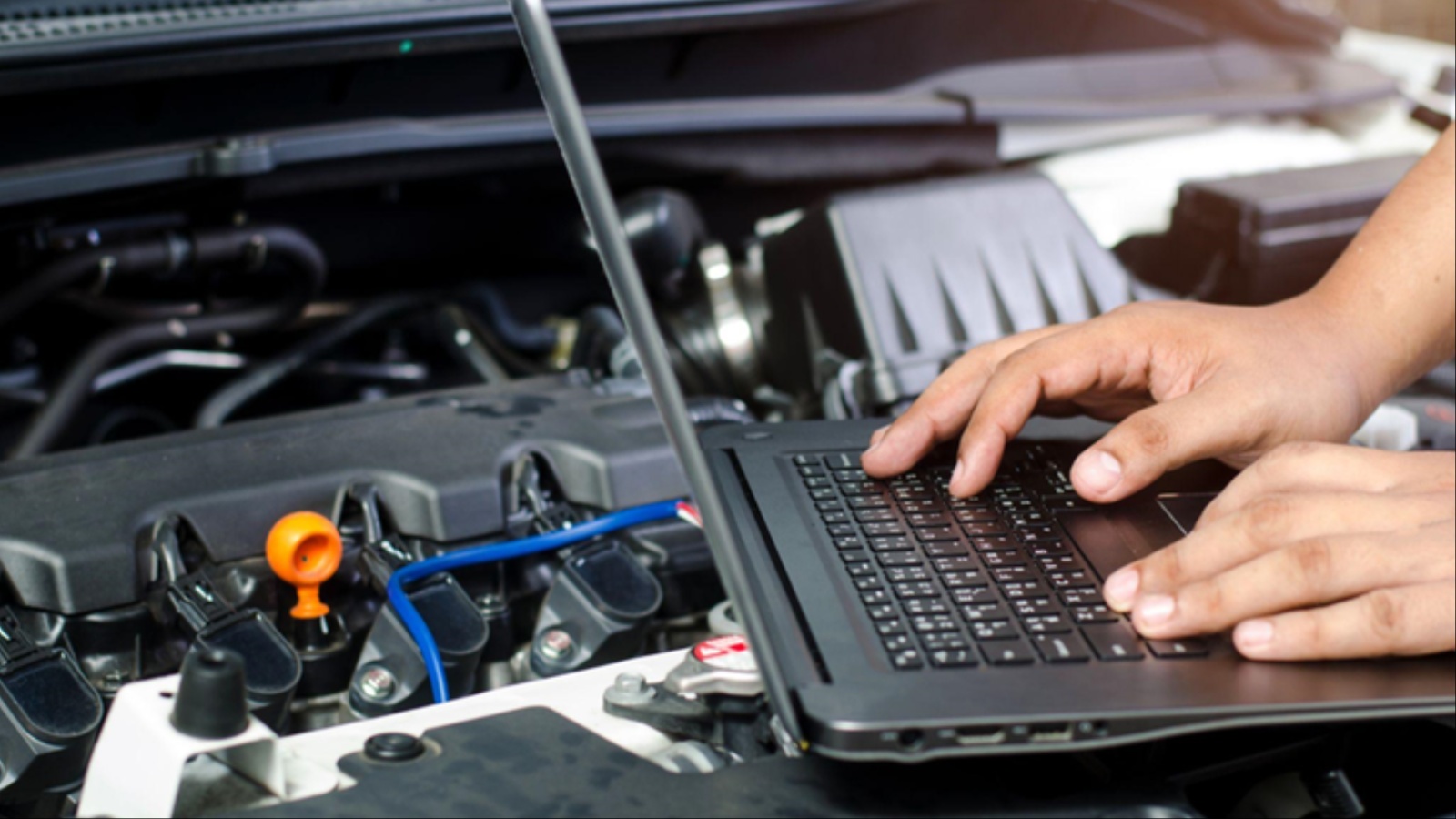
Move on to the infotainment system, testing Bluetooth pairing, navigation if included, the backup camera, and any connected apps. Check that all interior and exterior lights function correctly, including turn signals, brake lights, headlights on both high and low beam settings, and hazard lights. Have someone stand outside the vehicle while you test each light to confirm proper operation.
If the car has advanced driver assistance systems like lane departure warning, blind spot monitoring, or automatic emergency braking, research how these systems are supposed to behave and test them in a safe environment. These systems can be costly to repair if damaged, and knowing they function properly now gives you peace of mind and documentation if you need to dispute a problem with the seller later.
6. Locate and Test the Spare Tire and Tools
It’s easy to overlook the spare tire and emergency tools tucked away in the trunk, but discovering they’re missing or unusable during an actual roadside emergency is a frustrating and potentially dangerous situation. Take time in your first week to locate the spare tire, jack, lug wrench, and any other tools that should have come with the vehicle.
Pull out the spare tire and inspect it closely. Check the air pressure, since spare tires can lose air over time just like regular tires, and a flat spare is essentially useless in an emergency.
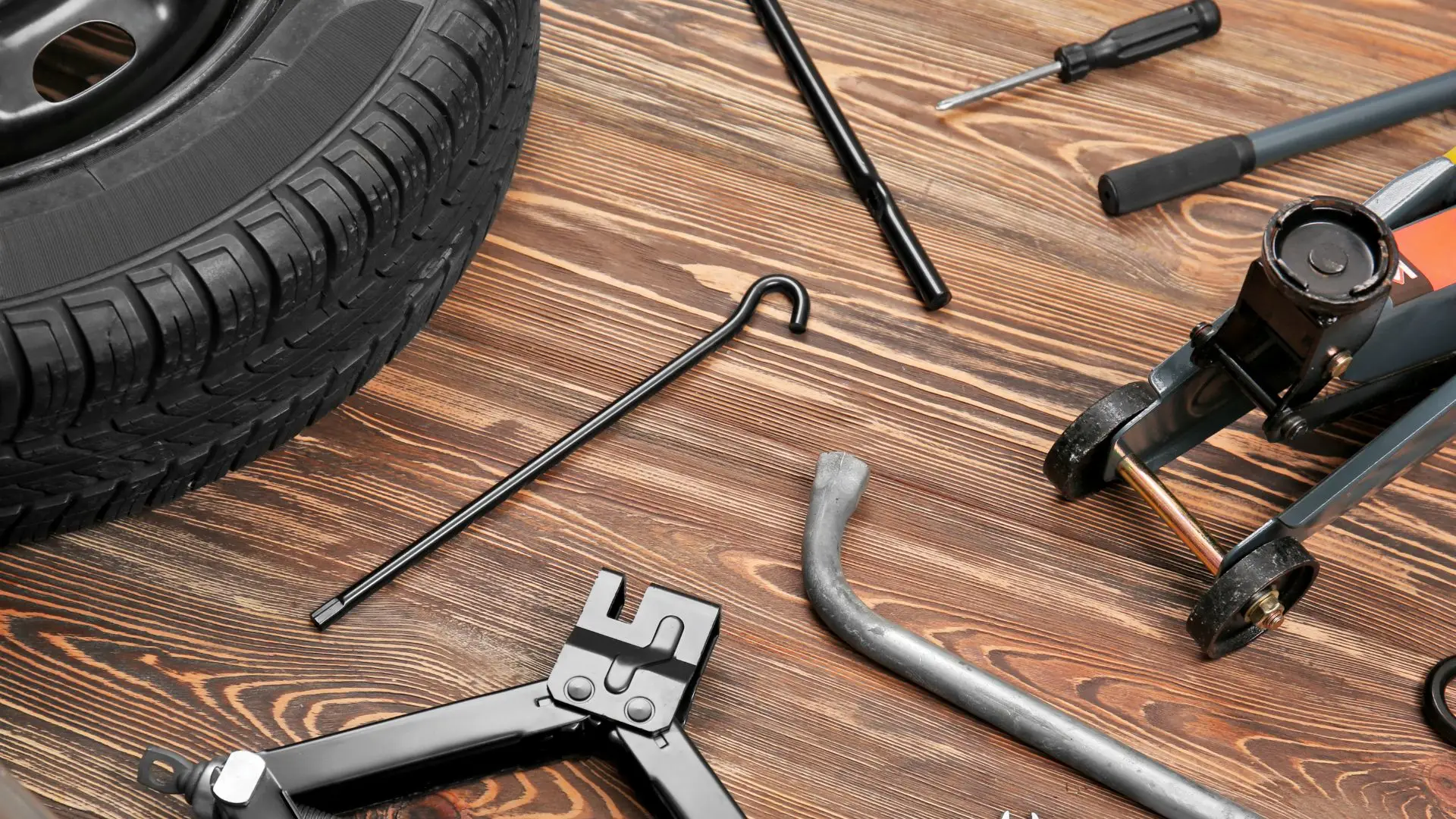
Inspect the tread and general condition, especially if the vehicle is several years old, since spare tires can deteriorate even when they are rarely used. Check whether it is a full-size spare or a smaller “donut” spare, and be aware of the speed and distance limits that apply to temporary spares.
Test that the jack and lug wrench are actually present and in working condition. It’s worth practicing removing and replacing a lug nut in your driveway so you’re not learning this process for the first time on the side of a busy highway. If your car doesn’t include a spare tire at all, which is increasingly common in newer vehicles that rely on tire repair kits or run-flat tires, familiarize yourself with whatever system your car does have.
Consider assembling a small emergency kit to keep alongside the factory tools, including a flashlight, basic first aid supplies, jumper cables or a portable jump starter, and a reflective safety triangle. This small investment of time and money in your first week can make a real difference if you ever find yourself stranded.
7. Program Key Fobs and Understand Security Features
If your used car came with a keyless entry system, proximity key, or remote start functionality, spend time in your first week making sure you understand exactly how it works and confirming you have all the necessary fobs and keys. Ask the seller directly how many key fobs come with the car, since replacing lost fobs for some makes and models can cost several hundred dollars.
If you only received one key fob, strongly consider getting a spare made and programmed as soon as possible. Being locked out or facing a dead fob battery with no backup is a common and entirely avoidable frustration. Many dealerships and locksmiths can program additional fobs, though costs and availability vary depending on the vehicle’s make and model.
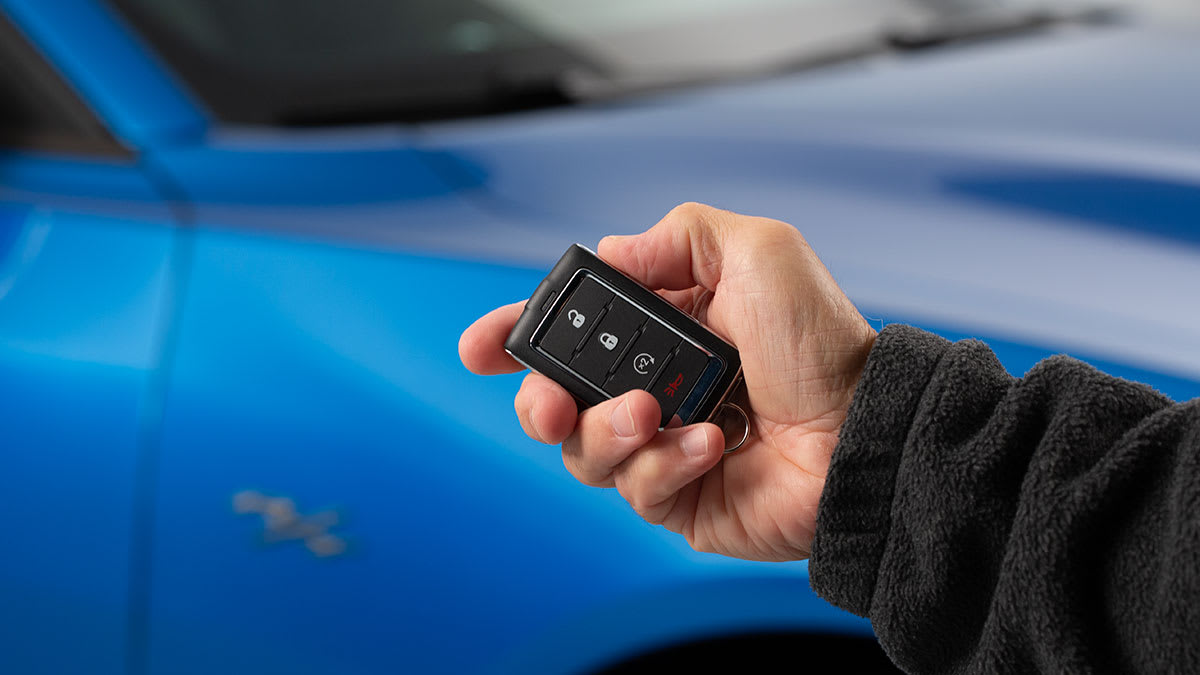
Take time to understand the car’s security features, including whether it has an alarm system and how to arm and disarm it properly. Some used cars retain security settings or paired devices from the previous owner, so check whether any old phone connections need to be removed from the Bluetooth system and whether any garage door opener codes need to be cleared and reprogrammed for your own home.
If the vehicle has remote start capability, learn the specific sequence needed to activate it, since this varies between manufacturers and can sometimes require a companion smartphone app that needs to be set up and linked to the vehicle. Removing the previous owner’s app access and account connections protects your privacy and prevents any confusion about who has remote access to your vehicle.
8. Review the Maintenance History and Owner’s Manual
Understanding your used car’s maintenance history helps you anticipate upcoming service needs and avoid unnecessary or duplicate work. If the seller provided maintenance records, spend time in your first week organizing and reviewing them chronologically. Look for patterns, such as regular oil changes at appropriate intervals, and note when major services like timing belt replacement or transmission fluid changes were last performed.
If you didn’t receive maintenance records, many manufacturers and repair chains can look up service history using the VIN, particularly if the car was serviced at a dealership or major chain. This can fill in gaps and give you a clearer picture of how well the car was cared for during its previous ownership.
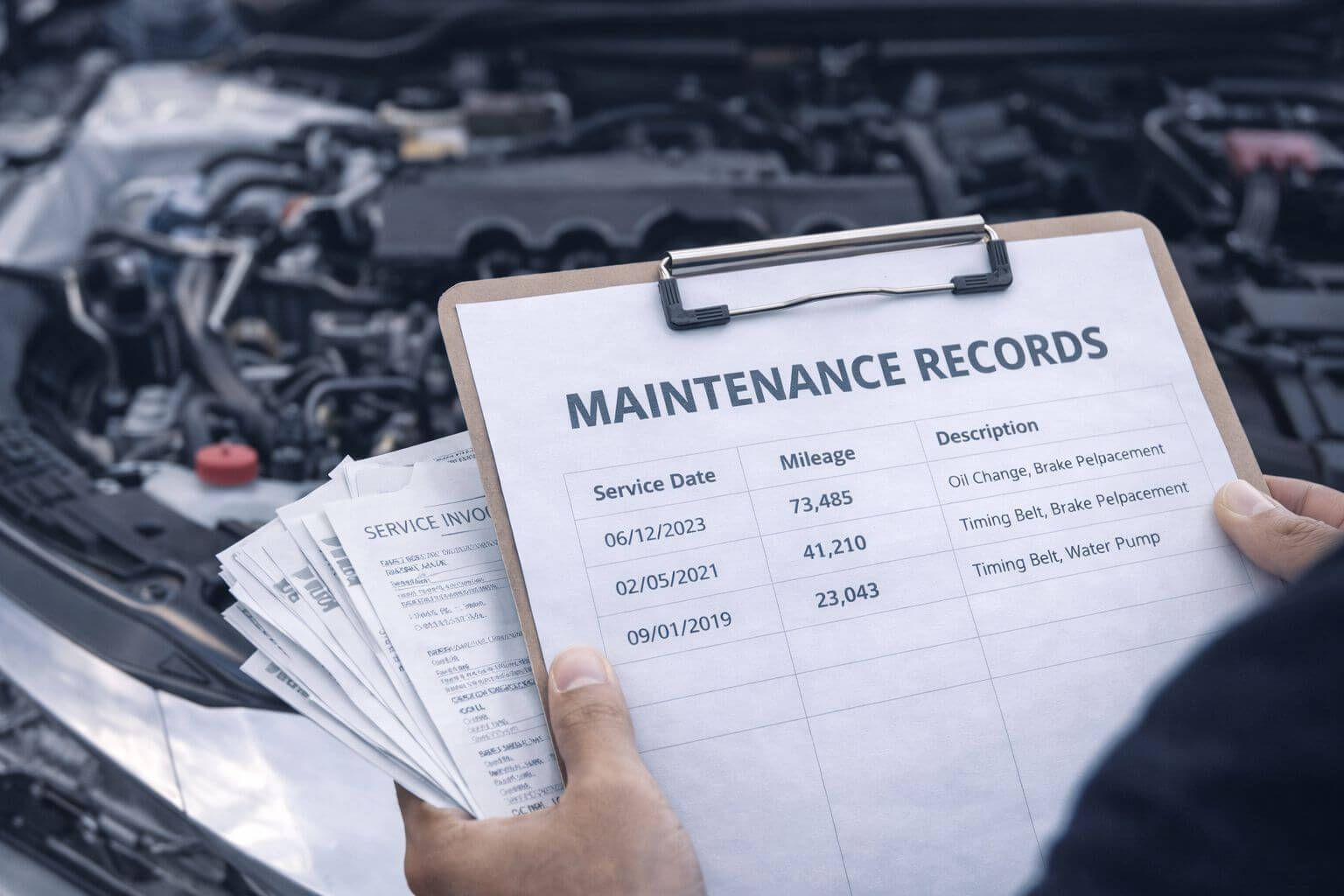
Locate the owner’s manual, which is often found in the glove compartment, and read through it even if you’ve owned similar vehicles before, since specifics vary between makes, models, and trim levels. Pay particular attention to the recommended maintenance schedule, which outlines exactly when services like oil changes, filter replacements, and fluid flushes should occur based on mileage and time.
Create a simple tracking system, whether a spreadsheet, notebook, or a phone app designed for vehicle maintenance tracking, to log the car’s current mileage and any service performed going forward. This habit, established in your very first week of ownership, will save you time and money over the years by helping you stay ahead of manufacturer-recommended maintenance rather than reacting to problems after they occur.
9. Inspect and Rotate the Tires if Needed
Tires are among the most important safety components on any vehicle, yet used car buyers often overlook them while focusing on the engine or interior. During your first week of ownership, inspect all four tires, along with the spare if equipped. Check the tread depth, wear patterns, and general condition to make sure they are safe for continued use.
Use the simple penny test, inserting a penny into the tread with Lincoln’s head facing down; if you can see the top of his head, the tread is dangerously low, and the tire needs replacement soon. Beyond just depth, look closely at wear patterns across the tire’s surface. Uneven wear, such as more wear on the inside or outside edge compared to the center, often indicates alignment or suspension issues that should be addressed by a professional.
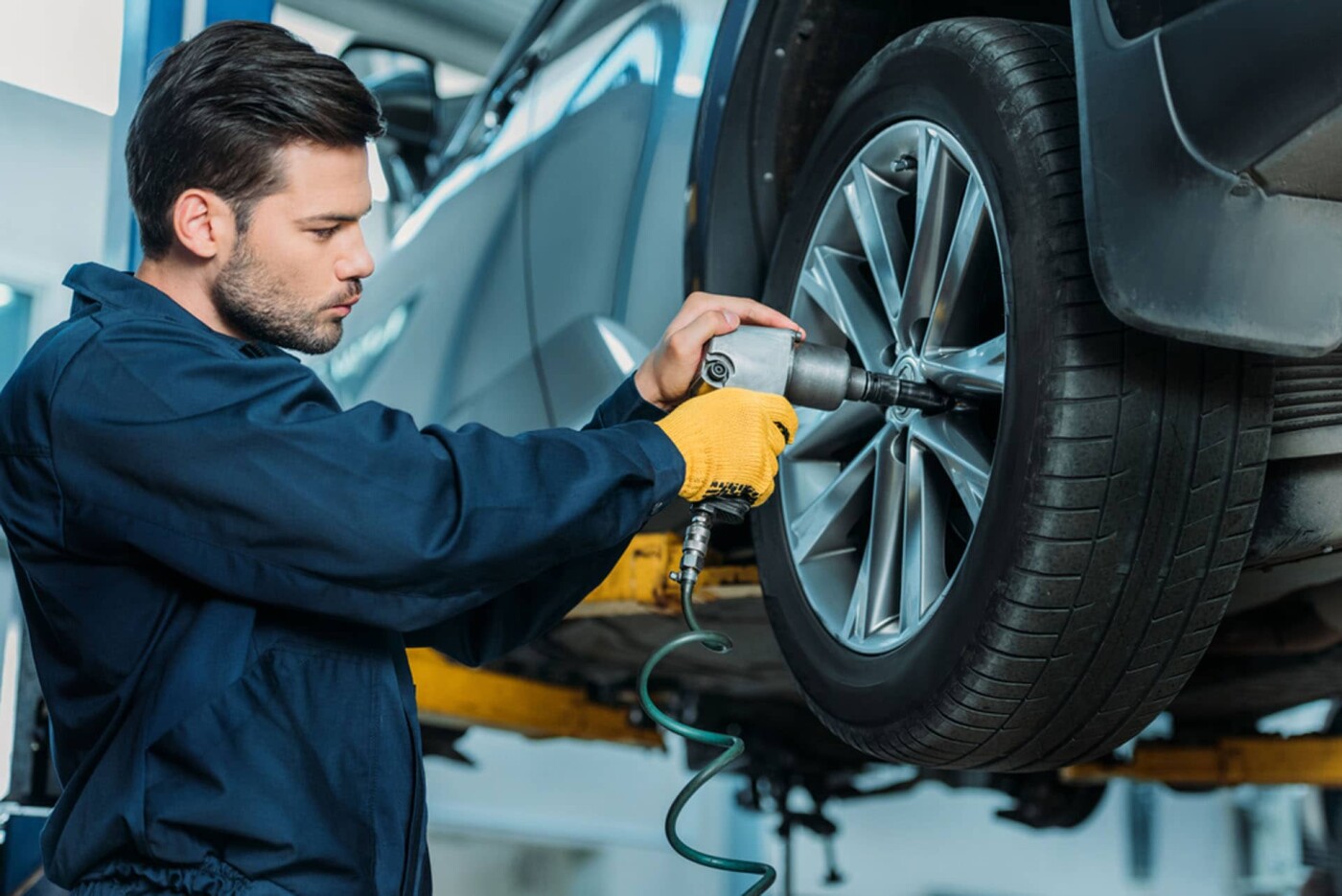
Check the tire pressure on all four tires, including the spare, using a reliable gauge rather than relying solely on the vehicle’s tire pressure monitoring system, which can sometimes be inaccurate. Compare the readings to the manufacturer’s recommended pressure, typically found on a sticker inside the driver’s door jamb, and adjust as needed since improperly inflated tires affect handling, fuel economy, and tire lifespan.
If the tires show uneven wear or have not been rotated recently, schedule a rotation with a local tire shop or mechanic. Regular rotation, typically every 5,000 to 7,500 miles, helps promote even tread wear and can extend tire life, protecting one of the more expensive maintenance items you may encounter as a car owner.
10. Familiarize Yourself with Warning Lights and Sounds
Every used car communicates with its driver through a dashboard full of warning lights and, sometimes, unusual sounds. Spending time in your first week learning what’s normal for your specific vehicle helps you distinguish between routine operation and an actual developing problem that needs attention.
Start the car cold and pay attention to which warning lights illuminate briefly during startup, since this is normal, and note how long they take to turn off.
Consult your owner’s manual to understand what each dashboard warning light means, since icons and their urgency levels vary between manufacturers. Pay special attention to lights indicating serious issues, such as the check engine light, oil pressure warning, temperature warning, and brake system alerts, since driving with these active can cause significant damage or create safety hazards.
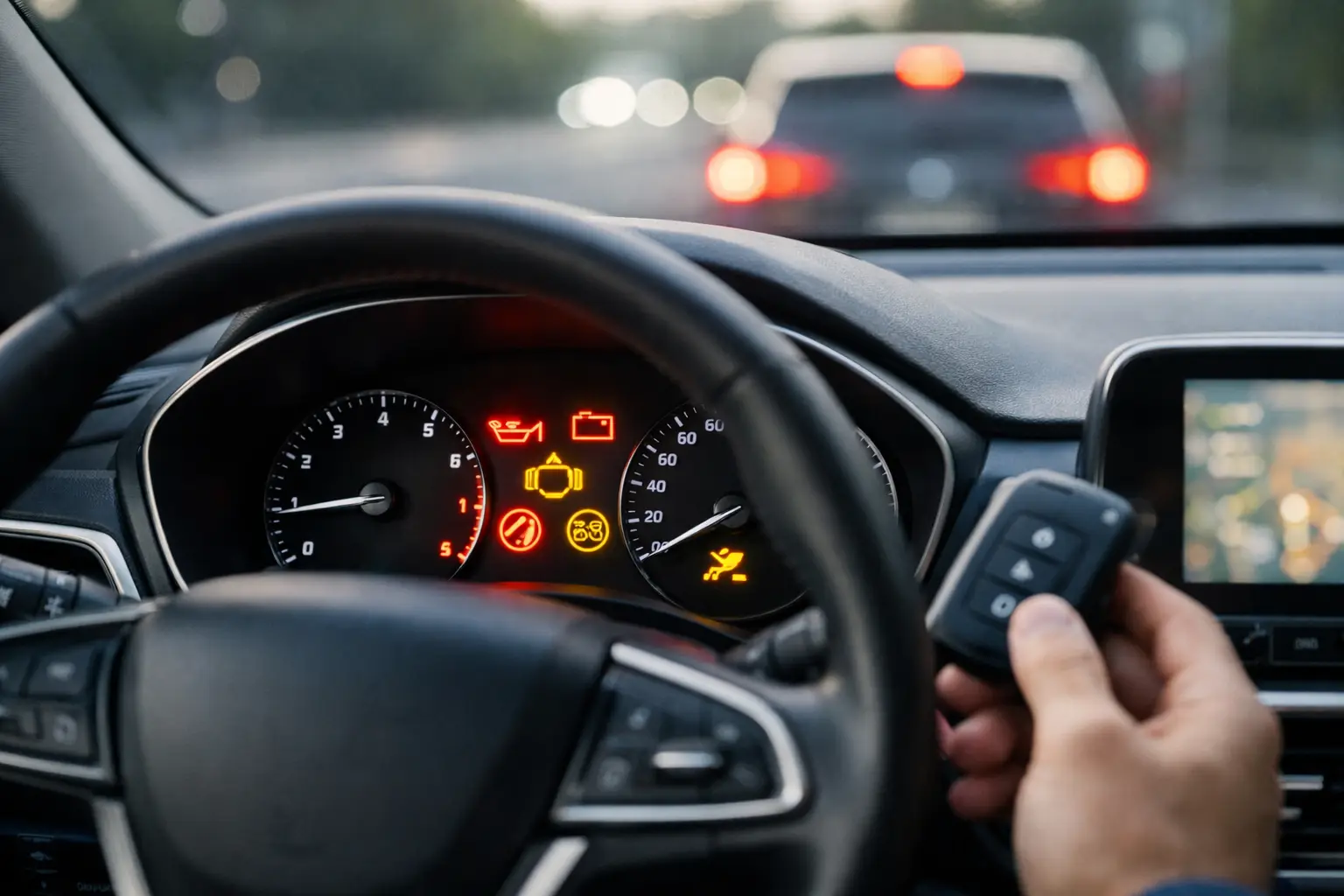
Spend a few minutes driving the car in a quiet area, windows down, listening carefully for any unusual sounds. Note any squealing during braking, clunking over bumps, whining during acceleration, or rattling at idle. While some sounds are harmless quirks of an older vehicle, others indicate developing mechanical problems worth investigating before they worsen.
If any warning light illuminates during your first week that wasn’t present during your test drive or inspection, don’t ignore it. Have it diagnosed promptly, since catching a problem early, while it’s often a simple and inexpensive fix, is far better than waiting until it becomes a major repair. Building this awareness now sets you up to be an attentive, informed owner for years to come.