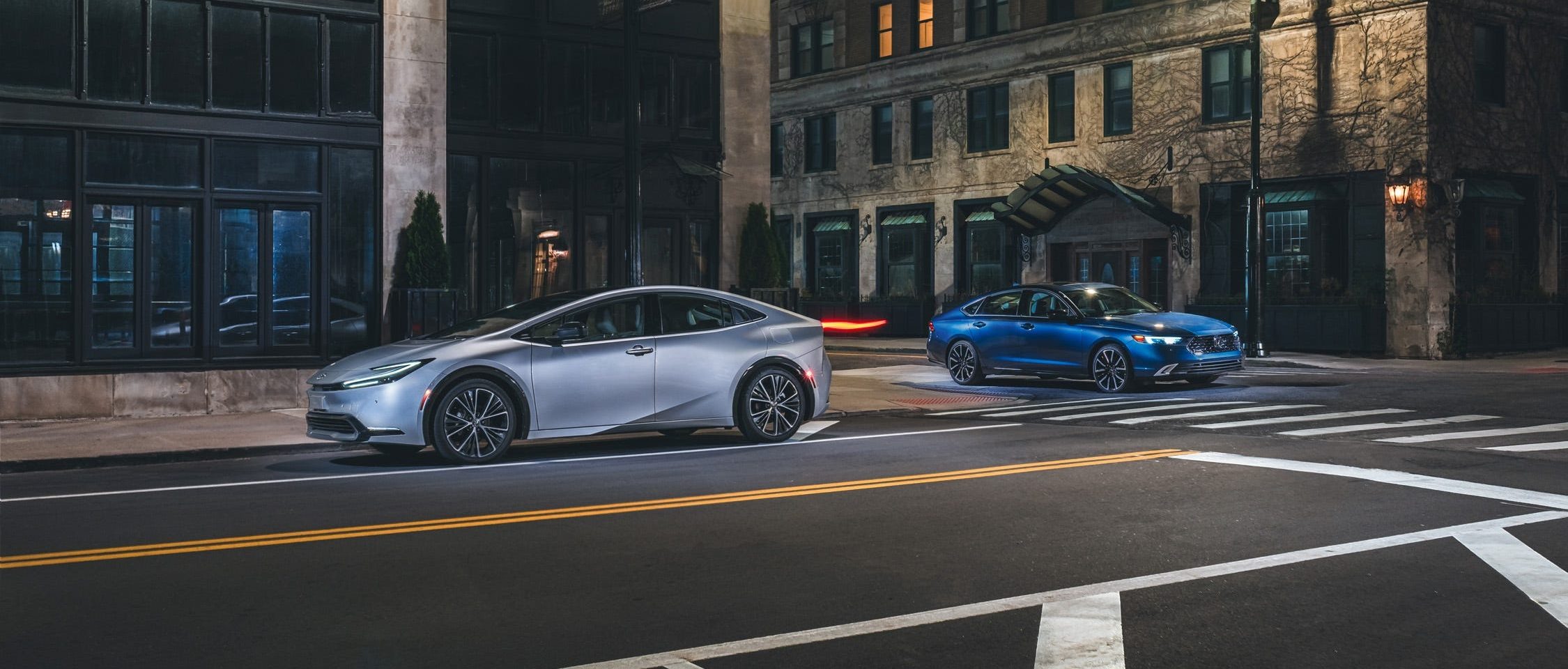
Cold weather can make a fuel-efficient car feel a lot less efficient. A vehicle that delivers impressive mileage during warm summer months may return fewer miles per gallon once temperatures fall. Short trips, cold starts, cabin heat, winter tires, and reduced battery performance can all play a part. Hybrids often feel the effect because their gasoline engines and batteries work differently in low temperatures.
Electric vehicles face an even more noticeable challenge in cold weather because their driving range can drop significantly as temperatures fall. The examples below illustrate how several popular models may perform in colder conditions compared with warmer weather. These figures are approximate because factors such as driving habits, road conditions, tire selection, trip length, and outside temperature can all affect real world results.
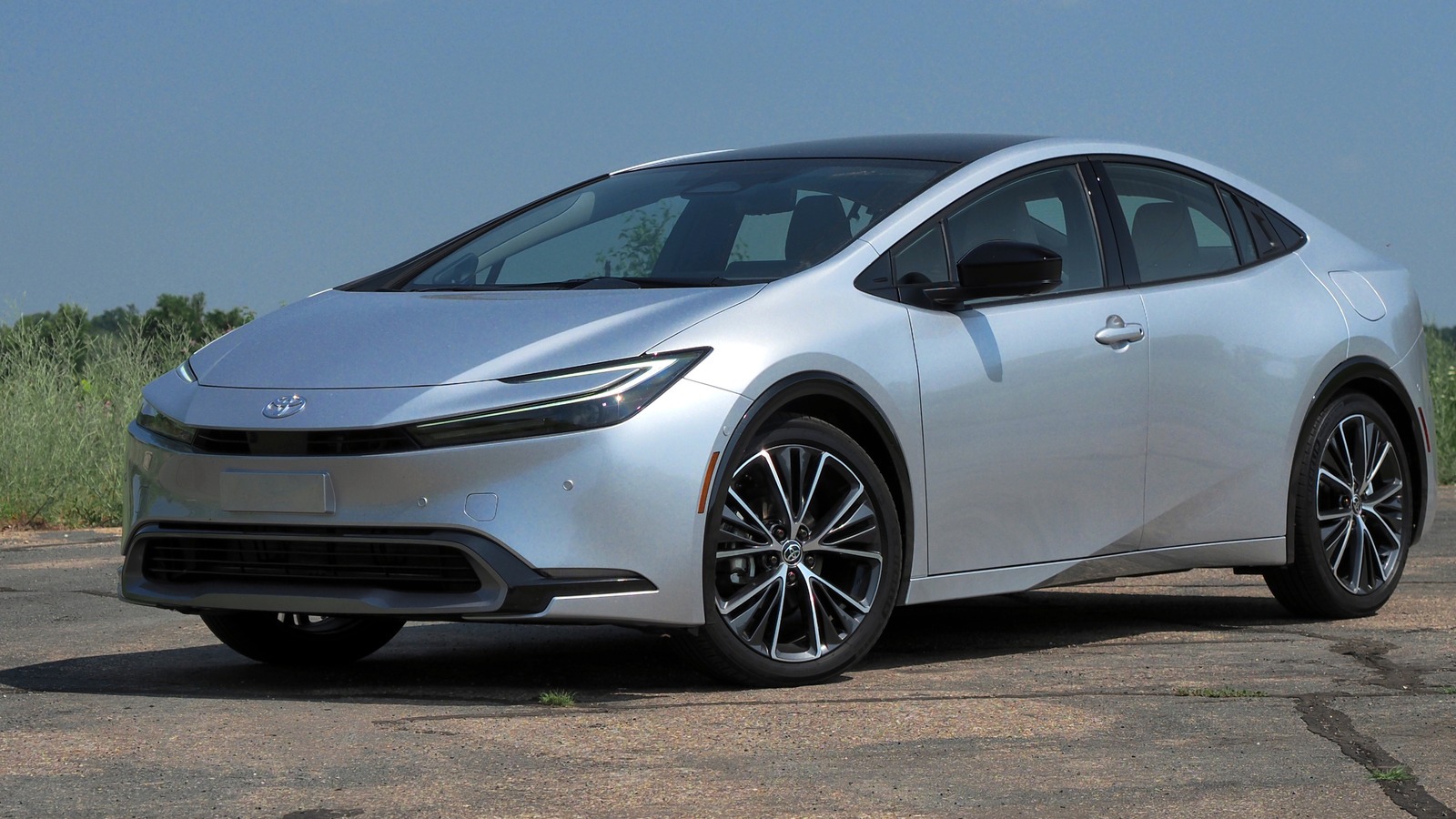
1. Toyota Prius Hybrid
The Prius has built its reputation on jaw-dropping fuel economy, but winter has a way of humbling even the most efficient hybrid on the road. Drivers who see close to 50 MPG during warmer months often watch that number sink noticeably once temperatures dip below freezing.
The reason comes down to physics as much as engineering. A cold engine needs more time to reach its ideal operating temperature, and until it does, the Prius leans harder on gasoline power instead of switching over to its efficient electric mode.
Short errands make things worse since the engine barely warms up before the trip ends. Battery chemistry also slows down in the cold, limiting how much work the electric motor can handle.
According to the Department of Energy, hybrids like the Prius can lose roughly 30 percent of their fuel economy under controlled cold-weather testing. That’s a substantial hit for a car built around squeezing every last mile from a gallon of gas.
Owners in colder states often notice this firsthand, especially during the first few weeks of winter before block heaters, garage parking, or longer commutes help the engine reach temperature more consistently.
If you’re shopping for a Prius specifically for its mileage numbers, keep in mind that those figures assume mild weather rather than a January cold snap.
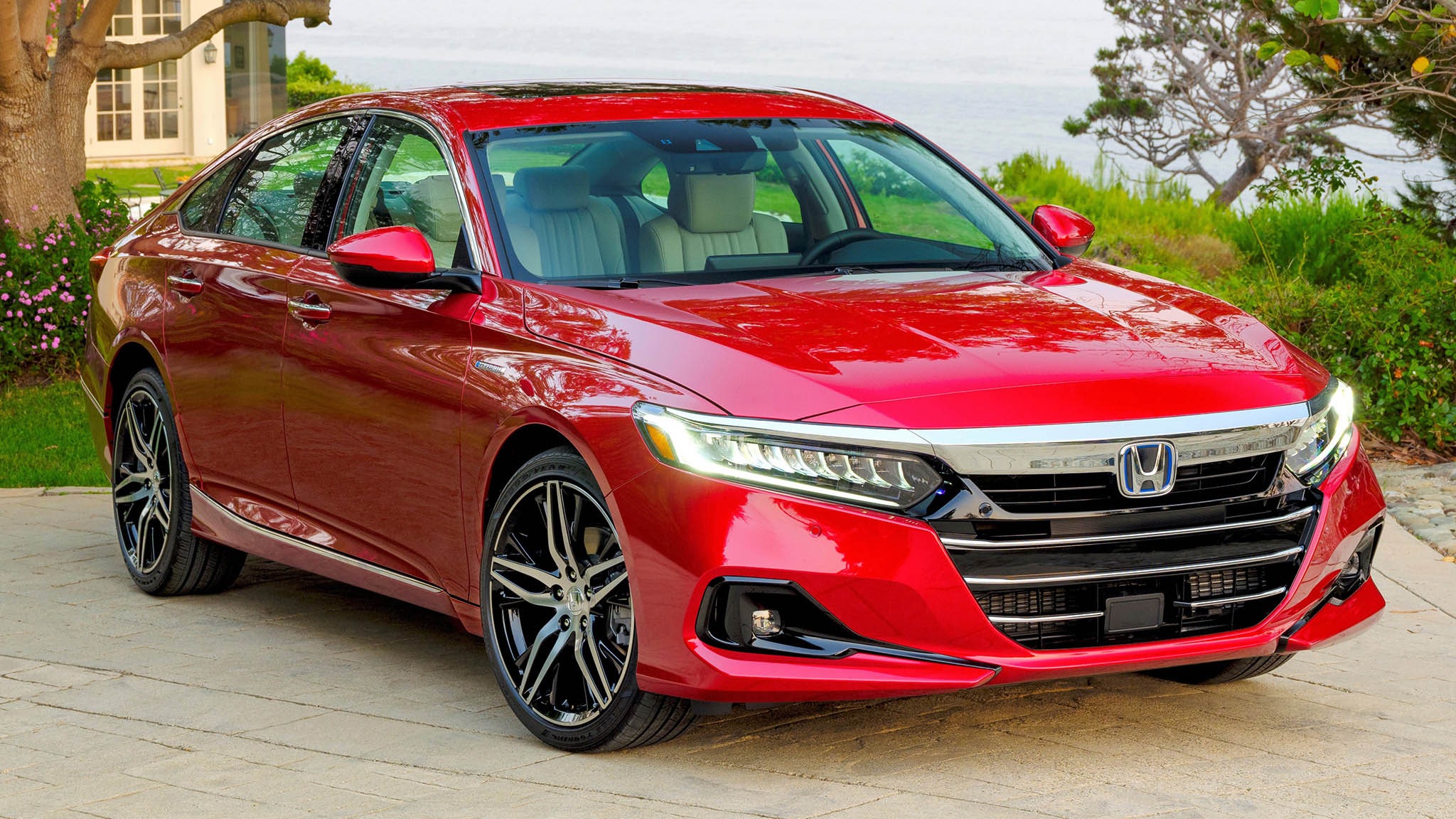
2. Honda Accord Hybrid
Picture two identical Accord Hybrids, one cruising through a warm September afternoon, the other grinding through a January commute at sixteen degrees. That’s essentially what real-world owner reports show.
Summer figures commonly land between 48 and 52 MPG, while winter numbers slide down to somewhere around 39 to 43 MPG. That’s not a small dip. It’s a real, noticeable change that affects how often you’re stopping at the pump.
What’s happening under the hood? Cold starts force the gasoline engine to run longer before it can shut off and let the electric motor take over.
Cabin heating pulls extra energy too, since warming the interior on a hybrid draws from the same systems that would otherwise prioritize efficiency. Longer warm-up periods mean the car spends more time in its least efficient state right when the trip begins.
Under especially harsh conditions, some owners report losses approaching 30 percent, putting the Accord Hybrid in the same range as other hybrids struggling through deep winter.
The good news? Once the car reaches full operating temperature on longer drives, efficiency tends to recover somewhat. Commuters with short daily trips face the biggest penalty, since their engines rarely get the chance to reach that sweet spot before the ignition turns off again.
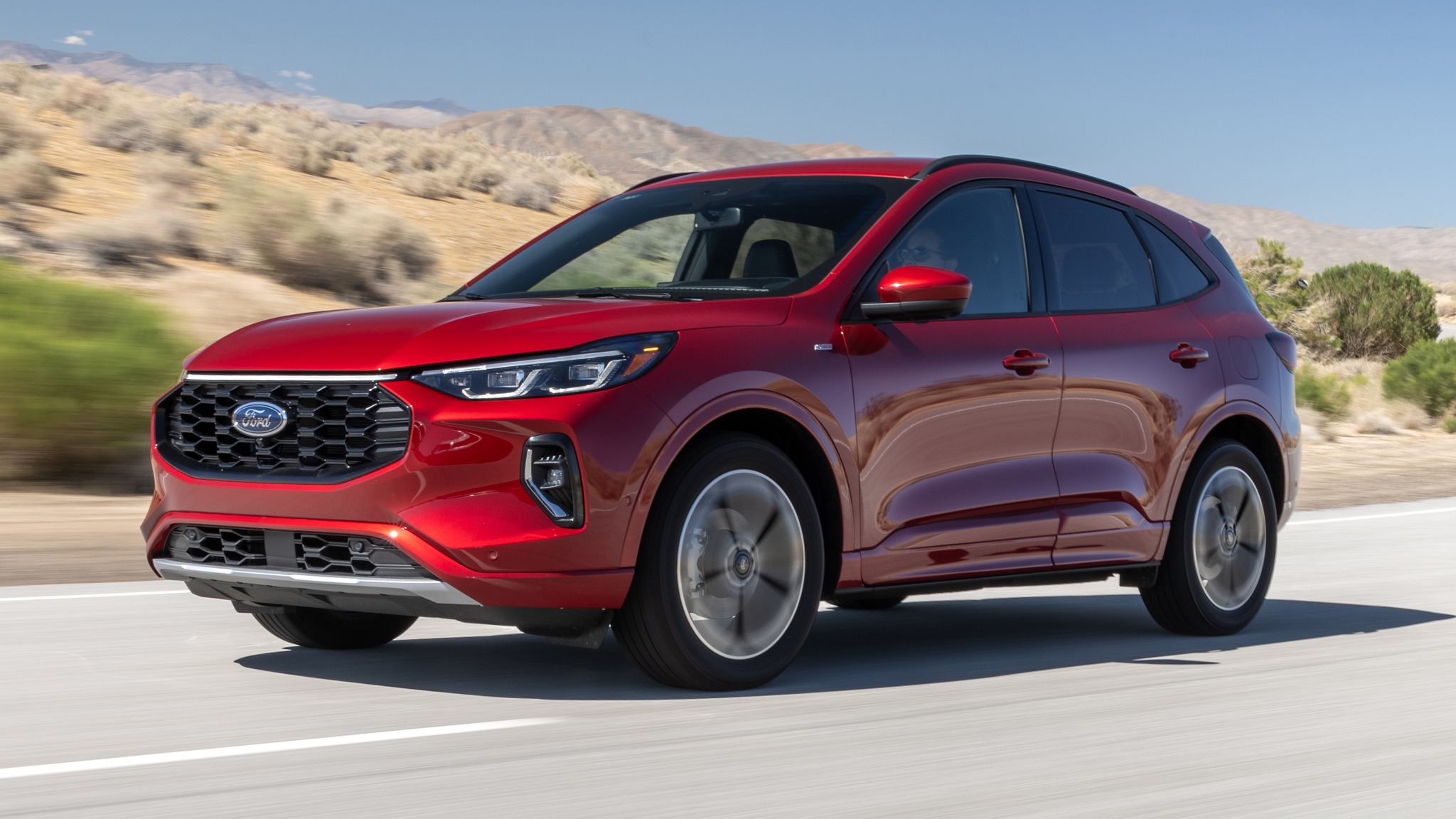
3. Ford Escape Hybrid
The Ford Escape Hybrid shows how winter conditions can affect a fuel-efficient SUV. During warmer weather, reported fuel economy can reach around 34 MPG, while very cold conditions have produced figures as low as roughly 24 MPG.
That represents a sizeable difference for a vehicle whose appeal includes efficient everyday transportation. Several factors can push the Escape Hybrid’s fuel consumption upward during winter.
The gasoline engine takes longer to warm when outside temperatures are low. Until the engine reaches its normal operating temperature, the vehicle may need additional fuel.
Cabin heating adds another demand. A driver may start the vehicle on a freezing morning, turn the heater on immediately, and travel only a few miles. That combination gives the powertrain little time to reach its most efficient state.
All-wheel drive can also contribute to higher consumption. When winter conditions require extra traction, the vehicle may use more energy to keep moving through snow, slush, or slippery pavement. Winter tires can add rolling resistance as well, depending on their design and road conditions.
The result is a winter MPG drop that can approach 20-30 percent in harsh conditions. The exact number depends heavily on how and where the Escape Hybrid is driven.
A driver completing long highway trips in moderate winter temperatures may see a smaller reduction. Someone making repeated short urban trips in freezing weather can experience a much larger decline. That makes the Escape Hybrid a good example of why published fuel economy cannot predict every winter driving result.
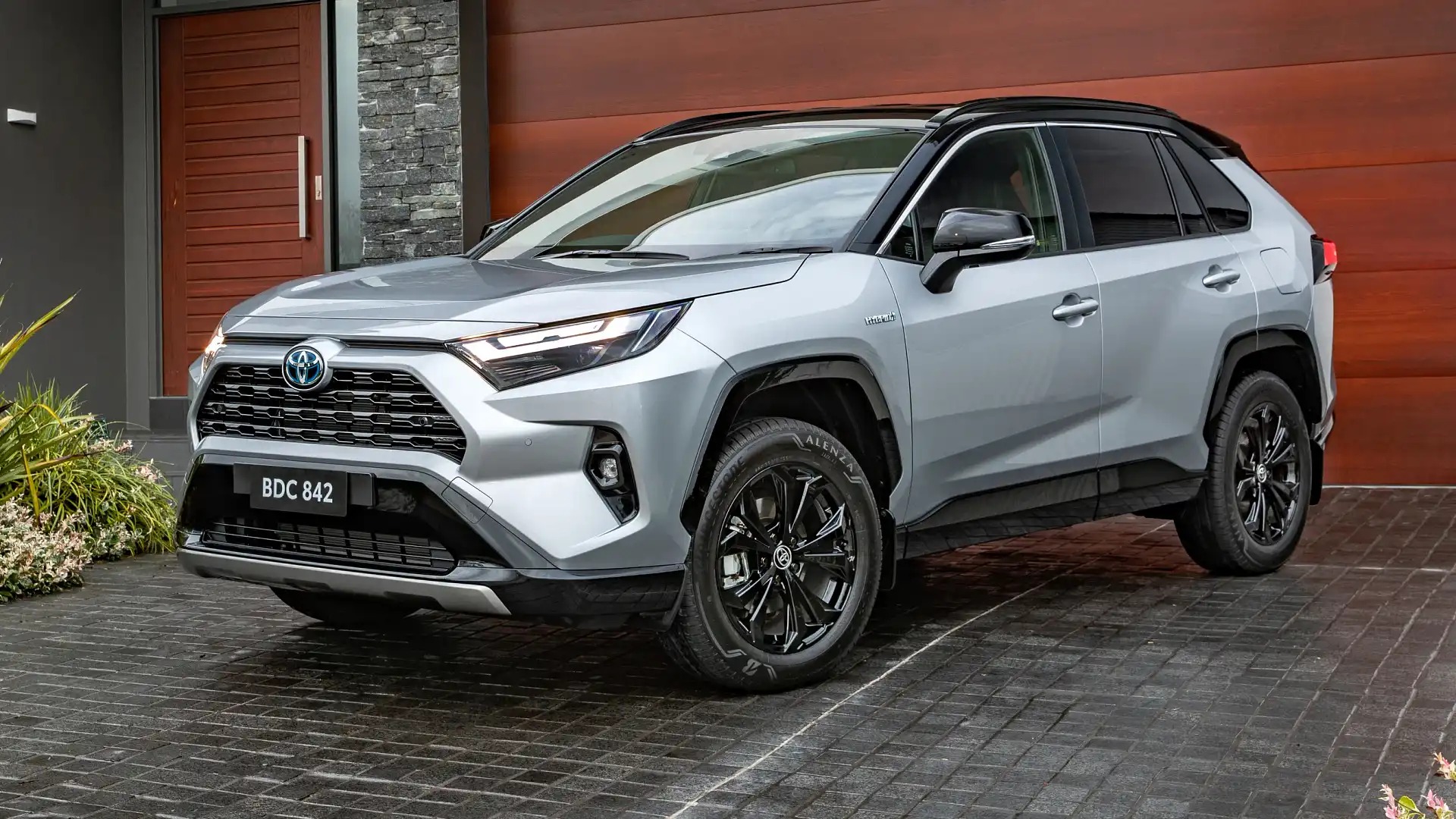
4. Toyota RAV4 Hybrid
The Toyota RAV4 Hybrid is another popular hybrid that can lose part of its fuel-economy advantage when temperatures fall. In one Consumer Guide test, the vehicle returned 34.1 MPG during cold-weather driving compared with 40.3 MPG during a milder-weather test. That difference works out to roughly a 15 percent reduction.
Very cold temperatures can cause a more significant reduction in fuel economy. Like other hybrid vehicles, the RAV4 Hybrid is affected by factors such as engine warm up, battery temperature, cabin heating, and road conditions.
The vehicle’s all-wheel-drive setup can add another factor during winter driving. Extra traction is useful when roads become slippery, but moving additional drivetrain components can require more energy. Snow, slush, and winter tires can also increase resistance against the road.
Short journeys tend to make cold-weather MPG losses more noticeable. A driver who starts the RAV4 after it has been sitting outside overnight may spend much of the trip warming the engine and cabin. A longer journey gives the powertrain more time to operate efficiently.
That does not make the RAV4 Hybrid an inefficient vehicle. It remains a strong fuel-saving choice for many drivers. The point is that its impressive warm-weather mileage should not be treated as a fixed number throughout the year.
In mild winter conditions, a drop of around 15-25 percent can be a reasonable expectation. Extremely low temperatures, heavy snow, frequent stops, and repeated short trips can push the reduction higher.
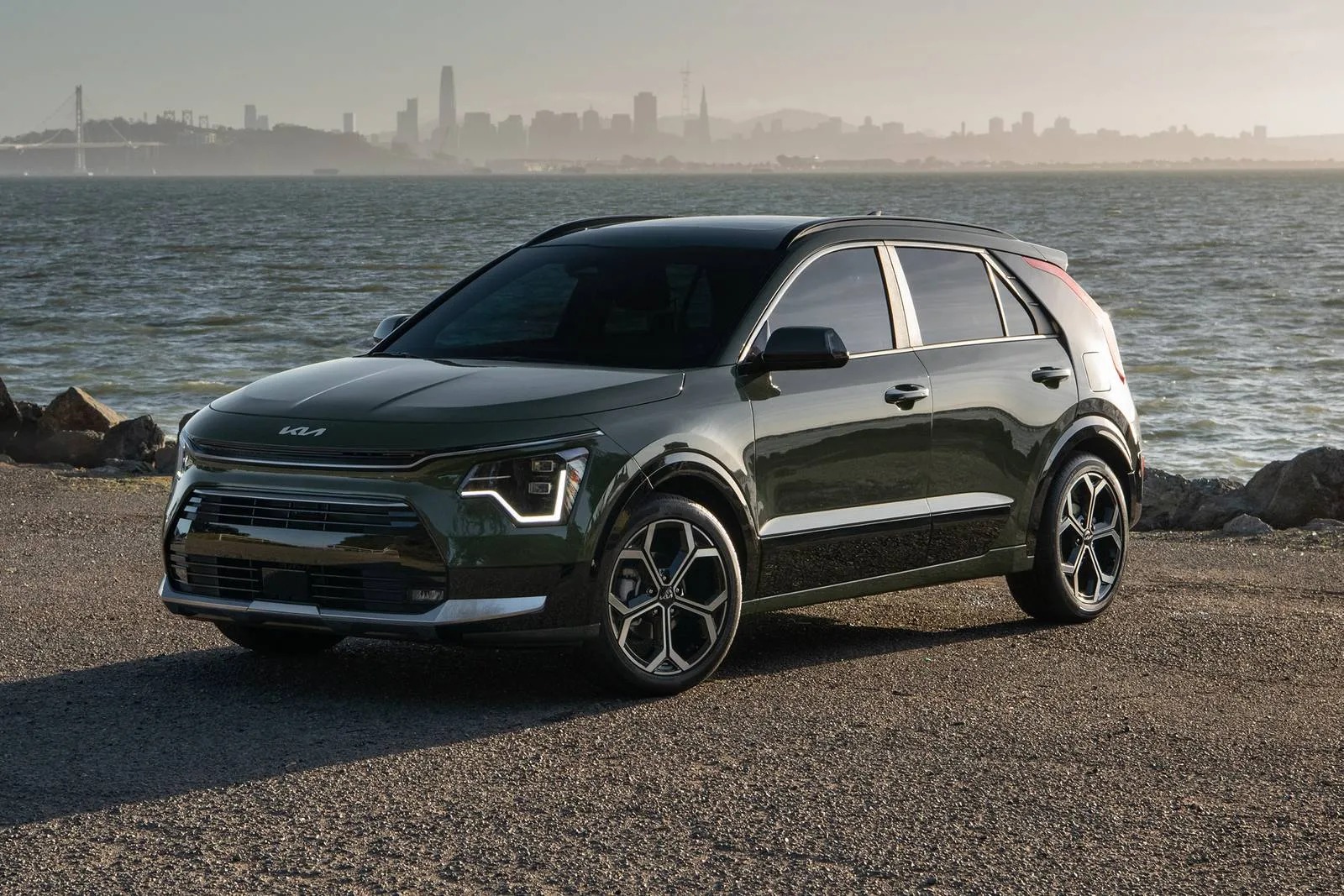
5. Kia Niro Hybrid
The Kia Niro Hybrid is designed to save fuel, yet its MPG can still fall when winter arrives. Warm-weather figures around 51 MPG have been reported, while examples around 45 MPG have appeared during colder conditions with winter tires. Short trips in very low temperatures can produce a larger difference.
The Niro’s hybrid system depends on coordination between its gasoline engine and electric components. Cold temperatures affect both sides of that arrangement.
The gasoline engine needs extra time to warm up, while the battery does not perform in exactly the same manner as it does at comfortable temperatures.
Heating the passenger cabin is another reason winter mileage can fall. Drivers naturally want a warm interior when temperatures are low, and the vehicle may keep the gasoline engine operating more frequently to supply the necessary heat.
Winter tires can also affect MPG. Their rubber compounds and tread designs are intended to provide better traction in cold conditions, but they can create more rolling resistance than some summer or all-season tires.
For many drivers, a 10-25 percent winter reduction is a reasonable range, with the larger losses appearing during severe cold and repeated short journeys. Someone driving several miles through city traffic may see a much bigger difference than a driver covering a long highway distance.
The Niro remains an efficient vehicle, but its fuel economy is not immune to weather. Its winter performance shows that even compact hybrids with excellent MPG can give up some efficiency when the temperature drops.
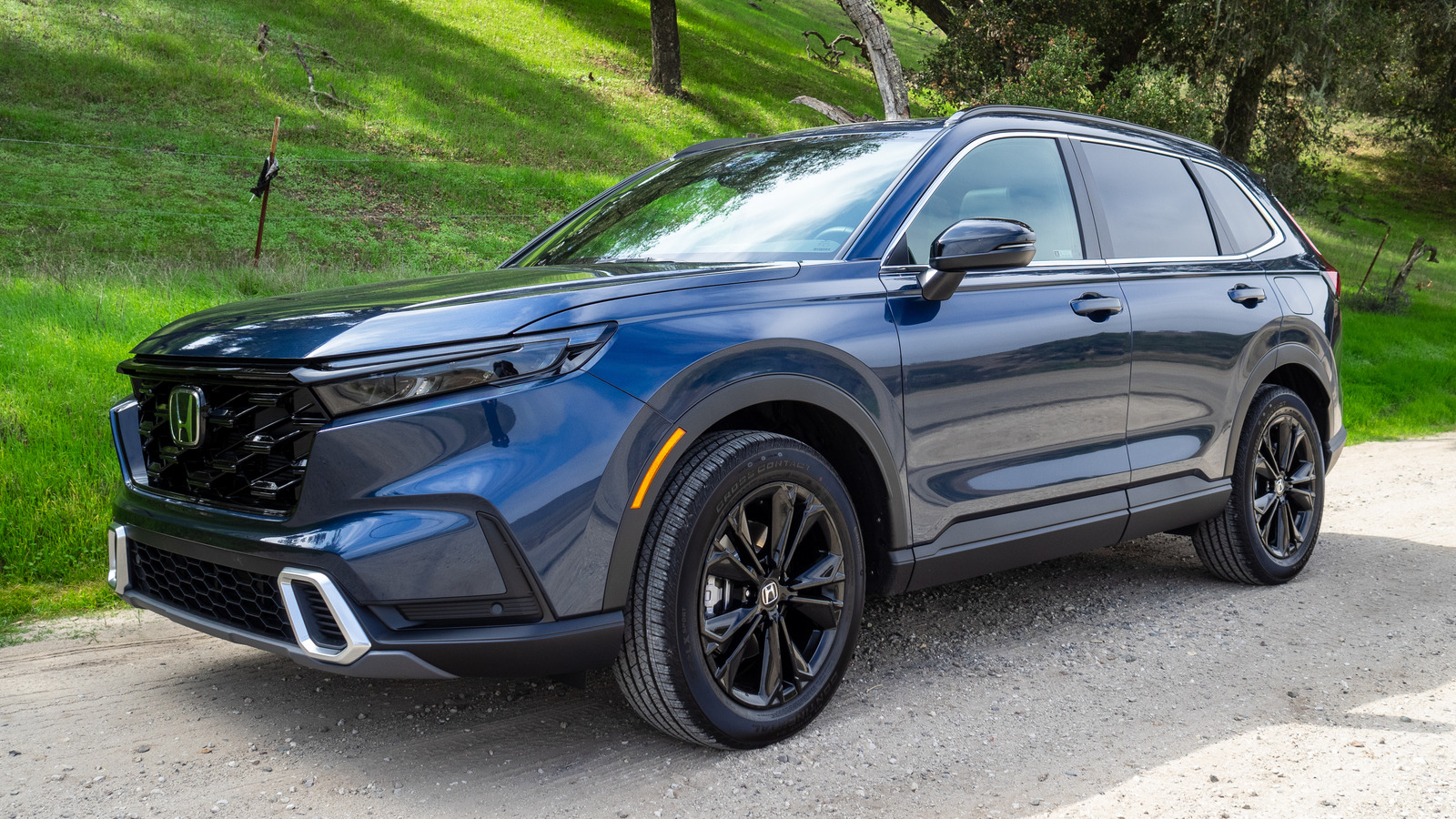
6. Honda CR-V Hybrid
Would you believe a nearly ten-MPG difference between seasons on the same vehicle? One CR-V Hybrid owner reported roughly 38 MPG or better during summer and fall, only to watch that figure fall below 30 MPG once winter set in. Under especially cold conditions, losses of 20 to 30 percent aren’t unusual for this model.
The culprit, once again, is cabin heat. Because hybrids generate less waste heat from the engine than traditional gas-only vehicles, especially when the electric motor is doing more of the work, the gasoline engine has to run more frequently just to keep passengers warm.
Running the engine for longer periods reduces the fuel savings that make hybrid vehicles attractive. This creates a clear tradeoff between staying warm and achieving the best possible efficiency, although most drivers will naturally prioritize comfort in cold weather.
Battery performance also softens slightly in cold temperatures, reducing how much the electric motor can contribute during acceleration and low-speed driving.
For families using the CR-V Hybrid as a daily driver through harsh winters, it helps to expect a wider swing in fuel costs between January and July rather than treating the EPA rating as a year-round guarantee.
Preconditioning the cabin while still plugged in, for those with garage access, can help reduce some of that seasonal strain.
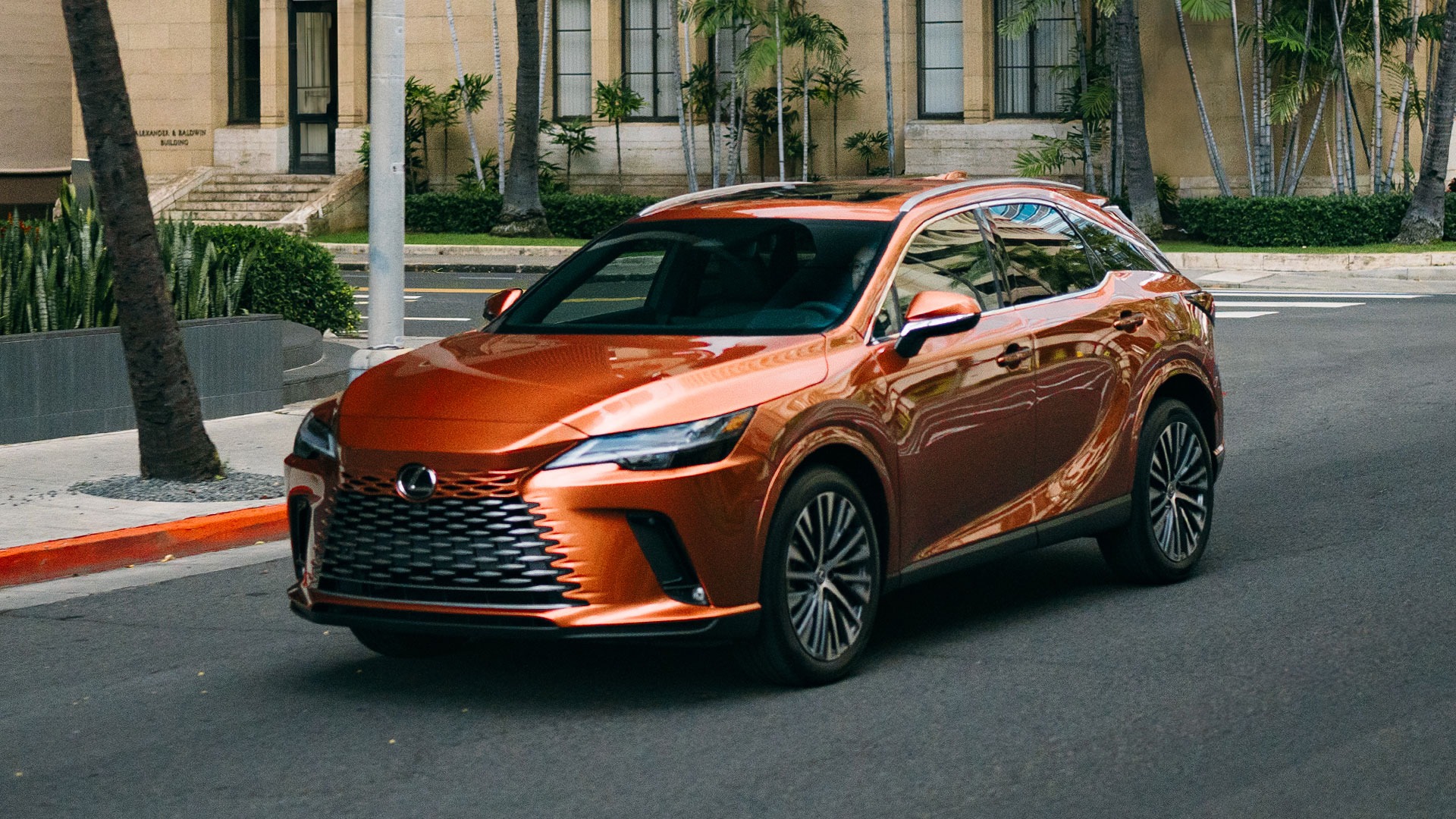
7. Lexus RX Hybrid
The Lexus RX Hybrid combines a hybrid powertrain with the size and weight of a luxury SUV, and winter conditions can make its fuel consumption more noticeable. Under severe cold-weather conditions, the model can experience a reduction approaching 20-30 percent compared with warmer driving.
Size plays a role here. A larger vehicle generally requires more energy to move than a smaller car, and the RX Hybrid already carries more mass than compact hybrid models. When temperatures fall, the normal penalties associated with cold starts and cabin heating are added to that workload.
All-wheel-drive versions can face additional demands during winter driving. Snow-covered or slippery roads may require more traction, while winter tires can increase rolling resistance. Those factors can reduce MPG even when the hybrid system is functioning normally.
The cabin is another consideration. A luxury SUV has a large interior to warm, and drivers may use climate controls heavily during cold mornings. The gasoline engine can remain active more often as the vehicle works to maintain a comfortable cabin.
A 20-30 percent winter MPG reduction should not be treated as a fixed figure for every RX Hybrid. Weather severity and driving patterns matter greatly.
Long trips in moderately cold weather may produce a smaller decline, while short journeys in freezing temperatures can create a larger one.
The RX Hybrid remains designed for efficient operation, but its size means winter conditions can have a more visible effect than they might in a smaller hybrid sedan.
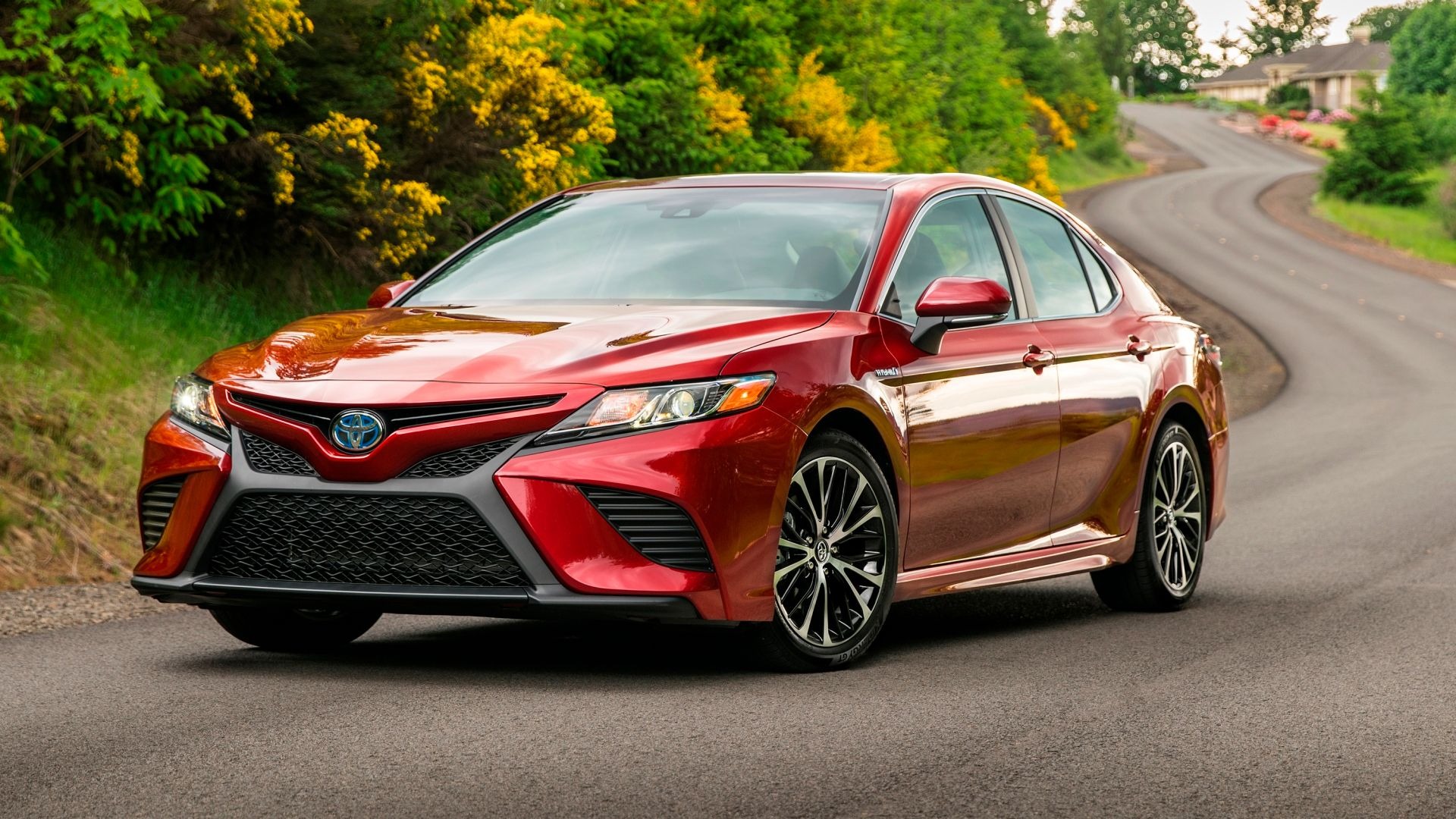
8. Toyota Camry Hybrid
The Toyota Camry Hybrid is known for combining sedan practicality with strong fuel economy, yet its MPG can still fall during cold months. A winter reduction of roughly 15-25 percent is possible, particularly when temperatures are low and trips are short.
The reason comes down to several small penalties working together. A cold gasoline engine needs additional time to warm up. During that period, the powertrain may consume more fuel than it would after reaching its normal operating temperature.
The hybrid battery also plays a role. Battery performance can be affected by low temperatures, which may reduce how much electric assistance the vehicle can use during the early portion of a drive. As the battery and powertrain warm, operation can become more efficient.
Then comes the heater. Drivers rarely think about cabin heating as a fuel-economy issue, but it can matter in a hybrid. If the gasoline engine needs to run to provide heat, the engine may remain active when it otherwise could have shut off.
A summer driver might therefore see excellent mileage that is harder to reproduce on a freezing morning. The difference can be especially clear during stop-and-go traffic, where repeated cold starts and short distances magnify the effect.
The Camry Hybrid remains a strong choice for fuel-conscious drivers. Its winter MPG decline is simply a reminder that EPA ratings are measured under controlled testing conditions, while real roads bring weather, traffic, passengers, tires, and heating demands into the equation.
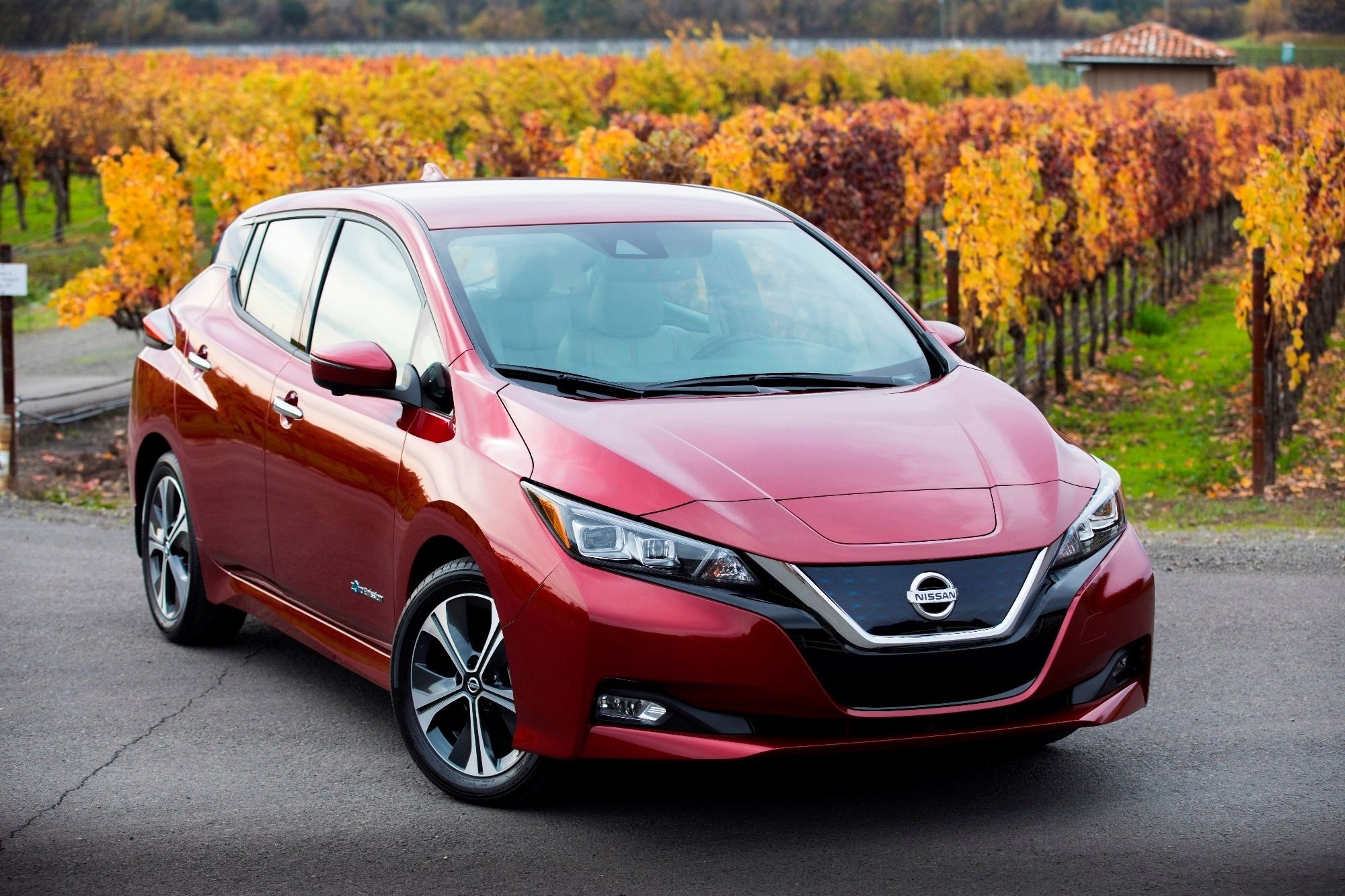
9. Nissan Leaf
It is important to clarify that this section focuses on driving range rather than MPG because the Leaf is fully electric and does not use gasoline. The difference is significant, but the frustration caused by reduced efficiency in cold weather can feel very similar for owners.
One documented cold-weather test found a Leaf delivering about 180 miles at negative nine degrees Fahrenheit, compared to an advertised range of 288 miles, a reduction of nearly 38 percent.
That’s nearly 40 percent of usable range disappearing simply because of outdoor temperature. Battery chemistry explains most of this. Lithium-ion batteries lose efficiency as temperatures drop, meaning the same battery pack simply can’t deliver as much usable energy in the cold as it can on a warm day.
Cabin heating compounds the problem since electric vehicles don’t have a gasoline engine generating waste heat to warm the interior for free.
Instead, heating draws directly from the same battery powering the wheels, creating direct competition between staying warm and staying mobile.
Preconditioning the cabin while still connected to a charger can help reduce this draw once the drive begins, and some owners swear by seat heaters over cabin heat to conserve range.
Regardless of these workarounds, Leaf owners in cold climates should plan trips with a healthy buffer during winter months, since range estimates from warmer testing simply don’t hold up once temperatures fall well below freezing.
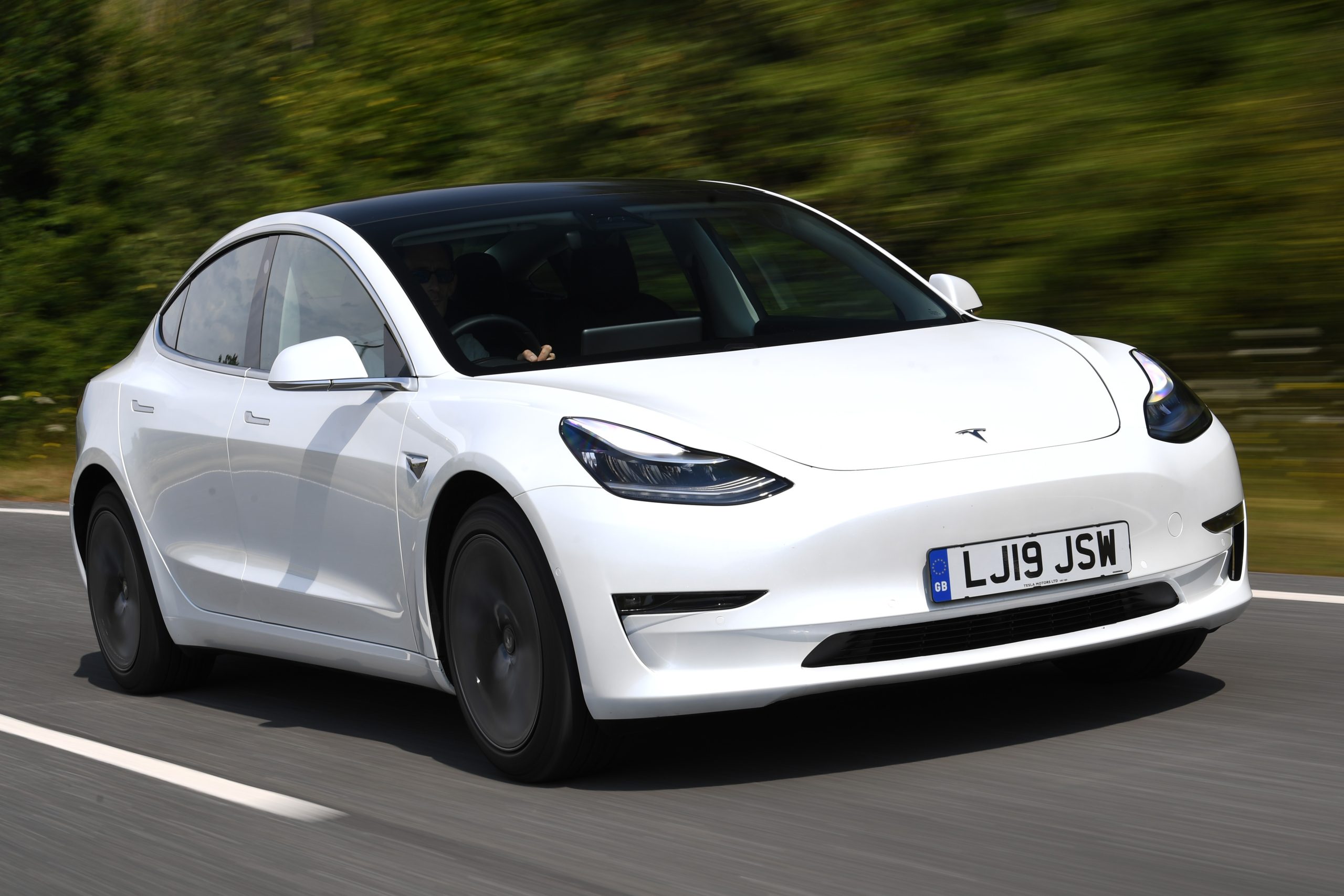
10. Tesla Model 3
Even Tesla’s most popular sedan isn’t immune to winter’s grip on battery performance. Range reductions of 30 to 40 percent are common in severe cold, putting the Model 3 in similar territory to other electric vehicles struggling through frigid conditions.
Three forces work against the car simultaneously. First, battery temperature itself drops, reducing how efficiently the pack can discharge and accept a charge.
Second, cabin heating draws directly from that same battery, with no engine waste heat available to offset the demand. Third, increased energy consumption during winter driving, thicker air, reduced tire grip requiring more careful acceleration, and occasionally running the battery’s own thermal management system all chip away at total range.
Tesla owners have found some relief through software features like scheduled departure and cabin preconditioning, which warm the battery and interior while the car remains plugged in, reducing the immediate drain once the drive starts.
Heat pump technology found in newer Model 3 versions has also improved cold-weather efficiency compared to older resistive heating systems.
Still, even with these improvements, drivers in northern climates should expect noticeably less range during the coldest months of the year.
Planning routes with charging stops in mind, rather than assuming full advertised range, remains the smartest approach for winter road trips in any EV, Tesla included.