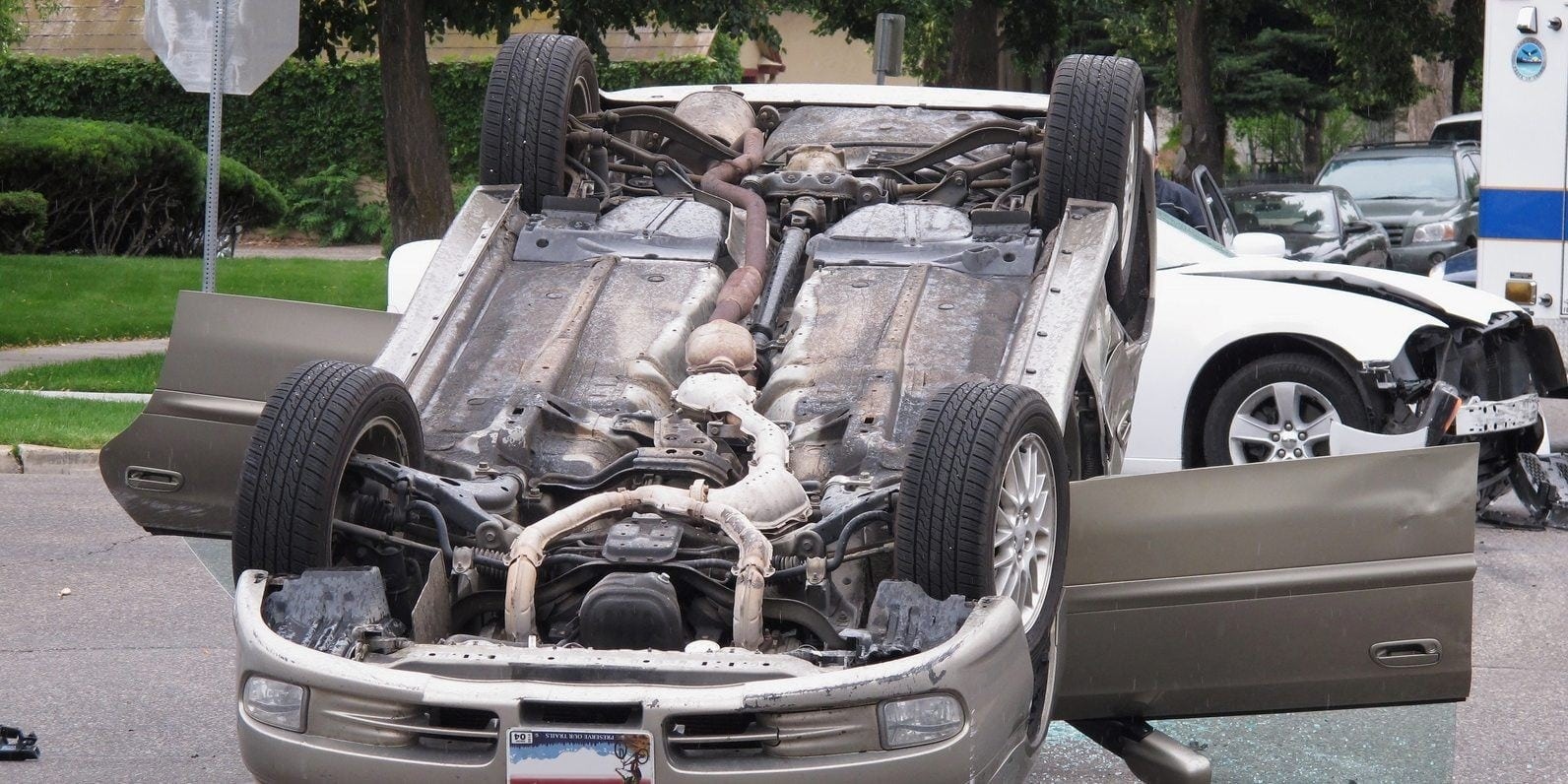
Some months just carry more risk behind the wheel than others, and the data backs that up. Using the 2021 Montana Highway Safety Plan as a real, verifiable example, fatal crash numbers climb and dip throughout the year in a pattern that might surprise you. July tops the list, followed closely by September and November, while February sits at the bottom.
This isn’t a claim about every state or every year, just one clear, sourced snapshot showing how driving danger changes with the seasons. Whether you’re planning a road trip or just want to know when to be extra careful out there, this breakdown gives you a real look at the numbers, month by month, straight from the source.
1. July
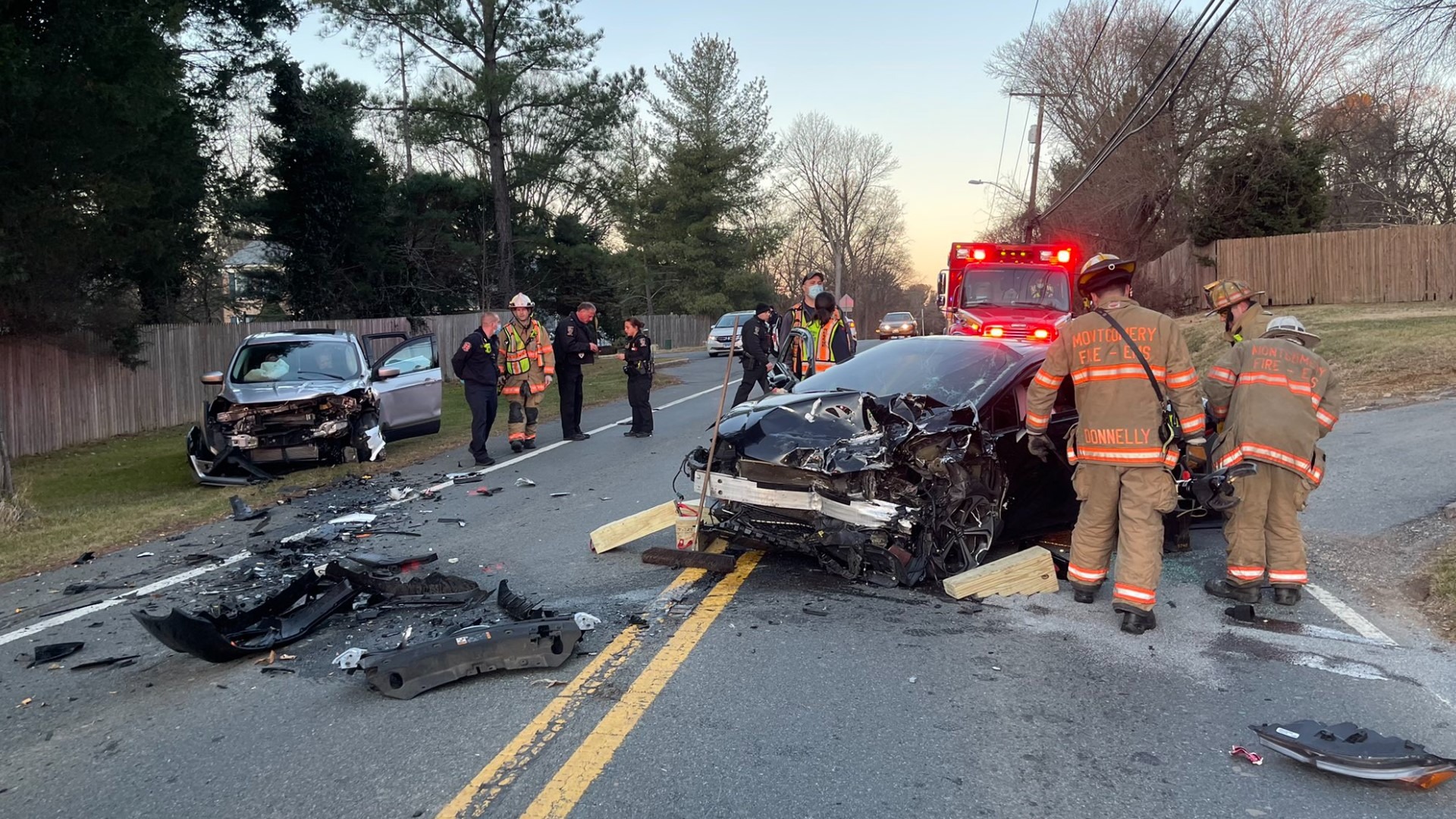
Summer brings out drivers in a way no other season quite manages, and Montana’s 2021 numbers reflect that clearly. With 28 fatal crashes recorded, July claims the top spot on this list by a solid margin over every other month.
A handful of factors likely stack up here. Vacation travel peaks during this stretch, putting more cars on the road for longer stretches, often on unfamiliar routes where drivers aren’t as sharp about local conditions.
Warmer weather also brings out motorcycles in higher numbers, and riders face a much higher fatality risk per mile than passenger vehicle occupants when a crash happens.
Add holiday traffic into the mix. The Fourth of July weekend alone tends to see a jump in road activity nationwide, often paired with alcohol consumption at cookouts and celebrations that spill into driving decisions later in the evening.
Longer daylight hours mean people are out later too, sometimes driving home tired after a full day outdoors. Road construction season also lands squarely in July across much of the country, narrowing lanes and shifting traffic patterns in ways that catch drivers off guard.
Combine that with higher speeds on rural highways, common across Montana’s wide-open routes, and you get a month where multiple risk factors pile on top of each other rather than acting alone. The result, at least in this dataset, is the single deadliest month tracked.
2. September
Just two crashes behind July, September lands in second place with 26 fatal crashes recorded. That’s a tight gap, close enough that framing July and September as two ends of the same dangerous season makes more sense than treating them as separate problems.
Back-to-school traffic plays a role here that’s easy to overlook. Buses returning to daily routes, teen drivers gaining road experience, and parents adjusting to new school-year schedules all add unfamiliar patterns to roads that had settled into a quieter summer rhythm.
Drivers who aren’t used to sharing the road with school buses again sometimes misjudge stopping distances or ignore flashing lights they hadn’t seen in months.
Harvest season also picks up steam in September across agricultural regions, Montana very much included. Slow-moving farm equipment shares rural highways with regular traffic, and the speed mismatch between a tractor and a passenger vehicle creates exactly the kind of situation that turns into a serious crash when someone misjudges a pass.
Weather adds another layer. Early fall brings the first patches of fog, wet leaves, and unpredictable temperature swings between morning frost and afternoon warmth, conditions that catch drivers still mentally stuck in summer mode.
Between shifting daylight hours, agricultural traffic, and returning school routines, September earns its place near the top of this list through a combination of causes rather than any single dominant factor.
3. November
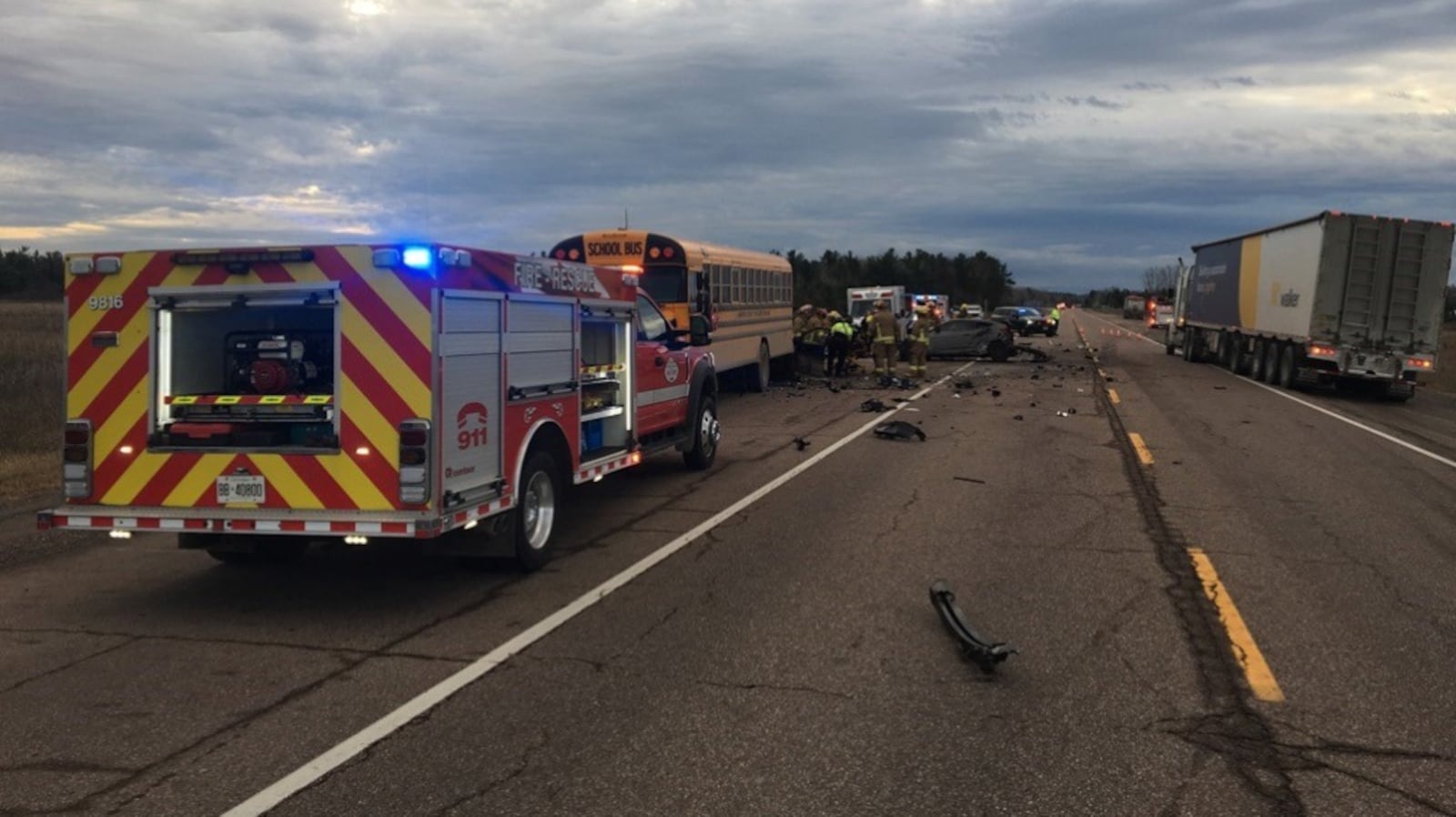
With 23 fatal crashes, November holds the third spot, and the reasons behind it look different from the summer months above it. This is where daylight, weather, and wildlife start working against drivers all at once.
Daylight saving time ends in early November across most of the country, pushing sunset earlier and forcing evening commutes into darkness that drivers weren’t dealing with just a week before.
That sudden change catches people off guard, especially during the first few weeks of adjustment when reaction times to darker roads haven’t caught up yet.
Deer season overlaps heavily with November too, and animal collisions become a real concern across rural highways. Breeding season pushes deer into more active movement patterns, often at dawn and dusk when visibility is already reduced, creating a dangerous overlap between animal activity and low-light driving conditions.
Early winter weather adds one more variable. The first snow, ice, or freezing rain of the season often arrives during November in colder climates, and drivers who haven’t yet adjusted their habits for winter conditions tend to drive at speeds better suited to dry pavement.
That gap between road conditions and driver behavior, paired with reduced visibility and increased wildlife activity, explains why November sits firmly in the upper half of this ranking.
4. October
October had 22 fatal crashes in the 2021 Montana figures. The month is often associated with autumn weather, school activities, and Halloween celebrations. These events can change traffic patterns and create additional risks for drivers.
Earlier sunsets mean some people are commuting home in darkness. Reduced visibility can make it harder to notice pedestrians, cyclists, animals, and vehicles without working lights. Drivers should use their headlights when needed and slow down when visibility is poor.
Wet leaves may also collect on roads in some areas. When combined with rain, they can reduce traction. Drivers should leave more space between vehicles and avoid abrupt movements on slippery pavement.
Halloween brings extra pedestrian activity in residential neighborhoods. Children may be walking between homes, crossing streets, or entering driveways. Drivers should watch carefully for people near the road, slow down in neighborhoods, and follow local speed limits.
October’s position in this list does not prove that it is the deadliest month across the United States. It simply records the fourth-highest number of fatal crashes in Montana’s 2021 figures. Local weather, traffic, and road conditions can produce different results elsewhere.
5. January
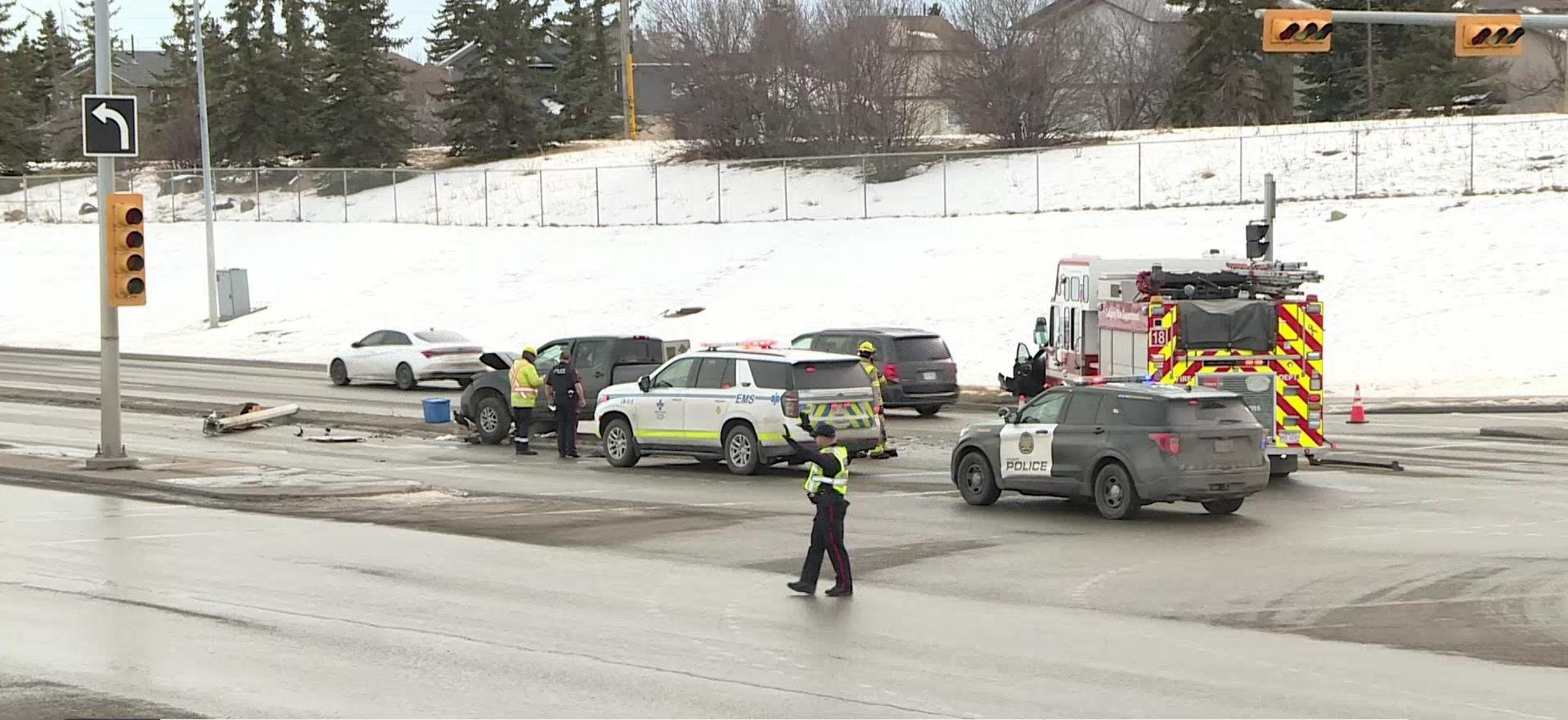
January recorded 21 fatal crashes in Montana in 2021. Winter driving can be demanding because of snow, ice, freezing temperatures, and limited daylight. Even drivers who are accustomed to winter conditions should prepare for sudden changes in the road.
Snow and ice can reduce tire grip and make stopping take longer. Drivers should reduce speed when conditions require it and leave extra space between vehicles. Braking, steering, and accelerating gently can help maintain control on slippery surfaces.
Cold temperatures may also affect vehicle operation. A driver should remove snow and ice from windows, mirrors, headlights, and the roof before leaving. Clear visibility is essential, and loose snow can fall onto the windshield or other vehicles while driving.
Winter travel requires more preparation than a normal commute. Checking weather forecasts, allowing extra time, and carrying appropriate emergency supplies can help drivers avoid unnecessary risks. A trip should be postponed if conditions are too dangerous.
January’s fifth-place ranking is based on fatal crashes recorded in Montana in 2021. It should not be treated as proof that January has the highest winter crash rate in every state.
6. December
December recorded 20 fatal crashes in the Montana data. The month combines winter driving conditions with holiday travel, shopping trips, and gatherings. Roads may be busy during periods when many people are traveling at the same time.
Holiday celebrations can increase the number of drivers traveling late at night. Alcohol-impaired driving remains a serious concern, and anyone who has been drinking should arrange a sober ride.
Winter weather may also make travel more difficult. Snow, ice, freezing rain, and strong winds can affect visibility and traction. Drivers should check conditions before leaving and adjust their speed to match the road.
Busy shopping areas can create additional pedestrian traffic. Drivers should watch for people crossing parking lots and entering or leaving vehicles. Parking areas can be particularly difficult when visibility is limited.
December’s sixth-place position in the Montana figures does not mean it is the sixth most dangerous month nationwide. The ranking only describes the number of fatal crashes recorded in that state during 2021.
7. June
With 19 fatal crashes, June marks the point where summer risk starts building toward its July peak. The groundwork for that later spike gets laid here first.
School lets out for the summer during June across most districts, putting teen drivers on the road more often and for longer stretches without the structure of a daily school schedule.
New drivers, less experienced behind the wheel, face higher crash risk generally, and summer break removes some of the routine that shapes their driving during the school year.
Road trip season also begins ramping up in June, ahead of the full swing it reaches by July. Families heading out on early summer vacations add unfamiliar drivers to highways they don’t travel regularly, often covering long distances in a single push rather than breaking up the drive.
Motorcycle riding picks up steam here as well, with warmer, more consistent weather drawing riders out in greater numbers than the cooler months allow.
As mentioned with July, motorcycle fatalities carry a disproportionate weight in crash statistics relative to how many motorcycles are actually on the road compared to cars and trucks.
June sits as something of a transition month, carrying real risk without hitting the full numbers seen just one month later. It’s the season warming up, both literally and statistically, before summer’s most dangerous stretch arrives.
8. August
August recorded 17 fatal crashes in Montana in 2021. Summer travel continues during this month, with people taking vacations, visiting family, and attending outdoor events.
Long-distance driving can create fatigue, particularly when a trip involves several hours behind the wheel. Drivers should take breaks, switch drivers when possible, and avoid continuing when they feel too tired to drive safely.
August may also bring busy roads near parks, beaches, campgrounds, and other destinations. Drivers should watch for sudden stops, pedestrians, cyclists, and vehicles turning into entrances.
Warm weather can create additional vehicle concerns. Tires should be properly inflated, and drivers should check that their vehicles are in good operating condition before a long trip. A breakdown in a busy area can create a dangerous situation.
The August ranking is based on the 2021 Montana Highway Safety Plan. It does not mean August is the eighth most dangerous month in every state. Crash totals depend on the year, location, and type of data being measured.
9. April
April sees 16 fatal crashes, placing it in the lower half of this ranking. Spring brings its own mix of driving conditions, generally milder than winter but not without hazards.
Weather during April tends to swing unpredictably, especially across Montana’s varied elevation and geography. Snow can still fall in higher areas even as lower elevations warm into spring conditions, creating situations where drivers face very different road conditions within a single trip depending on the route they take.
Road conditions carry lingering effects from winter too. Potholes formed during freeze-thaw cycles often reach their worst state by April, after months of ice expansion and contraction have widened cracks in pavement.
Sudden pothole encounters can cause drivers to swerve unexpectedly or damage tires and suspension components in ways that affect vehicle control.
Spring also brings increased wildlife movement as animals become more active after winter, though not to the same degree as the fall breeding season tied to November’s higher numbers.
Rain replaces snow as the primary weather concern for most of the month, and wet roads paired with drivers who’ve grown used to winter speeds sometimes create a mismatch between driving habits and actual road grip.
April’s lower position on this list reflects a genuine calming compared to the months before and after summer, even as spring conditions still carry real, if reduced, risk.

10. February
February recorded 14 fatal crashes in Montana in 2021, the lowest total among the 10 months listed. Winter conditions can still be severe during this month, depending on the location. Snow, ice, freezing rain, and poor visibility may create difficult driving conditions.
Short trips can be risky when roads are slippery. Drivers should not assume that a familiar route is safe simply because they have driven it many times. Checking conditions before leaving and allowing extra travel time can help reduce pressure on the road.
February may also include holiday travel around Presidents Day weekend. Busy roads, winter weather, and long-distance trips can create additional challenges.
Drivers should keep their attention on the road, avoid impaired driving, and use seat belts on every trip. Good preparation and careful driving remain important regardless of the month.
February’s final position reflects the 2021 Montana data. It does not mean February is the safest month nationwide, nor does it mean that winter driving risks are low.