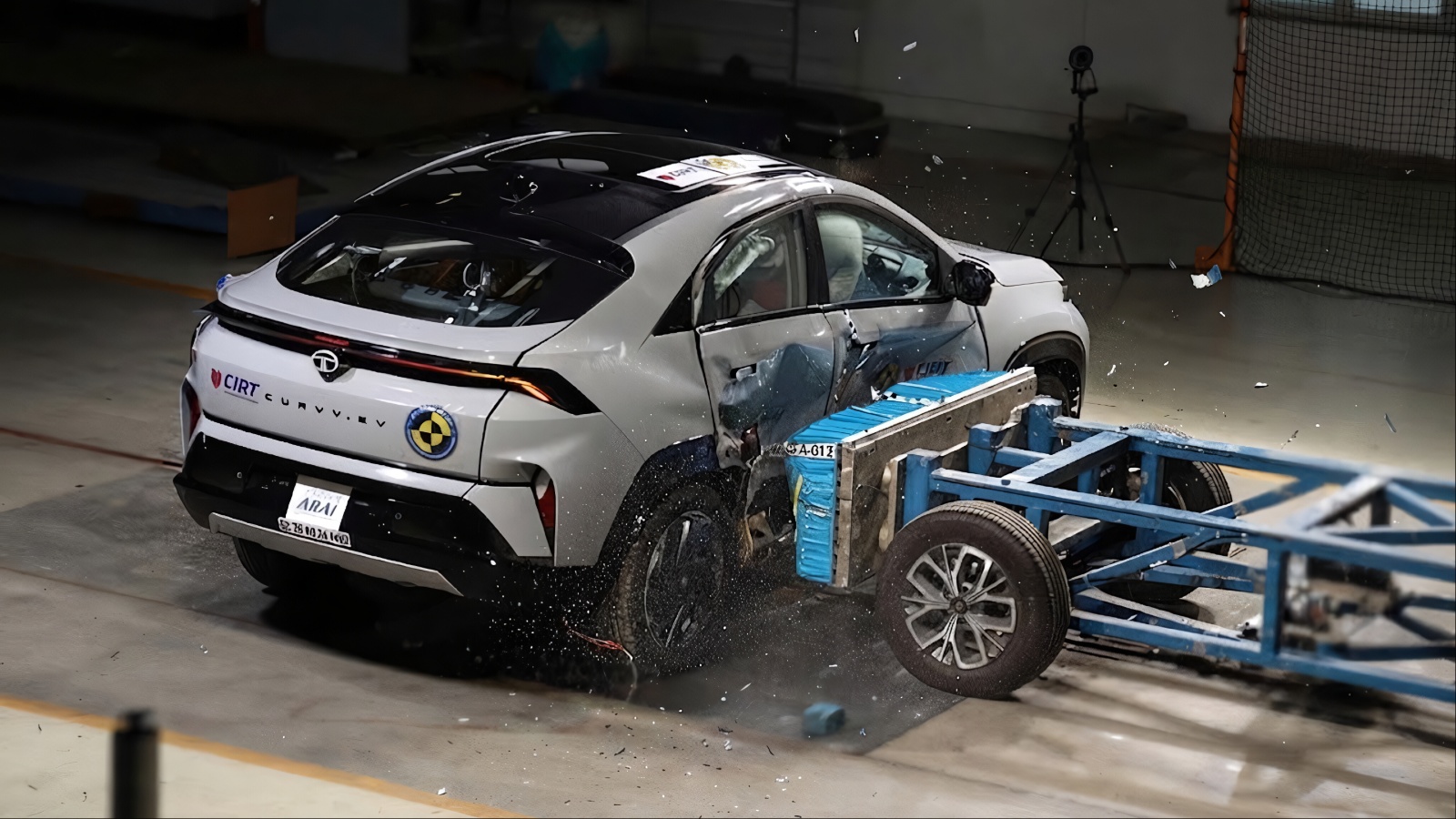
Safety ratings can look simple on a window sticker, but trim names can tell a different story. Two versions of the same vehicle may share a body shell while offering different driver-assistance features, lighting equipment, or optional safety packages. Those differences can affect an IIHS award or a specific test result, but they do not mean every expensive trim is automatically safer.
Production dates can matter too, especially when a manufacturer makes equipment changes during a model year. That is why shoppers should check the exact model, build period, and safety equipment instead of relying on a trim badge alone. Here are 10 examples that show how vehicle configuration can affect the way safety ratings should be read.
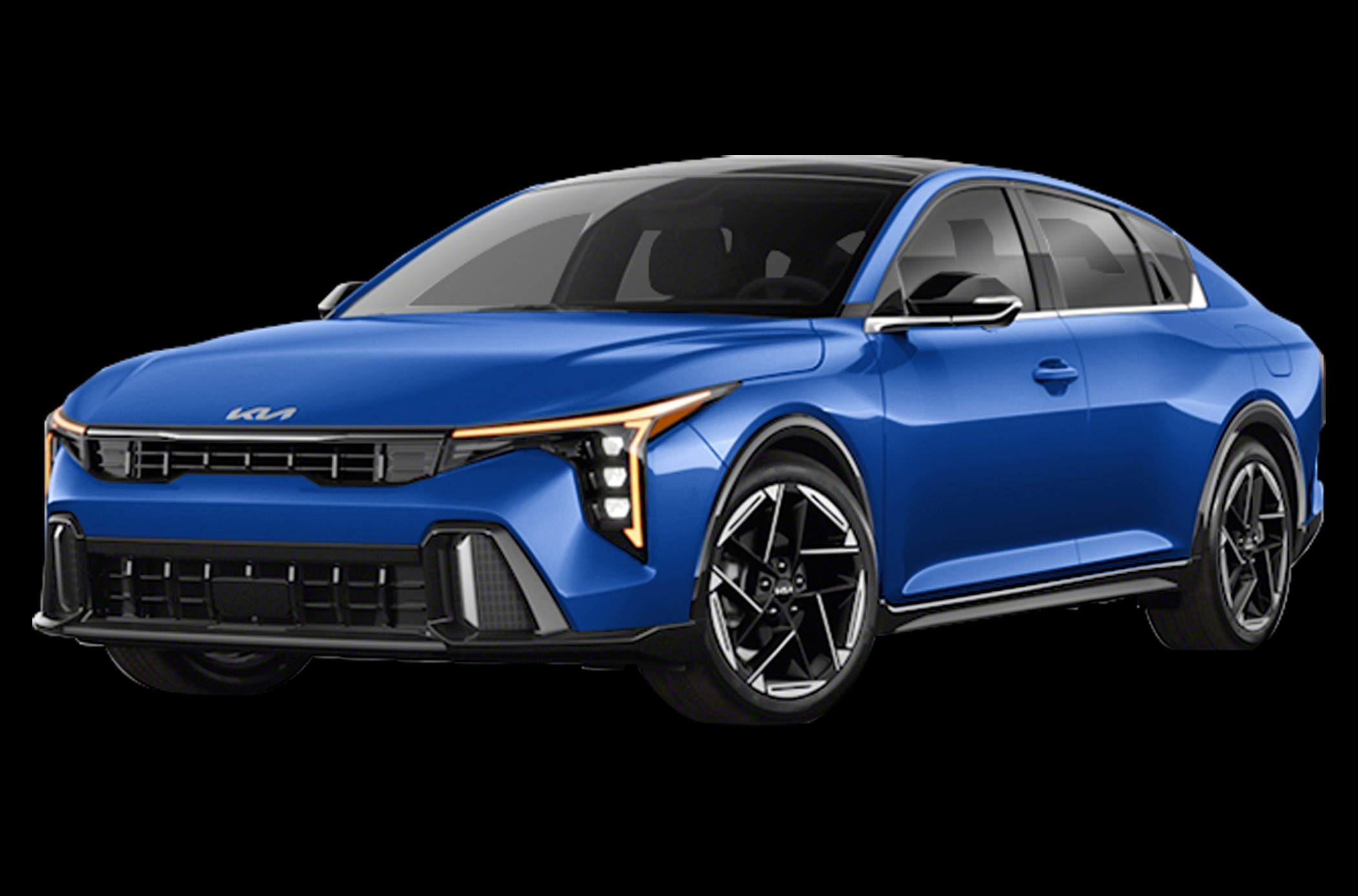
1. Kia K4 LXS vs. Other K4 Configurations
Timing turns out to be everything with the Kia K4. The 2025 model earned an IIHS Top Safety Pick+ designation, but only for vehicles built after January 2025, a detail easy to miss if you’re simply comparing sticker badges at a dealership.
IIHS conducted its crash testing using a K4 LXS specifically, yet that doesn’t mean the LXS trim itself possesses some kind of superior crash structure compared to other K4 configurations.
Instead, the resulting ratings apply broadly across the K4 lineup, assuming the vehicle falls within that qualifying production window. It’s a distinction that trips up plenty of shoppers who assume the tested trim automatically becomes the “safest” version simply because it’s the one that appeared in testing documentation.
Standard equipment helps clarify why the K4 earned its recognition in the first place. Blind-spot detection comes standard across the range, alongside lane-departure warning and rear automatic braking, three technologies that work together to reduce common crash scenarios before they happen.
What buyers should take from this example isn’t which specific trim to chase, but rather how much attention needs to go toward production dates and documentation rather than trim names alone.
A K4 built in December 2024 and one built in February 2025 might look identical on a lot, yet only one carries that particular safety designation, making paperwork research just as important as a test drive.
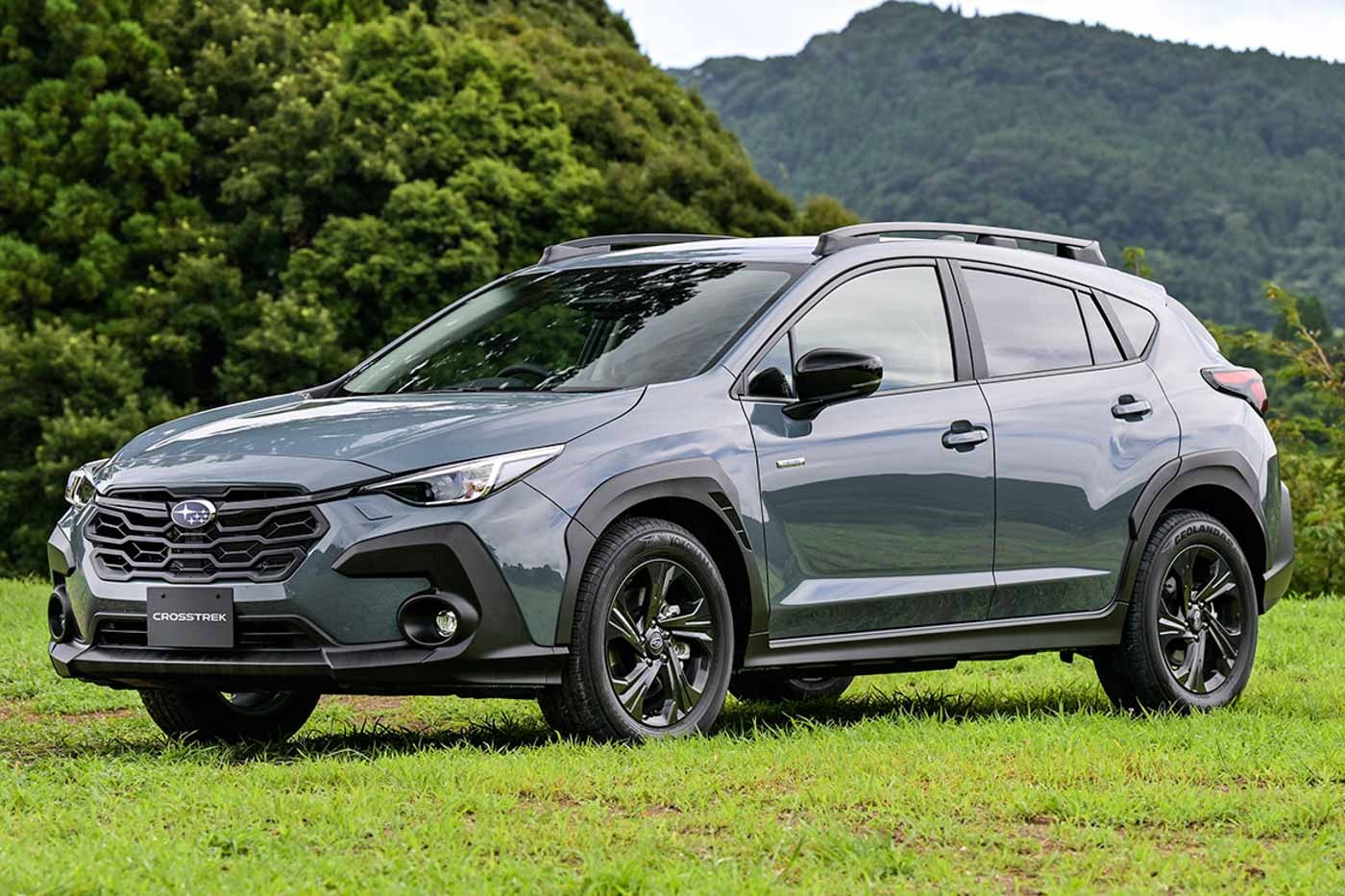
2. Subaru Crosstrek Premium vs. Other Crosstrek Trims
Consistency defines much of the Subaru Crosstrek’s approach to safety. Every trim in the 2025 lineup includes standard EyeSight front crash prevention along with lane-departure warning and prevention, meaning buyers don’t need to chase a specific trim level just to get these foundational protections built into their vehicle.
That’s a refreshing departure from brands that reserve their strongest active safety features for top-tier trims alone. Blind-spot detection and rear automatic braking, however, remain optional additions rather than standard equipment, so shoppers wanting those particular features will need to check option packages carefully rather than assuming they’re included automatically.
IIHS used a Crosstrek Premium for its testing, but the results are not limited to that specific trim. The crashworthiness ratings also apply to other eligible Crosstrek models, which is an important detail for buyers comparing different trims.
This creates a useful teaching moment for car shoppers. A vehicle’s structural crash performance, how well the frame holds up during impact, tends to stay consistent across trims because it depends on the underlying platform and construction rather than which features got bundled into a particular package.
Active safety technology, by comparison, varies considerably based on what equipment a buyer chooses. Understanding that split, structural safety versus feature-based safety, helps explain why the Crosstrek can offer one uniform crash rating while still presenting real equipment differences between its Base, Premium, Sport, and Limited configurations.
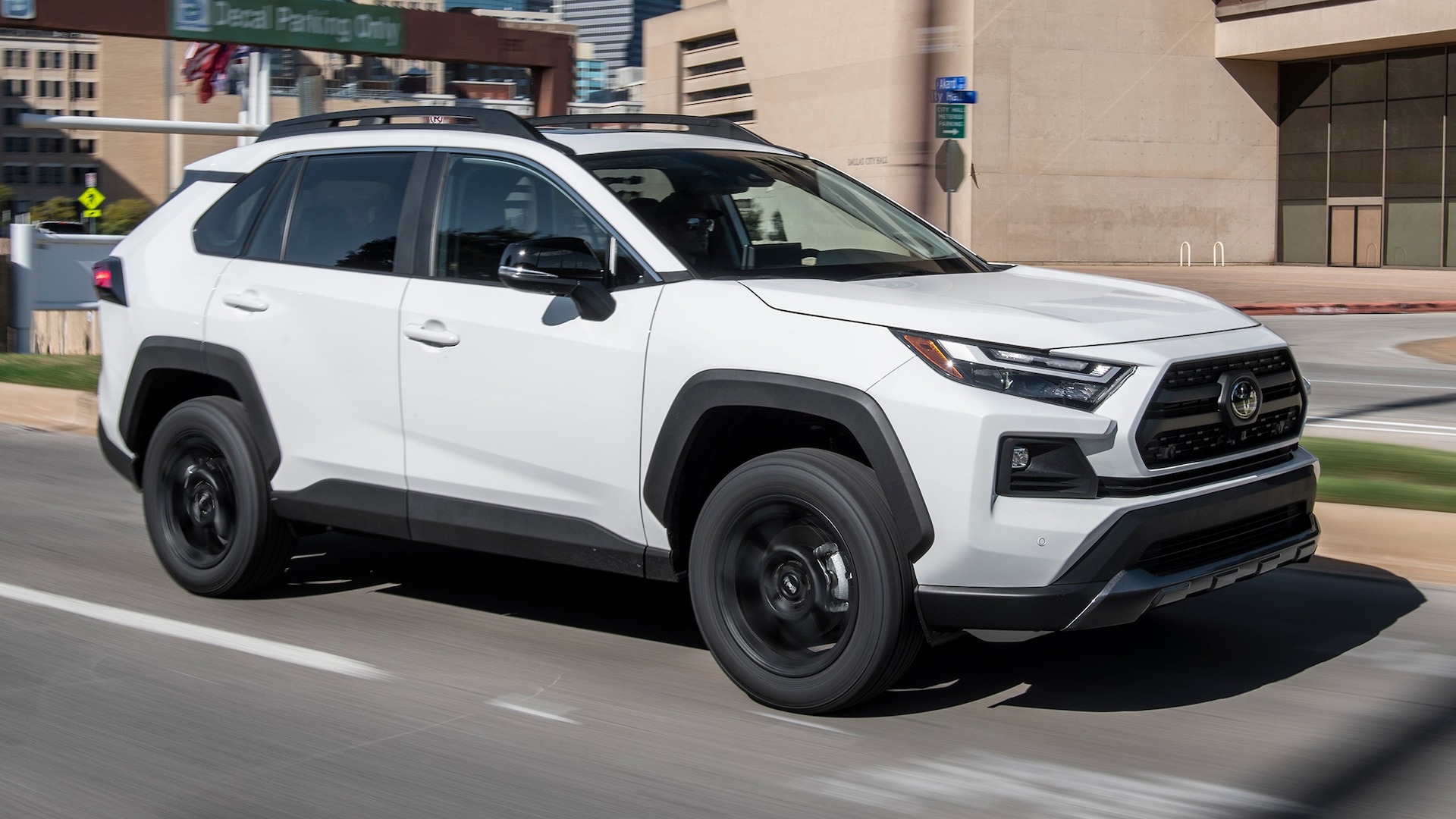
3. Toyota RAV4 LE vs. Higher Trims
Toyota’s RAV4 shows why a higher trim should never be assumed to carry a separate safety grade. For the 2025 model, IIHS evaluates the RAV4 as a vehicle model rather than assigning a completely different crashworthiness rating to the XLE simply because it costs more than the LE.
The LE still matters in the IIHS records. The Institute specifically identifies the LE in its LATCH evaluation, which concerns the hardware used to secure child restraints.
That type of trim-specific reference can be useful, but it should not be mistaken for evidence that the LE or XLE has a different basic crash-test rating.
This is an easy point to miss when reading safety information. A vehicle can have different trims, wheels, interior features, convenience equipment, and available driver-assistance technology while retaining the same fundamental crashworthiness result.
The presence of a trim name beside one particular test does not automatically create a separate safety rating for that trim. RAV4 shoppers should therefore separate three things: crash protection, active safety technology, and equipment-specific evaluations. Those categories can overlap, but they are not interchangeable.
A more expensive RAV4 may offer equipment that a lower trim does not have, which can make it more appealing from a safety-technology standpoint. Still, that does not prove that its crash structure performs better.
The RAV4 is a clear example of why price and trim level should not be used as shortcuts for judging crash performance.
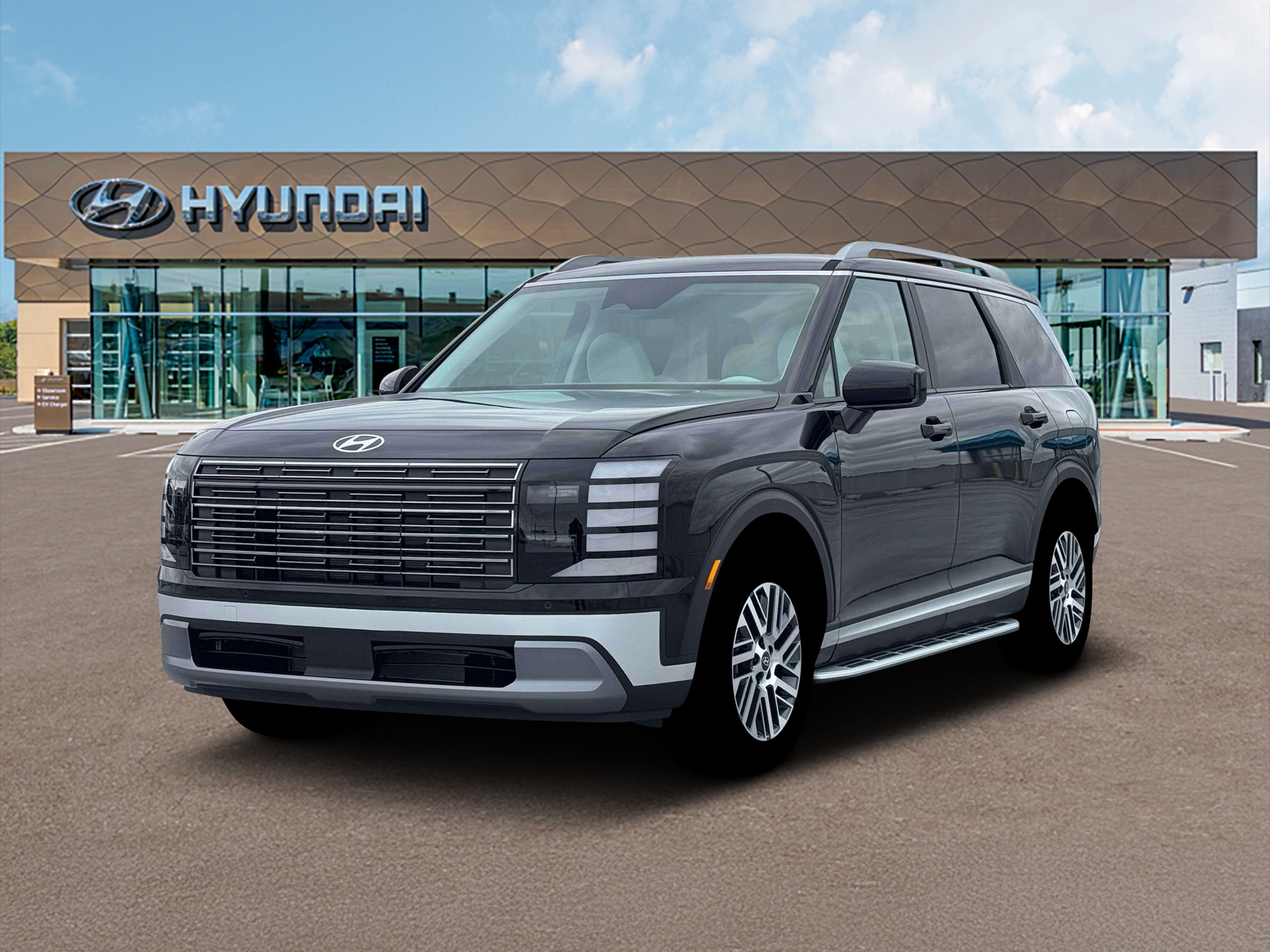
4. Hyundai Palisade SEL vs. Other Palisade Versions
The Hyundai Palisade provides a useful lesson because the trim used for a test does not always produce the result shoppers might expect.
For 2025, the Palisade includes blind-spot detection, lane-departure warning and prevention, and rear automatic braking as standard equipment. Those features provide useful assistance, but they do not guarantee a superior crash-test result.
IIHS used a Palisade SEL for its updated moderate-overlap test. That specific test examines how well the vehicle protects occupants during a particular type of frontal collision.
The result included a Poor rating for rear-passenger protection in that evaluation. Because of that finding, it would be misleading to claim that the SEL improves the Palisade’s safety rating simply because it was the tested trim.
The example is valuable because it separates equipment from test performance. A trim can include useful electronic safety systems while still receiving a less favorable result in a particular crash evaluation.
Those systems are designed to help prevent or reduce the severity of some crashes, while crashworthiness tests examine what happens when a collision occurs.
For buyers, the Palisade shows why a trim badge cannot tell the entire safety story. Checking the actual IIHS test results provides much better information than assuming a SEL designation means better protection.
The safest buying decision comes from matching the exact vehicle configuration with the test information that actually applies to it.
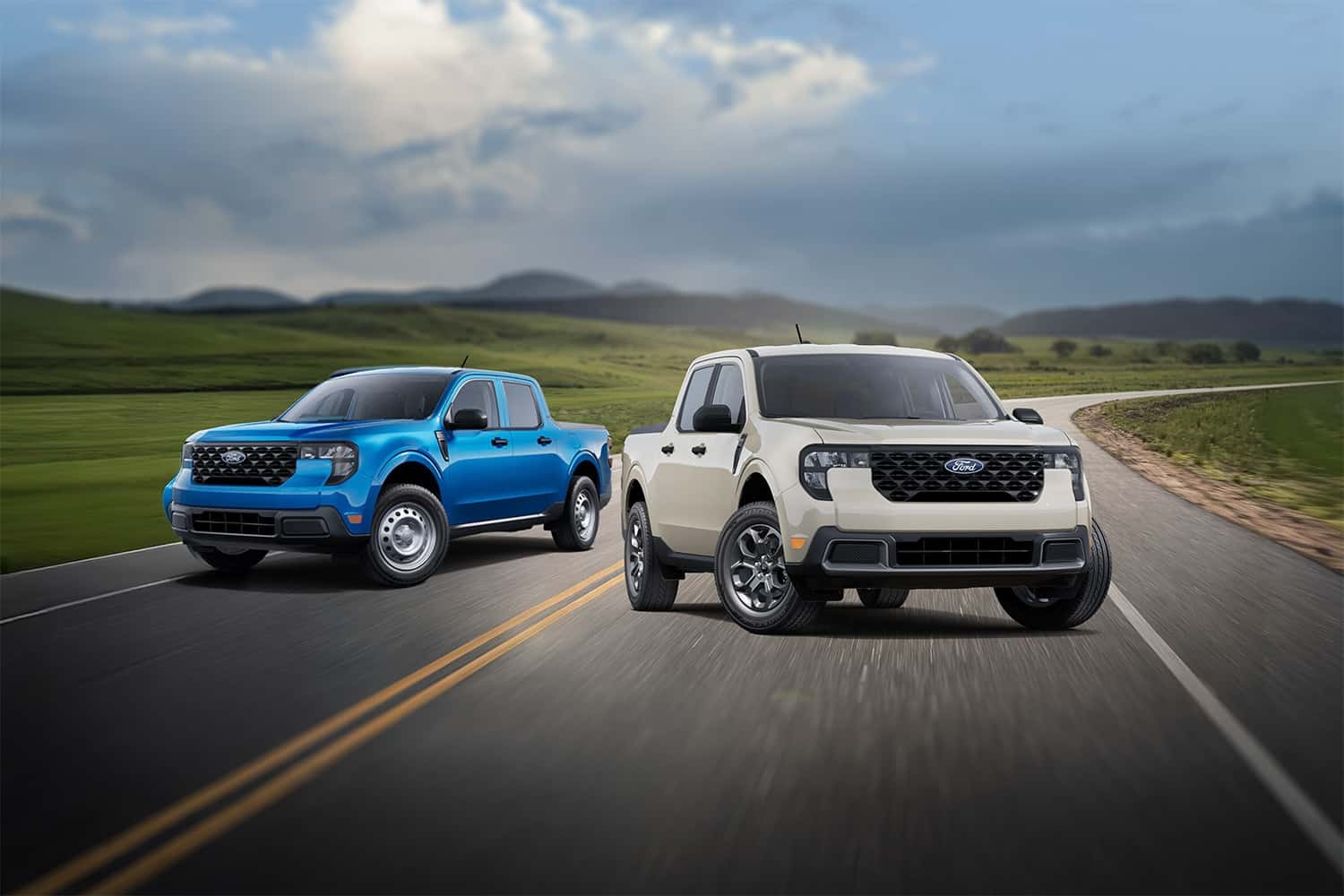
5. Ford Maverick XL vs. XLT
Trucks present their own unique wrinkle when it comes to trim-based safety questions, and the compact Maverick illustrates the pattern well. IIHS testing for the 2025 model year relied on an XLT trim for several of its evaluations, a detail that matters for anyone assuming the base XL model received identical scrutiny.
The Institute’s published ratings apply to the relevant Maverick model range as a whole, while certain equipment-focused evaluations point specifically toward the trims that were actually tested for those particular categories.
That distinction becomes especially relevant given how much available safety equipment differs between Maverick configurations depending on which packages a buyer selects.
Someone shopping for a bare-bones work truck versus someone configuring a loaded XLT for family use might end up with genuinely different equipment lists, even though both trucks share the same fundamental crash structure underneath.
One mistake to avoid is assuming the XLT received a higher crash rating simply because it came with more standard or optional equipment than the XL.
Equipment and structural crashworthiness aren’t the same measurement, even though marketing language sometimes blurs that line for convenience.
Buyers drawn to the Maverick’s compact size and practical bed should focus their trim comparison on which specific driver-assistance features they actually want, rather than assuming a pricier configuration inherently protects occupants better during an accident.
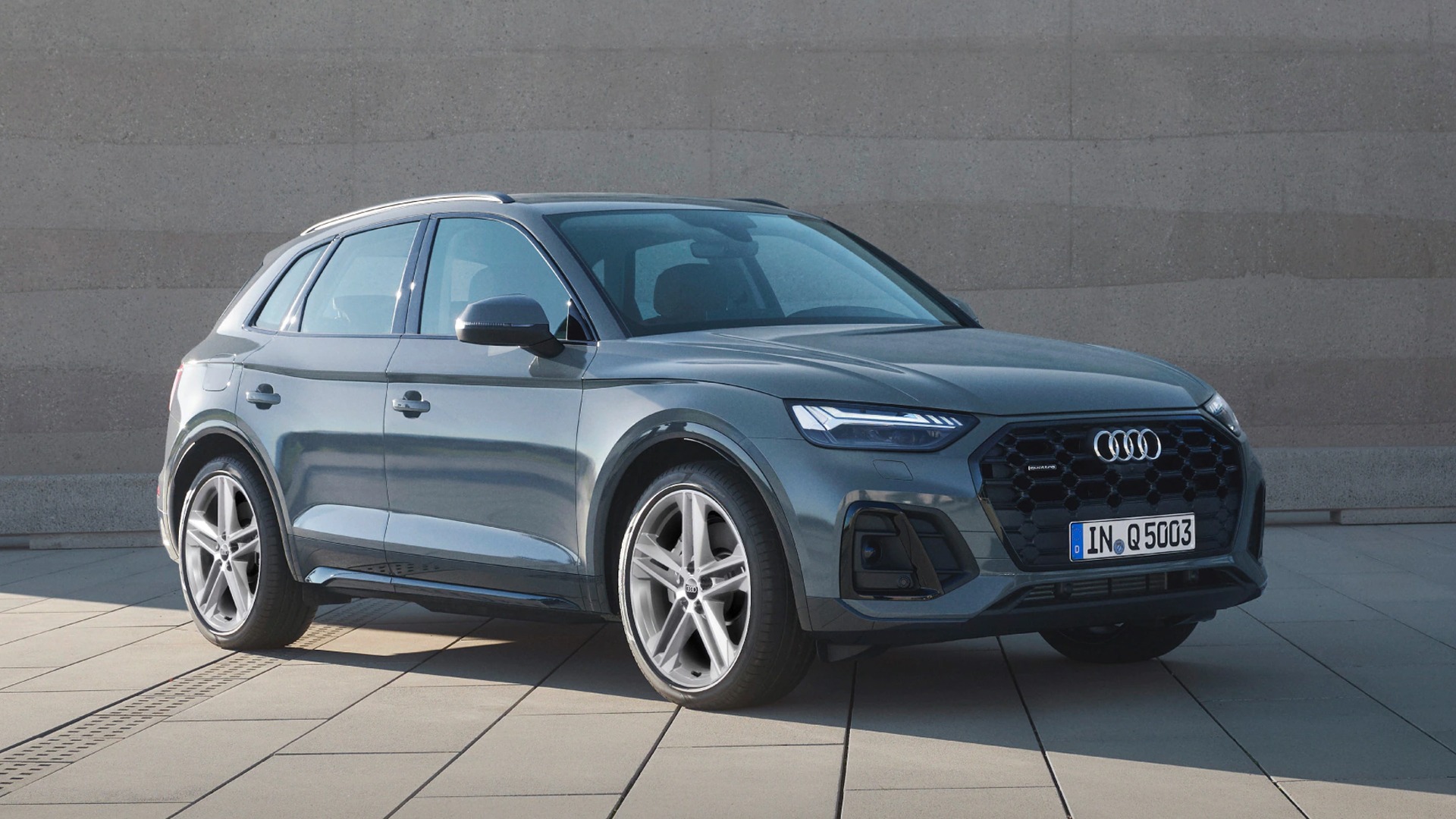
6. Audi Q5 Premium Plus vs. Earlier Q5 Configuration
Generational change dwarfs almost any trim-level comparison, and the 2025 Audi Q5 makes that point about as clearly as any vehicle currently on sale.
IIHS documentation actually lists separate evaluations for the existing Q5 platform and the completely redesigned, all-new Q5, treating them essentially as different vehicles despite sharing a nameplate and showroom floor space.
That’s a meaningfully different situation compared to the trim-level nuances found elsewhere on this list. The all-new Q5 earned Top Safety Pick+ recognition, though specifically for vehicles built after July 2025, once again tying an award directly to production timing rather than simply the model year printed on the window sticker.
Meanwhile, the earlier 2025 Q5 configuration, essentially the outgoing platform still being sold alongside its replacement during the transition period, carries substantially different results from its own separate testing.
What should shoppers take from this? Trim level, whether someone chooses a Premium, Premium Plus, or Prestige package, matters far less here than understanding which generation of Q5 they’re actually looking at on the lot.
A redesigned platform brings updated crash structure, revised airbag systems, and often completely different structural engineering compared to its predecessor.
Buyers should ask dealers directly which Q5 generation a specific vehicle represents rather than assuming trim level alone tells the full safety story during this particular transition window.
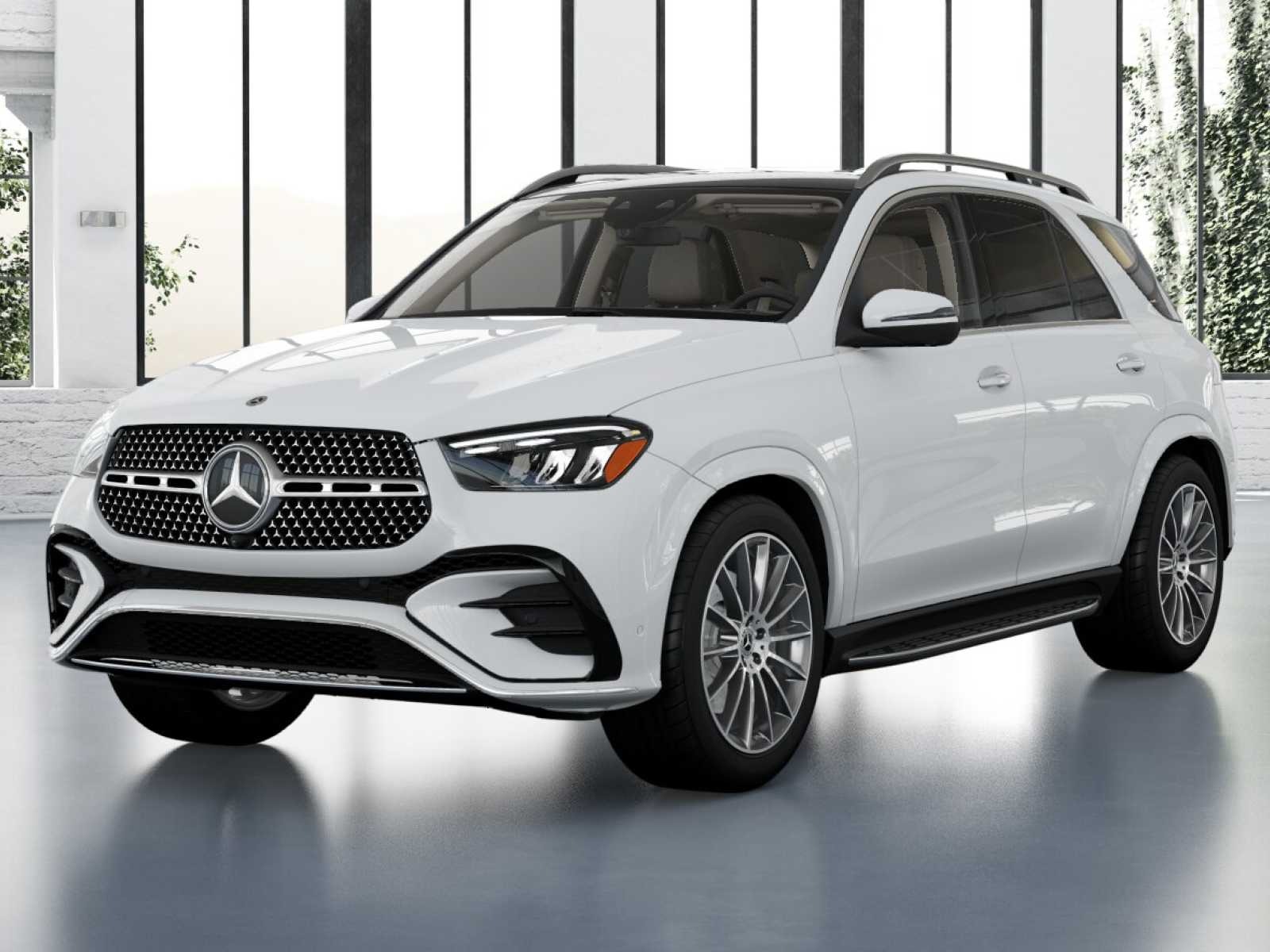
7. Mercedes-Benz GLE 350 With Optional Pedestrian Front Crash Prevention
The Mercedes-Benz GLE 350 offers one of the clearest examples of optional safety equipment affecting an official IIHS award. For 2025, the GLE-Class earned an IIHS Top Safety Pick+ designation, but the award applies to vehicles equipped with the optional pedestrian front crash-prevention system.
That detail matters because two GLE vehicles can share the same basic model and still differ in the equipment needed for the award. A shopper who sees the Top Safety Pick+ badge attached to the GLE-Class should confirm that the specific vehicle includes the required system.
The distinction also illustrates how modern safety ratings can involve more than traditional crashworthiness. IIHS evaluates crash protection, headlights, and crash-prevention technology as part of its award criteria.
A vehicle can perform well in a collision test while its eligibility for a higher award depends on equipment that helps avoid or reduce certain crashes. In this case, the optional pedestrian front crash-prevention system is directly tied to the award qualification.
That makes the GLE a stronger example than many vehicles where higher trims merely add convenience or extra technology without changing the official rating.
Buyers should pay attention to the equipment list rather than relying solely on the model name. If the safety award requires an optional system, that system needs to be present on the vehicle being considered.
The GLE shows that an option package can sometimes matter directly to an IIHS award.
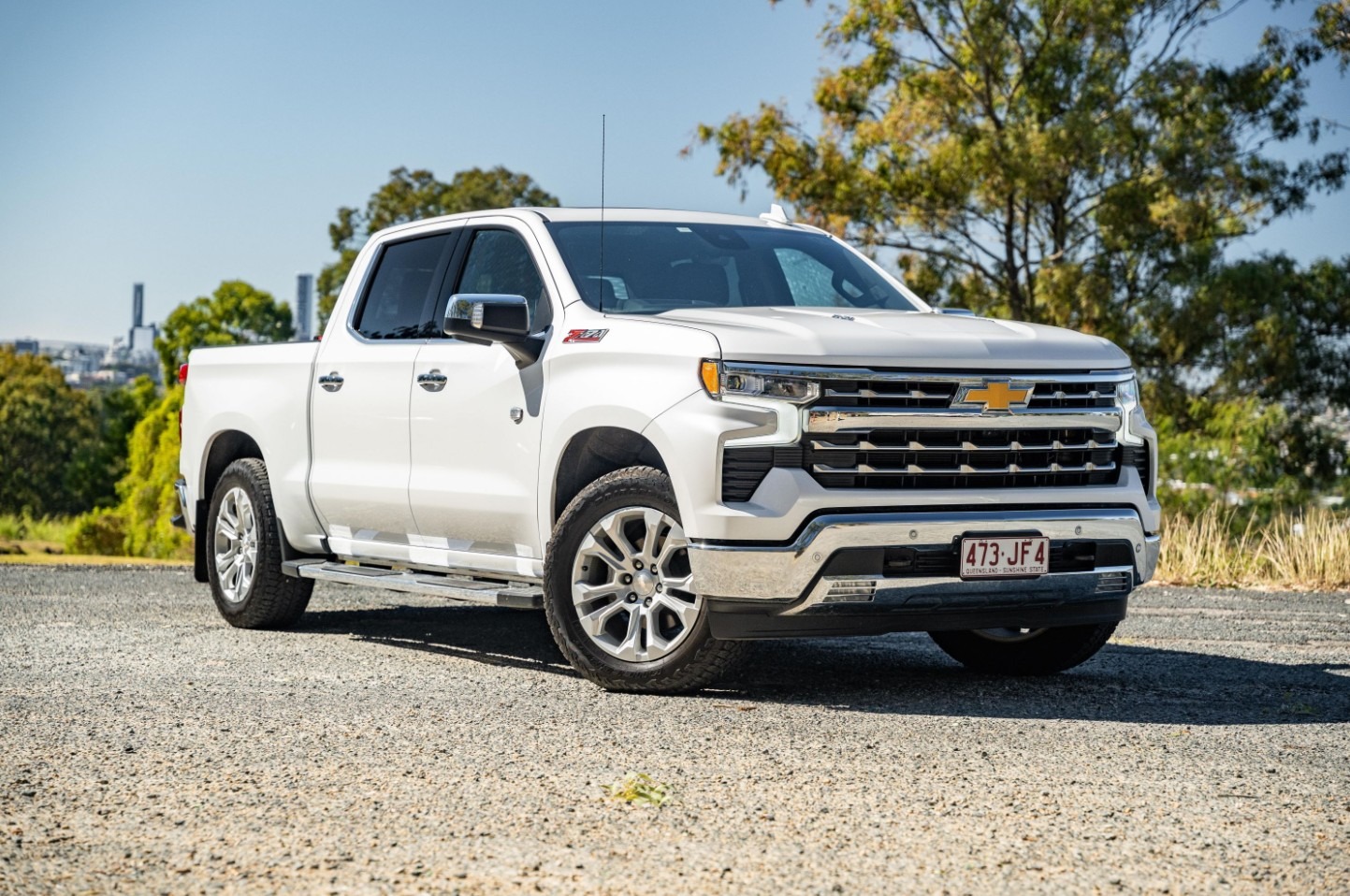
8. Chevrolet Silverado 1500 With Available Safety Equipment
Full-size trucks come with a dizzying array of configuration choices, and the Silverado 1500 shows how equipment availability doesn’t automatically translate into a different crash rating.
Blind-spot detection and rear automatic braking remain optional additions on the 2025 model, meaning buyers configuring a work-focused truck might skip these features entirely while someone building a family-hauler version adds them without a second thought.
Lane-departure warning and prevention, by comparison, come standard regardless of trim or package selection, giving every Silverado buyer at least that baseline protection built in from the factory.
The key point is that selecting a more expensive trim with every available safety feature does not automatically improve the truck’s underlying IIHS crashworthiness ratings compared with a basic work truck that uses the same cab and frame.
Structural crash performance depends on the platform’s engineering rather than which convenience or driver-assistance packages happen to be bundled into a particular configuration.
This creates real practical value for budget-conscious buyers. Someone who genuinely can’t justify the cost of every optional safety package isn’t necessarily accepting a truck with worse fundamental crash protection compared to a fully loaded version rolling off the same assembly line.
What they are accepting is fewer active safety technologies designed to prevent a collision from happening in the first place, a real trade-off worth weighing carefully depending on individual driving habits and budget constraints.
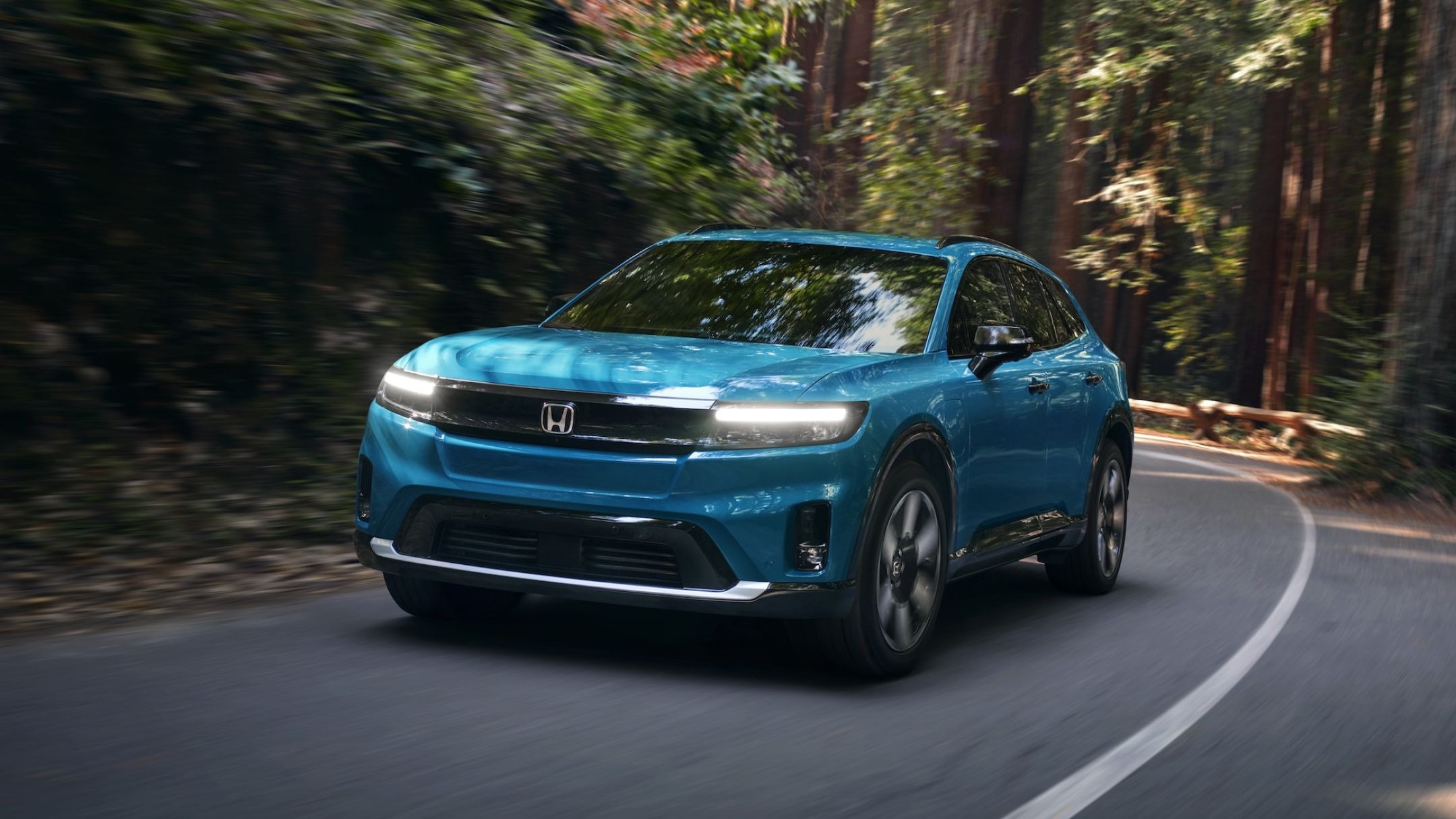
9. Honda Prologue Base vs. Higher Trims
The Honda Prologue takes a different approach by making several safety technologies standard across its lineup. For 2025, the Prologue includes blind-spot detection, lane-departure warning and prevention, and rear automatic braking as standard equipment.
That equipment strategy reduces the gap that can exist between entry-level and premium trims. A buyer choosing a higher trim may receive more comfort, technology, or convenience features, but that does not necessarily mean the vehicle gains a better crashworthiness rating.
IIHS evaluates the Prologue as a model rather than presenting evidence that a higher trim receives a superior crash-test rating. This is an important distinction because safety technology and crash protection answer different questions.
Driver-assistance systems can help prevent or reduce certain collisions, while crash tests measure how the vehicle protects occupants when a crash occurs.
The Prologue is therefore a useful example of how standard equipment can make trim comparisons less important from a safety standpoint.
If the same major safety systems are installed across the lineup, moving to a more expensive version does not automatically provide a better official safety rating.
Shoppers should still verify the equipment on the vehicle they plan to purchase, particularly when comparing different model years or used vehicles.
The Prologue illustrates an important point. A higher trim can offer more equipment and features without necessarily receiving better official crash test ratings.
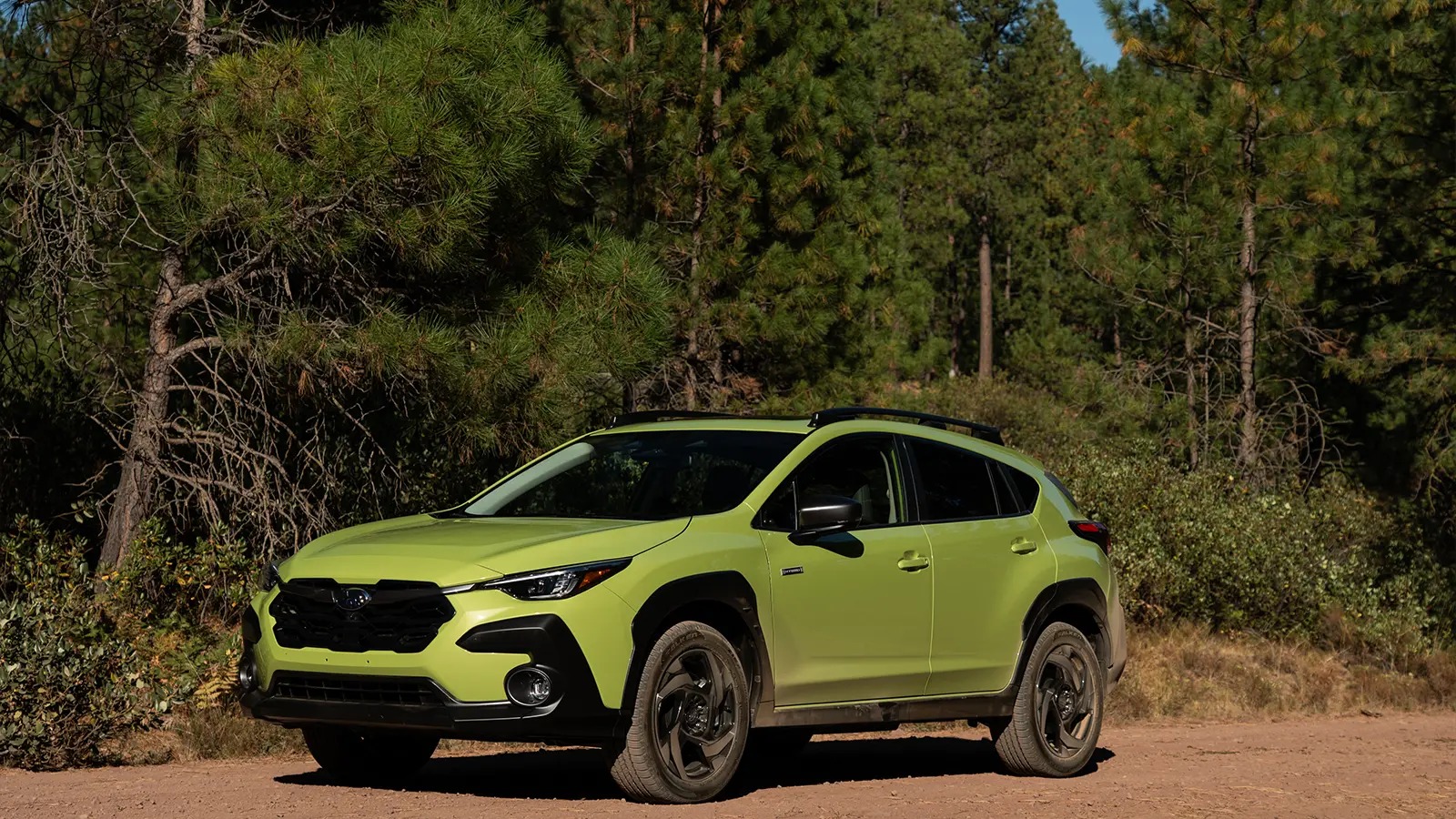
10. Subaru Crosstrek Hybrid vs. Gasoline Crosstrek
The Subaru Crosstrek Hybrid adds another layer to the discussion because its powertrain does not automatically require a separate crash rating.
For 2026, IIHS states that the existing Crosstrek crash-test ratings also apply to the Crosstrek Hybrid. The front crash-prevention evaluation uses standard EyeSight technology.
That information matters because hybrid models can sometimes lead shoppers to assume that a different powertrain must mean a completely different safety result. In this case, the applicable IIHS information indicates that the Crosstrek Hybrid shares the relevant crash-test ratings with the Crosstrek.
The standard EyeSight system also shows why equipment needs to be checked alongside the model name. If a safety system is included as standard equipment, the buyer does not necessarily need to choose a premium trim to receive it.
This example differs from the Mercedes-Benz GLE because the safety distinction is not about buying an optional package to qualify for an award. Instead, it demonstrates that a different powertrain can still share the same applicable crash-test results when the underlying vehicle and safety systems support that treatment.
For shoppers comparing gasoline and hybrid Crosstrek versions, the lesson is straightforward. Check the IIHS information for the exact model year and confirm which safety systems are standard.
A different powertrain, a different trim, or a different equipment list does not automatically mean a different safety rating. The official testing information should make that determination.