
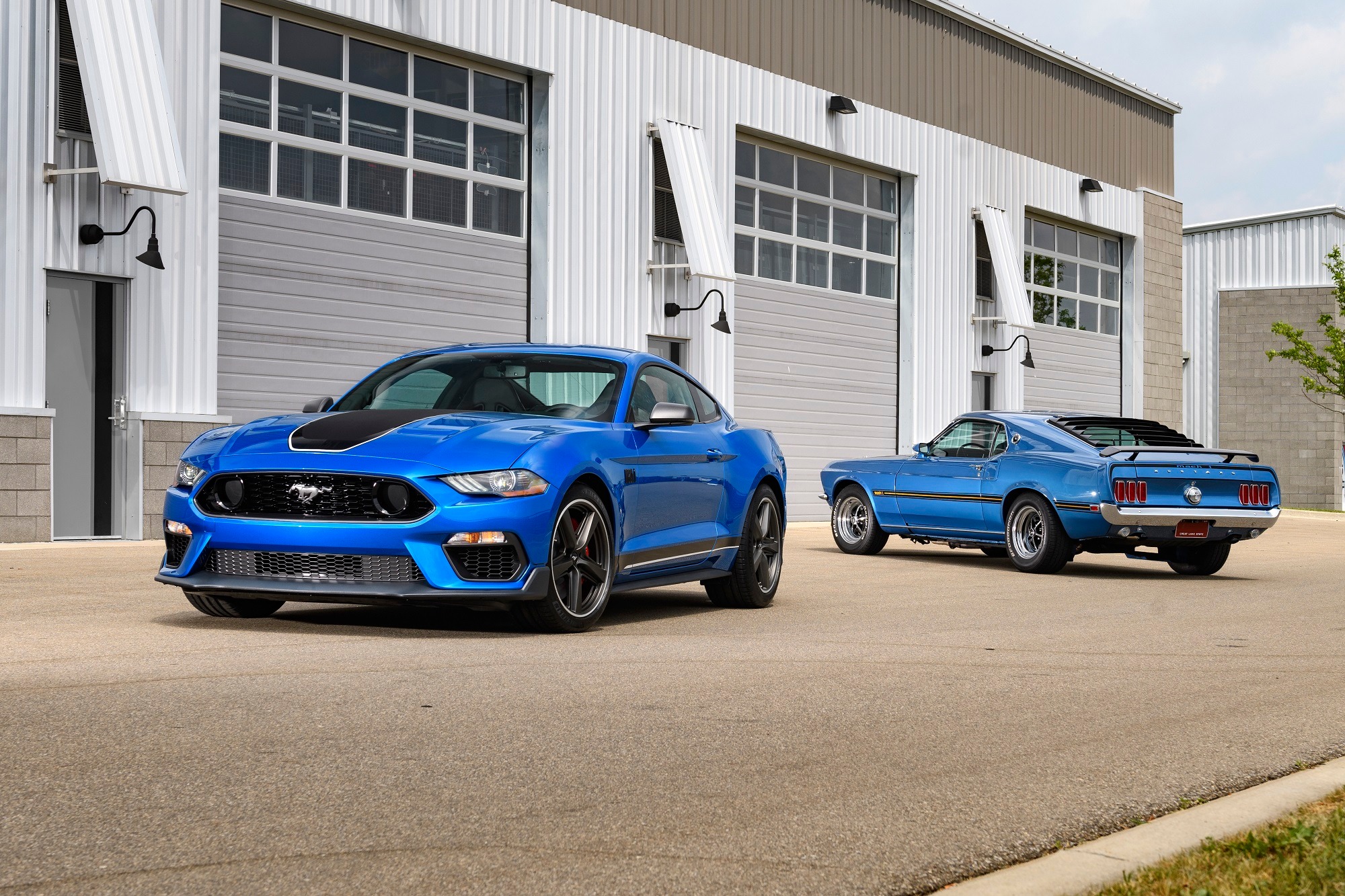
Car shopping in the next few years might feel a little different. Automakers are rethinking their lineups fast, trimming slow sellers, retooling factories, and leaning harder into electrification. Some beloved nameplates could quietly disappear from showrooms, while others may return in a completely different form.
Nothing here is locked in stone, but industry chatter and sales trends point to a handful of models that could be on their way out after 2027. Buckle up, because a few of these might surprise you, and a couple might just break your heart a little.
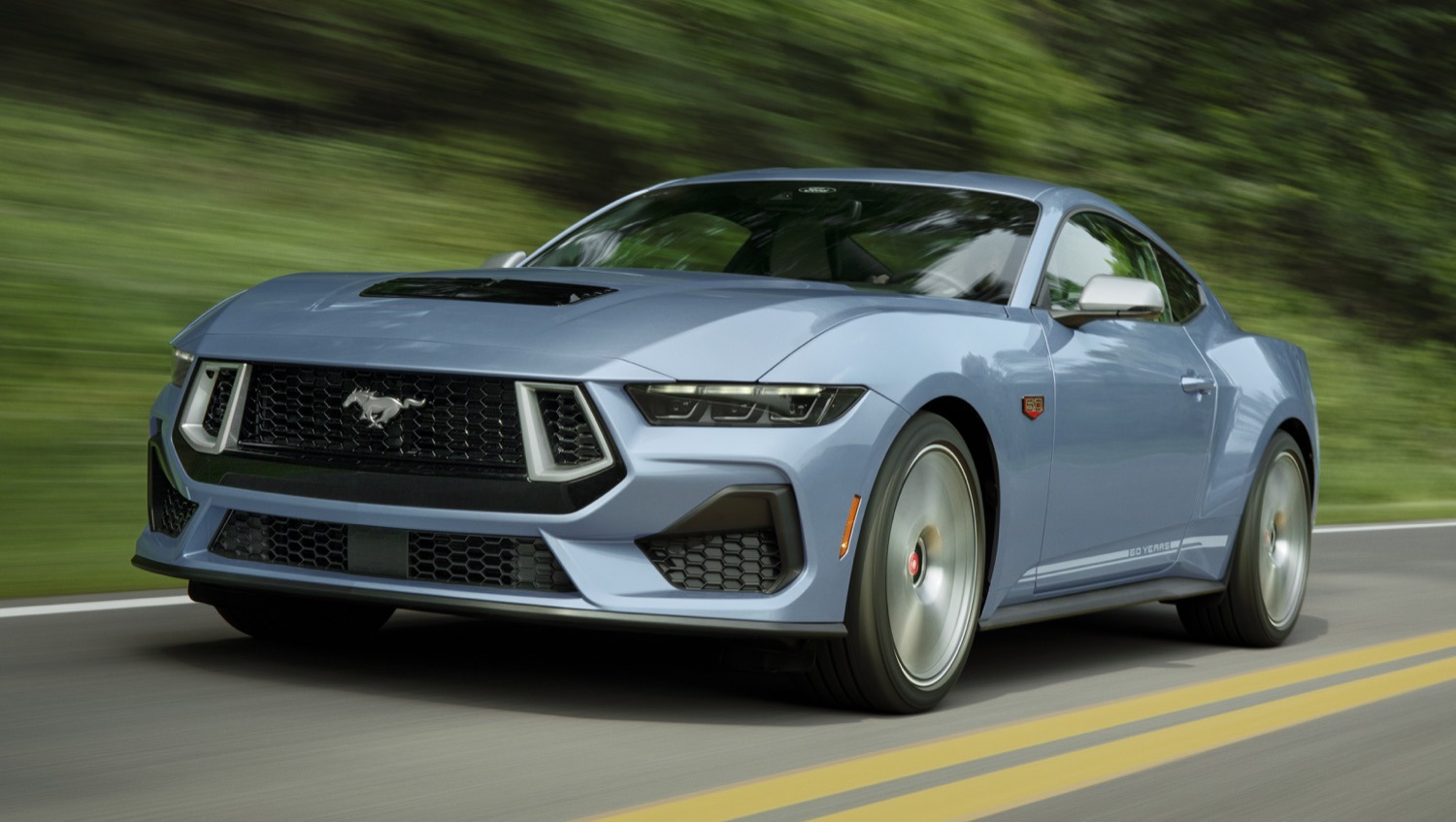
1. Ford Mustang – Potential future discontinuation/replacement
The Mustang has been a fixture on American roads since 1964, and it’s hard to imagine dealership lots without one. Yet Ford has been sending mixed signals about where this car fits into its plans.
Stricter emissions rules keep tightening around gas-powered performance cars, and Ford’s broader strategy has leaned toward SUVs, trucks, and battery-powered models like the Mustang Mach-E. That naming choice alone tells you something about the direction the brand wants to head.
No official date has been set for a true discontinuation, so treat this one as speculation rather than fact. Still, industry watchers point out that low-volume sports cars are becoming harder to justify on a balance sheet, especially when regulations demand cleaner fleets on average.
Ford could choose to keep the Mustang alive through a hybrid setup, or it might eventually let the nameplate rest and redirect resources elsewhere. For now, buyers who want a traditional V8 rumble should probably enjoy it while they can.
Automotive history is full of icons that lasted far longer than anyone predicted, and the Mustang has already dodged extinction more than once. But given how quickly the industry is changing, betting on its permanence past this decade feels less certain than it used to.
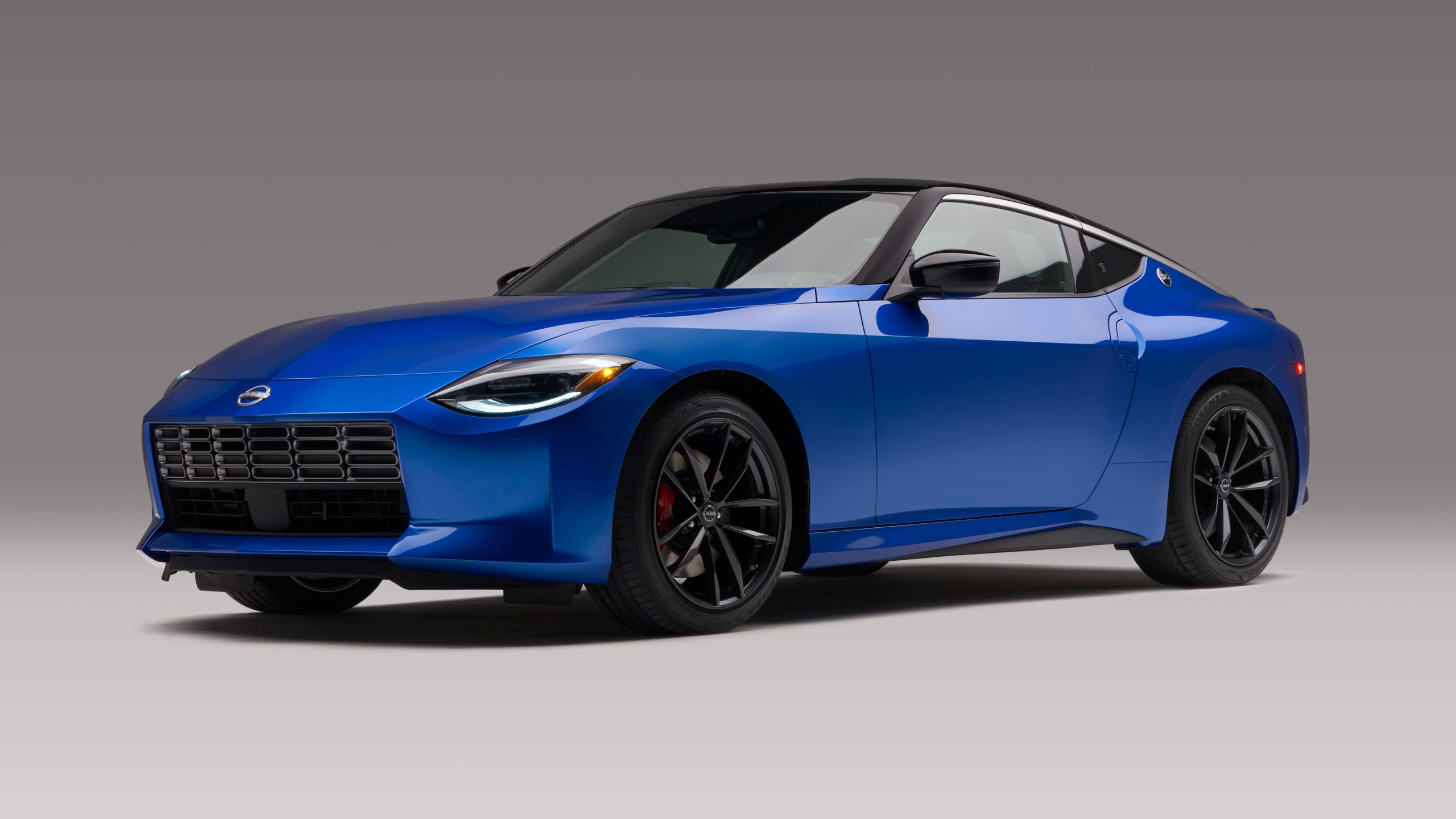
2. Nissan Z – Potential future discontinuation
The Nissan Z has survived because it occupies a special place in Nissan’s performance lineup. For 2027, Nissan continues offering the Z with a 400-horsepower 3.0-liter twin-turbo V6, rear-wheel drive, and an available six-speed manual transmission. The lineup also includes the 420-horsepower Z NISMO.
Those specifications show that Nissan is still willing to support the traditional sports-car formula. Still, the long-term business case for a low-volume two-door model can be difficult when manufacturers are concentrating development money on vehicles with broader appeal.
Nissan has also been reorganizing how it develops future vehicles. Its product-family strategy is designed to increase common components and concentrate volume across fewer vehicle families. That kind of approach could make a specialized sports car harder to justify when its next generation requires fresh engineering work.
There is no official Nissan announcement saying the Z will disappear after 2027. That point matters. The car should be viewed as a candidate for retirement or replacement, not a confirmed casualty.
If Nissan does decide to end the current Z, the company could choose a successor with electrified assistance rather than abandon the performance name completely. The 2027 model therefore may represent an important point in the current Z’s story, even though its future remains open.
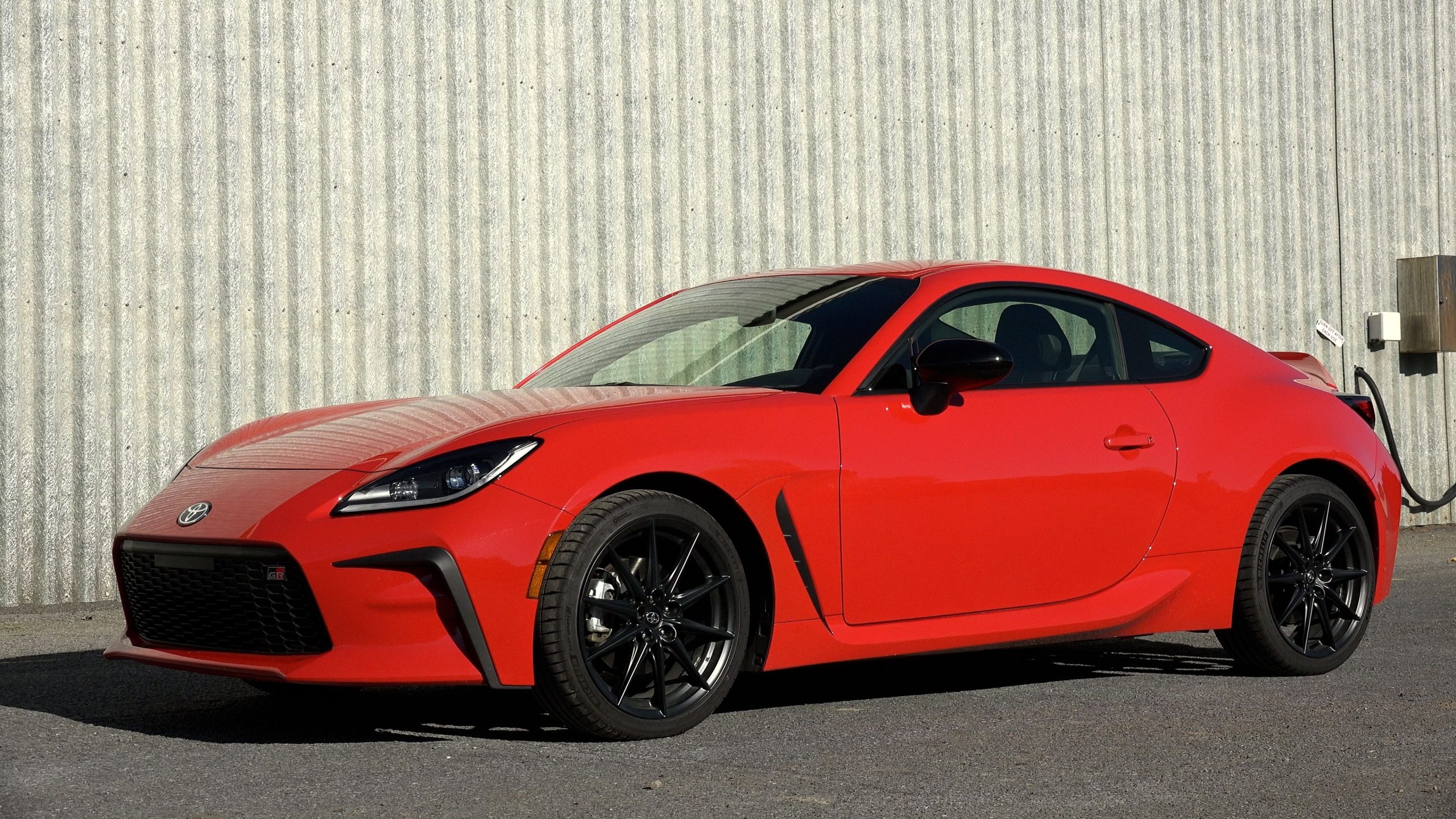
3. Toyota GR86 – Potential future discontinuation
The GR86 exists in a strange spot within Toyota’s lineup. It’s affordable, light, fun to drive, and built for people who care more about handling than horsepower numbers.
That formula has earned it a loyal following, but loyal followings don’t always translate into strong sales figures, and this car has never been a volume seller for Toyota.
Built alongside Subaru’s BRZ, the GR86 depends heavily on that partnership continuing to make financial sense for both companies. Emissions and safety requirements keep getting stricter every year, and small sports cars built on older platform architecture face growing pressure to either upgrade expensively or step aside.
Toyota hasn’t confirmed any end date beyond 2027, so nothing here should be read as certain. What makes this car worth watching is how niche its appeal really is.
Buyers who want raw driving feel without a huge price tag are a smaller group than buyers who want a comfortable crossover with good fuel economy.
As Toyota continues investing heavily in hybrid and electric technology, it’s reasonable to wonder whether a small rear wheel drive coupe stays a priority.
The GR86 might get another generation, or Toyota could decide its resources are better spent elsewhere, leaving this affordable sports car as a fond memory for the people who bought one while they still could.
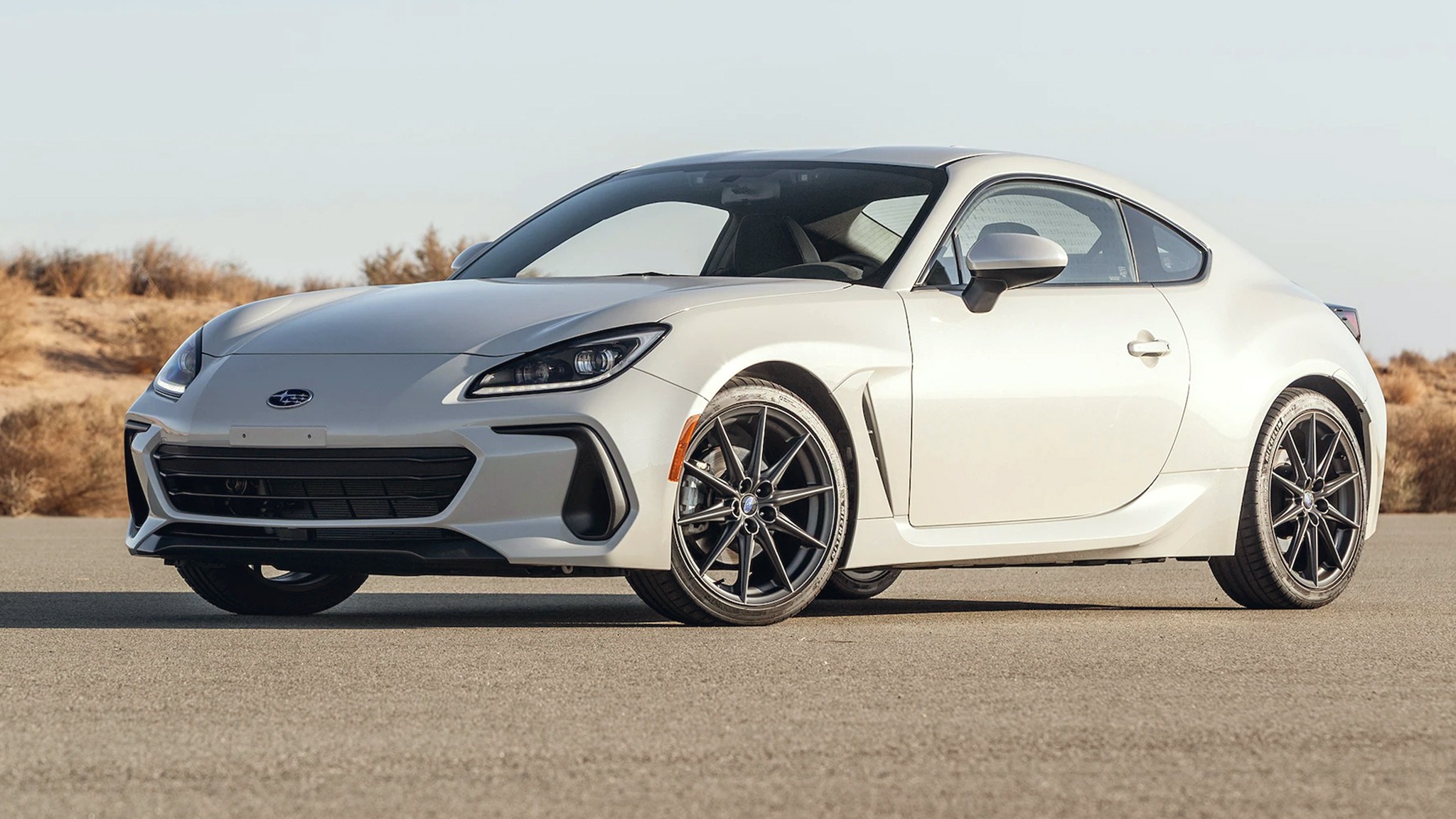
4. Subaru BRZ – Potential future discontinuation
Subaru’s BRZ shares almost everything under its skin with the Toyota GR86, which means their fates are tied together. If one goes, it’s hard to imagine the other sticking around on its own, since splitting development costs is part of what makes this car financially workable for either automaker.
Subaru has built its identity around All Wheel Drive vehicles like the Outback and Forester, which makes the Rear Wheel Drive BRZ something of an outlier in the current lineup.
Sales numbers for small sports coupes have been modest across the entire industry, and Subaru is no exception. Buyers looking for something fun and affordable still exist, but there aren’t enough of them to make this car a major profit driver.
That reality puts pressure on Subaru to weigh whether continuing production makes sense once current platform costs are fully paid off.
Nothing official has been said about ending the BRZ after 2027, and it’s worth remembering that this partnership has already produced two full generations of this car.
Subaru could extend the agreement with Toyota again, especially since neither brand has an obvious replacement waiting in the wings.
Still, as electrification spending increases and small-volume gas cars become harder to justify, the BRZ sits in a precarious spot that deserves attention from anyone hoping to buy one new.
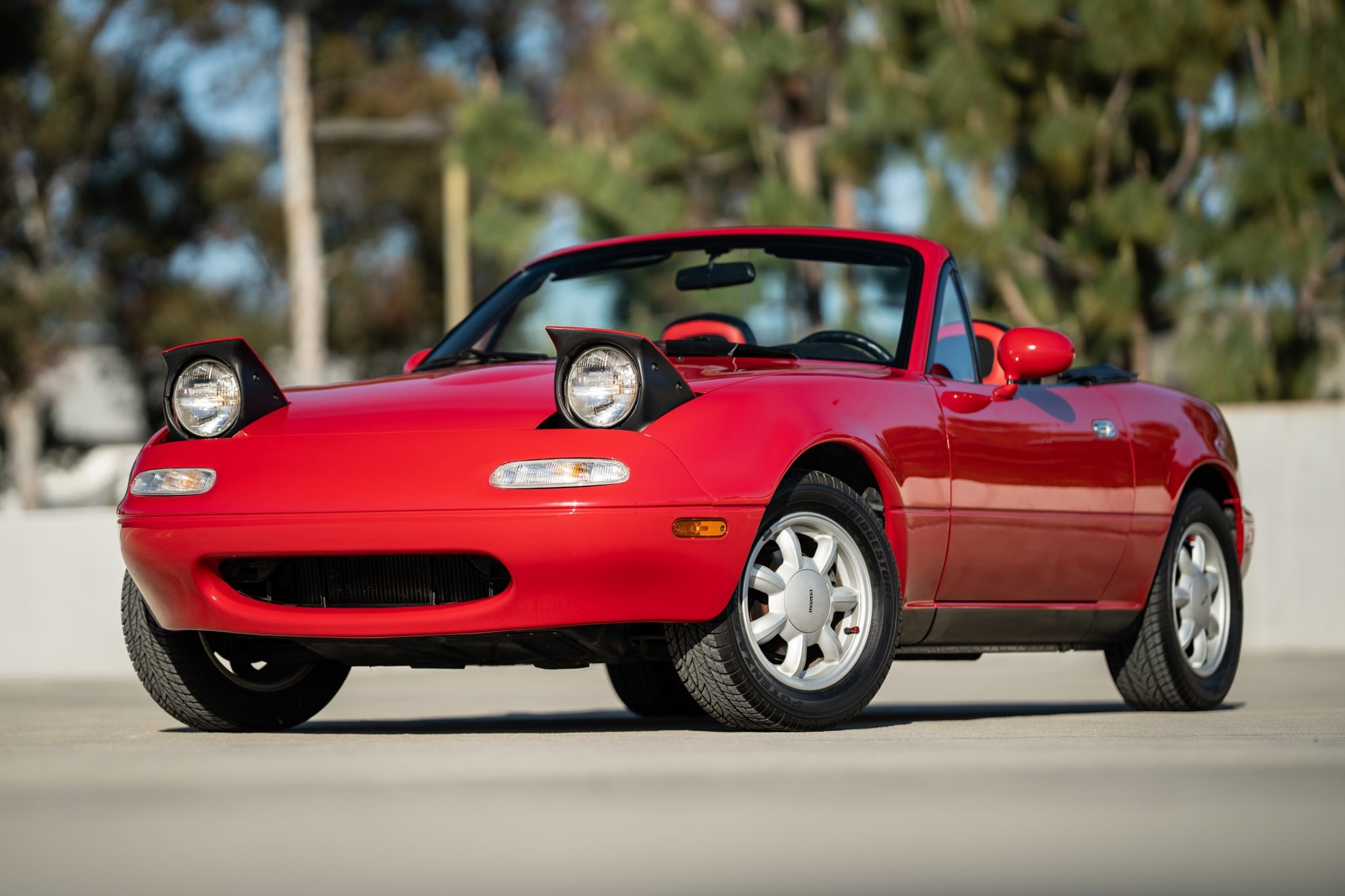
5. Mazda MX-5 Miata – Potential future discontinuation or major redesign
The Mazda MX-5 Miata has one of the longest-running stories among affordable sports cars, and Mazda continues to support the current generation.
For 2026, the Miata received interior refinements while retaining its lightweight design, 2.0-liter four-cylinder engine, and available six-speed manual transmission.
That continued investment makes a sudden retirement after 2027 difficult to predict. At the same time, the Miata’s small size and traditional gasoline powertrain could face fresh engineering demands as regulations develop.
Mazda has not announced that the Miata will end after 2027. The more interesting possibility is a major redesign. A future Miata could use hybrid assistance, a new engine, or other technology while trying to preserve the lightweight character that has defined the car for decades.
That balancing act will not be easy. Adding batteries, motors, emissions equipment, and additional safety technology can add weight. For a roadster whose appeal depends heavily on simplicity and low mass, that presents a real engineering challenge.
Mazda could decide that preserving the name is worth the effort, or it could eventually conclude that the current formula is no longer practical.
Either way, the MX-5 Miata deserves attention as the industry enters the next generation of vehicle development. For now, it remains firmly in production, and there is no confirmed retirement date.
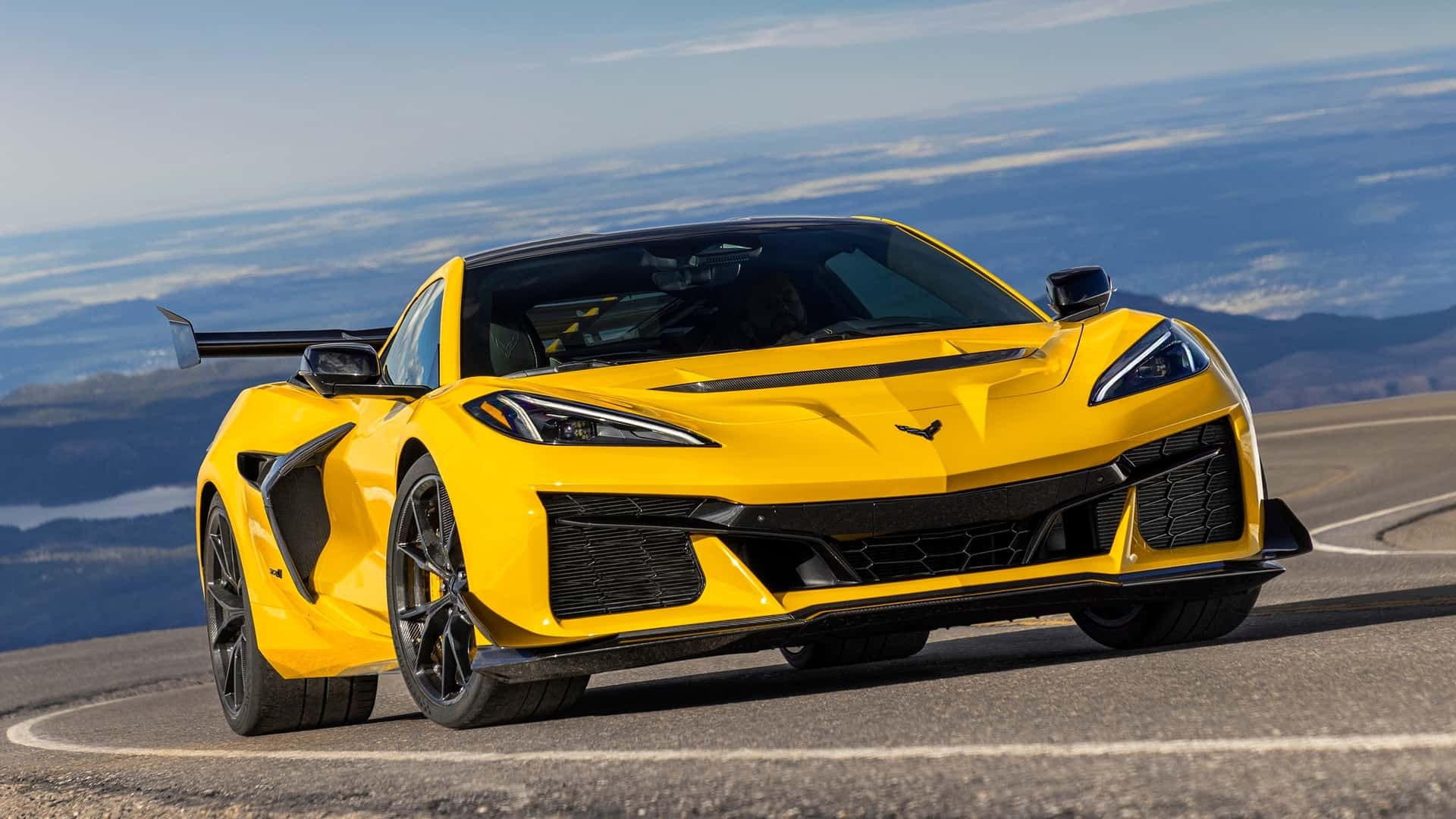
6. Chevrolet Corvette – Potential powertrain transition rather than confirmed discontinuation
The Chevrolet Corvette is probably the least likely vehicle on this list to disappear as a nameplate. The current generation remains one of Chevrolet’s flagship performance products, and the company is continuing to expand it for 2027.
Chevrolet has already introduced hybrid technology into the Corvette family. The 2027 Corvette Grand Sport X uses a V8 engine with a front-mounted electric motor and all-wheel drive, while the Corvette ZR1X combines a twin-turbo V8 with electric assistance.
That development points toward a different possibility: the Corvette may remain, but its traditional powertrains could change. Chevrolet has also stated that the 2027 Z06 has no plans for an electric motor, showing that the company is not moving every Corvette variant in the same direction at once.
Because of that, calling the Corvette a car that will definitely be discontinued would be misleading. A better prediction is that certain versions or engine configurations could disappear while the Corvette name continues.
Future Corvette models could use more hybrid technology, different engines, or eventually fully electric power. The name has enough value for Chevrolet to preserve it through major technological changes.
So, after 2027, the question is less about whether Corvette survives and more about what a Corvette looks like. The current gasoline-only formula may become less common, but the badge itself appears positioned to continue.
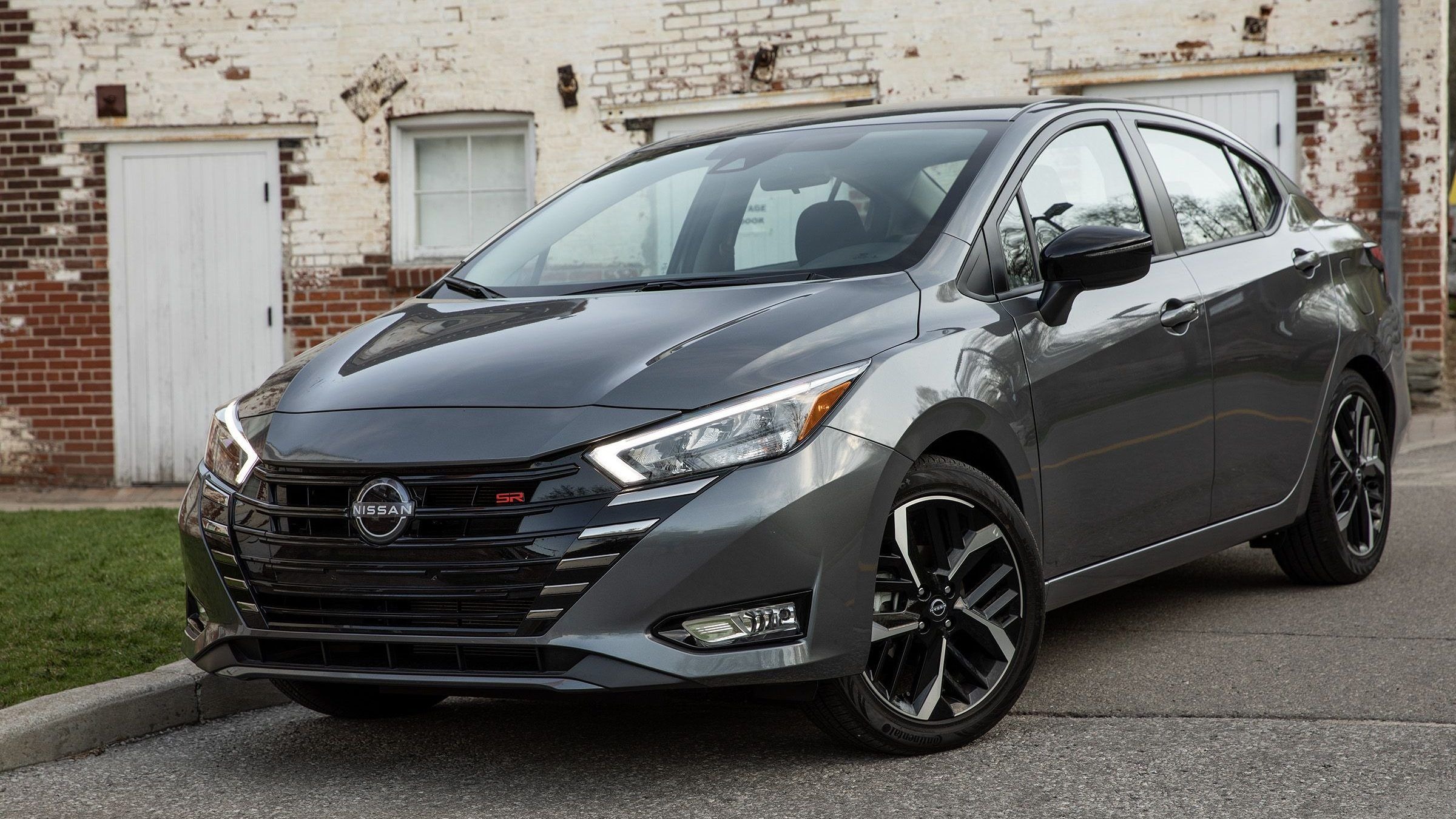
7. Nissan Versa – Potential discontinuation
The Nissan Versa represents a different kind of risk. Unlike the sports cars on this list, it competes primarily on affordability, efficiency, and practicality. Nissan still lists the Versa in its U.S. lineup, with the model carrying a starting price of $17,390 in the company’s current online showroom.
That low price gives the Versa a useful place in the market, especially for buyers who want a new vehicle without moving into a larger and more expensive crossover.
The Versa also offers a relatively simple ownership proposition, making it appealing to first-time buyers, commuters, and customers who prioritize low purchase costs over performance or luxury.
Yet inexpensive sedans face increasing pressure from manufacturers’ broader product plans. Nissan’s future strategy places greater emphasis on vehicle families and increased commonality across products.
The company says three product families are expected to account for more than 80 percent of its volume, with new U.S. products arriving under that approach from fiscal year 2028.
That does not prove the Versa will be discontinued. Nissan has not announced such an outcome. Still, a low-volume entry-level sedan could face tough questions when the company decides where to spend development money for the next decade.
Rising development costs and the industry’s continued move toward crossovers and SUVs could make a small sedan harder to justify.
The Versa could receive another generation, receive a different name, or leave the lineup as Nissan concentrates on other vehicles. Its affordable pricing gives it a reason to stay, but the economics of small sedans make its post-2027 future worth watching closely.
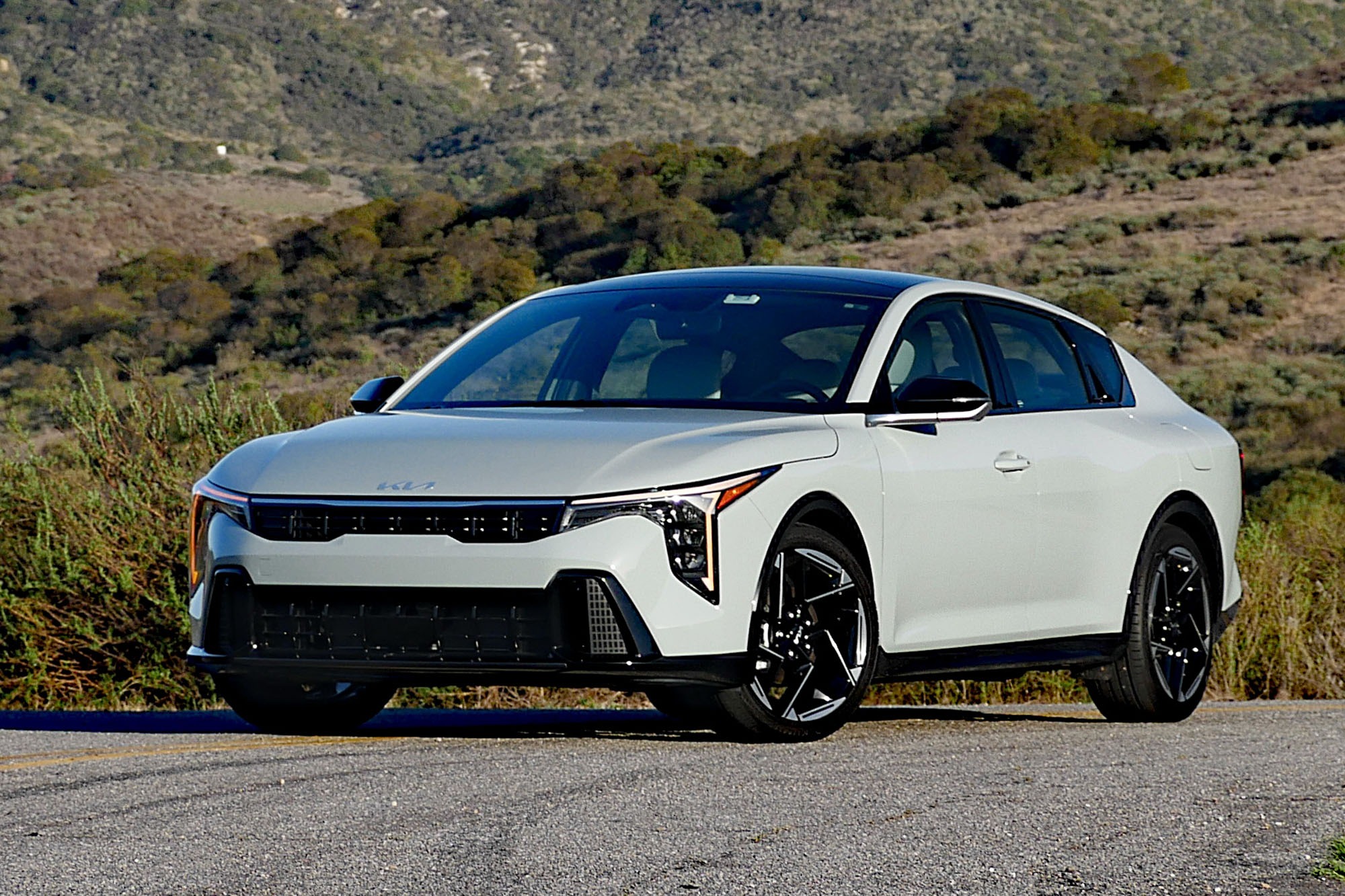
8. Kia Forte/K4 sedan – Potential future change
The Kia Forte is already an example of how a vehicle can disappear without its basic market role disappearing. Kia replaced the Forte with the K4 in the U.S. lineup, and the 2026 K4 continues as a compact sedan with a starting MSRP of $22,290.
The change gave Kia a newer nameplate while keeping a sedan option for buyers who want an affordable alternative to a crossover. That makes the wording around this entry especially important.
The Forte itself is not a strong candidate for a future discontinuation because its successor is already here. The more useful question is whether the K4 sedan will remain in its current form after 2027.
Kia is continuing to invest in the K4. The company offers sedan and hatchback versions, giving buyers more choices within the same family. Kia has also outlined plans to increase hybrid availability across its lineup, which could influence how future versions of the K4 are powered.
That could give the sedan a longer life than some traditional compact cars. A hybrid powertrain would also give Kia another way to keep the model competitive as buyers look for better fuel economy without moving into a larger vehicle.
Still, product names, engines, and body styles can change when automakers introduce new generations. A post-2027 K4 could receive a hybrid system, a redesigned body, or another name entirely.
The Forte-to-K4 transition already shows how a familiar sedan can disappear while its basic role continues. Buyers interested in an affordable compact sedan should watch the K4 rather than expect the Forte name to return.
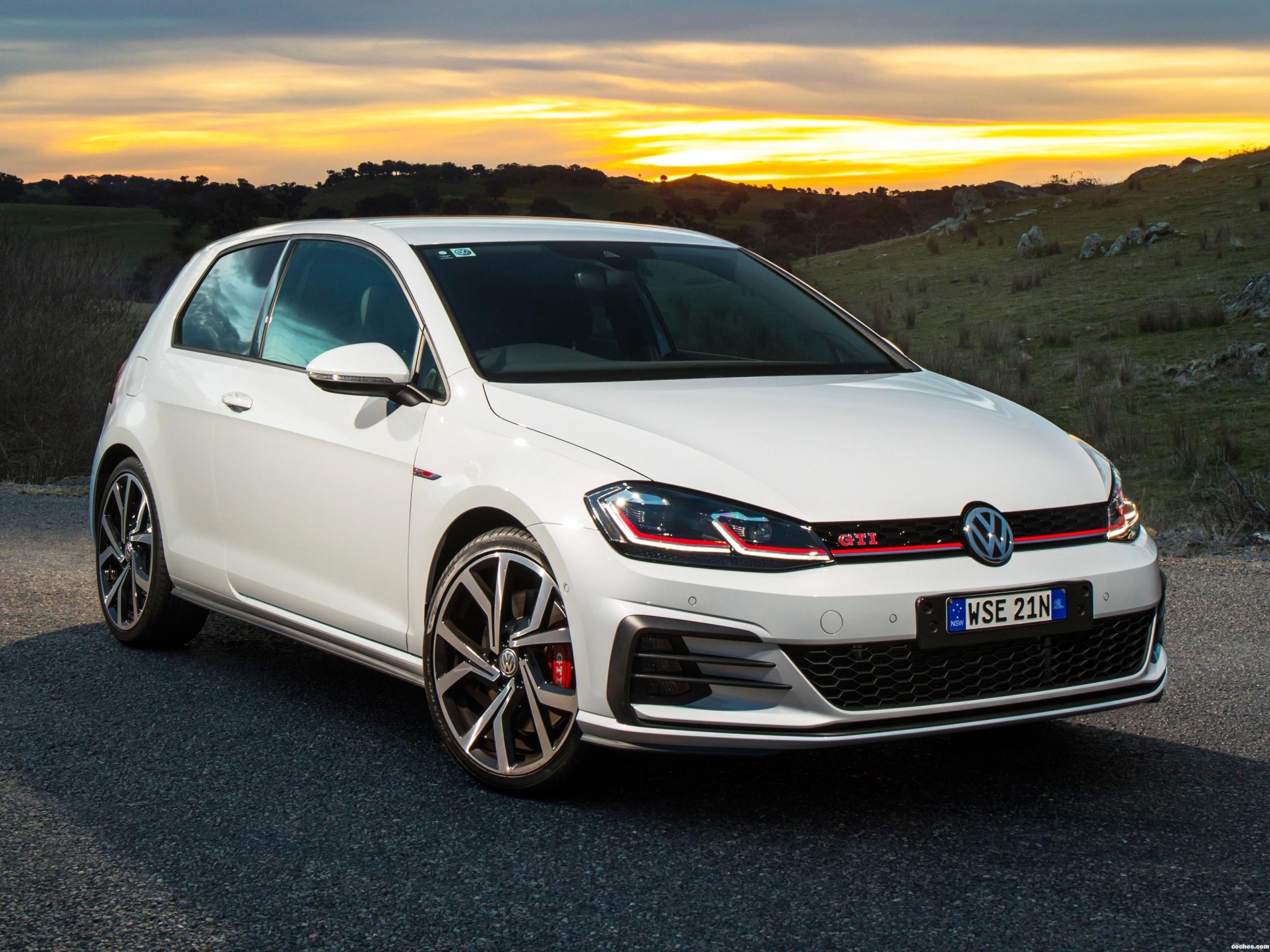
9. Volkswagen Golf GTI – Potential future powertrain transition
The GTI has earned near-legendary status among hot hatch lovers, blending everyday practicality with genuinely enjoyable performance since the late 1970s.
Volkswagen knows exactly how much brand equity this nameplate carries, which makes an outright cancellation seem unlikely. What’s less clear is whether future versions keep their turbocharged gas engine or move toward some kind of electrified setup.
Volkswagen has been restructuring its European lineup around battery electric vehicles at a rapid pace, with models like the ID.3 and ID.4 representing where much of its investment now goes.
That corporate direction puts pressure on gas-powered performance cars to either adapt or fade into a smaller role within the company’s offerings.
Regulations across Europe continue tightening as well, adding further incentive for Volkswagen to electrify even its sportier models. A hybridized GTI or a fully electric version carrying a similar spirit both seem plausible outcomes rather than a simple ending for this car.
Volkswagen has experimented with performance-oriented electric concepts before, suggesting the company wants to preserve some version of that driving character.
Buyers who specifically want a manual transmission and a turbocharged four-cylinder under the hood may want to act sooner rather than later, since that particular combination looks increasingly difficult to sustain under future regulatory demands.
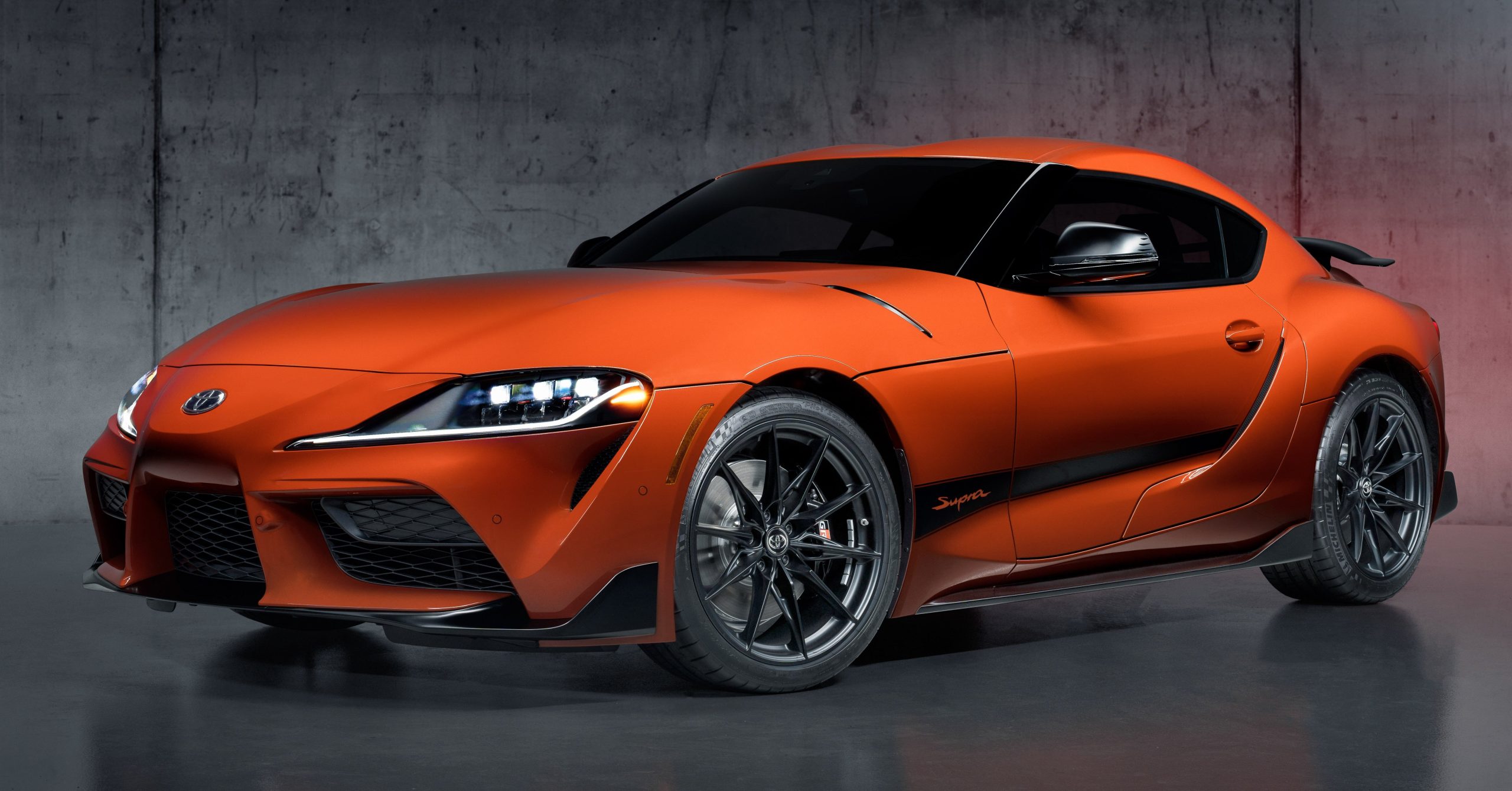
10. Toyota GR Supra – Potential future discontinuation/replacement
The current Supra generation arrived through an unusual partnership with BMW, sharing its platform and inline six engine with the Z4.
That collaboration allowed Toyota to revive a beloved nameplate without shouldering the entire development cost alone, but it also means the car’s future depends partly on whether BMW wants to continue that arrangement past this generation.
Sales volume for the Supra has remained relatively modest since its return, which isn’t unusual for a dedicated sports coupe but does raise questions about long-term viability.
Toyota hasn’t announced specific plans beyond the current model’s life cycle, and no confirmed discontinuation date exists for after 2027. Still, this car sits in a more precarious position than higher-volume models in Toyota’s broader lineup.
Toyota has shown genuine commitment to performance vehicles through its GR division, which offers some reassurance that the company values this segment even when sales numbers stay modest.
Whether that commitment extends to another generation of Supra, or whether the nameplate rests again the way it did between 2002 and 2019, remains to be seen.
Given the platform-sharing arrangement and shifting priorities at both companies involved, buyers drawn to this car should treat its future as genuinely uncertain rather than assured.
Car lineups rarely stay fixed for long, and the decade ahead looks especially unpredictable as regulations tighten and electric technology matures.
None of the models listed here have a confirmed end date locked in for after 2027, so treat all of this as informed speculation rather than fact.
Still, watching these trends can help buyers make smarter decisions if a favorite model’s future looks uncertain, whether that means buying sooner or simply appreciating a beloved nameplate while it remains available on dealer lots.
