
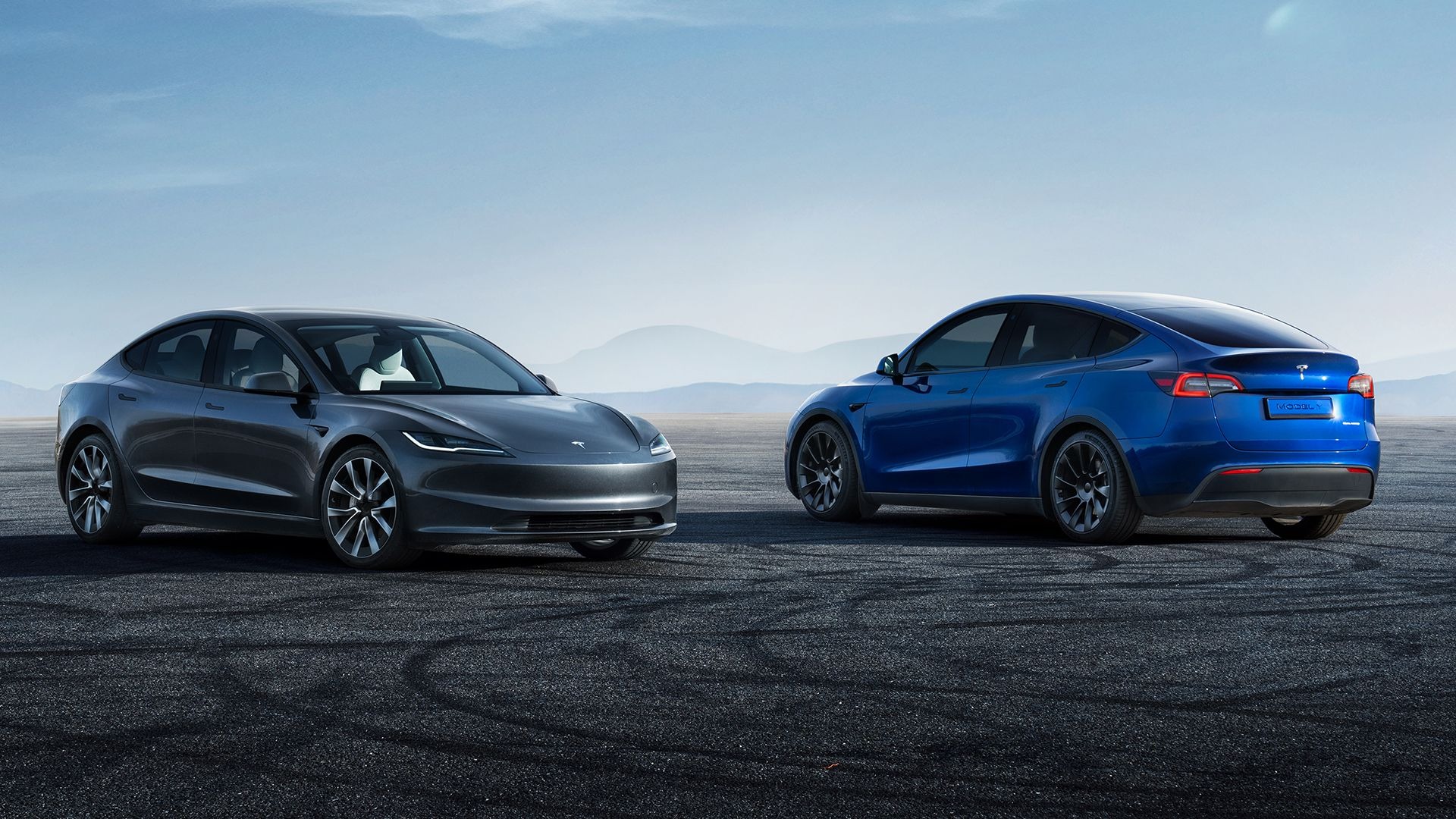
Buying a used car can feel like a smart way to avoid the steepest part of new-car depreciation, but some models are still dropping in value at a surprising rate. Electric vehicles and luxury cars make up much of the group, with several models losing more than half their original value within a few years. For shoppers, that can mean access to expensive vehicles at much lower prices.
For people who bought them new, however, the numbers can be painful. Tesla appears several times on the list, while other entries include Volkswagen, Lucid, Ford, and Kia. The figures also come from different research methods, so the percentages should be viewed with care. Here are 10 models showing some of the steepest depreciation figures in recent U.S. data.
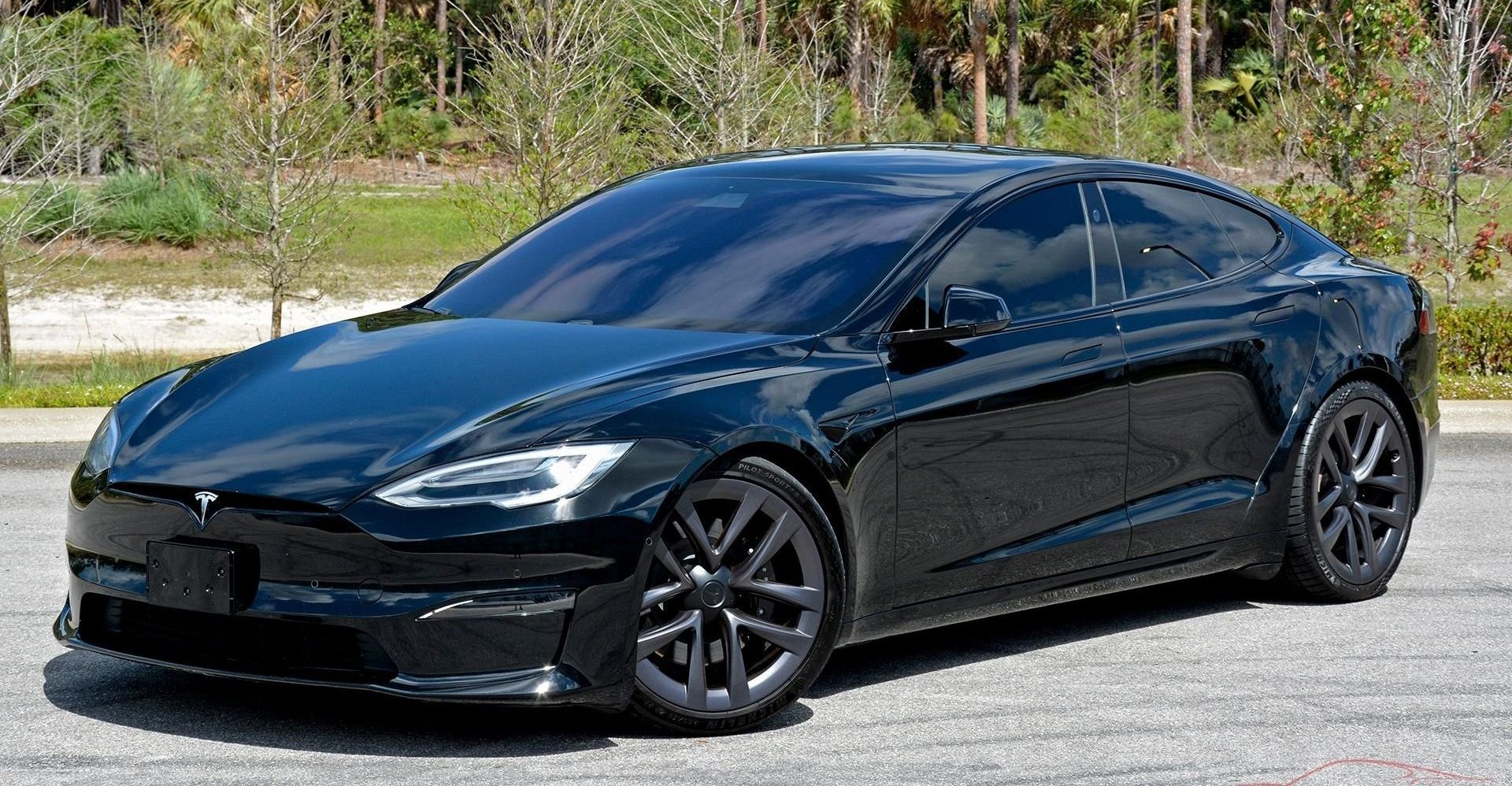
1. 2022 Tesla Model S
61.53% depreciation
Nobody expected a car this expensive to fall this hard, yet here we are. The 2022 Tesla Model S tops the list with a depreciation rate of 61.53%, translating to roughly $74,132 gone from an original sticker price of $120,490.
That’s not pocket change. Owners who paid full price watched a huge chunk of their investment evaporate within a short window. Part of the reason comes down to Tesla itself.
The company has repeatedly slashed prices on new vehicles, which drags down what buyers are willing to pay for older versions sitting on used lots.
Why pay close to the original price for a three-year-old model when a fresh one costs less brand new? That pricing pattern has hurt resale value across Tesla’s whole catalog, but the Model S feels it hardest given its premium positioning.
Add in the breakneck pace of EV technology improvements, and older battery packs or software versions start looking outdated fast compared to what’s currently rolling off the assembly line.
Performance trims like the Plaid pushed original prices even higher, which only made the eventual drop more painful. For buyers hunting a deal, though, this depreciation curve turns a once unreachable luxury sedan into something surprisingly attainable on the secondhand market.
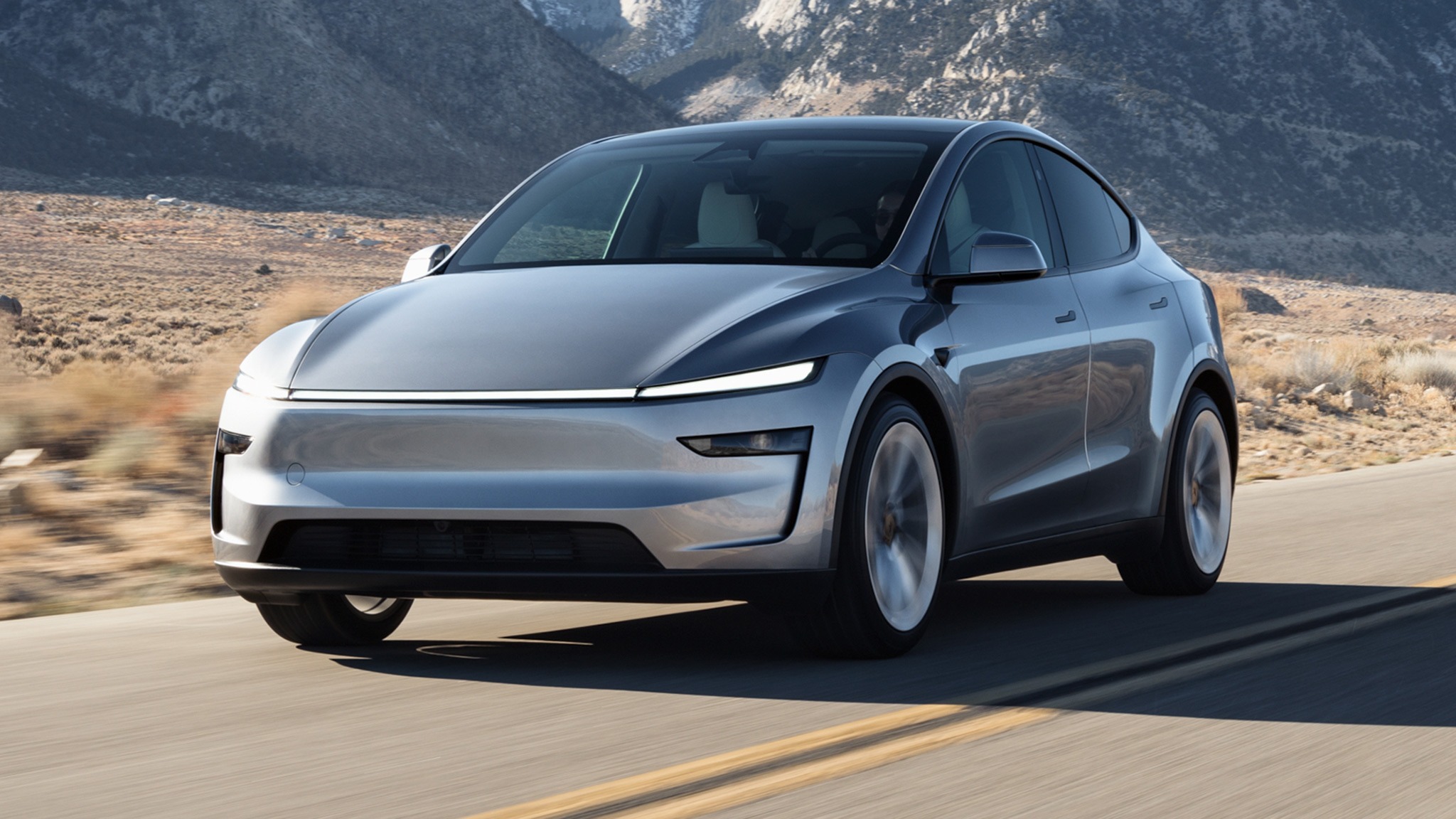
2. 2022 Tesla Model Y
56.64% depreciation
Second place goes to Tesla’s popular crossover, and the drop here still stings. The 2022 Model Y lost about 56.64% of its value, equal to roughly $38,510 disappearing from its original price tag.
Given how many of these vehicles Tesla sold during that period, this particular loss affects a huge number of owners. Frequent price adjustments on new Model Y units created a moving target for resale values.
Every time Tesla trimmed the sticker price on a fresh model, secondhand versions had to adjust downward just to stay competitive. Buyers comparing options naturally gravitate toward whichever price feels like the better deal, and that dynamic put constant downward pressure on used pricing.
Unlike traditional automakers that hold pricing steady for a model year or two, Tesla’s direct-to-consumer sales approach lets the company adjust prices almost on a whim.
That flexibility benefits new buyers chasing lower costs, but it creates real headaches for anyone trying to sell a slightly used example.
Add competition from other automakers now offering their own capable electric crossovers, and the Model Y faces pressure from multiple directions at once.
Buyers browsing used listings today are finding well-equipped Model Y units at prices that would have seemed impossible just a couple of years back, making this one of the more compelling secondhand purchases in the electric crossover space.
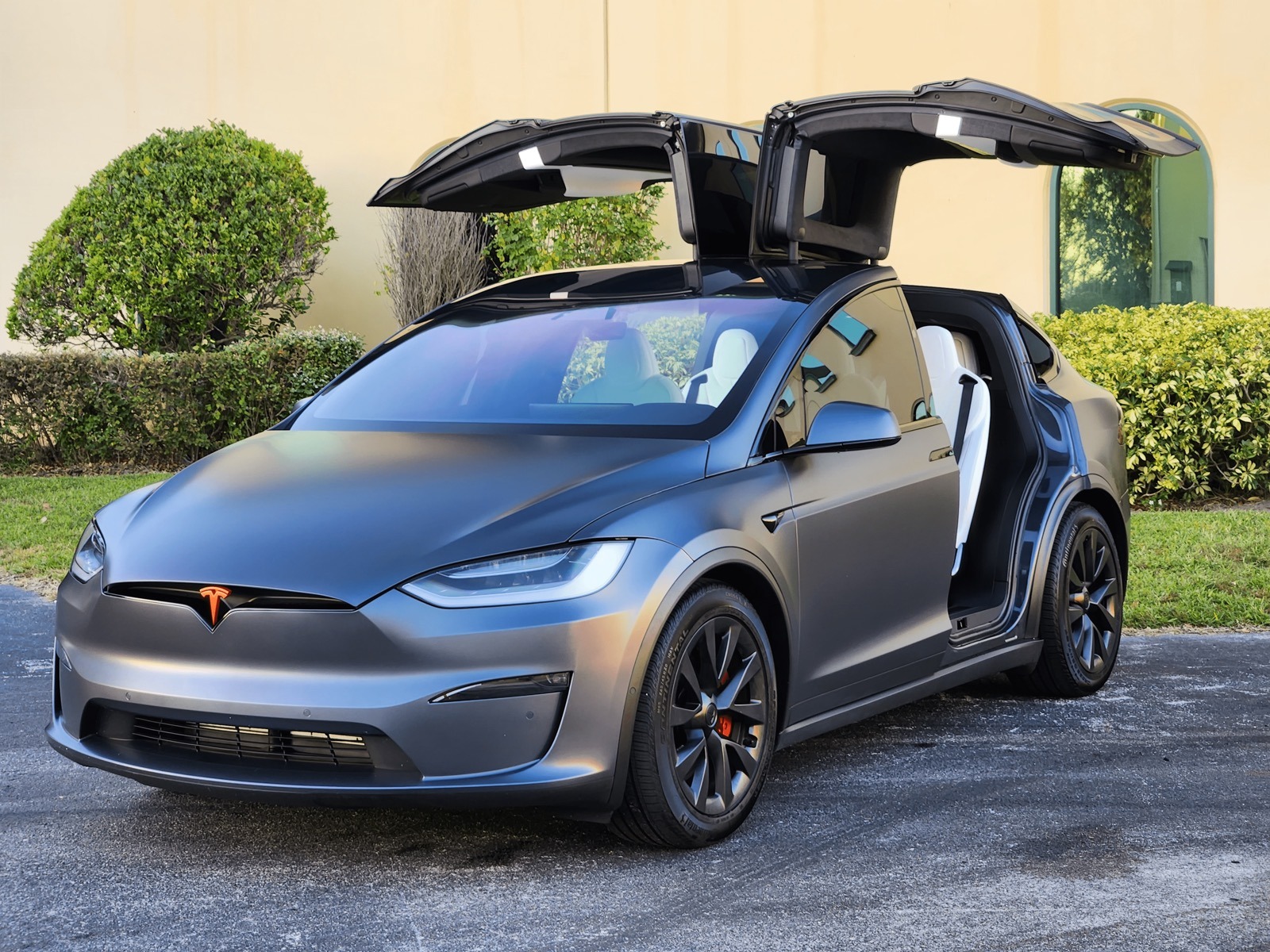
3. 2022 Tesla Model X
55.23% depreciation
Tesla claims a third spot with the Model X, which lost approximately 55.23% of its value, amounting to about $71,792 in raw dollar terms. That’s a staggering sum considering how much buyers originally paid for this three-row electric SUV.
Much of this comes down to positioning. The Model X launched as a premium option with a hefty original price tag, distinctive falcon wing doors, and strong performance figures.
Premium pricing works fine for a new vehicle chasing early adopters, but it leaves plenty of room to fall once the initial excitement fades and competitors catch up.
Newer electric SUVs from established luxury brands now offer comparable range, updated tech features, and often lower starting prices, which makes an older Model X look less special by comparison.
Buyers shopping in this segment have far more options today than they did when the current Model X generation debuted, and that added competition chips away at resale value.
There’s also the technology factor to consider. Battery efficiency and charging speeds keep improving year over year, so a vehicle built even a few years back can feel behind the curve compared to what’s currently available.
For someone hunting a spacious three-row EV without paying anywhere close to the original price, this steep drop turns what was once a splurge purchase into something genuinely reachable.
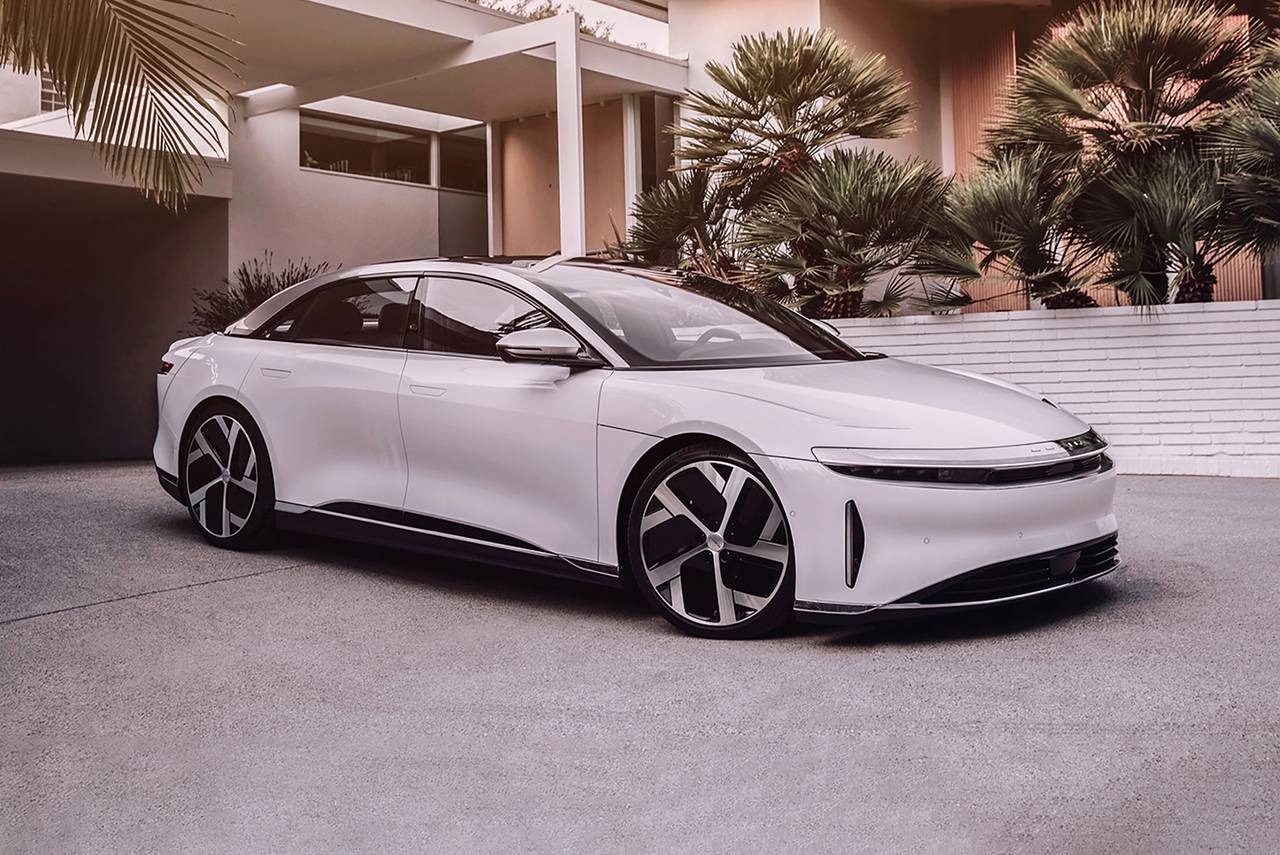
4. 2022 Lucid Air
54.74% depreciation
The 2022 Lucid Air is a particularly interesting entry because its depreciation does not reflect a lack of technical ambition. Lucid positioned the Air as a high-end electric sedan with strong performance, premium materials, impressive range, and sophisticated engineering.
Yet the model is estimated to have lost about 54.74% of its value, or roughly $70,172. For a newer luxury brand, resale value can be difficult to establish.
Buyers of used vehicles often feel more comfortable with brands that have large dealer networks, long histories, abundant parts availability, and a deep pool of previous owners. Lucid entered a market where established luxury automakers were already selling premium electric vehicles.
Pricing adds another layer. As competition increased, discounts and changes in new EV pricing made it harder for older luxury electric cars to maintain their original values.
A used-car buyer may look at a pre-owned Air beside a newer electric sedan and focus heavily on price, warranty coverage, charging capability, and available service.
The result is an interesting situation for shoppers. A car that originally sold for well into six figures can become surprisingly affordable once it reaches the used market.
That does not mean every used Air will sell at the same percentage loss. Mileage, trim, options, accident history, battery condition, location, and seller type can all affect an individual vehicle’s price.
Still, the reported figure shows how quickly premium EV values can fall when new-car prices and consumer preferences move rapidly.
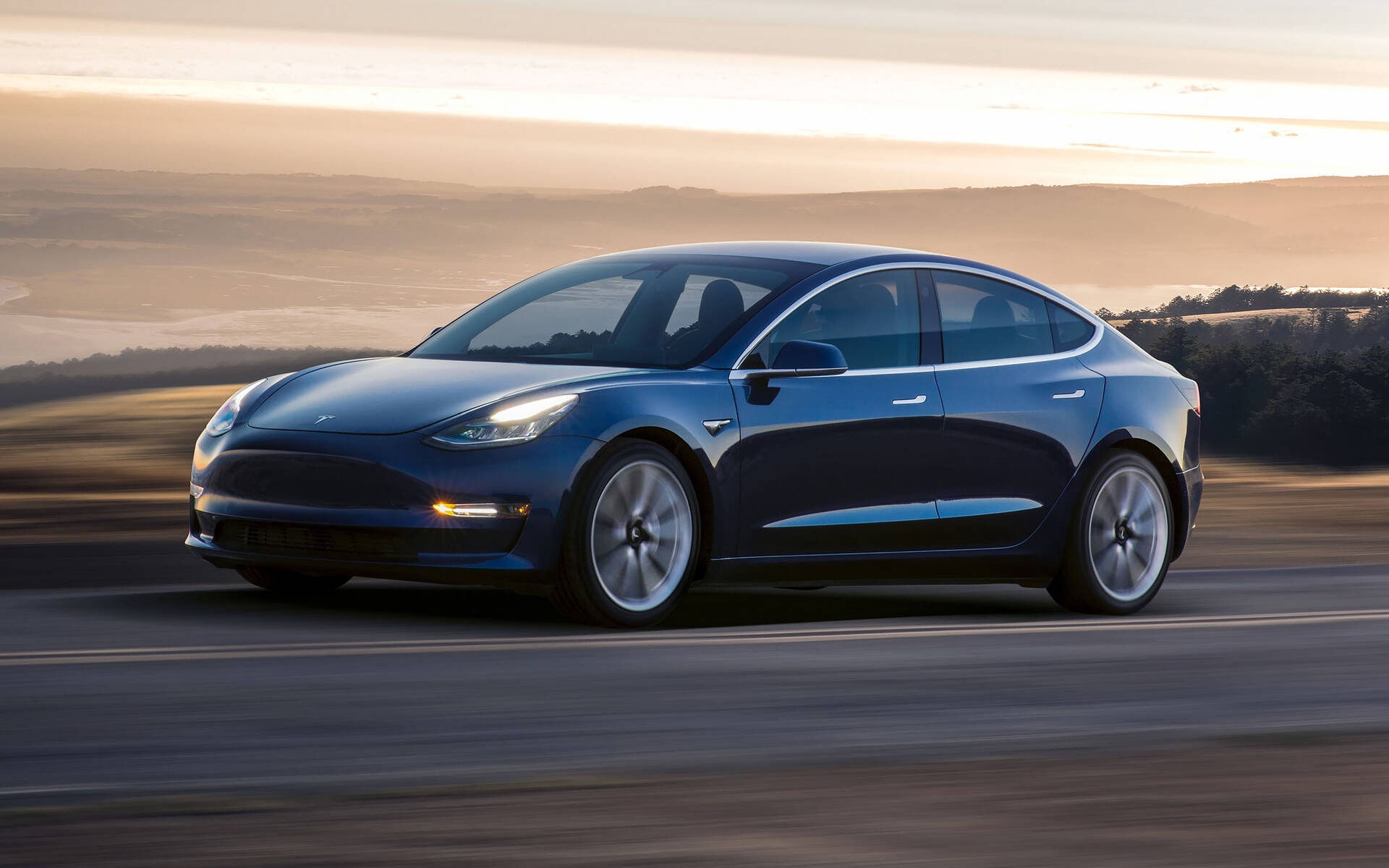
5. 2022 Tesla Model 3
53.31% depreciation
The 2022 Tesla Model 3 is the fifth entry from the same 2025 ranking, with an estimated depreciation rate of 53.31%. The reported dollar loss is approximately $29,315, which is much lower in cash terms than the losses attached to the Model S, Model X, and Lucid Air.
That difference makes sense because the Model 3 had a lower starting price. Even so, losing more than half of its original value is a major decline for a vehicle that has been one of the most recognizable electric sedans in the U.S. market.
Tesla’s pricing strategy again plays a role. Used-car values are closely tied to what shoppers can get from a new vehicle. When new prices fall, used sellers may have to lower their asking prices to remain competitive.
The effect can be especially visible with Tesla because pricing changes can happen without the traditional model-year structure used by many automakers.
The broader used-EV market has also affected the Model 3. Battery-powered vehicles have experienced strong price movements as supply increased and automakers adjusted incentives.
For buyers, this creates an appealing possibility. A used Model 3 can offer strong acceleration, efficient electric driving, a large touchscreen, frequent software updates, and access to Tesla’s charging ecosystem at a much lower price than it commanded when new.
Before buying, shoppers should check battery condition, remaining warranty coverage, accident records, tire wear, charging equipment, and the vehicle’s software and hardware configuration. A low price is useful, but the exact car matters just as much.
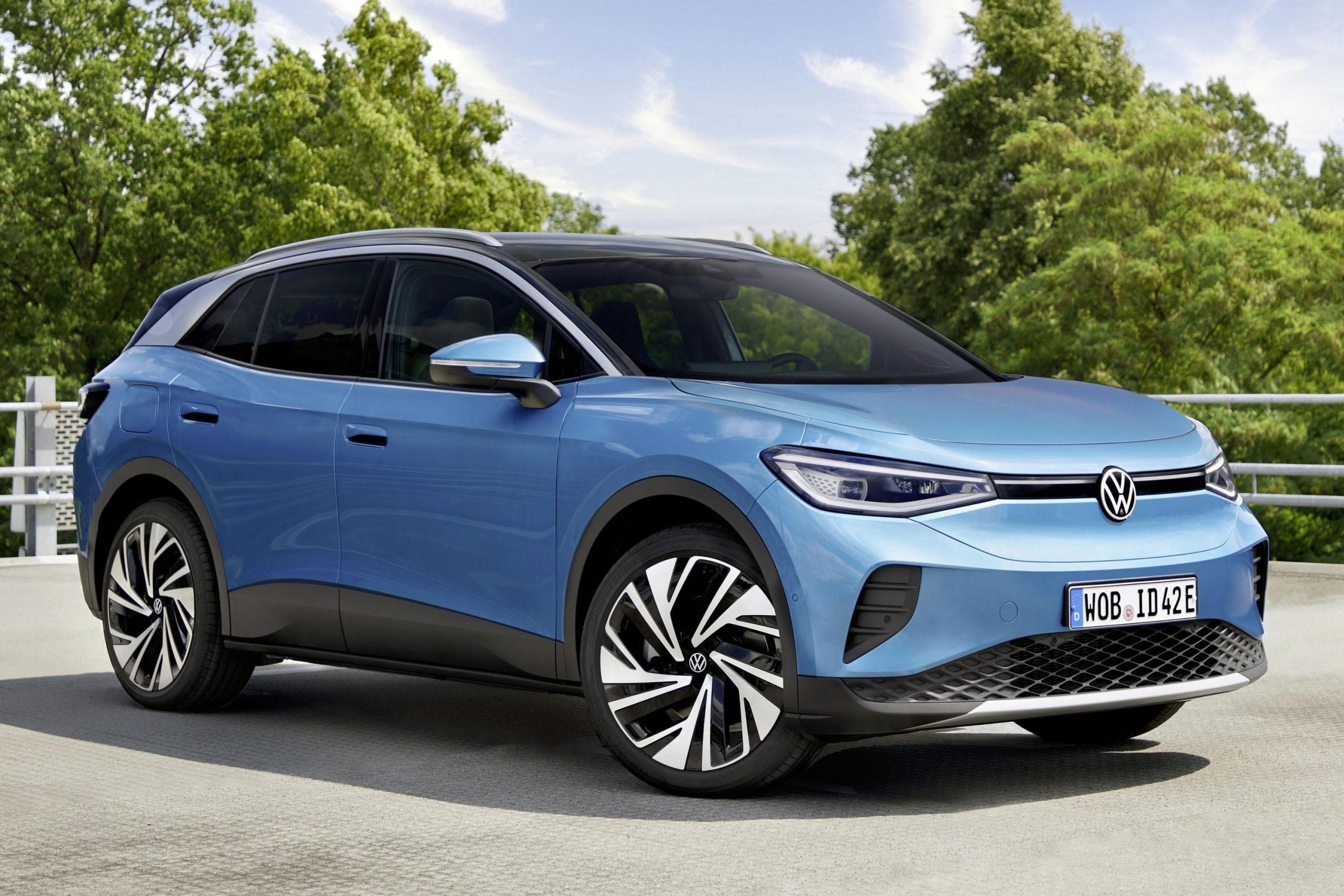
6. Volkswagen ID.4
62.1% five-year depreciation
Switching over to a different measurement approach, iSeeCars tracks depreciation across a standard five year window rather than focusing on one specific model year like the Tesla rankings above.
Under that method, the Volkswagen ID.4 posts a rough 62.1% depreciation rate, placing it among the weakest performers in the entire used vehicle market regardless of body style or price category.
That steep decline reflects a combination of factors working against the ID.4. Volkswagen’s push into electric vehicles arrived a bit later than some competitors, and early ID.4 units faced their share of software glitches and production hiccups that dinged consumer confidence.
Reviews at launch were mixed, and word travels fast in an era where buyers research every purchase online before committing. Government incentives tied to EV purchases have also complicated resale math.
When federal or state credits sweeten the deal on a brand new ID.4, buyers naturally lean toward fresh units instead of paying close to that price for something already a few years old. That incentive structure indirectly punishes resale values on the secondhand side.
Toss in intensifying competition from Hyundai, Kia, and other automakers building genuinely strong electric crossovers, and the ID.4 finds itself squeezed from multiple angles.
For patient shoppers, though, that steep five year drop translates into serious savings on a spacious, well-reviewed electric SUV that costs a fraction of its original sticker price.
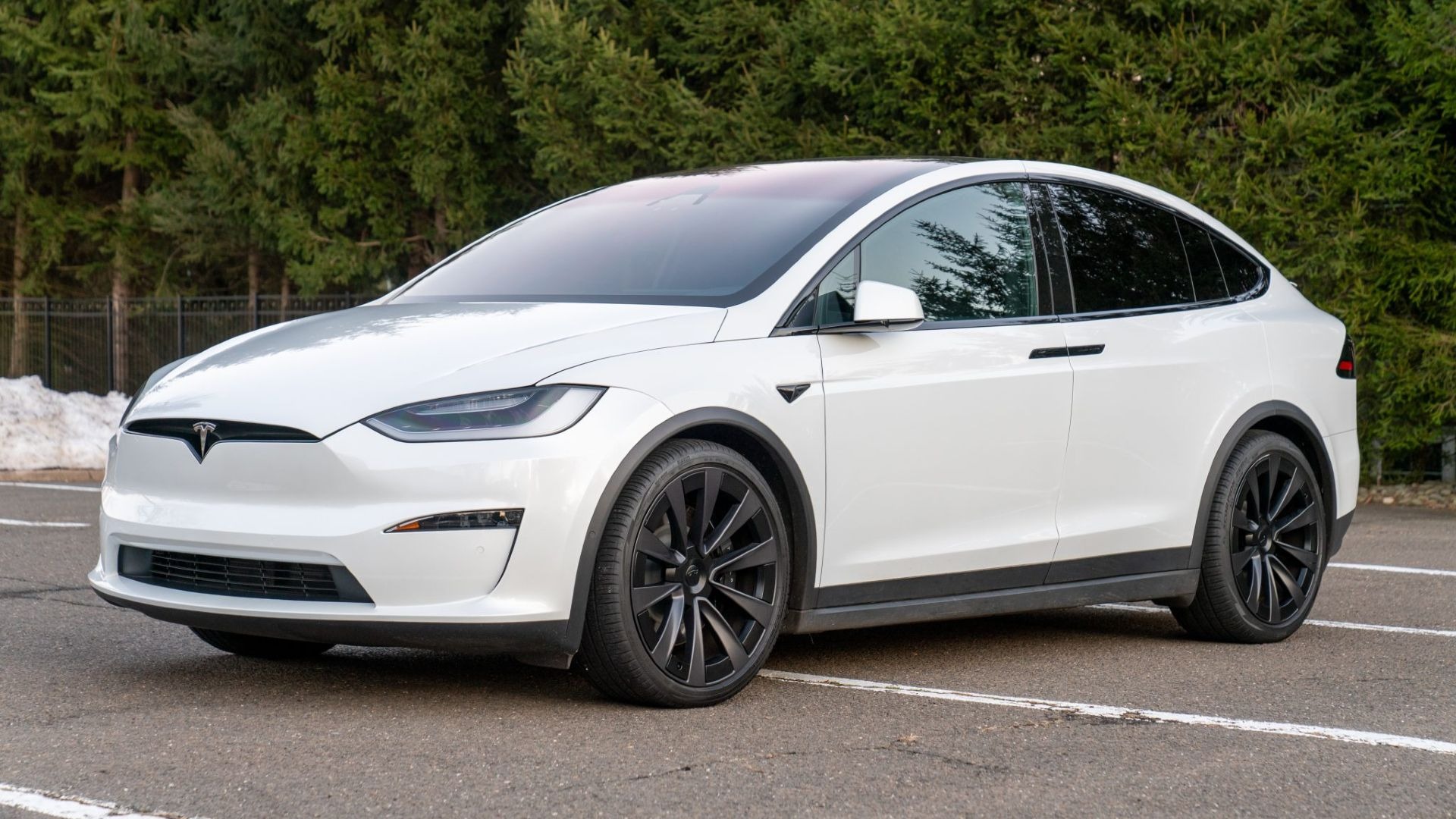
7. Tesla Model X
61.2% five-year depreciation
The Model X reappears here under iSeeCars’ five-year methodology, posting a depreciation figure of roughly 61.2%. This number differs from the 2022-specific comparison mentioned earlier since it tracks a broader stretch of ownership rather than a single model year snapshot, but the takeaway remains consistent either way this vehicle gets measured.
Premium electric SUVs simply face a rougher depreciation curve than the market average, and the Model X sits near the top of that unfortunate trend no matter which timeframe analysts choose.
Original pricing for this SUV climbed well into six-figure territory for higher trims, and that elevated starting point leaves enormous room for percentage losses even when the dollar amount feels extreme.
Technology also plays a starring role in this story. Battery range, charging speed, and driver assistance features have all improved considerably since the current Model X generation first launched, making older examples feel dated next to newer competitors boasting fresher specs.
Buyers shopping for a luxury EV today have access to alternatives from Rivian, Mercedes, and others that simply didn’t exist when this SUV debuted.
For anyone drawn to the Model X’s distinctive styling and roomy interior, this consistent depreciation across multiple measurement methods signals genuine opportunity.
Two independent data sources point to the same conclusion. An SUV that once commanded a premium price when new can now be within reach for patient shoppers looking at the used market.
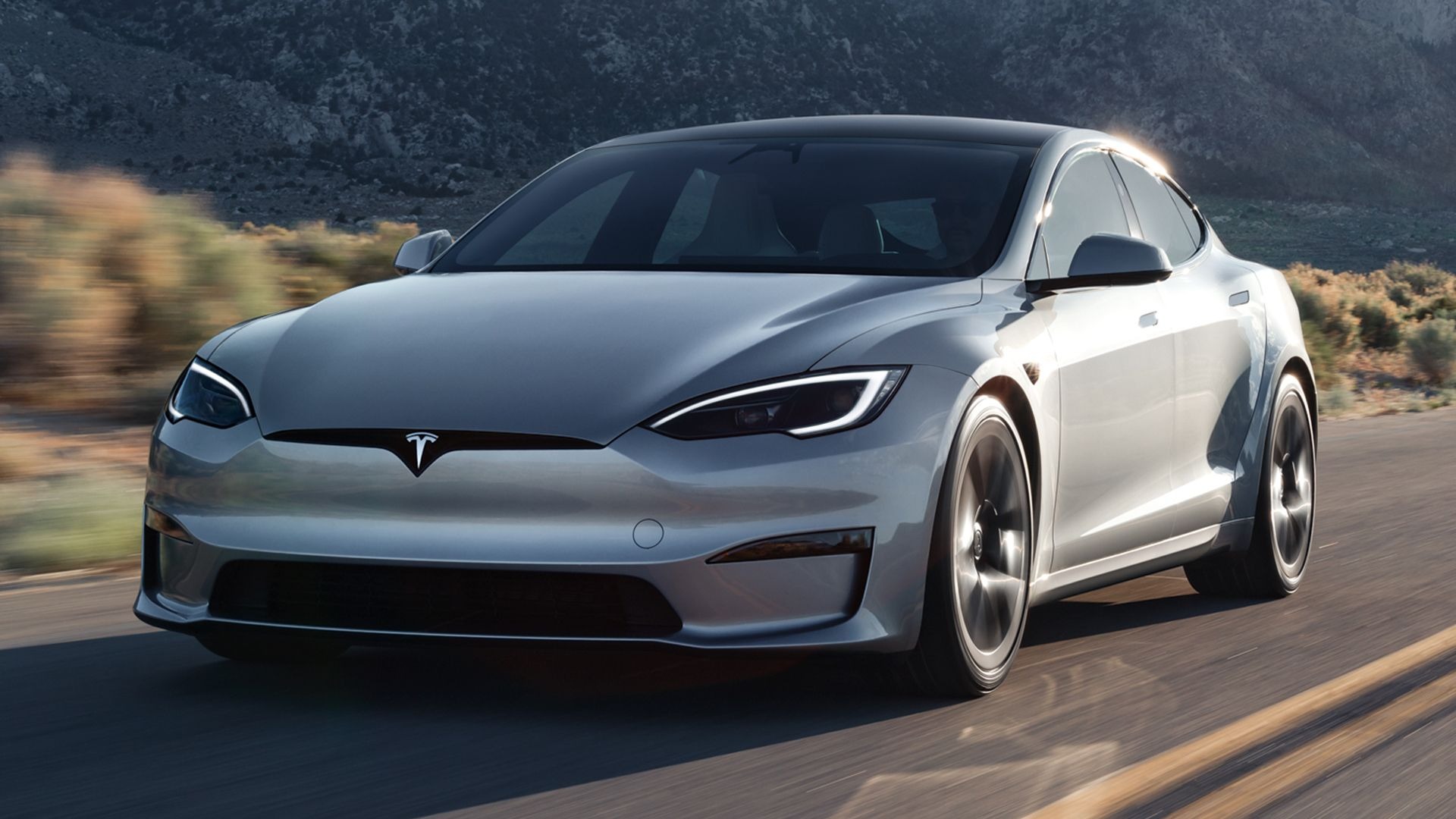
8. Tesla Model S
62.0% five-year depreciation
The Tesla Model S makes another appearance, this time with iSeeCars estimating five-year depreciation at approximately 62.0%. The figure reinforces the idea that premium electric sedans can experience steep losses in resale value.
For the original owner, depreciation at this level can be frustrating. A vehicle that carried a six-figure price when new may be worth only a fraction of that amount several years later.
The difference is especially noticeable because luxury cars often include expensive options that do not retain their original cost when the vehicle enters the used market.
Technology is part of the equation. Electric vehicles have developed rapidly, and buyers can place a high value on newer battery systems, software, charging performance, and updated cabin technology.
A used luxury EV therefore has to compete not just with other used cars but also with newer vehicles offering fresh features. Tesla’s pricing decisions add another pressure point.
Changes to new-car prices can alter what buyers consider a fair price for an older Model S. If a new example becomes cheaper, the used market generally has less room to maintain previous values.
For shoppers, though, the depreciation rate can create an attractive entry point. A used Model S may provide rapid acceleration, a premium cabin, long-distance capability, and a strong technology package for far less than its original purchase price.
Prospective buyers should take a close look at battery health, remaining warranties, mileage, service records, tires, and charging equipment. The best bargain is usually the vehicle with the right combination of price, condition, history, and expected ownership costs.
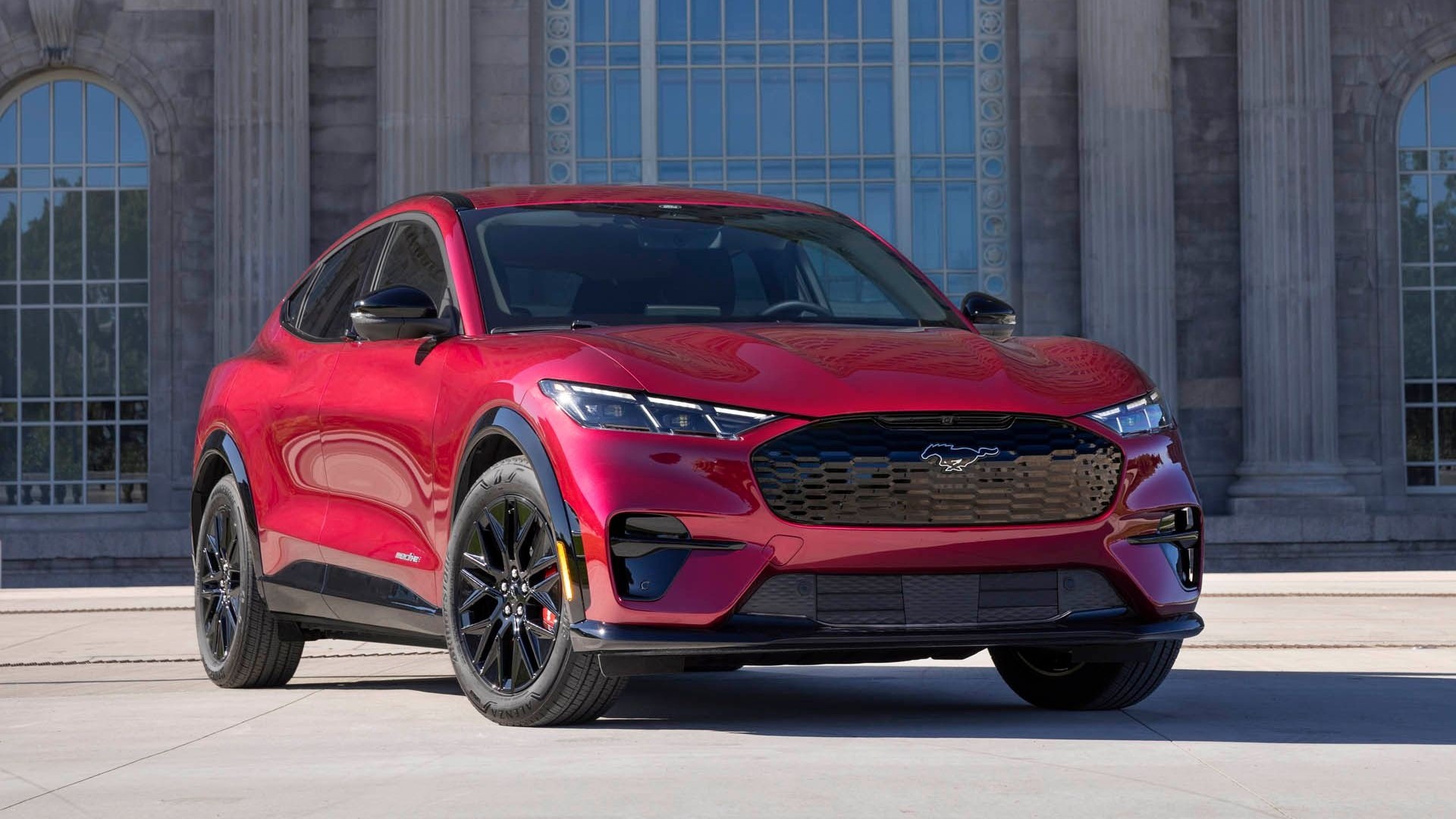
9. Ford Mustang Mach-E
60.8% five-year depreciation
The Ford Mustang Mach-E shows that steep electric-vehicle depreciation is not limited to Tesla or luxury brands. iSeeCars estimates that the Mach-E loses approximately 60.8% of its original value after five years.
That is a substantial decline for an electric SUV with a recognizable name and a strong performance focus. The Mach-E brought Ford into the growing electric crossover market with sporty styling, brisk acceleration, useful passenger space, and several battery configurations.
So why can its resale value fall so sharply? Used-car pricing depends heavily on supply, incentives, technology, consumer demand, and the prices of competing new vehicles.
When automakers use discounts or financing offers to make new EVs more attractive, used examples can become harder to sell at high prices. The Mach-E also competes with an expanding selection of electric crossovers.
Buyers can compare it with vehicles from Tesla, Hyundai, Kia, Volkswagen, Chevrolet, and other manufacturers. That gives shoppers more choices and puts pressure on sellers.
From a used-buying perspective, the depreciation rate may be welcome. A vehicle that lost much of its original value can become an appealing option for someone who wants electric performance without paying new-car prices.
A careful inspection remains essential. Check battery warranty terms, charging equipment, tire condition, software updates, accident history, and service records. It is also worth comparing several examples before deciding what represents a fair price.
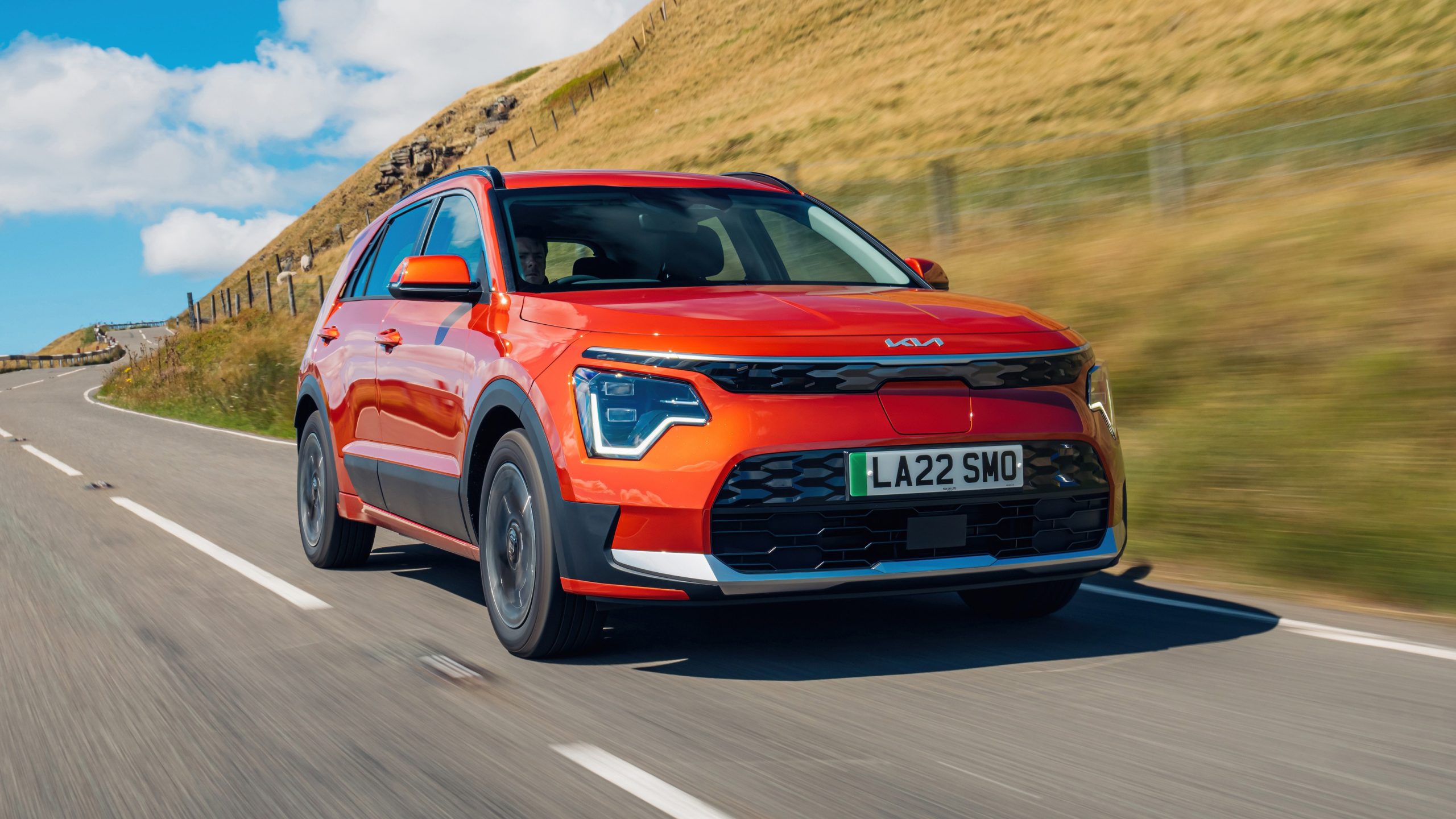
10. Kia Niro EV
57.3% five-year depreciation
Closing out this list is the Kia Niro EV, which posts a five-year depreciation rate of 57.3% according to iSeeCars data. While that number sounds steep on its own, it actually represents the mildest decline among the vehicles covered here, offering a bit of relief compared to the brutal figures posted by Tesla and Volkswagen above.
Context matters quite a bit in this case. The average vehicle across iSeeCars’ broader study depreciates by roughly 41.7% over five years, meaning even the Niro EV’s comparatively gentler loss still falls well short of that industry benchmark.
Electric vehicles as a category continue to struggle against gas-powered counterparts when it comes to holding value, and the Niro EV demonstrates that pattern even while performing better than its EV peers on this particular list.
Affordability at the original purchase point likely helps soften the Niro EV’s depreciation somewhat, since there’s simply less dollar value at stake compared to pricier luxury EVs.
Buyers considering this compact crossover on the used market benefit from Kia’s reputation for solid warranty coverage and dependable build quality, factors that can offset some of the hesitation buyers feel toward older EV technology.
For budget-minded shoppers seeking an efficient, practical electric crossover without chasing luxury badges, the Niro EV’s relatively softer depreciation curve makes it one of the more sensible choices among the vehicles featured in this entire lineup.
