A vehicle’s transmission has a demanding job. It transfers engine power to the wheels while handling heat, friction, changing speeds, and constant mechanical stress. Some transmissions have earned a reputation for lasting hundreds of thousands of miles when properly serviced.
Their durability comes from strong internal components, conservative designs, effective lubrication, and maintenance-friendly construction. From traditional automatic gearboxes to tough manual units and heavy-duty truck transmissions, certain designs have stood the test of time.
This article examines ten transmissions known for impressive longevity, the vehicles that used them, their mechanical strengths, and the maintenance habits that help these gearboxes remain reliable for years.
1. Toyota Aisin A340 Series
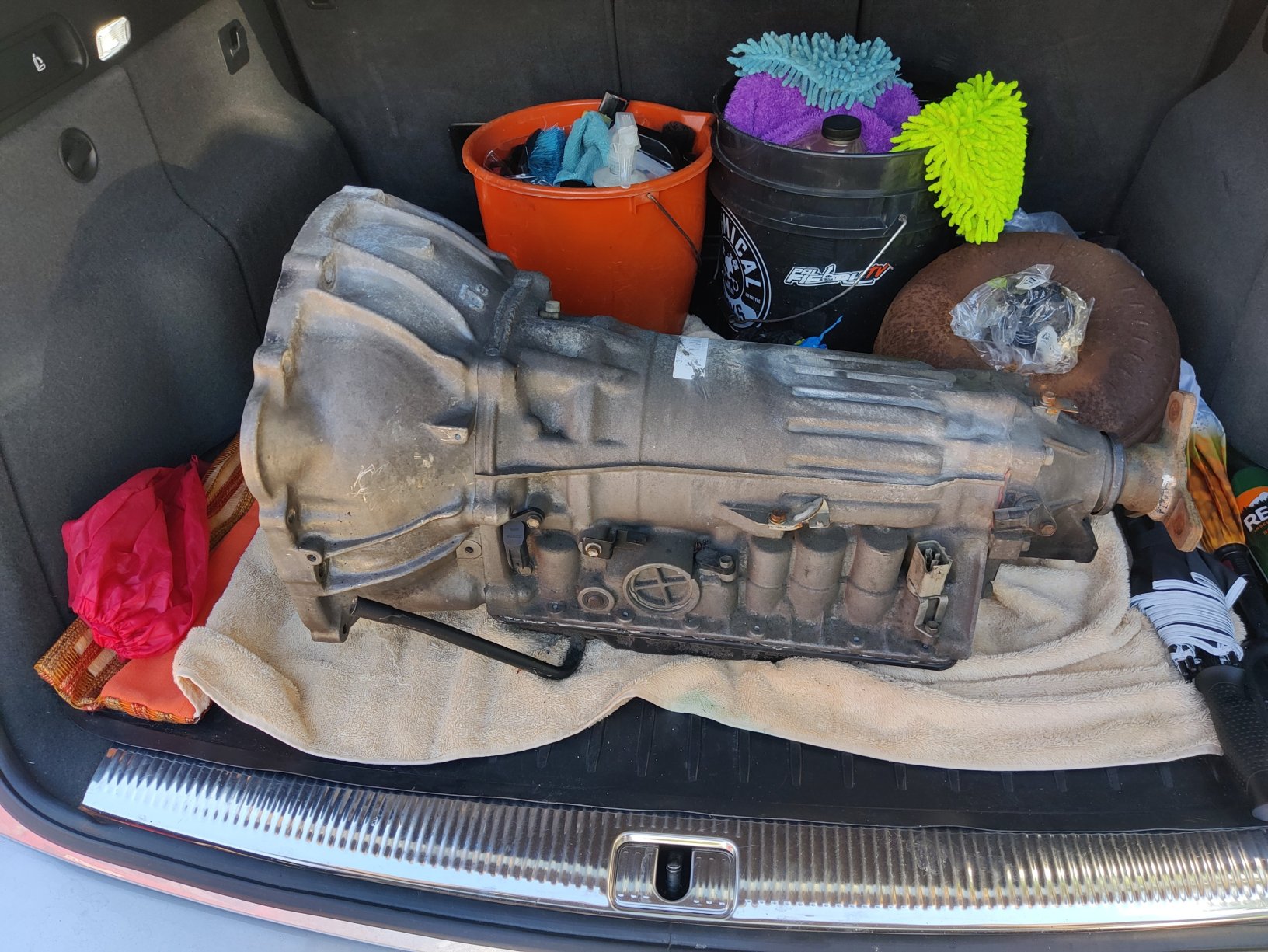
The Toyota A340 transmission family has developed a strong reputation among enthusiasts, mechanics, and owners who value long-term durability. Produced by Aisin and used extensively by Toyota and Lexus, the series appeared in vehicles ranging from passenger cars to SUVs and pickups.
Variants included the A340E, A340F, and related versions designed for different applications. Their widespread use gave the transmission family an enormous real-world service history.
A major strength of the A340 series is its relatively conservative engineering. These transmissions were designed during an era when manufacturers often prioritized durability and predictable operation over maximizing the number of gears.
Internal components were built to handle substantial torque, while the hydraulic control system provided dependable gear changes. Proper cooling also played an important role in maintaining transmission life.
The A340 became particularly respected in Toyota trucks and four-wheel-drive vehicles. Applications included the Toyota 4Runner, Land Cruiser, Supra, and various Lexus models, depending on the specific version.
In performance applications, enthusiasts also discovered that certain versions could tolerate significant power increases when properly prepared. That versatility helped create a strong reputation beyond ordinary daily driving.
Maintenance remains important with any transmission, and the A340 is no exception. Old or degraded automatic transmission fluid can contribute to clutch wear, valve-body problems, and overheating.
Regular fluid servicing, correct fluid levels, and a healthy cooling system can significantly influence service life. Vehicles used for towing or demanding off-road work benefit from careful attention to transmission temperatures.
The A340 series demonstrates how a relatively straightforward automatic transmission can achieve impressive longevity. Its combination of sturdy hardware, proven hydraulic technology, broad application history, and effective cooling helped it survive in demanding environments.
Many examples have accumulated very high mileage without requiring a complete replacement, particularly when owners followed sensible maintenance schedules.
2. Toyota Aisin A750 Series
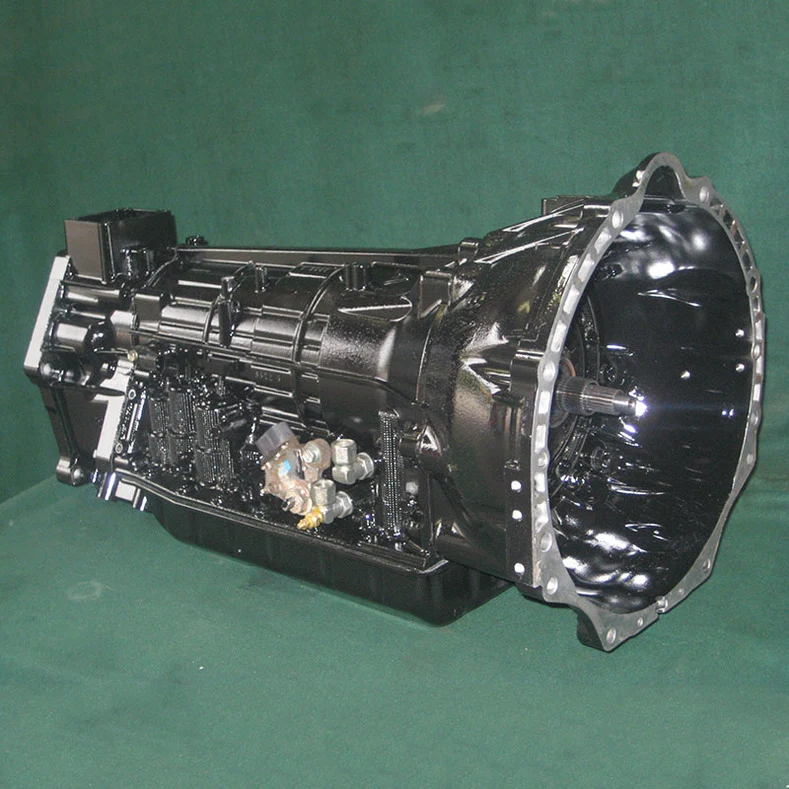
The Aisin A750 transmission represents a later generation of Toyota automatic gearboxes that continued the company’s focus on durability. This five-speed automatic appeared in various Toyota and Lexus vehicles, including trucks and SUVs. Versions were engineered for rear-wheel-drive and four-wheel-drive applications, giving the transmission a broad range of duties.
The A750 benefited from advances in electronic control while retaining a conventional automatic layout. Electronic management allowed the transmission to select gears according to speed, throttle position, load, and other operating conditions. This helped improve drivability without requiring a radically complicated mechanical architecture.
Applications such as the Toyota Tacoma, Tundra, 4Runner, and Lexus GX placed the transmission in vehicles frequently used for towing, hauling, commuting, and off-road travel. Those conditions can generate significant heat and mechanical stress. The transmission’s ability to operate under such workloads contributed to its reputation among owners who keep their vehicles for many years.
Fluid condition is particularly important for automatic transmissions. Heat accelerates fluid degradation, while contaminated fluid can affect hydraulic passages and friction materials.
Maintaining the correct fluid level and using the specified fluid can help preserve shifting quality and internal components. Cooling-system condition also matters because excessive transmission temperature can shorten component life.
The A750 illustrates how durability can continue into newer generations when engineers retain robust mechanical foundations. It combines electronic control with a transmission architecture capable of handling demanding applications.
High-mileage examples can still be found in daily-use trucks and SUVs, demonstrating why the A750 remains respected by owners focused on long-term vehicle ownership.
3. Mercedes-Benz 722.3 Automatic Transmission
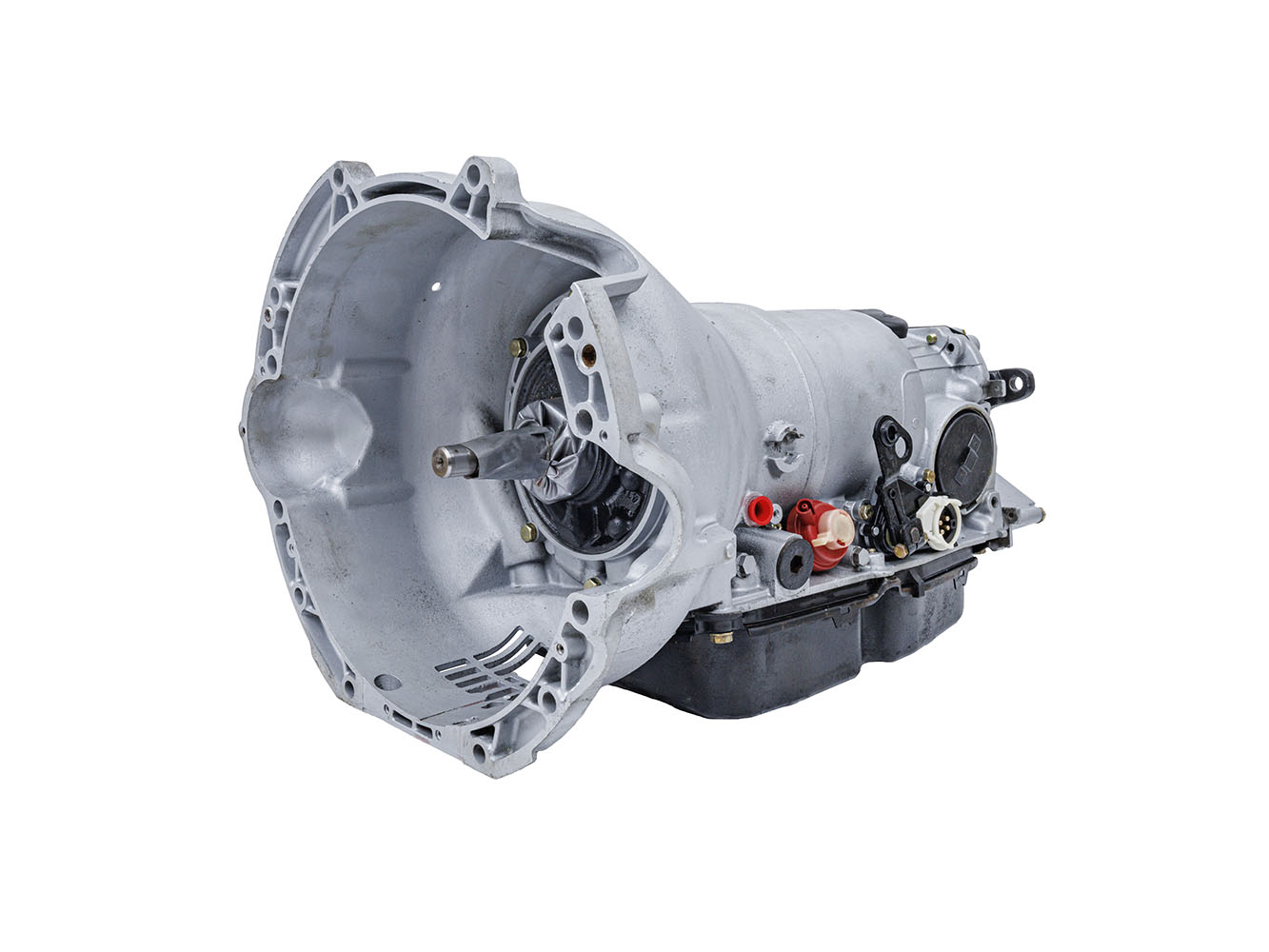
The Mercedes-Benz 722.3 automatic transmission is widely remembered for its substantial construction and long service potential.
Introduced during an era when Mercedes-Benz placed considerable emphasis on mechanical durability, the four-speed automatic was used across numerous models. It became particularly associated with Mercedes-Benz vehicles from the 1980s and early 1990s.
The 722.3 uses a conventional hydraulic automatic design rather than relying on modern electronic control systems. That simplicity has advantages for longevity and serviceability. A well-maintained example can continue functioning for a very high mileage because there are fewer electronic systems involved in determining basic hydraulic operation.
Mercedes-Benz installed versions of this transmission in several vehicles, including the E-Class, S-Class, and other models.
Some applications paired the transmission with diesel engines, which produced substantial low-speed torque. The gearbox was engineered to cope with the demands of larger luxury vehicles and long-distance driving.
Like any older automatic transmission, the 722.3 benefits greatly from regular fluid and filter service. Age-related issues can eventually affect seals, clutch packs, vacuum or hydraulic components, and other parts. Preventive maintenance can reduce the likelihood of major failures and preserve smooth operation.
The 722.3 has become an example of old-school automatic engineering. Its reputation was built through decades of use rather than marketing claims alone. Many surviving vehicles equipped with these transmissions remain functional long after their original intended service period, reinforcing the gearbox’s status as a durable classic.
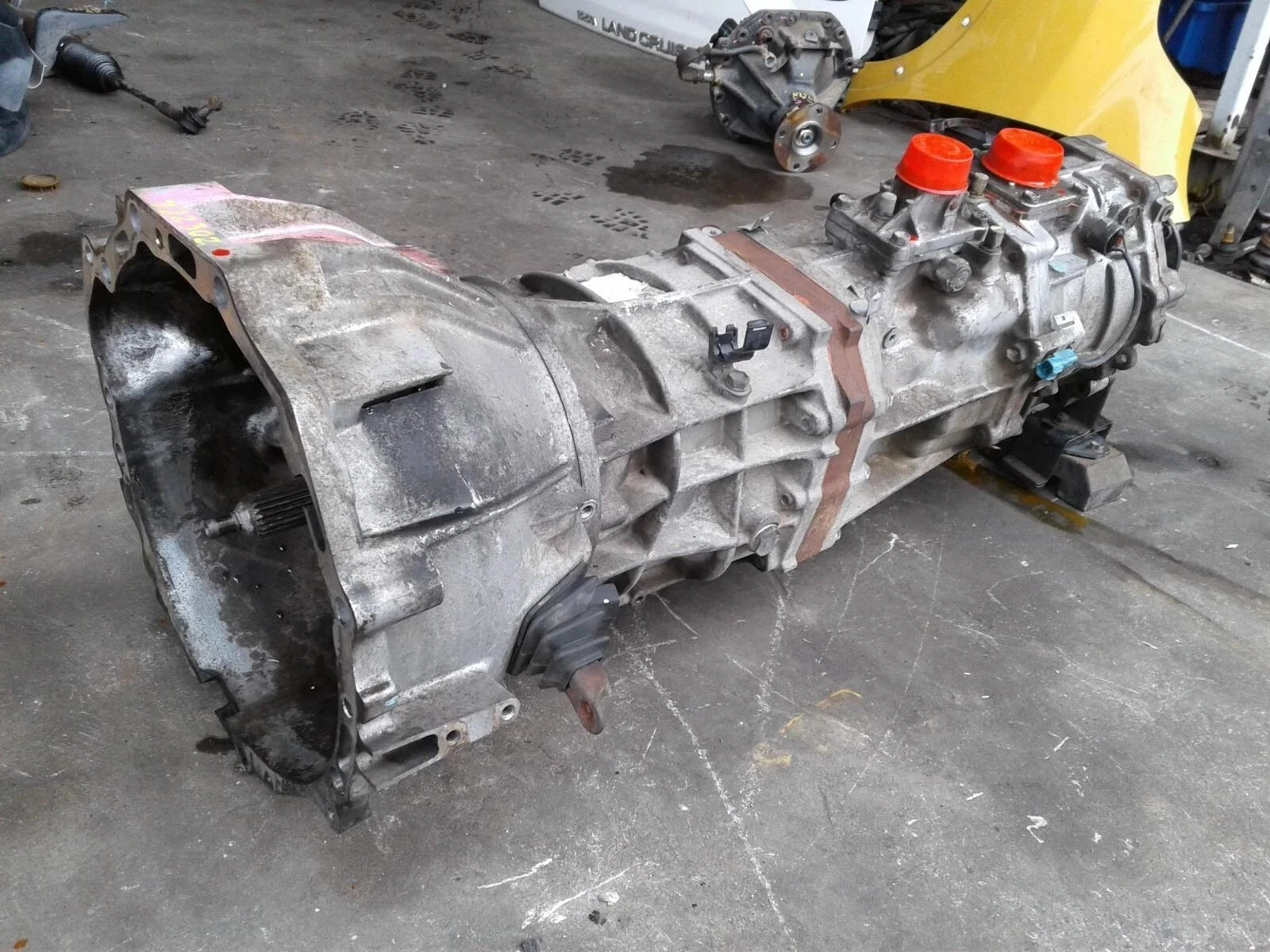
4. Toyota R150 Manual Transmission
The Toyota R150 manual transmission has earned respect through its use in pickups and sport-utility vehicles. It belongs to Toyota’s family of manual gearboxes designed for rear-wheel-drive applications. Depending on the version, the transmission appeared in vehicles such as the Toyota 4Runner, Tacoma, and other models.
Manual transmissions generally have fewer components devoted to automatic shifting than modern automatic gearboxes. That does not automatically make every manual transmission durable, but a strong manual gearbox can remain functional for an extremely long time. The R150’s sturdy construction has helped it cope with demanding driving conditions.
Four-wheel-drive applications can place considerable stress on a transmission. Low-speed terrain, steep grades, towing, and larger tires can increase loads throughout the drivetrain. The R150 has been used in vehicles exposed to these conditions, giving it a substantial real-world durability record.
Clutch wear is often mistaken for transmission failure. A worn clutch can cause slipping, difficulty engaging gears, or poor acceleration, while the transmission itself may remain mechanically sound.
Replacing the clutch and servicing related components can allow the gearbox to continue operating for many more years.
The R150 shows why traditional manual transmissions remain popular among drivers who value mechanical simplicity. With appropriate lubrication and sensible driving habits, a strong manual gearbox can outlast several other drivetrain components. Its reputation has been strengthened by its extensive use in Toyota trucks and off-road vehicles.
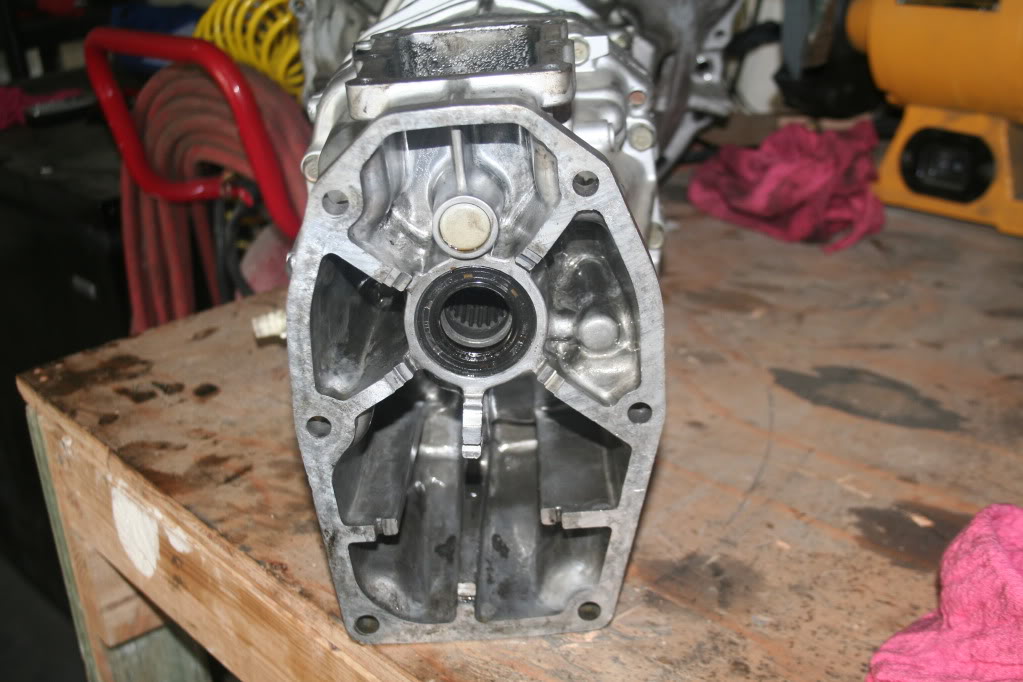
5. Toyota W56 Manual Transmission
The Toyota W56 is another manual transmission remembered for exceptional durability. It was used in several Toyota pickup and four-wheel-drive applications, particularly during the 1980s and 1990s. The transmission became closely associated with Toyota trucks that were built for practical transportation and demanding work.
Its design reflects an era when manufacturers placed significant emphasis on mechanical robustness. The W56 uses a conventional manual layout with gears, shafts, synchronizers, bearings, and a manual shift mechanism.
There is no need for complicated electronic control to select gears, which makes the basic operating principle straightforward.
Toyota pickups equipped with the W56 were often subjected to workloads far beyond ordinary commuting. Owners used them for construction, agricultural work, towing, off-road driving, and long-distance travel. Such conditions created an extensive history of real-world testing for the transmission.
The correct lubricant is important because manual transmissions rely on gear oil to protect gears and bearings. Using an unsuitable lubricant can affect synchronizers or accelerate wear. Drivers who avoid unnecessary clutch abuse and maintain proper lubrication can help the gearbox reach impressive mileage.
The W56 has become particularly popular among people restoring older Toyota trucks. Its reputation is supported by the large number of surviving vehicles still using these transmissions. When properly maintained, the gearbox can remain serviceable for decades, making it a memorable example of durable manual transmission engineering.
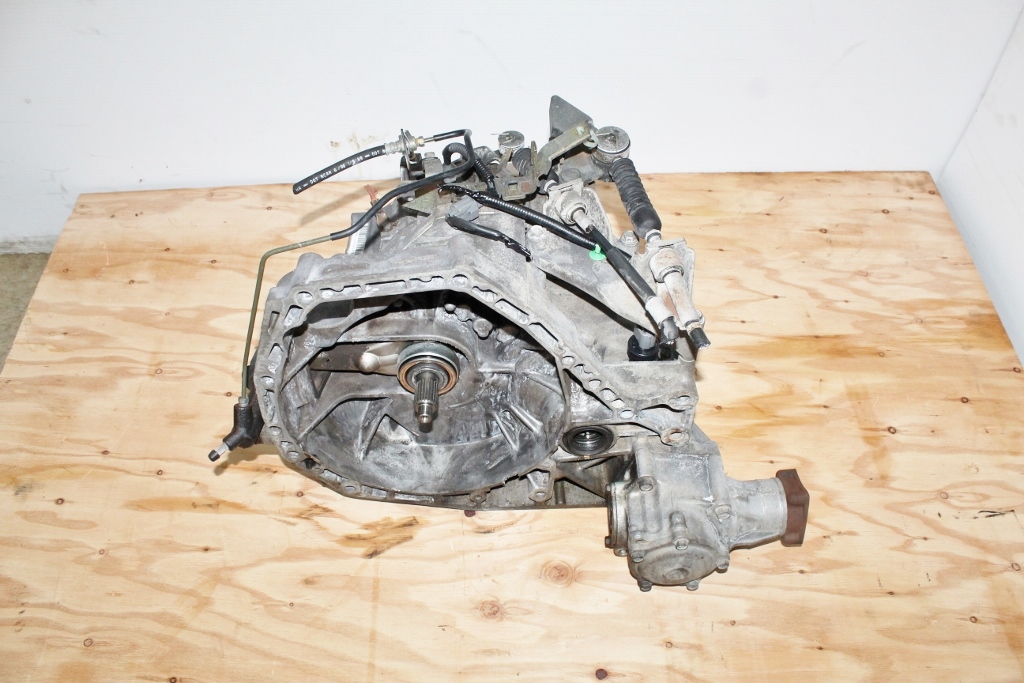
6. Honda B-Series Manual Transmissions
Honda’s manual transmissions used with several B-series engines have earned a strong reputation among enthusiasts.
The B-series engine family powered cars such as the Civic and Integra, while various manual gearbox combinations were developed for different engine and performance applications. These transmissions became especially popular among drivers interested in performance modifications.
The compact design of Honda’s manual gearboxes suited lightweight front-wheel-drive vehicles. Their relatively small size did not prevent them from providing strong performance when matched with appropriate engines. Many examples accumulated substantial mileage before requiring major internal work.
One important factor in transmission longevity is how the vehicle is driven. Aggressive launches, repeated high-rpm shifts, and excessive clutch slipping can increase wear. A gearbox used primarily for normal road driving may experience far less stress than the same unit used repeatedly for competition-style driving.
Honda manual transmissions also benefit from proper fluid selection. Synchronizers depend on appropriate lubrication to operate correctly, while bearings and gears require consistent protection. Old fluid can contribute to rough shifting and accelerated wear, making periodic service worthwhile.
The reputation of these gearboxes has continued through decades of enthusiast ownership. Their availability, compact dimensions, relatively straightforward construction, and compatibility with popular Honda engines have kept them relevant.
Many high-mileage Honda vehicles demonstrate that a carefully driven manual transmission can provide years of reliable service.
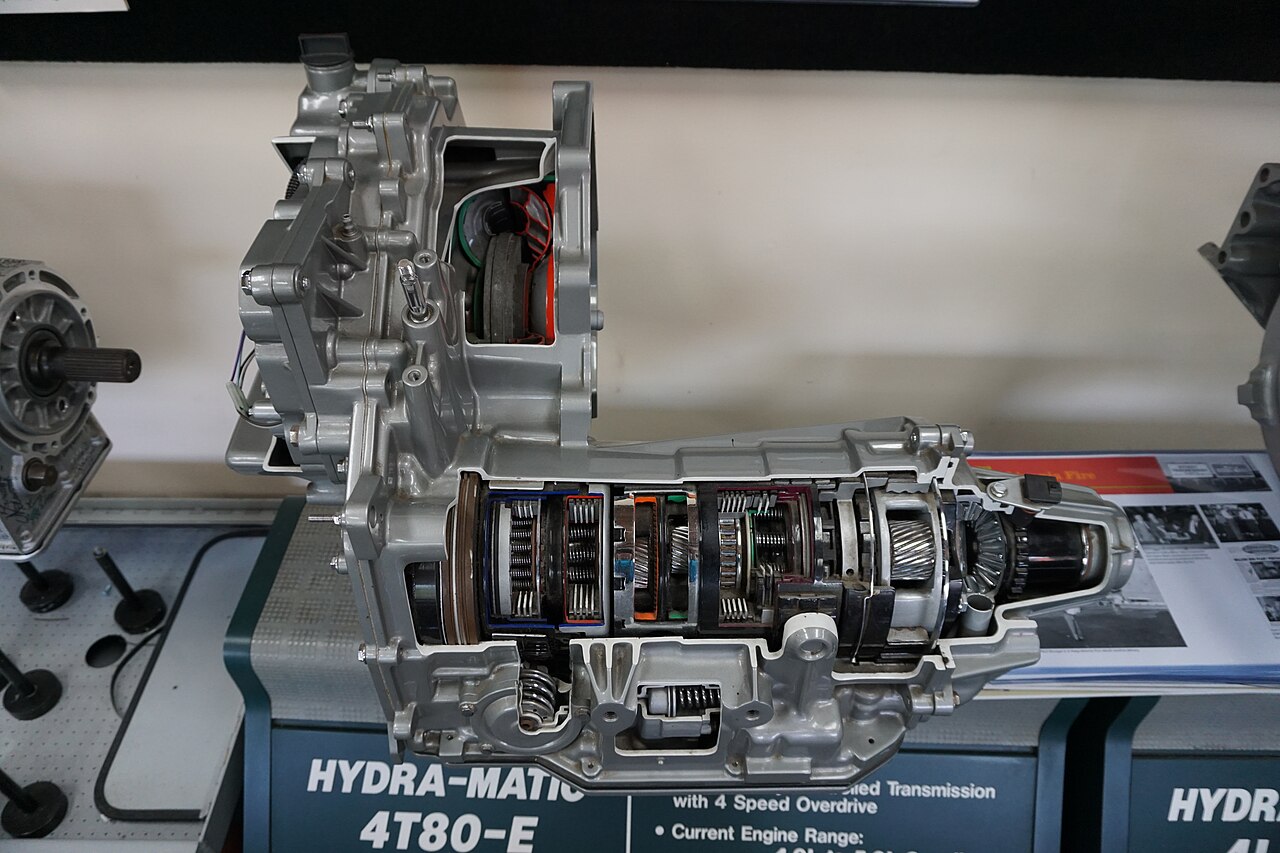
7. GM 4L80-E Automatic Transmission
The General Motors 4L80-E is a heavy-duty four-speed automatic transmission developed for demanding applications.
It was related in design philosophy to earlier heavy-duty automatic transmissions and became widely used in trucks, vans, and performance-oriented vehicles. Its construction was intended to handle substantial torque and heavy workloads.
The 4L80-E was frequently paired with large-displacement gasoline and diesel engines. Such applications placed significant demands on internal clutches, planetary gearsets, shafts, and hydraulic components. The transmission’s heavy-duty design helped it cope with towing and commercial-style workloads.
Electronic control represented an important step forward compared with older hydraulic transmissions. The transmission could adjust shift timing and converter operation according to operating conditions.
Electronic management also allowed engineers to integrate transmission behavior with the vehicle’s broader powertrain controls.
Heat remains a major concern for any automatic transmission, particularly when towing. The 4L80-E can last a long time when temperatures remain under control and fluid is kept in good condition. Auxiliary cooling can be useful in applications where the vehicle regularly operates under heavy loads.
The 4L80-E has a reputation for being physically substantial rather than lightweight. That construction comes with additional weight, yet the tradeoff can be worthwhile for applications demanding high torque capacity. Properly maintained examples have demonstrated impressive service lives, particularly in trucks that receive regular fluid and filter maintenance.
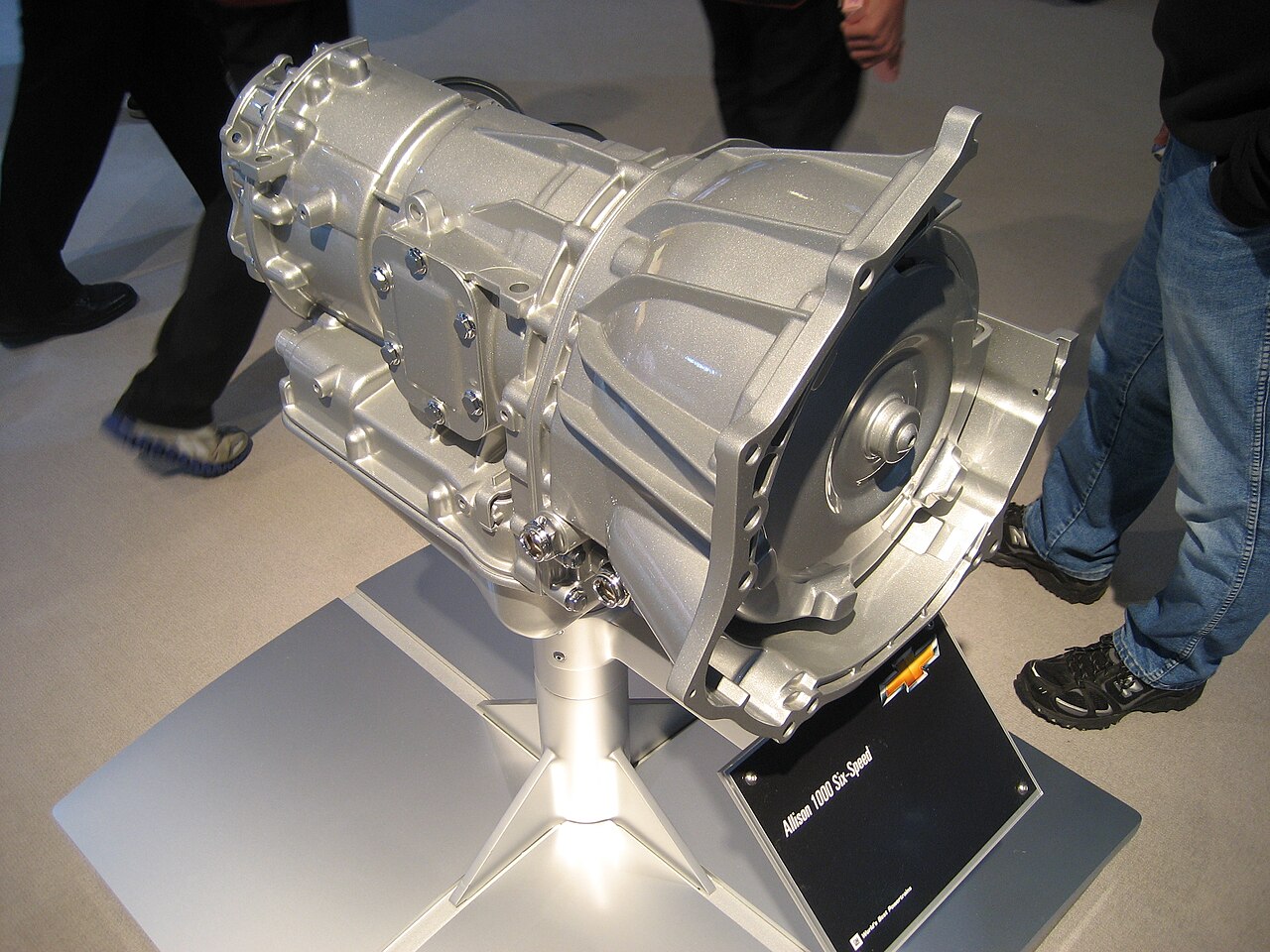
8. Allison 1000 Series
The Allison 1000 series was designed for heavy-duty applications and became closely associated with diesel-powered pickup trucks. General Motors used versions of the transmission in trucks equipped with Duramax diesel engines. Its purpose was to handle substantial torque while providing smooth automatic operation.
The transmission’s heavy-duty construction is a major part of its reputation. Diesel engines can produce enormous low-speed torque, creating significant loads on transmission components. A gearbox intended for such engines requires strong clutches, gearsets, shafts, bearings, and torque-management systems.
The Allison 1000 also benefited from sophisticated electronic controls. These controls allowed the transmission to coordinate shifting with engine output and vehicle conditions. Proper calibration helped manage torque delivery while providing usable performance for towing, hauling, and everyday driving.
Maintenance is especially important in heavy-duty transmissions. Fluid contamination, excessive heat, neglected filters, or prolonged operation beyond the transmission’s intended capacity can cause premature wear. Owners who use their trucks for towing should pay close attention to fluid condition and operating temperatures.
The Allison 1000 demonstrates what happens when a transmission is designed around serious torque requirements from the beginning.
Its reputation comes from extensive use in demanding pickup applications rather than simply ordinary passenger-car service. With proper maintenance, many examples have accumulated very high mileage while continuing to perform demanding work.
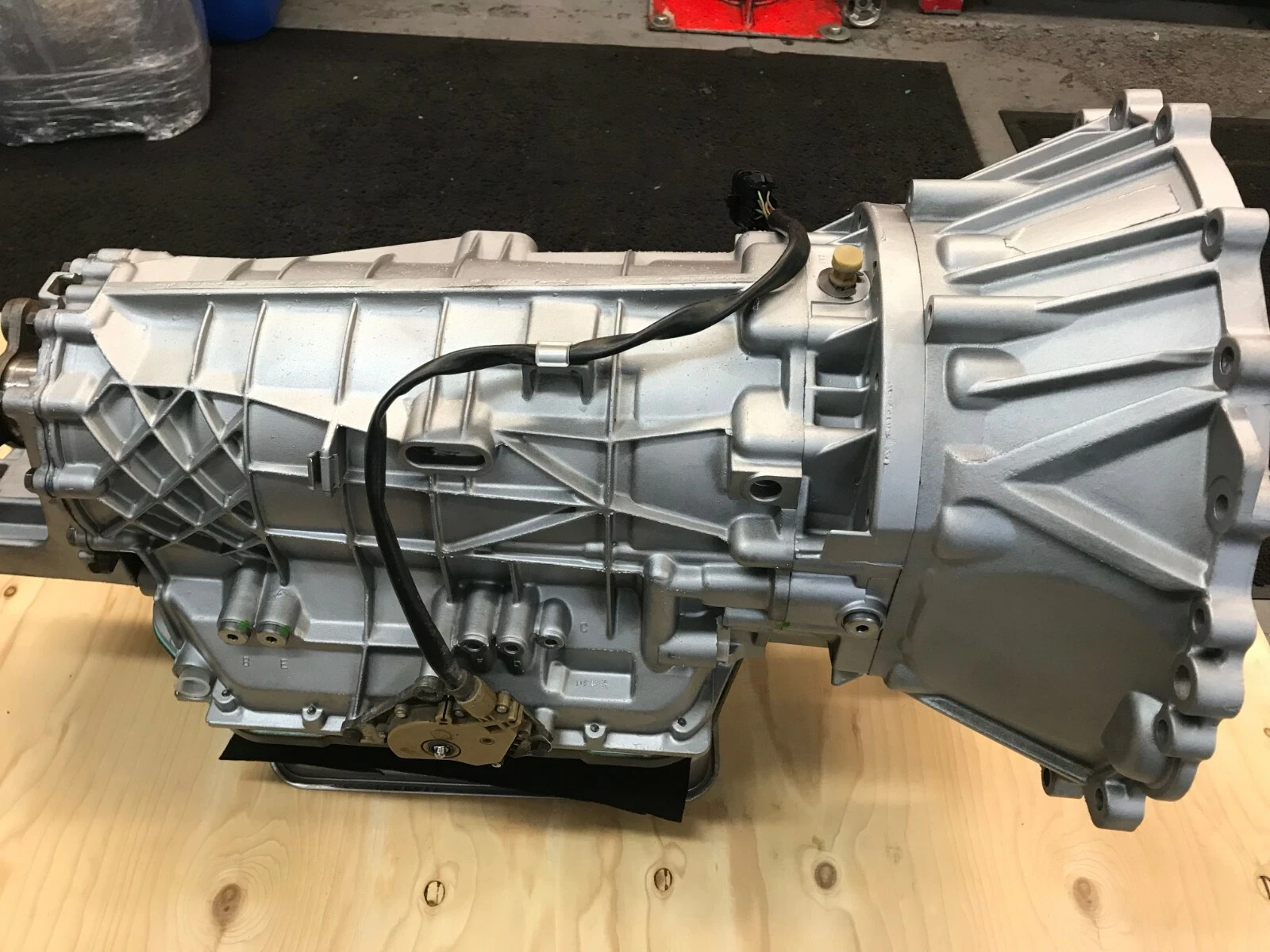
9. ZF 5HP24 Automatic Transmission
The ZF 5HP24 was a five-speed automatic transmission used by several major automotive manufacturers. It appeared in various luxury and performance vehicles, including applications from BMW, Jaguar, and other brands. The transmission represented a significant advancement in automatic transmission technology during its period.
Compared with older four-speed units, the five-speed design offered additional flexibility in gear selection. This could improve acceleration, cruising efficiency, and engine operating characteristics. The transmission used electronic controls alongside sophisticated hydraulic and mechanical systems.
The 5HP24 was installed behind a range of engines, meaning individual applications differed in durability and service requirements. Engine torque, vehicle weight, driving conditions, cooling capacity, and maintenance history all influenced transmission life. A transmission working within its intended operating range could provide substantial mileage.
Fluid service is particularly important with sophisticated automatic transmissions. As components age, seals can harden, and hydraulic performance can change. Proper maintenance helps protect friction materials, bearings, valve bodies, and other internal components.
The 5HP24 illustrates that electronic sophistication does not necessarily prevent long service life. Good engineering can combine electronic control with strong mechanical components. Its history across multiple vehicle brands provides useful evidence that carefully maintained automatic transmissions can remain operational for many years.
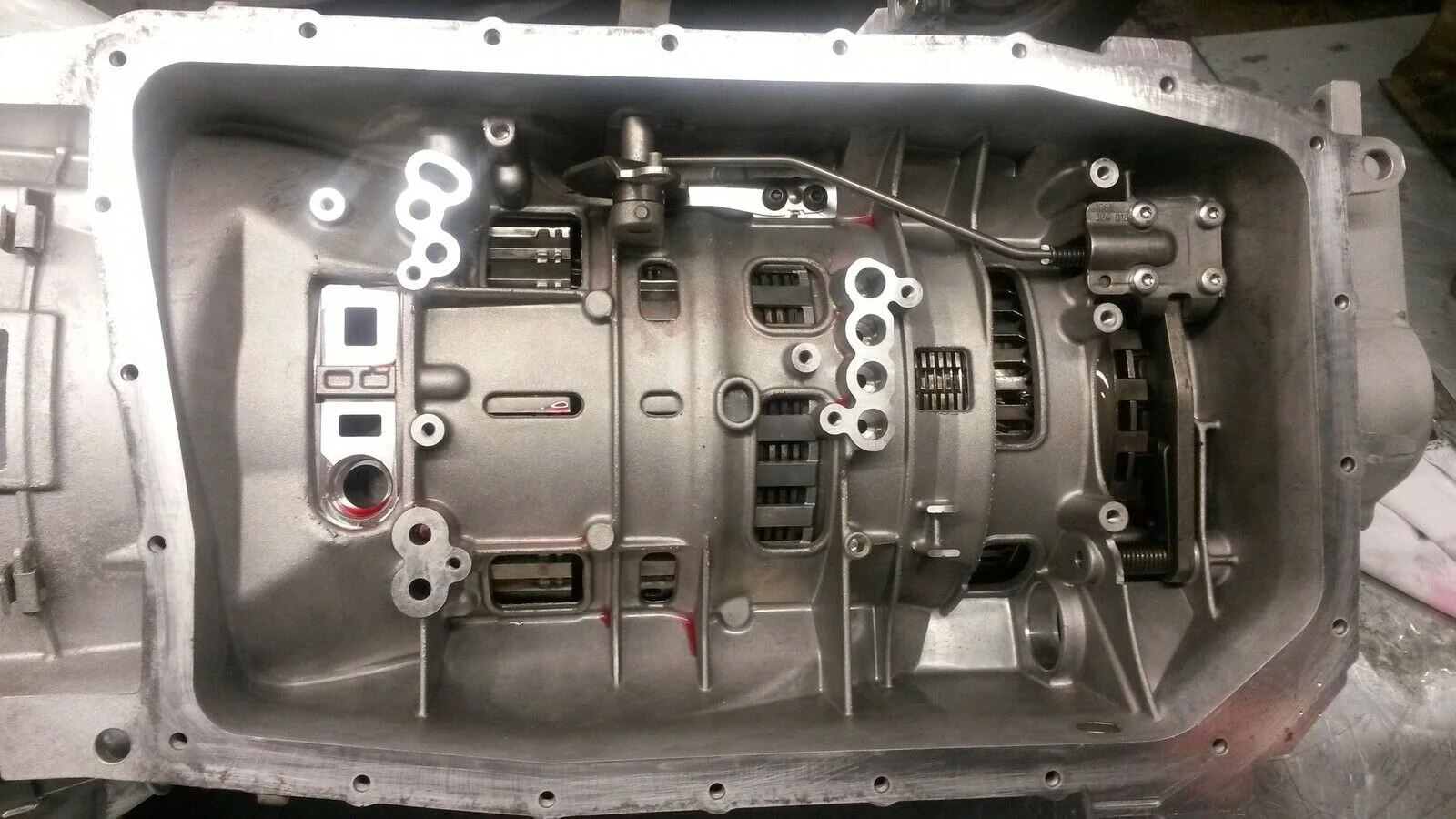
10. ZF 6HP26 Automatic Transmission
The ZF 6HP26 was a six-speed automatic transmission introduced during a period when automatic gearboxes were becoming increasingly sophisticated.
It was used by manufacturers including BMW, Jaguar, Ford, and others in various applications. Its six forward gears allowed engineers to balance acceleration with highway cruising.
The transmission incorporated advanced electronic and hydraulic control systems. Its mechatronic unit integrated electronic controls with hydraulic functions, allowing fast and precise gear changes.
This represented a major development compared with traditional hydraulic automatics.
Durability depends heavily on application and maintenance with the 6HP26. Different vehicles placed different demands on the transmission, and some applications were more stressful than others. Engine output, vehicle weight, driving style, temperature, and service history could all affect its lifespan.
Transmission fluid is particularly important for modern automatic gearboxes. Heat and friction gradually affect fluid performance, while contamination can influence hydraulic operation. Following appropriate service procedures can help protect the transmission, although maintenance requirements vary between vehicle applications.
The 6HP26 deserves recognition because it shows how transmission technology evolved without abandoning the goal of long service life.
Its sophisticated design offered smoother shifts and improved gear selection while remaining capable of significant mileage when properly maintained. Its longevity depends more strongly on correct service than the reputation of some simpler older transmissions.