
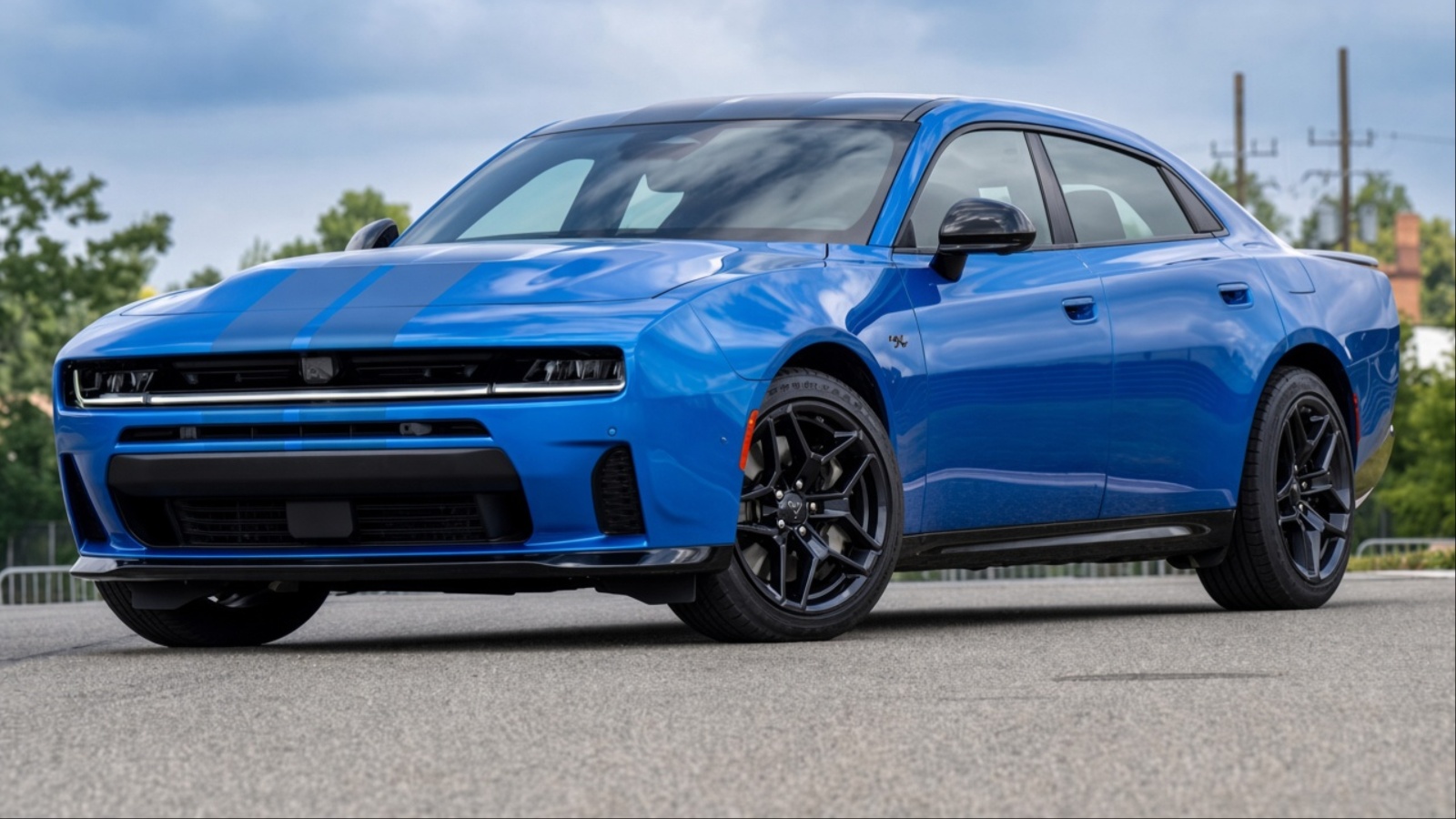
Sedans are no longer the dominant body style in the U.S. market, but automakers have not abandoned them completely. Several manufacturers are preparing new generations, performance sedans, and revived nameplates for the latter half of the decade.
Some are confirmed directly by automakers, while others have been reported by established automotive publications citing industry sources. The coming wave is especially interesting because it includes gasoline, hybrid, and electric powertrains, along with rear-wheel-drive performance cars.
From the next BMW M3 and a reported Infiniti Q50 revival to major changes for the Honda Accord, these upcoming sedans show that the four-door car still has a place in America’s changing market.
1. BMW M3
The next-generation BMW M3 is one of the most significant sedans expected around the 2028 model year because BMW has confirmed that an electric M3 is coming.
The company’s next-generation performance sedan will be part of the Neue Klasse era, bringing a major technological shift to one of BMW’s longest-running performance nameplates.
Car and Driver reports that the new M3 is expected for the 2028 model year, with an electric version confirmed while BMW continues developing internal-combustion powertrains for its next-generation vehicles.
The biggest change will be underneath the body. BMW’s next-generation architecture is designed to accommodate different propulsion systems, allowing the M3 name to continue while the powertrain strategy changes.
The electric version is expected to use BMW’s new-generation battery and electric-drive technology, although final U.S. specifications have not been announced.
A gasoline-powered M3 is also expected, but BMW has not released complete specifications for that version.
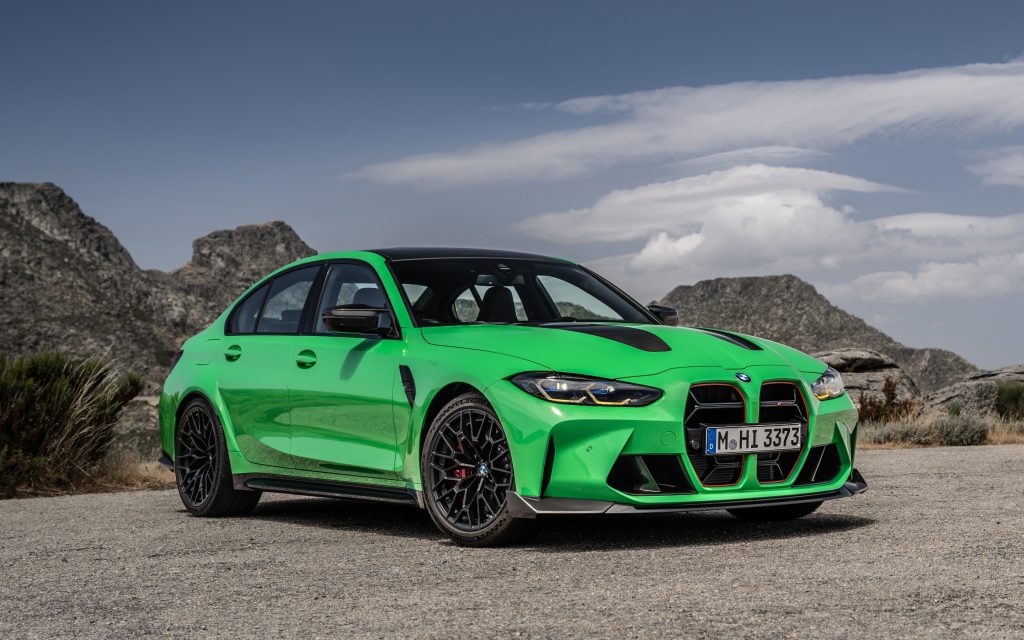
Spy photographs have shown prototypes undergoing testing, while reports indicate that the combustion model will continue alongside the electric car rather than disappearing immediately. That gives buyers two fundamentally different interpretations of the same performance sedan.
The current M3 demonstrates how serious BMW is about performance. The 2026 M3 Competition xDrive produces 523 horsepower from a twin-turbocharged 3.0-liter inline-six, but those figures shouldn’t be assumed for the upcoming generation.
2. Infiniti Q50
Infiniti could bring back the Q50 for the 2028 model year, giving the American luxury market another rear-wheel-drive performance sedan at a time when many manufacturers are moving away from traditional four-door cars.
Car and Driver reports that Infiniti is preparing a new Q50 sports sedan and expects it to return around 2027, with the vehicle potentially becoming a 2028 model.
The publication reports that Infiniti is considering a twin-turbocharged V6 related to the engine used in the Nissan Z, with output expected to reach at least 400 horsepower.
That would represent a substantial change from the previous Q50, which ended U.S. production after the 2024 model year.
The previous-generation car had remained in production for years while competitors received newer platforms and technology, so a genuine successor would represent a significant reset for Infiniti.
The reported engine direction is particularly interesting. The Nissan Z’s VR30DDTT 3.0-liter twin-turbo V6 produces 400 horsepower and 350 lb-ft of torque in the Z Performance, although Infiniti’s eventual calibration could be different. A manual transmission is also reportedly being considered, but that detail is not confirmed by Infiniti.
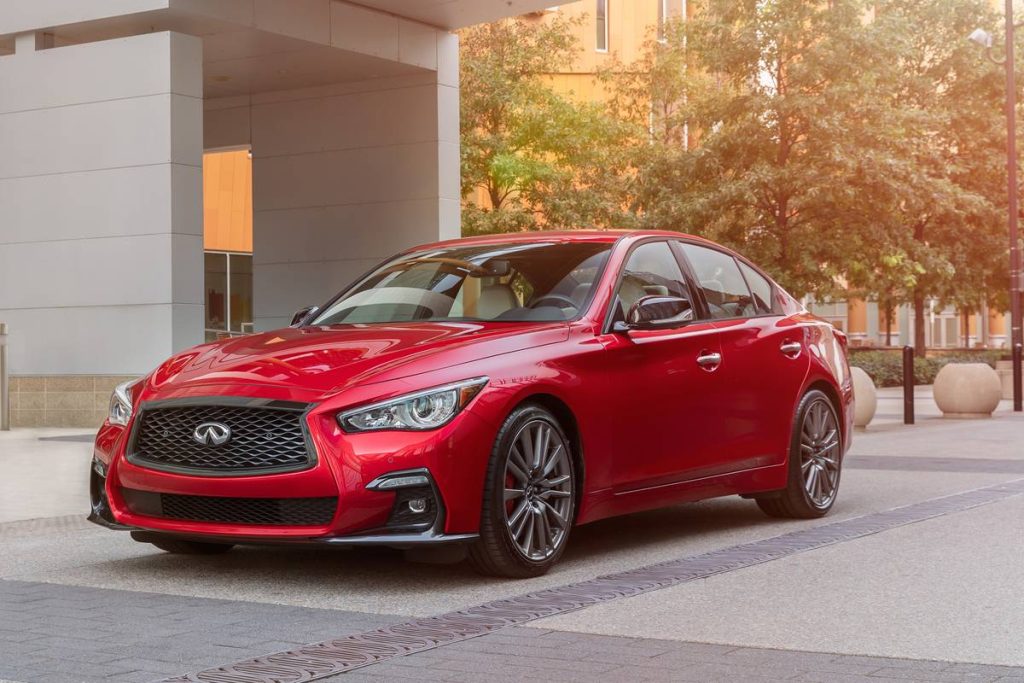
The new Q50’s final platform, dimensions, curb weight, fuel economy, pricing, and transmission lineup remain unknown. It is therefore too early to treat reported specifications as production specifications.
What is clearer is the intended positioning. Infiniti appears to be considering a return to the sport-sedan formula that helped establish the brand’s reputation in the U.S. market, potentially giving the Q50 a distinctly different identity from the crossover-heavy lineup surrounding it.
3. Honda Accord
Honda appears to be preparing a significant update for the Accord for the 2028 model year, although the automaker has not yet released a complete production specification sheet.
Recent reporting from MotorTrend, citing Automotive News, says Honda is planning “pretty major” changes for the sedan, with the updated model expected to reach the market around the second half of 2027.
American Honda product-planning executive Gary Robinson has also described the upcoming Accord as a car that will “feel like a new model.”
That description suggests Honda is looking beyond the typical mid-cycle facelift. The current Accord entered production for the 2023 model year, so a substantial update would give the sedan a chance to respond to a market increasingly dominated by crossovers while preserving one of Honda’s best-known four-door nameplates.
The next Accord is also expected to place even greater emphasis on hybrid technology. Honda recently showed a hybrid sedan prototype featuring styling cues that could influence its future sedan lineup.
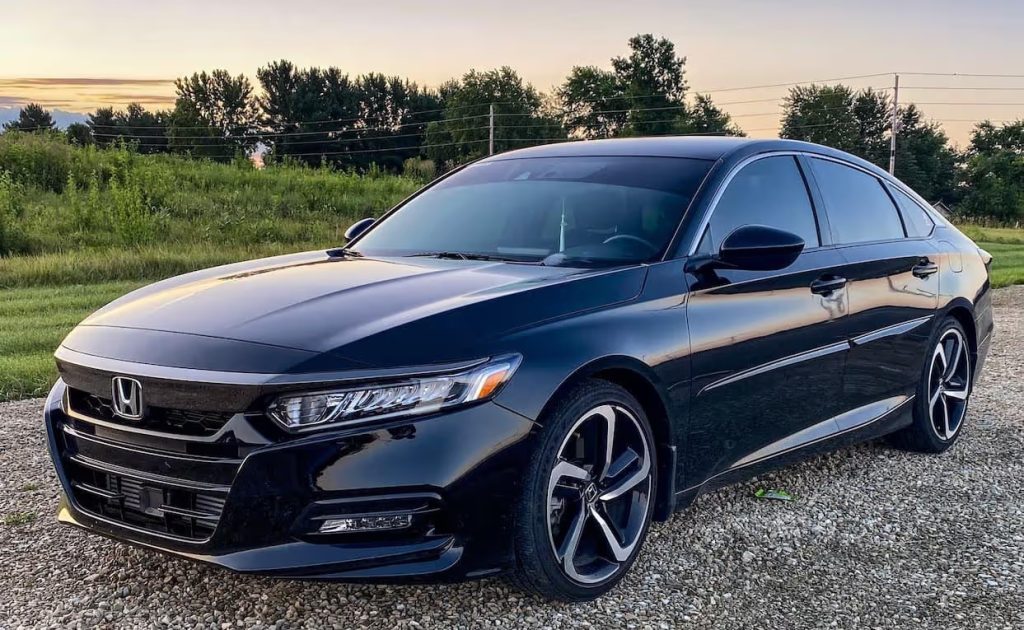
Reports indicate that the next Accord could use Honda’s latest two-motor hybrid system and potentially adopt technology such as the S Plus Shift system that debuted on the Prelude.
For reference, the current U.S. Accord Hybrid produces 204 combined horsepower, but that figure should not be carried over to the 2028 car until Honda confirms its specifications. The same applies to pricing, dimensions, fuel economy, and performance.
The most intriguing part may be the styling. Reports point toward a more angular exterior with slimmer lighting and a thinner grille, potentially giving the Accord a noticeably different identity.
4. BMW 3 Series
The BMW 3 Series is heading into another major transition as the company prepares its next-generation sedan alongside the electric i3 and the future M3. BMW’s Neue Klasse architecture is designed to support the next generation of the company’s electric vehicles, while BMW is also continuing development of internal-combustion models.
Car and Driver expects the next-generation 3 Series and electric M3 to arrive around 2028, with the i3 representing the electric counterpart to the conventional sedan.
That means the 3 Series family could become more complicated rather than simply switching from gasoline to electricity. BMW has already made clear that it intends to maintain combustion engines in its lineup, so buyers could see different propulsion technologies sharing the same basic family identity.
The upcoming architecture is expected to bring major changes to electrical systems, software, battery technology, and cabin design. BMW’s Neue Klasse program uses an 800-volt electrical architecture for its next-generation EVs, while the company has also highlighted major improvements in charging and efficiency.
Exact U.S. specifications for the 2028 gasoline 3 Series have not been announced. Consequently, current horsepower, torque, dimensions, and fuel-economy figures should not be presented as specifications for the future car.
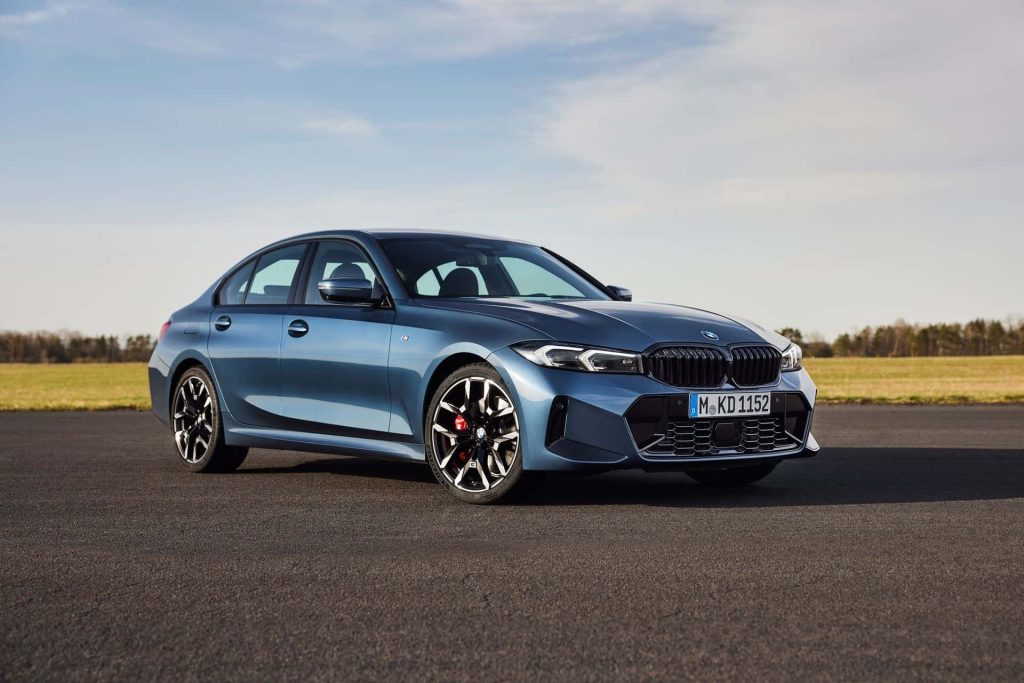
What makes this generation particularly important is the way BMW is separating the traditional 3 Series identity from its powertrain.
The conventional model can continue serving buyers who want an internal-combustion sports sedan, while the electric version brings BMW’s next technological chapter into the same market space.
5. Toyota Crown
The Toyota Crown is a different kind of sedan for the American market, combining the proportions and comfort of a four-door car with a noticeably elevated driving position.
While it is already sold in the U.S., its continued development makes it relevant to the next wave of sedans heading toward 2028.
Toyota has confirmed a substantially updated 2027 Crown, including its fifth-generation Toyota Hybrid System on three grades and a 340-horsepower Hybrid MAX powertrain on the Platinum.
That makes the Crown an important example of how Toyota is keeping a sedan-like vehicle relevant without simply returning to the traditional low-slung formula. Every 2027 Crown grade comes with all-wheel drive, while the XLE, Limited, and Nightshade use a 2.5-liter hybrid system rated at 236 net combined horsepower.
Toyota estimates 40 mpg combined for those versions. The Platinum instead uses a 2.4-liter turbocharged hybrid system producing 340 horsepower and 400 lb-ft of torque.
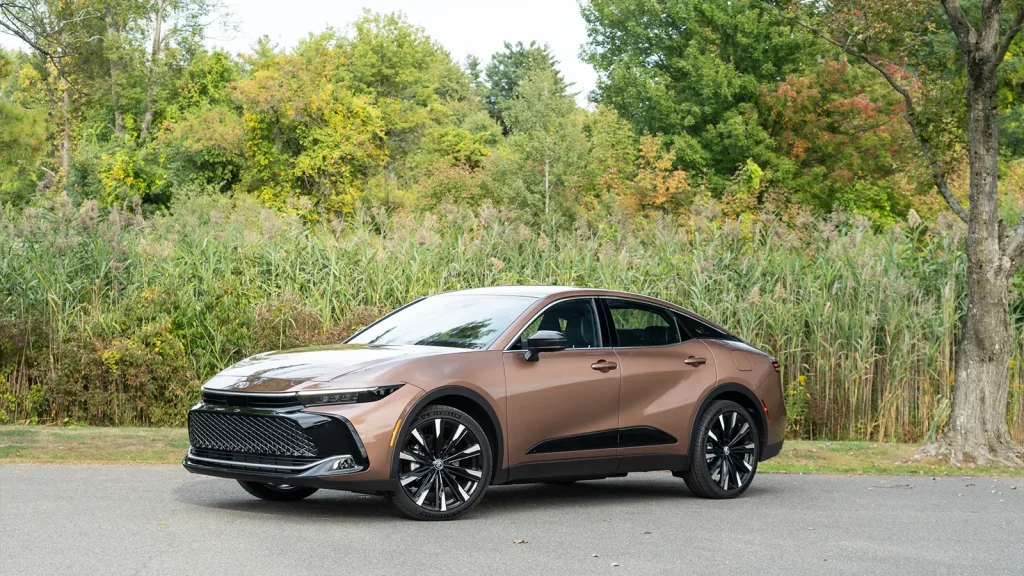
The Crown is also larger than a typical midsize sedan. Toyota lists an overall length of 194 inches and a width of 72.4 inches. Its elevated body makes entry easier and provides a higher seating position than a conventional sedan. The design gives buyers an alternative to moving into a crossover while retaining the familiar four-door sedan format.
There is no official confirmation yet that a completely new 2028 Crown generation will arrive in the U.S. Therefore, it should not be described as a confirmed 2028 redesign. Its presence in this list represents Toyota’s continuing commitment to the sedan segment and the possibility of further development beyond the 2027 model.
6. Chevrolet Camaro Sedan
Chevrolet could bring the Camaro name back in a form that would surprise many enthusiasts, a four-door performance sedan. Current reports indicate that Chevrolet is developing a new sporty sedan for around 2028. Automotive News reporting cited by Kelley Blue Book suggests that the model could potentially revive the Camaro name.
MotorTrend similarly reports that the future Camaro is being developed on an updated rear-wheel-drive architecture shared with future GM sedans.
This is still a reported future product rather than a fully confirmed production specification. The Camaro name, body style, engine lineup, pricing, and final U.S. launch date have not all been officially announced by Chevrolet.
The reported mechanical direction is nevertheless substantial. MotorTrend says the sedan is expected to use GM’s updated Alpha 2-2 rear-wheel-drive platform and could receive a turbocharged 2.0-liter four-cylinder as an entry engine. The publication also expects V8 options, potentially including GM’s newer small-block engines.
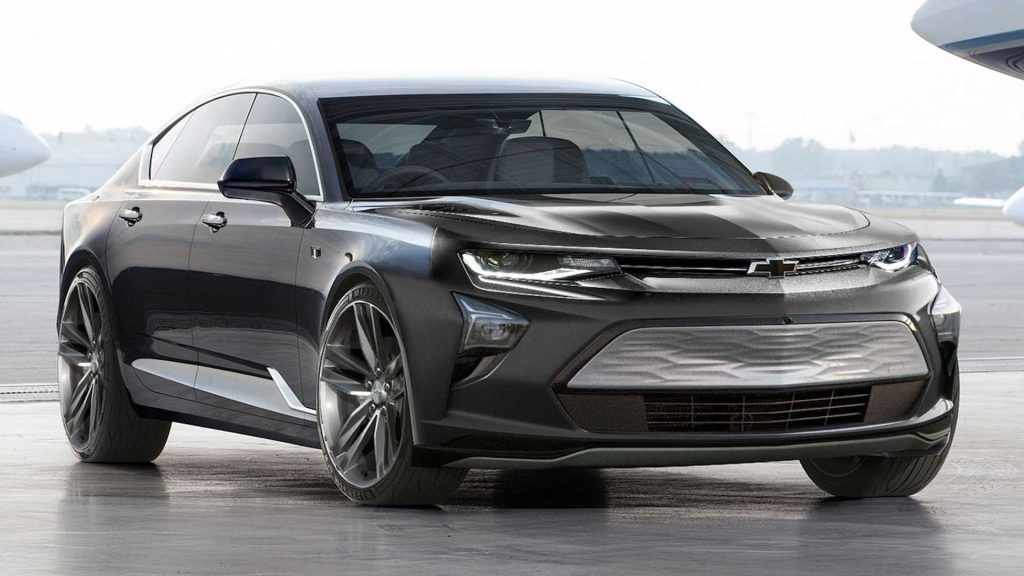
A manual transmission could also remain part of the formula, according to current reporting, giving the proposed sedan a distinctly performance-oriented character rather than turning the Camaro name into another conventional family car.
The potential return would also fill a gap in Chevrolet’s lineup. The previous Camaro ended production after the 2024 model year, while the Malibu disappeared after 2024, leaving Chevrolet without a traditional sedan or pony car. A Camaro-based four-door could therefore combine elements of both categories.
7. Cadillac CT5
Cadillac has already confirmed that the CT5 nameplate will continue in the U.S., making it one of the more firmly established future sedans in this group.
General Motors has said the next-generation CT5 will retain an internal-combustion powertrain and will be built at the Lansing Grand River Assembly plant in Michigan. The current CT5 is scheduled to finish production after the 2026 model year.
The timing is slightly different from a conventional 2028 model-year launch. Current reporting indicates the next-generation CT5 is expected to arrive in the second half of 2028 as a 2029 model, rather than necessarily being sold as a 2028 vehicle.
That distinction matters when describing the car’s timeline, because GM has not announced a complete public specification sheet yet.
The new sedan is expected to use an updated version of GM’s rear-wheel-drive Alpha architecture. Industry reporting identifies the revised platform as Alpha 2-2 and says it will also underpin two other future GM passenger cars. The architecture is expected to continue supporting internal-combustion propulsion rather than becoming an EV-only platform.
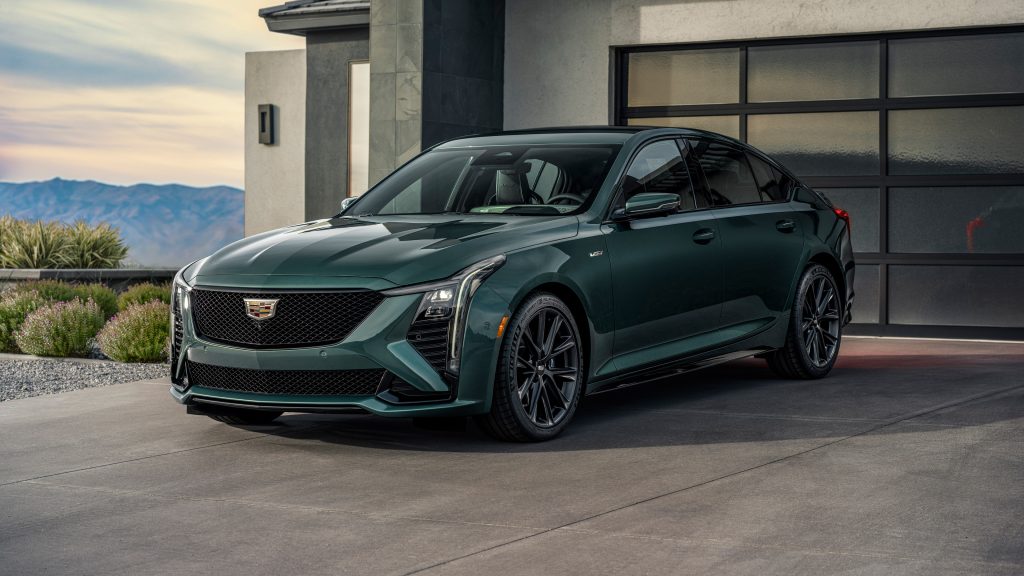
That gives the CT5 an interesting role in Cadillac’s future lineup. Rather than disappearing as the company expands its electric portfolio, the sedan is being retained for buyers who still want a traditional luxury four-door with a gasoline engine.
GM has not yet released final horsepower, torque, dimensions, curb weight, fuel economy, pricing, or transmission specifications for the next generation. Those numbers should therefore not be borrowed from the current CT5 and presented as future specifications.
8. Buick Sedan
Buick could make one of the most unexpected returns to the American sedan market with a new four-door model currently being considered by General Motors. The brand has not sold a sedan in the U.S. since the Regal left after the 2020 model year, but recent reporting indicates GM is evaluating a new rear-wheel-drive-based Buick sedan for North America.
Unlike the Cadillac CT5, this Buick is not officially confirmed for production yet. Reports from Automotive News and GM Authority indicate that the proposed model could share GM’s updated Alpha architecture with the next-generation CT5 and the future Chevrolet Camaro.
Production could take place at Lansing Grand River in Michigan if the project receives final approval.
The possible timing makes it relevant to the 2028 period, although the exact model year remains uncertain. MotorTrend currently expects the Buick sedan to arrive around the 2028 to 2029 period and reports that it could potentially revive the Regal name. That name, however, has not been confirmed by Buick.
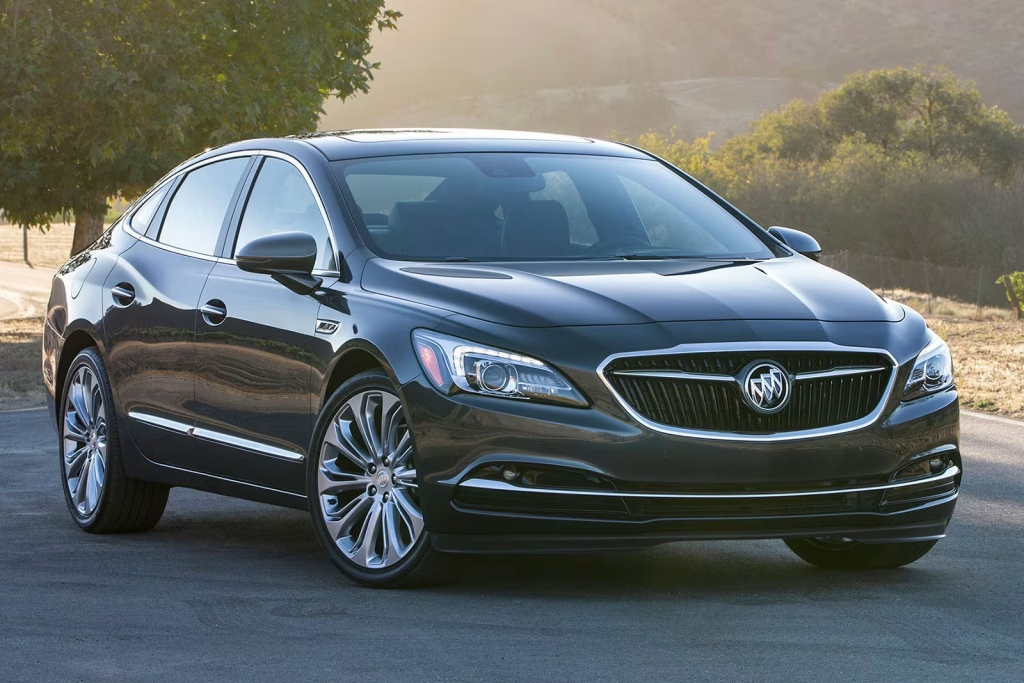
A return to rear-wheel-drive architecture would also mark a significant change for Buick’s U.S. lineup, which is currently composed entirely of crossovers. The new sedan could sit between Chevrolet and Cadillac in GM’s portfolio, giving Buick a traditional passenger car without directly duplicating the CT5’s luxury positioning.
Engine details remain speculative. Current reporting has suggested turbocharged four-cylinder engines, with hybrid technology also a possibility, but Buick has not announced production specifications.
9. Ford Mustang Four-Door
Ford could bring one of the biggest surprises to the American sedan market with a four-door Mustang. Reports from The Wall Street Journal and Automotive News, summarized by Car and Driver, say Ford showed dealers a prototype of a four-door Mustang in 2026.
The reported vehicle could reach the market in 2028 or 2029, although Ford has not officially announced a production model or confirmed the Mustang name for the sedan.
The reported concept is considerably different from the current two-door Mustang. Dealer reports described a car roughly comparable in size and shape to a Porsche Panamera, with four doors and a performance-oriented roofline.
Executives reportedly claimed a target of less than four seconds to 60 mph and a starting price below $40,000, but those figures are development targets rather than certified production specifications.
The mechanical details remain uncertain. Ford has not announced whether the sedan would use the Mustang’s existing engines, a new hybrid system, or another powertrain. The company has also not confirmed transmission choices, dimensions, curb weight, or final pricing.
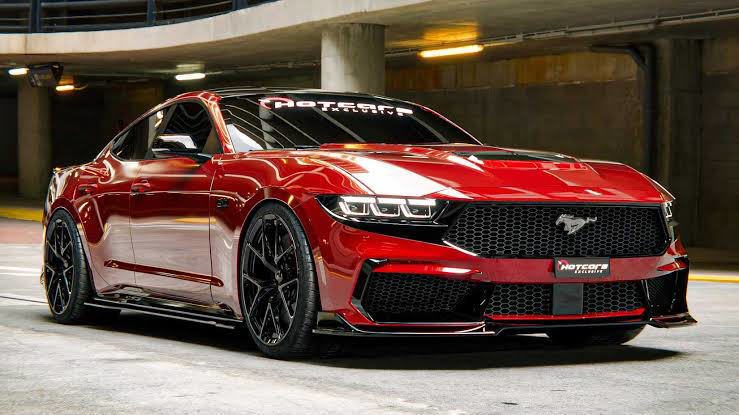
A four-door Mustang would nevertheless make strategic sense within Ford’s existing performance portfolio. Instead of creating an entirely separate sedan nameplate, Ford could expand the Mustang family into another body style while retaining its performance identity.
For now, this car belongs in the reported future-sedan category, not the confirmed-production category. Its eventual specifications will determine how closely the production model resembles the prototype described by industry sources.
10. BMW i3
The BMW i3 is set to return to the American market as an electric sedan, but this new i3 should not be confused with the small carbon-fiber hatchback that BMW sold in the U.S. during the previous decade.
The new-generation i3 will serve as the electric counterpart to the next-generation 3 Series and is expected around the 2027 model year, making it one of the key sedans leading into 2028. Car and Driver lists the future i3 alongside the next-generation 3 Series and M3 in BMW’s upcoming product plans.
The car will be based on BMW’s Neue Klasse technology, which represents a major change in the company’s electric-vehicle architecture. BMW has developed an 800-volt electrical system for the platform, along with a new generation of batteries and electric motors intended to improve charging, efficiency, and range.
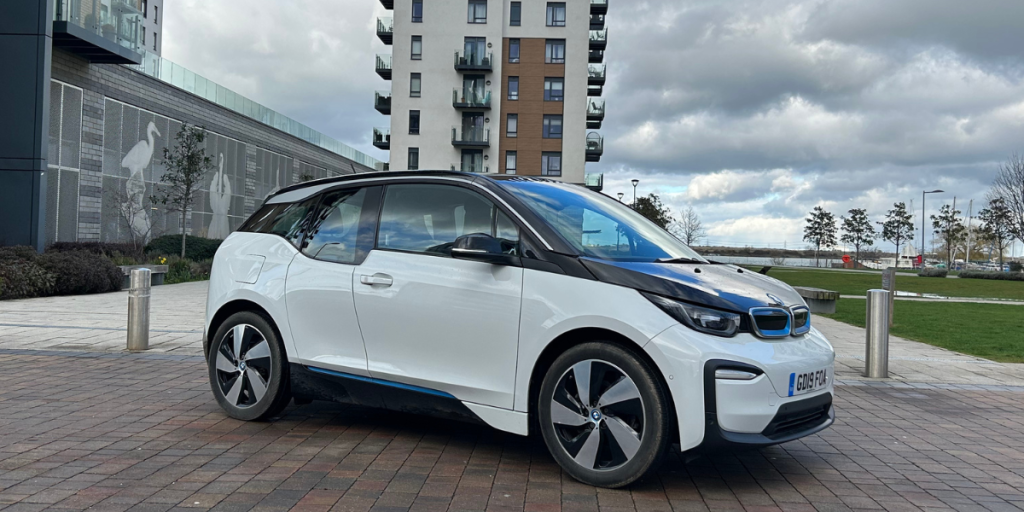
BMW has not yet released final U.S. specifications for the production i3, so it would be inaccurate to assign it a definitive horsepower, torque, EPA range, or charging time at this stage. The same caution applies to its final dimensions and pricing.
What is already clear is its role within BMW’s lineup. The i3 is expected to occupy the electric sport-sedan space alongside the gasoline-powered 3 Series rather than simply replacing the nameplate with another body style.
That approach gives BMW a way to retain a traditional sedan shape while introducing its newest EV technology.
11. Volvo Electric Sedan
Volvo could make a surprising return to the U.S. sedan market in 2028 with an all-electric midsize four-door. According to reporting from Automotive News cited by Car and Driver, Volvo is considering bringing a new electric sedan and wagon to American dealerships in 2028.
Both vehicles are reportedly already being developed for Europe, where they could use Volvo’s familiar 60- or 70-series naming strategy. Volvo itself has not confirmed the U.S. sedan, so it should be treated as a reported future product rather than a locked-in 2028 model.
The potential sedan would be built around Volvo’s new SPA3 electric architecture, the same next-generation platform introduced with the EX60. Volvo says SPA3 uses an 800-volt electrical system, cell-to-body construction, new battery-cell technology, and next-generation electric motors.
The U.S.-spec EX60 demonstrates what the architecture can support, with versions offering up to 400 miles of EPA-estimated range and charging rates as high as 370 kW. Those figures belong to the EX60 and should not be assigned to the future sedan before Volvo releases its specifications.
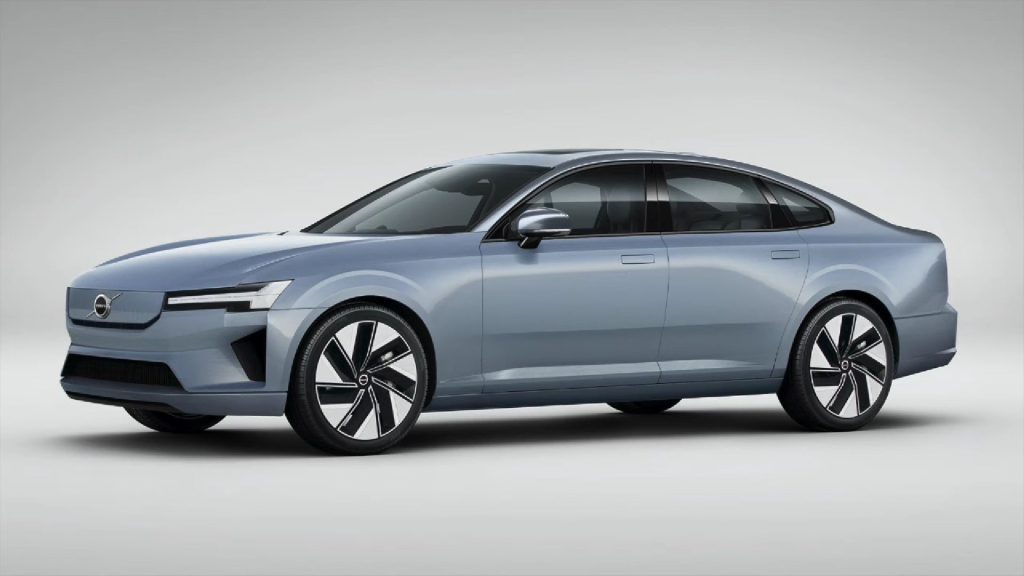
The reported sedan would likely be positioned below the larger ES90, potentially reviving the type of midsize four-door that disappeared when Volvo ended U.S. sales of the S60 and S90. The company reportedly expects relatively modest American volume, with the sedan and wagon potentially combining for around 10,000 U.S. sales annually.
That makes this less about chasing mass-market volume and more about giving Volvo another body style as consumer interest shifts.
12. Jaguar Type 01
Jaguar’s next-generation Type 01 is another very different interpretation of the modern sedan. The four-door electric grand tourer is expected to become the first production model of Jaguar’s radically redesigned lineup, with production reportedly beginning in late 2026.
Car and Driver reports that the model is targeting more than 986 horsepower from a tri-motor electric powertrain and a claimed range of approximately 430 miles.
The Type 01 is not intended to replace a conventional midsize sedan. Jaguar is positioning the vehicle considerably higher, with a large, dramatic body and an emphasis on luxury, performance, and long-distance electric driving. Its design follows the Type 00 concept that Jaguar used to preview its new design direction.
The reported powertrain would make this one of the most powerful four-door EVs planned for the U.S. market. However, the quoted output and range remain targets or reported specifications rather than figures that should be treated as EPA-certified production numbers. Final U.S. certification, pricing, and dimensions have yet to be established.
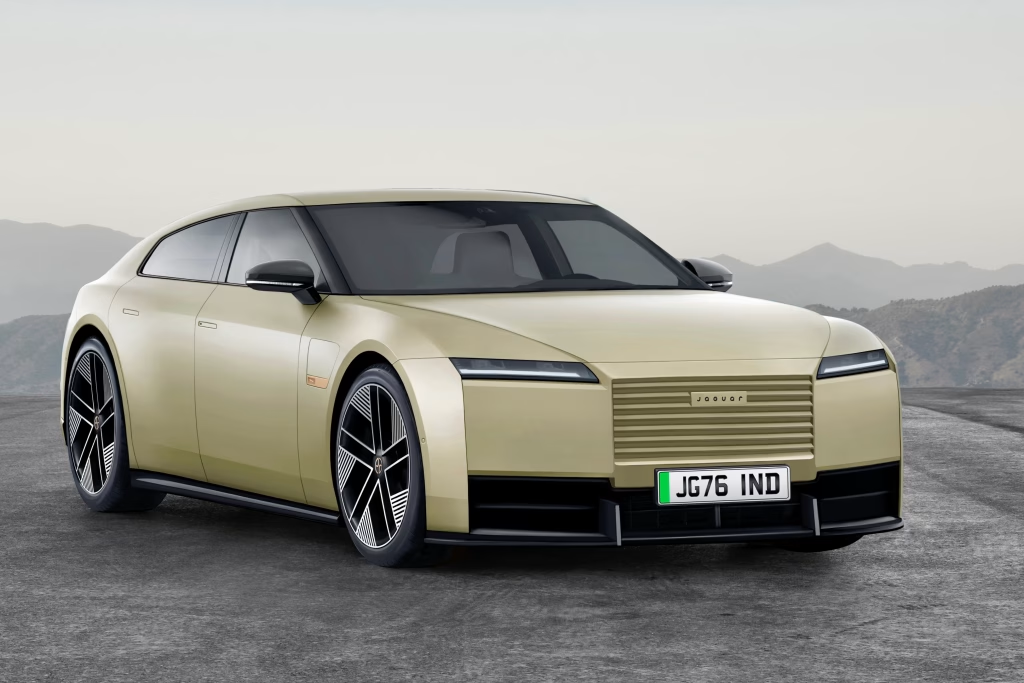
Jaguar’s strategy is particularly notable because the company has effectively reset its product lineup. The Type 01 is expected to be followed by additional electric models as Jaguar moves further upmarket. That means the car is not simply another replacement for an existing sedan. It is intended to establish an entirely new direction for the brand.
For American buyers, the biggest question will be whether Jaguar follows through with its ambitious performance and range targets while maintaining the distinctive design shown during the concept phase.
