The U.S. auto industry is entering another period of major lineup changes as automakers retire familiar nameplates, skip model years, shift production, and prepare replacements. Some disappear permanently, while others leave the market temporarily before returning in a redesigned form.
That distinction matters because a model that is absent for 2027 is not necessarily dead forever. Acura’s RDX, for example, is expected to return for 2028, while Chevrolet’s gas-powered Blazer is set to skip 2027 before a planned return.
Other nameplates have clearer endings. The following list focuses on U.S.-market vehicles whose current forms are disappearing around the 2027 transition.
1. Volvo EX40
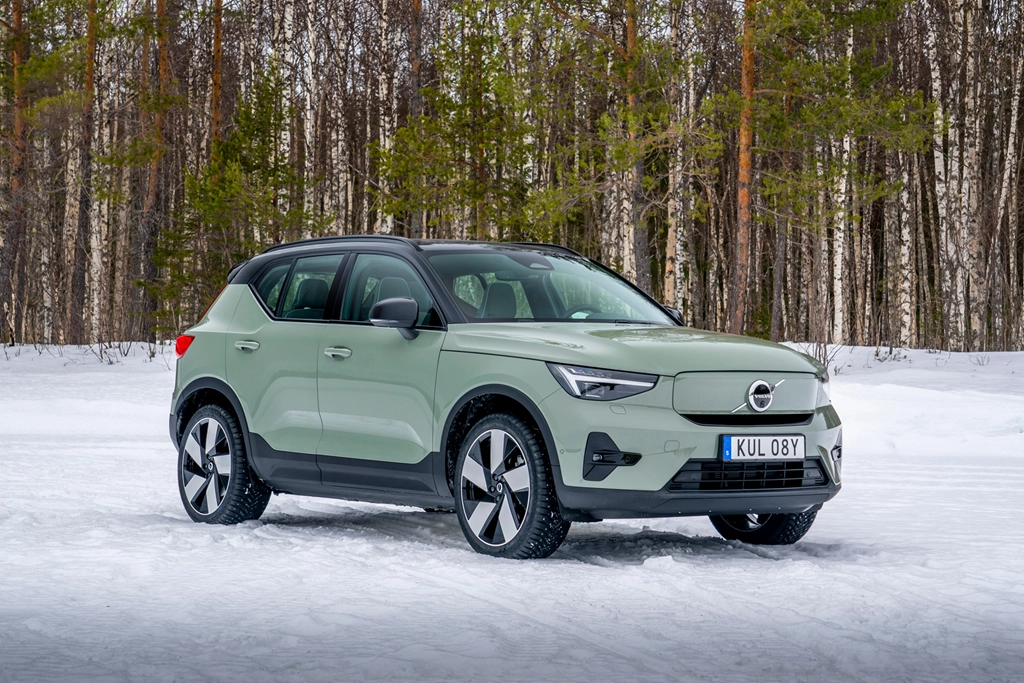
The Volvo EX40 is one of the clearest examples of an electric nameplate reaching the end of its U.S. run. Volvo has confirmed that the 2026 model year is the final one for the EX40 in America. The compact electric SUV will not return when Volvo introduces its refreshed 2028 XC40 lineup.
The name itself is relatively new. Volvo previously sold the vehicle as the XC40 Recharge before adopting the EX40 designation for the 2025 model year. That makes the nameplate’s U.S. lifespan particularly short compared with traditional Volvo models that have remained in production for decades.
The EX40 was offered with a fully electric powertrain, including a dual-motor all-wheel-drive version producing 402 horsepower. Its compact dimensions placed it below larger Volvo EVs such as the EX90, giving the brand an electric entry point for buyers who did not need a three-row SUV.
Volvo’s decision does not mean the company is abandoning the compact electric-SUV category. Reports indicate that the company is preparing the EX50, expected to arrive as a 2028 model.
The proposed replacement is expected to use Volvo’s newer SPA3 architecture and could be positioned somewhat larger while targeting a lower price point. Details remain subject to future confirmation.
The EX40 therefore represents a nameplate disappearing rather than Volvo simply abandoning electrification. The company’s product strategy is changing, with newer architectures and different vehicle positioning replacing the short-lived EX40.
For owners, the important distinction is that discontinuation does not automatically mean parts, service, or support disappear. The existing vehicles remain in circulation, while Volvo continues supporting vehicles already sold through its normal service and parts network.
2. Chrysler Voyager
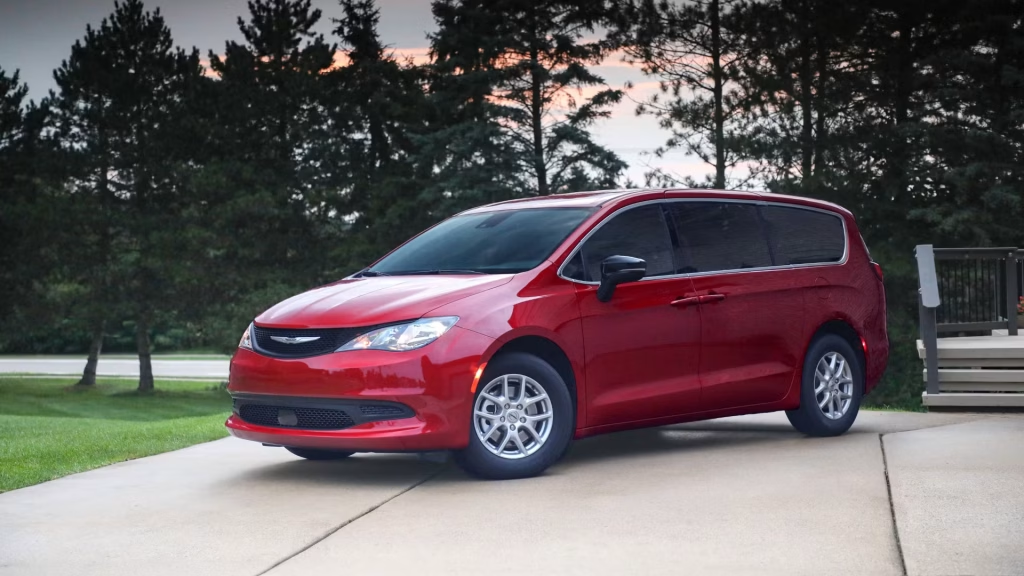
The Chrysler Voyager nameplate is disappearing from the U.S. market for the 2027 model year, but this is a particularly unusual retirement because the vehicle itself is not really going away. Chrysler is converting the Voyager into an entry-level version of the Pacifica lineup and calling it the Pacifica LX.
Chrysler’s own documentation is unusually clear on the transition. Starting with the 2027 model year, the Voyager becomes the Pacifica LX. The company says the new Pacifica LX retains the familiar Voyager exterior and carries many of its features and technology into the Pacifica family.
That means this is fundamentally a nameplate change rather than a traditional vehicle cancellation. The 2027 Pacifica LX continues to use the 3.6-liter Pentastar V6, producing 287 horsepower and 262 lb-ft of torque. It also retains features such as power-sliding doors and heated front seats.
The larger 2027 Pacifica lineup receives a substantial redesign on higher trims. Select Limited and Pinnacle versions get a revised front fascia, new lighting elements, and an illuminated Chrysler wing badge. The base LX retains the Voyager-derived exterior instead of receiving the full redesign.
This makes the Voyager one of the most interesting entries on the list because shoppers are not losing access to the underlying vehicle concept. Instead, the name is being absorbed into a broader Chrysler product family.
For anyone shopping for a new minivan, the change means searching dealer inventory under “Pacifica LX” rather than expecting a new Voyager badge for 2027. Existing Voyager vehicles, meanwhile, remain identifiable by their original nameplate.
The transition shows how automakers can eliminate a name without eliminating the product itself. Chrysler is simplifying its minivan lineup while preserving an entry-level version beneath the more expensive Pacifica trims.
3. Ford Escape
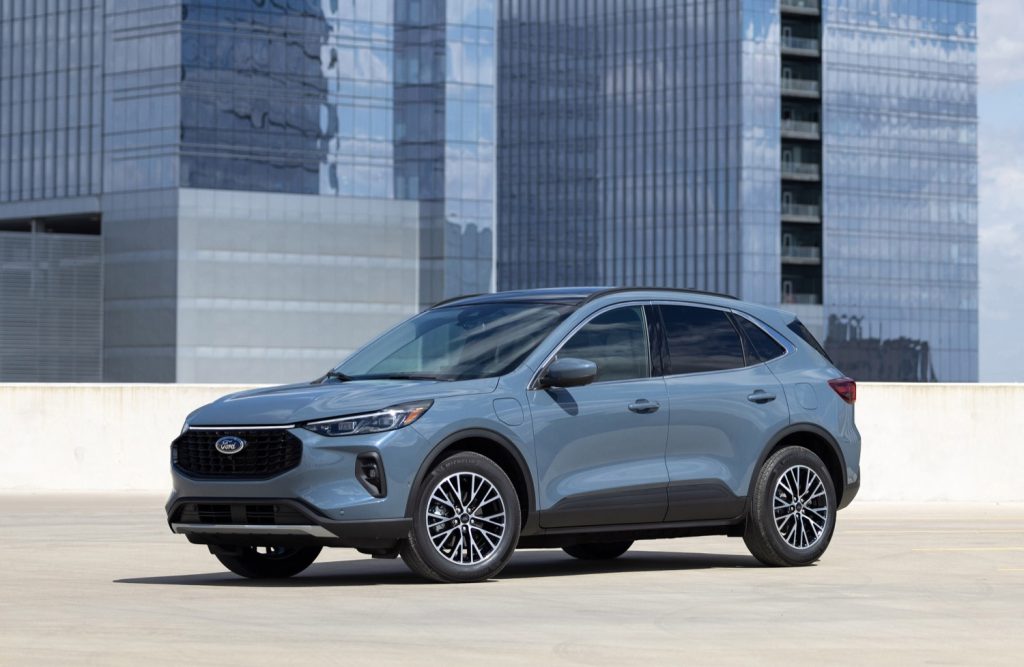
The Ford Escape is one of the more significant nameplates disappearing from the U.S. market after the 2026 model year. Unlike some vehicles on this list that are simply changing names or taking a one-year break, the Escape is being removed as Ford reorganizes its North American manufacturing strategy.
MotorTrend reports that Ford is using production capacity at its Louisville Assembly Plant for a new affordable electric truck and SUV program, ending Escape production in the process.
The decision is notable because the Escape has been part of Ford’s U.S. lineup since the 2001 model year. Over more than two decades, it evolved from a relatively boxy compact SUV into a crossover positioned below the Bronco Sport and larger Edge and Explorer models.
The current Escape offers several powertrain choices, including a 1.5-liter turbocharged three-cylinder, a 2.0-liter turbocharged four-cylinder, and hybrid configurations. The hybrid version combines a 2.5-liter four-cylinder engine with electric motors, giving the Escape a different emphasis from Ford’s more rugged Bronco Sport.
Its departure also changes Ford’s compact SUV strategy. The Bronco Sport will become Ford’s smallest SUV, although its more rugged design does not provide exactly the same type of vehicle as the Escape. MotorTrend notes that many existing Escape customers may therefore look outside Ford when replacing their vehicles.
The Escape’s end is a reminder that even established nameplates can disappear when manufacturing priorities change. In this case, the cancellation is tied less to a single mechanical problem and more to Ford’s decision about what it wants to build at its available U.S. factories.
Existing Escape owners will continue to have access to parts and service through Ford’s dealer network. The important change is that there will be no new U.S. market Escape for the 2027 model year.
4. Honda Prologue
The Honda Prologue has had one of the shortest lives of any modern Honda nameplate. Introduced for the 2024 model year, the battery-electric SUV will disappear from the U.S. lineup after the 2026 model year. Honda has confirmed that sales will conclude following completion of 2026 production.
The Prologue’s story is unusual because it was developed through Honda’s partnership with General Motors. Underneath its Honda-specific exterior and interior design, the SUV shared GM’s Ultium electric-vehicle technology and was closely related to the Chevrolet Blazer EV. The Acura ZDX used the same broader technical foundation.
Honda initially had ambitious plans for expanding its EV lineup in North America, including vehicles based on its own new electric architecture. Those plans have since changed substantially. Honda canceled two planned 0 Series EVs for North America, and the company confirmed that the Prologue would leave the market after 2026.
The numbers illustrate the vehicle’s brief market run. Honda sold 33,017 Prologues in the United States during 2024 and 39,194 during 2025. Through the first half of 2026, however, sales had fallen to 8,407 units, according to Car and Driver’s report on Honda’s decision.
The Prologue uses a 102.0-kWh battery pack, with single-motor front-wheel-drive and dual-motor all-wheel-drive configurations. The all-wheel-drive version produces 288 horsepower and 333 lb-ft of torque.
For existing owners, Honda has explicitly stated that dealer service, parts, and warranty support will continue. The end of production therefore does not mean the end of ownership support.
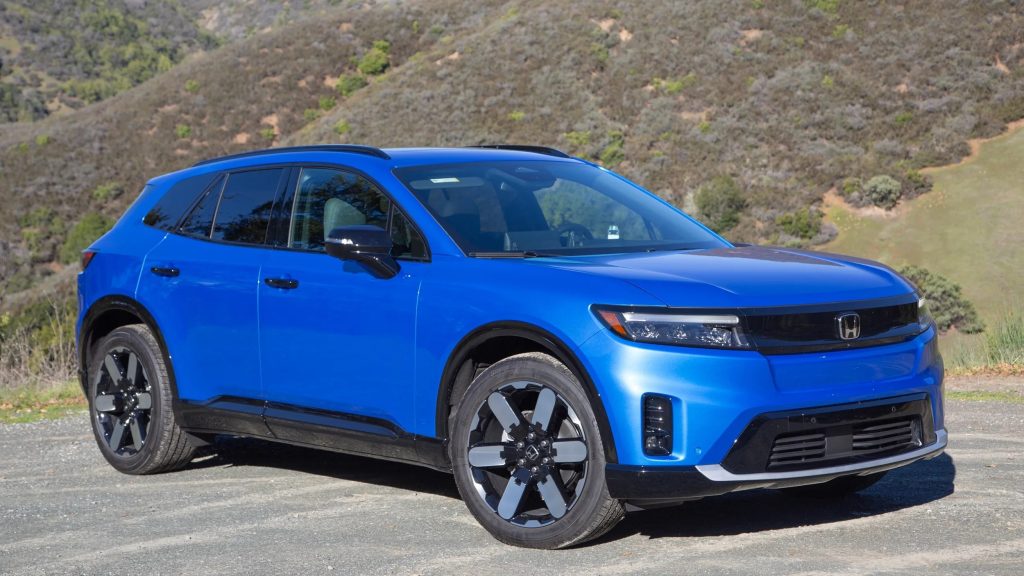
The Prologue’s short lifespan instead marks a major change in Honda’s U.S. EV strategy. Its nameplate will disappear, while the company reassesses how and when its next generation of electric vehicles should enter the American market.
5. Acura RDX
The Acura RDX is taking a temporary exit from the U.S. market after the 2026 model year, but this is not necessarily a permanent goodbye. Acura has confirmed that the current RDX will not be sold as a 2027 model, while a next-generation replacement is expected to arrive for the 2028 model year.
That makes the RDX a nameplate disappearing from the showroom for at least one model year rather than a vehicle being permanently erased from Acura’s lineup.
The timing is significant because the current third-generation RDX has been around since the 2019 model year. It was one of Acura’s most important products in the highly competitive compact luxury SUV category, positioned between the smaller ADX and larger MDX.
The current RDX uses a 2.0-liter turbocharged four-cylinder engine producing 272 horsepower and 280 lb-ft of torque. Acura pairs it with a 10-speed automatic transmission, while its available Super Handling All-Wheel Drive system can actively distribute torque between the axles and rear wheels.
Acura has indicated that the replacement will be electrified, with reports pointing toward a hybrid powertrain rather than a simple continuation of the existing gasoline model. The temporary gap therefore appears connected to a broader transition in Acura’s SUV strategy.
That creates an unusual situation for shoppers. Someone wanting a brand-new RDX will have a limited window with the 2026 model, while buyers willing to wait could encounter a substantially different vehicle when the next generation arrives.
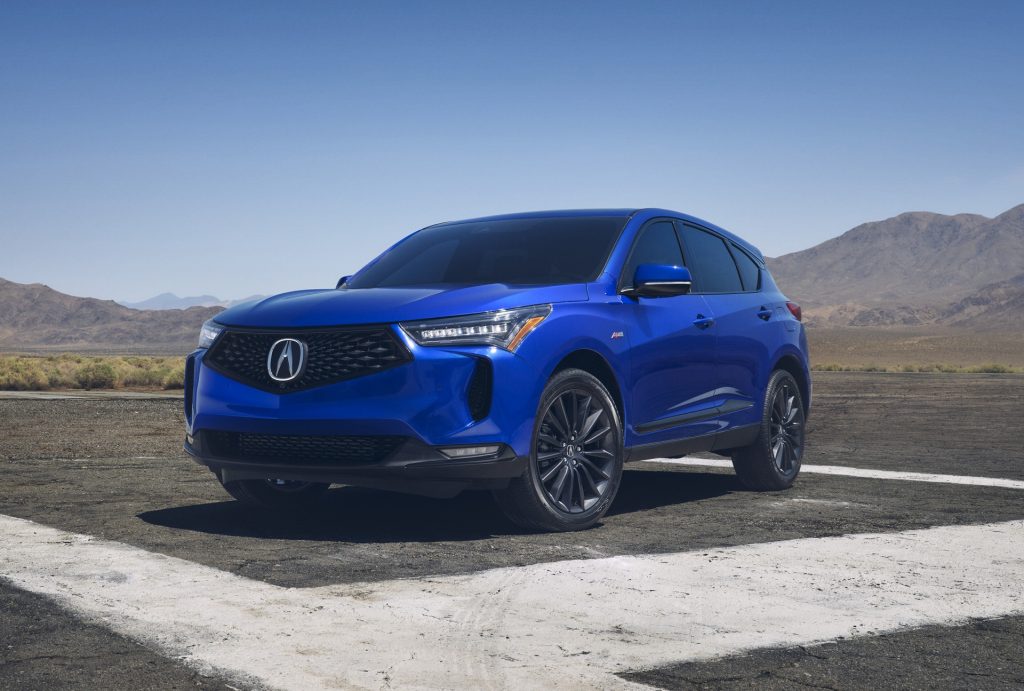
The current RDX’s disappearance is therefore less about Acura abandoning the compact luxury SUV segment and more about the company resetting one of its longest-running nameplates before its next generation arrives.
6. Tesla Model X
The Tesla Model X is reaching the end of its U.S. production run after the 2026 model year, bringing the curtain down on one of the earliest luxury electric SUVs.
Tesla introduced the Model X for the 2016 model year, making its disappearance particularly notable because the vehicle helped establish the idea that a battery-electric SUV could combine three-row seating with serious performance. Tesla confirmed the end of the model for 2027, with the final 2026 vehicles serving as the closing chapter.
Few SUVs have had a more recognizable design feature than the Model X’s falcon-wing rear doors. They were intended to make rear-seat access easier in tight spaces while giving the SUV an unmistakable appearance. The vehicle also became famous for acceleration that rivaled dedicated sports cars.
The current Model X uses a dual-motor all-wheel-drive system in its standard configuration, while the Model X Plaid adds a third motor and substantially greater performance. Tesla lists the Plaid with three high-performance motors and a claimed 1,020 horsepower.
The Model X’s departure also illustrates how quickly the luxury EV segment has changed. When it arrived, there were relatively few three-row electric SUVs available in the United States. Today, buyers can choose from vehicles such as the Rivian R1S, Kia EV9, and Cadillac Escalade IQ, giving consumers considerably more choice.
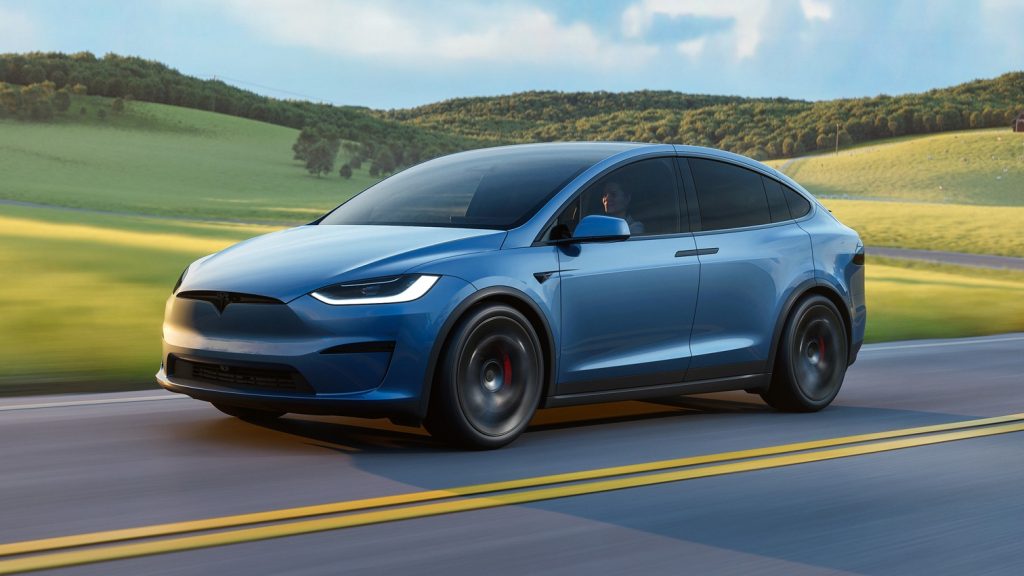
Tesla has not announced a direct Model X replacement for the 2027 model year. The Model Y continues as Tesla’s main SUV offering, including the larger Model Y L, while the Model X leaves the lineup after more than a decade.
For owners and collectors, the Model X’s combination of falcon-wing doors, three-row capability, and extreme acceleration gives it a distinctive place in Tesla history. Its retirement marks the end of a nameplate that helped define the first generation of premium electric SUVs.
7. BMW iX
The BMW iX is another nameplate leaving the U.S. market after the 2026 model year. BMW’s first dedicated modern electric SUV in the United States arrived for the 2022 model year, serving as a technology showcase for the company’s fifth-generation electric architecture.
For 2027, the iX will no longer be offered in America. Both MotorTrend and Car and Driver list the 2026 model year as its final U.S. run.
The iX’s departure is notable because BMW did not treat it as simply an electric version of an existing gasoline SUV. The vehicle was designed from the beginning around an electric platform, with a distinctive body, spacious cabin, and a technology-heavy interior.
Its construction also incorporated lightweight materials and a carbon-fiber-reinforced structure in parts of the body.
For 2026, BMW offered the iX in several configurations, including the xDrive60 and high-performance M70 xDrive. The M70 produces up to 650 horsepower and 811 lb-ft of torque with launch control, giving the large luxury SUV extremely strong straight-line performance.
Range has also been one of the iX’s strengths. Depending on configuration and equipment, EPA-estimated range reaches into the 300-mile territory, making it much more than a short-distance urban EV.
BMW’s decision does not mean the company is leaving the electric-SUV market. The iX is being phased out as BMW moves toward its next generation of electric vehicles and broader product changes. Car and Driver describes the iX as ending after 2026 in the United States, while the broader BMW lineup continues to add electric models.
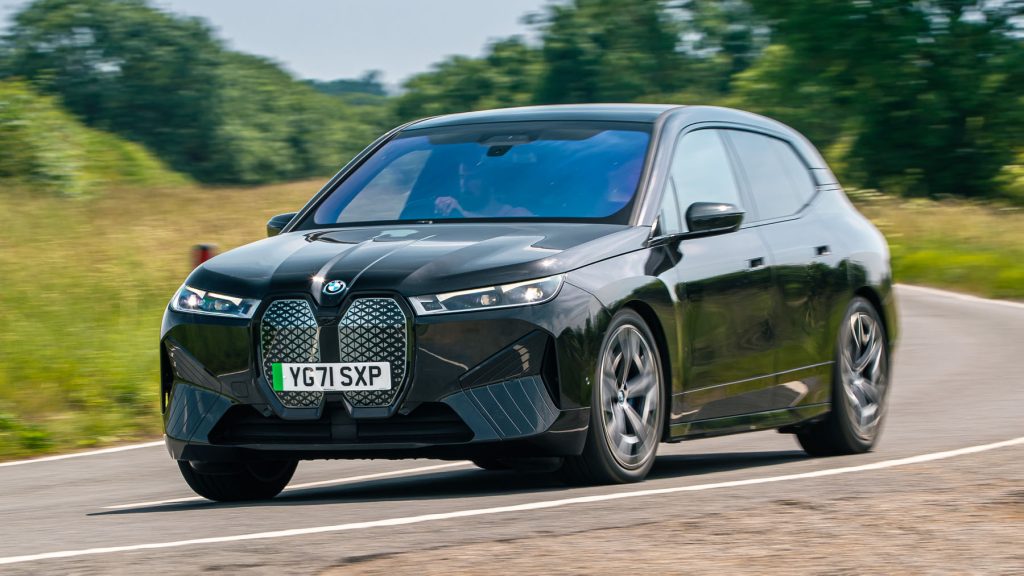
The iX therefore leaves behind an unusual legacy. It was never BMW’s highest-volume SUV, but it served as an important demonstration of what the company’s dedicated EV technology could accomplish.
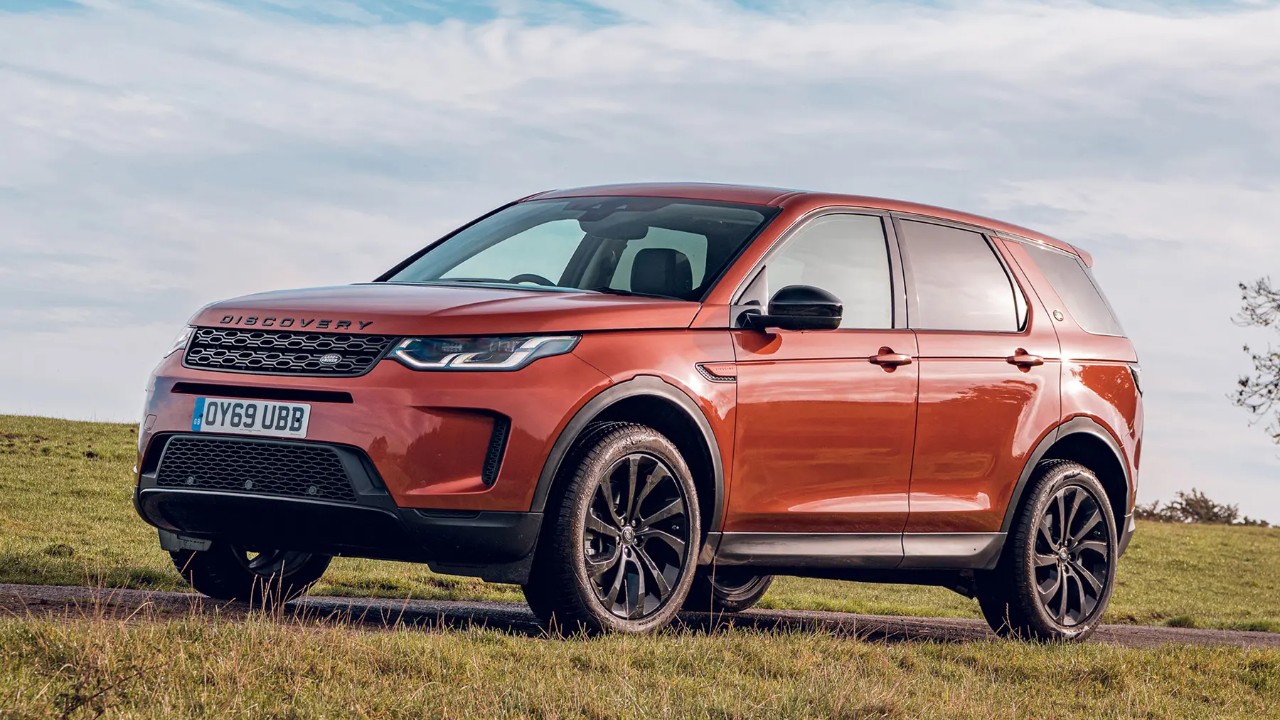
8. Land Rover Discovery Sport
The Land Rover Discovery Sport is scheduled to leave the U.S. market after the 2026 model year, ending more than a decade of production for one of Land Rover’s smallest SUVs. Car and Driver lists the Discovery Sport among the models disappearing for 2027, with the current generation’s U.S. run ending after 2026.
Introduced as a replacement for the Freelander 2 in many markets, the Discovery Sport arrived in the United States for the 2015 model year. It occupied an unusual position in Land Rover’s lineup because it offered a relatively compact footprint while retaining the brand’s emphasis on all-weather capability and elevated ground clearance.
Unlike the larger Discovery and Range Rover models, the Discovery Sport was designed to appeal to buyers who wanted a smaller luxury SUV. Certain configurations offered three-row seating, giving the vehicle an unusual amount of flexibility for its exterior dimensions.
The U.S. lineup used turbocharged four-cylinder engines, with later versions adopting mild-hybrid assistance. Depending on model year and configuration, output varied, with the current P250 version producing 246 horsepower and 269 lb-ft of torque.
The vehicle’s departure comes as Jaguar Land Rover restructures its product portfolio. Car and Driver identifies 2026 as the final year for the Discovery Sport in the United States, while Land Rover’s newer lineup increasingly centers on the Defender, Discovery, Range Rover, and Range Rover Sport families.
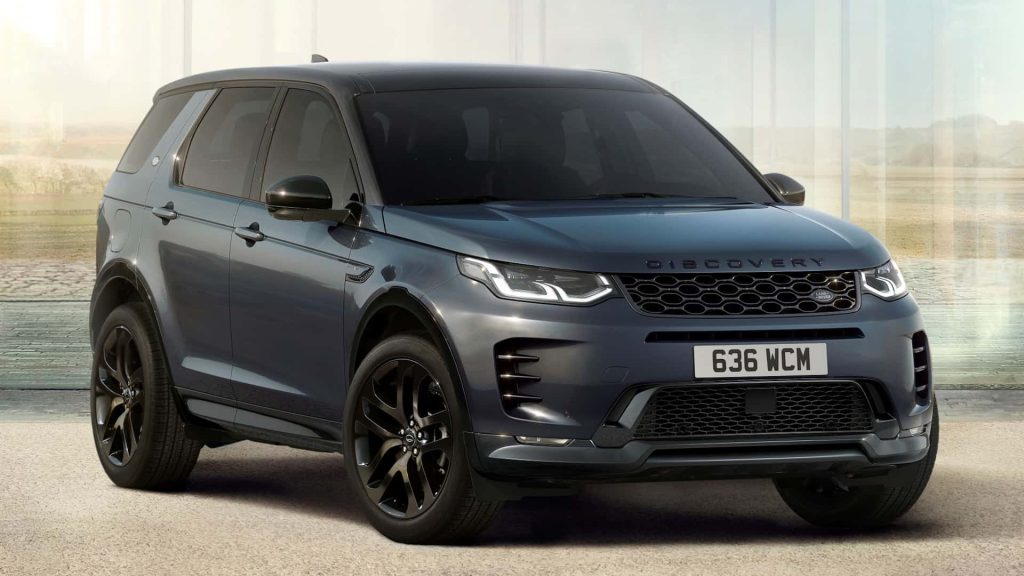
For buyers who want a compact Land Rover, the disappearance creates a noticeable gap. The brand’s larger models remain available, but the Discovery Sport’s relatively small dimensions and available third-row configuration gave it a distinct role.
Its retirement is therefore another example of how manufacturers are simplifying SUV lineups while concentrating investment on nameplates with clearer long-term positions.
9. Lexus LC
The Lexus LC is reaching the end of its production run after the 2026 model year, bringing an end to one of the most distinctive luxury coupes and convertibles sold in the United States.
Lexus introduced the LC in 2018, positioning it as a flagship grand tourer with dramatic styling and a naturally aspirated V8. Car and Driver reports that production of the LC is scheduled to end in August 2026.
Unlike many discontinued vehicles, the LC is not disappearing because Lexus has simply replaced it with another model carrying the same basic mission. Its role in the lineup was unusually specialized.
The LC was built as a low-volume luxury performance car, with a long hood, low roofline, and a cabin designed around grand-touring comfort rather than practicality.
For its final year, the LC 500 uses a 5.0-liter naturally aspirated V8 producing 471 horsepower. Lexus pairs it with a 10-speed automatic transmission and rear-wheel drive. The LC 500 Convertible uses the same basic powertrain.
Lexus also offered the LC 500h hybrid, although that version uses a 3.5-liter V6 and hybrid system rather than the V8.
The LC’s relatively low sales volume helps explain why its disappearance is significant without representing a major change to Lexus’ mainstream lineup. Forbes reported that Lexus sold only 689 examples during the first six months of 2026, illustrating the limited market for a large, expensive two-door luxury car.
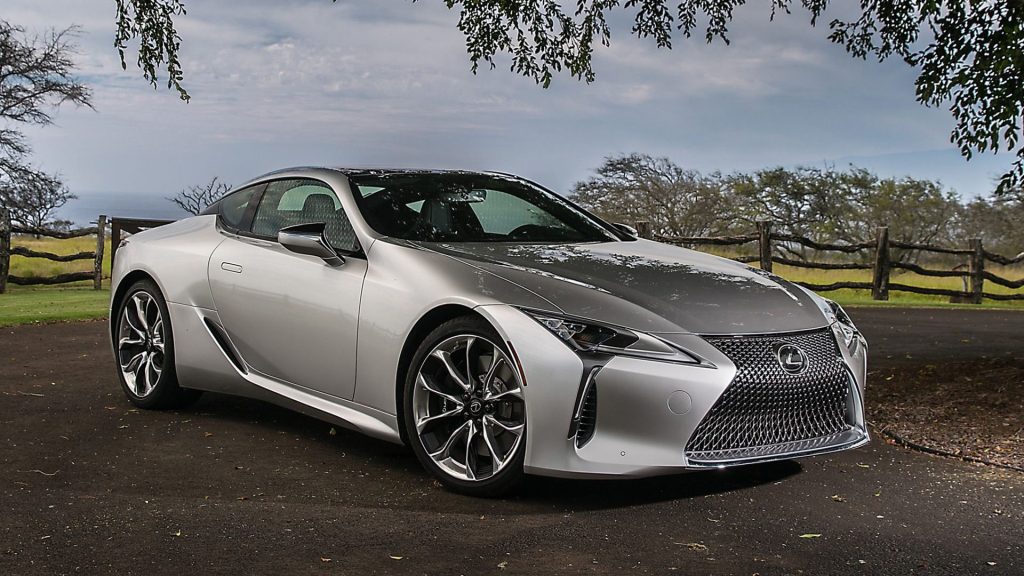
Its departure also closes an important chapter for Lexus. The LC brought an emotional, high-performance character to a brand better known for luxury sedans and SUVs.
After 2026, buyers looking for a new Lexus with the LC’s combination of V8 power, rear-wheel drive, and grand-touring design will no longer have that exact option.
10. Lexus LS
The Lexus LS is another major nameplate disappearing from the U.S. lineup for the 2027 model year. Its retirement carries particular significance because the LS was the original flagship that established Lexus in the luxury-car market when the brand launched in the late 1980s.
Lexus has confirmed that 2026 is the final model year, with the last version offered as a limited LS 500 AWD Heritage Edition.
The final LS is quite different from the vehicle that first challenged established European luxury sedans. Instead of multiple configurations, Lexus has limited the 2026 U.S. lineup to the LS 500 AWD Heritage Edition, with only 250 examples planned for the American market. The special edition starts at $99,380, including the delivery, processing, and handling fee.
Power comes from a 3.4-liter twin-turbocharged V6 producing 416 horsepower and 442 lb-ft of torque. A 10-speed automatic transmission sends power through an all-wheel-drive system, and Lexus quotes a 0-to-60-mph time of 4.6 seconds.
The LS has also represented a different approach to luxury than many newer performance-focused sedans. Its emphasis has traditionally been on quietness, ride quality, craftsmanship, and rear-seat comfort, although the latest generation gained considerably more performance capability.
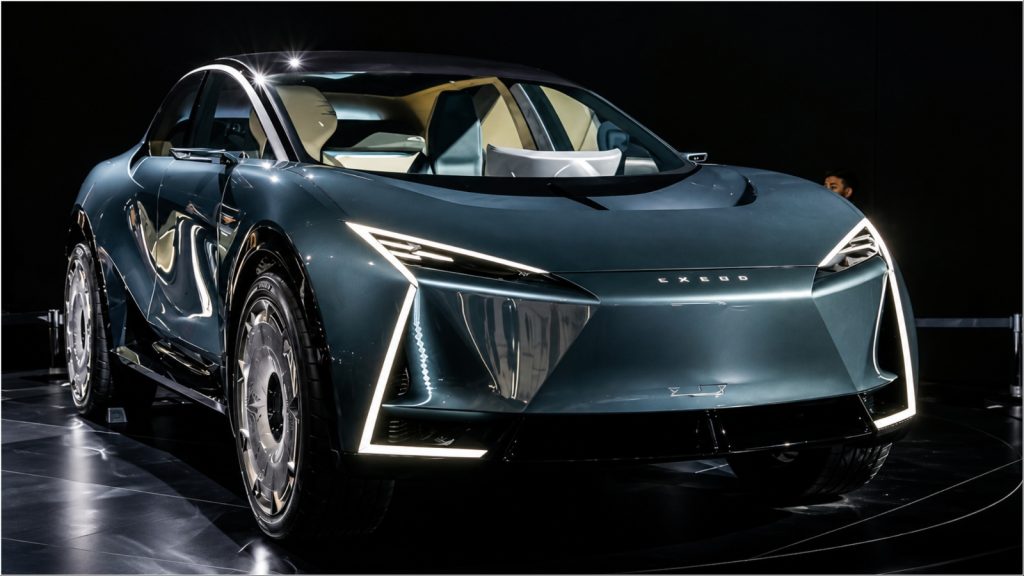
Its disappearance reflects the changing U.S. luxury market, where large flagship sedans have faced declining demand while luxury SUVs have become increasingly important. Forbes lists the LS among the vehicles ending after the 2026 model year and notes that the model is leaving after four decades as Lexus’ flagship sedan.
With the 2026 Heritage Edition serving as its final U.S. version, the LS ends not merely as another discontinued sedan but as the nameplate that originally gave Lexus its place in the American luxury market.