
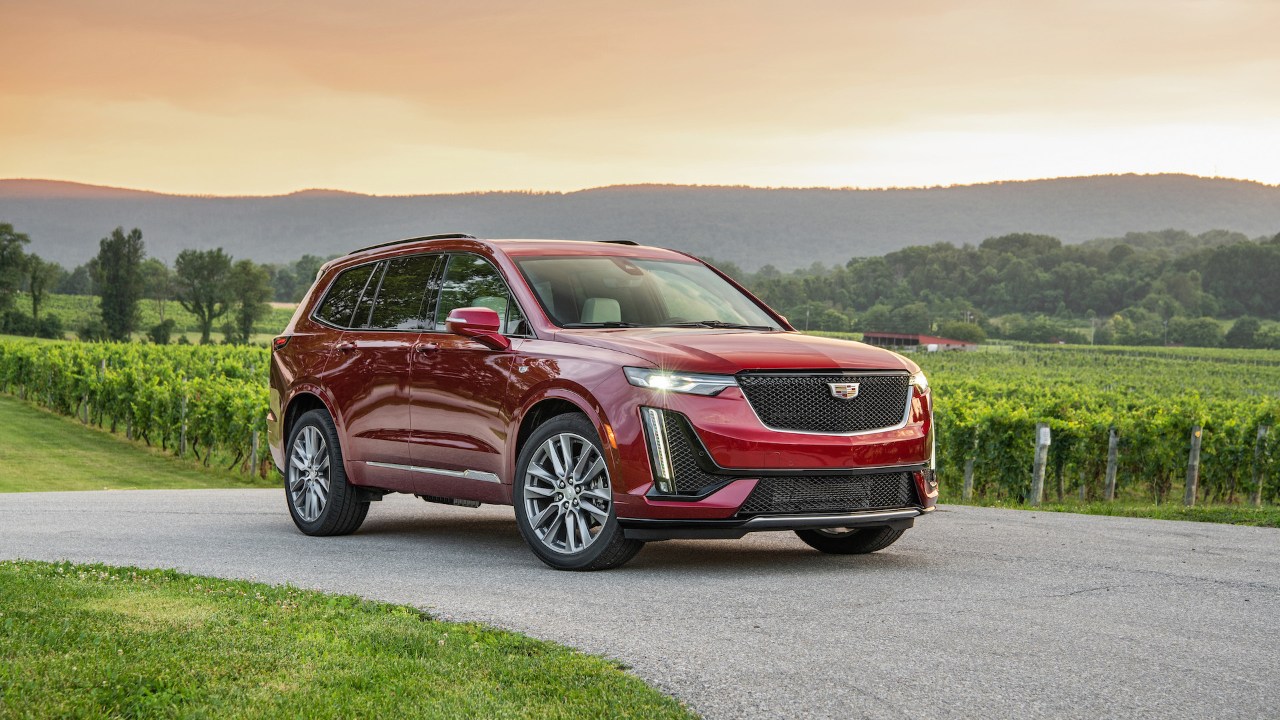
V6 engines are becoming harder to find as automakers shift toward turbocharged four-cylinders, hybrids, and electric powertrains. Yet several new U.S.-market SUVs still offer six-cylinder engines, giving buyers more traditional power delivery, strong towing ability, and, in some cases, a useful alternative to downsized engines.
The choices range from midsize family SUVs to luxury models and full-size body-on-frame vehicles. Some use naturally aspirated V6s, while others rely on turbocharging or combine the engine with hybrid assistance.
The following 11 SUVs currently offer a V6 in the U.S. market, with specifications verified against manufacturer information and current model data.
1. Honda Pilot
Honda has resisted the industry’s rush toward smaller turbocharged engines with the current Pilot, which continues to use a naturally aspirated 3.5-liter V6.
For 2026, the engine produces 285 horsepower and 262 lb-ft of torque, paired with a 10-speed automatic transmission. Honda also offers its i-VTM4 all-wheel-drive system, while maximum towing capacity reaches 5,000 pounds when properly equipped.
That combination gives the Pilot a particularly useful balance for families that regularly carry passengers, luggage, or a trailer.
The Pilot’s V6 is not about chasing sports-car acceleration. Its appeal comes from predictable power delivery and the ability to produce useful torque without depending on a small-displacement turbocharger.
Honda’s Variable Cylinder Management system can also deactivate cylinders during certain operating conditions to improve efficiency.
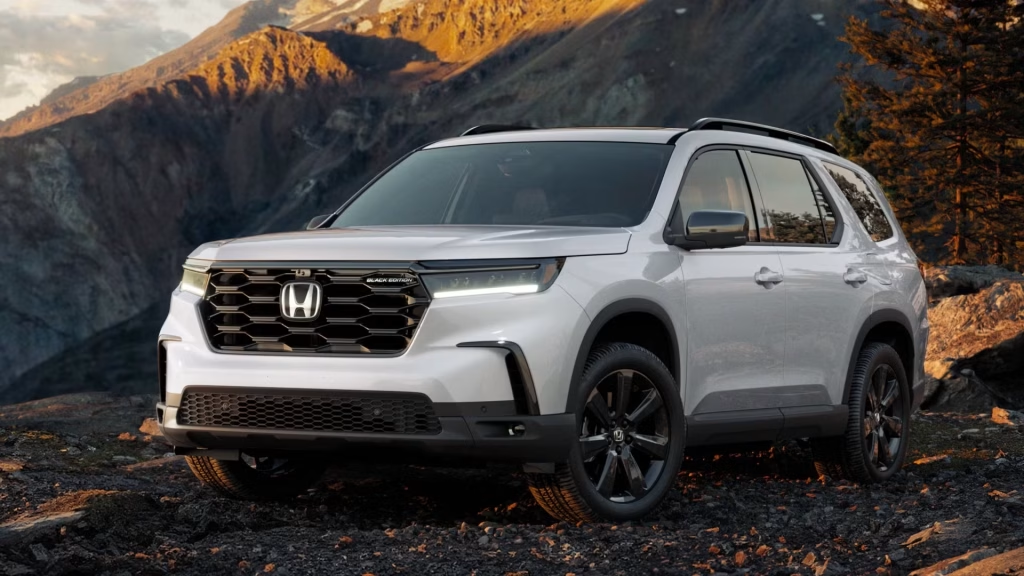
There are several versions of the Pilot, including the TrailSport, which adds off-road-oriented hardware while retaining the same basic V6 powertrain. That makes the engine relevant beyond ordinary family transportation.
The current Pilot is 199.9 inches long and 78.5 inches wide, giving it enough room for three rows while maintaining a conventional midsize SUV footprint. With seating for up to eight depending on configuration, it remains one of the more practical V6 choices for buyers who do not want to move into a full-size SUV.
2. Honda Passport
The redesigned Honda Passport keeps its V6 at a time when many midsize SUVs are moving to turbocharged four-cylinder engines. The 2026 Passport uses a 3.5-liter naturally aspirated V6 producing 285 horsepower and 262 lb-ft of torque, connected to a 10-speed automatic transmission.
Every Passport also uses Honda’s i-VTM4 all-wheel-drive system, giving the V6-powered SUV a strong foundation for towing and rougher terrain.
What makes the Passport particularly interesting is how Honda has repositioned it. The latest generation is more rugged than its predecessor, with the TrailSport version receiving all-terrain tires, an off-road-tuned suspension, skid plates, recovery points, and seven drive modes.
Honda rates the Passport for up to 5,000 pounds of towing capacity, making the V6 useful for more than simply moving the SUV itself.
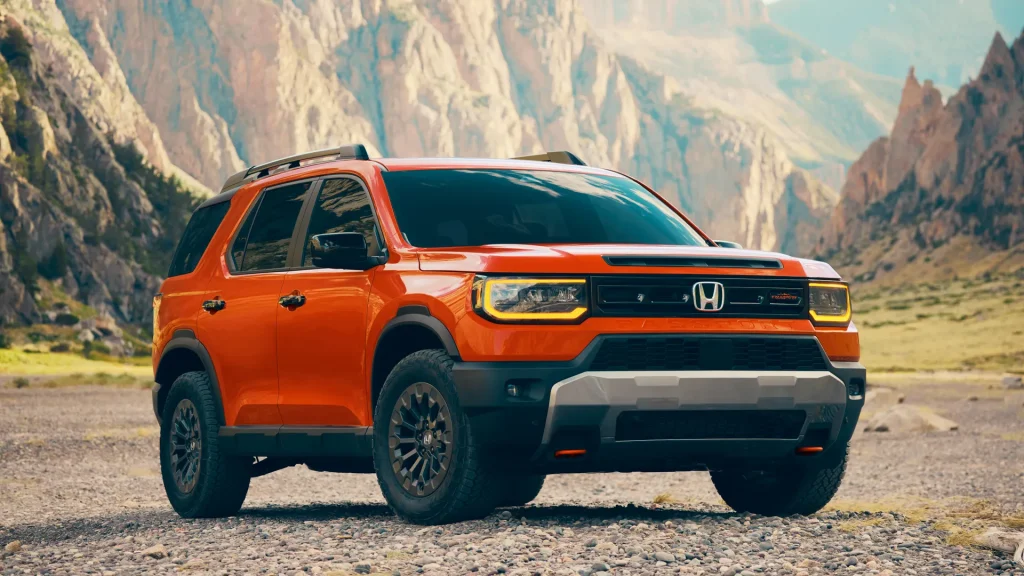
The naturally aspirated layout also gives the engine a straightforward character. There is no turbocharger involved, and Honda’s direct-injection system works with Variable Cylinder Management to help balance performance and efficiency.
At 191.6 inches long and 78.6 inches wide, the Passport is shorter than the Pilot and designed around five-passenger practicality rather than three-row seating. With standard AWD, V6 power, and towing capability, it remains one of the more distinctive naturally aspirated V6 SUVs available in the American market.
3. Jeep Grand Cherokee
The Jeep Grand Cherokee is unusual among modern midsize SUVs because the V6 has survived even as Jeep has introduced a newer turbocharged four-cylinder. For 2026, the 3.6-liter Pentastar V6 remains standard on the Laredo and Laredo X, producing 293 horsepower and 260 lb-ft of torque.
Jeep also rates the V6 Grand Cherokee for up to 6,200 pounds of towing, giving the engine a practical advantage for buyers who regularly pull boats, trailers, or recreational equipment.
The 2026 model year actually makes the choice more interesting. Jeep added a 2.0-liter Hurricane turbocharged four-cylinder that produces up to 324 horsepower and 332 lb-ft of torque, but it is not available on the Laredo and Laredo X. That leaves the V6 as the standard gasoline engine for those versions.
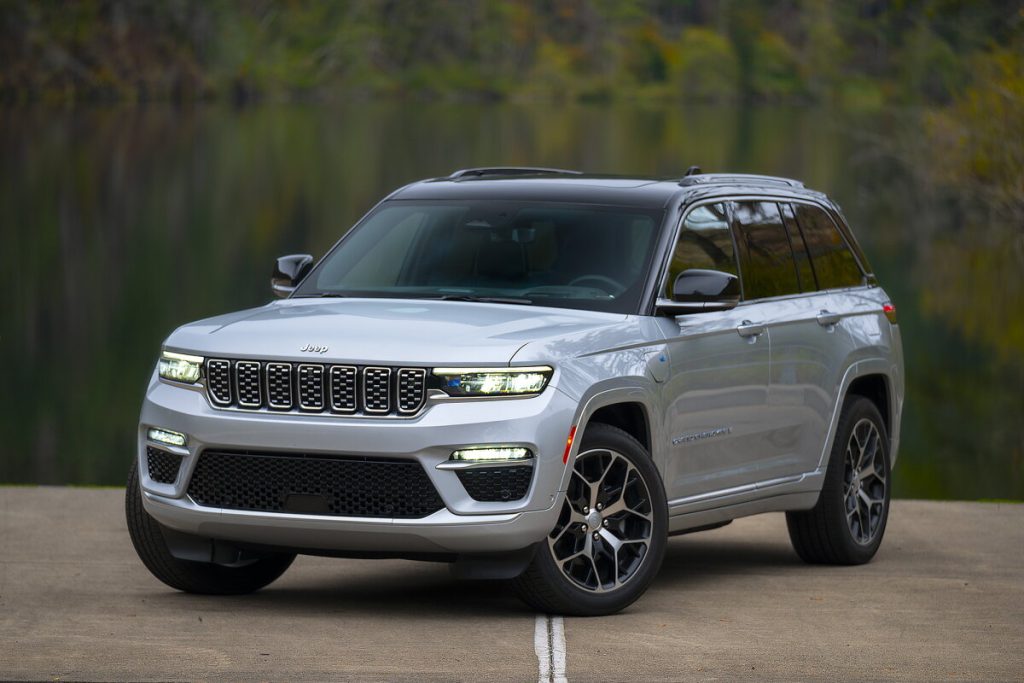
The Pentastar also uses electronic stop/start technology to reduce fuel consumption when the vehicle is stationary. Buyers can pair the Grand Cherokee with different four-wheel-drive systems depending on trim, while Selec-Terrain provides drive modes designed for conditions such as snow, mud, sand, and rock.
This makes the V6 Grand Cherokee particularly relevant for people who want a traditional six-cylinder SUV without stepping into a full-size model. It also provides a substantial towing rating in a package that remains easier to maneuver than larger body-on-frame SUVs.
4. Nissan Pathfinder
Nissan has kept a naturally aspirated V6 in the Pathfinder while several competitors have switched to turbocharged four-cylinder engines.
The 2026 Pathfinder uses a 3.5-liter direct-injection V6 producing 284 horsepower and 259 lb-ft of torque, paired with a nine-speed automatic transmission. The Rock Creek trim receives a higher-output calibration rated at 295 horsepower and 270 lb-ft.
That engine gives the Pathfinder a particularly useful advantage for families who tow. Nissan rates the SUV for up to 6,000 pounds of maximum towing capacity, while available Intelligent 4×4 adds selectable terrain modes and a more capable setup for slippery or uneven surfaces.
The Pathfinder’s V6 is also part of a broader return to conventional automatic transmissions. Rather than using a continuously variable transmission, Nissan pairs the engine with a nine-speed automatic that includes manual mode and paddle shifters. That setup gives the SUV a more traditional response under acceleration and while towing.
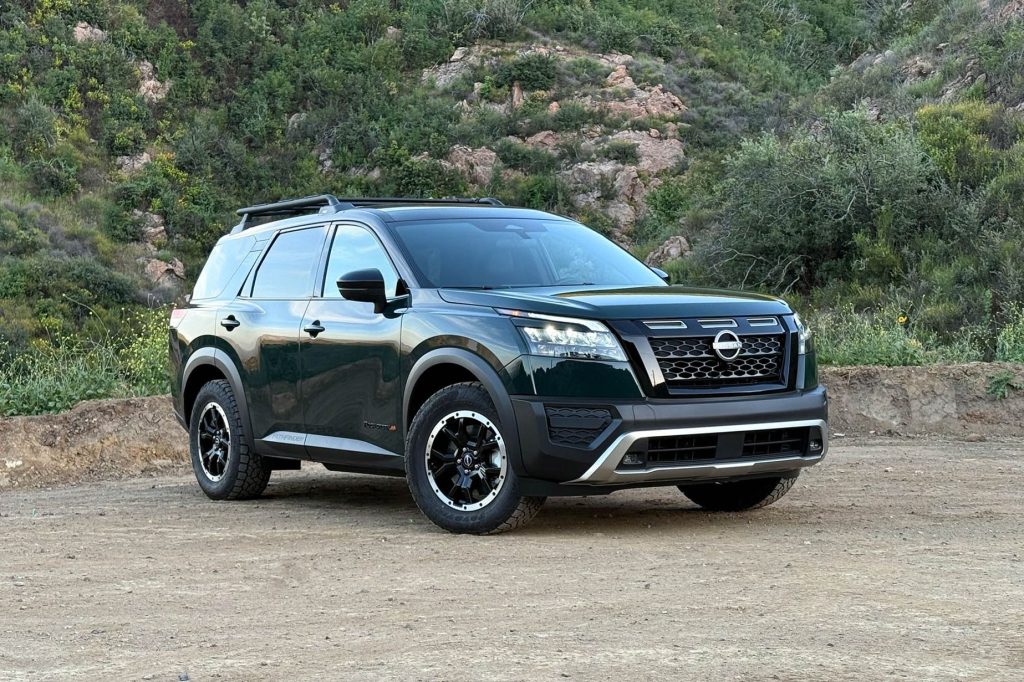
The Rock Creek version is the standout if off-road capability is a priority. Its 295-horsepower version of the V6 is paired with four-wheel drive and all-terrain equipment, making the engine useful in a very different environment from the standard family-oriented trims.
With seating for up to eight passengers, the Pathfinder occupies a practical middle ground between midsize crossovers and larger SUVs. Its continued V6 availability also means buyers do not have to accept a turbocharged four-cylinder simply to get three-row seating.
5. Acura MDX
The Acura MDX offers something that has become increasingly rare in the luxury SUV market, a naturally aspirated V6 engine.
The 2026 MDX uses a 3.5-liter V6 producing 290 horsepower and 267 lb-ft of torque, while the performance-focused MDX Type S replaces it with a 3.0-liter turbocharged V6 rated at 355 horsepower and 354 lb-ft. Acura pairs the engines with a 10-speed automatic transmission.
The standard V6 is particularly interesting because Acura has not simply downsized the engine to a turbocharged four-cylinder for the regular MDX. Instead, the naturally aspirated configuration remains available across much of the lineup.
It also uses Variable Cylinder Management, allowing the engine to deactivate cylinders under certain conditions to reduce fuel consumption.
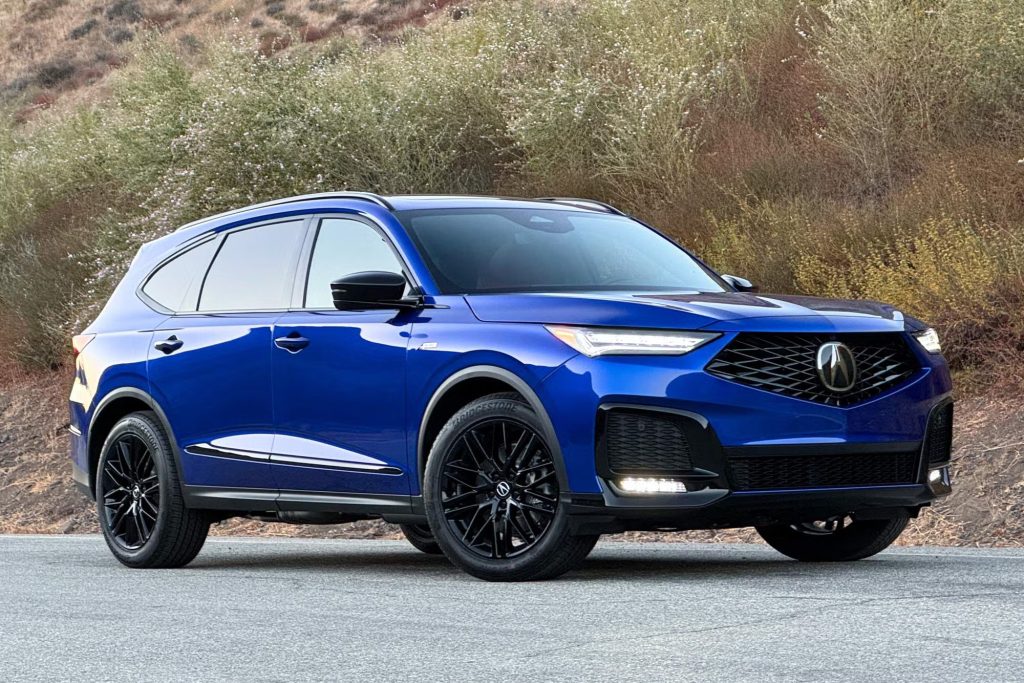
For buyers who want more performance, the Type S changes the character considerably. Its twin-scroll turbocharger generates substantially more torque, with the 354 lb-ft peak available from 1,400 to 5,000 rpm. Acura also equips the Type S with Super Handling All-Wheel Drive, larger brakes, and an available air suspension.
The MDX measures roughly 199.7 inches long and 78.7 inches wide, and Acura offers seating for up to seven. With SH-AWD, maximum towing capacity reaches 5,000 pounds.
That combination gives buyers two very different interpretations of the V6 formula in one SUV family: a smooth naturally aspirated engine for everyday driving or a turbocharged version aimed at performance.
6. Lexus GX
The Lexus GX takes the V6 formula in a completely different direction. Rather than using a naturally aspirated engine, the current GX relies on a 3.4-liter twin-turbocharged V6 producing 349 horsepower and 479 lb-ft of torque. Lexus pairs it with a 10-speed automatic transmission and a body-on-frame platform designed for serious off-road use.
That torque figure is the headline number. The GX’s 479 lb-ft arrives from relatively low engine speeds, giving the SUV the kind of pulling force that is useful when climbing steep terrain, carrying passengers and gear, or towing.
Lexus rates the GX for up to 9,096 pounds of towing capacity when properly equipped, putting it among the more capable luxury SUVs available to American buyers.
The drivetrain also reflects its truck-based construction. Four-wheel-drive hardware with a low-range transfer case is standard, while certain versions add equipment such as electronically controlled locking differentials and adaptive suspension technology. The Overtrail versions are specifically configured for more demanding off-road conditions.
Despite that rugged foundation, the GX is positioned as a luxury vehicle. The cabin combines premium materials and modern technology with the mechanical hardware expected from a traditional off-road SUV.
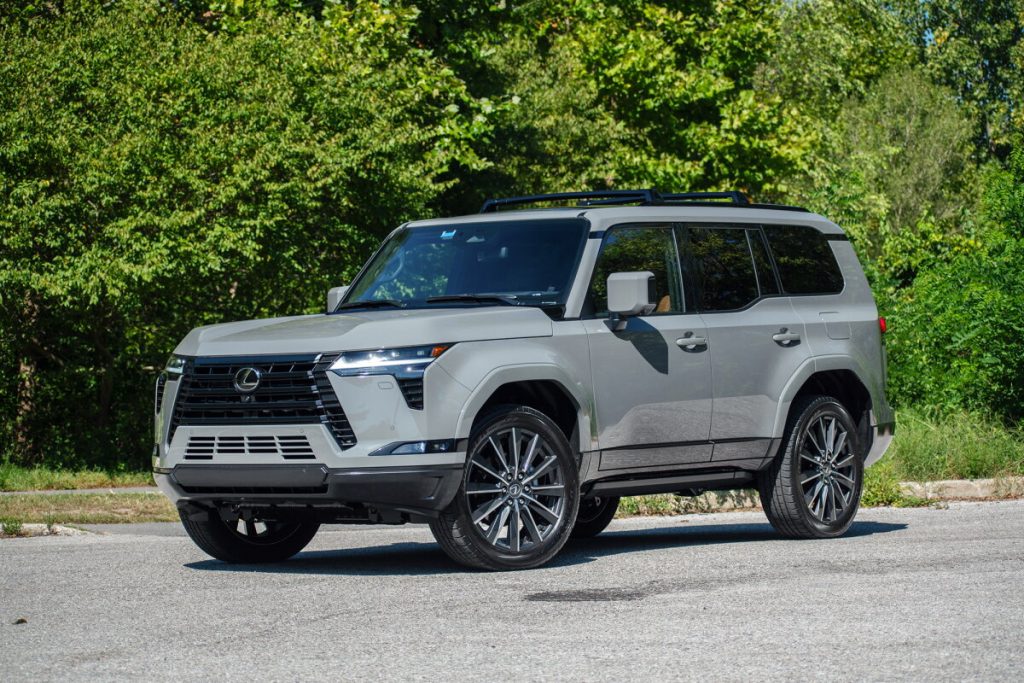
At roughly 197 inches long and 83.2 inches wide, the GX has a substantial footprint. It is not designed to be a lightweight crossover, and its fuel economy reflects that mission.
For buyers who still want a V6 but need substantially more towing and off-road capability than a typical midsize crossover provides, the GX remains one of the clearest examples of why six-cylinder engines have not disappeared completely.
7. Ford Explorer
The Ford Explorer remains one of the few mainstream three-row SUVs where buyers can still step up to a turbocharged V6. For 2026, Ford offers a 3.0-liter EcoBoost V6 producing 385 horsepower and 415 lb-ft of torque.
The engine is standard in the ST and available in the Tremor, giving buyers a substantially stronger powertrain than the standard 2.3-liter four-cylinder. Ford pairs the V6 with a 10-speed automatic transmission.
The V6 Explorer is particularly interesting because Ford has not reserved the engine exclusively for a high-priced luxury SUV. The ST turns the Explorer into a performance-oriented family vehicle, while the Tremor takes the same basic powertrain in a more adventure-focused direction. Both versions retain the Explorer’s three-row layout.
Towing is another reason the V6 remains relevant. Ford rates the 2026 Explorer for up to 5,000 pounds, and that capacity applies to both the 2.3-liter and 3.0-liter engines when properly equipped. The Explorer also offers selectable drive modes, including Tow/Haul and terrain-focused settings.
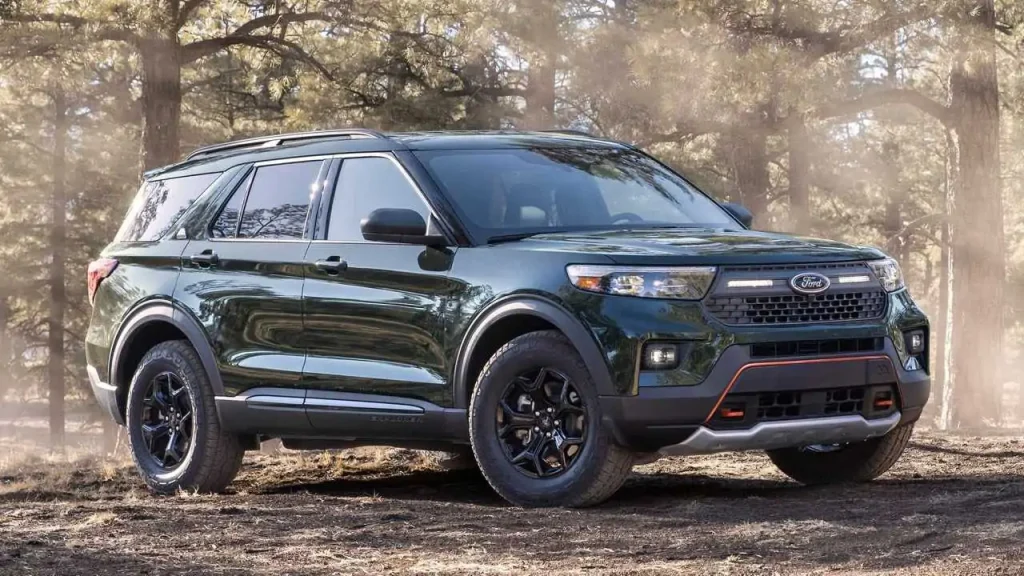
With a 198.7-inch length and 78.9-inch body width excluding mirrors, the Explorer is large enough to provide three rows without reaching full-size SUV dimensions. Ford lists seating for up to seven passengers.
For buyers who want a V6 without moving into a body-on-frame SUV, the Explorer provides a useful middle ground. Its twin-turbo engine delivers strong torque while retaining the packaging and road manners of a crossover-based family SUV.
8. Nissan Armada
The Nissan Armada is one of the most powerful mainstream V6 SUVs available in the United States. Its current-generation model uses a 3.5-liter twin-turbocharged V6 producing 425 horsepower and 516 lb-ft of torque, paired with a nine-speed automatic transmission.
The combination replaced the previous Armada’s naturally aspirated V8, showing how Nissan has downsized the engine without giving up substantial pulling power.
That torque figure is central to the Armada’s identity. The SUV is built on a body-on-frame architecture and is rated to tow up to 8,500 pounds, putting it firmly in full-size SUV territory. Available four-wheel-drive versions add a two-speed transfer case, while the PRO-4X and NISMO versions take the powertrain in very different directions.
The NISMO version raises output further to 460 horsepower, while retaining the same 516 lb-ft torque rating. Nissan also offers an available adaptive electronic air suspension, which can alter ride height depending on driving conditions.
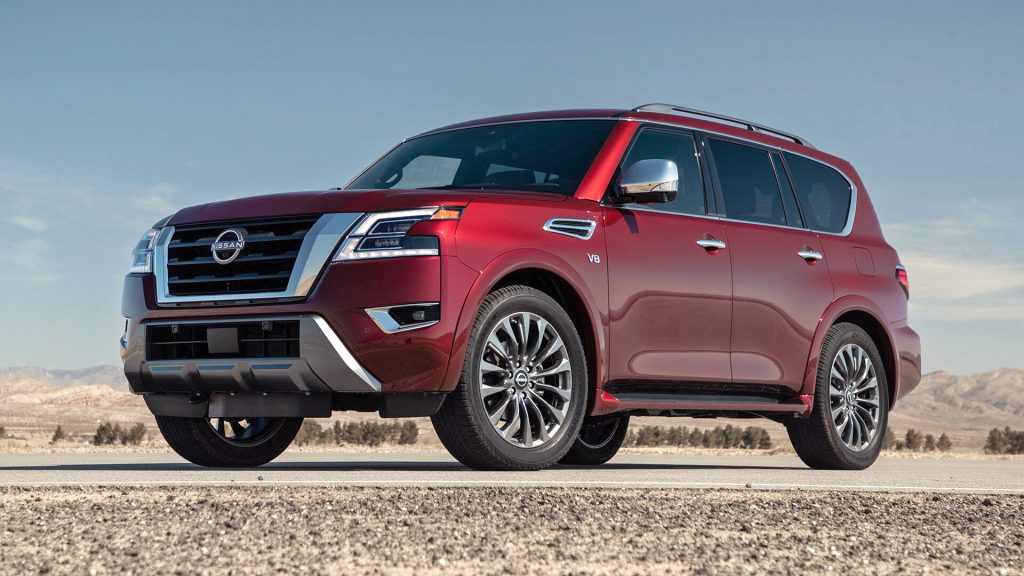
Size is another part of the Armada story. The standard body measures 209.6 inches long and 83.3 inches wide, making it considerably larger than midsize V6 SUVs such as the Explorer or Pilot. Depending on configuration, it can seat seven or eight people.
The Armada demonstrates that a V6 does not necessarily mean a small engine focused primarily on efficiency. Here, twin turbochargers turn a relatively compact displacement into the kind of output traditionally associated with much larger engines.
9. Toyota Sequoia
The Toyota Sequoia has taken a different route from most V6-powered SUVs by pairing its six-cylinder engine with a hybrid system as standard equipment. The 2026 Sequoia uses a 3.4-liter twin-turbocharged V6 with Toyota’s i-FORCE MAX hybrid system, producing 437 horsepower and 583 lb-ft of torque.
Toyota pairs it with a 10-speed automatic transmission, and maximum towing capacity reaches approximately 9,500 pounds when properly equipped.
The hybrid assistance is not simply there to improve fuel economy. The electric motor contributes substantial torque, helping the large SUV move away from a stop and providing additional pulling strength when towing. Toyota estimates up to 22 mpg combined for certain configurations, which is notable for a full-size three-row SUV.
The Sequoia also retains the body-on-frame construction associated with Toyota’s truck-based SUVs. Available four-wheel-drive systems, selectable drive modes, and specialized TRD Pro equipment allow the platform to serve buyers who want more than highway transportation.
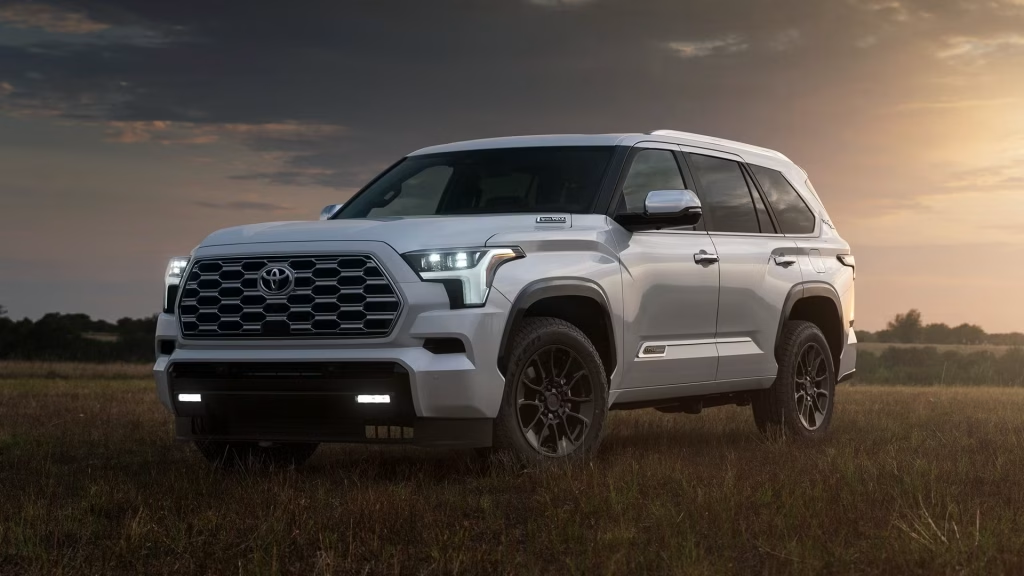
Size is part of the equation. The Sequoia measures about 208 inches long and 80 inches wide, placing it firmly in full-size SUV territory. It can also seat up to eight depending on configuration.
Its V6 therefore serves a very different purpose from the naturally aspirated engines in the Honda Pilot or Passport. Here, turbocharging and electric assistance transform a relatively small-displacement engine into a powertrain capable of moving a large SUV and substantial trailer.
10. Ford Expedition
The Ford Expedition demonstrates why V6 engines remain relevant in the full-size SUV segment. The 2026 Expedition uses a 3.5-liter EcoBoost twin-turbocharged V6, with the standard version producing 400 horsepower and 480 lb-ft of torque.
A high-output version increases those figures to 440 horsepower and 510 lb-ft. Both engines are paired with a 10-speed automatic transmission.
Ford’s approach is particularly useful for buyers who regularly tow. Depending on configuration, the Expedition can tow as much as 9,600 pounds, while the longer Expedition MAX can tow up to 9,000 pounds when properly equipped. Ford notes that towing capacity varies with configuration, equipment, passengers, and cargo.
The standard V6 also runs on regular 87-octane fuel, while the high-output engine requires premium fuel for its rated performance. That distinction matters for buyers comparing the two versions because fuel requirements can affect operating costs over thousands of miles.
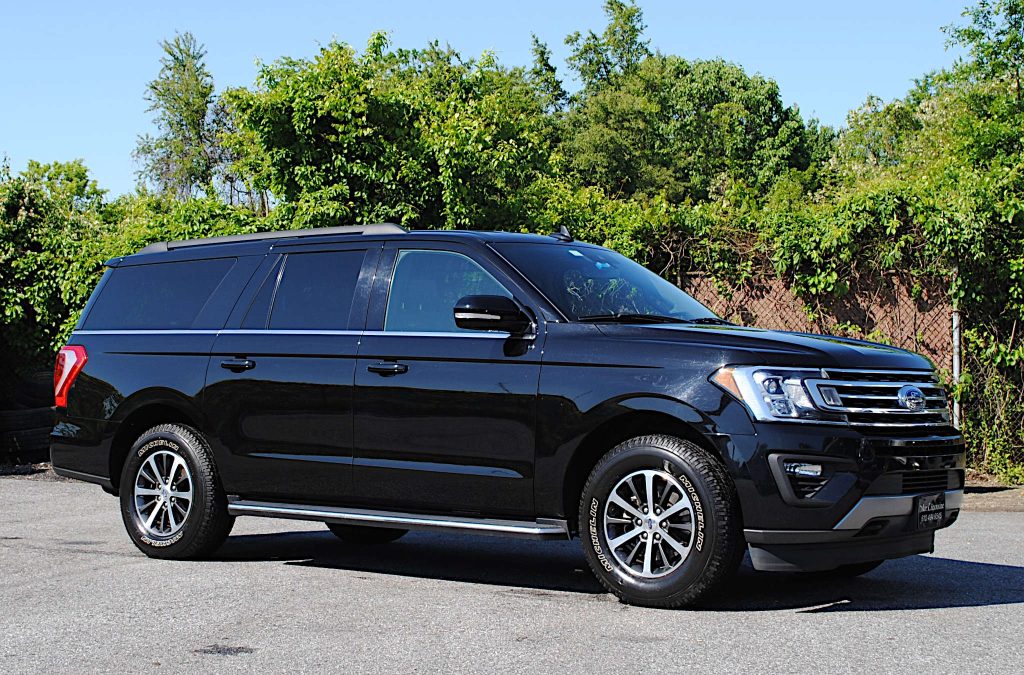
The Expedition’s dimensions reflect its purpose. The standard-wheelbase model measures about 209.9 inches long, while the MAX stretches substantially farther to create additional cargo room. The vehicle can accommodate up to eight passengers depending on configuration.
Unlike smaller crossover SUVs, the Expedition uses a body-on-frame chassis derived from Ford’s truck architecture. That construction allows the V6 to do considerably more than provide everyday acceleration. It is responsible for moving a large vehicle, hauling substantial cargo, and pulling heavy trailers.
11. Cadillac XT6
The Cadillac XT6 is one of the remaining three-row luxury SUVs in the United States that still offers a conventional V6.
For the 2026 model year, Cadillac’s XT6 uses a 3.6-liter naturally aspirated V6 producing 310 horsepower and 271 lb-ft of torque, paired with a nine-speed automatic transmission. Front-wheel drive is available on some configurations, while all-wheel drive is offered across the lineup.
The XT6’s engine is significant because Cadillac has increasingly moved toward turbocharged four-cylinder engines and electrified powertrains elsewhere in its portfolio.
The naturally aspirated V6 gives the XT6 a different power delivery, with peak torque arriving without relying on turbocharging. That can appeal to buyers who prefer the response of a larger-displacement engine.
Practicality remains central to the XT6. Cadillac offers seating for up to seven passengers, while the available all-wheel-drive system adds traction for snow and wet roads. The SUV is also rated to tow up to 5,000 pounds when properly equipped, giving the V6 a useful job beyond everyday commuting.
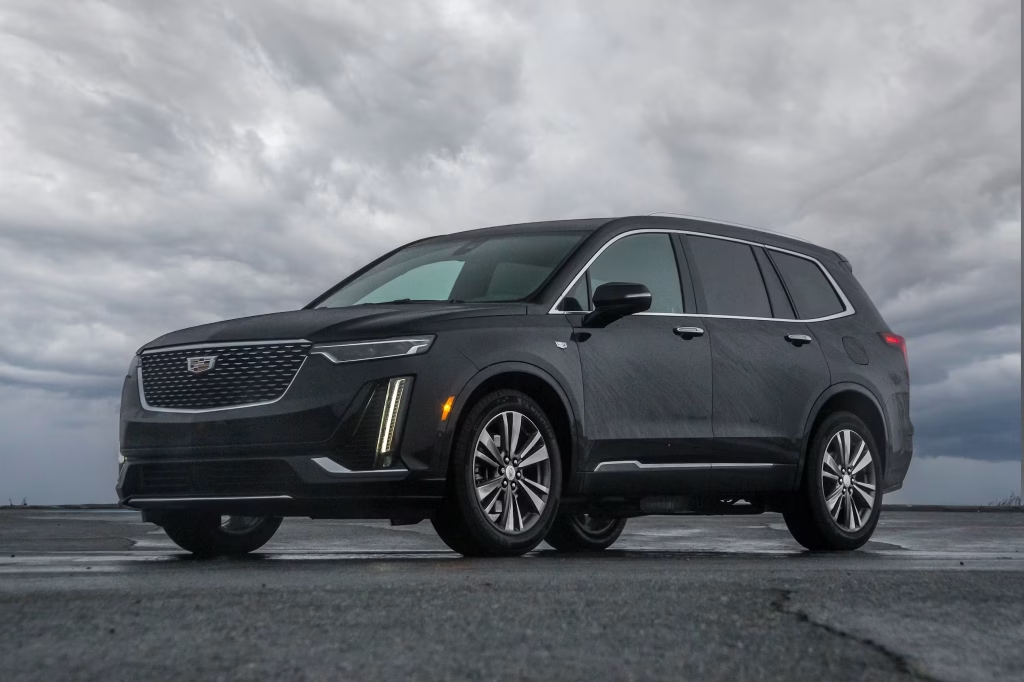
At approximately 198.5 inches long and 78.7 inches wide, the XT6 sits firmly in the midsize three-row luxury SUV category. Its dimensions provide enough space for three rows without requiring the footprint of a full-size luxury SUV.
The XT6 is also a useful reminder that V6 engines have not completely disappeared from premium family SUVs. While many competitors have downsized to turbocharged four-cylinder engines or moved toward hybrid systems, Cadillac continues to offer six-cylinder power in this segment.
