
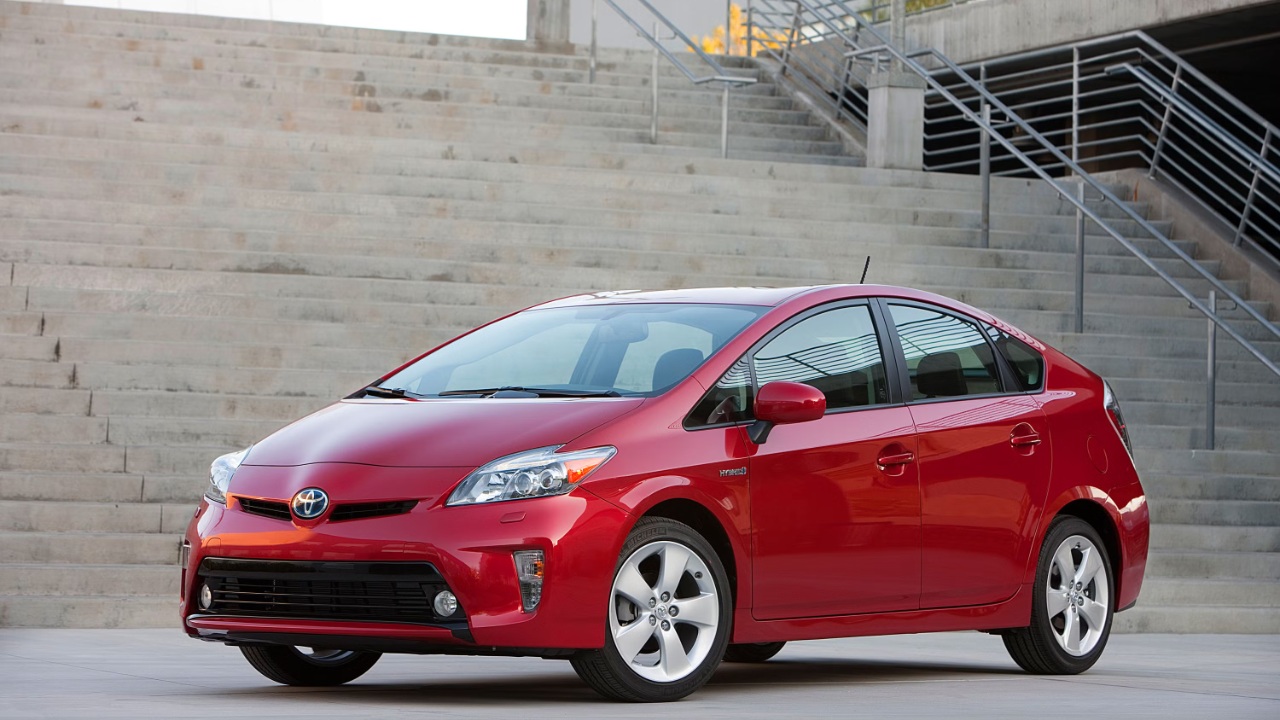
The Toyota Prius has spent decades proving that a hybrid can deliver exceptional fuel economy without sacrificing everyday practicality. However, not every Prius model year offers the same ownership experience.
Changes in hybrid hardware, safety equipment, software, battery systems, and recalls can make one generation more appealing than another on the used market. This comparison focuses on specific Prius model years rather than treating the entire lineup as one vehicle.
The strongest choices combine mature hybrid technology, useful standard equipment, and encouraging reliability records, while the years to approach cautiously have documented issues that buyers should investigate before purchasing a used example.
5 Best Toyota Prius Years
1. 2017 Toyota Prius
The 2017 Prius is an important model year because it sits within Toyota’s fourth-generation redesign, which began for 2016. Rather than carrying forward the previous generation’s architecture, the fourth-generation Prius introduced Toyota’s newer hybrid platform and a substantially different body and interior design.
Safety is one of its notable strengths. The Insurance Institute for Highway Safety gave the 2017 Prius a Top Safety Pick+ designation for vehicles built after August 2016. IIHS recorded good ratings in the major crashworthiness categories shown for the vehicle and rated the standard front crash-prevention system superior.
That matters to a used-car buyer because the 2017 model combines relatively modern safety technology with a powertrain that has now been on the road for years. Buyers are no longer evaluating a brand-new design without meaningful long-term ownership history.
The hybrid system is also central to the car’s appeal. The fourth-generation Prius was designed around Toyota’s latest hybrid architecture at the time, with efficiency remaining its primary mission. That makes the 2017 particularly interesting for drivers who want a used Prius without going back to an older generation.
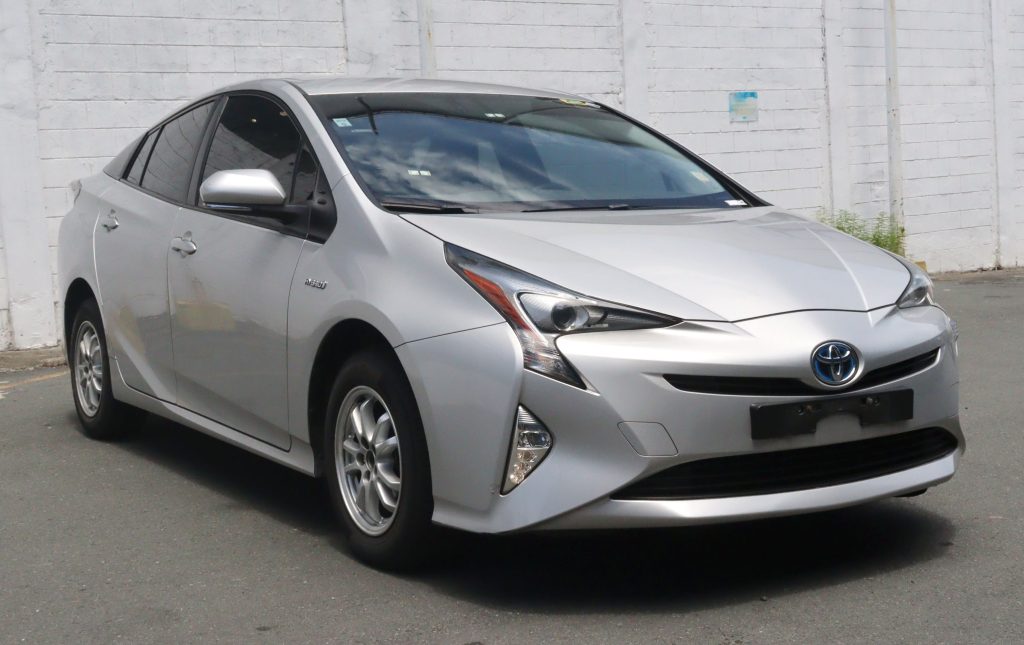
There is still a reason to inspect the individual vehicle carefully. At this age, battery condition, cooling-system maintenance, brake operation, suspension wear, and previous accident history can matter considerably more than the badge.
A 2017 example with documented maintenance and a clean inspection can therefore offer a strong combination of modern safety equipment, mature fourth-generation engineering, and the Prius’s characteristic fuel-saving focus. Its age also means buyers should place greater emphasis on condition than simply searching for the lowest advertised price.
2. 2019 Toyota Prius
The 2019 Prius is another interesting used-car year because it combines the fourth-generation platform with an important round of updates. Toyota made changes to the Prius for the 2019 model year, including exterior revisions and changes to the available technology and interior configuration.
Its reliability record is also notable. Consumer Reports currently describes the 2019 Prius as more reliable than other vehicles from the same model year based on its subscriber survey data. That does not mean every 2019 Prius will be trouble-free, but it provides useful context when comparing this model year with alternatives.
The safety record also deserves attention. The 2019 Prius received several NHTSA recalls, including a recall involving the combination meter that could cause the speedometer, odometer, and fuel gauge to go blank. Another recall concerned a potential loss of brake assist or vehicle stability-control functionality on affected vehicles.
Those recalls should not automatically disqualify the model. Recalls exist so manufacturers can correct identified safety problems, and buyers should verify that all applicable campaigns have been completed on the specific vehicle.
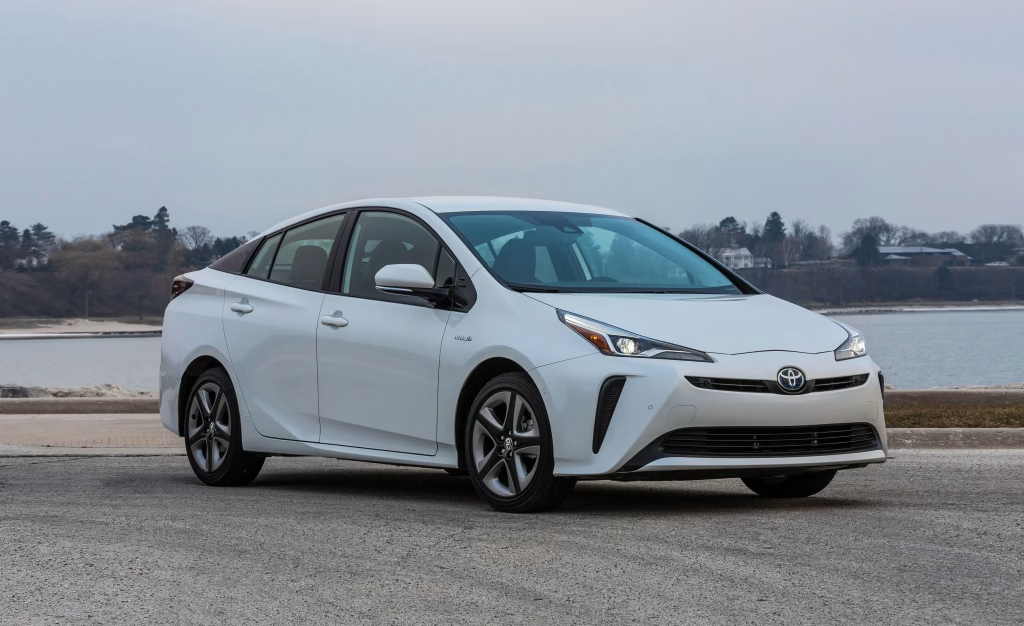
The more compelling reason to consider the 2019 is that it gives buyers a relatively mature fourth-generation Prius with several years of production experience behind it. It retains the fundamental advantages of the generation while benefiting from the refinements Toyota introduced after the initial redesign.
For a used buyer, the sweet spot is a 2019 with complete service documentation, a healthy hybrid system, and verified recall completion. Such an example can provide modern Prius efficiency without requiring the buyer to move into a significantly newer and more expensive model year.
3. 2022 Toyota Prius
The 2022 Prius stands out as a late example of the fourth-generation car, benefiting from several years of production refinement before Toyota completely redesigned the model for 2023.
Consumer Reports currently rates the 2022 Prius as much more reliable than other cars from the same model year, based on its owner survey data. That makes it particularly interesting for buyers who want the proven fourth-generation hybrid system without going as far back into the model’s history.
Fuel economy remains one of the biggest reasons to consider this generation. Consumer Reports lists an EPA rating of 52 mpg for the 2022 Prius, although exact fuel economy varies by trim and configuration.
The car also retains the familiar 1.8-liter hybrid powertrain and hatchback layout that made this generation practical for commuters who prioritize fuel savings.
There was one NHTSA recall for the 2022 Prius. Toyota recalled certain vehicles because ECU software could incorrectly detect an error and shut down the hybrid system, potentially causing a loss of drive power.
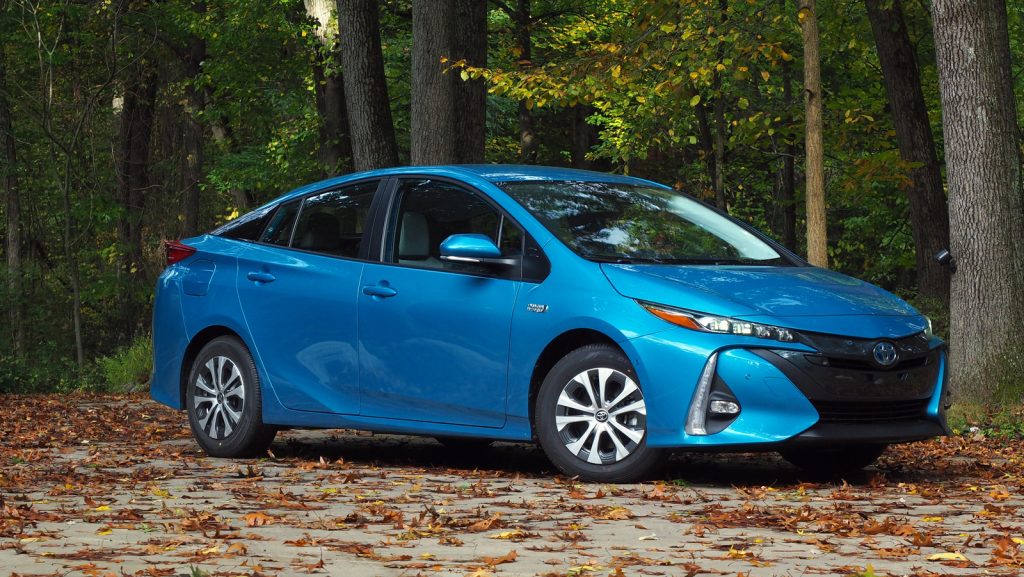
The remedy was a software update performed by dealers at no charge. A used-car buyer should verify that this recall was completed before purchasing.
The other advantage is age. A 2022 model is considerably newer than the 2017 and 2019 examples already covered, so finding one with relatively low mileage and modern equipment is easier. For buyers wanting a mature fourth-generation Prius with strong reported reliability, the 2022 model deserves serious consideration.
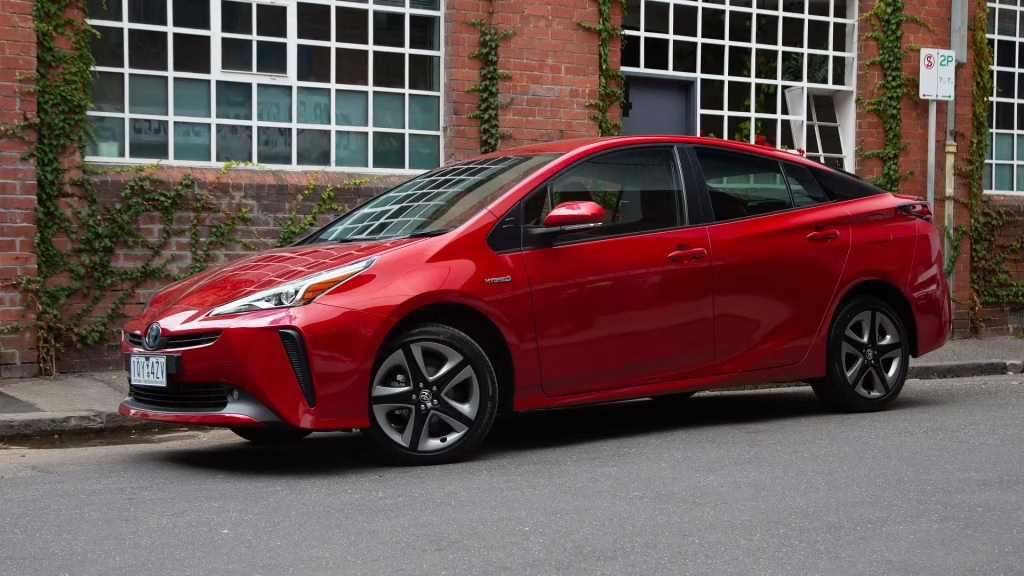
4. 2020 Toyota Prius
The 2020 Prius is another year from the fourth-generation platform that benefits from Toyota having several years to refine the design.
Consumer Reports rates the 2020 Prius as much more reliable than other cars from the same model year, making it one of the stronger candidates for someone shopping for a used Prius without moving into the newest, more expensive generation.
One reason this year remains appealing is its combination of efficiency and proven mechanical architecture. Consumer Reports lists an EPA rating of 52 mpg, putting the Prius firmly in the high-efficiency category.
The 2020 model also provides the familiar hatchback practicality that lets owners carry more cargo than the exterior dimensions might suggest.
That does not mean every 2020 Prius will be trouble-free. Consumer Reports owner reports include issues involving the 12-volt battery, while hybrid-related components should still be checked carefully on any used example.
A Prius can accumulate substantial mileage because of its excellent fuel economy, so service history becomes especially important when comparing two otherwise similar vehicles.
The 2020 model also sits in an interesting position in the Prius timeline. It is newer than the earlier fourth-generation cars but generally less expensive on the used market than a comparable 2021 or 2022 example.
For buyers seeking a balance between purchase price, fuel economy, and established reliability, the 2020 Prius provides a strong combination without requiring the latest-generation price premium.
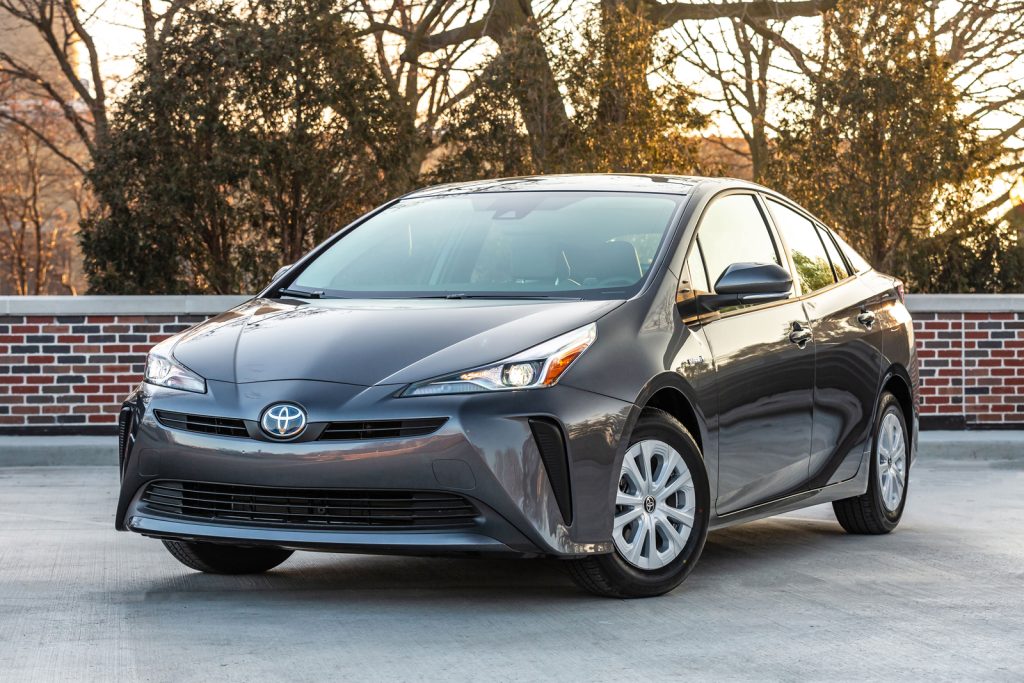
5. 2021 Toyota Prius
The 2021 Prius rounds out the five model years in this section because it combines a mature fourth-generation platform with strong owner-reported reliability.
Consumer Reports rates the 2021 Prius as more reliable than other cars from the same model year, while its EPA fuel-economy rating reaches 52 mpg. That makes it a particularly appealing option for buyers who want a relatively modern Prius without moving to the redesigned 2023 model.
By 2021, Toyota had already been producing the fourth-generation Prius for several years. That matters when shopping used because buyers are not dealing with the first year of an entirely new powertrain or chassis.
The basic hybrid system had already established a substantial track record, while the hatchback remained practical for commuting, errands, and longer trips.
Consumer Reports’ owner data does identify some reported trouble areas, including brakes, the hybrid battery, and exhaust components.
Those reports should not be interpreted as evidence that every 2021 Prius will experience these problems, but they do reinforce the importance of inspecting a used vehicle rather than relying solely on its model year.
A major advantage of choosing a 2021 example is the balance between age and technology. It is newer than the 2017, 2019, and 2020 models already included in this list, yet it retains the familiar fourth-generation Prius formula.
For shoppers who want strong fuel economy, an established hybrid system, and favorable reliability data, the 2021 Prius completes this group of five years worth considering.
5 Toyota Prius Years to Skip
1. 2010 Toyota Prius
The 2010 Prius is worth approaching cautiously because it combines the beginning of the third-generation model with a substantial recall history. Consumer Reports currently lists 10 NHTSA recalls for the 2010 Prius and rates its reliability as about average compared with other vehicles from the same model year.
One of the most significant concerns involves the hybrid inverter. NHTSA records show that certain 2010 through 2014 Prius vehicles could experience excessive voltage in the Intelligent Power Module inside the inverter.
The condition could damage transistors, trigger warning lights, reduce power, and potentially shut down the hybrid system. Toyota’s remedy involved updating the relevant control software, while vehicles that experienced inverter failure could require repair or replacement of the inverter assembly.
The 2010 model also had a separate brake-related recall. NHTSA reported that certain vehicles could develop inconsistent brake feel after ABS activation on rough or slippery surfaces, potentially increasing stopping distance. Toyota addressed the issue through an ABS control-unit software update.
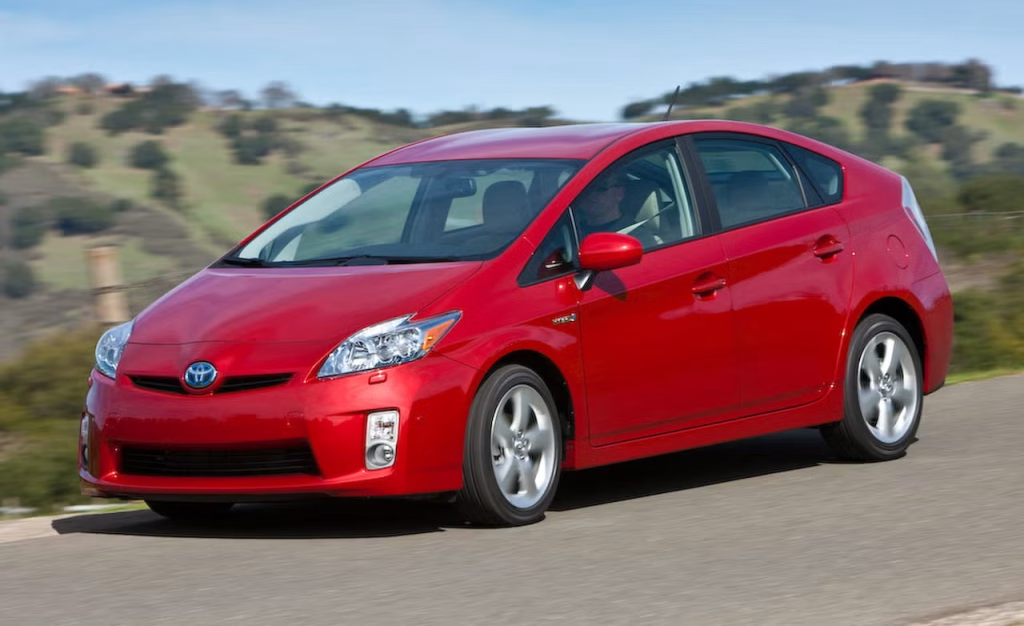
Age is another factor today. A 2010 Prius is now roughly 16 years old, meaning even a mechanically sound example can have considerable wear simply because of its age.
For a buyer looking for a dependable daily driver, the combination of multiple recalls, aging components, and average reliability data makes the 2010 model a year that deserves particularly careful inspection rather than an automatic purchase.
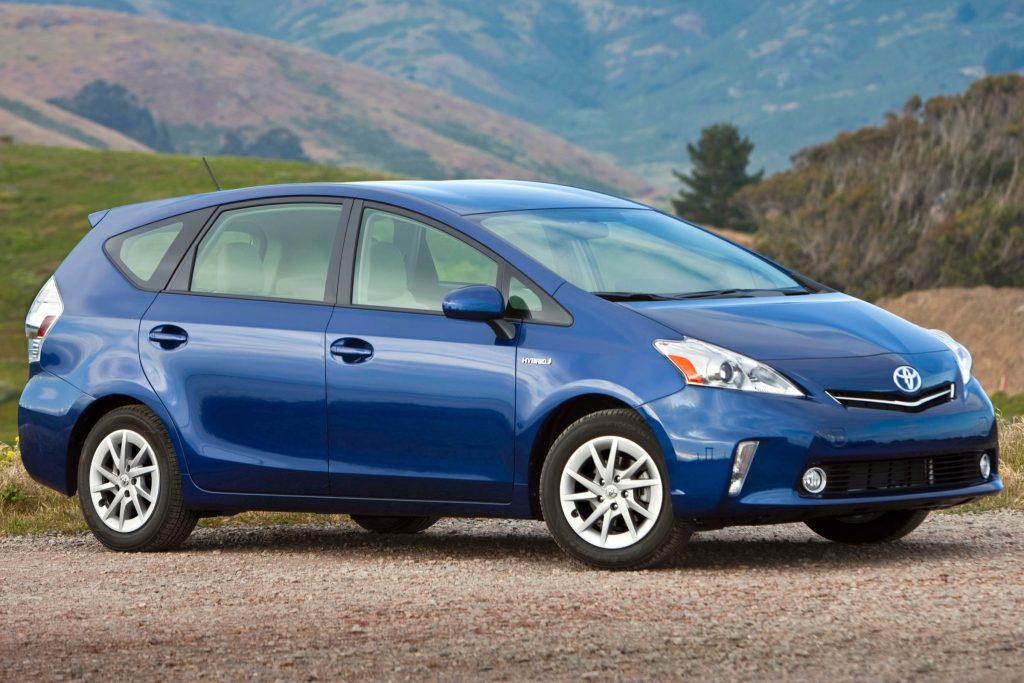
2. 2012 Toyota Prius
The 2012 Prius falls into the same third-generation period affected by Toyota’s hybrid inverter recall, making recall verification essential when considering one today.
NHTSA’s recall information identifies certain 2010 through 2014 Prius vehicles in which excessive voltage within the Intelligent Power Module could cause the hybrid system to shut down and potentially stall the vehicle. Toyota’s remedy included software updates, with inverter repair or replacement if necessary.
Consumer Reports lists seven NHTSA recalls for the 2012 Prius and gives the model an EPA rating of 48 mpg. The recall history is not necessarily a reason to reject an individual vehicle, since completed recalls are a normal part of vehicle ownership.
The concern is greater when a used example has incomplete records or when the seller cannot demonstrate that important campaigns were addressed.
There is also the simple question of age. A 2012 Prius is now more than a decade old, so buyers need to evaluate the hybrid battery, inverter, brake system, suspension, cooling system, and 12-volt battery rather than assuming Toyota’s reputation guarantees trouble-free ownership. The condition of the individual vehicle becomes increasingly important as mileage rises.
For someone specifically shopping for an inexpensive Prius, a 2012 can still make sense when the price reflects its age and the maintenance history is unusually strong. But compared with newer Prius years that have favorable reliability records and fewer years of accumulated wear, the 2012 requires more due diligence before purchase.
3. 2011 Toyota Prius
The 2011 Prius is another model year that deserves caution, particularly because age has now become a major part of the ownership equation.
Consumer Reports rates the 2011 Prius as having about average reliability compared with other vehicles from the same model year and lists six NHTSA recalls. For a Prius that is now roughly 15 years old, those factors make the condition and maintenance history especially important.
One of the most important issues involves the hybrid propulsion system. NHTSA recall 18V684 covered certain 2010 through 2014 Prius vehicles because excessive voltage inside the inverter’s Intelligent Power Module could cause the hybrid system to shut down and potentially stall the vehicle.
Toyota’s remedy involved updating the relevant hybrid-system software, with additional repair or replacement possible if an inverter had already failed.
Consumer Reports owner reports also identify several areas that deserve inspection on an older 2011 example, including the brake system, 12-volt battery, air conditioning, and hybrid battery. These owner reports are not proof that every vehicle has those problems, but they show why a pre-purchase inspection can be particularly valuable with an older Prius.
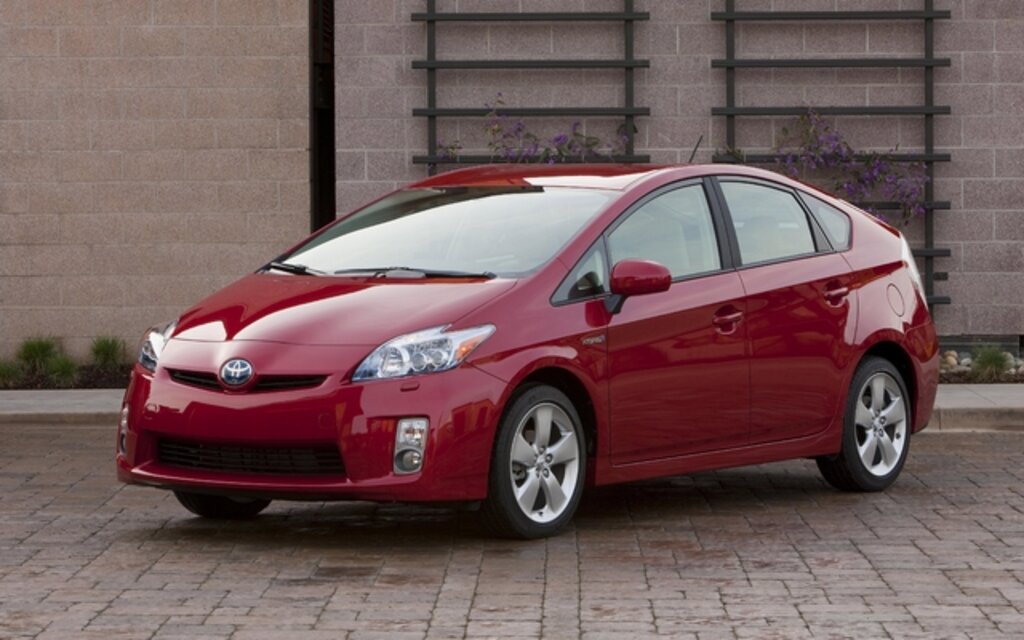
The 2011 Prius can still deliver excellent fuel economy, with Consumer Reports listing an EPA rating of 50 mpg. However, fuel savings become less attractive if an aging hybrid system or brake component requires a costly repair.
Buyers looking for a used Prius should therefore treat the 2011 model as a year requiring careful documentation and inspection rather than assuming its Toyota badge guarantees inexpensive ownership.
4. 2015 Toyota Prius
The 2015 Prius is interesting because it is the final model year of the third-generation Prius, yet it also carries a significant hybrid-system recall that buyers should verify before purchasing.
Consumer Reports records a recall affecting certain 2013 through 2015 Prius vehicles because excessive voltage within the inverter’s Intelligent Power Module could cause the hybrid system to shut down and potentially stall while driving.
NHTSA campaign 20V369000 affected approximately 266,638 vehicles. Toyota’s remedy was a hybrid-system software update, while vehicles that had already experienced certain inverter failures could receive inverter repair or replacement before the software update.
The recall work was performed free of charge, so checking whether it has been completed is essential when examining a used 2015 Prius.
The other consideration is that the 2015 Prius is now more than a decade old. Even if the major recall work has been completed, buyers should inspect the hybrid battery, inverter, brake system, suspension, cooling system, and 12-volt battery.
Mileage is also important because many Prius vehicles have been used heavily for commuting, rideshare, and fleet service.
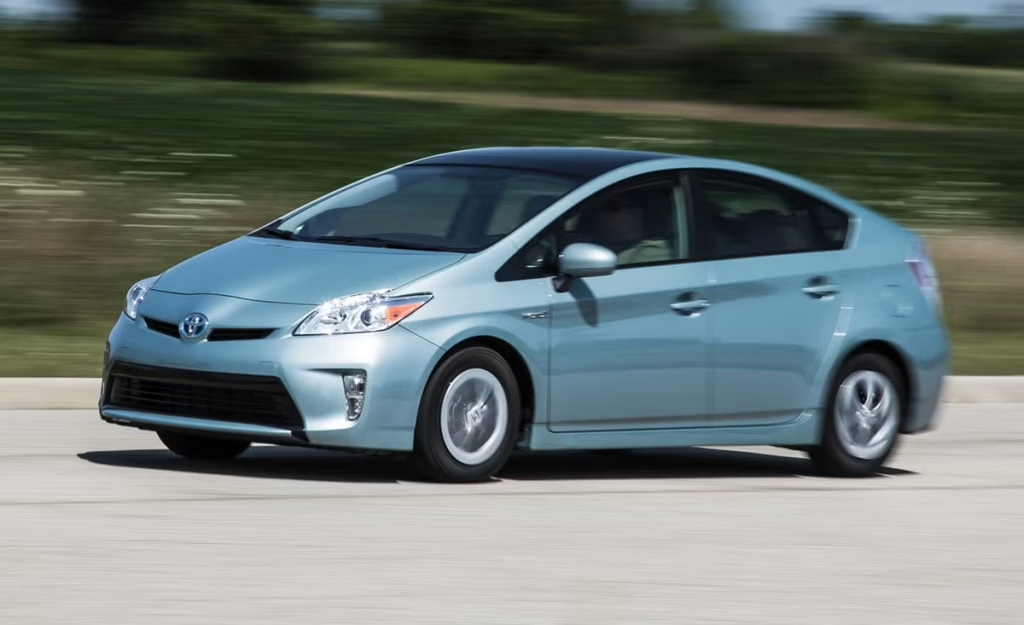
There is still plenty to like about the 2015 model. It retains the highly efficient third-generation hybrid layout and can be an inexpensive way into Prius ownership.
But when comparing it with the newer years already selected for the first half of this article, the combination of age and inverter-related recall history makes the 2015 model a year where buyers should proceed carefully rather than purchase solely because the asking price looks attractive.
5. 2013 Toyota Prius
The 2013 Prius is the final model year in this “skip” group, although it is important to put the choice into perspective. Consumer Reports actually rates the 2013 Prius as more reliable than other cars from the same model year, so this is not a case where the model has a poor reliability record.
The concern is instead the combination of age, recall history, and the fact that newer Prius years in this article offer a more attractive starting point for a used-car buyer.
The 2013 model has been subject to four NHTSA recalls. One particularly important campaign involved the hybrid inverter system.
Certain 2013 Prius vehicles could experience excessive voltage in the Intelligent Power Module, potentially causing the hybrid system to shut down and the vehicle to stall. Toyota’s remedy included replacing the EV fuse on affected vehicles.
Another recall covering the 2010 through 2014 Prius involved the same general inverter-system concern. Toyota provided software updates for the motor/generator and hybrid control systems, while vehicles that experienced an inverter failure before the update could receive additional repairs.
Buyers should therefore confirm that all applicable recall work was completed rather than assuming an older Prius has already received every campaign.
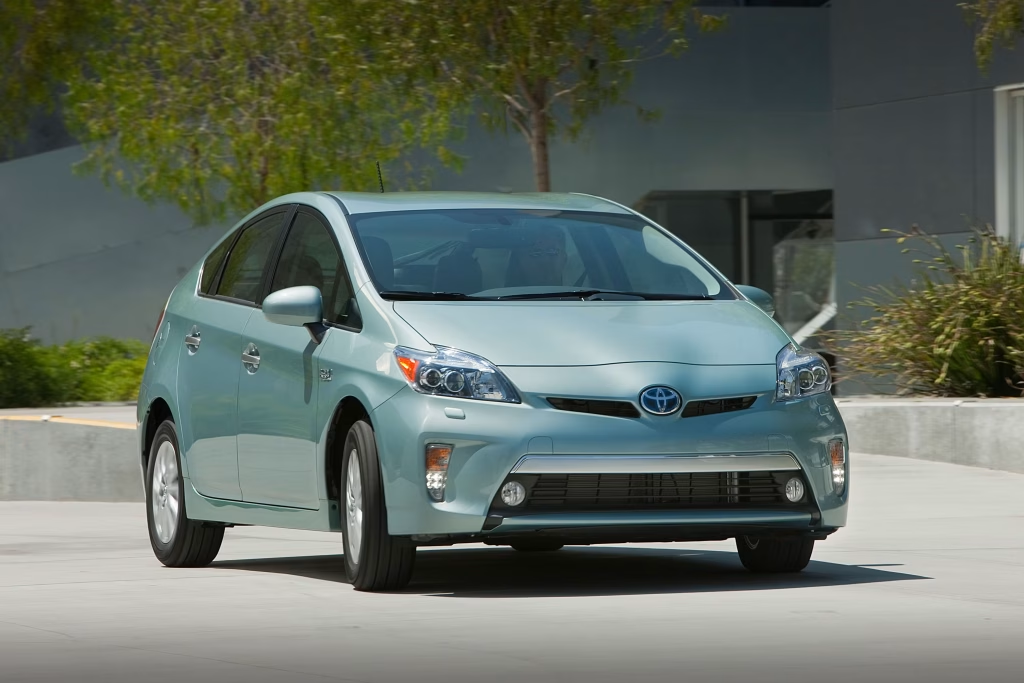
The 2013 Prius still has genuine strengths. Consumer Reports lists an EPA rating of 48 mpg, and its testing found the car delivered impressive fuel economy while providing a spacious hatchback interior and comfortable ride.
That is why the 2013 model is better described as a year requiring careful shopping rather than a universally bad Prius. A well-maintained example with complete records and completed recalls can still be useful.
However, when choosing between similarly priced Prius models, its age and recall history give buyers good reason to investigate the vehicle thoroughly before committing.
