
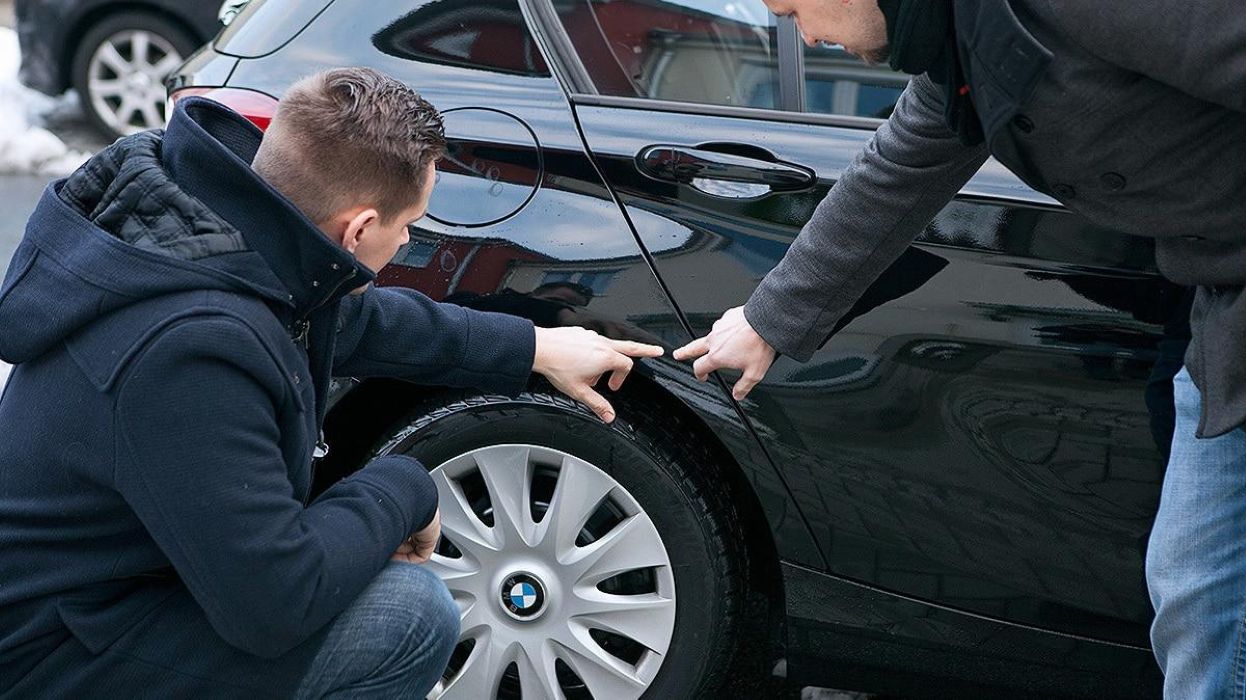
Walk any big wholesale auction lane, and you notice something fast. A grader decides a car’s fate in about ninety seconds. He circles the car once and checks the panels, tires, and glass.
Then he sits inside and smells the cabin. He starts the engine and listens. After that, he types a grade. On the Manheim-style scale, a 5.0 is near perfect, and a 3.0 is average. Anything under 2.0 is rough. Announcements and light colors then tell buyers what to expect.
Some cars start this process already behind. Their weak points are well known and easy to spot. A dash light, a sagging corner, or a broken steering column says it all.
Graders are not being cruel. They know which cars come back as arbitration claims. They know which ones cost dealers money after the sale. Here are ten cars that get marked down almost on sight. Each has a specific tell. Knowing them helps you bid smarter, or sell smarter.
1. Nissan CVT Sedans (2013–2018)
Nissan used JATCO continuously variable transmissions across a huge range of models. The Altima, Sentra, Versa, Rogue, and Juke all carried them. Many units from this era aged badly.
A grader cannot open the gearbox. He does not need to. The test drive tells him most of what he wants to know. He listens for a whine under light throttle. He feels for a shudder when pulling away from a stop. He watches the rev needle for a flare that does not match road speed.
Heat is the main enemy here. These transmissions run warm in traffic. Old fluid makes it worse, and many owners never changed it. Nissan later extended CVT warranty coverage on many models. That is a quiet admission that failures were common. Lawsuits and owner forums told the same story.
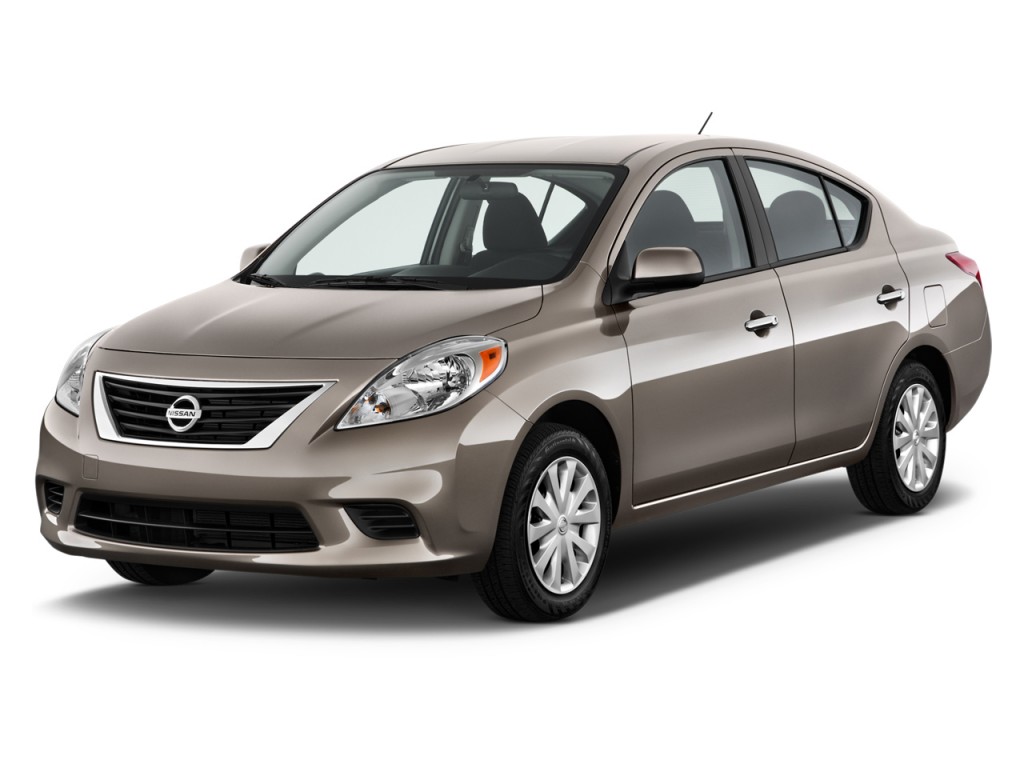
The market reads those signals fast. A replacement unit can cost more than a tired high-mileage sedan is worth. Buyers price that risk in before they bid.
Service records change the grade. A car with documented fluid changes can hold a 3.0. A car with no paperwork slides toward a 2.0.
The dash matters too. A transmission temperature warning or a stored code is an instant markdown. The cheap ticket on these cars is rarely cheap.
2. Ford Focus and Fiesta with PowerShift (2011–2016)
Ford fitted these small cars with a six-speed dual-clutch automatic. It was called the PowerShift. On paper, it promised manual-like economy with an automatic’s ease. In real traffic, it often did not deliver. Owners reported shuddering from a stop. Others described hesitation, jerky shifts, and sudden loss of drive.
The dry clutches suffer in stop-and-go driving. The transmission control module also caused headaches. Ford extended coverage on some parts after complaints piled up.
Lemon law claims followed in many states. Class action suits added to the reputation. Auction buyers remember all of it. A grader tests this car in the lot. He rolls it slowly forward and backward. He gently accelerates from a stop and feels for the shake.
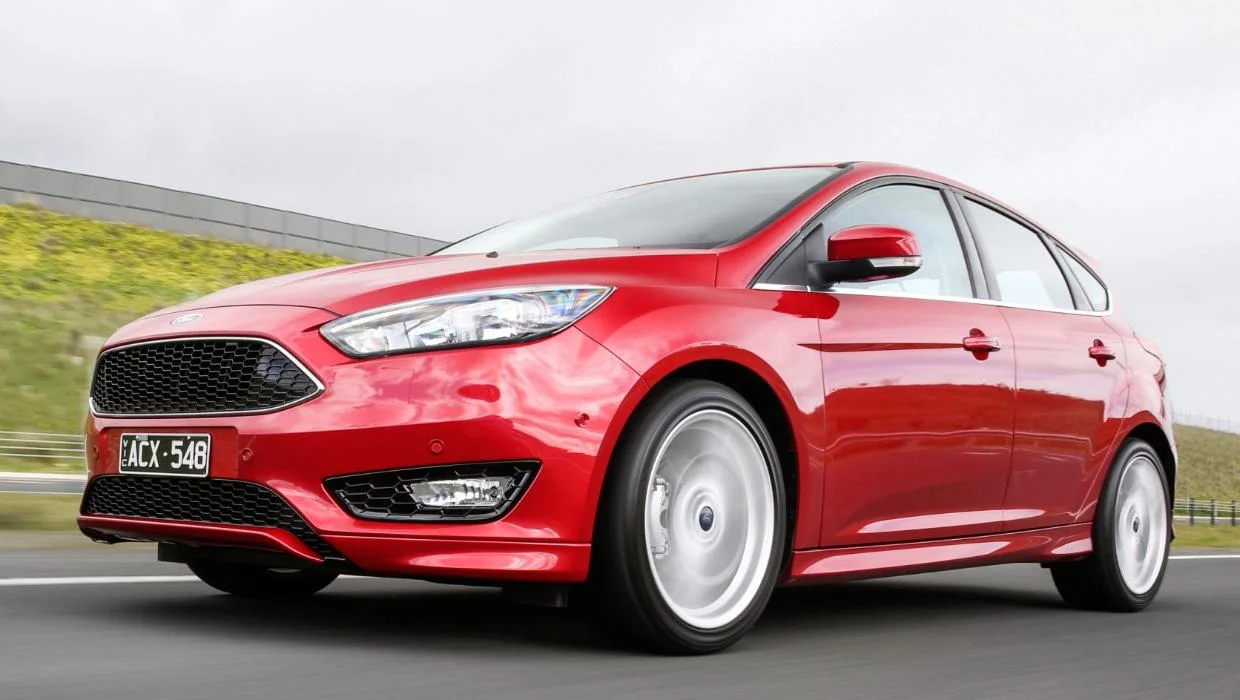
Any shudder earns a low grade quickly. A transmission announcement is often attached. Some cars go straight to a red light. The hatchback Focus and the Fiesta look sharp. That does not help them here. Cosmetic condition rarely rescues a car with a suspect gearbox.
Low mileage does not save them either. Short city trips hurt these clutches more than long highway runs. A 40,000-mile car can grade worse than a 90,000-mile one. Buyers who take these cars usually plan a wholesale flip. They know retail customers walk after one test drive. The bid reflects that risk.
3. Hyundai and Kia Models Without Immobilizers (2011–2021)
Many base trims in this period used a plain metal key. They had no engine immobilizer. A thief only needed to force the ignition. Videos spread the method across social media around 2021 and 2022. Thefts jumped sharply in several U.S. cities. Some insurers stopped covering these models in high-risk areas.
The Elantra, Sonata, Optima, Soul, and Sportage were common targets. Push-button start versions were largely spared. The key-turn versions were not. Graders look for the evidence. A cracked steering column cover is the classic tell. So is a missing plastic shroud or a punched ignition cylinder.
They also check for amateur repairs. Mismatched screws and loose trim show earlier break-ins. Broken window glass and damaged door locks point the same way.
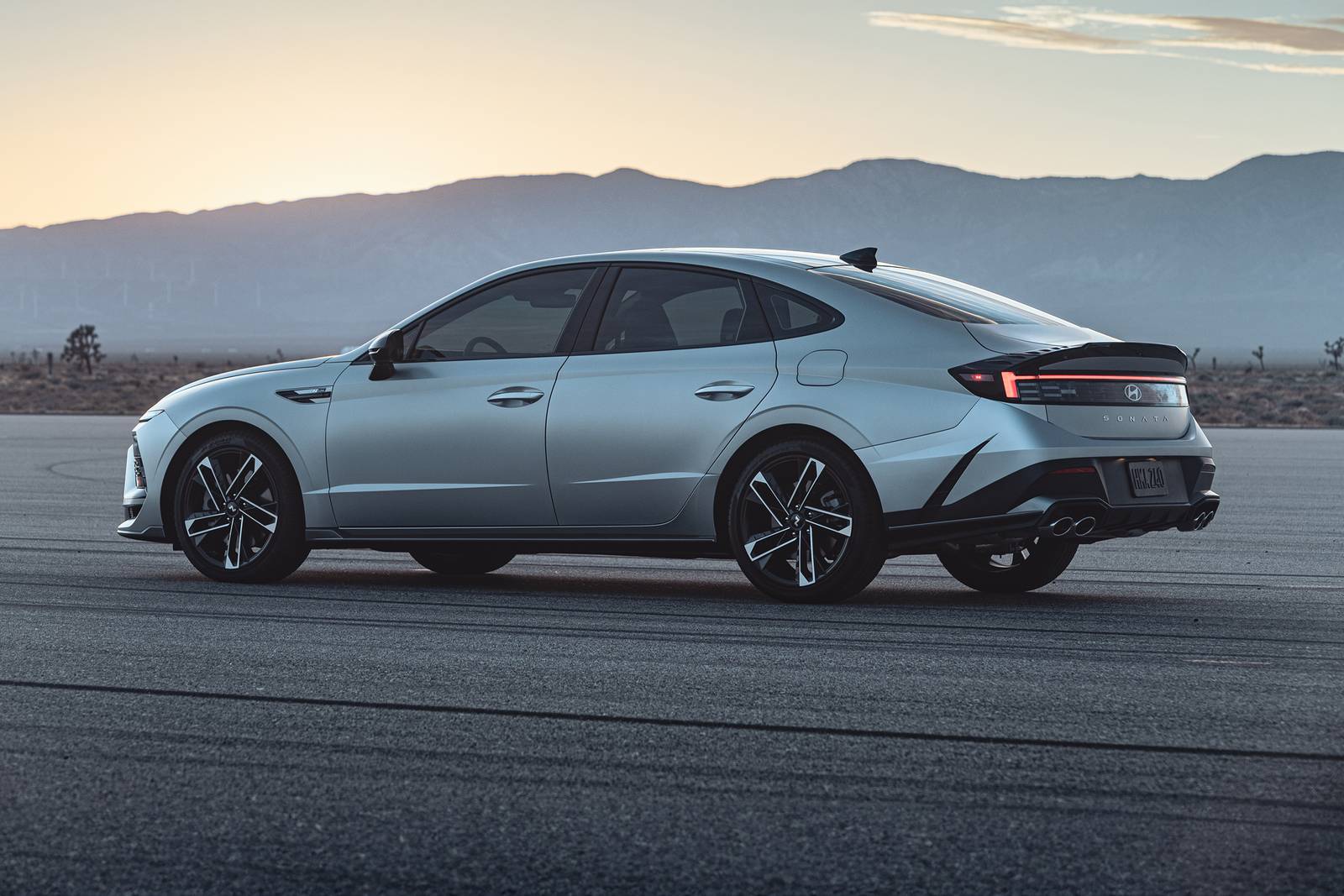
Both automakers offered a software update and steering wheel locks. Not every car received the fix. An unresolved car carries extra risk for the next owner.
Damaged columns are expensive to repair properly. Wiring harness damage adds cost. Some cars come back with warning lights that never clear.
The grade drops even if the car runs well. Buyers fear a repeat theft. Insurance quotes can be painful. A clean example with the software update and intact column can still sell well. A scarred one usually cannot.
4. Ex-Police Ford Crown Victoria and Interceptor Utility
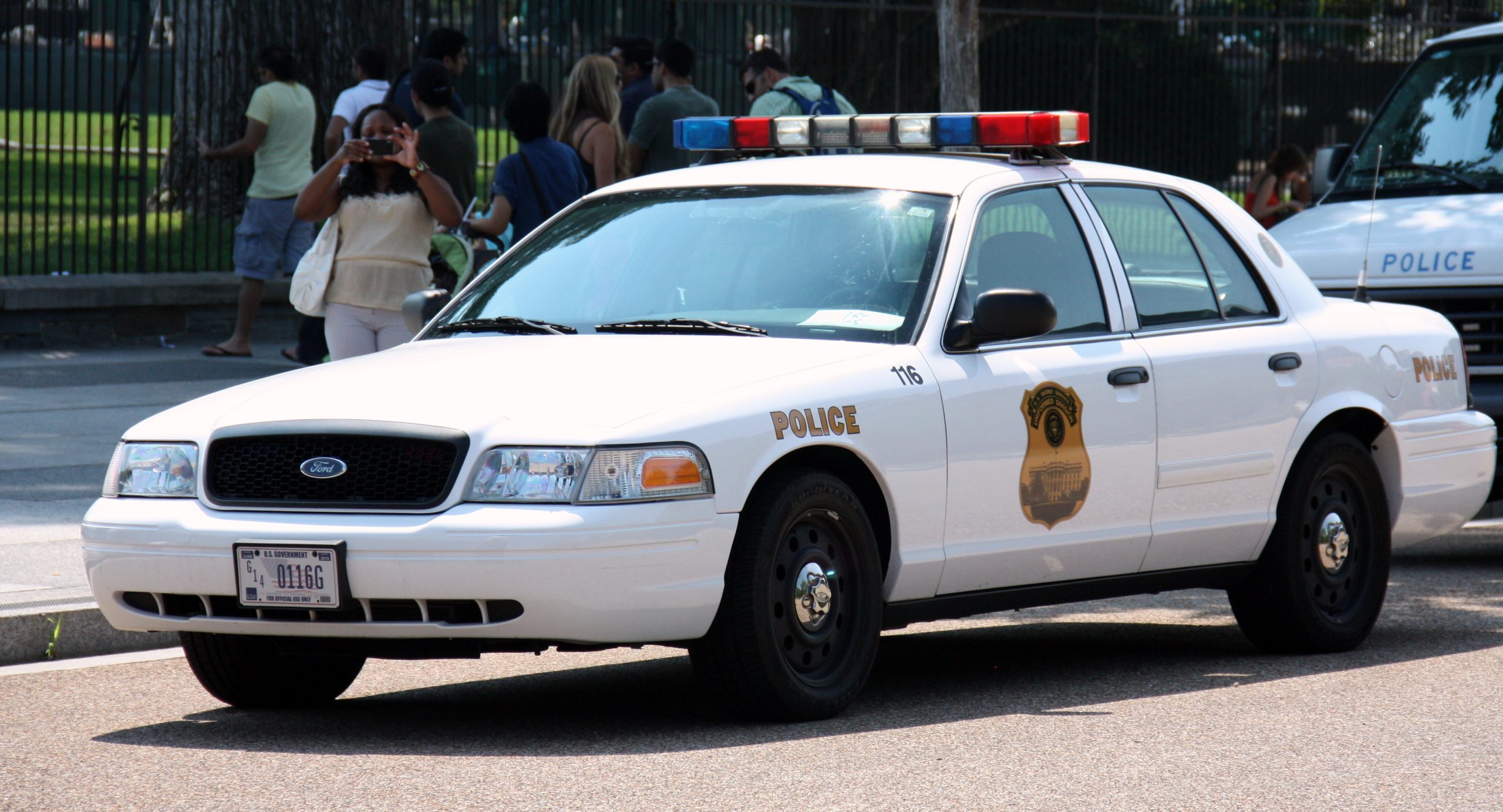
Police cars carry their history on the outside. The Crown Victoria Police Interceptor and its Explorer-based successor are classic examples. Graders spot them from across the lot.
The first tell is a hole in the A-pillar. That is where the spotlight bolted on. Filled holes in the dash and roof tell the same story. Inside, the wear is uneven. The driver’s seat is often crushed and frayed. Rear seats may be hard plastic, and the carpet may be scuffed from boots.
Outside, look for bracket marks on the bumper and grille. Steel wheels and plain hubcaps are another clue. Faint paint outlines show where decals were removed. Mileage is only half the story. Patrol cars idle for hours with the engine running. Idle time does not show on the odometer.
Mechanics often estimate one idle hour as roughly thirty miles of wear. A car showing 90,000 miles may have lived much longer. Some units show engine hours on the display.
Departments usually maintain fleets on a schedule. That helps. But hard braking, curb hopping, and long idle periods still take a toll. Wiring is another problem. Cut and spliced harnesses are common after equipment removal. Sirens and lights leave mystery circuits behind.
A grader marks these cars down because retail buyers avoid them. The market for them is narrow. Taxi companies and bargain hunters remain the main bidders.
5. Air-Suspension Range Rovers and Land Rovers
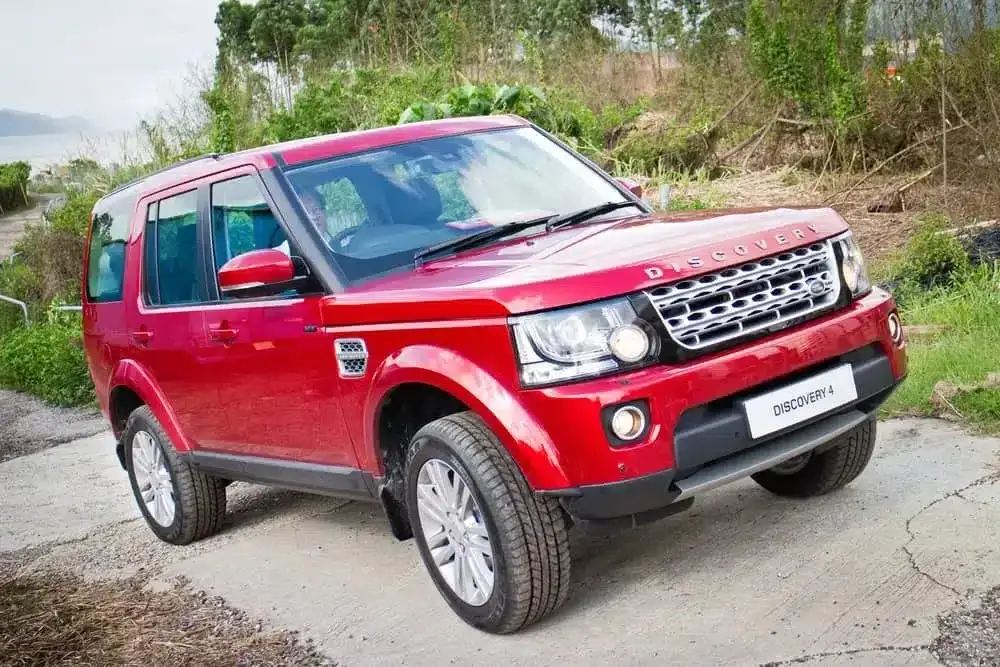
Range Rover models from 2002 to 2012, and the Discovery 3 and 4 carry air suspension. Range Rover Sport buyers deal with the same system. It gives a smooth ride when it works.
When it fails, you can see it. One corner sits lower than the others. The whole car may sink after being parked overnight. Graders watch how the car behaves on the lot. They start it and wait. They listen for the compressor running constantly.
A leaking air spring is the usual cause. Compressors burn out trying to keep up. Valve blocks and height sensors can also fail. Repairs add up quickly. Genuine parts are costly, and labor is high. Buyers know a bill of a few thousand dollars is realistic.
Dash messages give it away. “Suspension fault” or “access height” warnings raise concern. A car stuck in a lowered mode scores poorly. The rest of the vehicle matters too. Electronics on these older Land Rovers are famously sensitive. A grader will test every window, screen, and seat control.
Sellers often clear warning lights before auction. It rarely fools an experienced grader. He waits for the car to settle and then measures the ride height. A fresh set of air springs with receipts can rescue the grade. Without proof, the car gets marked down. The luxury badge does not protect it.
6. Mini Cooper S, R56 Generation (2007–2010)
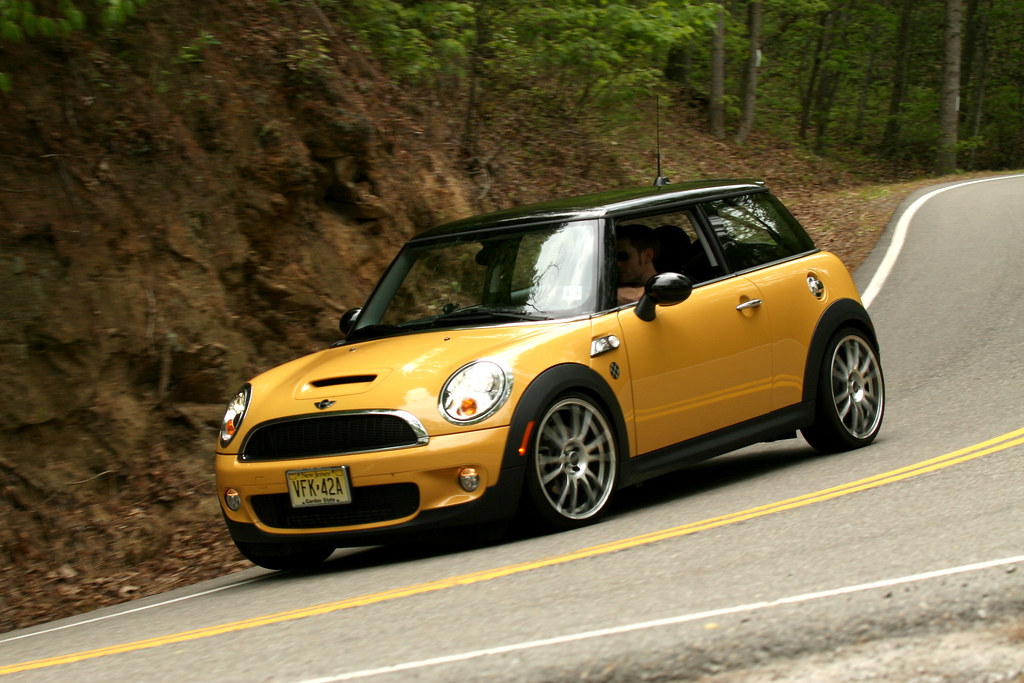
The second-generation Mini Cooper S looks fun and holds its shape well. Its turbocharged N14 engine is a different story. Auction graders treat these cars with suspicion.
Timing chain problems are the biggest concern. The tensioner and guides can wear early. A rattle on a cold start is the warning sign. Graders start these cars cold whenever possible. They listen for a chain rattle in the first seconds. Any rattle triggers an engine announcement.
Oil consumption is another known weakness. Blue smoke on startup shows worn seals. A low dipstick reading confirms it. Oil leaks are common as well. The filter housing gasket and valve cover often seep. Wet spots under the engine hurt the score.
Some cars also had high-pressure fuel pump trouble. Rough idle and hesitation follow. Warning lights confirm it. The rest of the car adds more clues. Worn clutch feel, sloppy shift linkage and tired suspension bushings show up quickly. Cheap tires on a Cooper S suggest deferred maintenance.
Mini owners love their cars, and enthusiast demand keeps values from collapsing. But wholesale buyers do the math. A bad engine costs more than most of these cars are worth. A clean history with documented chain and pump work earns respect. Anything less earns a low grade.
7. Modified Subaru WRX, STI and Mitsubishi Lancer Evolution
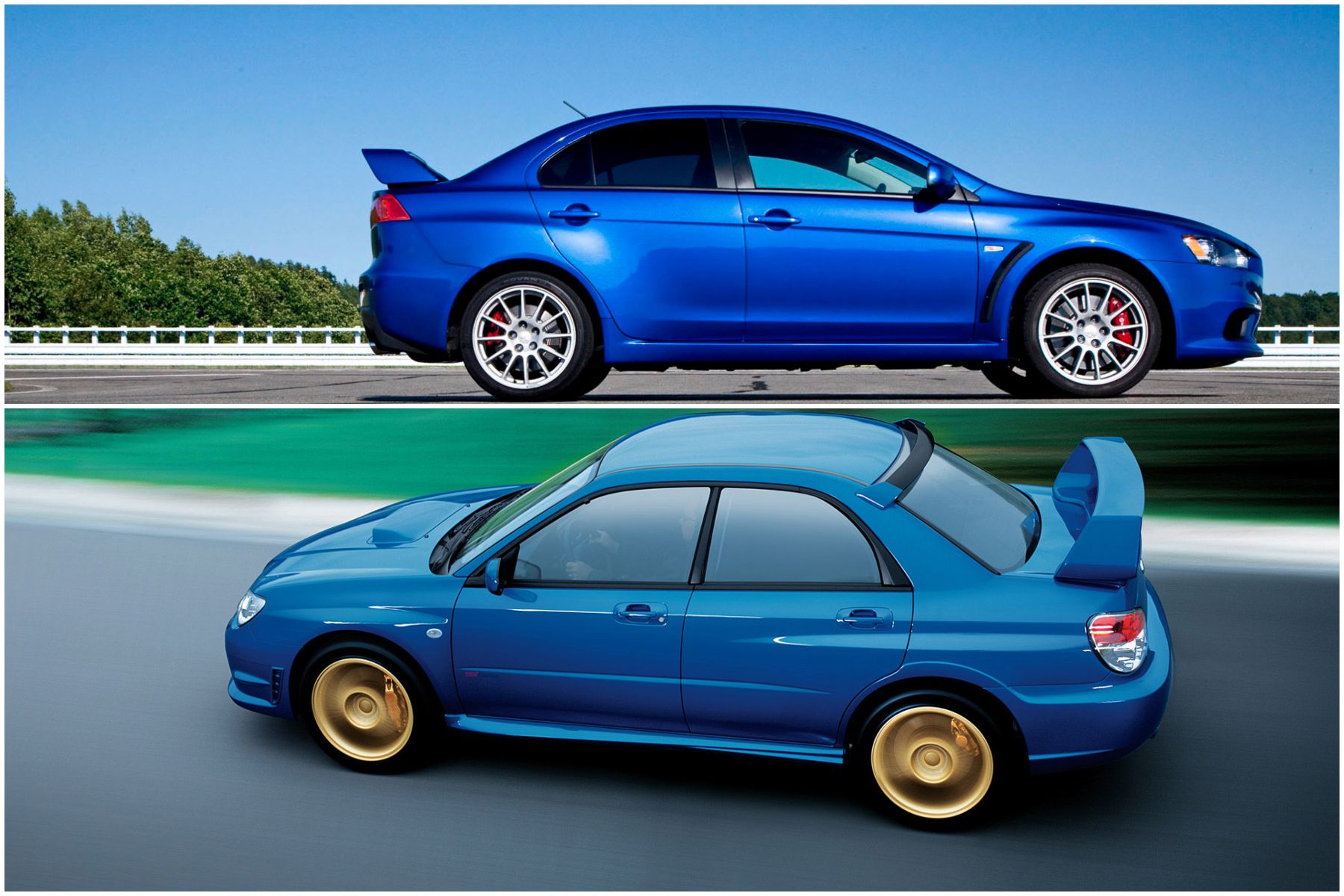
Performance sedans attract owners who love to tinker. Graders see it in seconds. A car that was tuned is a car that was stressed. Look at the outside first. Lowered springs, stretched tires and oversized wheels are easy to spot. Aftermarket exhaust tips, bolt-on wings, and vinyl wraps follow.
Under the hood, the story continues. A larger intercooler, aftermarket intake, and blow-off valve all signal a tune. Loose clamps and mismatched hoses add to the worry.
An OBD scan can reveal even more. Reflashed engine software sometimes leaves traces. Boost-related codes are a red flag. Boost hurts these engines when tuning goes wrong. Subaru’s turbo engines are known to suffer ring land damage under lean conditions. Evo drivetrains take heavy abuse from launches and track days.
Tire wear tells the truth about driving style. Uneven edges suggest hard cornering or poor alignment. Clutch feel tells the rest. Announcements like “modified” or “aftermarket parts” lower the value right away. Insurance companies also dislike modifications. Financing can become difficult.
Original owners who saved stock parts get a small bump. Documented tuning by respected shops helps too. But most modified examples still take a discount. Buyers know a well-driven stock car costs less to own. The grader protects them from that gamble.
8. First-Generation Nissan Leaf (2011–2017)
The early Leaf was a pioneer among mass-market electric cars. It was also a lesson in battery management. Its pack had no active liquid cooling. Heat degraded these batteries faster than expected. Owners in hot climates saw range fall sharply. The dash shows the damage clearly.
The car has twelve capacity bars on its display. Each bar represents a slice of original capacity. Missing bars mean a tired battery. Graders check the bars immediately after turning the car on.
They also look at the estimated range at full charge. A pack that shows only a fraction of its original range gets marked down hard. Nissan offered warranty coverage for capacity loss under set conditions. It expires with age and mileage. Most auction cars are now outside it.
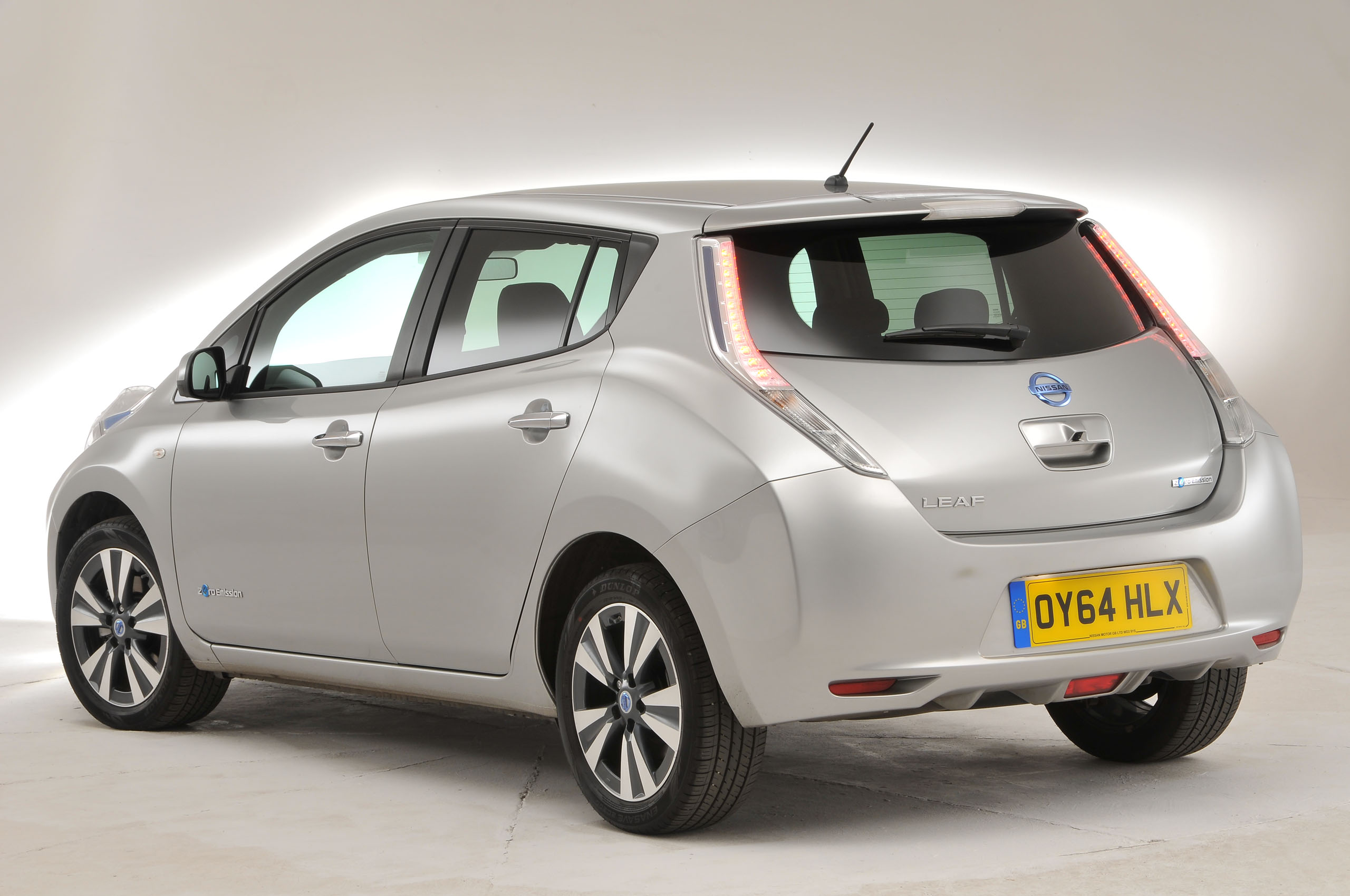
Replacement is expensive. A new pack can cost a big share of what the car sells for. Third-party rebuilt packs exist but vary in quality. Charging equipment matters too. Missing portable charging cables reduce value. A damaged charge port is another negative.
Some buyers still want cheap city transport. They accept short range if the price is right. That keeps the market alive but very thin. Newer Leafs and other EVs with liquid-cooled packs hold their grades much better. The early model’s reputation lingers. A grader sees those bars and moves on quickly.
9. Rust-Eaten Pickups, Especially Early Toyota Tacomas
Trucks should last forever. Rust can end that dream. Graders look under them before they even open the door. Toyota’s Tacoma from the mid-2000s became the famous example. Frame corrosion led to recalls and large repurchase programs. Some trucks got replacement frames.
Rust hits hardest in states that use road salt. Vehicles from northern regions show it most. Buyers know to avoid them. The grader crawls beneath the truck with a flashlight. He taps the frame with a small hammer.
A dull thud or flaking metal is a bad sign. Trouble spots are predictable. Leaf spring hangers, rear crossmembers, and brake lines rust first. Bed mounts and rocker panels follow.
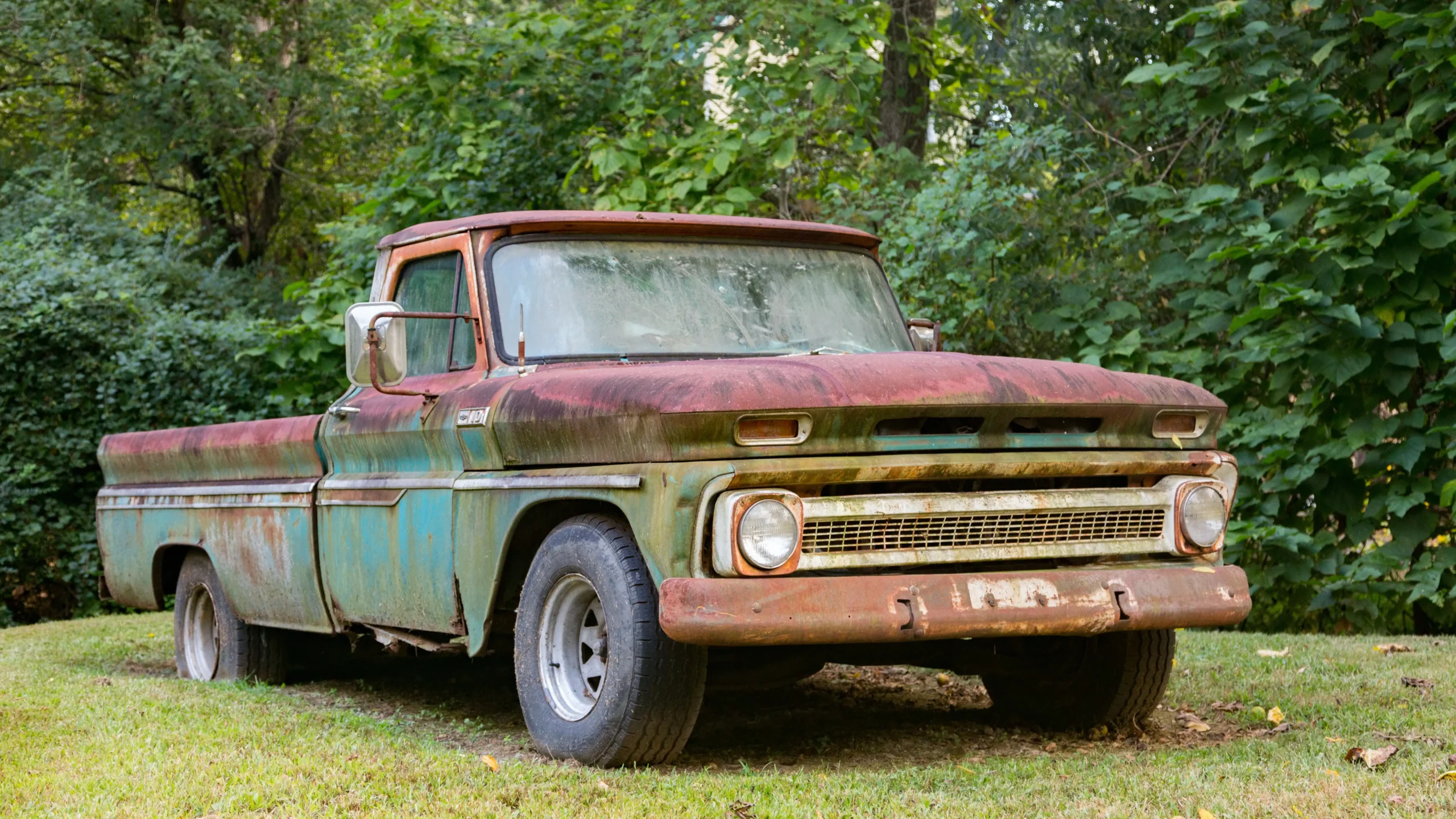
A frame that looks fine outside may be rotten inside. Fresh undercoating is a suspicious sign. It may be hiding damage. Perforated metal earns a heavy markdown. Structural rust often triggers a “frame” announcement. Some auctions require it if the damage is obvious.
Safety concerns are real. A rotted frame can fail in a crash or under load. Insurers and lenders take notice. Cosmetic rust on a bed is tolerable. Frame rust is not. Even a great-looking truck loses thousands when the underside tells a different story.
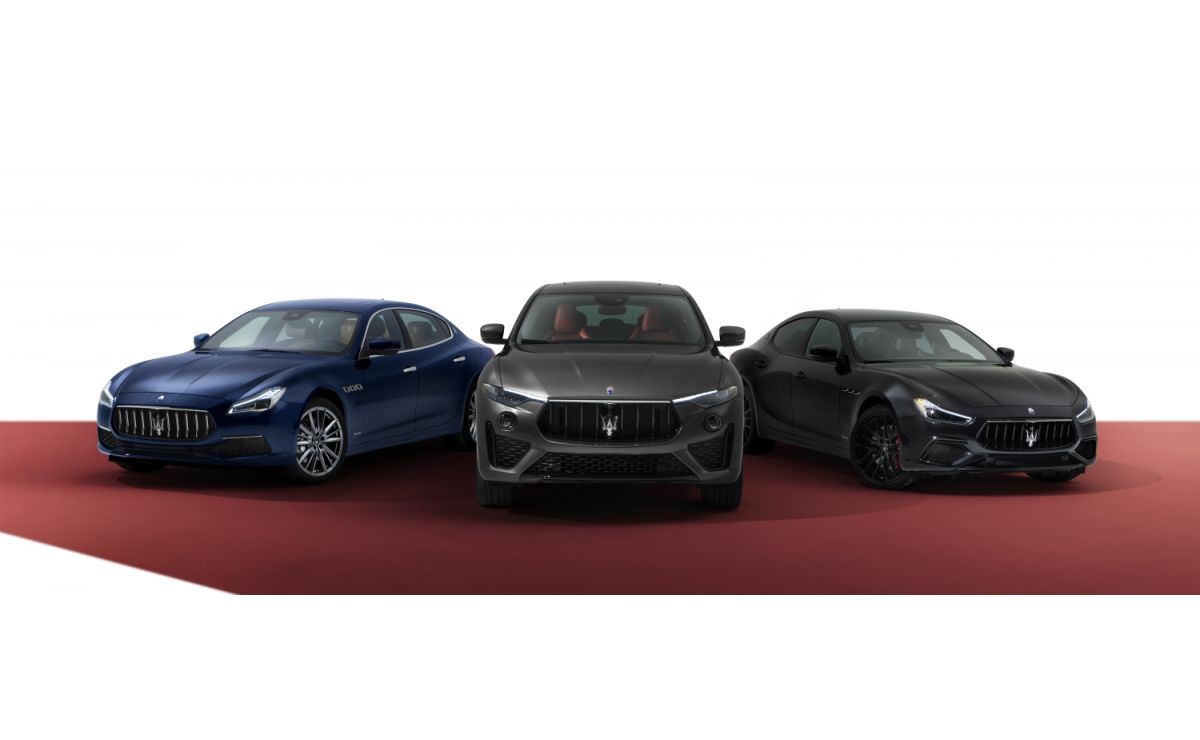
10. Maserati Ghibli, Quattroporte and Levante
Maserati wants to be a luxury brand. The auction market treats it differently. Values often fall fast after the first few years. The first reason is depreciation. A car that starts at a high price can lose much of its value quickly. Buyers who chase bargains face unpleasant surprises.
The second reason is repair cost. Parts are expensive, and dealers are few. Independent specialists are hard to find in many regions. Some engines were assembled at Ferrari’s plant. That sounds exciting. It does not lower repair bills.
Graders look for signs of neglect. Peeling interior trim, worn leather bolsters, and cracked switchgear are common. Warning lights on the dash tell the rest.
The infotainment system can also disappoint. It may lag, freeze, or show outdated maps. Buyers expect flawless technology at this price and do not forgive glitches. Suspension and brake work adds cost. So do air-conditioning repairs and electronic modules. A single visit to the shop can be painful.
Service records matter a great deal here. A car with regular dealer maintenance earns a much better score. One without paperwork gets marked down on sight. The Trident badge still draws attention. It just does not protect the grade. Wholesale buyers price in the risk and move on.
