
Cars carry more folklore than almost any other machine we own. Some myths were true once. Others never were. Our parents told us to warm up the engine. Mechanics told us to change oil every 3,000 miles. Friends swore that red cars cost more to insure. We believed them because the advice sounded sensible.
Then the data arrived. Engine computers log every second of running. Insurers hold millions of claims. Government labs test fuel economy under repeatable conditions. Crash researchers study thousands of real collisions.
When you line these records up, many old beliefs fall apart. Technology moved on, but habits did not. This article tests ten popular myths against the evidence. Each one gets a plain verdict. Each one also gets advice you can use.
To be fair, some automotive myths are based on a small amount of truth, and I will point that out when it applies. The purpose is not to dismiss old advice, but to help you avoid unnecessary costs, wasted time, and needless worry. Whether you drive a hatchback through city streets or an SUV on the highway, the information here can be useful. Keep reading to find out which common beliefs actually hold up.
1. You Must Change Oil Every 3,000 Miles
This rule is old and stubborn. Quick-lube shops still print it on window stickers. It made sense decades ago. Older oils broke down fast. Carburetted engines washed fuel into the sump. Loose tolerances let in dirt and soot. Frequent changes were cheap insurance.
Modern engines are different. Fuel injection meters fuel precisely. Tight machining keeps contaminants out. Synthetic oils resist heat and oxidation far better.
Oil standards have tightened over many generations. Most makers now allow roughly 8,000 to 16,000 kilometres between changes. Many also set a 12-month limit. That is for normal use.
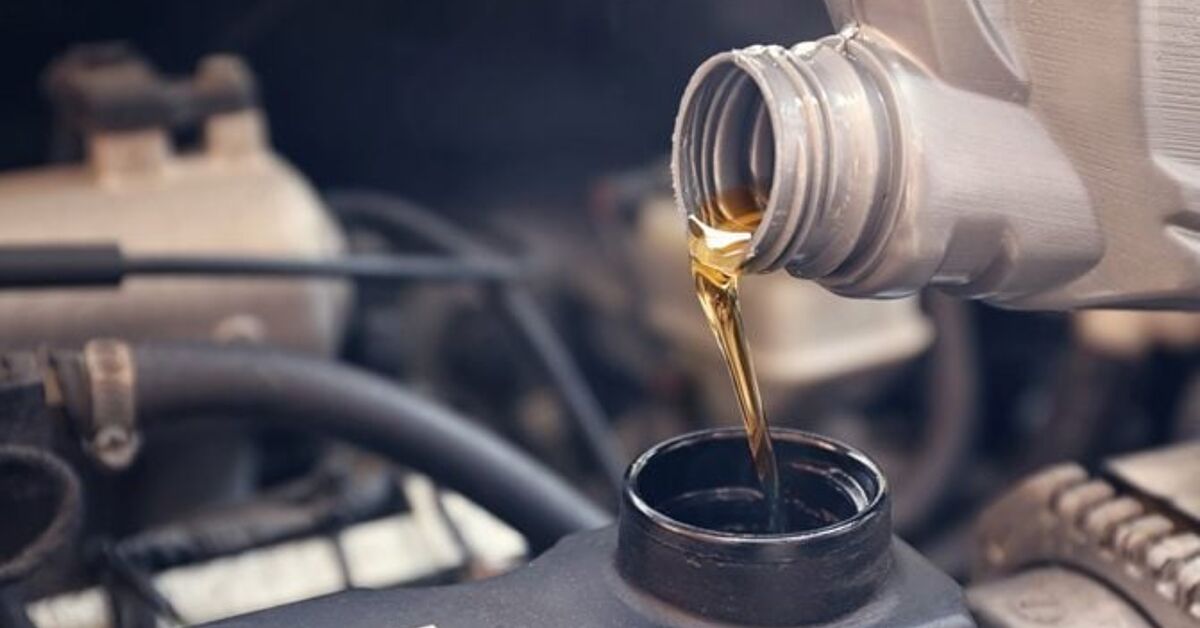
Many cars also carry oil-life monitors. These do not guess. They track engine revolutions, temperature, trip length, and load. Then they calculate the oil’s remaining life.
Fleet tests and teardown inspections have generally found no extra wear from following the maker’s schedule. Shorter intervals bought nothing measurable.
The truth has limits. Short trips, dusty roads, towing, and extreme heat count as severe use. Those conditions shorten the interval. Stop-and-go city driving often qualifies. Follow the owner’s manual, not the sticker. Extra changes waste money and create more waste oil.
2. Premium Fuel Is Better for Every Car
Pump labels suggest that “premium” means higher quality. Many drivers assume it cleans more or adds power. That is not how octane works. Octane measures resistance to knock. Knock is premature ignition of the fuel-air mixture. Higher octane resists it longer. It does not carry more energy.
An engine designed for regular fuel gains nothing from premium. Its compression ratio and timing never demand it. Its knock sensors will not use the extra margin. Power stays the same.
AAA tested this claim in 2016. It estimated that American drivers wasted about $2.1 billion in one year on premium fuel they did not need. Its tests showed no meaningful benefit in cars built for regular.
Some engines really do need premium. High-compression and turbocharged performance engines are tuned for high octane. Lower grades make the computer pull back ignition timing. Power drops and economy suffers slightly.
Cleaning additives are a separate matter. They are not the same as octane. A detergent package can exist in any grade. Check the fuel-filler flap and the manual. If it says “required,” pay for premium. If it says “recommended,” regular is still safe. If it says nothing, use regular. Buy the octane your engine is built for. Nothing more helps.
3. You Should Warm Up Your Engine Before Driving
This habit comes from the carburettor era. Those engines ran badly when cold. Drivers had to wait for smooth running. Fuel injection changed that. Sensors measure air temperature and engine temperature. The computer adjusts fuel to suit. The engine runs cleanly within seconds.
Oil also reaches moving parts almost at once. Modern oil pumps circulate it within moments of starting. Long idling adds no protection. Idling has real costs. The US Department of Energy says more than ten seconds of idling burns more fuel than restarting. It also puts out emissions while going nowhere.
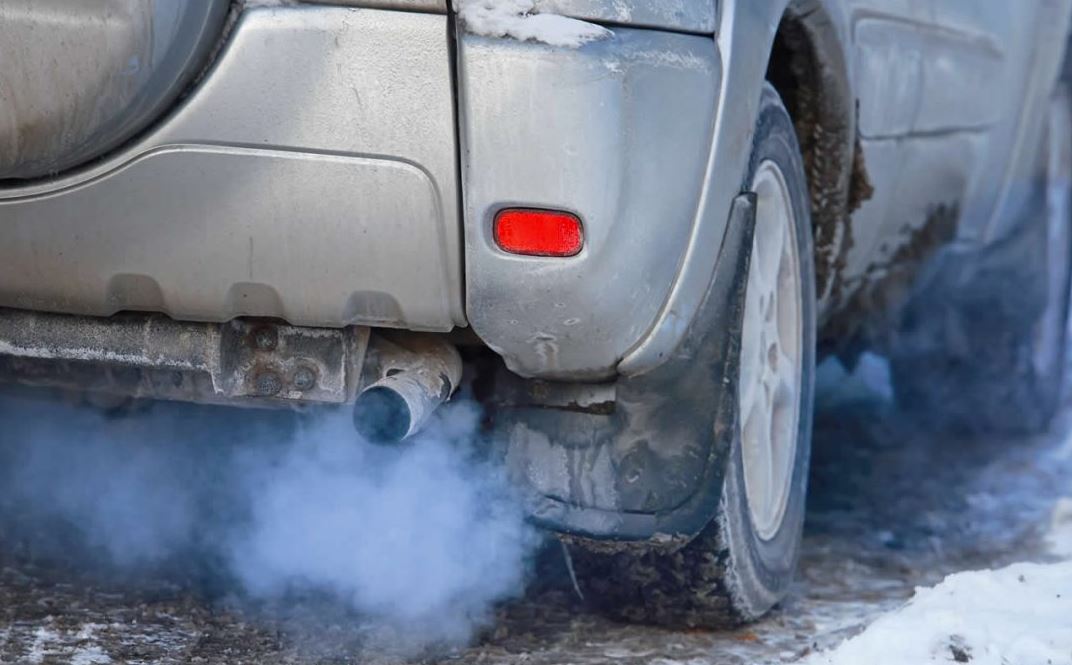
An idling engine warms slowly. It sits at low load and low heat. That leaves fuel washing past the cylinder walls and diluting oil. Driving gently warms everything faster.
The engine is not the only part that needs warming. The gearbox, tyres, suspension and wheel bearings only warm up when the car moves. Gentle driving warms them together.
Extreme cold is the fair exception. Below freezing, a short wait of about thirty seconds to a minute helps oil flow. It also lets you clear the windscreen for safety. Diesel engines, especially older ones, can benefit from a little more patience. Even then, gentle driving beats standing still. Start the car, wait a few seconds, and drive smoothly. Avoid hard revving until the temperature gauge moves.
4. Electric Cars Are Worse for the Environment
This myth points to a real fact. Building an EV creates more emissions than building a petrol car. The battery is the reason. Mining, refining, and cell manufacturing use heavy energy. An EV leaves the factory with a bigger carbon debt. That part of the story is true.
The debt is then repaid on the road. An EV has no tailpipe. Its energy comes from the grid, which is getting cleaner. A petrol car burns fuel for its whole life.
The International Council on Clean Transportation studied this in 2021. It compared full lifecycle emissions of medium-sized cars. EVs came out roughly 66 to 69 percent lower in Europe and 60 to 68 percent lower in the United States.
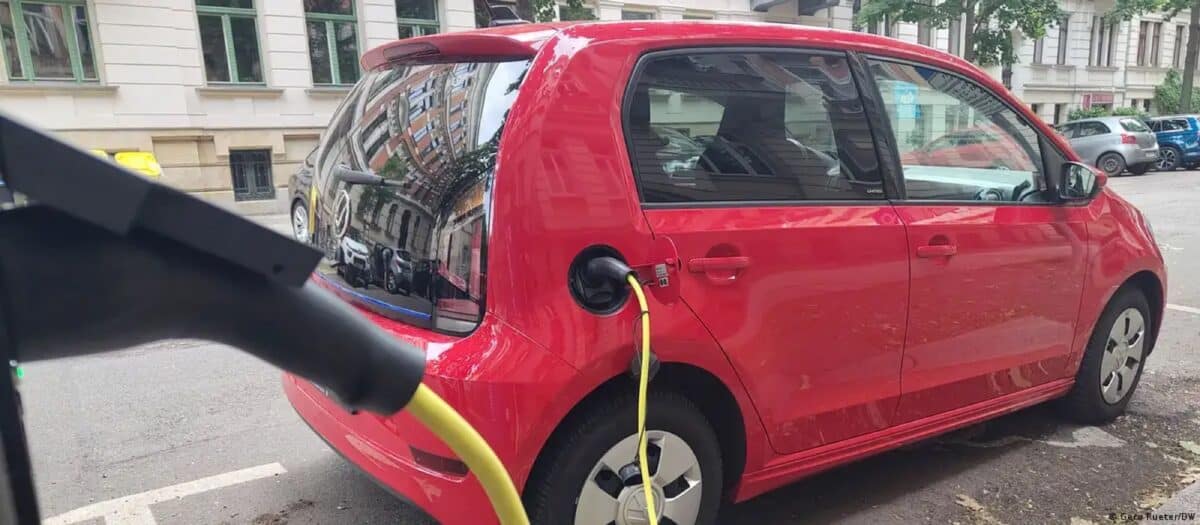
India is the most useful case here. Its grid leans heavily on coal. The same study found EVs still cut lifecycle emissions there by roughly 19 to 34 percent. The gain was smaller, but it was real.
Battery recycling is improving. Recovered lithium, nickel and cobalt can feed new cells. That should shrink the manufacturing debt over time. The honest end has limits. A very small petrol car or a hybrid may beat a large, heavy EV on a coal-heavy grid. Vehicle size matters as much as vehicle type. On lifecycle data, EVs win almost everywhere. The margin depends on the grid.
5. Manual Gearboxes Always Save More Fuel
For decades, this was simply true. Old automatics had three or four gears. Their torque converters slipped constantly. They wasted energy as heat.
Modern automatics work differently. Many have eight, nine, or ten gears. Torque converters now lock up early and stay locked. Software picks gears more precisely than most drivers can.
Dual-clutch gearboxes cut losses further. Continuously variable transmissions keep the engine at its most efficient speed. Even automated manuals aim for the same goal.
Official fuel economy tests show the shift. In many current models, the automatic matches or beats the manual. The gap that once favoured manuals has closed.
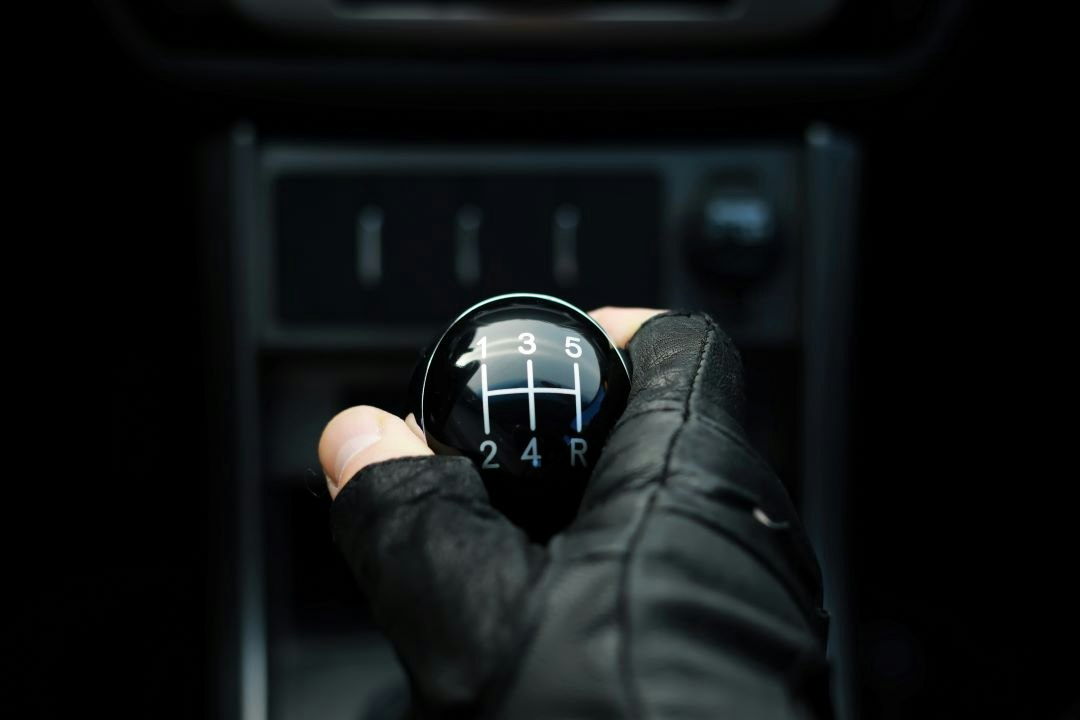
Real driving adds another twist. Few drivers shift at the ideal moment every time. Tired or hurried drivers stay in gear too long. An automatic never gets tired.
Manuals keep some advantages. They are often cheaper to buy and simpler to repair. Many drivers find them more engaging. Some conditions, like towing steep hills, favour a skilled manual driver.
The efficiency gap also varies by model. Some cars still get better economy with the manual gearbox. Always compare the official figures for your specific car. The old rule no longer holds. Compare the numbers for your exact model.
6. Red Cars Cost More to Insure
This one has spread for generations. It is easy to see why. Red suggests speed and attention. People assume insurers must agree. They do not. Insurers price risk using measurable factors.
These include the driver’s age and record, location, annual distance, and the car’s make and model. They also weigh repair costs, theft rates and safety features.
Colour is not on that list. The Insurance Information Institute has said so plainly. Application forms ask for many details, but colour is rarely one of them.
The link to speeding tickets is equally weak. No solid data shows police target red cars. Officers stop vehicles they clock at excess speed. They cannot measure paint colour with a radar gun.
Colour does show up in one area of research. An Australian university study found that some darker cars had slightly higher daytime crash risk. The suspected cause was visibility, not insurance. The effect was modest.
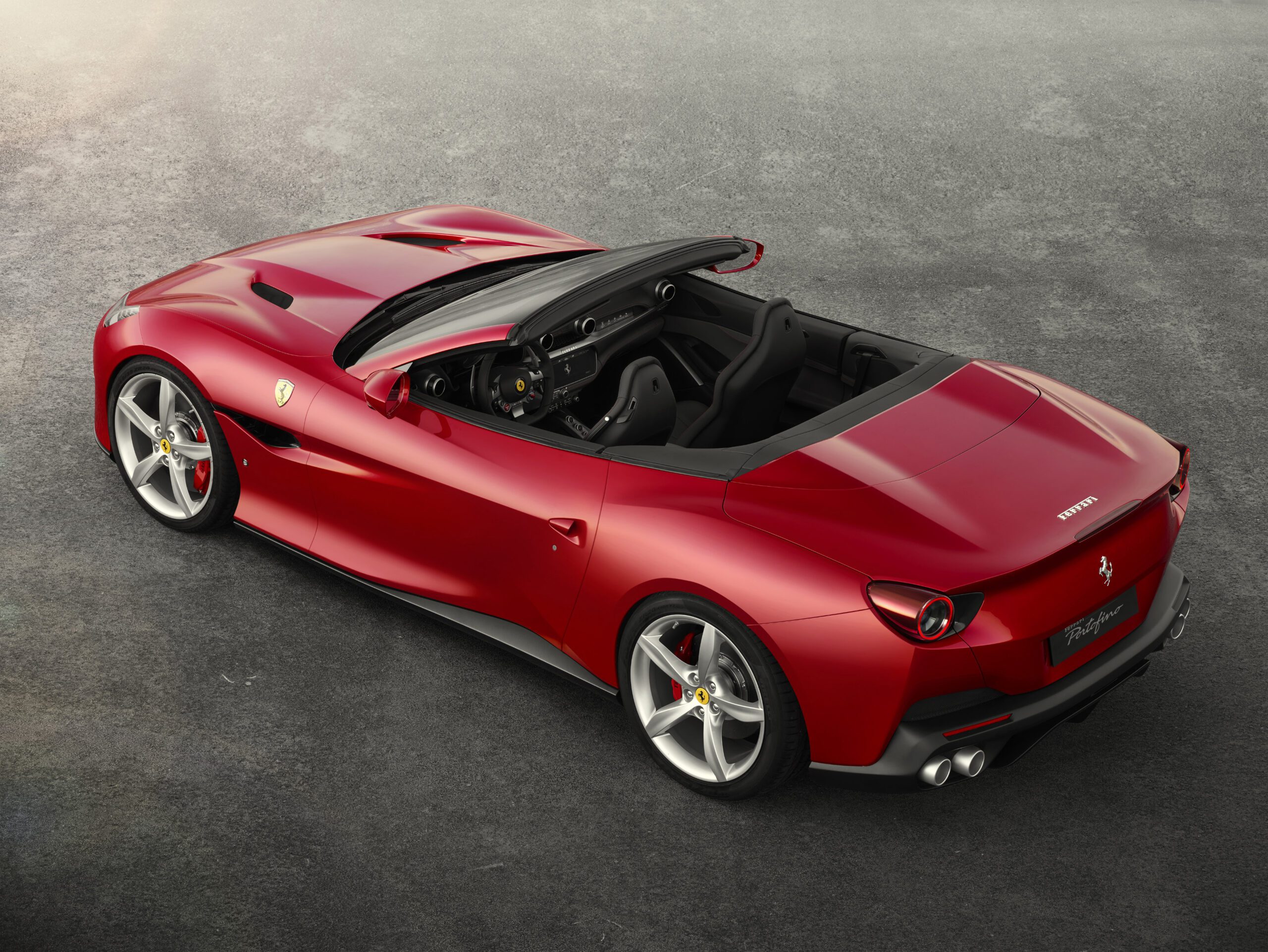
There is a fair reason the myth persists. Sports cars are often painted red. Sports cars really do cost more to insure. The car type carries the risk, not the paint. Colour can also affect resale value. Neutral shades often sell more easily. That is a market effect, not an insurance one. Pick the colour you like. Your premium will not change.
7. Stop-Start Systems Destroy Your Engine
Many drivers switch off stop-start the moment they buy a car. They fear the constant restarting will wear out the starter and battery. The fear sounds logical.
Engineers saw it coming. Stop-start cars use reinforced starter motors. Many use a stronger battery type, such as AGM or EFB. Some use a belt-driven starter-generator built for repeated cycles.
The systems also protect themselves. They do not shut the engine off when it is cold. They stay active only when the battery charge is healthy. They also restart at once if you need cabin cooling or brake assist.
The benefit is real in heavy traffic. Idling burns fuel and produces emissions for no gain. Cutting the engine at a red light saves both. Estimates commonly put the saving at several percent, and more in dense city driving.
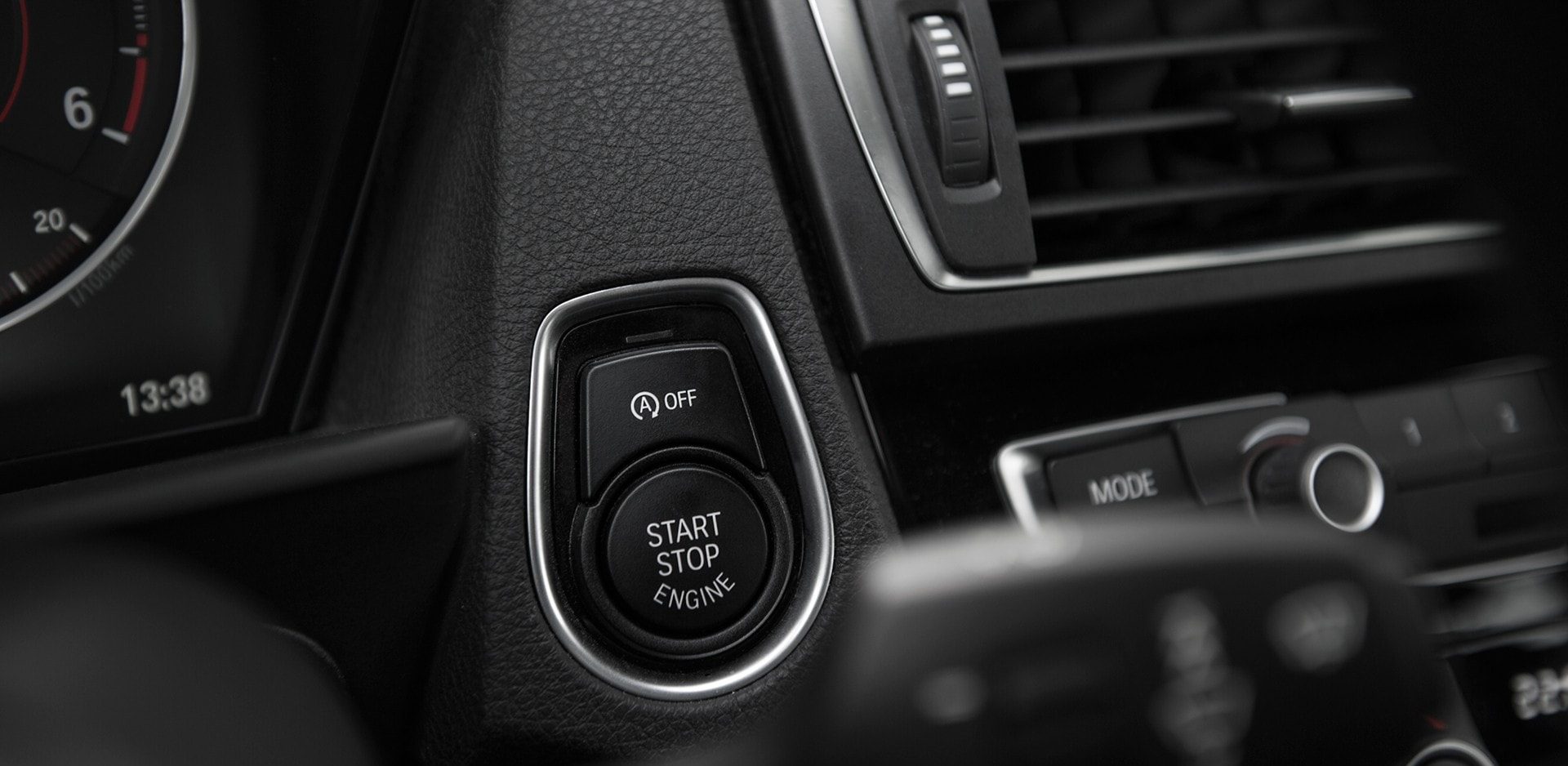
Oil protection is a fair concern. Repeated restarts do stress bearings for a moment. Manufacturers counter it with tuned oil pressure and low-friction materials. Test programmes cover far more restarts than most cars will see.
Batteries remain the weak spot. Owners sometimes replace them earlier than expected. Using the correct battery type matters. A cheap standard battery may fail fast in a stop-start car. The saving is smaller on the highway. There are few stops, so the system rarely acts. It suits city commutes best.
The system is designed for repeated use. Use the correct battery and leave it on.
8. All-Wheel Drive Stops Better on Ice
All-wheel drive feels safer. The car pulls away confidently on snow. That feeling leads drivers to trust it in every winter situation. Physics disagrees. Braking depends on grip between tyres and road. Every car brakes with all four wheels, whatever drives them. Drive layout does not change stopping distance.
AWD helps you accelerate. It spreads engine torque across four contact patches. That reduces wheelspin at the start. It does nothing once you press the brake.
It can even hurt. AWD systems add weight. Extra mass means more energy to shed when stopping. The confidence it gives may also push drivers to go faster than conditions allow.
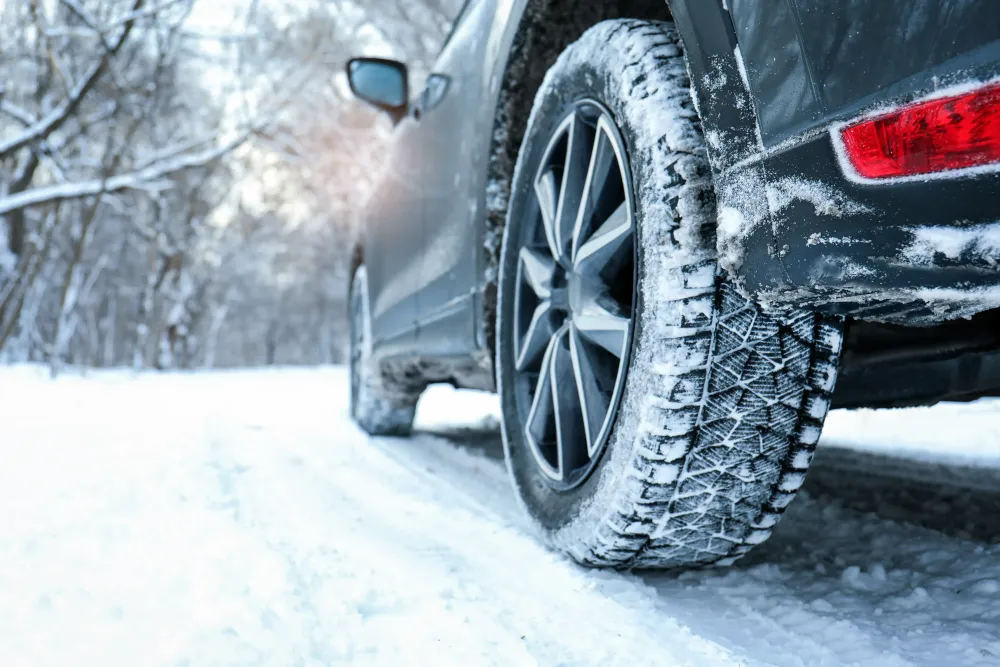
Independent tyre tests make the point clearly. Tire Rack has repeatedly compared setups on snow and ice. A front-wheel-drive car on winter tyres often outperforms an AWD car on all-season tyres. Tyre choice matters most.
Winter tyres use softer rubber compounds and deeper sipes. These stay flexible in the cold and bite into ice. All-season tyres harden as temperatures fall.
AWD is still valuable for climbing slippery hills and pulling out of deep snow. It is a traction aid, not a braking aid. Treating it as both leads to accidents. Grip comes from tyres, not drivelines. Fit proper tyres before paying for AWD.
9. Open Windows Always Save More Fuel Than the AC
The logic seems airtight. Air conditioning runs a compressor. The compressor draws engine power. Windows cost nothing. But open windows carry a cost too. They disrupt the airflow around the car. That increases aerodynamic drag. Drag rises sharply with speed.
Several independent tests have looked at this. Society of Automotive Engineers research and Consumer Reports testing both point the same way. At low speeds, open windows use less fuel. At highway speeds, the AC often wins.
The crossover point sits around 80 kilometres per hour. Below it, the open window is usually more efficient. Above it, drag from the windows tends to outweigh the compressor’s load.

Vehicle shape changes the result. A boxy SUV suffers more from open windows than a sleek sedan. Small engines feel the compressor load more than big ones. The gap in either direction is often small.
Modern AC systems are also more efficient. Variable-displacement compressors adjust their load. Automatic climate control avoids overcooling. Both reduce the fuel penalty.
Comfort and safety matter here too. A cooler cabin keeps drivers alert. Open windows at speed bring in noise, dust, and pollution. Use open windows in slow city traffic. Use the AC when you cruise on the highway.
10. Hybrid Batteries Fail Early and Cost a Fortune
Fear of a huge replacement bill keeps many buyers away from hybrids. The story is that the battery dies after a few years. Then the car is worth nothing.
The record does not support it. Toyota has sold hybrids since 1997. Millions of them are on the road. Many taxis and ride-hailing cars have crossed several hundred thousand kilometres on original batteries.
Hybrid batteries work differently from EV batteries. They stay in a middle charge band. They rarely charge fully or drain fully. That gentle use greatly reduces stress and ageing.
Cooling and battery management software protect the pack too. Cells are balanced and monitored constantly. Faults tend to affect single modules, not the whole pack.
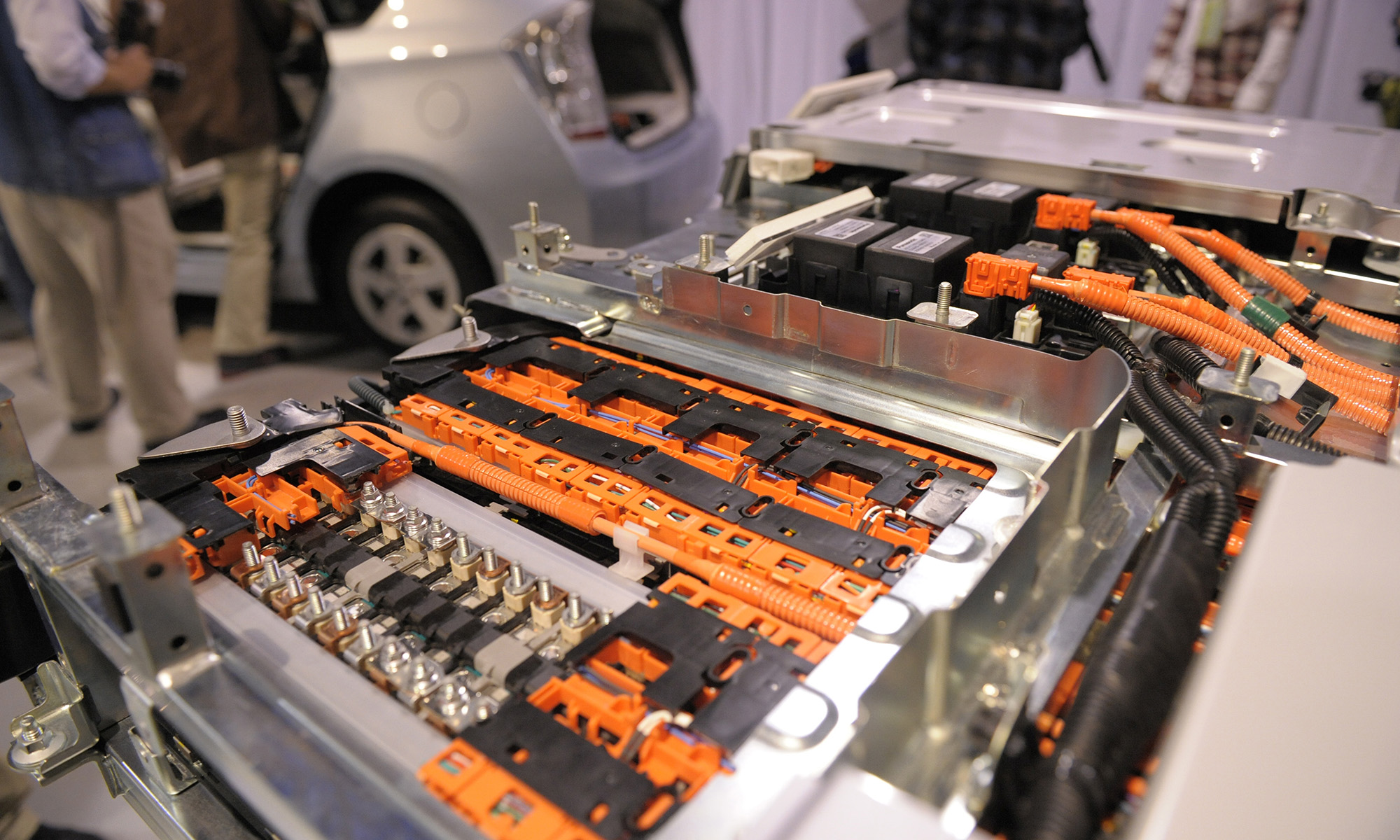
Warranties reflect the confidence. US federal rules require coverage on hybrid components for at least eight years or 100,000 miles. California and several other states require ten years or 150,000 miles. Many makers offer similar terms elsewhere.
Replacement is also getting cheaper. Remanufactured packs and individual module repairs now exist. Independent specialists have cut costs below what many owners fear.
Some failures do happen. Hot climates and poor maintenance can shorten life. Blocked battery cooling vents are a known culprit. Regular checks of the vent and fan help.
