
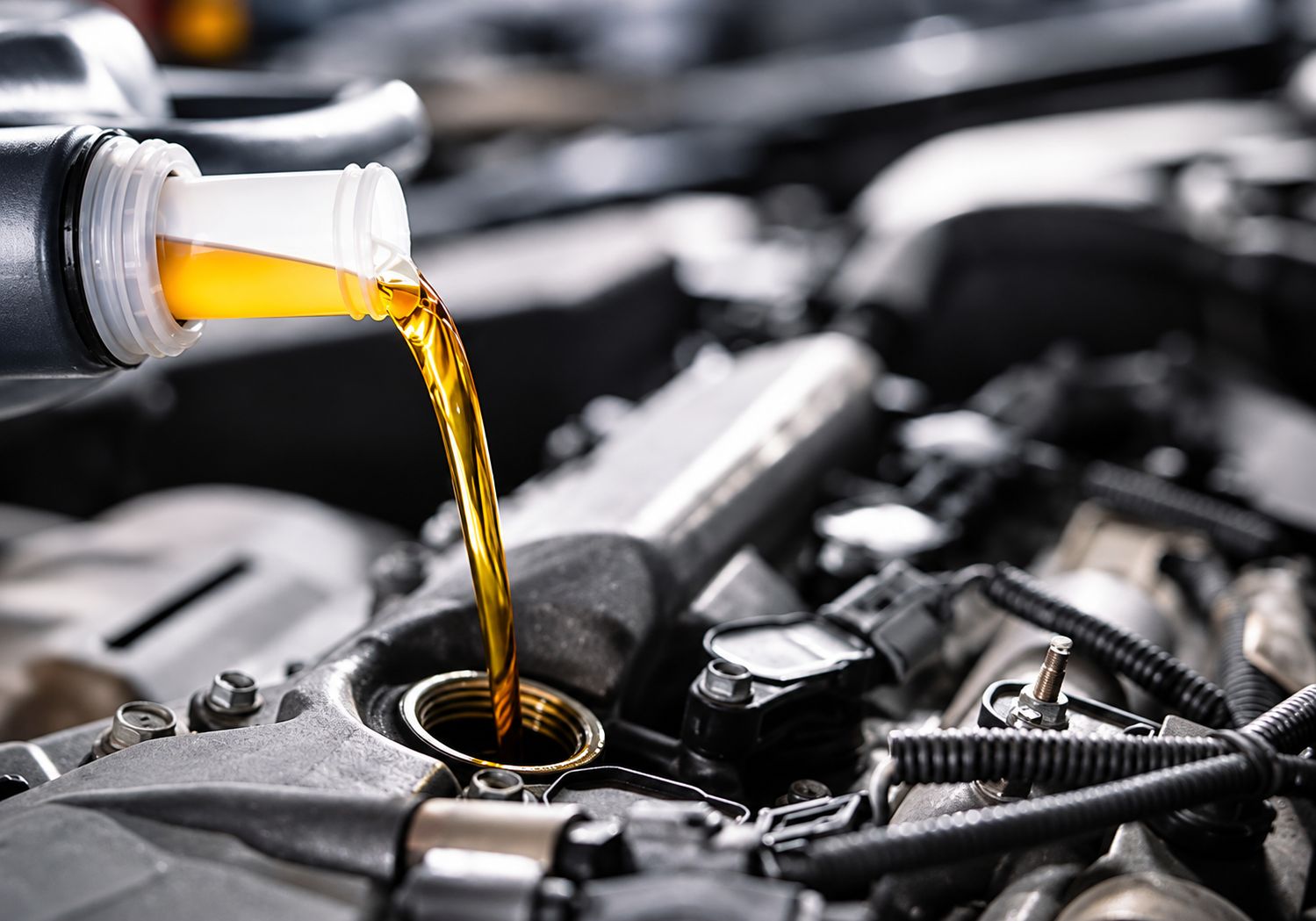
Motor oil advice hasn’t kept pace with motor oil technology. Most of what drivers “know” about oil comes from decades-old habits. Those habits made sense in the era of carburetors and mineral oil. They don’t hold up against today’s synthetic blends and tighter engine tolerances.
Quick-lube stickers, gas station chatter, and hand-me-down wisdom from a previous generation keep these myths alive. Some of them cost drivers real money every year.
Others actively work against the engine they’re meant to protect. A driver who insists on thick oil in a modern low-clearance engine isn’t being cautious.
They’re fighting the manufacturer’s own engineering. This piece breaks down eight specific beliefs about oil that no longer match reality. Each one made sense at some point in automotive history.
Each one has since been overtaken by better materials, better additives, and better data. Owners who update these beliefs typically save money. Some also avoid unnecessary engine wear in the process.
1. You Must Change Your Oil Every 3,000 Miles
The 3,000-mile rule is probably the most repeated piece of car advice in existence. It’s also the most outdated. The number originated in the 1970s. Engines from that era ran looser tolerances, and the conventional oil available at the time broke down faster under heat and stress.
That combination genuinely required frequent changes. Conventional oil back then simply couldn’t survive much longer between services. Modern engines are a different machine entirely. Today’s engines are built tighter and cleaner, to stricter manufacturing specs than anything from the 1970s.

The oil has changed just as much as the hardware. Synthetic and synthetic-blend oils handle heat and contaminants far better than older conventional formulations ever could.
Manufacturer numbers back this up directly. Most 2025 Toyota models call for 10,000 miles or 12 months on synthetic oil, and many other automakers land somewhere in the 7,500-to-10,000-mile range.
These aren’t marketing numbers from an oil company. They come from the engineers who actually built the engine. Independent testing supports longer intervals too. Edmunds sent a used oil sample to a lab after driving a long-term test vehicle for over 13,000 miles.
The results showed that the sample could have safely gone at least another 2,000 miles before losing its protective ability. That’s nearly 15,000 miles on one fill.
A Pennzoil scientist told Edmunds plainly that oil technology has changed enormously, and most of that change is invisible to the average driver. The 3,000-mile habit persists mostly out of routine, not necessity.
Oil-life monitoring systems have made the guesswork obsolete anyway. These systems track engine temperature, load, idle time, and driving patterns in real time.
They tell the driver exactly when a change is actually due. Trusting that system, or the owner’s manual, beats a sticker from a quick-lube counter every time.
2. Switching to Synthetic Oil Causes Leaks
This myth has cost countless drivers a smoother, better-protected engine. The fear is that synthetic oil is somehow “thinner” or more slippery than conventional oil. Supposedly, that thinness lets it seep through seals that conventional oil never could. It’s a tidy explanation.
That claim is also incorrect. Synthetic oil does not cause leaks. Instead, it can reveal leaks that were already present but less noticeable with thicker conventional oil. If an aging gasket was already failing, the gasket is the underlying problem. The synthetic oil simply makes the existing leak easier to detect.
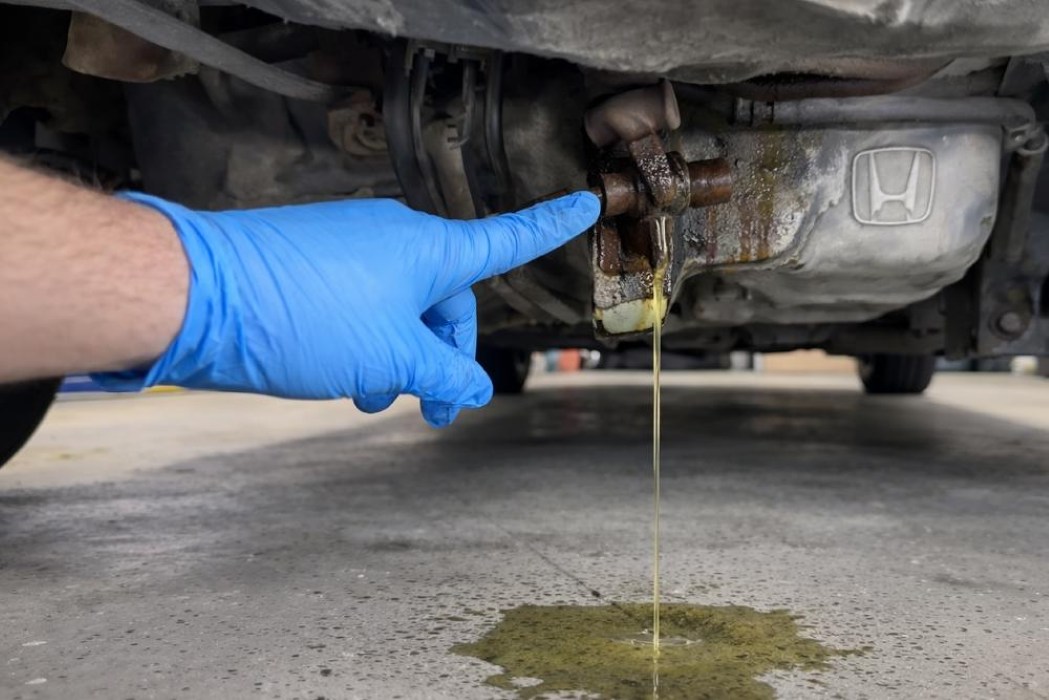
Slipperiness itself is a separate property from oil type entirely. It has to do with viscosity grade, not whether the base stock is synthetic or conventional.
A 5W-30 synthetic and a 5W-30 conventional oil behave almost identically in terms of seal contact. The chemistry of the additive package matters far more than the base oil origin.
Modern synthetic formulations have moved even further past the old concern. Many now include seal conditioners specifically designed to keep gaskets supple.
That actually reduces leak risk in aging engines rather than increasing it. An owner with a 100,000-mile engine that’s never seen synthetic oil might notice something after switching. If a leak does appear, it usually means a seal was already deteriorating. The seal needed replacing regardless of what oil sat behind it.
The old fear about switching back and forth is equally unfounded. Drivers who go from conventional to synthetic can switch back to conventional later without any mechanical penalty.
Manufacturers even sell blended products that combine synthetic and conventional oil in a single bottle. There’s no chemical incompatibility to worry about.
The only real guidance worth following is factory-original. If a car left the factory on synthetic, staying on synthetic is simply what the engine was engineered around.
3. Dark or Black Oil Means It’s Time for a Change
Pulling the dipstick and seeing black oil triggers an almost automatic reaction in most drivers. The assumption is that black equals dirty, and dirty equals overdue. That assumption isn’t backed by evidence. There are no scientific studies linking motor oil color to its actual condition or remaining service life.
Oil darkening is largely a sign the oil is doing exactly what it’s supposed to do. Fuel combustion produces soot, and that soot is what darkens the lubricant over time, especially in direct-injection engines.
The oil is designed to trap that soot rather than let it settle. Regular replacement matters not because color changes, but because at some point the oil reaches the limit of how much contamination it can safely hold.

Diesel engines make this especially obvious. Diesel oil turns dark almost immediately because those formulations carry heavier detergent packages built to clean aggressively.
Dark or dirty-looking oil in a diesel engine is, in most cases, nothing to worry about, and simply means the oil is cleaning and protecting internal components as intended. Gasoline engines follow a milder version of the same pattern.
Chemistry explains the rest of the color shift. Oxidation occurs as oxygen molecules interact with the oil, causing a chemical breakdown similar to how a cut apple browns.
That process, along with heat cycling, is completely normal wear-and-tear on the oil itself. It isn’t automatically a sign of failure. The only reliable way to actually know an oil’s condition is lab analysis. Oil analysis is the only surefire way to determine whether oil has reached the true end of its usable service life.
Absent a lab test, the manual and the mileage counter remain the trustworthy guides. Color on a dipstick tells a story, but it’s rarely the story drivers assume it is.
4. Thicker Oil Always Means Better Engine Protection
“Thicker is tougher” is intuitive, and that’s exactly why it’s stuck around so long. A heavier oil feels like it should form a sturdier barrier between moving parts.
The logic breaks down against how modern engines are actually built. Modern engines are manufactured with very tight tolerances, precisely matched to a specific viscosity class recommended by the automaker.
Pouring in something heavier doesn’t add a safety margin. An oil that’s too viscous can delay oil delivery, especially during a cold start, which significantly increases wear rather than preventing it.
That cold-start window matters more than most drivers realize. Roughly 75 percent of engine wear happens in the first few minutes after startup, before oil has fully reached every component.
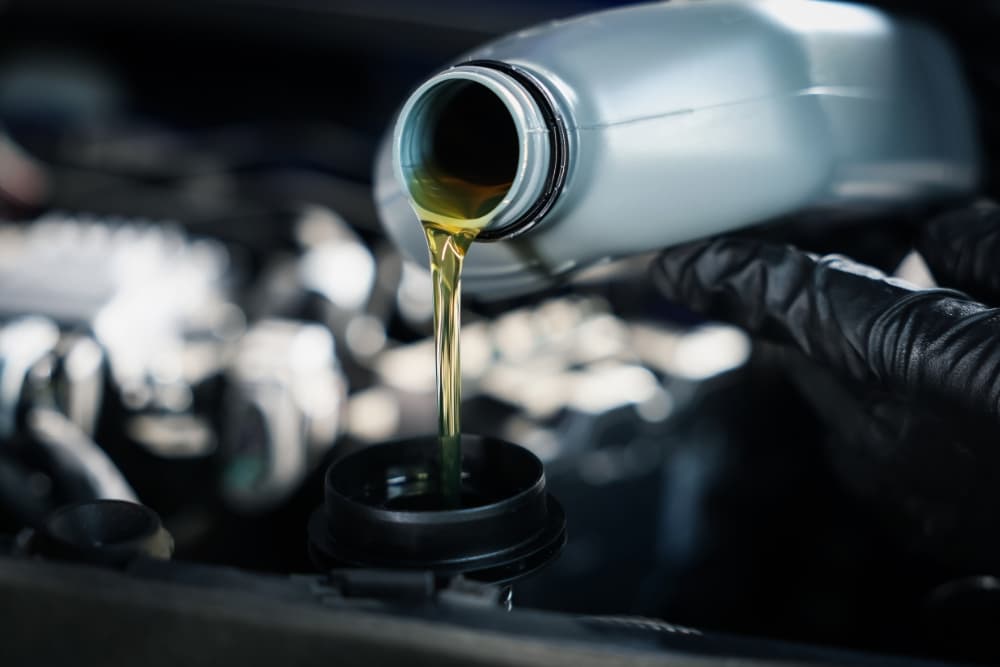
The first number in an oil’s rating describes cold-start viscosity, and a lighter-rated oil reaches critical components like overhead cams faster than a heavier one. Thick oil sitting sluggishly in the pan protects nothing.
The wear-protection job itself doesn’t actually belong to viscosity at all. It’s the antiwear additives in an oil’s formulation, commonly zinc-based compounds, that provide wear protection, not the viscosity grade of the oil.
Using oil that’s thicker than what’s specified can decrease engine efficiency instead of improving durability. That’s a real tradeoff, not a hypothetical one.
The myth is stickiest around high-mileage engines specifically. Owners assume an aging engine with wider clearances needs a heavier fluid to compensate.
High-mileage oils are formulated to reduce oil consumption and include seal-swell additives that shrink leaks, not simply a thicker base viscosity. The formulation is doing targeted work, not brute-force thickening.
There are narrow exceptions for genuinely worn, high-clearance older engines. Those cases are specific and rare, not a blanket rule for anything with six figures on the odometer.
The safest approach remains simple. Whatever viscosity grade the manufacturer specifies in the manual is the one engineered around that engine’s actual clearances.
5. You Need to Warm Up Your Car Before Driving
Letting a car idle in the driveway for several minutes used to be genuinely necessary. It’s a habit that outlived its usefulness by roughly three decades.
From the invention of the automobile through the early 1990s, cars ran on carburetors that mixed fuel and air mechanically. Carburetors struggled with cold, dense air and needed time to stabilize that mixture.
Carbureted engines needed extra time to stabilize the air-fuel mixture in cold weather to prevent stalling and sputtering on takeoff. Idling genuinely solved a real mechanical problem back then.
Fuel injection eliminated that problem entirely. Today’s electronic fuel injection systems automatically adjust the mixture for temperature, making long warm-ups largely obsolete.

The car’s computer does instantly what the driver used to wait several minutes for. The engine control system directs injectors to add more fuel when the engine is cold, then tapers off as it warms, calibrated for combustion at essentially any temperature.
Oil formulation changed alongside fuel delivery too. Common, thinner synthetic oils reach and lubricate engine components much faster than the heavier oils of the carburetor era.
Official guidance now reflects all of this. AAA says 30 seconds to one minute of idling is all a modern engine actually needs before it’s ready to drive. Extended idling isn’t neutral, either. It actively works against the engine in a couple of specific ways.
Since idling doesn’t heat the engine quickly, the onboard computer may keep supplying a richer, more fuel-heavy mixture for longer than necessary. That excess fuel can wash oil off cylinder walls over time.
Prolonged warm-ups can strip the engine of proper lubrication, leaving it more susceptible to premature wear rather than less. The better routine is starting the engine, buckling in, and driving gently for the first mile or two.
That gentle first stretch lets the engine reach operating temperature naturally under light load. It accomplishes what idling used to, without the wasted fuel or the added wear.
6. All Motor Oils Are Basically the Same
Standing in the oil aisle, it can be tempting to assume that the cheapest bottle performs the same job as the premium option beside it. Both are liquids, carry a viscosity grade, and promise engine protection. But the similarities go only so far. Every motor oil consists of two main components, a base oil and an additive package designed to provide additional properties and protection.
Base oils range widely in quality, from Group I mineral oils up through Group IV and V full synthetics. Each group behaves differently under heat, oxidation, and mechanical stress.
The additive package is where the real differentiation happens. Detergents, dispersants, antiwear agents, and viscosity-index improvers each serve a distinct function, and the balance between them varies significantly by brand and by product tier within that brand.
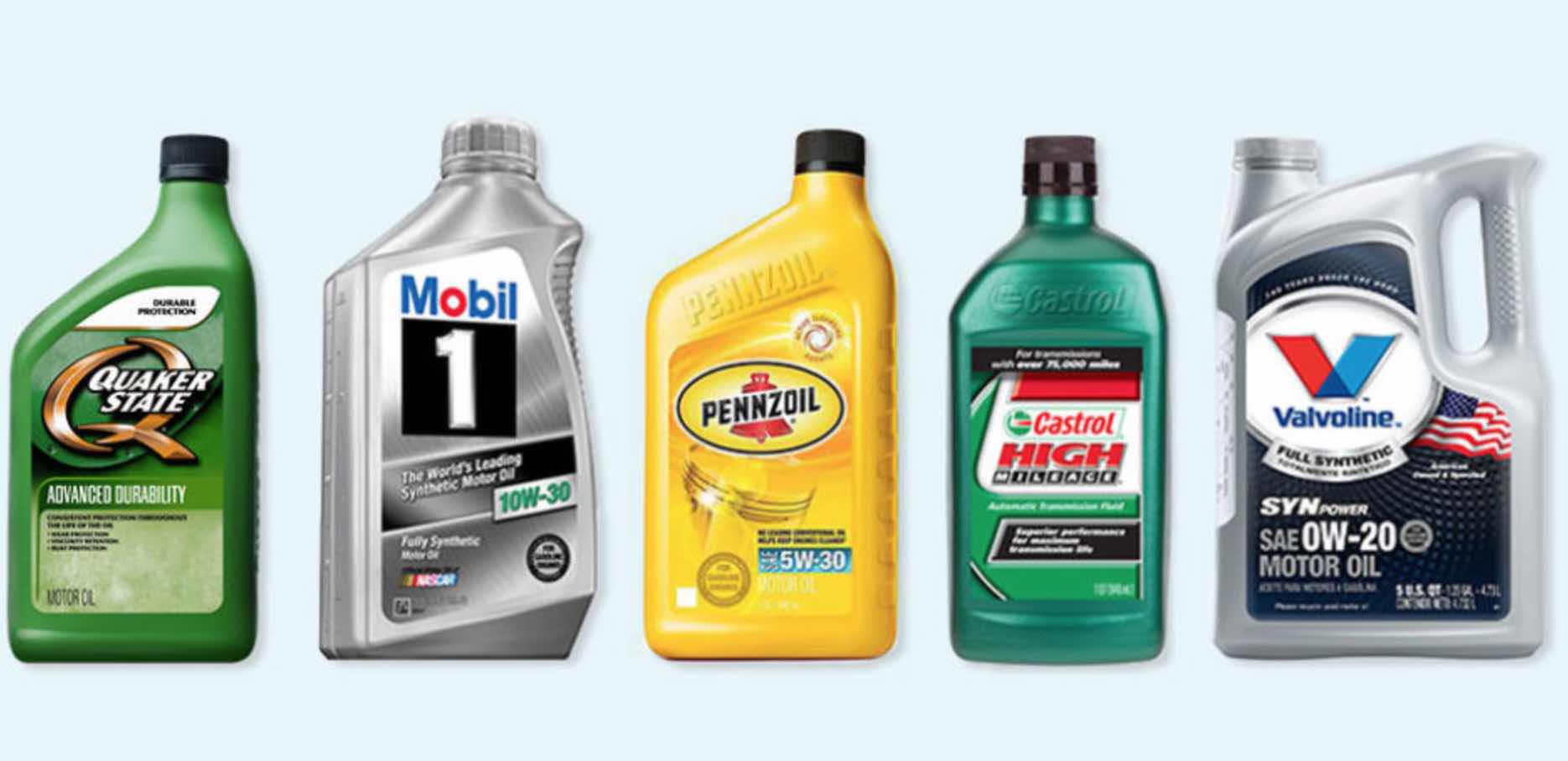
A budget oil formulated to just barely meet the minimum API service classification is a fundamentally different product than a premium synthetic engineered for extended drain intervals. Both might carry a similar viscosity number on the front label.
Their real-world performance under sustained heat, towing loads, or extended oil-change intervals diverges sharply. The API “donut” symbol and the ILSAC certification mark on the back of the bottle indicate a minimum performance floor, not a ceiling.
Oils that exceed that floor by a wide margin still display the same base certification as oils that barely clear it. That’s an important distinction lost on most casual buyers.
Vehicles with turbocharged engines, direct injection, or high-performance specifications often need additive packages tuned for those specific stresses. Generic bargain-bin oil, even at the correct viscosity, may lack the exact anti-foaming or deposit-control chemistry a modern turbo engine actually depends on.
Owners chasing the lowest price per quart are frequently trading away real protection. The manufacturer’s specified oil standard, not just the viscosity number, exists for a reason tied to that particular engine’s design.
7. Mixing Oil Brands Will Damage Your Engine
This fear keeps drivers stranded, worried that a quart of the “wrong” brand will curdle inside their engine. The panic isn’t grounded in how oil is actually engineered.
Industry certifications exist precisely to prevent that scenario. Oils meeting the same API service classification and the same viscosity grade are formulated to be chemically compatible with one another, regardless of which company’s name sits on the bottle.
That compatibility requirement is baked into the certification process itself. A bottle stamped 5W-30 with a current API service mark has to play nicely with any other oil carrying that same mark.
Expert guidance backs this up directly. Mixing brands isn’t the best practice, since the additive systems in each may differ and might not function together as efficiently as intended, but no serious problems occur from adding a different brand of equivalent quality between scheduled changes.

The genuine risk sits elsewhere. Maintaining the proper oil level matters far more than brand consistency. A driver with a dangerously low oil level and no access to their usual brand faces a clear choice. Running the engine low on oil causes real, measurable damage through inadequate lubrication and overheating.
Topping off with whatever compatible oil is available does not. The math there isn’t close. Longer-term mixing does carry one legitimate caveat worth noting. Blending a premium full-synthetic with a basic conventional oil dilutes the performance ceiling of the better product.
The resulting mixture won’t outperform the weaker of the two ingredients. That’s a performance compromise, not a safety hazard. For occasional top-offs, matching viscosity grade and current certification mark is enough. The engine won’t sludge up or suffer damage from a different logo on the bottle.
8. Low Mileage Means You Can Skip Oil Changes
Drivers who don’t put many miles on their car each year often assume their oil is fine indefinitely. If the odometer barely moves, the logic goes, why does the oil need replacing?
That logic ignores half of how oil actually degrades. Oil breaks down through two separate mechanisms, and mileage only accounts for one of them.
Mechanical wear from combustion cycles and contaminant buildup is the mileage-driven half. The other half is simple chemical aging, which happens whether the car moves or sits parked in a garage.
Moisture condenses inside the engine during short trips and cold starts. That moisture and the byproducts of combustion accumulate in the oil regardless of total distance covered.

Additive packages also degrade over time through oxidation, independent of mileage entirely. A car driven only a few thousand miles a year can still end up with chemically exhausted oil sitting in the crankcase.
Manufacturer guidance reflects this dual reality directly. Most 2025 Toyota models specify a service interval of 10,000 miles or 12 months, whichever comes first, on synthetic oil. That “or” is doing important work in that sentence.
Some automakers lean even harder on the calendar over the odometer. General Motors recommends changing the oil at least once a year regardless of how many miles the car has actually driven.
A low-mileage driver hitting the time limit long before the mileage limit is common, not unusual. Short trips are actually harder on oil than long highway stretches, since the engine rarely reaches full operating temperature long enough to boil off condensation.
That means a car used mostly for short errands may need service on the same 12-month clock as a highway commuter, even with a fraction of the miles. Checking both numbers in the owner’s manual, not just the odometer, is the only way to know which limit actually applies.
