
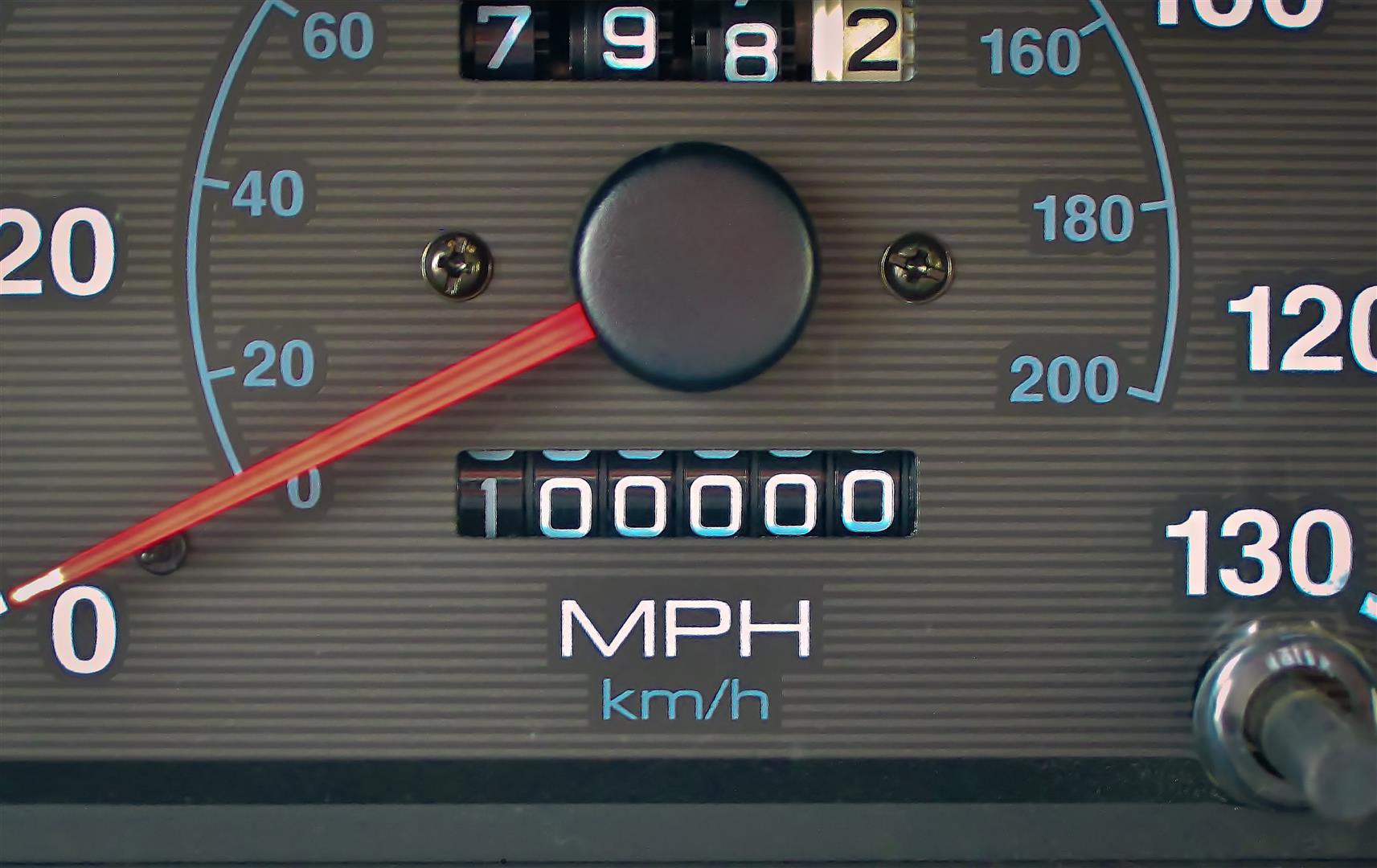
That odometer rolling over to six digits feels like a milestone worth celebrating, but it’s also when your car starts sending a very specific set of bills your way. Automakers design certain components to last roughly this long, which means several parts tend to wear out around the same stretch of mileage rather than spreading their failures evenly across your ownership experience.
Understanding which repairs typically show up together at this mark helps you budget ahead instead of getting blindsided by multiple expensive fixes arriving all at once. Here’s what tends to hit right around the 100,000-mile mark, and why these particular repairs seem to gang up on drivers at exactly the same time.
1. Timing Belt and Water Pump Replacement
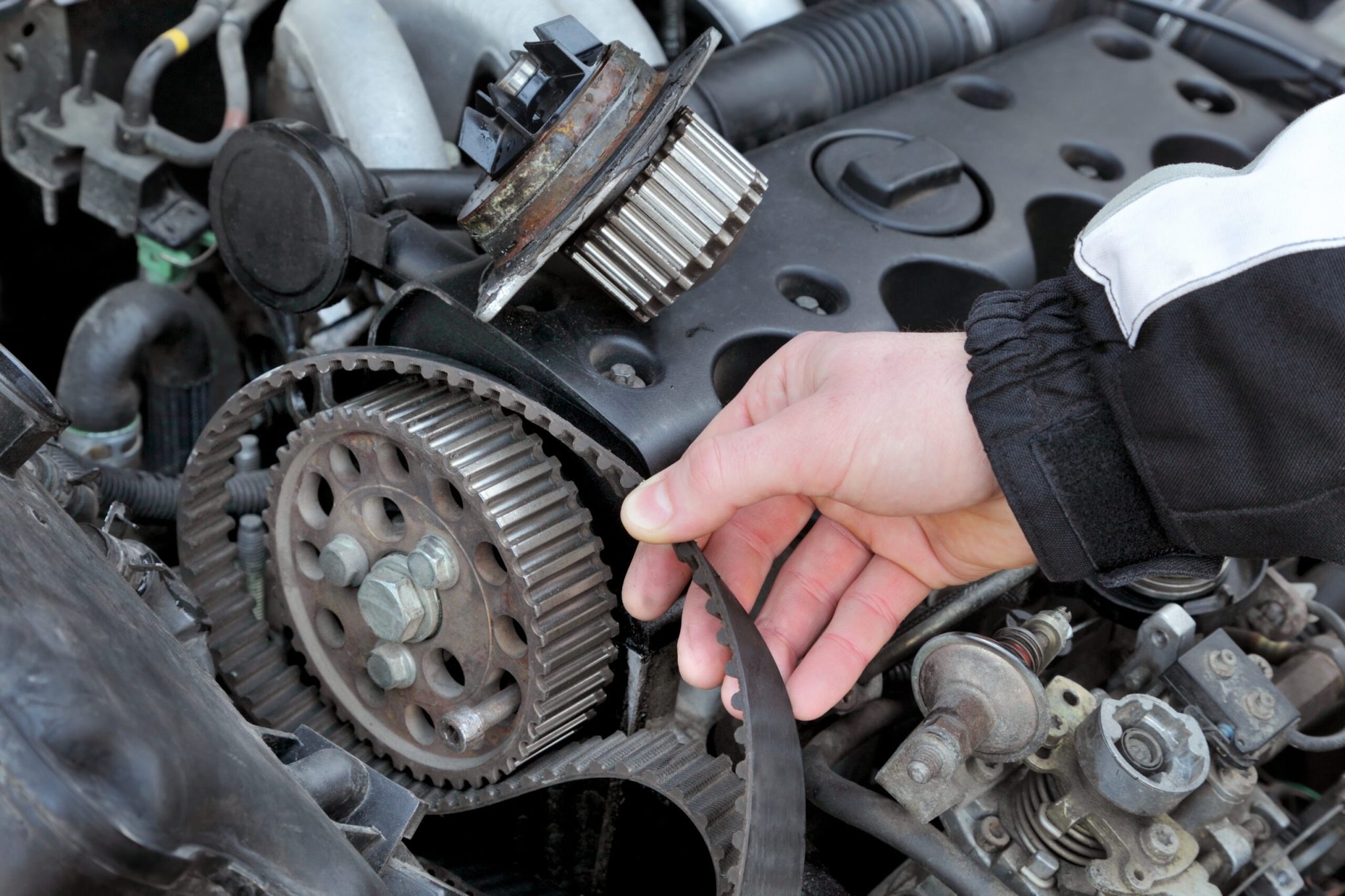
Manufacturers frequently design timing belts to last somewhere between 60,000 and 100,000 miles, which puts this repair squarely in the crosshairs for anyone approaching six figures on their odometer.
Rubber compounds degrade with age and heat cycling regardless of how carefully you’ve driven, meaning even a well-maintained vehicle faces this replacement on a fairly predictable schedule tied to time and mileage rather than driving habits alone.
Water pumps frequently get replaced during this same service visit, and that’s not a coincidence or an upsell tactic from your mechanic.
Many engines position the water pump in a spot that requires removing the timing belt just to access it, so replacing both components together saves considerable labor cost compared to paying for two separate teardowns down the road.
Skipping the water pump replacement now often means paying for that same labor twice within a relatively short span, since pumps rarely fail at a conveniently matching interval otherwise.
Skipping this repair entirely carries real risk depending on your engine design. Interference engines allow pistons and valves to occupy identical space at different points in their cycle, and a snapped timing belt in that configuration can bend valves or damage pistons catastrophically.
That kind of engine damage frequently costs thousands of dollars to repair, dwarfing the roughly $500 to $1,000 typically charged for proactive timing belt and water pump replacement combined.
Budgeting for this repair as you approach 100,000 miles protects against a considerably more painful bill waiting just around the corner.
2. Suspension Components Wear Out
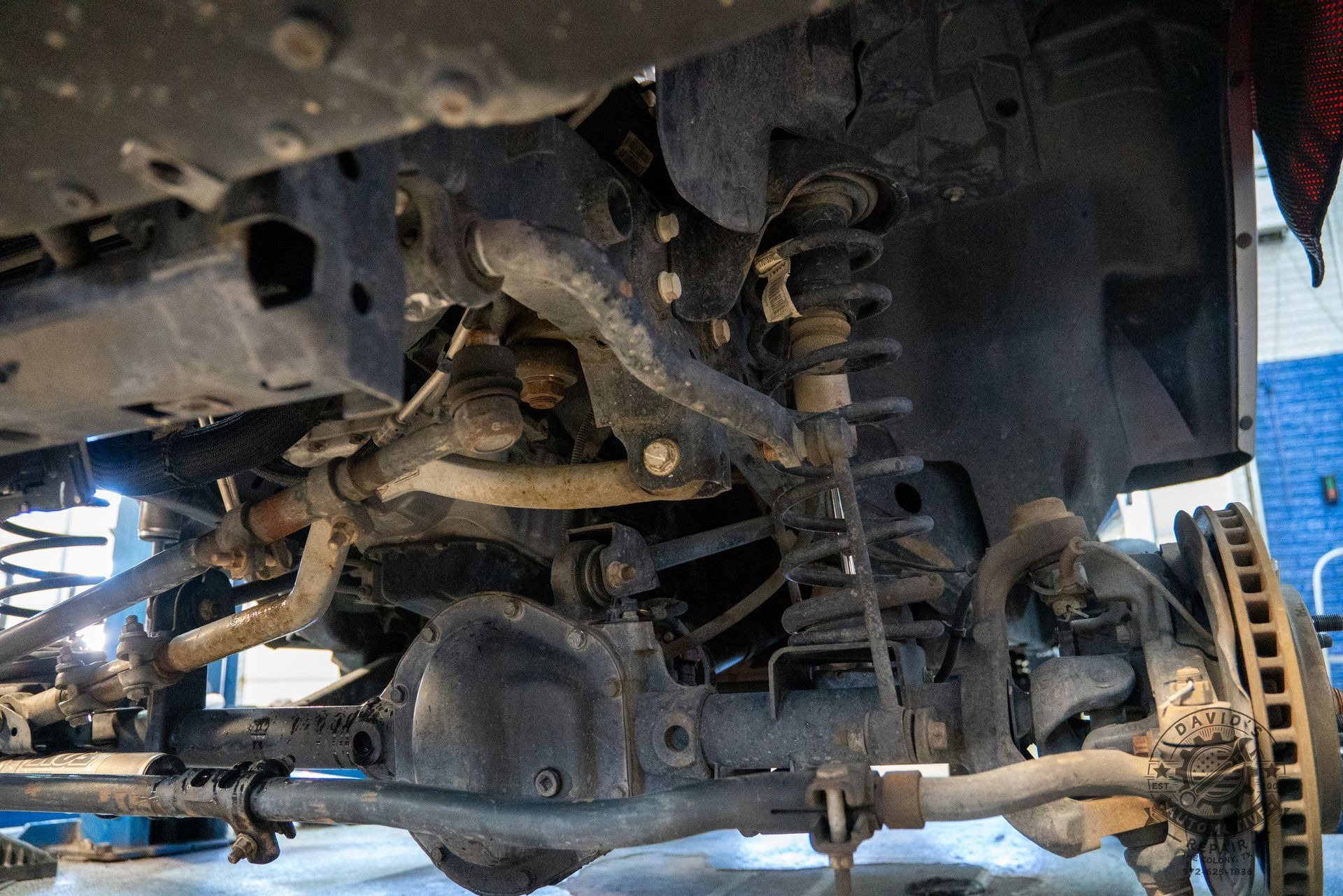
Struts, shocks, and the various bushings holding your suspension together simply don’t last forever, and 100,000 miles represents a fairly common point where multiple components start failing within a short window of each other.
These parts absorb constant impact from potholes, rough pavement, and everyday driving, and that repeated stress gradually breaks down rubber bushings and wears internal components inside shocks and struts until they no longer control your vehicle’s movement effectively.
Symptoms tend to sneak up gradually rather than announcing themselves suddenly, which is part of why so many drivers ignore early warning signs until the problem becomes impossible to overlook.
A bouncier ride, uneven tire wear, or a vehicle that dives noticeably during braking all point toward suspension components reaching the end of their functional life.
Steering feel often changes too, becoming looser or less precise as ball joints and tie rod ends accumulate wear alongside your shocks and struts.
Replacing these components individually as symptoms appear sometimes costs less upfront, but many mechanics recommend addressing suspension work comprehensively once you’re already in this mileage territory.
That’s because components installed at the same time from the factory tend to wear out on similar schedules, meaning fixing one part often reveals that its neighbors are close behind.
Suspension repairs at this stage might run anywhere from $500 for a single component to $1,500 or more when multiple parts need attention simultaneously.
Addressing this cluster proactively keeps your vehicle handling safely while avoiding the compounding tire wear and alignment problems that develop when suspension issues get ignored.
3. Spark Plugs and Ignition Coils Fail Together
Standard spark plugs typically last somewhere between 30,000 and 100,000 miles depending on their specific material composition, with iridium and platinum versions generally lasting toward the higher end of that range compared to basic copper plugs.
Regardless of which type your vehicle uses, the 100,000-mile mark represents a natural point where even long-lasting plugs have usually reached the end of their effective service life.
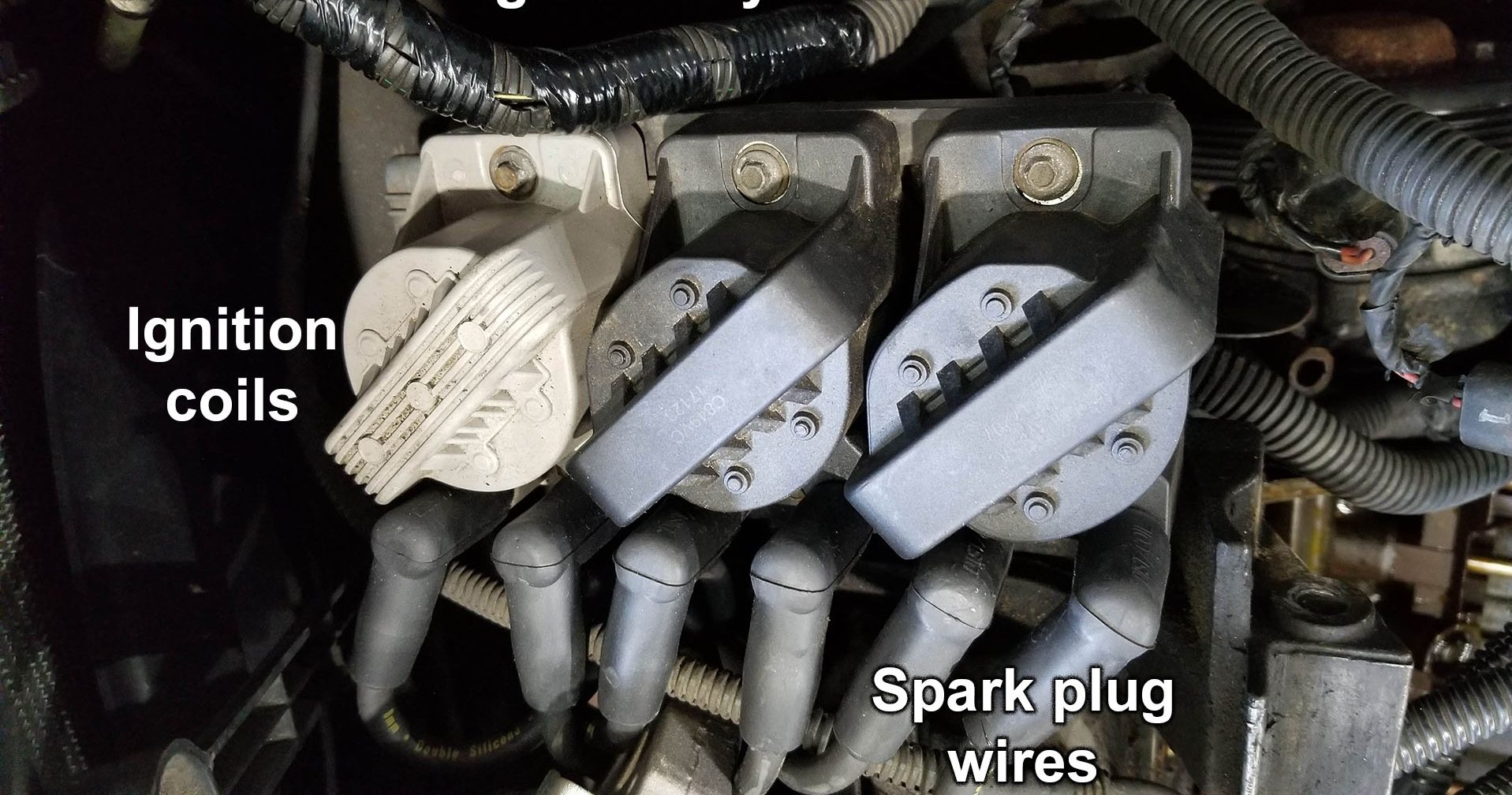
Ignition coils frequently start showing weakness around this same stretch of mileage, particularly on vehicles using individual coils for each cylinder rather than a single distributor-based system.
These coils work constantly every time your engine runs, and that repeated electrical cycling eventually causes internal components to degrade, leading toward misfires that feel remarkably similar to worn spark plug symptoms.
Because these two components work so closely together, failing plugs often mask developing coil problems and vice versa, making it genuinely difficult to diagnose which specific part caused a particular misfire without proper testing equipment.
Many mechanics recommend replacing plugs and inspecting coils together during this service interval specifically because isolating one issue without checking the other frequently leads to a repeat visit once the remaining weak component finally gives out.
Rough idling, reduced fuel efficiency, and a noticeable loss of power during acceleration typically signal it’s time for this combined service.
Replacing spark plugs alone might cost between $100 and $250 depending on your engine configuration, while adding ignition coil replacement can push that total toward $400 to $600 for a full cylinder count.
Addressing both together at the 100,000-mile mark prevents the frustrating cycle of chasing intermittent misfires caused by whichever worn component gets overlooked first.
