
Some cars become legends because they are fast, beautiful, rare, or simply unlike anything sold at the local dealership. Then some cars become even more desirable because American buyers could not get them when they were new. Strict federal safety and emissions rules kept several foreign-market vehicles away from U.S. roads, while drivers in Europe, Japan, and other countries enjoyed them for years.
The good news for collectors is that many of these cars can now be imported once they reach the federal 25-year threshold. That does not mean every example is automatically legal, though. Import paperwork, vehicle age, federal requirements, and state registration rules can still matter. Here are eight cars that earned cult status outside America before becoming attainable for U.S. enthusiasts.
1. Nissan Skyline GT-R R34
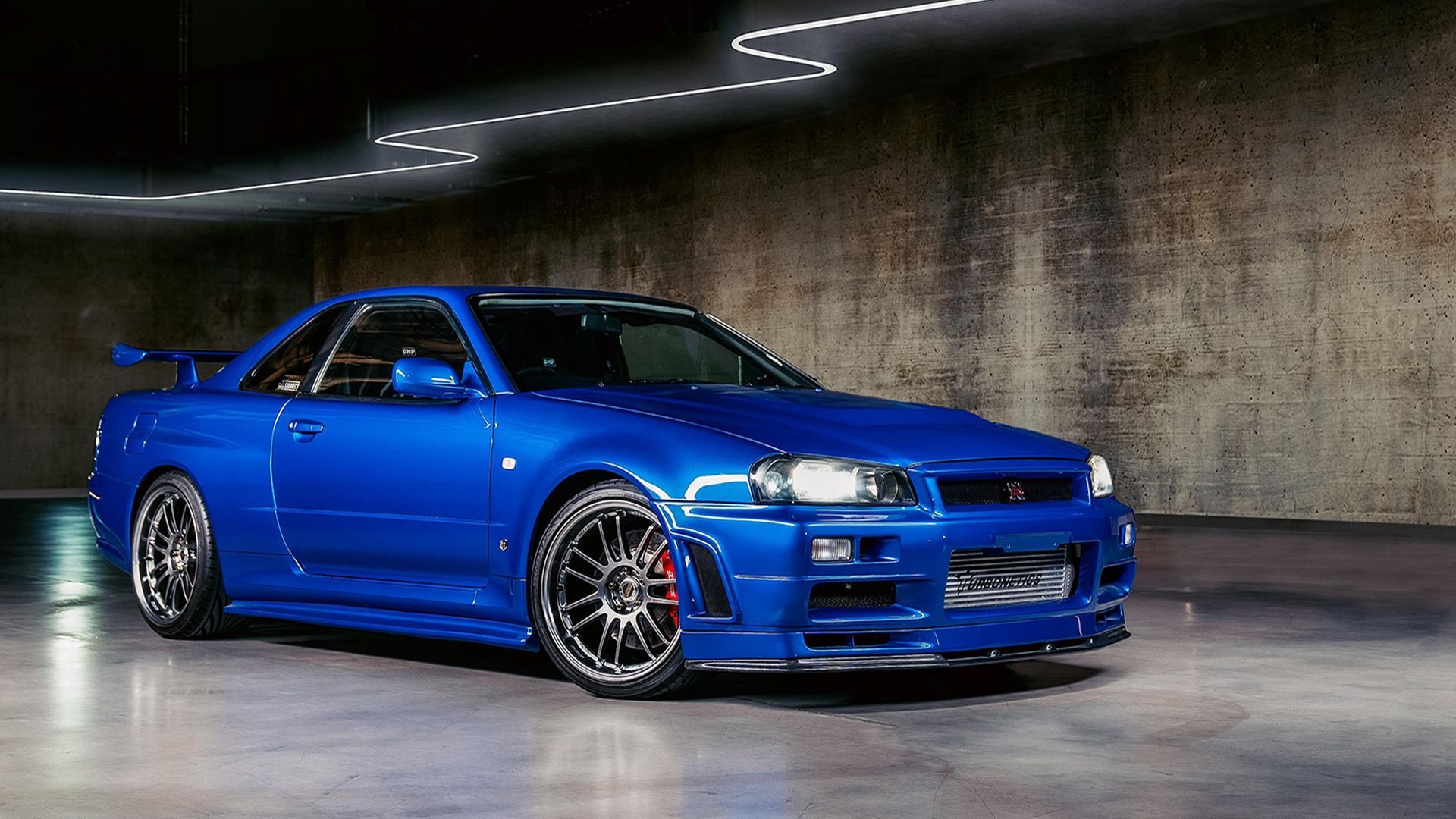
Few cars have built as much mythology around their inaccessibility as the Skyline GT-R R34. Japanese enthusiasts got to enjoy this legendary machine fresh off the assembly line, while American buyers were left completely shut out since Nissan never pursued federal certification for U.S. sale
. The specifications built for Japan’s domestic market simply didn’t align with Federal Motor Vehicle Safety Standards, closing the door on ordinary new car importation entirely.
That closed door hasn’t stayed shut forever though. Individual R34 examples eventually cross a threshold that changes everything, becoming eligible for import once they reach 25 years from their actual manufacture date.
That distinction matters considerably, since manufacture date and model year don’t always align perfectly, meaning some cars technically labeled a certain year might actually qualify slightly earlier or later than expected based on when they physically rolled off the production line.
NHTSA has been explicit about one particular wrinkle in this process. Nonconforming Skylines that haven’t yet reached that 25 year mark require going through an applicable eligibility determination alongside working with a Registered Importer, a process that adds both time and cost compared to simply importing a qualifying older example directly.
For American enthusiasts who spent years playing racing video games featuring this car, watching import eligibility finally arrive feels like a genuine dream realized.
Prices for clean examples have climbed considerably as demand meets a still limited supply of vehicles actually old enough to qualify under current regulations.
2. Porsche 959
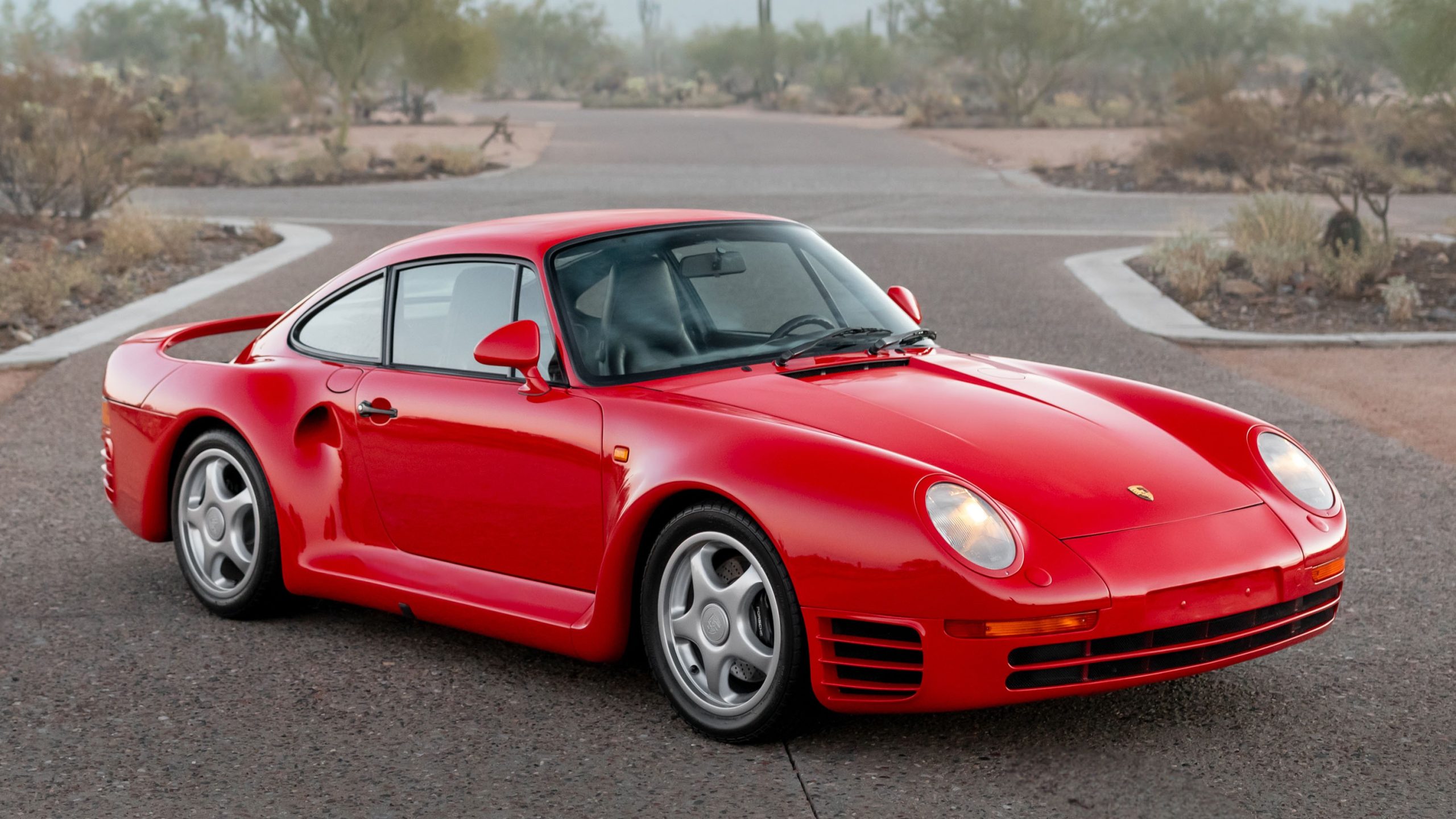
Imagine owning one of the most advanced sports cars of the 1980s but being unable to bring it into the United States through the normal import process.
That was the problem faced by Porsche 959 owners and prospective buyers. Built in limited numbers, the 959 featured technology that was years ahead of many ordinary sports cars of its period, including sophisticated all-wheel drive, electronically controlled systems, and an advanced suspension.
The car’s American story became especially famous because of Microsoft co-founder Bill Gates, who owned a 959 that was initially caught up in federal import restrictions.
In the early 1990s, the National Highway Traffic Safety Administration rejected an attempt involving a nonconforming 959 under the federal rules then in effect.
The situation changed as the cars aged. A vehicle that is at least 25 years old can generally enter the United States without having to comply with the federal safety standards applicable to newer vehicles.
The 959 also became associated with the Show or Display provision, which can apply to historically or technologically important vehicles that meet the relevant requirements.
That route comes with restrictions, including an annual mileage limit of 2,500 miles. Today, the 959’s age makes ordinary 25-year import eligibility the more straightforward route for qualifying examples.
3. Jaguar XJ220
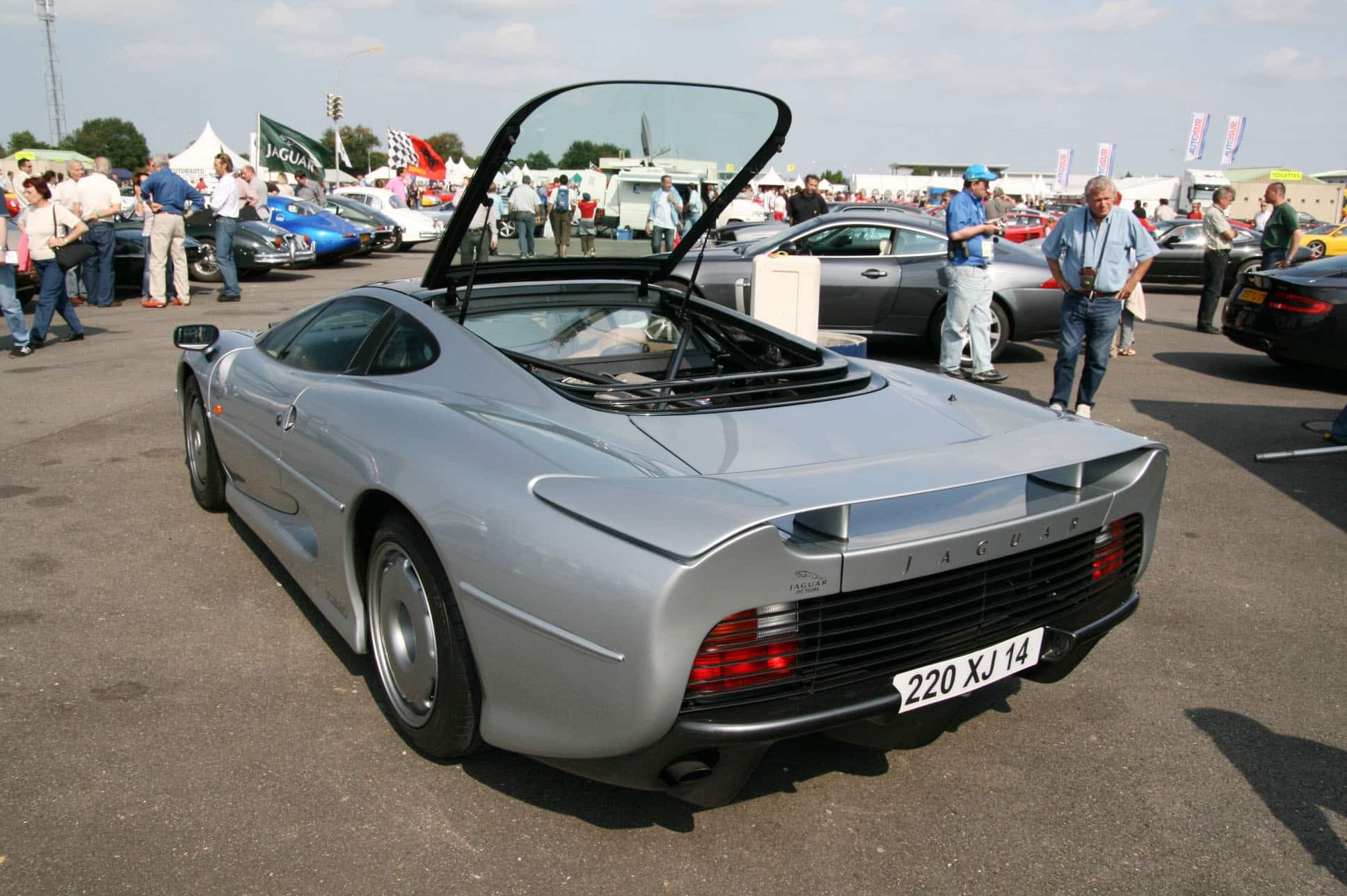
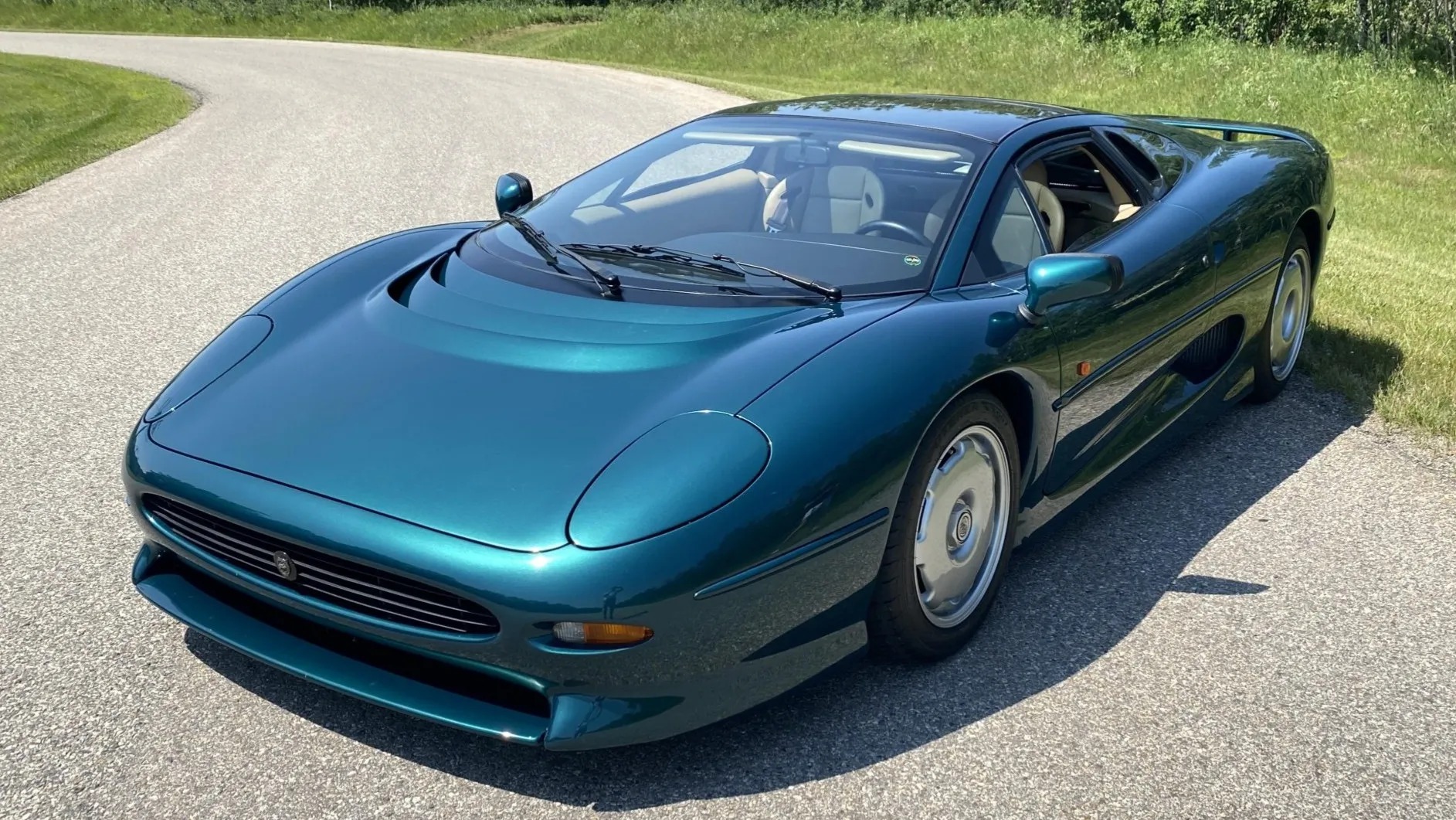
Picture a supercar capable of more than 200 mph arriving from Britain while American buyers watched from the sidelines. That was the situation with the Jaguar XJ220.
Developed as a dramatic mid-engine performance car, the XJ220 eventually entered production with a twin-turbocharged 3.5-liter V6 and a body designed around speed rather than everyday practicality.
Jaguar did not officially certify the production XJ220 for sale in the United States. American safety and emissions requirements created obstacles for vehicles built to specifications intended for other markets.
As a result, the ordinary U.S. customer could not purchase a new XJ220 through Jaguar’s American dealer network. That did not mean every XJ220 was permanently forbidden from American roads.
A small number of cars were modified and federalized so they could satisfy applicable U.S. requirements. Those conversions could be expensive and involved substantial work, which made already rare cars even harder to acquire.
There is a much simpler rule for modern collectors. The XJ220 was produced in the early 1990s, so qualifying examples are now more than 25 years old.
That makes them eligible for the federal age exemption from the applicable Federal Motor Vehicle Safety Standards. Importers still need to satisfy federal customs, emissions, and documentation requirements where applicable, along with state registration rules.
The XJ220’s American history is therefore less about a permanent ban and more about a car that arrived before U.S. certification made it practical to sell here.
4. TVR Tuscan Speed Six
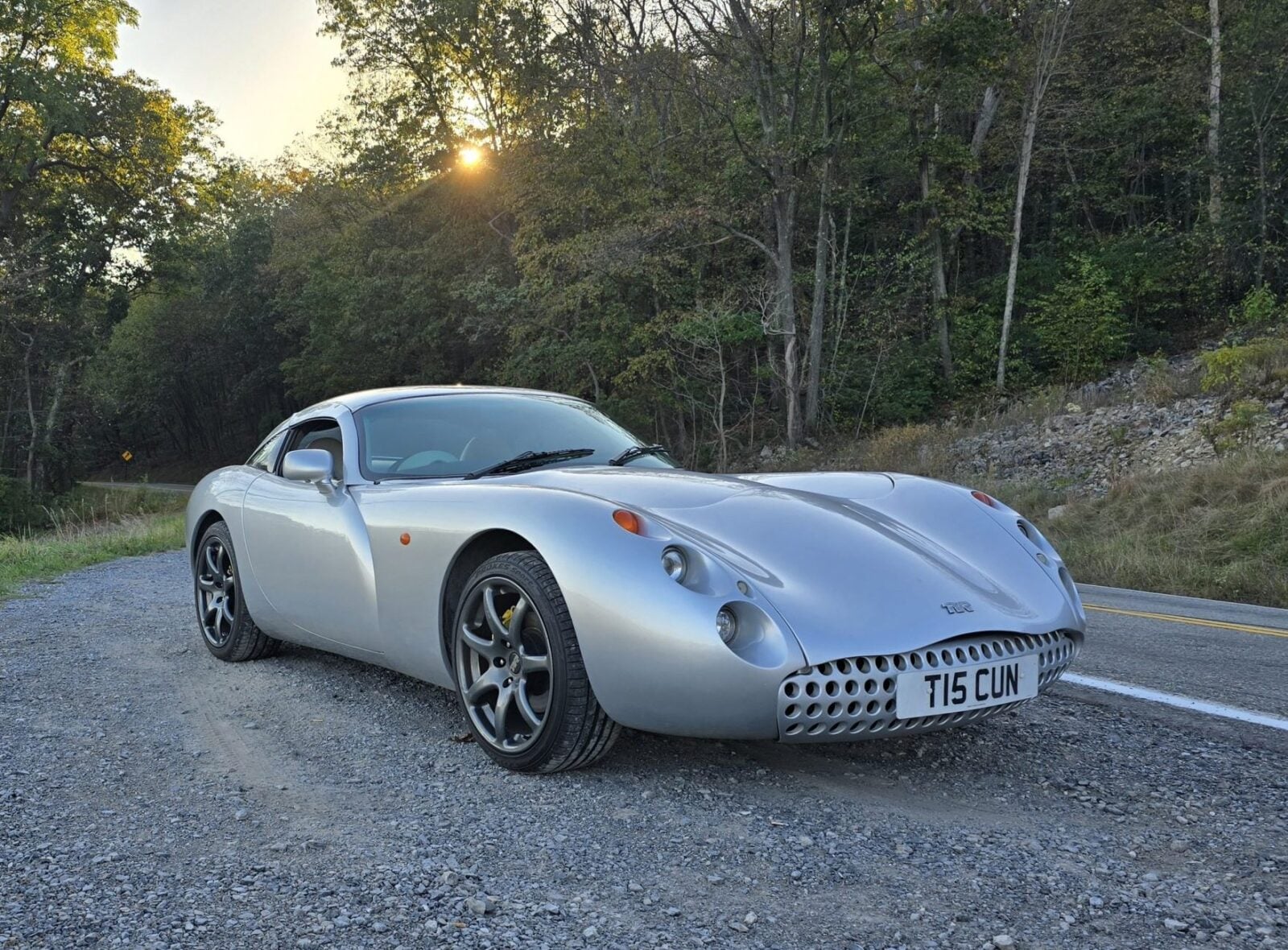
British sports cars have a reputation for eccentric charm, and the TVR Tuscan Speed Six delivered that reputation in spades. Powered by either a 3.6 or 4.0 liter naturally aspirated inline six engine, paired with Rear Wheel Drive and a proper five-speed manual transmission, this machine promised a raw, mechanical driving experience that felt increasingly rare even when it was brand new.
What truly set this car apart, for better or worse depending on your perspective, was its almost defiant lack of modern safety equipment.
While competitors were adding airbags, ABS, and traction control as standard features, TVR built the Tuscan without any of these systems, creating a driving experience that demanded genuine skill and respect from anyone behind the wheel.
That stripped-down approach made the car feel wonderfully analog, though it also guaranteed the Tuscan could never satisfy American certification requirements built around exactly those safety systems TVR chose to omit.
Official U.S. sale never happened as a result, leaving this remarkable piece of British engineering completely inaccessible to American buyers during its production run.
Time has once again provided the solution that regulation initially prevented, since sufficiently aged examples now qualify for import under the standard 25 year exemption.
Enthusiasts drawn toward pure, unfiltered driving experiences have found genuine appeal in seeking out these increasingly available examples.
Owning a Tuscan today means accepting responsibility that modern safety nets simply don’t provide, a tradeoff that plenty of dedicated drivers consider entirely worthwhile for the connection this car offers.
5. Audi RS2 Avant
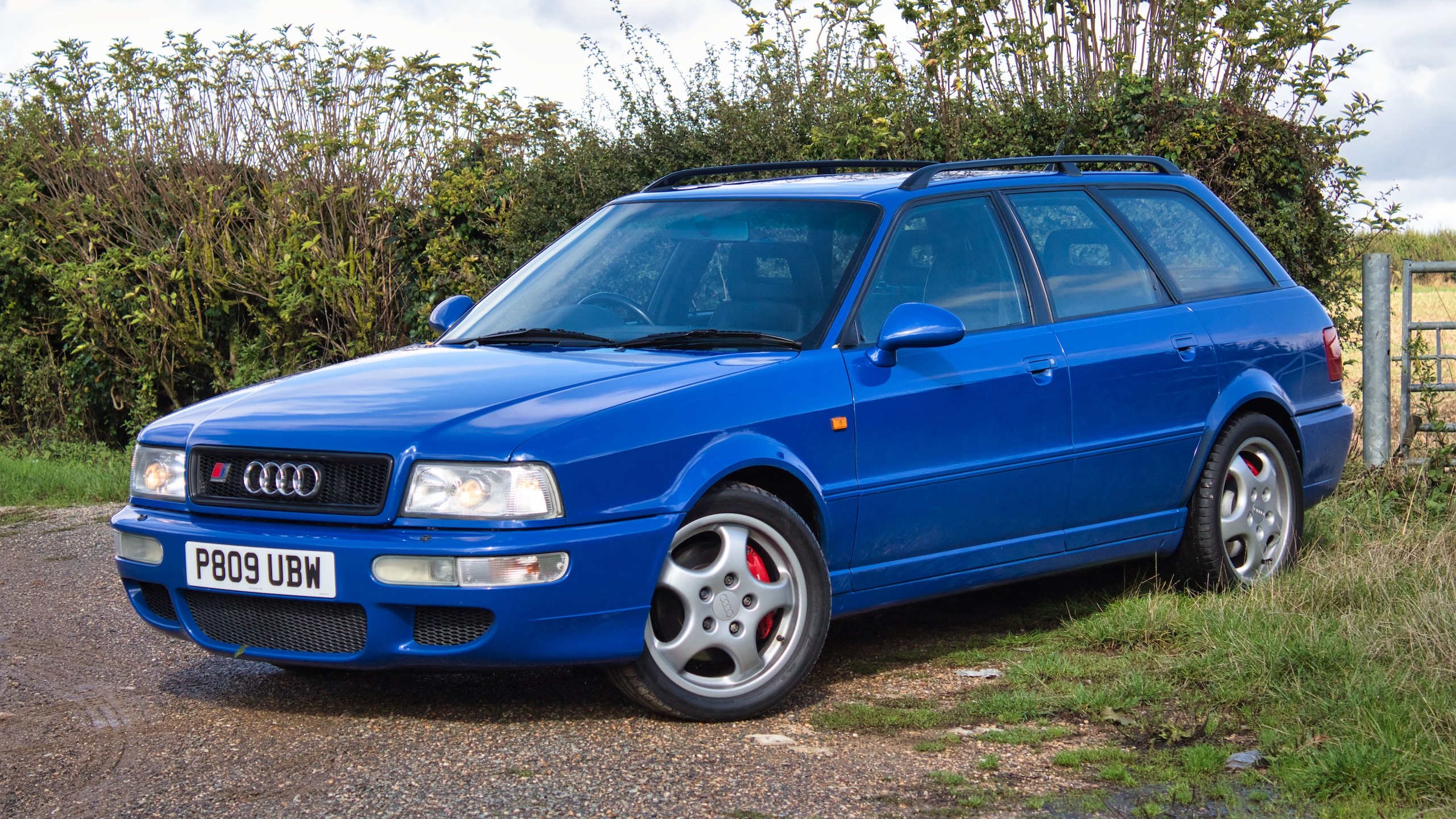
Sometimes the most exciting cars come wrapped in the most unassuming packages, and the Audi RS2 Avant proved that point brilliantly.
Developed through collaboration with Porsche, this high-performance wagon combined genuine speed with practical cargo space, creating something that felt almost contradictory to American expectations about what a fast car should look like.
Produced specifically for the European market during the mid 1990s, the RS2 never reached American shores through official channels.
That absence turned this wagon into something of a legend among enthusiasts who followed European automotive publications, watching admiringly as European drivers enjoyed genuine performance credentials wrapped inside a family-friendly wagon body style that American manufacturers rarely attempted to replicate.
Audi simply never pursued U.S. certification for this particular model, leaving American buyers completely without access regardless of how much interest existed.
That gap between desire and availability created exactly the kind of forbidden fruit appeal that makes certain vehicles legendary decades after their original production run ends.
Individual examples have since crossed that familiar 25-year threshold, finally opening import pathways for patient American collectors willing to track down increasingly rare surviving units.
This example highlights an important point to keep in mind throughout the list. Describing these vehicles as permanently banned oversimplifies the situation and does not fully reflect the circumstances involved.
These cars were simply unavailable when new, a temporary circumstance rather than a permanent prohibition, and time itself has gradually corrected what regulation initially prevented for buyers patient enough to wait.
6. Lancia Delta HF Integrale
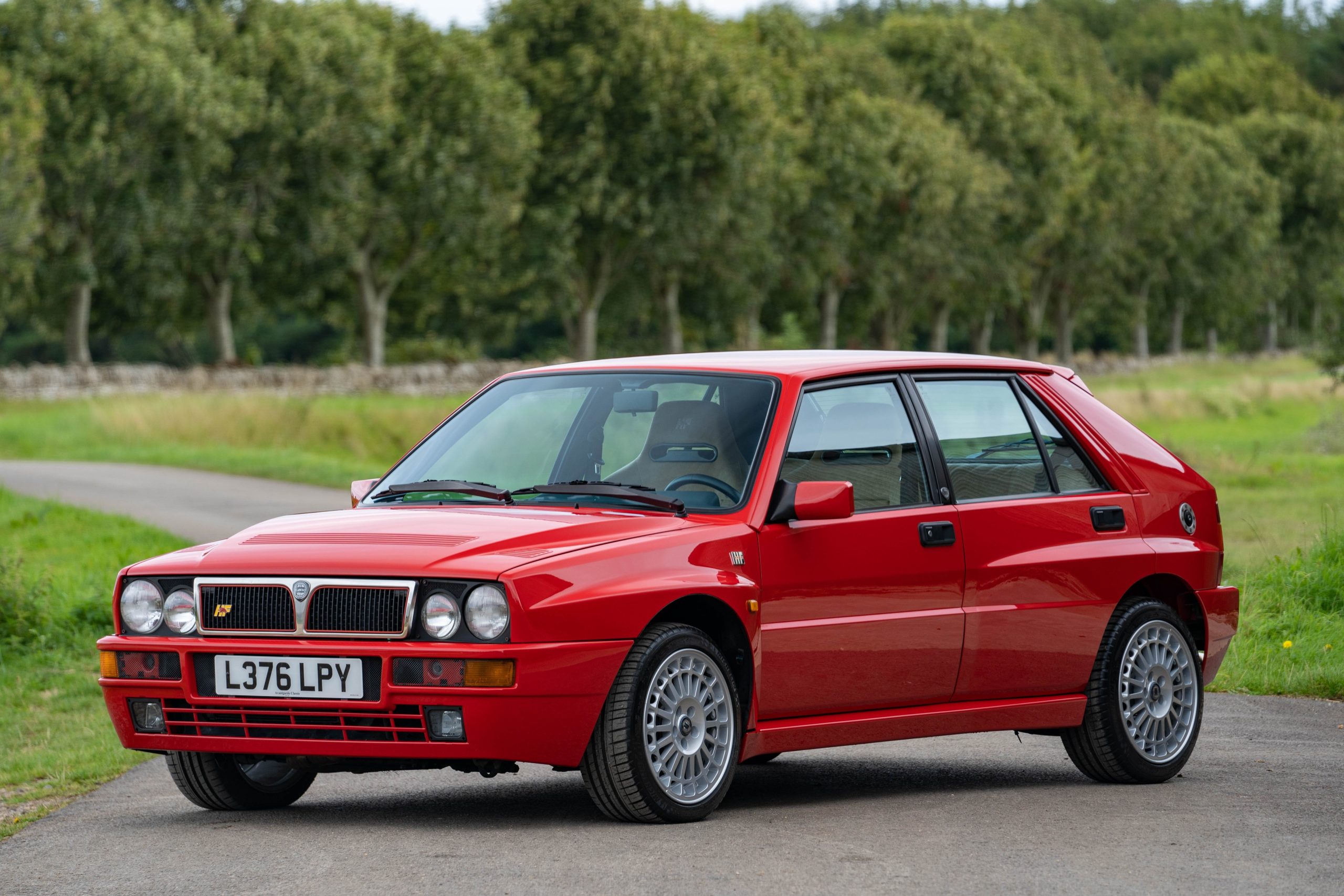
The Lancia Delta HF Integrale earned its reputation on rally stages before becoming one of Europe’s most admired high-performance road cars.
Its compact shape hid a serious mechanical package, including turbocharged four-cylinder engines, all-wheel drive, and chassis tuning designed with performance in mind.
American buyers missed out on the official experience. Lancia had already withdrawn from the U.S. passenger-car market in the early 1980s, and the various Delta Integrale versions were never sold new through American dealerships.
That made the car especially distant from U.S. motorists at a time when its reputation was growing rapidly elsewhere. The Integrale also came in several versions, including the 8v, 16v, Evoluzione, and later Evoluzione II.
Because production dates differed among these versions, their U.S. import eligibility also depends on the individual vehicle’s age. A particular example must reach 25 years from its manufacture date to qualify for the federal safety exemption.
This distinction matters because calling the Delta Integrale a permanently banned car gives the wrong impression. The car was primarily unavailable because it was not certified and marketed for the U.S. market.
Today, older examples can be imported through the federal 25-year exemption, subject to the applicable import process. State-level registration and emissions rules may still affect whether a specific vehicle can be driven legally.
7. Nissan Silvia S15
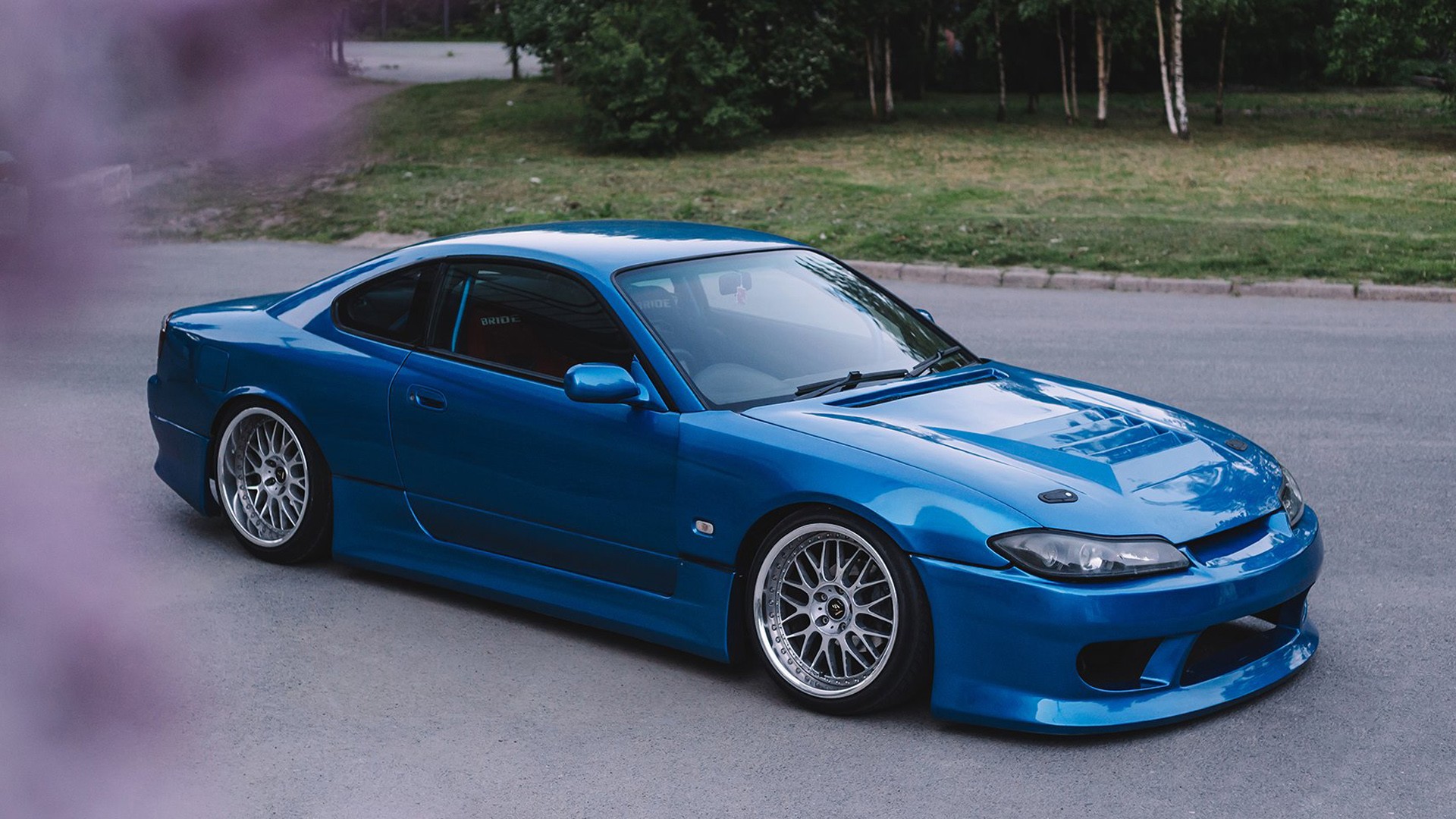
Japanese sports coupes built a considerable following among American enthusiasts throughout the 1990s, yet the final Silvia generation somehow slipped past official U.S. distribution entirely.
The S15 arrived relatively late, debuting in 1999 right as its American cousin, the 240SX, had already concluded its own run after the 1998 model year ended.
That timing created an unusual gap where enthusiasts who loved the 240SX platform found themselves watching Japan receive an updated successor that never crossed the Pacific through legitimate channels.
Various versions emerged within the S15 lineup, including the genuinely desirable turbocharged Spec-R model that delivered considerably more performance than base trims offered to Japanese buyers.
Import eligibility for this particular car follows a slightly different pattern compared to some earlier entries on this list. Since the 25 year exemption calculates based on actual manufacture date rather than simply model year designation, S15 units become individually eligible on a rolling basis throughout the year rather than all achieving legal status simultaneously on one specific calendar date.
That rolling eligibility has created steady, ongoing interest among American drift and performance enthusiasts who’ve spent years anticipating access to what many consider among the finest Rear Wheel Drive Japanese coupes ever produced.
Watching individual examples gradually become legally available, rather than experiencing one dramatic flood of imports all at once, has extended anticipation and demand across a longer timeline than some other vehicles featured throughout this list.
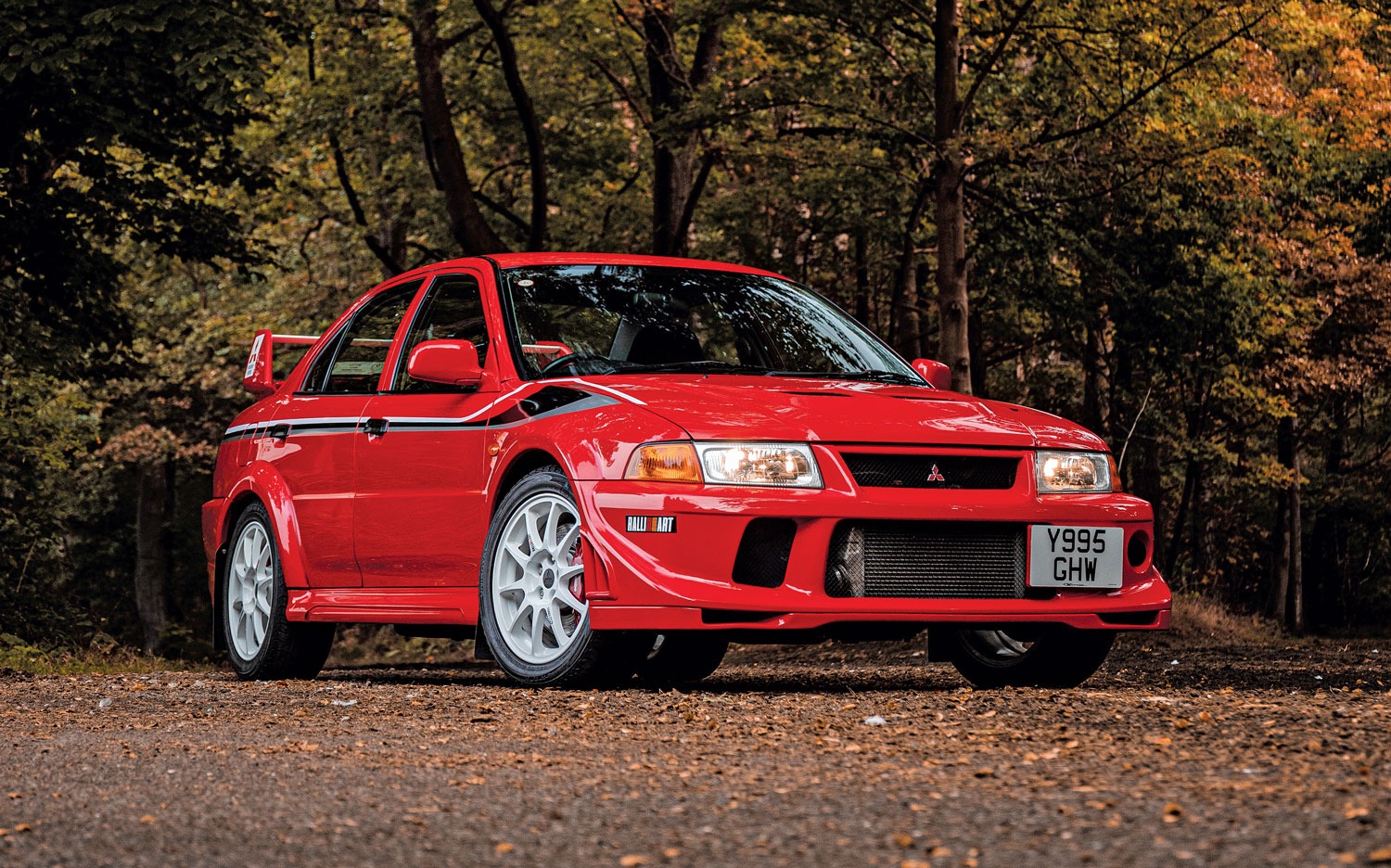
8. Mitsubishi Lancer Evolution VI
The Mitsubishi Lancer Evolution VI is another Japanese performance car that Americans once had to admire from afar. Introduced in 1999, the sixth-generation Evolution carried the rally-bred formula forward with a turbocharged four-cylinder engine, sophisticated all-wheel drive, and a chassis developed for serious performance.
Mitsubishi eventually brought the Lancer Evolution to the United States, but American buyers did not receive the Evolution VI when it was new.
The U.S. market began receiving later Evolution generations, starting with the Evolution VIII for the 2003 model year. That left earlier versions such as the Evolution VI outside the official American lineup.
For collectors, the federal 25-year exemption has changed that situation. The first Evolution VI examples began reaching eligibility in 2024, based on their individual manufacturing dates.
A 1999 model is not automatically eligible simply because its registration documents call it a 1999 model year. The actual production date is what matters under the federal import rule.
That distinction is useful when buying one today. An eligible Evolution VI can generally be imported without having to satisfy the federal safety standards that applied to newer vehicles.
The importer must still complete the required federal procedures, and state registration rules can impose additional conditions. What once required watching rally footage or reading Japanese performance magazines can now become a legitimate garage addition for collectors who meet the applicable requirements.
