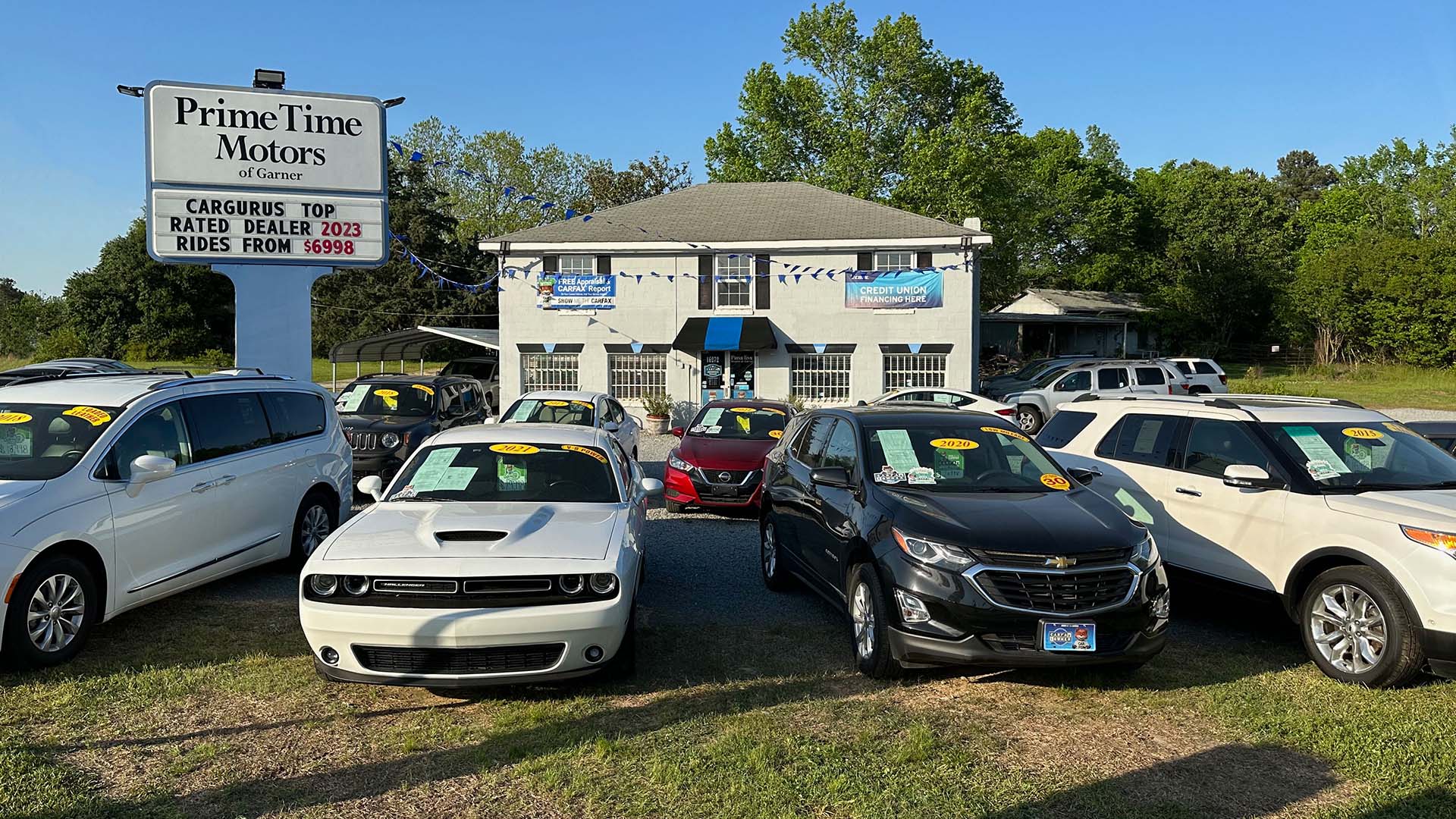
A car sitting on a dealership lot may look like a parked asset, but it can be costing the business money every day. The amount is not a single universal fee. It can include loan interest, depreciation, insurance, advertising, maintenance, floor-plan charges, and the opportunity cost of having money tied up in unsold inventory.
For some vehicles, the daily expense may be only a few dollars in financing. For others, the combined carrying cost can become much larger as the days accumulate. That is why dealers pay close attention to inventory age and turnover. Understanding these expenses also helps explain why an older unsold vehicle can sometimes become much easier to negotiate on.

The Daily Cost Starts With the Money Behind the Car
A dealership does not always pay cash for every vehicle sitting on its property. Many dealers use floor-plan financing, a form of inventory credit that allows the business to acquire vehicles without tying up all of its own cash.
Interest is then charged against the amount financed while the vehicle remains in inventory. The daily figure depends on the vehicle’s financed amount and the lender’s rate.
For example, a $32,000 vehicle financed at 6% would generate roughly $5.26 in interest per day before other expenses. Beat the 4 Square uses this same type of calculation in an example involving a $32,000 SUV.
That number may sound small, but 90 days would produce roughly $474 in interest before administrative charges or other costs.
A discussion among dealership professionals on Reddit highlights how these costs can differ from one dealer to another. One participant said a financed vehicle cost roughly $3 per day in interest, while another noted that dealers who own their inventory outright may not have a direct floor plan interest expense.
So there is no universal daily bill. The financing arrangement matters.
Floor-Plan Financing Is Only Part of the Bill
Interest gets much of the attention, yet it is only one piece of the inventory equation. Some floor-plan arrangements can involve administrative charges, curtailment payments, inventory audits, and insurance requirements.
Beat the 4 Square gives examples of monthly administrative fees and periodic curtailment requirements, although actual terms vary by lender and dealership.
Then there is depreciation. A vehicle can become less valuable while waiting for its buyer, especially when newer model years arrive or market demand changes.
CarCare explains that a vehicle’s direct daily inventory expense comes from factors such as interest and depreciation. In its example, these costs amount to roughly $25 per vehicle each day. Additional expenses for staff, fuel, rent, and other shared resources can push the daily cost even higher.
The dealership also has money tied up in the vehicle. Even when no loan interest is being charged, that capital cannot be used elsewhere.
A Reddit discussion among dealership professionals describes this as an opportunity cost. Money tied up in unsold inventory could have been used to generate a return or cover other business expenses and investments.
This is why “What does it cost per day?” has no single answer.
Why an Aging Car Becomes a Bigger Problem
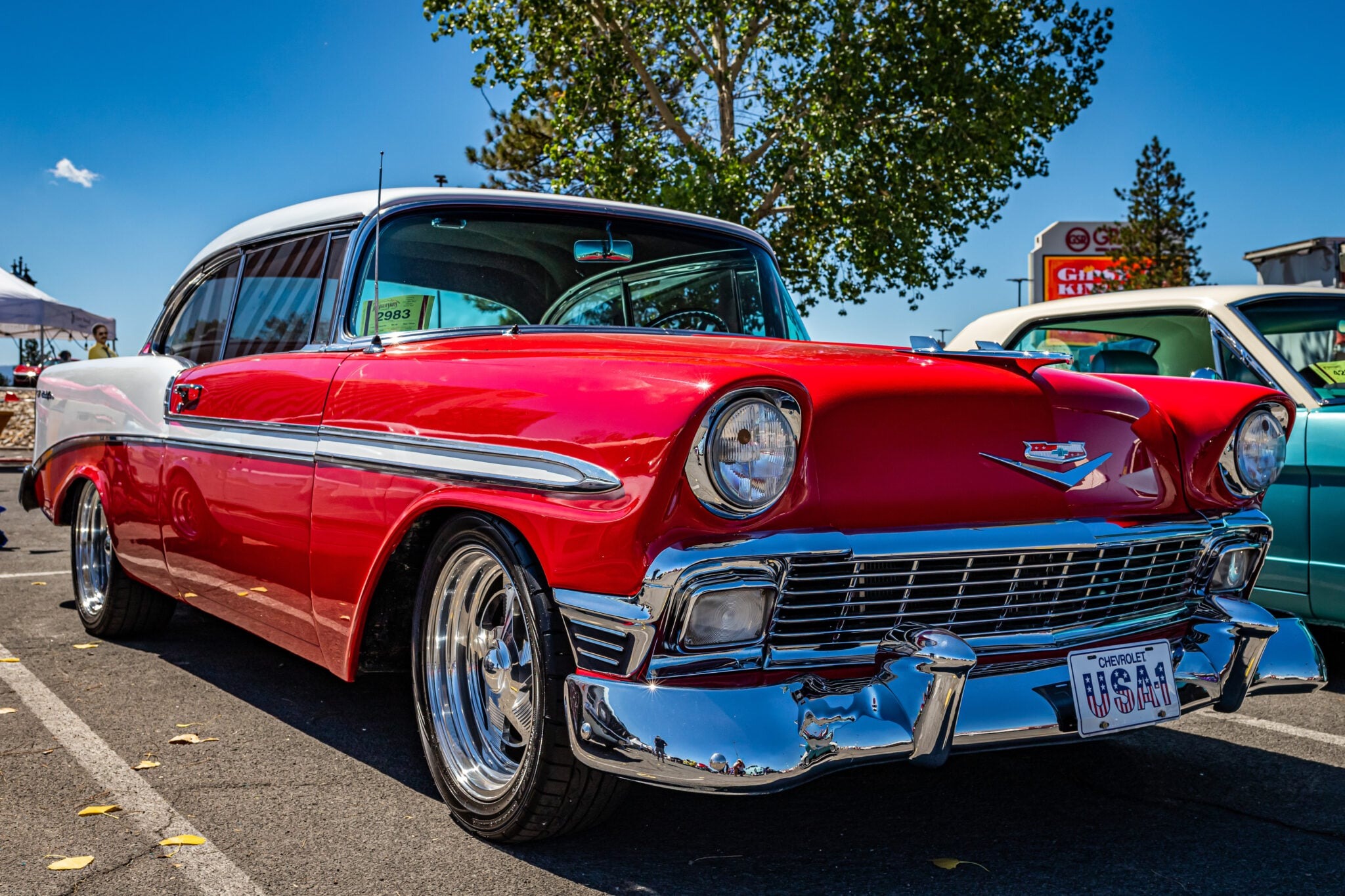
The first few weeks of inventory may not cause much concern. A fresh vehicle has a better chance of attracting shoppers, and the dealership still has time to sell it at its intended price. Trouble can start when the vehicle remains unsold while carrying expenses continue.
Super Dispatch describes vehicles that remain unsold for more than 45 days as “sitting cars” or aging inventory. It points out that older inventory can become harder to sell, costs more to hold, and reduces the dealership’s ability to make room for newer vehicles.
Depreciation creates another financial concern for dealers. For example, if a dealership purchases a vehicle for $32,000 and plans to sell it at a higher price, a decline in market value while the vehicle remains unsold can change the equation. The dealer may eventually need to lower the asking price to match current market conditions.
The dealer is then dealing with both carrying expenses and a smaller potential gross profit. Credit availability matters too. Beat the 4 Square explains that slow inventory can consume floor-plan capacity, potentially limiting the dealer’s ability to acquire vehicles that may sell more quickly.
That is why an aging car can become a management problem, not merely a parked vehicle.
What Happens When the Car Sits for 90 Days
Consider a $32,000 SUV financed at 6% annually. Using the calculation presented by Beat the 4 Square, the vehicle generates about $5.26 in daily interest.
After 30 days, that is approximately $158. After 60 days, it reaches about $316. After 90 days, interest alone reaches roughly $474. Its example also includes a $45 monthly administrative charge and a 2% curtailment payment in the third month.
Under those assumptions, the carrying costs reach more than $1,200 after 90 days. Those figures are an illustration, not a standard charge that every dealer pays.
CarCare provides another useful calculation. It gives an example involving 12,000 annual deliveries and 1,400 vehicles in inventory, producing an inventory turnover rate of 8.57 and an average holding period of about 42.6 days.
Its example estimates a direct daily cost of about $22.14 per vehicle, resulting in an inventory holding cost of roughly $943. These figures highlight why the length of time a vehicle remains in inventory matters.
The longer a vehicle remains unsold, the more chances there are for interest, depreciation, fees, and lost capital to accumulate.
Why Dealers May Discount a Car That Has Been Sitting
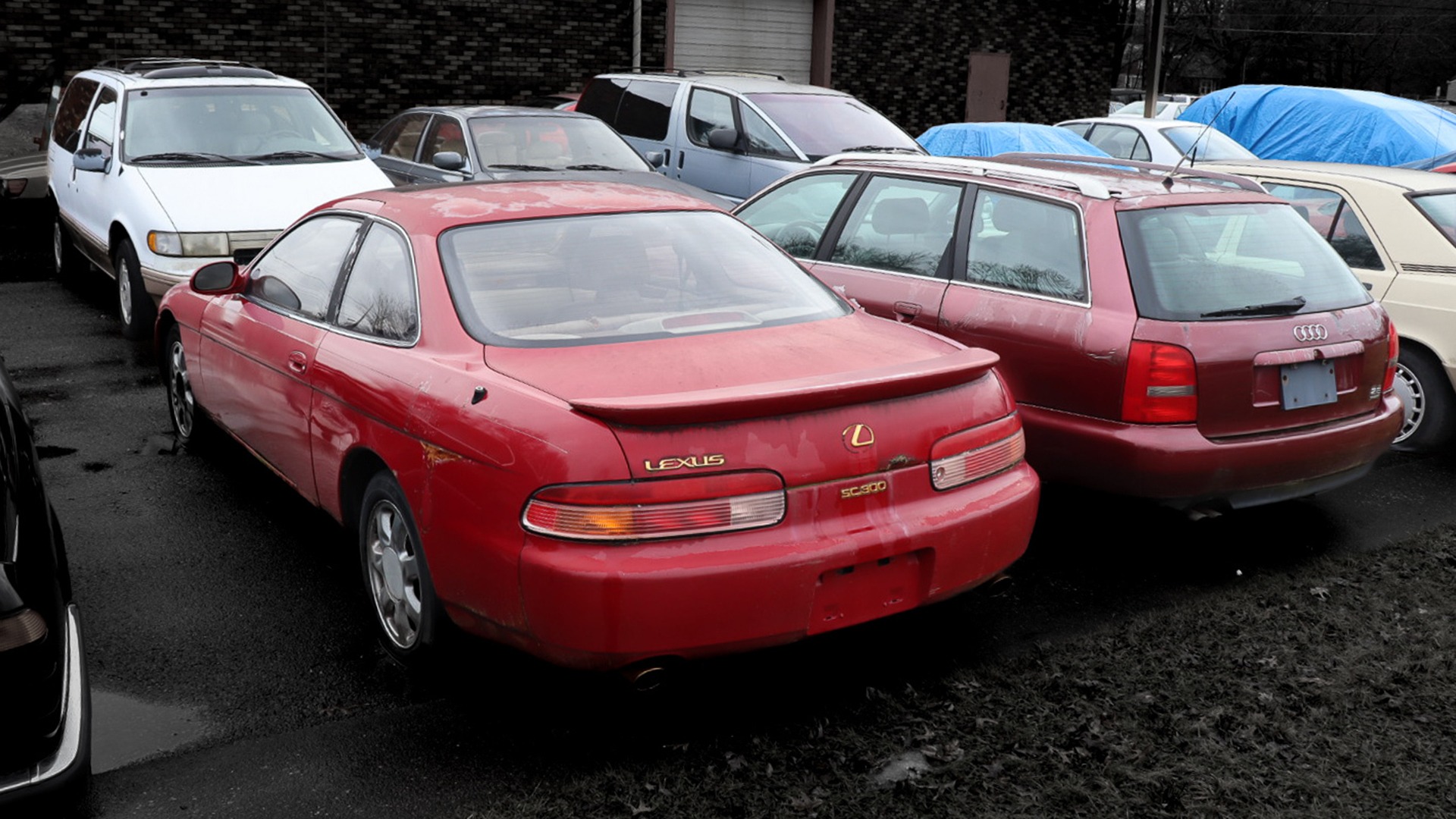
A dealer does not automatically lose money every day a car remains unsold. A vehicle can still sell for a healthy profit after several weeks, and some models may hold their value well. Still, aging inventory can change the calculation.
Super Dispatch recommends close inventory monitoring and says dealerships may reprice vehicles that remain unsold as they approach aging thresholds. It also notes that faster inventory turnover can protect front-end gross profit and make room for newer stock.
For a dealer, selling a slow-moving vehicle at a smaller margin can sometimes make more financial sense than holding it indefinitely. The business stops paying carrying expenses, releases capital or credit capacity, and creates space for another vehicle.
That does not mean every older car is a bargain. A dealer may already have a low acquisition cost, manufacturer incentives, or other sources of profit connected to the transaction.
Some vehicles also have strong demand despite their age in inventory. For shoppers, inventory age is best treated as one piece of information rather than proof that a dealer must accept a certain price.
A car that has been sitting for 90 days may have more room for negotiation, but the actual deal still depends on market pricing, vehicle condition, dealer cost, incentives, and the seller’s willingness to make the transaction.