
The 1970s were a major turning point for automotive safety. As federal safety standards became more comprehensive, manufacturers were required to equip new vehicles with systems designed to protect occupants and make cars more visible and controllable on public roads. Many of the features that became widespread during this period are still found on vehicles today, although the technology behind them has changed dramatically.
It is important to distinguish between a safety feature that dates to the 1970s and the exact version used in that decade. Today’s seat belts, lighting systems, braking equipment, and occupant restraints are far more advanced than their predecessors.
Some requirements also originated before the 1970s but were expanded or strengthened during the decade. The following list highlights 10 safety features associated with that era whose modern counterparts remain part of today’s vehicle-safety requirements in the United States.
10. Side-Marker Lamps and Reflectors
Side marker lamps became an important part of vehicle lighting requirements in the early 1970s. They were introduced to make vehicles easier to see from the side, especially during nighttime driving.
Traditional headlights and taillights primarily identify a vehicle from the front and rear. Side-marker lamps and reflectors provide another visual reference by showing the vehicle’s presence and orientation when viewed from an angle. This is particularly useful at intersections, parking areas, and during nighttime driving.
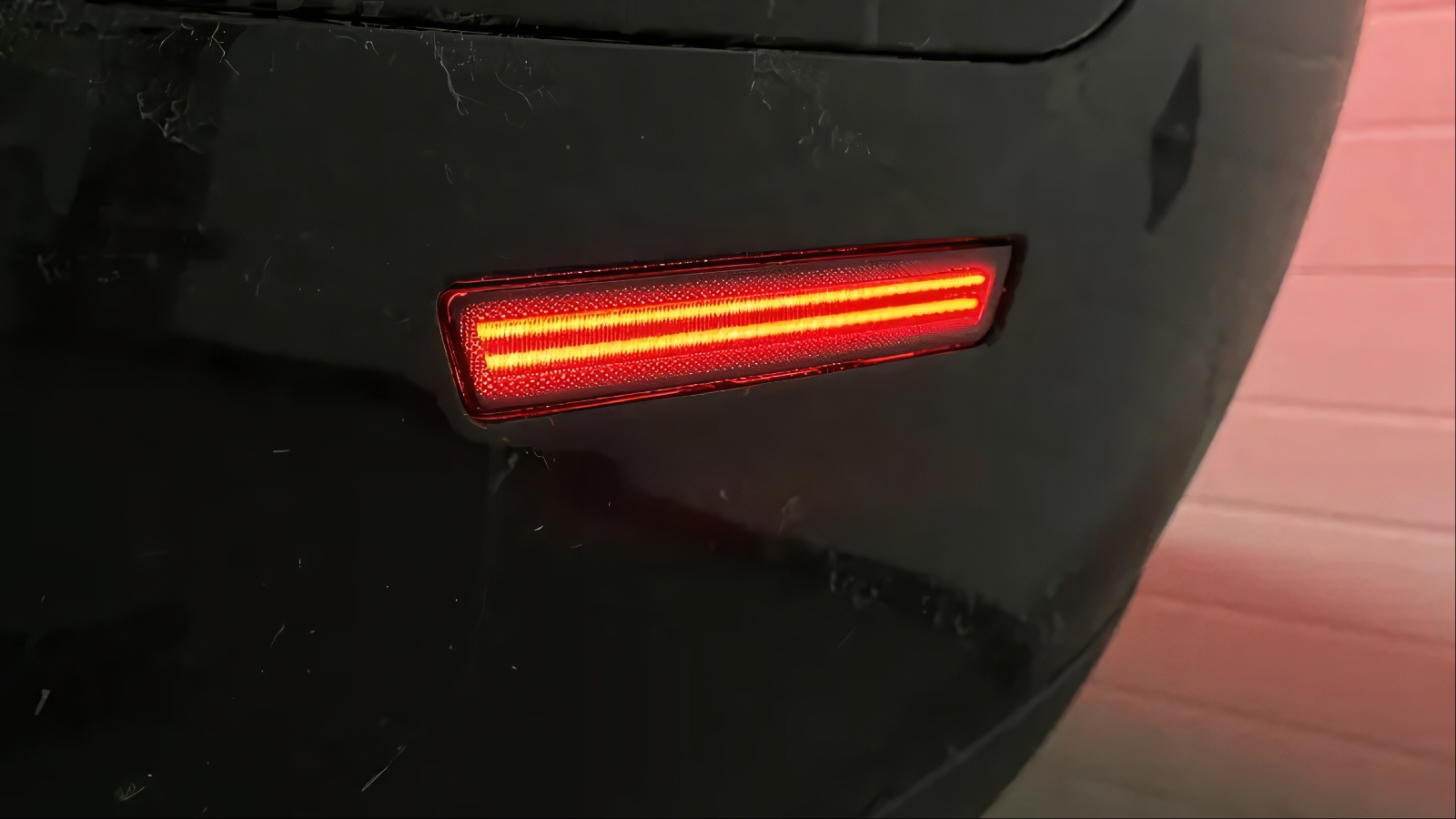
Early side markers were relatively basic compared with today’s lighting systems. Many consisted of small incandescent bulbs and separate reflective elements mounted on the fenders or body panels. Modern vehicles can use LEDs and integrate side-marker functions into headlights, taillights, mirrors, or other lighting assemblies.
The technology has changed, but the safety principle remains familiar. Other drivers, pedestrians, and cyclists need to be able to recognize a vehicle’s position and direction of travel from multiple angles.
Modern lighting regulations are considerably more detailed than the requirements associated with early side markers. They address factors such as color, visibility, positioning, and light output.
This makes side-marker lighting an excellent example of an old safety concept that has survived through several generations of automotive technology.
A modern side marker may look nothing like the small rectangular lamp found on a 1970s sedan, but it performs essentially the same basic job. It helps make a moving or parked vehicle more visible to people approaching from the side.
9. Brake-System Requirements
The braking systems found in modern cars are vastly more sophisticated than those of the 1970s, but the basic requirement that a vehicle have an effective braking system has remained fundamental to federal vehicle safety standards.
During the 1970s, many cars relied on hydraulic braking systems using disc brakes at the front and drum or disc brakes at the rear. Power assistance was common, but electronic brake controls were still decades away from becoming standard equipment.
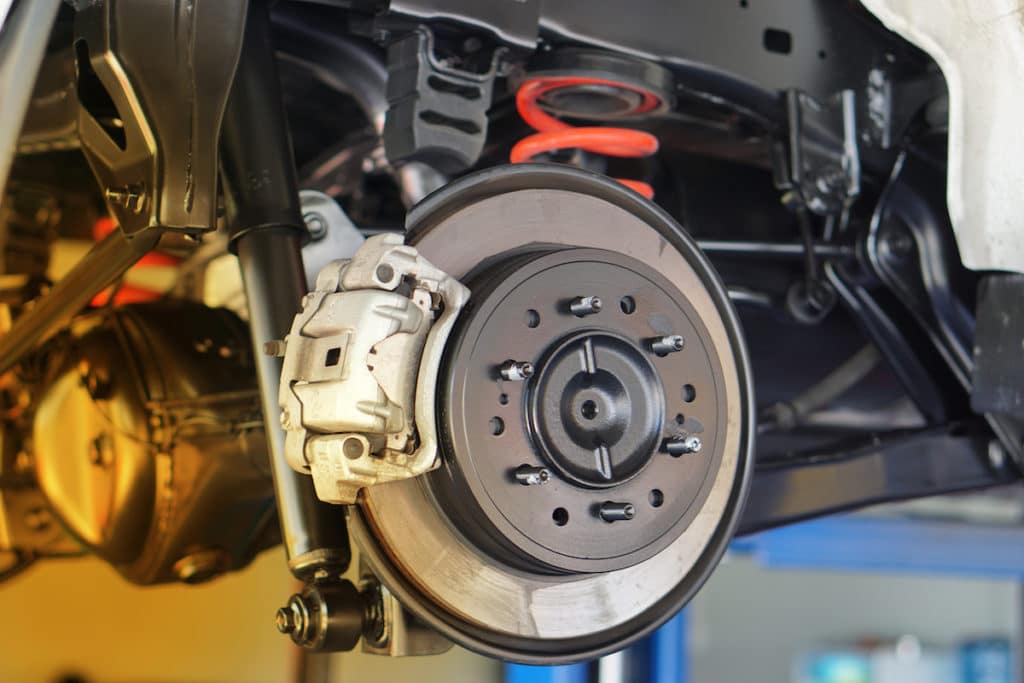
Modern vehicles may be equipped with anti-lock braking systems, electronic brake force distribution, regenerative braking, electronically controlled components, and advanced stability features. These technologies have changed how braking systems operate, but their fundamental purpose has remained unchanged. The vehicle must still be capable of slowing down and coming to a stop while meeting established performance standards.
Brakes are also subject to requirements involving individual components and materials. Brake hoses, brake fluid, and other parts must meet specific standards rather than simply being installed without regard to performance.
One major difference between the 1970s and today is how much electronics have become involved in braking. A modern vehicle can monitor wheel speeds many times per second and automatically adjust braking pressure to help maintain traction.
The driver may therefore experience a braking system that feels dramatically different from a 1970s system, even though the fundamental purpose is identical.
The regulation of braking equipment continues to reflect a fundamental aspect of automotive safety. A vehicle needs dependable braking just as much as it needs effective acceleration and steering to operate safely.
8. Safety Glass and Regulated Glazing
Automotive glass is more than a transparent material that allows occupants to see outside. It is an important component of a vehicle’s safety structure, and federal standards have long established requirements for the glazing used in automobiles.
Windshields and other regulated glass must meet requirements concerning characteristics such as visibility and performance. The goal is to ensure that manufacturers don’t simply install ordinary glass that could create additional hazards during a collision.

The glazing used in a 1970s automobile was considerably simpler than what is found in many modern vehicles. Today’s windshields can incorporate laminated construction, acoustic layers, solar-control properties, and specialized areas designed to work with cameras and other electronic equipment.
Despite these developments, the fundamental safety objectives remain familiar. A windshield must provide adequate visibility while also offering appropriate protection when subjected to impacts. Automotive glazing is therefore engineered differently from ordinary household glass.
Modern cars can also have sophisticated sensor and camera systems mounted near the windshield. This makes the optical quality and placement of the glass even more important than it was decades ago.
The rules governing automotive glazing have evolved as vehicle designs and technologies have changed. Nevertheless, the underlying concept has remained remarkably consistent.
Drivers need clear visibility, while occupants need glazing that performs predictably during crashes. A feature that might appear mundane compared with airbags or advanced driver-assistance systems is therefore an important part of the vehicle’s safety architecture.
The glass may be thinner, lighter, stronger, and more technologically advanced today, but the basic safety principle established decades ago remains in place.
7. Seat-Belt Warning Systems
Seat-belt warning systems have been part of federal automotive safety requirements for decades. Their basic purpose is to remind occupants to use one of the vehicle’s most important safety systems.
Early seat-belt warning systems were relatively simple. A driver might receive a warning light and audible signal when the ignition was switched on and the belt was not fastened. Compared with today’s technology, these systems provided limited information.
Modern vehicles can be considerably more sophisticated. Sensors can determine whether particular seating positions are occupied, while electronic systems can monitor belt-buckle status and provide warnings to occupants who aren’t properly restrained.

Some vehicles provide separate warnings for multiple seating positions, including rear seats. Visual messages can appear on the instrument panel, while audible alerts can become increasingly persistent.
The underlying idea, however, has barely changed.
A seat belt cannot protect an occupant if the occupant isn’t wearing it. Unlike an airbag, which can deploy automatically during an appropriate crash, the conventional seat belt depends on the person inside the vehicle using it. This makes the warning system an important component of the vehicle’s restraint system.
The feature is particularly interesting because it demonstrates how a simple safety requirement has evolved alongside electronics. What began as a basic light and buzzer has become an integrated digital monitoring system.
Modern seat-belt reminders can work with occupancy sensors, instrument displays, warning chimes, and other vehicle electronics.
While restraint technology has continued to evolve, its fundamental purpose has remained unchanged. Occupants should use the available restraint system whenever they are in the vehicle.
6. Three-Point Seat Belts
Three-point seat belts are among the most recognizable automotive safety features associated with the development of modern federal safety standards. Although the technology predates the 1970s, requirements surrounding seat-belt installation and occupant protection expanded significantly during that era.
The basic design remains familiar. A single belt system crosses the occupant’s torso and pelvis, helping restrain the body during sudden deceleration. The modern version, however, is considerably more advanced than the typical belt found in a 1970s automobile.
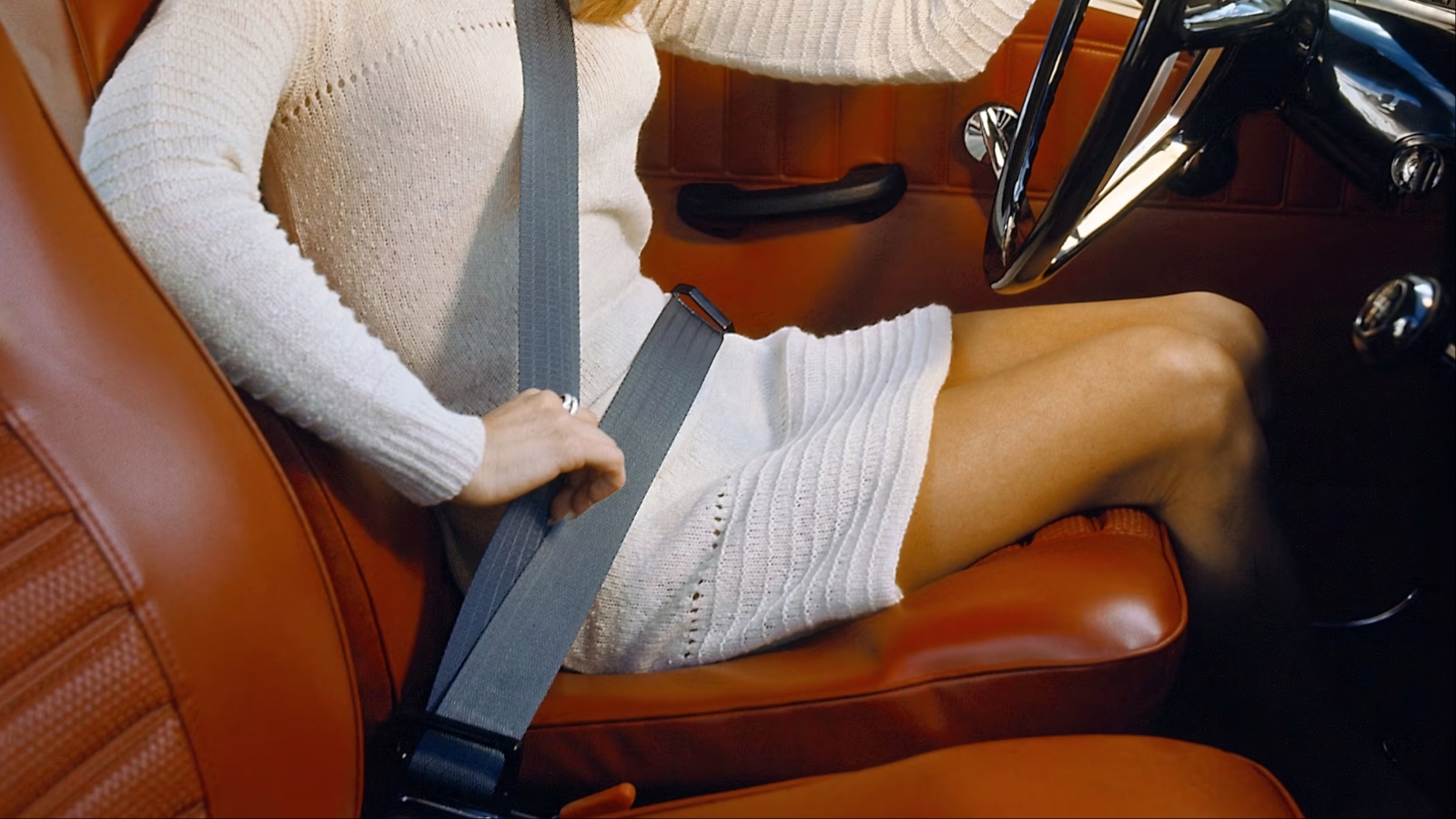
Today’s seat belts can incorporate pretensioners that remove slack during a crash. Load limiters can help manage the amount of force transferred through the belt. Height-adjustable mounting points can also help position the belt appropriately for different occupants.
Seat belts now operate as part of a larger restraint system. During a serious collision, sensors can communicate with the restraint-control module, which can coordinate belt pretensioners and airbags.
Despite all this technology, the basic mechanical principle remains unchanged. The belt keeps the occupant from continuing forward at the vehicle’s pre-crash speed after the vehicle suddenly slows.
This is one reason the three-point belt remains such an enduring automotive safety feature. It doesn’t need a complicated electronic interface to perform its basic job. Even in a vehicle equipped with multiple airbags and advanced driver-assistance technology, the seat belt remains an essential primary restraint.
The modern belt may be stronger, more comfortable, and more sophisticated than its predecessors, but anyone who sits inside a modern car will immediately recognize the basic design.
5. Energy-Absorbing Steering Columns
Energy-absorbing steering columns represent an important development in occupant protection. The steering column has to perform its normal function of transmitting steering inputs, but during a serious crash it also needs to be designed to reduce the risk of injury.
Older vehicle designs often featured steering assemblies that were considerably more rigid. As engineers learned more about crash dynamics, attention increasingly focused on how the steering column could interact with the driver during a collision.
Energy-absorbing and collapsible designs were developed to help manage the forces involved. Instead of remaining completely rigid, appropriately engineered components can deform or collapse under certain crash loads.
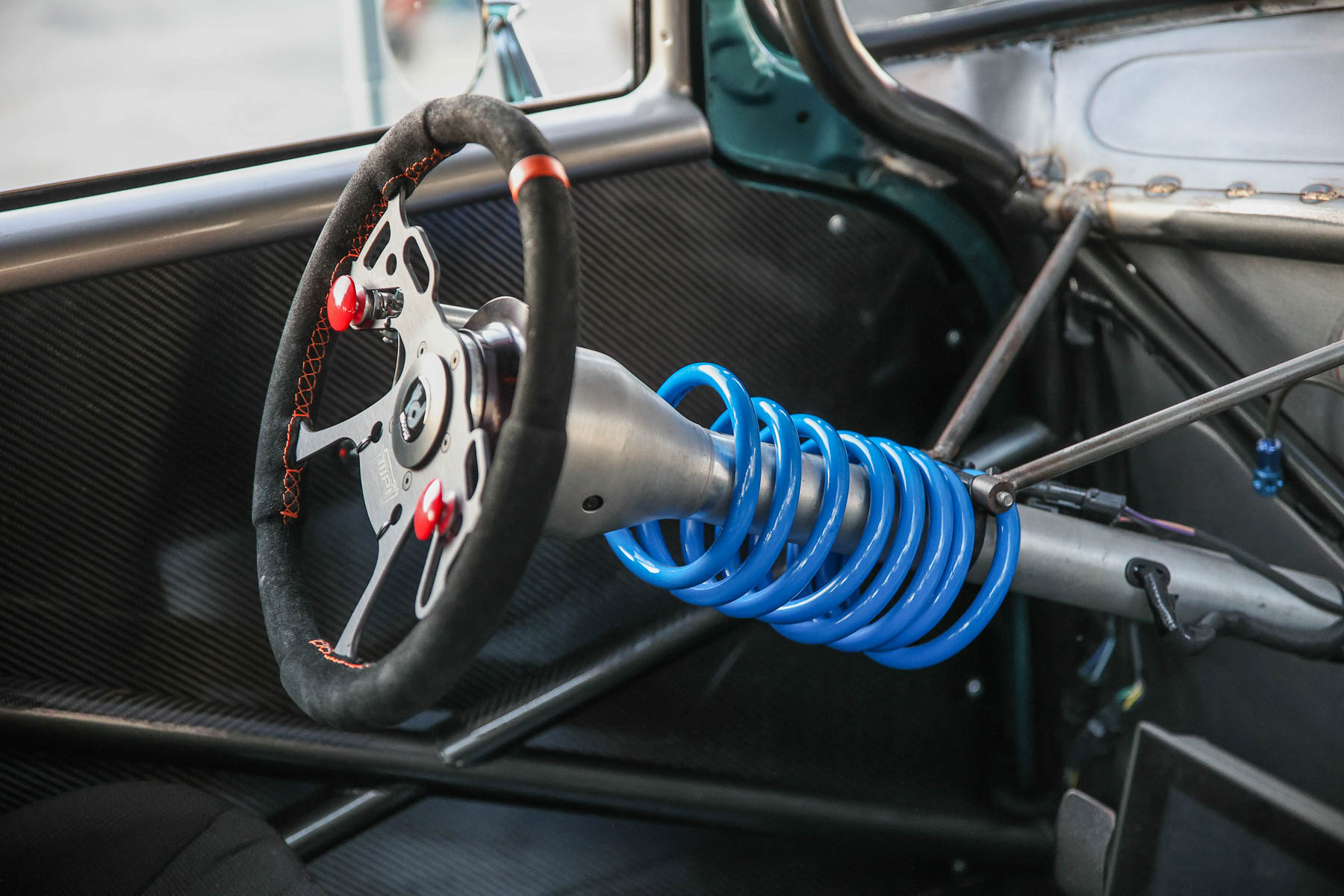
This can reduce the severity of the driver’s interaction with the steering system during a frontal collision.
Modern steering columns are significantly more sophisticated than those used during the 1970s. The steering wheel now commonly houses a driver airbag, while electronic controls and other equipment have also become integrated into the assembly.
The steering column itself can include carefully engineered deformation zones and structures designed to work with the seat belt and airbag.
This illustrates an important change in automotive safety. Instead of designing individual components independently, modern engineers increasingly consider how multiple systems behave together during a crash.
The steering column, steering wheel, airbag, seat belt, driver’s seat, and vehicle structure all contribute to occupant protection. The underlying principle of an energy-absorbing steering system remains relevant today.
A steering wheel needs to control the vehicle during normal driving, but the steering assembly also has to be engineered with occupant protection in mind when the vehicle experiences a severe collision.
4. Head Restraints
Head restraints are another safety feature that became an important part of federal occupant-protection requirements. Although they can look like simple comfort features, their primary purpose is to help manage the movement of the occupant’s head during certain crashes.
During a rear impact, the torso can be pushed forward or restrained by the seat and belt while the head initially moves differently. A properly positioned head restraint can help limit excessive relative movement between the head and torso.
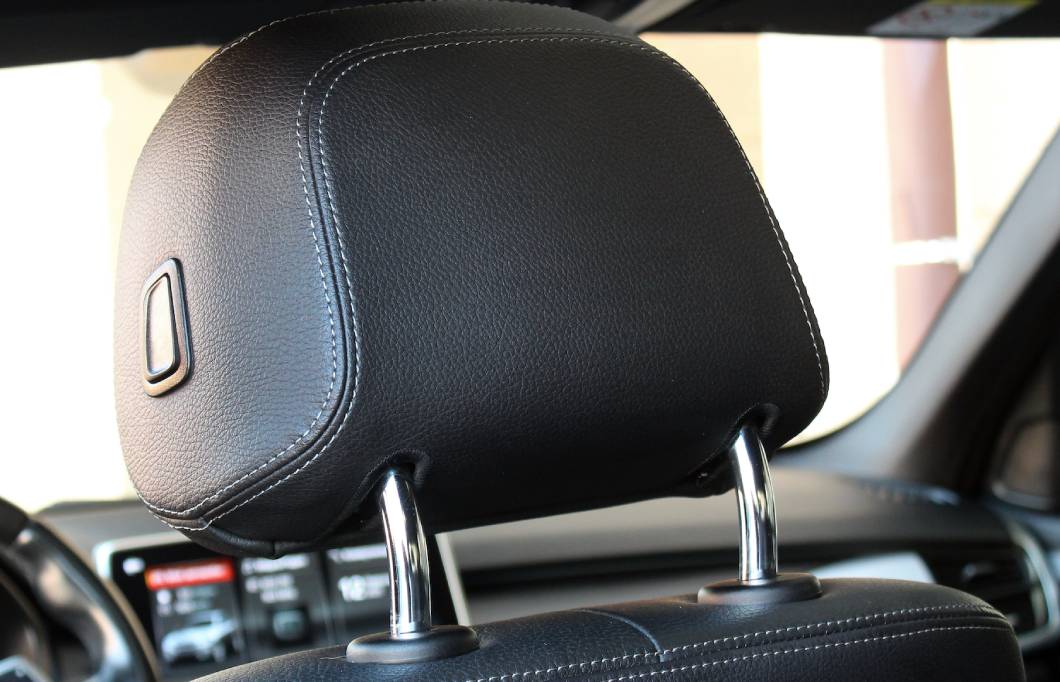
The head restraint is designed to work alongside the seat and seat belt as part of the vehicle’s occupant protection system. Since the 1970s, head restraint designs have advanced considerably. Modern versions typically offer greater adjustability, while their height and positioning are shaped by specific safety requirements.
Some vehicles have also incorporated active head-restraint technology designed to move the restraint into a more protective position during certain types of impacts.
Seat design has also become much more sophisticated. Engineers now consider the interaction between the seatback, head restraint, seat belt, and occupant when designing the complete system.
The basic concept, however, remains simple. The head restraint needs to be positioned appropriately behind the occupant’s head and should help reduce excessive head movement during relevant crashes.
Like many automotive safety features, it is easy to overlook because it doesn’t require the dramatic deployment associated with an airbag. Yet it has remained part of vehicle safety design for decades.
Modern head restraints are more adjustable and more precisely engineered than older designs. Their basic purpose, however, remains unchanged. They help limit head and neck movement during a crash and can reduce the risk of certain injuries.
3. Windshield Wipers and Washers
Windshield wipers may not appear as technologically impressive as airbags or electronic stability systems, but maintaining visibility is one of the most fundamental aspects of safe driving.
Federal requirements for windshield wiping and washing systems have existed for decades. The basic purpose is to ensure that drivers have a means of clearing water and other obstructions from the windshield.
A 1970s car typically used relatively simple wipers. Drivers manually selected the operating speed, and the system usually offered only a few basic settings.
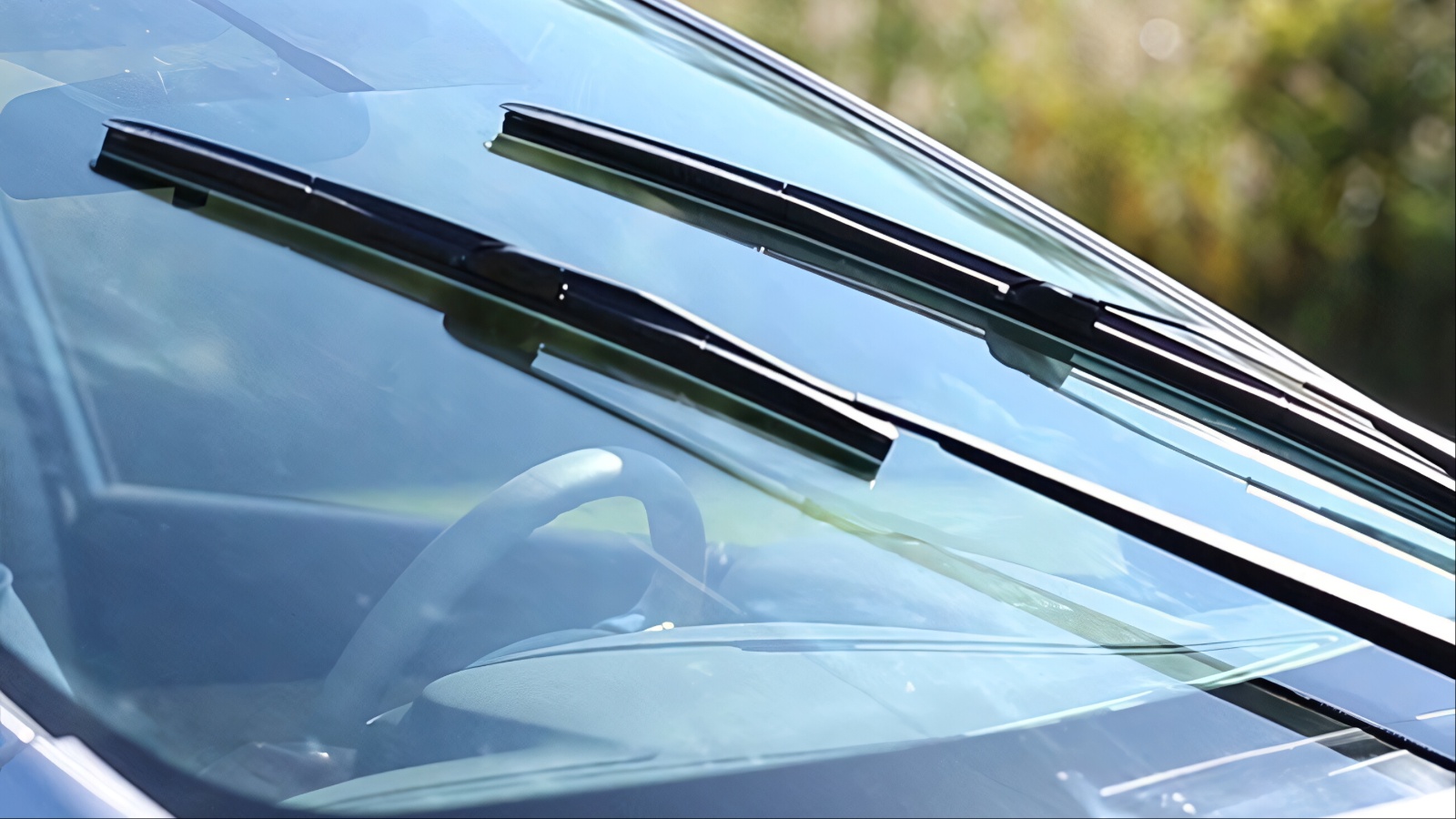
Today’s systems can be far more advanced. Many vehicles offer multiple intermittent settings, automatic rain-sensing operation, heated washer systems, and electronically controlled wiping patterns.
Some modern vehicles can detect moisture on the windshield and automatically activate the wipers. Others adjust wiping speed according to how much water is detected.
Despite those improvements, the basic requirement hasn’t changed. When rain, road spray, snow, or dirt obstructs the windshield, the driver needs an effective way to restore visibility.
This is particularly important because advanced safety equipment cannot compensate for a driver who cannot see the road properly.
The windshield itself is also a regulated safety component, meaning the wiping system and glazing work together to maintain an appropriate field of vision.
Wipers therefore represent an interesting example of a safety feature that has become more convenient and intelligent without fundamentally changing its purpose.
The 1970s version was mechanical and relatively basic. The modern version may contain sensors and electronic controls, but both systems perform the same essential job.
They keep the driver’s view of the road clear when environmental conditions would otherwise interfere with visibility.
2. Exterior Lighting and Reflective Devices
Exterior lighting is one of the most enduring parts of automotive safety regulation. Federal standards covering vehicle lamps and reflective devices were already becoming increasingly important during the 1970s, and their modern descendants remain fundamental to vehicle design. The purpose of exterior lighting is broader than simply illuminating the road.
Headlights allow drivers to see ahead in darkness. Taillights make vehicles visible from behind. Brake lights communicate deceleration. Turn signals indicate intended changes in direction. Reflectors provide additional visibility when illuminated by another vehicle.
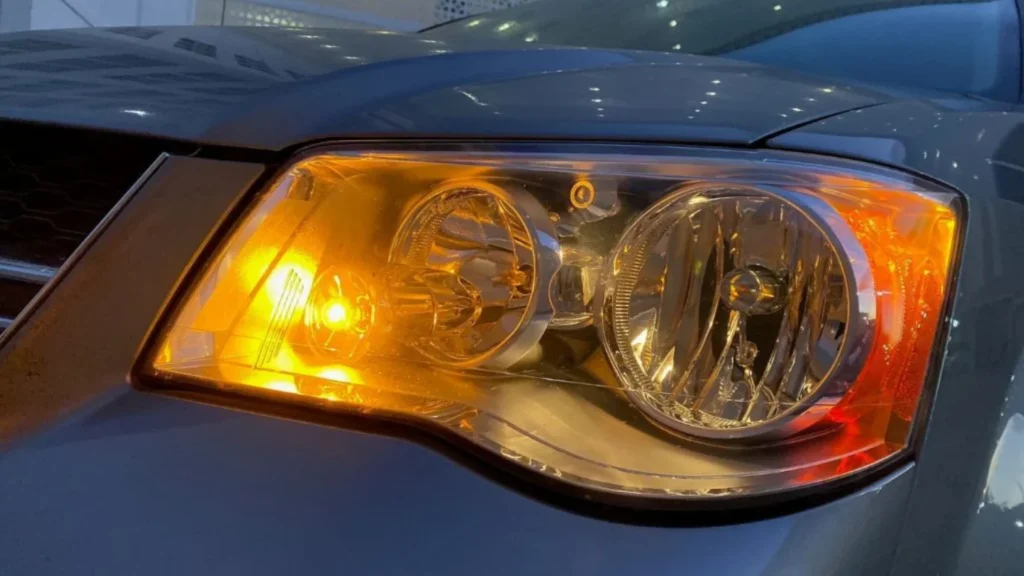
The technology has changed dramatically since the 1970s. Many vehicles of that era used sealed-beam headlights and incandescent bulbs. Modern cars can use LED lighting, complex projector systems, electronically controlled lamps, and highly integrated lighting assemblies.
Some modern headlights can also adapt their illumination according to driving conditions, although the exact technology and legal requirements vary by vehicle.
Despite these changes, the basic communication functions remain recognizable.
A driver approaching another vehicle at night needs to know where that vehicle is, which direction it is facing, whether it is braking, and whether it intends to turn. Lighting provides that information without requiring direct communication between drivers.
Modern lighting regulations are considerably more detailed than those associated with early systems. Requirements cover factors such as lamp location, color, visibility, intensity, and other characteristics.
The result is a safety system that has remained remarkably consistent in purpose while undergoing enormous technological change.
A sealed-beam headlight from a 1970s sedan and a sophisticated LED assembly on a modern vehicle may look completely different. Their fundamental purpose remains the same. Both are designed to help drivers see the road and make the vehicle more visible to others.
1. Occupant Protection Through Seat Belts
Seat belts remain one of the most enduring examples of automotive safety technology. Although seat belts existed long before the 1970s, federal requirements governing their installation and use expanded significantly during the development of modern vehicle-safety standards.
The basic purpose is straightforward. When a vehicle suddenly slows or crashes, an unrestrained occupant continues moving until something stops them. A seat belt helps control that movement and keeps the occupant positioned within the vehicle.

Modern seat belts are far more sophisticated than those found in many 1970s cars. Three-point belts have become standard, while pretensioners can tighten the belt during a crash and load limiters can help manage the forces applied to the occupant. Height adjustment and improved belt geometry can also provide better positioning.
Seat belts now work closely with airbags and other restraint systems. During a collision, the vehicle’s sensors can detect the crash and activate appropriate restraint components within fractions of a second.
Airbags do not replace seat belts. Instead, they are designed to supplement the restraint provided by the belt. This makes the seat belt one of the foundational elements of modern occupant protection.
Its remarkable longevity comes from the fact that the basic physics have not changed. People still have mass and momentum, and a vehicle can decelerate much faster than an unrestrained occupant can. The belt provides the essential connection between the occupant and the vehicle’s restraint system.
Today’s seat belts can include advanced mechanisms and electronics that were unimaginable in the 1970s. Their fundamental purpose remains the same. They are designed to control occupant movement during a crash and help reduce the risk of serious injury or ejection.