Parking a car in direct sunlight may seem harmless, but repeated exposure to intense heat and ultraviolet radiation can gradually damage many parts of the vehicle. Exterior surfaces receive the most attention, yet sunlight can also affect rubber, plastic, seals, electronics, and interior components.
High temperatures can accelerate aging, cause materials to become brittle, and increase the risk of cracking or fading. Vehicles parked outside for long periods can therefore develop problems that are not immediately obvious.
Understanding which car parts are vulnerable helps owners recognize early warning signs, protect their vehicles, and reduce repair costs caused by prolonged exposure to harsh sunlight and heat.
1. Dashboard
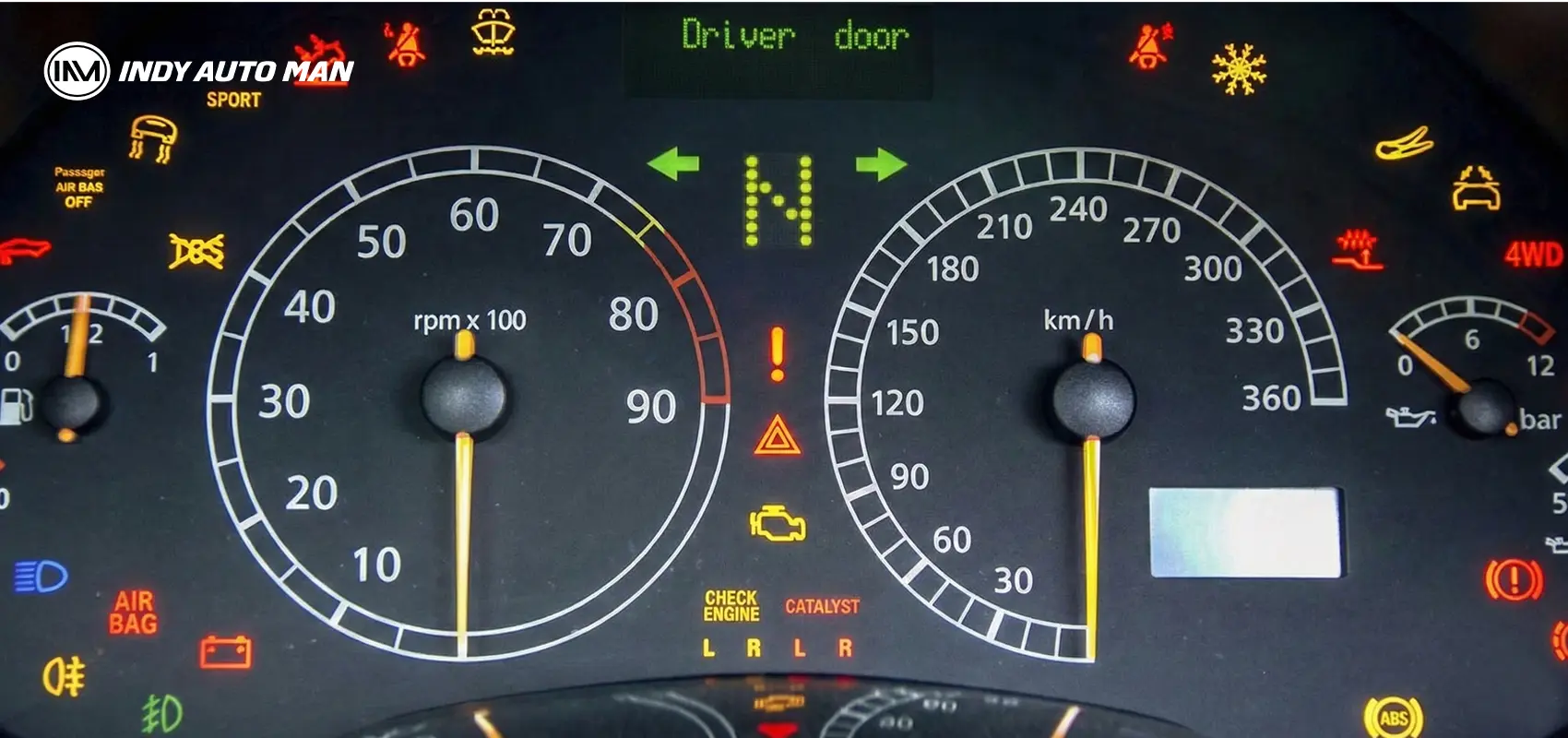
The dashboard is among the most exposed components inside a car. When a vehicle sits under direct sunlight, temperatures inside the cabin can rise dramatically within a short period.
The dashboard absorbs heat through the windshield and may become significantly hotter than the surrounding air. Repeated heating and cooling cycles place stress on the materials used to manufacture the dashboard, particularly plastics, vinyl, foam, and protective coatings.
Over time, excessive heat can cause the dashboard surface to fade or lose its original texture. Dark-colored dashboards generally absorb more solar energy, which can contribute to higher surface temperatures.
A dashboard that once looked smooth and uniform may eventually develop discoloration, rough patches, or a dull appearance. These changes can happen gradually, making them easy to overlook during the early stages.
Cracking is another common concern. As dashboard materials age, they can lose flexibility and become more vulnerable to stress. Small cracks may begin around vents, speaker openings, instrument clusters, or other areas where the material has been cut or molded. Once a crack develops, continued heat exposure can cause it to spread across a larger section of the dashboard.
Strong ultraviolet radiation can also weaken certain plastic materials. UV exposure breaks down chemical bonds within some polymers, causing them to become brittle.
This process can make an older dashboard more susceptible to damage from pressure, vibration, and temperature changes. A dashboard that appears acceptable from a distance may therefore have weakened material underneath its surface.
A windshield sunshade can reduce direct solar exposure and lower the temperature of the dashboard. Parking in a garage, carport, or shaded location also helps.
Applying a product specifically designed for automotive dashboards can provide additional protection when used according to the manufacturer’s instructions. Regular cleaning is useful too, since dirt and residue can contribute to surface deterioration.
2. Steering Wheel
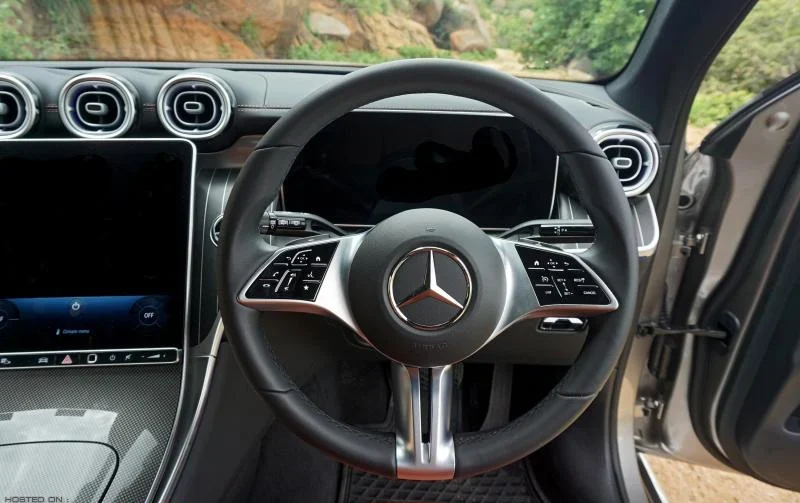
The steering wheel receives considerable heat whenever a vehicle is parked in direct sunlight. Because it sits close to the windshield, it can become extremely hot during warm weather. Leather, synthetic leather, rubberized coatings, and plastic surfaces may all experience gradual deterioration from repeated exposure to heat and ultraviolet radiation.
Leather steering wheels can dry out when subjected to excessive heat and sunlight. Natural leather contains oils and moisture that help maintain its flexibility.
Repeated exposure to high temperatures can contribute to the loss of these properties, especially when the steering wheel is not properly cleaned and conditioned. The surface may eventually feel dry, rough, or less supple.
Synthetic materials can also suffer from UV damage. Some steering wheels use polyurethane or similar coatings that can degrade with prolonged sunlight exposure. The coating may become sticky, discolored, cracked, or worn. In severe cases, sections of the outer material can peel away, leaving an uneven surface that feels unpleasant during driving.
Heat can also affect the appearance of steering wheel trim. Glossy plastic, painted sections, and decorative finishes may fade over time.
Constant contact with hands adds another source of wear, meaning a sun-damaged steering wheel can deteriorate faster than a component that receives little physical contact.
Using a reflective windshield sunshade can significantly reduce direct sunlight reaching the steering wheel. Parking under cover provides even greater protection. Drivers should also avoid applying household cleaners or unsuitable conditioners, since certain chemicals can accelerate surface damage. Products intended for the specific steering wheel material are safer choices.
3. Rubber Seals and Weatherstripping
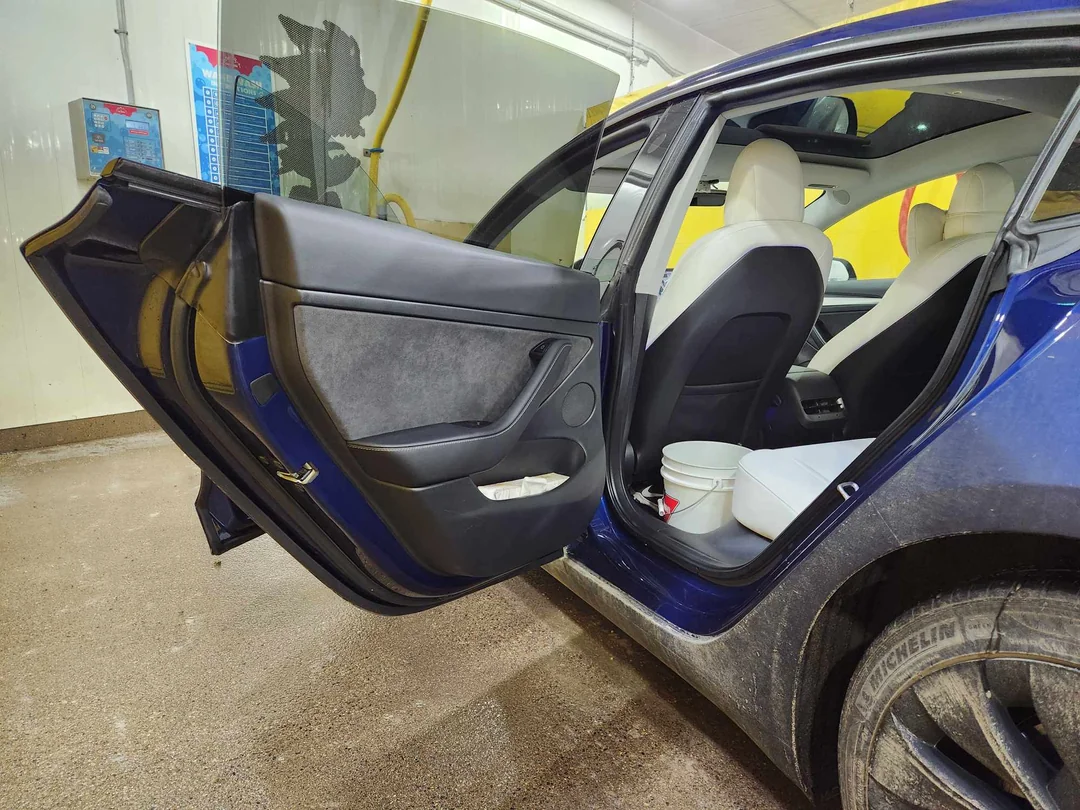
Rubber seals around doors, windows, trunks, and windshields are essential for keeping water, dust, wind, and outside noise away from the cabin. These components spend much of their lives exposed to sunlight and changing temperatures. UV radiation and heat can gradually alter the structure of rubber, particularly when exposure occurs for years.
Fresh rubber is generally flexible and capable of maintaining a tight seal as doors and windows move. Prolonged sunlight can cause rubber compounds to lose elasticity. As flexibility decreases, weatherstripping may become hard or brittle. A seal that no longer compresses correctly can create gaps around doors or windows.
Cracks are a visible sign of deterioration. Small splits may appear along the surface, especially at bends and corners. Once cracks develop, moisture can find its way into the vehicle. Water intrusion may cause wet carpets, unpleasant odors, corrosion, or damage to interior trim and electrical components.
Aged weatherstripping can also produce additional wind noise. Drivers may notice increased whistling at highway speeds or a less secure feeling when closing a door. The problem can sometimes be mistaken for a window adjustment issue, but damaged or hardened rubber may be responsible.
Keeping rubber seals clean can help maintain their condition. Automotive rubber protectants designed to be compatible with the material can also be useful. Parking away from direct sunlight reduces UV exposure.
If weatherstripping has become cracked, permanently hardened, or badly deformed, replacement is generally more effective than attempting to restore it.
4. Headlight and Taillight Lenses
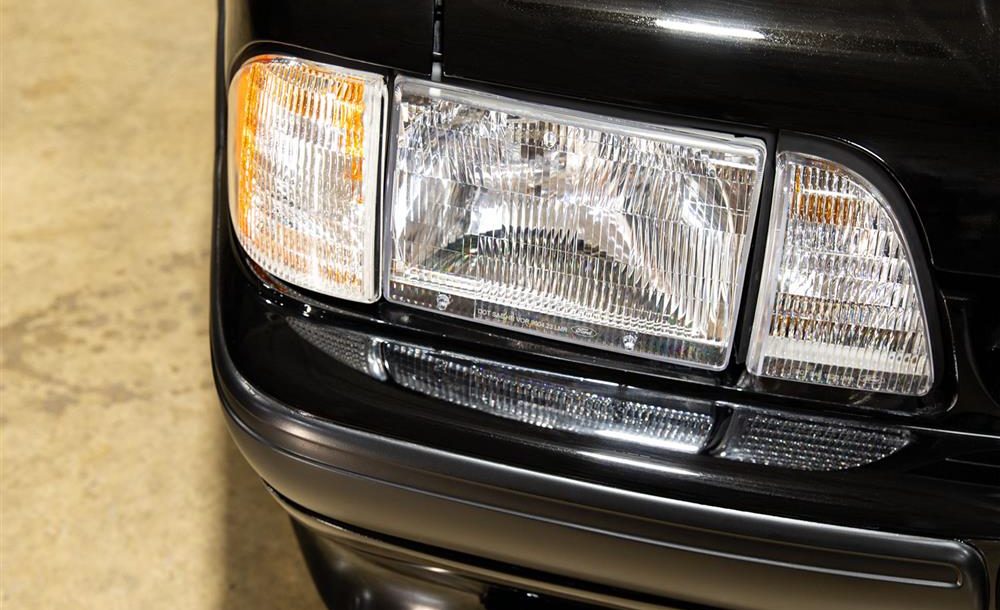
Modern headlights and taillights commonly use polycarbonate plastic lenses. This material is lightweight and impact resistant, but its surface can gradually deteriorate when exposed to sunlight. Manufacturers apply protective coatings to help resist ultraviolet radiation, yet these coatings can wear down over time.
A common symptom is cloudy or yellowed headlight lenses. The discoloration develops as the outer surface oxidizes and degrades. Sunlight, heat, road chemicals, dust, and moisture can all contribute to the process. Cloudy lenses reduce the clarity of the light assembly and can make a vehicle look older.
UV damage is more than a cosmetic concern. Headlight lenses are designed to transmit light efficiently from the bulbs or LED elements toward the road. Heavy oxidation can reduce the amount of useful light reaching the roadway. This can affect nighttime visibility, particularly when combined with dirty lenses or aging headlight components.
Taillight lenses can experience similar problems. Red and clear sections may fade or become hazy after prolonged exposure. Fine surface cracking may also occur in severely weathered plastic. Once the protective layer has deteriorated significantly, ordinary washing will not restore the original clarity.
Restoration kits can sometimes improve moderately oxidized lenses by removing the damaged outer layer and applying a new UV-resistant coating. Severe damage may require replacement.
Keeping the lenses clean and using suitable automotive protective products can slow deterioration. Whenever possible, parking in a shaded or covered area reduces the amount of UV radiation reaching the plastic.
5. Tires
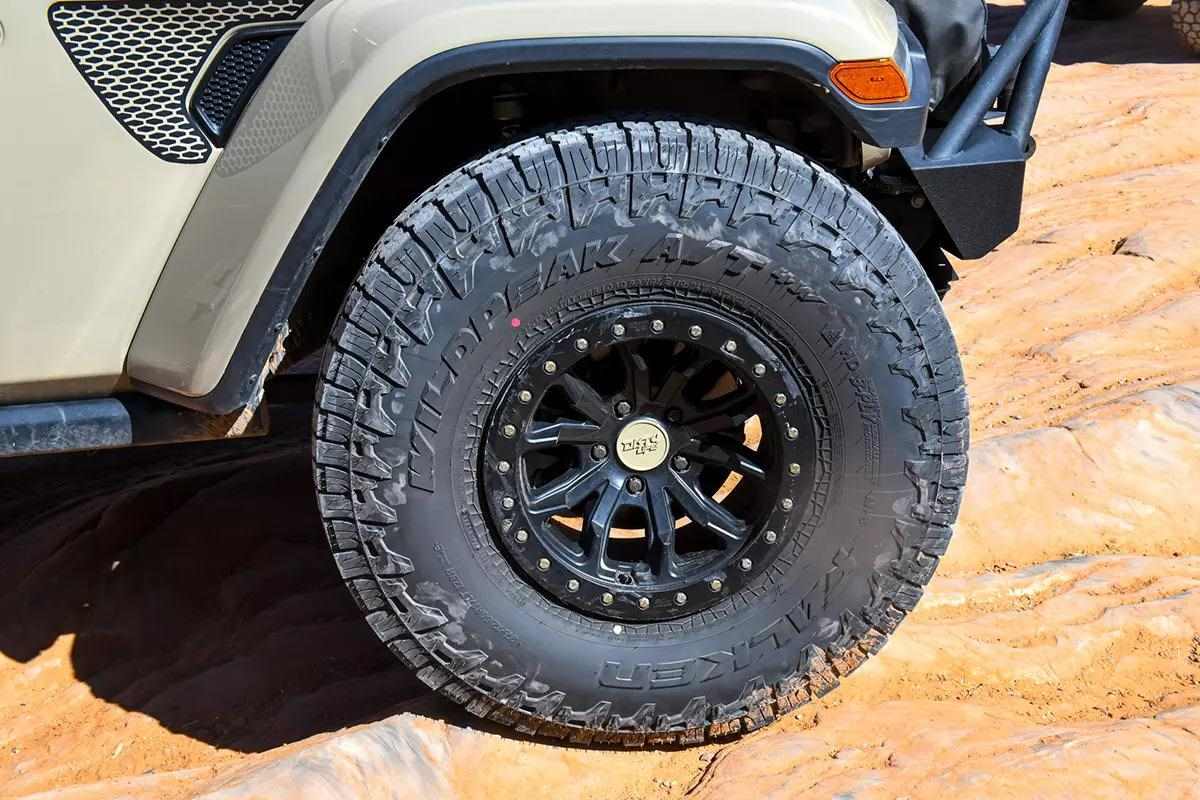
Tires are designed to withstand sunlight, heat, moisture, road debris, and changing temperatures. Even so, prolonged ultraviolet exposure can accelerate rubber aging. A vehicle that sits outside for long periods may develop tire aging problems even when the tread still appears adequate.
UV radiation can contribute to the breakdown of rubber compounds. Over time, the sidewalls may become less flexible and develop small cracks. This condition is sometimes called weather cracking or ozone cracking. Fine lines may first appear near the lettering or raised sections of the sidewall before becoming more noticeable.
High temperatures can add stress to the aging process. Tires already exposed to years of sunlight may become harder and less resilient. The effects are especially important for vehicles that are driven infrequently, because a tire can age according to time and environmental exposure rather than mileage alone.
Checking tire condition requires more than looking at tread depth. Drivers should inspect sidewalls for cracking, bulges, cuts, and other signs of deterioration.
Tire age can also be determined from the date code molded into the sidewall. Manufacturers and tire organizations provide guidance on replacement intervals and inspection practices.
Parking in shade can reduce direct UV exposure, while proper tire inflation helps maintain correct operating conditions. Tire covers may provide protection for vehicles that remain stationary for long periods, but they should be used appropriately. If substantial cracking or other structural damage is visible, professional inspection or replacement is advisable.
6. Wiper Blades
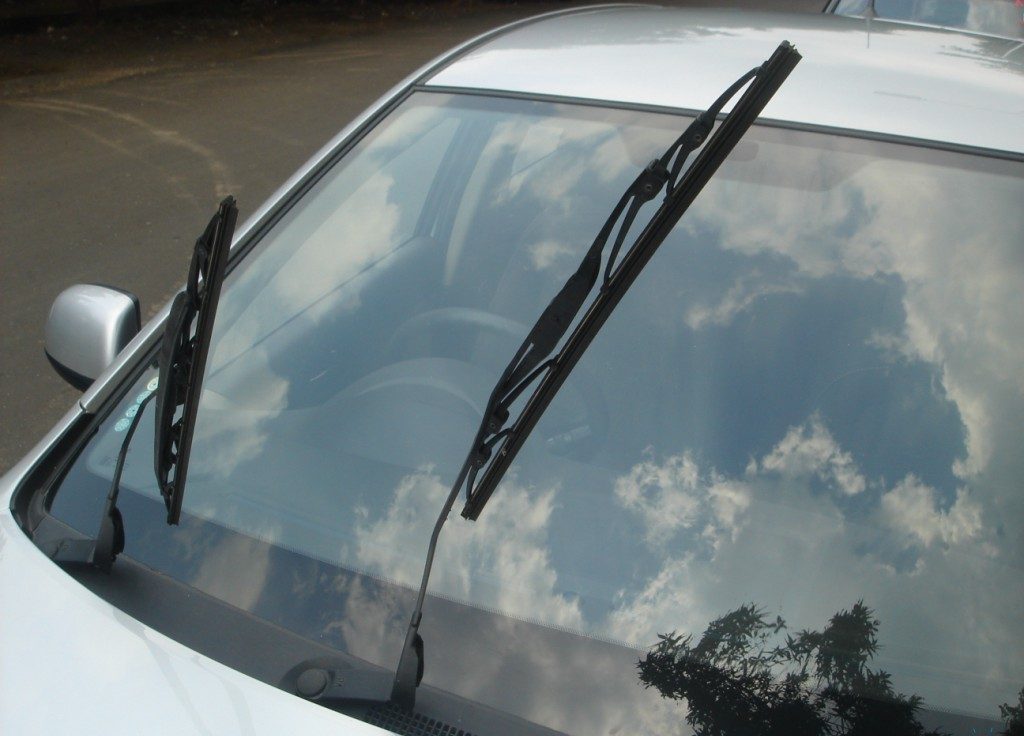
Windshield wiper blades are made from rubber or synthetic materials that naturally deteriorate over time. Direct sunlight accelerates this process because UV radiation can break down the material’s surface. High temperatures can further reduce flexibility, particularly when the blades remain pressed against a hot windshield for hours.
A healthy wiper blade should remain flexible enough to maintain consistent contact with the glass. As the rubber ages, it can become hard and less capable of following the shape of the windshield. This may result in streaks, missed areas, or uneven wiping during rain.
Cracking and splitting are common signs of sun-related deterioration. A blade may appear intact while small cracks develop along its wiping edge. When the wiper is activated, damaged sections can skip across the glass instead of clearing water smoothly.
Excessive heat can also cause the blade to deform. Parking under direct sunlight with the wipers resting against a very hot windshield can contribute to accelerated wear. Drivers may notice chattering or squeaking when the wipers operate, especially after the vehicle has been sitting outside.
Replacing wiper blades at appropriate intervals is usually inexpensive compared with other vehicle repairs. Keeping the windshield clean also reduces friction and contamination.
When possible, parking in shade helps protect the blades from UV radiation. Drivers should avoid using sharp objects to remove stuck wipers, as this can damage both the blade and windshield.
7. Door Handles and Exterior Plastic Trim
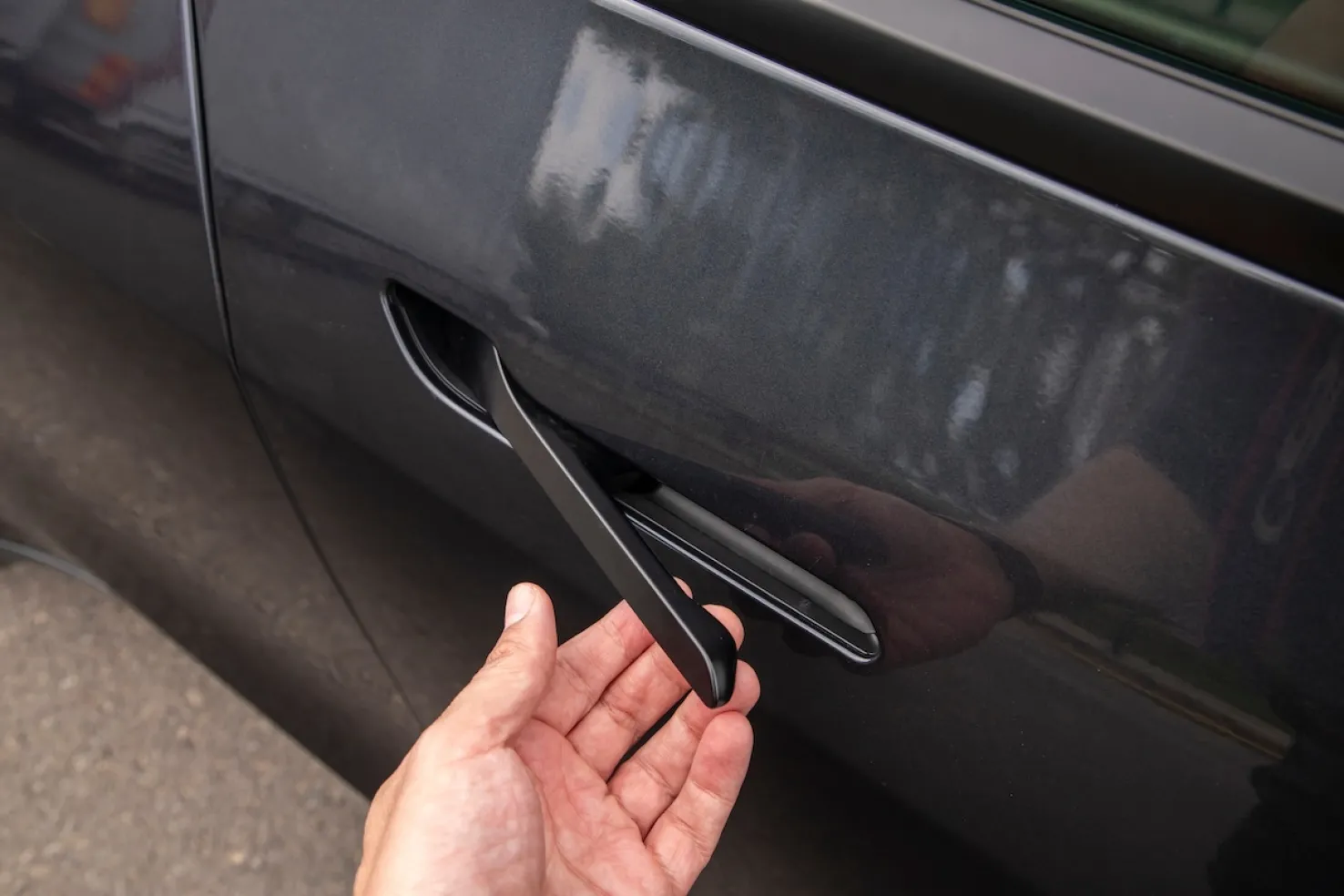
Exterior plastic trim and door handles face constant exposure to sunlight, temperature changes, dirt, and road chemicals. Depending on the vehicle, these parts may be made from different plastics, painted materials, rubberized coatings, or composite compounds. Long-term UV exposure can gradually change their appearance and physical properties.
Black plastic trim often becomes faded or gray as its surface deteriorates. This is especially noticeable on mirrors, bumper trim, window surrounds, roof rails, and unpainted exterior panels. The fading may begin as a subtle loss of shine before becoming a clearly visible color change.
Door handles can experience additional stress because they are regularly touched and pulled. If their outer coating has become brittle or degraded from sunlight, normal use may expose damaged areas more quickly. Painted handles can also suffer from fading or clear-coat deterioration when exposed to strong sunlight for years.
Plastic clips and mounting points can become more fragile as materials age. A component that was originally flexible may become brittle enough to break during routine maintenance. This can make removing trim panels more difficult and may increase repair costs.
Protective products formulated for exterior automotive plastics can help maintain appearance when used correctly. Washing the vehicle regularly removes contaminants that can worsen surface degradation.
Covered parking provides the strongest environmental protection. If trim has already become severely brittle or discolored, replacement may be necessary for a lasting result.
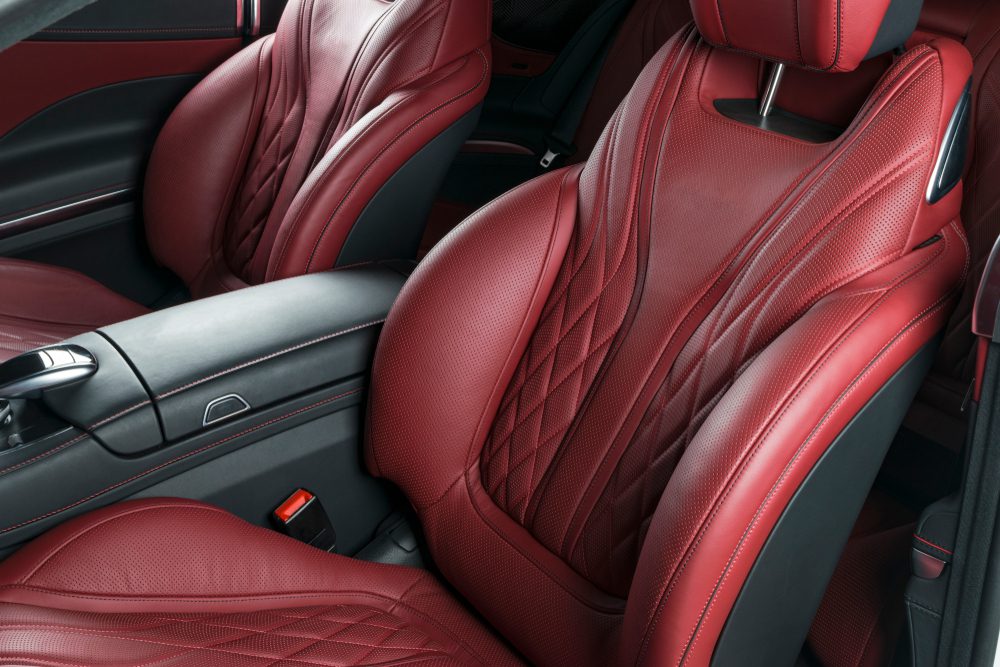
8. Interior Seat Materials
Car seats are exposed to sunlight through the windows, particularly the front seats and upper portions of the rear seats. Leather, vinyl, synthetic leather, and fabric can all experience changes from prolonged UV exposure. Heat inside the cabin can compound these effects by increasing the temperature of the materials.
Leather can gradually lose moisture and flexibility when exposed to intense heat. This may contribute to dryness, fading, surface cracking, and changes in texture. Areas that receive direct sunlight for many hours can show more deterioration than sections that remain shaded.
Synthetic leather can also become brittle or discolored. Certain coatings may weaken when repeatedly exposed to UV radiation. As the surface ages, it may develop small cracks, peeling, or a rough texture. Heat can make these problems more noticeable.
Fabric seats are generally less likely to crack than leather or vinyl, but they can still fade. Strong sunlight can gradually alter fabric dyes, producing uneven coloration. This is particularly visible when part of a seat receives direct sunlight while another section remains protected.
Using a windshield shade and parking in covered areas can reduce direct exposure. Seat covers may provide additional protection if they are suitable for the vehicle and do not interfere with airbags or safety equipment. Leather and synthetic materials should be maintained with products recommended for their specific material rather than generic household cleaners.
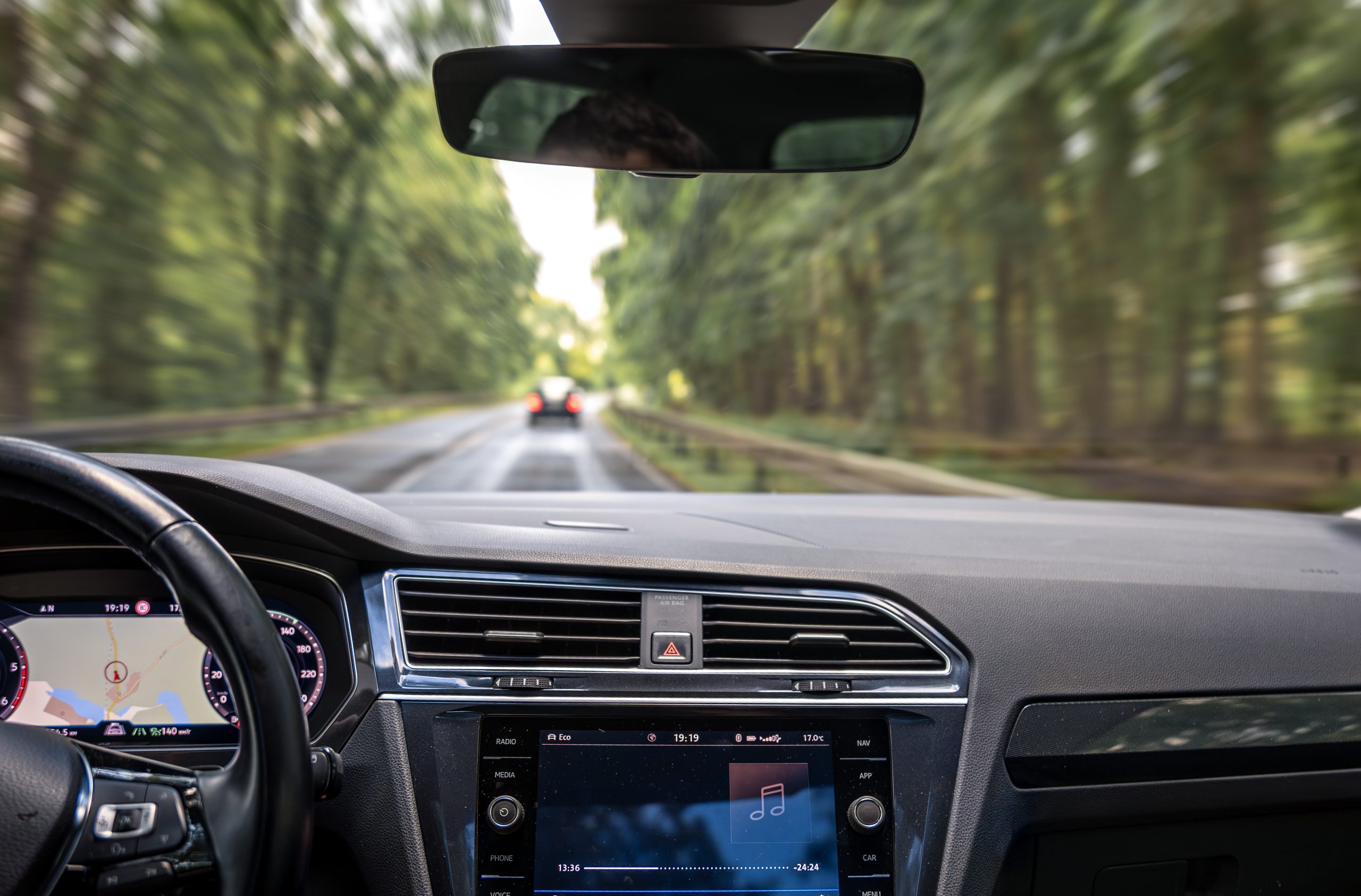
9. Center Console and Interior Controls
The center console contains many plastic surfaces, buttons, switches, storage areas, and electronic controls. Sunlight can reach these components through the windows, while heat builds up inside the cabin. Repeated exposure can gradually affect both the appearance and durability of these materials.
Plastic surfaces may fade, discolor, or develop a brittle texture. Glossy finishes can lose their appearance, while soft-touch coatings may become worn or sticky. The rate of deterioration depends on the material, coating, vehicle design, climate, and amount of exposure.
Buttons and switches can also experience surface wear. Heat and UV exposure may weaken printed symbols or protective coatings. Frequently touched controls can then lose their markings faster because environmental damage is combined with regular physical contact.
Electronic components inside the console are generally protected from direct sunlight, but high cabin temperatures can still create a harsh environment. Electronics are designed to operate within specified temperature ranges. Repeated exposure to excessive heat may place additional stress on components, wiring, connectors, and displays.
Reducing cabin temperature is a practical way to limit heat-related stress. A windshield shade can block sunlight from reaching the dashboard and center console.
Parking in shade or using covered parking provides further protection. If a control begins sticking, cracking, or behaving abnormally, inspection can help determine whether the problem is cosmetic, mechanical, or electronic.
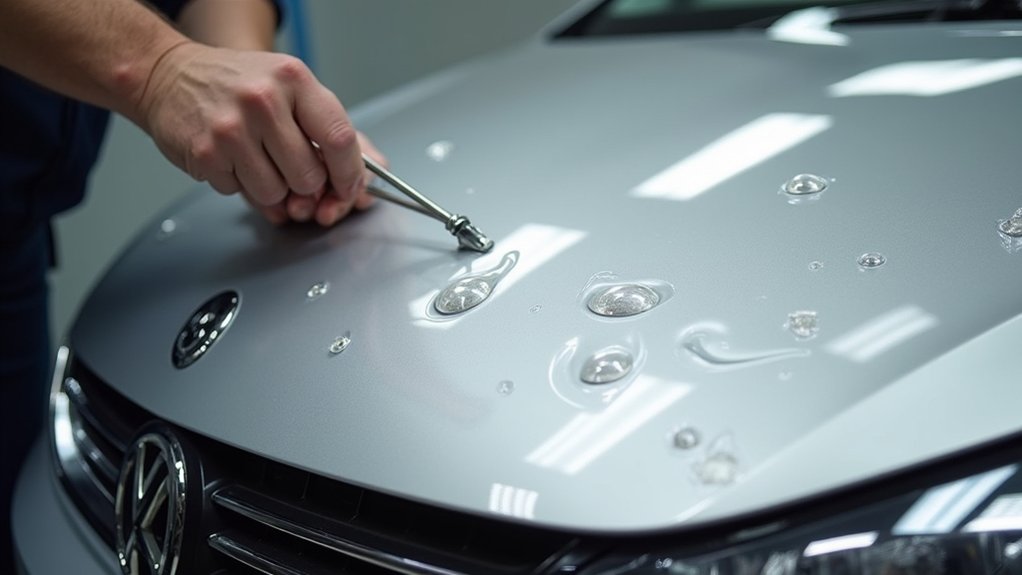
10. Paint and Clear Coat
The vehicle’s paint system is directly exposed to sunlight every time the car is parked outdoors. Modern automotive finishes usually contain multiple layers, including primer, color coat, and clear coat.
The clear coat provides protection and contributes to the vehicle’s gloss, but it can gradually deteriorate from UV radiation and environmental exposure.
Fading is a familiar sign of prolonged sun exposure. Red, blue, black, and other colors can gradually lose their original appearance when exposed to strong sunlight for extended periods. Differences can become especially obvious between areas that receive direct sunlight and sections protected by trim or other parts of the vehicle.
Clear-coat failure can be more serious. The surface may become dull, hazy, or chalky before sections begin peeling. Once the clear coat has separated from the underlying paint, polishing may not provide a permanent solution. Professional refinishing may be required for severely affected panels.
Heat also causes materials to expand and contract. Repeated temperature changes can place stress on the paint system, particularly when the vehicle becomes extremely hot during the day and cools rapidly at night. Environmental contaminants such as bird droppings, tree sap, and road residue can add further chemical stress to the finish.
Regular washing helps remove contaminants before they remain on the paint for extended periods. Wax, sealants, and paint protection products can provide an additional barrier when properly applied.
Covered parking offers the greatest reduction in direct solar exposure. Keeping the paint protected is generally easier and involves several mechanisms rather than a single type of damage.