
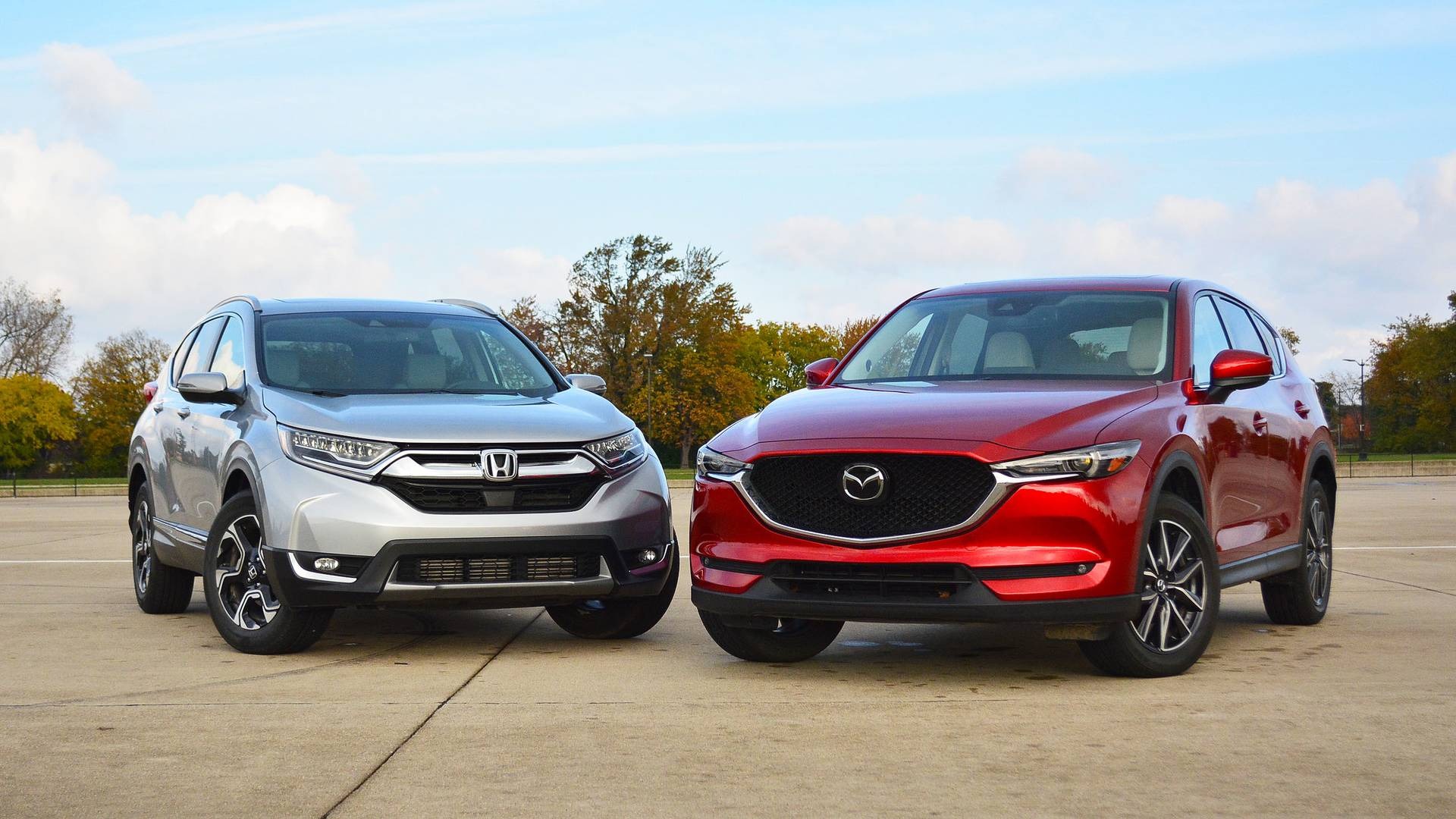
Walk into a dealership with a budget in mind, and the trim ladder can make that budget feel surprisingly flexible. The entry model may look a little too basic, while the next version adds just enough equipment to feel tempting. Then comes another trim with features that suddenly make the extra money seem easier to justify. This is where intermediate trims become interesting.
They give shoppers another choice, but they can also make the price gap between two versions feel less dramatic. Automakers use different combinations of styling, comfort, technology, and convenience equipment to separate one trim from another. The result is a lineup where each step can influence how shoppers view the step above it. Here are 10 trims that illustrate how that pricing structure can work.
1. Ford F-150 STX
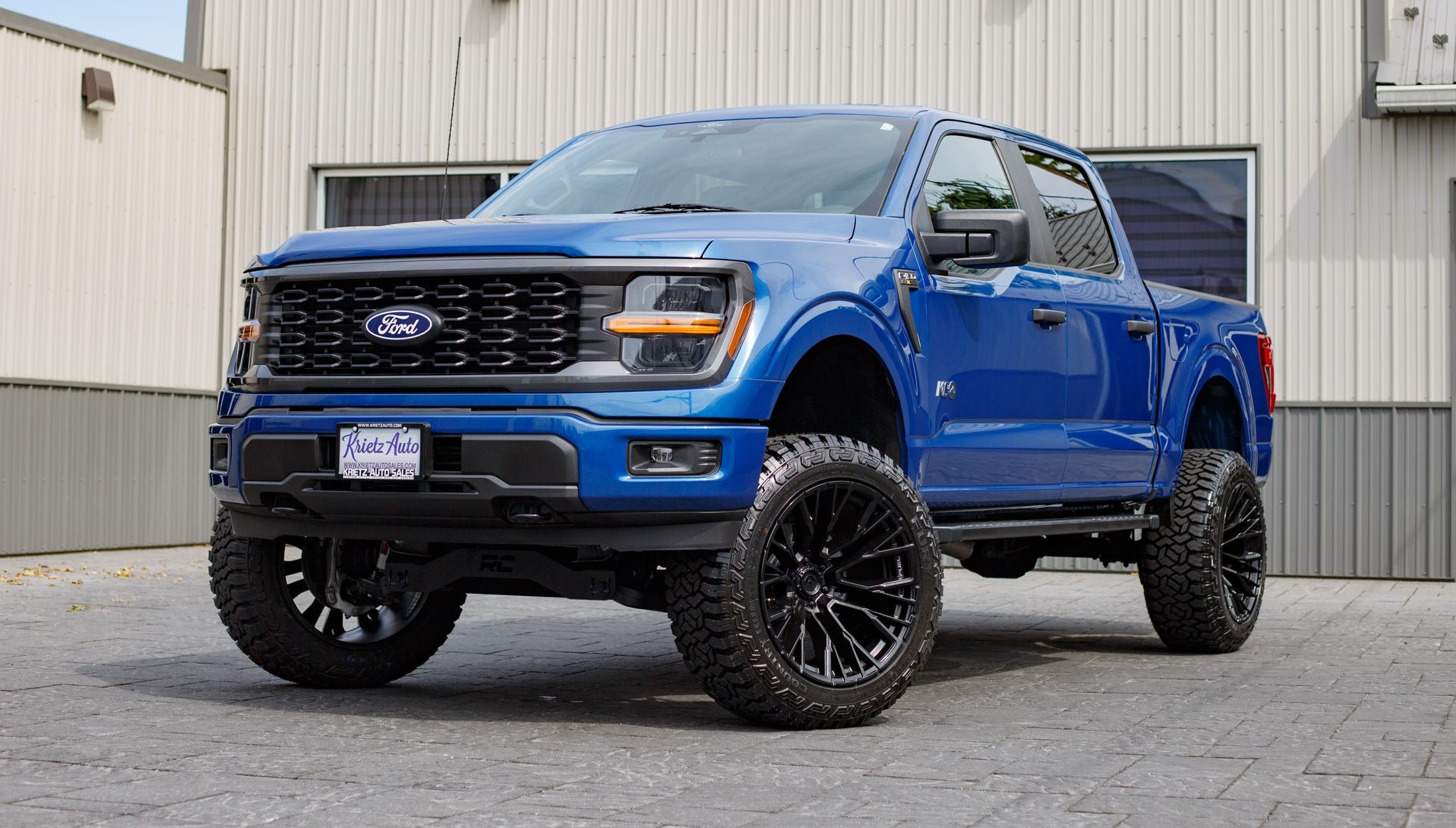
Stepping up from the bare-bones XL, the STX gives Ford’s popular pickup a noticeably sportier personality without asking buyers to commit to genuine luxury pricing.
Larger wheels immediately catch the eye, turning what could otherwise look like a purely utilitarian work truck into something far more presentable for daily driving beyond the job site.
Exterior styling upgrades continue that visual transformation, giving the STX a personality distinct enough from the XL that buyers genuinely notice the difference standing in a dealership lot.
These changes aren’t purely cosmetic either, since additional convenience equipment typically accompanies the styling package, creating genuine functional improvement alongside the enhanced appearance most buyers immediately gravitate toward.
Positioning this trim between the basic XL and considerably more equipped XLT creates exactly the kind of progression that makes trim shopping feel like a natural evolution rather than an arbitrary price jump.
Buyers who start out simply wanting something nicer than the absolute base model often find themselves examining the STX first, appreciating its improvements while simultaneously noticing exactly what’s still missing compared to trims sitting higher in Ford’s lineup.
That awareness becomes the entire point of this particular trim’s existence within Ford’s broader pricing structure.
Since the STX has already demonstrated meaningful improvement over the XL without venturing into premium territory, the XLT suddenly looks like a perfectly logical next step rather than an intimidating luxury upgrade, precisely the psychological bridge Ford’s trim ladder seems designed to create for price-conscious truck shoppers.
2. Mazda CX-5 Select
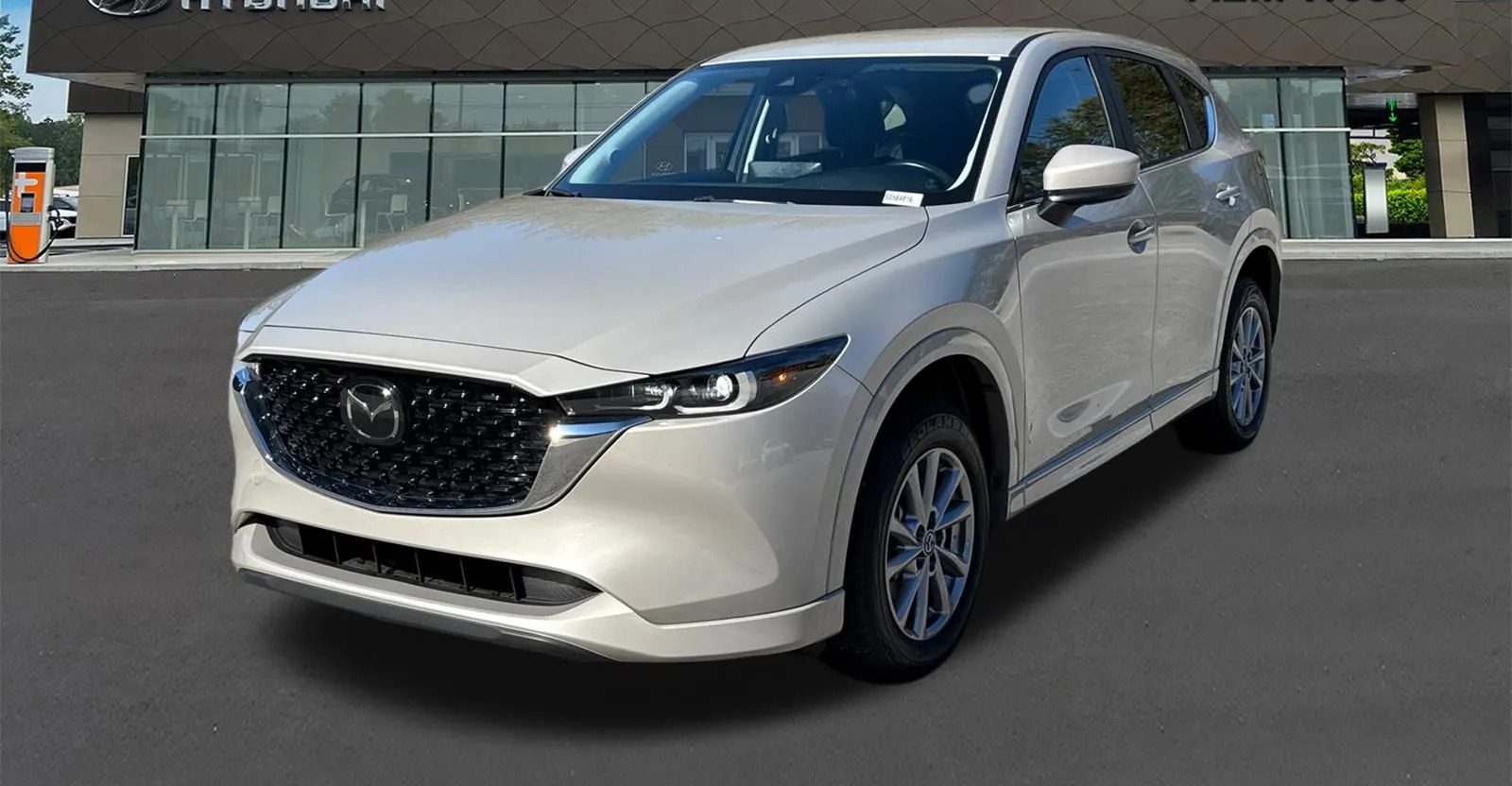
Mazda built genuine value into the CX-5 Select, adding comfort and convenience features that meaningfully improve the daily driving experience compared to shivering through the absolute base configuration most buyers would find genuinely underwhelming after actually sitting inside one.
Interior upgrades feel noticeably more substantial than some competitor mid-trims, giving buyers a legitimate reason to consider this option seriously rather than treating it as a stepping stone to something better.
Driver assistance features and additional convenience equipment, depending on which model year you’re shopping, round out this trim’s appeal considerably.
These additions genuinely matter for everyday usability, transforming the CX-5 from purely functional transportation into something considerably more pleasant to actually live with throughout daily commuting and errands.
Here’s where the pricing psychology kicks in, though. Buyers who’ve experienced the genuine improvement the Select provides over Mazda’s base trim inevitably start wondering what additional premium materials, technology, and comfort features might feel like in the Preferred or Premium trims sitting above it.
That curiosity is not accidental. Mazda builds its trim lineup in a way that encourages buyers to look closely at what each level adds.
Rather than dumping every desirable feature into one expensive package, Mazda spreads genuine improvements across multiple price points, creating a situation where each successive trim feels like a reasonable next step, building naturally off whatever came before it.
The Select accomplishes exactly what a middle trim should, delivering enough genuine value to satisfy budget-conscious buyers while simultaneously making premium trims feel considerably more justified for anyone willing to spend additional money.
3. Subaru Forester Premium
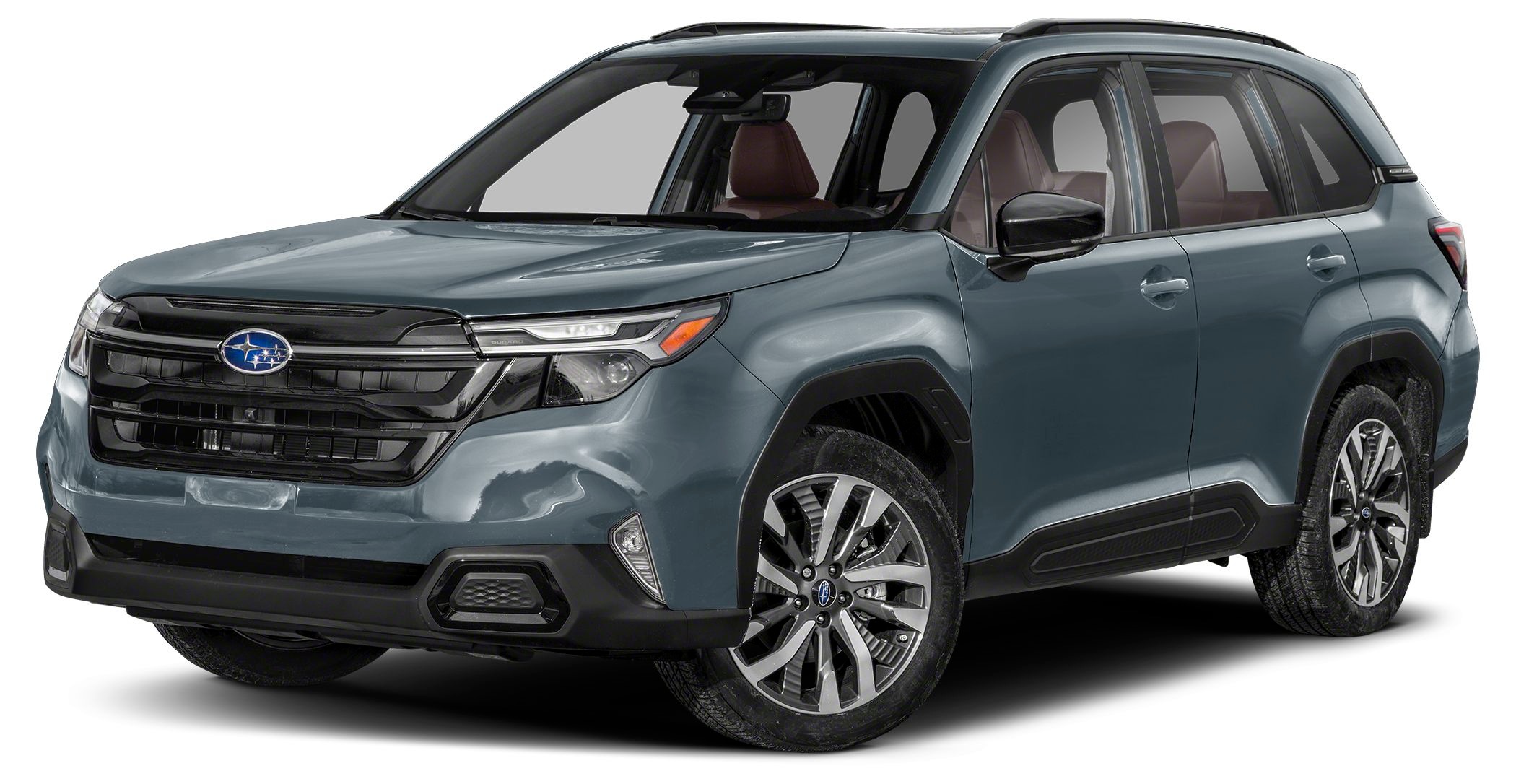
For someone shopping for a Subaru Forester, the Premium trim can feel like the point where the vehicle starts becoming more comfortable for daily life.
The base Forester covers the fundamentals, but Premium versions have traditionally added equipment such as heated front seats, upgraded wheels, and other convenience features.
Those additions may sound small on paper, yet they can matter every morning when the vehicle is used for commuting, errands, or family trips.
The interesting part comes when shoppers compare Premium with higher trims. Once heated seats and other comfort features are already on the checklist, leather upholstery, additional technology, upgraded interior materials, or extra convenience equipment can make the next price point seem more appealing.
That does not mean the Premium exists merely to sell a more expensive Forester. It gives Subaru a useful way to serve customers who want more than the base vehicle without paying for the top equipment package.
Still, its place in the lineup creates a clear progression. Each additional feature gives shoppers another reason to ask whether spending a little more could provide the version they really want.
4. Chevrolet Silverado Custom
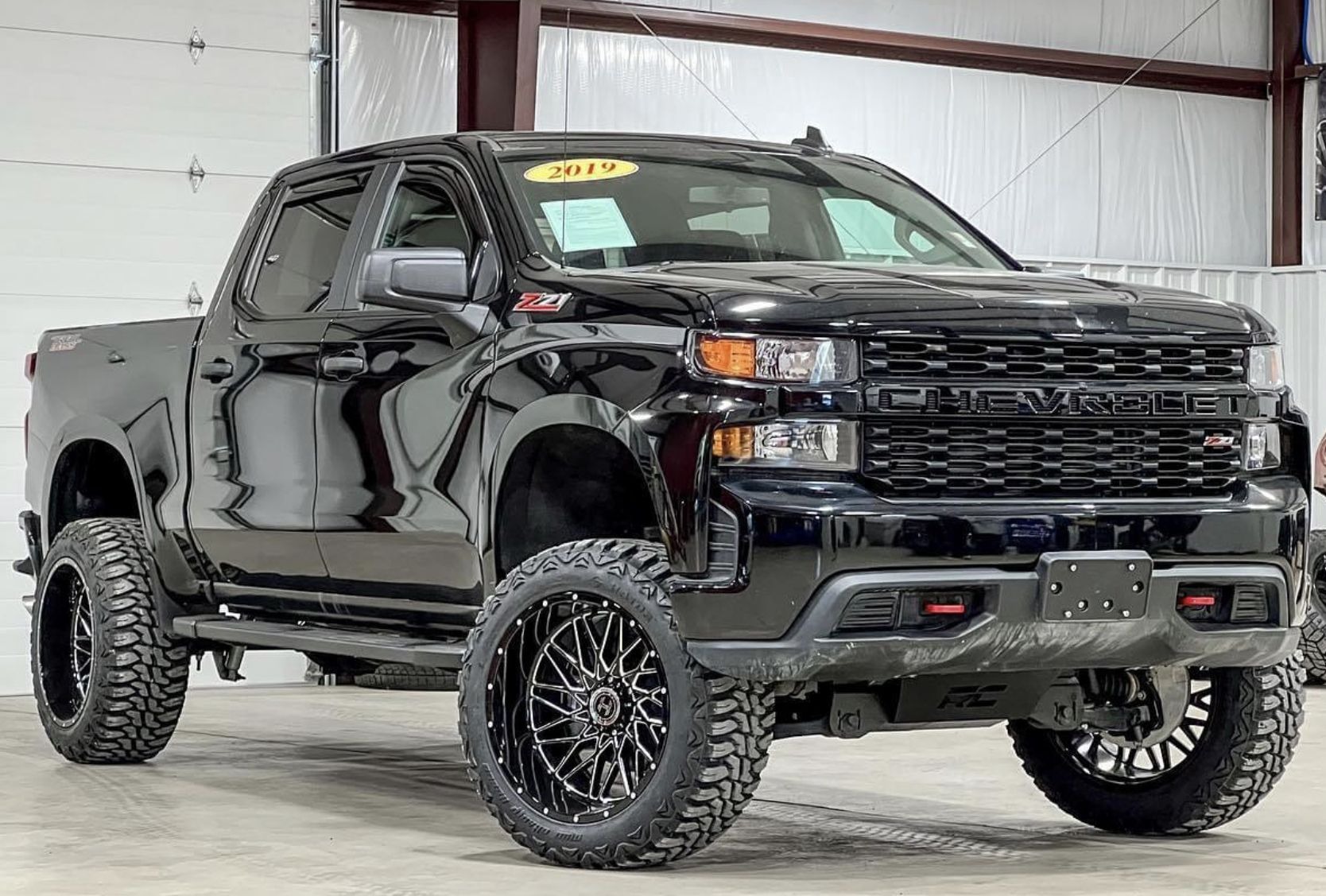
Work trucks rarely inspire genuine enthusiasm, and Chevrolet clearly recognized this reality when developing the Silverado Custom as a considerably more consumer-friendly alternative to the purely utilitarian Work Truck trim sitting below it.
Appearance upgrades throughout this trim transform what could feel like purely functional equipment into something buyers actually want to be seen driving around town, not just hauling materials to a job site.
Convenience improvements accompany these styling changes, addressing everyday usability concerns that Work Truck buyers simply accept as part of choosing the most basic available configuration.
That combination makes the Custom genuinely appealing for buyers who need truck capability but also want their vehicle to feel considerably more pleasant during regular, non-work-related driving throughout their daily routine.
Chevrolet’s pricing strategy becomes apparent once you start comparing what Custom actually delivers against what LT and higher trims eventually provide.
The differences between the trims are designed to make the upgrade worth considering. As you move higher in the lineup, each trim adds features that may make the LT more appealing to buyers who want extra equipment and can afford the higher price.
This progression illustrates something important about how truck manufacturers structure their entire lineup. Rather than making Custom feel complete and satisfying on its own terms, Chevrolet deliberately leaves enough desirable features exclusively available on higher trims that upgrading feels like solving a legitimate problem rather than simply spending more money for marginal improvement.
That psychological framing considerably influences how buyers perceive value throughout their entire shopping experience.
5. Ford Explorer XLT
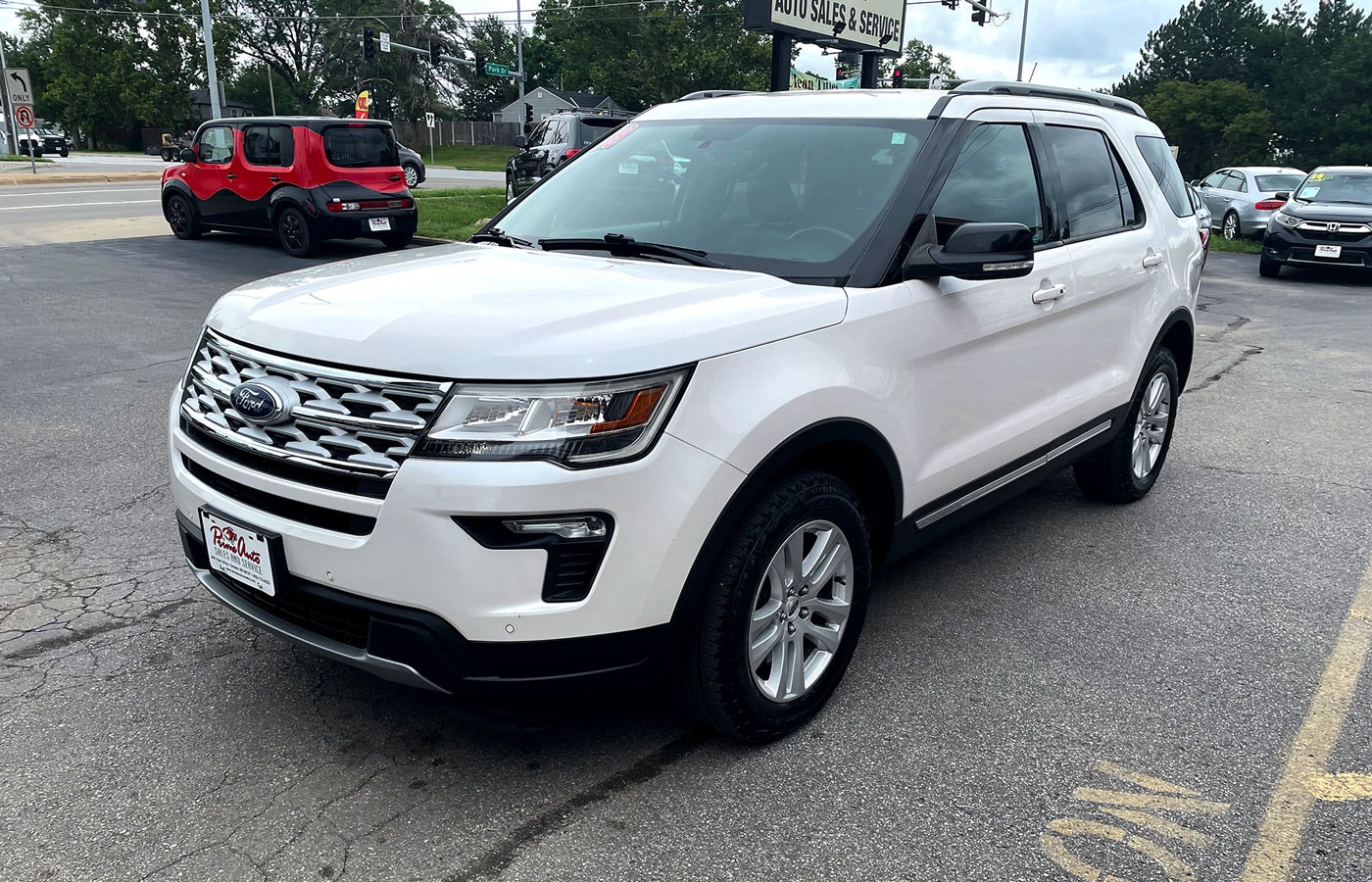
The Ford Explorer XLT sits in a part of the lineup where many mainstream SUV shoppers naturally begin paying closer attention to equipment.
An entry-level Explorer can cover basic transportation needs, but the XLT adds convenience features that can make the SUV feel better suited to families and regular daily use.
That middle position gives buyers a way to spend more without jumping directly into the premium end of the range. Now consider what happens when the XLT is placed beside a Limited trim.
The Limited can add more comfort, technology, materials, and convenience equipment. Because the shopper has already moved beyond the base model, the additional cost may feel less dramatic than it would have at the start of the shopping process.
That is the psychology behind a stepped trim lineup. Each version establishes a new reference point for the price. The XLT can still be a sensible stopping point for someone who wants useful features without paying for everything available.
Yet for another shopper, it can make the Limited feel like a manageable upgrade rather than a huge jump from the entry model.
6. Hyundai Tucson SEL
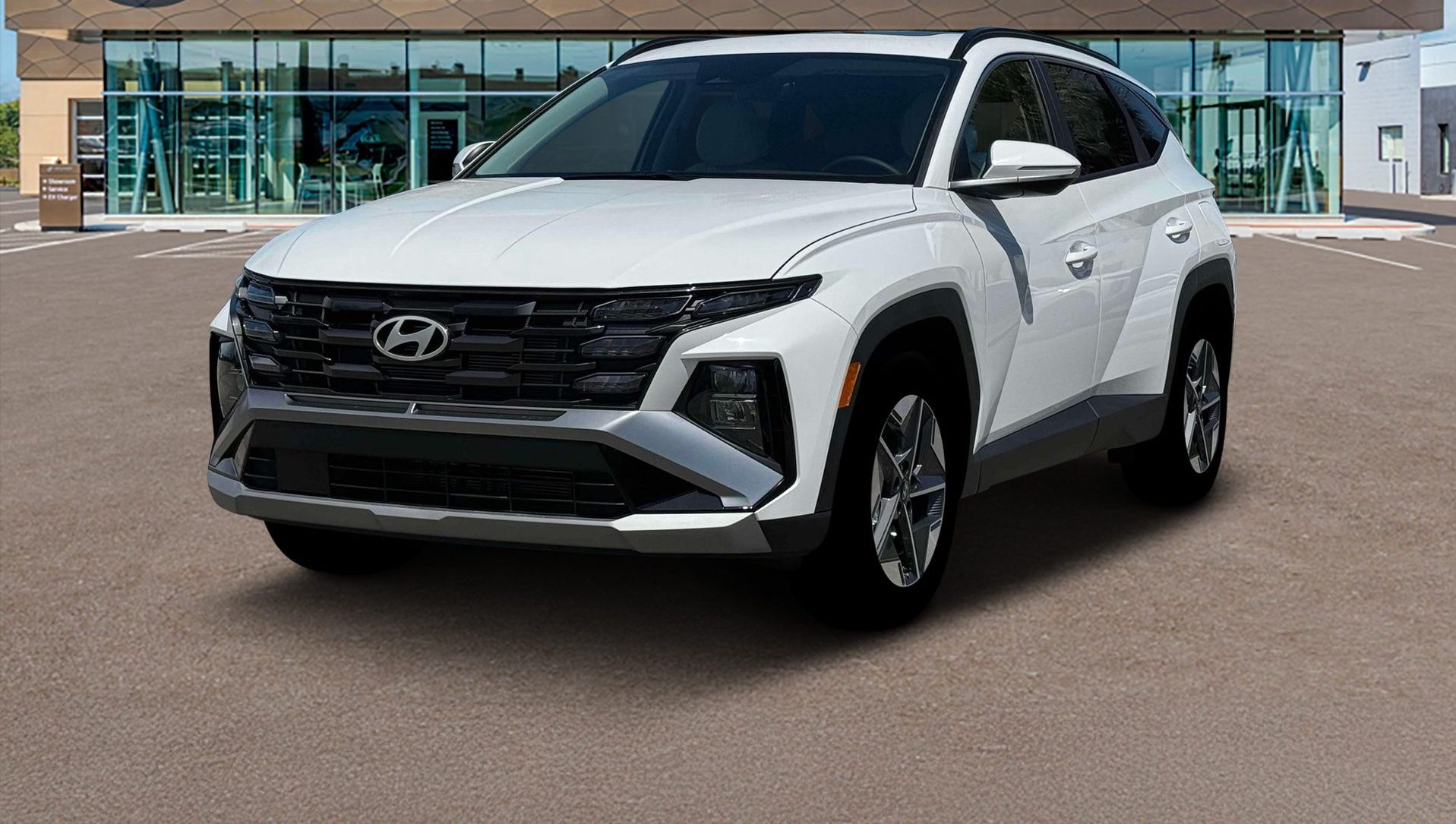
Hyundai has built genuine credibility around delivering strong value throughout its entire lineup, and the Tucson SEL exemplifies that reputation particularly well.
Moving up from the entry-level SE trim brings considerable improvement across convenience and technology categories, addressing many of the compromises buyers typically accept when purchasing the most affordable available configuration within any given model lineup.
These genuine improvements create immediate satisfaction for buyers upgrading from SE, since the difference feels substantial enough to justify the additional expense without requiring extensive research or convincing.
That straightforward value proposition has helped Hyundai build considerable loyalty among practical buyers who appreciate transparent, easily understood upgrade paths rather than confusing trim structures that obscure exactly what additional money actually purchases.
Despite these legitimate improvements, though, buyers seeking genuinely premium interior materials, more advanced technology features, or additional comfort equipment inevitably discover they need to continue climbing further up Hyundai’s trim ladder to access everything they might eventually want.
The SEL deliberately stops short of delivering everything available within the Tucson lineup, preserving meaningful differentiation for higher trims still waiting further up the price spectrum.
This graduated structure represents smart business strategy from Hyundai’s perspective, spreading desirable features across multiple price points rather than concentrating everything into one expensive top trim that might intimidate budget-conscious shoppers before they’ve even considered the vehicle seriously.
By creating clear, logical steps between trim levels, Hyundai makes each successive upgrade feel like a reasonable, incremental decision rather than an intimidating leap requiring buyers to justify dramatically higher spending all at once.
7. Kia Sorento S
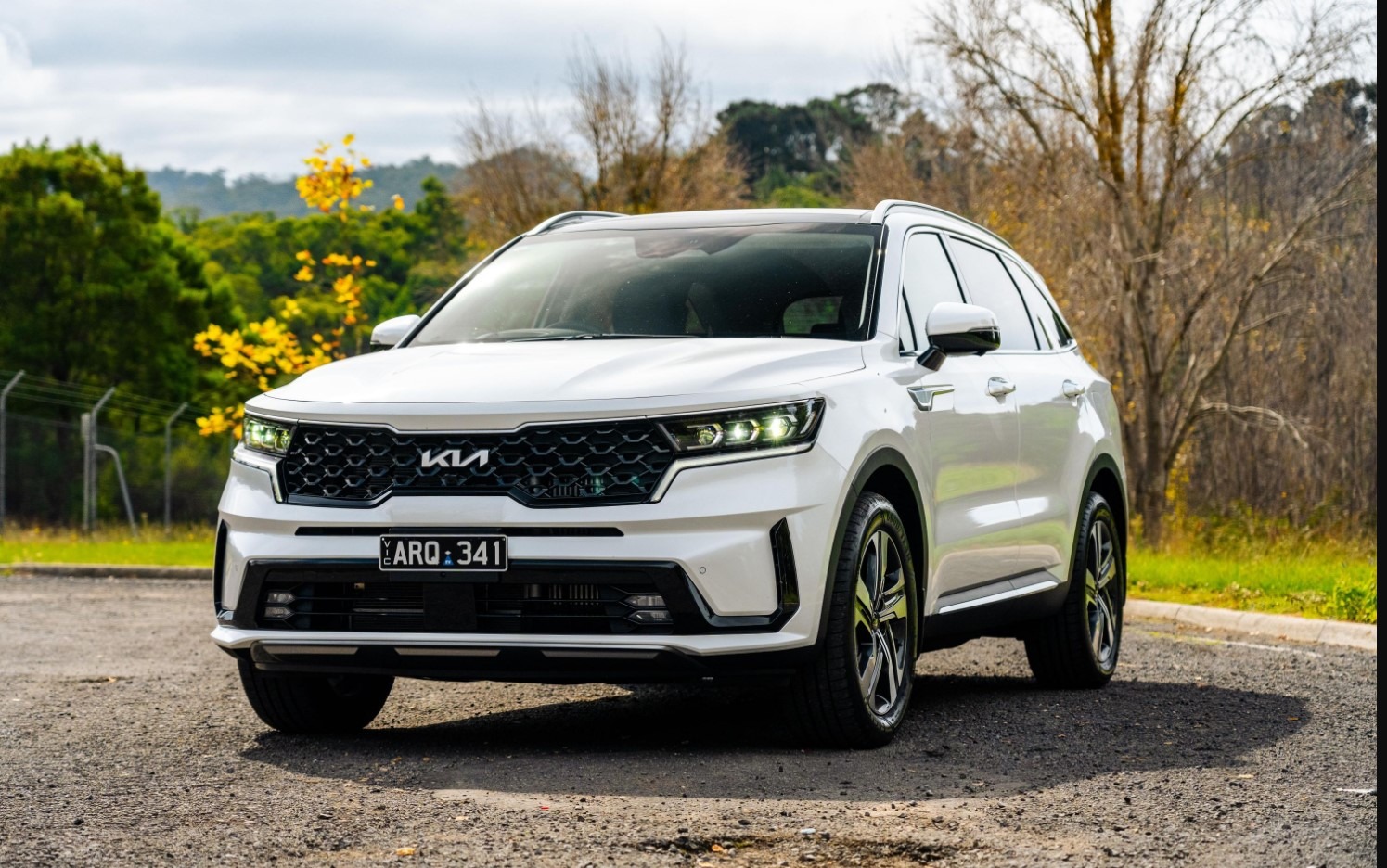
Kia’s Sorento S occupies an interesting middle position that bridges the considerable gap between genuinely basic transportation and the more fully equipped experience buyers eventually discover further up the lineup.
Styling upgrades distinguish this trim clearly from the entry-level LX, giving buyers something visually more appealing without requiring them to jump straight toward considerably pricier configurations sitting higher in Kia’s range.
Equipment improvements accompany these styling changes, addressing enough everyday usability concerns that buyers genuinely feel like they’ve upgraded meaningfully compared to the most basic available Sorento configuration.
That intermediate positioning gives budget-conscious shoppers a legitimate stepping stone option, rather than forcing an uncomfortable choice between accepting genuinely minimal equipment or immediately committing to substantially higher spending they hadn’t originally planned for.
The psychology becomes considerably more interesting once buyers actually start comparing what the S delivers against what EX or SX trims eventually provide further up Kia’s lineup.
Having already moved beyond the entry-level LX, buyers find themselves anchored around a higher baseline expectation, making the additional expenditure required for EX or SX feel considerably more reasonable compared to how intimidating that same price jump might have felt when comparing directly against the considerably cheaper base trim instead.
This anchoring effect illustrates exactly why intermediate trims like the Sorento S matter so much within broader pricing strategies employed throughout the automotive industry.
Rather than existing purely as a destination trim itself, the S functions partly as a psychological stepping stone that gradually acclimates buyers toward higher spending, making each successive upgrade feel considerably more justified than it might otherwise seem without that intermediate reference point already established.
8. Honda CR-V Sport
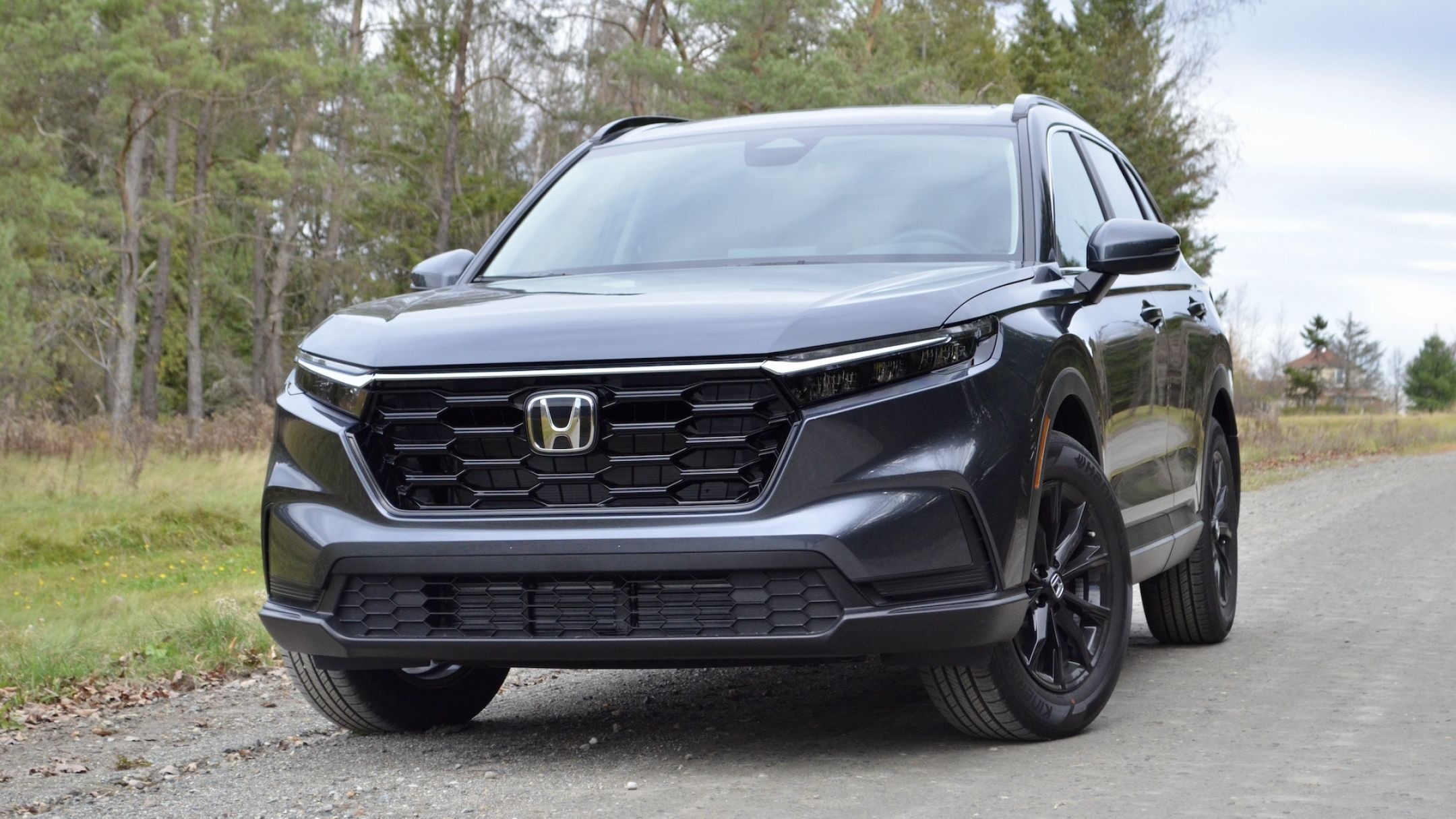
Honda’s Sport trim designation throughout much of its lineup occupies a genuinely interesting position, and the CR-V version exemplifies this positioning particularly well.
Larger wheels immediately signal something visually distinct compared to conventional lower trims, giving buyers a sportier aesthetic without requiring them to commit to genuinely premium pricing reserved for higher configurations further up Honda’s range.
Sportier styling extends beyond just wheels too, encompassing various exterior touches that distinguish this trim clearly whether parked in a driveway or spotted on the highway during daily commuting.
These visual improvements pair with additional equipment that genuinely enhances everyday usability, creating a package that feels considerably more substantial than a purely cosmetic upgrade might otherwise suggest to skeptical shoppers.
Despite these legitimate improvements, though, the CR-V Sport deliberately stops short of delivering everything available within Honda’s broader lineup structure.
Premium technology features, additional comfort equipment, and various luxury touches remain exclusively reserved for trims sitting further up the pricing ladder, creating meaningful differentiation that preserves genuine incentive for buyers considering whether additional spending might be worthwhile given their specific priorities and budget flexibility.
This careful calibration creates exactly the kind of noticeable progression that makes trim shopping feel like a logical journey rather than an arbitrary series of price increases without clear justification.
Buyers moving from basic transportation toward increasingly equipped CR-V configurations experience each step as a reasonable, incremental decision, precisely the psychological framing Honda’s trim strategy seems specifically designed to create throughout its popular compact SUV lineup.
9. Toyota RAV4 XLE
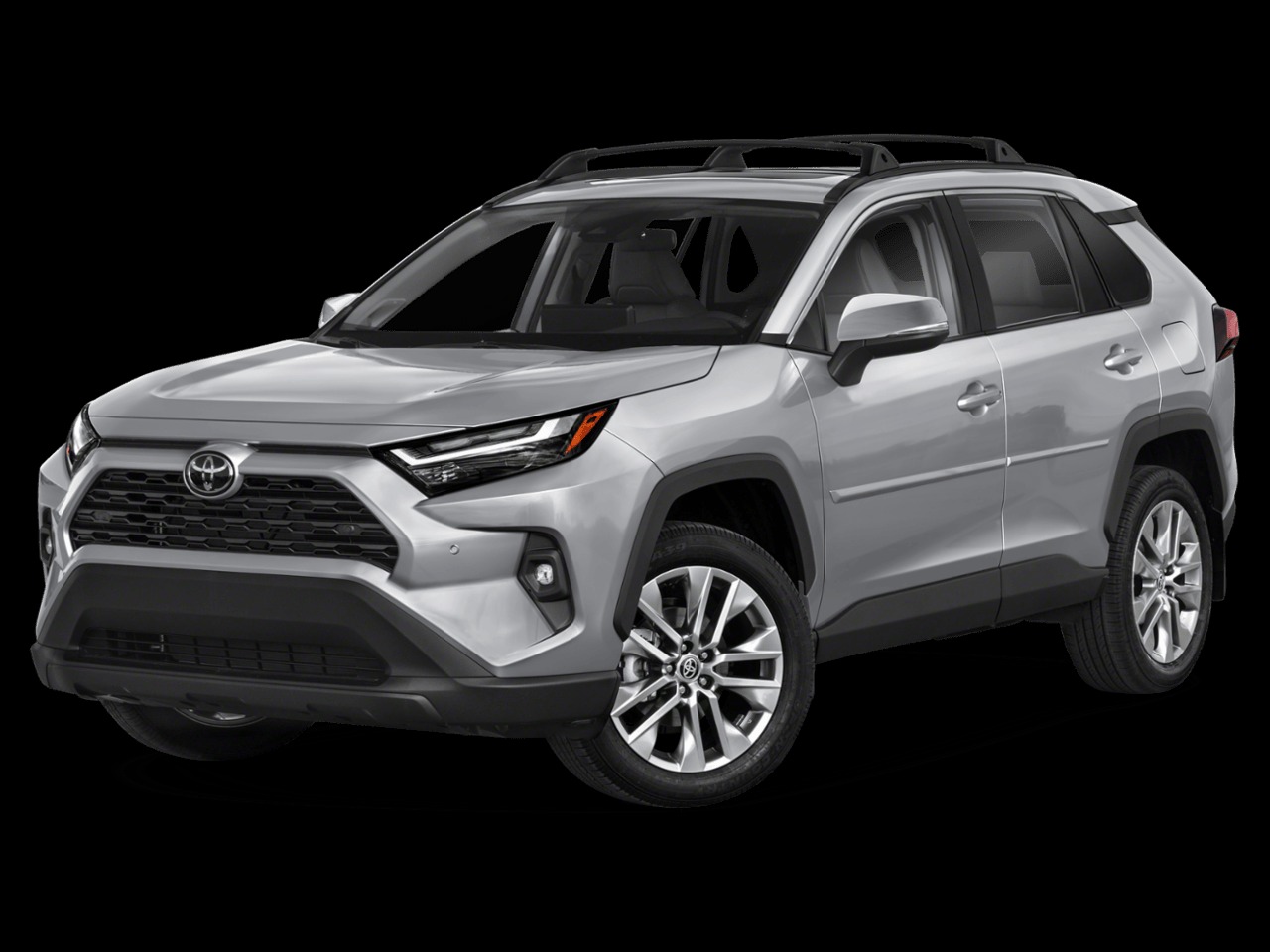
The Toyota RAV4 XLE is positioned where many shoppers begin to see the practical advantages of moving beyond the entry-level LE.
The XLE adds desirable convenience and exterior features that can make the RAV4 feel more complete for everyday ownership. It does not sit at the top of the lineup, though, leaving room for versions such as the XLE Premium and other higher configurations.
That placement creates an easy comparison. A shopper can start with the LE, see what the XLE adds, and then examine what another price increase provides.
If the XLE already feels like a worthwhile upgrade, the higher trim can seem like a smaller additional step than it did when the shopper first entered the dealership.
This is a common feature of carefully spaced trim levels. Each version becomes the new baseline for the next decision.
The XLE can therefore make sense as a final choice for buyers who want a well-equipped RAV4 without paying for premium extras. Yet its equipment also gives buyers a clear reason to compare the next version before signing the paperwork.
10. Honda Accord Sport
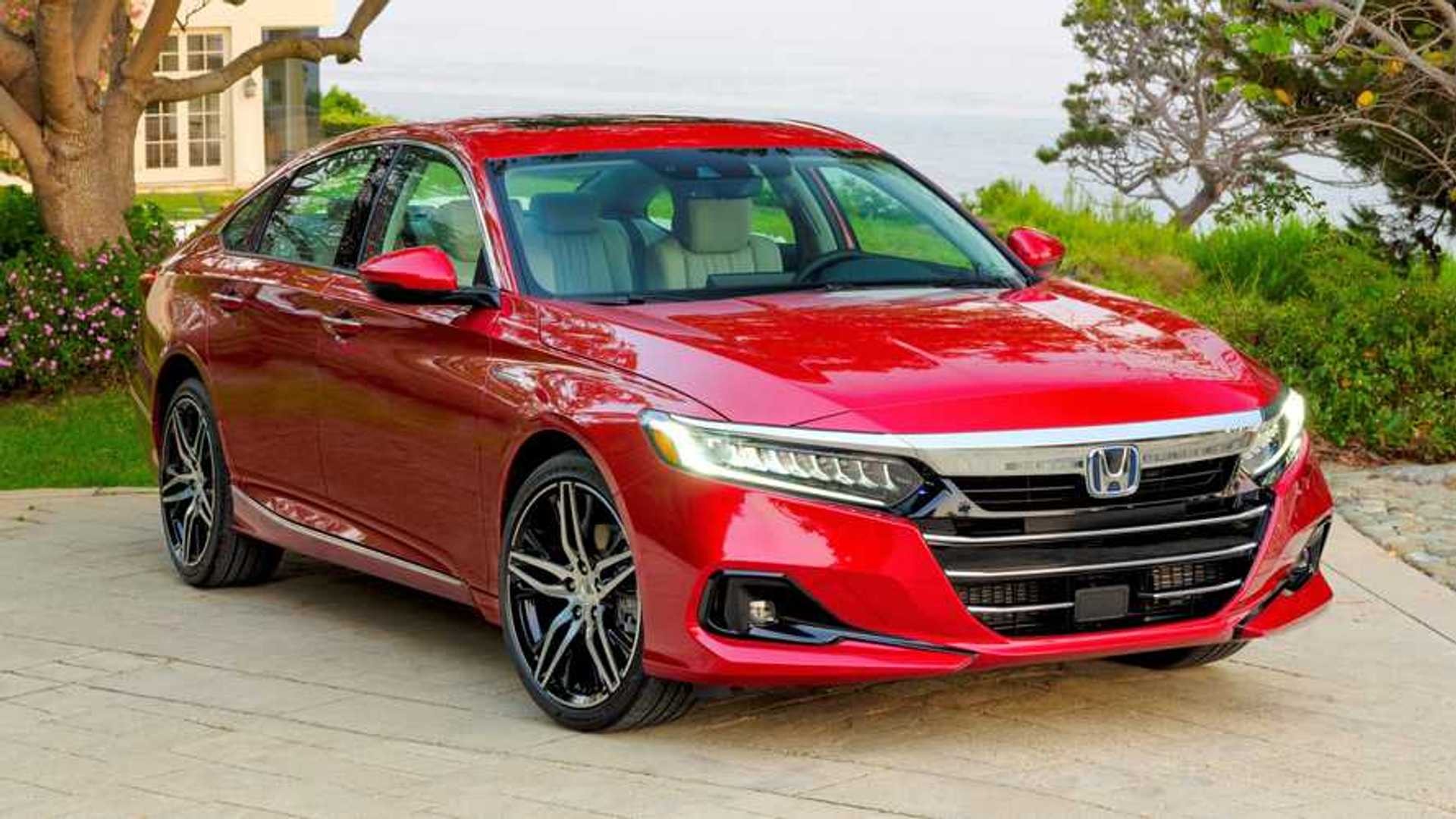
The Honda Accord Sport has traditionally occupied a useful middle position for shoppers who want something more distinctive than the entry-level model.
Depending on the model year, Sport versions have combined larger wheels, sportier exterior styling, interior upgrades, and driving-oriented touches. Those changes can give the Accord a stronger visual identity without requiring buyers to purchase the most expensive version.
That middle position also affects how the higher trims are perceived. After a shopper has decided that the base Accord is too basic, the Sport provides a natural upgrade.
Once the Sport becomes the chosen reference point, additional technology, comfort features, and premium appointments in higher versions can appear easier to justify.
The Sport therefore illustrates the subtle role of an intermediate trim. It is not simply a placeholder between two prices. It gives shoppers a distinct package with its own appeal while helping establish a series of choices across the Accord lineup.
For buyers, the smartest approach is to compare the actual equipment and price difference between trims rather than assuming that the next version is automatically the better deal. Sometimes the middle trim has exactly what they need.
