
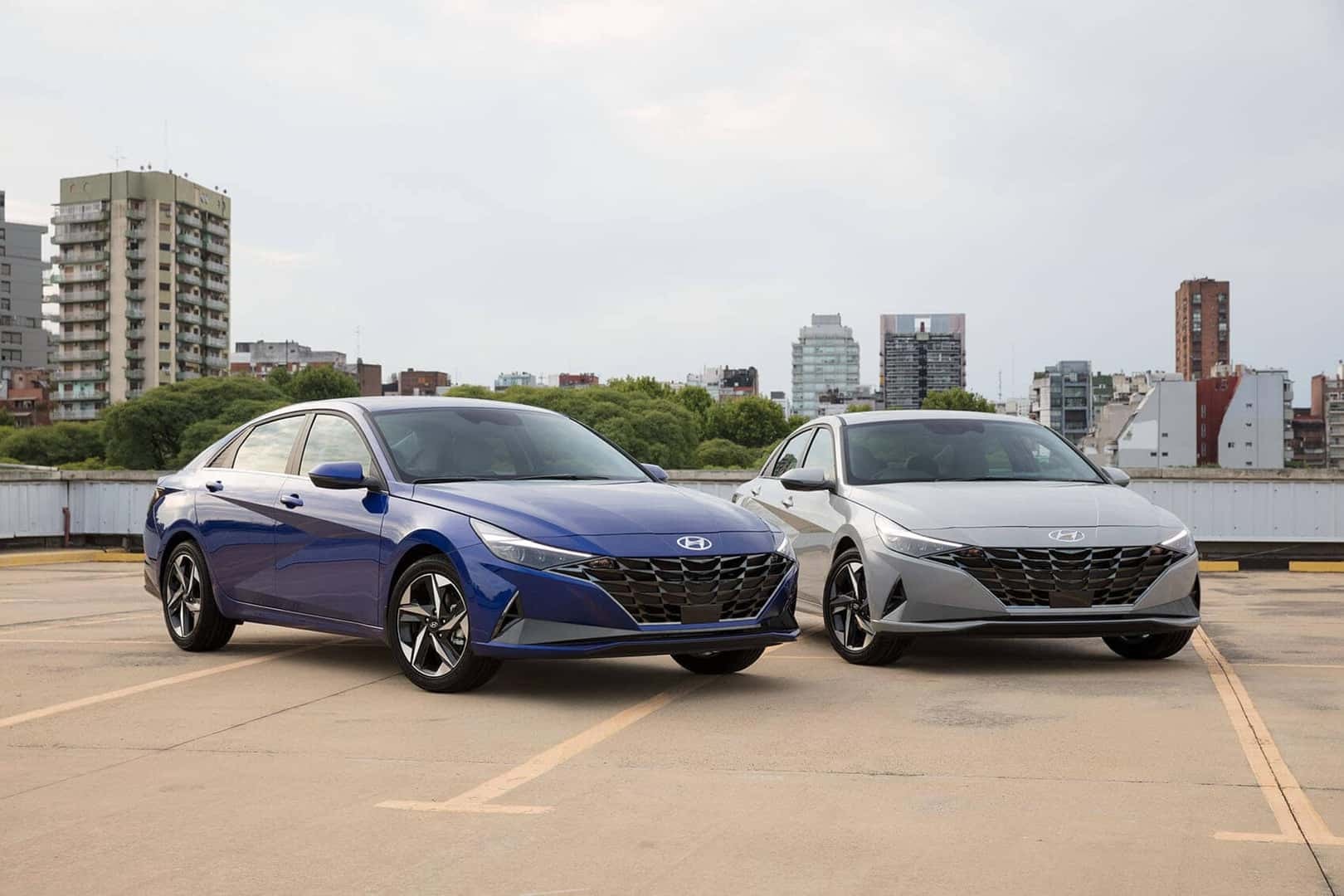
A $2,000 car that is worth almost nothing at trade-in sounds like a deal gone badly wrong. Yet car shopping in 2026 comes with a different kind of sticker shock because even the cheapest new cars are no longer truly cheap. A look at current prices shows that the most affordable new vehicles now start well above $23,000.
Trade-in value also rarely falls to a neat number like zero. Instead, condition, mileage, age, and depreciation gradually reduce what a vehicle is worth, often leaving owners with less value than they expected when it is time to trade.
So instead of chasing a myth, let’s look at what real entry-level pricing looks like this year. Below are ten of the least expensive new vehicles available for 2026, ranked from the lowest sticker price to the highest, based on data from Cars.com and each manufacturer’s own site. Some surprises are in here, and a few price gaps that are worth knowing before you sign anything.
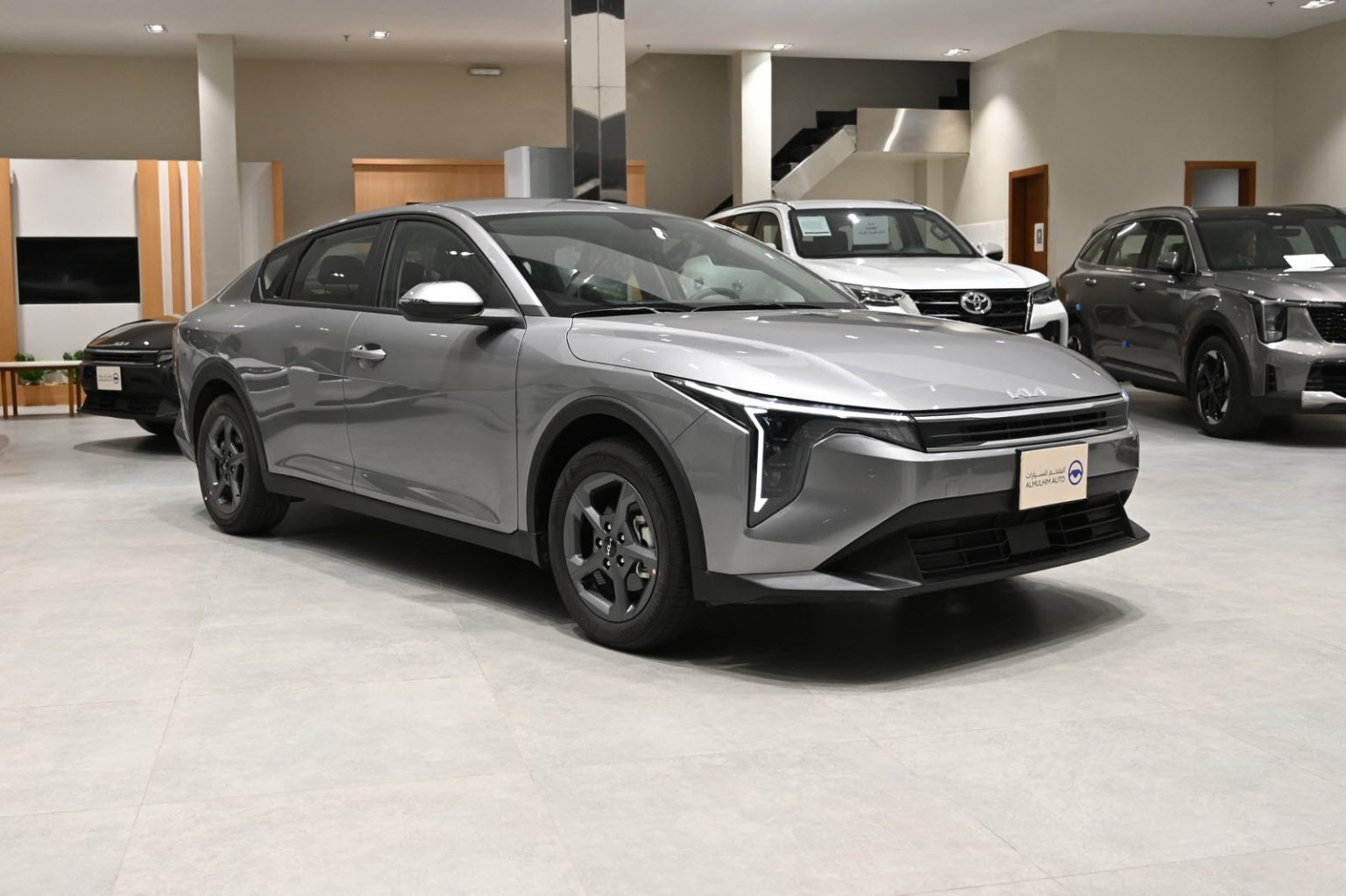
1. 2026 Kia K4 LX – $23,535
The 2026 Kia K4 LX sits at the bottom of Cars.com’s August 2026 list of the least expensive new vehicles. Its listed price is $23,535, including destination under the pricing basis used by Cars.com.
Kia’s own website places the LX at $22,290 before destination and other charges, so shoppers may see different figures depending on how the price is displayed.
That price puts the K4 in a very different category from the $2,000 figure in the headline. A new K4 cannot be purchased for $2,000, and there is no basis for assuming the car will eventually be worth zero at trade-in.
The LX is the entry-level K4, yet it does not feel like an old-fashioned stripped-down sedan. Buyers get a modern cabin and a broad collection of standard technology, giving the car more appeal than its entry-level label might suggest.
For someone focused on keeping the initial purchase price down, that combination can make the K4 worth a closer look. The future trade-in amount is another matter.
Mileage, maintenance, condition, accident history, demand for used compact sedans, and the vehicle’s age will all matter when the owner eventually trades it.
A well-maintained K4 with reasonable mileage could retain meaningful value, while a heavily used or damaged example could be worth much less. The $0 figure should therefore be treated as a headline concept, not a forecast for this Kia.
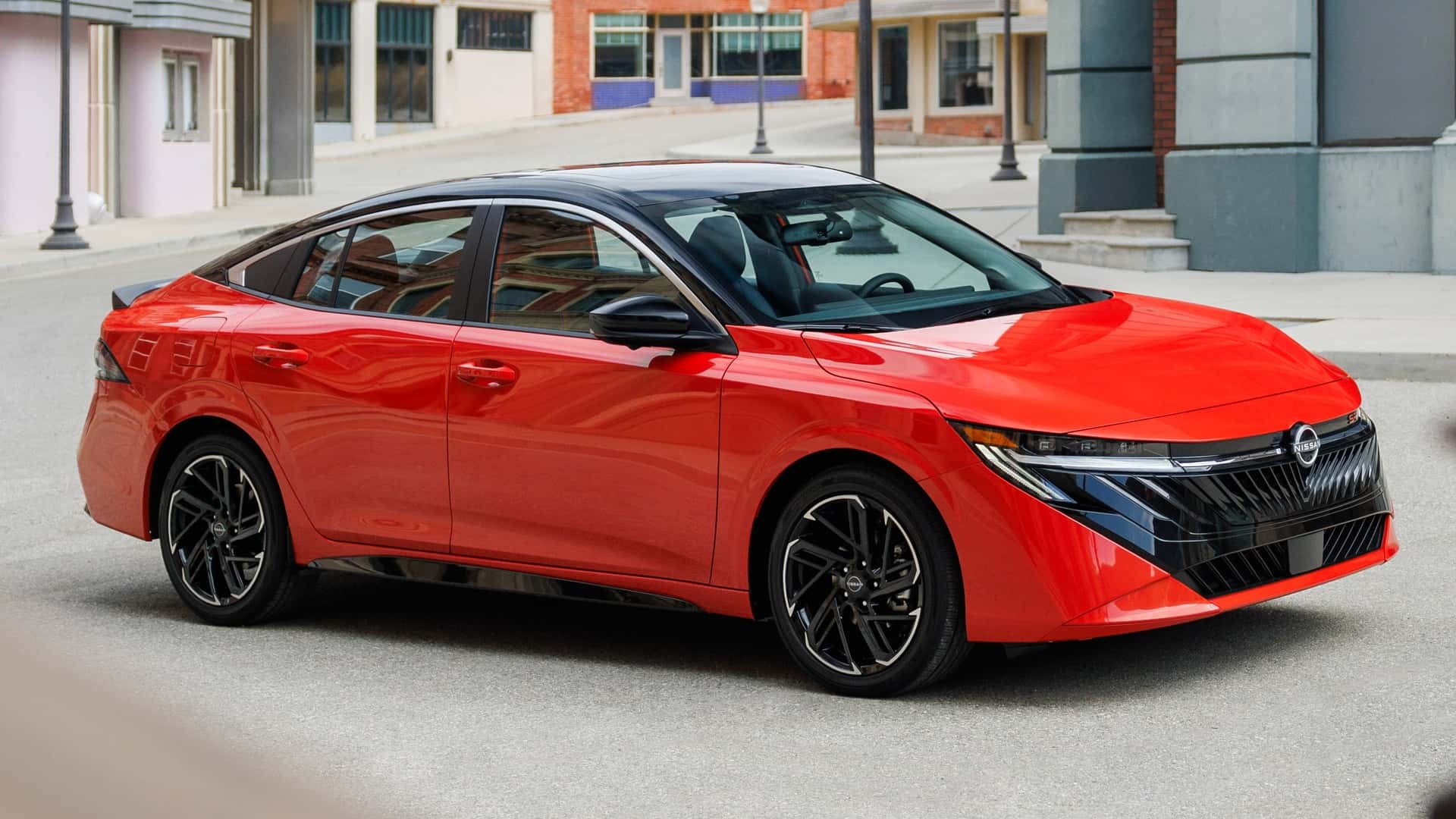
2. 2026 Nissan Sentra S – $23,845
Three hundred and ten dollars separates the K4 from the Sentra S. That’s not a meaningful gap in real-world budgeting, and Nissan clearly knows it, because the Sentra S is positioned to compete directly in that exact price bracket.
The Sentra has been Nissan’s answer to “I need a reliable car, and I don’t want to spend a fortune” for years, and the entry-level S trim keeps that promise alive in 2026.
It’s not flashy. Nobody buys a Sentra S expecting to turn heads in a parking lot. But that’s sort of the point. This is a car built around the idea that a compact sedan should simply work, day after day, without asking for much in return.
Its spot on the Cars.com list reflects the sticker price, plain and simple, not some forecast about resale value or depreciation curve. A common mistake shoppers make is assuming a lower starting price signals a car destined to lose value faster.
That’s not how trade-in math functions. Resale depends far more on reliability reputation, maintenance history, and regional demand than it does on where a car ranked on a “cheapest new cars” list the year it was purchased.
For buyers cross-shopping the K4 and the Sentra S, the decision usually comes down to interior feel and dealership incentives rather than the sticker price alone, since the two are close enough that regional promotions can easily flip which one actually costs less at signing.
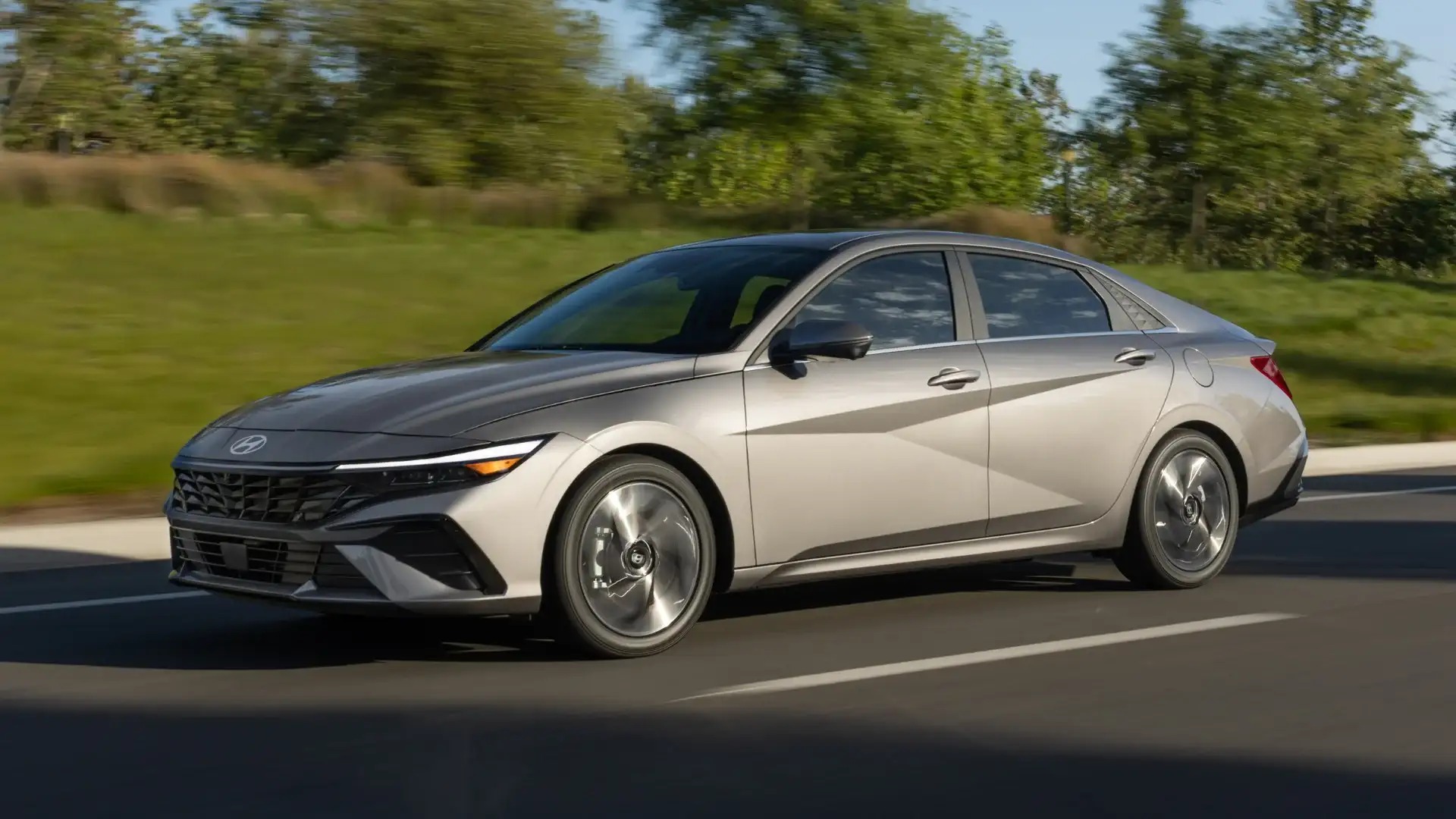
3. 2026 Hyundai Elantra SE – $24,120
Here’s where things get a little more layered. Hyundai lists the Elantra’s 2026 starting MSRP at $22,825, but that figure excludes freight and other charges, which is exactly why the Cars.com number lands nearly $1,300 higher once those fees get folded in.
This gap matters because it’s a pattern you’ll notice across almost every car on this list. Manufacturer websites tend to advertise a clean, attractive base number.
Aggregator sites like Cars.com typically show the number closer to what you’ll actually see on a purchase agreement. Neither source is wrong.
They’re just measuring the price at different points in the transaction, and shoppers who don’t understand that difference are the ones who walk into a dealership expecting one number and leaving confused by another.
The SE trim sits at the bottom of a fairly broad Elantra lineup. Above it are the SEL Sport, SEL Sport Plus, SEL Sport Premium, Limited, and performance-oriented N Line. With six trims to choose from, buyers have plenty of room to move up if the base model feels too basic after they spend time inside it.
A compact sedan lineup with this many trims usually signals a manufacturer trying to capture buyers at every income level, from someone financing their first car to someone cross-shopping a loaded Elantra against a base-model midsize sedan.
Hyundai’s approach here reflects that strategy directly, using the SE as bait and the higher trims as the actual profit center.
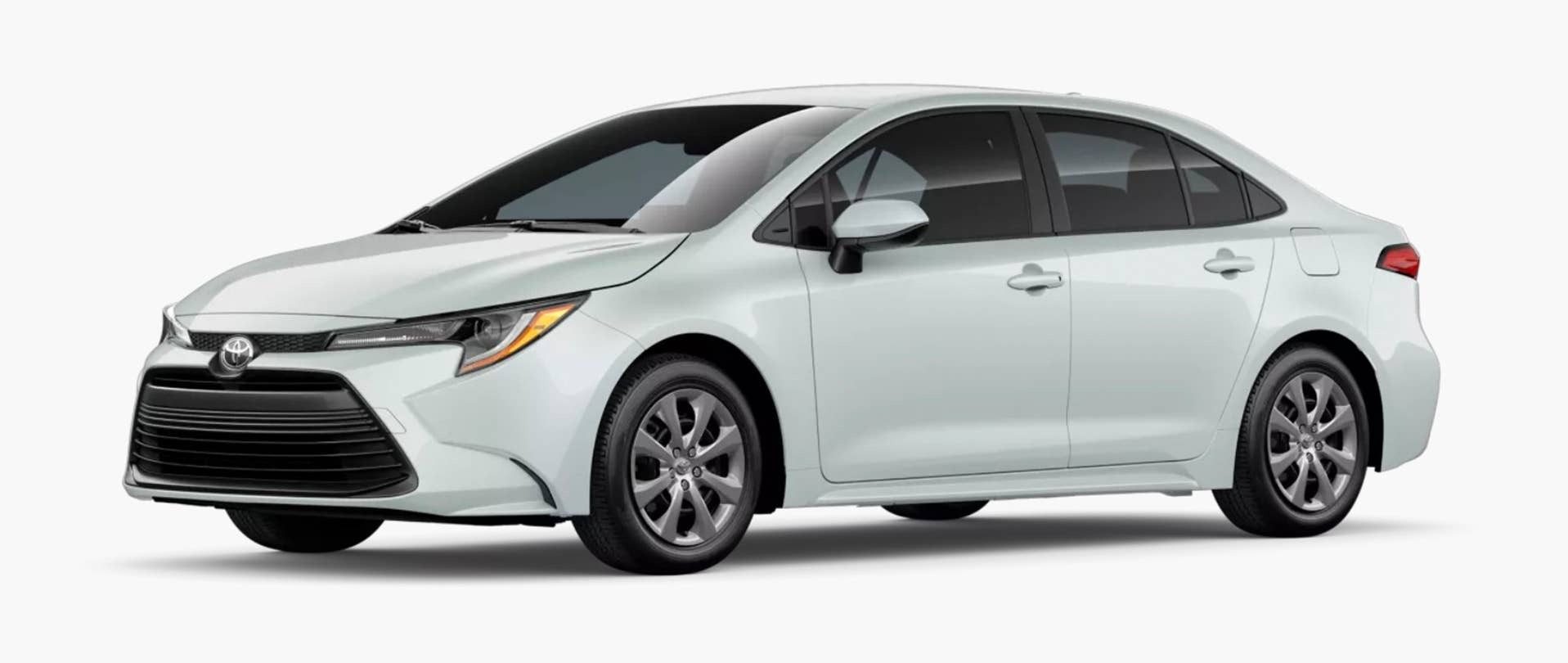
4. 2026 Toyota Corolla LE – $24,420
The Toyota Corolla LE brings a familiar name to the fourth position on Cars.com’s 2026 low-price ranking. Cars.com lists the model at $24,420, while Toyota’s official pricing places the 2026 Corolla LE at $23,125 before delivery charges.
That difference is worth remembering whenever new-car prices are compared online. One source may show a manufacturer’s suggested retail price, while another may include destination or delivery costs.
Taxes, registration, dealer fees, and optional equipment can add still more to the final amount paid by the buyer. The Corolla LE also shows why a low starting price does not automatically mean a bare-bones vehicle.
The 2026 model includes an 8-inch touchscreen, wireless Apple CarPlay and Android Auto, plus blind-spot monitoring with rear cross-traffic alert. Those features give the entry-level trim useful equipment without requiring buyers to move immediately into a more expensive version.
When the Corolla eventually reaches the used-car market, its trade-in value will depend on the particular example. Mileage will matter, as will maintenance, cosmetic condition, mechanical condition, accident history, ownership history, and prevailing demand.
It is also worth separating trade-in value from resale value. A dealer’s offer may be lower than what an owner could receive from a private buyer because the dealer must account for inspection, reconditioning, marketing, financing, and profit.
So even if depreciation reduces the Corolla’s value, that does not mean the vehicle automatically reaches zero. A trade-in amount is a market estimate for a specific car at a specific time.
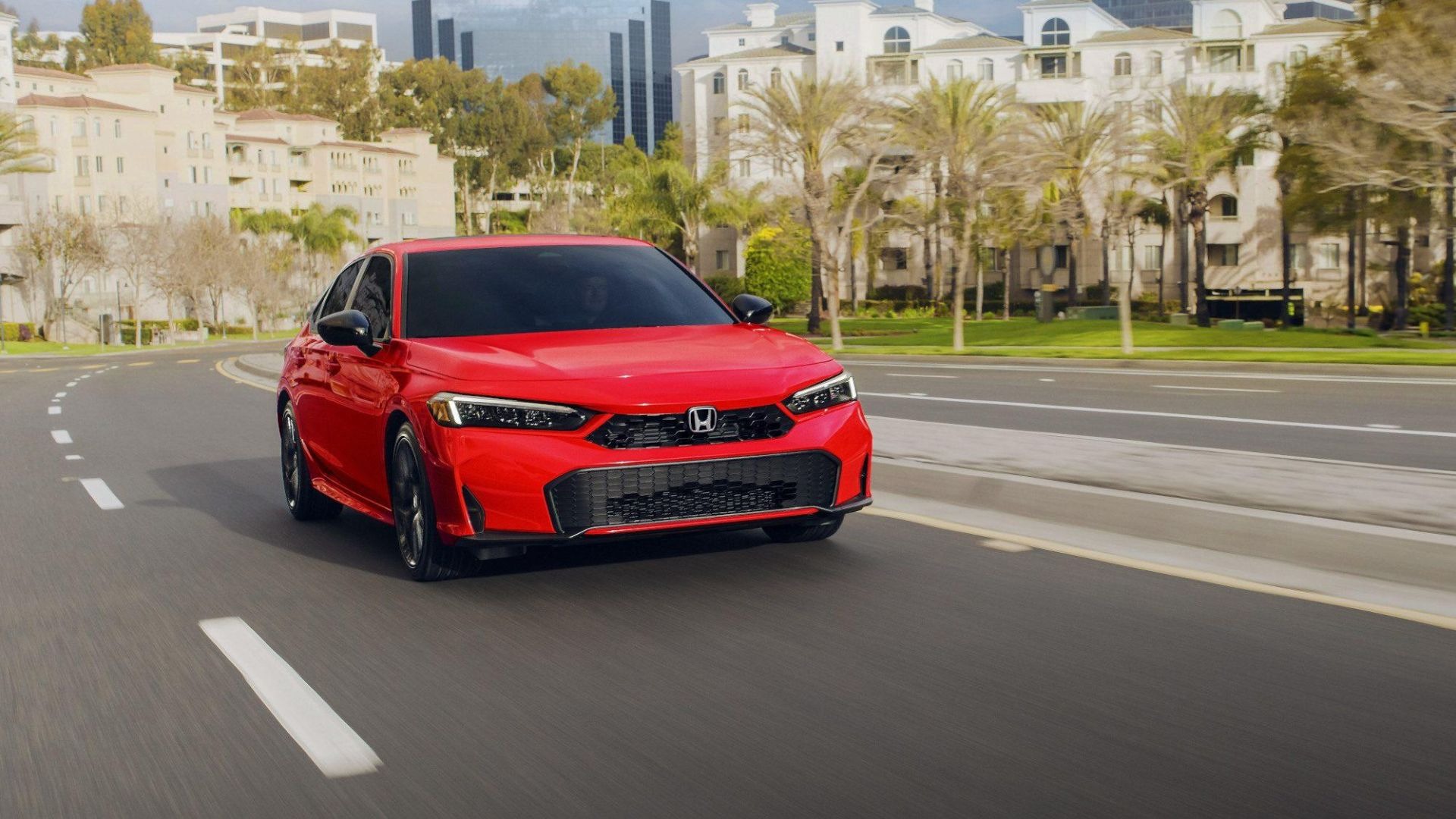
5. 2026 Honda Civic LX – $24,695
The Honda Civic LX enters the list at $24,695 according to the Cars.com ranking. Toyota’s current comparison material also lists the 2026 Civic LX at a $24,695 starting MSRP, although buyers should pay attention to whether destination and other charges are included when comparing advertised prices.
That number highlights an important point. Two vehicles can appear to have nearly identical prices while their actual transaction costs differ significantly. Buyers may add accessories, choose dealer-installed equipment, or pay additional costs such as taxes, registration fees, and destination charges that are listed separately.
The final purchase amount can therefore sit well above the advertised starting figure. The Civic LX is the entry-level version of the Civic, giving shoppers a way into a well-known compact car without starting with one of the higher trims.
For buyers who place a premium on getting a new vehicle at a relatively modest price, that can make the LX an appealing starting point. The trade-in question comes later.
No responsible pricing list can promise that a 2026 Civic will return $0 when it is traded. Its eventual appraisal will depend on what happens to that individual car after purchase. Consider two Civic LX models several years from now.
One might have modest mileage, careful owners, a clean title, regular servicing, and an attractive interior. Another could have extensive mileage, accident repairs, neglected maintenance, and worn components.
The dealer would have strong reasons to value them differently. The original $24,695 price tells only part of the story.
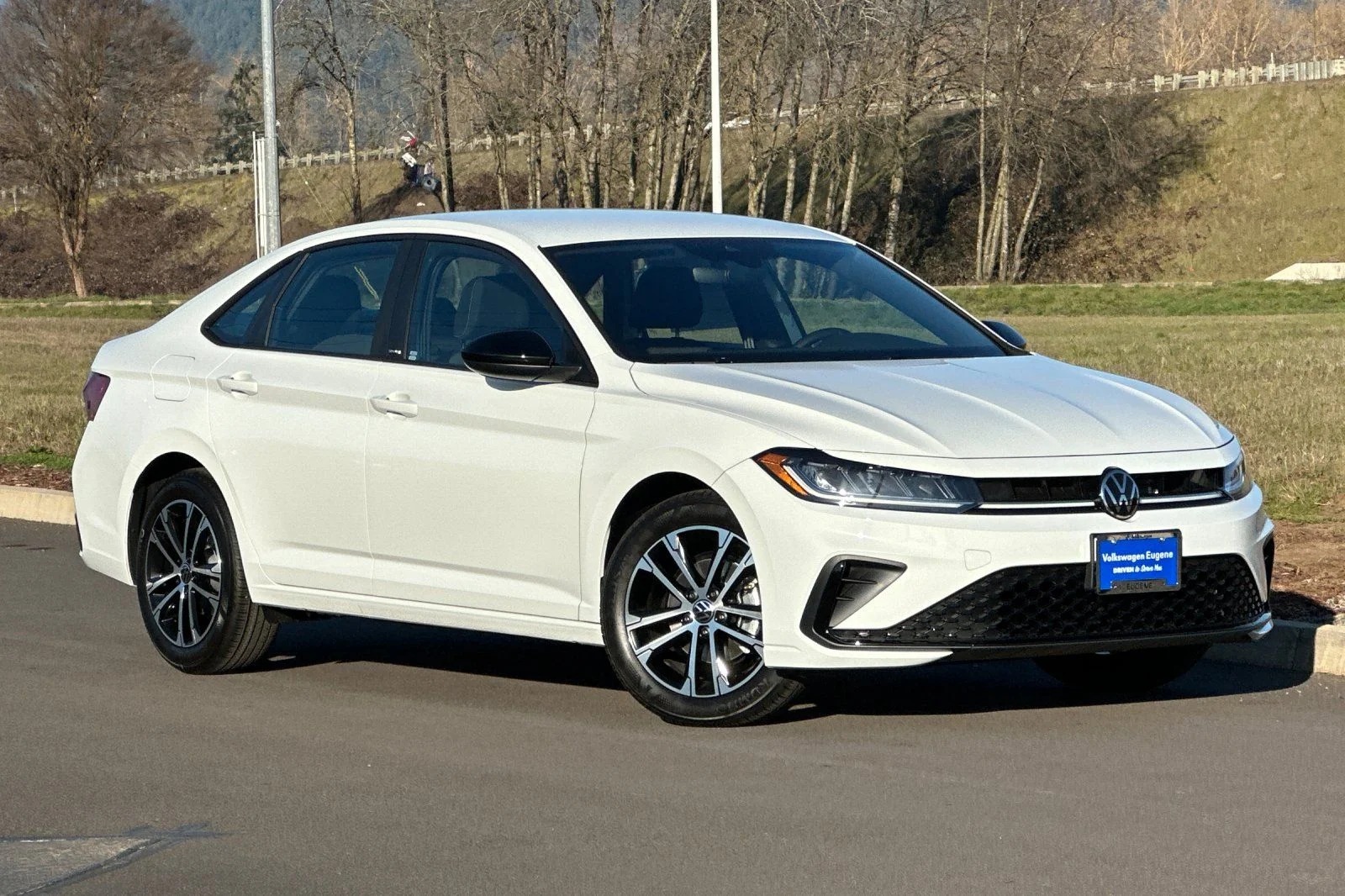
6. 2026 Volkswagen Jetta 1.5T S – $25,270
The Jetta occupies an interesting spot on this list because it represents the first genuinely European option among a run of Japanese and Korean sedans. That alone changes the calculation for a certain type of buyer.
Priced at $25,270, the 1.5T S trim keeps the total purchase price below $26,000 before taxes and fees, which technically still qualifies it as an affordable entry point even though it’s noticeably higher than the first five vehicles on this list.
Volkswagen has built its reputation around a particular kind of driving feel, tighter steering, a more planted road presence, and buyers who specifically want that European character are usually willing to pay this small premium to get it.
What should give budget-focused shoppers pause is long-term reliability data. Volkswagen has historically scored less favorably than Toyota or Honda on dependability surveys, and that gap can translate into higher repair costs once the warranty period ends.
It’s not a dealbreaker for everyone, but it’s a factor that deserves real weight, not a footnote, when the whole point of this list is understanding true ownership cost rather than just the number on the windshield sticker.
The 1.5T engine designation refers to the turbocharged four-cylinder under the hood, a detail worth noting because it typically delivers stronger acceleration than the naturally aspirated engines found in several competitors on this list, at some cost to fuel economy.
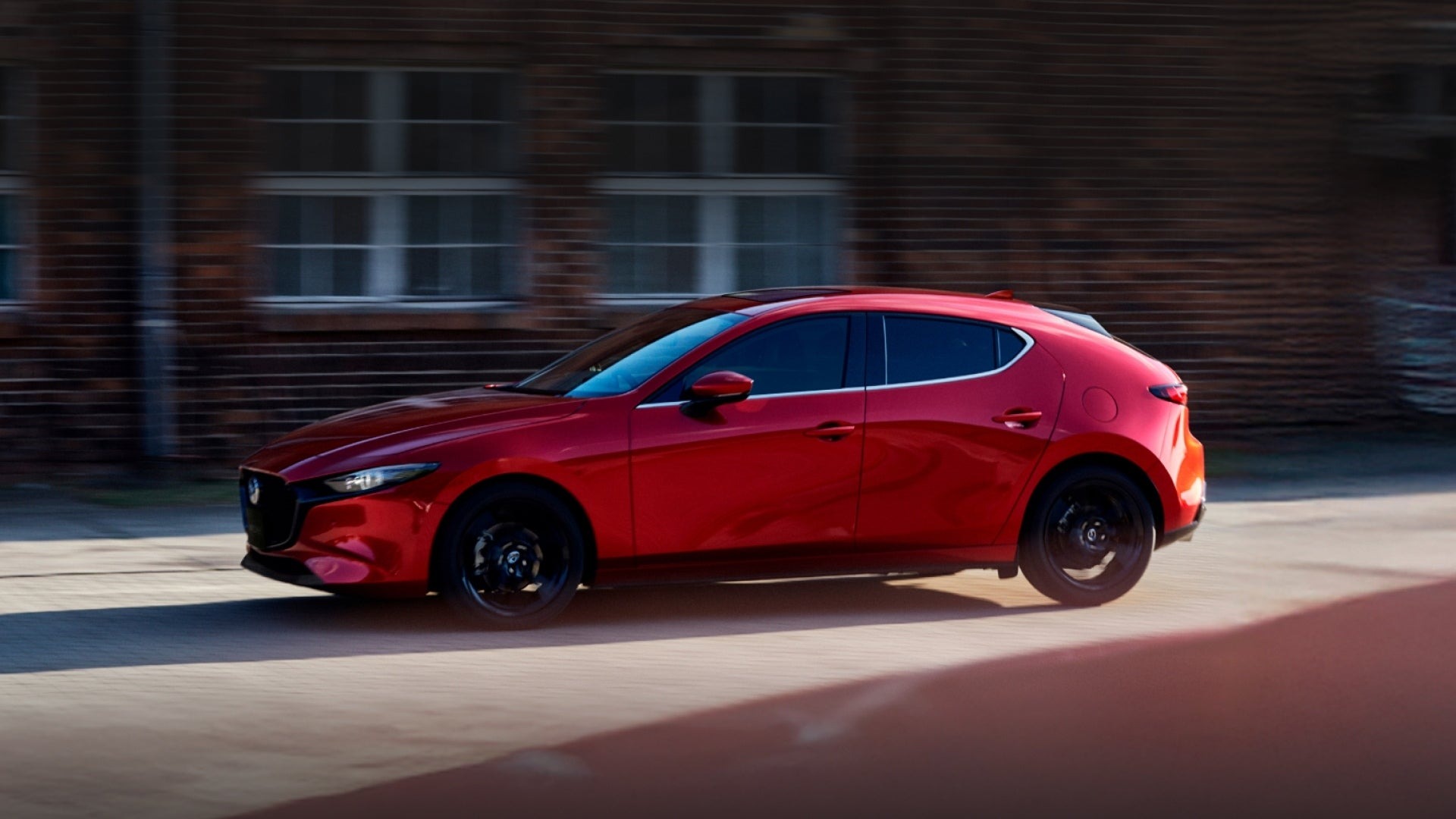
7. 2026 Mazda3 2.5 S – $25,965
Something changes when you sit inside a Mazda3, even the base 2.5 S trim, and it’s not something the spec sheet captures well. Mazda has spent years positioning this compact sedan and hatchback family as the near-luxury option in a segment that mostly competes on practicality alone.
At $25,965 including destination, per Cars.com, the Mazda3 keeps its price below the $26,000 threshold, barely. That positioning matters because Mazda has clearly built its pricing strategy around staying just under that psychological line, the same way retailers price items at $19.99 instead of $20.
Interior materials on the Mazda3 punch noticeably above the price point. Soft-touch surfaces, a cleaner dashboard layout, and design choices that feel deliberately restrained rather than cluttered with buttons- these are the details that make test drives convert into purchases.
Buyers cross-shopping this against the Jetta or the Civic often walk away surprised by how upscale the cabin feels for the money.
Where the Mazda3 asks buyers to compromise is cargo space and rear-seat room, both of which trail behind the Corolla and Civic in most side-by-side comparisons.
That’s a real trade-off, not a minor one, particularly for anyone who regularly carries rear passengers or hauls cargo. Style and cabin quality come at the cost of interior volume here, and shoppers should weigh that honestly before letting the design win the decision outright.
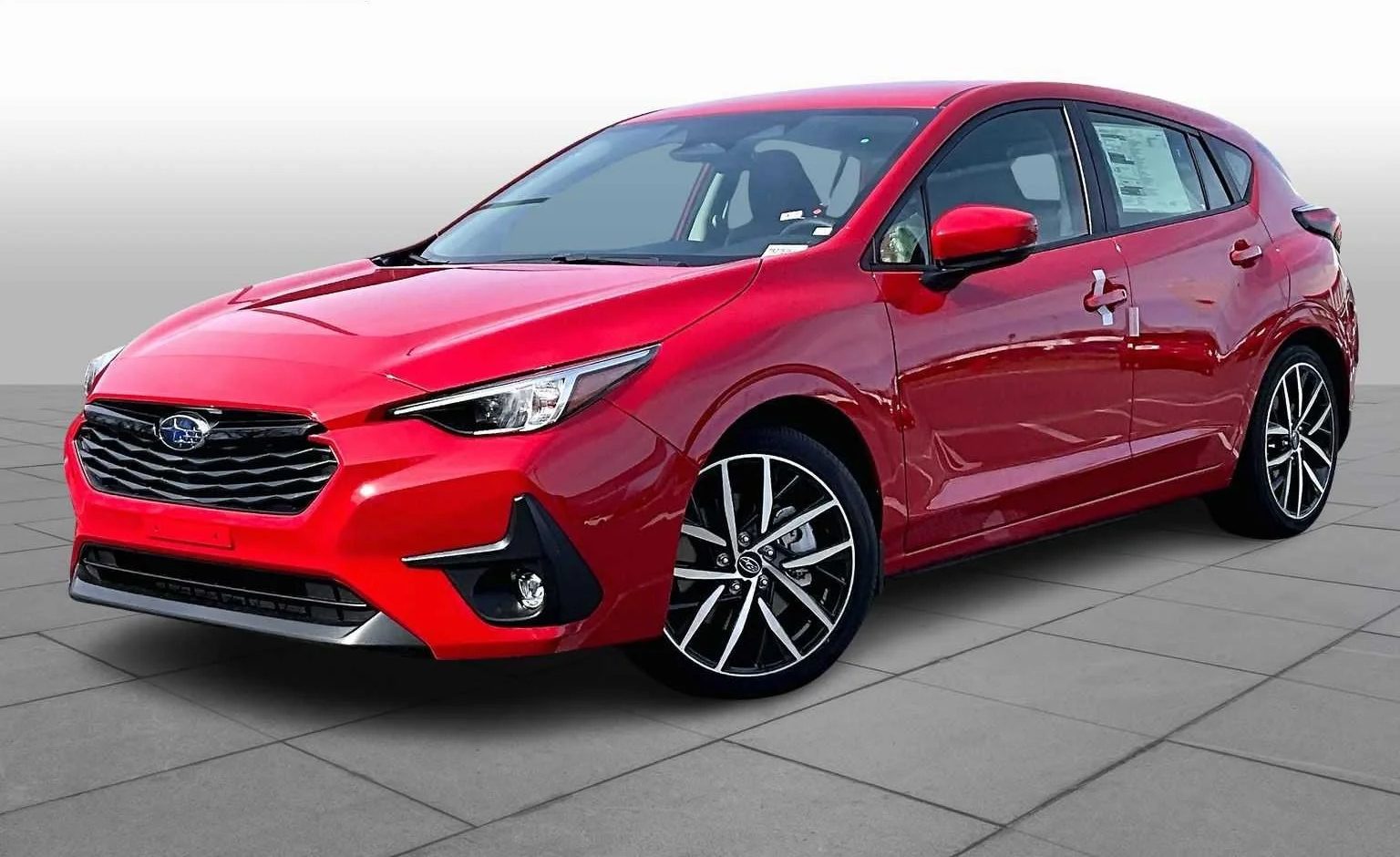
8. 2026 Subaru Impreza Sport – $27,790
The price jump is worth addressing directly. The Impreza Sport costs nearly $2,000 more than the Mazda3 above it and roughly $4,300 more than the Kia K4 at the top of this list. That is a substantial difference, not a minor pricing variation, and it puts the Impreza in a different price range from the first seven vehicles.
What buyers get for that premium is standard all-wheel drive, a feature none of the previous seven vehicles offer without stepping up to a pricier trim or a separate configuration entirely.
For shoppers living somewhere with real winters, or anyone who regularly drives on unpaved roads, that single feature can justify the entire price difference on its own.
Subaru has built a loyal following around this trade-off. Buyers pay more upfront in exchange for a car designed to handle challenging road conditions that many compact sedans may struggle with.
It’s a narrower audience than the mass-market appeal of a Corolla or Sentra, but it’s a devoted one, and resale values on Subarus in snow-heavy regions tend to reflect that ongoing demand.
At $27,790 including destination, the Impreza Sport remains among the ten least expensive new vehicles identified by Cars.com for 2026, technically, but it’s worth being clear-eyed about what “least expensive” means at this point on the list.
This is no longer a budget car in the way the K4 or Sentra are. It’s a mid-tier compact carrying a premium feature that changes its entire value proposition.
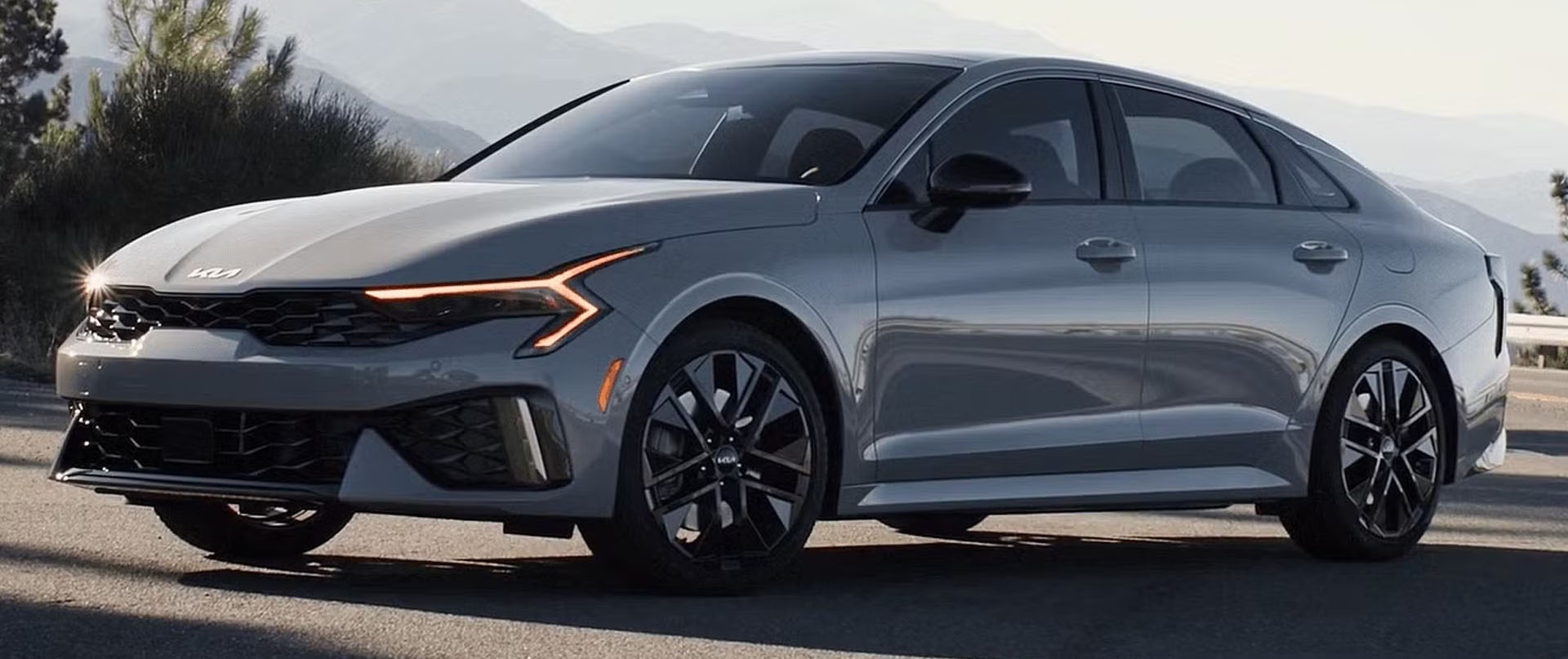
9. 2026 Kia K5 LXS – $28,735
Size matters here, and it’s the whole reason the K5 costs more than its sibling at the top of this list. The K4 and the K5 share a badge and a design language, but they’re built for different buyers entirely.
Priced at $28,735 including destination, the K5 LXS represents Kia’s lower-priced entry into a larger sedan segment, one step up from compact into what most people would recognize as a midsize family car.
That extra size translates into genuinely useful space, with more rear legroom, a larger trunk, and a road presence that feels noticeably more substantial than the other vehicles on this list so far.
Buyers who need to regularly carry rear passengers, whether that’s kids, aging parents, or coworkers during a commute, often find the compact sedans above this entry simply don’t offer enough room to be comfortable long-term.
The K5 solves that problem directly, and Kia prices the LXS trim aggressively enough to undercut most midsize competitors while still delivering that extra space.
It’s worth pointing out that this is roughly $5,200 more than the K4 LX at the top of the list, which is a meaningful jump for anyone strictly budgeting.
But dollar for dollar, buyers stepping up from compact to midsize rarely regret the extra space once they’re living with the car daily, particularly families who outgrow a compact sedan within a couple of years anyway.
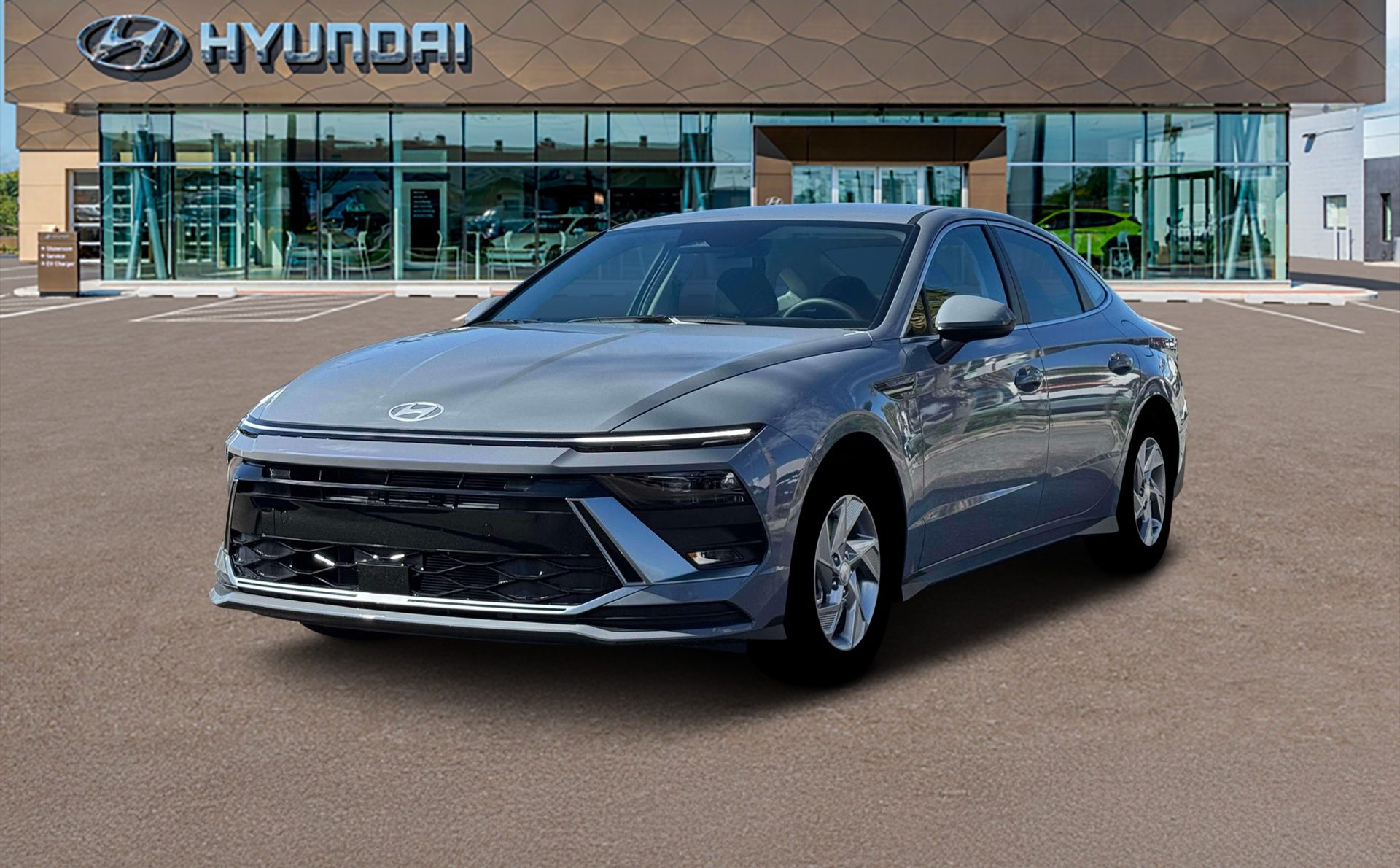
10. 2026 Hyundai Sonata SE – $28,745
Ten dollars. That’s the entire gap separating the K5 LXS from the Sonata SE at the very end of this list, and it’s close enough to call these two direct rivals fighting for the same exact buyer.
Cars.com lists the Sonata SE at $28,745 including destination, while Hyundai’s own site currently shows the 2026 Sonata SE starting at $27,300 before freight and other charges.
That roughly $1,400 difference between the manufacturer’s pricing and the aggregator’s figure follows the same pattern seen throughout this list. Base MSRP numbers can look more attractive on paper once destination fees, documentation charges, and regional add-ons are included in the final dealership price.
The Sonata rounds out this list as the most expensive vehicle among the ten cheapest new cars for 2026, a slightly ironic distinction, but it reflects how wide the pricing spread actually is even within what gets labeled “affordable.”
A buyer comparing the K4 LX at $23,535 against the Sonata SE at $28,745 is looking at a difference of more than $5,000, despite both cars technically sitting on the same “cheapest ten” list.
That spread is the real lesson buried in this ranking. “Affordable” isn’t a fixed number in 2026. It’s a range, and where you land on that range depends heavily on how much interior space, engine performance, and brand reputation matter to you personally, weighed honestly against what you’re actually willing to spend.
