Buying an electric vehicle can seem like a smart way to get modern technology, a quiet driving experience, and lower energy costs. However, buyers should also pay close attention to resale value. Some EVs can lose a significant portion of their original value within five years. That depreciation can matter for owners who plan to sell, trade in, or finance their vehicles over several years.
Current iSeeCars data provides a useful look at just how quickly certain electric models lose value. The first 10 vehicles below come directly from its 2026 EV depreciation ranking. Three additional models are included using current iSeeCars resale-value figures, but they are clearly separated from the official ranking. The result is a closer look at EVs experiencing some of the steepest five-year value losses.
1. Nissan LEAF
63.1% Depreciation
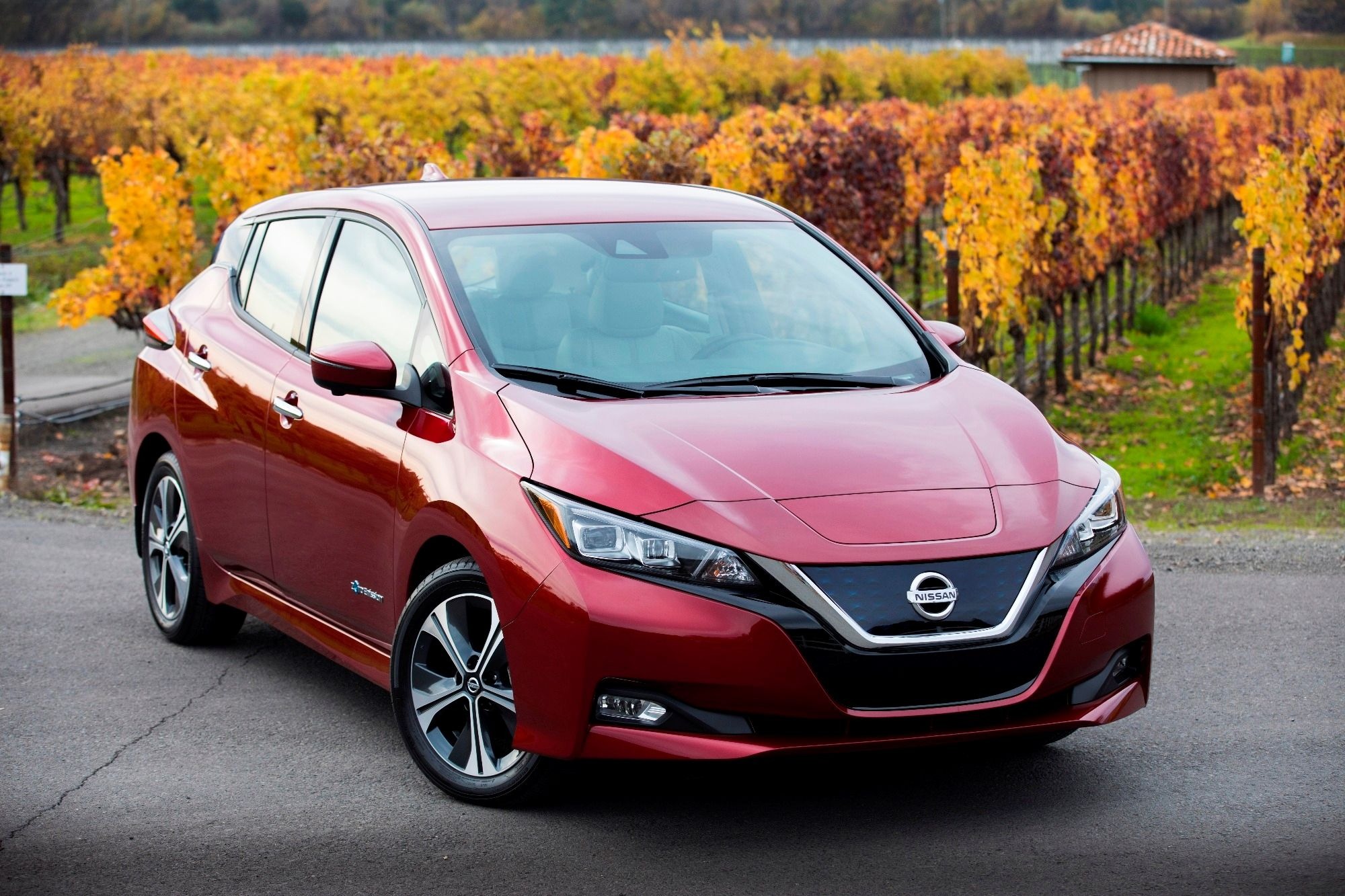
The Nissan LEAF currently records the highest five-year depreciation rate among the EVs listed in iSeeCars’ 2026 study, with a depreciation rate of 63.1%. Put simply, a LEAF can lose more than half of its original value within five years.
This is something prospective buyers should take seriously, especially those who may want to sell or trade the car after a few years. One interesting thing about the LEAF is that it was introduced as a relatively affordable way for people to own an electric car.
Because of this, the actual amount of money lost may not be as high as what you would see with some expensive luxury EVs. However, losing 63.1% of the original value is still a major concern for the first owner.
For someone buying a used LEAF, this depreciation can actually be good news because the car may now be available at a much lower price. But for a new-car buyer, it means resale value should be considered before making the purchase.
Factors such as mileage, battery condition, charging performance, maintenance history, and demand in the used-car market can all affect the final selling price.
2. Volkswagen ID.4
62.1% Depreciation
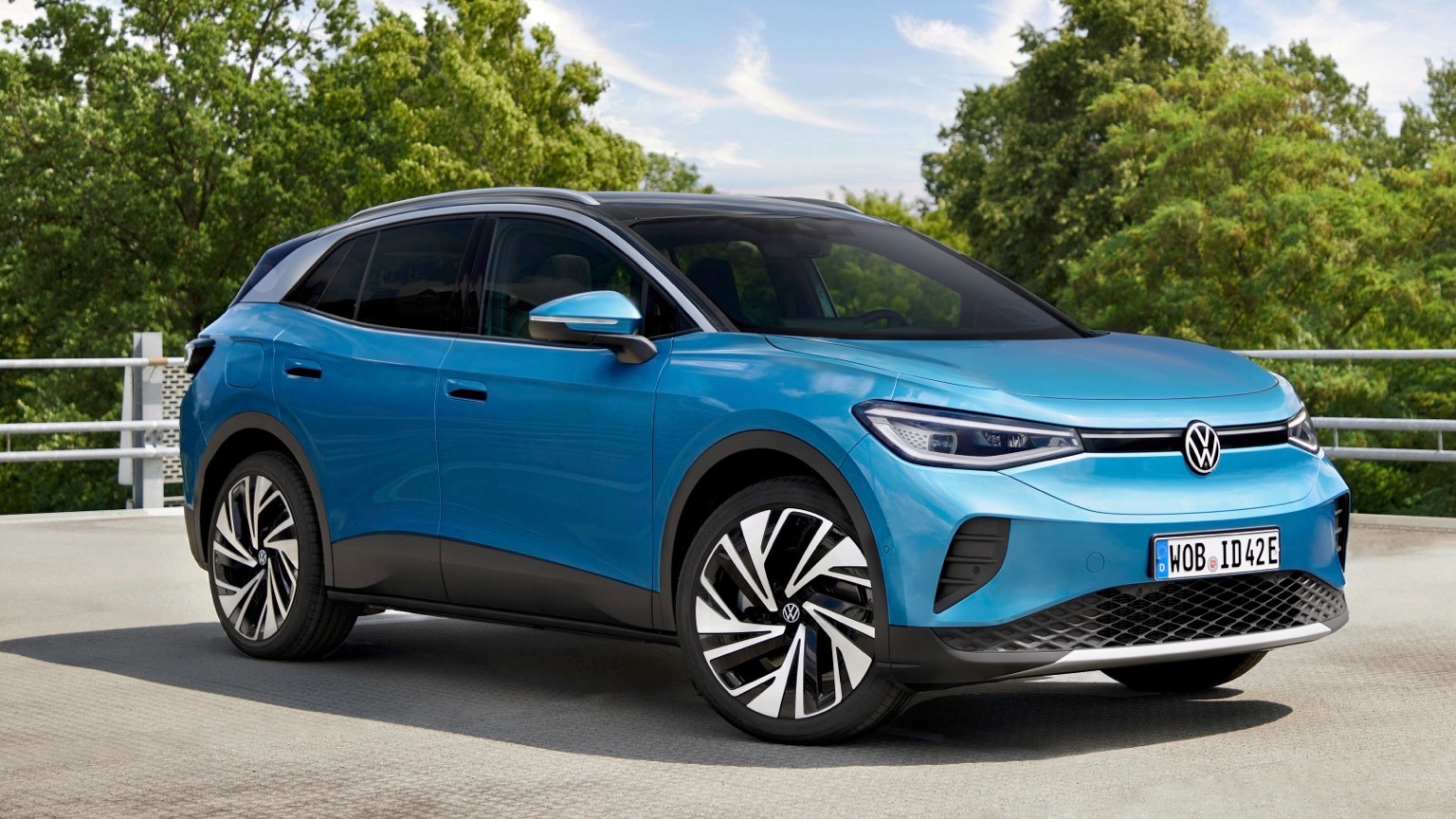
The Volkswagen ID.4 records a five-year depreciation rate of 62.1% in iSeeCars’ 2026 data. This places it very close to the Nissan LEAF in terms of how much value it loses during its first five years.
For anyone considering the ID.4, the depreciation figure is worth paying attention to because the amount you spend when buying the vehicle is only one part of the financial picture.
The ID.4 competes in the electric SUV market, a category where buyers now have several choices. When customers have many similar vehicles to choose from, used-car prices can come under pressure. iSeeCars also ranks the ID.4 first for five-year depreciation among small SUVs in its comparison.
There is another way to look at the situation. A person buying a used ID.4 may benefit from the large drop in value because the vehicle can cost much less than it did when new.
However, someone purchasing a brand-new one should think about how much value may be lost by the time they are ready to sell. Financing costs, insurance, charging expenses, maintenance, mileage, and battery condition can all add to the total cost of ownership.
3. Tesla Model S
62.0% Depreciation
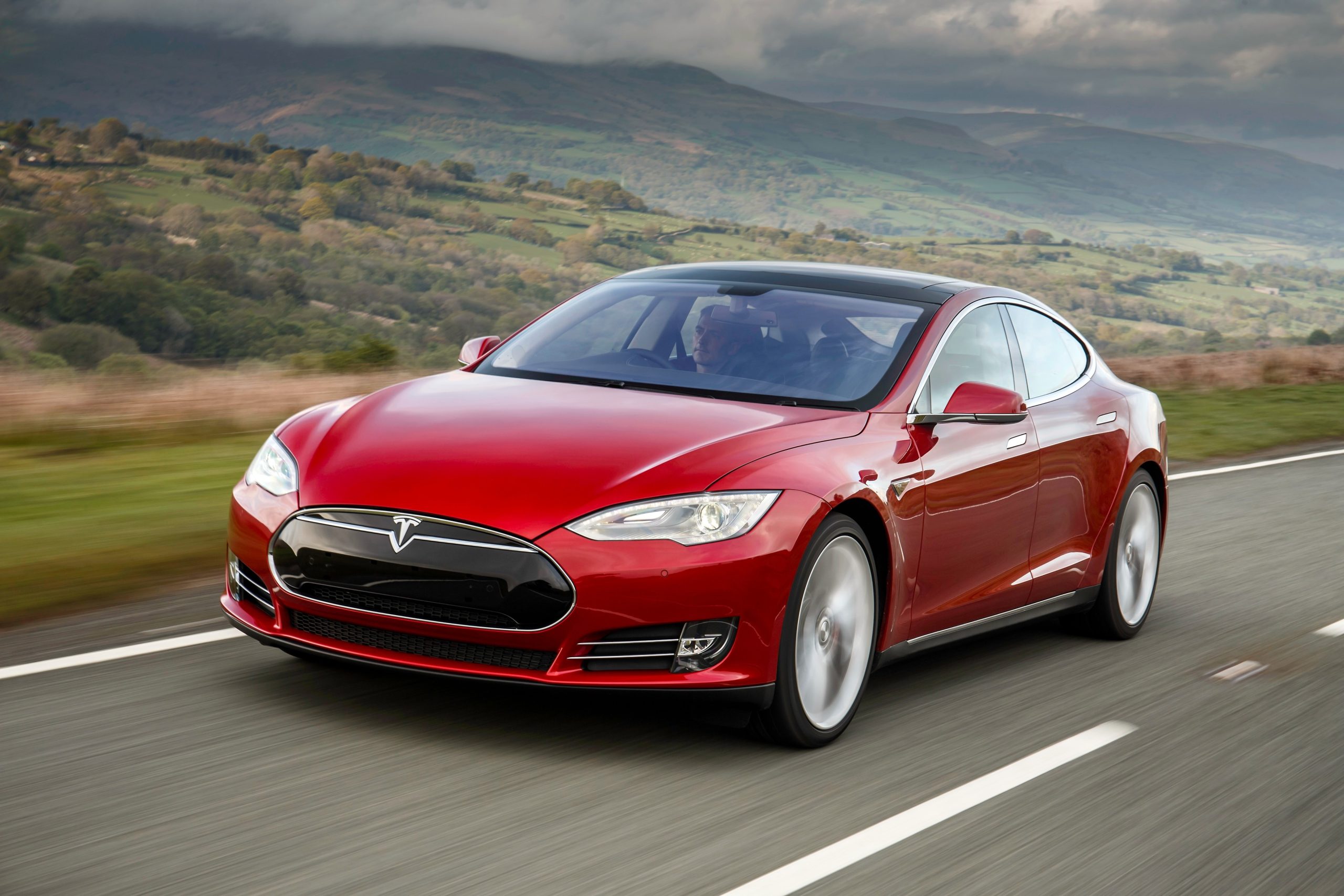
The Tesla Model S records a five-year depreciation rate of 62.0% in the current iSeeCars study. At first, that percentage may simply look like another figure on a long list.
However, the financial impact becomes clearer when you consider the Model S’s original price. Because it is a premium electric vehicle, losing 62.0% of its value can translate into a considerable amount of money.
According to iSeeCars, the average five-year dollar loss for the Model S is approximately $58,907. This shows why percentage depreciation and actual money lost are not always the same thing.
A cheaper vehicle may lose a larger percentage but still cost the owner less in actual dollars. The Model S also operates in a market where electric-car technology continues to develop.
Newer vehicles may offer updated software, improved charging systems, longer driving ranges, or different equipment. These developments can influence what buyers are prepared to pay for an older model.
For anyone considering a Model S, resale value should therefore form part of the buying decision. Mileage, battery condition, vehicle history, features, maintenance, and the condition of the car can all make a difference when it is time to sell.
4. Tesla Model X
61.2% Depreciation
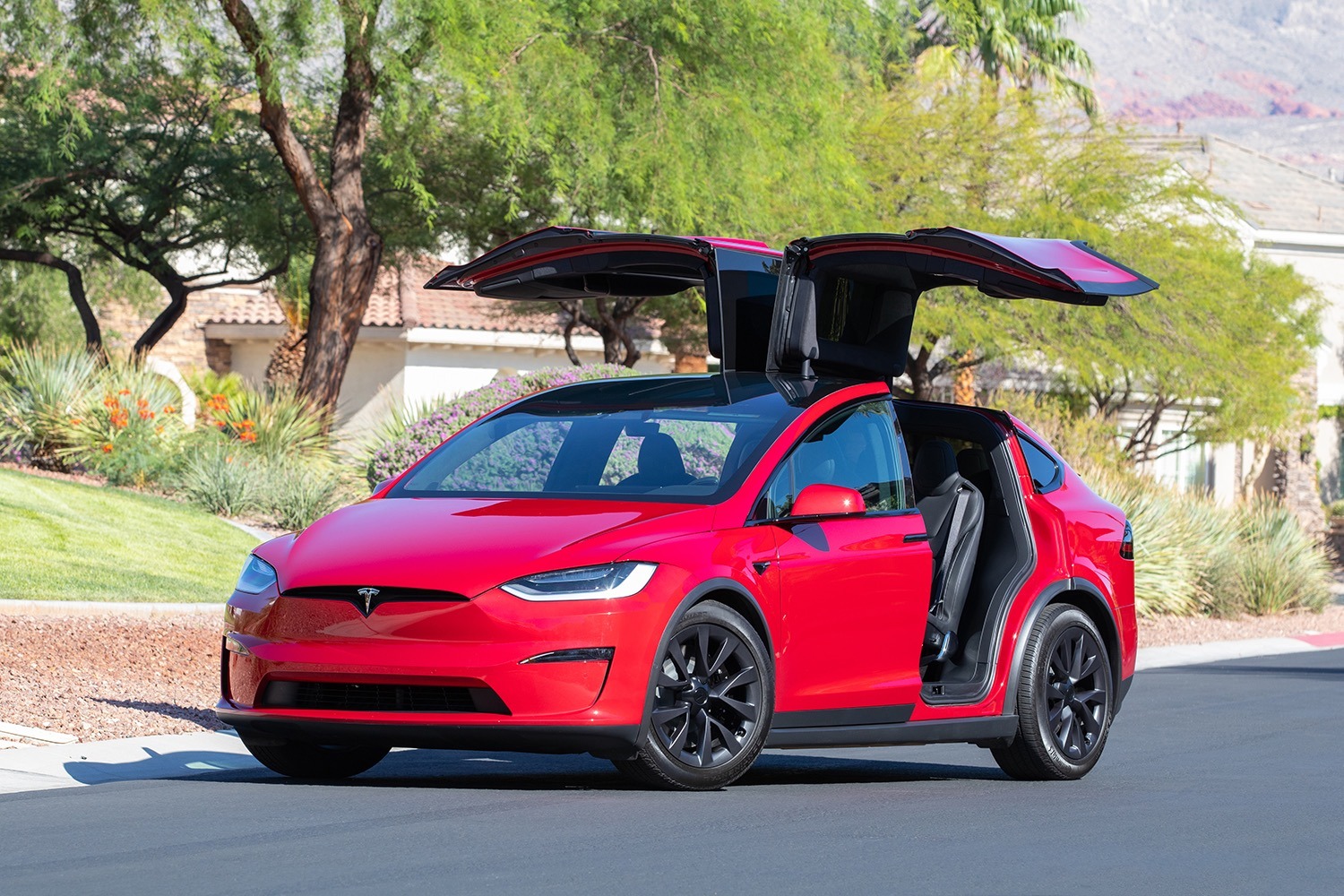
The Tesla Model X has recorded a five-year depreciation rate of 61.2%, according to iSeeCars. In actual money, the figure is also quite large, with an estimated average loss of about $61,216 within five years.
For a vehicle that was originally sold at a premium price, this level of depreciation can make a considerable difference to the owner’s finances. The Model X is known for its impressive performance, spacious interior, advanced technology, and distinctive falcon-wing doors.
However, those doors have also attracted complaints from some owners over repairs and maintenance. Such concerns can affect how much confidence buyers have when they are considering an older used model.
Another factor is Tesla’s pricing strategy. When the company reduces the prices of new vehicles, used models can also experience pressure because buyers may prefer a newer vehicle when the price difference becomes smaller.
The Model X now also faces stronger competition from other luxury electric SUVs. For someone looking to buy a spacious and powerful electric SUV without paying the original price, a used Model X can offer considerable savings.
The situation is different for the first owner, who may discover that the vehicle has lost a large part of its original value by the time they are ready to sell or trade it.
5. Ford Mustang Mach-E
60.8% Depreciation
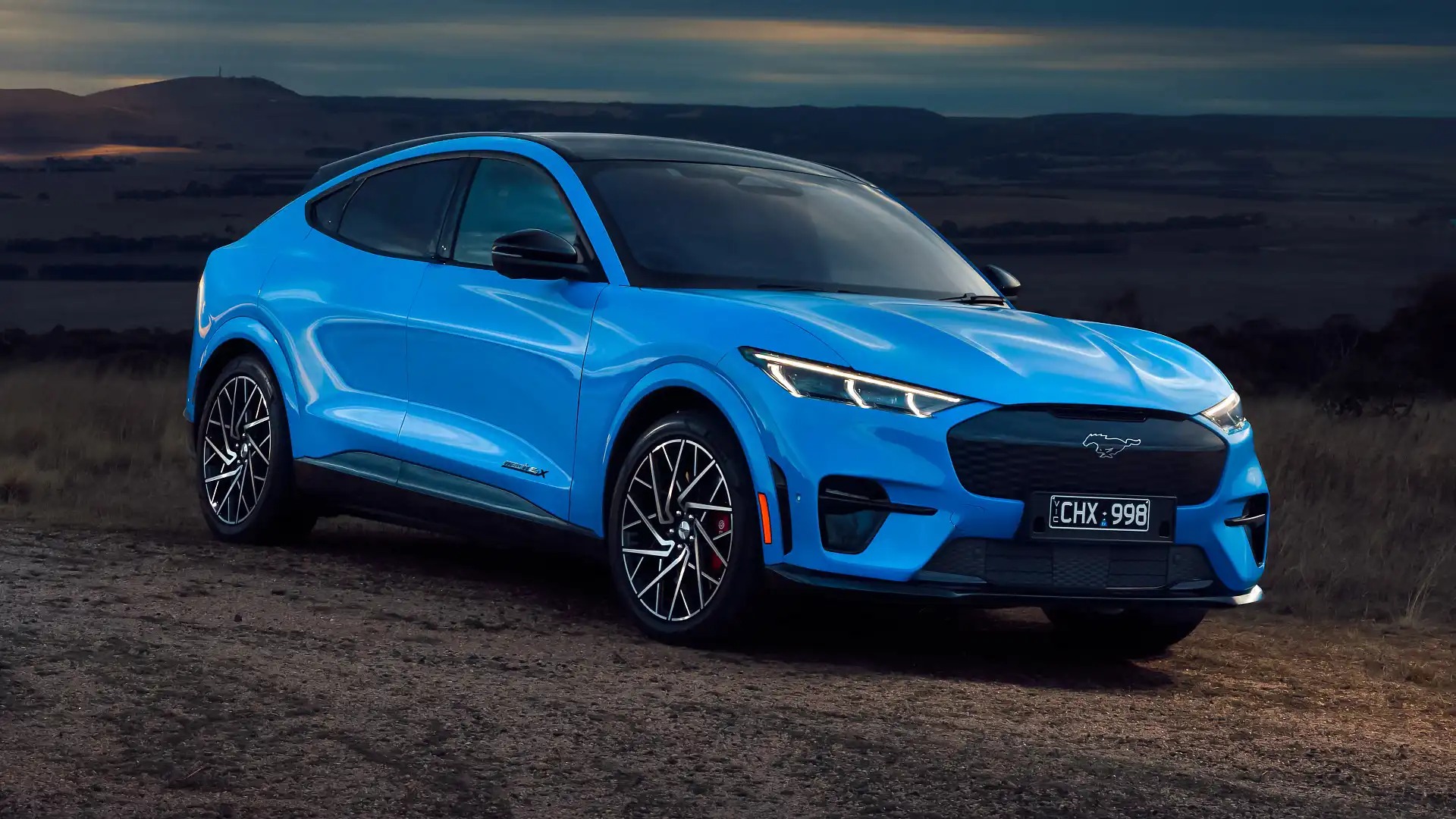
The Ford Mustang Mach-E has experienced a five-year depreciation rate of 60.8%, with iSeeCars estimating an average dollar loss of about $22,976.
This means owners can lose a substantial portion of the vehicle’s original value within five years, even though the Mach-E remains one of Ford’s better-known electric models.
One reason for the depreciation is the growing number of electric SUVs available to buyers. Customers now have more choices, with some newer models offering longer driving ranges, updated technology, or competitive prices.
When there are several alternatives available, used vehicles can face greater pressure when it is time to sell. The Mach-E has also had its share of software and battery-related issues, including recalls that received attention from the public.
Although corrective measures were introduced, such events can influence how some buyers view a used vehicle. Ford’s pricing and promotional offers on new Mach-E models can also affect resale values.
When a new vehicle becomes available with attractive incentives, buyers may expect a used version to be priced lower. Still, the Mach-E has plenty to offer. It provides strong acceleration, a comfortable interior, and enjoyable handling.
For used-car buyers, its depreciation may create an opportunity to get these qualities at a much lower price.
6. Tesla Model Y
57.8% Depreciation
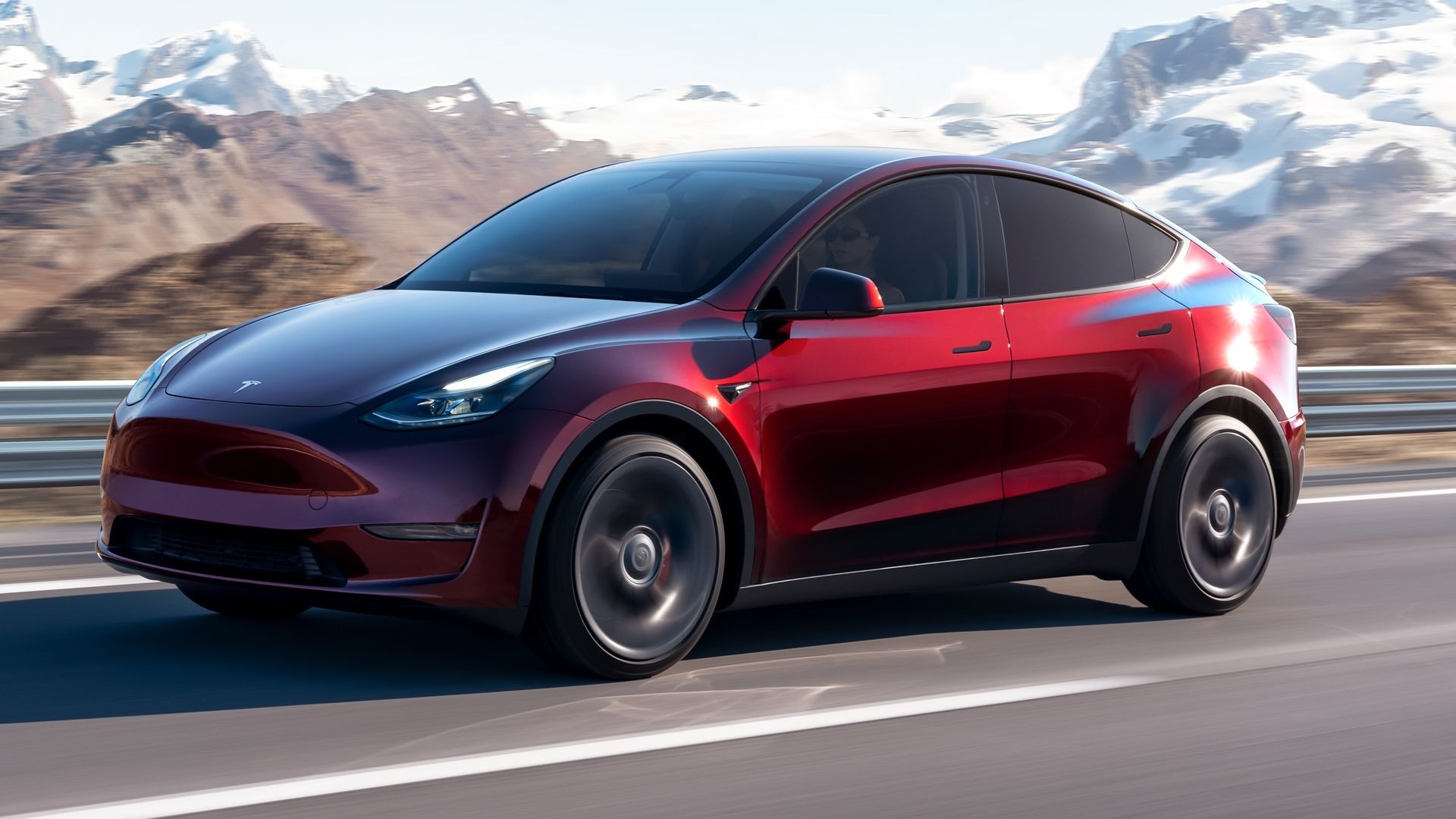
The Tesla Model Y has recorded a five-year depreciation rate of 57.8%, according to iSeeCars. This places it only slightly above the 57.2% average depreciation rate for EVs in the study.
Considering how popular the Model Y has become, its depreciation figures may come as a surprise to some buyers. One factor worth considering is the number of Model Y vehicles available in the market.
Since Tesla has sold many units, there can be plenty of used examples for buyers to choose from. When supply is high, sellers may have to reduce their asking prices to attract customers.
Tesla’s frequent changes to new-vehicle prices can also affect used Model Y values. If the price of a new Model Y drops, owners of older examples may find that buyers expect a similar reduction in the used-car price.
Despite this, the Model Y remains attractive to many secondhand buyers. It offers useful interior space, good driving range, strong performance, and relatively straightforward electric operation.
A person buying one used may therefore get a capable electric SUV for much less than its original price. For owners who purchased new, however, the picture is less comfortable.
A 57.8% depreciation rate means a considerable amount of the vehicle’s value can disappear within five years.
7. Kia Niro EV
57.3% Depreciation
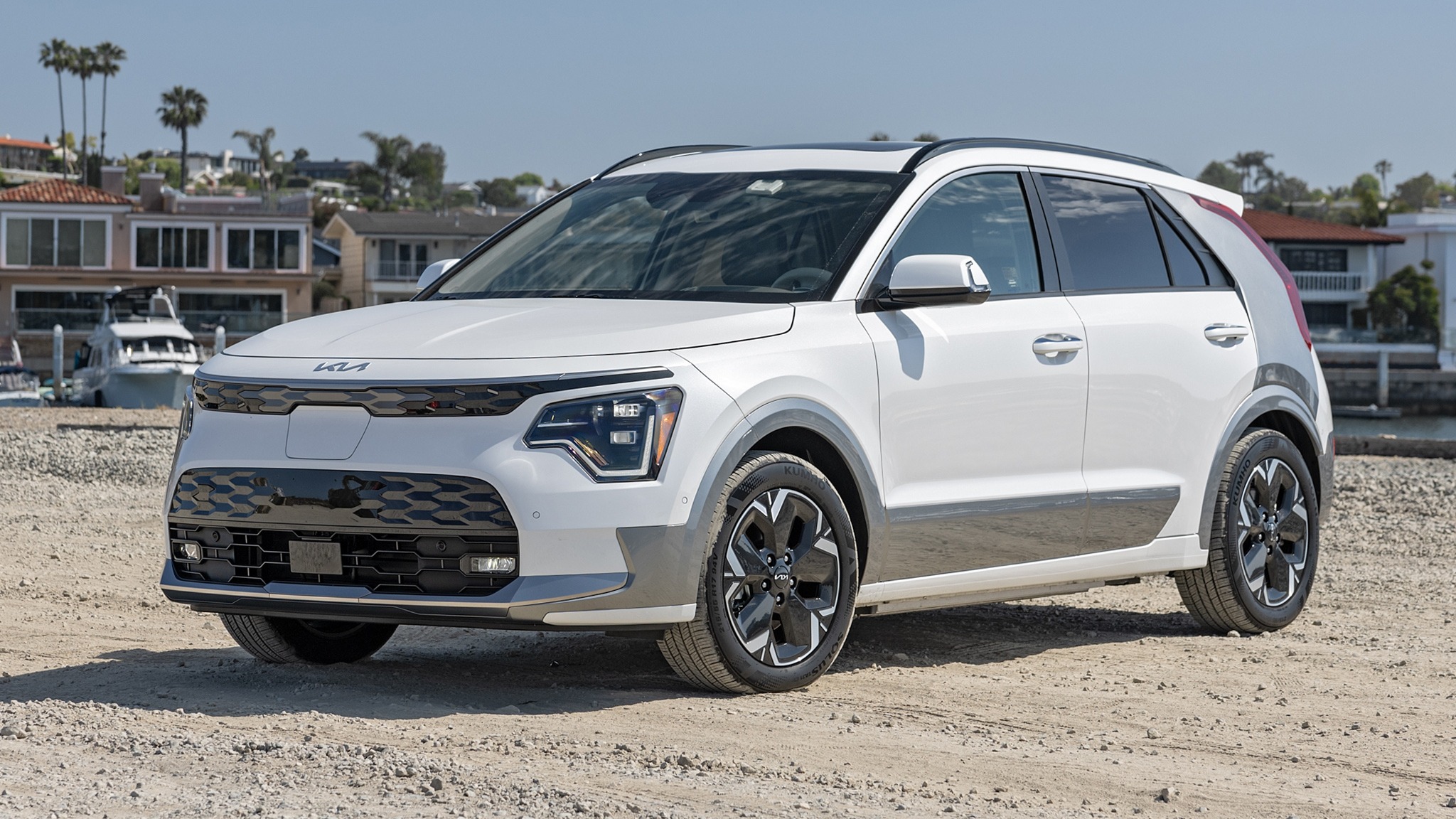
The Kia Niro EV has five-year depreciation of 57.3% in iSeeCars’ 2026 EV data. That is only slightly above the 57.2% EV average, yet it still places the Niro EV among the models with faster value loss in the study.
This result is especially useful for buyers who focus on practical electric crossovers rather than premium performance. The Niro EV combines a relatively compact size with electric power, making it a practical option for many daily-driving needs.
Still, practicality alone does not determine resale value. Used-car pricing depends on several elements, including age, mileage, condition, battery performance, equipment, and the number of similar vehicles available for sale.
A buyer who plans to keep the vehicle for many years may care less about resale value than someone who changes cars frequently. The Niro EV’s data show that even a mainstream electric crossover can experience substantial depreciation during its first five years.
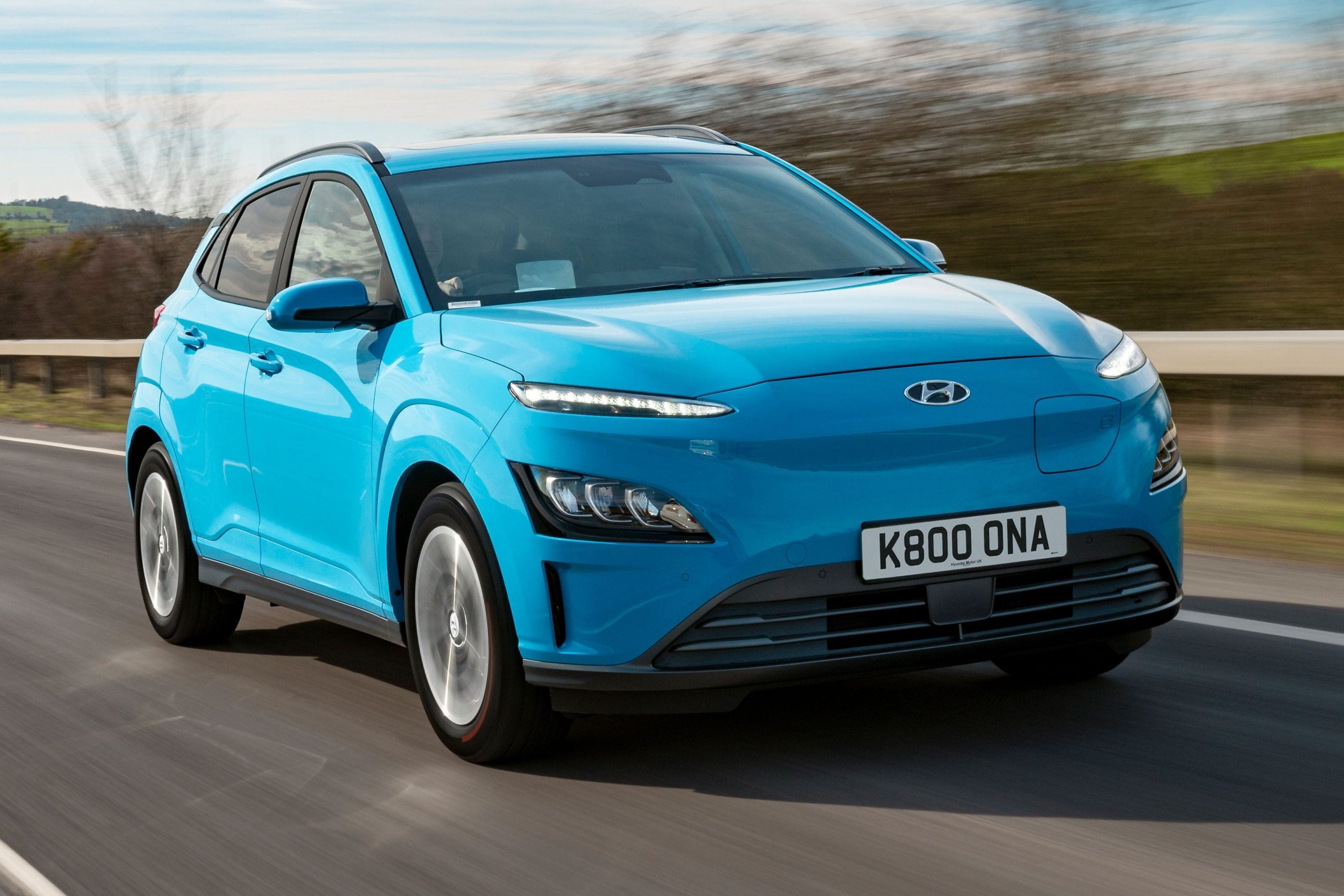
8. Hyundai Kona Electric
56.5% Depreciation
The Hyundai Kona Electric records five-year depreciation of 56.5%, according to the current iSeeCars study. Its rate is below the 57.2% EV average, although the vehicle still loses more than half of its original value within five years.
iSeeCars estimates the average dollar loss at about $18,581. That amount provides useful perspective because the Kona Electric costs less than several luxury models appearing higher on the depreciation list.
The Kona Electric appeals to shoppers who want an EV in a smaller SUV format. Its resale performance can be influenced by competition from other compact electric vehicles, changes in new-car pricing, and improvements in range and charging technology.
For a first-time EV buyer, depreciation should be considered alongside charging access, energy costs, warranty coverage, and expected ownership length.
Someone planning to keep the vehicle well beyond five years may place less weight on resale value, while frequent vehicle traders have more reason to pay close attention to it.
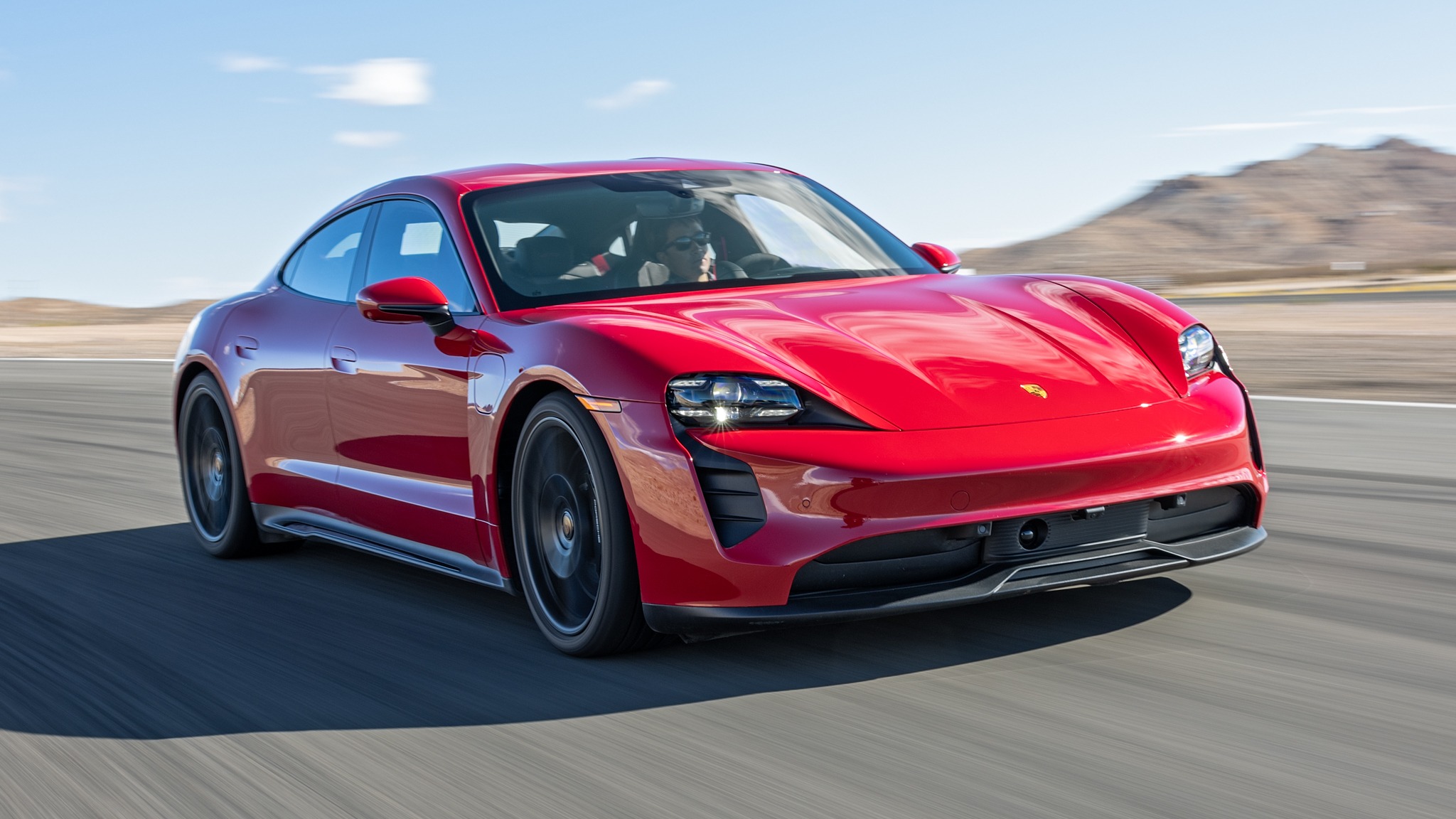
9. Porsche Taycan
54.7% Depreciation
The Porsche Taycan records five-year depreciation of 54.7% in the 2026 iSeeCars data. That rate is below the 57.2% average for EVs in the study, giving the Taycan a different profile from several models listed above it.
Yet the percentage does not tell the entire financial story. Because the Taycan carries a high original price, iSeeCars estimates an average five-year dollar loss of approximately $54,403.
A vehicle can therefore post a lower depreciation rate while still losing a large amount of money in actual dollars. The Taycan is a performance-focused luxury EV, so its ownership costs extend beyond depreciation.
Insurance, tires, options, financing, and maintenance can all affect the total expense. For used buyers, depreciation may create access to a high-end electric sports sedan at a much lower price than when new.
For new buyers, the resale figure is useful when calculating the likely cost of keeping the vehicle.
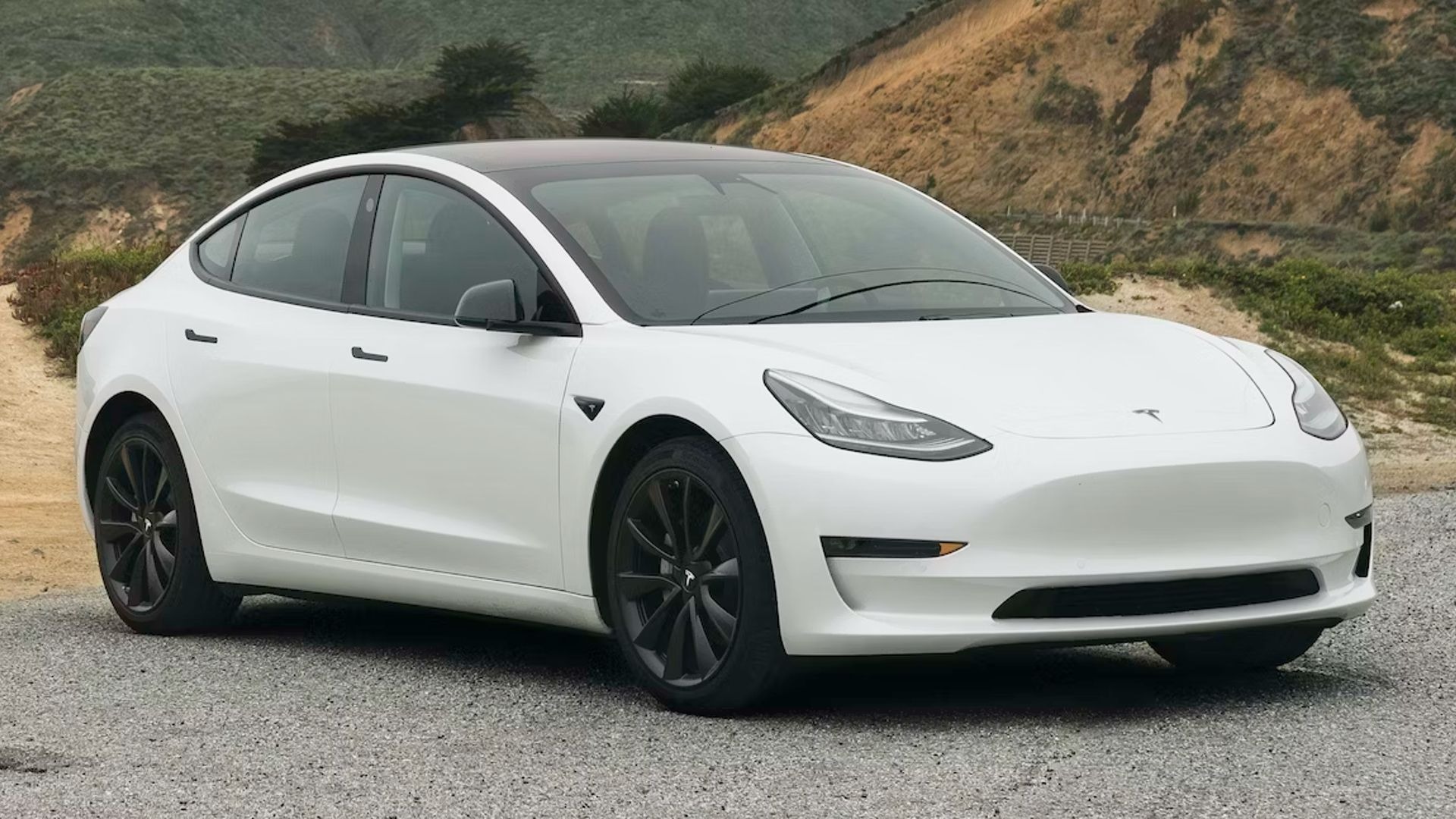
10. Tesla Model 3
54.6% Depreciation
The Tesla Model 3 has the lowest depreciation rate among the 10 EVs included in iSeeCars’ 2026 depreciation ranking, at 54.6% after five years. That still represents a loss of more than half of the vehicle’s original value.
Its position within this particular list should not be confused with strong absolute value retention. The Model 3 remains within a segment where five-year depreciation is high compared with many vehicles using gasoline power.
For prospective buyers, the Model 3 offers an example of how resale performance can vary even among vehicles from the same manufacturer.
Purchase price, new-car incentives, used inventory, vehicle condition, mileage, battery health, and market demand can all affect resale transactions. The depreciation figure is best treated as a historical data point rather than a guarantee for a specific vehicle.
Individual cars may sell for more or less depending on their condition and the market available when the owner decides to sell.
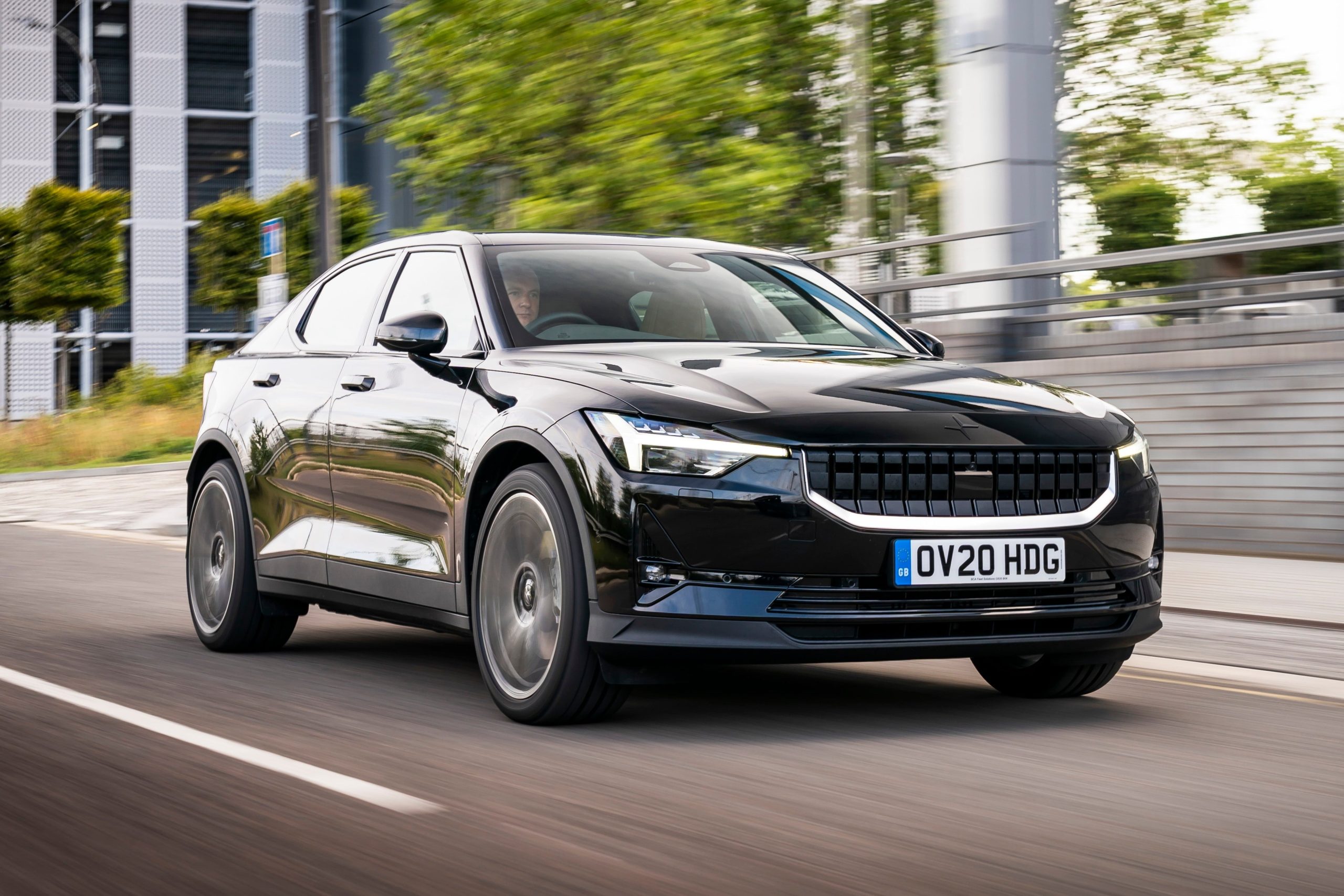
11. Polestar 2
Approximately 61.8% Depreciation
Polestar’s compact electric fastback currently retains about 38.2% of its original value after five years, which implies a steep 61.8% depreciation rate based on current iSeeCars resale figures.
Part of this comes down to brand recognition, since Polestar remains a considerably smaller, less familiar name to average used-car shoppers compared to established automakers with decades of dealer networks and service history behind them.
Limited charging infrastructure familiarity and fewer service centers in certain regions may also make buyers hesitant when considering a used purchase, since concerns about long-term support linger even when the vehicle itself performs well.
Polestar has continued updating its lineup with newer models too, which naturally pulls attention and demand away from earlier Polestar 2 units sitting on used lots.
For style-conscious buyers willing to research service availability in their area, the current pricing gap between new and used Polestar 2 units represents a genuinely compelling entry point into a distinctive, well-engineered electric sedan.
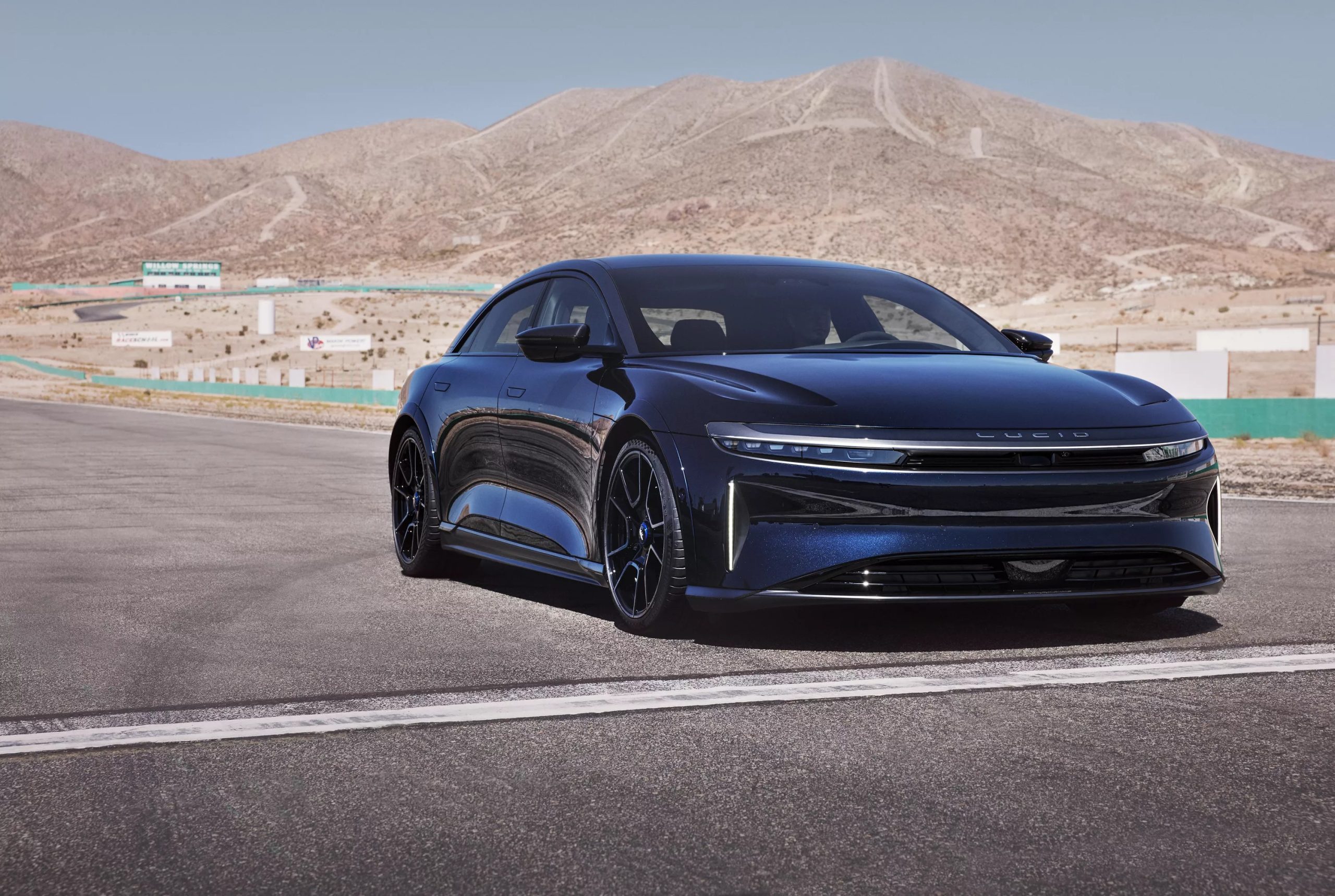
12. Lucid Air
Approximately 63.4% Depreciation
The Lucid Air currently holds onto roughly 36.6% of its original sticker price after five years, translating to approximately 63.4% depreciation according to current resale data.
As a relatively new luxury brand still building broad market recognition, Lucid faces an uphill climb convincing used-car shoppers to pay premium prices for a name many buyers still don’t fully recognize.
The Air’s genuinely impressive range figures and interior craftsmanship haven’t been enough to offset that unfamiliarity in the resale market just yet.
Production and delivery challenges during Lucid’s early years likely added to buyer caution as well, since some owners experienced delays and service questions that made headlines.
As the brand matures and expands its service network, resale confidence could improve as time goes on. For now, though, buyers hunting for genuine luxury electric performance at a steep discount will find the used Lucid Air market unusually generous, assuming they’re comfortable being early adopters of a still-growing brand.
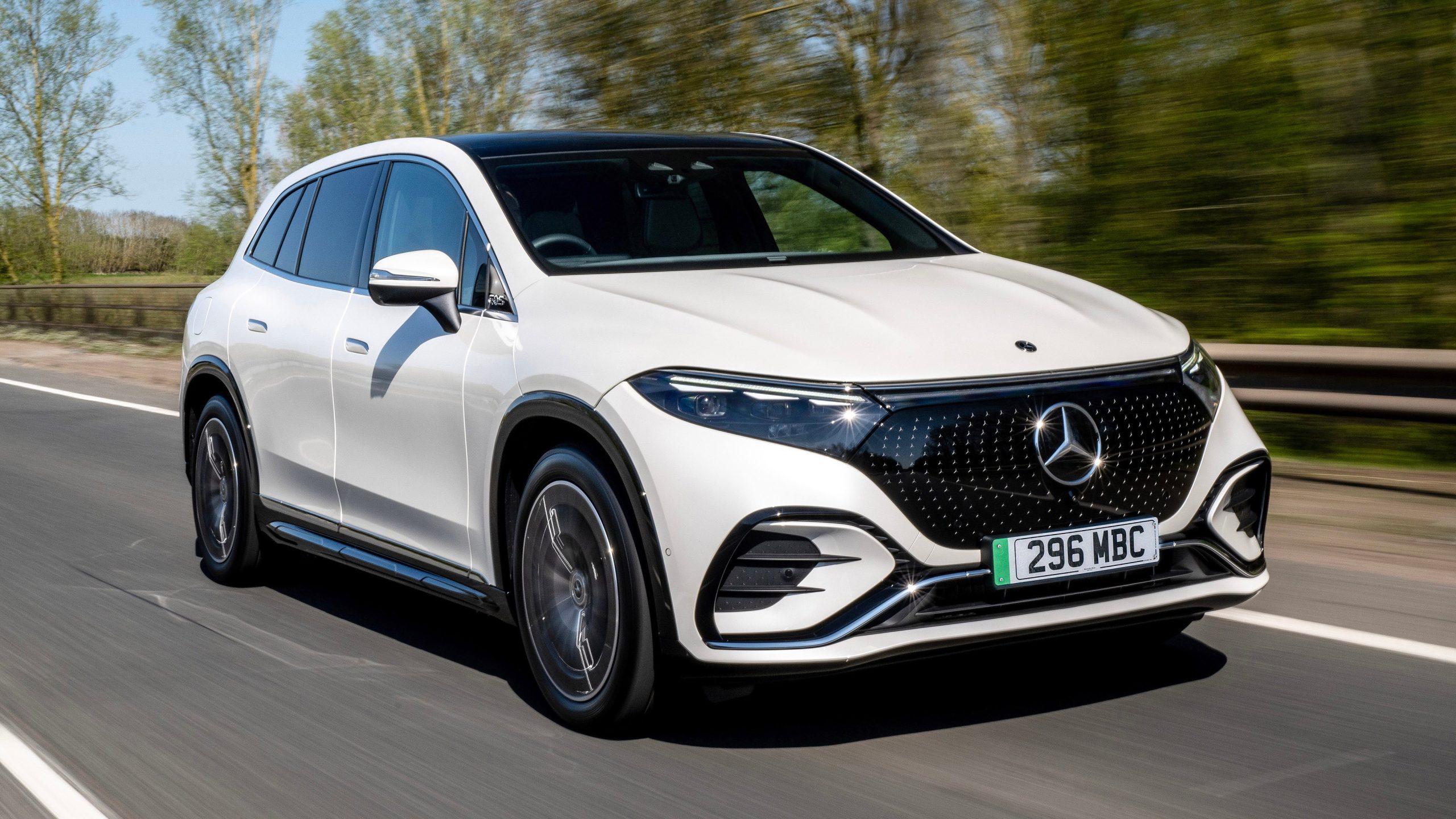
13. Mercedes-Benz EQS
Approximately 70.6% Depreciation
No vehicle on this expanded list drops faster than the EQS, which retains only about 29.4% of its original value after five years, implying a steep 70.6% depreciation rate.
That’s a startling figure for a flagship Mercedes-Benz sedan, and it points to a mismatch between the EQS’s traditional luxury pricing strategy and how used-car buyers currently value electric vehicles.
Polarizing exterior styling drew mixed reviews from critics and owners alike when the EQS first launched, and that reception appears to be following the car onto the resale market.
Rapid advancements from rival luxury EV makers have also raised the bar considerably, making the EQS feel less cutting-edge with each passing year.
Combine steep original pricing with softer-than-expected demand, and the result is a used-market bargain for buyers willing to accept the depreciation trade-off.
For Mercedes-Benz, it’s a clear signal that electric flagship pricing may need rethinking as the broader EV resale market continues finding its footing.