
Modern cars can see much more than older vehicles ever could. Cameras, radar units, and ultrasonic sensors now support automatic emergency braking, adaptive cruise control, lane keeping, blind-spot monitoring, and parking assistance.
That extra technology can become expensive when a minor crash damages a sensor or its mounting hardware. AAA’s 2023 research found individual ADAS component repair costs ranging from $290 to $1,596, including parts, specific labor, and calibration.
The highest figure involved a side-mirror camera assembly. AAA tested three 2023 vehicles, while the broader list below highlights vehicles equipped with similar sensor-dependent systems and the potential repair complexity they bring.
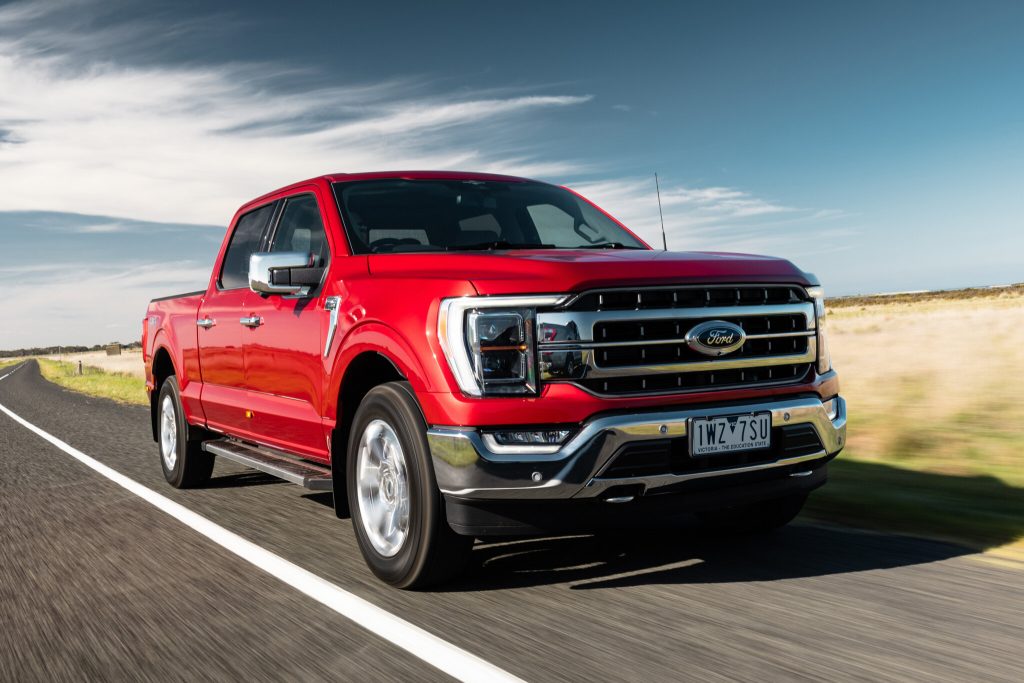
1. 2023 Ford F-150
The Ford F-150 is a useful example of how advanced driver assistance technology has moved into America’s most popular vehicle categories.
AAA specifically included the 2023 F-150 in its research into ADAS repair costs, examining how cameras and sensors can add expense after relatively minor collision damage. That matters on a pickup because sensors can be positioned around bumpers, mirrors, and other exposed areas where small impacts can occur.
Depending on configuration and equipment, the F-150 can use technology supporting features such as automatic emergency braking, adaptive cruise control, blind-spot monitoring, and parking assistance.
Ford’s driver-assistance systems combine cameras and other sensing hardware to monitor the vehicle’s surroundings. If a collision disturbs a sensor or its mounting position, replacing the physical component may not be enough. Calibration can also be required to restore the system’s intended operation.
AAA found that ADAS component costs in its four repair scenarios ranged from $290 to $1,596. The study found that the average ADAS-related cost associated with a minor front collision was $1,540 across the three vehicles tested. Those figures include specific labor and calibration, and they were additional to conventional bodywork.
The F-150 examined by AAA was a 2023 model, so these figures should not be treated as a universal price for every F-150 configuration. Repair costs vary with equipment, damage, and repair facility. Still, the truck demonstrates why modern safety technology can turn a seemingly simple body repair into a more involved job.
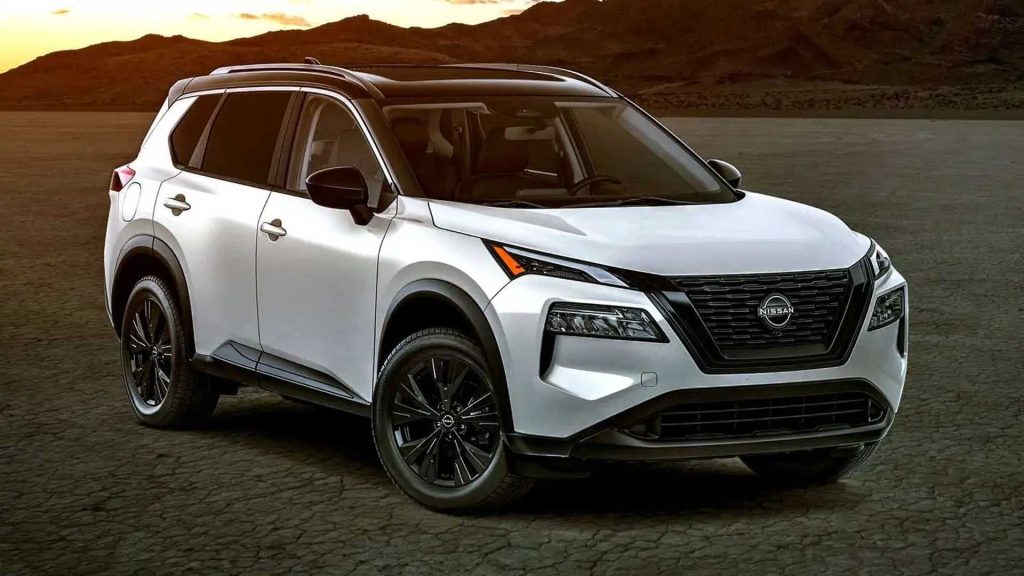
2. 2023 Nissan Rogue
The Nissan Rogue presents a very different package from the F-150, but its technology creates a similar repair consideration. AAA included the 2023 Rogue in its ADAS research, making it one of the three vehicles used to examine the costs associated with repairing and calibrating modern driver-assistance components.
The Rogue’s safety technology can involve cameras, radar-based systems, and other sensors depending on the specific feature and trim.
Its driver-assistance equipment supports functions such as automatic emergency braking, blind-spot monitoring, rear cross-traffic alerts, and adaptive cruise control. These systems are designed to interpret what is happening around the vehicle rather than simply relying on traditional mechanical components.
That distinction becomes important after a collision. A damaged bumper or mirror may look like a cosmetic problem, yet sensor hardware can be located within or around those areas. AAA’s research found that ADAS component repair costs ranged from $290 to $1,596 across the four repair scenarios it evaluated.
The organization also emphasized that calibration is part of restoring these systems correctly, meaning a replacement component may need precise adjustment before the vehicle is returned to service.
For Rogue owners, the lesson is not that every sensor replacement will approach $1,596. AAA’s figures were based on specific 2023 vehicles, repair scenarios, and labor assumptions. Actual costs can vary substantially by component, trim, damage, and repair facility.
The Rogue nevertheless shows how sophisticated safety equipment has become common even in mainstream compact SUVs.
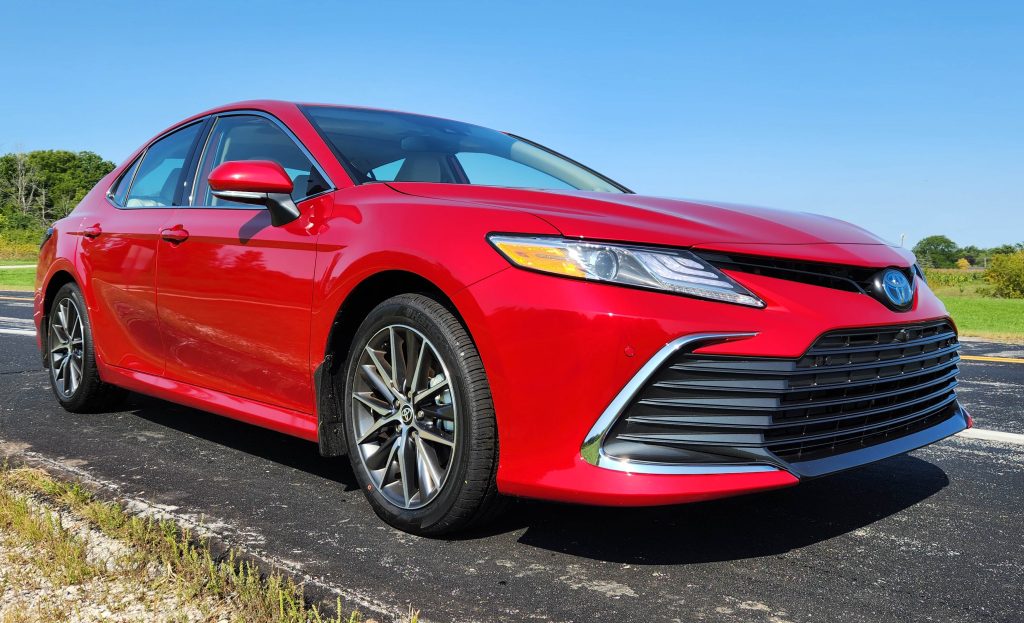
3. 2023 Toyota Camry
The Toyota Camry shows why a windshield or bumper repair can involve much more than replacing glass or plastic. AAA included the 2023 Camry in its ADAS repair study alongside the Ford F-150 and Nissan Rogue, giving this sedan one of the clearest documented cost profiles in the research.
The Camry’s driver-assistance equipment can use cameras and other sensors to support functions such as automatic emergency braking, lane departure warning, and adaptive cruise control.
One particularly important component sits near the windshield. When a forward-facing camera is involved in a repair, simply installing a new windshield does not necessarily finish the job.
The camera may need to be relocated or calibrated so that its field of view and measurements match the vehicle’s specifications. AAA calculated $360 for ADAS-related relocation and calibration in its windshield replacement scenario for all three vehicles tested.
The Camry also demonstrates how sensor costs can vary considerably depending on the type of incident. In AAA’s side-mirror scenario, the ADAS camera accounted for $741.36 of the $1,028.81 repair estimate. That represented 72.1% of the total repair estimate in that particular test.
These numbers should not be interpreted as a fixed repair price for every Camry. Trim, equipment, damage, and labor rates can change the bill. What the study establishes is that a mainstream sedan can contain technology that makes calibration an important part of collision repair.
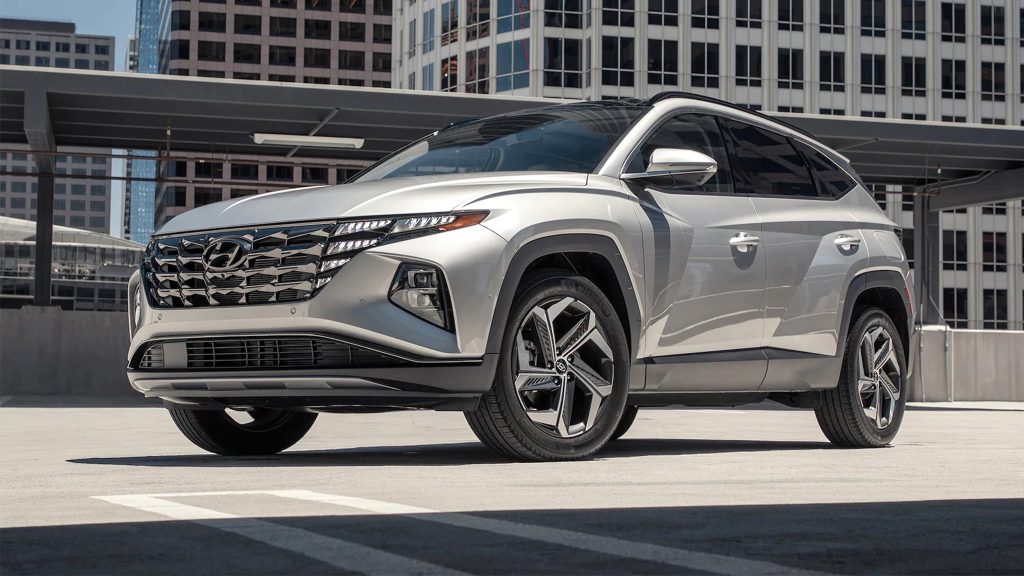
4. 2023 Hyundai Tucson
The Hyundai Tucson illustrates another side of ADAS repair costs. Individual sensors may not be particularly expensive, but the bill can increase significantly when multiple components and calibration procedures are required.
The compact SUV is equipped with driver-assistance technology that can use forward-facing cameras, radar, and other sensing hardware to help monitor traffic and the vehicle’s surroundings.
AAA’s 2023 research found that modern ADAS components can add substantial costs after relatively minor crashes.
The organization identified several common categories, including front radar sensors used for automatic emergency braking and adaptive cruise control, front cameras used for emergency braking and lane assistance, mirror-mounted cameras, windshield-mounted cameras, and ultrasonic parking sensors.
Across the four repair scenarios studied, individual ADAS component costs ranged from $290 to $1,596 when specific labor and calibration were included.
That $1,596 figure is particularly important because it came from a side-mirror camera repair on the 2023 Ford F-150, not the Tucson. It would therefore be inaccurate to claim that replacing a Tucson sensor costs $1,596. The broader point is that the same categories of technology can create additional repair work on vehicles equipped with similar systems.
For Tucson owners, windshield damage can also deserve attention when a camera is mounted near the glass. Calibration after relevant repairs helps ensure the system is correctly aligned rather than simply restoring the physical component.
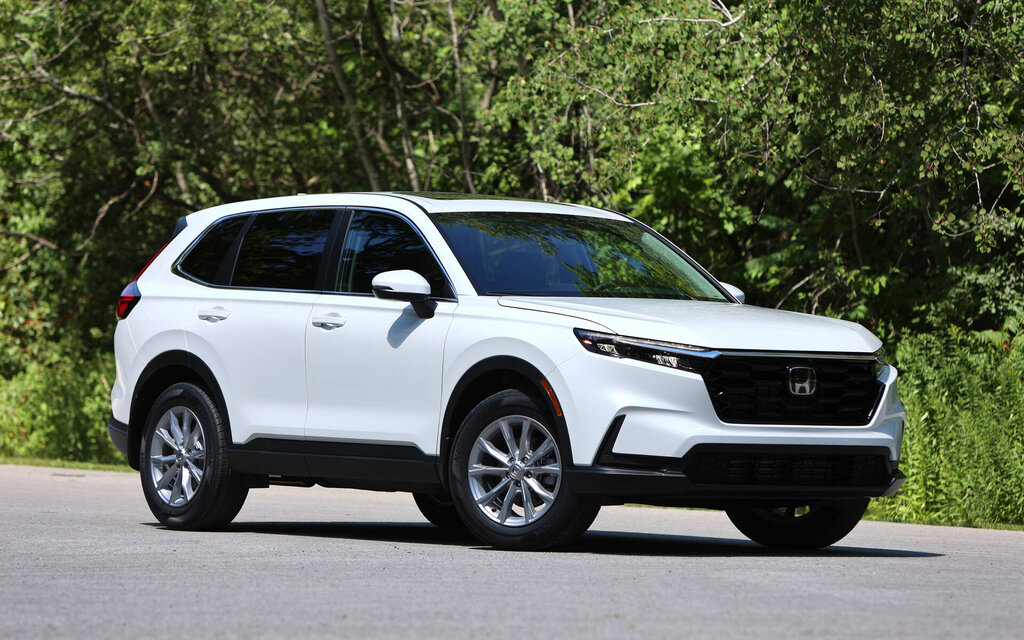
5. 2023 Honda CR-V
The Honda CR-V packs its driver-assistance technology into several different sensing points, which is exactly why a seemingly small repair can become more complicated than it first appears.
Honda’s 2023 CR-V uses Honda Sensing, with a front radar sensor positioned behind the grille emblem and a forward-facing camera mounted behind the windshield near the rearview mirror. Certain versions also use sonar sensors in the bumpers.
That arrangement gives the CR-V the hardware needed for functions including collision mitigation braking, forward collision warning, lane departure warning, road departure mitigation, adaptive cruise control, and lane keeping assistance. Higher trims add equipment such as blind-spot information, cross-traffic monitoring, and parking sensors.
The windshield-mounted camera is particularly relevant when discussing repair bills. If the glass or camera mounting area is disturbed, the repair may involve more than fitting replacement glass.
AAA’s research found that ADAS-related windshield work averaged $360 for the three vehicles it tested, including the transfer and calibration of the camera. AAA also found individual ADAS components across its test scenarios could cost from $290 to $1,596, above ordinary collision bodywork.
That does not mean replacing a CR-V sensor costs $1,596. AAA’s study specifically examined a 2023 Ford F-150, Nissan Rogue, and Toyota Camry.
The CR-V belongs on this list because it demonstrates how widespread sensor-based technology has become in mainstream vehicles and why calibration can matter just as much as the replacement part itself.
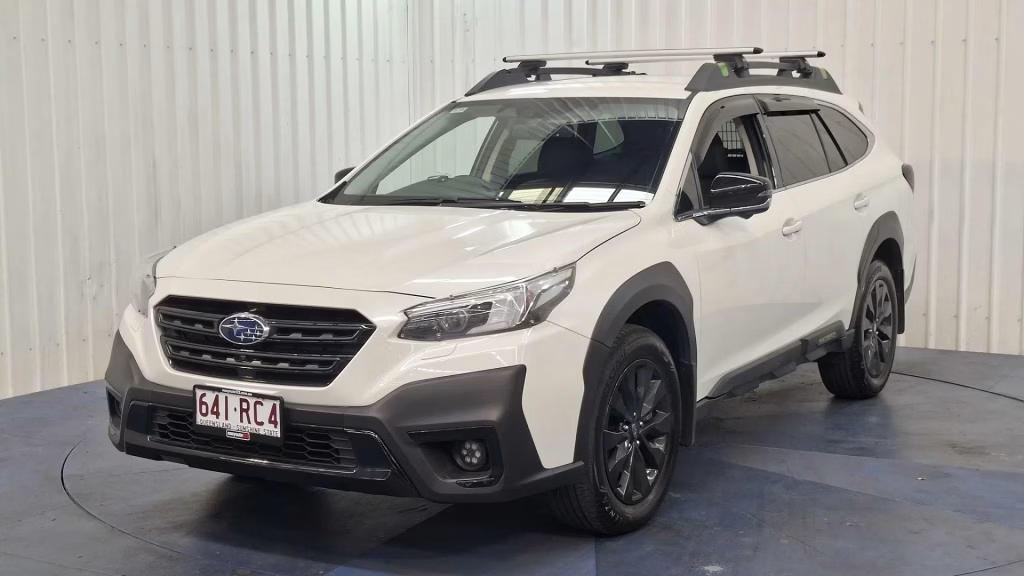
6. 2023 Subaru Outback
Subaru takes a different approach to driver assistance, relying heavily on camera technology rather than simply surrounding the vehicle with conventional radar units.
The 2023 Outback uses the company’s EyeSight system, and Subaru added a wide-angle monocular camera to the Touring version for the North American market. That additional camera works alongside the stereo-camera system to expand what the vehicle can recognize around intersections.
The significance becomes obvious when considering windshield repairs. EyeSight cameras are mounted around the upper windshield area, so damage to the glass or work around the camera housing can affect the sensing system.
Subaru’s technology is designed to recognize vehicles, pedestrians, and other road users and can provide warnings or intervene through driver-assistance functions.
AAA’s research helps put the potential repair issue into perspective. Its 2023 study found that windshield-related ADAS work averaged $360 across the three vehicles tested.
The organization also identified windshield camera sensor replacement costs ranging from $900 to $1,200 in its repair-cost categories, although those figures should not be interpreted as a specific Outback replacement price. They represent the range AAA found for the component category in its research.
There is another reason the Outback is interesting. Camera-based systems can require precise positioning because their view determines how the vehicle interprets lane markings, vehicles, and pedestrians.
A windshield replacement that looks routine from outside can therefore involve an additional technology-related procedure before the vehicle is ready to operate as designed.
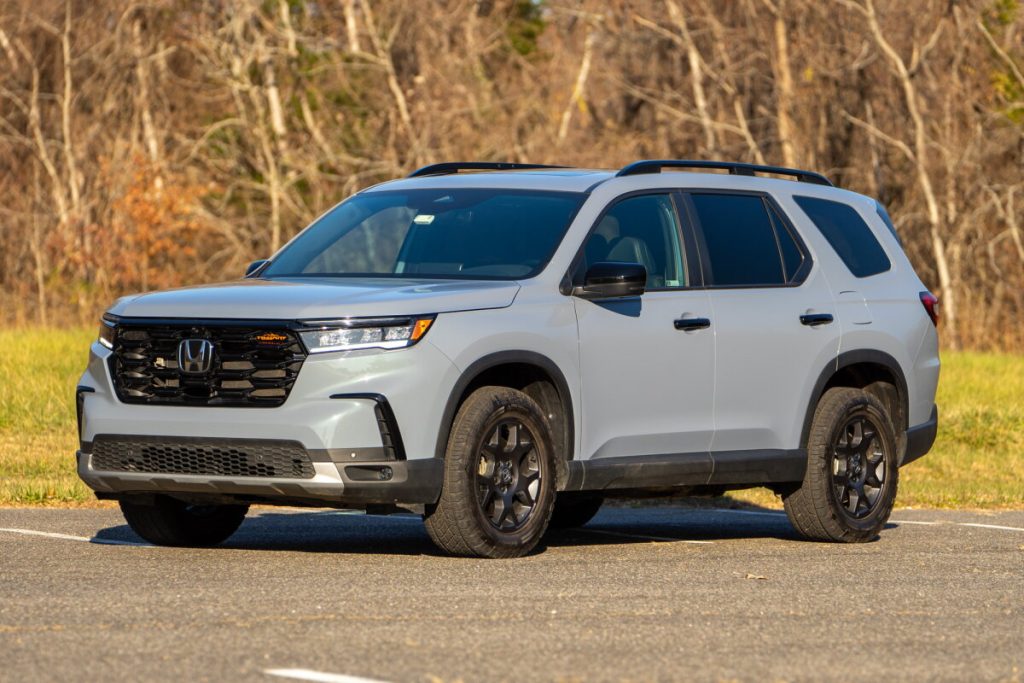
7. 2023 Honda Pilot
The 2023 Honda Pilot is another vehicle where the technology doing the sensing is not always obvious from the driver’s seat. Honda Sensing combines a radar sensor mounted behind the Honda emblem with a forward-facing camera positioned inside the windshield behind the rearview mirror.
Certain versions also add sonar sensors in the front and rear bumpers. That means a vehicle can have sensing hardware at several points that are vulnerable to collision damage.
The windshield camera is particularly important because it supports several major driver-assistance functions. Honda identifies the camera as part of systems including Collision Mitigation Braking, Adaptive Cruise Control, Lane Keeping Assist, Road Departure Mitigation, and Traffic Sign Recognition.
Honda also warns that windshield damage within the camera’s field of view can affect system operation and recommends recalibration after windshield replacement.
This is where AAA’s research provides useful context. Its 2023 study found that windshield-related ADAS work averaged $360 across the Ford F-150, Nissan Rogue, and Toyota Camry tested.
AAA also found that individual ADAS components, including specific labor and calibration, ranged from $290 to $1,596. The highest category was a side-mirror camera assembly, while windshield camera sensors fell into a $900 to $1,200 range.
Those figures are not a claimed Pilot repair price. AAA did not test the Pilot. Instead, the Pilot demonstrates why the same type of sensor-dependent technology can make collision and glass repairs more involved on modern family SUVs.
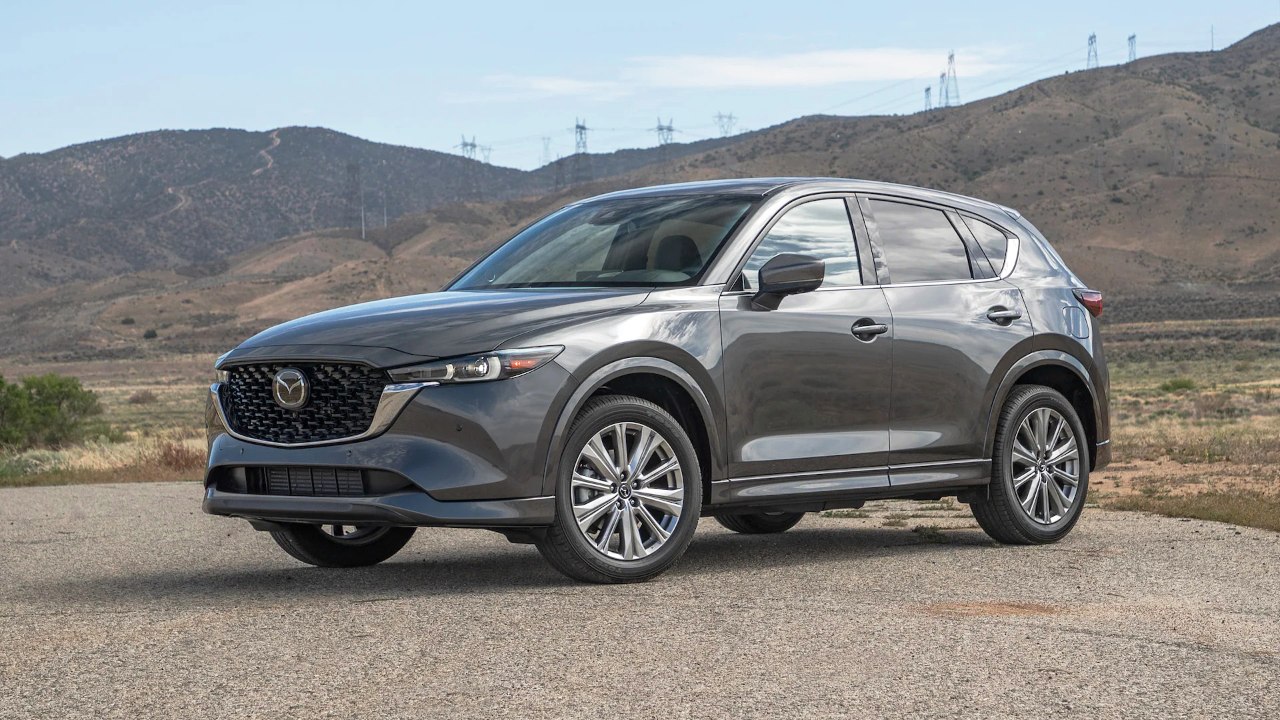
8. 2023 Mazda CX-5
The Mazda CX-5 takes a particularly interesting approach because its i-Activsense technology can involve cameras and radar sensors positioned at the front, rear, and windshield.
Mazda’s 2023 owner’s documentation identifies a forward sensing camera near the top of the windshield, a front radar sensor behind the grille or front emblem, rear radar sensors inside the rear bumper, and, on equipped models, rear ultrasonic sensors.
That layout creates several different areas where a repair can become more complicated. The forward camera contributes to functions such as lane-keeping assistance, traffic-sign recognition, Smart Brake Support, and Mazda Radar Cruise Control.
The front radar handles systems including adaptive cruise control and forward collision assistance, while the rear radar supports blind-spot monitoring and rear cross-traffic alert.
Mazda specifically warns that a front collision can move the radar sensor out of position. The owner’s manual says the vehicle should be inspected if the front area is damaged because the radar’s position can affect system performance. The same concern applies to the rear bumper, where an impact can affect the rear radar sensors.
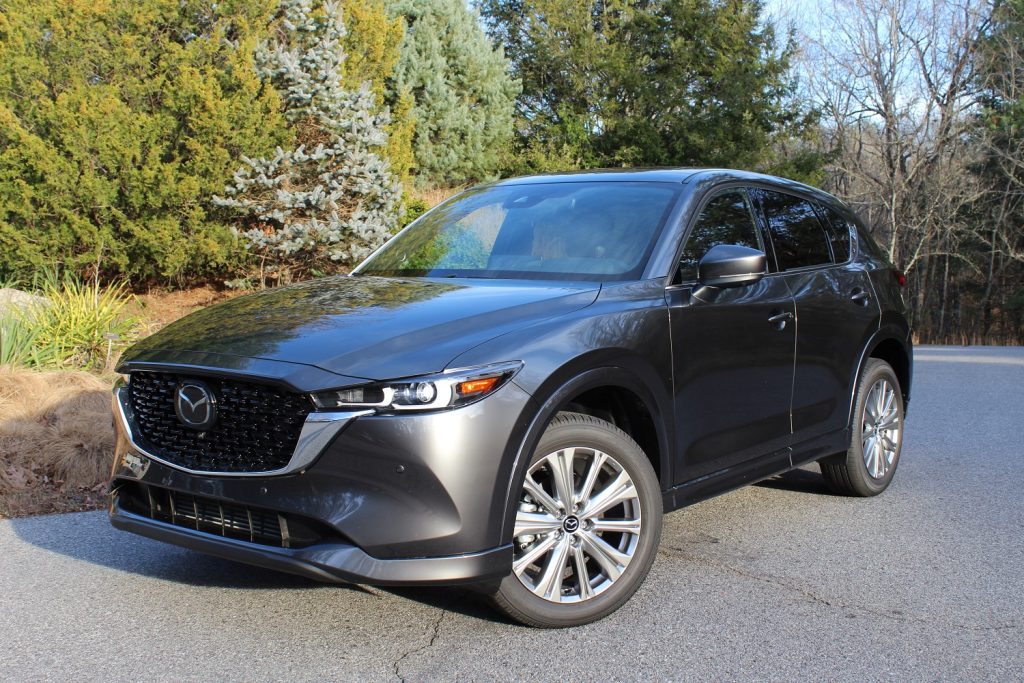
AAA’s research puts the potential expense into perspective without assigning a specific CX-5 price. The organization found front radar sensor repairs ranging from $500 to $1,300 and front camera sensor repairs from $600 to $800 in its 2023 study. Side-mirror camera assemblies reached as high as $1,600 in the tested vehicles.
The CX-5 illustrates an important point. The most expensive part of a repair is not always the visible body panel. It can be the technology mounted behind it.
9. 2023 Kia Telluride
The Kia Telluride puts a substantial amount of driver-assistance hardware into a three-row SUV designed for family use.
Its 2023 equipment includes systems under Kia’s Drive Wise umbrella, with technology such as Forward Collision-Avoidance Assist, Blind-Spot Collision-Avoidance Assist, Rear Cross-Traffic Collision-Avoidance Assist, and Smart Cruise Control depending on trim and equipment.
Kia’s documentation identifies a front-view camera and front radar as sensing components for its forward collision-avoidance technology. Kia also uses rear corner radar inside the rear bumper for functions that monitor traffic alongside and behind the vehicle. The company warns that damage or repairs to the bumper can affect the performance of those systems.
That is an important distinction between a conventional bumper and a modern sensor-equipped bumper. A minor impact that leaves the plastic looking repairable may still require inspection of the electronics behind it. Kia advises that vehicles with damaged or repaired sensing components should be inspected by an authorized dealer or qualified professional.
AAA’s research helps establish why that additional work matters financially. Its study found front radar sensor costs of $500 to $1,300 when parts, specific labor, and calibration were considered. Front or rear ultrasonic sensors used for parking assistance ranged from $300 to $1,000. The study’s maximum individual ADAS component cost reached $1,596.
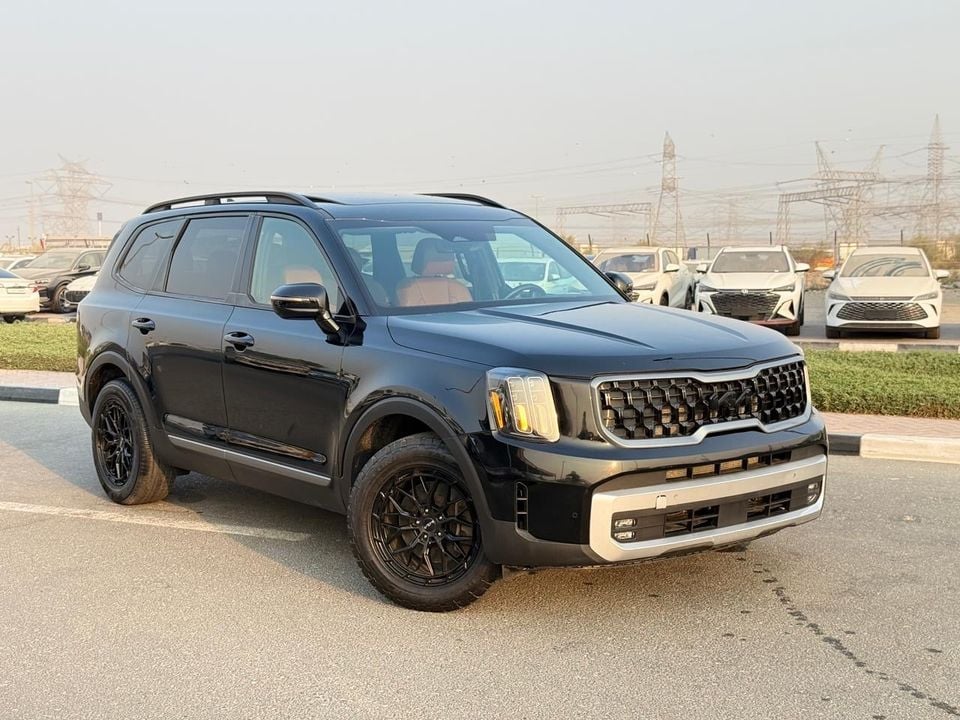
Again, the $1,596 figure is not a Telluride-specific estimate. AAA tested three other 2023 vehicles. The Telluride belongs in this discussion because its sensor layout demonstrates how advanced safety hardware can be integrated into vulnerable areas of a large family SUV.
10. 2023 Subaru Forester
The Subaru Forester demonstrates why camera-based safety systems can make windshield work more involved. Subaru’s EyeSight driver-assistance technology uses cameras to monitor the road ahead, and the 2023 Forester was equipped with EyeSight across its U.S. lineup.
The system supports functions such as pre-collision braking, adaptive cruise control, and lane-related assistance.
Unlike a sensor hidden deep inside a vehicle’s structure, a forward-facing camera needs a clear and correctly positioned view. That makes the windshield and the area around the camera especially important during repairs.
If the glass is replaced or the camera’s position is disturbed, the system may require inspection and calibration before its functions can operate as intended.
AAA’s research found that ADAS-related work connected to windshield replacement averaged $360 across its three tested vehicles.
That amount included the relevant camera work and calibration. The research also identified windshield camera sensor costs ranging from $900 to $1,200 when looking at the component, labor, and calibration categories it studied.
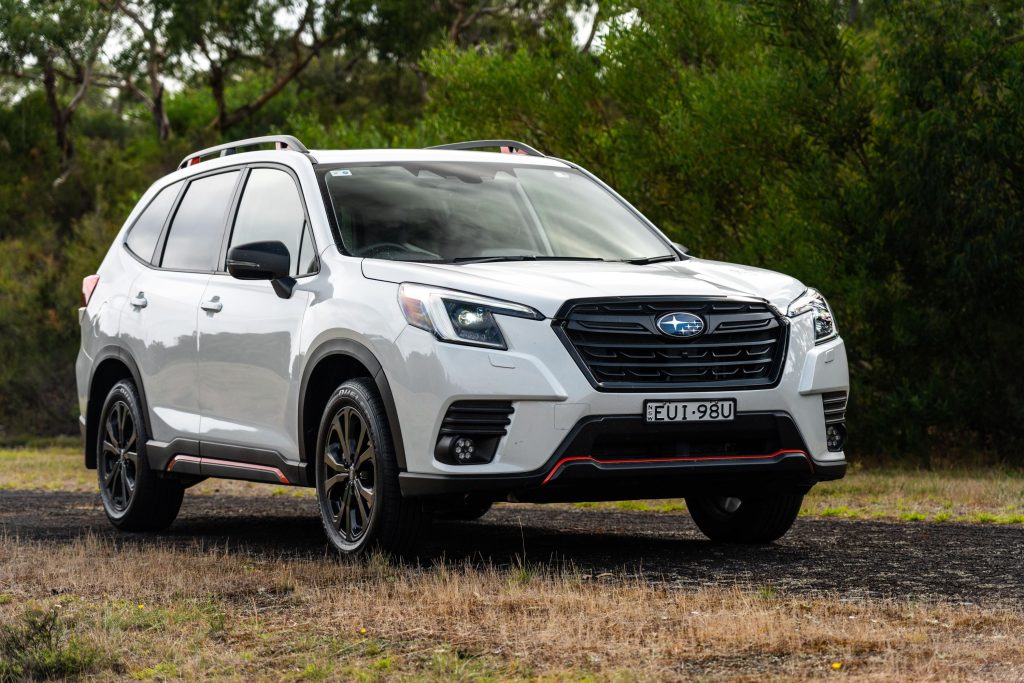
The Forester is interesting because Subaru’s safety technology is deeply integrated into the vehicle’s normal operation rather than being an unusual luxury feature. Drivers may rarely think about the cameras while everything works correctly. A damaged windshield can suddenly make that hidden hardware part of the repair conversation.
Subaru’s 2023 specifications also show why the Forester has such a broad presence on American roads. Its compact SUV dimensions and standard all-wheel-drive configuration made it a practical family vehicle, while EyeSight added another layer of technology behind the windshield.
The key point is simple. Replacing glass on a modern vehicle can involve more than physical installation. It may also require electronic calibration to ensure the vehicle’s systems work properly.
11. 2023 Volvo XC90
The Volvo XC90 takes the sensor story into the premium SUV category, where advanced driver assistance has been part of the vehicle’s identity for years.
Volvo uses cameras and radar to support systems including City Safety, adaptive cruise control, Pilot Assist, and lane assistance. Volvo’s documentation identifies the radar unit as a component used by several of these driver-support functions.
The placement of that hardware matters. Volvo’s documentation notes that the radar and camera area around the upper windshield needs to remain unobstructed because these components help the vehicle detect traffic ahead. Damage, obstruction, or incorrect workaround of sensing hardware can therefore affect multiple assistance functions at once.
AAA’s research does not provide a specific XC90 sensor replacement figure, because the XC90 was not one of the three vehicles evaluated in its 2023 repair study. What the study does provide is a useful benchmark for the type of technology involved.
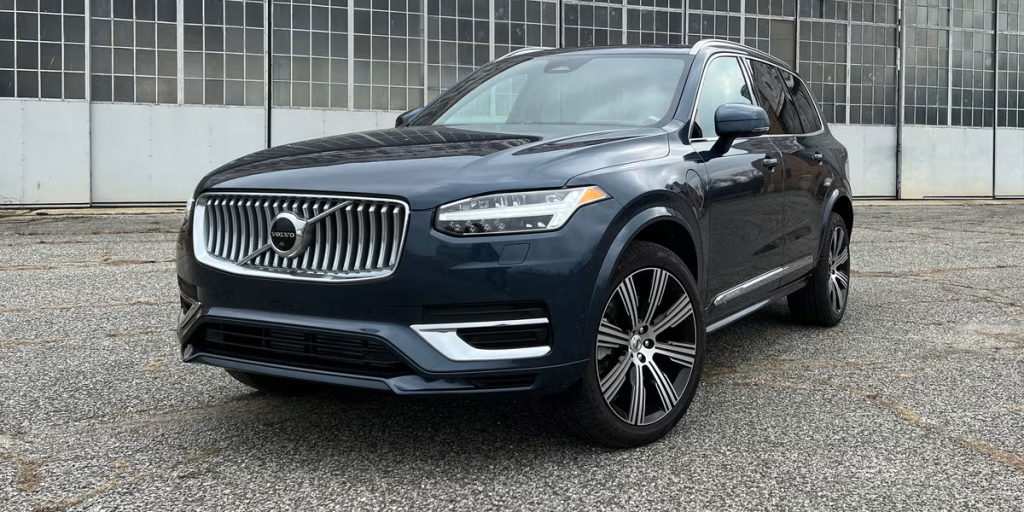
AAA found front radar repairs ranging from $500 to $1,300, windshield camera sensors from $900 to $1,200, and side-mirror camera assemblies as high as $1,600 in the vehicles it tested.
That distinction is important. The $1,596 figure should not be presented as an XC90 repair quote. Actual Volvo repair costs depend on the exact model year, equipment, damaged component, labor rate, and calibration requirements.
The XC90 nevertheless shows why premium vehicles can require specialized attention after seemingly modest damage. When cameras and radar are responsible for several safety functions, restoring the physical part is only one step. Correct alignment and system verification can be equally important.
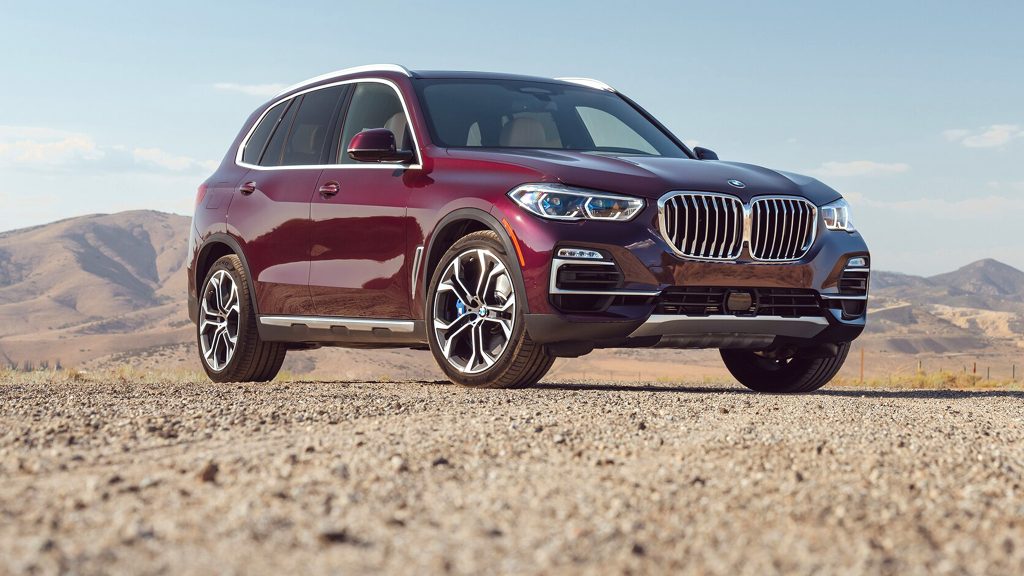
12. 2023 BMW X5
The BMW X5 brings cameras and radar into another premium SUV platform where driver assistance depends on a network of sensors rather than a single device.
BMW describes its assistance systems as using cameras and radar sensors to monitor vehicle proximity, lane markings, and surrounding traffic. The brand’s documentation also identifies radar sensors positioned in the front and rear bumper areas on applicable BMW vehicles.
That bumper placement creates a practical repair concern. BMW notes that radar functionality can be restricted when a sensor is dirty, covered, or incorrectly aligned, including after parking damage. The company also warns that improper paint work around the sensors can affect their operation.
AAA’s findings explain why these details matter to an owner facing a repair bill. Its 2023 study found that ADAS components accounted for an average of 37.6% of the costs across four repair scenarios involving three vehicles.
In a minor front collision, ADAS component replacement averaged $1,540.92. A side-mirror repair averaged $1,067.42 in ADAS-related costs, while windshield-related ADAS work averaged $360.
The study’s highest individual component figure was $1,596, but that number should not be treated as the price of an X5 sensor. BMW did not participate in that specific AAA test.
What the X5 does demonstrate is the growing complexity of premium vehicle repair. A bumper can contain radar equipment, mirrors can contain cameras, and windshield areas can house additional sensing hardware.
When those components are disturbed, calibration and alignment can become part of the repair process rather than an optional extra.
