A used car can look immaculate in a driveway and still hide a transmission problem, structural repair, worn suspension, or expensive electrical fault. That is why a pre-purchase inspection matters even more when shopping for older vehicles with documented problem areas.
The Federal Trade Commission specifically recommends an independent inspection because a vehicle history report cannot reliably reveal every mechanical problem. The issue becomes especially important in states where government testing provides little or no recurring screening.
In 2026, 21 states require neither periodic safety inspections nor emissions testing statewide. Here are 11 used cars where skipping an inspection can create costly surprises.
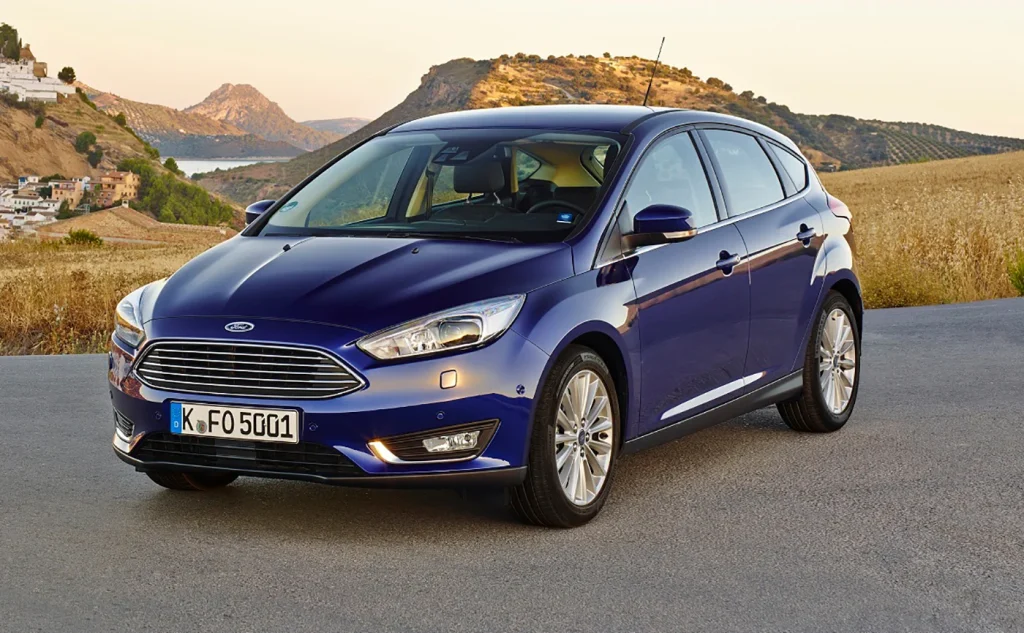
1. Ford Focus, 2012-2016
Few used-car purchases demonstrate the importance of a professional inspection better than the 2012-2016 Ford Focus equipped with Ford’s DPS6 PowerShift automatic transmission. The problem is not simply that these cars are older today.
Ford itself issued multiple technical service bulletins addressing transmission-related symptoms on affected vehicles, while a U.S. class-action settlement covered 2012-2016 Focus models equipped with the PowerShift transmission.
The settlement documentation says owners reported symptoms including slipping, bucking, kicking, and jerking, while Ford denied wrongdoing and denied that the transmission represented a safety defect.
Ford’s own service documentation provides an even clearer reason to inspect one carefully. A 2016 technical bulletin says some Focus models equipped with the DPS6 could experience intermittent loss of transmission engagement, no-start conditions, or loss of power.
Another Ford bulletin addressed clutch shudder during light acceleration and possible fluid leakage from the clutch housing.
That history makes a test drive particularly important, but a buyer should not stop there. A mechanic should examine transmission operation, scan for stored diagnostic codes, and look for evidence of previous transmission repairs.
Service invoices are valuable too, because repeated clutch or transmission work can tell you much more than a clean-looking exterior.
A Focus with a properly documented repair history is a different proposition from one whose seller cannot explain previous transmission symptoms. The inspection gives you the opportunity to distinguish between those situations before money changes hands.
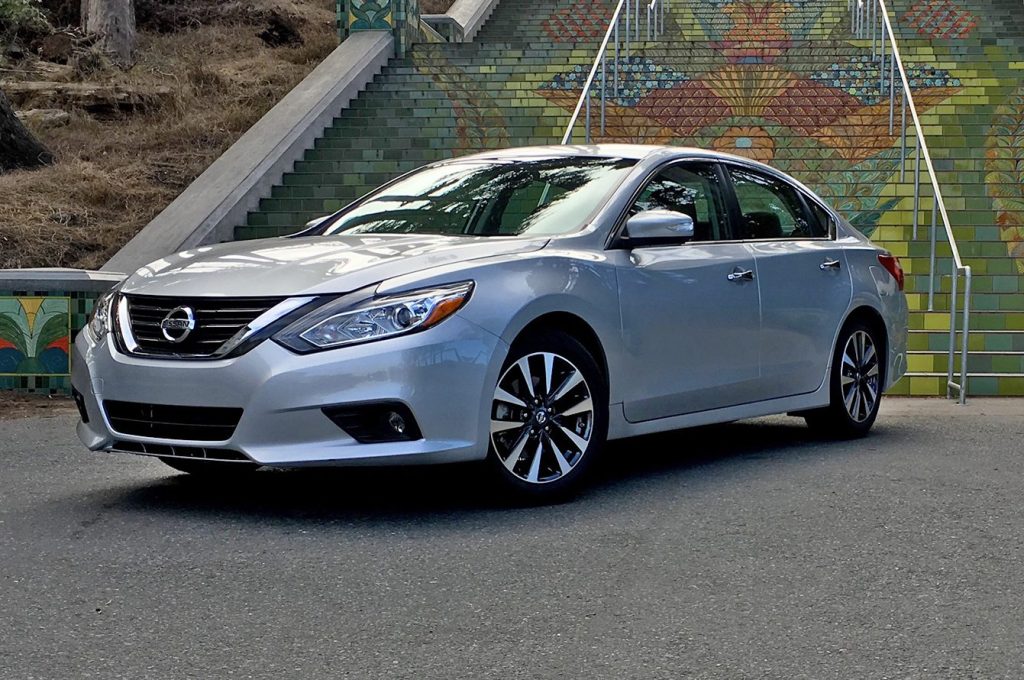
2. Nissan Altima, 2017-2018
The 2017-2018 Nissan Altima deserves particularly careful examination when shopping the used market because certain examples were covered by litigation concerning their continuously variable transmission. The official settlement information for Martinez v.
Nissan North America identifies 2017-2018 Altima vehicles among the class vehicles in a case alleging defective CVTs that could lead to poor transmission performance or failure.
The existence of the settlement does not mean every Altima from those years will develop a transmission problem, but it gives prospective buyers a strong reason to verify the individual car’s condition and maintenance history.
Nissan’s own materials submitted to NHTSA also show that CVT warranty coverage had previously been extended on several Nissan models and model years, including certain Altima vehicles.
Nissan advised customers experiencing CVT concerns to have the vehicle inspected and diagnosed by an authorized dealer, with repairs potentially including CVT replacement.
That makes the transmission the first item an independent mechanic should investigate. During a cold start and extended road test, the technician can look for abnormal vibration, hesitation, delayed engagement, unusual noises, or inconsistent acceleration.
Diagnostic scanning and examination of maintenance records can provide additional clues that a short dealership test drive might miss.
The Altima itself was offered with four-cylinder and V6 powertrains during this period, but the transmission deserves attention regardless of engine choice. Buyers should also check whether the vehicle received regular fluid service and whether previous transmission work is documented.
A clean interior and attractive price should not outweigh uncertainty about a major drivetrain component. With an older Altima, spending money on an inspection before purchase can provide information that a vehicle history report alone may not reveal.
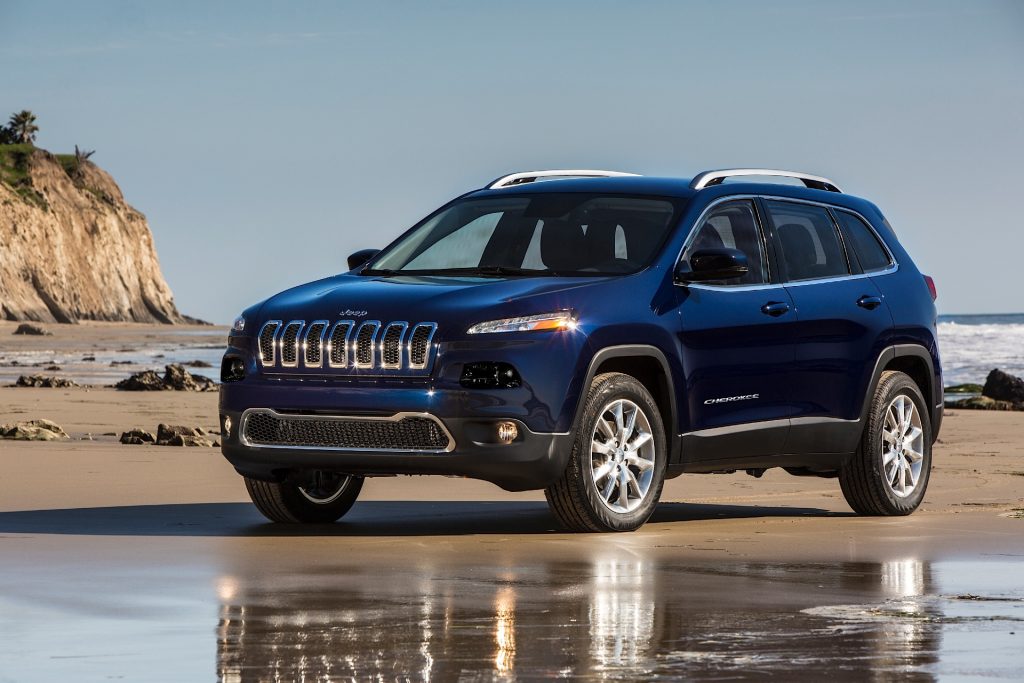
3. 2014-2018 Jeep Cherokee
The 2014-2018 Jeep Cherokee is a used SUV where a professional inspection can make a major difference because several expensive systems deserve attention before purchase.
The model was sold with multiple engines and transmissions, and its age means condition can vary dramatically between individual examples. A clean body and fresh detailing do not tell you whether the drivetrain, suspension, or electronics have been maintained properly.
One area worth investigating is the nine-speed automatic transmission used with certain Cherokee powertrains. During a test drive, an inspector should pay attention to delayed engagement, harsh shifts, hesitation, and unusual noises.
The inspection should also include a scan for stored diagnostic trouble codes, even when there is no warning light illuminated on the dashboard. A scan can uncover historical or pending faults that a casual test drive may never reveal.
The 3.2-liter Pentastar V6 is another reason to examine the individual vehicle rather than relying on the model’s reputation. Cooling-system condition, oil leaks, and general engine operation should be checked, particularly on higher-mileage examples.
Suspension components, steering joints, and the underbody deserve attention too, especially if the Cherokee has spent years on rough roads or has been used for towing.
The Federal Trade Commission specifically warns that a vehicle history report is not a substitute for an independent mechanical inspection because history reports generally cannot reveal every mechanical problem.
4. 2011-2014 Chevrolet Cruze
The first-generation Chevrolet Cruze can look like an inexpensive way into a compact sedan, but age and maintenance history become increasingly important with these cars.
The 2011-2014 Cruze is now old enough that an attractive asking price can conceal deferred repairs, particularly when the vehicle has accumulated substantial mileage or passed through several owners.
The turbocharged 1.4-liter four-cylinder deserves particular attention. A mechanic should inspect the engine bay for oil and coolant leaks and examine the cooling system carefully. The technician should also verify that the engine reaches and maintains the proper operating temperature and check for evidence of previous overheating.
A cold-start inspection can be especially useful because certain problems are easier to identify before the engine reaches operating temperature.
The transmission should not be overlooked. Depending on configuration, the Cruze was available with a six-speed manual or six-speed automatic. During the road test, the inspector should check for delayed engagement, slipping, harsh shifts, and abnormal noises.
The suspension should receive its own examination, including the struts, control-arm components, and wheel bearings.
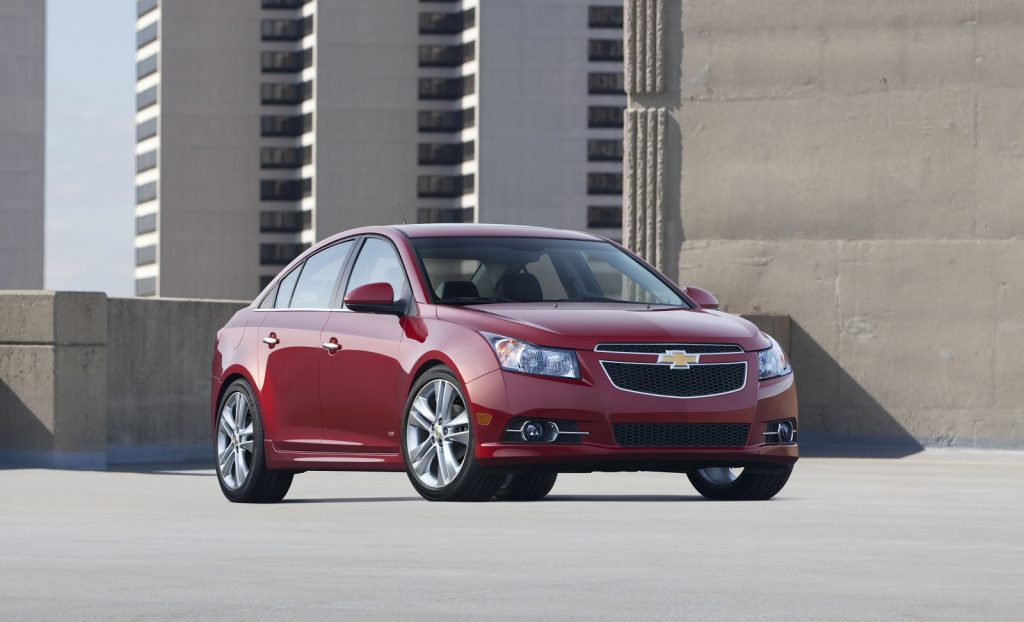
There is another reason not to rely exclusively on a clean vehicle history report. The FTC says history reports can provide accident, ownership, and repair information, but they typically do not identify mechanical problems. The agency recommends an independent mechanical inspection before buying a used vehicle.
That advice is particularly useful for an inexpensive older Cruze because a relatively small collection of neglected repairs can quickly change the economics of the purchase. An independent inspection provides an opportunity to identify those expenses before committing to the car.
5. 2015 Jeep Cherokee
The 2015 Jeep Cherokee deserves a particularly careful inspection because it belongs to the early years of Jeep’s nine-speed automatic transmission, a component that generated recalls and owner complaints. The issue is not that every Cherokee from this period is defective, but the documented history makes a thorough evaluation worthwhile before buying one today.
Chrysler recalled certain 2014-2015 Cherokee models equipped with the nine-speed automatic because an improperly crimped transmission wiring harness could cause the transmission to unexpectedly shift into neutral.
NHTSA’s recall documentation says an unintended shift into neutral could increase the risk of a crash. The remedy involved reprogramming control modules and, where necessary, replacing the transmission range sensor wire harness.
The transmission deserves the most attention during an inspection. A technician should test the Cherokee from a cold start and through repeated low-speed acceleration, highway cruising, and stop-and-go traffic.
Delayed engagement, harsh shifts, hesitation, unexpected neutral selection, or abnormal noises should not be dismissed as simply characteristics of an older vehicle. The mechanic should also scan the electronic control modules and verify that applicable recall work has been completed.
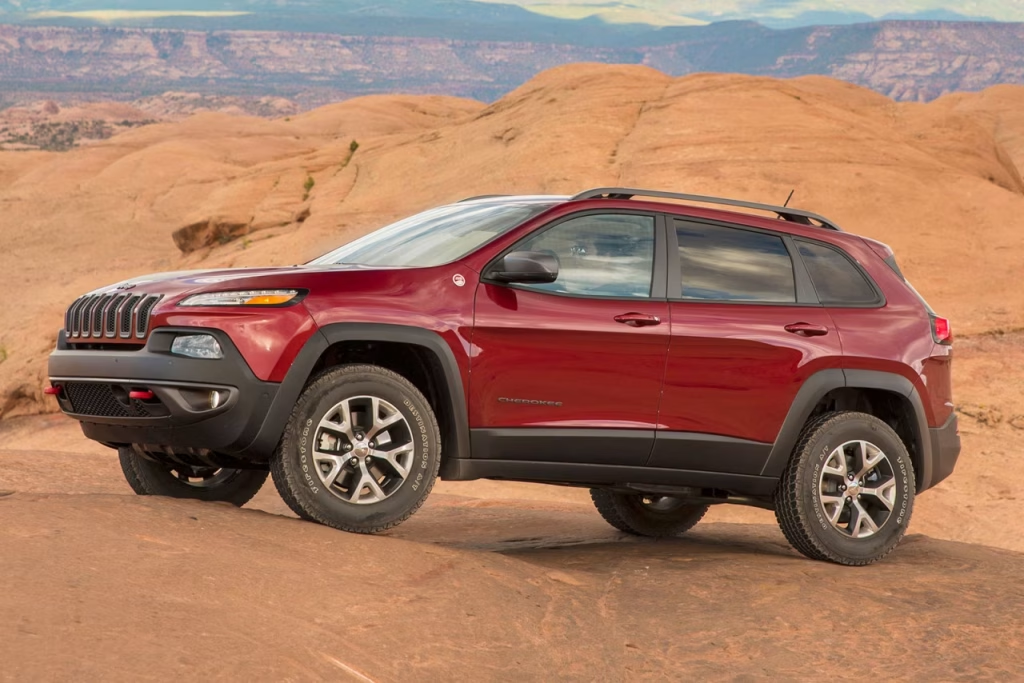
The 2015 Cherokee was available with several engines, including the 3.2-liter Pentastar V6. Jeep rated this engine at 271 horsepower and 239 lb-ft of torque. Four-wheel-drive versions can also have additional driveline components that deserve inspection, particularly if the vehicle has been used for off-road driving or towing.
A vehicle history report can help establish ownership and accident history, but it cannot replace a physical mechanical examination. With a Cherokee from this generation, paying for that inspection before purchasing can reveal expensive drivetrain issues while you still have the option of walking away.
6. 2011-2013 Chevrolet Equinox
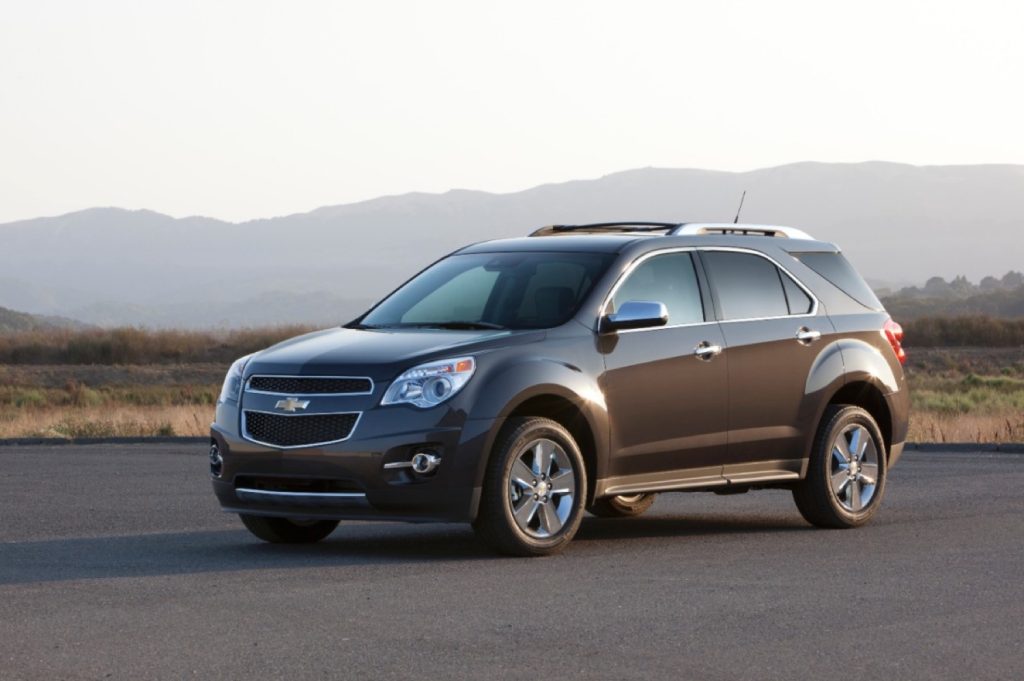
The first-generation Chevrolet Equinox is another used SUV where age, mileage, and maintenance history can dramatically change the ownership equation.
The 2011-2013 models are now more than a decade old, so even a vehicle that looks presentable can have accumulated significant wear in its engine, cooling system, suspension, and electrical components.
The 2.4-liter four-cylinder deserves particular attention. Prospective buyers should ask the mechanic to check the oil level and condition, look for evidence of oil consumption, inspect for leaks, and examine the engine for signs of neglected maintenance.
A cold-start inspection is useful because unusual noises, smoke, or rough running can be easier to identify before the engine reaches operating temperature.
There is also an important recall history to investigate. NHTSA’s database should be checked using the vehicle identification number because recalls can vary by specific vehicle configuration and production date.
NHTSA explains that its VIN lookup can identify unrepaired safety recalls associated with an individual vehicle, although completed recalls will not appear as unrepaired.
The inspection should extend beyond the engine. The technician can examine the transmission for leaks and abnormal operation, check wheel bearings and suspension components, inspect the exhaust and cooling system, and look underneath for corrosion or previous collision repairs.
On an older crossover, small problems can also become expensive when several components need attention at the same time.
A seller who refuses to allow an independent inspection should be treated as a reason to pause the transaction. The FTC recommends an independent inspection because a vehicle history report cannot reliably identify every mechanical problem.
That advice is especially relevant for a vehicle this age, where maintenance quality can matter as much as the original model specification.
7. 2011-2014 Hyundai Sonata
The 2011-2014 Hyundai Sonata is a particularly important example of why a used-car inspection should go beyond checking tires, brakes, and visible leaks.
Certain Sonata models from this period were subject to major engine-related recalls involving the 2.0-liter turbocharged and 2.4-liter gasoline-direct-injection engines.
NHTSA documents that affected engines could contain machining debris that restricted oil flow to connecting-rod bearings, potentially causing premature bearing wear. If a bearing failed, the engine could lose power while the vehicle was moving.
That history makes the engine the first place an inspector should concentrate. A cold start can reveal abnormal knocking or rattling, while a diagnostic scan can identify stored fault codes that might not be accompanied by a currently illuminated warning light.
The technician should also examine the oil condition, check for leaks, and verify whether the vehicle has documentation showing that applicable recall or engine work was completed.
NHTSA records also show that Hyundai issued recalls covering certain 2011-2014 Sonata vehicles, with some requiring engine inspection and replacement when necessary.
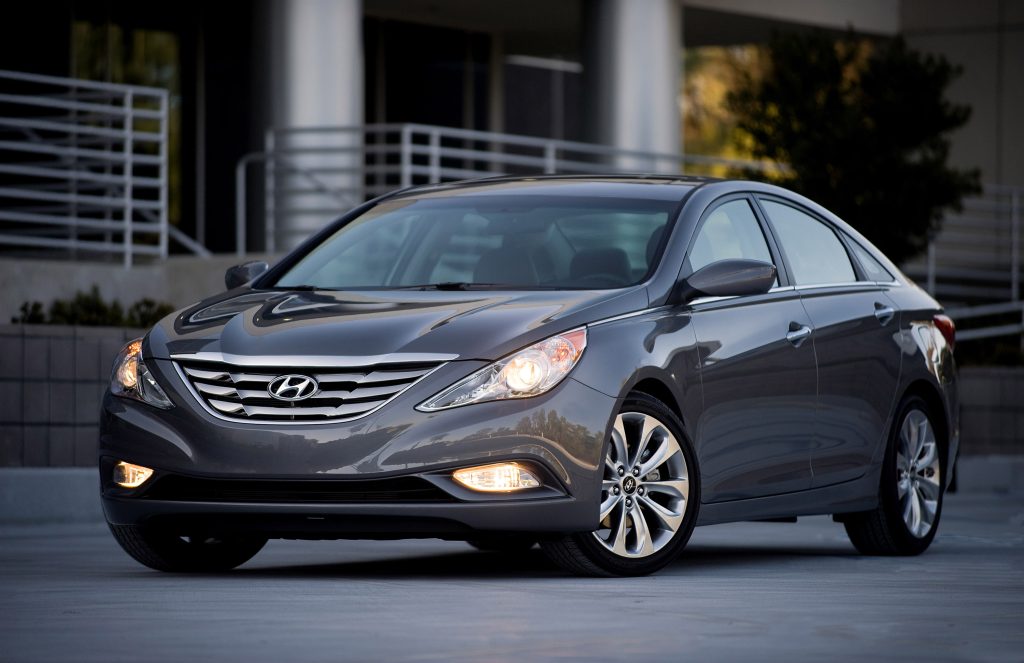
There is another reason to verify the specific VIN rather than simply assuming an entire model year is affected. Recall campaigns can depend on engine type, manufacturing location, and production period. NHTSA’s VIN lookup can identify unrepaired safety recalls associated with a particular vehicle.
A used Sonata with documented engine replacement and consistent maintenance is a different proposition from one with an uncertain history. Before buying, have an independent mechanic verify the engine’s condition and review the paperwork. The inspection may cost relatively little compared with the price of an engine repair.
8. 2013 Ford Escape
The 2013 Ford Escape deserves scrutiny, particularly when equipped with the 1.6-liter EcoBoost engine.
Ford issued a safety recall covering all 2013 Escape models equipped with the 1.6-liter engine because localized overheating of the cylinder head could cause cracking, potentially leading to an oil leak and an engine-compartment fire.
Ford’s recall documentation describes repairs involving the cooling system, engine shielding, and engine-control strategy.
That makes cooling-system condition one of the most important inspection points on an example still being considered for purchase. The mechanic should look for evidence of coolant leaks, overheating damage, and previous engine repairs.
The inspection should also establish whether the applicable recall work was completed correctly. A vehicle that has already received the required repair should not be treated the same way as one with an unresolved campaign.
Ford’s original recall documentation also describes situations in which coolant loss could reduce system pressure and contribute to overheating. Extreme overheating could allow leaking fluids to contact hot exhaust components, creating a fire risk.
The inspection should not stop at the engine. A technician should examine the six-speed automatic transmission for abnormal shifting, inspect the suspension and steering components, check the brakes, and look underneath for corrosion or collision damage.
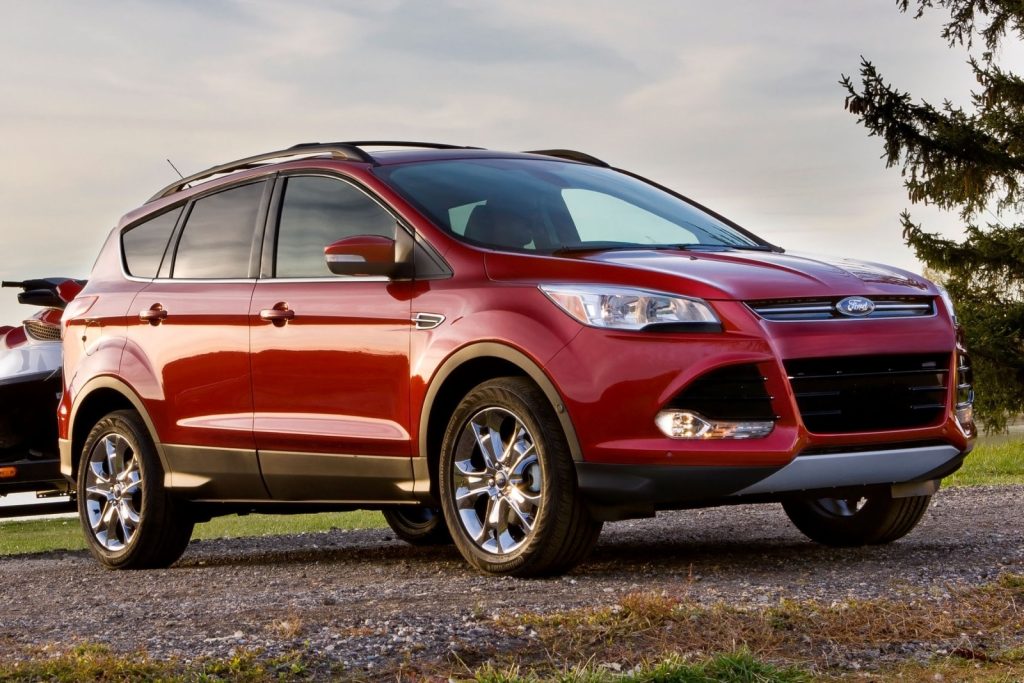
Turbocharged engines also make oil and coolant maintenance particularly important on an older, high-mileage vehicle.
The 2013 Escape remains appealing because of its compact dimensions and useful crossover packaging, but that does not eliminate the need for a mechanical evaluation.
A VIN-specific recall search should be completed before purchase, and any seller who cannot provide evidence of completed recall work should give the buyer another reason to slow down.
9. 2014 Jeep Grand Cherokee
The 2014 Jeep Grand Cherokee is a vehicle where a professional inspection can reveal issues that are impossible to judge from appearance alone.
Its extensive drivetrain choices made it attractive when new, but used examples can have very different maintenance histories, particularly those that have spent years towing, off-roading, or accumulating high mileage.
There is also a documented safety-testing reason to examine the specific vehicle carefully. IIHS gave the 2014 Grand Cherokee a marginal rating in the driver-side small-overlap front crash test.
The institute noted excessive forward movement of the dummy’s head and torso and limited forward coverage from the side curtain airbag. The passenger-side test was even more concerning on the tested configuration, receiving a poor rating because the passenger door opened during the crash.
That does not mean every used Grand Cherokee is unsafe today, but it illustrates why buyers should verify the exact year, configuration, and condition rather than assuming that a familiar SUV name tells the entire story.
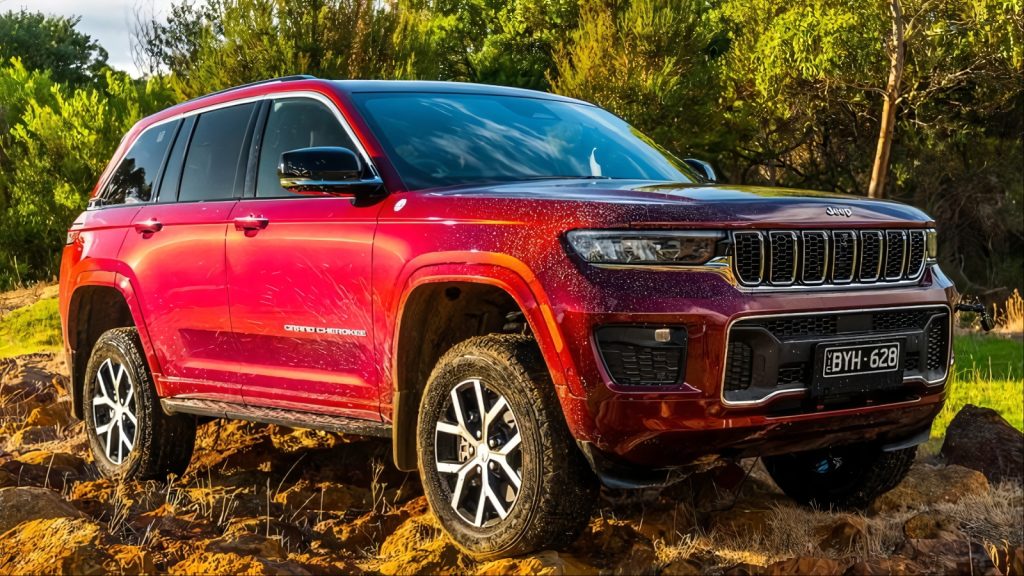
Mechanically, the inspection should cover the transmission, transfer case, and differentials on four-wheel-drive examples. Leaks, abnormal driveline noises, and vibration under acceleration deserve investigation. The suspension should also receive attention, particularly on vehicles that have been driven on rough terrain.
A VIN-specific recall search is another essential step. The FTC recommends combining a vehicle history report with an independent mechanical inspection because history reports generally do not identify every mechanical defect.
10. 2015 Nissan Rogue
The 2015 Nissan Rogue can appear particularly appealing to used-car shoppers because it combines compact-SUV practicality with relatively straightforward dimensions.
However, its continuously variable transmission makes an independent inspection especially valuable on higher-mileage examples. The CVT is a major component, and determining its condition before purchase is far cheaper than discovering a serious problem after the transaction.
The Rogue uses Nissan’s Xtronic CVT with its 2.5-liter four-cylinder engine. During an inspection, the mechanic should check for delayed engagement, unusual noises, shuddering, hesitation, or inconsistent acceleration.
A proper road test should include stop-and-go driving as well as sustained highway speeds because some drivetrain symptoms are difficult to reproduce during a brief trip around a dealership.
The transmission is not the only item worth examining. Cooling-system condition, engine oil leaks, wheel bearings, suspension components, brakes, and the condition of the underbody should all be checked. On an older crossover, accumulated wear can be more important than the original specification sheet.
The 2015 Rogue also has a useful historical reference point from IIHS. The institute rated its small-overlap front, moderate-overlap front, and side crash performance as good, while the available vehicle-to-vehicle front crash-prevention system received a basic rating.
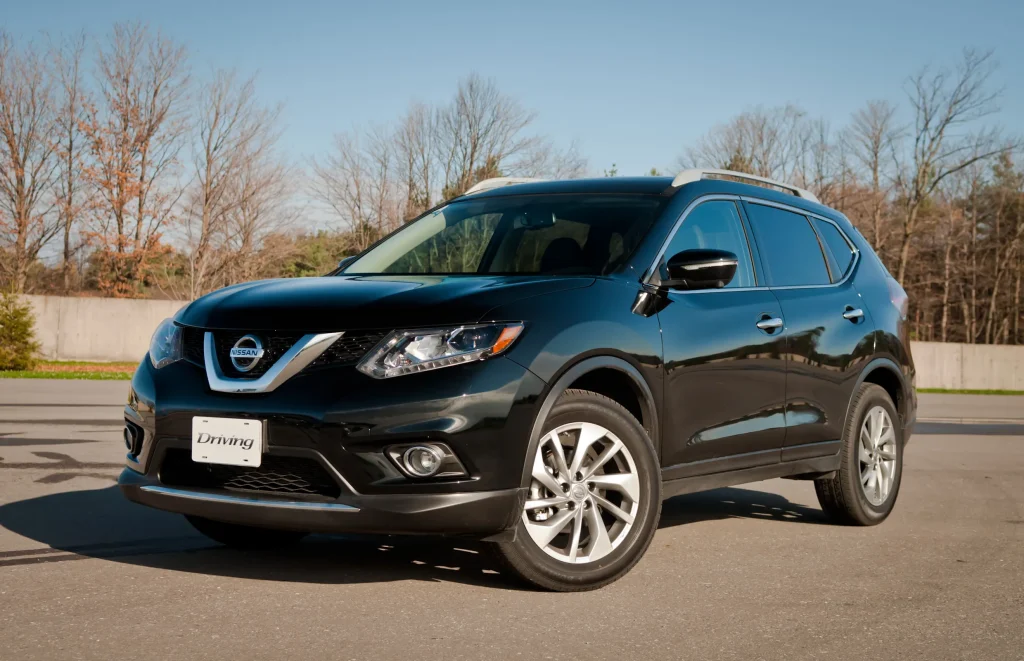
Those results describe the vehicle’s tested safety performance when new, not the condition of an individual used example today.
That distinction matters. A used Rogue can retain the underlying design characteristics of the original vehicle, but worn brakes, damaged suspension components, poor tires, or previous accident repairs can change its real-world condition considerably.
The FTC recommends an independent inspection before purchasing a used vehicle because a history report cannot reliably identify mechanical problems.
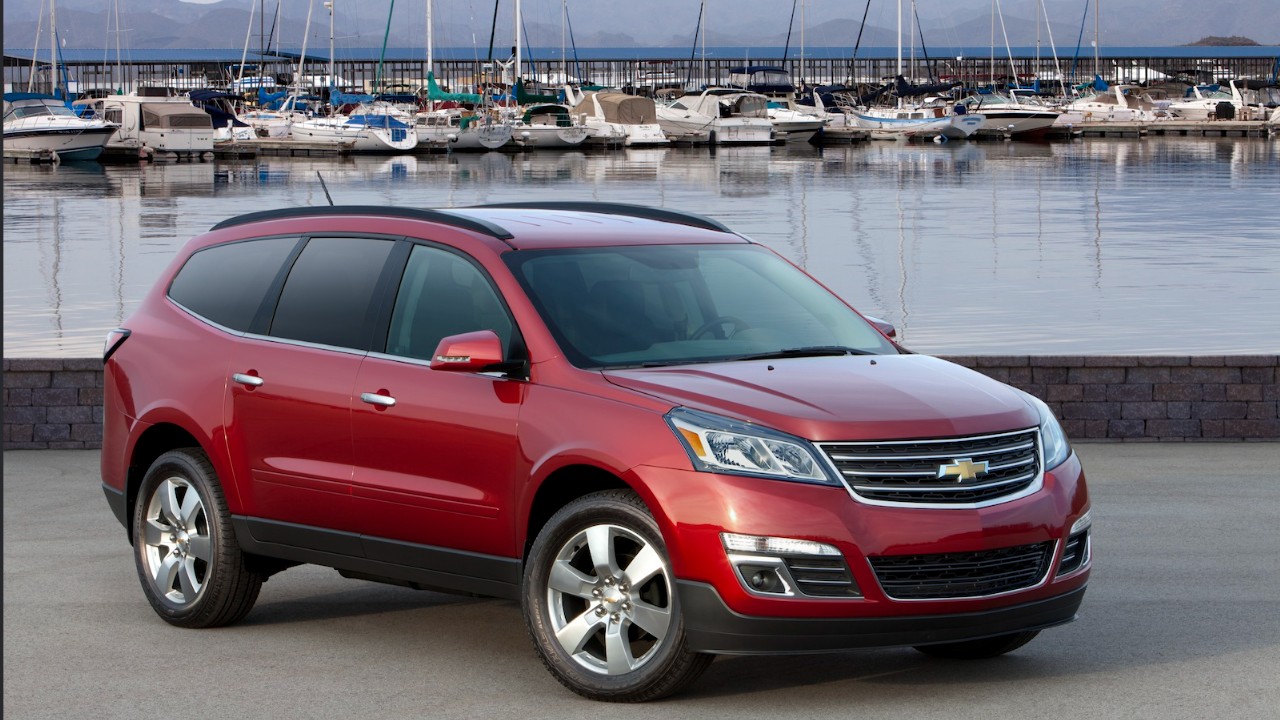
11. 2013-2016 Chevrolet Traverse
The 2013-2016 Chevrolet Traverse is the kind of used SUV where an inspection becomes more valuable as mileage climbs.
These vehicles were designed to carry families and provide three rows of seating, but their size and age mean there are several expensive systems worth checking before committing to one. A polished exterior tells you very little about the condition of the drivetrain, suspension, or cooling system.
The 3.6-liter V6 is the central component to examine. A technician should check the engine for oil leaks, coolant leaks, abnormal noises, and evidence of poor maintenance.
The inspection should include a cold start, because noises that disappear after the engine warms up can be difficult to identify during a quick dealership visit. Oil condition and service records can also provide clues about how consistently the vehicle was maintained.
The six-speed automatic transmission deserves its own evaluation. During the road test, the mechanic should check for delayed engagement, harsh shifts, slipping, and unusual vibration. Transmission fluid leaks should also be investigated rather than dismissed as minor age-related seepage.
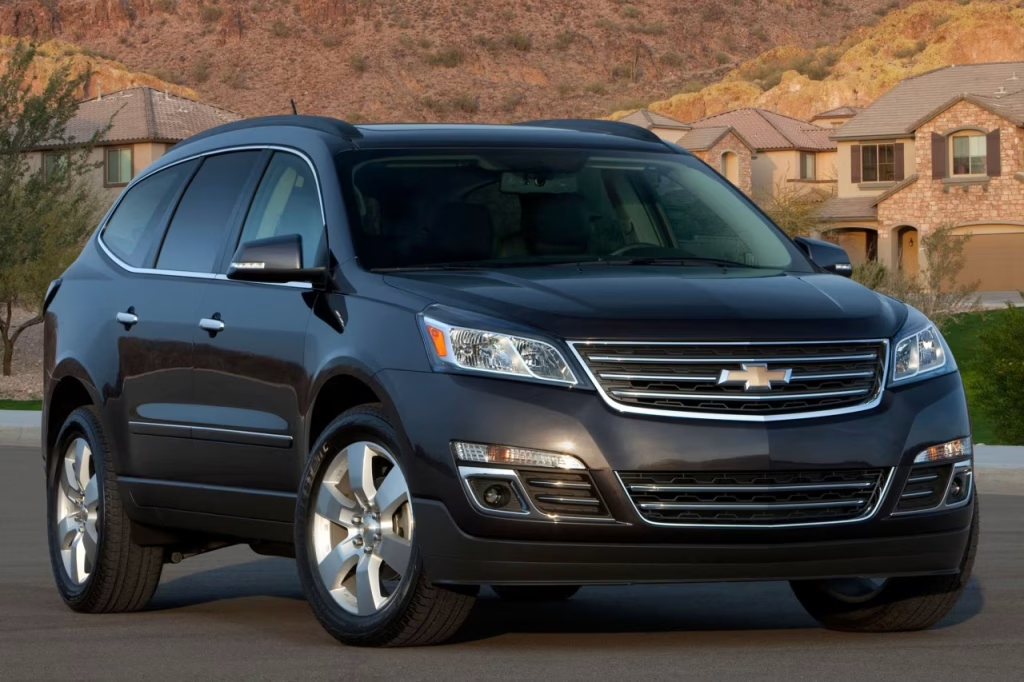
The Traverse’s suspension and steering components deserve attention as well. Its relatively large body and three-row layout mean suspension wear can become noticeable as mileage accumulates. A lift inspection can identify worn bushings, damaged components, leaking shocks, and uneven tire wear that may not be obvious while the vehicle is parked.
Recall status should be verified using the vehicle identification number through NHTSA. That is important because recall campaigns apply to particular vehicles and configurations, rather than automatically meaning every example of a model is affected.
The FTC recommends an independent inspection before purchasing a used vehicle, even when the seller provides a vehicle history report.