
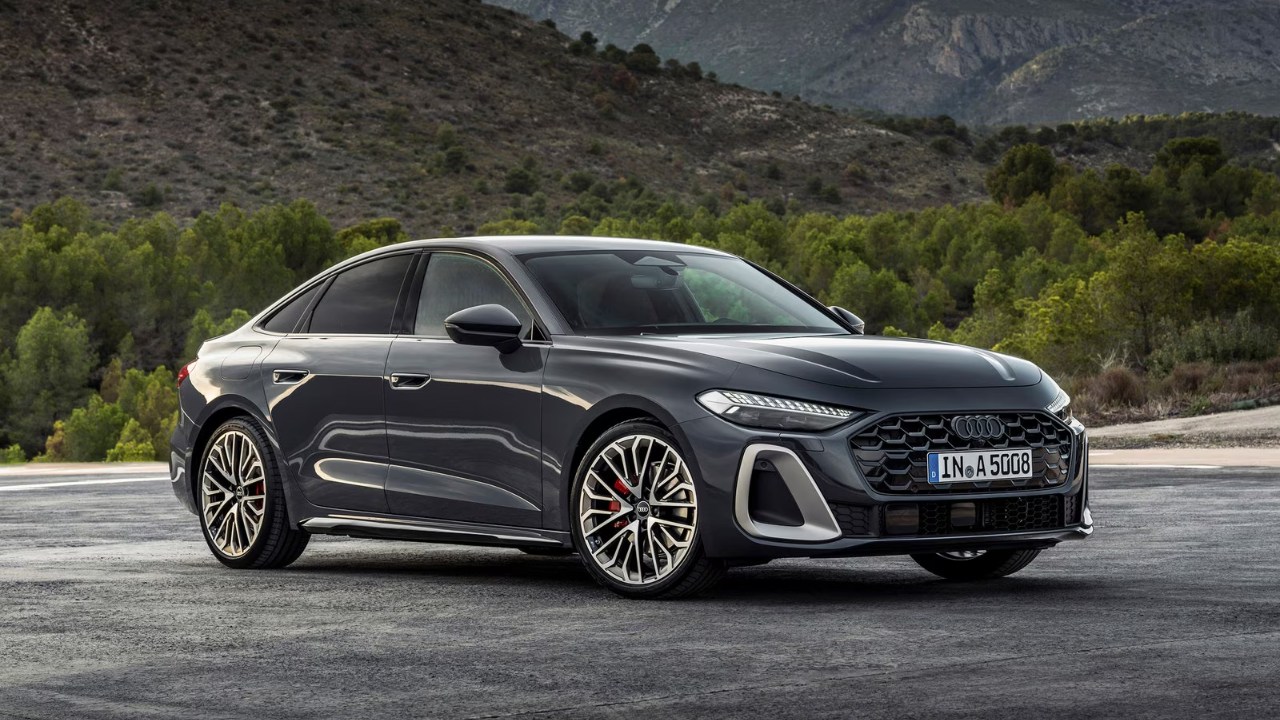
The 2026 IIHS awards are tougher than they were in previous years, making a Top Safety Pick+ badge a meaningful achievement rather than simply a familiar safety label.
For 2026, vehicles must earn good ratings in the small-overlap, moderate-overlap, and side crash tests while also meeting stricter requirements for headlights and crash-avoidance technology.
IIHS also added a vehicle-to-vehicle front crash prevention requirement for the “plus” award. From affordable compact sedans to larger SUVs, these vehicles have demonstrated strong performance under the institute’s latest testing standards. Here are 12 new vehicles that earned Top Safety Pick+ recognition in the U.S. for 2026.
1. 2026 Kia K4
The Kia K4 is an interesting addition to this year’s Top Safety Pick+ group because it brings the highest IIHS award into one of the more affordable corners of the new-car market.
The 2026 K4 starts at $22,290 in the United States, yet its safety equipment and crash performance place it among vehicles meeting IIHS’s toughest 2026 criteria. Kia says the sedan comes with 16 standard advanced driver-assistance features, with additional systems available depending on trim.
The IIHS award requires more than simply performing well in a crash. The K4 had to earn good ratings in the small-overlap front, moderate-overlap front, and side evaluations, while its standard headlights and crash-avoidance systems also had to meet IIHS requirements.
For the Top Safety Pick+ designation, pedestrian front crash prevention must receive a good rating, while vehicle-to-vehicle front crash prevention must be acceptable or better.
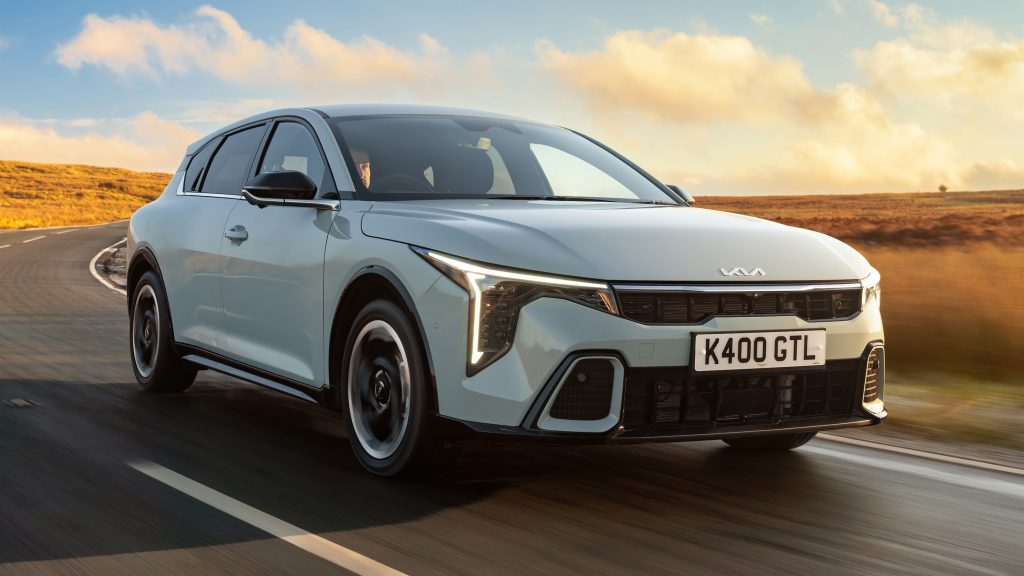
The K4 also has a useful practical advantage. Kia lists 38 inches of rear-seat legroom, giving the compact sedan unusually generous space for passengers in the second row. Buyers can choose between a 147-hp 2.0-liter four-cylinder and a 190-hp 1.6-liter turbocharged engine.
The turbo version produces 195 lb-ft of torque and uses an eight-speed automatic transmission, adding some performance to a car whose strongest story is its combination of price, passenger space, and crash protection.
2. 2026 Mazda3
The Mazda3 continues to show why a compact sedan does not have to sacrifice sophisticated safety technology for driving appeal. For 2026, the Mazda3 sedan carries the IIHS Top Safety Pick+ designation, placing it among the vehicles that satisfied the institute’s upgraded crash and crash-avoidance requirements.
Mazda specifically lists the 2026 sedan as a Top Safety Pick+ model and says its standard safety equipment includes Smart Brake Support, Blind Spot Monitoring, and Lane Keep Assist.
What makes the Mazda3 particularly notable is the range of powertrains available without changing its basic safety-focused character. The standard SKYACTIV-G 2.5-liter four-cylinder produces up to 186 horsepower and 186 lb-ft of torque.
Buyers wanting considerably more performance can move to the 2.5-liter turbocharged engine, which produces as much as 250 horsepower and 320 lb-ft when using recommended premium fuel. Turbo models also come standard with Mazda’s i-ACTIV all-wheel-drive system.
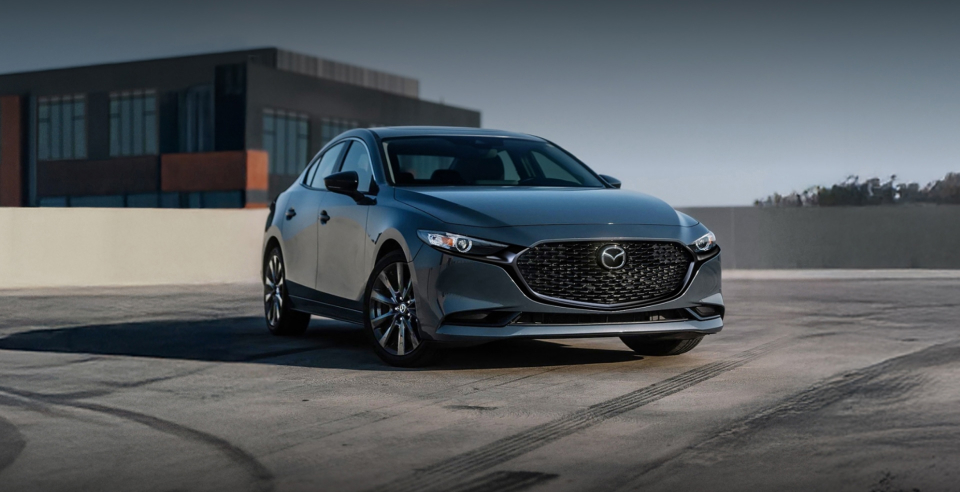
The sedan measures 183.5 inches long and 70.7 inches wide, keeping it easy to position in city traffic while retaining a conventional four-door layout. Mazda also offers the car with several trim levels, allowing buyers to move from the relatively inexpensive 2.5 S to the more performance-oriented Turbo Premium Plus.
With a starting MSRP of $24,650 for the 2026 sedan, the Mazda3 gives buyers access to IIHS’s highest award without moving into a luxury price bracket.
3. 2026 Nissan Sentra
The Nissan Sentra earns its place among the 2026 IIHS Top Safety Pick+ winners by showing that strong crash protection is not limited to expensive vehicles or large SUVs.
IIHS lists the 2026 Sentra as a Top Safety Pick+ in the small-car category, with good ratings in the small-overlap front, moderate-overlap front, and side crash tests.
Its standard headlights also meet the required threshold, while the standard front crash-prevention system earns the necessary ratings for both pedestrian and vehicle-to-vehicle testing.
That combination matters because IIHS has made its 2026 award requirements more demanding. The organization requires a standard system with a good pedestrian front-crash-prevention rating and an acceptable or good vehicle-to-vehicle front-crash-prevention 2.0 rating for Top Safety Pick+. The Sentra clears those requirements while retaining its traditional compact-sedan formula.
Under the hood, the U.S.-market Sentra uses a 2.0-liter four-cylinder producing 149 horsepower and 146 lb-ft of torque. Nissan pairs it with a continuously variable transmission. The sedan is 183.3 inches long and 71.5 inches wide, giving it a footprint that remains easy to manage in crowded urban environments.
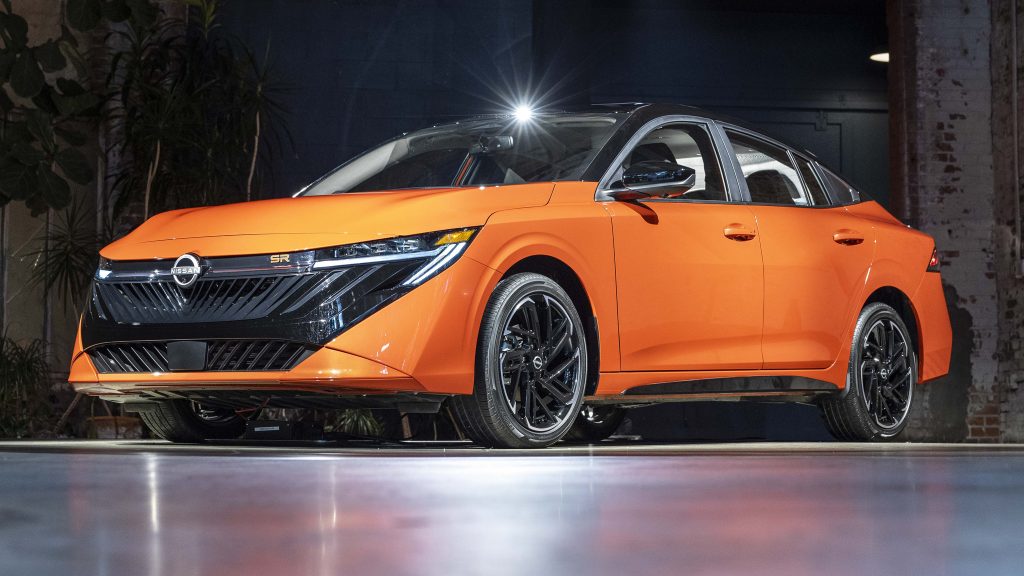
Nissan’s published specifications also show 44 inches of front legroom and 34.8 inches in the rear, making passenger space another practical part of its appeal.
The result is a conventional compact sedan that combines familiar dimensions, straightforward power, and modern crash-avoidance technology with one of IIHS’s highest safety awards.
4. 2026 Subaru Crosstrek Hybrid
The 2026 Subaru Crosstrek Hybrid takes a different approach to the IIHS Top Safety Pick+ formula. Instead of being a traditional sedan, it combines a raised crossover body, standard all-wheel drive, and a new hybrid powertrain.
IIHS places the Crosstrek Hybrid in the small-car category and gives it the Top Safety Pick+ designation after it met the institute’s 2026 requirements for crashworthiness, headlights, and front crash prevention.
Its standard Symmetrical All-Wheel Drive is particularly relevant for buyers who want a compact vehicle that can handle more than paved city streets. Subaru gives the hybrid 8.7 inches of ground clearance, while the company says the new powertrain can deliver up to 597 miles of range from a tank of fuel.
The hybrid system also improves efficiency compared with conventional Crosstrek models, with Subaru quoting up to a 38% improvement in city fuel economy.
Power comes from a 2.5-liter horizontally opposed four-cylinder working with Subaru’s hybrid-electric system. Combined output reaches 194 horsepower, while the gasoline engine produces 154 lb-ft of torque.
The system uses a CVT and incorporates two motor generators. Subaru lists the Crosstrek Hybrid at 176.4 inches long and 70.9 inches wide without the mirrors.
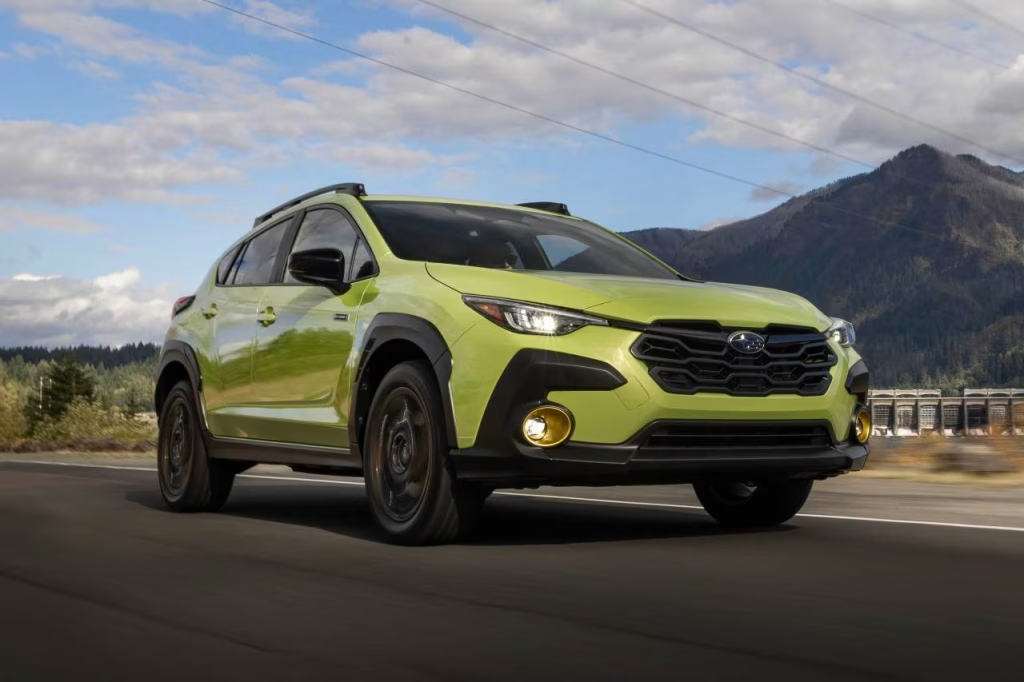
There is also a useful practicality advantage. Subaru gives the hybrid 42.9 inches of front legroom and 36.7 inches in the rear, while the hybrid models retain 50.6 cubic feet of maximum cargo volume.
That makes the Crosstrek Hybrid more than simply a safety award winner. It is a compact vehicle designed around efficiency, traction, and everyday versatility.
5. 2026 Toyota Prius
The Toyota Prius has changed considerably from the fuel-saving hatchback that first became famous in the U.S., and its latest safety credentials add another dimension to the redesigned model.
IIHS lists the 2026 Prius among its Top Safety Pick+ winners in the small-car category, meaning it satisfies the institute’s demanding requirements for crashworthiness and crash avoidance.
The Prius earned good ratings in the small-overlap front, updated moderate-overlap front, and updated side tests. Its standard pedestrian front crash prevention system also received a good rating, while its standard vehicle-to-vehicle front crash prevention system earned an acceptable rating.
That combination is significant because the 2026 award requires more than strong structural performance. IIHS now includes a vehicle-to-vehicle front crash prevention evaluation that tests performance at 31, 37, and 43 mph against passenger-car, motorcycle, and semitrailer targets. A vehicle must achieve at least an acceptable rating to qualify for Top Safety Pick+.
The Prius also remains distinctive mechanically. The U.S. model uses a 2.0-liter four-cylinder hybrid system, with front-wheel-drive versions producing 194 combined horsepower and all-wheel-drive versions producing 196 horsepower.
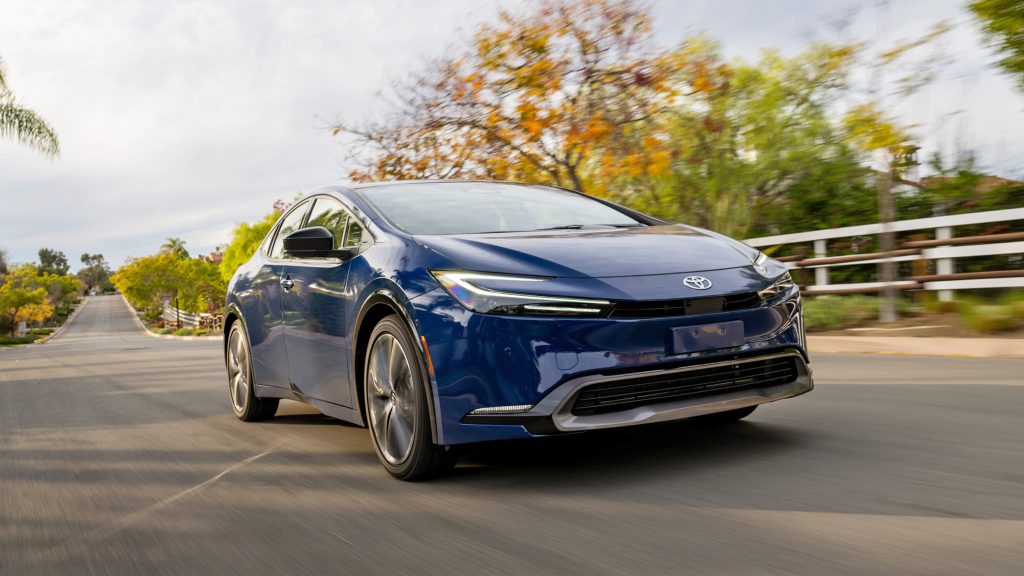
Toyota pairs the powertrain with an electronically controlled continuously variable transmission. The hatchback measures about 181.1 inches long and 70.2 inches wide, keeping it relatively compact while providing useful cargo flexibility.
The Prius pairs its strong safety performance with a powertrain focused more on efficiency than speed. This gives it a distinctive place in the group, combining solid IIHS safety results with the everyday practicality and fuel-saving benefits of a hybrid hatchback.
6. 2026 Hyundai Sonata
The Hyundai Sonata brings a traditional midsize-sedan layout into the 2026 Top Safety Pick+ lineup. IIHS places it in the midsize-car category and confirms that the 2026 model meets the institute’s requirements across the three major crashworthiness evaluations.
The Sonata also has the necessary standard crash-avoidance technology, including a good pedestrian front crash-prevention rating and an acceptable or better vehicle-to-vehicle front crash-prevention result.
One interesting aspect of the Sonata’s recognition is that its safety performance does not depend on being an SUV.
IIHS has increasingly emphasized crash-avoidance technology alongside occupant protection, and the 2026 criteria require the relevant systems to be standard rather than available only on an expensive option package.
The Sonata’s achievement therefore reflects both its crash structure and the equipment fitted across the qualifying configuration.
Hyundai offers the U.S. Sonata with a 2.5-liter naturally aspirated four-cylinder producing 191 horsepower and 181 lb-ft of torque. The engine is paired with an eight-speed automatic transmission. The Sonata measures 192.9 inches long and 73.2 inches wide, placing it comfortably in the midsize-sedan class.
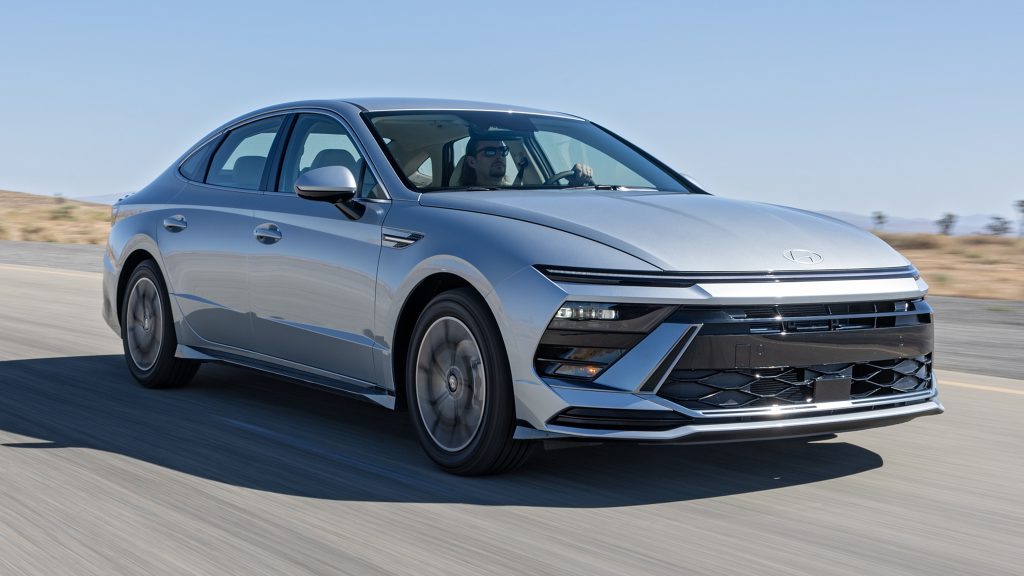
The cabin is another reason the format remains relevant. A sedan’s lower body and conventional trunk layout give it a different packaging approach from the growing number of crossover alternatives. For shoppers who still prefer a car, the Sonata provides a modern safety package without requiring a move into a larger vehicle.
Its Top Safety Pick+ award also gives the Sonata a useful distinction in a market where many buyers have shifted toward SUVs. It demonstrates that a conventional sedan can still meet some of the industry’s toughest contemporary crash and crash-avoidance benchmarks.
7. 2026 Toyota Camry
The Toyota Camry gives the 2026 IIHS Top Safety Pick+ list a familiar name, but its latest recognition comes from a much more demanding testing environment than earlier award years. IIHS lists the 2026 Camry as a Top Safety Pick+ winner in the midsize-car category.
It earned good ratings in the small-overlap front, moderate-overlap front, and side crash tests, while its standard headlights received an acceptable rating. Its standard vehicle-to-vehicle front crash prevention system earned a good rating, and the pedestrian front crash prevention system also received a good rating.
The distinction is particularly notable because the current award requires qualifying crash-avoidance technology to be standard. IIHS also tests vehicle-to-vehicle front crash prevention at 31, 37, and 43 mph against different targets, including a passenger car, motorcycle, and semitrailer. The Camry met the required threshold in that evaluation.
Toyota took a different mechanical route with the latest Camry as well. The U.S. model is offered exclusively with a hybrid powertrain, combining a 2.5-liter four-cylinder gasoline engine with electric motors.
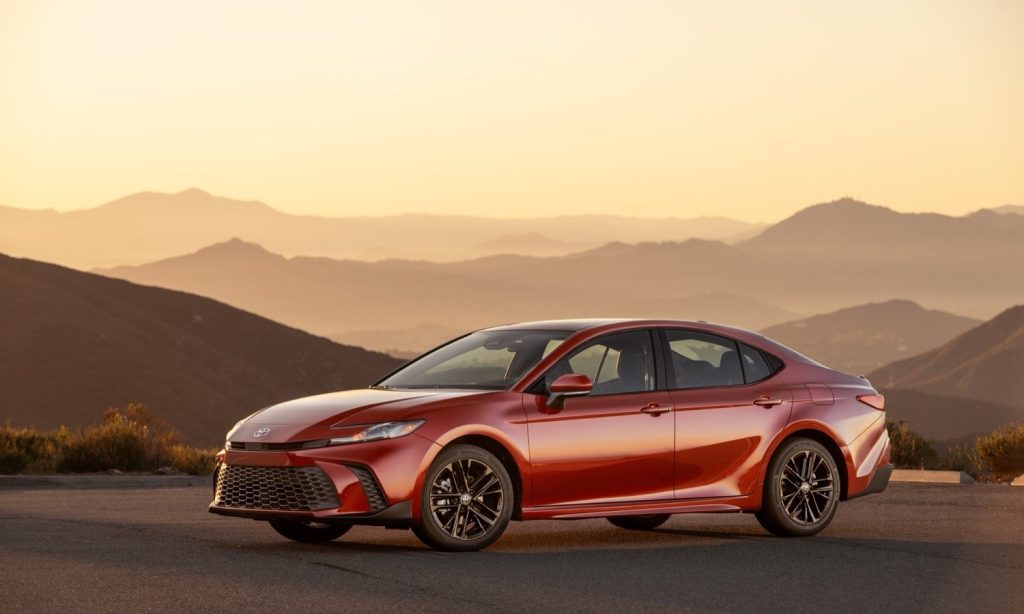
Depending on configuration, Toyota lists up to 232 net combined horsepower, while front-wheel-drive versions can achieve up to 51 mpg combined according to EPA estimates. All-wheel drive is available through Toyota’s electronic on-demand system.
The sedan measures 193.5 inches long and 72.4 inches wide. That gives the Camry a substantial midsize footprint without pushing it into the dimensions of a full-size car. Its safety award therefore complements a powertrain designed around efficiency, everyday usability, and the option of all-wheel drive.
8. 2026 Audi A5
The Audi A5 represents the premium end of the 2026 IIHS Top Safety Pick+ midsize-car field. Unlike several mainstream sedans on this list, the A5 combines its crash-test credentials with a luxury-oriented cabin, standard all-wheel drive, and a turbocharged engine.
IIHS lists the 2026 A5 as a Top Safety Pick+ winner, with good ratings in the small-overlap front, moderate-overlap front, and side tests. Its standard headlights meet the required threshold, while its standard front crash-prevention technology also satisfies the tougher requirements for the “plus” award.
The A5’s safety result is especially relevant because IIHS no longer treats crashworthiness as the only major measure when determining its highest award.
A vehicle must combine strong performance in the primary crash evaluations with qualifying standard crash-avoidance systems. For 2026, the pedestrian system must receive a good rating, while the vehicle-to-vehicle system needs an acceptable or good result.
Audi equips the U.S.-market A5 with a 2.0-liter turbocharged four-cylinder producing 268 horsepower and 295 lb-ft of torque. Power goes through a seven-speed S tronic dual-clutch transmission, while quattro all-wheel drive is standard.
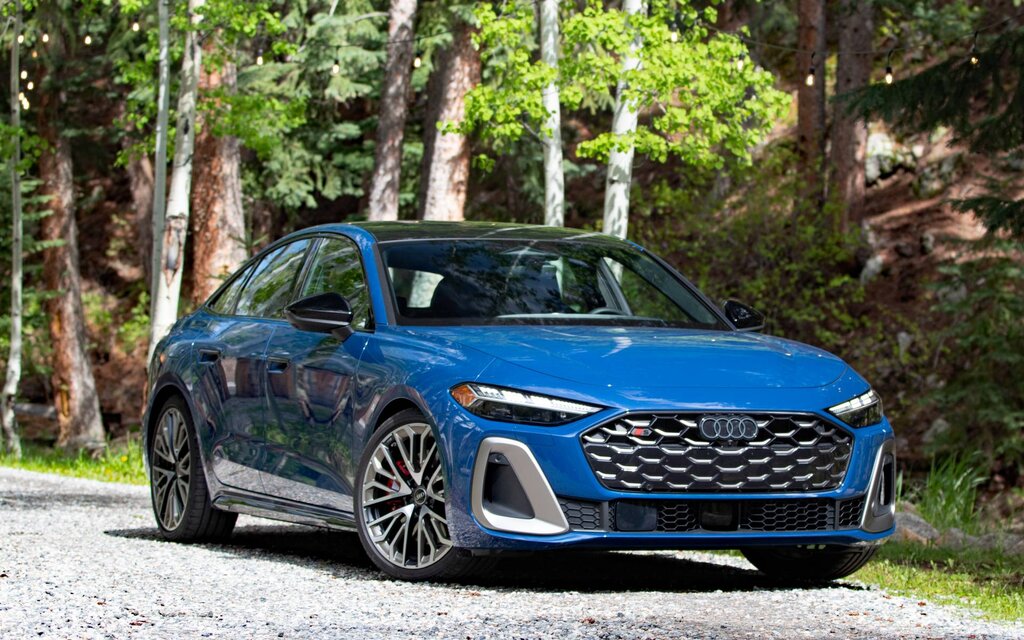
Audi quotes a 5.6-second 0-to-60 mph time, giving the A5 considerably more performance than its safety-focused reputation might suggest.
At 190.1 inches long and 73.2 inches wide, the A5 occupies a useful middle ground between compact and larger luxury vehicles. Its liftback-style body also provides 22.6 cubic feet of cargo capacity behind the rear seats, according to U.S. specifications.
9. 2026 Genesis G80
The 2026 Genesis G80 adds a luxury-sedan angle to the IIHS Top Safety Pick+ lineup, and its recognition is tied to more than just a strong passenger compartment.
IIHS lists the G80 as a Top Safety Pick+ in the large-car category, with the award applying to vehicles built after June 2025. That production-date qualification matters because IIHS can limit an award when changes during a model year affect the vehicle’s tested configuration.
The G80’s IIHS rating shows that it met the 2026 criteria across all three major crash tests, including the small overlap front, updated moderate overlap front, and updated side evaluations.
The award also requires acceptable or good headlights, a good pedestrian front crash-prevention rating, and an acceptable or good vehicle-to-vehicle front crash-prevention 2.0 rating when the qualifying systems are standard.
Genesis has also equipped the sedan with an extensive collection of driver-assistance technology.
The U.S.-market G80 includes Forward Collision-Avoidance Assist 2, Lane Keeping Assist, Lane Following Assist 2, Blind-Spot Collision-Avoidance Assist, and Rear Cross-Traffic Collision-Avoidance Assist. Those systems work alongside the vehicle’s structural protection rather than replacing it.
For 2026, the G80 uses a 2.5-liter turbocharged four-cylinder as its standard engine, producing 300 horsepower and 311 lb-ft of torque. Genesis pairs it with an eight-speed automatic transmission and all-wheel drive.
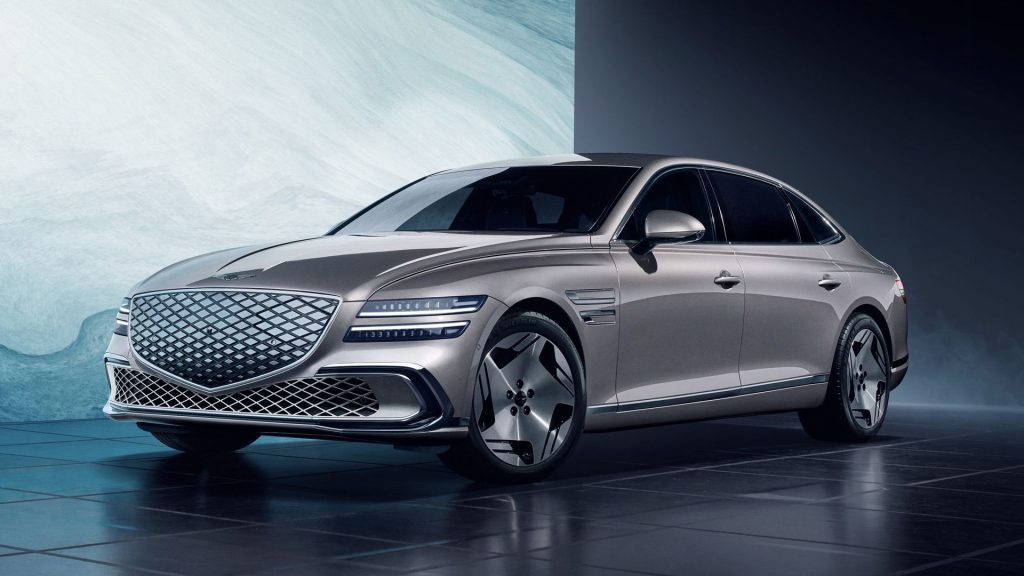
Buyers seeking more power can move to a 3.5-liter twin-turbo V6 producing 375 horsepower and 391 lb-ft of torque. The sedan measures 197.0 inches long and 75.8 inches wide in the standard configuration.
That combination makes the G80 notable for buyers who want a large luxury sedan without giving up modern crash-protection technology.
10. 2026 Audi A6
The redesigned 2026 Audi A6 brings a very different personality to the Top Safety Pick+ list. It is a large luxury sedan built around a turbocharged V6, quattro all-wheel drive, and a technology-heavy cabin, yet it also satisfies IIHS’s stricter requirements for the highest 2026 safety designation. IIHS lists the A6 as a Top Safety Pick+ in the large luxury car category.
The award reflects several layers of testing. For Top Safety Pick+, IIHS requires good results in the small-overlap front, updated moderate-overlap front, and updated side crash tests.
The vehicle must also have acceptable or good headlights, good pedestrian front crash prevention, and an acceptable or good vehicle-to-vehicle front crash prevention 2.0 system available as standard equipment.
Audi’s ninth-generation A6 also takes a substantial step forward mechanically. The U.S. model uses a 3.0-liter turbocharged V6 generating 362 horsepower and 406 lb-ft of torque.
A seven-speed S tronic dual-clutch transmission sends power to the standard quattro all-wheel-drive system. Audi quotes a 4.5-second 0-to-60 mph time and an electronically limited top speed of 130 mph.
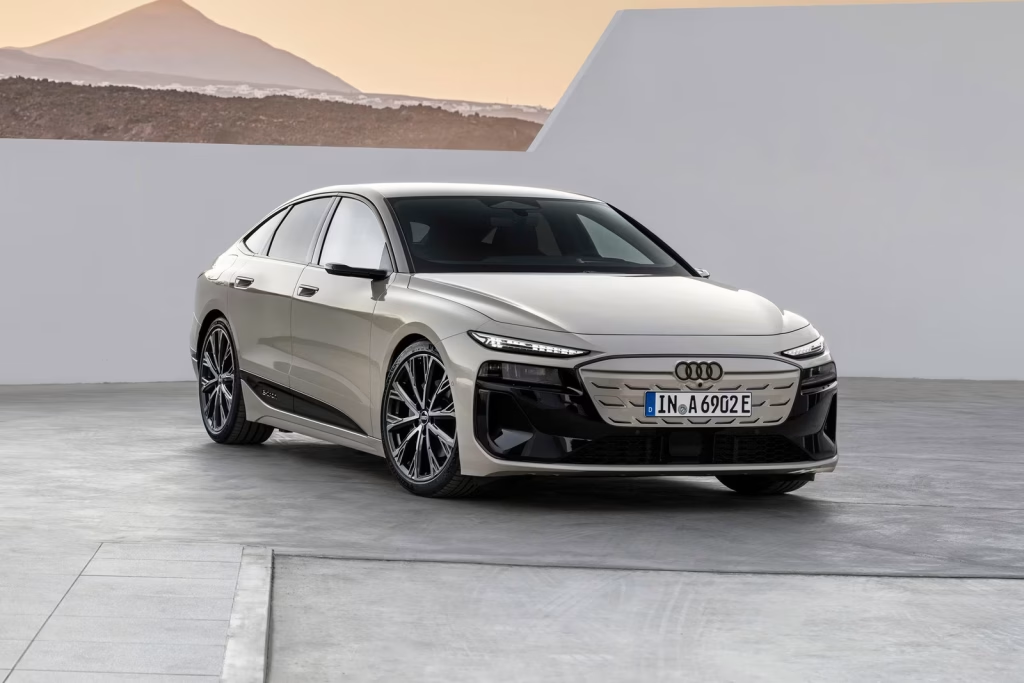
Its dimensions underline the A6’s position as a substantial luxury sedan. Audi’s technical information puts its length at approximately 196.5 inches, while U.S. specifications list the width at about 73.8 inches. The 115.1-inch wheelbase also contributes to the car’s spacious cabin.
The A6 therefore combines strong crash-test credentials with genuine performance. Its safety recognition is not attached to a stripped-down configuration but to a premium sedan with a powerful standard drivetrain and a broad suite of driver-assistance technology.
11. 2026 BMW X1
The BMW X1 earns its place among the 2026 IIHS Top Safety Pick+ winners in a category where compact dimensions can sometimes make it harder to balance practicality, performance, and occupant protection.
IIHS lists the 2026 X1 as a Top Safety Pick+ in the small SUV class. Its achievement is particularly noteworthy because IIHS says the X1 entered the winner’s circle after completing the moderate-overlap front crash test, an evaluation it had not undergone previously.
The vehicle received good ratings in the small-overlap front, moderate-overlap front, and side tests.
The X1 also demonstrates why IIHS’s 2026 awards are about more than the crash structure alone. Its standard headlights received a good rating, while the standard pedestrian front crash prevention system also earned a good rating.
The vehicle-to-vehicle front crash prevention system received an acceptable rating, satisfying the minimum requirement for the Top Safety Pick+ award. IIHS requires these systems to be standard equipment rather than restricted to an expensive optional package.
BMW gives the U.S.-market X1 xDrive28i a 2.0-liter TwinPower Turbo four-cylinder producing 241 horsepower and 295 lb-ft of torque. A seven-speed automatic transmission sends the power to all four wheels.
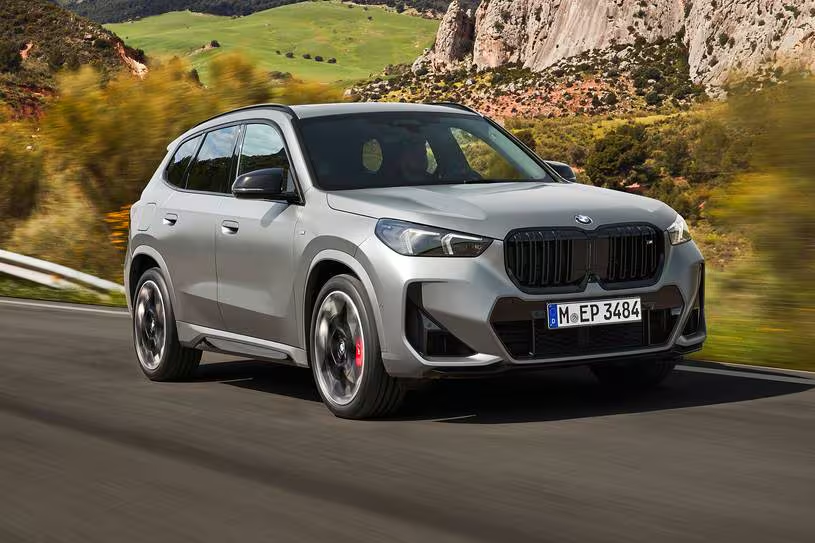
BMW lists a 0-to-60 mph time of 6.2 seconds for this version, showing that the X1’s compact footprint does not come at the expense of useful performance.
The X1 measures 177.2 inches long and 72.6 inches wide without the mirrors. Its compact exterior dimensions make it easier to maneuver than larger luxury SUVs while still providing the raised driving position many crossover buyers want.
12. 2026 Mazda CX-5
The redesigned 2026 Mazda CX-5 closes this list with a particularly interesting safety story because IIHS’s recognition follows a complete generational update. The CX-5 is one of Mazda’s most important U.S. models, and the new generation earned a Top Safety Pick+ designation in the small SUV category.
IIHS’s testing shows good performance in the small-overlap front, moderate-overlap front, and side crash tests. Its headlights also meet the required standard, while both pedestrian and vehicle-to-vehicle front crash prevention systems achieved good ratings.
The improvement is more meaningful when placed against the previous model’s testing history. IIHS specifically notes that the 2025 CX-5 received a poor rating in the vehicle-to-vehicle front crash prevention test and had not been evaluated in the institute’s current pedestrian test.
The redesigned 2026 model therefore enters the new award structure with substantially stronger performance in the relevant crash-avoidance evaluations.
Mazda also increased the CX-5’s physical size for the new generation. The company says the 2026 model is 4.5 inches longer than its predecessor, with a corresponding increase in wheelbase.
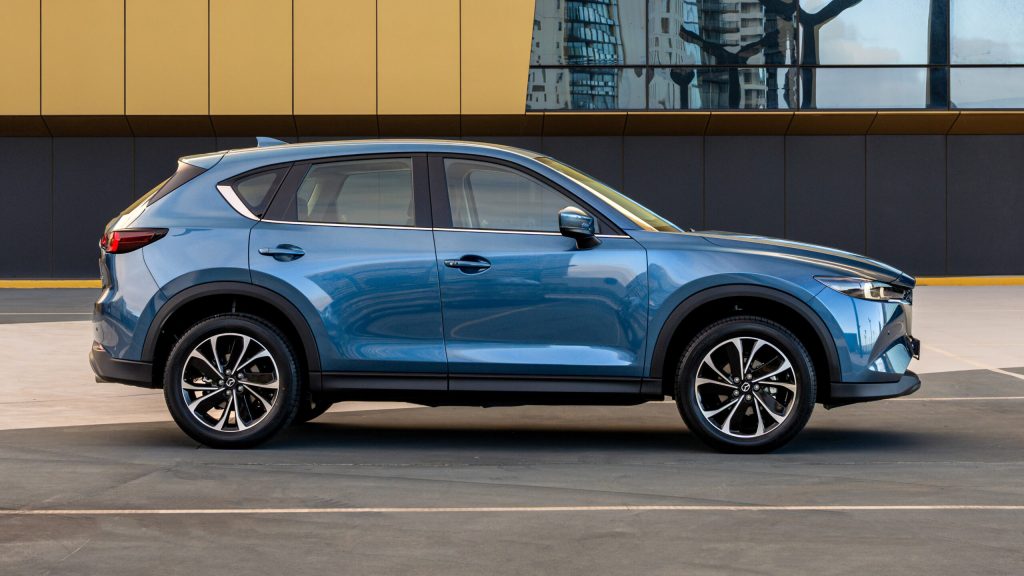
U.S. specifications put the new CX-5 at 184.6 inches long and 73.2 inches wide. Mazda also increased rear-seat and cargo space, making the crossover more accommodating for families.
Under the hood, the launch version uses Mazda’s familiar 2.5-liter Skyactiv-G four-cylinder, producing 187 horsepower and 186 lb-ft of torque. A six-speed automatic transmission and i-Activ all-wheel drive are standard.
Mazda lists a starting price of $29,990 before destination charges, giving the redesigned CX-5 a relatively accessible entry point into a vehicle carrying IIHS’s highest safety award.
