Pedestrian safety has become a major part of modern vehicle testing, as advanced driver assistance systems are expected to recognize people and reduce the severity of a collision. Yet some vehicles have struggled in pedestrian crash prevention assessments, particularly when people cross the road in challenging situations.
These tests examine how effectively a vehicle can detect a pedestrian, warn the driver, and apply the brakes when a collision appears likely. The results can vary by model year, trim, lighting conditions, and test scenario.
This article looks at 10 vehicles associated with weak pedestrian crash prevention performance and explains what their results mean for drivers, pedestrians, and vehicle buyers.
1. Jeep Wrangler
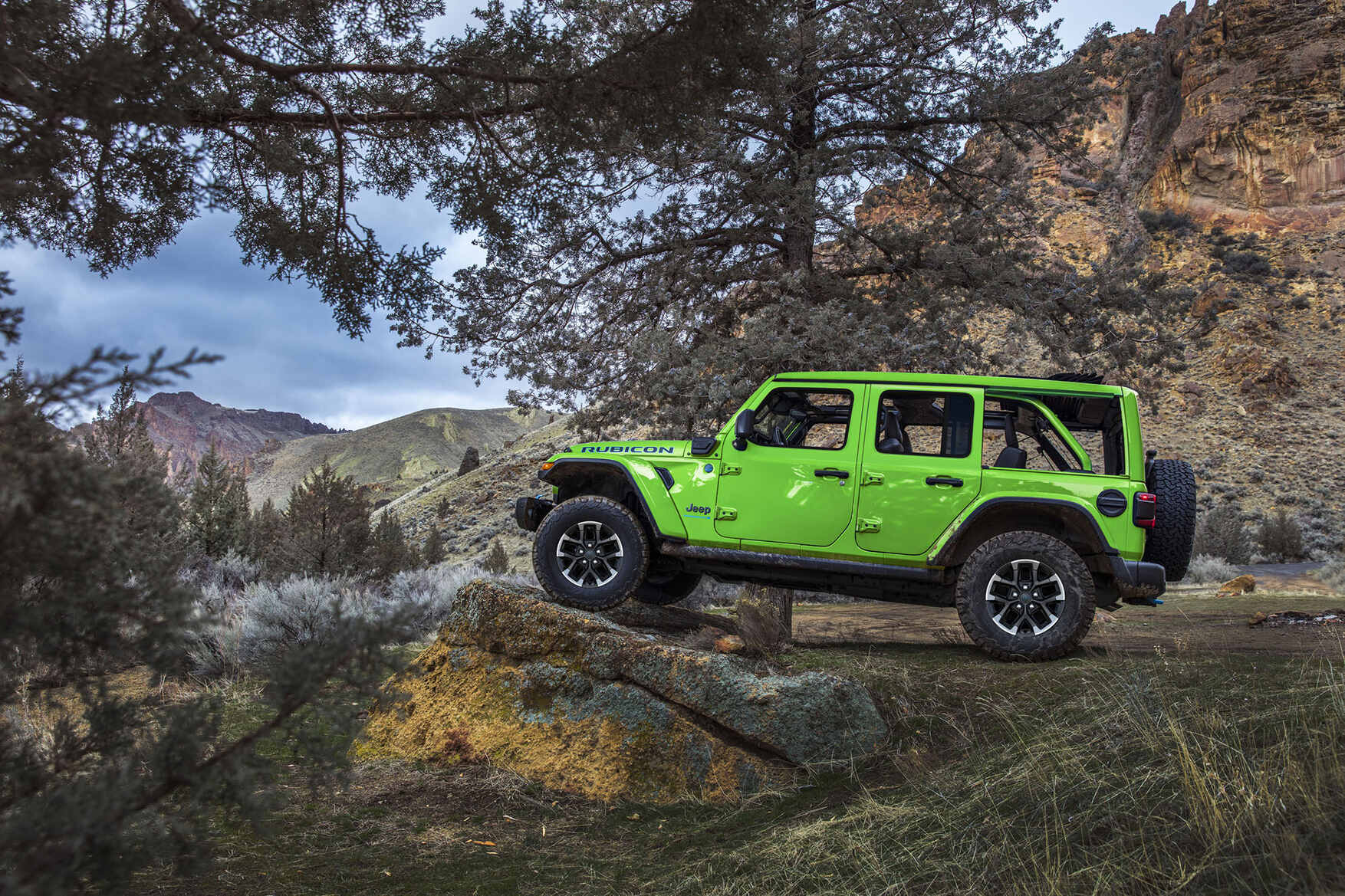
The Jeep Wrangler is designed primarily around off-road capability, rugged construction, and distinctive styling. Its high driving position can provide a useful view of traffic ahead, but pedestrian detection depends on much more than the driver’s seating position.
Electronic safety systems rely on cameras, sensors, software, and braking hardware working together quickly. When these systems perform poorly during pedestrian testing, a vehicle may provide limited assistance when a person enters its path.
Pedestrian crash prevention testing generally examines whether a vehicle can identify a person and respond before impact. The vehicle may be assessed at different speeds and under different conditions, including situations where a pedestrian crosses the roadway.
A system that reacts slowly can leave the driver with less time to respond manually. This matters because even a short reduction in stopping distance can influence how severe a collision becomes.
Earlier Wrangler generations have received criticism in independent safety testing for limitations involving advanced crash avoidance technology.
The Wrangler’s design priorities also create engineering challenges for pedestrian protection. Its upright front end, tall hood, and body structure are different from those of a low passenger car. These characteristics can influence both pedestrian detection and the physical consequences of a crash.
Drivers should not interpret a weak pedestrian prevention result as proof that a vehicle will always strike a pedestrian. Real-world crashes involve countless variables, including driver attention, weather, road surface, pedestrian movement, and traffic conditions.
Safety technology is intended to provide assistance rather than replace attentive driving. A driver who sees a pedestrian should brake immediately instead of waiting for automatic emergency braking to intervene.
The Wrangler illustrates why buyers should look beyond a vehicle’s general reputation for safety. A model can perform well in some areas while showing weaknesses in another.
Pedestrian crash prevention is especially relevant in urban neighborhoods, school zones, parking areas, and roads with frequent foot traffic. Checking the specific model year’s safety equipment and test results can give buyers a clearer picture than relying on a vehicle’s brand image alone.
2. Jeep Gladiator
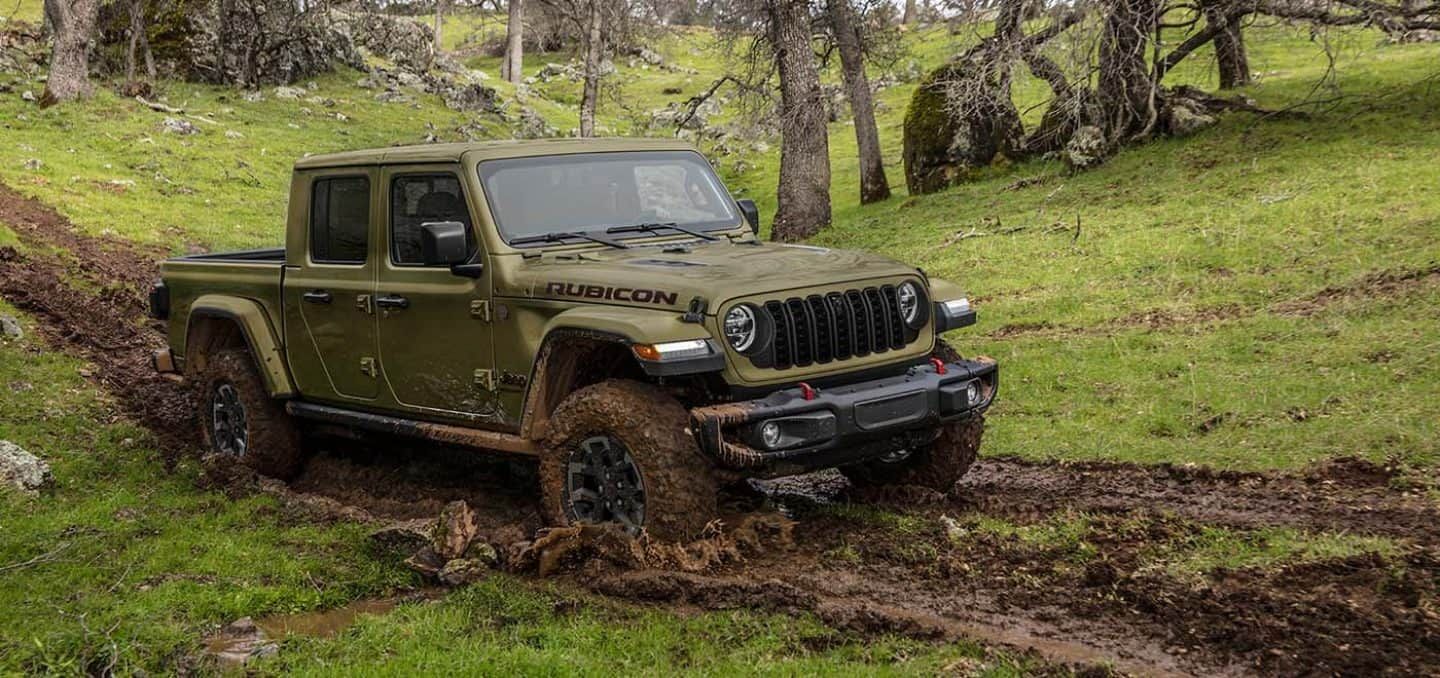
The Jeep Gladiator shares several design characteristics with the Wrangler, including a tall front profile and a body engineered for demanding terrain. Its pickup configuration adds utility for owners who need cargo capacity and off-road capability.
Pedestrian safety, however, requires sophisticated sensing and braking technology that must operate effectively in situations involving people crossing or standing near the roadway.
A pedestrian automatic emergency braking system normally uses forward-facing sensors or cameras to identify objects and determine whether a collision is developing. The system then calculates whether intervention is necessary. If the vehicle’s response is too slow or the pedestrian is not identified reliably, the system may provide limited protection. Testing helps expose these weaknesses under controlled conditions.
The Gladiator’s performance in safety testing has highlighted the importance of examining individual driver assistance systems rather than assuming that every modern vehicle has equally capable technology.
A vehicle can have useful collision warning features while still showing limitations in automatic braking performance. Buyers should therefore distinguish between forward collision warning and automatic emergency braking when reviewing safety specifications.
The difference is important because a warning requires the driver to react. Automatic emergency braking can potentially take action when the driver does not respond quickly enough. Neither technology eliminates the possibility of a crash. Their effectiveness depends on the circumstances, system limitations, sensor visibility, speed, and the movement of the pedestrian.
For Gladiator owners, attentive driving remains essential. The vehicle’s size and elevated seating position make careful observation particularly important in areas with pedestrians, cyclists, and children.
Slow speeds around parking lots and residential streets can provide additional time to respond. Drivers should also keep cameras and sensors clean and follow manufacturer instructions for driver assistance systems.
3. Ford F-150
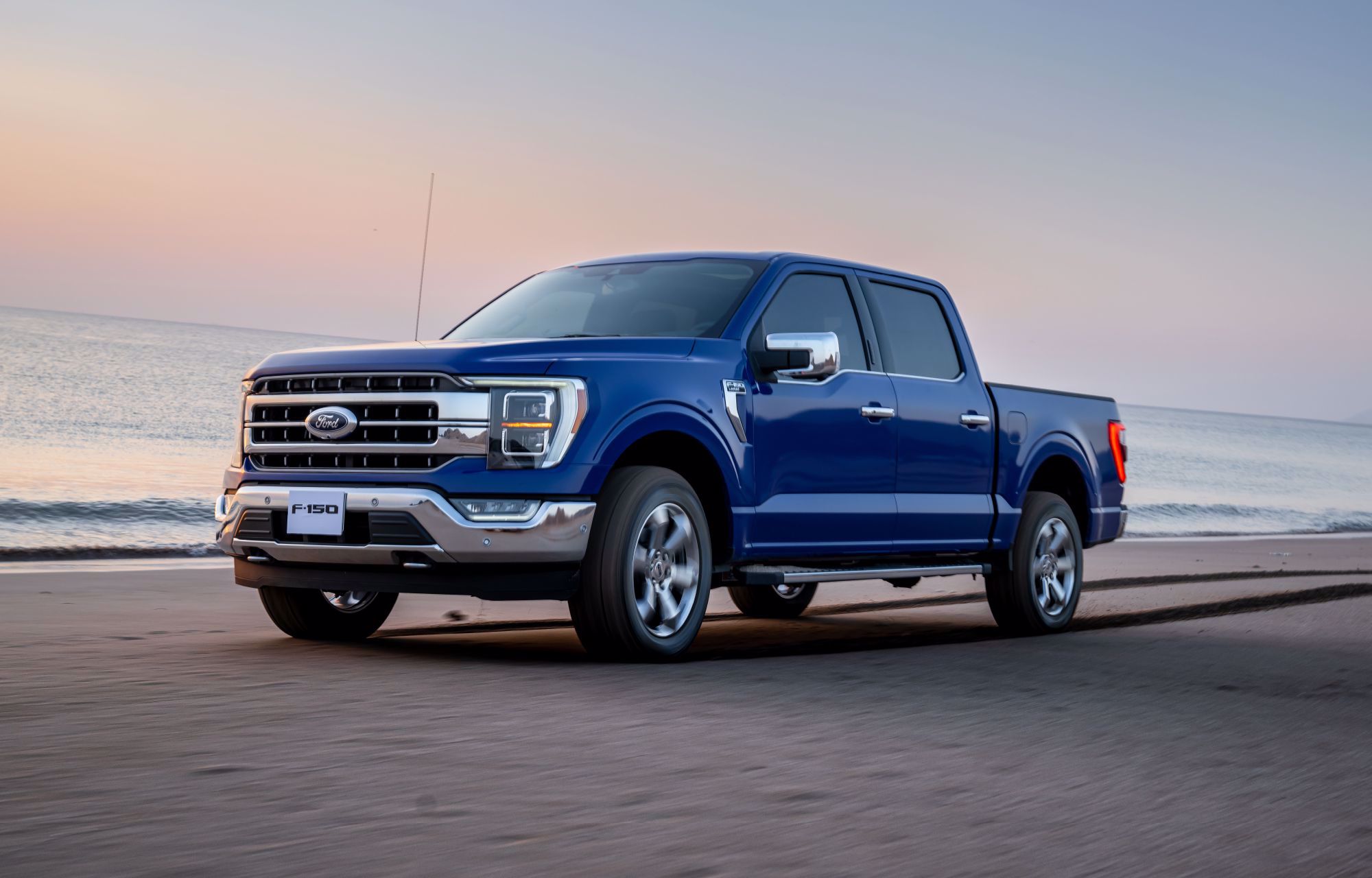
The Ford F-150 is among the best-known pickup trucks in the United States, and its large size makes pedestrian detection particularly important.
Modern F-150 versions can be equipped with advanced driver assistance technology, but performance can differ according to model year and available equipment. Safety testing has increasingly examined how these systems work when pedestrians enter the vehicle’s path.
A large pickup presents a different challenge from a compact car. Its tall hood and substantial front structure can reduce the driver’s direct view of areas immediately ahead of the vehicle.
This is particularly relevant when children or shorter pedestrians are nearby. Electronic detection systems can help compensate for some visibility limitations, but their effectiveness depends on the hardware and software installed.
Pedestrian crash prevention systems are designed to identify people based on visual and sensor information. The vehicle must distinguish a pedestrian from surrounding objects and estimate the risk of a collision.
A system that recognizes a person late may have insufficient time to stop the vehicle, especially at higher speeds. Test results therefore provide useful information about how much assistance drivers can realistically expect.
F-150 safety equipment has evolved substantially across generations. Buyers comparing older and newer trucks should avoid treating the entire nameplate as having a single safety rating. Technology that was unavailable or less advanced in an earlier model year may be standard or improved in a newer version. Trim levels can also affect which systems are included.
For people who frequently drive a full-size pickup in busy areas, pedestrian prevention deserves specific attention. The F-150 demonstrates that advanced technology must be assessed according to actual performance rather than the presence of a feature on a specification sheet.
A vehicle may advertise automatic emergency braking, yet the quality of the system depends on how reliably it detects and responds to different pedestrian situations.
4. Ram 1500
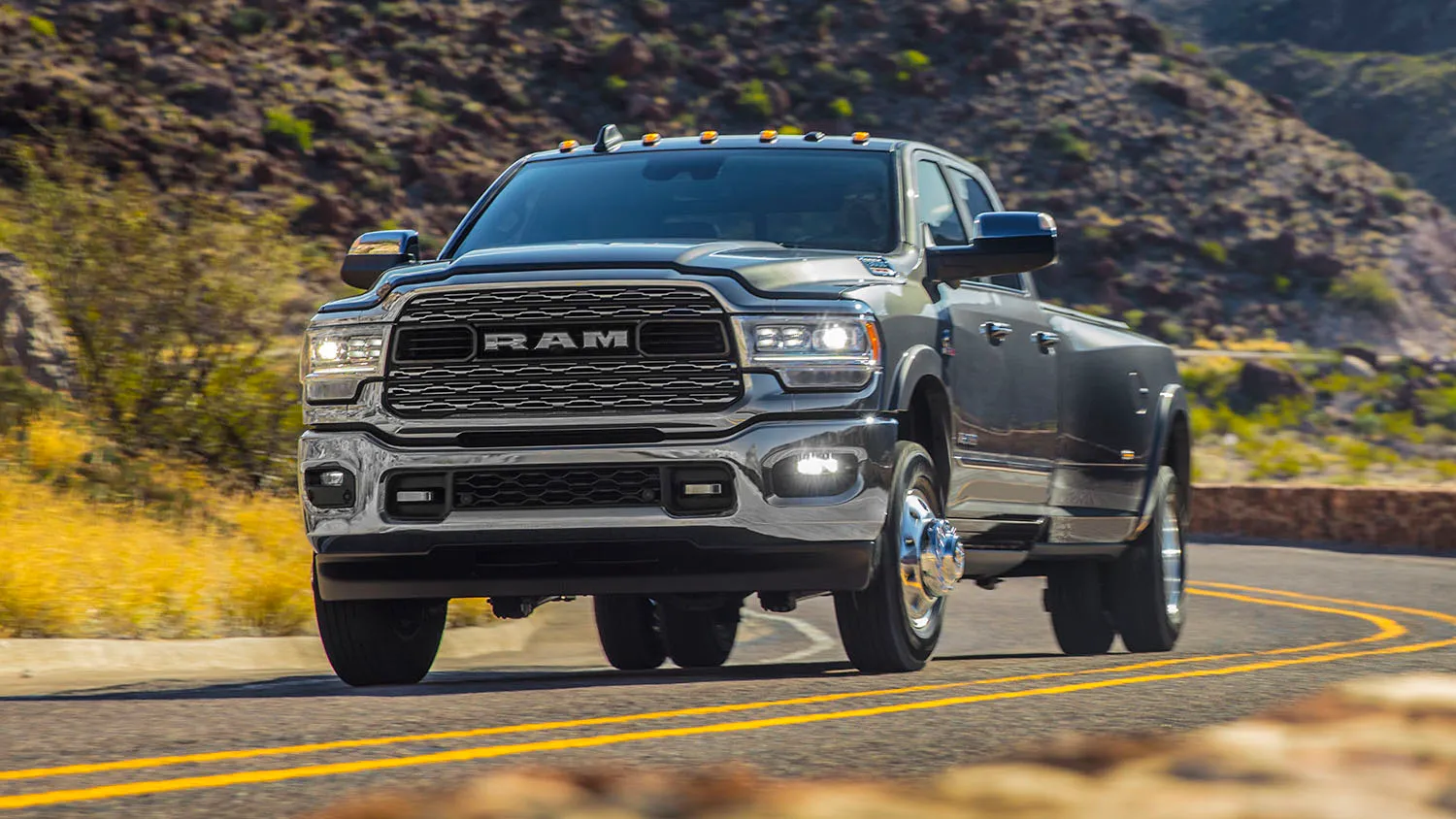
The Ram 1500 combines a large body, high driving position, and extensive driver assistance technology in newer versions. Its size provides advantages for towing and cargo use, but a large pickup can present additional challenges around vulnerable road users. Pedestrians are particularly vulnerable because they have no physical structure surrounding them during a collision.
Pedestrian crash prevention testing is useful because it separates basic safety equipment from actual system performance.
A vehicle may have forward collision warning and automatic emergency braking, yet those systems can perform differently under controlled testing. The timing of detection, warning, braking force, and pedestrian tracking all influence the final result.
The Ram 1500 has appeared in safety discussions involving pedestrian detection and crash avoidance performance, particularly as testing standards have become more demanding.
Such results should always be connected to the specific model year and test protocol. Automotive safety technology changes rapidly, so a result from an earlier generation should not automatically be applied to a newer truck.
Drivers should also understand that automatic braking systems have operational limits. They may struggle with pedestrians who suddenly enter the road, people partially hidden by parked vehicles, unusual body positions, or situations involving poor visibility. Weather and road conditions can affect sensor performance as well.
A Ram 1500 driver can reduce risk through basic defensive driving practices. Maintaining a safe speed, watching intersections carefully, and checking blind areas before moving are important habits. Automatic systems should be treated as an additional layer of protection rather than a substitute for visual awareness.
5. Chevrolet Silverado 1500
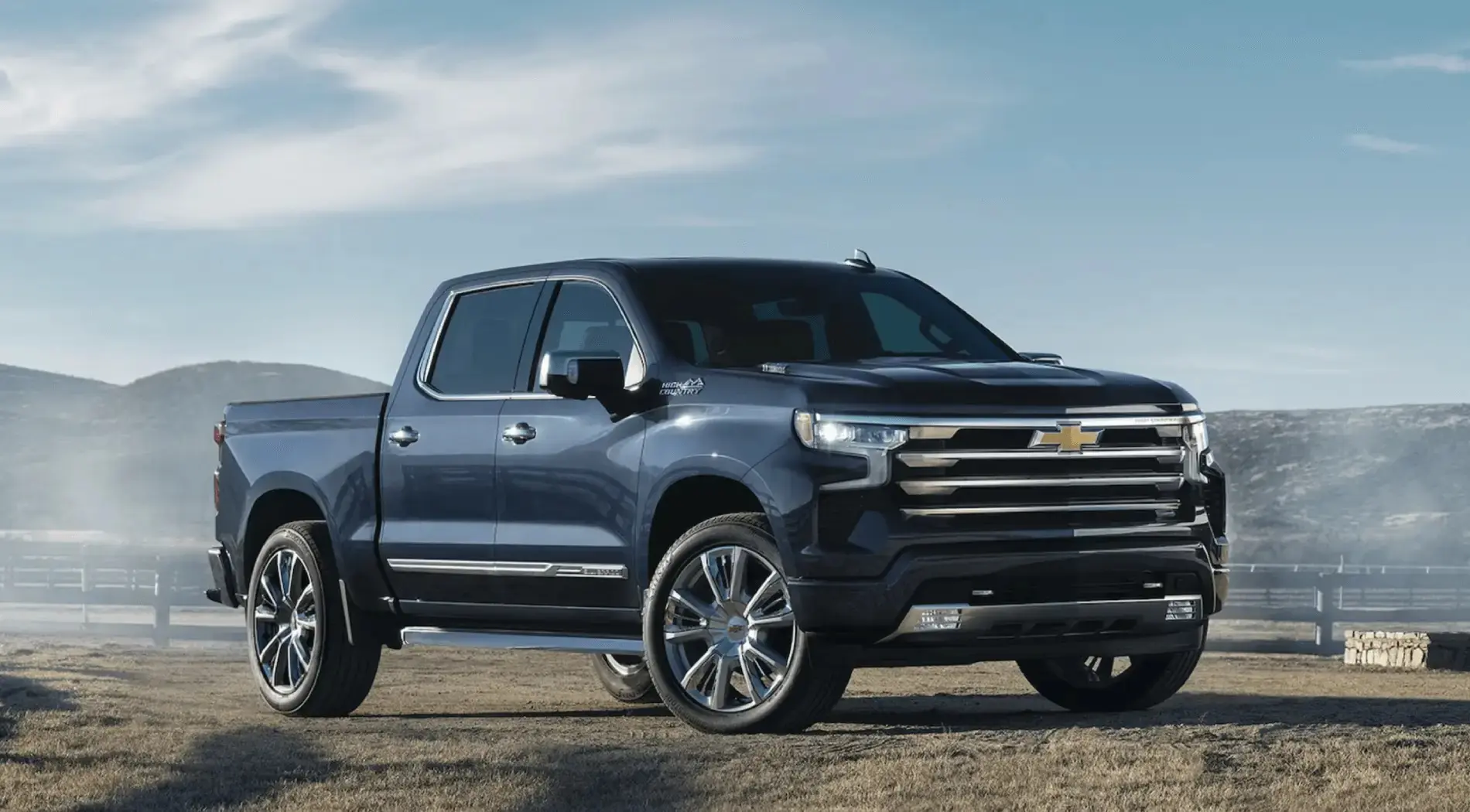
The Chevrolet Silverado 1500 is another full-size pickup where pedestrian safety deserves close attention. Its broad front end and elevated driving position can make vulnerable road users harder to see in certain circumstances.
Modern Silverado models include increasingly sophisticated safety technology, but the exact equipment and performance depend on the vehicle’s model year and configuration.
Pedestrian crash prevention testing looks at the vehicle’s ability to identify people and respond to an impending collision. This is different from conventional crash testing, where the focus may be placed on what happens after a collision occurs. Prevention technology attempts to reduce the likelihood or severity of the impact before it happens.
The Silverado’s size makes low-speed environments especially important. Parking lots, driveways, neighborhood streets, and areas around schools can contain pedestrians who are difficult to see from a large vehicle.
A child standing close to the front of a truck may be below the driver’s normal line of sight. Sensors and cameras can provide additional information, but their effectiveness varies.
Safety technology also develops through successive model generations. Chevrolet has expanded driver assistance features across its lineup, meaning a newer Silverado may not perform identically to an older version.
The broader lesson from Silverado testing is that vehicle size should not be considered separately from safety technology. A large truck can be highly useful for certain jobs while requiring additional caution around pedestrians.
Drivers should remain alert at all times, particularly when maneuvering at low speeds where people may be present close to the vehicle.
6. Chevrolet Colorado
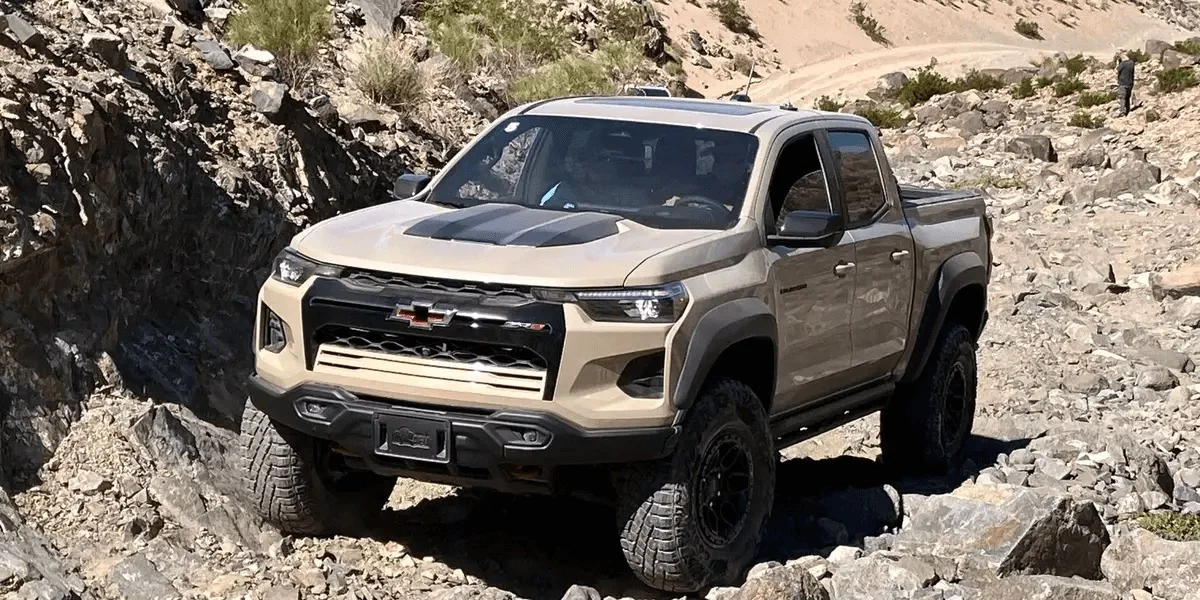
The Chevrolet Colorado is smaller than the Silverado, but its pickup design still creates challenges related to pedestrian visibility and crash avoidance.
Its dimensions provide easier maneuverability than a full-size truck, yet the vehicle’s front profile can still create areas where pedestrians are difficult to see. Electronic prevention systems therefore remain an important safety feature.
A pedestrian crash prevention system has several jobs. It must identify a person, determine whether that person is in the vehicle’s projected path, estimate the closing speed, warn the driver, and potentially activate the brakes. Each stage must occur quickly. A delay of even a fraction of a second can change the distance available for avoiding a collision.
Testing can reveal weaknesses that may not be obvious during everyday driving. A system might work well when a pedestrian is directly in front of the vehicle and clearly visible but perform less effectively when the person crosses from the side.
This is why standardized testing uses multiple scenarios rather than relying on a single demonstration.
Colorado models have changed significantly over time, with newer generations receiving more advanced technology. Consumers should therefore avoid applying a single safety description to every Colorado sold over its production history. The equipment and calibration of driver assistance systems can change substantially between generations.
The Colorado also demonstrates why drivers should understand what their vehicle’s warning and braking systems actually do. Some systems provide alerts without automatically stopping the vehicle in every situation.
Reading the owner’s manual can clarify operating speeds, sensor limitations, and warning behavior. Good technology works best when the driver understands its capabilities.
7. GMC Sierra 1500
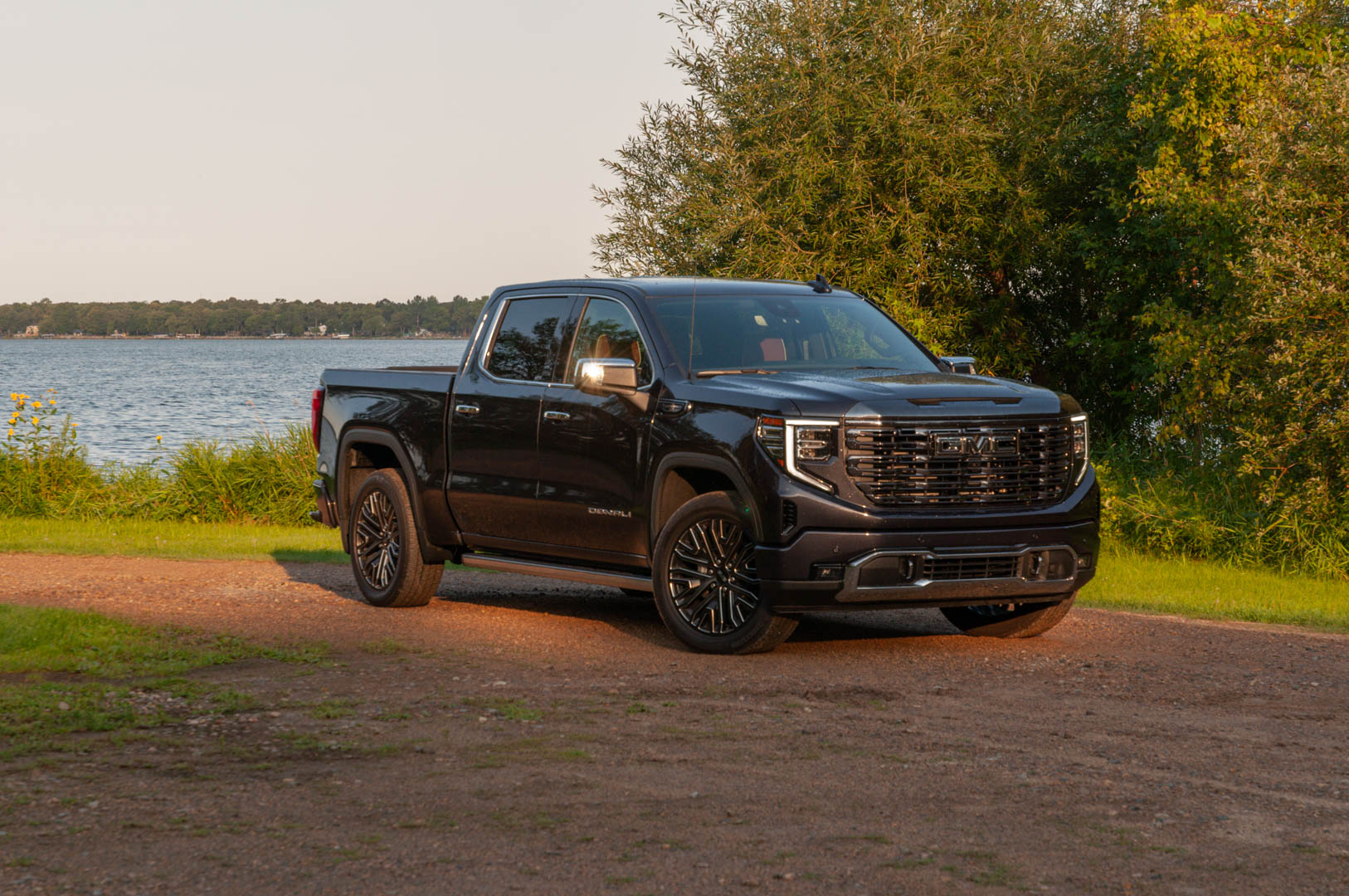
The GMC Sierra 1500 shares much of its engineering architecture with other full-size General Motors pickups. Its large body and elevated seating position are useful for hauling and towing, but they also create challenges when detecting pedestrians close to the vehicle. Safety systems must compensate for some of these visibility limitations.
Pedestrian detection depends on accurate information about objects in front of the vehicle. Cameras and sensors must operate in changing conditions, including darkness, rain, glare, and crowded urban environments.
The vehicle’s software then needs to interpret that information quickly enough to determine whether emergency braking is appropriate.
A test result showing weakness does not mean that every collision involving a pedestrian will happen in the same way. Controlled testing measures particular scenarios under defined conditions. Real-world traffic is far more complex. Pedestrians can move unpredictably, drivers can respond differently, and environmental conditions can change within seconds.
The Sierra nameplate has received numerous technology updates over the years. Buyers should pay attention to the production year when reviewing safety information.
A current vehicle can have different sensors, software, and standard equipment from an older model carrying the same badge.
For Sierra drivers, the most practical approach is to combine technology with conservative driving. Extra care should be taken at intersections, pedestrian crossings, parking areas, and locations where parked vehicles obstruct visibility.
The larger the vehicle, the more important it becomes to anticipate where pedestrians might appear rather than reacting only after they become visible.
8. Nissan Frontier
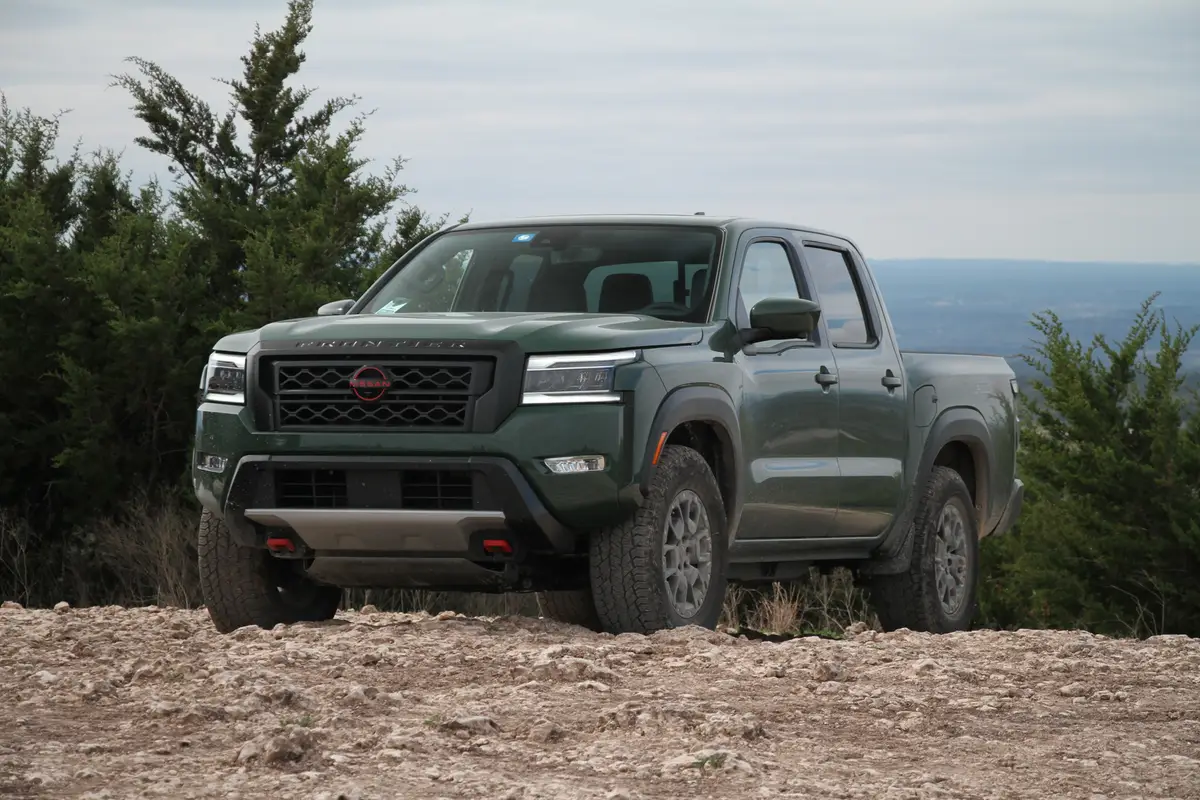
The Nissan Frontier is a midsize pickup that has remained popular with drivers seeking a smaller truck format. Its dimensions are more manageable than those of many full-size pickups, but pedestrian safety still depends on the quality and availability of crash avoidance technology.
Automatic emergency braking has become increasingly common in modern vehicles. The basic concept is simple. The system detects a potential collision, alerts the driver, and applies the brakes when necessary.
In practice, the system has to interpret complex visual information and make decisions in a very short period.
Frontier safety performance can differ considerably depending on generation and equipment. Older vehicles may have fewer driver assistance features than newer versions. This makes it important for used-car buyers to investigate the exact vehicle rather than relying on the safety reputation of the current model.
Pedestrian testing also highlights a common misunderstanding about advanced safety technology. Drivers sometimes assume that if a vehicle has automatic emergency braking, it will automatically prevent every pedestrian collision.
That is not how these systems work. They are designed to reduce risk under certain circumstances and can have limitations involving speed, visibility, pedestrian position, and system detection.
Frontier owners should therefore continue to treat pedestrian awareness as a basic driving responsibility. The vehicle’s technology can provide additional assistance, but it should not encourage drivers to become less attentive. In areas with heavy pedestrian activity, reducing speed remains one of the most effective ways to create additional reaction time.
The Toyota Tacoma has a long-standing presence in the midsize pickup segment and is known for its utility and off-road capability. Like other pickups, its front-end height and driving position can affect visibility around pedestrians. Modern versions include advanced driver assistance technology, but performance depends on the particular generation and system configuration.
Pedestrian prevention testing examines more than whether a vehicle contains a warning system. It evaluates whether the technology can actually detect a pedestrian and respond appropriately. A vehicle can have sophisticated electronics while still encountering situations in which its safety technology.
This means that a Tacoma from one model year can have different capabilities from a newer model. Used buyers should check the exact equipment fitted to their vehicle instead of assuming that every Tacoma has identical pedestrian protection, which detection occurs too late.
9. Honda Ridgeline
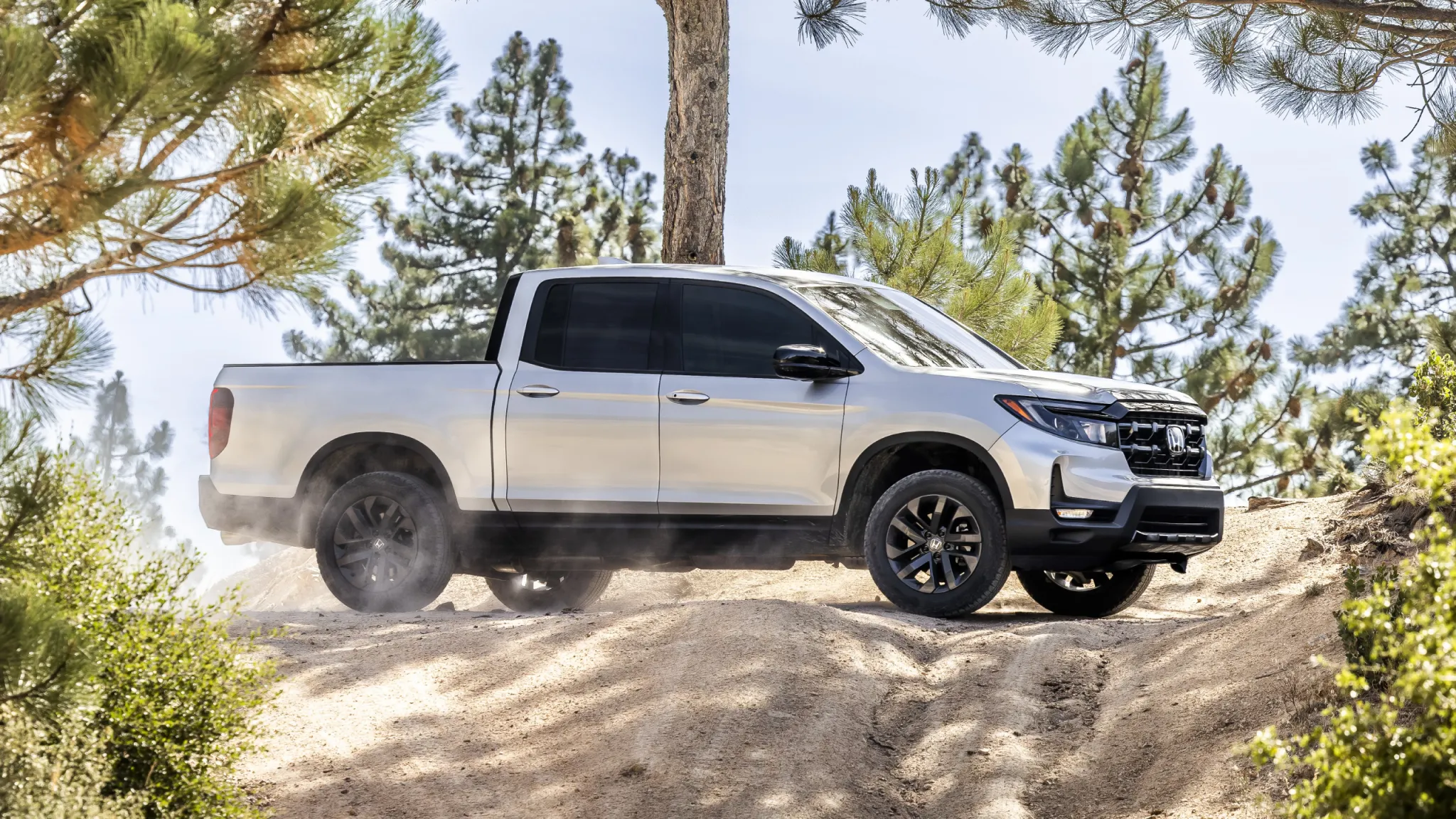
The Honda Ridgeline differs from traditional body-on-frame pickups in several engineering respects, but pedestrian safety remains a relevant consideration. Its car-based construction provides a different driving experience from many trucks, yet driver assistance performance still depends on sensors, software, braking systems, and calibration.
Honda has incorporated advanced safety technologies into its vehicles for years, including systems designed to warn drivers about potential frontal collisions and assist with braking. Testing these systems under controlled pedestrian scenarios helps reveal how they perform when a person enters the vehicle’s projected path.
The important distinction is between having a safety feature and having a highly effective safety feature. A system may provide an alert in many situations but fail to prevent a collision under more demanding circumstances. Testing attempts to identify these differences in a consistent way.
Ridgeline buyers should pay attention to the model year when reading crash prevention information. Automotive safety ratings are not permanent labels that apply unchanged to every generation. Equipment, software, and testing standards can all change. A newer version may use technology that was not available in an older vehicle.
For everyday driving, the same fundamental principles apply. Drivers should maintain appropriate speeds, watch crossings carefully, and avoid distractions. Pedestrian safety is especially important at intersections and in residential neighborhoods, where people may enter the roadway unexpectedly.
10. Ford Bronco
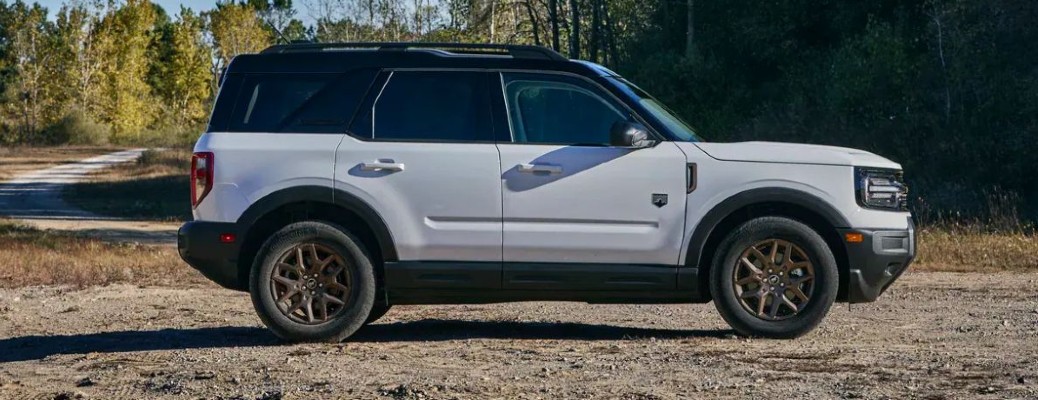
The Ford Bronco combines a tall, rugged design with strong off-road capability. Its shape is intended to provide durability and performance in difficult terrain, but that design can also create challenges for visibility and pedestrian protection. Crash prevention systems therefore have an important role in reducing risk.
The Bronco has received modern driver assistance technology in newer versions, but safety equipment and system performance can vary by model year and trim. This is particularly important for buyers considering used vehicles, because a feature available on a newer Bronco may not exist on an earlier example.
Pedestrian crash prevention tests are valuable because they focus on a situation that conventional crash tests cannot fully address. Instead of measuring only how well occupants are protected after a crash, these evaluations examine whether technology can help prevent the collision.
A weak result indicates that drivers should not depend entirely on the vehicle’s automated response.
The Bronco’s tall front profile also reinforces the importance of careful low-speed driving. Pedestrians, cyclists, and children can be difficult to see near the front of a large vehicle. Even advanced cameras and sensors have limitations, especially when an object is hidden or enters the vehicle’s path suddenly.
The vehicle’s performance in any particular safety assessment should be considered in context. Test procedures evolve, vehicle generations change, and technology improves. A result associated with a particular Bronco configuration should not automatically be treated as a description of every Bronco ever produced.