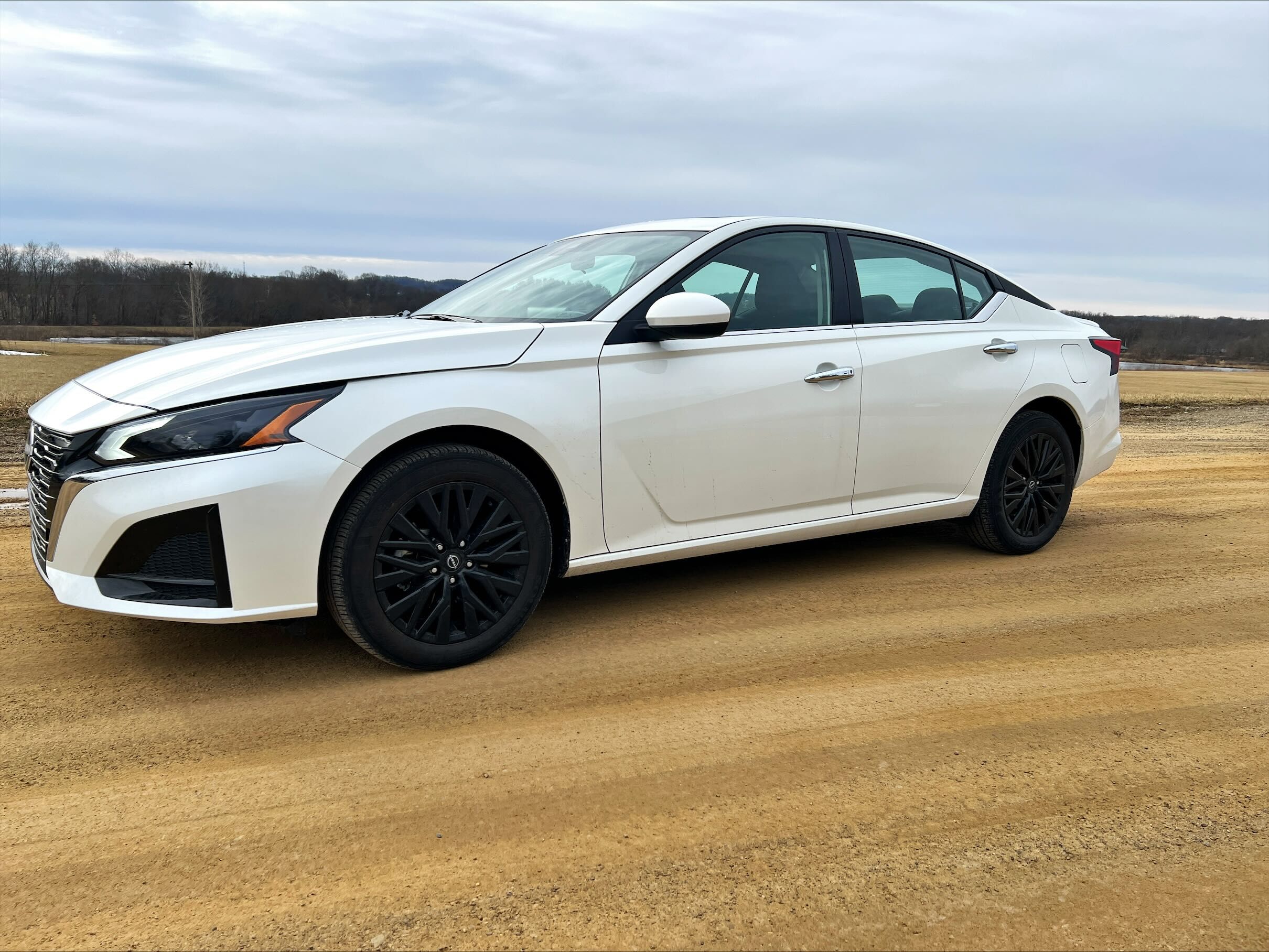
A car does not always need major crash damage to be declared a total loss in the United States. Modern bumpers, sensors, cameras, headlights, electronics, structural components, and calibration requirements can make seemingly small accidents surprisingly expensive.
The risk can be higher when a vehicle has already depreciated significantly because its repair bill may approach its actual cash value quickly. This article examines 12 cars that can be vulnerable to this situation, particularly older or lower-value examples and vehicles equipped with costly technology.
The exact outcome depends on the vehicle’s condition, damage, insurance company, repair estimate, location, and applicable state rules.
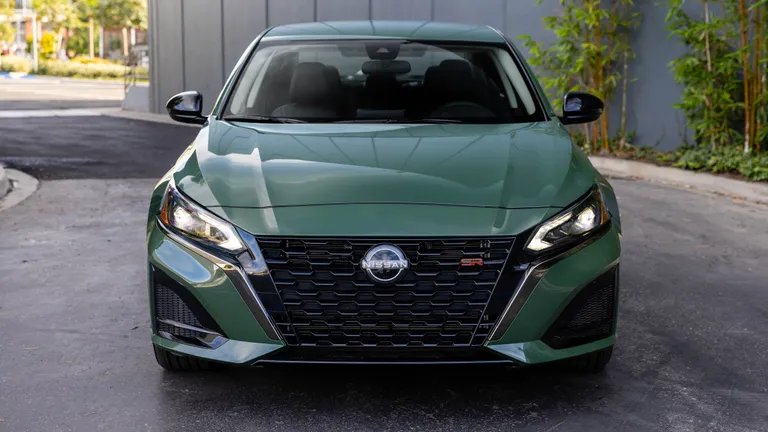
1. Nissan Altima
The Nissan Altima can become vulnerable to a total-loss decision when an older, high-mileage example suffers front-end or rear-end damage. The reason is not that the Altima is inherently fragile.
Rather, depreciation can create a situation where a moderate repair estimate represents a large percentage of the vehicle’s market value. If the car is already worth only several thousand dollars, even ordinary collision repairs can consume a significant share of that value.
Front-end damage can involve more than the bumper cover. A collision may affect the grille, headlight, radiator support, cooling components, fender, hood, air-conditioning components, sensors, and related hardware.
A repair shop must inspect the vehicle carefully before determining the full cost. What initially appears to be a damaged bumper can become a considerably larger repair once hidden components are inspected.
The Nissan Altima also illustrates why mileage matters. Two otherwise similar vehicles can have very different actual cash values if one has substantially more miles or a weaker maintenance history. When the lower-value vehicle is involved in a collision, the same repair bill represents a much larger percentage of its pre-crash value.
Current salvage-market data also shows how different models can occupy very different value ranges after damage. Recent U.S. salvage auction measurements listed the Nissan Altima among high-volume vehicles, with recorded median sale values substantially below several popular SUVs and pickup trucks.
That does not mean every Altima is easily totaled, but it illustrates why vehicle value matters so much in the calculation.
For an Altima owner, a seemingly modest accident should therefore not be judged solely by how the bumper looks. A professional inspection and a complete repair estimate are more useful indicators. If the car is older and has significant mileage, the gap between its actual cash value and the cost of repairing modern collision damage may be relatively small.
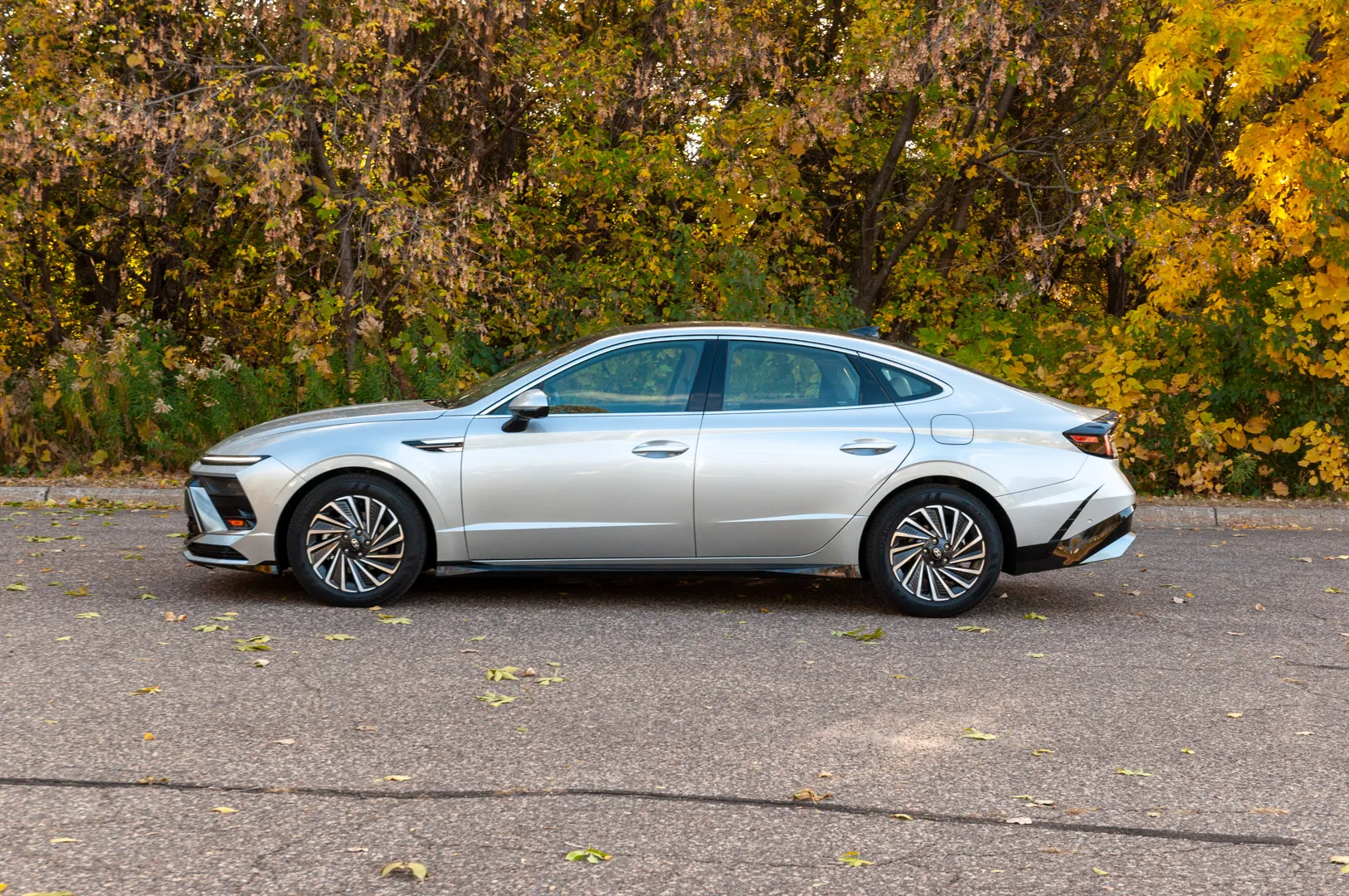
2. Hyundai Sonata
The Hyundai Sonata is another midsize sedan that can face a higher total-loss risk as it ages and depreciates. A newer Sonata may have enough market value to absorb a sizable repair bill, while an older example may cross a total-loss threshold after what appears to be a relatively ordinary accident.
Headlights, bumpers, grilles, fenders, sensors, and cooling components can all contribute to a repair estimate. Even when the passenger compartment appears untouched, front-end repairs can become expensive once parts, paint, labor, alignment checks, diagnostics, and calibration are included.
The age of the vehicle is particularly important. A repair bill of $6,000 has a very different financial meaning for a vehicle worth $25,000 than for a vehicle worth $8,000. Insurance decisions are based on that relationship rather than simply asking whether the vehicle can technically be repaired.
Recent salvage-market measurements show the importance of depreciation across common vehicles. The Hyundai Sonata appeared among high-volume vehicles in recorded U.S. salvage sales, with a median damaged-vehicle sale price far below what a newer vehicle might command.
That makes the Sonata a useful example of a broader pattern. Cars do not become total losses because insurers dislike repairing them. They become total losses when the financial calculation stops favoring repair, and depreciation can move that calculation surprisingly quickly.
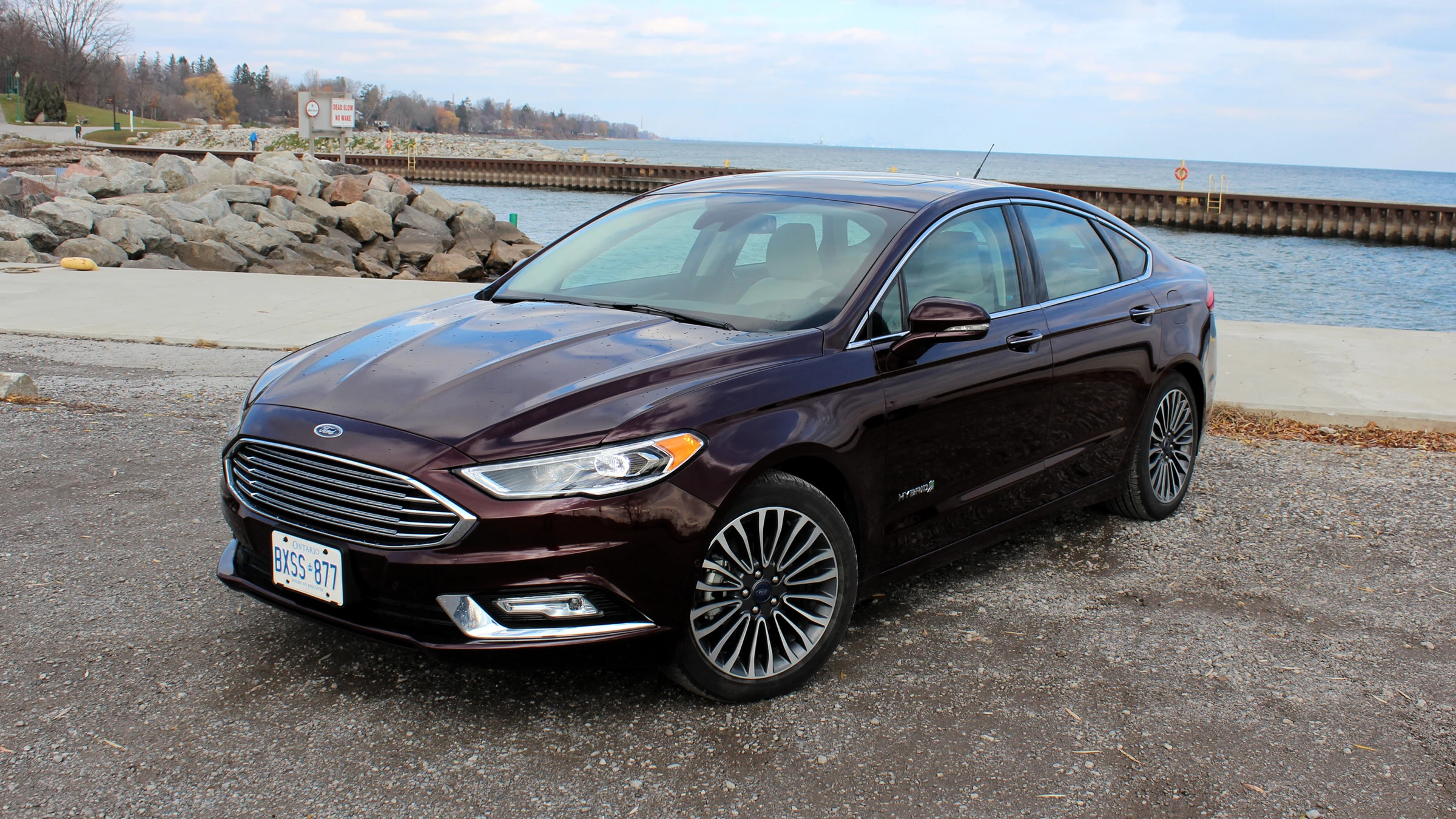
3. Ford Fusion
The Ford Fusion is especially interesting because many examples on U.S. roads are now older vehicles. As market values fall with age and mileage, repair expenses can represent an increasingly large percentage of the car’s value.
A low-speed collision can damage the bumper, grille, headlights, hood, fender, parking sensors, or other components. If the impact reaches the cooling system or underlying structure, the estimate can increase considerably. Paint and labor can add further costs even when replacement parts themselves are not exceptionally expensive.
Older vehicles can also have a narrower financial margin for repair. When the actual cash value is relatively low, insurers have less room for unexpected expenses. Hidden damage discovered during teardown can therefore change the outcome of a claim.
Recorded salvage data provides a useful illustration. The Ford Fusion has appeared among high-volume U.S. salvage vehicles, with recent measured median salvage values considerably below the values associated with newer and more desirable vehicles.
For buyers considering an older Fusion, this does not mean that a minor accident will automatically result in a total loss. It means that vehicle age, mileage, condition, and local market value should be considered alongside the repair estimate when assessing the risk.
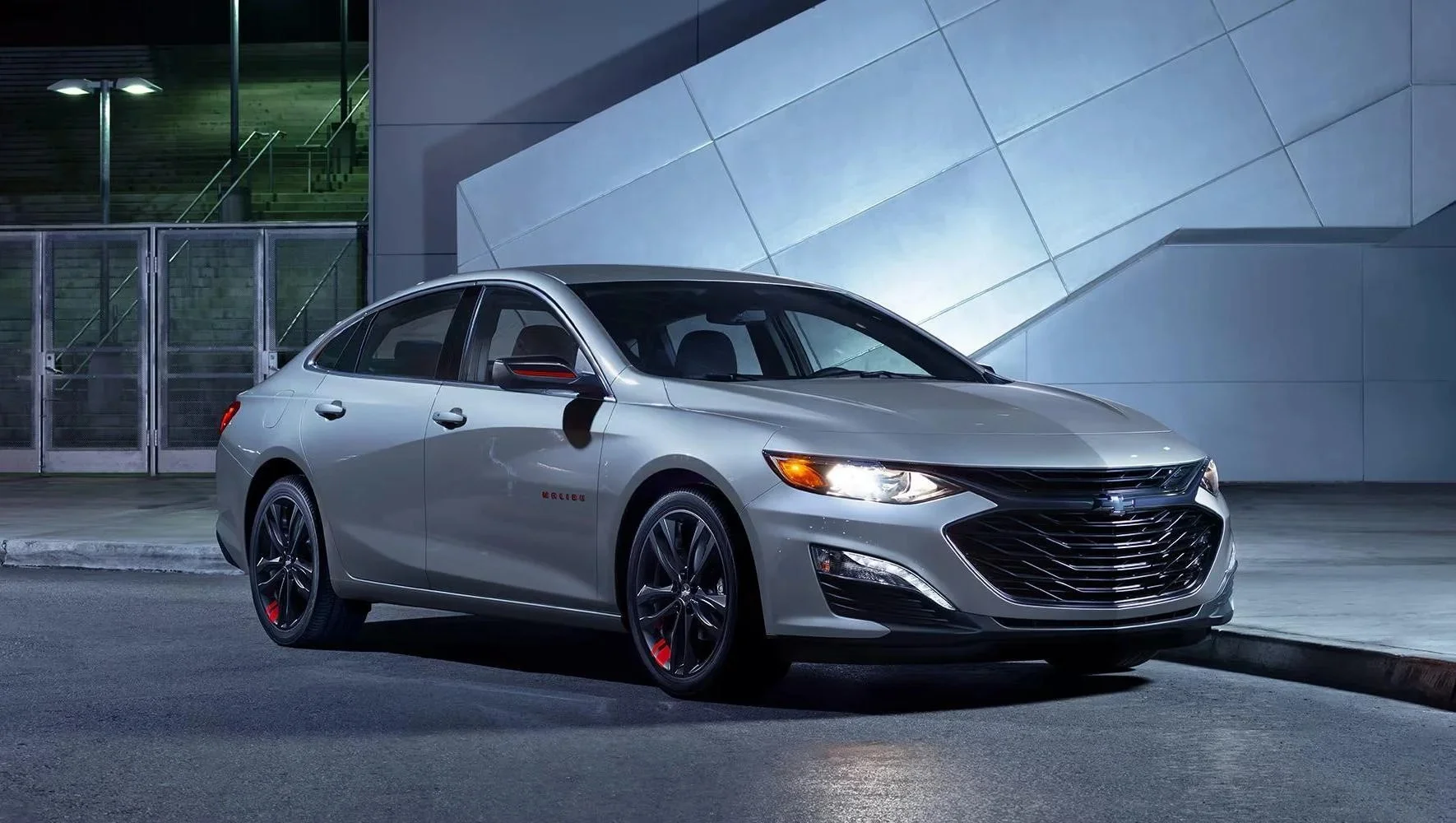
4. Chevrolet Malibu
The Chevrolet Malibu follows a similar pattern. Older examples can have modest market values, meaning that a repair bill that looks reasonable in isolation can become large relative to the vehicle’s actual cash value.
A front-end collision may involve several components at once. A damaged bumper can hide problems with mounting brackets, sensors, lights, grille pieces, cooling components, or other hardware. The repair process may also require diagnostics and post-repair checks.
The Malibu’s position in the used-car market can make depreciation an important consideration. As a vehicle gets older, the financial difference between repair and replacement becomes narrower. That can influence an insurer’s decision when a collision produces a substantial estimate.
Recent U.S. salvage-market data included the Chevrolet Malibu among high-volume models, with a recorded median salvage value considerably below the values of many newer SUVs and trucks.
The key point for Malibu owners is straightforward. Visible damage should not be the only factor used to judge a claim. A cracked bumper may be cosmetic, or it could be evidence of more extensive damage underneath. The final decision depends on the complete repair estimate and the vehicle’s value before the accident.
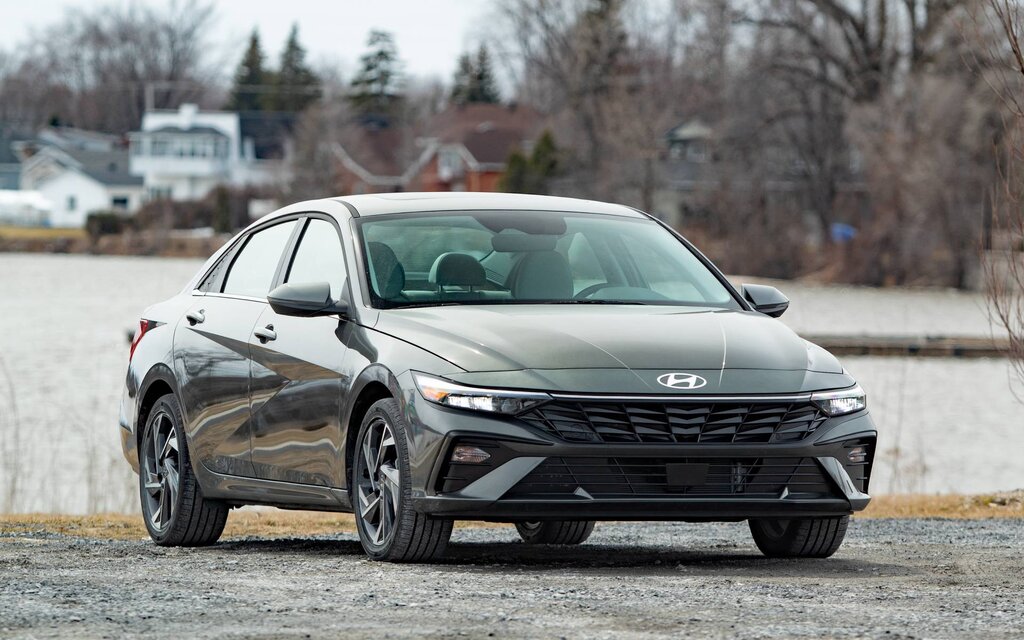
5. Hyundai Elantra
The Hyundai Elantra can also enter total-loss territory when an older example experiences collision damage. Compact sedans often have lower market values as they age, so repair costs can quickly become significant compared with actual cash value.
Damage around the front or rear of the vehicle may involve bumpers, lamps, sensors, structural components, and paintwork. Newer examples may include the Hyundai Elantra among high-volume damaged vehicles, with a median salvage sale value that reflects the difference between damaged vehicles and their original road also contain advanced driver-assistance equipment that requires additional inspection or calibration after an impact.
Recent U.S. salvage-market data recorded the Hyundai Elantra among high-volume damaged vehicles, with a median salvage sale value that reflects the difference between damaged vehicles and their original road-going value.
This does not establish that the Elantra is more likely to be totaled than every other compact car. There is no universal national ranking that can accurately predict the outcome for every individual vehicle because crossovers combine several characteristics that can affect collision repair costs.
Their body panels, lights, sensors, cameras, bump predict the outcome for every individual vehicle. Mileage, trim, condition, accident location, repair-shop rates, and state regulations all matter.
The Elantra is better viewed as an example of a broader insurance phenomenon. When a relatively affordable vehicle needs an expensive collection of parts and labor after an accident, the repair estimate can approach the car’s actual cash value faster than many owners expect.
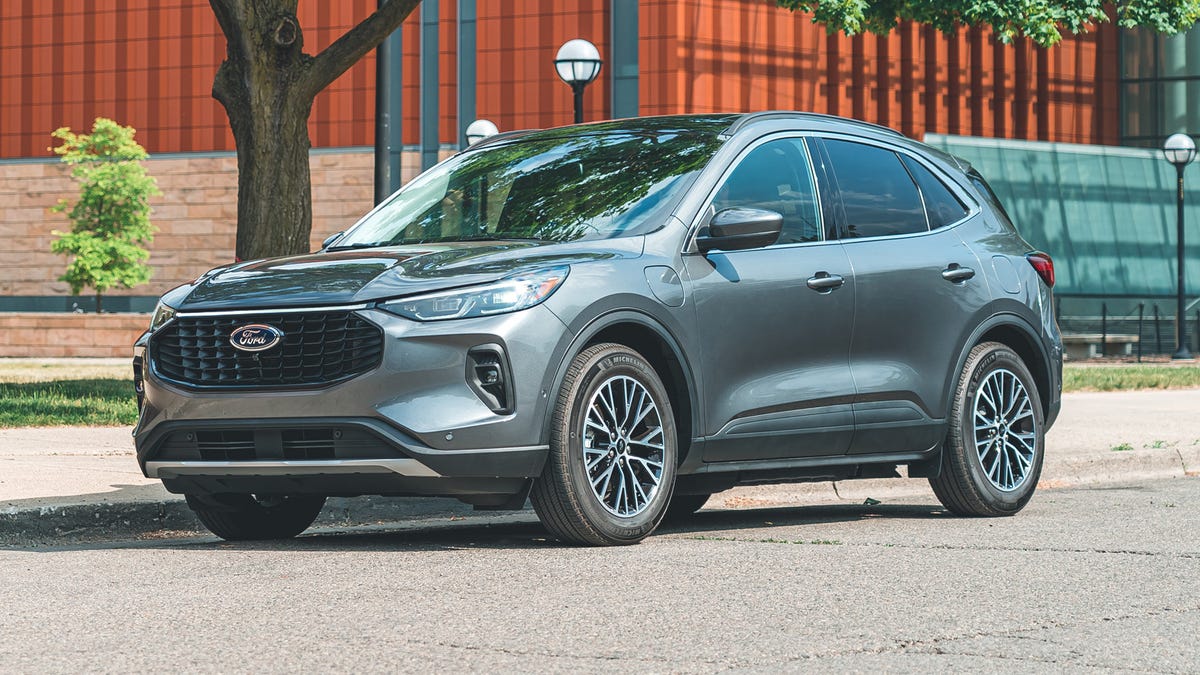
6. Ford Escape
The Ford Escape deserves attention because crossovers combine several characteristics that can affect collision repair costs. Their body panels, lights, sensors, cameras, bumpers, and electronic systems can all contribute to an estimate after an impact.
An older Escape with significant mileage and an older model year. Parking sensors, cameras, radar systems, lighting technology, and other electronic components can add costs that can be particularly vulnerable because its market value may have declined substantially.
A collision that requires replacement of several front-end components can then consume a large portion of the vehicle’s remaining value.
Recent salvage-market data showed the Ford Escape among high-volume U.S. salvage vehicles, with a relatively modest median salvage sale value compared with several larger and newer vehicles.
Crossovers can also have additional equipment depending on trim and model year. Parking sensors, cameras, radar systems, lighting technology, and other electronic components can add costs that are not obvious from an exterior inspection.
For Escape owners, the most important factor is therefore not simply whether the vehicle appears drivable after a low-speed accident. The complete damage assessment and the vehicle’s actual cash value determine whether repairing it remains financially practical.
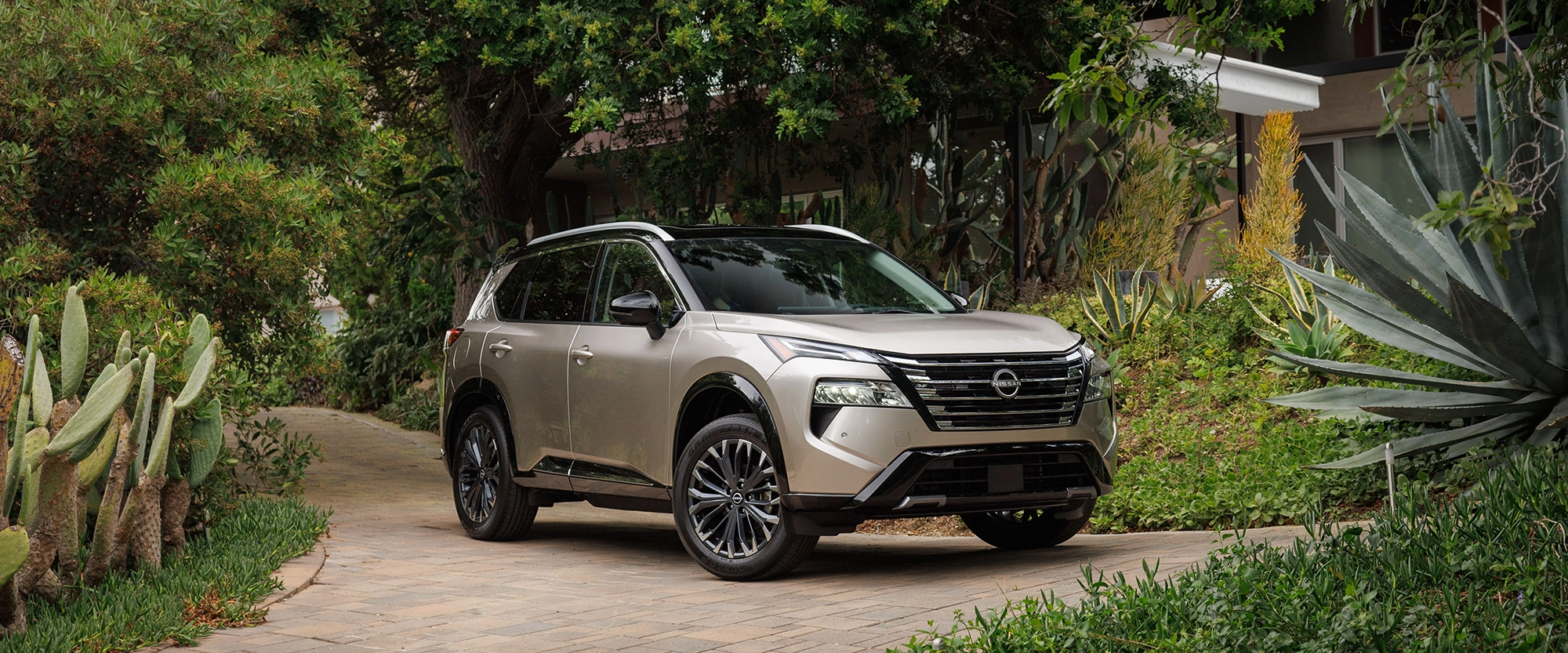
7. Nissan Rogue
Rogue among high-volume damaged vehicles, with recorded median salvage values showing the financial gap between damaged examples and intact vehicles.
The Nissan Rogue is another high-volume U.S. crossover where depreciation and repair complexity can intersect. Newer versions may have substantial market value, while older versions can become much more sensitive to collision expenses.
Front-end damage can involve the bumper, grille, lamps, sensors, brackets, cooling components, and other parts. If driver-assistance equipment is involved, additional diagnostic and calibration work can increase the final repair estimate.
Recent salvage-market measurements placed the Rogue among high-volume damaged vehicles, with recorded median salvage values showing the financial gap between damaged examples and intact vehicles.
A Rogue with low mileage and a high pre-accident value has more financial room for repairs than a high-mileage example that has already depreciated heavily. That distinction is important because the same accident can produce different insurance outcomes for two otherwise similar vehicles.
The Rogue demonstrates why there is no simple rule stating that a particular model will always be totaled after minor damage. The model can create certain repair considerations, but the claim decision remains dependent on the individual vehicle and circumstances.
8. Honda Civic
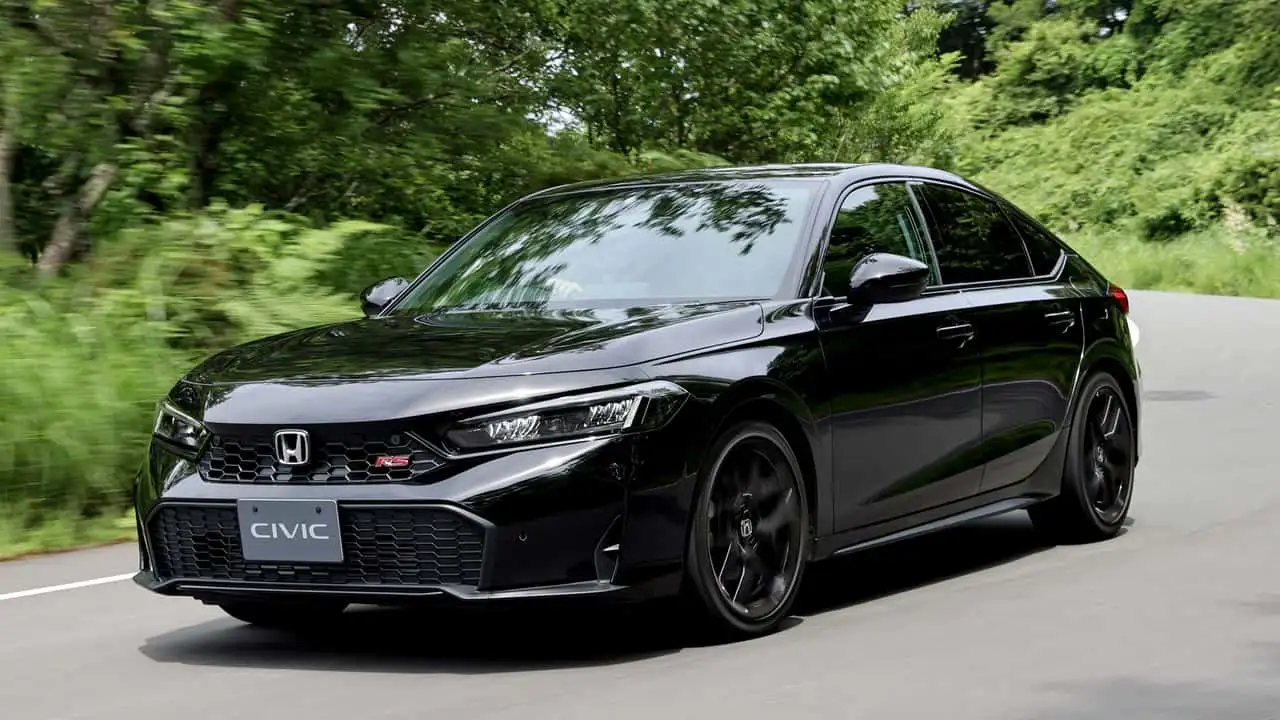
The Honda Civic is generally known for strong demand in the used market, but that does not make every Civic immune to total-loss decisions. Older and high-mileage examples can still face the same economic problem as other aging vehicles.
A collision involving the front or rear bumper can lead to damage involving lights, sensors, brackets, body panels, and underlying components. Modern Civic models may also contain advanced safety equipment that requires proper inspection and calibration after certain collisions.
Recent U.S. salvage-market data recorded the Honda Civic among the highest-volume damaged vehicles, with a measured median salvage sale price in the thousands of dollars.
The Civic’s relatively strong demand can support higher vehicle values than some older economy cars, giving certain examples more room for repair. At the same time, expensive repairs can still become significant if the vehicle has high mileage or substantial pre-existing depreciation.
For that reason, a Civic should not automatically be considered safe from a total-loss decision. The condition, mileage, year, trim, damage, and local valuation all need to be considered.
9. Toyota Corolla
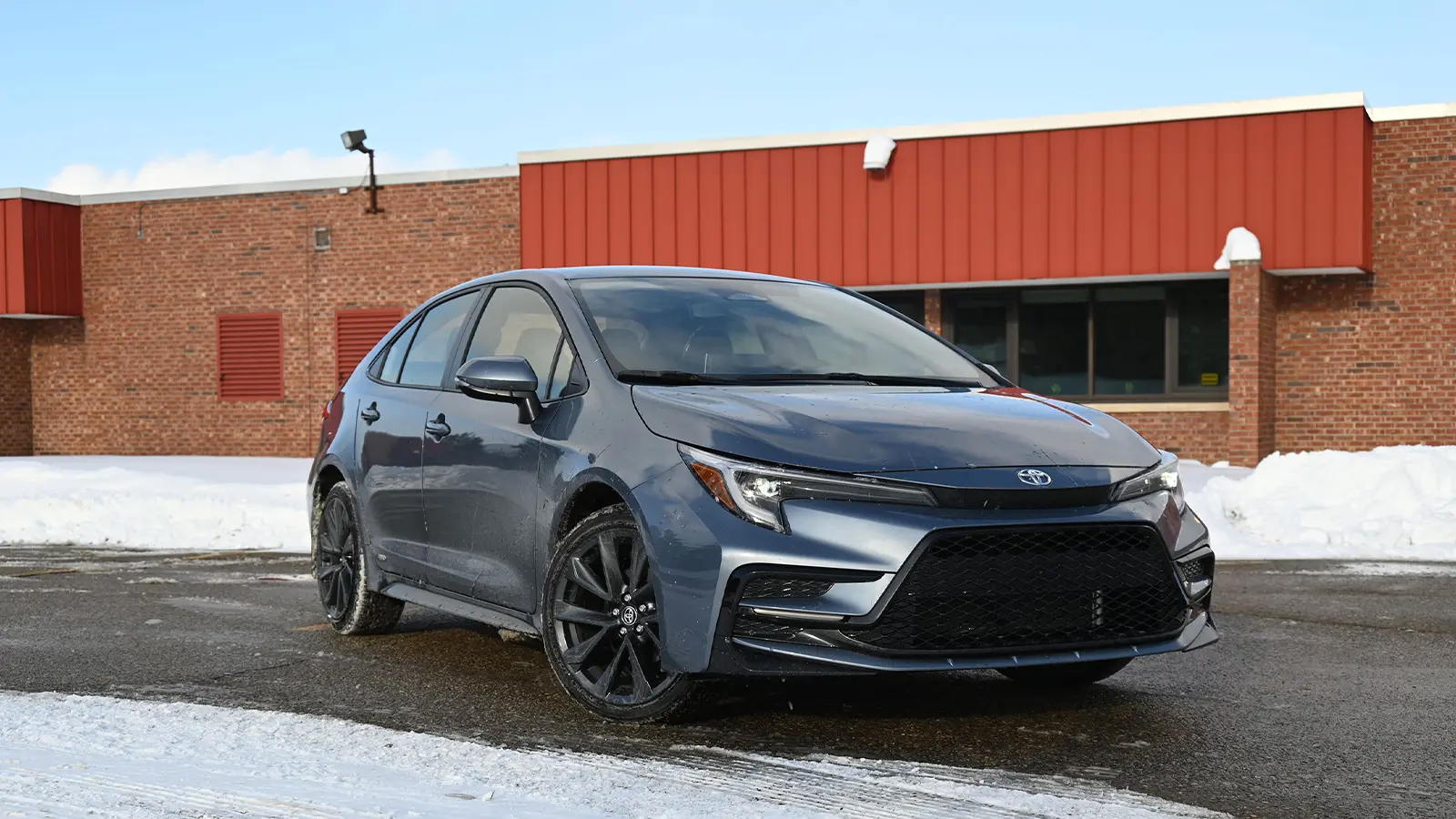
The Toyota Corolla is another high-volume vehicle that can experience the same economic issue. Its widespread availability does not eliminate the possibility of a total.
Once the damaged components are removed, however, technicians may find broken brackets, damaged supports, sensor issues, alignment problems loss when repair expenses become large relative to the vehicle’s market value.
A minor collision may initially appear to involve only a bumper or fender. Once the damaged components are removed, however, technicians may find broken brackets, damaged supports, sensor issues, alignment problems, or other repairs.
Recent U.S. salvage data recorded the Corolla among the highest-volume models, with a measured median salvage sale value in the thousands.
Corolla owners may have an advantage when their vehicles retain strong market value, because a higher actual cash value provides more room for repair expenses. Older examples with high mileage do not necessarily have that same financial cushion.
The Corolla therefore represents an important distinction. A model’s reputation, reliability, or popularity does not determine whether similar risks as it ages. Its crossover format means that collision repairs can cause an insurer to total it. The financial relationship between its value and the estimated repair cost is what matters.
10. Chevrolet Equinox
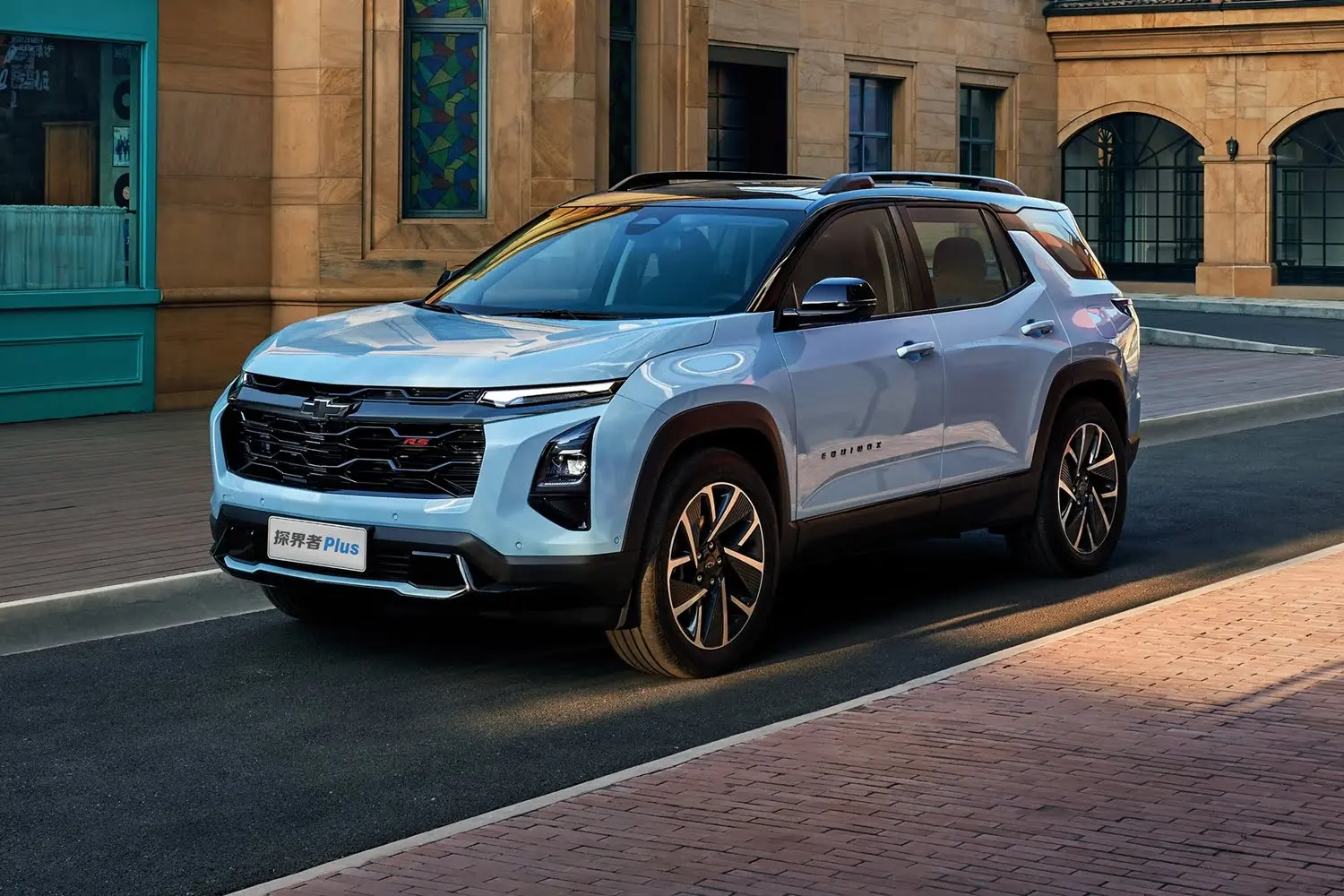
The Chevrolet Equinox can face similar risks as it ages. Its crossover format means that collision repairs can involve multiple exterior and electronic components, while depreciation can reduce the amount an insurer is willing to spend on repairs.
A seemingly small front-end impact can involve the bumper cover, grille, lights, sensors, supports, cooling equipment, and other components. A repair estimate can grow as hidden damage becomes visible.
Recent salvage-market measurements placed the Chevrolet Equinox among high-volume damaged vehicles, with a median salvage sale value that reflects the economics of vehicles after collision damage.
The vehicle’s model year and mileage are particularly important. A newer Equinox with substantial market value may be repaired after damage that would total an older example. This difference is why model names alone cannot accurately predict an insurance outcome.
Owners should also remember that insurers may account for potential additional damage when determining whether repairs are financially practical. A first estimate is not always the final estimate.
11. Nissan Sentra
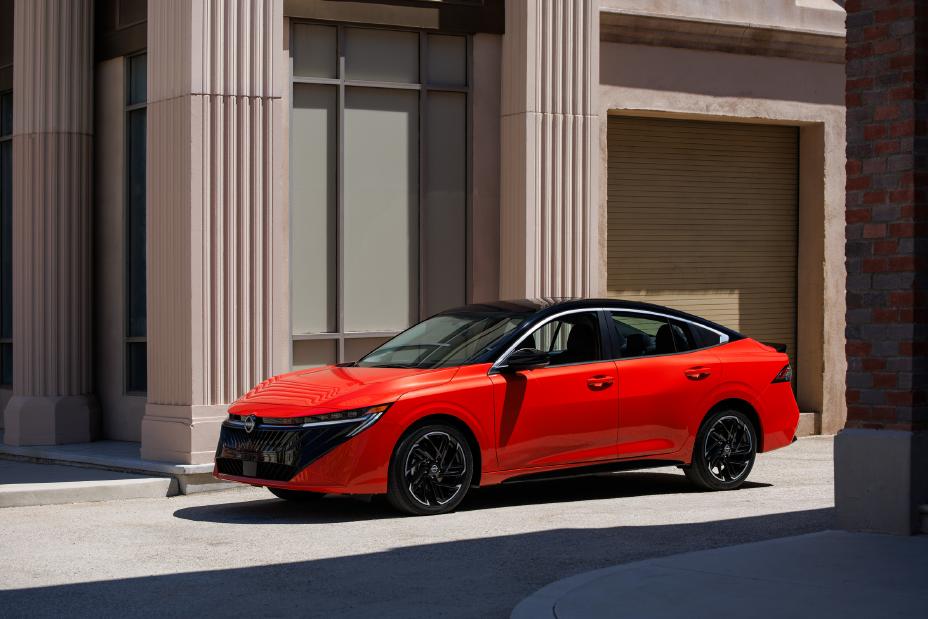
The Nissan Sentra can become vulnerable to a total-loss decision when depreciation has reduced its market value. Compact sedans generally have less financial room for major repair bills once they become older.
A low-speed collision can produce damage to bumpers, headlights, fenders, grilles, sensors, and underlying components. Labor and paint costs can add substantially to the bill even when replacement parts do not appear particularly expensive.
Recent salvage-market data listed the Sentra among high-volume damaged vehicles, with a recorded median salvage sale value of roughly $1,500 during the measured period.
That number should not be confused with the actual cash value of an undamaged Sentra. Salvage value represents the market for damaged vehicles and is only part of the insurance calculation. Still, it illustrates why insurers consider salvage when determining whether a damaged vehicle should be repaired.
An older Sentra with high mileage can therefore reach a total-loss threshold after damage that would be repairable on a newer, more valuable example. The same principle applies across many economy vehicles.
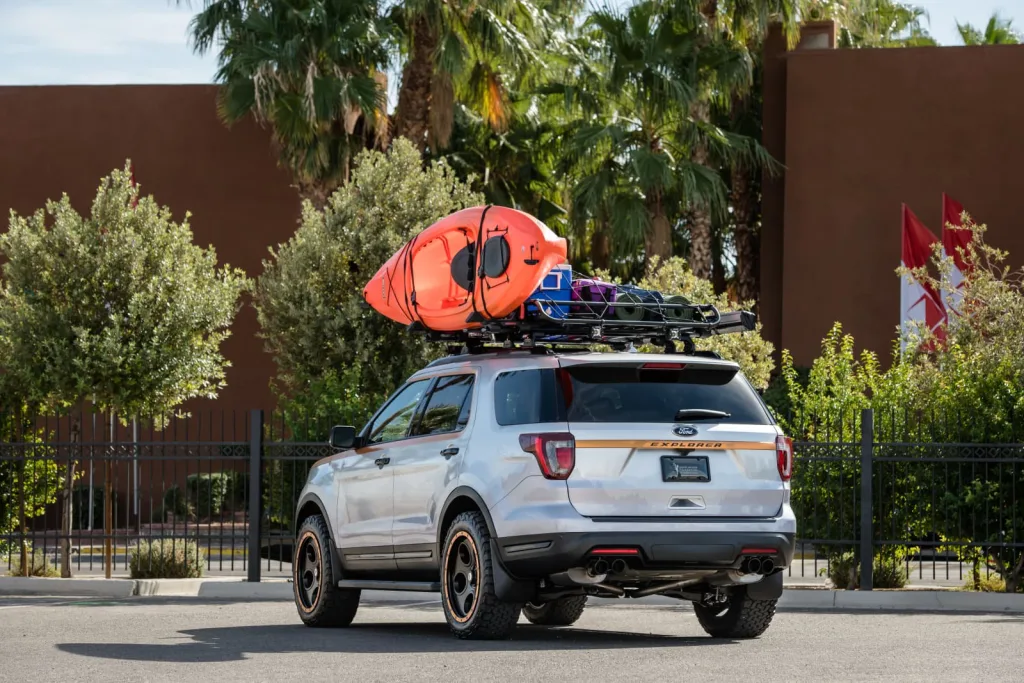
12. Ford Explorer
The Ford Explorer presents a different situation because many examples have higher values than small economy sedans. Still, older Explorers can experience depreciation, and larger vehicles can contain numerous components that make collision repairs expensive.
Front-end damage may involve multiple sensors, lighting components, bumper structures, grille pieces, cooling equipment, and body panels. Depending on the model year and equipment level, electronic systems can also add diagnostic or calibration requirements.
Recent salvage-market data recorded the Ford Explorer among high-volume U.S. damaged vehicles, with a median salvage value higher than several compact sedans in the same dataset.
That higher salvage value does not mean every Explorer is more likely to be totaled. In fact, its stronger market value can give some examples more room for repairs. The risk increases when the Explorer is older, heavily driven, or already worth considerably less than a newer example.
The Explorer illustrates why a list of potentially vulnerable cars should never be treated as an automatic prediction. Vehicle age, mileage, trim, condition, repair costs, salvage value, insurance practices, and state law all interact.