
Pickup ownership can cost far more than the price shown on the window sticker. Fuel, insurance, maintenance, repairs, financing, registration fees, and depreciation can substantially change what a truck actually costs over five years.
Kelley Blue Book’s 5-Year Cost to Own calculation brings these expenses together to provide a broader picture of long-term ownership costs. For 2026, several pickups stand out for keeping those projected expenses comparatively contained.
From compact trucks designed for daily driving to traditional midsize pickups with genuine towing ability, these models show that choosing the right truck can make a meaningful difference to the cost of ownership.
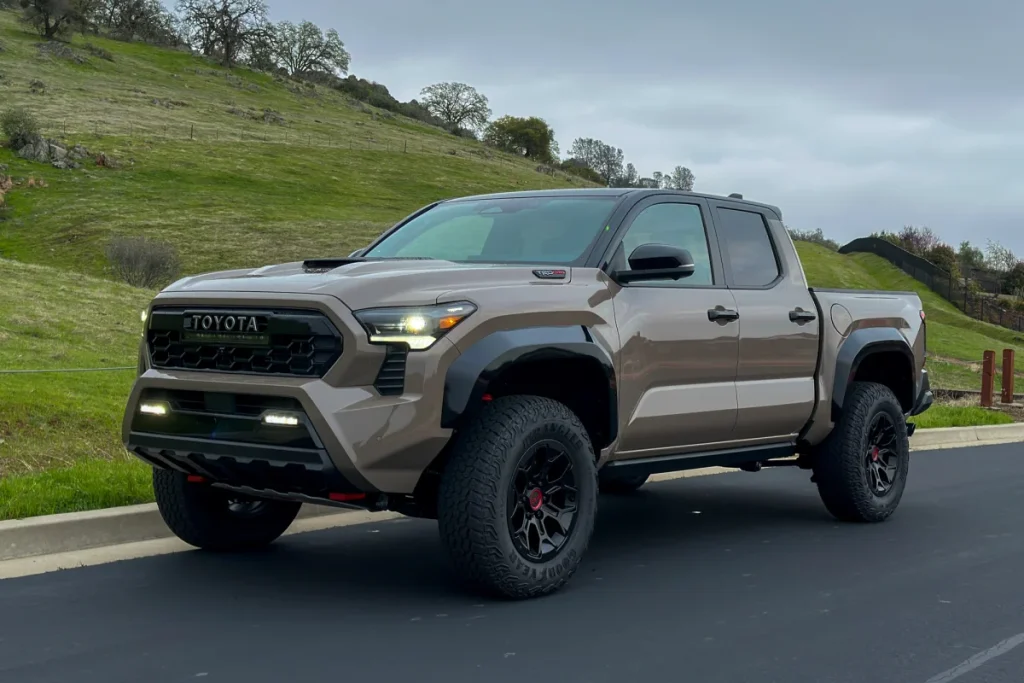
1. 2026 Toyota Tacoma
The Toyota Tacoma sits at the front of this list because KBB’s current estimate puts its five-year ownership cost at $45,529 for the XtraCab configuration. KBB estimates $34,623 in out-of-pocket expenses and $10,906 in depreciation over five years.
That makes depreciation a relatively small part of the calculation compared with what buyers might expect from a new pickup.
The Tacoma’s appeal goes beyond the ownership calculation. Toyota’s midsize pickup combines a relatively manageable footprint with genuine truck capability, and the 2026 lineup offers both gasoline and hybrid powertrains.
The standard 2.4-liter turbocharged i-FORCE engine produces up to 278 horsepower and 317 lb-ft of torque. The available i-FORCE MAX hybrid raises output to 326 horsepower and 465 lb-ft.
KBB’s five-year estimate for the XtraCab includes approximately $8,009 in fuel, $5,502 in maintenance, and $1,693 in repairs. Insurance is estimated at $12,445, while depreciation accounts for $10,906. Those numbers illustrate why looking only at the sticker price can give a misleading picture of ownership expense.
Toyota also offers the Tacoma with a six-speed manual on selected gasoline versions and an eight-speed automatic across much of the lineup. Buyers can choose between XtraCab and Double Cab configurations, giving the truck a broad range of uses from basic work duty to serious off-road driving.
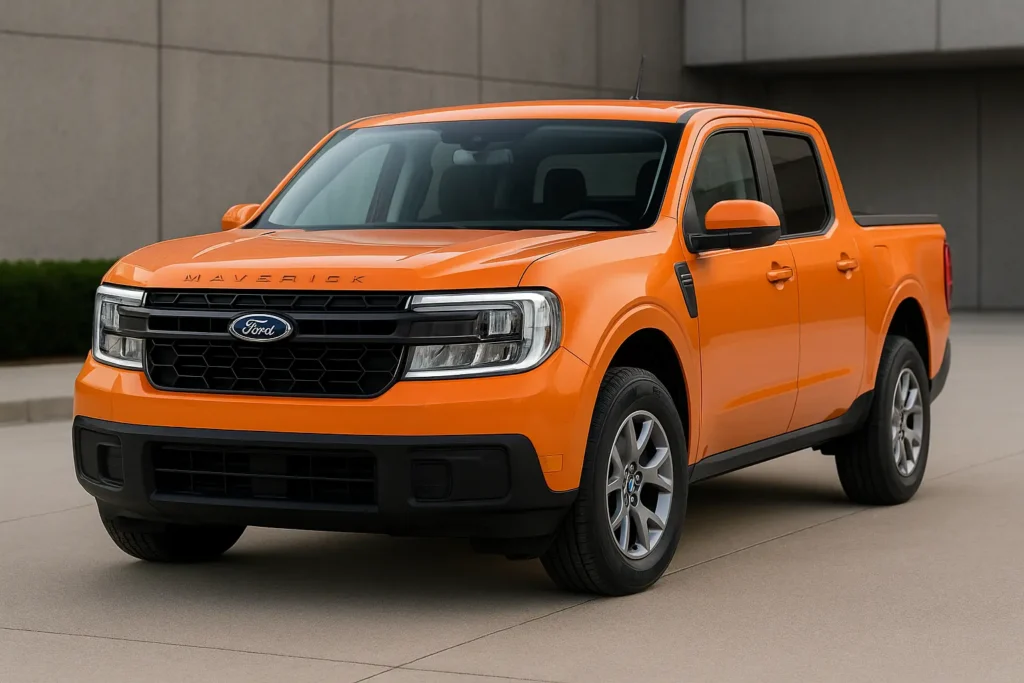
2. 2026 Ford Maverick
The Ford Maverick takes a completely different approach to the pickup formula, and KBB’s numbers show why its smaller size can translate into lower ownership expenses.
The current 2026 Maverick estimate is $47,856 over five years, including $36,050 in out-of-pocket expenses and $11,806 in depreciation. KBB places the Maverick in the top 10% for five-year cost to own among midsize pickups.
Fuel consumption is a major part of the Maverick story. Ford’s standard 2.5-liter hybrid powertrain is rated at an EPA-estimated 42 mpg city, 35 mpg highway, and 38 mpg combined with front-wheel drive. For buyers who need more power, the available 2.0-liter EcoBoost produces 250 horsepower and can be paired with front- or all-wheel drive.
KBB estimates $8,002 in fuel expenses for the five-year period, along with $6,606 for maintenance and $1,833 for repairs. Insurance represents another $15,590, while depreciation contributes $11,806 to the total. These figures demonstrate how the Maverick’s efficient hybrid option can influence its ownership equation.
The truck remains practical despite its compact footprint. Ford gives the Maverick a 4-foot-5-inch bed with 33.3 cubic feet of cargo volume, and the vehicle can seat five people. That combination makes it particularly different from conventional midsize pickups, which are generally larger and more expensive to operate.
For buyers who need a pickup bed but do not require the towing and payload capabilities of a full-size truck, the Maverick offers a notably different ownership proposition.
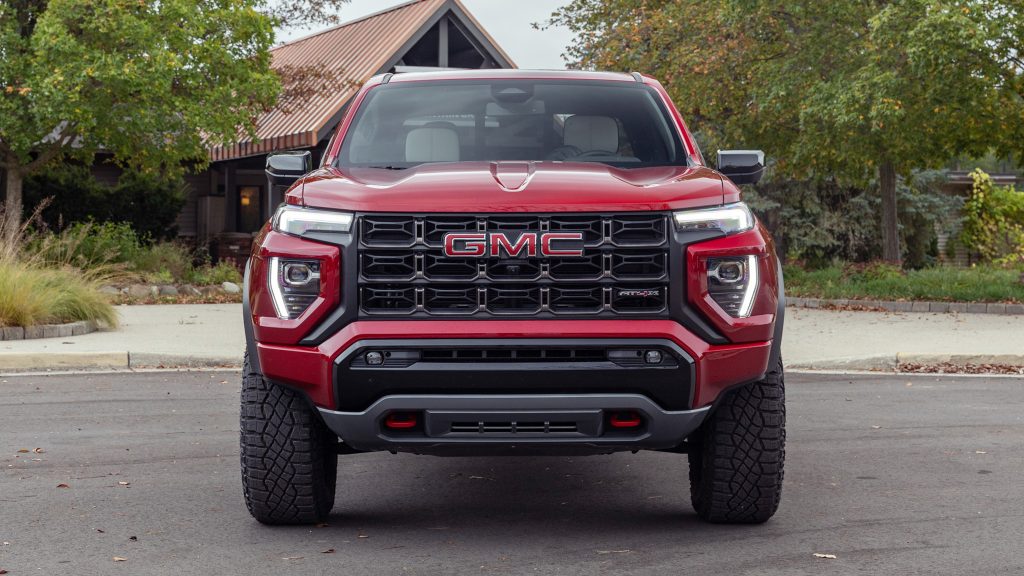
3. 2026 GMC Canyon
The 2026 GMC Canyon shows how a midsize pickup can combine genuine truck capability with a relatively contained ownership bill. KBB currently estimates a $53,830 five-year cost to own for the Canyon Crew Cab.
That figure consists of $39,012 in projected out-of-pocket expenses and $14,818 in depreciation. KBB places the configuration in the middle, 26% to 75%, of midsize pickups for five-year ownership cost.
Fuel represents a significant part of the calculation, but the Canyon’s ownership equation is helped by its projected maintenance cost. KBB estimates $5,246 for maintenance over five years on the broader 2026 Canyon estimate, while the Crew Cab configuration carries a $14,818 depreciation estimate.
The mechanical side is straightforward by modern pickup standards. Every 2026 Canyon uses a 2.7-liter turbocharged four-cylinder, with output varying by configuration. The standard version produces 310 lb-ft of torque, while higher-output versions reach 430 lb-ft. The engine is paired with an eight-speed automatic transmission.
The Canyon also provides genuine utility rather than being merely a lifestyle truck. Available four-wheel drive, multiple drive modes, and a conventional pickup bed allow it to handle work and recreation duties that a compact pickup cannot always manage.
What makes the Canyon interesting from a cost perspective is the balance. KBB’s estimate does not suggest that the truck is inexpensive in every category, particularly insurance and fuel, but depreciation and projected maintenance help keep the five-year figure competitive.
Buyers should remember that KBB’s estimates are projections and can vary according to configuration, mileage, location, and individual ownership circumstances.
4. 2026 Ford Ranger
The 2026 Ford Ranger brings traditional midsize-pickup capability into a cost-of-ownership calculation that is notably lower than many larger trucks. KBB estimates $53,072 over five years for the Ranger SuperCrew, including $38,501 in projected out-of-pocket expenses and $14,571 in depreciation.
Fuel is projected at $8,547 over five years, while maintenance comes to $5,883 and repairs to $1,833. Insurance is the largest operating category in KBB’s estimate at $15,700. These numbers demonstrate why ownership cost cannot be judged from MSRP alone. A truck’s fuel consumption, insurance bill, and depreciation can have a substantial effect after several years.
Ford offers the Ranger with a 2.3-liter EcoBoost four-cylinder as its mainstream powerplant, producing 270 horsepower and 310 lb-ft of torque. Buyers wanting considerably more performance can choose the available 2.7-liter EcoBoost V6, which produces 315 horsepower and 400 lb-ft of torque. Both engines use a 10-speed automatic transmission.
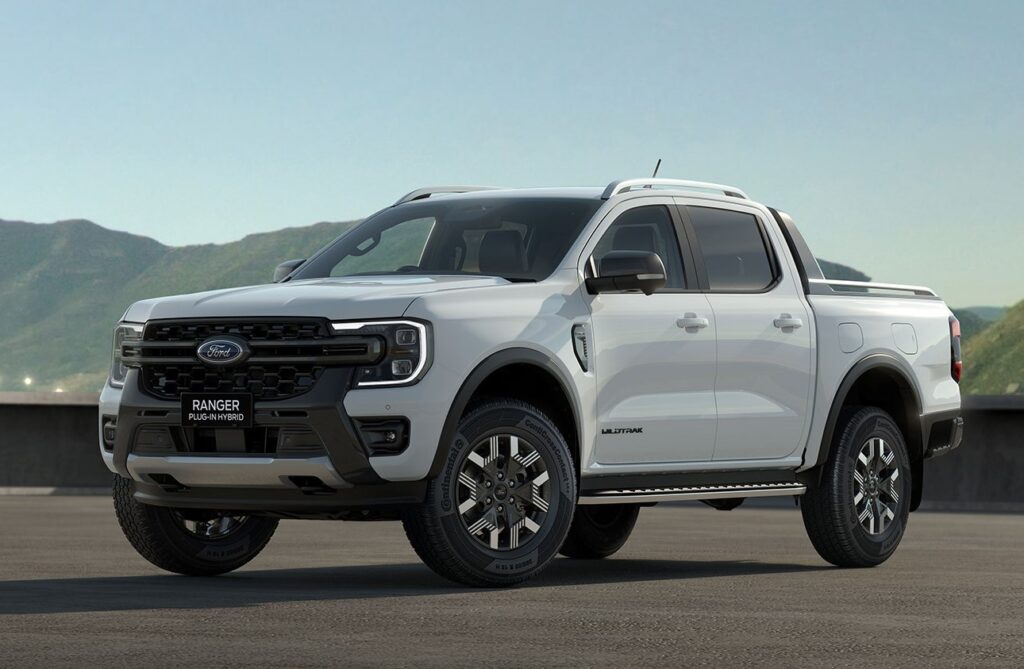
The Ranger SuperCrew also gives buyers four full doors and a useful rear seat, making it easier to use as both a work truck and family vehicle. Four-wheel drive is available, while the Ranger Raptor takes the platform in a much more specialized off-road direction.
KBB’s calculation makes the Ranger particularly interesting because its projected depreciation is below $15,000 over five years in the SuperCrew configuration.
That means the truck is not relying solely on low fuel or maintenance costs to produce its result. Buyers still need to select the right configuration, since options, mileage, and driving habits can materially change actual expenses.
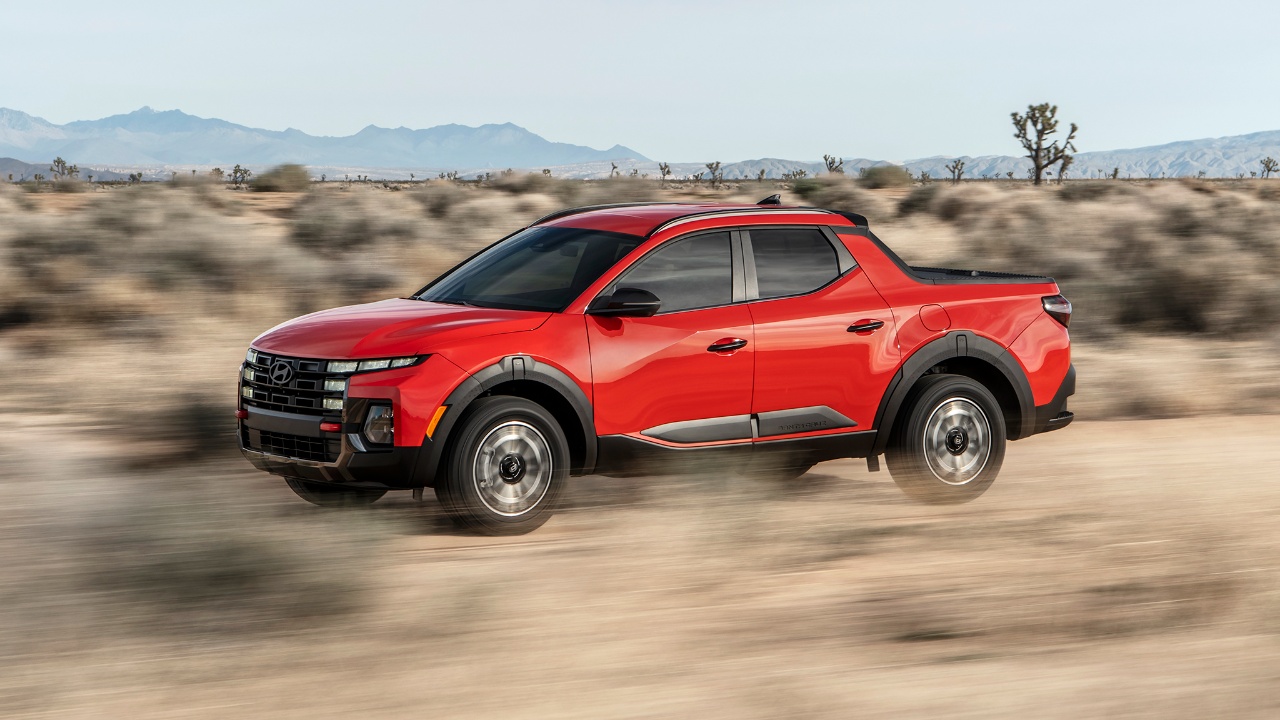
5. 2026 Hyundai Santa Cruz
The Hyundai Santa Cruz stands apart from traditional body-on-frame pickups, and that difference shows up in its projected ownership costs.
KBB estimates a $49,679 five-year cost to own for the 2026 Santa Cruz, with $36,103 in out-of-pocket expenses and $13,576 in depreciation. KBB places the model in the top 10% among midsize pickups for five-year ownership cost.
Fuel accounts for $8,224 of the five-year estimate, while maintenance is projected at $6,378 and repairs at just $667. Insurance is estimated at $16,705. Those figures help explain why the Santa Cruz can compete with conventional pickups despite having a car-based platform.
The standard powertrain is a 2.5-liter four-cylinder producing 191 horsepower and 181 lb-ft of torque. The available turbocharged version raises output to 281 horsepower and 311 lb-ft of torque. Depending on configuration, the Santa Cruz can tow up to 5,000 pounds.
Its compact dimensions also make it easier to live with than a full-size truck. The Santa Cruz measures approximately 195.7 inches long and 75.0 inches wide. Buyers get a five-passenger cabin and a 52.1-inch cargo bed, giving it useful versatility without the physical bulk of a traditional full-size pickup.
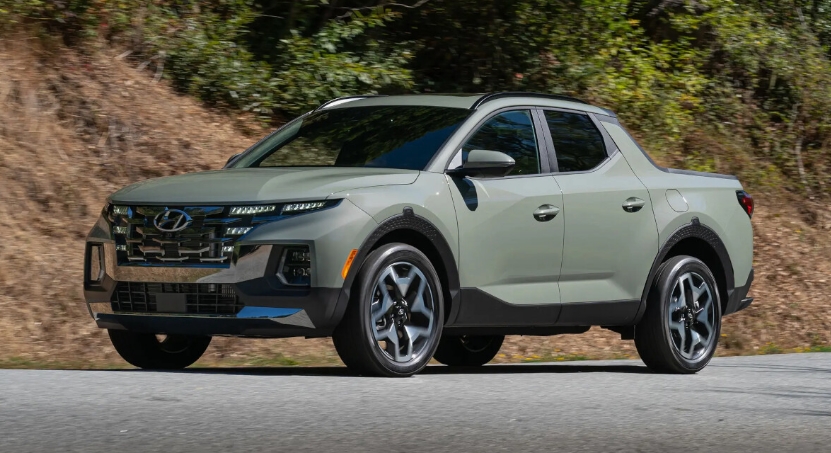
The ownership numbers are particularly interesting because KBB’s calculation includes depreciation rather than focusing solely on operating expenses. That means the Santa Cruz’s projected five-year cost reflects both what an owner spends and what the vehicle is expected to lose in value.
6. 2026 Chevrolet Colorado
The Chevrolet Colorado occupies a more traditional place in the pickup market than the Santa Cruz, yet KBB’s figures still put it among the lower-cost options within the midsize pickup category. KBB’s current standard Crew Cab estimate shows a $55,641 five-year cost to own, consisting of $42,944 in out-of-pocket expenses and $12,697 in depreciation.
There is a useful lesson in the breakdown. KBB estimates $8,745 for fuel, $7,273 for maintenance and $1,758 for repairs across five years. Insurance accounts for $16,965, while financing and state fees make up additional portions of the calculation.
Every 2026 Colorado uses a 2.7-liter turbocharged four-cylinder, but Chevrolet offers different output levels depending on configuration. The higher-output versions produce 310 horsepower and 430 lb-ft of torque, giving the midsize pickup substantial pulling power for its class.
The Colorado is also available with four-wheel drive and multiple off-road-oriented configurations. That makes it a more conventional choice for buyers who need a pickup for trails, construction work, towing, or hauling rather than simply wanting an open cargo bed.
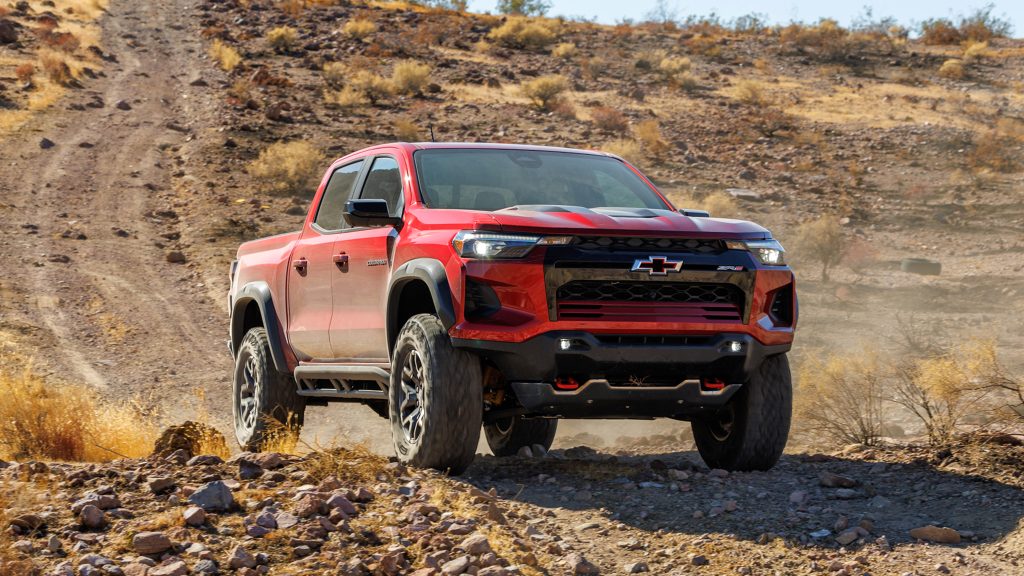
KBB’s calculation also demonstrates why trim selection matters. Different Colorado configurations can produce significantly different five-year ownership estimates. For example, KBB’s current data shows the Crew Cab Work Truck at $61,165, while some higher trims carry substantially higher projected costs.
For buyers focused on keeping long-term expenses under control, the basic configuration deserves closer attention than an expensive off-road or luxury-oriented version.
7. 2026 Nissan Frontier
The Nissan Frontier earns a place in this group with a KBB five-year Cost to Own estimate of $53,871 for the King Cab. KBB calculates $37,449 in out-of-pocket expenses and $16,422 in depreciation.
That makes the King Cab notably different from the Crew Cab, which KBB currently estimates at $60,778 over five years. Configuration therefore matters considerably when discussing pickup ownership costs.
The Frontier’s ownership calculation includes an estimated $8,540 for fuel, $5,665 for maintenance, and $1,760 for repairs over five years. Insurance is projected at $14,325, while financing and state fees make up additional expenses.
KBB’s estimates are based on assumptions about mileage, location, and other ownership variables, so individual results can differ.
Under the hood, the 2026 Frontier uses a 3.8-liter V6 producing 310 horsepower and 281 lb-ft of torque. It is paired with a nine-speed automatic transmission. The combination gives the Frontier a conventional powertrain character at a time when several newer midsize pickups have moved toward turbocharged four-cylinder engines.
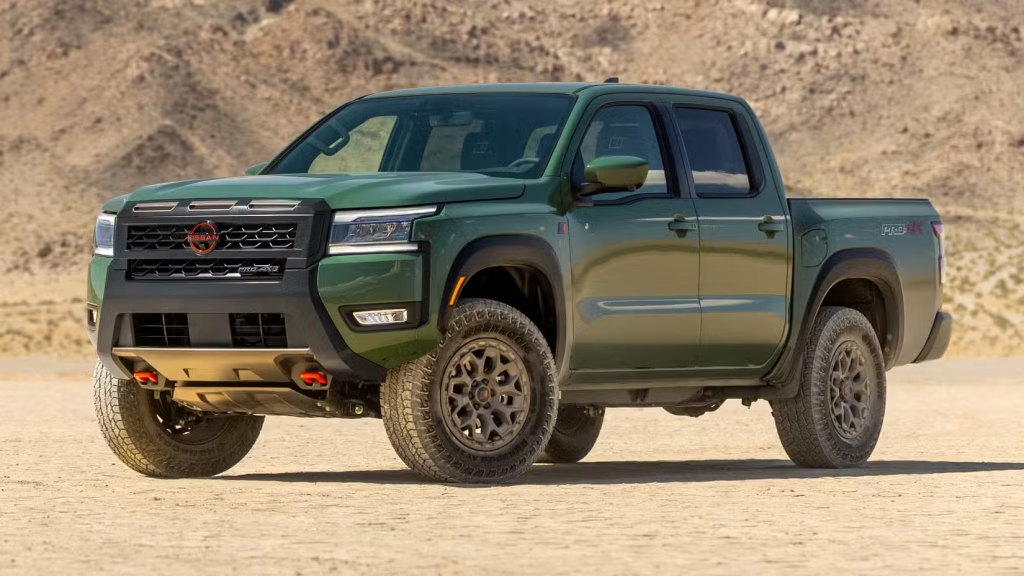
The Frontier also remains a genuine truck rather than a crossover with a bed. Four-wheel drive is available, while the King Cab configuration provides a smaller cabin and lower entry price than the Crew Cab. That configuration is precisely why KBB’s five-year calculation is considerably lower.
For shoppers primarily interested in keeping ownership expenses under control, the King Cab’s projected figures make it worth considering. The important takeaway is that the cheapest version of a pickup can have a substantially different five-year financial profile from a larger, better-equipped configuration.
8. 2026 Toyota Tundra
A full-size pickup appearing on a lower-cost ownership list may seem surprising, but the 2026 Toyota Tundra Double Cab demonstrates why depreciation can significantly influence KBB’s calculation.
KBB estimates a $55,614 five-year cost to own, consisting of $42,428 in out-of-pocket expenses and $13,186 in depreciation. KBB places this configuration in the top 11% to 25% for cost to own among full-size pickups.
The breakdown provides more context. KBB estimates $8,427 for fuel, $6,845 for maintenance and $1,713 for repairs during the five years. Insurance is projected at $16,495, making it the largest individual operating category in the estimate. The Tundra’s relatively modest projected depreciation of $13,186 is another major contributor to its calculated result.
The 2026 Tundra Double Cab uses Toyota’s 3.4-liter twin-turbo V6 i-FORCE engine in its standard gasoline configuration. Output reaches 389 horsepower and 479 lb-ft of torque, while the available i-FORCE MAX hybrid increases output to 437 horsepower and 583 lb-ft in applicable configurations.
This is still a substantial truck, designed for buyers who need full-size capability rather than simply wanting the smallest possible ownership bill. Depending on configuration, the Tundra can provide serious towing and payload capability, while four-wheel drive is available.
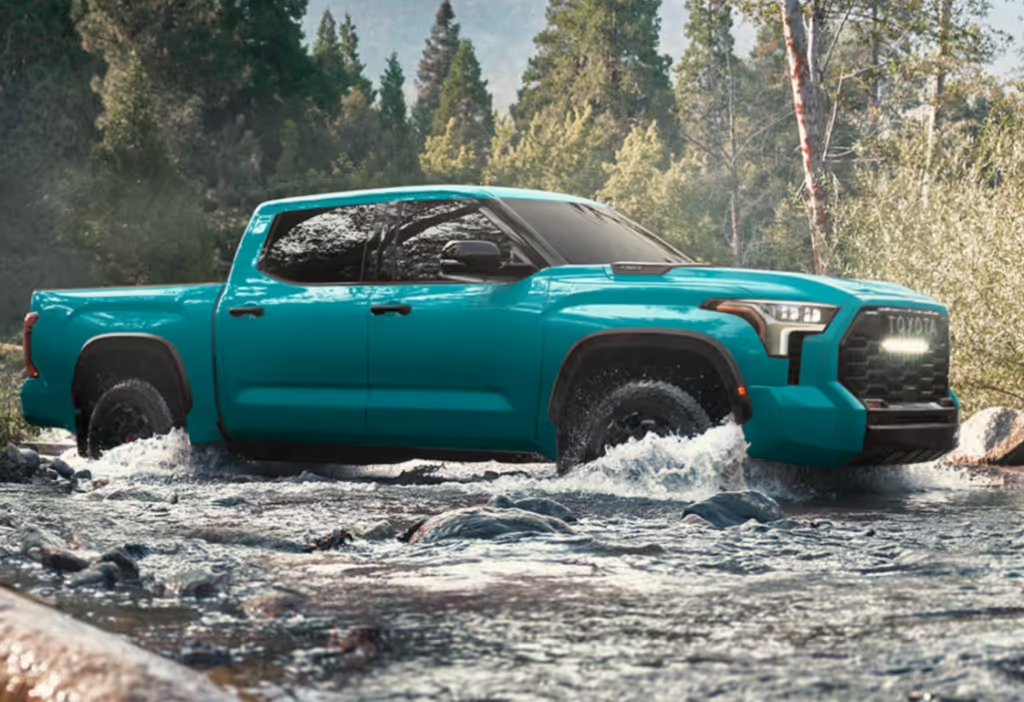
The KBB figures also show why choosing a configuration matters. A Double Cab with a lower equipment level can have a very different five-year cost from a heavily optioned CrewMax.
For someone who genuinely needs a full-size pickup, the Double Cab’s projected depreciation and operating expenses make it an interesting entry in KBB’s cost analysis.
9. 2026 GMC Sierra 1500
The GMC Sierra 1500 makes the list because its projected ownership expenses can be surprisingly competitive when configured as a regular cab.
KBB currently estimates a $55,872 five-year cost to own, including $35,995 in out-of-pocket expenses and $19,877 in depreciation. KBB places the Sierra 1500 in the top 11% to 25% of full-size pickups for this measure.
The cost breakdown is particularly interesting. KBB estimates $9,412 for fuel, $4,367 for maintenance and $1,781 for repairs over five years. Insurance is projected at $10,955, while financing and state fees account for additional expenses. These numbers demonstrate how much configuration can influence a pickup’s ownership calculation.
The regular-cab Sierra can be equipped with several powertrains, including a 2.7-liter turbocharged four-cylinder, a 5.3-liter V8, and a 6.2-liter V8, depending on configuration. The 5.3-liter V8 produces 355 horsepower and 383 lb-ft of torque in the U.S. market, providing substantial capability for towing and hauling.
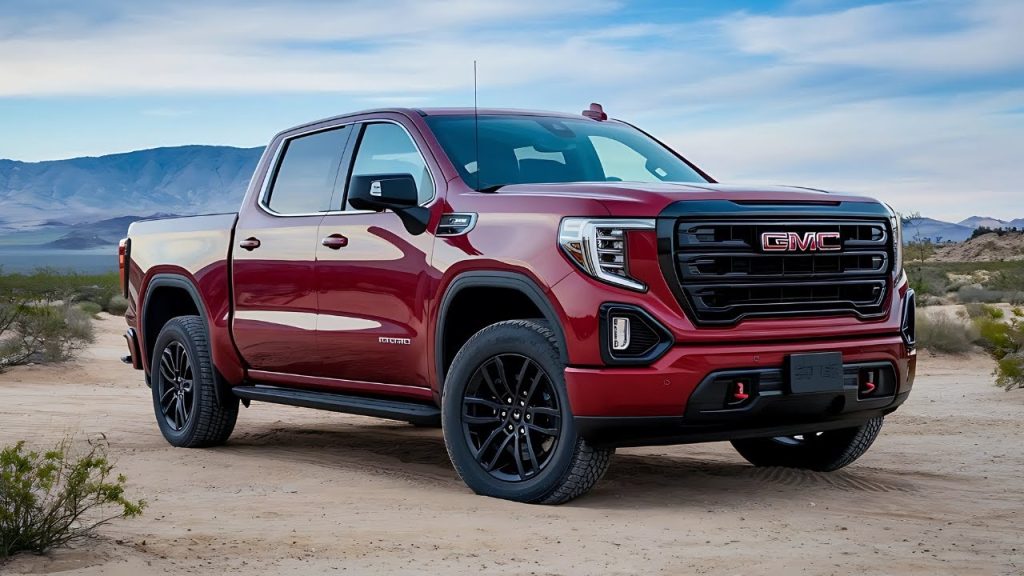
The regular cab also keeps the truck relatively straightforward. With seating for three and a conventional pickup bed, it is aimed more directly at work users than families. That can help keep the purchase configuration simpler than a heavily equipped crew-cab model.
KBB’s data also highlights an important consideration. The Sierra 1500’s five-year cost estimate does not apply equally to every configuration. Crew Cab and Double Cab models can have different projected expenses, while factors such as equipment, drivetrain, and driving habits can significantly affect the final calculation.
10. 2026 Ford F-150
The Ford F-150 remains one of America’s most recognizable pickups, but its place in a cost-to-own discussion comes from more than sales volume. KBB currently estimates a $59,329 five-year cost to own for the 2026 F-150 regular cab.
That consists of $39,667 in projected out-of-pocket expenses and $19,662 in depreciation. KBB places the F-150 in the top 11% to 25% among full-size pickups for five-year ownership cost.
KBB’s breakdown puts fuel at $11,926, maintenance at $5,431, and repairs at $1,833 over five years. Insurance is estimated at $11,720, while financing and state fees contribute additional costs. The figures are estimates rather than guarantees, and actual expenses can vary with mileage, location, insurance profile, and equipment.
Ford offers the F-150 with a broad range of engines. The 2.7-liter EcoBoost V6 produces 325 horsepower and 400 lb-ft of torque, while the 5.0-liter V8 makes 400 horsepower and 410 lb-ft.
The available 3.5-liter EcoBoost V6 produces 430 horsepower and 570 lb-ft, with the PowerBoost hybrid also available for buyers seeking a different combination of efficiency and capability.
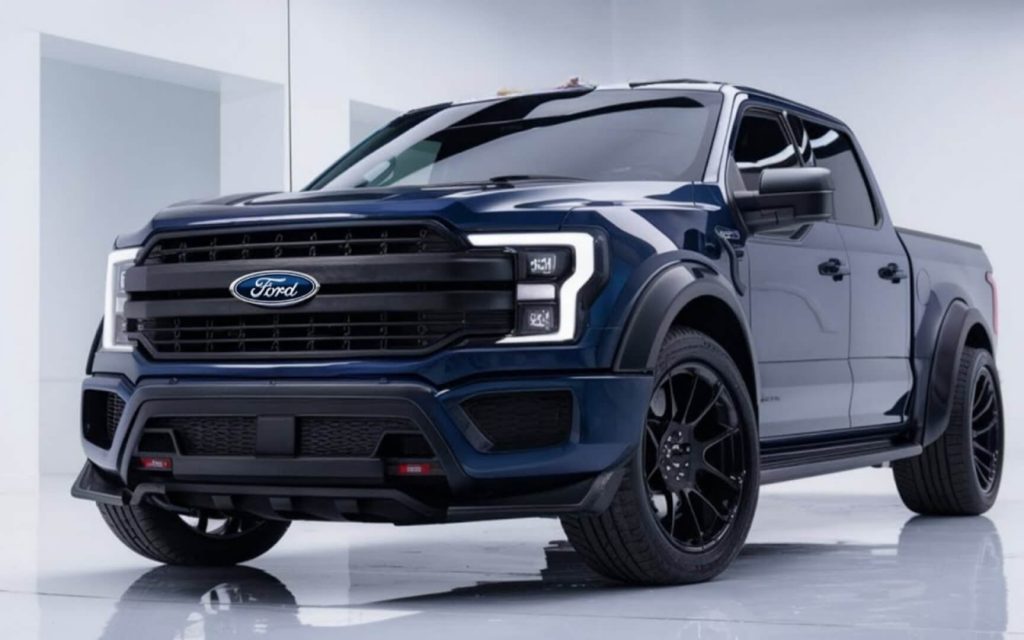
The regular-cab configuration is the important detail here. It reduces cabin and seating capacity compared with SuperCab and SuperCrew models, but it can make sense for buyers who primarily need a work vehicle.
KBB’s calculation shows why comparing specific configurations is essential. A truck’s body style, engine, and equipment can materially change five-year expenses, even within the same model family.
11. 2026 Chevrolet Silverado 1500
The Chevrolet Silverado 1500 demonstrates why a full-size pickup can still appear in a five-year ownership-cost list without needing to be a compact or midsize truck.
KBB currently estimates a $58,830 five-year cost to own for the 2026 Silverado 1500, including $38,939 in projected out-of-pocket expenses and $19,891 in depreciation. KBB places the model in the top 10% of full-size pickups for this measure.
The regular-cab configuration is even more interesting. KBB’s current estimate for that version is $58,292, with $39,501 in out-of-pocket expenses and $18,791 in depreciation. That makes body style an important part of the ownership equation, rather than treating every Silverado as financially identical.
The Silverado can be equipped with several engines, including a 2.7-liter turbocharged four-cylinder, a 5.3-liter V8, and a 6.2-liter V8. The 5.3-liter V8 produces 355 horsepower and 383 lb-ft of torque, while the available 6.2-liter V8 produces 420 horsepower and 460 lb-ft of torque. Buyers can also choose a 3.0-liter Duramax turbo-diesel in applicable configurations.
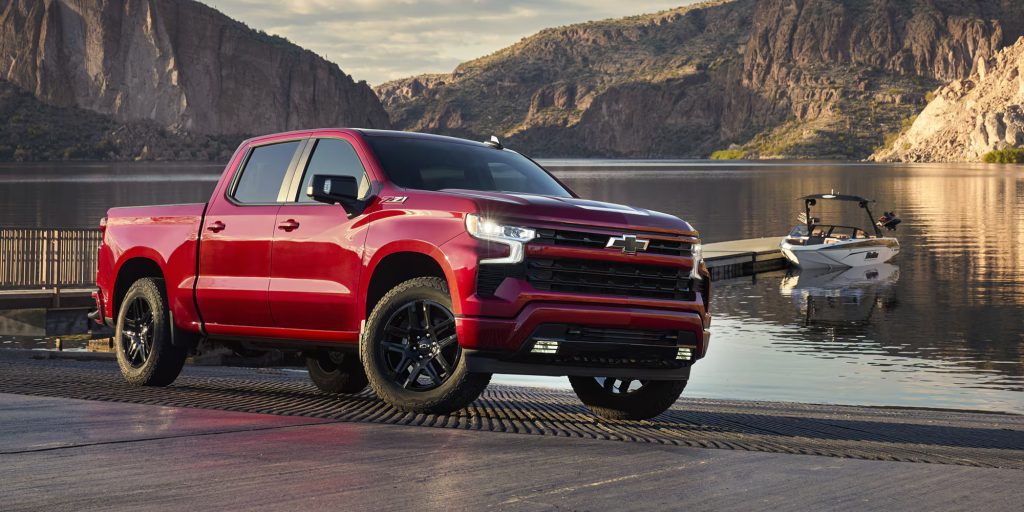
For work users, the Silverado’s conventional truck architecture remains its biggest advantage. Different cab, bed, drivetrain, and engine combinations allow buyers to prioritize towing, payload, passenger space, or purchase price.
KBB’s numbers show that the least expensive configuration is not necessarily the one with the lowest sticker price alone. Depreciation, fuel, maintenance, insurance, and financing all contribute to the final figure, making configuration selection particularly important when estimating five-year ownership expenses.
12. 2026 Jeep Gladiator
The Jeep Gladiator closes the list with a pickup that prioritizes off-road capability while still producing a five-year ownership estimate below many larger full-size trucks. KBB currently puts the 2026 Gladiator at $59,552 over five years, consisting of $41,358 in out-of-pocket expenses and $18,194 in depreciation.
The ownership breakdown includes $9,534 in fuel, $5,837 in maintenance, and $1,817 in repairs. Insurance is projected at $14,205, while financing and state fees add further costs.
KBB categorizes the Gladiator’s five-year ownership cost in the middle range among midsize pickups, so its inclusion here comes from the specific current estimate rather than a claim that every Gladiator configuration has identical expenses.
Unlike most pickups on this list, the Gladiator is built around a removable-roof, removable-door Jeep design and standard four-wheel-drive architecture. Every 2026 model uses a 3.6-liter Pentastar V6 producing 285 horsepower and 260 lb-ft of torque.
An eight-speed automatic is available, while the six-speed manual transmission continues to provide a more traditional driving experience on applicable versions.
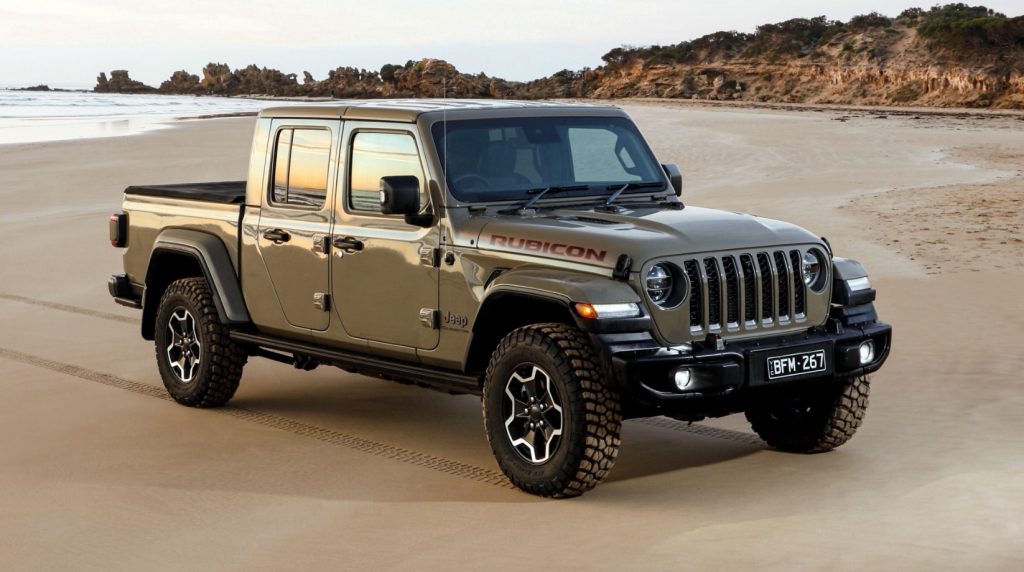
The truck measures 218.0 inches long and has 10.0 inches of minimum ground clearance. Its five-foot bed provides useful cargo space, while the 5,000-pound maximum towing capacity gives it genuine utility beyond recreational trail driving.
The Gladiator’s ownership numbers should therefore be viewed alongside what it offers. Someone buying it for serious off-road use receives capabilities that many lower-cost pickups cannot duplicate, while KBB’s calculation shows that those capabilities do not necessarily translate into the highest projected five-year ownership expense.
