Buying a new car in 2028 may feel very different from buying one today, especially when features that once appeared only in expensive option packages become common equipment.
Safety regulations, falling sensor costs, stronger consumer expectations, and rapid technology adoption are pushing automakers toward broader standardization. Several technologies already have high installation rates, while others are moving quickly from premium trims into mainstream vehicles.
This article examines ten features with strong evidence behind their growth, using current regulatory timelines, industry adoption figures, and consumer technology studies to explain why these paid extras could become standard equipment across more vehicles by 2028.
1. Automatic Emergency Braking
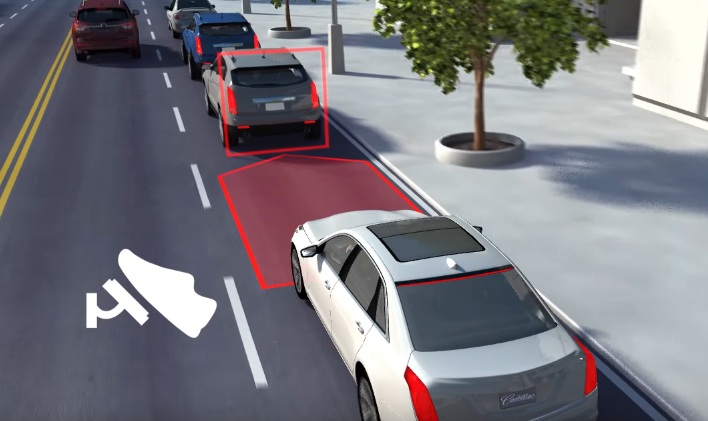
Automatic emergency braking, commonly called AEB, has moved far beyond the premium-car category. The system uses cameras, radar, or other sensors to identify an imminent collision and can warn the driver before automatically applying the brakes.
The technology has already reached a high level of market penetration. According to the Insurance Institute for Highway Safety, front crash prevention was standard on 79% of new vehicle series for the 2023 model year, while another 12% offered it as an option. That leaves relatively little room for the feature to remain an expensive upgrade.
The regulatory direction is even stronger. The U.S. National Highway Traffic Safety Administration finalized a rule requiring automatic emergency braking and pedestrian automatic emergency braking on new passenger cars and light trucks by September 2029.
NHTSA estimates the requirement will prevent at least 24,000 injuries and save at least 360 lives each year. The agency also requires systems to operate effectively at higher speeds and detect pedestrians in both daylight and darkness. These requirements create a powerful incentive for manufacturers to make the technology standard before the legal deadline.
Europe has moved even faster. Under the European Union’s General Safety Regulation, new vehicles sold from July 2024 must include several advanced safety technologies.
The European Commission lists automated braking, lane-keeping assistance, intelligent speed assistance, reversing detection, driver attention warnings, and other systems among the technologies required under the updated framework.
This means automakers selling vehicles across multiple major markets are already designing platforms around standard driver assistance equipment rather than treating each system as a luxury feature.
The cost structure also favors wider adoption. AEB depends on sensors and electronic control systems that can support several functions at once. A camera or radar sensor may contribute to collision warning, adaptive cruise control, lane assistance, pedestrian detection, and other applications.
As these systems become more common across vehicle platforms, manufacturers can spread hardware and development costs across millions of vehicles. That makes it increasingly difficult to justify keeping basic collision prevention behind a premium package.
By 2028, AEB should therefore be viewed as a mainstream safety technology rather than a luxury feature. The evidence does not prove that every manufacturer will make every version standard by that exact year, but the direction is clear.
A feature that was optional on many vehicles has already become standard across most new vehicle series, regulatory mandates are expanding, and manufacturers are integrating related sensors into broader safety systems. For buyers, the important change will be that paying extra for basic automatic braking becomes increasingly difficult to justify.
2. Lane Keeping Assistance
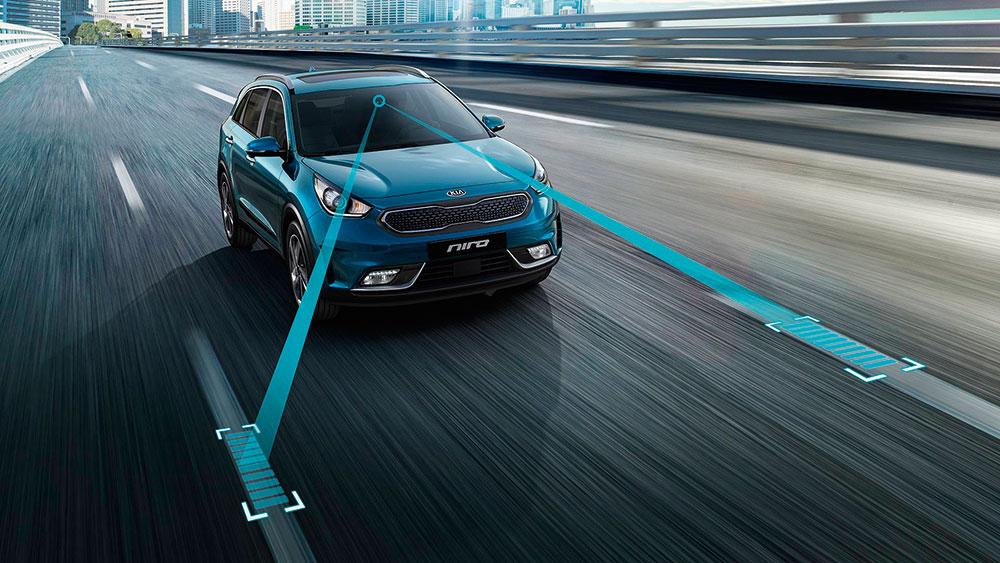
Lane keeping assistance is following a similar path. The technology monitors road markings and helps prevent unintended lane departures by providing steering input or warnings.
Higher-end vehicles have offered sophisticated versions for years, while less expensive cars increasingly include basic lane departure warning and lane centering systems. As electronic steering systems become more widespread, adding software-based assistance becomes easier for manufacturers.
European regulations provide strong evidence for this transition. The European Commission states that cars and vans covered by the updated General Safety Regulation must include lane-keeping systems and automated braking.
These requirements apply to new vehicles sold in the European Union from July 2024. That means lane support is already moving from an optional premium technology toward required equipment in a major automotive market.
The U.S. market is developing through a combination of consumer expectations, safety testing, and manufacturer strategies. IIHS notes that advanced driver assistance systems are becoming more widespread and that automakers have made significant progress in crash avoidance technologies.
Safety ratings also influence purchasing decisions because manufacturers have strong commercial incentives to equip vehicles with technologies that improve performance in independent evaluations.
Lane assistance also benefits from shared hardware. Cameras used for forward collision warning can recognize lane markings, while steering systems can provide the physical input needed for lane keeping.
Once the required computing and sensing architecture exists, adding additional software capabilities can be less expensive than developing a completely separate system. This encourages automakers to place the technology across more trim levels.
By 2028, basic lane keeping assistance is likely to appear on a much larger proportion of mainstream vehicles. More advanced hands-free driving capabilities should not be confused with basic lane support.
The latter is a safety assistance function, while sophisticated automated driving requires much greater sensing, software validation, driver monitoring, and regulatory approval. The strongest data supports wider availability of basic lane assistance rather than a prediction that every car will offer hands-free driving.
3. Blind Spot Monitoring
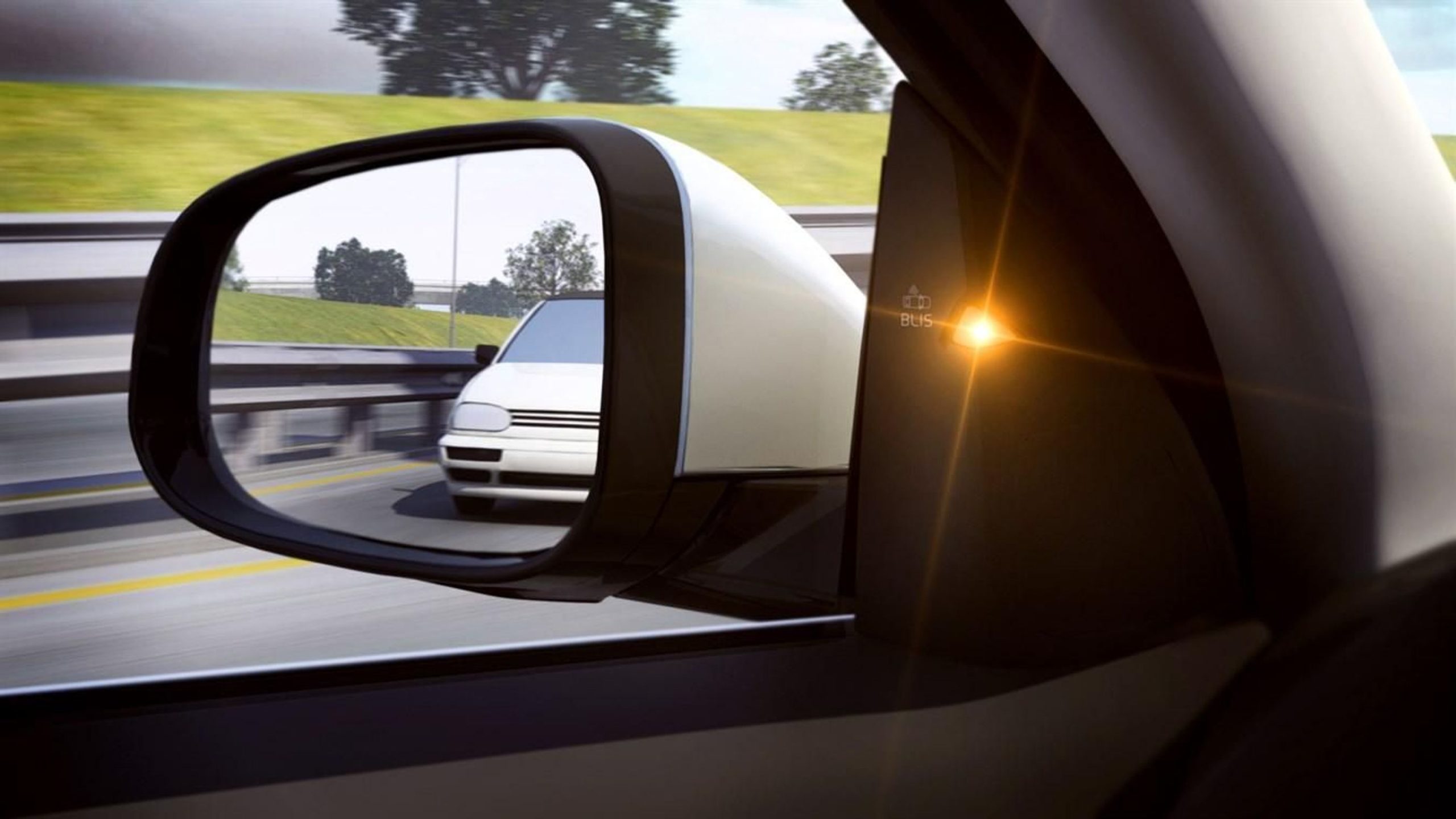
Blind spot monitoring has become increasingly familiar to mainstream buyers. The system alerts drivers when another vehicle is positioned in an area that can be difficult to see using conventional mirrors.
Some newer systems go further by providing a camera view when the turn signal is activated. These technologies were historically associated with expensive trims, but their presence is expanding rapidly.
The 2025 J.D. Power U.S. Tech Experience Index provides particularly useful consumer data. It found that 93% of customers who had access to a blind spot camera used it most of the time, while 74% said they wanted the feature in a future vehicle. J.D. Power also reported that vehicles equipped with the feature spent less time on dealer lots than vehicles without it. These figures indicate that buyers are not merely accepting the technology. A significant share actively wants it.
Blind spot monitoring can also be integrated with other driver assistance functions. Radar sensors positioned near the rear corners of a vehicle can monitor adjacent traffic and support blind spot warnings.
The same sensing architecture can contribute to rear cross-traffic alerts and other assistance systems. Greater use of shared hardware helps reduce the cost of providing several safety functions together.
The growth of large SUVs, pickup trucks, and crossover vehicles strengthens the case for wider adoption. Larger vehicles can have substantial blind areas, particularly around rear quarters and during lane changes.
Camera-based systems provide additional visual information without requiring drivers to physically reposition themselves. As screen technology becomes common inside vehicles, presenting these views becomes easier.
The available data does not establish that every 2028 vehicle will include a blind spot camera. It does show strong consumer interest and substantial technology adoption. Basic blind spot warnings are already common in many markets, while camera-based versions are spreading.
By 2028, buyers could increasingly find that paying extra for basic blind spot assistance is unnecessary because manufacturers use it as standard equipment to strengthen safety packages and product competitiveness.
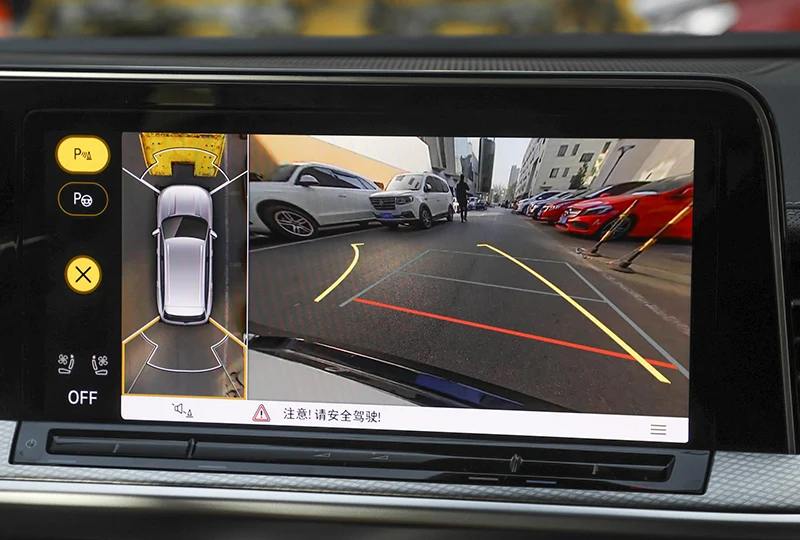
4. Rear-View Cameras and Surround-View Systems
Rear-view cameras have already crossed the line from luxury equipment to standard safety hardware in many markets. In the United States, rear visibility requirements pushed manufacturers toward widespread camera installation years ago.
Modern systems have expanded beyond a simple rear image, with higher-priced vehicles offering 360-degree surround views that combine several cameras into a bird’s-eye perspective.
The next stage is likely to involve broader availability of multi-camera systems. J.D. Power’s 2025 Tech Experience Index recognized camera rear-view mirror technology among its technology awards and highlighted growing consumer interaction with advanced camera-based vehicle functions.
Its findings illustrate how visual assistance is becoming integrated into mainstream vehicle design rather than being restricted to specialized luxury products.
European regulation also supports continued growth in reversing assistance. The European Commission lists reversing detection using cameras or sensors among mandatory technologies for new vehicles under its General Safety Regulation.
This does not mean every vehicle must have a particular 360-degree camera arrangement, but it establishes a regulatory foundation for increasingly sophisticated rear visibility systems.
Hardware costs have also changed the economics. A modern vehicle can use several small cameras positioned around the exterior, then process those feeds through centralized computing hardware.
As manufacturers install more cameras for parking, safety, and driver assistance, the incremental cost of adding additional camera functions can fall. Software can then determine which view appears on the central display.
By 2028, the distinction between a basic backup camera and a more advanced parking camera system could become increasingly important. The backup camera is already mainstream, while 360-degree visualization remains more dependent on trim level and manufacturer.
The available evidence supports a continued movement toward broader standardization, particularly on larger vehicles where parking visibility is a major usability concern.
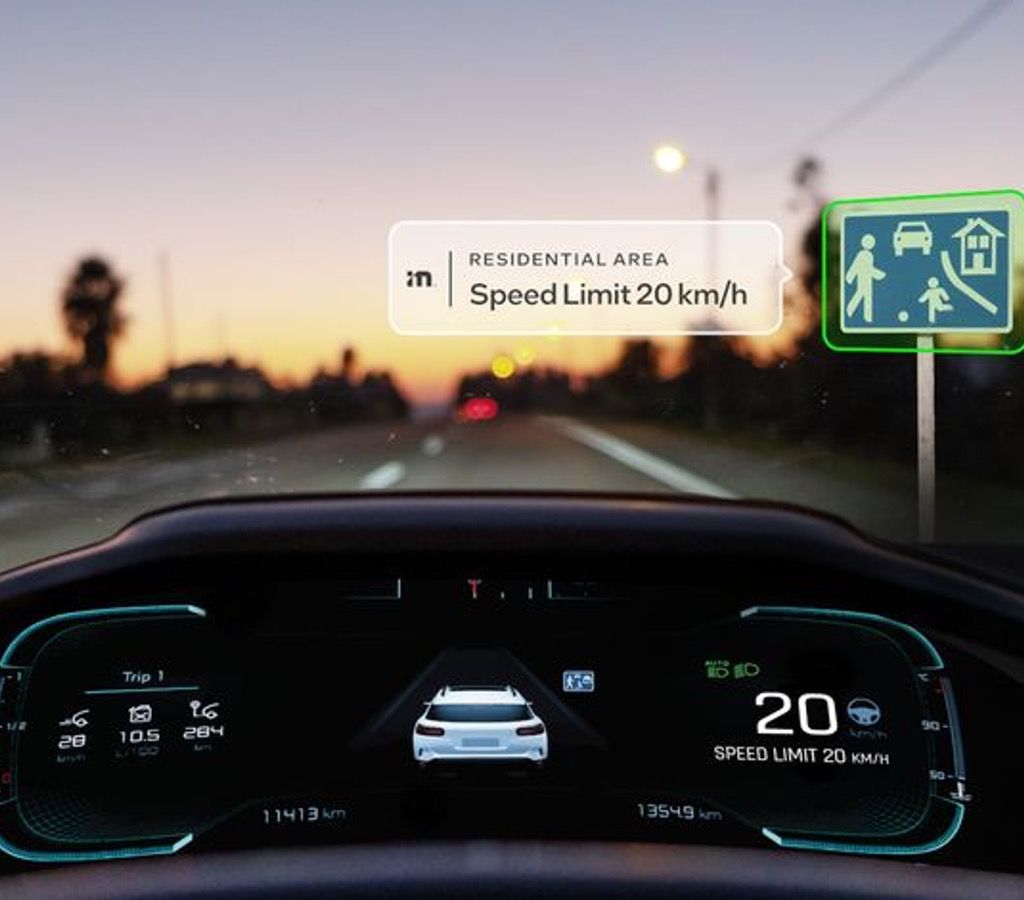
5. Intelligent Speed Assistance
Intelligent speed assistance may sound less familiar to buyers than automatic braking, but regulatory developments are pushing it rapidly toward mainstream adoption.
The system uses information from road signs, maps, cameras, or other sources to identify applicable speed limits and notify the driver when the vehicle is traveling too fast. Some implementations provide feedback through the accelerator or other controls.
The European Union has already established a clear regulatory path. Under the General Safety Regulation, intelligent speed assistance is required on new vehicles sold within the EU from July 2024.
The system is designed to inform drivers when the applicable speed limit is exceeded, while still allowing the driver to override the prompted speed. This makes it fundamentally different from a system that physically prevents the vehicle from exceeding a limit.
The technology can rely on equipment that vehicles increasingly carry for other purposes. Forward-facing cameras used for lane recognition and collision avoidance can also read speed signs.
Digital mapping systems can supplement camera information. Connected vehicles may receive updated road information through cloud services. Combining these data sources can make speed recognition more useful without requiring a separate hardware package.
Its expansion also reflects a broader shift toward driver assistance being treated as a basic vehicle function. As regulators emphasize crash prevention and manufacturers compete on safety technology, speed assistance can become part of a larger electronic safety architecture.
It also works alongside adaptive cruise control, navigation, and traffic recognition systems, creating opportunities to integrate multiple functions through shared software.
By 2028, intelligent speed assistance should be increasingly familiar, particularly in vehicles sold across markets influenced by European safety standards. Adoption in other regions may vary because regulatory requirements differ.
Still, the existence of a major regulatory framework requiring the technology demonstrates that it has progressed beyond an experimental feature. For buyers, the key change could be seeing speed-limit recognition presented as ordinary equipment rather than an expensive technology package.
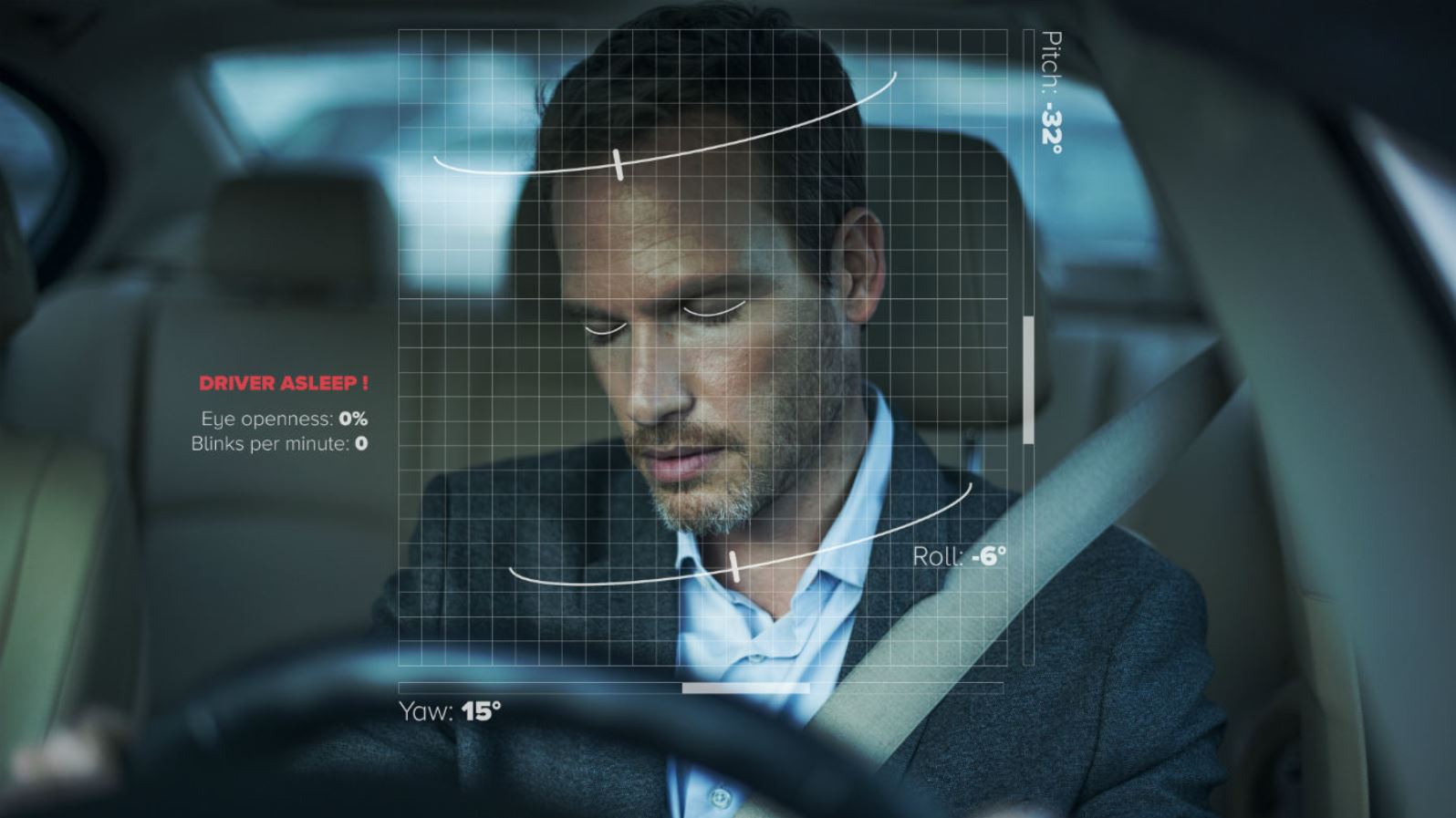
6. Driver Attention and Drowsiness Monitoring
Driver monitoring systems are gaining importance as vehicles become more capable of assisting with steering, braking, and speed control.
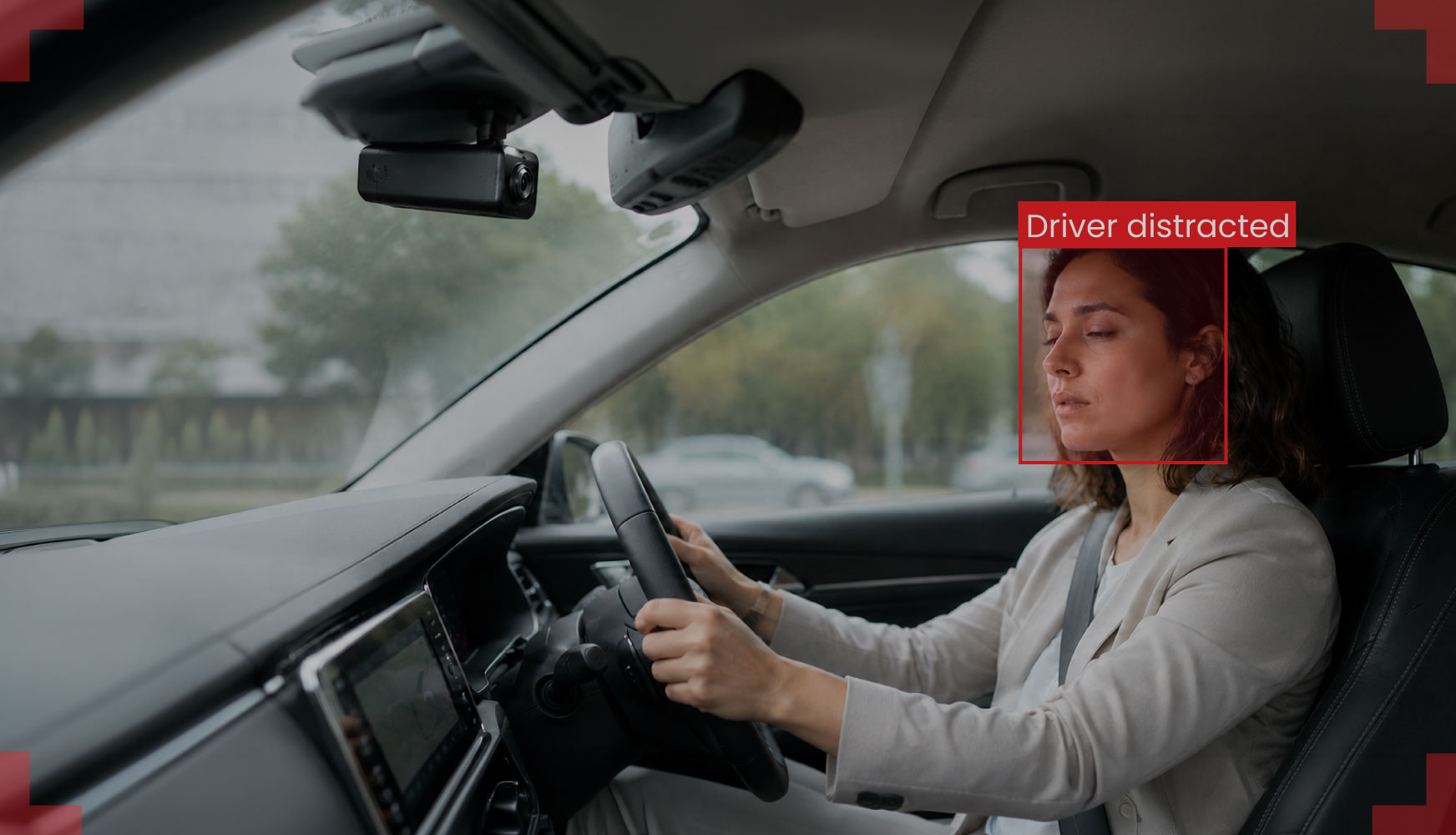
These systems attempt to determine whether a driver remains attentive to the road. Depending on the design, monitoring can involve steering behavior, camera-based observation, eye tracking, or other signals. Premium vehicles have offered sophisticated systems, but regulations are accelerating adoption.
The European Union already requires driver drowsiness and attention warning technology for new vehicles covered by its updated safety rules. Advanced driver distraction warning is also included in the regulatory framework.
This is significant because it moves driver monitoring from a premium convenience feature toward a safety requirement in a major automotive market.
J.D. Power’s 2025 U.S. Tech Experience Index shows that driver recognition technologies are becoming an important part of automotive technology. The study reported that direct driver monitoring generated 19.4 problems per 100 vehicles, illustrating that the technology is still developing and that usability matters.
The figure should not be interpreted as evidence against monitoring itself. It shows that manufacturers still have work to do to make these systems reliable and intuitive.
Driver monitoring will become increasingly important as assisted driving expands. A vehicle that can steer or maintain speed for extended periods needs a way to determine whether the person behind the wheel is paying attention. This creates a direct connection between driver monitoring and the broader development of advanced driver assistance systems.
By 2028, basic attention monitoring is likely to be much more common than it is today. The precise technology will vary, and consumers may encounter differences in camera placement, warning strategies, and system sensitivity.
The data supports a trend toward wider adoption rather than a guarantee that every vehicle will have identical capabilities. Regulatory requirements in Europe provide the clearest evidence that the technology is moving toward standard status.
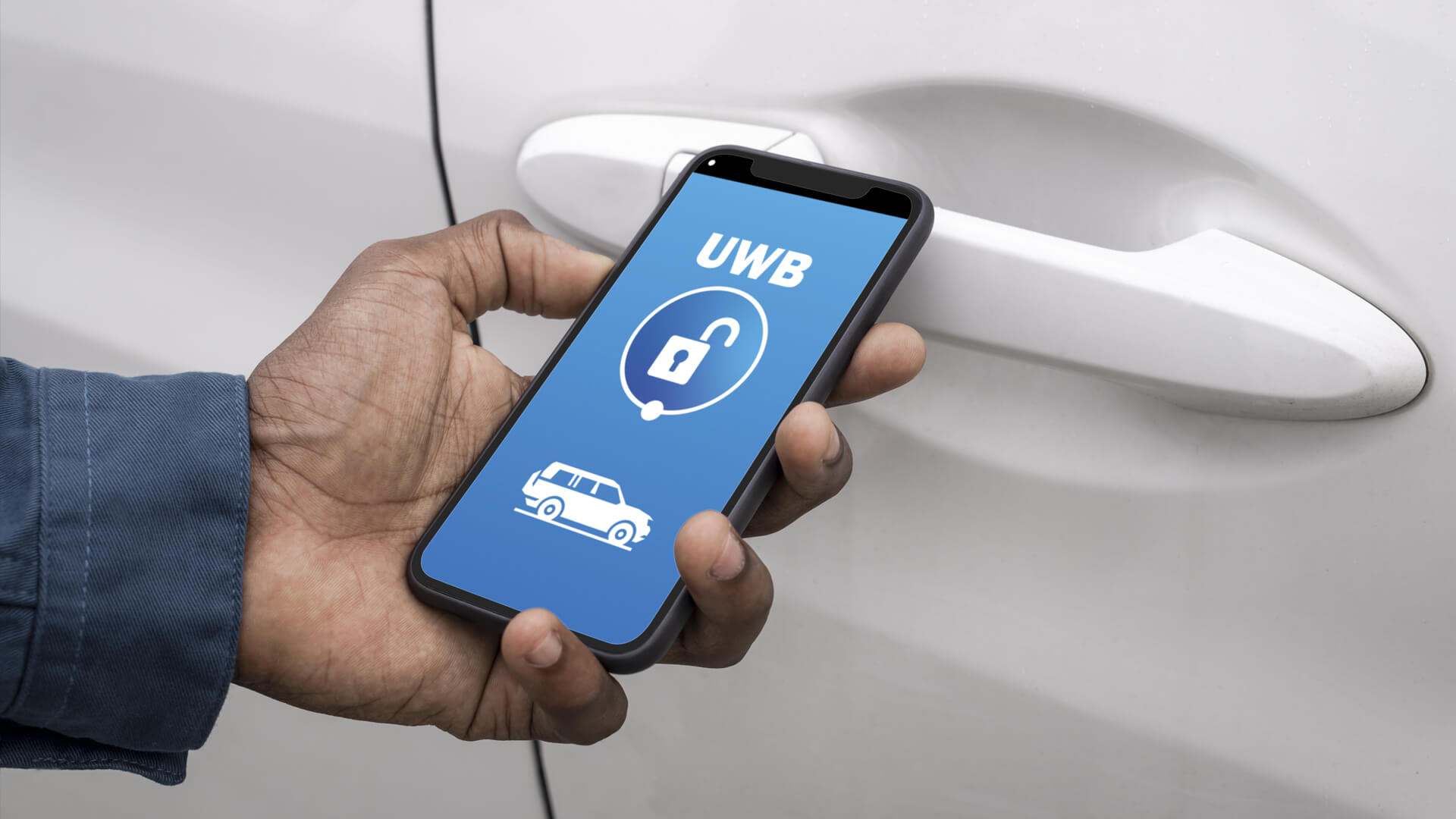
7. Digital Key and Smartphone-Based Vehicle Access
Digital keys are changing the traditional concept of the car key. Instead of carrying a physical fob, drivers can use a compatible smartphone to unlock and start a vehicle.
Premium manufacturers introduced such systems earlier, but the technology is gradually appearing in mainstream models. The growth of smartphones, secure authentication, Bluetooth, ultra-wideband technology, and digital wallet platforms supports this transition.
J.D. Power’s 2025 U.S. OEM ICE App Report found that smartphone-as-key was a feature that 39% of vehicle owners expected to use daily. The same study found strong interest in other app-based functions, showing that consumers are becoming more comfortable managing vehicle functions through smartphones.
Digital keys can also reduce the need for manufacturers to maintain separate physical key hardware. A smartphone can provide authentication, vehicle access, user profiles, and sharing capabilities through software.
Families can potentially share digital access without handing over a physical key. Fleet operators and rental companies can also benefit from temporary or remotely managed permissions.
The technology is not without challenges. Battery life, device compatibility, connectivity, security, and setup complexity can affect the user experience. J.D. Power’s research on automotive apps also identifies connectivity problems as a significant reason some owners stop using vehicle applications. A digital key must work consistently because access problems can immediately become practical problems for drivers.
By 2028, smartphone-based access could become increasingly common in mainstream cars, especially as manufacturers standardize connected-vehicle platforms. It is less certain that every vehicle will completely eliminate physical keys.
The more realistic shift is toward digital keys becoming standard or widely available, with physical alternatives retained for backup. Consumer demand and expanding smartphone integration provide measurable support for that direction.

8. Remote Lock, Climate Control, and Vehicle Commands
Remote vehicle controls were once associated with luxury brands and expensive connected-car packages.
Today, many manufacturers offer smartphone applications that allow owners to lock doors, start climate control, check vehicle status, locate vehicles, or operate charging functions. The major question is whether these services will become standard equipment rather than subscription-based extras.
J.D. Power’s 2025 OEM ICE App Report provides useful data. It found that 34% of surveyed owners considered remote lock and unlock a feature they wanted to use daily, while 31% showed daily-use interest in remote trunk control.
Heated and cooled seat controls were also among the features owners expected to use frequently. These findings indicate meaningful demand for remote interaction with vehicle functions.
Connected services can also become cheaper to deploy as manufacturers create shared software platforms. A single telematics control unit can communicate with the vehicle and cloud services, allowing multiple functions to be delivered through the same infrastructure. Once that hardware is installed across a vehicle range, manufacturers can decide which capabilities to activate through software.
The challenge is the business model. Some automakers have experimented with subscriptions for connected functions, creating debate about whether hardware-installed features should require recurring payments. J.D. Power’s research found that connectivity and interface problems remain significant barriers to sustained app use. This suggests manufacturers have an incentive to make core functions simple, reliable, and widely accessible.
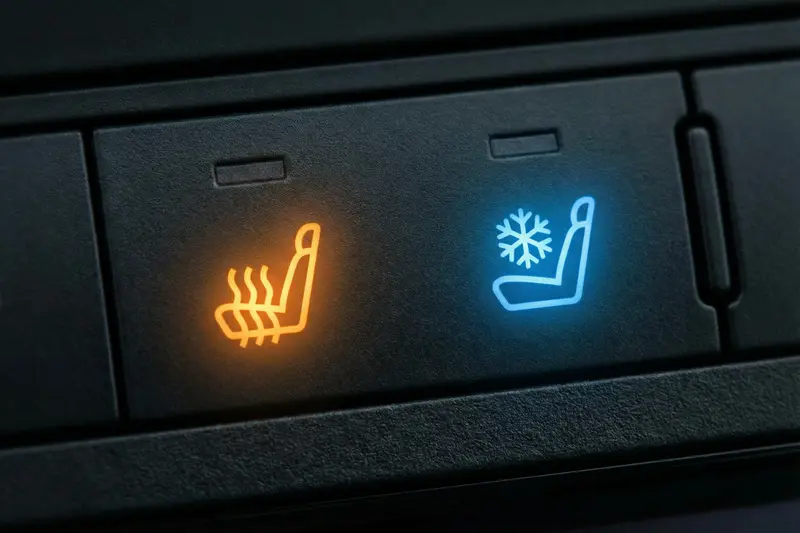
9. Heated and Cooled Seat Controls
Heated seats have already moved into relatively affordable vehicles, while ventilated seats remain more closely associated with higher trim levels in many markets.
The technology is straightforward compared with advanced autonomous driving systems, and its popularity makes it a strong candidate for wider standardization. Consumers increasingly expect comfort features that were once reserved for premium vehicles.
J.D. Power’s 2025 OEM ICE App Report found that heated and cooled seat controls were among the features owners expected to use frequently, with 38% identifying them as a feature they wanted to use daily. This is particularly relevant because daily-use expectations can influence how manufacturers package comfort technology.
Climate control technology also benefits from shared components. Heated seats require relatively simple electrical heating elements, while ventilated seats use fans and perforated surfaces.
Modern vehicle electrical systems can manage these functions through centralized control software. As production volumes increase, the cost difference between offering the technology and leaving it out can become less significant.
Climate considerations may further encourage adoption. Heated seats can provide personal warmth without requiring the entire cabin to reach a higher temperature, potentially changing how occupants use the vehicle’s heating system. Ventilated seats can improve comfort in hot conditions.
These benefits apply to everyday driving rather than specialized circumstances, which makes the technology easier to market across a broad customer base.
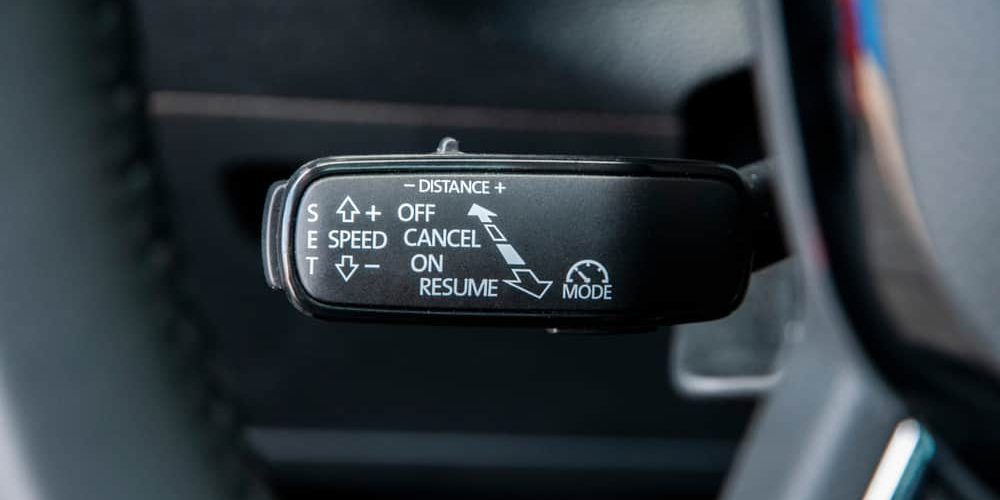
10. Adaptive Cruise Control
Adaptive cruise control automatically adjusts a vehicle’s speed to maintain a selected following distance from traffic ahead. It has historically been more expensive than conventional cruise control, but the technology is increasingly connected with broader driver assistance systems.
Radar and camera sensors used for collision avoidance can also provide information needed for adaptive speed management.
The growth of automatic emergency braking and forward collision warning creates a strong technical foundation for adaptive cruise control. NHTSA’s 2029 AEB requirement demonstrates how forward sensing systems are becoming essential parts of new light vehicles in the United States.
Manufacturers already developing sensor architectures to satisfy those requirements can potentially use the same hardware for additional driver assistance capabilities.
Adaptive cruise control also interacts with lane keeping, traffic recognition, and navigation. When these functions are integrated, the vehicle can manage speed and distance while the driver remains responsible for supervision. This combination is a major component of modern Level 2 driver assistance systems, though it should not be confused with fully autonomous driving.
Consumer expectations are also changing as more vehicles offer sophisticated assistance. J.D. Power’s technology studies show that driver assistance is now a major part of the vehicle technology experience.
The challenge is making these systems intuitive. Technology that performs poorly or communicates badly can reduce satisfaction even when its underlying purpose is useful.