
Car theft is rarely a major consideration when choosing a family vehicle, but it can be worth examining. Insurance data from the Highway Loss Data Institute shows that minivans and some SUVs have relatively low rates of theft claims compared with many other vehicle types.
While flashy sports cars and pickups often dominate theft headlines, these practical, family-friendly rides rarely make it onto thieves’ radar. Whether you are hauling kids to soccer practice or loading up for a road trip, choosing one of these ten vehicles could mean fewer sleepless nights worrying about your car disappearing from the driveway. Here is what the data actually shows.
1. Chrysler Pacifica Plug-in Hybrid
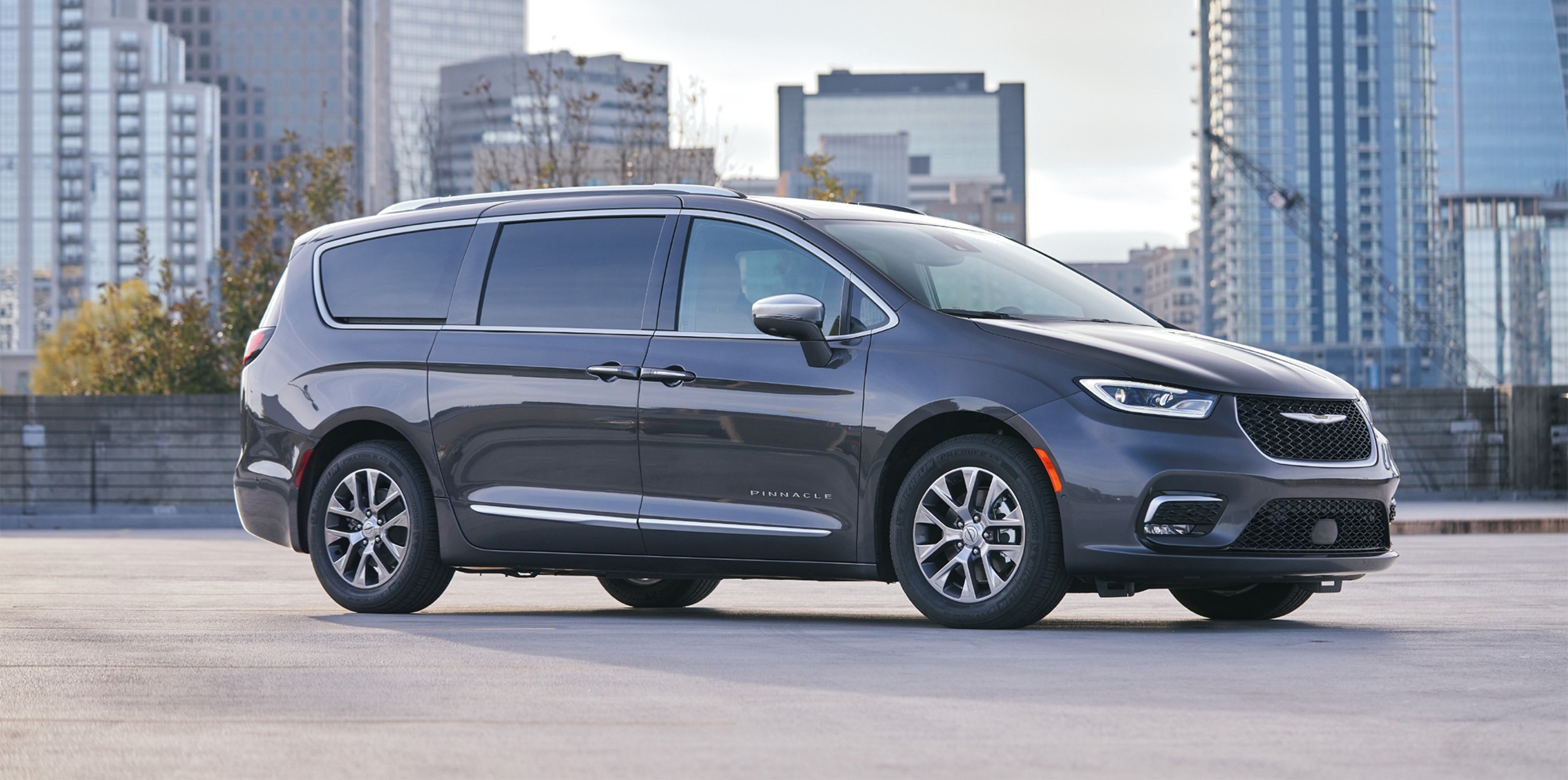
Sitting at the top of this list, the Chrysler Pacifica Plug-in Hybrid posted numbers that make it one of the hardest vehicles in America for a thief to bother targeting.
Its relative whole-vehicle theft claim frequency landed at just 14, putting it roughly 86% below the average across all passenger vehicles tracked in the HLDI study.
That gap is not small. It represents a dramatic difference between how often thieves go after this particular minivan compared to nearly everything else on the road.
Its relative total theft-loss figure told an equally encouraging story, coming in at only 12. Insurance companies pay close attention to figures like this because they reflect actual dollar amounts paid out on stolen-vehicle claims, not just how frequently a theft attempt happens.
A low number here means fewer successful thefts and lower payouts when something does go wrong, which typically translates into friendlier insurance premiums for owners.
Part of the explanation likely traces back to the vehicle’s plug-in hybrid drivetrain, which includes more sophisticated electronics and security systems than a standard gas-powered van.
Thieves generally prefer targets that are quick and predictable, and a vehicle loaded with unfamiliar hybrid components tends to scare off anyone without specialized knowledge of how to bypass its systems.
Families cross-shopping minivans should weigh this data seriously. Beyond the practical cargo space and fuel savings a plug-in hybrid offers, the Pacifica’s theft numbers suggest owners can also expect real peace of mind every time they park it in a public lot or leave it overnight on a city street.
2. Toyota Sienna Hybrid 4WD
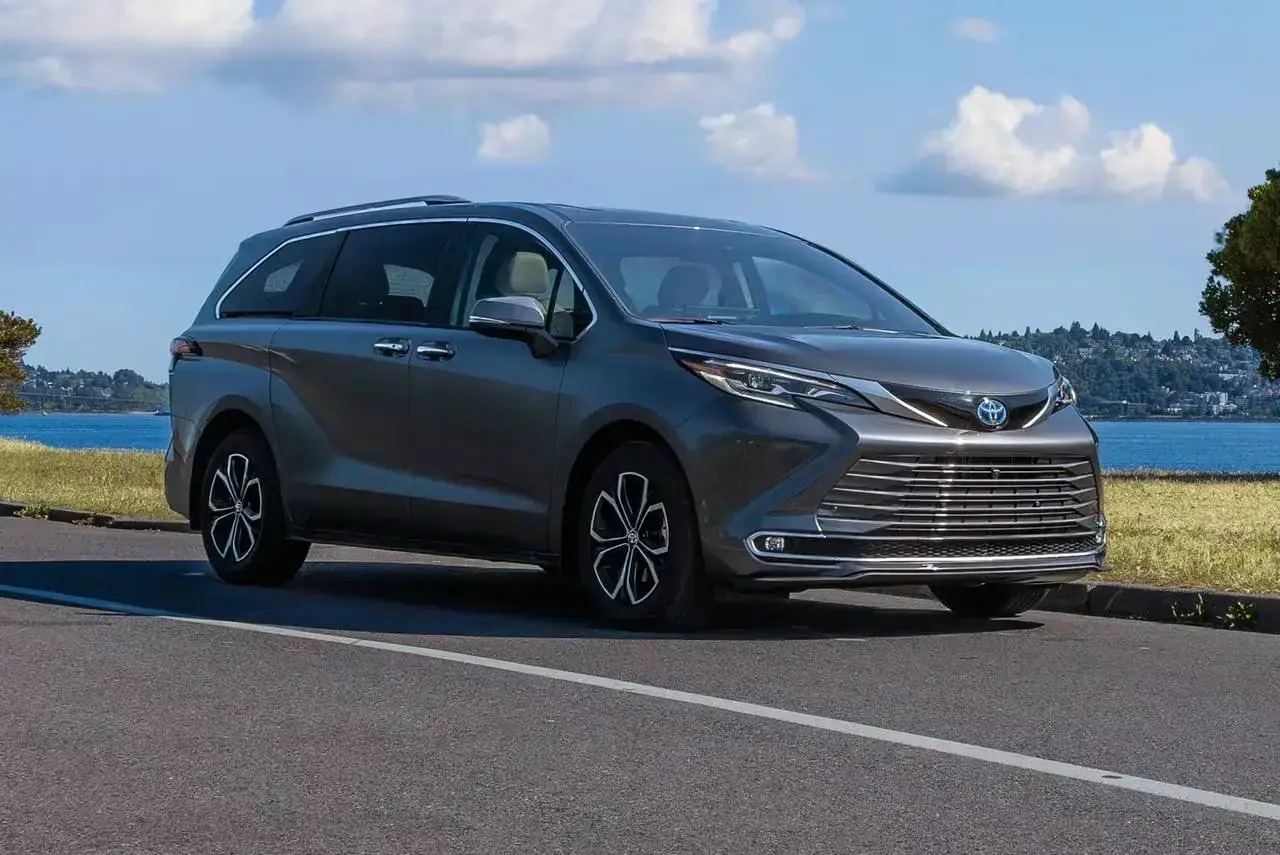
Right behind the Pacifica Plug-in Hybrid sits another hybrid minivan putting up nearly identical numbers. The Toyota Sienna Hybrid 4WD recorded a relative claim frequency of 14, matching the top spot exactly, while its relative total theft-loss figure came in slightly higher at 13.
Either way you slice it, this van sits firmly among the least-targeted vehicles tracked anywhere in the entire HLDI dataset. Toyota’s reputation for building dependable vehicles clearly extends beyond mechanical reliability and into theft resistance as well.
Hybrid systems, much like in the Pacifica above, add a layer of technical intimidation that keeps opportunistic thieves looking elsewhere for an easier score.
A van that requires specialized knowledge just to start without the correct fob becomes far less appealing than a vehicle a criminal could hot-wire in under a minute using outdated techniques.
Four-wheel drive adds another dimension worth considering here too. Families who choose this configuration tend to live in regions with harsher weather, and the added mechanical sophistication of an all-wheel-drive hybrid powertrain likely compounds the deterrent effect already created by the hybrid battery and electronics.
Given how popular the Sienna has become among families prioritizing both safety and efficiency, these theft numbers should offer real reassurance to anyone cross-shopping minivans right now.
Between class-leading reliability, respectable fuel economy from the hybrid system, and now data confirming it rarely attracts thieves, the Sienna Hybrid checks boxes that matter to buyers thinking well past the day they drive it off the lot.
3. Mazda CX-5 4WD
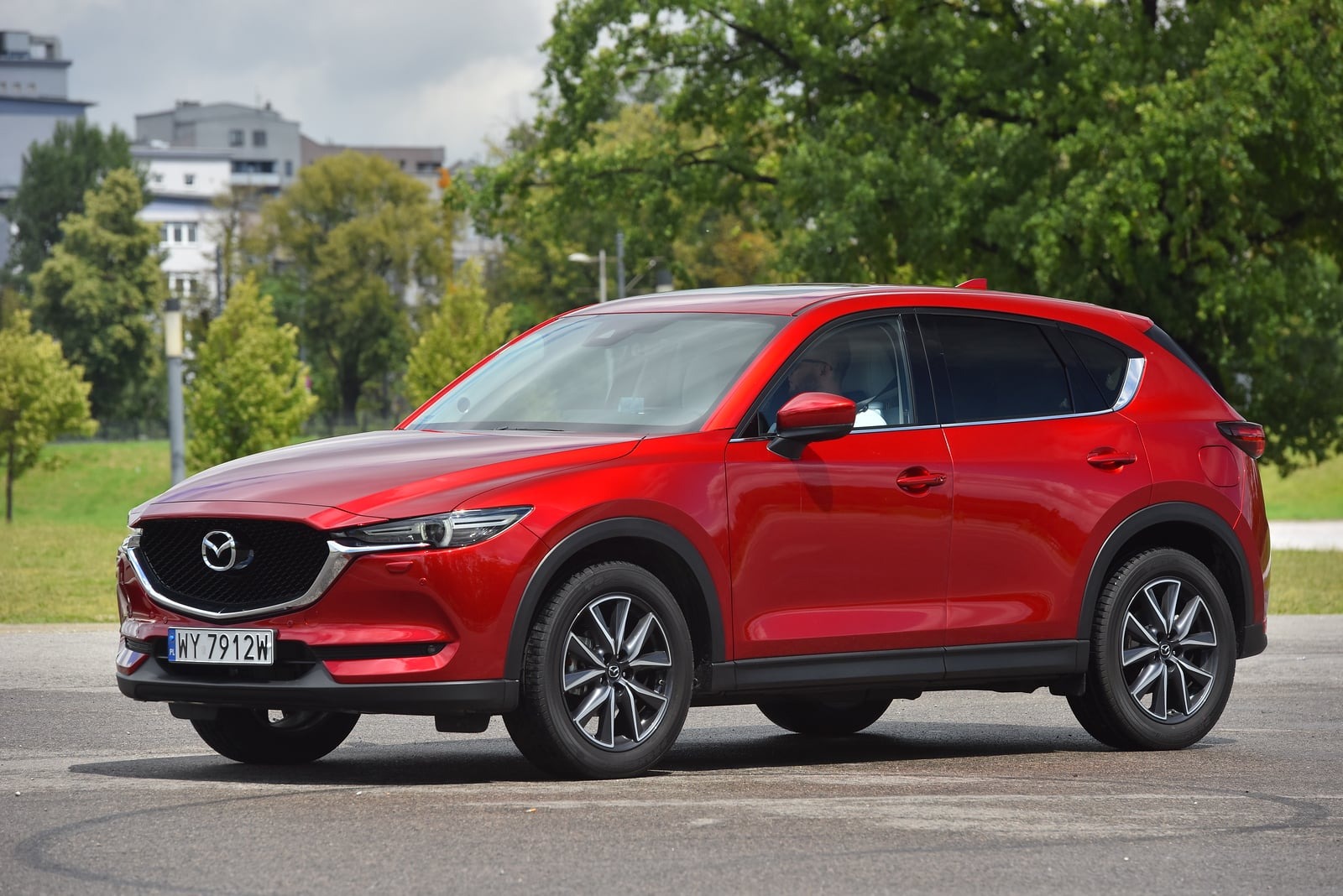
Breaking away from the minivan pattern seen at the top of this list, the Mazda CX-5 4WD proves that compact SUVs can hold their own against dedicated hybrid vans when it comes to theft resistance.
Its relative claim frequency landed at 15, just barely behind the two leaders above it, while its relative total theft-loss figure dropped to an impressive 9, the lowest figure recorded anywhere on this entire list.
That low loss number deserves attention on its own. A vehicle can occasionally get targeted by a thief without resulting in major financial loss if the attempt fails or recovery happens quickly with minimal damage.
Mazda’s strong showing here suggests that even in the rare instances someone attempts to steal a CX-5, insurers are paying out comparatively little afterward, whether because recovery rates are high or because successful thefts are simply rare in the first place.
Mazda has built a brand around driving engagement and upscale interior touches rather than flashy performance numbers, and that lower-profile identity may work in its favor here.
Thieves often gravitate toward vehicles with obvious resale value in stripped parts or high demand for stolen exports, and the CX-5 does not carry the same criminal appeal that certain trucks or luxury SUVs attract.
For buyers cross-shopping compact SUVs, this combination of driving enjoyment, dependable build quality, and now confirmed theft resistance gives the CX-5 a strong argument.
It handles daily errands and road trips capably while quietly avoiding the kind of unwanted attention that plagues less fortunate vehicles in its class.
4. Toyota Venza Hybrid 4WD
Some vehicles stand out because their theft-loss figures are low even when they are not the first models shoppers think about when discussing vehicle security.
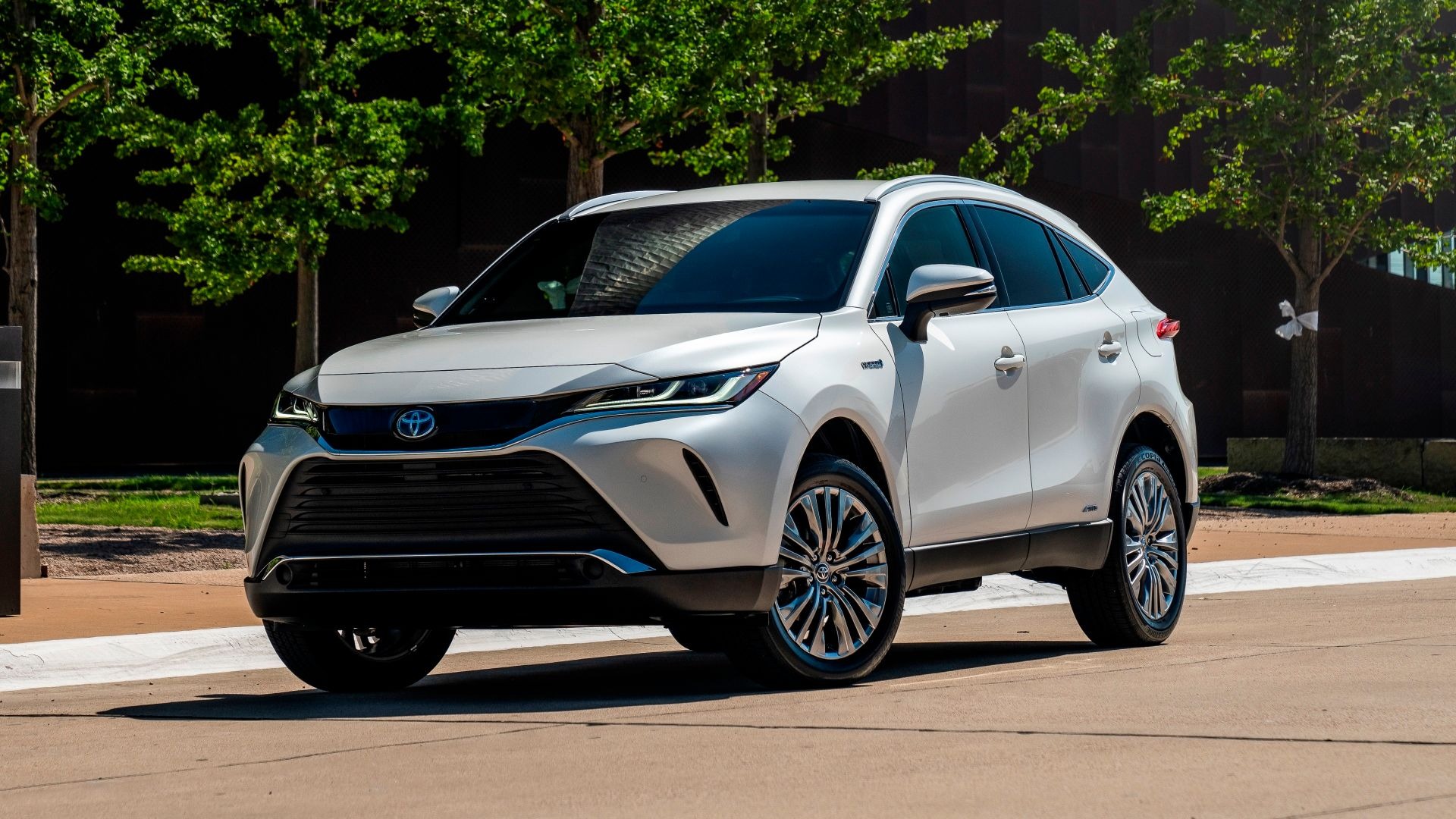
The Toyota Venza Hybrid 4WD is a good example. HLDI recorded a relative whole-vehicle theft claim frequency of 12, while its relative theft losses were also just 9.
That claim frequency places the Venza well below the passenger-vehicle reference value of 100. The theft-loss figure tells a similar story, indicating that insured losses associated with whole-vehicle theft were much lower than the benchmark used by HLDI.
The Venza combines crossover dimensions with a hybrid powertrain and all-wheel drive. Its design appeals to buyers who want something more substantial than a small car without stepping into a large SUV.
For those shoppers, the theft statistics provide an additional factor to consider during vehicle research. Insurance statistics should always be read carefully.
HLDI adjusts its measurements for several factors, but real-world theft risk can still vary according to location, parking conditions, vehicle equipment, and other circumstances. The numbers therefore work best as a comparison tool rather than a personal guarantee.
With a relative claim frequency of 12 and theft losses of 9, the Venza Hybrid 4WD has some of the lowest figures among the vehicles considered here.
5. Subaru Forester 4WD with EyeSight
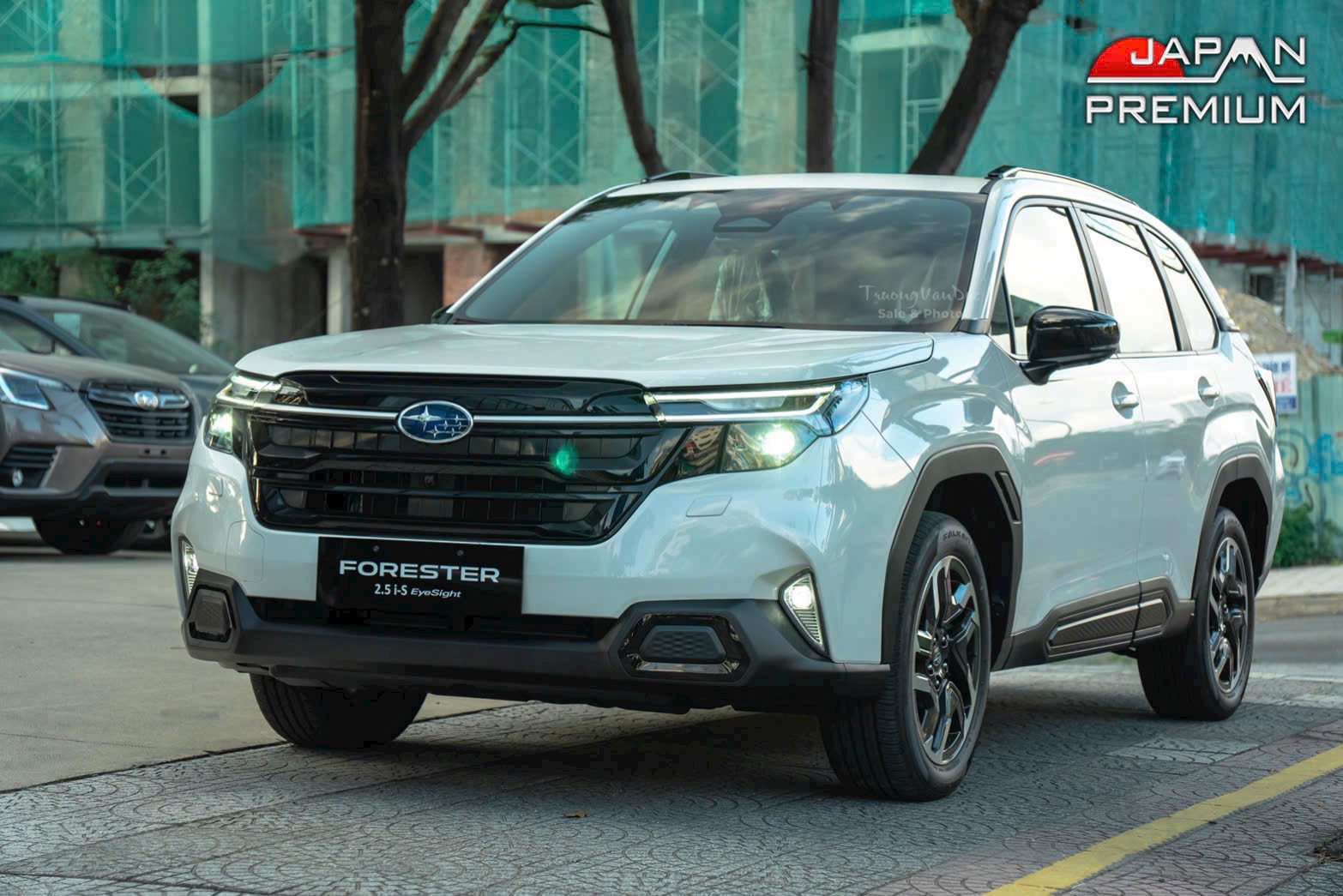
A practical compact SUV does not need to post high theft losses simply because it is popular. The Subaru Forester 4WD with EyeSight demonstrates that point in HLDI’s insurance data. The model recorded a relative whole-vehicle theft claim frequency of 18, while its relative theft losses reached only 11.
Both figures sit well below the passenger-vehicle reference level of 100. That gives the Forester a low-loss profile in HLDI’s study and adds an interesting dimension to its appeal for shoppers seeking an everyday SUV.
The Forester is known for its standard all-wheel-drive layout and practical cabin. The EyeSight designation also identifies versions equipped with Subaru’s driver-assistance technology.
Those features address areas such as collision avoidance and driver awareness rather than directly guaranteeing protection against theft, so they should not be confused with anti-theft equipment.
What HLDI’s numbers do show is the vehicle’s insurance claim experience for whole-vehicle theft. A relative claim frequency of 18 means the model recorded considerably fewer theft claims than the study’s passenger-vehicle benchmark.
For someone comparing compact SUVs, the Forester therefore offers more than practicality and all-wheel-drive capability. Its low theft-loss statistics provide another data point when weighing ownership costs and security concerns.
6. Nissan Rogue 4WD
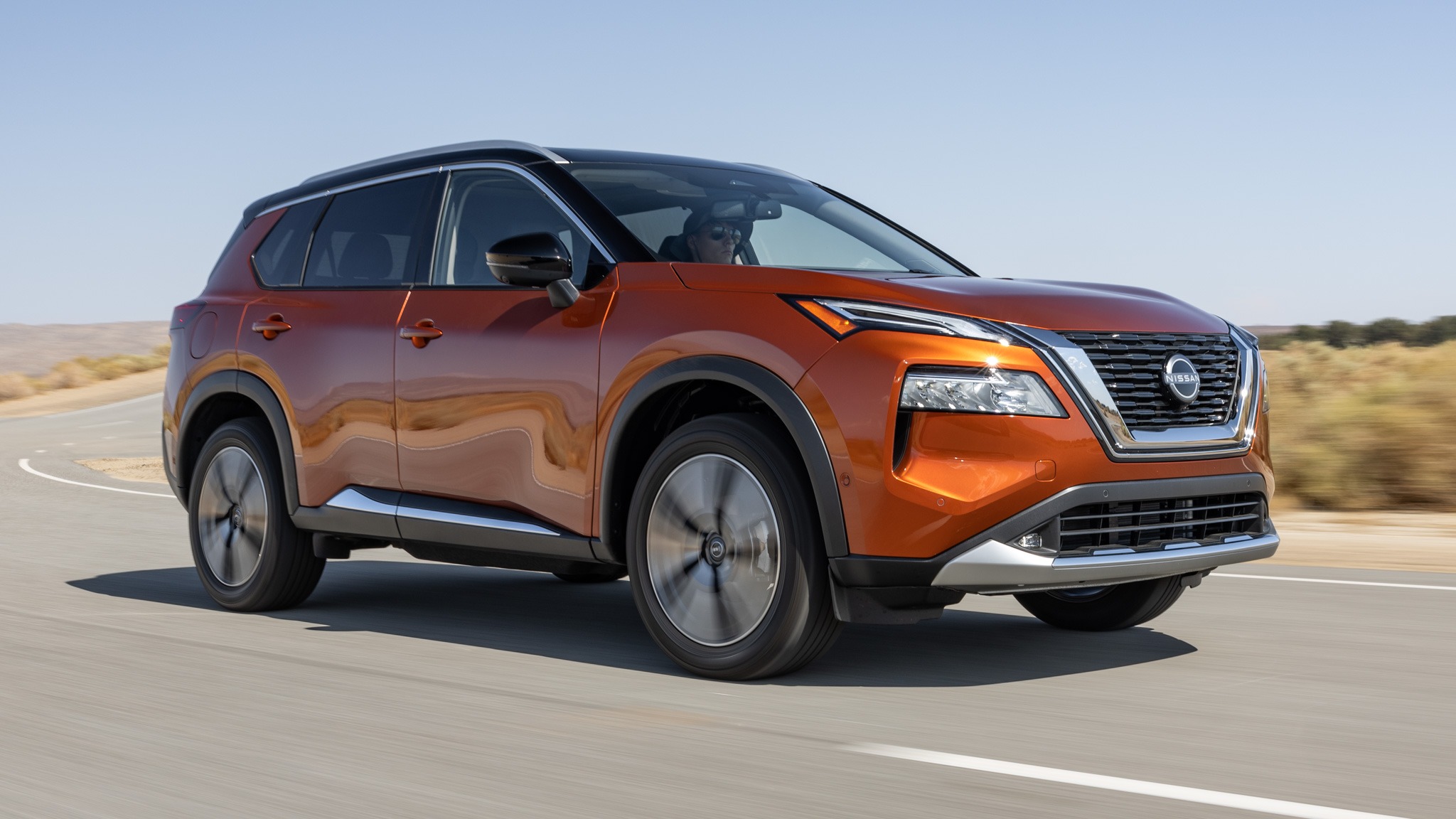
The Nissan Rogue 4WD earns its place on this list through a combination of low claim frequency and low reported theft losses. HLDI recorded a relative whole-vehicle theft claim frequency of 18 for the model, while its relative theft losses came in at 10.
That combination is useful because looking at claim frequency alone does not tell the entire story. A vehicle could experience relatively few theft claims but still produce expensive losses when theft occurs. The Rogue’s figures remain low on both measures, giving it a strong showing in the HLDI data.
As a compact SUV, the Rogue is designed around everyday usability. Its body style provides more cargo flexibility than a traditional sedan, while its 4WD configuration gives buyers an option for added traction. These characteristics make it relevant to families, commuters, and drivers who prefer a higher seating position.
HLDI’s statistics do not mean every Rogue owner faces the same level of risk. Local theft patterns, parking arrangements, security habits, and vehicle-specific equipment can affect an individual’s experience.
The data simply show how insured theft claims compare with the study benchmark. With a claim frequency of 18 and relative theft losses of 10, the Rogue 4WD provides a useful example of a mainstream SUV with comparatively low whole-vehicle theft losses.
7. Chevrolet Trailblazer
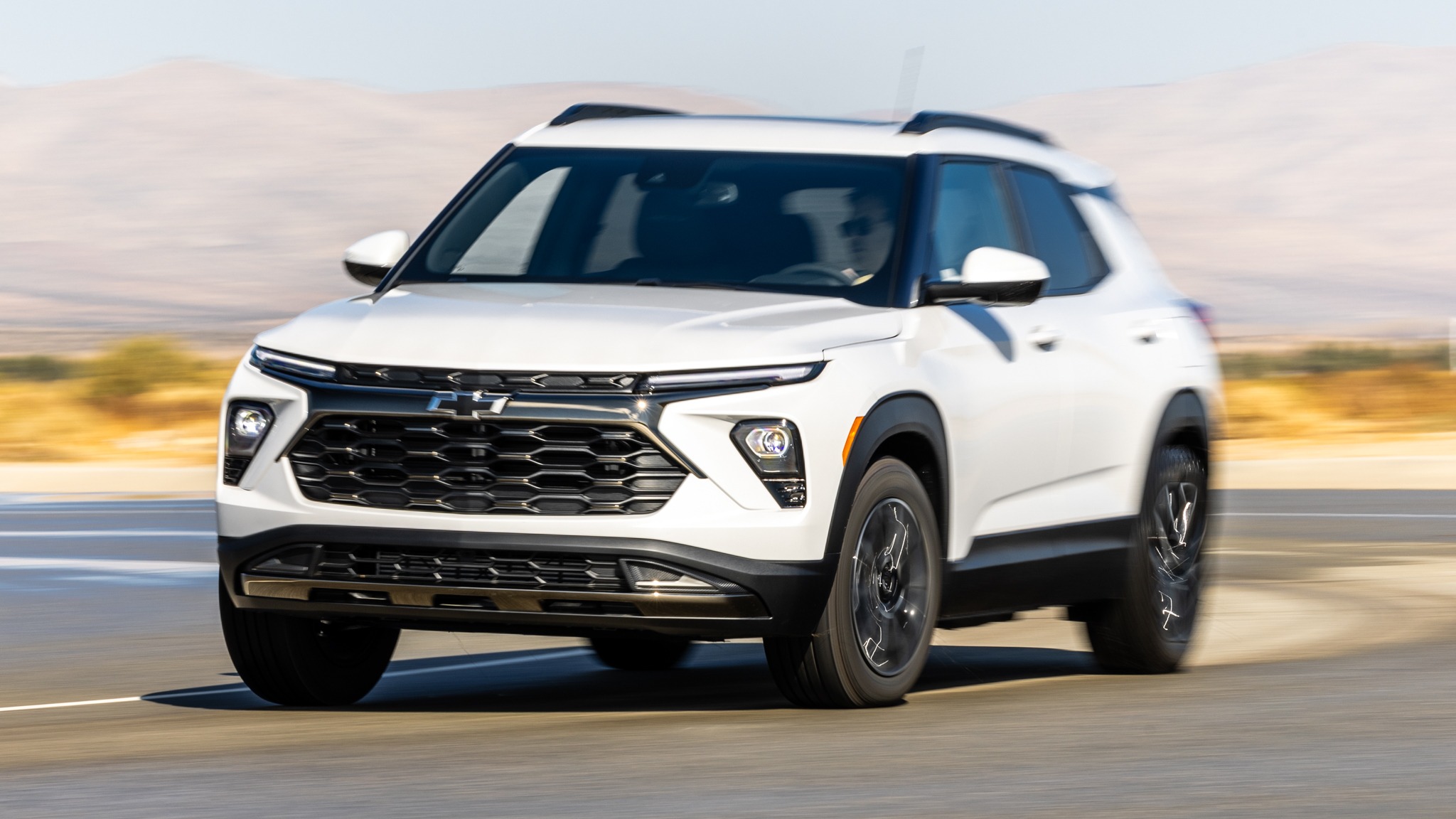
The front-wheel-drive Chevrolet Trailblazer takes seventh place with a relative claim frequency of 28 and a relative total theft-loss figure of 14.
While these figures run a bit higher than the SUVs and minivans ranked above it, they remain firmly below the baseline average across all passenger vehicles studied, keeping the Trailblazer safely within the group of theft-resistant options covered on this list.
Chevrolet repositioned the Trailblazer name in recent years to represent a smaller, more affordable crossover aimed squarely at budget-conscious buyers and younger drivers entering the SUV market for the first time.
That positioning matters here because entry-level vehicles sometimes carry higher theft rates due to older, less sophisticated buyers skipping optional security upgrades or aftermarket alarm systems.
Despite those potential risk factors, the Trailblazer still performed admirably against the broader market. This suggests General Motors built in solid baseline security measures standard across trim levels, rather than reserving meaningful theft deterrents exclusively for pricier configurations that fewer buyers actually purchase.
Shoppers looking for an affordable SUV without sacrificing peace of mind should find real value in these numbers. Budget vehicles do not always come with the theft protection buyers assume they are missing out on, and the Trailblazer’s performance here proves that a lower price tag does not automatically translate into higher vulnerability.
For anyone cross-shopping compact crossovers on a tighter budget, this data adds a practical, dollars-and-cents argument in the Trailblazer’s favor that goes beyond typical considerations like fuel economy or cargo space.
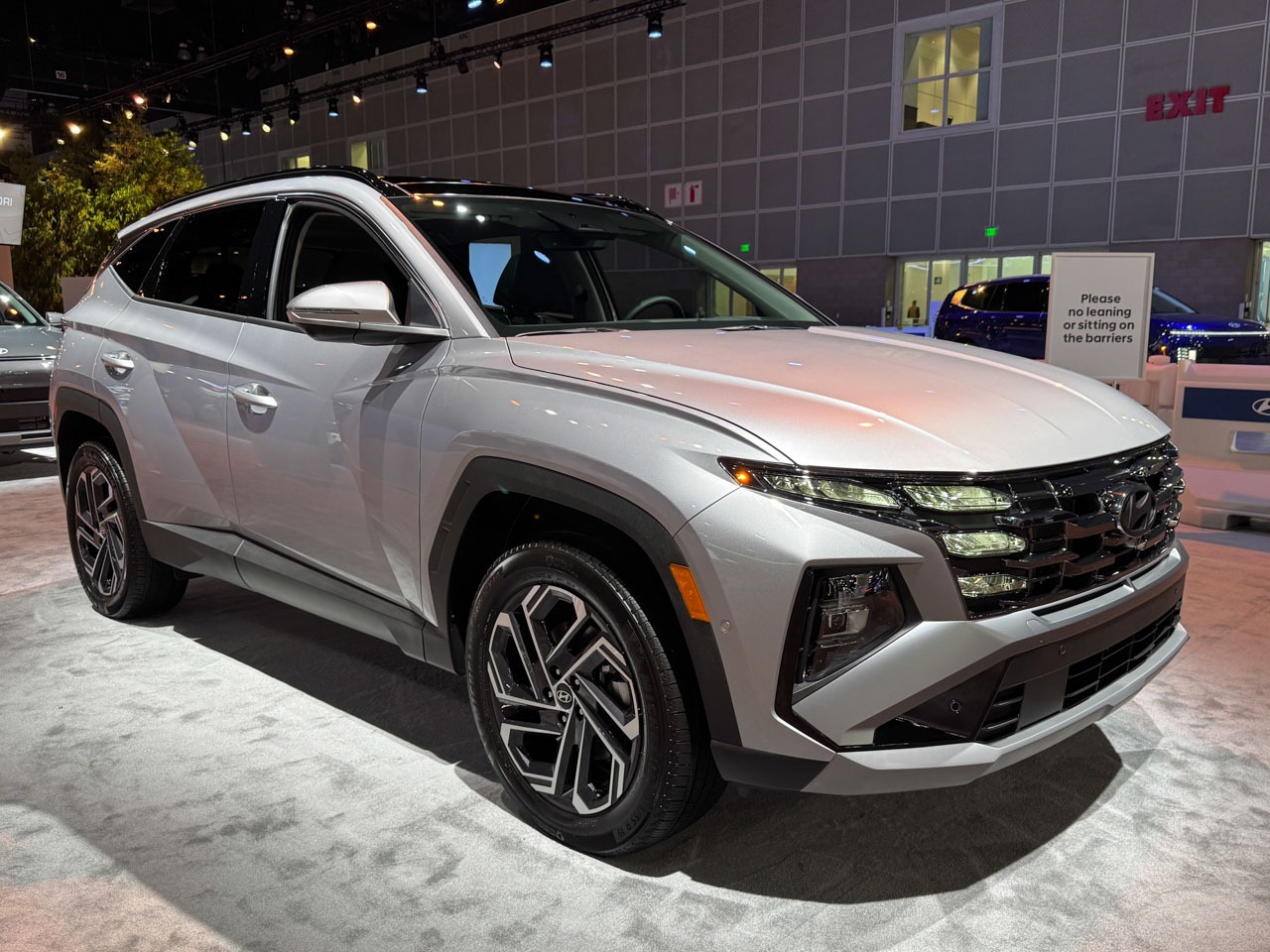
8. Hyundai Tucson Hybrid 4WD
Hyundai earns a spot at eighth place with the Tucson Hybrid 4WD, which posted a relative claim frequency of 17 alongside a relative total theft-loss figure of 11.
These figures place the Tucson Hybrid comfortably among the lower-loss SUVs recorded throughout the 2022 through 2024 data window covered by this particular HLDI study.
Hyundai has invested heavily in hybrid technology across its SUV lineup in recent years, and the Tucson Hybrid represents one of the more successful results of that push, both in terms of consumer adoption and, evidently, theft resistance.
Much like the Toyota and Chrysler hybrids appearing earlier on this list, the added electronics packed into a hybrid powertrain seem to correlate strongly with reduced criminal interest across multiple manufacturers and vehicle segments.
Hyundai’s broader security push deserves credit here as well. The brand faced considerable criticism in recent years over theft vulnerabilities affecting certain non-hybrid models, prompting a wave of engineering improvements and software updates across its lineup.
The Tucson Hybrid’s strong showing suggests those efforts have produced measurable results, at least within this specific model and configuration.
Buyers who remember earlier headlines about Hyundai theft issues should find these numbers particularly reassuring. Rather than reflecting outdated concerns, this data represents a fully updated hybrid SUV performing well against a benchmark covering the entire passenger-vehicle market.
Combined with the fuel savings hybrid buyers already expect, the Tucson Hybrid’s theft-loss performance gives cautious shoppers one more reason to reconsider a brand some may have written off too quickly.
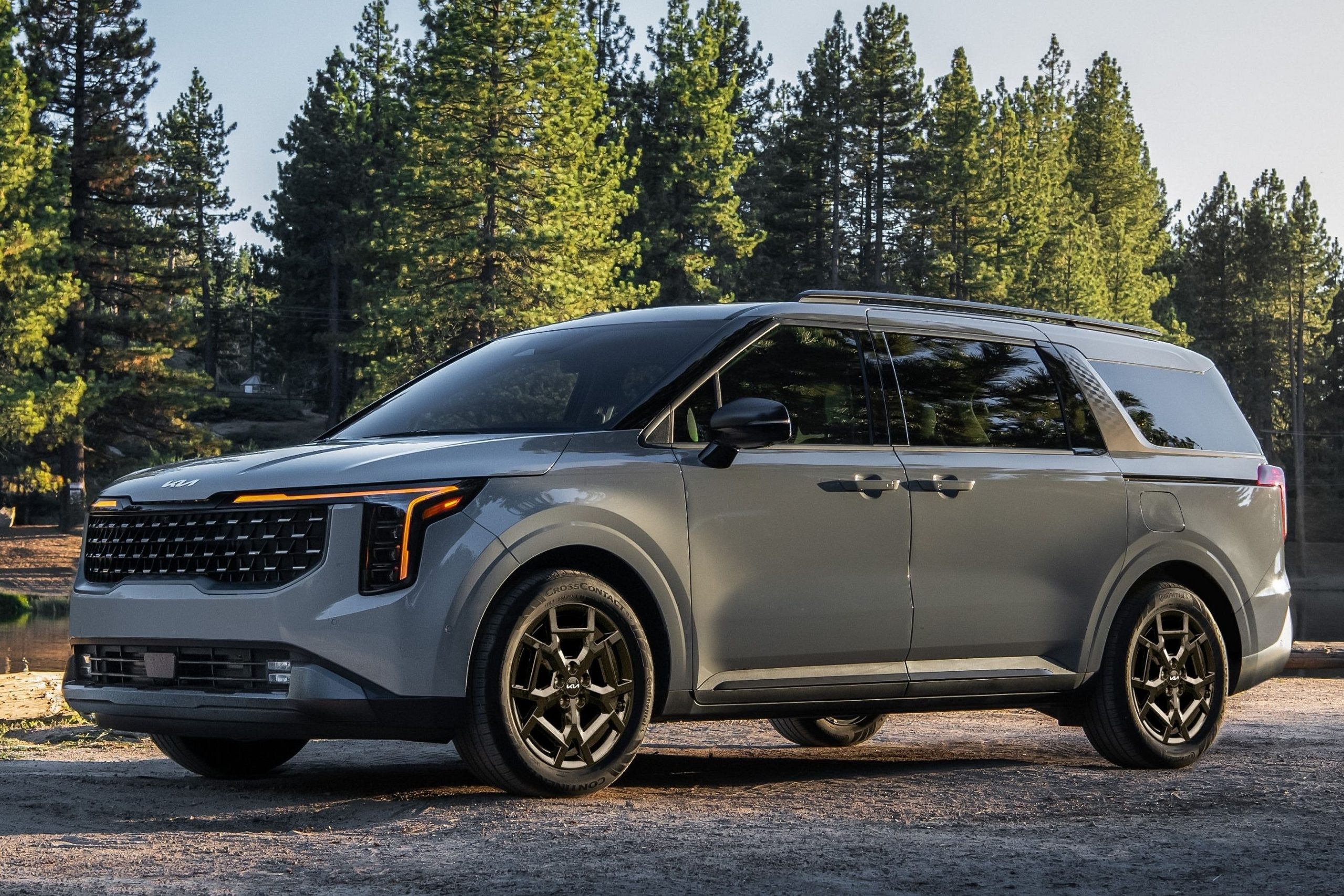
9. Kia Carnival
The Kia Carnival brings a different profile to this list because its figures are higher than several of the vehicles above, yet they remain well below the HLDI passenger-vehicle benchmark. Its relative whole-vehicle theft claim frequency was 47, while its relative theft losses were 35.
Those numbers mean the Carnival does not sit in the same statistical range as the very lowest-loss models listed here. Still, both measurements remain below 100, which is the reference point used for passenger vehicles in HLDI’s analysis. That distinction matters when presenting the data accurately.
The Carnival occupies the minivan segment with a design aimed at families and buyers who need substantial interior flexibility. Its spacious cabin and three-row configuration give it a practical role that overlaps with larger SUVs.
For someone comparing minivans, the HLDI figures offer useful information beyond the usual considerations of seating, cargo space, fuel consumption, and price.
A relative claim frequency of 47 indicates that its insured whole-vehicle theft claims were below the study benchmark, while the relative loss figure of 35 points to lower theft-related insurance losses. As with every vehicle here, the statistics do not eliminate theft risk.
They simply describe insurance experience within HLDI’s study. The Carnival therefore belongs on a low-theft-loss list, but its figures should be viewed in relation to the stronger results of several other vehicles.
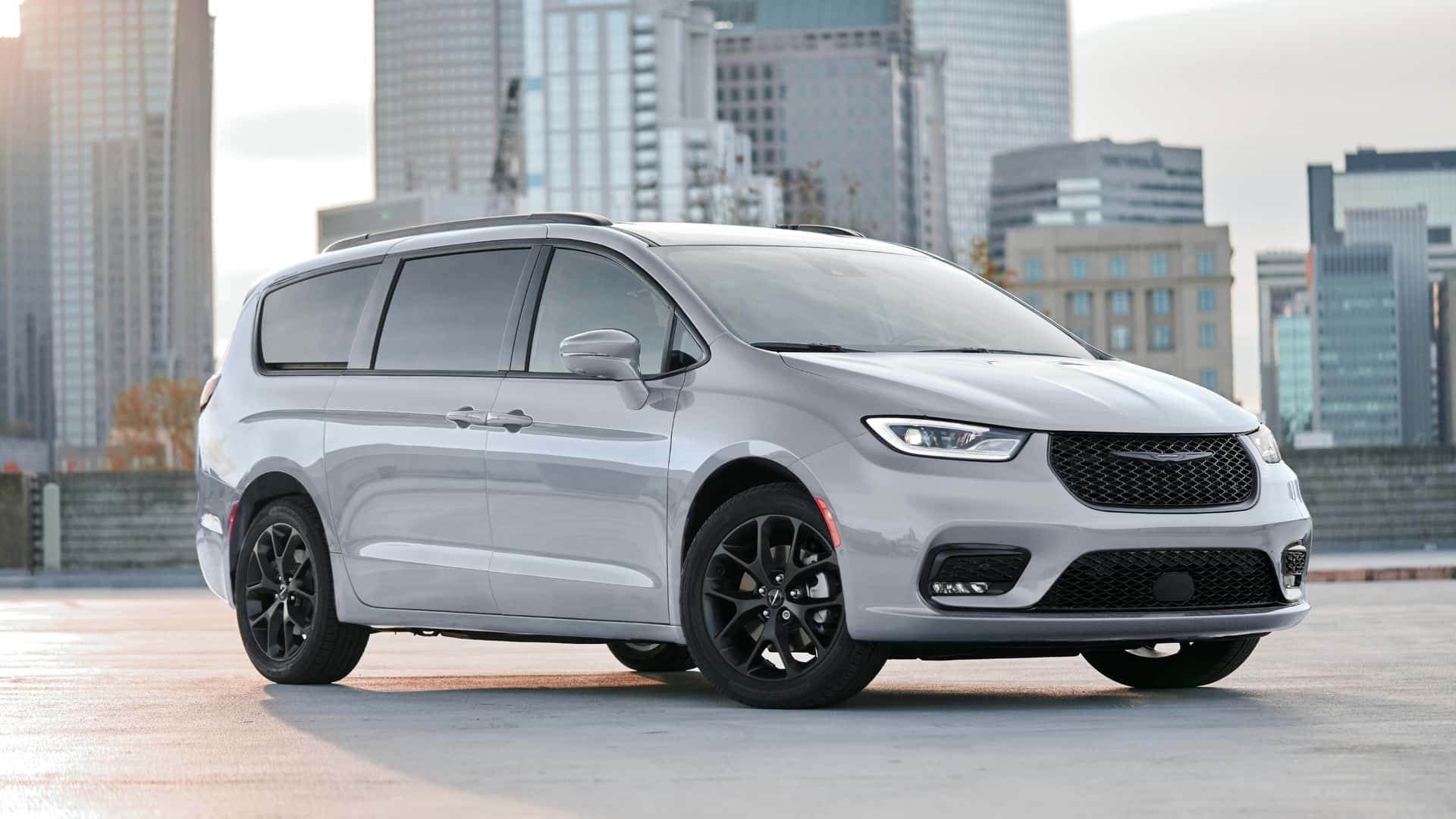
10. Chrysler Pacifica
The conventional Chrysler Pacifica closes the list with HLDI figures that remain comfortably below the passenger-vehicle benchmark. Its relative whole-vehicle theft claim frequency was 46, while its relative theft losses measured 33.
Neither figure is as low as the Pacifica Plug-in Hybrid’s results, but the conventional Pacifica still recorded less theft-related insurance loss than the benchmark used by HLDI.
That distinction is useful because two vehicles carrying the same basic name can produce different insurance results depending on their powertrain and configuration.
The Pacifica is designed around family transportation, offering three rows of seating and substantial cargo flexibility. For households that need a minivan’s interior space, its theft-loss record provides another consideration alongside ownership costs, convenience, fuel use, and available equipment.
The HLDI statistics should be treated as evidence from insurance claims rather than a guarantee of personal security. Where a vehicle is parked, how keys are stored, and local theft patterns can all matter.
A low claim figure does not make security precautions unnecessary. Still, the Pacifica’s relative claim frequency of 46 and theft-loss figure of 33 are both below the passenger-vehicle reference value of 100.
That makes the conventional Pacifica a reasonable final entry for this list of minivans and SUVs with lower whole-vehicle theft losses.
