
American roads carry a strange contradiction. The vehicles that protect their own drivers best are often the ones that hurt everyone else the most. This isn’t a coincidence. It’s physics.
The Insurance Institute for Highway Safety has tracked two different figures for vehicles over the years. One is the driver death rate, which measures how often occupants behind the wheel of a particular model are killed in crashes.
The other is newer and far more revealing. It’s called the other-driver death rate. It measures how many people die in the other vehicle when it collides with this one.
A Ram 3500 Crew Cab Long Bed carries the highest other-driver death rate IIHS has ever recorded, at 204 deaths per million registered vehicle years. Yet inside that same truck, the odds of the driver dying are near zero.
Researchers found that extra-heavy vehicles don’t actually make their own occupants meaningfully safer once they cross a certain weight threshold, but they become dramatically more dangerous to everyone else on the road. Here are eight vehicles that fit this exact pattern. Each one shields its own driver exceptionally well. Each one is brutal to whoever it hits.
1. Ram 3500 Crew Cab Long Bed 4WD
The Ram 3500 sits at the very top of the danger list. It carries the highest other-driver death rate of any vehicle IIHS has ever studied. Inside the cab, this truck is a fortress. Its curb weight routinely exceeds three and a half tons before any cargo or towing load is added.
That mass, combined with a reinforced ladder frame, means the driver rarely absorbs serious crash energy. Federal crash data shows almost no recorded driver deaths for this configuration. But that same mass becomes a weapon in a two-vehicle collision. Its frame rail sits well above the bumper height of a typical sedan.
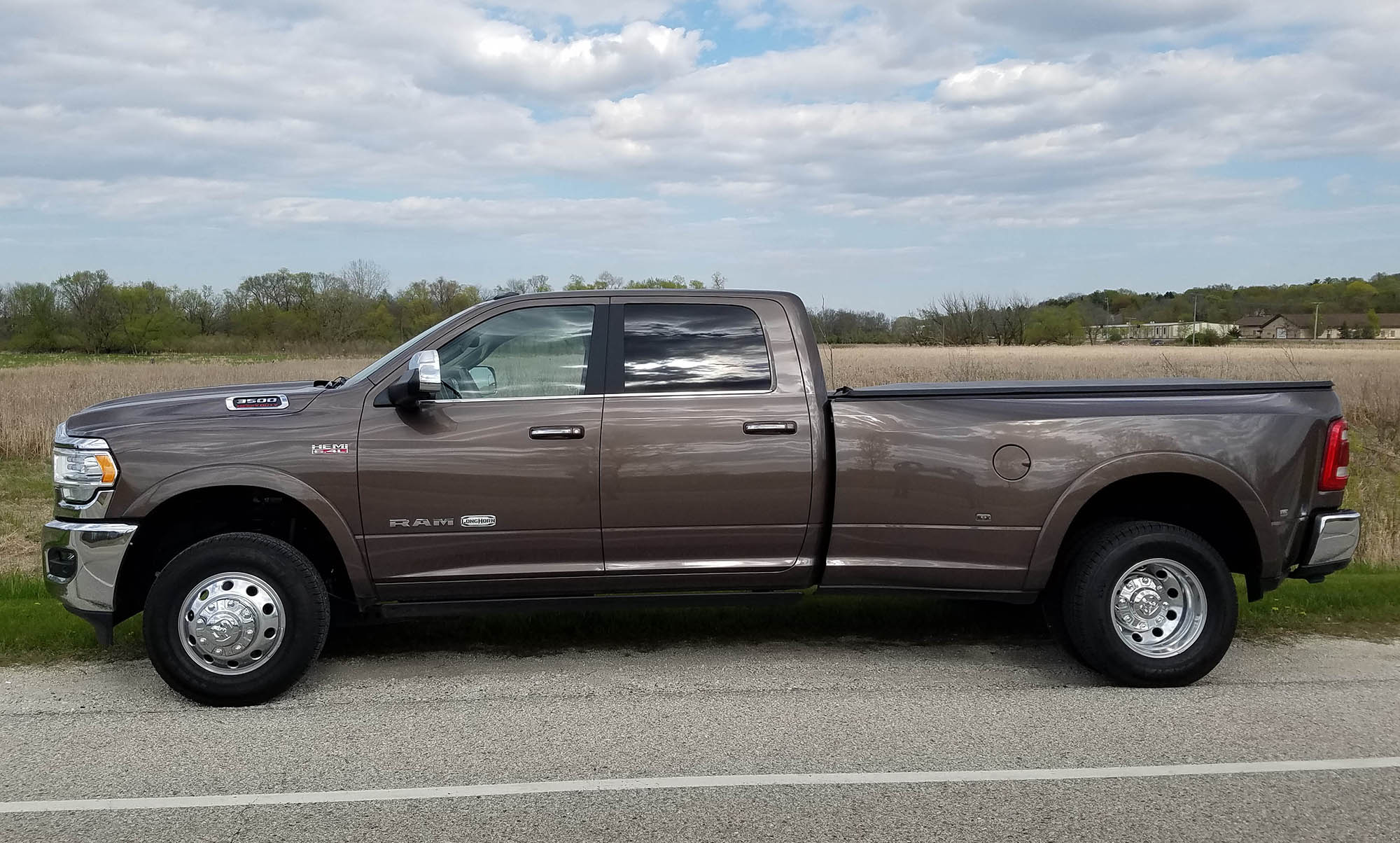
One breakdown of the study noted the 3500 Crew Cab Long Bed has a curb weight near 6,956 pounds and stands 78.4 inches tall. That height puts its structure above most passenger cars’ crumple zones entirely.
When it strikes a smaller car, the truck’s frame often overrides the car’s front-end protection instead of engaging with it. The car’s safety cage, built to absorb energy from another car-sized vehicle, simply isn’t tall enough to matter.
This is why the Ram 3500 posted an other-driver death rate of 204 deaths per million registered vehicle years, the highest in the entire IIHS dataset.
The irony is stark. A truck built primarily for towing and work duty has become, statistically, the single most lethal vehicle on the road to be hit by. Its own driver walks away almost every time. The other driver frequently does not.
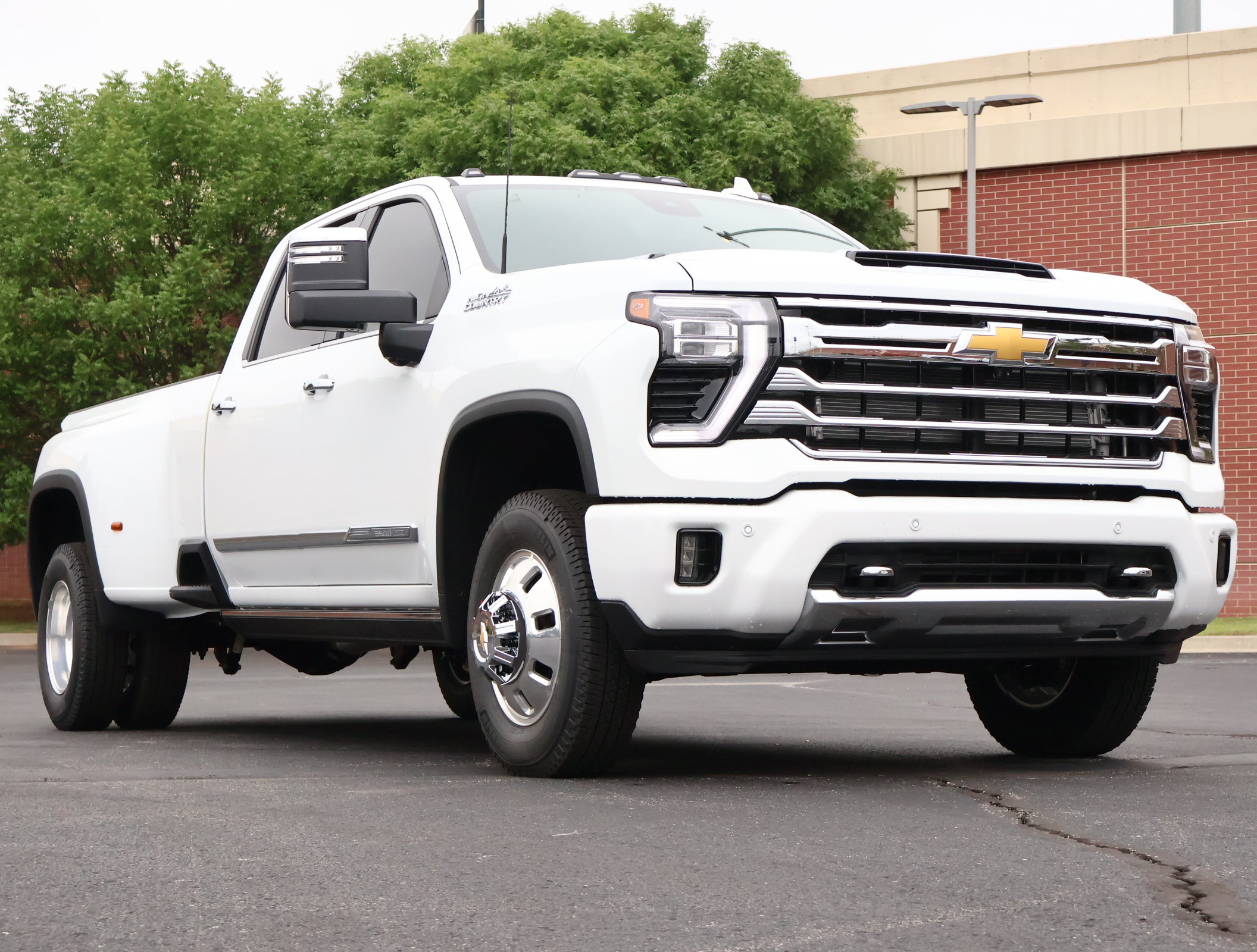
2. Chevrolet Silverado 3500 Crew Cab 4WD
Chevrolet’s heaviest pickup shares nearly the same profile as its Ram rival. It’s built on a one-ton chassis designed for commercial towing and heavy hauling work.
That structural mass is why occupants inside this truck fare so well. The frame is engineered to flex minimally, keeping the cabin intact during almost any collision scenario.
The Chevy Silverado 3500 Crew Cab 4WD recorded 126 other-driver deaths per million registered vehicle years, placing it fourth among all individual nameplates IIHS analyzed.
That’s more than triple the fleet average for this measurement. The reason comes down to geometry as much as weight. This truck’s front bumper and frame rails sit noticeably higher than a standard sedan’s.
For decades, SUVs and pickups posed an outsized threat to people in cars because their force-absorbing structures weren’t aligned with those of smaller vehicles. When a heavy-duty truck like this hits a car, it often rides up over the hood rather than engaging the crumple zone head-on.
Automakers voluntarily redesigned front-end structures starting in 2009 to better align with car-sized crumple zones, and this did meaningfully reduce the danger. But at the one-ton HD tier, the mismatch in height and mass remains significant.
Drivers who choose this truck for work reasons rarely think about this trade-off. They’re choosing towing capacity and payload. What they’re also choosing, statistically, is a vehicle that is exceptionally safe for them and exceptionally unforgiving toward whoever they collide with.
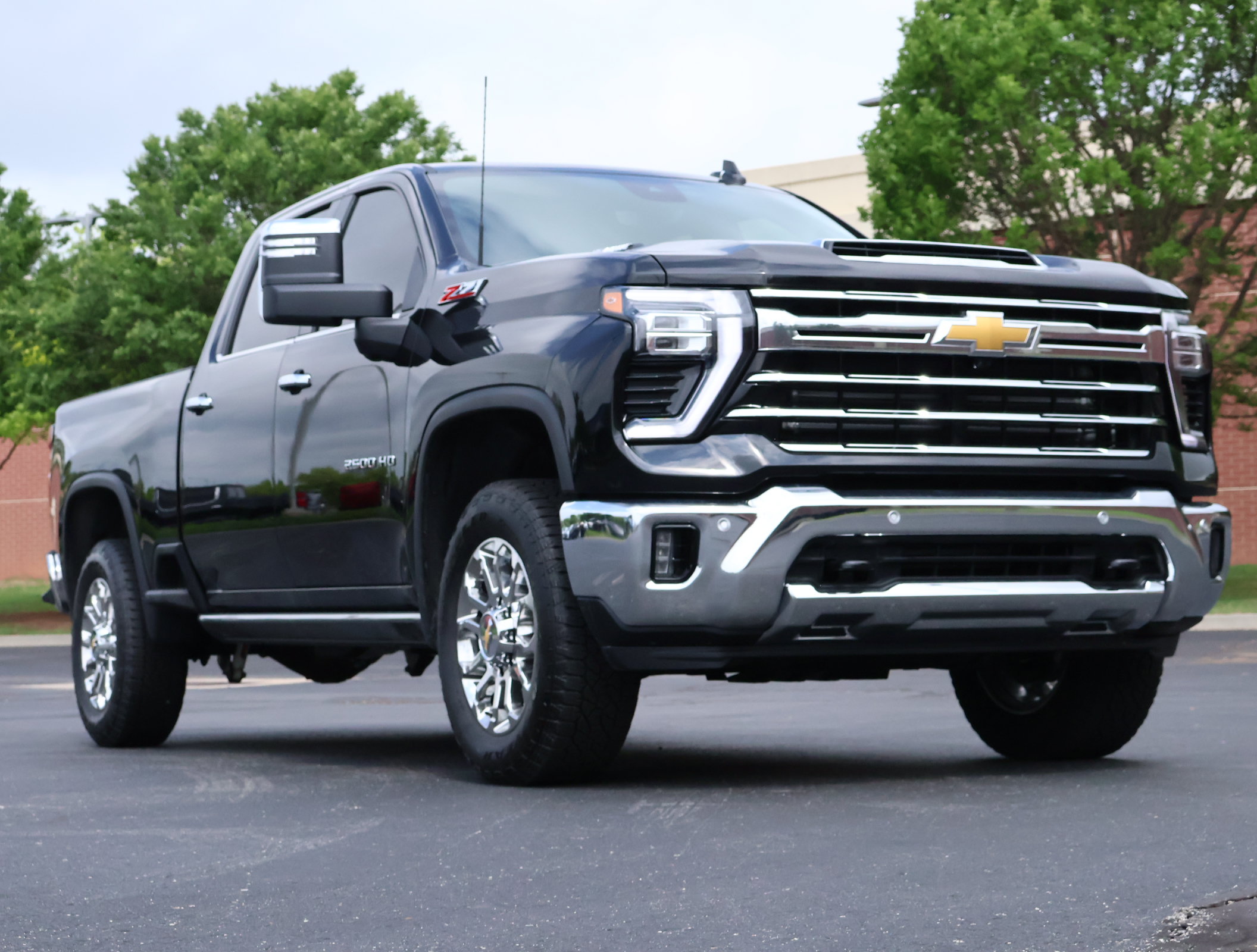
3. Chevrolet Silverado 2500 Crew Cab 4WD
One step down from the 3500, the Silverado 2500 HD is still a three-quarter-ton workhorse. It shares the same basic frame architecture as its heavier sibling.
This configuration ranked eighth among individual nameplates with 111 other-driver deaths per million registered vehicle years. That places it firmly among the most dangerous vehicles to collide with on American roads today.
For the person driving it, the picture looks completely different. Its curb weight typically runs well above 6,000 pounds, giving it a massive advantage in almost any crash against a passenger car.
Weight plays a crucial role in occupant safety, and every additional 500 pounds meaningfully reduces driver fatality risk for vehicles under the fleet average weight. The Silverado 2500 sits far above that average already.
Once a vehicle exceeds roughly 4,000 pounds, added weight stops meaningfully protecting its own occupants and instead increases risk for people in smaller cars. The 2500 crosses that threshold with room to spare.
This truck’s high hood and tall front clip also change how it interacts with pedestrians and cyclists, not just other drivers. Forward visibility over the hood is often poor for shorter drivers.
That combination of mass, height, and stiff frame construction explains the pattern. Inside the cab, it’s remarkably safe. Outside the cab, in the path of its bumper, the numbers tell a very different story.
4. Ford F-350 Super Duty Crew Cab
Ford’s largest Super Duty pickup competes directly with the Ram 3500 and Silverado 3500 in both capability and crash physics. It’s built for commercial towing, often exceeding gross weights that put it near medium-duty truck territory.
One IIHS-based ranking placed the F-350 Crew Cab third, with an other-driver death rate of 147 deaths per million registrations. That’s nearly three times the average other-driver death rate across the entire vehicle fleet.
Ford builds the F-350 on a fully boxed steel frame with reinforced crossmembers. That structure is enormously effective at protecting the cabin during a collision.
Large four-wheel-drive pickups consistently post the lowest driver death rates of any vehicle category, with several recording zero driver deaths in recent study periods. The F-350 fits squarely into that group.
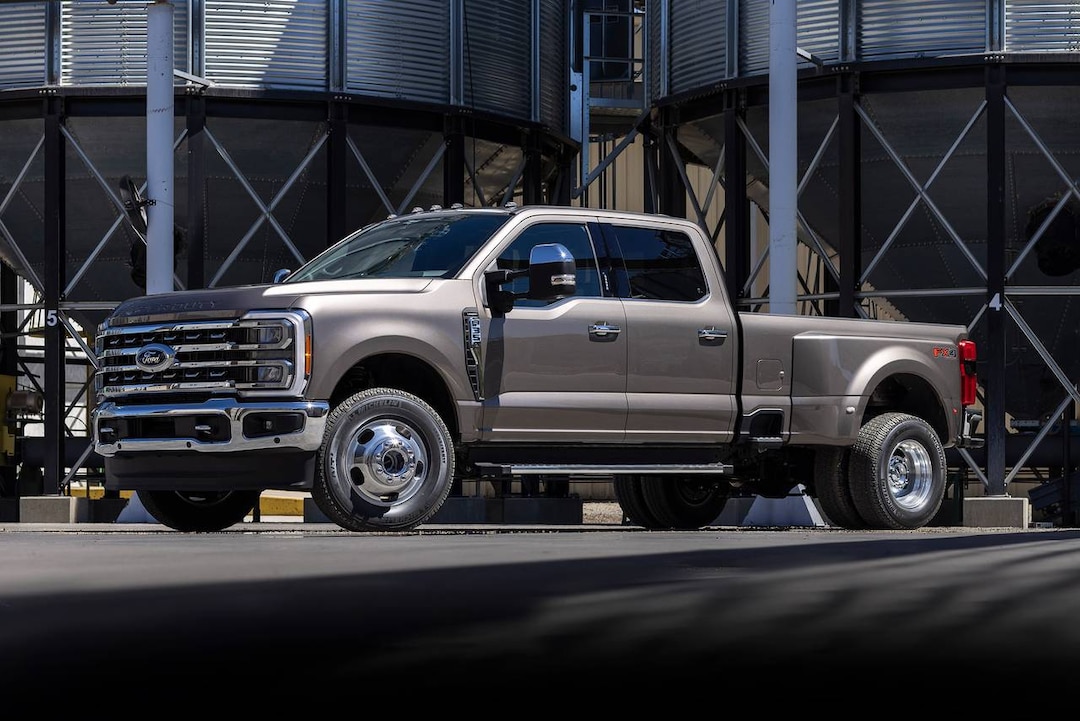
Its front bumper height, however, is a mismatch problem for nearly every other vehicle on the road. Sedans, hatchbacks, and even midsize SUVs sit well below its structural crash-absorbing zone.
That size gap is exactly what makes the biggest pickups far more dangerous to everyone else, and it raises rollover risk for their own occupants in a way raw mass cannot offset. The F-350 illustrates both sides of that coin clearly.
Fleet buyers and contractors choose this truck for its towing and payload ratings. Few cross-shop it against a sedan for crash compatibility reasons. But on paper, it belongs to the small group of vehicles where the safety benefit is almost entirely one-directional.
5. Ford F-250 Super Duty Crew Cab 4WD
The F-250 sits just below the F-350 in Ford’s Super Duty lineup, sharing most of its underlying architecture. It’s the more commonly seen three-quarter-ton configuration on public roads.
This model appeared high on the IIHS other-driver death rate rankings as well, following closely behind its larger F-350 sibling. Its crash profile mirrors the same structural mismatch problem seen throughout the Super Duty family.
Inside the cabin, occupant protection is excellent. The F-250 uses high-strength steel in its frame rails and cab structure, designed originally to survive heavy-duty commercial use.
The study measured both how often a vehicle’s own driver dies and how often that vehicle kills the driver of the other car in a crash, and for trucks like this, the two numbers tell almost opposite stories. That’s precisely what plays out with the F-250.
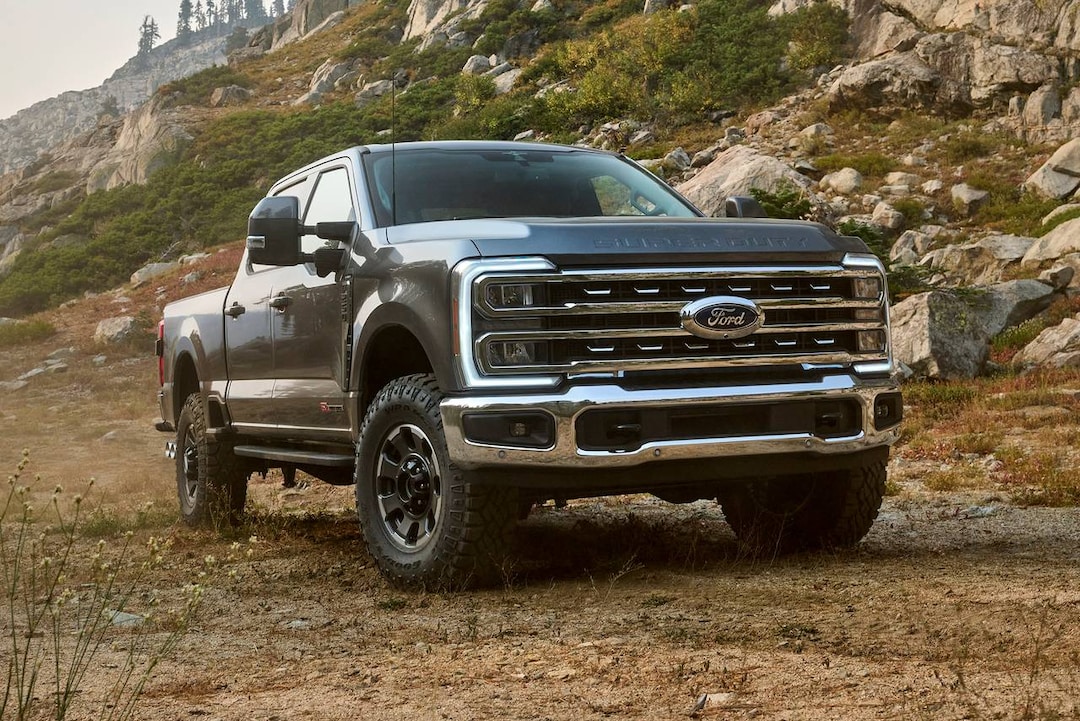
Its curb weight, often near 7,000 pounds when properly equipped, gives it an overwhelming mass advantage against nearly anything else on the road. Few passenger vehicles come close to matching that figure.
Height compounds the problem further. The F-250’s front bumper sits well above the hoodline of most cars, meaning underride-style impacts are common in real-world crashes.
Ford markets this truck primarily on towing capability, payload, and diesel torque figures. Crash compatibility with smaller vehicles rarely factors into the sales pitch. Yet it belongs firmly in this category. A vehicle that is remarkably safe to sit inside, and remarkably dangerous to meet head-on.
6. GMC Sierra 2500 HD Crew Cab 4WD
GMC’s heavy-duty Sierra shares its platform with the Chevrolet Silverado 2500, differing mainly in trim and badge. Mechanically, the two trucks are nearly identical underneath.
Mechanically linked to the Silverado HD, the GMC Sierra 2500 crew cab 4WD features a heavy-duty chassis and high hood line, resulting in 98 other-driver fatalities per million registration years. That places it among the more dangerous vehicles on the road for other drivers.
For its own occupants, the Sierra 2500 offers the same structural advantages as its Chevrolet twin. A stiff, fully boxed frame keeps cabin intrusion minimal in most collision types.
Across all makes and models studied, the average other-driver death rate was 53 deaths per million registered years. The Sierra 2500’s figure of 98 is nearly double that fleet-wide average.
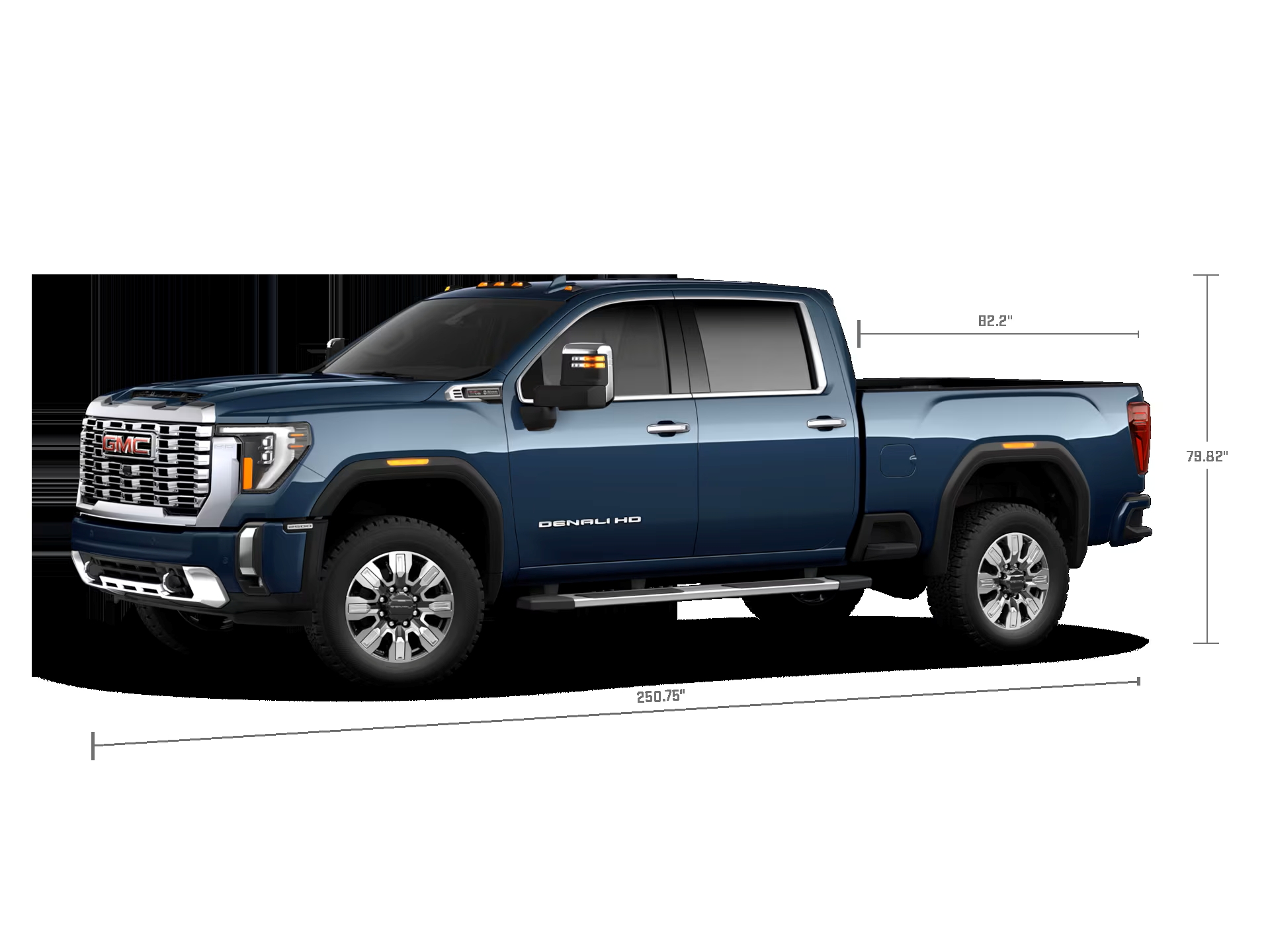
This truck’s tall front-end design, a hallmark of the heavy-duty segment, creates the same override risk seen across its competitors. Its bumper simply doesn’t line up with a sedan’s designed impact zone.
GMC positions the Sierra HD as a premium alternative within the same segment as the Silverado. Buyers often choose it for interior trim and styling rather than any safety differentiation.
Underneath that styling, though, the physics are identical. Heavy mass and a raised structure protect the driver at the expense of whoever it strikes. It’s a pattern that repeats across nearly every heavy-duty pickup on this list.
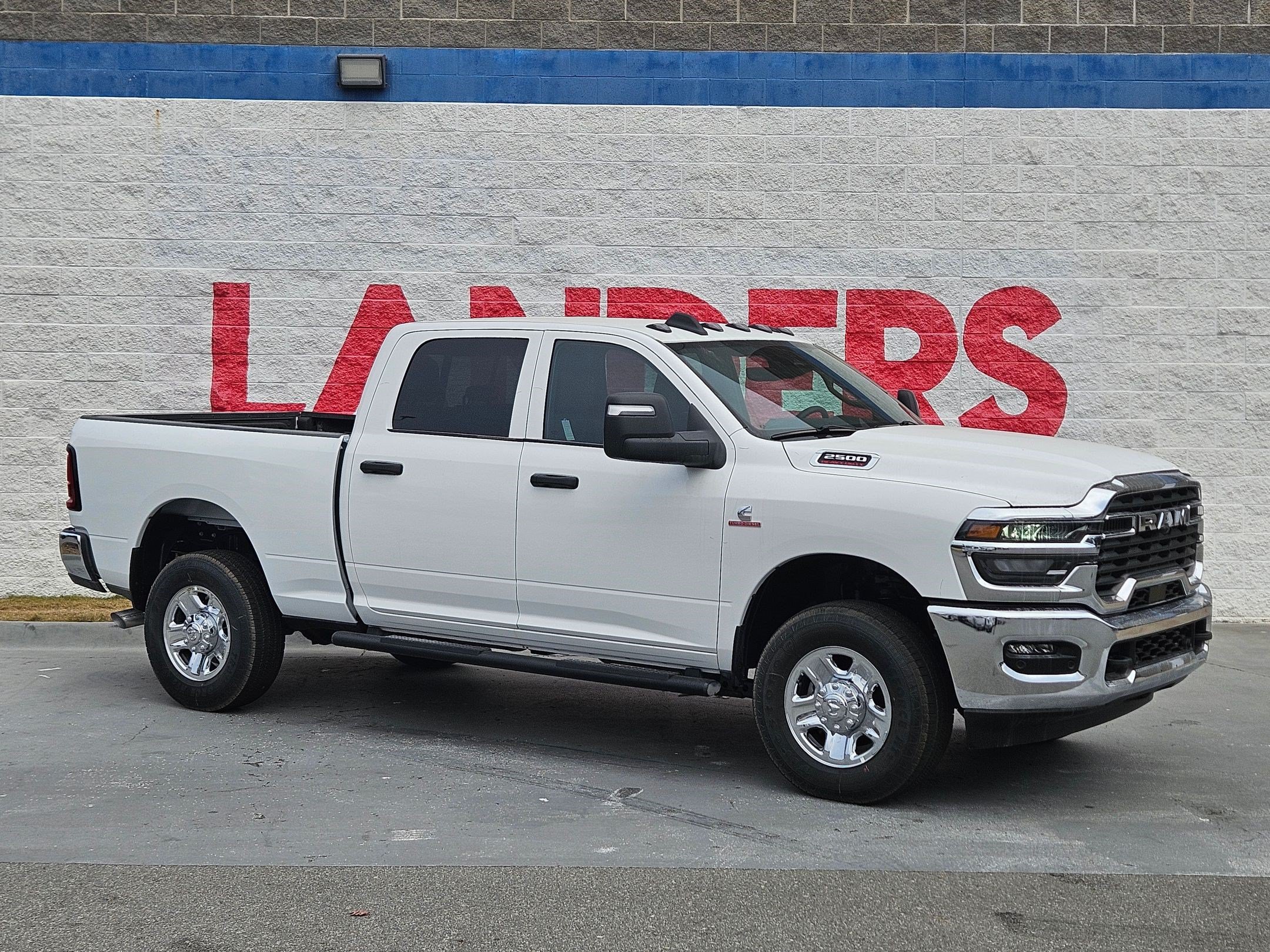
7. Ram 2500 Crew Cab 4WD
The Ram 2500 sits between the half-ton 1500 and the massive 3500 in Ram’s truck lineup. It’s a popular choice among contractors and RV towers who need serious capability without full commercial bulk.
A Ram 2500 configuration appeared among the top vehicles for other-driver deaths, following closely behind the Silverado 3500 in the rankings. Its size and structural design place it firmly in the high-risk-to-others category.
Inside the truck, protection for the driver is strong. The frame is built to handle heavy trailer loads and rough terrain, which translates into excellent rigidity during a crash.
Researchers found that for pickups above the average fleet weight, every additional 500 pounds barely reduced the driver’s own death rate but increased the death rate for crash-partner vehicles by seven. The Ram 2500 sits well above that average weight threshold.
That statistic captures the core problem with this entire vehicle class. Adding more mass stops helping the driver at a certain point, but keeps hurting everyone else.
As one IIHS statistician put it, choosing an extra-heavy vehicle doesn’t make the driver any safer, but it makes them a bigger danger to other people. The Ram 2500 is a textbook example of that finding.
Many buyers choose this truck specifically because it feels safe. That instinct isn’t wrong from the driver’s seat. But it comes at a real cost to the drivers and passengers of anything it collides with.
8. Cadillac XT5
The Cadillac XT5 is the outlier on this list, and that’s exactly what makes it worth including. It’s not a heavy-duty pickup. It’s a midsize luxury SUV. The first SUV to appear on the IIHS other-driver death rate list doesn’t show up until the tenth spot, and it’s the Cadillac XT5 at 100 deaths per million registered years. That’s a striking result for a vehicle in this size class.
The XT5 offers strong occupant protection, aided by a robust structure and Cadillac’s typical suite of driver-assistance technology. Its own driver death rate sits well below the fleet average.
Vehicles like the Lexus RX, BMW X3, Mercedes-Benz GLE, and Tesla Model Y posted perfect occupant protection scores, showing that modern crash protection combined with larger vehicle size can dramatically improve a driver’s odds. The XT5 competes in that same size and safety tier.
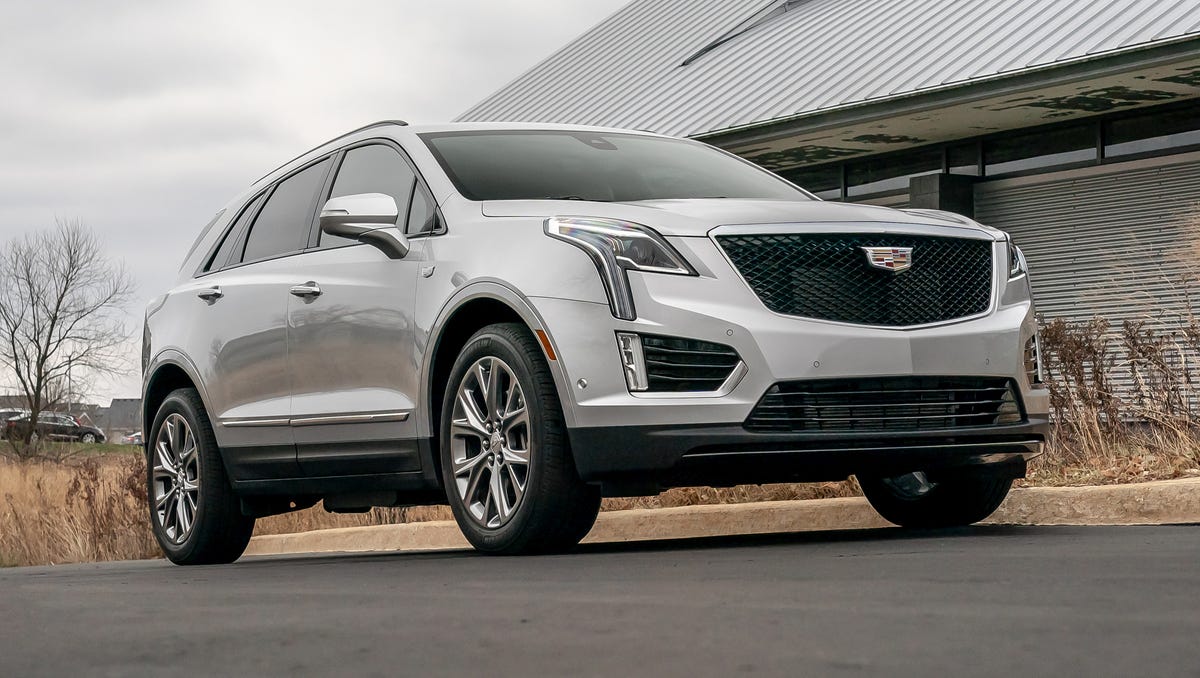
Yet its presence on the other-driver death rate list shows that even midsize SUVs can carry real risk for smaller vehicles. Its mass and ride height still exceed that of a typical sedan by a meaningful margin.
Interestingly, this pattern isn’t limited to trucks or full-size SUVs even a front-wheel-drive Volkswagen Atlas posted a high other-driver death rate despite the all-wheel-drive version ranking among the safest vehicles for its own occupants. Vehicle weight and geometry matter more than segment labels.
The XT5’s ranking is a reminder that this isn’t purely a pickup truck story. It’s a broader story about mass, height, and structural mismatch across the entire vehicle fleet. Drivers choosing any larger vehicle, luxury or otherwise, are making a trade, whether they realize it or not.
