
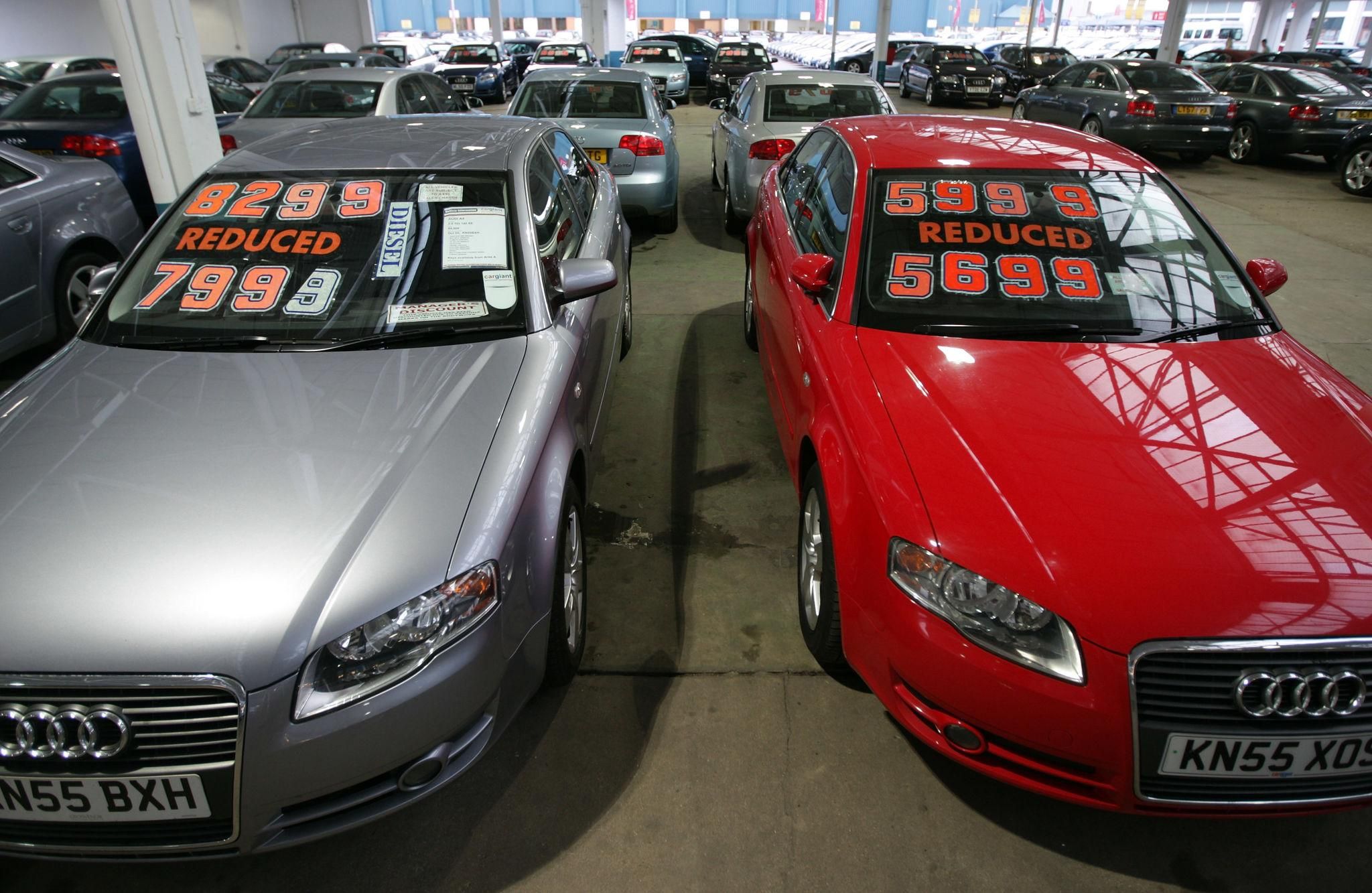
Most drivers budget for gas. Almost nobody budgets for value loss. That instinct is backwards, and the 2026 numbers prove it. AAA’s 2026 Your Driving Costs study puts the average annual cost of owning and operating a new vehicle at $12,863, or $1,071.92 per month.
Inside that total, one line item dominates. Depreciation costs the average owner $4,422 per year, while fuel runs 17.3 cents per mile, roughly $2,595 at the study’s 15,000-mile standard.
That is a gap of about $1,827 a year. Depreciation is running close to 1.7 times the fuel bill. Here is the part people misread. This is not a study of exotic machinery or six-figure luxury cars.
The study found a sales-weighted average MSRP of $39,376 across all vehicles evaluated. AAA examined 45 vehicles spanning seven categories, including small sedans, midsize sedans, subcompact SUVs, compact SUVs, midsize SUVs, midsize pickups, and half-ton pickup trucks. Hybrid and electric models were included throughout the study.
These are Corollas, Camrys, CR-Vs, Tacomas, and F-150s. Ordinary cars bought by ordinary households. And 2026 was the year fuel should have won. Regular-grade gasoline averaged $4.152 per gallon, up 31.8% compared to 2025, while home charging electricity averaged 18.0 cents per kilowatt-hour.
Gas prices jumped nearly a third. Depreciation still beat fuel in every single category. Below, all seven categories are broken down with prices, per-mile costs, and the depreciation-versus-fuel gap.
1. Small Sedans – The Cheapest Cars Still Lose More to Depreciation Than to Gas
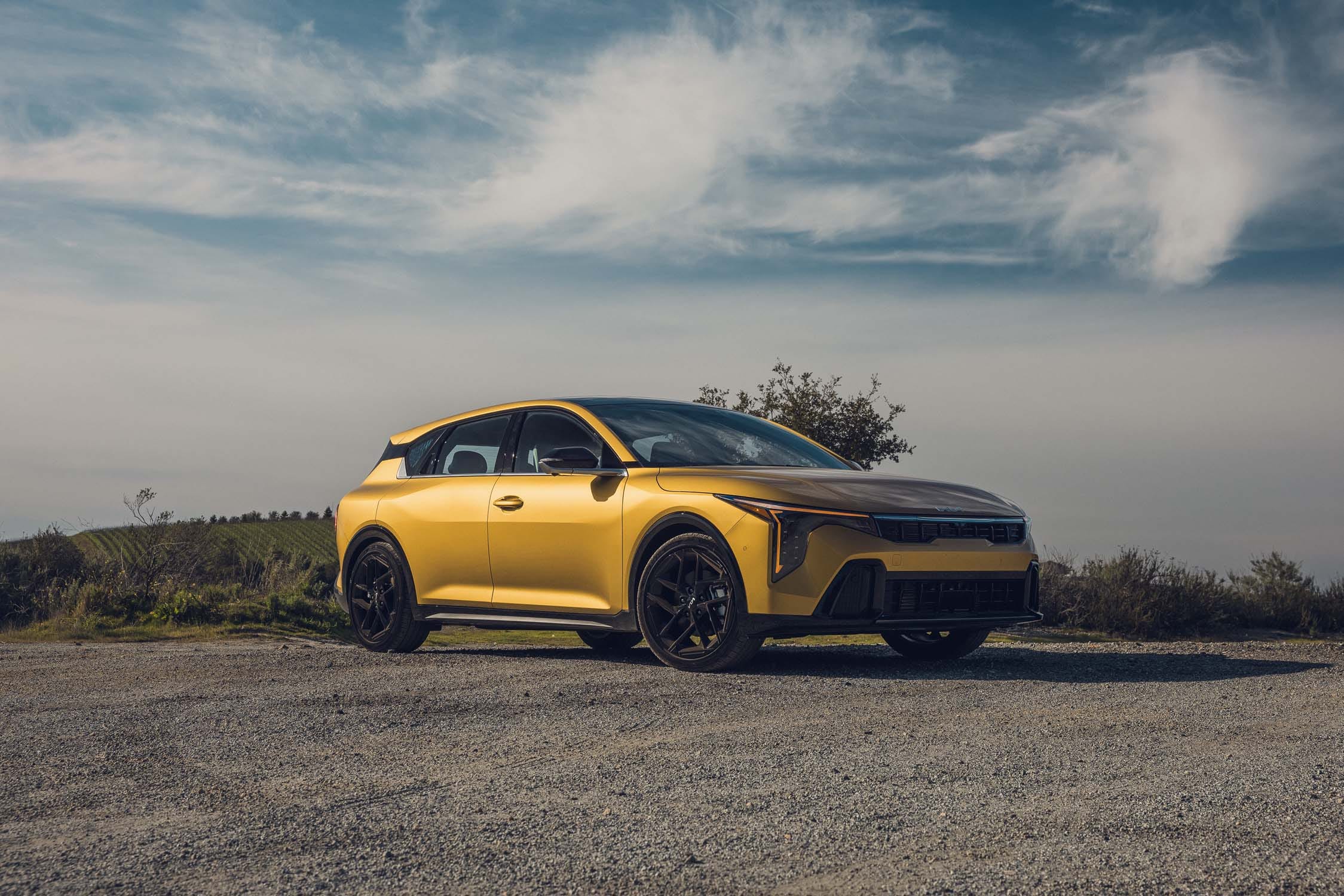
Small sedans are the budget floor of the American new-car market. Think Corolla, Civic, Sentra, Elantra, and Jetta, typically transacting in the $24,000 to $30,000 range.
They are also the study’s cost champion. Small sedans run 61.73 cents per mile and carry the lowest costs, which makes them attractive to first-time buyers. At 15,000 miles a year, that works out to roughly $9,260 annually. That is about $3,600 below the study-wide average.
Now look inside that figure. In AAA’s most recent published category-level breakdown, small sedans lost $2,629 per year to depreciation while burning 9.90 cents per mile in fuel.
At 15,000 miles, that fuel line equals roughly $1,485. Depreciation was 1.77 times larger. Apply 2026’s fuel inflation and the picture barely shifts. A 32% gasoline increase pushes that small-sedan fuel bill to roughly $1,950 to $2,000 per year.
Depreciation still wins by several hundred dollars. And that is in the category with the smallest absolute loss in the entire study. The reason is structural, not model-specific. A $27,000 car that retains 50% of its value after five years still hands back about $13,500.
Spread over 60 months, that is $2,700 a year of invisible cost. Nobody writes a cheque for it, so nobody feels it. Fuel, by contrast, is felt 30 times a year at the pump. That visibility is exactly why drivers overweight it.
There is a practical consequence for small-sedan buyers. Chasing an extra 4 mpg saves maybe $150 a year at current prices. Choosing a model with stronger five-year resale can save four times that. The badge on the trunk matters more than the number on the window sticker.
Small sedans have another advantage when it comes to affordability. Their lower purchase prices mean buyers have less money tied up in the vehicle, which also limits the dollar amount lost through depreciation. That is the main reason they perform so well in affordability comparisons, rather than fuel economy alone.
2. Medium Sedans – Where the Powertrain Choice Swings Thousands
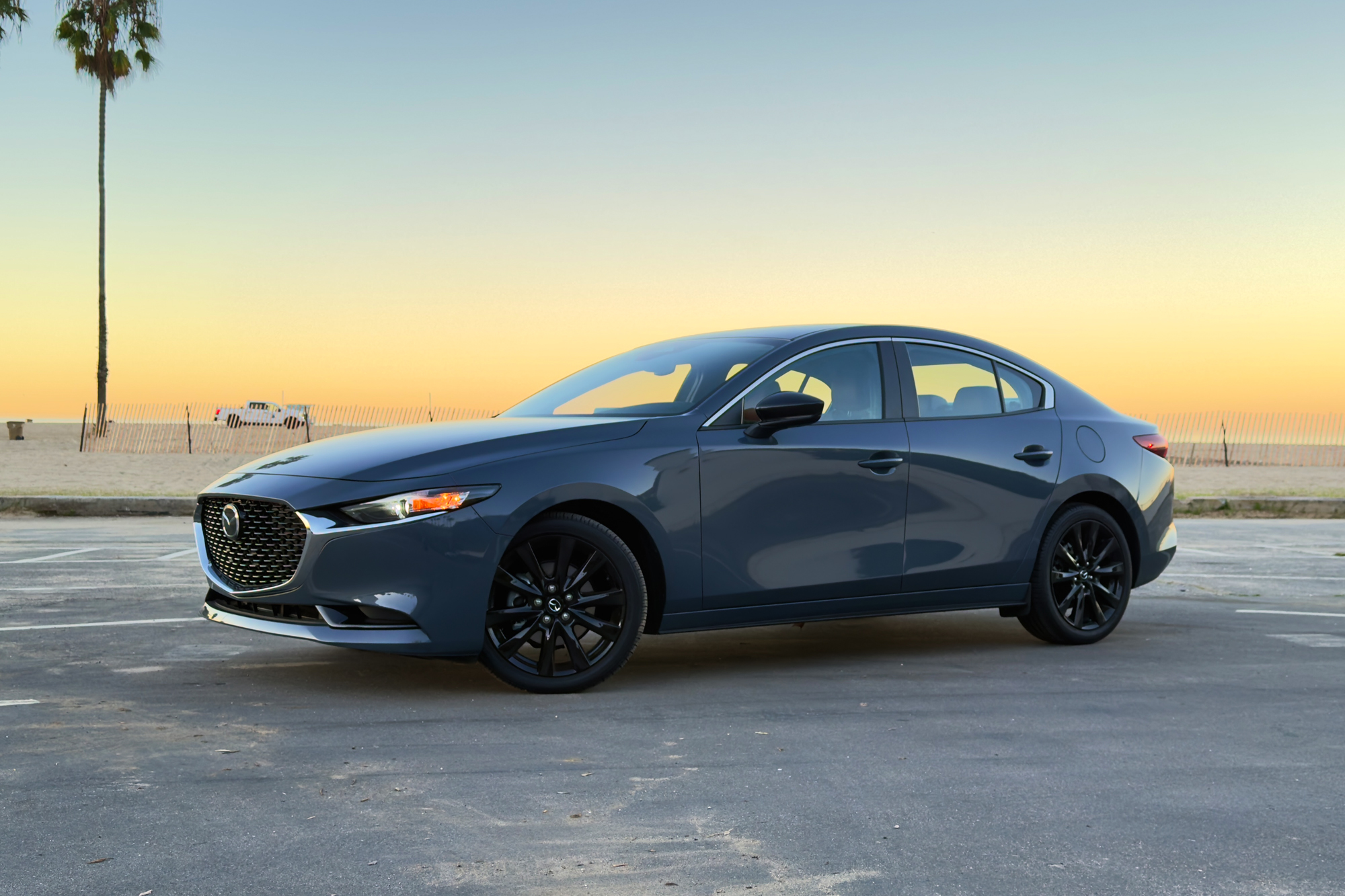
Medium sedans are the Camry–Accord–Sonata tier. Transaction prices generally sit between $30,000 and $40,000. AAA puts them at 70.37 cents per mile, with the second-lowest driving costs, trailing only small sedans. That is about $10,556 a year at 15,000 miles.
The category-level split is where this gets interesting. Medium sedans depreciated $3,462 annually against fuel costs of 11.13 cents per mile, around $1,670 a year.
Depreciation was 2.07 times the fuel bill. A clean two-to-one defeat. Then comes the powertrain twist, and it is the single most dramatic data point in the entire study. Within medium sedans, annual depreciation ran $3,462 for gas models, $3,535 for hybrids, and $7,088 for electric models.
The EV loses more than twice what the gas car loses. Every year, for five years. Fuel moves in the opposite direction, but not nearly far enough. Annual fuel cost for a gas medium sedan was $1,669 versus $728.75 for the electric version.
That is a saving of roughly $940 a year. The depreciation penalty is roughly $3,600 a year. The 2026 study confirms the outcome directly. Gas-powered medium sedans cost $10,582 per year to own, $3,080 less than comparable EV medium sedans, which had significantly higher depreciation, fees, and finance costs.
That is a 29.1% higher total ownership cost for the electric version. Even with gasoline at $4.15 a gallon. Registration and tax treatment compounds it. License, registration, and taxes ran $613 a year for a gas medium sedan versus $1,064 for the electric one.
Hybrids are the sensible middle. AAA found hybrids the most consistently lower-cost alternative to gas, combining meaningful fuel savings with smaller ownership-cost tradeoffs in medium sedans, compact SUVs, medium SUVs and pickup trucks.
The lesson for this category is blunt. A medium-sedan buyer who optimises purely for fuel cost can lose $3,000 a year on the resale side. The pump receipt is not the scoreboard. The trade-in appraisal is.
3. Subcompact SUVs – Small Price Tag, Surprisingly Steep Value Curve
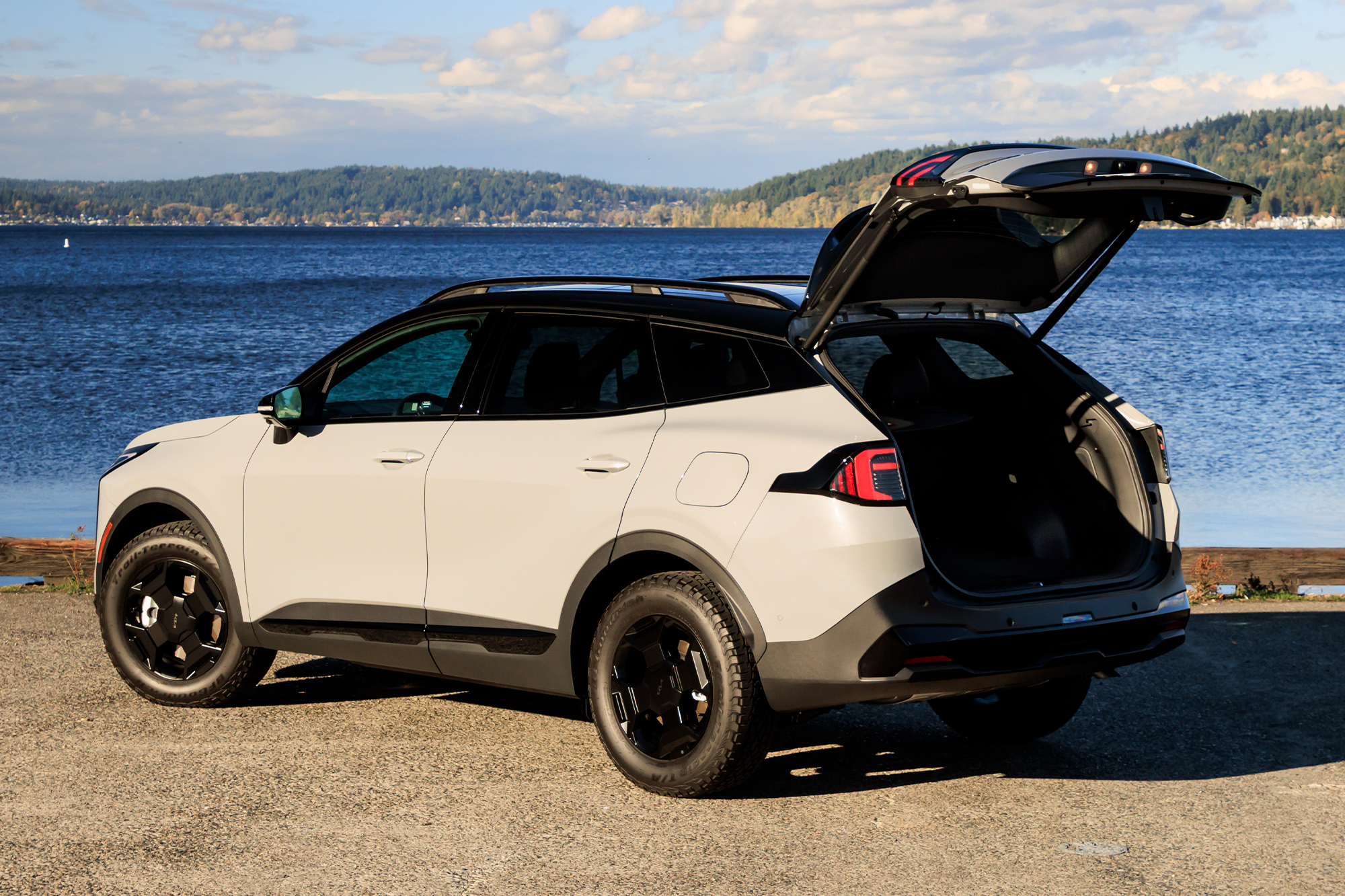
Subcompact SUVs are the fastest-growing slice of the mainstream market. Kicks, Venue, Crosstrek, HR-V, Trax usually $23,000 to $32,000 out the door. They look like the frugal choice. The data says they are only mid-table.
AAA places subcompact SUVs at 71.68 cents per mile, the third-highest driving costs in the study. That is roughly $10,752 a year at 15,000 miles.
Third-highest. For the second-smallest vehicle class on the list. The depreciation-versus-fuel gap explains why. Subcompact SUVs depreciated $3,293 a year while consuming 12.12 cents per mile in fuel about $1,818 annually.
Depreciation ran 1.81 times fuel. And note something odd about that fuel figure. Subcompact SUVs burned more fuel per mile than medium sedans in that comparison. Taller bodies, worse aerodynamics, and all-wheel-drive take-rates do that.
So buyers accept a fuel penalty relative to a bigger sedan. Then they pay a depreciation bill that is still nearly double the fuel bill. Why does a cheap crossover shed so much value? Volume and incentives.
These are high-production, heavily discounted vehicles with thin standard equipment. Used-market supply is enormous, which caps resale pricing.
Trim level matters more here than in any other category. A base model bought near MSRP often holds a better percentage than a loaded model bought with a large rebate.
The rebate flatters the purchase price. It does not flatter the trade-in three years later. At 2026 fuel prices, the subcompact SUV fuel line moves to roughly $2,400 a year. Depreciation still leads by roughly $900 to $1,000.
There is also an insurance and fees drag worth noting. In the prior year’s breakdown, subcompact SUVs carried $1,695 in full-coverage insurance and $625 in license, registration and taxes.
Combined, insurance plus fees nearly matched the fuel bill. Fuel is simply not the main event in this segment. The honest summary is this. A subcompact SUV is a packaging decision, not a savings decision. If the goal is low cost per year, the small sedan still wins on the numbers. The crossover premium shows up mostly as lost resale value.
4. Compact SUVs – America’s Default Car, and a Two-to-One Depreciation Gap
Compact SUVs are the centre of gravity of the US market. RAV4, CR-V, Equinox, Tucson, Rogue commonly $32,000 to $42,000 as equipped. AAA ranks them fourth in ownership costs at 77.80 cents per mile, and notes they boast the second-lowest fuel costs, thanks to two hybrids and one EV in the sample.
That is about $11,670 a year at 15,000 miles. Read that carefully. The category has the second-best fuel costs in the entire study and is still the fourth most expensive to own.
That is the whole thesis of this article in one line. Fuel efficiency does not rescue you from depreciation. The prior year’s split shows the mechanics. Compact SUVs depreciated $3,554 annually against 11.43 cents per mile in fuel, or roughly $1,715 a year.
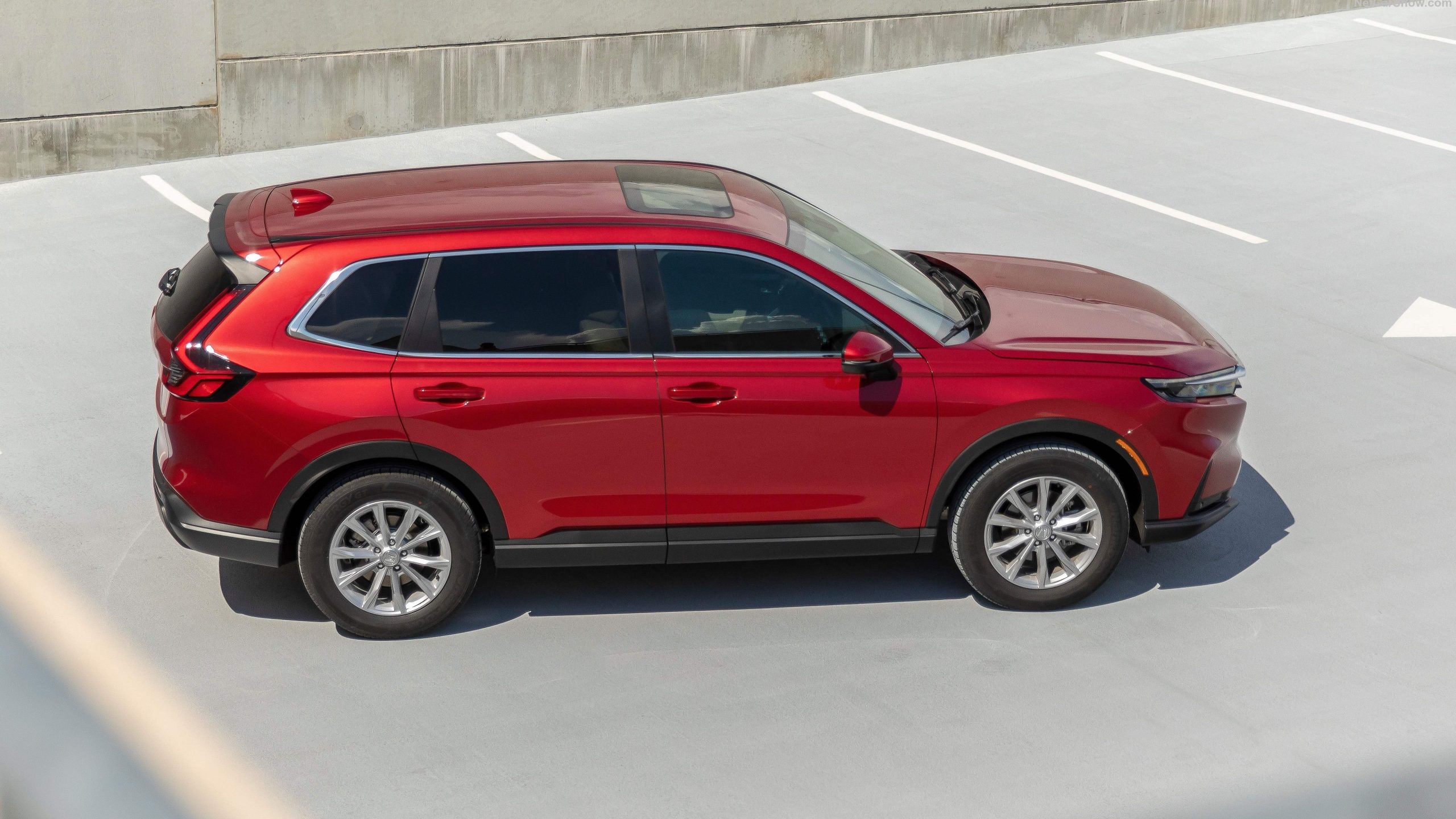
Depreciation ran 2.07 times the fuel bill. Same ratio as medium sedans, on a larger base. The powertrain data here is more forgiving than in sedans. Compact SUV depreciation ran $3,554 for gas, $3,865 for hybrid and $4,960 for electric versions.
The EV penalty is about $1,400 a year, not $3,600. Meaningfully smaller than the sedan gap. Fuel savings partly close it. Compact SUV fuel cost $1,714 a year for gas, $1,348 for hybrid and $739 for electric.
That is why AAA singles out the hybrid compact SUV as a genuine winner. Modest depreciation premium, real fuel saving, and no charging infrastructure required.
Now apply 2026 pricing. With gasoline up nearly a third, a gas compact SUV’s fuel line rises to roughly $2,250 a year. Depreciation still exceeds it by more than $1,300. Even in a bad fuel year, the resale column is the bigger number.
There is a buying implication specific to this segment. Compact SUVs are sold with heavy trim inflation sunroofs, larger wheels, leather packages, tech bundles.
Those options rarely return more than 20 to 30 cents on the dollar at trade-in. A $4,500 option package can quietly add $700 a year of depreciation. That single decision outweighs a lifetime of careful fuel-saving driving. It is made in ten minutes at a dealership desk.
5. Midsize Pickups – Second-Highest Fuel Bill, and Depreciation Still Wins
Midsize pickups are the Tacoma, Ranger, Colorado, Frontier and Gladiator set. Most transact between $38,000 and $52,000 once four-wheel drive and a decent trim are added.
AAA puts them at 87.26 cents per mile and notes they rank second-highest in fuel costs, behind only half-ton pickups, while ranking fifth in taxes, depreciation and finance costs. That is roughly $13,089 a year at 15,000 miles.
This is the toughest test case in the article. If fuel were ever going to beat depreciation, it would be here. These trucks are heavy, boxy and geared for towing. Real-world economy in the low-20s is normal, and many owners run premium-free but thirsty V6s.
At 2026 prices, a midsize pickup’s fuel bill realistically lands around $3,000 to $3,300 a year. That is a serious number roughly 60% more than a small sedan’s.
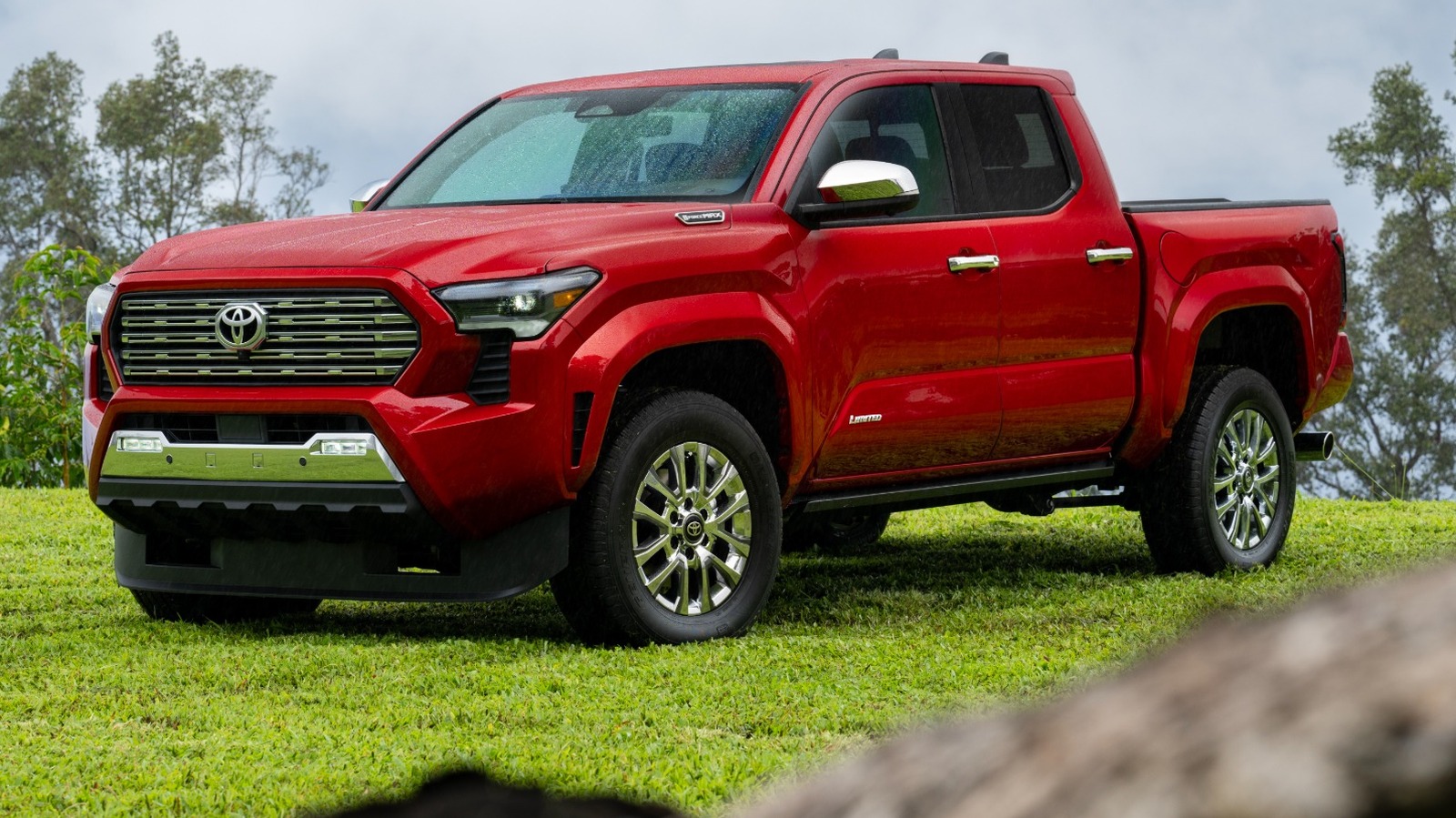
And it still loses to depreciation. AAA’s own ranking places midsize pickups fifth in depreciation out of seven categories, which on a $45,000 truck still implies roughly $3,800 to $4,300 a year of value loss.
Midsize pickups are the resale kings of the mainstream market. Toyota’s Tacoma in particular has held value better than almost anything else on four wheels for two decades.
That reputation is precisely why the gap here is narrow rather than absent. Strong residuals compress depreciation toward the fuel line. But compression is not reversal. Even best-in-class resale leaves depreciation as the largest single line item.
There is a second factor working against pickups generally. Purchase prices have risen far faster than in passenger-car segments. A truck that stickered at $32,000 in 2019 commonly stickers above $45,000 today. Percentage resale can stay flat while dollar depreciation climbs sharply.
That is the trap in “trucks hold their value.” Holding 60% of a $50,000 truck loses more money than holding 45% of a $28,000 sedan. Percentages feel reassuring. Dollars are what leave your account.
For buyers, the actionable move is trim discipline. Mid-grade four-wheel-drive configurations in common colours resell far better than heavily optioned niche builds.
6. Medium SUVs – The Family Default With the Second-Worst Total Cost
Medium SUVs are the three-row family staple. Highlander, Pilot, Telluride, Explorer, Grand Cherokee routinely $42,000 to $58,000 in the trims families actually buy.
AAA calls them a popular choice for families and others who need to transport lots of people or cargo, ranking them the second-most expensive category to own and operate, behind only half-ton pickup trucks, at 96.32 cents per mile. That is roughly $14,448 a year at 15,000 miles.
Almost $1,600 a year above the all-category average. And these are not luxury vehicles. The prior year’s breakdown shows the split clearly. Medium SUVs depreciated $4,760 a year while burning 14.65 cents per mile in fuel, roughly $2,198 annually. Depreciation ran 2.17 times the fuel bill. The widest ratio among the mainstream passenger categories.
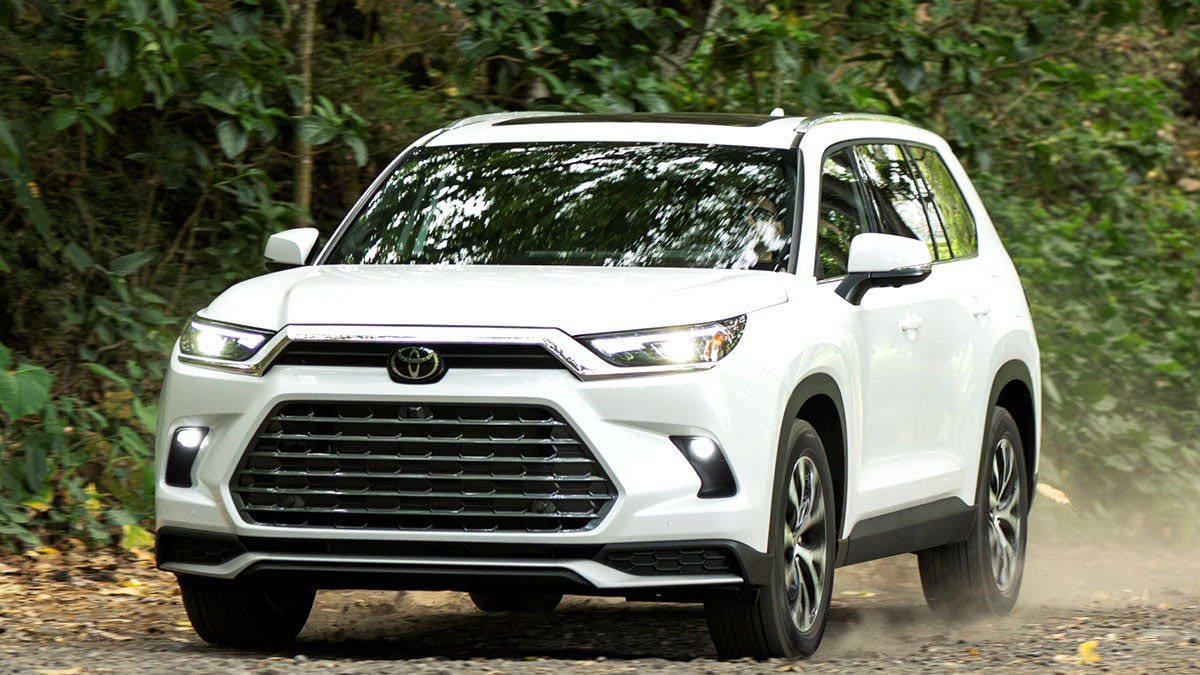
The powertrain comparison holds the same shape. Medium SUV depreciation ran $4,760 for gas, $5,198 for hybrid and $5,936 for electric versions, against annual fuel costs of $2,198, $1,631 and $862, respectively.
The electric version saves about $1,340 in fuel. It gives back about $1,176 in extra depreciation. That is close to a wash, before you account for higher finance charges on a higher purchase price. Which is exactly why AAA’s 2026 end favours hybrids in this class.
Why do medium SUVs depreciate so hard in dollar terms? Three reasons stack up. First, high transaction prices mean a large capital base exposed to decline. Second, these vehicles are typically bought loaded, and options depreciate faster than the vehicle itself.
Third, the used market for three-row SUVs is deep and competitive. Supply from lease returns and fleet sales is constant. At 2026 fuel prices, a medium SUV’s gas bill climbs to roughly $2,900 a year. Depreciation still exceeds it by around $1,800 to $2,000.
The family-budget implication is significant. Households in this segment often justify the purchase on practicality and safety, both fair reasons. But the cost conversation usually centres on mpg.
It should centre on which nameplate and trim will still be desirable in year five. A model with strong brand residuals can save a family $1,000 or more per year. No driving technique achieves that.
7. Half-Ton Pickups – The Most Expensive Category in America, by a Wide Margin
Half-ton pickups are the F-150, Silverado, Ram 1500, Tundra and Sierra. Popular trims routinely transact between $55,000 and $75,000. AAA assigns them $1.10 per mile the highest driving costs of any category in the study. That is roughly $16,500 a year at 15,000 miles.
The spread against the cheapest category is enormous. Half-ton pickups cost 48 cents more per mile than small sedans, adding an average of $7,191 per year.
Seven thousand dollars a year. That is a second car payment, paid invisibly. Fuel is genuinely expensive here. In AAA’s prior-year powertrain table, pickup fuel costs ran $2,676 a year for gas, $2,392 for hybrid and $1,174 for electric.
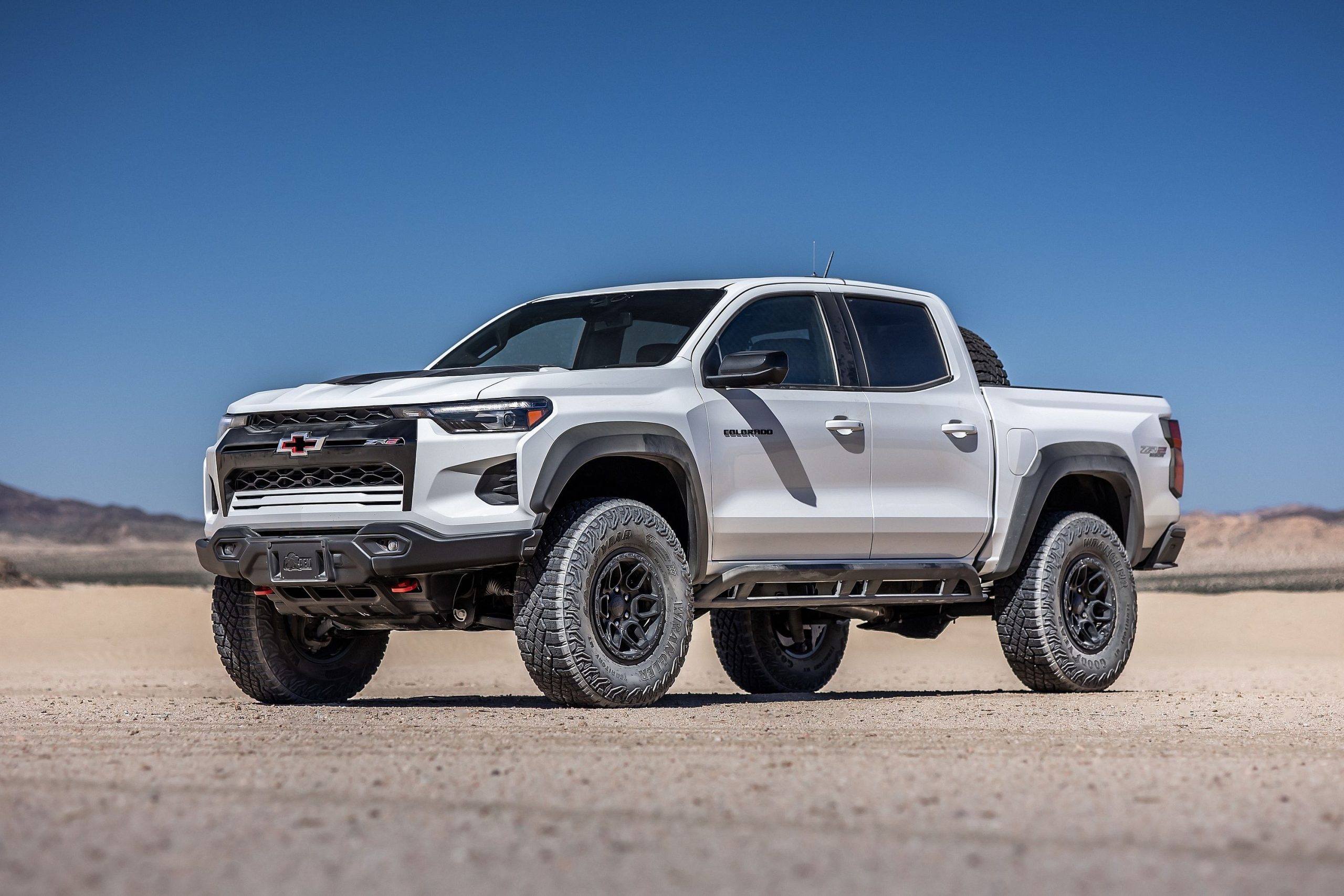
At 2026 gasoline prices, that gas figure climbs toward $3,500 a year. It is the largest fuel bill in the study. And it is still comfortably beaten. Pickup depreciation ran $6,041 a year for gas and electric models and $6,118 for hybrids.
Depreciation was roughly 2.26 times the fuel bill. On the thirstiest vehicles Americans buy. That is the strongest evidence in the entire dataset. If a full-size truck at $4.15-a-gallon gasoline cannot make fuel the top expense, nothing can.
The fee and financing burden compounds it. License, registration and taxes ran $1,098 a year for a gas pickup and $1,452 for an electric one. AAA’s 2026 average finance cost is $1,184 a year based on a five-year loan with 15% down at the national average rate, and half-ton trucks sit well above that average because the amounts financed are so large.
Insurance averages $2,098 a year across the study, and trucks sit above the mean there too. There is a specific trap in this segment. Truck buyers often justify a purchase with towing capacity used a handful of weekends a year.
The depreciation meter runs all 365 days. A $65,000 truck losing $6,000 a year costs roughly $16 every single day before it moves. The practical defence is buying to actual use. A midsize truck or a rented trailer covers most real needs at a fraction of the annual value loss.
